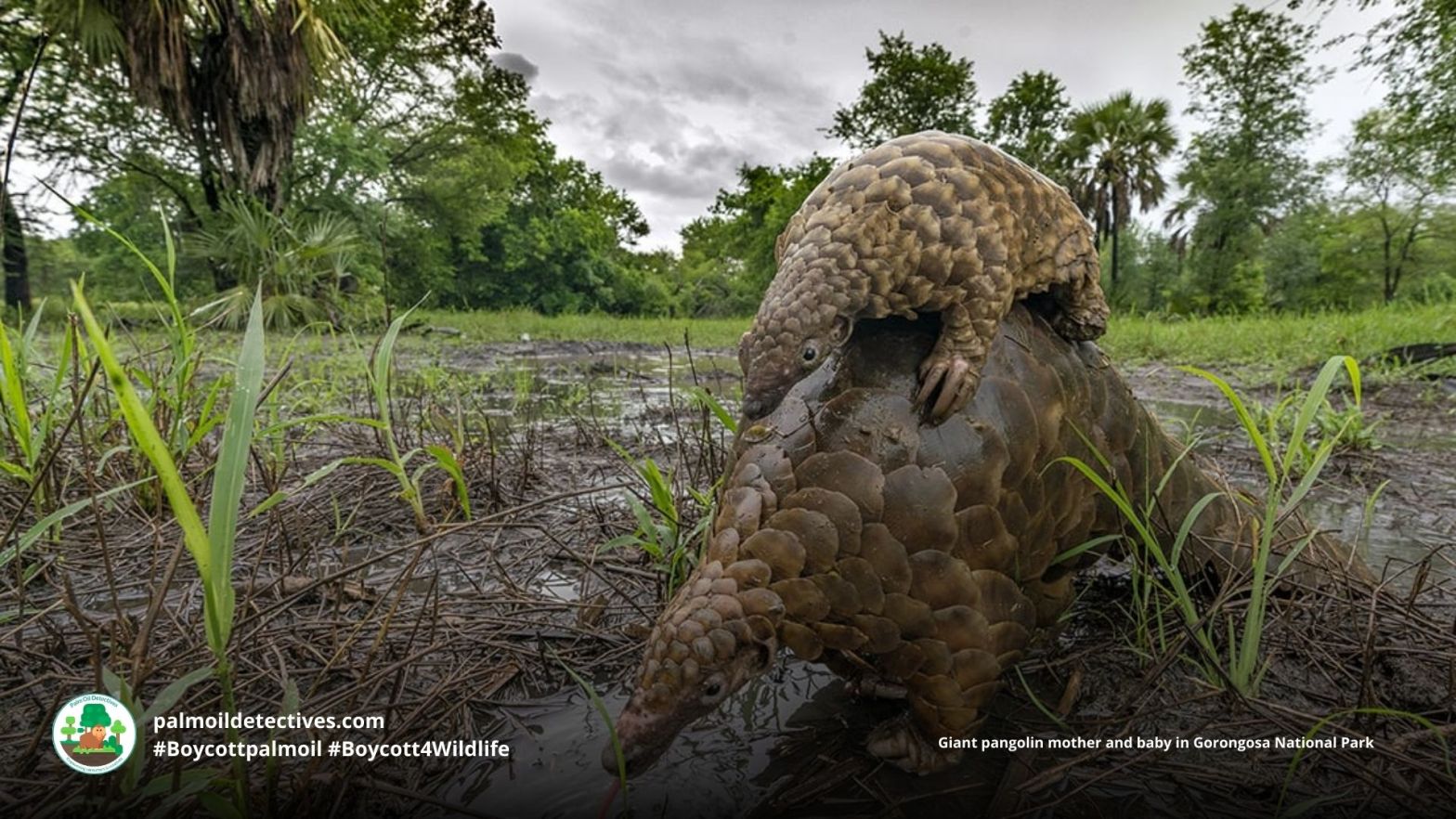
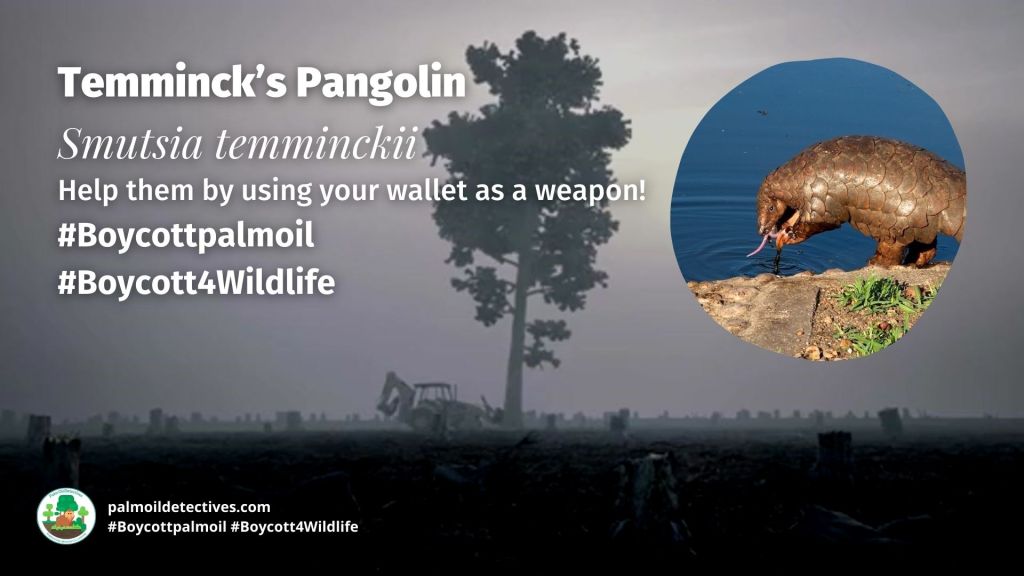
Pangolins are one of the most illegally trafficked animals on the planet and are suspected to be linked to the current coronavirus pandemic. Pangolins are also one of the world’s most threatened species but new efforts are underway to reintroduce pangolins to parts of Africa where the animal has been extinct for decades. Help these remarkable armoured wonders to survive and call out wildlife trafficking when you see it online, also #BoycottPalmOil 🌴🪔🚜🔥☠️⛔️ #Boycott4Wildlife in the supermarket!
#Pangolins are the most trafficked #animals in the world. Work is underway now to reintroduce them to parts of #Africa where they’ve been #extinct for decades. Fight their extinction #BoycottPalmOil 🌴🪔🚜🔥☠️⛔️#Boycott4Wildlife @palmoildetect https://palmoildetectives.com/2022/07/12/back-from-extinction-a-world-first-effort-to-return-threatened-pangolins-to-the-wild/
A cute but threatened species
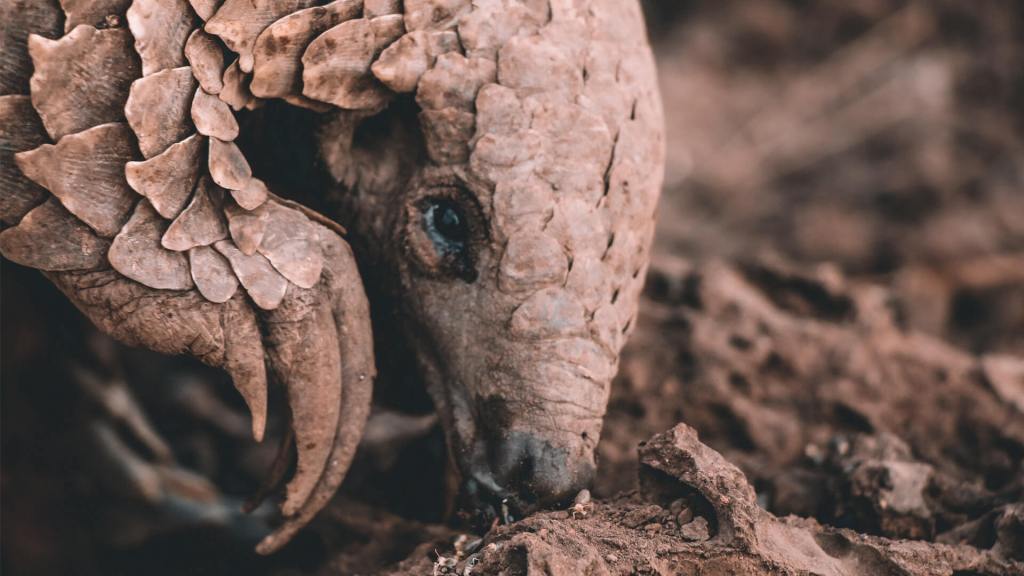
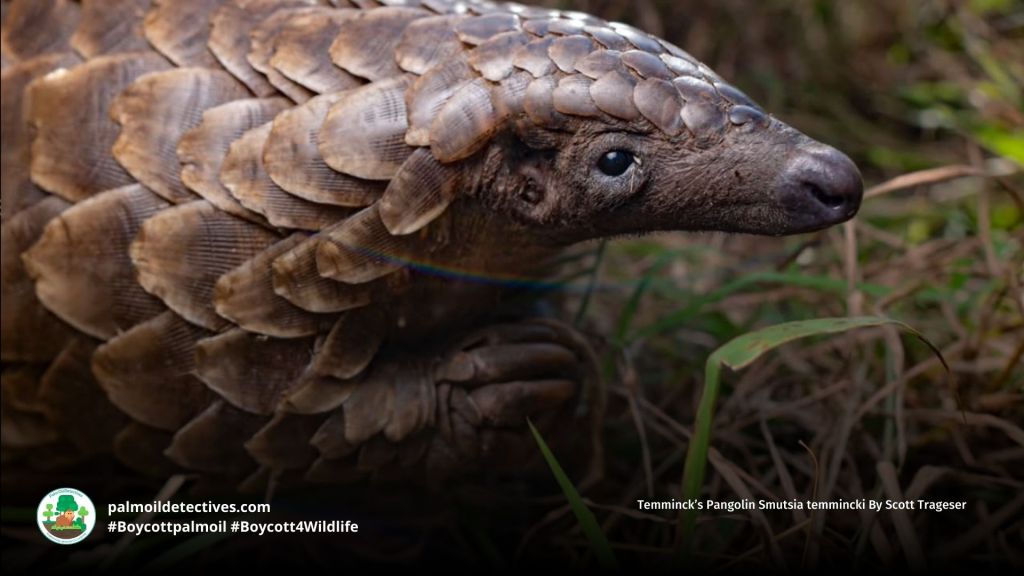
Pangolins are the only mammals wholly-covered in scales, which they use to protect themselves from predators. They can also curl up into a tight ball.

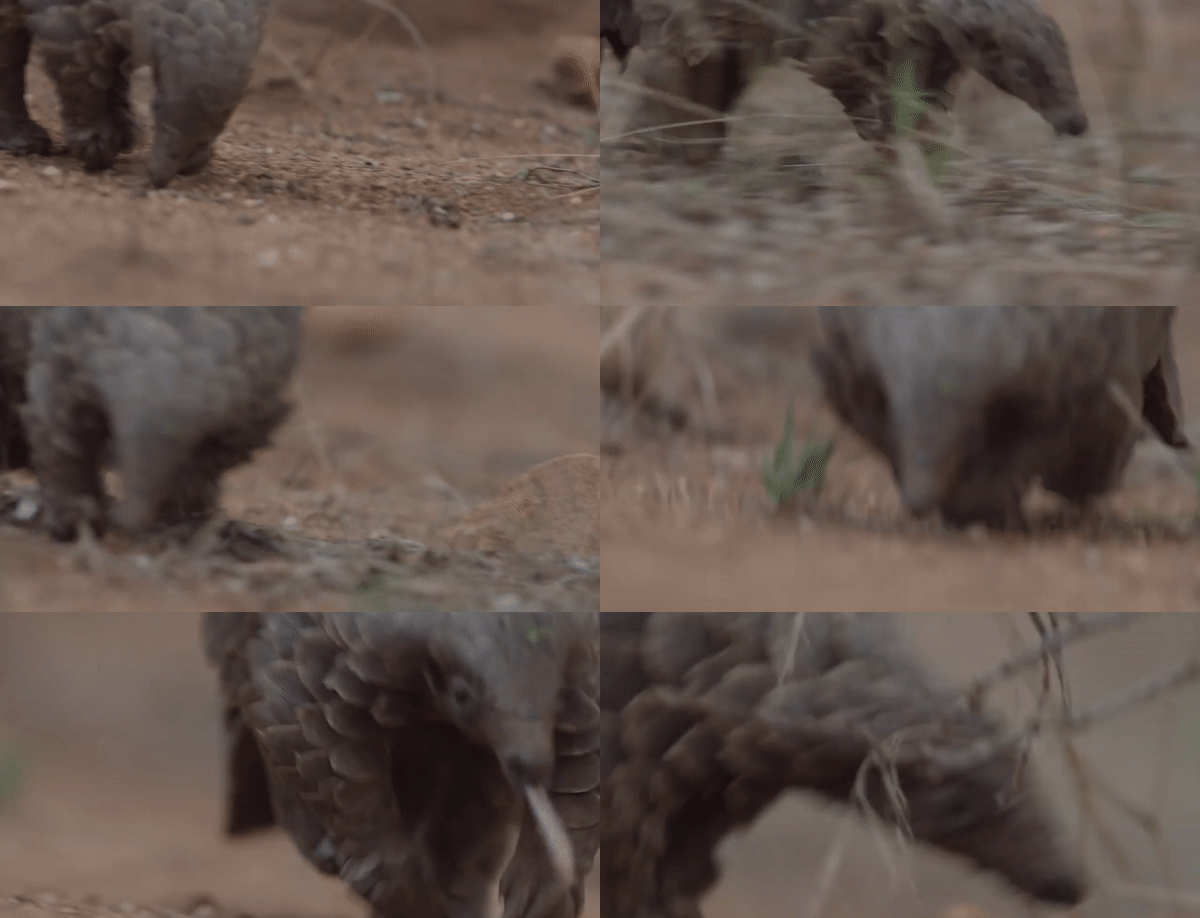
They eat mainly ants, termites and larvae which they pick up with their sticky tongue. They can grow up to 1m in length from nose to tail and are sometimes referred to as scaly anteaters.
But all eight pangolin species are classified as “threatened” under International Union for Conservation of Nature criteria.
There is an unprecedented demand for their scales, primarily from countries in Asia and Africa where they are used in food, cultural remedies and medicine.
Between 2017 and 2019, seizures of pangolin scales tripled in volume. In 2019 alone, 97 tons of pangolin scales, equivalent to about 150,000 animals, were reportedly intercepted leaving Africa.
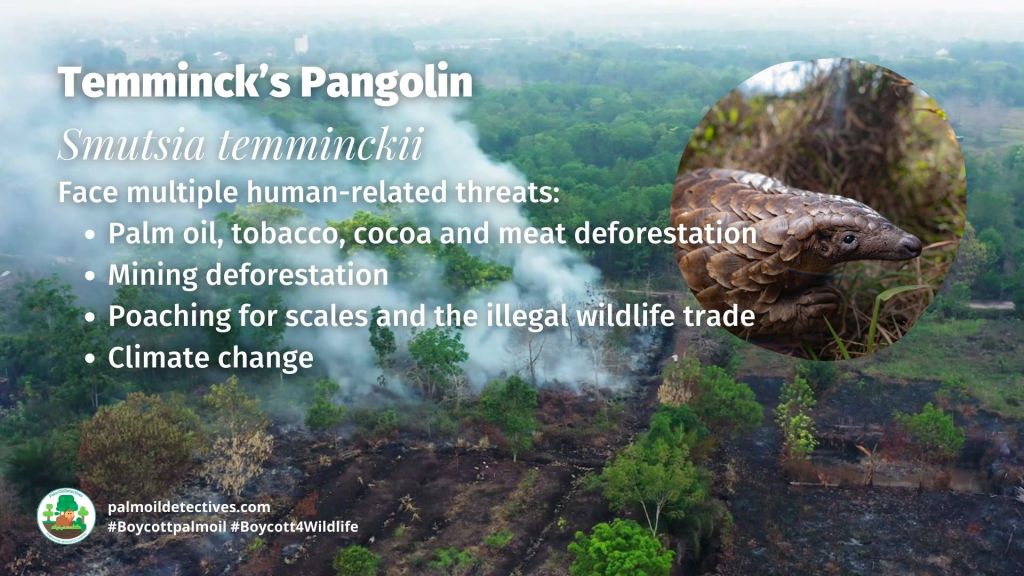
There is further evidence of the illegal trade in pangolin species openly on social media platforms such as Facebook.
The intense global trafficking of the species means the entire order (Pholidota) is threatened with extinction. For example, the Temminck’s pangolins (Smutsia temminckii) went extinct in South Africa’s KwaZulu Natal Province three decades ago.





Reintroduction of an extinct species
Each year in South Africa the African Pangolin Working Group (APWG) retrieves between 20 and 40 pangolins through intelligence operations with security forces.
These pangolins are often-traumatised and injured and are admitted to the Johannesburg Wildlife Veterinary Hospital for extensive medical treatment and rehabilitation before they can be considered for release.
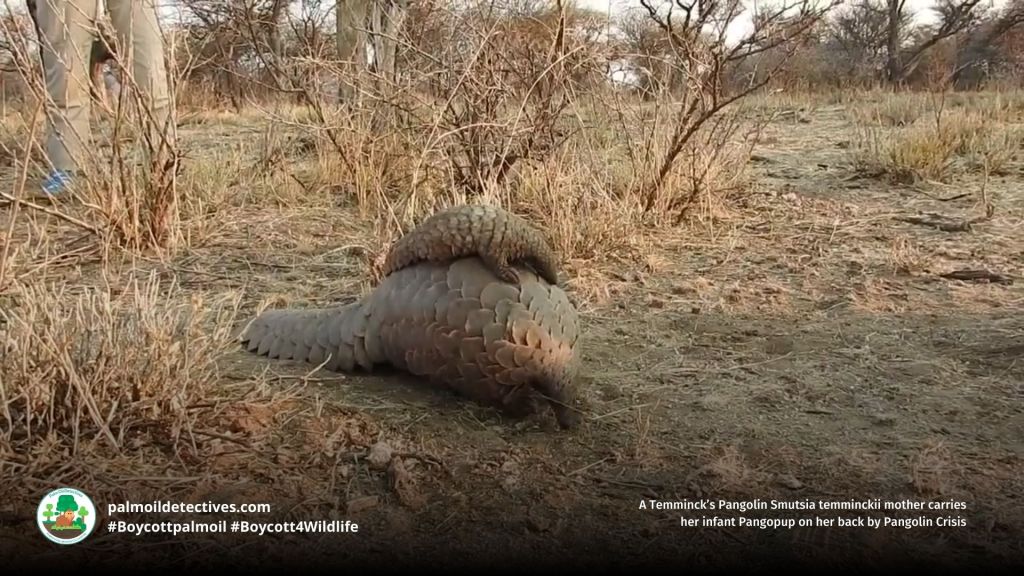
In 2019, seven rescued Temminck’s pangolins were reintroduced into South Africa’s Phinda Private Game Reserve in the KwaZulu Natal Province.
Nine months on, five have survived. This reintroduction is a world first for a region that last saw a viable population of this species in the 1980s.
During the release, every individual pangolin followed a strict regime. They needed to become familiar with their new surroundings and be able to forage efficiently.
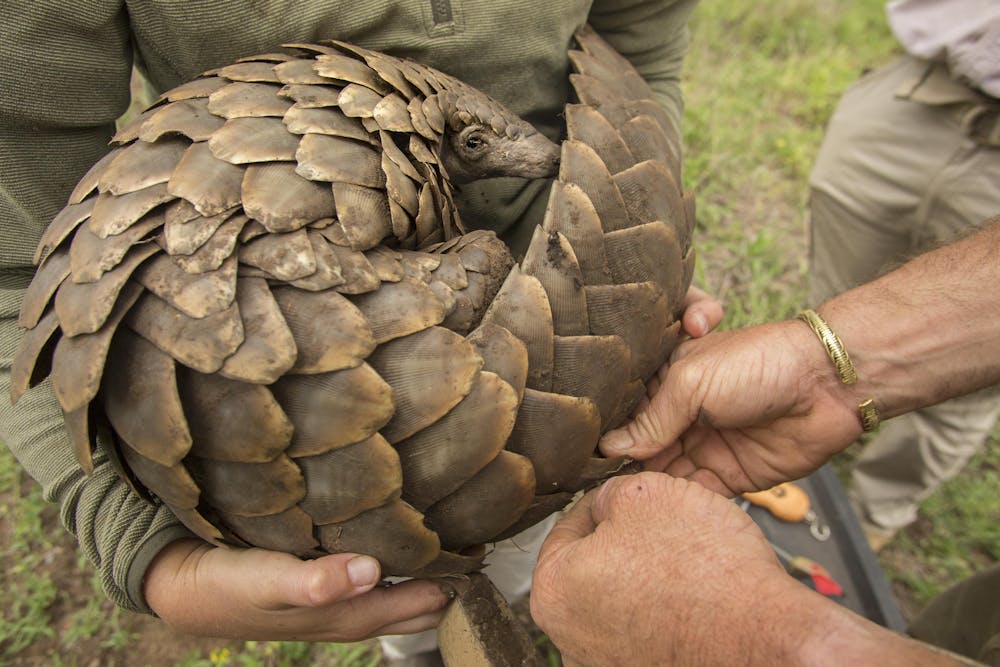
Previous releases, including early on in South Africa and in other countries such as the Philippines, the Democratic Republic of the Congo and Thailand had minimal post-release monitoring.
Pangolins released immediately following medical treatment had a low level of survival for various reasons, including inability to adapt to their release sites.
A ‘soft release’ in to the wild
The process on Phinda game reserve involved a more gentle ease into re-wilding a population in a region that had not seen pangolins for many decades.
The soft release had two phases:
- a pre-release observational period
- an intensive monitoring period post release employing GPS satellite as well as VHF tracking tags.
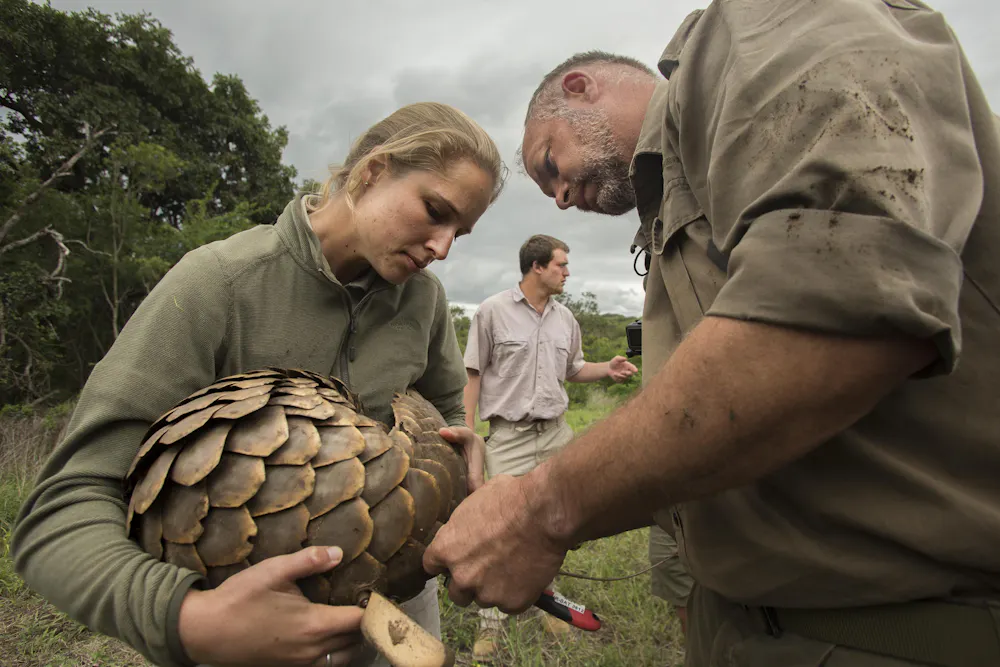
The pre-release period lasted between two to three weeks and were characterised by daily walks (three to five hours) of individuals on the reserves. These walks were critical for acclimatising individuals to the local habitat, its sounds, smells and possible threats. It also helped them source suitable and sufficient ant and termite species for food.
Following that, the post release period of two to three months involved locating released pangolins daily at first, and then twice per week where they were weighed, a rapid health assessment was made and habitat features such as burrows and refuges monitored.
Phinda reserve manager Simon Naylor said:
A key component of the post release period was whether individuals gained or maintained their weight.
The way the animals move after release also reveals important clues to whether they will stay in an area; if they feed, roll in dung, enter burrows. Much of this behaviour indicates site fidelity and habitat acceptance.
Alexander Richard Braczkowski, Griffith University; Christopher J. O’Bryan, The University of Queensland; Duan Biggs, Griffith University, and Raymond Jansen, Tshwane University of Technology
Following nine months of monitoring and tracking, five of the seven survived in the region. One died of illness while the other was killed by a Nile crocodile.

Why pangolin reintroduction is important
We know so little about this group of mammals that are vastly understudied and hold many secrets yet to be discovered by science but are on the verge of collapse.
The South African and Phinda story is one of hope for the Temminck’s pangolin where they once again roam the savanna hills and plains of Zululand.
The process of relocating these trade animals back into the wild has taken many turns, failures and tribulations but, the recipe of the “soft release” is working.
This article is republished from The Conversation under a Creative Commons license. Read the original article.
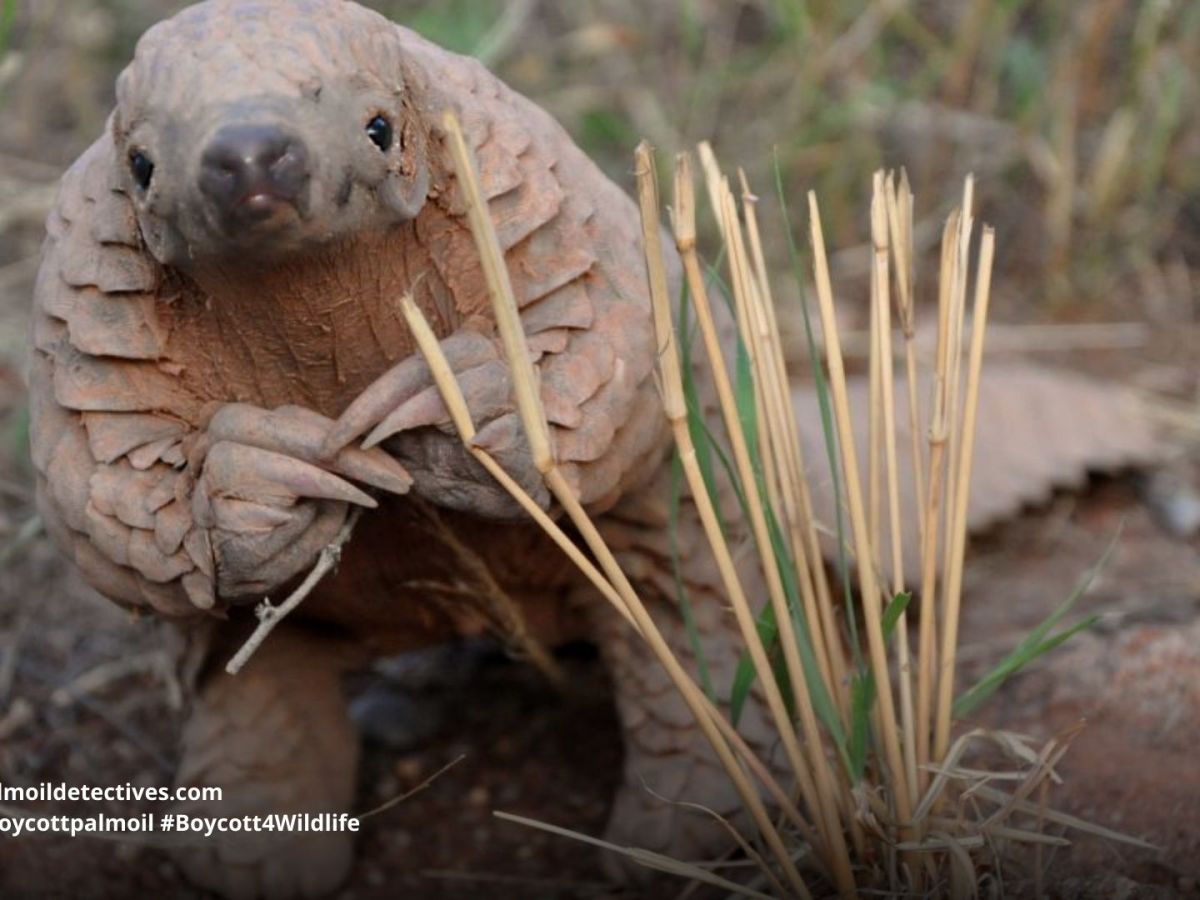
Why Pangolins Are So Special
Pangolins get their name from the Malay ‘pengguling’ meaning rolling up. These special critically endangered animals deserve a break from savage poaching
Keep reading
Giant Pangolin Smutsia gigantea
The Giant Pangolin is are the largest and heaviest of the pangolin species weighing up to 35 kilos. These majestic creature are cloaked in keratin armour and embark…
Keep reading

Sunda Pangolin Manis javanica
Sunda pangolins AKA Javan pangolins are capable swimmers and curl protective balls, palm oil and hunting exploitation are major threats, boycott palm oil!
Keep reading
Nigeria’s nature reserves need more help to protect biodiversity
Apart from conserving species, #wetlands help to control floods, replenish groundwater, stabilise shorelines, retain nutrients and purify water. The park will join Nigeria’s protected area of 445 forest…
Keep reading
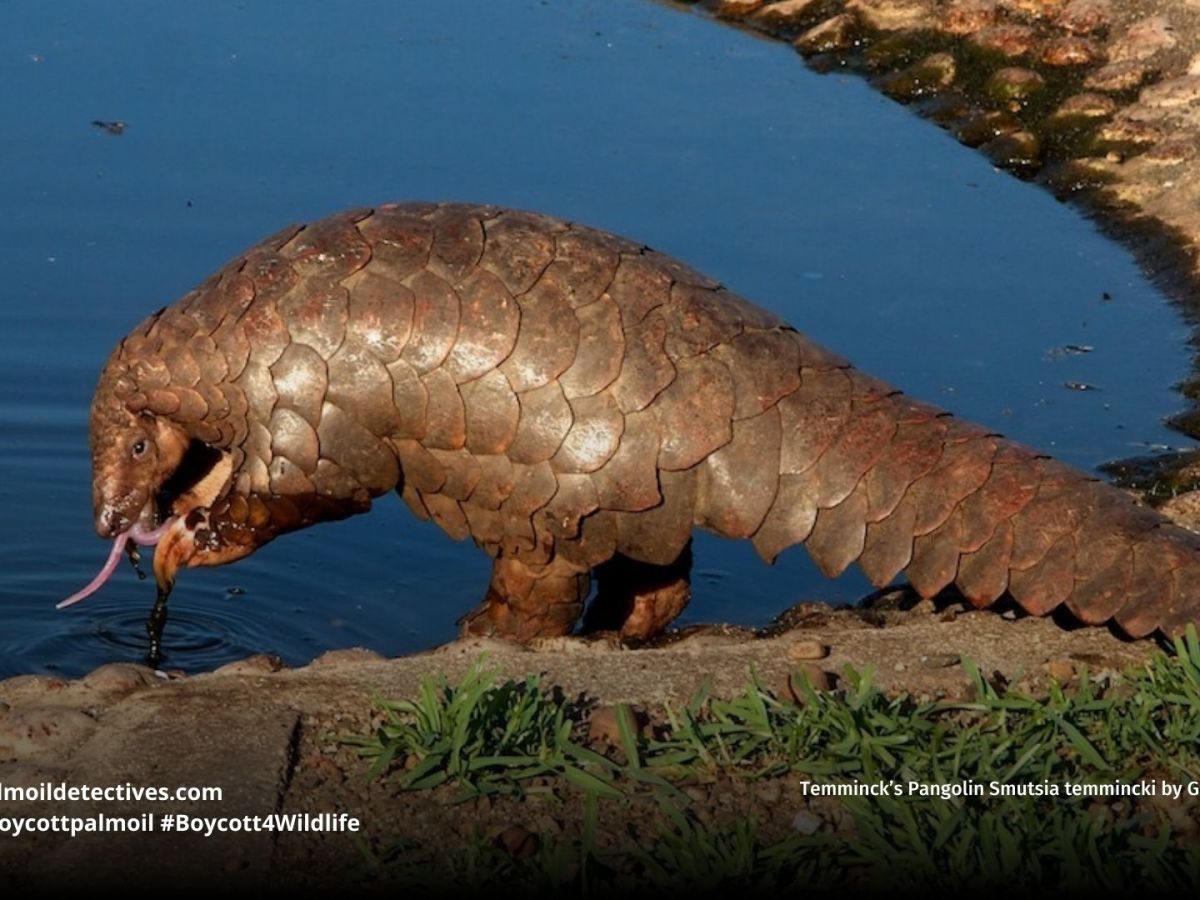
Temminck’s Pangolin Smutsia temminckii
The Temminck’s pangolin Smutsia temminckii is remarkable mammal. They are the second largest of the pangolin species and are reported to weigh between 12.5kg and 21 kilograms. They’re…
Keep reading

The Plight of the Pangolin
My favourite animal changes all the time. When I was younger, I cycled through various large, majestic cats such as tigers, jaguars and snow leopards. At one point,…
Keep reading
Something went wrong. Please refresh the page and/or try again.
How can I help the #Boycott4Wildlife?
1. Join the #Boycott4Wildlife: Share posts from this website to your own network on Twitter, Instagram and Facebook using the hashtags #Boycottpalmoil #Boycott4Wildlife.
2. Contribute stories: Academics, conservationists, scientists, indigenous rights advocates and animal rights advocates working to expose the corruption of the palm oil industry or to save animals can contribute stories to the website.
3. Supermarket sleuthing: Next time you’re in the supermarket, take photos of products containing palm oil. Share these to social media along with the hashtags to call out the greenwashing and ecocide of the brands who use palm oil. You can also take photos of palm oil free products and congratulate brands when they go palm oil free.
4. Take to the streets: Get in touch with Palm Oil Detectives to find out more.
5. Donate: Make a one-off or monthly donation to Palm Oil Detectives as a way of saying thank you or to help pay for ongoing running costs.
Share palm oil free purchases online and shame companies still using dirty palm oil!
Don’t forget to tag in #BoycottPalmOil #Boycott4Wildlife to get shared
Discover more from Palm Oil Detectives
Subscribe to get the latest posts sent to your email.
 Palm Oil Detectives