
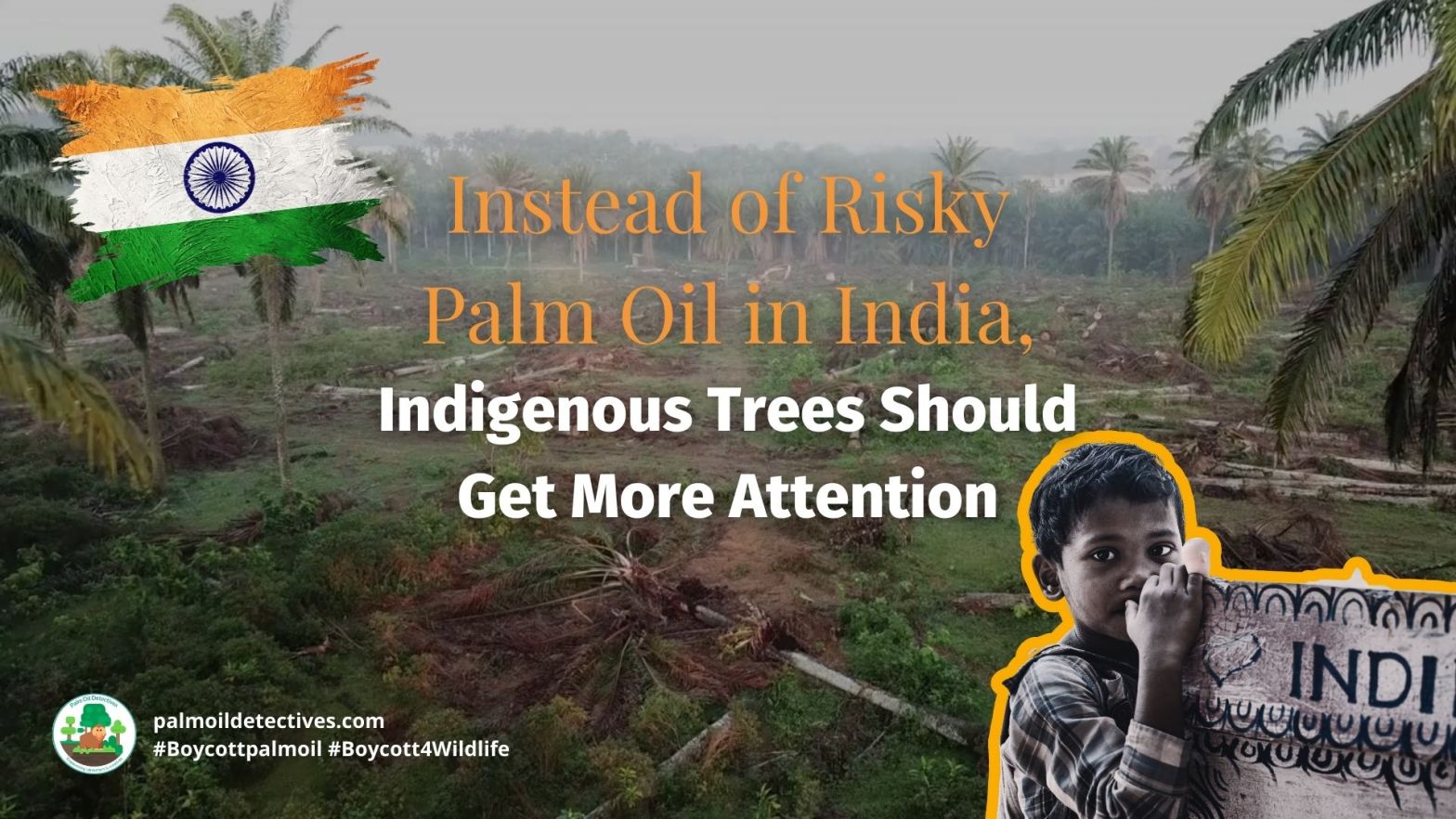
In an effort to combat #India’s edible oil shortage, the Indian government has heavily promoted the cultivation of exotic palm oil trees. This is a decision mired in controversy due to the associated severe ecological repercussions witnessed in other nations. The thirst for high rainfall, crucial for palm oil’s yield, threatens India’s already dwindling groundwater reserves. Notably, proposals to introduce palm oil in the ecologically sensitive regions of Assam and the North East have sparked significant backlash. Writer Bharat Dogra advocates for a shift in focus, suggesting that the solution may lie in harnessing the potential of indigenous trees capable of producing oilseeds for edible oil.
#India is turning towards #palmoil growth is a massive mistake for local #biodiversity #landrights and #climatechange, resist and #Boycottpalmoil #Boycott4Wildlife @palmoildetect https://palmoildetectives.com/2023/09/24/instead-of-risky-palm-oil-in-india-indigenous-trees-should-get-more-attention/
Article originally published in Countercurrents on 18th June, 2023. Written by Bharat Dogra is Honorary Convener of the campaign to Save Earth Now. His recent books include India’s Quest for Sustainable Farming and Healthy Food, Man over Machine and Planet in Peril.
Recent government policy has resorted to huge promotion of exotic palm oil trees to end edible oil shortage in India. However, this is associated with highly disruptive ecological costs, as has been seen from the experience of several countries.
The kind of high rainfall conditions needed for its high yield are not readily available in India and this will lead to heavy extraction of already scarce groundwater. Plans for large-scale introduction of palm oil in India’s ecologically fragile regions of Assam and the North East have already faced much criticism.
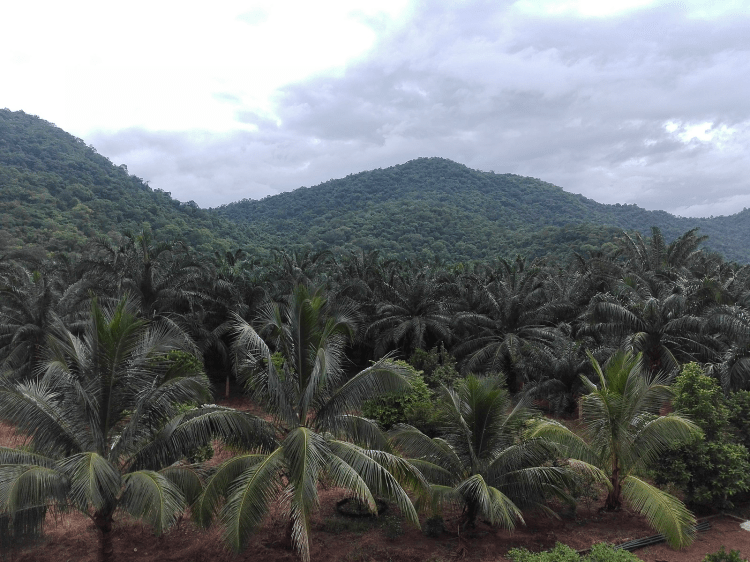
A better option would be to explore the potential of several indigenous trees which yield oilseeds from which edible oil can be obtained.
There are several such indigenous trees which can provide edible oils, such as mahua, karanj, sal, kokum, kusum etc. (not to mention coconut, which is already well established as a supplier of edible oil). Some of these trees are known and some are not so well-known and need to be explored further. The edible oil contained from some of these trees is known to be very good for nutrition and to be rich in poly unsaturated fats, important for nutrition.
Availability of edible oils can increase significantly even from already existing trees. However once this importance is realised and conscious efforts are made to increase these trees, then edible oil availability for domestic use ( particularly in tribal community areas) as well as for export markets for niche uses, including medicinal value, can increase even more significantly.
It will be a mistake to grow these trees as plantation crops. This will be harmful for biodiversity, environment and food security. It will be much better for all families in a tribal community to grow two additional such trees each on their land. In this way about two to four hundred additional oilseed trees can grow in each village, and about 200,000 villages in India are likely to be suitable for growing these trees.
Bharat Dogra
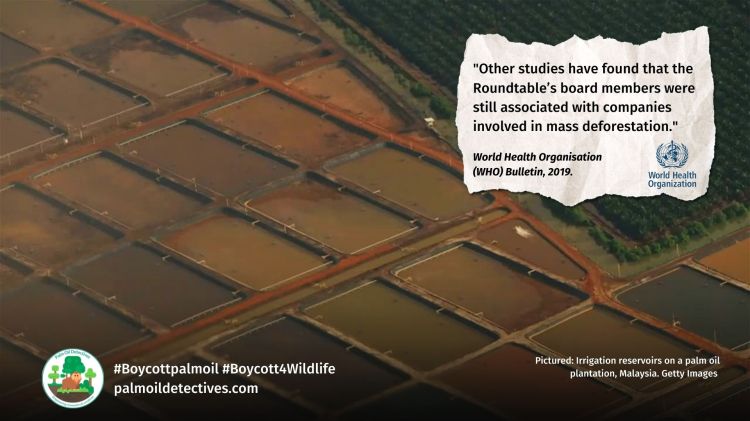
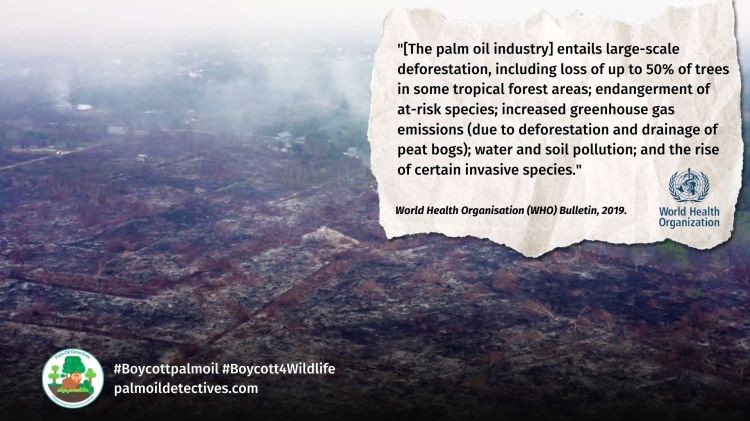
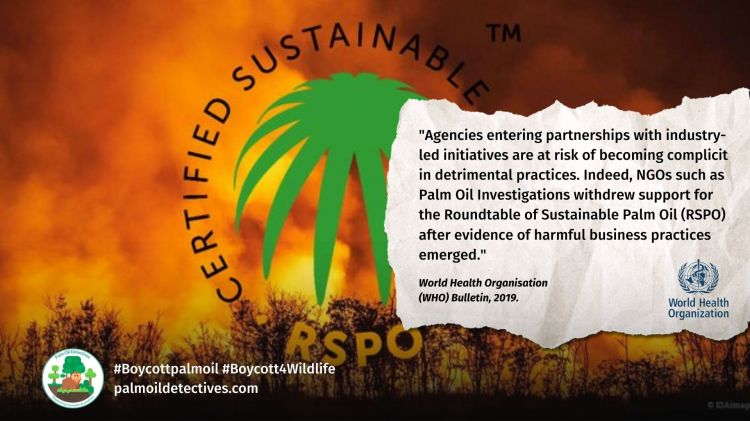
A 2019 World Health Organisation (WHO) report into the palm oil industry and RSPO finds extensive greenwashing of palm oil deforestation and the murder of endangered animals (i.e. biodiversity loss)


As almost all of these trees have multiple uses for their fruits, flowers, seeds, leaves etc., benefits for these farmers and villagers will be many. Mahua tree can provide very nutritious and filling food which is all the more useful in lean season and drought years, its fodder is also very useful while at the same time the use of its flower as an intoxicant should be minimised.
Cooperatives of farmers and villagers to collect tree oilseeds can be set up to ensure a fair price. However instead of selling these to big processors, value addition can be obtained by local processing.
Local processing units in all these villages should be set up, particularly to extract oil but also to process other produce of these trees. This local processing will generate more livelihoods, while the residue (after oil extraction) will provide nutritive feed for animals and organic fertiliser for farms.
The potential for this is the highest in tribal communities, but certainly potential exists in other villages also for various communities.
Isn’t it irrational that the authorities are ignoring this potential but instead going in for the ecologically disruptive option of palm oil plantation?
There are also trees like neem whose oil may not be used for cooking but has important medicinal uses. Then there are other trees which provide non-edible oil with several uses such as for soap making and can be used for cottage scale units of soap or other products of everyday use.
In addition there is much potential for better protection and improvement of coconut trees which have so many different uses apart from providing edible oils.
There is a strong case for giving much more attention to all indigenous trees which provide edible oils and for providing many more sustainable livelihoods on the basis of their various products including oilseeds, with the added caution that these indigenous trees should be grown not as big monoculture plantations but instead in their usual natural way co-existing with all biodiversity.
Article originally published in Countercurrents on 18th June, 2023. Written by Bharat Dogra is Honorary Convener of the campaign to Save Earth Now. His recent books include India’s Quest for Sustainable Farming and Healthy Food, Man over Machine and Planet in Peril.
ENDS
Read more about Indian animals threatened by palm oil deforestation in India
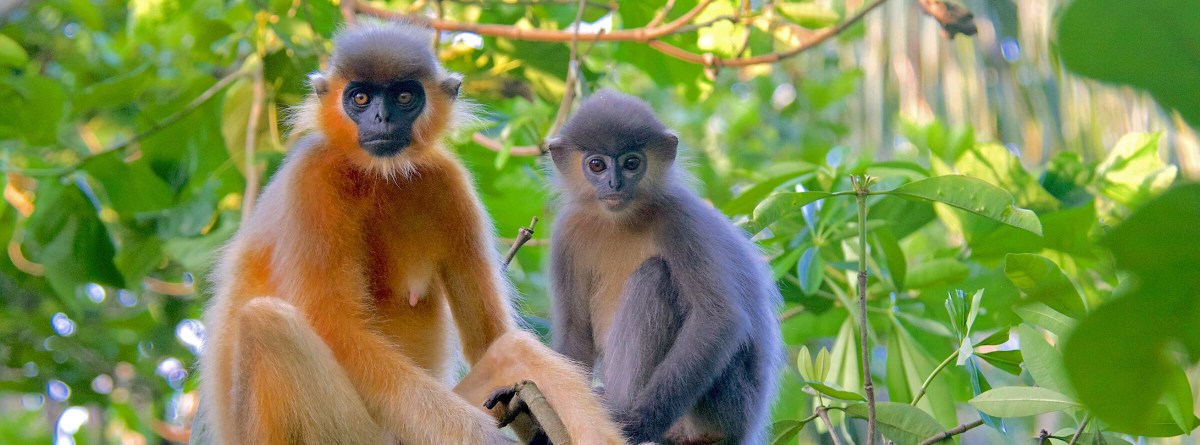
Beautiful and Doomed: Saving Bangladesh’s Langurs From Extinction
Critically endangered Phayre’s langurs and endangered capped langurs of Bangladesh, are interbreeding raising concerns about their survival, take action!
Read more
Capped Langur Trachypithecus pileatus
Capped langurs are found in India Bhutan Bangladesh and Myanmar, they are vulnerable from palm oil and other forms of deforestation. Take action for them!
Read more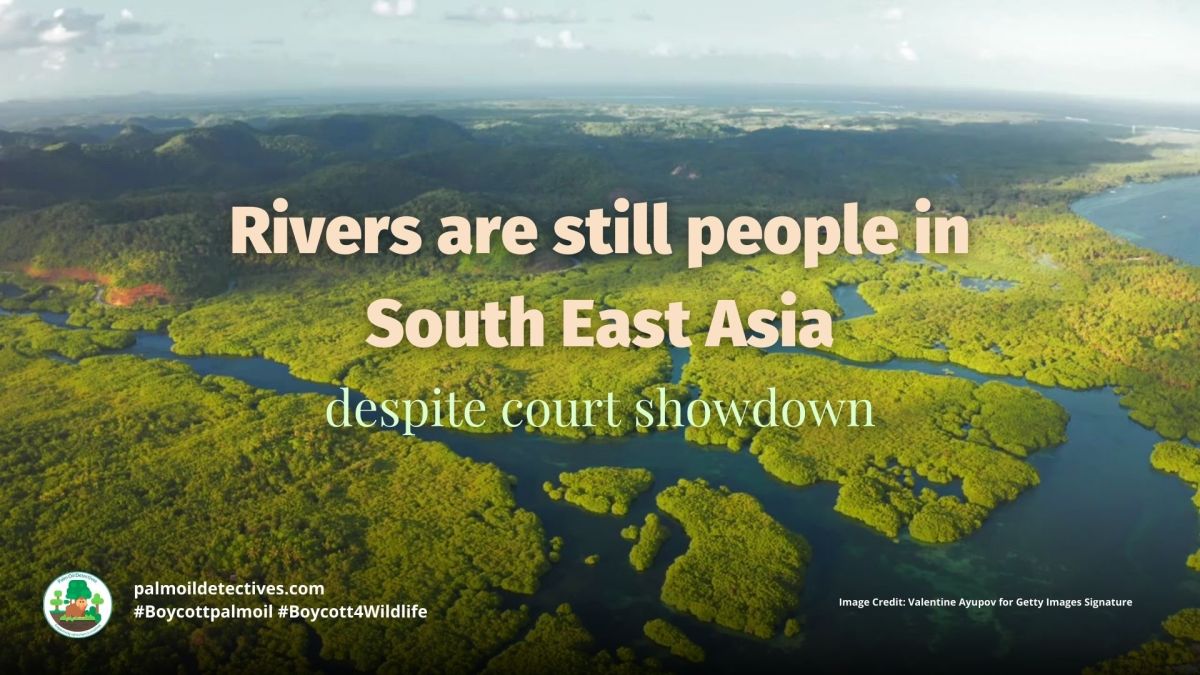
Rivers are still people in South East Asia despite court showdown
Healthy rivers are essential for community wellbeing. India and Bangladesh legally recognise rivers as natural persons with rights and powers. Take action!
Read more
Protecting India’s Tigers Saves One Million Tonnes of CO2
#India’s fifty year long Project #Tiger has been a successful conservation project. A new research study finds that protecting tigers and their rainforest home has additional benefits to #carbonemissions, saving 1 million tonnes…
Read more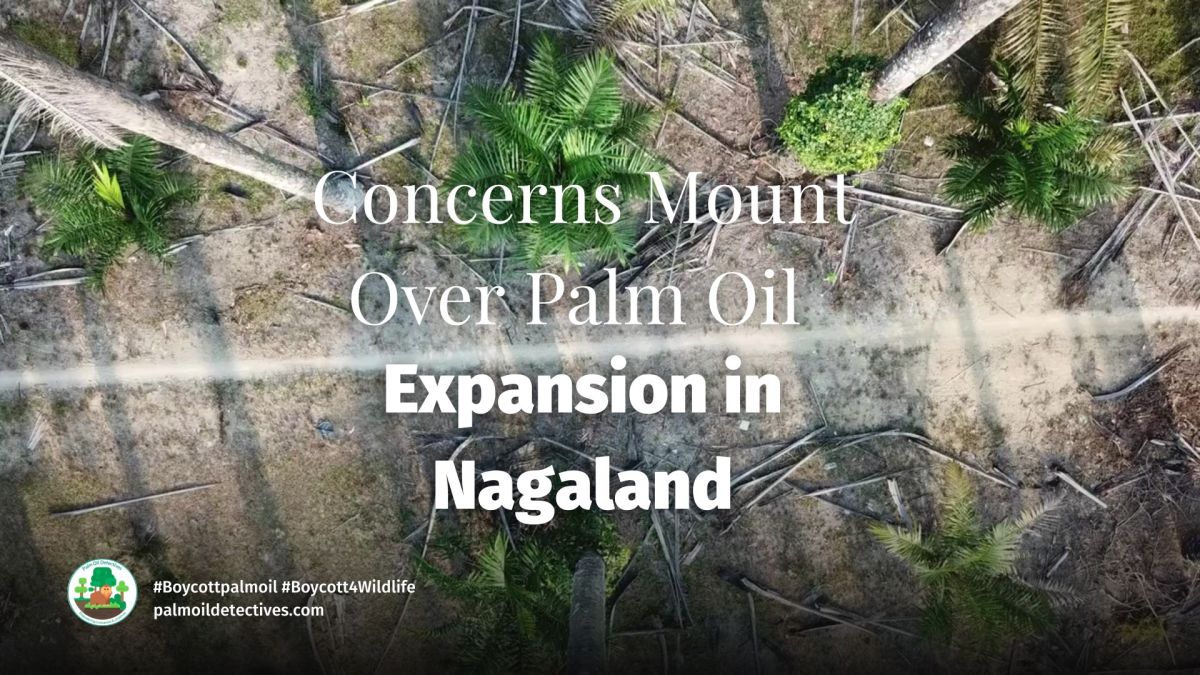
Concerns Mount Over Palm Oil Expansion in Nagaland
The NCCAF raises grave concerns over palm oil expansion in Nagaland, India with threats to deforestation, biodiversity, livelihoods. Take action!
Read more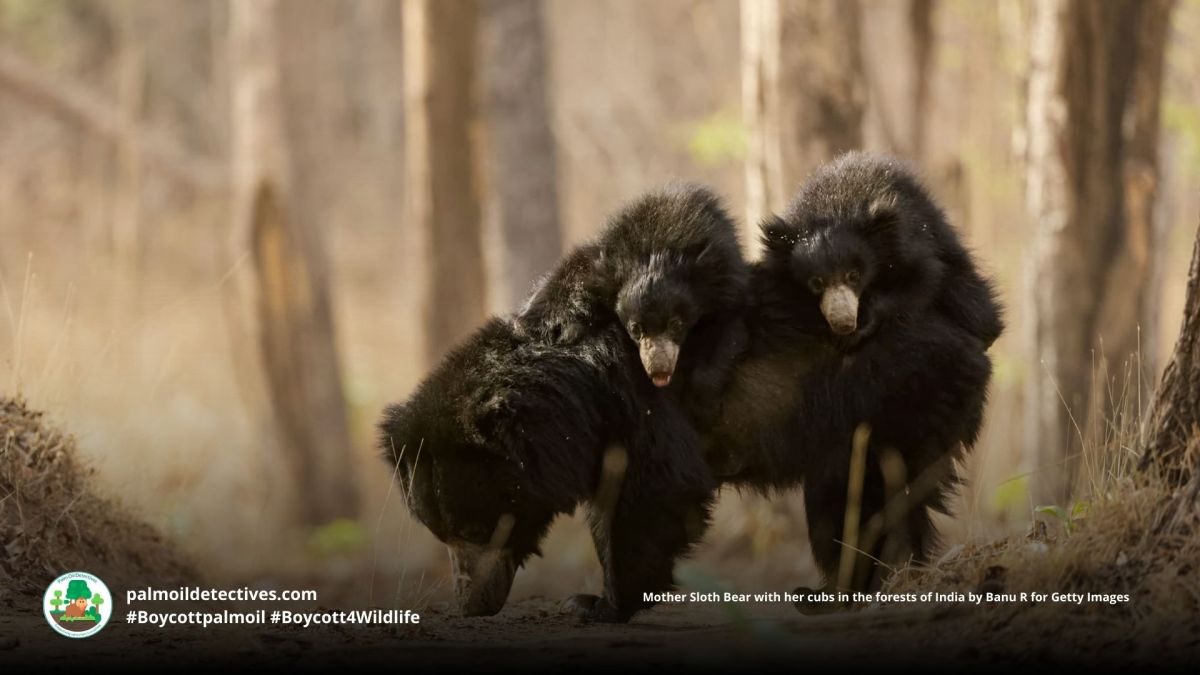
Sloth Bear Melursus ursinus
The sloth bear (Melursus ursinus), with their distinctive “Y” or “V” shaped chest patch and shaggy fur, are unique bears native to the Indian subcontinent. Once exploited as ‘dancing bears’ by the Kalandar…
Read more
Nicobar Long-Tailed Macaque Macaca fascicularis umbrosa
Discover the intriguing Nicobar long-tailed macaque, intelligent and highly social survivors on India’s islands, help them to survive and boycott palm oil!
Read more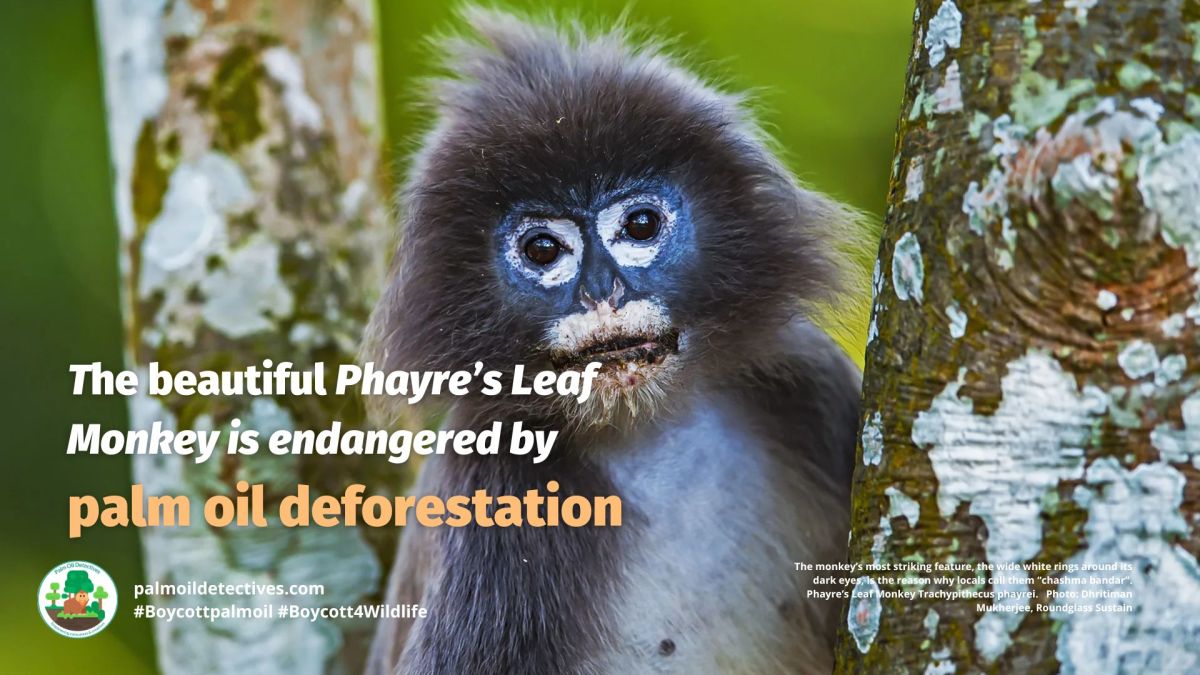
Phayre’s Leaf Monkey Trachypithecus phayrei
Phayre’s leaf monkey, also known as Phayre’s langur, are remarkable Old World monkeys distinguished by large, white-rimmed eyes that lend them a “spectacled” appearance. Known locally as ‘Chasma bandor’ they live mostly in…
Read more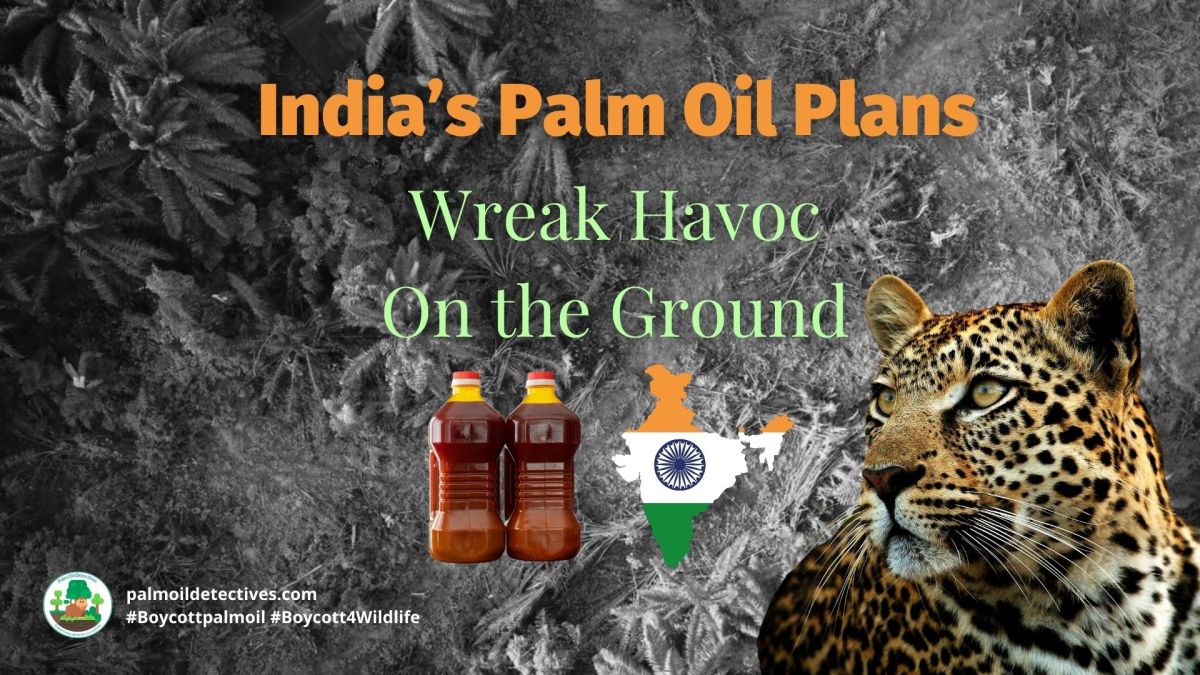
India’s Palm Oil Plans Wreak Havoc On The Ground
#India’s aggressive push for #palmoil plantations in #Nagaland, #Assam and #Mizoram is wreaking havoc on both the environment and local communities. The government plans to ramp up oil palm cultivation in the northeast,…
Read more
Irrawaddy Dolphin Orcaella brevirostris
Intelligent and social Irrawaddy dolphins, also known as the Mahakam River dolphins or Ayeyarwady river #dolphins have endearing faces. Only 90 to 300 are estimated to be left living in the wild. Their…
Read moreSomething went wrong. Please refresh the page and/or try again.
Take Action in Five Ways
1. Join the #Boycott4Wildlife on social media and subscribe to stay in the loop: Share posts from this website to your own network on Twitter, Mastadon, Instagram, Facebook and Youtube using the hashtags #Boycottpalmoil #Boycott4Wildlife.
2. Contribute stories: Academics, conservationists, scientists, indigenous rights advocates and animal rights advocates working to expose the corruption of the palm oil industry or to save animals can contribute stories to the website.





3. Supermarket sleuthing: Next time you’re in the supermarket, take photos of products containing palm oil. Share these to social media along with the hashtags to call out the greenwashing and ecocide of the brands who use palm oil. You can also take photos of palm oil free products and congratulate brands when they go palm oil free.
4. Take to the streets: Get in touch with Palm Oil Detectives to find out more.
5. Donate: Make a one-off or monthly donation to Palm Oil Detectives as a way of saying thank you and to help pay for ongoing running costs of the website and social media campaigns. Donate here
Discover more from Palm Oil Detectives
Subscribe to get the latest posts sent to your email.
 Palm Oil Detectives

Hi – it’s Alien Womble from twitter. Have just come out of my local Indian grocery on the ok West coast and they’ve got BOTTLES OF PALM OIL ON THE BLOODY SHELVES! Is that legal? Didn’t have phone with me to take photo but can go back in Mon and get one if needed. Thanks, Mandy.
LikeLiked by 1 person
Hi Mandy good to hear from you, its totally ridiculous. I would go back and definitely take a photo. I am assuming that they are Indians who run the shop, it might be worth going in there for a chat with them. Provide them with these links below about how growing palm oil is killing animals in their home country.
Many iconic animals are at risk of extinction in India if palm oil replaces indigenous oil seed crops that have been used for 1000’s of years in India.
Here’s some links:
Also here is a 7 min long video from an Indian current affairs programme which talks about the health risks to Indians who consume palm oil instead of other oils.
LikeLiked by 1 person
Thank you! Yeah I will take a photo. Thanks for all the help. I’ll get straight onto it tonight.
Mandy.
LikeLiked by 2 people
Very welcome dear friend
LikeLike