
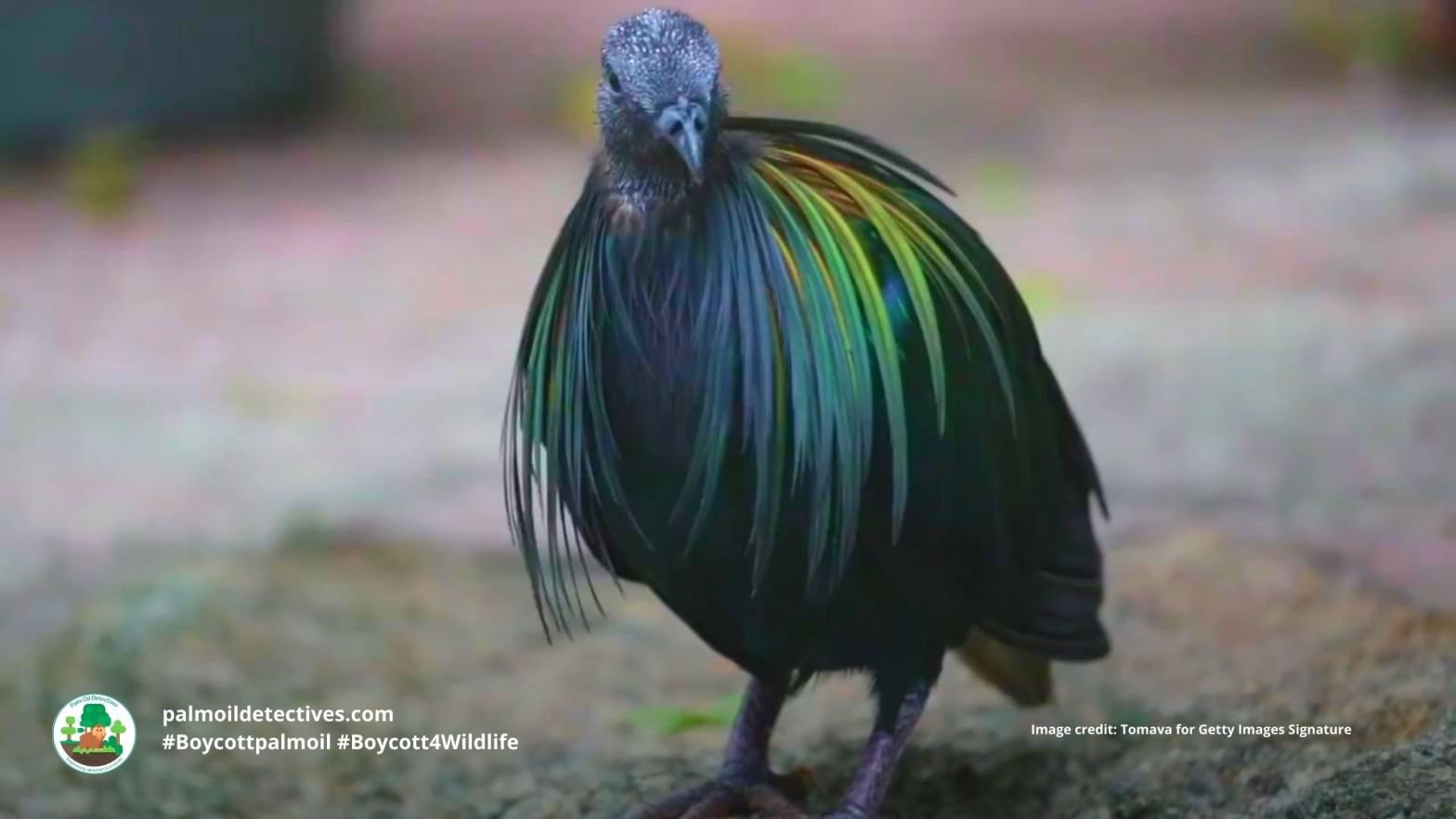
Nicobar pigeon Caloenas nicobarica
Near Threatened
Extant (resident)
India; Indonesia; Malaysia; Myanmar; Palau; Papua New Guinea; Philippines; Solomon Islands; Thailand; Vietnam
Extant (seasonality uncertain)
Cambodia
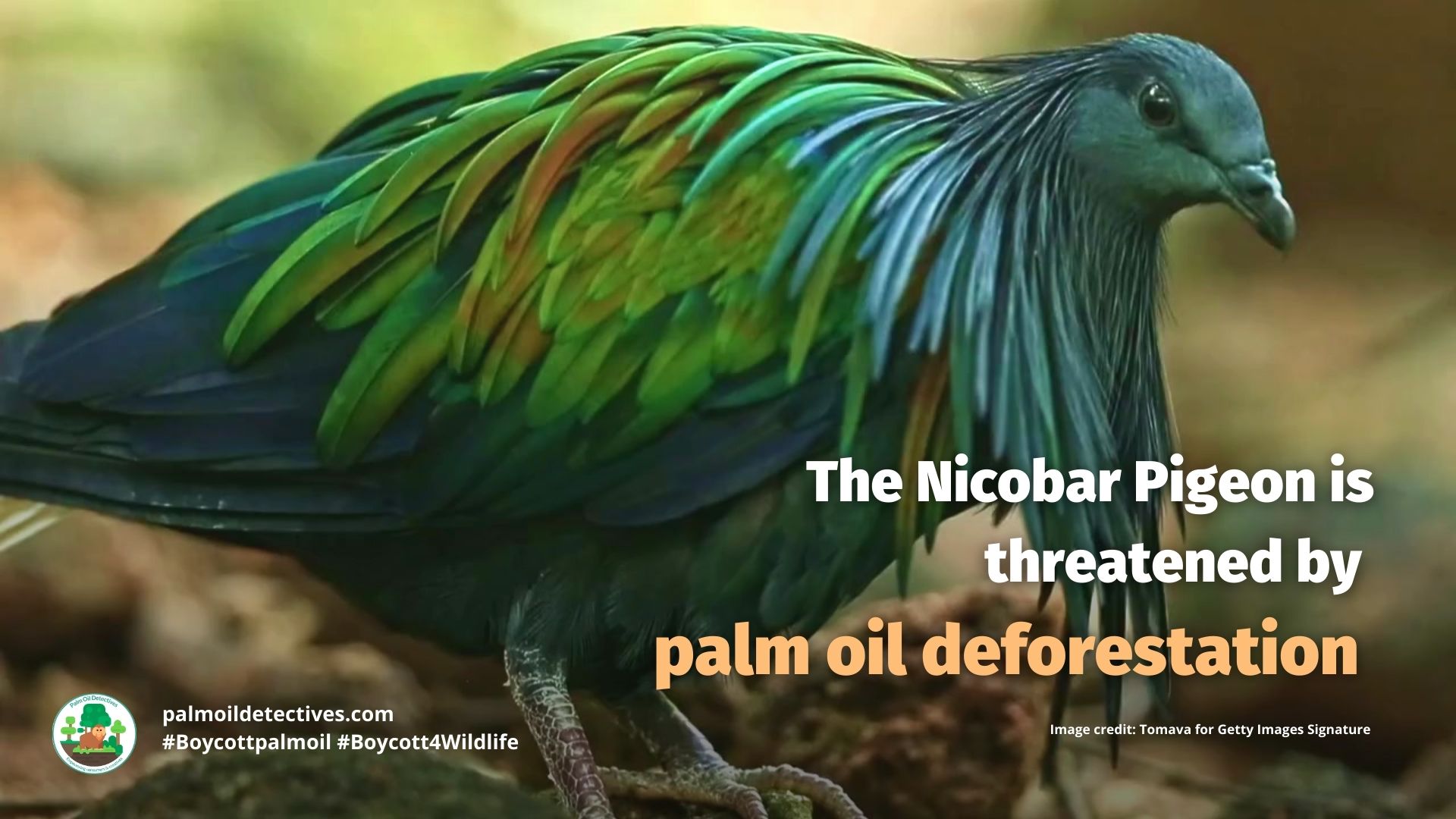
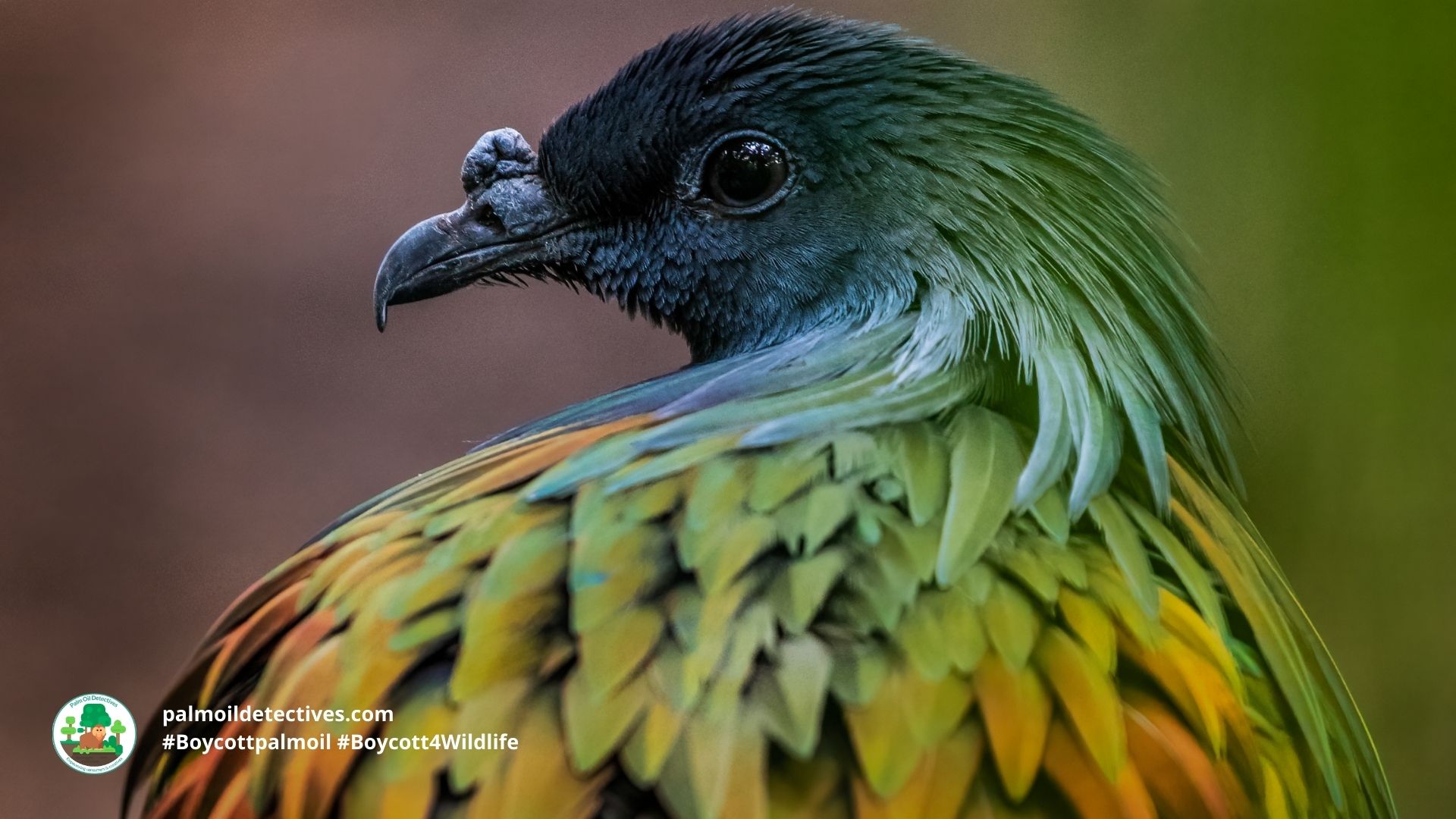
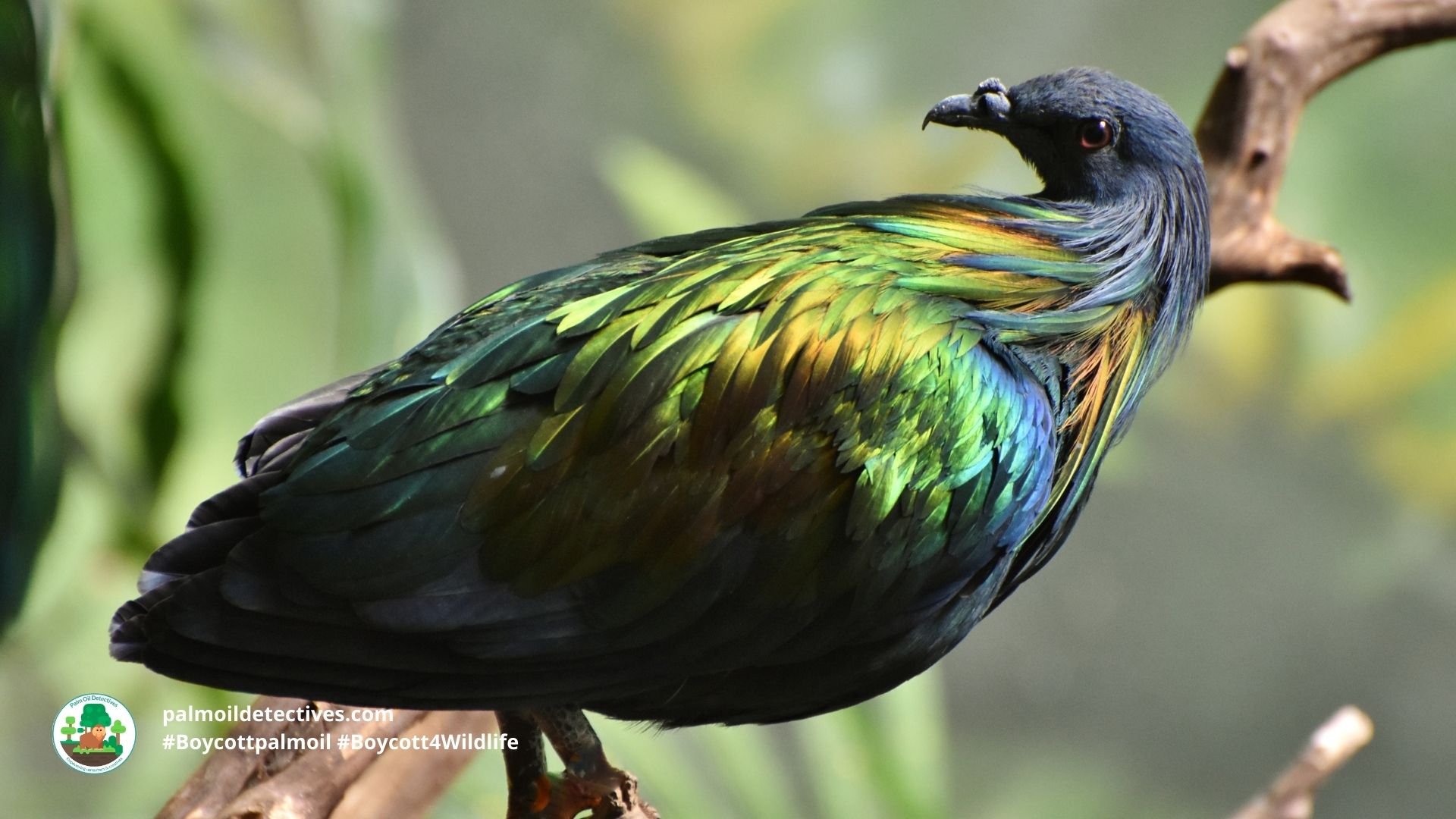
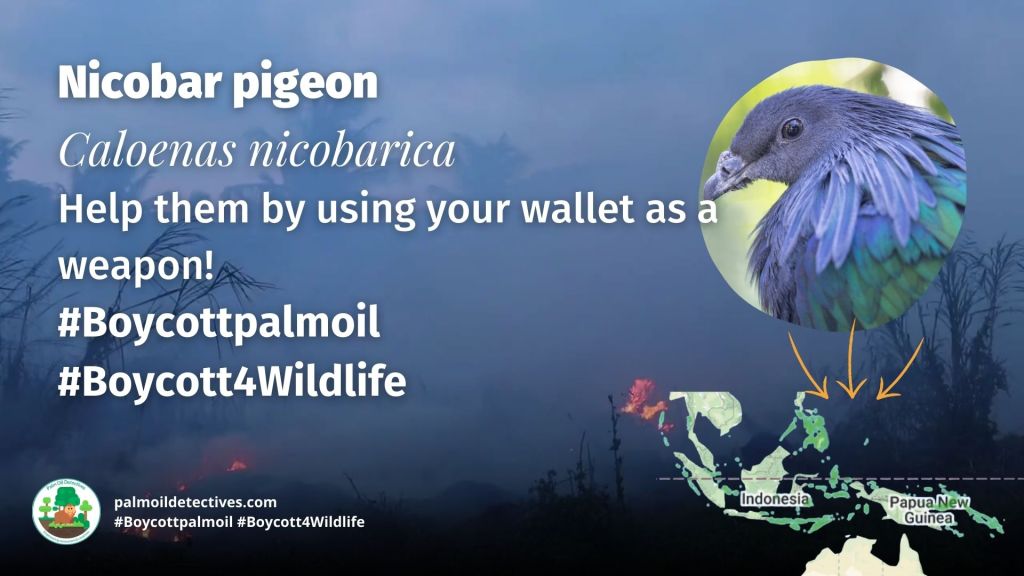
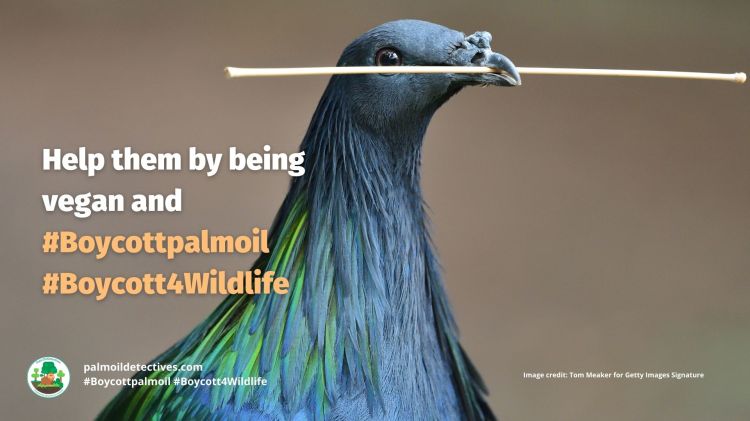
The Nicobar pigeon is the largest pigeon in the world and the closest living relative to the extinct dodo bird. They are famous for their gorgeous iridescent feathers. When threatened they make a pig-like grunt and are known for the strange way that they drink – by dunking their heads into water and sucking it up instead of sipping as other birds do. They are Near Threatened from palm oil deforestation on the Nicobar and Andaman Islands in #India along with hunting and the pet trade. Help their survival and #Boycottpalmoil #Boycott4Wildlife in the supermarket.
The #Nicobar #Pigeon 🪿🌈 is the largest, most colourful pigeon in the world. They are near threatened in #India by #palmoil #deforestation, #poaching and the #pet trade. Help them when u shop #Boycottpalmoil #Boycott4Wildlife 🌴🔥⛔️ https://palmoildetectives.com/2023/12/23/nicobar-pigeon-caloenas-nicobarica/ @palmoildetect
Nicobar #pigeons of #India have magnificent iridescent rainbow feathers 🏳️🌈. They are the closest living relative to the #extinct #dodo 🦤 Now threatened by #palmoil #deforestation. Help them survive! #Boycottpalmoil #Boycott4Wildlife 🌴🪔🚫 @palmoildetect https://palmoildetectives.com/2023/12/23/nicobar-pigeon-caloenas-nicobarica/
The closest living relative to the extinct Dodo bird, the Nicobar pigeon is the largest pigeon species in the world. They are coveted for their rainbow coloured feathers and live in the Andaman and Nicobar Islands in India, and coastal islands in the Malayan Archipelago and Solomon Islands.
Appearance & Behaviour
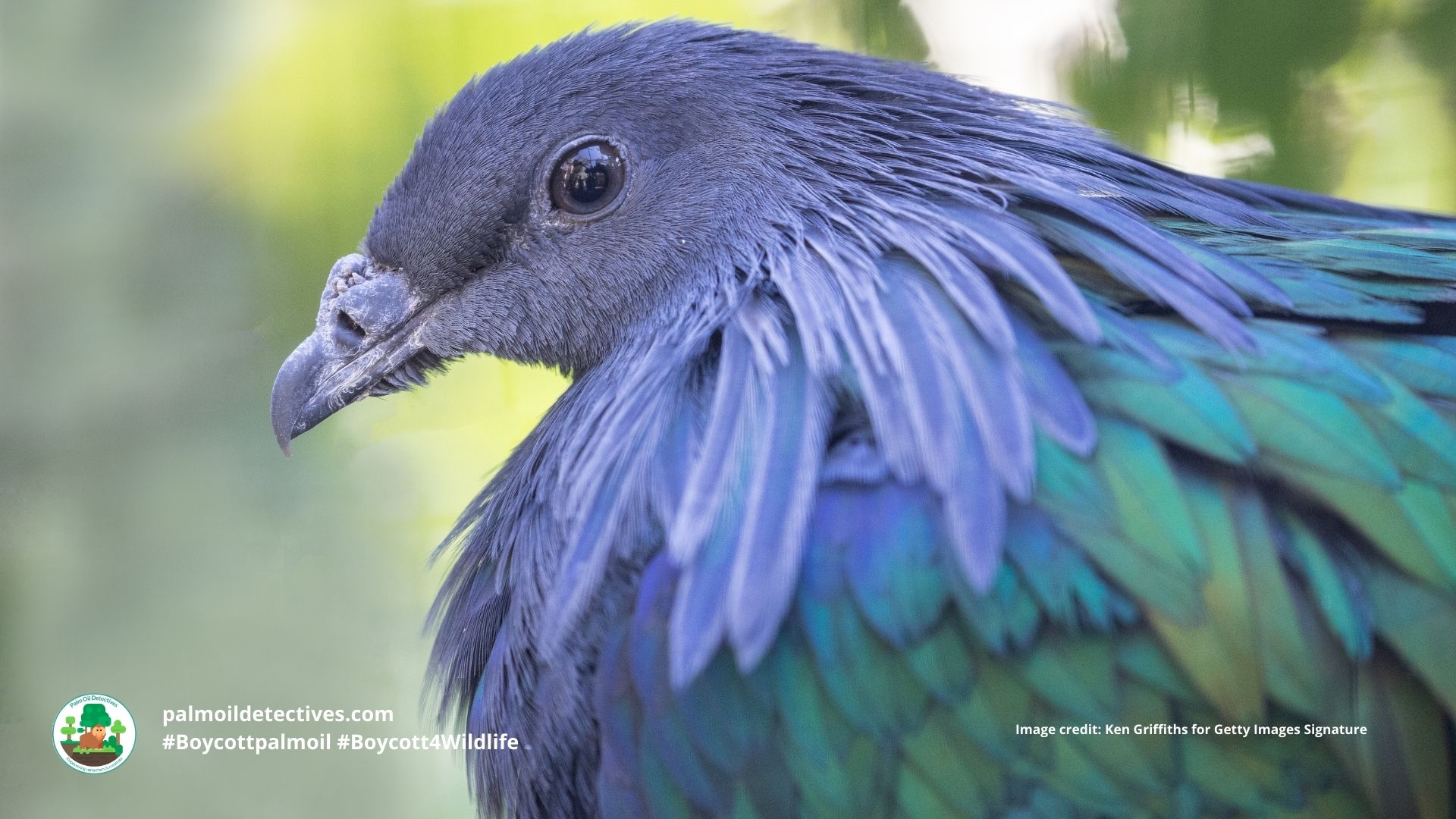
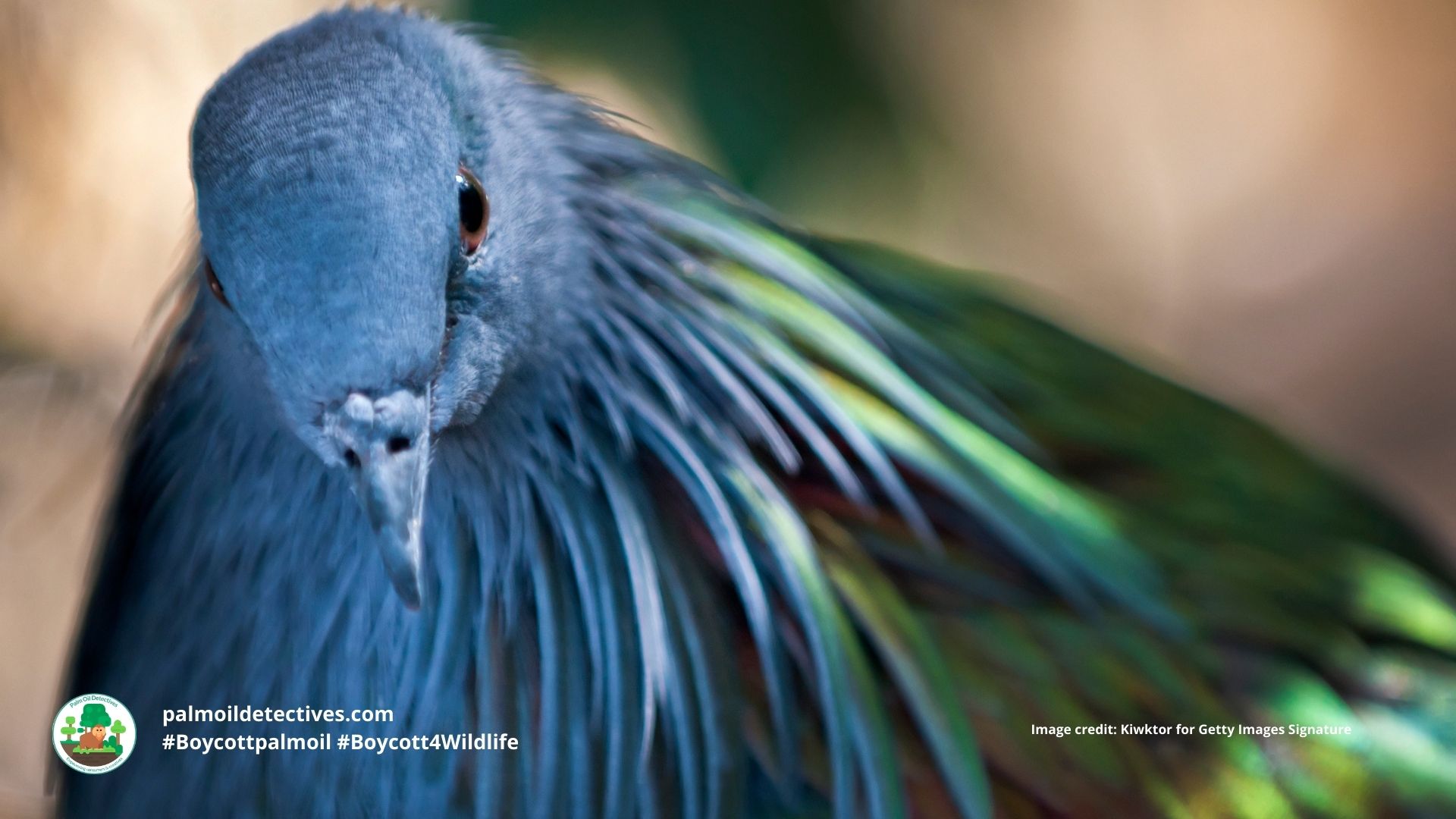
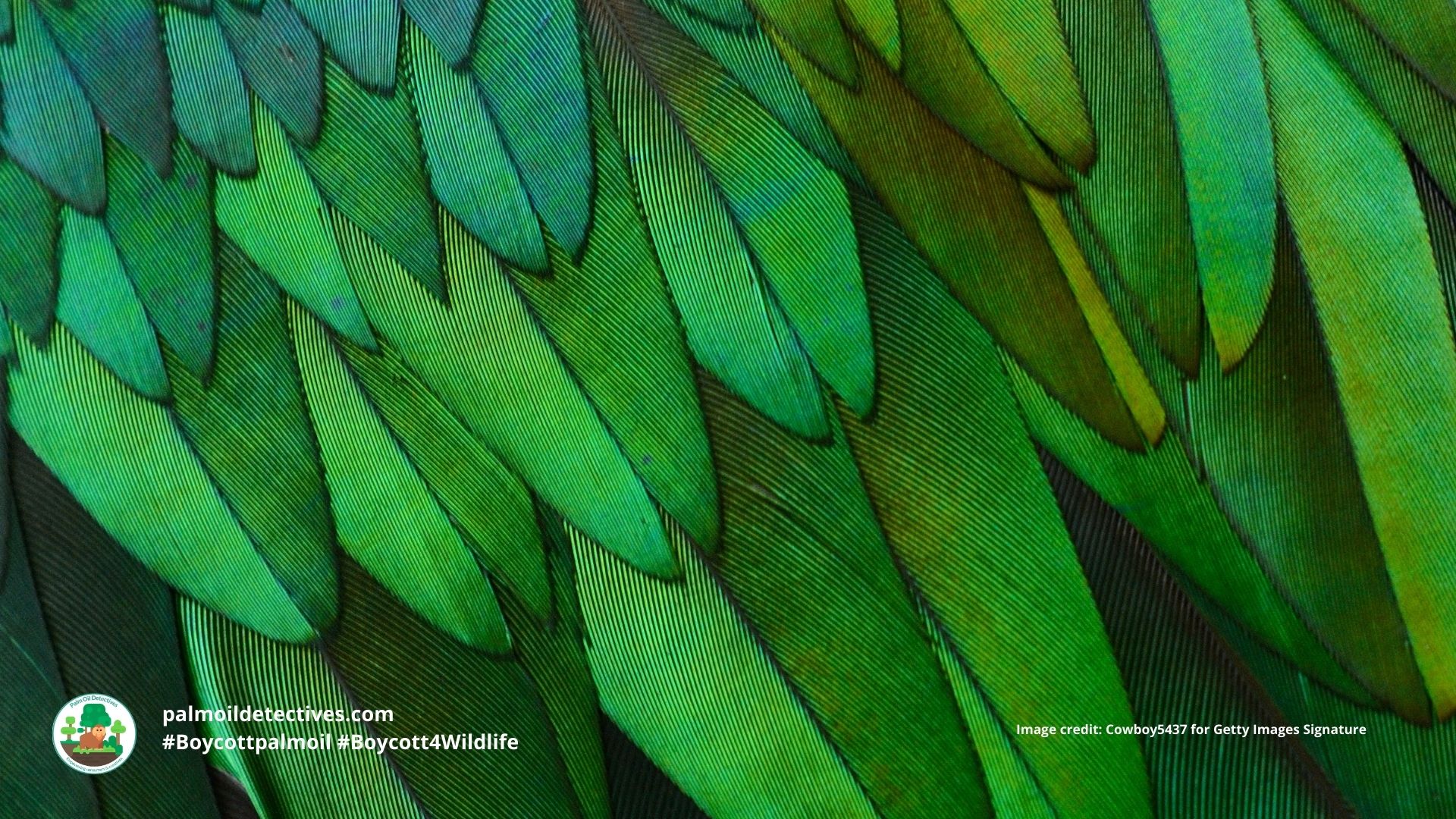
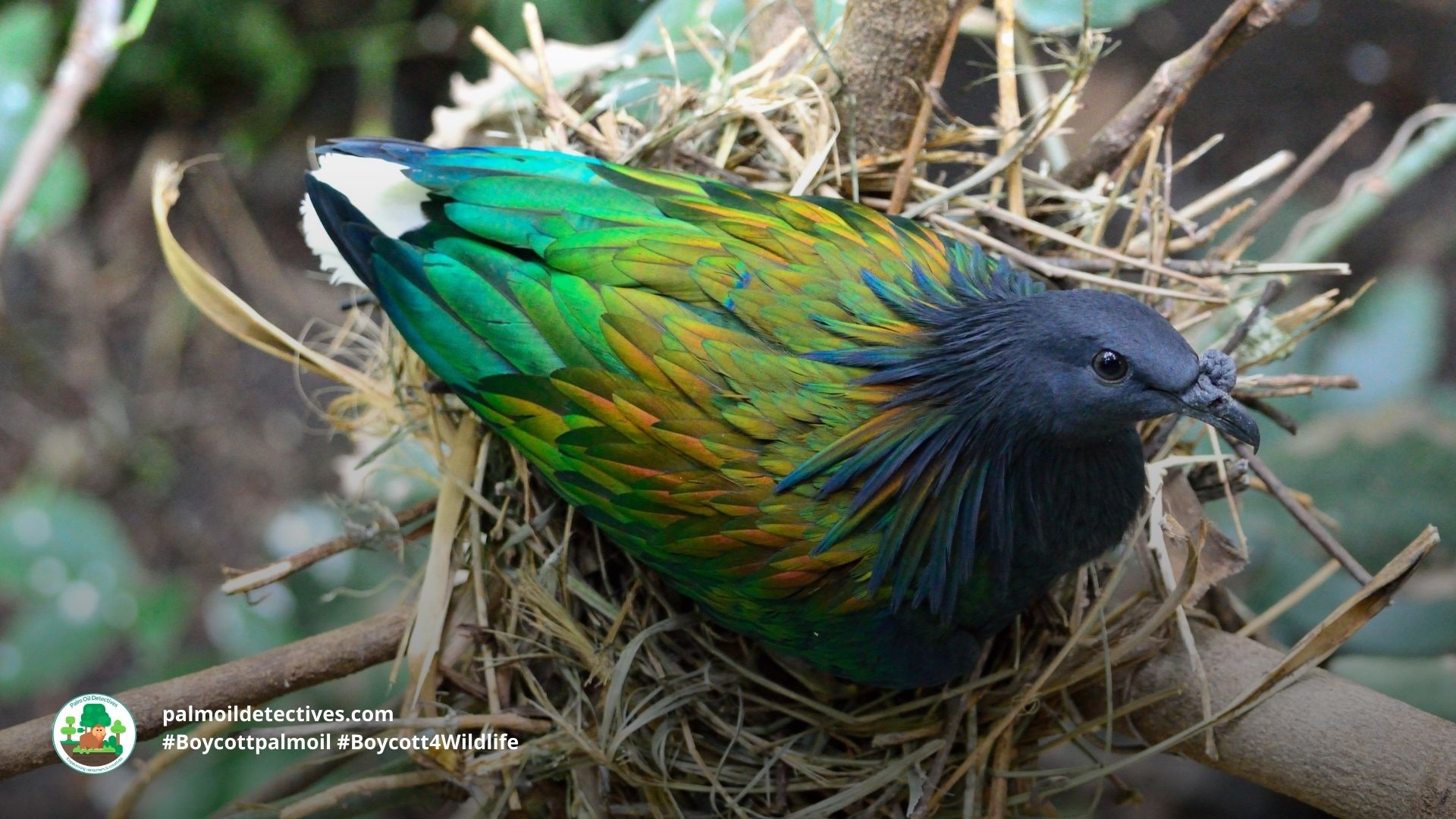
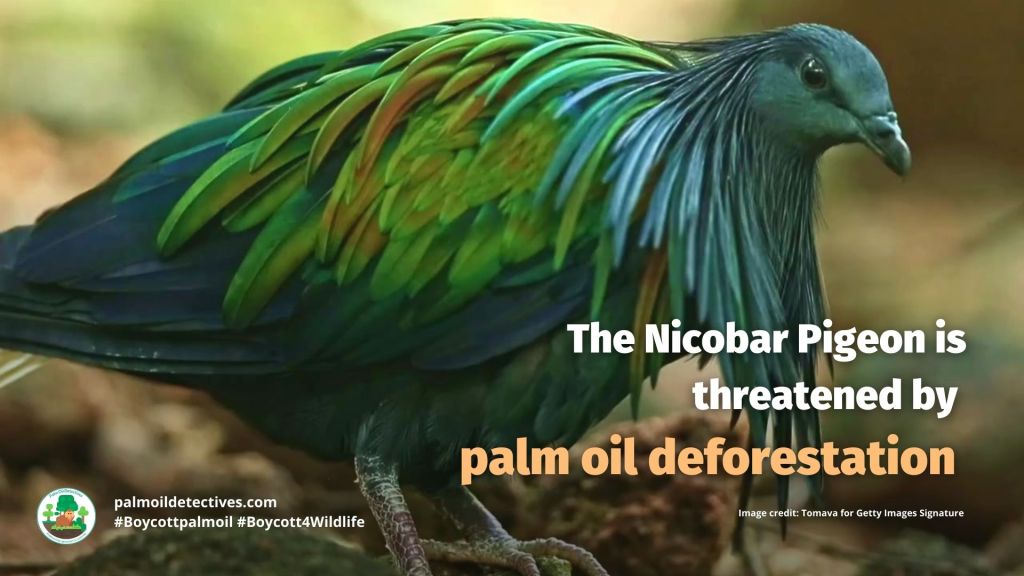
Nicobar pigeons have developed a bright metallic green, copper and iridescent blue plumage and grey head feathers. Their sturdy legs and feet are a dull red. Females are slightly smaller than males and have browner underparts. Immature birds lack iridescence.
They are flexible and nomadic and will roam between islands in search of food. Nicobar pigeons actively look for food at dawn and dusk and search in pairs or alone. They are powerful flyers and will fly together in formation in columns or single file.
Their white tails are prominent during flight and are thought to provide guidance to the flock as they cross the sea at dawn or dusk. They have low-pitched calls which serve as communication between the flock.



Threats
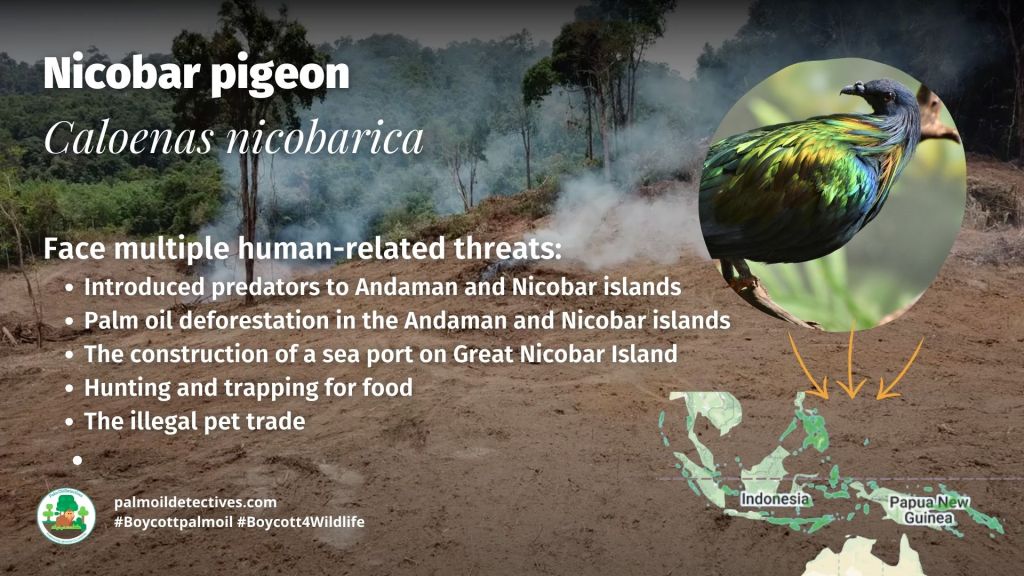
Nicobar pigeon populations have not yet been adequately quantified by researchers. They are considered to be a scarce and rare species, although more common on smaller islets. Threats include:
- Introduced predator species to Andaman and Nicobar islands
- Palm oil deforestation in the Andaman and Nicobar islands
- The construction of a sea port on Great Nicobar Island and other major infrastructure projects
- Hunting and trapping for food
- The illegal pet trade
Trapping for food, the pet trade and perhaps for their gizzard-stones is a serious threat. The clearance of small islands for plantations and the adjacent areas of lowland forest which it requires for foraging must have reduced numbers. Predation by rats Rattus spp., cats and other alien predators at nesting grounds can affect large numbers of birds due to the colonial nature of the species.
IUCN red list
Habitat
Nicobar pigeons prefer to live in rainforests, dry forests, mangroves, and shrubland. They are found on small islands and coastal islets in the Andaman and Nicobar Islands in India and the Malay Archipelago, Solomon Islands and Palau.
Diet
Nicobar pigeons are herbivores with a diet consisting of seeds, fruit and buds, and occasionally insects.
Mating and breeding
Pairs of nicobar pigeons are believed to mate for life. They build nests in undisturbed sites in the forest canopy. Their breeding season is between January and March. The female pigeon lays one light blue egg which is nurtured and will hatch after a period of about 2.5 weeks. Both parents will feed the chick until they are ready for fledging at around three months old.
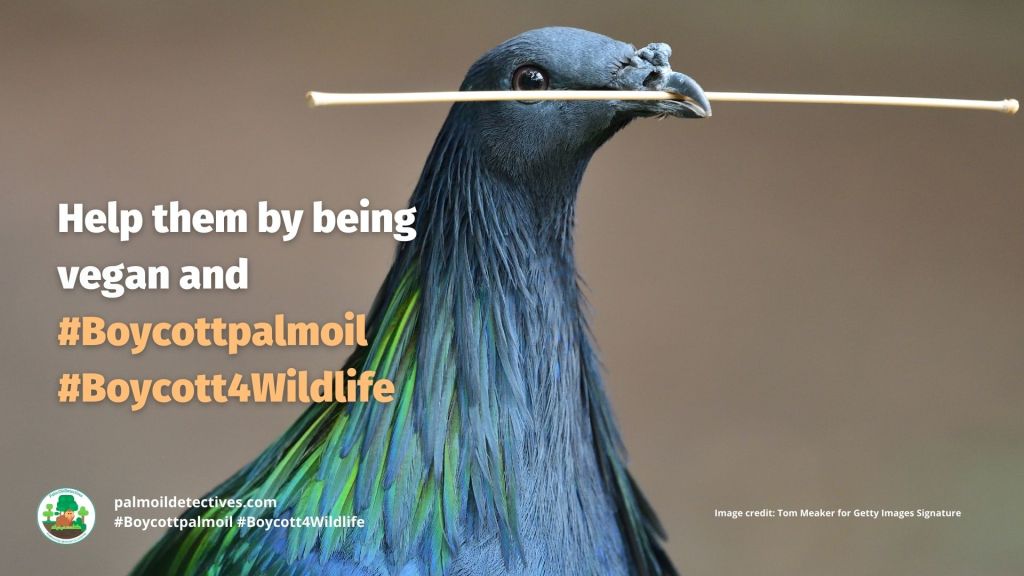
Support Nicobar Pigeon by going vegan and boycotting palm oil in the supermarket, it’s the #Boycott4Wildlife
Support the conservation of this species
This animal has no protections in place. Read about other forgotten species here. Create art to support this forgotten animal or raise awareness about them by sharing this post and using the #Boycottpalmoil #Boycott4Wildlife hashtags on social media. Also you can boycott palm oil in the supermarket.
Further Information
BirdLife International. 2016. Caloenas nicobarica. The IUCN Red List of Threatened Species 2016: e.T22690974A93297507. https://dx.doi.org/10.2305/IUCN.UK.2016-3.RLTS.T22690974A93297507.en. Accessed on 23 February 2023.
Nicobar Pigeon on Wikipedia – https://en.wikipedia.org/wiki/Nicobar_pigeon
Nicobar Pigeon on Animalia.bio https://animalia.bio/nicobar-pigeon
Xeno-canto bird call – https://xeno-canto.org/654856

How can I help the #Boycott4Wildlife?
Take Action in Five Ways
1. Join the #Boycott4Wildlife on social media and subscribe to stay in the loop: Share posts from this website to your own network on Twitter, Mastadon, Instagram, Facebook and Youtube using the hashtags #Boycottpalmoil #Boycott4Wildlife.
2. Contribute stories: Academics, conservationists, scientists, indigenous rights advocates and animal rights advocates working to expose the corruption of the palm oil industry or to save animals can contribute stories to the website.






3. Supermarket sleuthing: Next time you’re in the supermarket, take photos of products containing palm oil. Share these to social media along with the hashtags to call out the greenwashing and ecocide of the brands who use palm oil. You can also take photos of palm oil free products and congratulate brands when they go palm oil free.
4. Take to the streets: Get in touch with Palm Oil Detectives to find out more.
5. Donate: Make a one-off or monthly donation to Palm Oil Detectives as a way of saying thank you and to help pay for ongoing running costs of the website and social media campaigns. Donate here
Discover more from Palm Oil Detectives
Subscribe to get the latest posts sent to your email.
 Palm Oil Detectives