
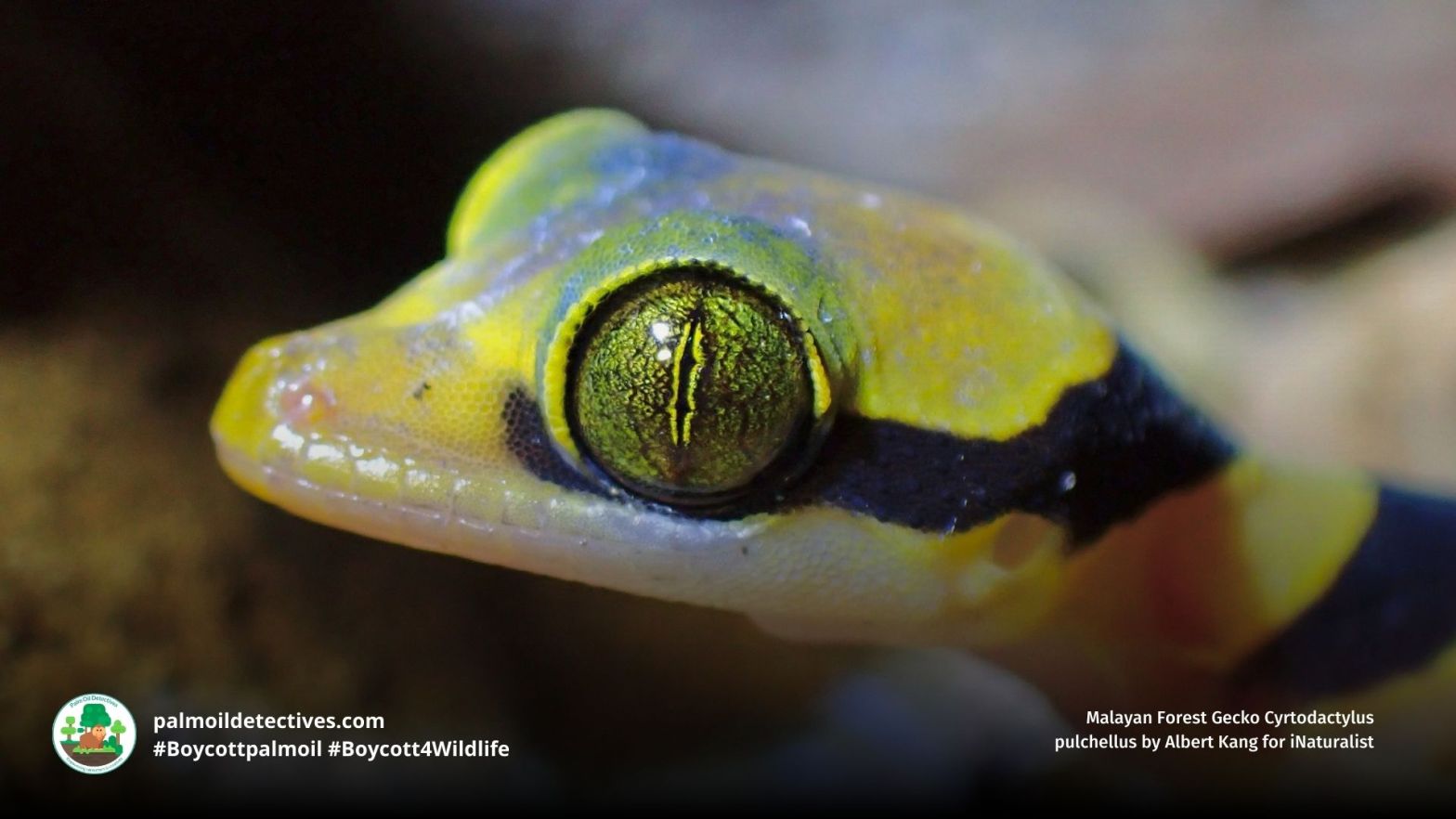
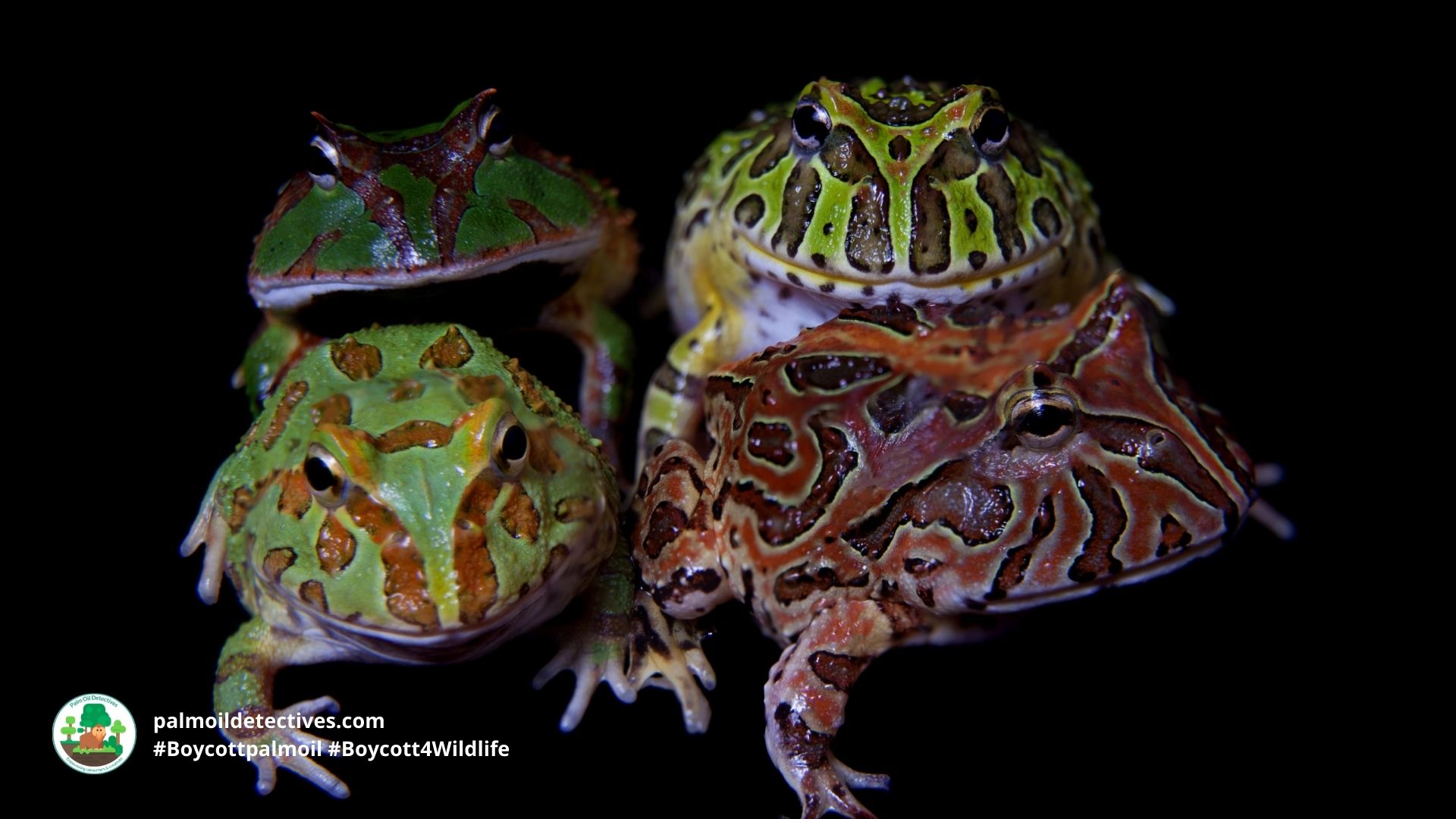
Many animals have a colourful, yet largely hidden, trait. Marine creatures like #fish and corals can glow blue, green or red under certain types of light. So can land animals like penguins and #parrots. But until now, experts knew of only one salamander and a few #frogs that could glow. No longer. Among #amphibians, this ability to glow now appears fairly common — even if you can’t see it. Research has found that most amphibians glow as well – even if it’s not visible to human eyes. Protect amphibians and reptiles every time you shop and #Boycottpalmoil #Boycott4Wildlife
DYK not only #fish or #insects glow 🐟🐠🐛🦋? #Research has found that amphibians glow as well – even if it’s not visible to human eyes 🌈🌟🎇 Protect #amphibians and #reptiles every time you shop and #Boycottpalmoil #Boycott4Wildlife @palmoildetect https://palmoildetectives.com/2024/06/30/blue-and-uv-light-makes-many-amphibians-glow-in-ways-that-people-cant-normally-see/
Written by Erin Garcia de Jesús for Science News Explores under creative commons licence. Read the original article here.
The glow is produced through a process is known as fluorescence. A body absorbs shorter (higher energy) wavelengths of light. Almost immediately, it then re-emits that light, but now at longer (lower energy) wavelengths. People can’t see this glow, however, because our eyes aren’t sensitive enough to see the small amount of light given off in natural light.
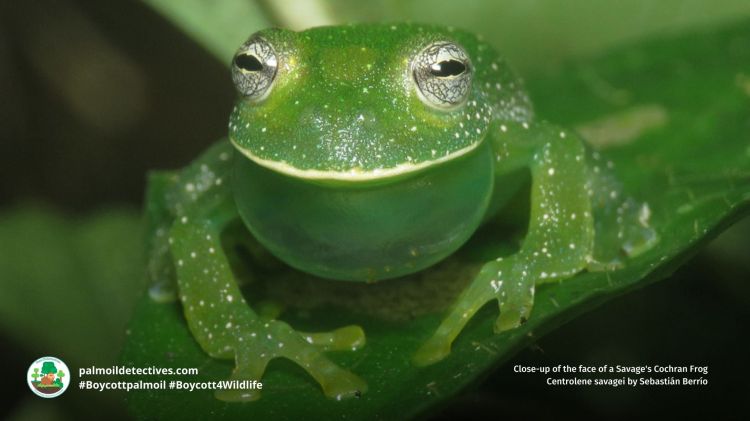
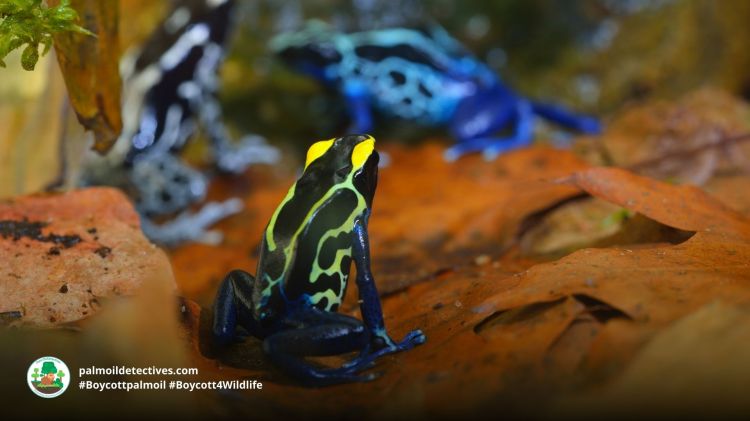
Jennifer Lamb and Matthew Davis are biologists at St. Cloud State University in Minnesota. They shone blue or ultraviolet light on 32 species of amphibians. Most were salamanders and frogs. Some were adults. Others were younger. One animal was a wormlike amphibian known as a caecilian (Seh-SEEL-yun).
The researchers found some of the creatures in their natural habitats. Others came from places like the Shedd Aquarium in Chicago, Ill. (There, the pair were allowed to “come into the exhibit after dark and basically run through their exhibit,” Davis notes.)
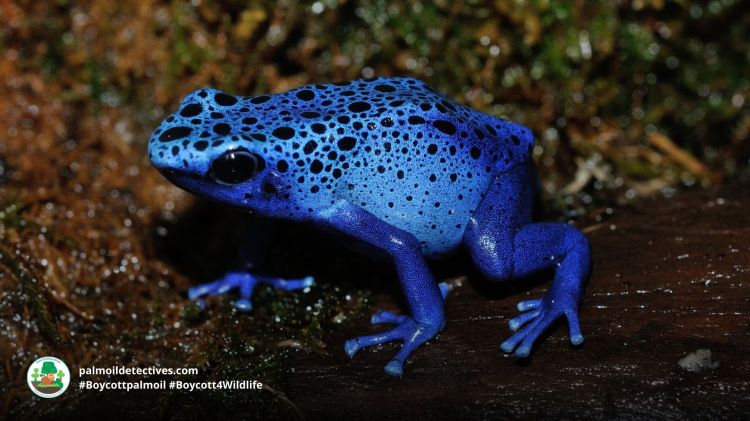
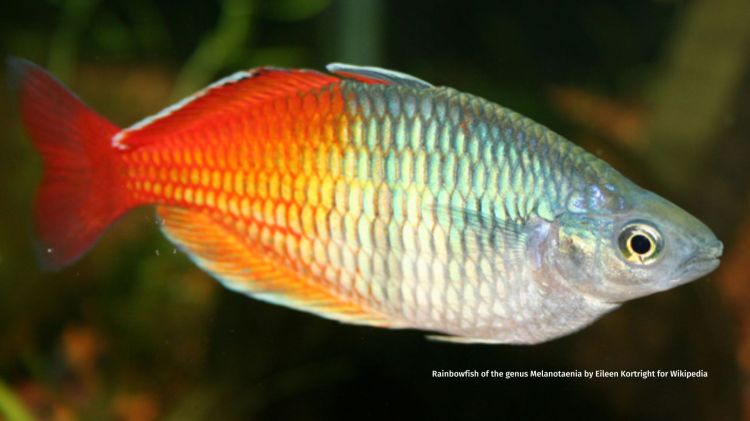
Research shows that biofluorescence is widespread and common not only among fish amongst amphibians
To the researchers’ surprise, all the animals they tested glowed in brilliant colors. Some were green. The glow from others was more yellow. The colors glowed most strongly under blue light. Until now, scientists had seen such fluorescence only in marine turtles. The new finding suggests that this biofluorescence is widespread among amphibians.
The researchers reported their findings February 27 in Scientific Reports.
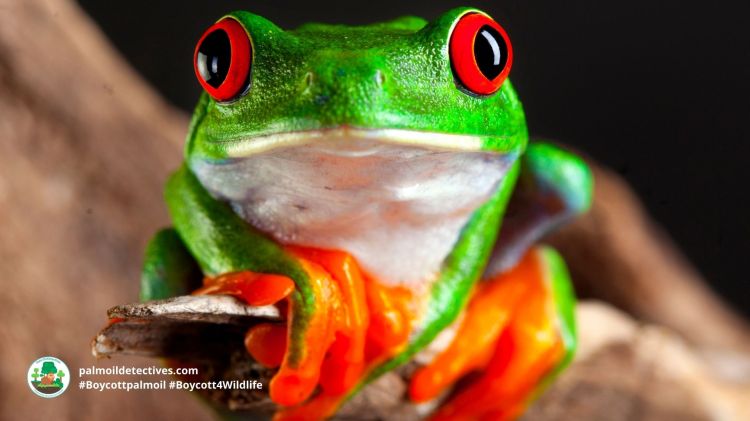
Which parts of an animal glow differ with the species, Lamb and Davis found. Yellow spots on the eastern tiger salamander (Ambystoma tigrinum) glow green under blue light. But in the marbled salamander (A. opacum), the bones and parts of its underside light up.
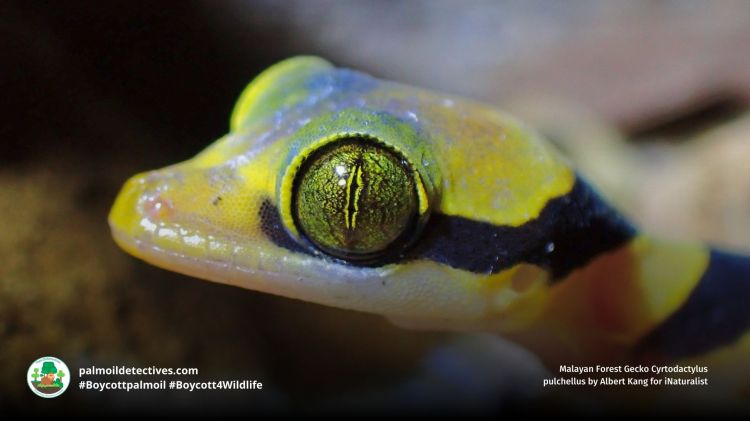
The researchers didn’t test what these amphibians use to glow. But they suspect the animals rely on fluorescent proteins or the pigments in some cells. If there are multiple ways they fluoresce, that would hint that the ability to glow evolved independently in different species. If not, the ancient ancestor of modern amphibians may have passed one trait on to species that are alive today.
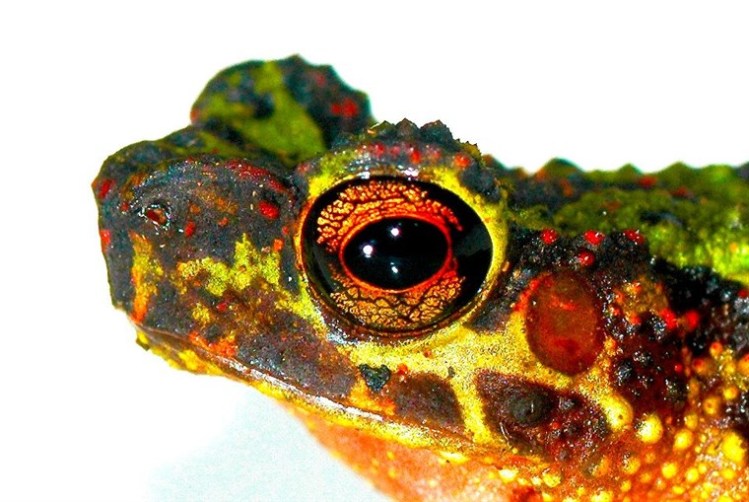
Fluorescence may help salamanders and frogs find one another in low light. In fact, their eyes contain cells that are especially sensitive to green or blue light.
One day, scientists might also harness the amphibians’ ability to glow. They could use special lights to search for the animals to survey their presence in the wild. That might help them see creatures that blend into their surroundings or hide in piles of leaves.
Blue poison dart frog by Zoological Consult for Getty Images
Take Action in Five Ways
1. Join the #Boycott4Wildlife on social media and subscribe to stay in the loop: Share posts from this website to your own network on Twitter, Mastadon, Instagram, Facebook and Youtube using the hashtags #Boycottpalmoil #Boycott4Wildlife.
2. Contribute stories: Academics, conservationists, scientists, indigenous rights advocates and animal rights advocates working to expose the corruption of the palm oil industry or to save animals can contribute stories to the website.






3. Supermarket sleuthing: Next time you’re in the supermarket, take photos of products containing palm oil. Share these to social media along with the hashtags to call out the greenwashing and ecocide of the brands who use palm oil. You can also take photos of palm oil free products and congratulate brands when they go palm oil free.
4. Take to the streets: Get in touch with Palm Oil Detectives to find out more.
5. Donate: Make a one-off or monthly donation to Palm Oil Detectives as a way of saying thank you and to help pay for ongoing running costs of the website and social media campaigns. Donate here
Discover more from Palm Oil Detectives
Subscribe to get the latest posts sent to your email.
 Palm Oil Detectives