
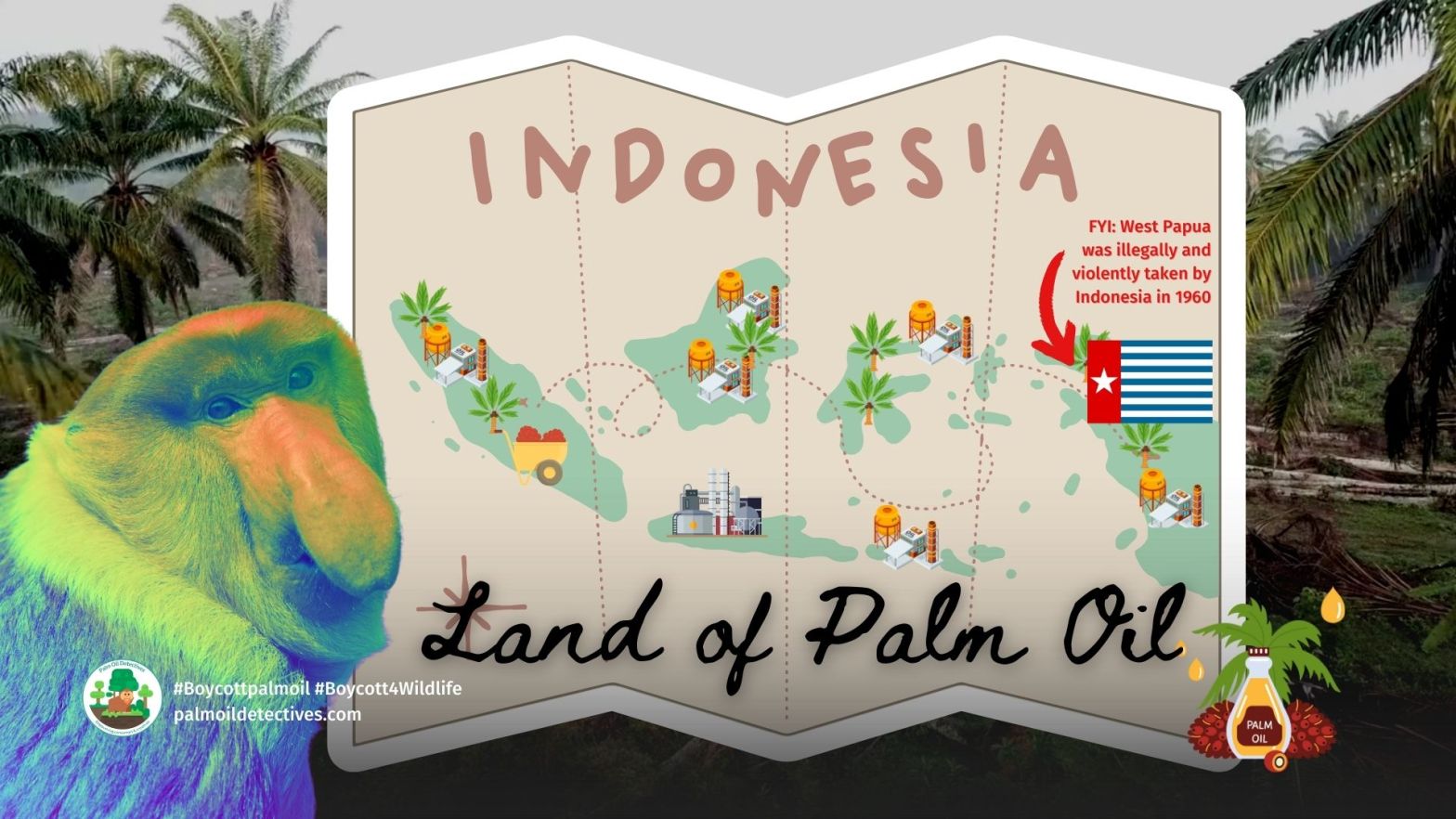
Booming global demand for palm oil in biofuel is spurring deforestation in Indonesia. Indonesia accounts for more than half of the global palm oil supply, the world’s most widely used vegetable oil that is found in everything from food to cosmetics to fuel.
But environmentalists fear surging demand for the product may drive mass deforestation in Indonesia, home to the world’s third-largest tropical rainforest, and exacerbate the global climate crisis.
Share to Twitter
Experts fear a #palmoil #biofuel boom may drive massive #deforestation in #Indonesia, threaten the world’s 3rd largest #rainforest and send irreplaceable #animals and plants to extinction #Boycottpalmoil #Boycott4Wildlife @contextnewsroom @palmoildetect https://palmoildetectives.com/2024/09/22/how-does-indonesias-palm-oil-industry-fuel-the-climate-crisis/
New report shows just how devastating ramping up #palmoil production in #Indonesia would be for global #climatechange 🔥🌱 #animal and #plant extinction and air #pollution. Take action when you shop and #BoycottPalmOil #Boycott4Wildlife https://palmoildetectives.com/2024/09/22/how-does-indonesias-palm-oil-industry-fuel-the-climate-crisis/
This story was published by Thomson Reuters Foundation, on 20th of September, 2024. Reporting by Adi Renaldi and editing by Ayla Jean Yackley. Read original.
What’s the context?
Palm oil production reached 50 million tonnes in 2023 from 45 million tonnes the year before, according to the Indonesian Palm Oil Association.
As companies and small landholders replace natural habitats with palm oil plantations, activists and researchers are warning that large amounts of planet-heating carbon is being released into the atmosphere.
How do palm oil plantations contribute to deforestation?
Palm oil plantations cover more than 42.7 million acres of Indonesia, compared with 41.5 million acres in 2019, the government’s Geospatial Information Agency said this month.
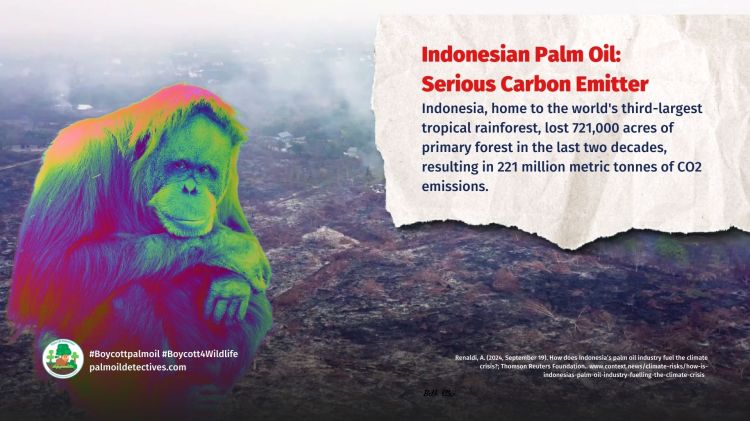
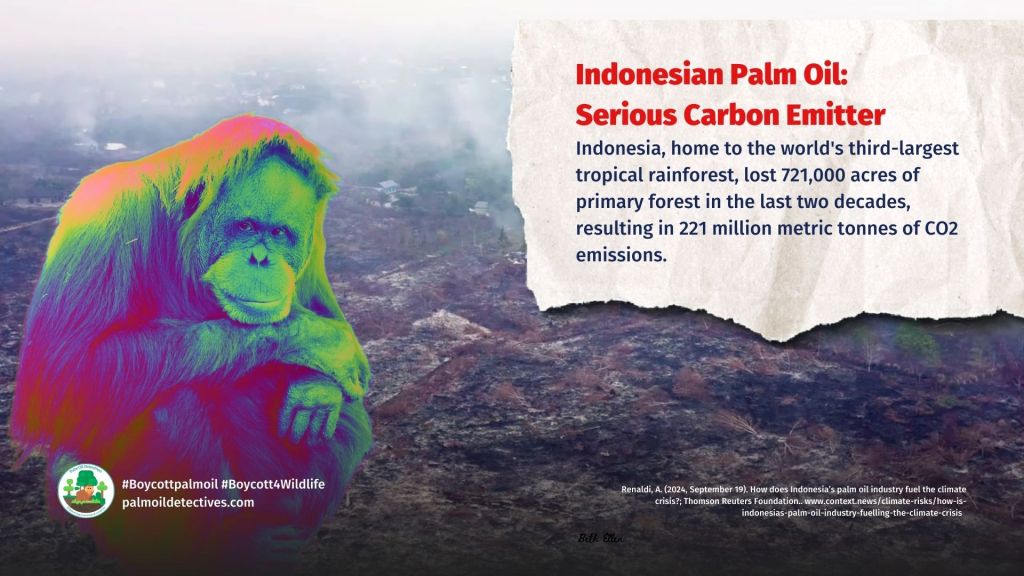
Indonesia lost 721,000 acres of primary, or old growth, forest in the last two decades – equivalent to 221 metric tonnes of carbon dioxide emissions, according to Global Forest Watch. Drivers of this deforestation include plantations and mining.
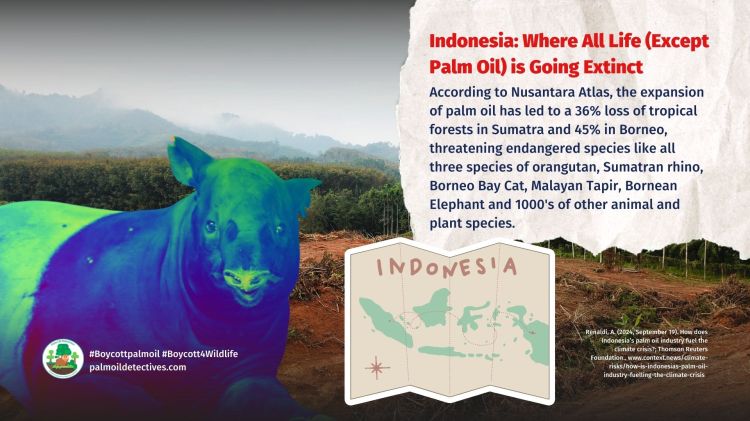
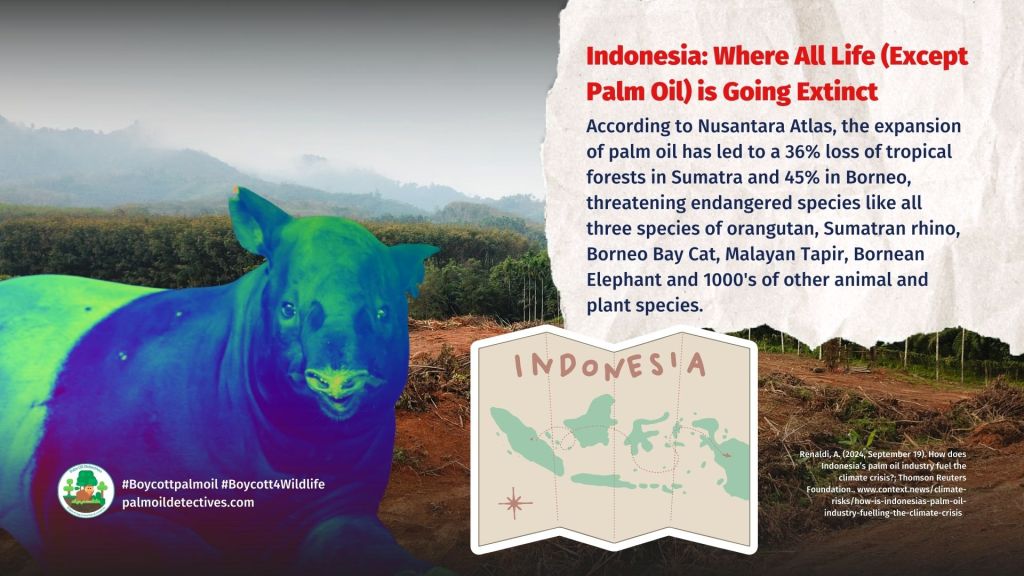
Sumatra and Borneo, home to the endangered orangutan and other endemic species, have lost 36% and 45% of their tropical forests, respectively, due to palm oil expansion, according to Nusantara Atlas, a non-profit that tracks deforestation.
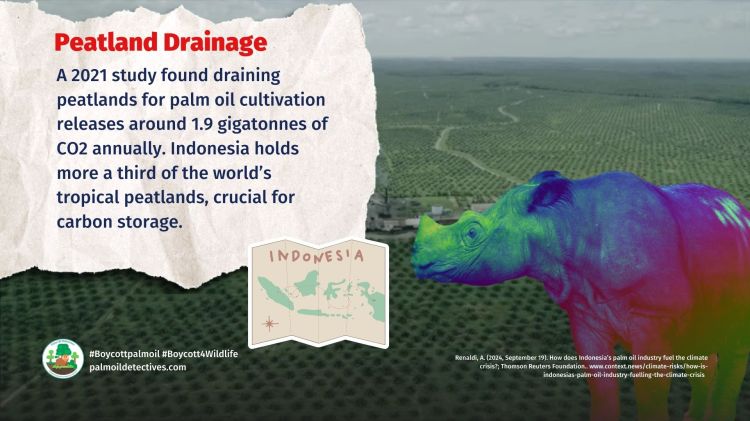
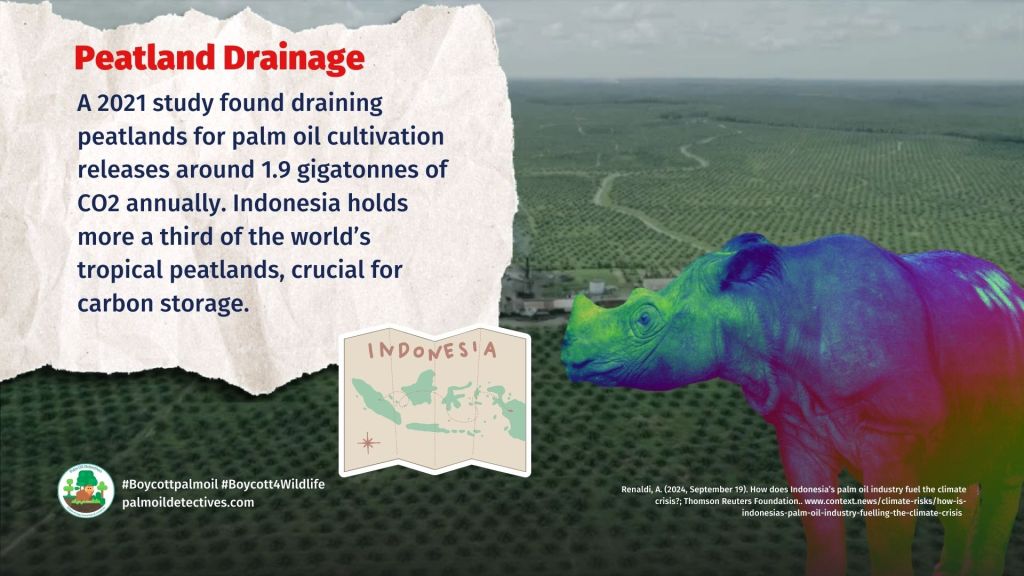
The loss of carbon-storing forests is compounded by the conversion of peatland into plantations. Indonesia is home to more than a third of the world’s tropical peatlands, a type of wetland that is the world’s biggest land-based store of carbon.
Palm oil planters believe the soil in these wetlands yields more crops and drain them through man-made canals so that planting can take place. A study by the International Union for Conservation of Nature and Natural Resources in 2021 showed draining peatlands across the world releases 1.9 gigatonnes of carbon dioxide equivalent per year.
How does the biofuel business affect climate change?
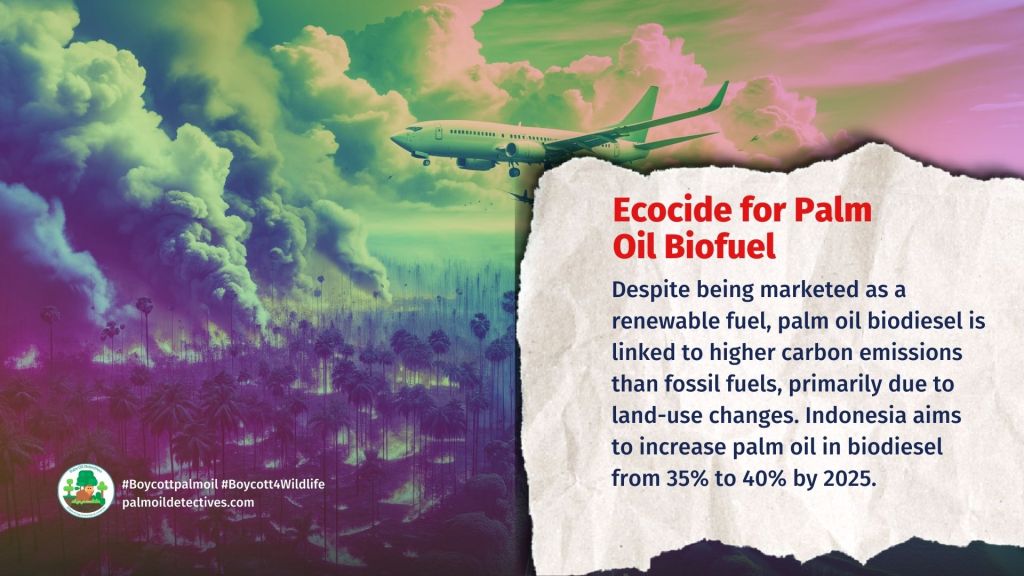
Palm oil is a primary ingredient of biodiesel, a cleaner-burning, renewable fuel used in transportation. But a growing body of research shows that biofuels from vegetable oils like palm actually emit more carbon than fossil fuels, primarily due to changes in land use in order to grow the crops.
Indonesia is currently among the largest biodiesel producers in the world, with total exports amounting to more than 193,000 kilolitres.
The government targets production of 13.4 million kilolitres in 2024, 2% more than last year, when it grew 11%, according to the energy ministry.
Indonesia requires fuel producers to make a blend of diesel fuel that contains 35% palm oil and wants that share to rise to 40% in 2025.
The government began to cultivate palm oil in the 1980s in the hopes of boosting the economy and providing jobs. It now accounts for 3.5% of gross domestic product, government statistics showed.
Researchers claim palm oil has not contributed to the welfare of people living near plantations. The rate of poverty remains high in the palm oil-rich regions of Sumatra and Borneo, where people face food insecurity after farms were cleared to make way for palm trees.
Can a moratorium on new plantations help stop deforestation?
While Indonesia’s deforestation rate fell between 2019 to 2022 due to stricter regulations, a moratorium on forest clearing and better mitigation of forest fires, the clearing of primary forests for mining and plantations has risen slightly.
The government issued a moratorium on new palm oil plantation in 2018 to slow deforestation. Despite the reprieve, about 119,400 hectares of forests were cleared between 2021 and 2022.
Between 2022 and 2023, some 52,000 hectares of forests were converted into plantations, Nusantara Atlas data showed.
Environmental groups have blamed a lack of reinforcement of the moratorium and called for replanting unproductive oil palm trees on existing plantations, instead of clearing forests.
This story was published by Thomson Reuters Foundation, on 20th of September, 2024. Reporting by Adi Renaldi and editing by Ayla Jean Yackley. Read original.
ENDS
Read more about deforestation and greenwashing in the palm oil industry
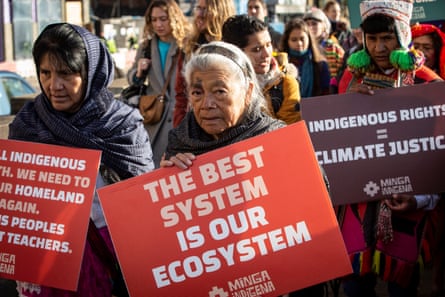
Oil palm in Latin America: monoculture and violence
The rapid expansion of oil palm plantations across #SouthAmerica is causing significant environmental, economic and social problems. This growth is leading to #deforestation, #landgrabbing displacement of #indigenous and farming communities, and increased militarised…
Read more
So-called ‘Net Zero’ Flights Flush Rainforest Carbon Into the Sky
Virgin Atlantic airlines now uses ‘sustainable aviation fuel’ however experts call it greenwashing and industry spin causing climate change. Boycott palm oil!
Read more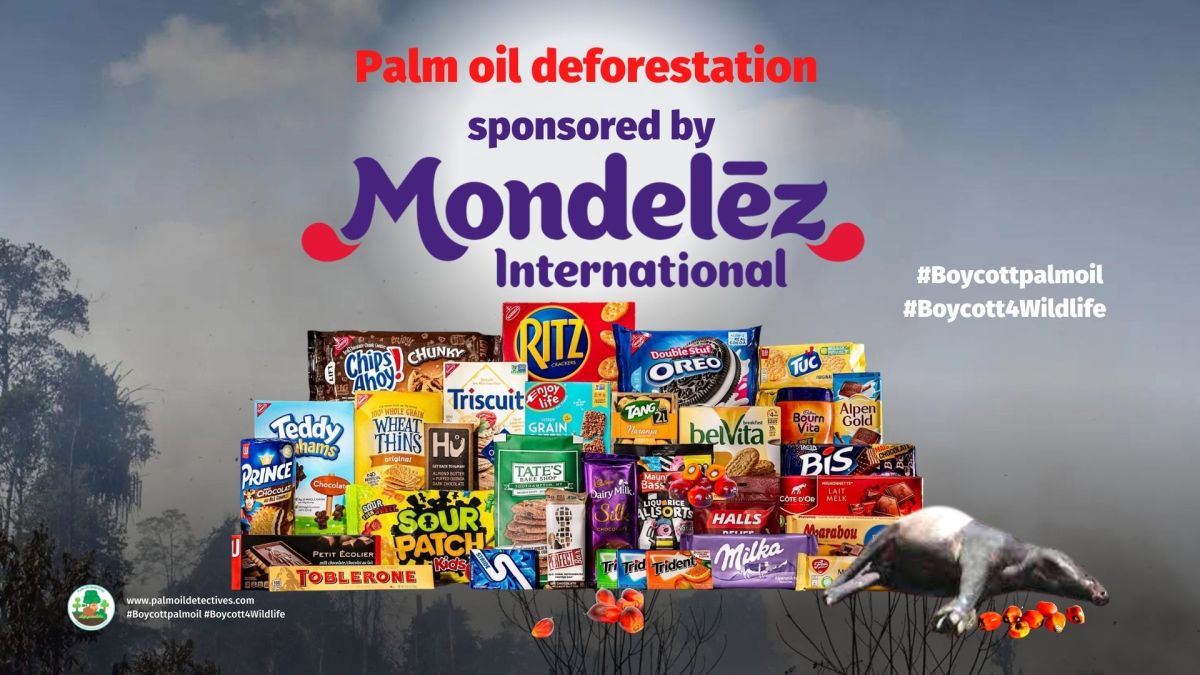
Oreo Maker Linked to Ongoing Deforestation and Human Rights Abuses
Mondelēz International who make Oreos keep sourcing palm oil from suppliers linked to violence and deforestation. Their RSPO certification is pure greenwash!
Read more
Meat-Stinking Giant Flower Has A Delectable Aroma For Pollinators
Titan Arum AKA ‘Corpse Flowers’ is famous for its repulsive meat smell. Palm oil agriculture is a massive threat to these rare stinky plants. Take action!
Read more
World’s Wealthiest Drive Two Thirds of Global Warming Since 1990
Wealthiest people in USA and China responsible for 2/3 of global warming since 1990. Climate policies needed to target the richest people on the planet now!
Read more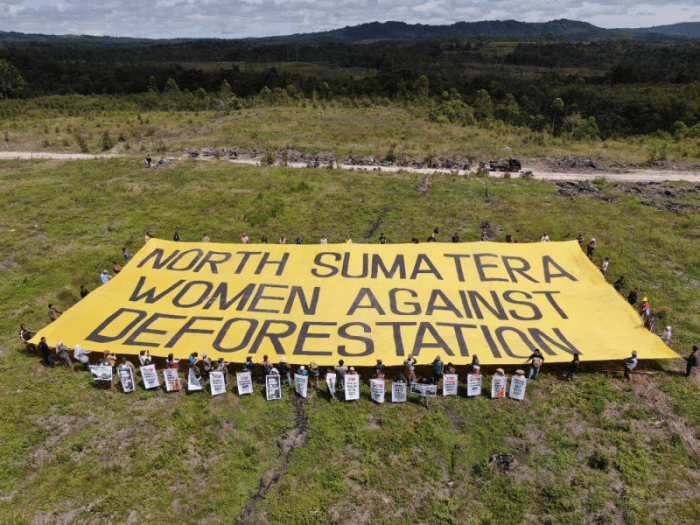
Seeing Forest As Merely A Carbon “Commodity”: Dangerous Greenwashing
Commodifying forests as merely an investment for ‘carbon credits’ has many dangerous loopholes that human rights to indigenous peoples, take action!
Read more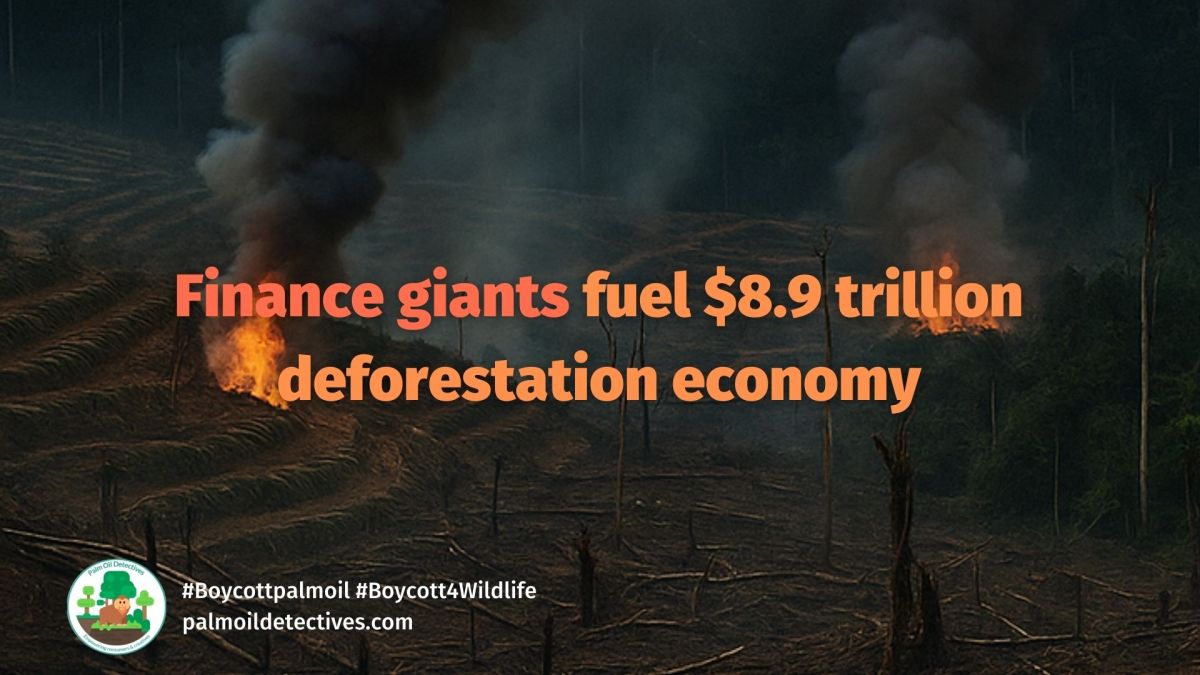
Finance giants fuel $8.9 trillion deforestation economy
Forest 500 report shows 150 of the world’s largest financial institutions invested nearly $9 trillion in deforestation-linked industries. Support EUDR!
Read more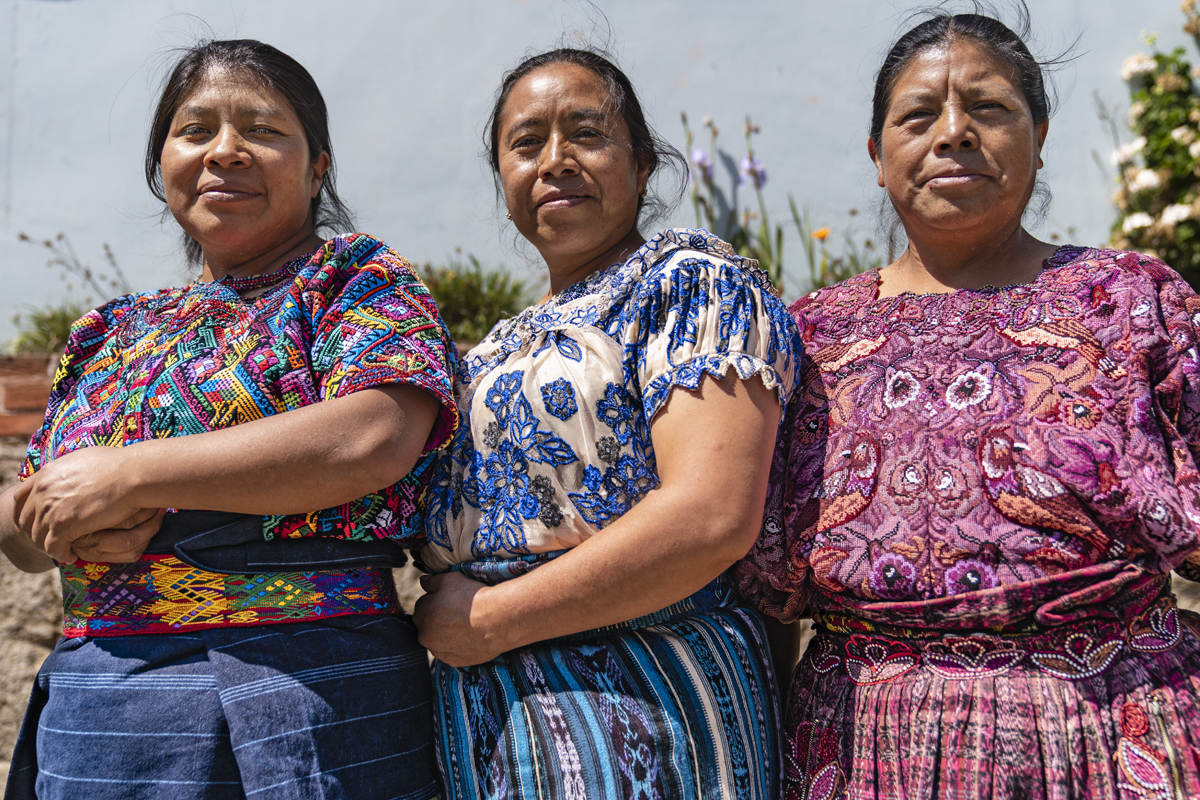
Indigenous Peoples Fight Climate Change
After wildfires, Belize’s indigenous people rebuild stronger based on “se’ komonil”: reciprocity, solidarity, gender equity, togetherness and community.
Read more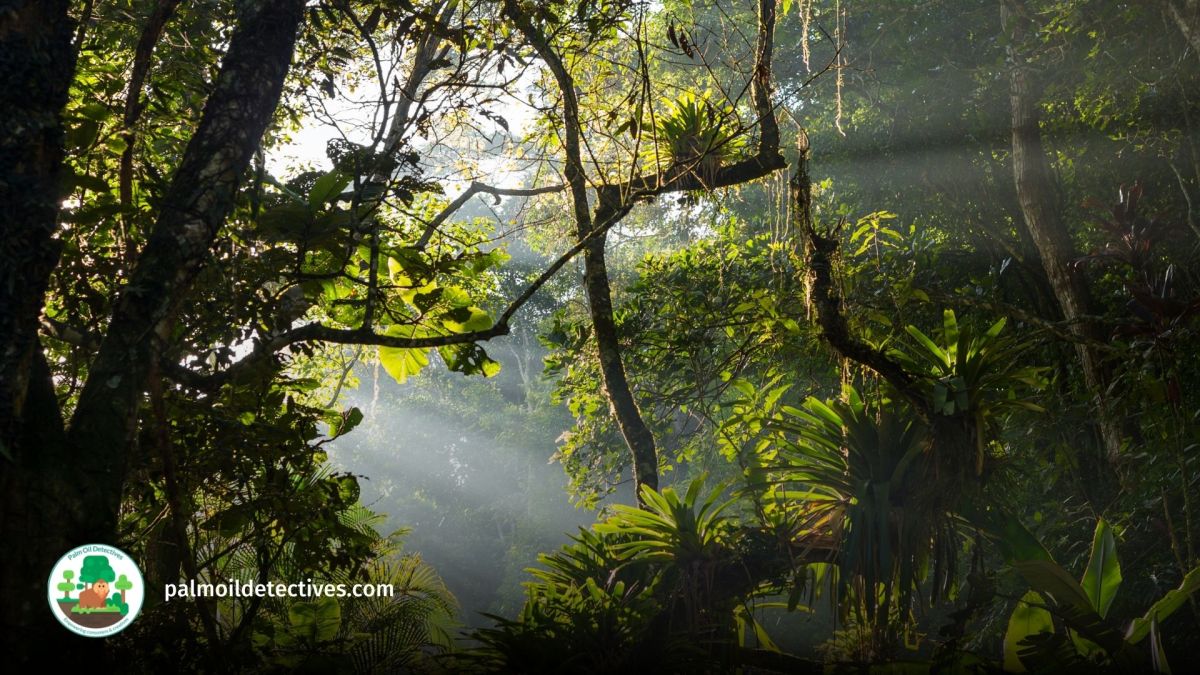
Around 25% of Africa’s Land is Damaged: This is How We Fix It!
Almost 25% of all land in Africa has been damaged driven by climate change and deforestation for mining palm oil and cocoa. Take action and protect forests!
Read more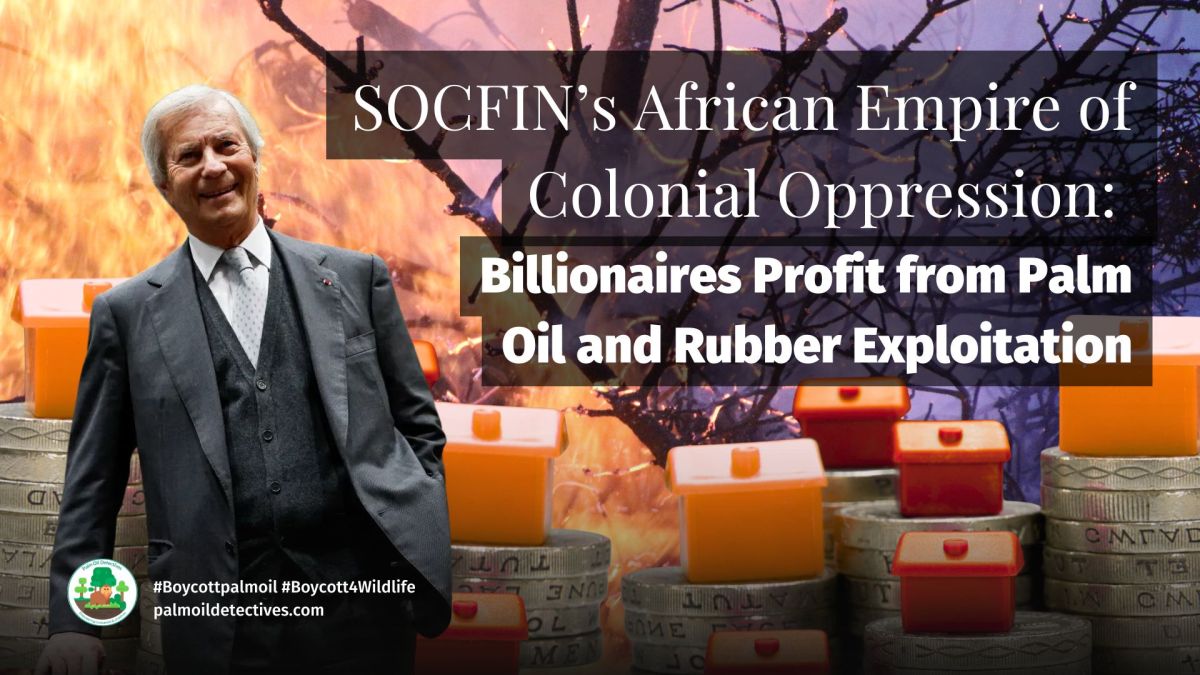
SOCFIN’s African Empire of Colonial Oppression: Billionaires Profit from Palm Oil and Rubber Exploitation
Investigation by Bloomberg exposes that despite being RSPO members, #SOCFIN plantations in #WestAfrica are the epicentre of #humanrights abuses, sexual coercion, environmental destruction, and #landgrabbing. Operating in #Liberia, #Ghana, #Nigeria, and beyond, SOCFIN’s…
Read moreSomething went wrong. Please refresh the page and/or try again.
Take Action in Five Ways
1. Join the #Boycott4Wildlife on social media and subscribe to stay in the loop: Share posts from this website to your own network on Twitter, Mastadon, Instagram, Facebook and Youtube using the hashtags #Boycottpalmoil #Boycott4Wildlife.
2. Contribute stories: Academics, conservationists, scientists, indigenous rights advocates and animal rights advocates working to expose the corruption of the palm oil industry or to save animals can contribute stories to the website.






3. Supermarket sleuthing: Next time you’re in the supermarket, take photos of products containing palm oil. Share these to social media along with the hashtags to call out the greenwashing and ecocide of the brands who use palm oil. You can also take photos of palm oil free products and congratulate brands when they go palm oil free.
4. Take to the streets: Get in touch with Palm Oil Detectives to find out more.
5. Donate: Make a one-off or monthly donation to Palm Oil Detectives as a way of saying thank you and to help pay for ongoing running costs of the website and social media campaigns. Donate here
Discover more from Palm Oil Detectives
Subscribe to get the latest posts sent to your email.
 Palm Oil Detectives