
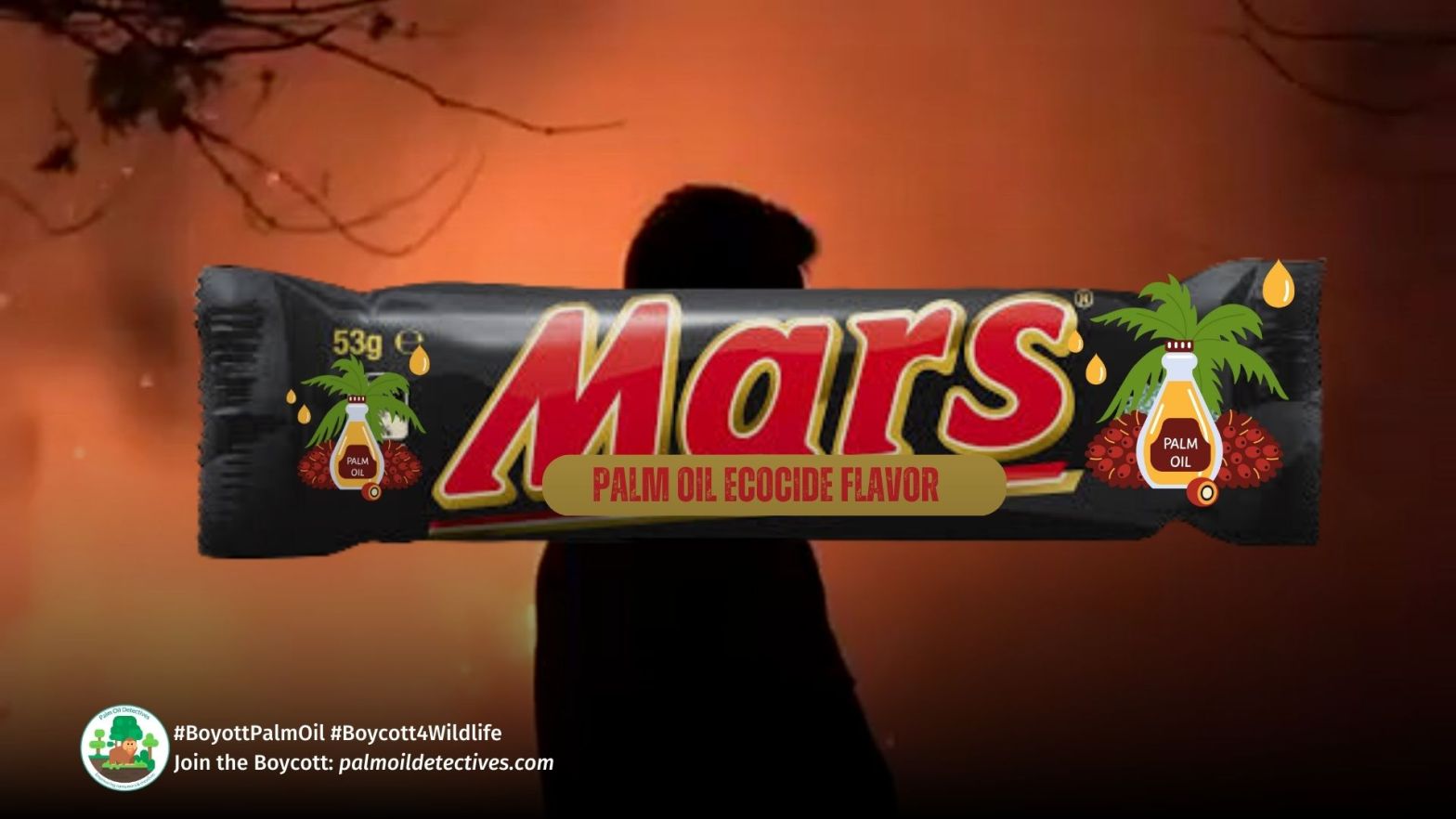
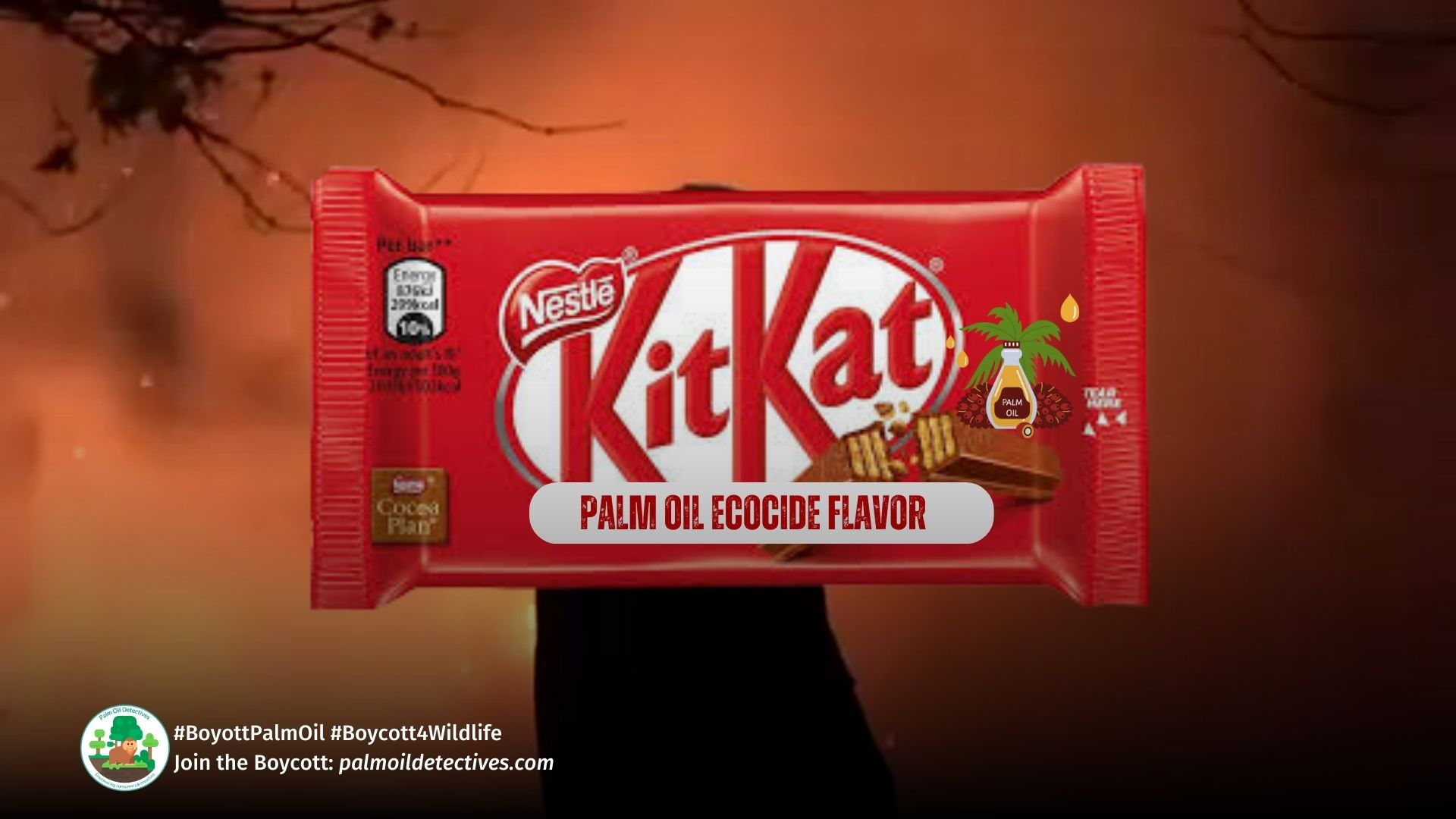
A recent report highlighted by Mongabay uncovers that deforestation-linked palm oil may still be in popular snacks like Snickers and Kit Kat, despite pledges from brands like Mars, Nestlé, and Mondelēz to use only deforestation-free palm oil. The issue lies in the palm oil-based animal feed used for dairy production, which these companies are not being transparent about. Thirteen out of the fourteen largest U.S. dairy processors, including Mars, Nestlé, and Mondelēz, fail to disclose how much palm oil-based animal feed is in their supply chains, raising concerns over hidden deforestation. If you are wanting to be kind to farmed and wild animals and ecosystems, make sure that you be #vegan #BoycottPalmOil #BoycottDairy #Boycott4Wildlife
#Kitkat and #Snickers makers #Mondelez, #Nestle, Mars lace snacks with #palmoil #deforestation by way of animal feed for #dairy cows. #Consumers may be buying #ecocide unaware! Fight back, be #vegan 🥕🥦#Boycottpalmoil 🌴🚫 #Boycott4Wildlife @palmoildetect https://palmoildetectives.com/2024/09/26/ecosystems-sell-dirt-cheap-for-palm-oil-filled-snickers-and-kitkat/
Mondelez, #Nestle and Mars show flagrant disregard for #rainforests. A new #report finds they purchase #palmoil to use in dairy animal feed. Take a strong stance! Don’t buy #Kitkat and #Snickers and #Boycottpalmoil #Boycott4Wildlife 🌴🚫🔥 @palmoildetect https://palmoildetectives.com/2024/09/26/ecosystems-sell-dirt-cheap-for-palm-oil-filled-snickers-and-kitkat/
Written by Hans Nicholas Jong, for Mongabay. Published 24th of September, 2024. Republished under the Creative Commons attribution licence. Read original article.
- Makers of iconic snacks like Snickers and Kit Kat have pledged to only use deforestation-free palm oil, but a new report says deforestation-linked palm oil may still be finding its way into their products.
- That’s because much of the dairy that goes into these foods comes from cattle raised on palm oil-based animal feed, whose import into the U.S. doesn’t account for whether it derives from deforested land.
- The report found 13 of the 14 biggest dairy processors in the U.S. — including Mars, Nestlé and Mondelēz — don’t provide information about how much palm oil-based animal feed they use in their supply chains.
- It calls on the Consumer Goods Forum (CGF), of which many of these companies are members, to include this so-called embedded palm oil in their deforestation-free policies, similar to how the CGF has a policy for accounting for embedded soy.
Consumers in the U.S. might be unknowingly exposed to palm oil products that come from deforestation, despite major consumer goods producers there adopting zero-deforestation pledges. That’s because these companies, which include the makers of iconic foods like Snickers, Kit Kat and Nutella, don’t account for the significant role that palm oil-based animal feed plays in their supply chains, according to a new report.
Its relatively low price and extremely versatility mean palm oil has become the most widely used vegetable oil in the world. In the U.S. itself, palm oil can be found in roughly half of all packaged goods in the average grocery store, from shampoo to cookies and crackers.

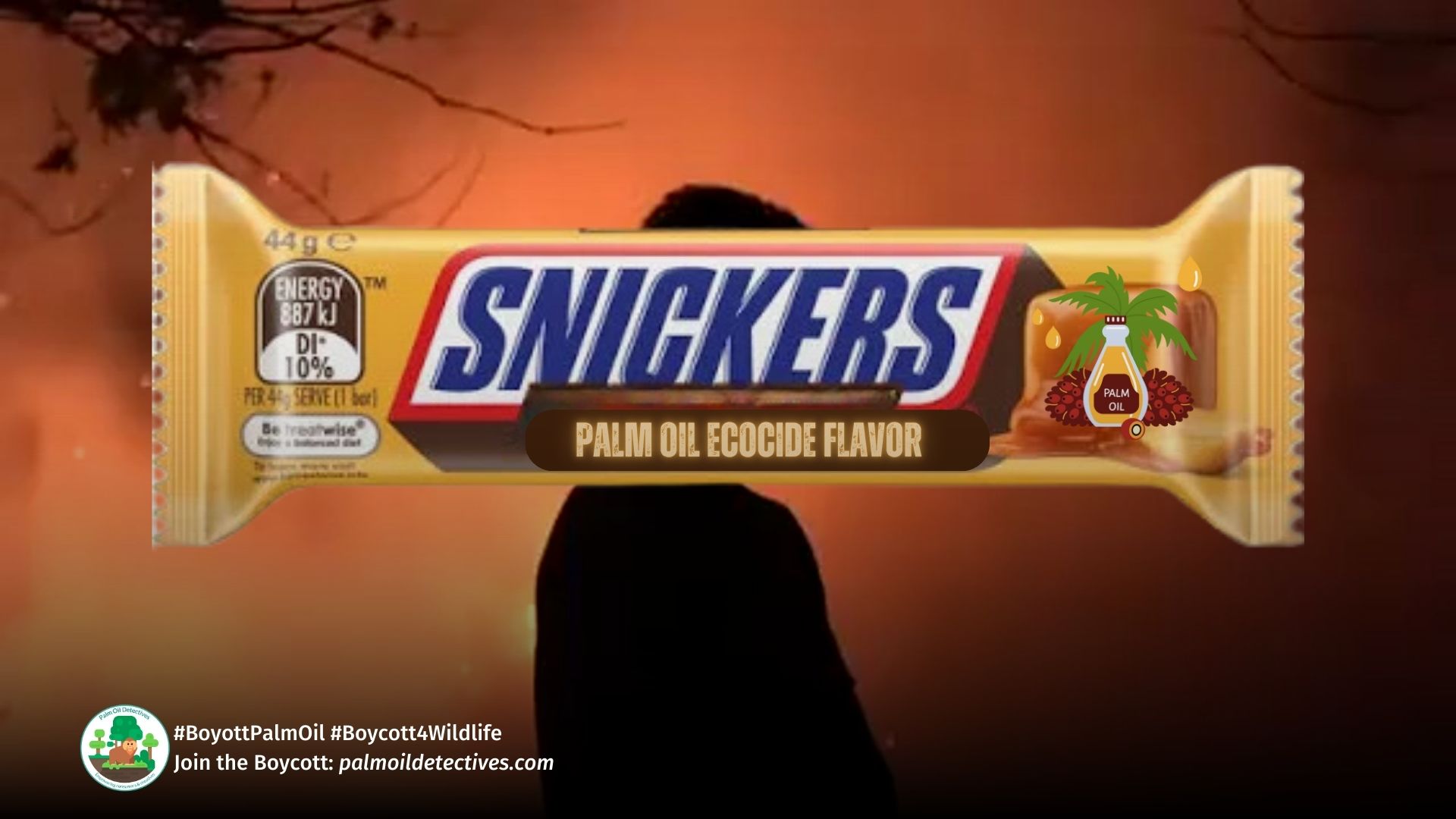
Palm oil is also increasingly being used as an additive in livestock feed, particularly for dairy cows. As such, it has become “embedded” in consumer goods products deriving from dairy, such as milk, cheese, ice cream and chocolate.
This indirect use of palm oil is often overlooked in the zero-deforestation accounting process, despite its growing use, according to a report by U.S.-based advocacy group Rainforest Action Network (RAN). The report found that palm oil-based animal feed is now the single largest palm oil product category imported by the U.S., accounting for 36% of all palm oil imports into the country by weight.
This dairy — “embedded” with palm oil, some of which may be associated with deforestation — then enters the supply chains of major food producers. And these producers, despite their public pledges to avoid deforestation-linked products, are largely ignoring this source of palm oil in their accounting, according to the report.
The report analyzed 14 of the largest dairy-processing and consumer goods companies operating in the U.S.: Arla, Dairy Farmers of America, Danone, Ferrero, Frontera, FrieslandCampina, Lactalis, Mars, Mengniu, Mondelēz, Nestlé, Saputo, Unilever and Yili.
The report found that 13 of them don’t provide information about how much palm oil-based animal feed is used in their supply chains.
The only company that provides such information is Unilever, which says that embedded palm oil in its dairy supply chain in 2022 accounted for just 3%, or 30,0000 metric tons, of its overall palm oil consumption.
Thirteen of the 14 assessed companies also don’t mention embedded palm oil in their “No Deforestation, No Peatland, No Exploitation” (NDPE) policies, and as such have no commitments to sourcing only deforestation-free embedded palm oil. Only Danish-Swedish dairy giant Arla’s NDPE policy explicitly states that it applies to palm oil-based feed used in its milk supply chain.
“When companies have adopted palm oil policies, they completely refuse or haven’t considered palm oil use in their dairy supply chain,” RAN forest policy director Gemma Tillack told Mongabay. “Lack of attention to this issue means that it hasn’t [been] accounted for in companies’ NDPE policies, or if it’s included, it’s not adequately enforced.”
Import-export oversight
This oversight extends to both importers and exporters of palm oil-based livestock feed into the U.S. The report assessed 24 exporters based in Indonesia and Malaysia, the world’s top two producers of palm oil, and 17 U.S. companies that import palm oil-based animal feed.
It found that 15 of the 24 exporters companies and 15 of the 17 importers companies don’t have public NDPE policies. These 15 exporting companies account for two-thirds of exports to the U.S. by weight.
The report also found that 28% of U.S. imports of feed-grade palm oil products came from Indonesia, the country with the highest deforestation rates associated with palm oil. That makes it likely that such problematic palm oil has found its way into dairy products like milk and confectionaries regularly consumed by Americans, according to the report.

Deforestation-free claims
Without adequately accounting for embedded palm oil in their NDPE policies and supply chains, consumer goods brands can’t guarantee that their products are deforestation free, even if they claim that’s the case, RAN said.
Nestlé, for instance, says 96.0% of its “primary supply chain” of palm oil in 2023 was deforestation-free, but makes no reference to embedded palm oil in that claim.
If embedded palm oil were accounted for, then Nestlé’s deforestation-free claim would fall to about 72%, according to RAN’s analysis. It based this on the assumption that 10% of the milk the company sources was linked to palm oil-based animal feed.
This large variance means deforestation-free claims by the likes of Nestlé and others might be inaccurate or misleading, the report said.
Responding to the findings, Nestlé said the figures used by RAN and the corresponding assumptions are incorrect, but didn’t provide details about its concerns.
The failure to account for embedded palm oil in supply chains could have broader implications for these brands, as most of them also do business in the European Union. The EU market will, from the end of this year, be subject to a deforestation-free regulation known as the EUDR, which will ban the import of commodities like palm oil and its derived products if they’re associated with deforestation.
To prove that the products they bring into the EU aren’t linked to deforestation, companies have to be able to trace the products all the way back to the production units and ensure no deforestation has taken place there after a cutoff date of Dec. 31, 2020.
The RAN report’s revelations suggest it’s unlikely that companies like Danone and Ferrero — which are headquartered in the EU and source much of their milk from there — as well as Nestlé and Unilever — which have significant operations within the EU that process dairy products — can guarantee the deforestation-free status of their animal feed imports.
As a result, the EUDR should be of particular concern to these companies, the report said.

Call for action
The failure to account for embedded palm oil in their supply chains and NDPE policies is an “industry-wide problem that needs an industrywide solution,” the report said. It called on the Consumer Goods Forum (CGF), a network of the world’s largest consumer goods brands, to encourage its members, including Danone, Ferrero, FrieslandCampina, Nestlé, Mars, Mengniu, Mondelēz and Unilever, to include embedded palm oil in their NDPE policies.
So far, the CGF has failed to do so, RAN noted.
It has also failed to include embedded palm oil in its road map that sets the expectations for how members of its so-called forest-positive coalition should implement NDPE policy commitments in the palm oil sector. The coalition aims to accelerate efforts to eliminate deforestation from the supply chains of each member.
This is in contrast to the CGF’s initiative for the soy industry, which has its own road map that details the types of “embedded soy” products that need to be accounted for — such as soy used in feed mix for animal products and soy embedded in meat, dairy and eggs used in processed food.
“We need to see these commitments in place to ensure palm oil-based animal feed is not a new leakage market,” RAN’s Tillack said.

Written by Hans Nicholas Jong, for Mongabay. Published 24th of September, 2024. Republished under the Creative Commons attribution licence. Read original article.
ENDS
Read more about deforestation and ecocide in the palm oil industry
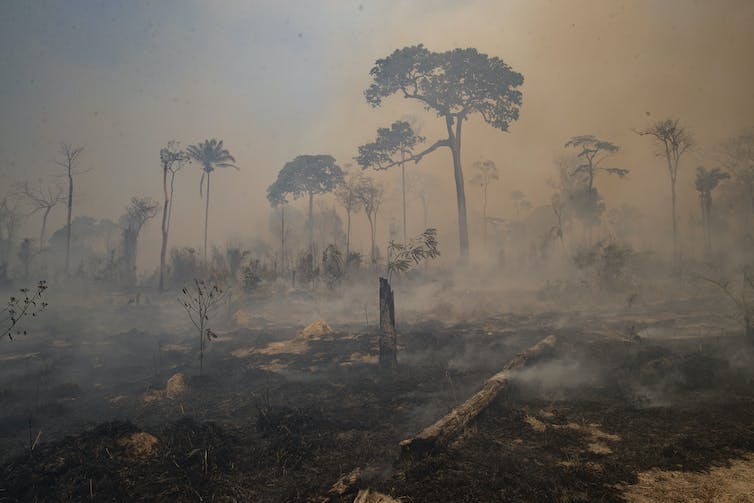
Biofuel Boom in Brazil: Green Growth or Greenwash?
Brazil’s booming biofuel industry is driving deforestation, threatening food security, and displacing communities. Take action and boycott palm oil!
Read more
Trash into Treasure: Turning E-Waste and CO2 into Gold
Turning E-Waste and CO2 into Gold addresses e-waste challenges and contributes to CO₂ reduction efforts. Take action and boycott gold for Yanomami people!
Read more
So-called ‘Net Zero’ Flights Flush Rainforest Carbon Into the Sky
Virgin Atlantic airlines now uses ‘sustainable aviation fuel’ however experts call it greenwashing and industry spin causing climate change. Boycott palm oil!
Read more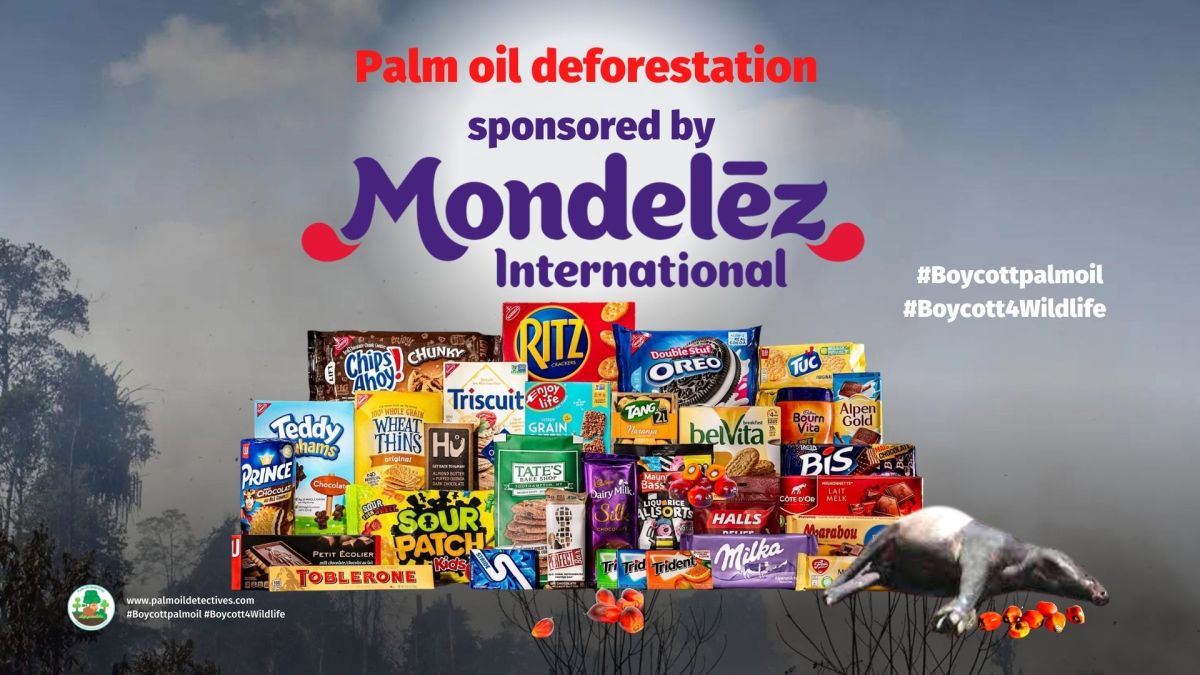
Oreo Maker Linked to Ongoing Deforestation and Human Rights Abuses
Mondelēz International who make Oreos keep sourcing palm oil from suppliers linked to violence and deforestation. Their RSPO certification is pure greenwash!
Read more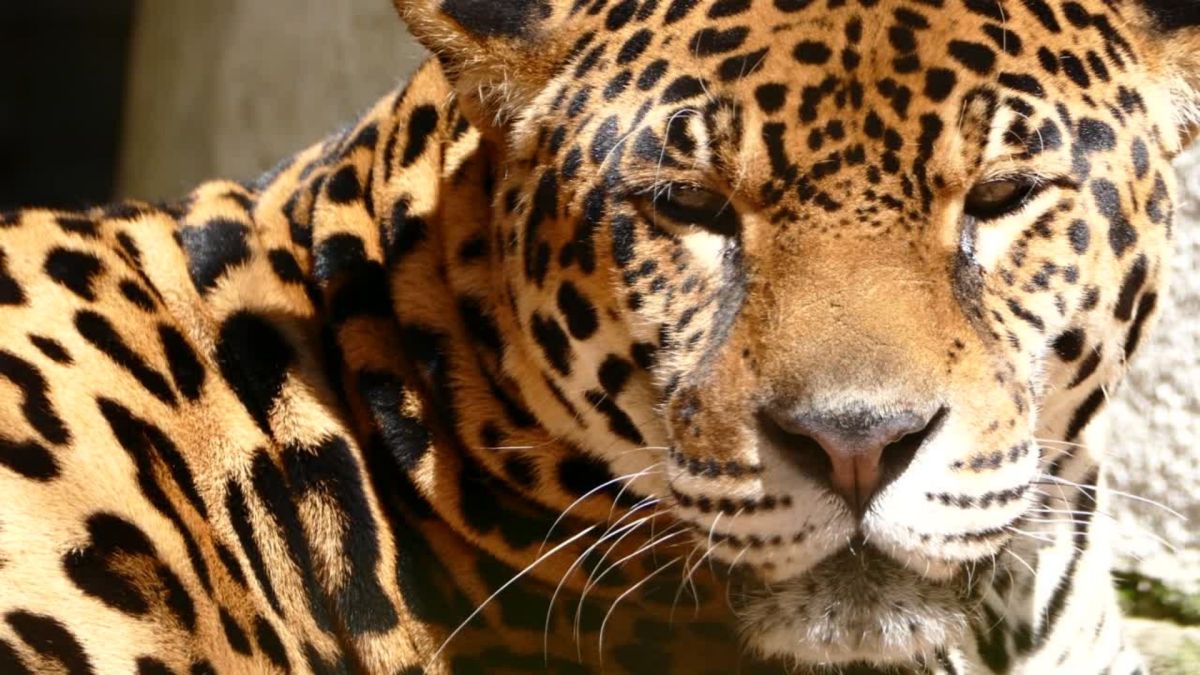
Jaguars vs Cows: JBS Fuelling Biodiversity Collapse in Brazil’s Forests
Global Witness report finds JBS, the world’s largest meat company, is directly linked to deforestation in the Amazon and Pantanal putting jaguars at risk
Read moreSomething went wrong. Please refresh the page and/or try again.
Take Action in Five Ways
1. Join the #Boycott4Wildlife on social media and subscribe to stay in the loop: Share posts from this website to your own network on Twitter, Mastadon, Instagram, Facebook and Youtube using the hashtags #Boycottpalmoil #Boycott4Wildlife.
2. Contribute stories: Academics, conservationists, scientists, indigenous rights advocates and animal rights advocates working to expose the corruption of the palm oil industry or to save animals can contribute stories to the website.



3. Supermarket sleuthing: Next time you’re in the supermarket, take photos of products containing palm oil. Share these to social media along with the hashtags to call out the greenwashing and ecocide of the brands who use palm oil. You can also take photos of palm oil free products and congratulate brands when they go palm oil free.
4. Take to the streets: Get in touch with Palm Oil Detectives to find out more.
5. Donate: Make a one-off or monthly donation to Palm Oil Detectives as a way of saying thank you and to help pay for ongoing running costs of the website and social media campaigns. Donate here
Discover more from Palm Oil Detectives
Subscribe to get the latest posts sent to your email.
 Palm Oil Detectives
