
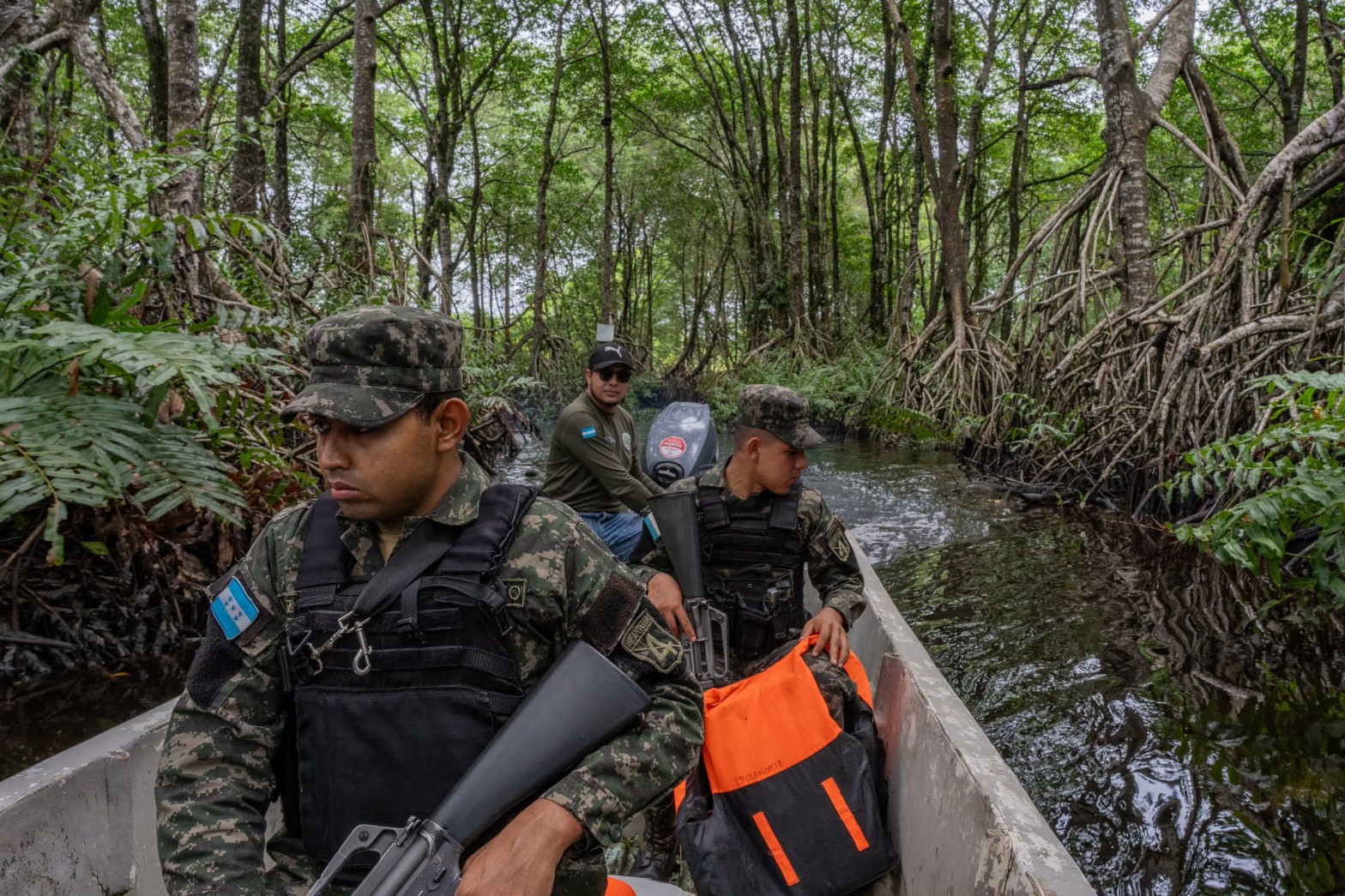
Latin America is the fastest-growing producer of palm oil, but at what price for the environment and its defenders? Park rangers in Honduras tell harrowing tales of daily threats to their lives and real dangers they face in the long-term fight for protect Honduran rainforests, indigenous peoples and animals from annihilation #BoycottPalmOil #Boycott4Wildlife
🌿 #LatinAmerica’s #Honduras is rapidly increasing #palmoil production – at HUGE cost. Rangers face daily death threats 💀 while defending #rainforests 🌳 #indigenous peoples and #wildlife. 💔 Fight back! #BoycottPalmOil #Boycott4Wildlife @palmoildetect https://wp.me/pcFhgU-8YV
💀 Park rangers in #Honduras 🇭🇳 #SouthAmerica risk their lives every day to protect animals 🐒 #indigenous peoples and #rainforests from #palmoil plantations. Their fight is real. Resist when u shop! 💪 #BoycottPalmOil #Boycott4Wildlife @palmoildetect https://wp.me/pcFhgU-8YV
Words and photography by Fritz Pinnow in Tela, Honduras. Originally published in The Guardian, 27 November, 2023 and republished via the Guardian’s open license agreement, read original article.
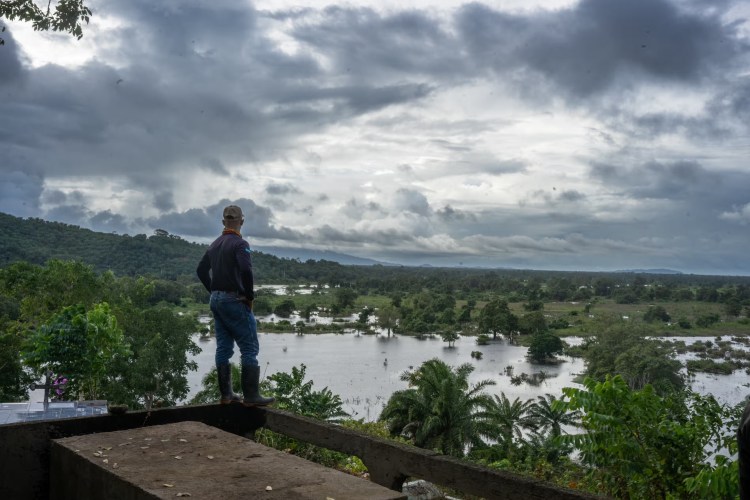
Park ranger Adonias Cruz was out monitoring illegal oil palm crops in Blanca Jeannette Kawas national park, on the north coast of Honduras, on 10 September, when an unknown armed man came to his flat and rang the bell. When the stranger realised Cruz was out, he left him a death threat.
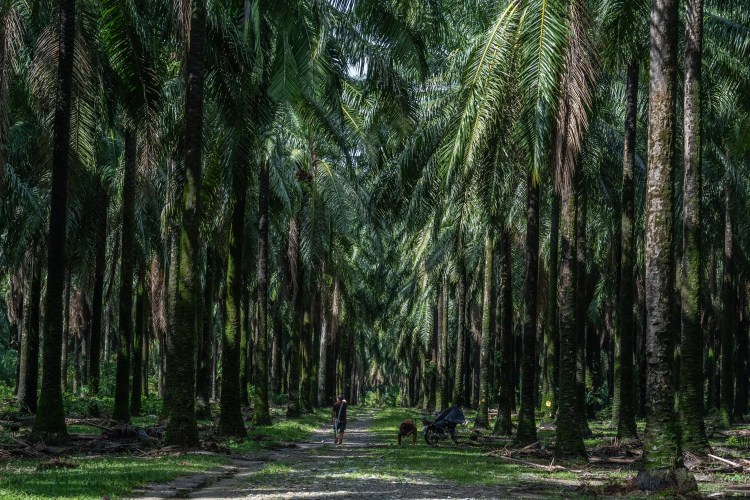
“I had already received death threats from people in the community for leading a team to eradicate a new oil palm plantation in the central zone of the park,” says Cruz. “It was frightening to know they were in my flat and that everything could have ended differently if I had been home that day.”
Cruz, 28, is one of four park rangers dedicated to protecting national parks and monitoring illegal oil palm crops in Honduras. It is a high-risk job: groups linked to the exploitation of palm oil in environmental reserves and drug trafficking have made it clear they are ready to kill if they think the agents interfere too much in their business.
“Most people see us as their enemy. We can have friendly conversations with everyone here, but you never know who will be behind the next assassination attempt,” says Cruz.
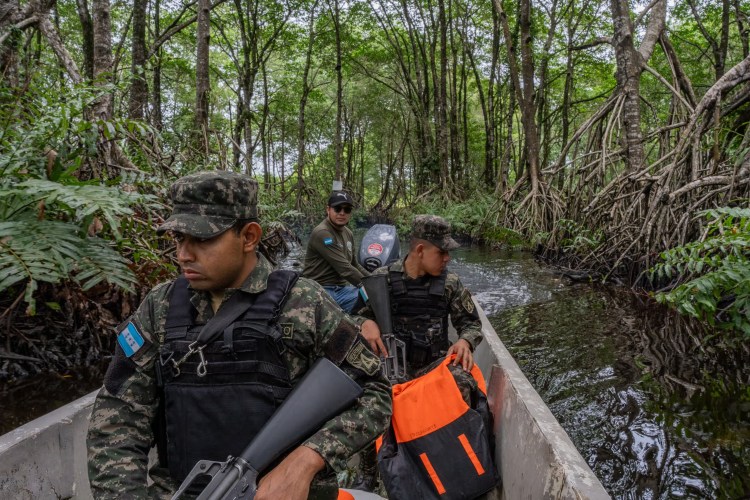
Fellow park ranger Cesar Ortega, 22, adds that the team’s work is monitored by the criminals. “From when we leave the office, they know exactly where we are and where we are heading. They have people at every intersection calling in our position and asking if we are with soldiers,” he says.
Cruz and Ortega are two of the many rangers who have been threatened while fighting against the rapid spread of oil palm plantations. Palm oil, especially from the oil palm’s fruit, has become an essential export business in Honduras, used in the food industry, in beauty products and as a biofuel. Its low production costs make it a cheap substitute for most oils, such as sunflower and olive, significantly lowering manufacturing costs in global markets.
Palm oil accounts for about 40% of global demand for vegetable oil as food, animal feed and fuel – about 210m tonnes. Between 1995 and 2015, annual production quadrupled, from 15.2m tonnes to 62.6m tonnes, and it is expected to quadruple once more in 2050. Latin America, the fastest-growing producer, accounts for almost 7% of global palm oil production.
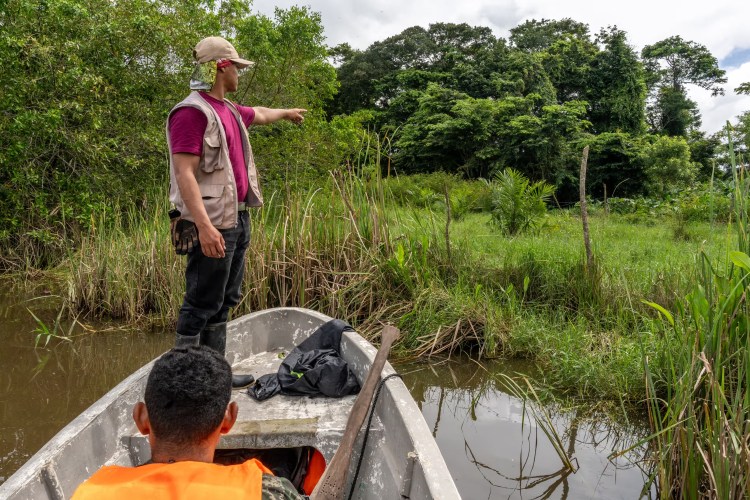
In Honduras, oil palm gained traction as a crop in 2014, when the former president Juan Orlando Hernández invested almost $72m (£57m) in loans and grants to incentivise its cultivation. “All one needed was the willingness to plant oil palm, and the rest was served on a plate,” says Pablo Flores Velásquez, professor of environmental investigations at the National Autonomous University of Honduras (UNAH).
For the traffickers, oil palm crops are a way of legitimising their presence in the territory and securing physical control over the land.
Frances Thomson, Latin America specialist
The problem is that the extensive cultivation of oil palm has not only proved to be lucrative, but also poses a risk to the environment. “The oil palm presents a serious threat to the biodiversity of the wetlands and the water quality communities depend on,” says Velásquez. “As a monoculture, the installation and establishment of the crop necessitates the complete eradication of the biodiverse area, paralysing the ecosystem completely and permanently.”
In Honduras, these crops – whose harmful effects on the soil can create “green deserts” – account for almost 4% of all exports, mostly going to the Netherlands, the US, Italy and Switzerland, with a value of $334m in 2021. Six large companies control the production, and two claim more than half of all exports.
Nevertheless, 60% of the production in Honduras is in the hands of smallholders, who sell to corporations for refinement and export. Palm oil is highly lucrative for the farmers and provides an income every 15 days. The regional price of palm oil fruit varies greatly, from about 2,400 lempiras (£77) a tonne during low season to double that in summer.
Read the remaining article on The Guardian’s website.
Words and photography by Fritz Pinnow in Tela, Honduras. Originally published in The Guardian, 27 November, 2023 and republished under Guardian’s open license agreement, read original article.
ENDS
Read more about deforestation and ecocide in the palm oil industry
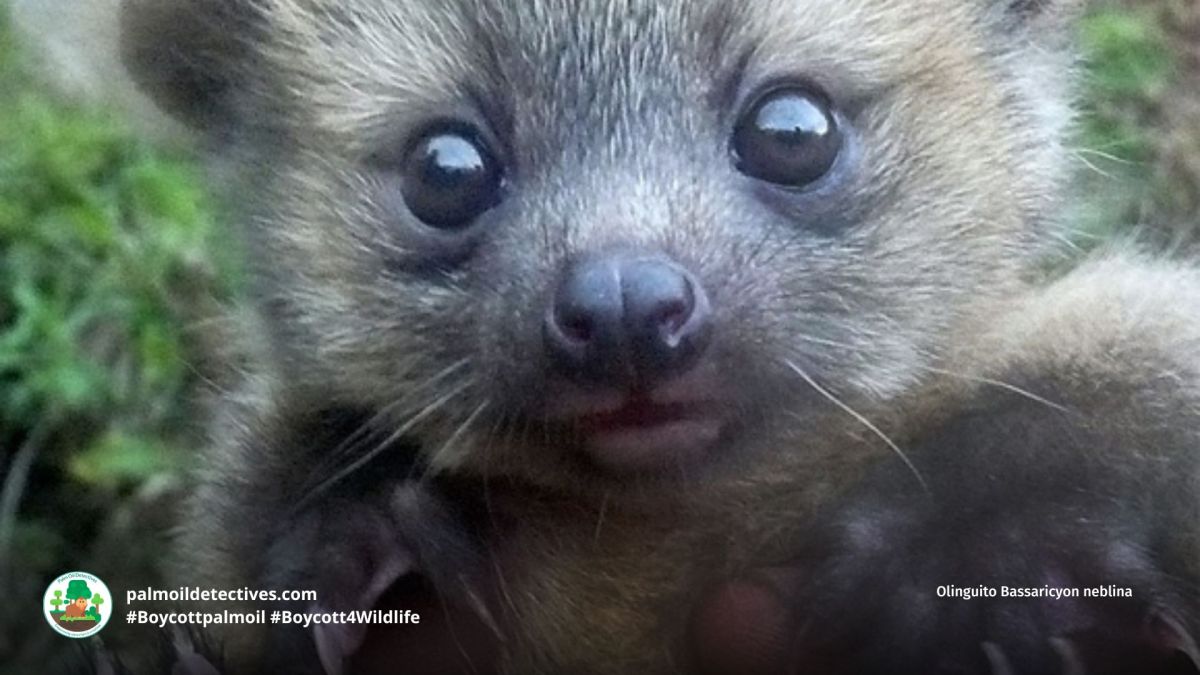
Olinguito Bassaricyon neblina
With bear-like faces, cat-like bodies, Olinguitos are adorable button-nosed mammals of Ecuador and Colombia. Palm oil and meat deforestation threaten them
Read more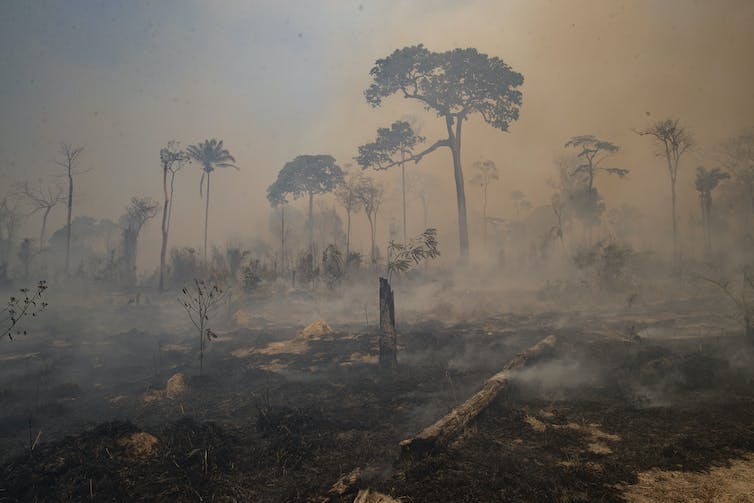
Biofuel Boom in Brazil: Green Growth or Greenwash?
Brazil’s booming biofuel industry is driving deforestation, threatening food security, and displacing communities. Take action and boycott palm oil!
Read more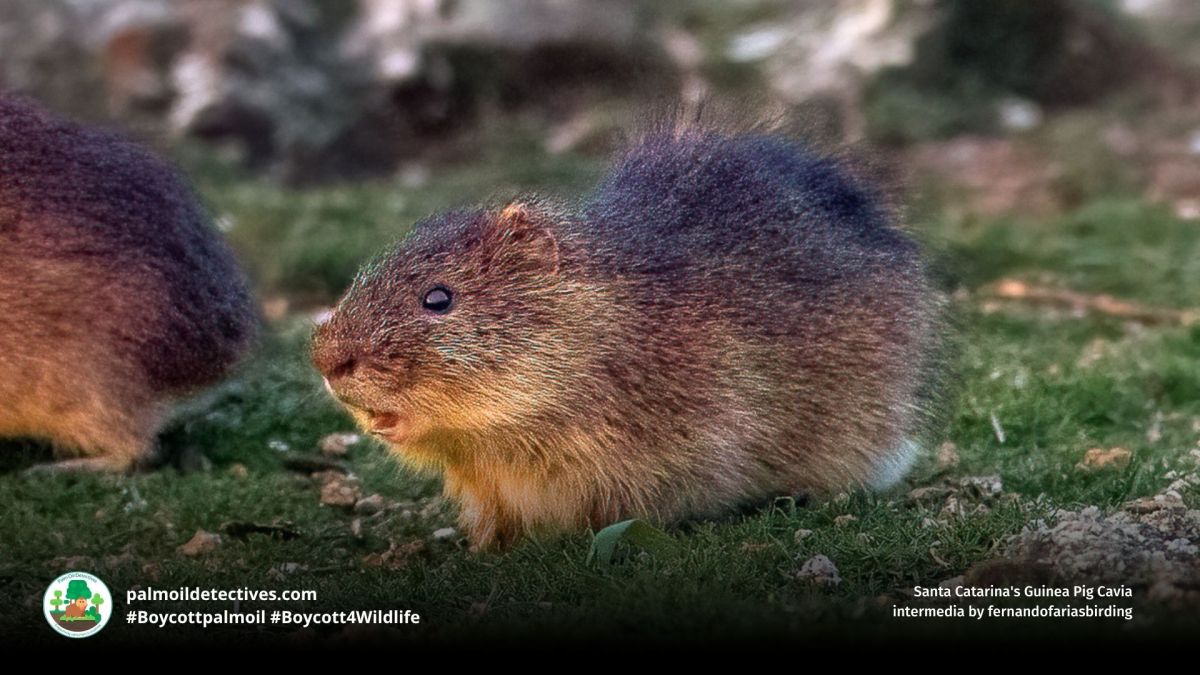
Santa Catarina’s Guinea Pig Cavia intermedia
Santa Catarina’s Guinea Pig are enchanting critically endangered rodents under threat from climate change. Advocate for climate action now! #Boycott4Wildlife
Read more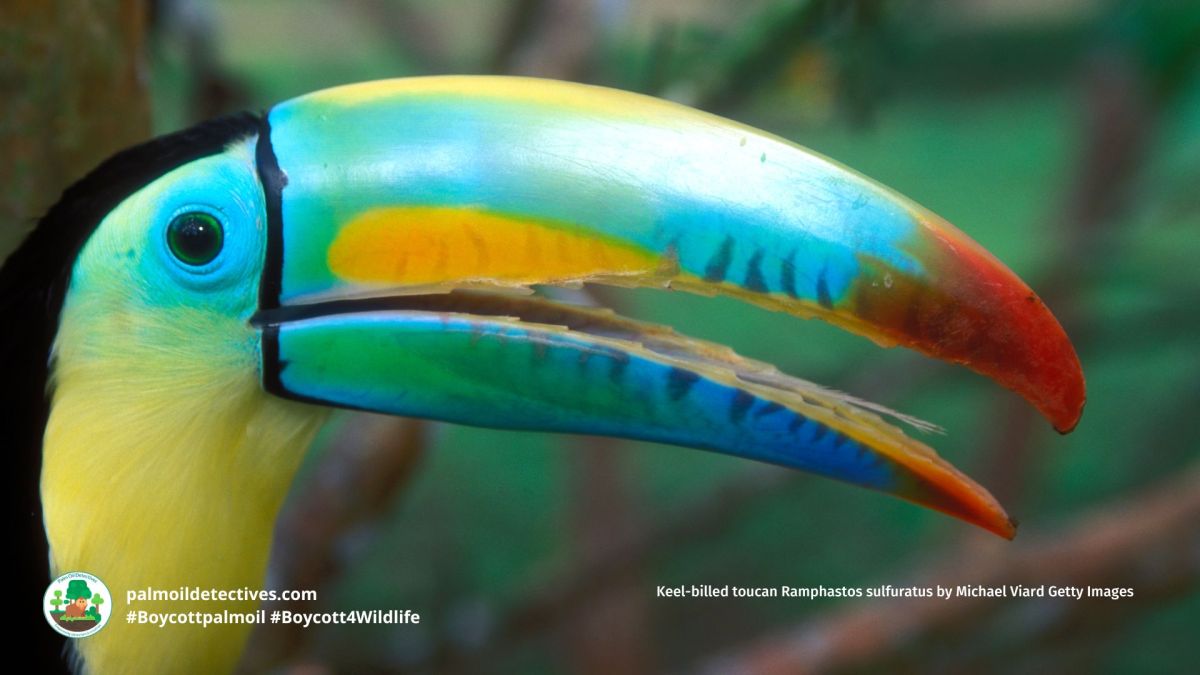
Keel-billed Toucan Ramphastos sulfuratus
Keel-billed Toucans have dazzling rainbow-coloured bills and are iconic to South America. Threats include hunting, palm oil and meat deforestation. Take action!
Read more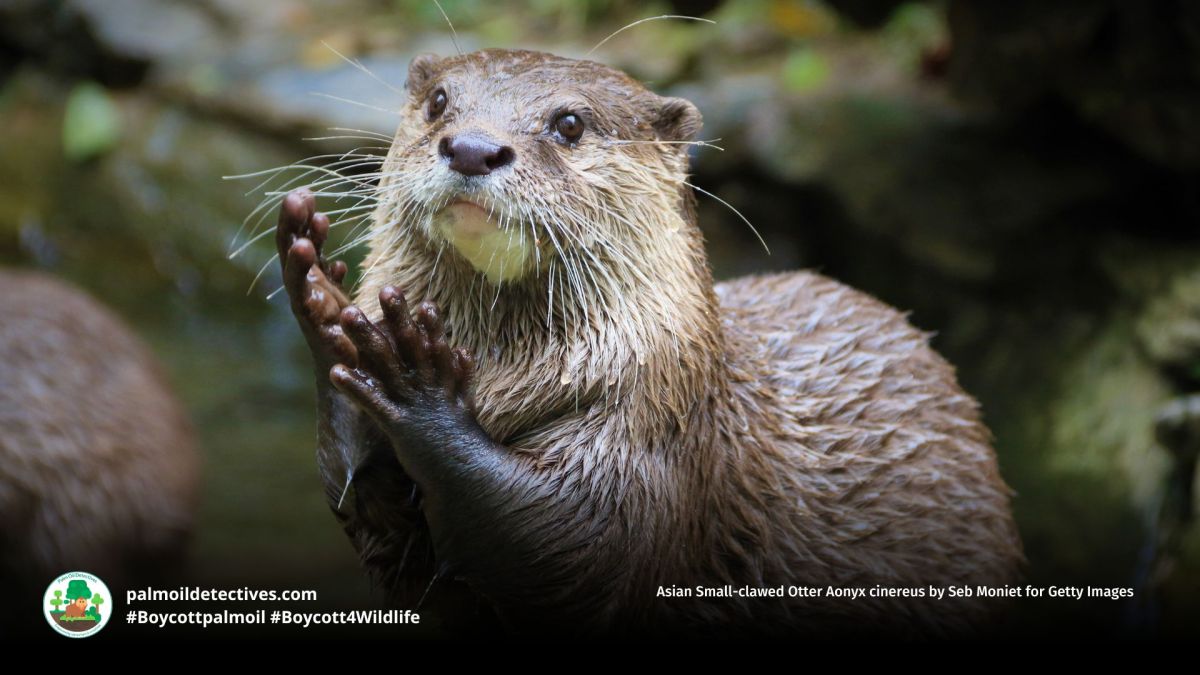
Asian Small-clawed Otter Aonyx cinereus
Asian Small-clawed Otters are the world’s smallest otter species and are Vulnerable from palm oil tea and coffee deforestation. Protect them, boycott palm oil!
Read moreSomething went wrong. Please refresh the page and/or try again.
Take Action in Five Ways
1. Join the #Boycott4Wildlife on social media and subscribe to stay in the loop: Share posts from this website to your own network on Twitter, Mastadon, Instagram, Facebook and Youtube using the hashtags #Boycottpalmoil #Boycott4Wildlife.
2. Contribute stories: Academics, conservationists, scientists, indigenous rights advocates and animal rights advocates working to expose the corruption of the palm oil industry or to save animals can contribute stories to the website.


3. Supermarket sleuthing: Next time you’re in the supermarket, take photos of products containing palm oil. Share these to social media along with the hashtags to call out the greenwashing and ecocide of the brands who use palm oil. You can also take photos of palm oil free products and congratulate brands when they go palm oil free.
4. Take to the streets: Get in touch with Palm Oil Detectives to find out more.
5. Donate: Make a one-off or monthly donation to Palm Oil Detectives as a way of saying thank you and to help pay for ongoing running costs of the website and social media campaigns. Donate here
Discover more from Palm Oil Detectives
Subscribe to get the latest posts sent to your email.
 Palm Oil Detectives
@palmoildetectives.com
https://freedomnews.org.uk/2025/02/20/peasant-communities-under-attack-in-honduras/
#Honduras #PalmOil
LikeLike
Remote Reply
Original Comment URL
Your Profile
Why do I need to enter my profile?
This site is part of the ⁂ open social web, a network of interconnected social platforms (like Mastodon, Pixelfed, Friendica, and others). Unlike centralized social media, your account lives on a platform of your choice, and you can interact with people across different platforms.
By entering your profile, we can send you to your account where you can complete this action.
Thanks Peter for the share
LikeLike