
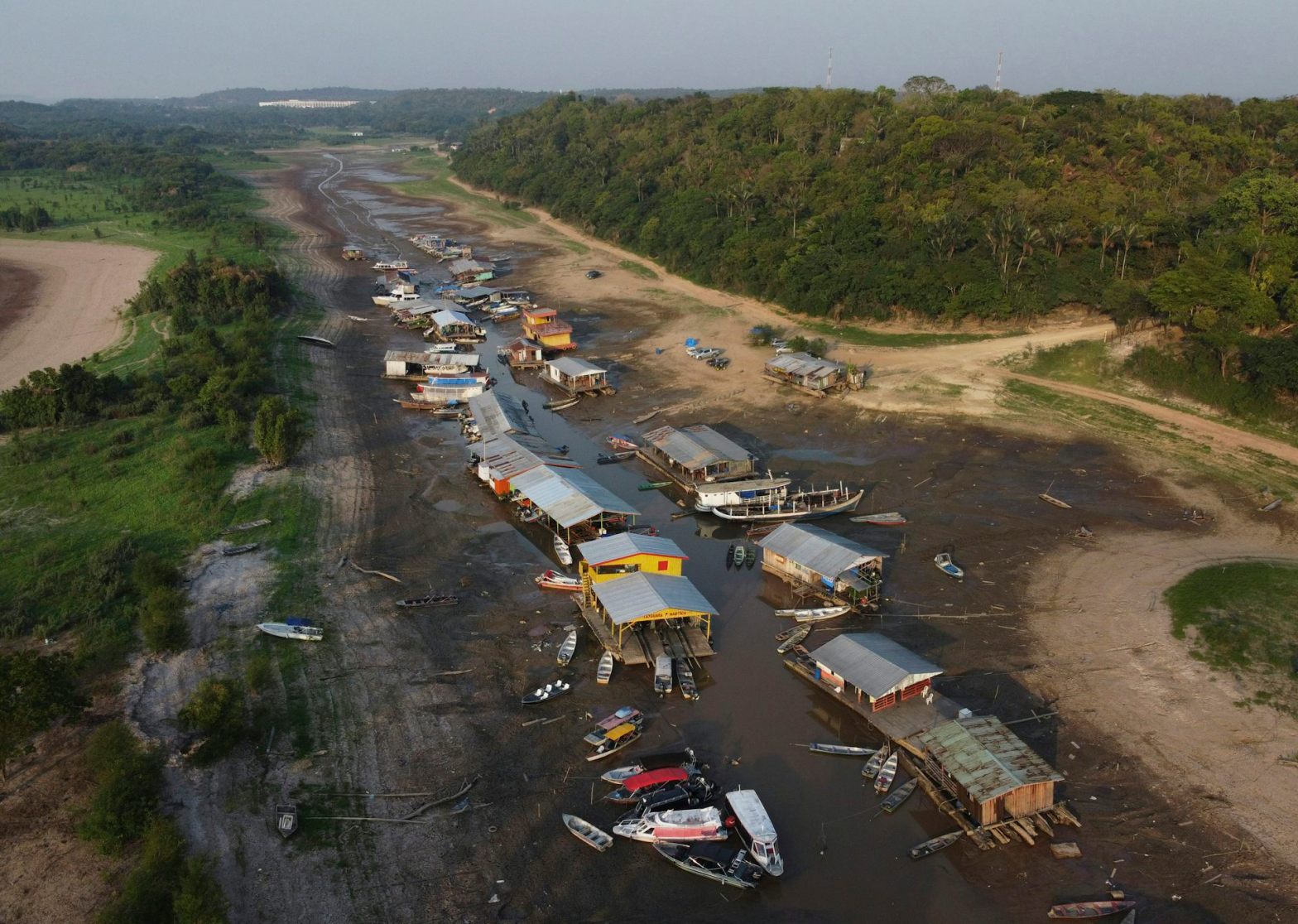
The fertile lungs of our planet, the Amazon jungle faces severe drought due to El Niño, climate change, and deforestation for agriculture like palm oil, soy and meat. This along with gold mining, affects biodiversity and local indigenous communities. To combat this crisis, stronger measures against deforestation and illegal mining are essential. Global and local leaders must act now to protect the Amazon. #BoycottPalmOil #BoycottGold4Yanomami #Boycott4Wildlife.
Don’t let the verdant lungs of the 🇧🇷🌳 #Amazon 🫁 turn black 🖤 Global leaders must take action NOW against #deforestation for #agriculture and #goldmining 🥇👃 Learn more #BoycottGold4Yanomami #Boycott4Wildlife @palmoildetect @BarbaraNavarro https://wp.me/pcFhgU-8Uj
Written by Lucas Ferrante, Pesquisador Vinculado ao Programa de Pós-graduação em Zoologia, Universidade Federal do Amazonas (UFAM) This article is republished from The Conversation under a Creative Commons license. Read the original article.
The drought plaguing the Amazon is a worrying portrait of the climate challenges facing the world. The combination of the El Niño phenomenon and anthropogenic climate change has played a significant role in accentuating this extreme weather event. The Amazon region, known for its lush rainforest and flowing rivers, is facing a critical situation due to a lack of rainfall and rising temperatures.
This phenomenon, never recorded at this intensity, has affected biodiversity and human life in eight Amazonian states. The drought has already killed more than 140 dolphins, including pink dolphins and tucuxis, also known as grey dolphins. The mortality of fish and other aquatic animals is also high. The low volume of the rivers affects the human supply, causing a lack of drinking water and food in all the small villages, even those located on the banks of the big rivers. Of the 62 municipalities in the state of Amazonas, 42 are in a state of emergency, 18 are in a state of alert and only two are in a normal situation.
The El Niño phenomenon has a direct influence on the Amazon drought. It manifests itself in the abnormal warming of the surface waters of the Pacific Ocean, affecting the rainfall regime in various parts of the world. In the case of the Amazon region, the drought is exacerbated by a decrease in humidity and a lack of rainfall, damaging the vegetation, fauna and local communities that depend on natural resources.
However, anthropogenic climate change is making the situation even worse. Rampant deforestation, driven by agricultural expansion and logging activity, reduces the Amazon rainforest’s ability to regulate the climate and retain moisture. In addition, the destruction of vast areas of vegetation contributes to rising temperatures, creating a cycle of even more accentuated droughts.
Deforestation and gold mining, major factors
Deforestation has been particularly devastating in the region of Highway BR-319, in the south of Amazonas state, driven by land grabbing which has provided cheap land to cattle ranchers from other states. In turn, this deforestation has increased the number of fires that feed back into the climate crisis. When they occur near riverbanks, deforestation also intensifies the phenomenon known as fallen land, which has drastically affected the draught of rivers and is already significantly jeopardising navigation and logistics, mainly affecting villages in the interior of the Amazon, which are already suffering from shortages.
Another factor that has played a significant role in affecting navigation is gold mining activity. Disorganised mineral extraction has created banks of land that are harmful to navigation and which, in the critical scenario of drought, have caused many vessels to run aground.
The impact of hydroelectric dams
Hydroelectric dams also play a role in contributing to the drought scenario, especially on the Madeira River. This is mainly due to the decomposition of organic matter in reservoirs created by dams, which releases methane, a potent greenhouse gas, into the atmosphere. In addition, deforestation associated with the construction of dams, as well as soil degradation and erosion resulting from the alteration of aquatic and terrestrial ecosystems, can increase emissions of carbon dioxide (CO2) and other pollutants, contributing to the impact of hydroelectric dams on climate change.
The Madeira River, now at its lowest level in almost 60 years, has been drastically affected and transformed by the Jirau and Santo Antônio hydroelectric dams. This was due to the drastic alteration of the river’s natural flow caused by the damming of water for power generation. When water is dammed, a reservoir is formed that retains part of the water that would normally flow along the river. This diversion of the flow directly affects the region’s aquatic and terrestrial ecosystems, since the basin’s hydrological cycle is interrupted. The reduction in the volume of water in the Madeira River, for example, can lead to prolonged periods of drought, affecting not only aquatic fauna and riparian habitats, but also local communities that depend on the river for their livelihoods.
In addition, the construction and operation of hydroelectric dams in the Amazon often involves the clearing of significant areas of forest for the construction of dams and associated infrastructure. Deforestation contributes to a reduction in evapotranspiration, which is a crucial process for water balance in the region. With fewer trees to release water into the atmosphere, the Amazon becomes more susceptible to drought. The combination of these factors results in a significant impact on the region, making hydroelectric dams one of the causes of drought in the Amazon, particularly on the Madeira River, with worrying environmental and social consequences.
Species under threat by hydroelectric dams
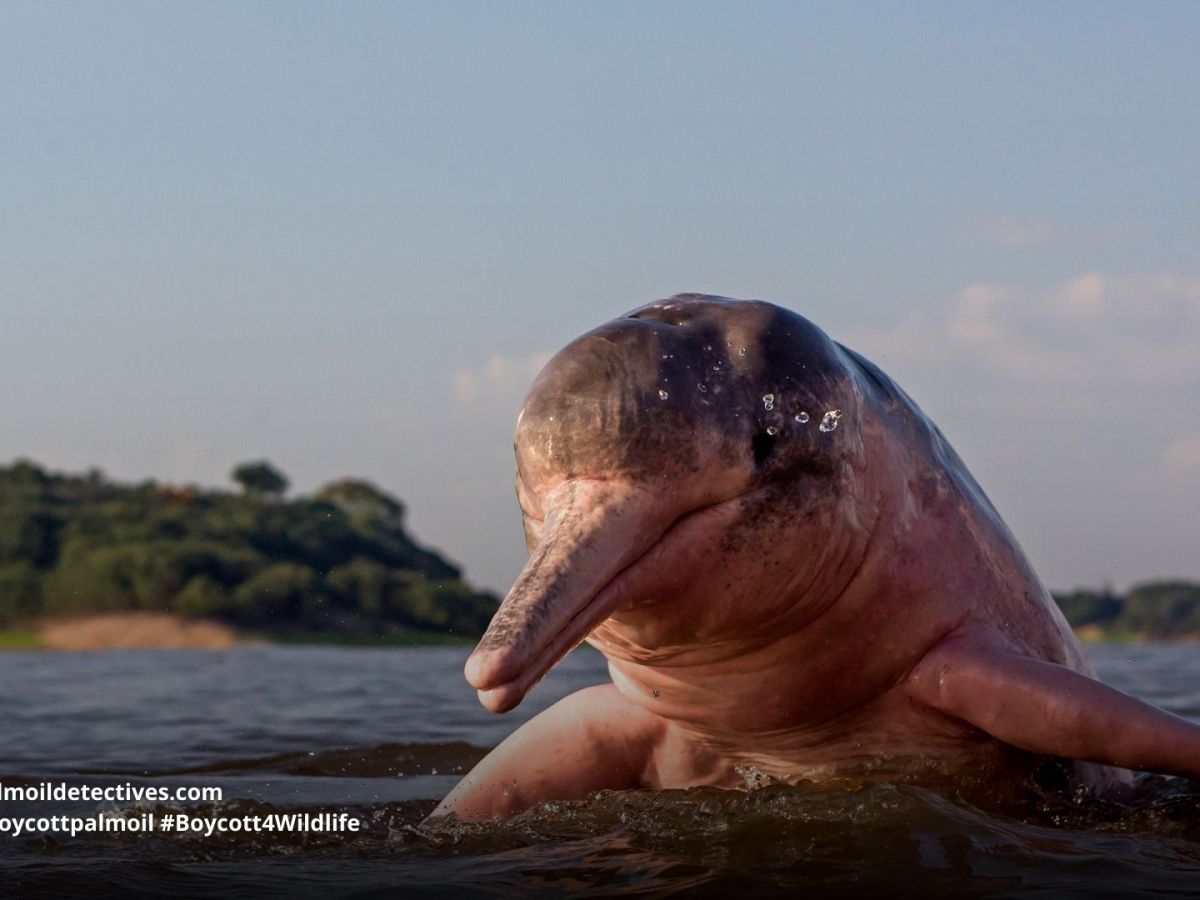
Amazon River Dolphin Inia geoffrensis
The Amazon River dolphins, also known as the Boto Dolphins or Amazon Pink River Dolphins are playful, curious and intelligent mammals, the largest river dolphin species in the world.…
Read more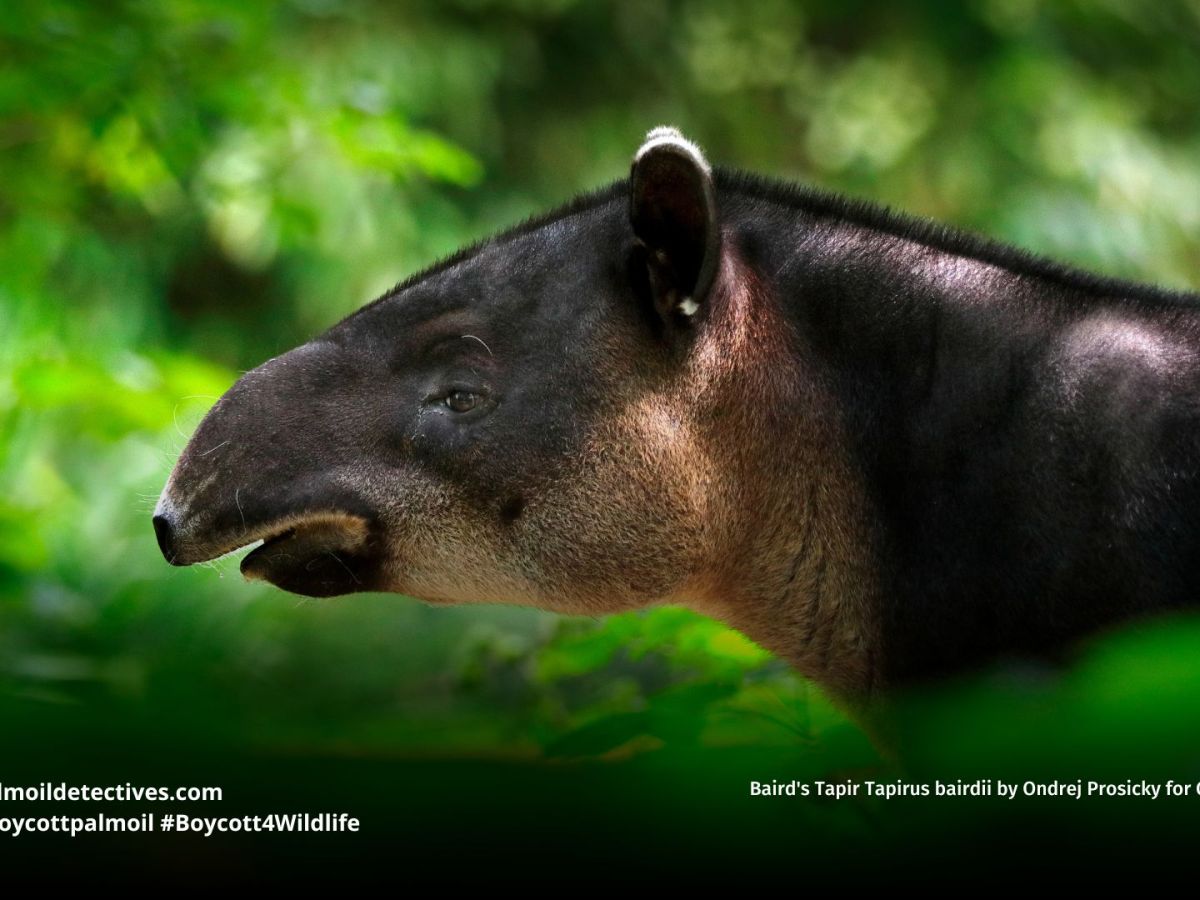
Baird’s Tapir Tapirus bairdii
Baird’s tapirs may look like they are relatives of elephants, but they’re actually closer kin to horses, donkeys, zebras, and rhinoceroses. Also known as the Central American tapir, they…
Read more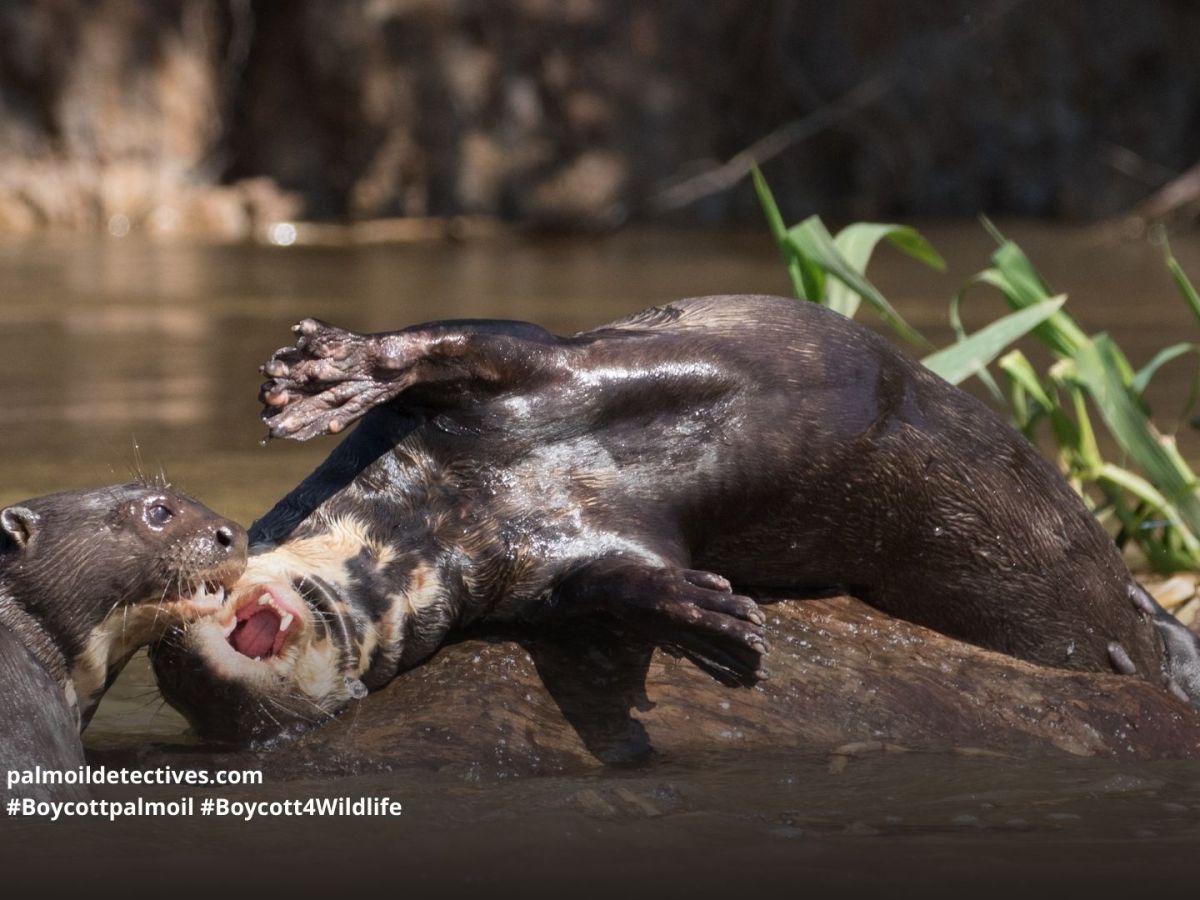
Giant Otter Pteronura brasiliensis
The agile and graceful tumbling Olympians of the Amazonian rivers, Giant #Otters are able to swim 100 metres in less than 30 seconds. They are also known as the…
Read more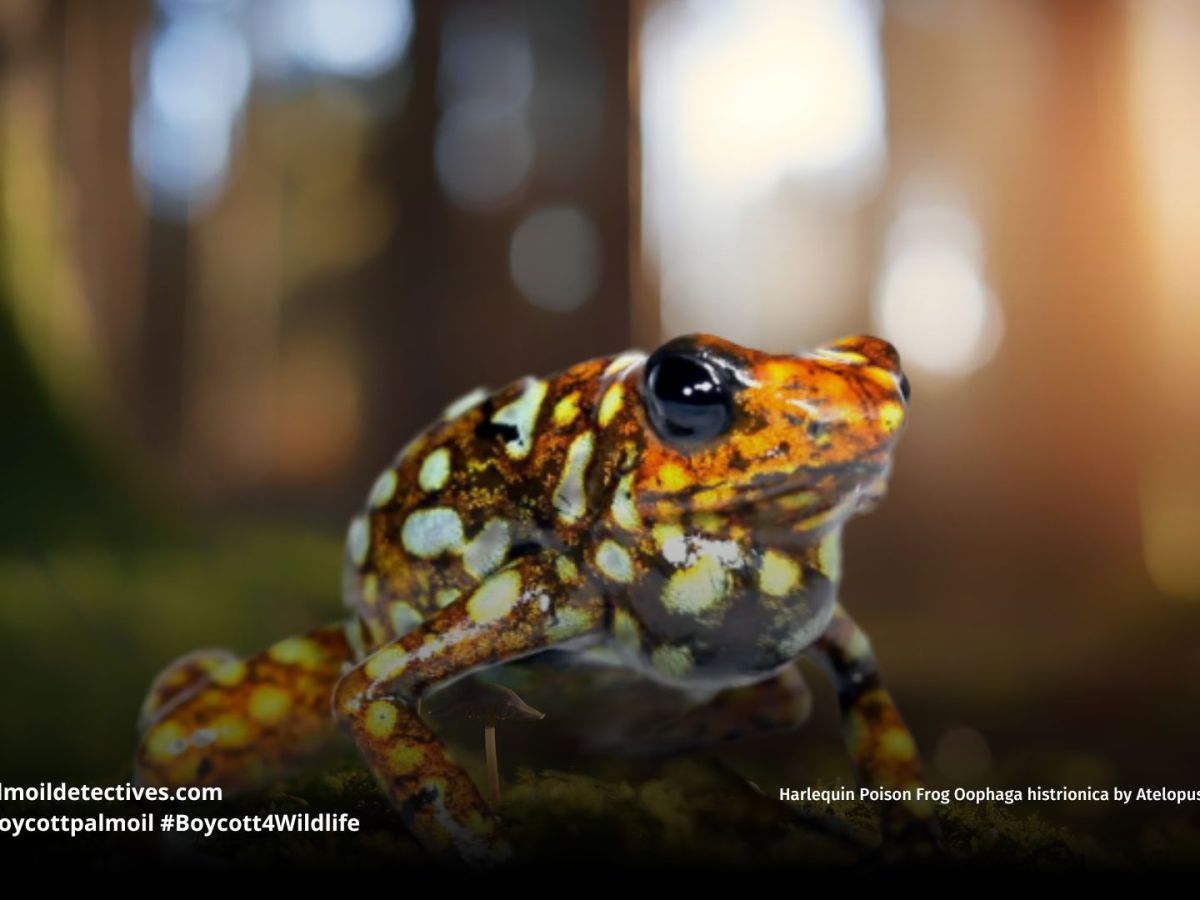
Harlequin Poison Frog Oophaga histrionica
Chocó rainforests, the harlequin poison frog is as deadly as it is beautiful. Cloaked in hypnotic shades of orange, yellow, green and black, this tiny amphibian is a master…
Read more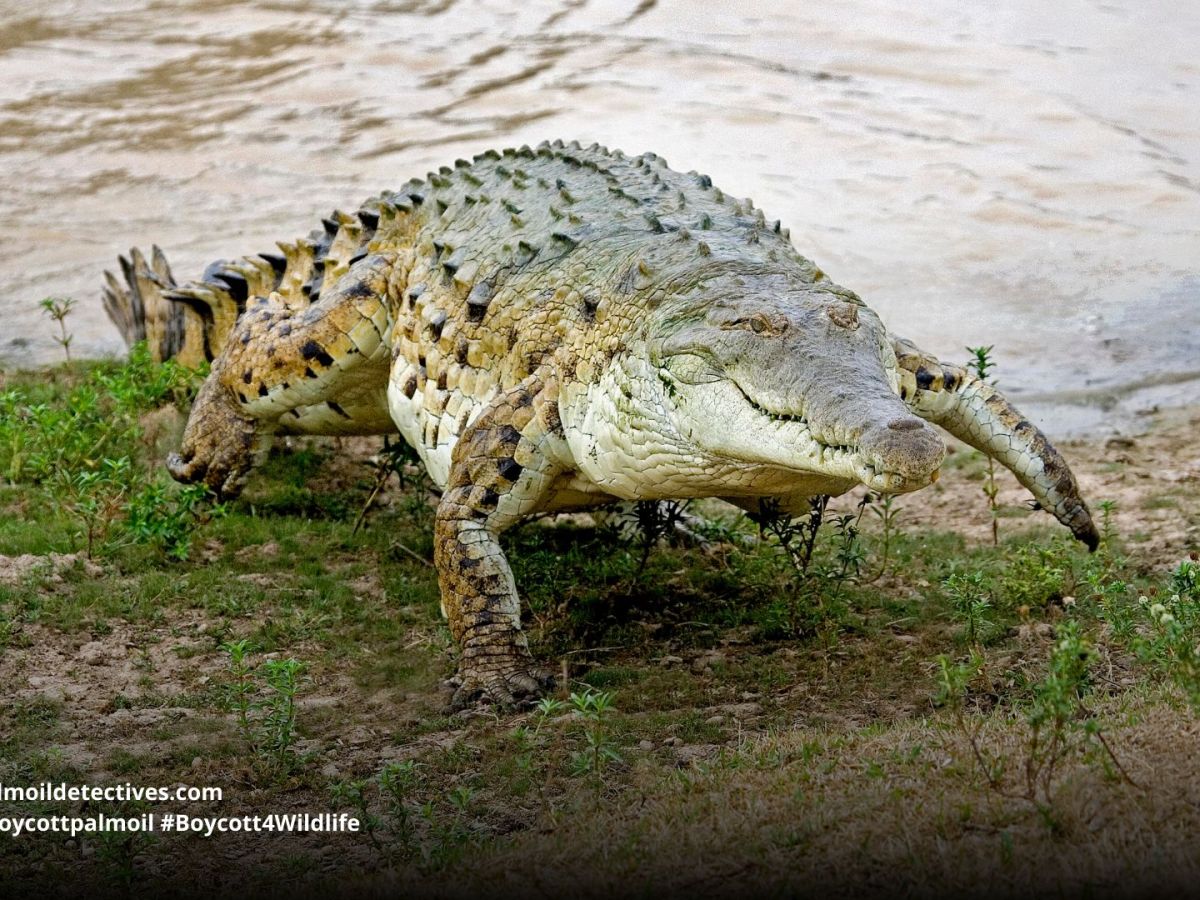
Orinoco Crocodile Crocodylus intermedius
Endemic to the Orinoco River Basin in #Colombia and #Venezuela, the majestic Orinoco Crocodile is one of the rarest and most threatened reptiles on Earth. These intelligent, powerful apex…
Read more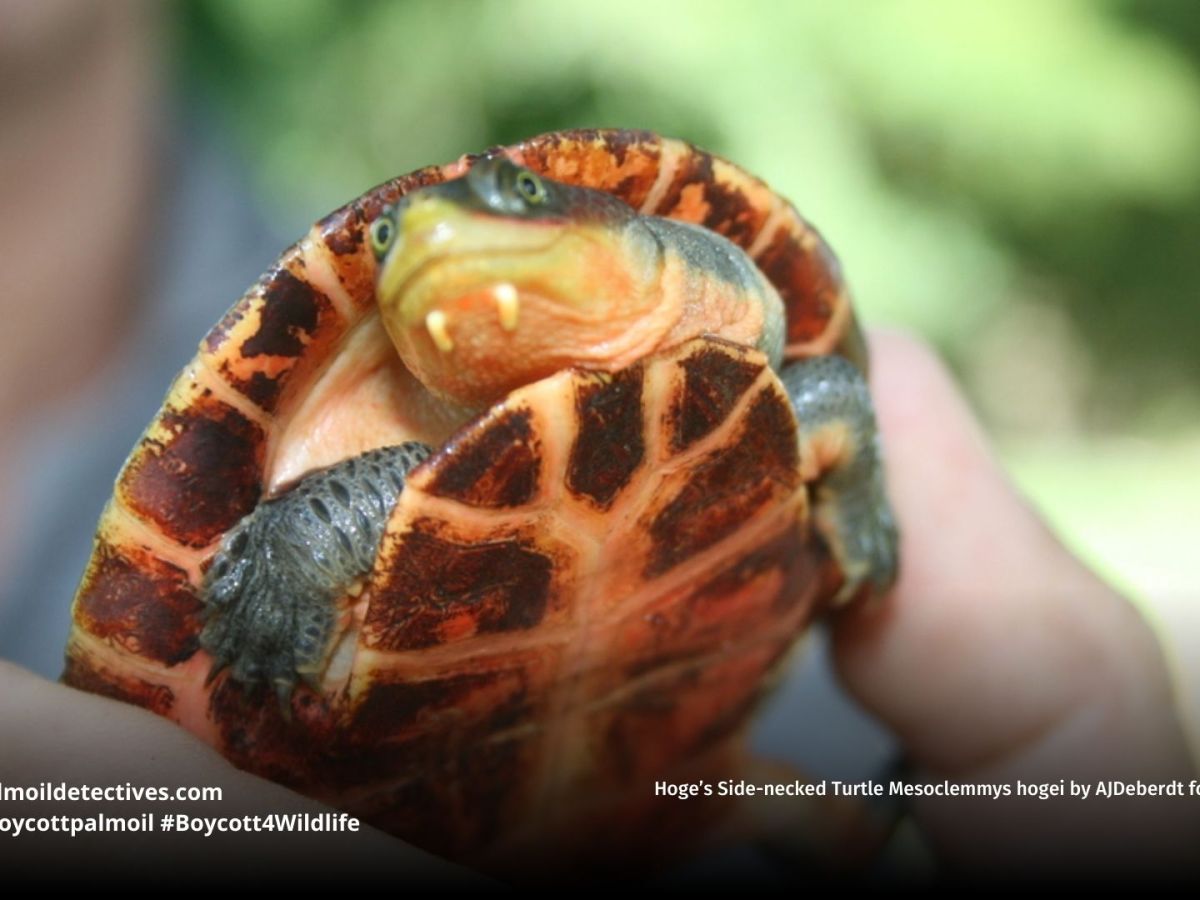
Hoge’s Side-necked Turtle Mesoclemmys hogei
The Hoge’s Side-necked Turtle Ranacephala hogei—also known as Hoge’s Toadhead Turtle—is one of #Brazil’s rarest and most endangered reptiles. Having diverged from other turtles some 80 million years ago,…
Read moreWhat can still be done
In order to combat the extreme drought in the Amazon and its devastating effects, it is essential to adopt strict measures to curb deforestation and illegal mining in the region, and for the federal government to review major undertakings such as hydroelectric dams and roads, such as the BR-319 motorway.
Many politicians have argued that the road, if paved, could reduce the state’s isolation, especially during droughts. However, this is a fallacious argument, because connecting the most isolated municipalities would require hundreds of kilometres of side roads, which would further increase deforestation and aggravate the climate crisis.
In addition, the BR-319 motorway has become a spearhead that cuts through one of the most conserved blocks of forest, linking the central Amazon, which is still preserved, to the “arc of Amazonian deforestation”, a region that concentrates most of the climate anomalies in the entire biome.
Ecosystem on the edge
In a recent study published in the renowned journal Conservation Biology, it was shown that deforestation in the Amazon is already impacting ecosystem services that are essential for Brazil, such as the Amazon’s flying rivers. This scientific data shows that we are already at the threshold of deforestation and environmental degradation tolerated by the Amazon, and more forceful action needs to be taken now.
Part of this responsibility lies now in the hands of President Lula, in reviewing major developments in the Amazon, such as hydroelectric dams and highways like the BR-319. In addition, it is essential to institute a zero deforestation policy that should begin this year, and not in 2030, when it will be too late. Furthermore, it is crucial that the international community and local governments work together to reduce greenhouse gas emissions and tackle climate change effectively. Only with coordinated and decisive action will we be able to mitigate the impacts of drought in the Amazon and protect this unique ecosystem that plays a vital role in regulating the global climate.
Written by Lucas Ferrante, Pesquisador Vinculado ao Programa de Pós-graduação em Zoologia, Universidade Federal do Amazonas (UFAM) This article is republished from The Conversation under a Creative Commons license. Read the original article.
ENDS
Read more about deforestation and ecocide for gold mining
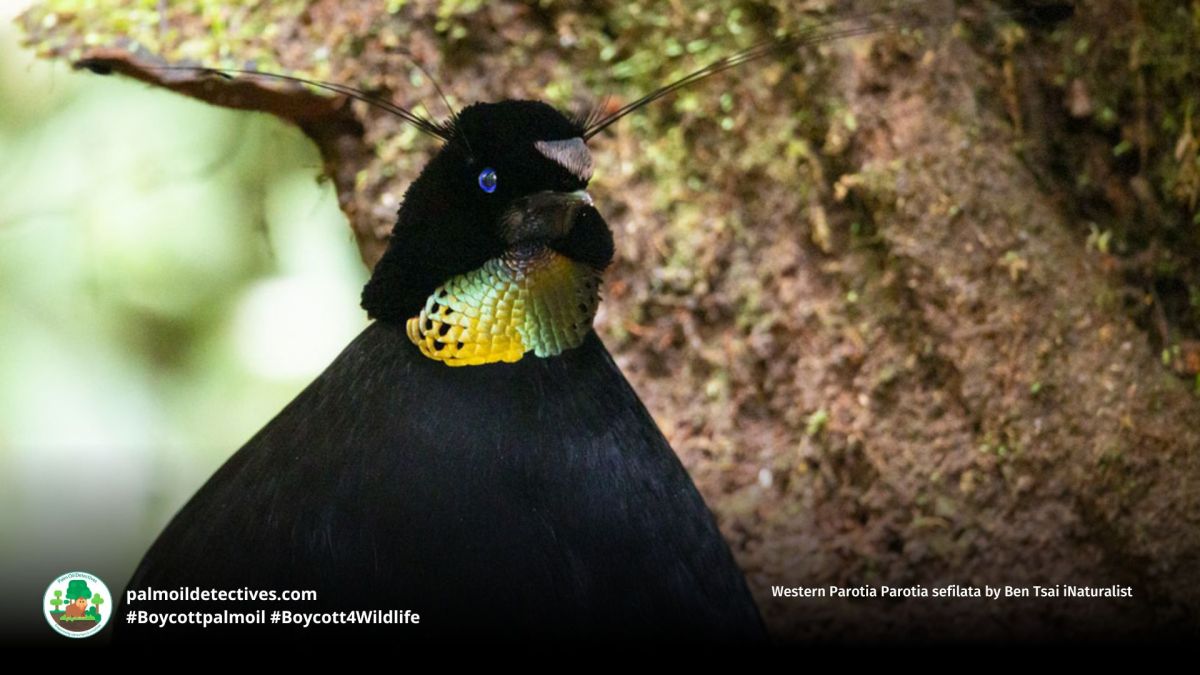
Western Parotia Parotia sefilata
Western Parotias AKA Arfak Parotias are stunning bird-of-paradise of West Papua known for their mesmerising dances. Palm oil and mining ecocide are threats
Read more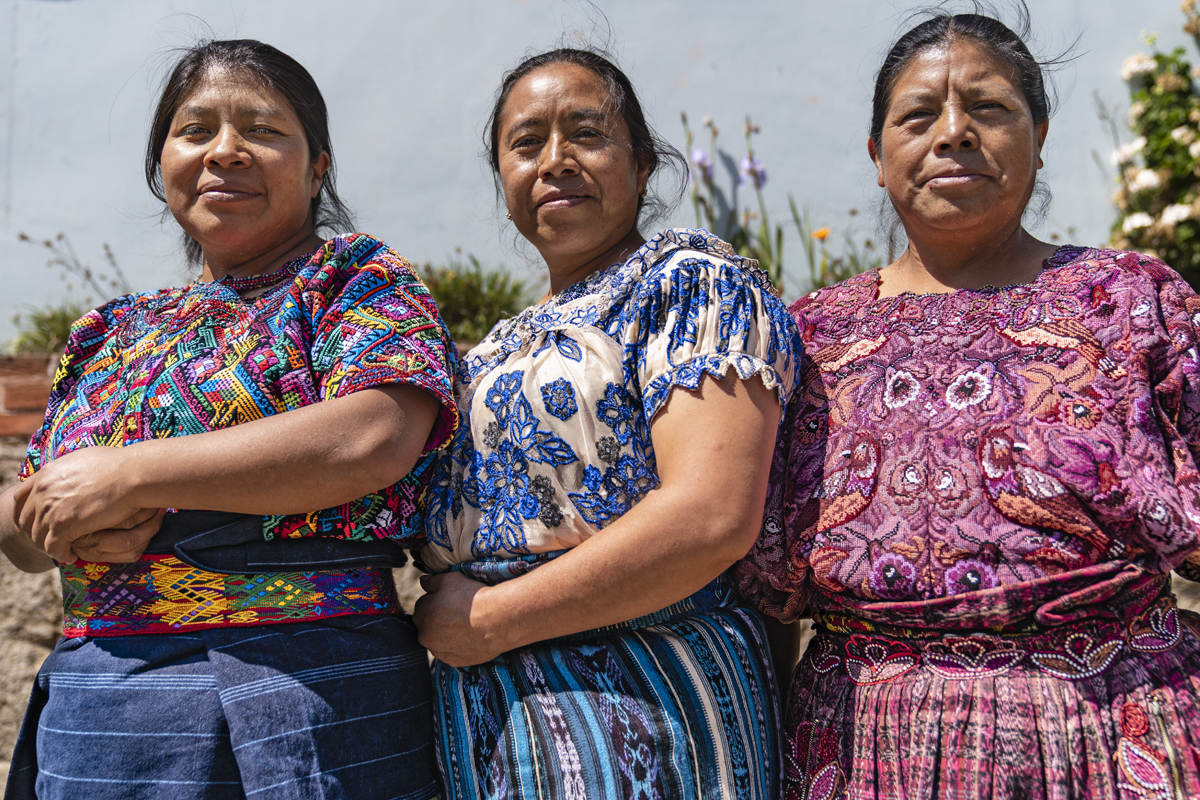
Indigenous Peoples Fight Climate Change
After wildfires, Belize’s indigenous people rebuild stronger based on “se’ komonil”: reciprocity, solidarity, gender equity, togetherness and community.
Read more
Tucuxi Sotalia fluviatilis
Tucuxi, small freshwater dolphins of Peru Ecuador Colombia and Brazil are Endangered due to fishing nets, deforestation, mercury poisoning from gold mining.
Read more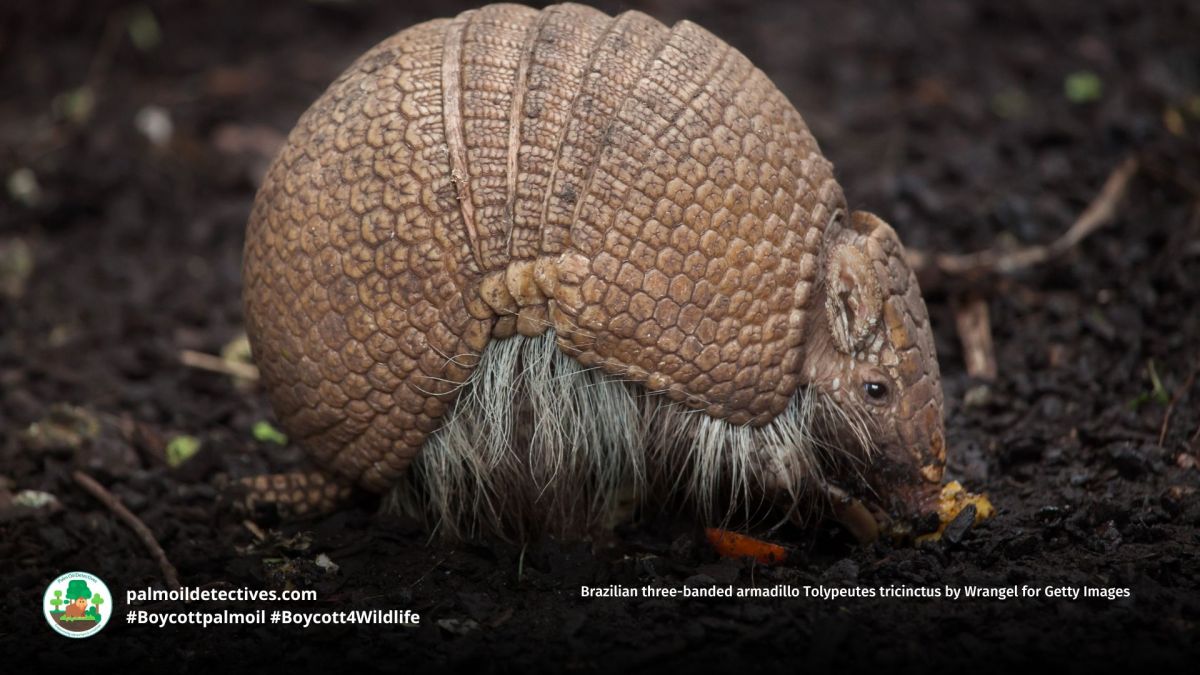
Brazilian three-banded armadillo Tolypeutes tricinctus
The Brazilian three-banded #armadillo Tolypeutes tricinctus, known as “tatu-bola” in Portuguese, is a rare and unique species native to #Brazil. With the ability to roll into a near-impenetrable ball, this endearing behaviour has…
Read more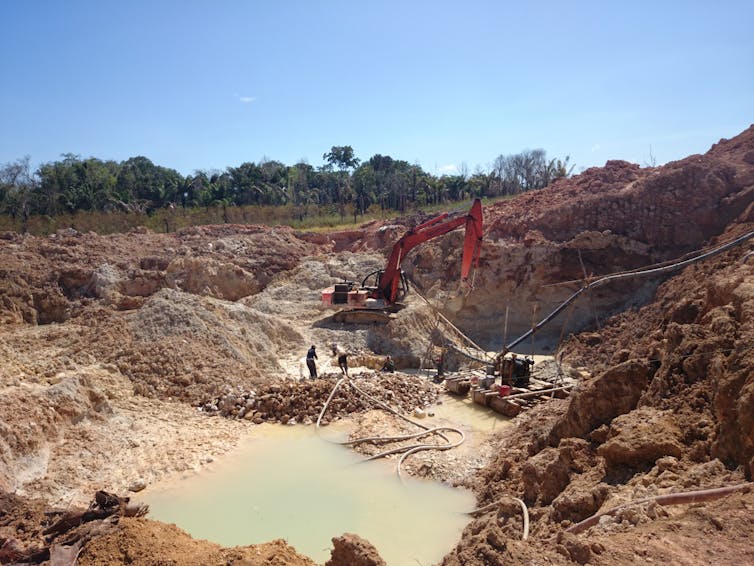
Indigenous Empowerment to Reverse Amazonia’s Mineral Demand
Illegal mining for minerals like gold is driving Amazonia deforestation. Empowering Indigenous peoples to care for biodiversity-rich areas is the key!
Read moreSomething went wrong. Please refresh the page and/or try again.
Take Action in Five Ways
1. Join the #Boycott4Wildlife on social media and subscribe to stay in the loop: Share posts from this website to your own network on Twitter, Mastadon, Instagram, Facebook and Youtube using the hashtags #Boycottpalmoil #Boycott4Wildlife.
2. Contribute stories: Academics, conservationists, scientists, indigenous rights advocates and animal rights advocates working to expose the corruption of the palm oil industry or to save animals can contribute stories to the website.



3. Supermarket sleuthing: Next time you’re in the supermarket, take photos of products containing palm oil. Share these to social media along with the hashtags to call out the greenwashing and ecocide of the brands who use palm oil. You can also take photos of palm oil free products and congratulate brands when they go palm oil free.
4. Take to the streets: Get in touch with Palm Oil Detectives to find out more.
5. Donate: Make a one-off or monthly donation to Palm Oil Detectives as a way of saying thank you and to help pay for ongoing running costs of the website and social media campaigns. Donate here
Discover more from Palm Oil Detectives
Subscribe to get the latest posts sent to your email.
 Palm Oil Detectives
@palmoildetectives.com Protégeons nos forêts dont celles d'Amazonie !
LikeLike
Remote Reply
Original Comment URL
Your Profile
Why do I need to enter my profile?
This site is part of the ⁂ open social web, a network of interconnected social platforms (like Mastodon, Pixelfed, Friendica, and others). Unlike centralized social media, your account lives on a platform of your choice, and you can interact with people across different platforms.
By entering your profile, we can send you to your account where you can complete this action.