
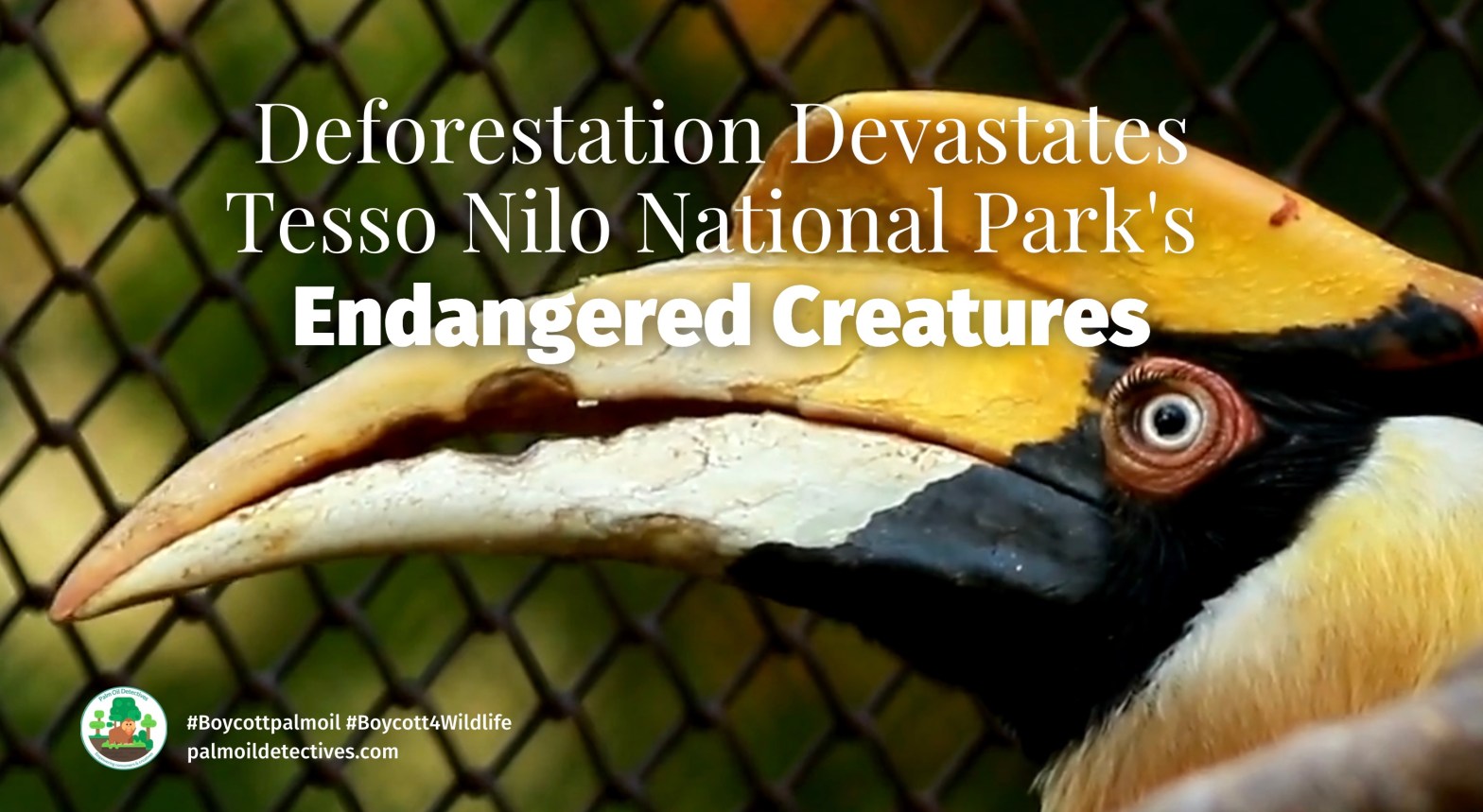
Tesso Nilo National Park in #Sumatra, #Indonesia, has lost 78% of its primary forest between 2009 and 2023, primarily due to #palmoil plantations. This #deforestation threatens the habitat of critically endangered species like the Sumatran #tiger and #elephant. Advocating for indigenous-led conservation efforts and adopting a vegan lifestyle can help protect these vital ecosystems. #Vegan #BoycottPalmOil #Boycott4Wildlife
#News: Tesso Nilo National Park in #Sumatra #indonesia 🇮🇩has lost 78% of primary forest since 2009 due to illegal #palmoil plantations, endangering species like #tigers #orangutans #elephants. Help them to survive! #BoycottPalmOil 🌴🔥⛔️ #Boycott4Wildlife https://wp.me/pcFhgU-aly
Tesso Nilo National Park, established two decades ago to safeguard one of Sumatra’s largest remaining lowland forests, is facing severe deforestation. Recent satellite imagery from Global Forest Watch indicates that the park has lost 78% of its primary forest cover between 2009 and 2023.
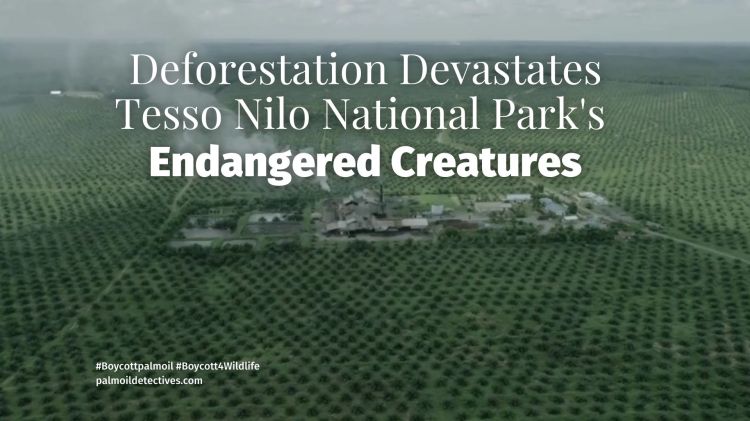
The primary driver of this deforestation is the expansion of illegal oil palm plantations. A 2018 investigation by the World Wildlife Fund revealed that nearly 75% of the park had been converted into such plantations. The development of these plantations introduces roads, increasing accessibility for poachers and further endangering wildlife.
Tesso Nilo is a biodiversity hotspot, home to over 4,000 plant species and nearly 3% of the world’s mammal species, including critically endangered Sumatran tigers and Sumatran elephants. The ongoing deforestation poses a significant threat to these species, leading to palm oil habitat loss and ecosystem disruption.
In addition to biodiversity loss, deforestation contributes to climate change by releasing stored carbon into the atmosphere, exacerbating global warming.
Efforts to combat deforestation in Tesso Nilo include raising awareness about the consequences of palm oil deforestation and promoting indigenous-led conservation initiatives. Make sure you resist against animal and plant extinction when you shop #BoycottPalmOil #Boycott4Wildlife!
For a detailed analysis, read the full article on The Cool Down.
Marino, J. (2024, December 15). Satellite imagery identifies disturbing problem in national park — here’s why experts are concerned. The Cool Down. Retrieved from https://www.thecooldown.com/outdoors/tesso-nilo-national-park-deforestation-satellite-images/
ENDS
Read more about deforestation and ecocide in the palm oil industry
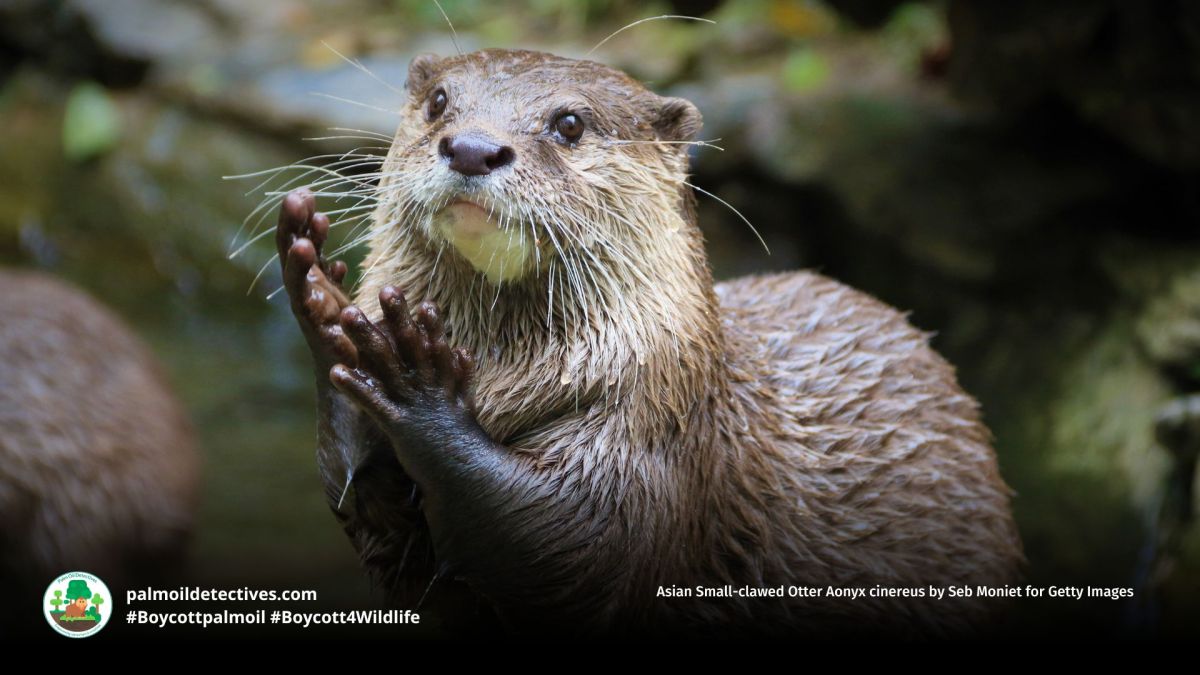
Asian Small-clawed Otter Aonyx cinereus
Asian Small-clawed Otters are the world’s smallest otter species and are Vulnerable from palm oil tea and coffee deforestation. Protect them, boycott palm oil!
Read more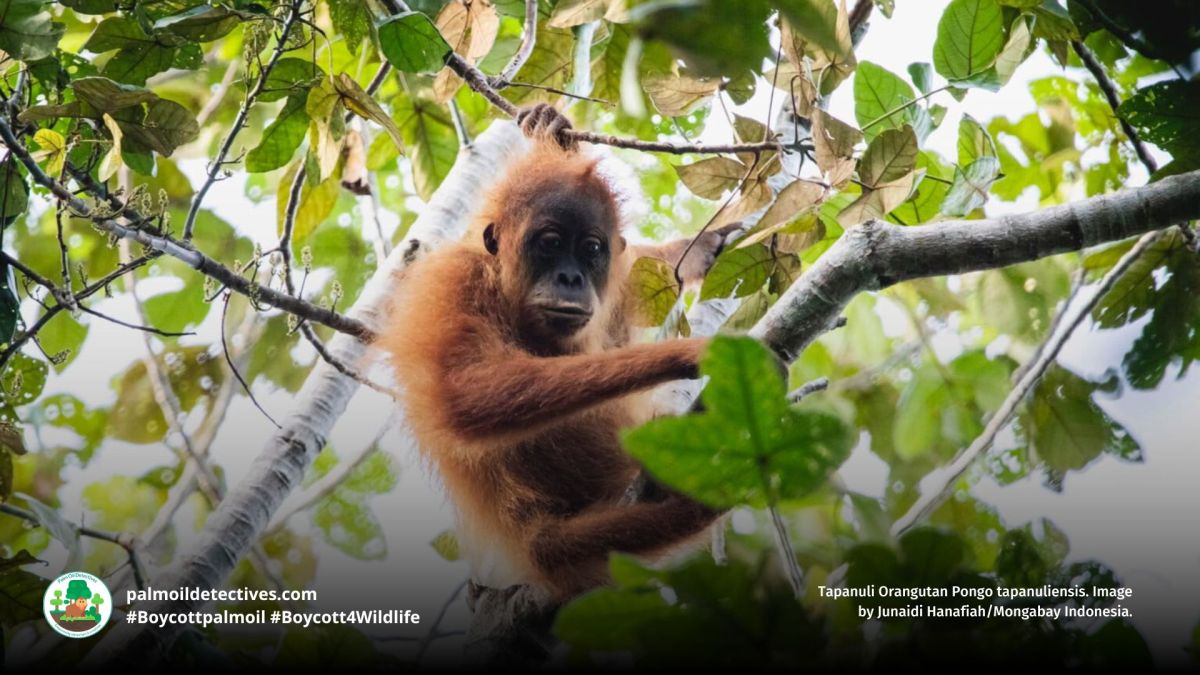
Tapanuli Orangutan Faces Extinction From Forest Protection Rollback
Save the Tapanuli orangutan! The rarest ape in the world faces extinction after floods, cyclones and now rezoning of their habitat in Sumatra #BoycottPalmOil!
Read more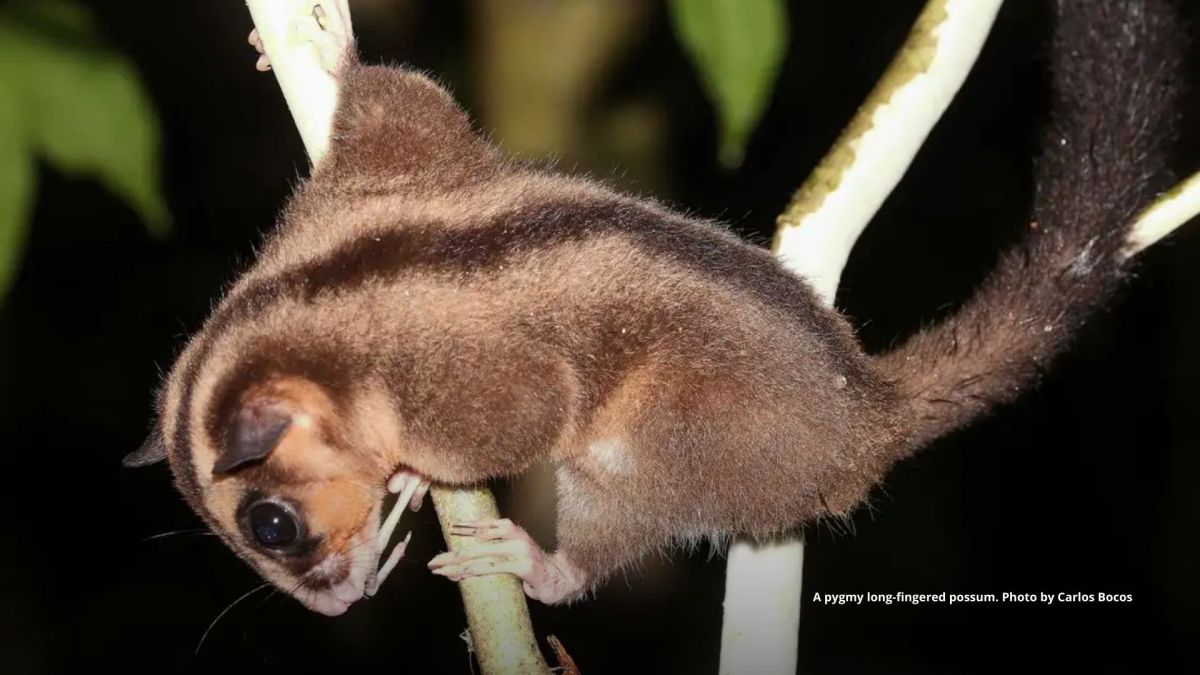
Marsupials thought extinct for 6,000 years found in West Papua
Two stunning marsupials thought extinct for 6000 years rediscovered in West Papua. Calls for rainforest protection even more urgent!
Read more
Trash into Treasure: Turning E-Waste and CO2 into Gold
Turning E-Waste and CO2 into Gold addresses e-waste challenges and contributes to CO₂ reduction efforts. Take action and boycott gold for Yanomami people!
Read more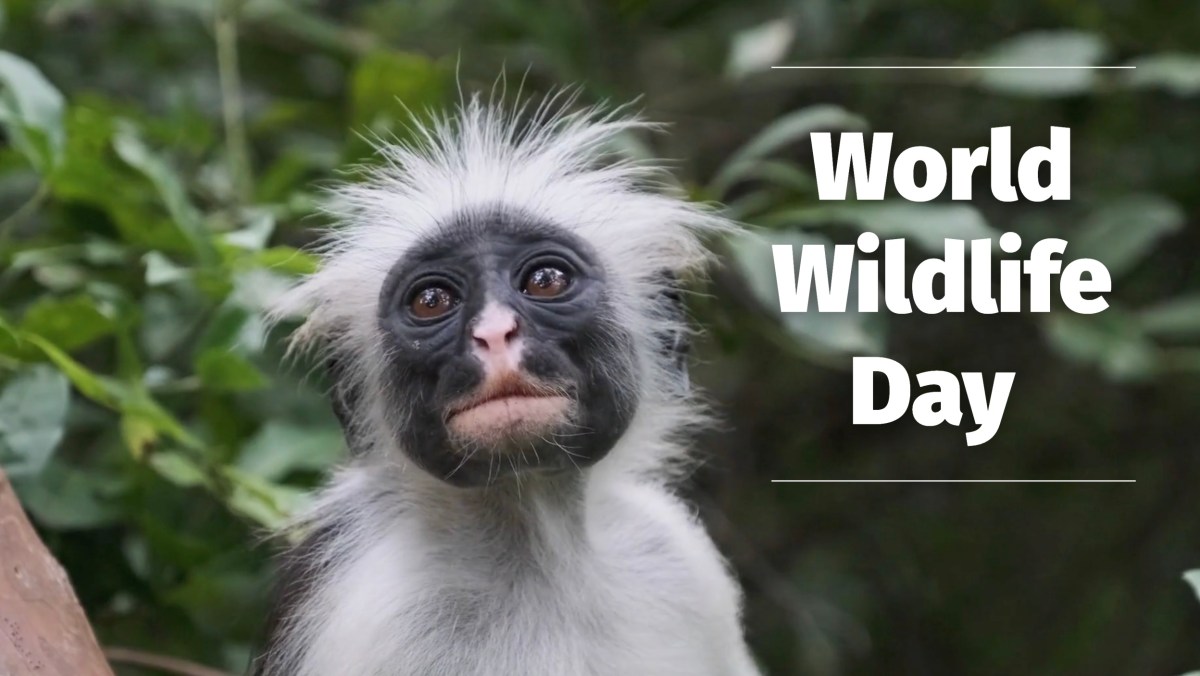
Do you love animals? Make every day #WorldWildlifeDay
This #WorldWildlifeDay take action for animals great and small! Reptiles insects, mammals and birds deserve better than palm oil ecocide and extinction. Make sure you Boycott palm oil
Read moreSomething went wrong. Please refresh the page and/or try again.
Take Action in Five Ways
1. Join the #Boycott4Wildlife on social media and subscribe to stay in the loop: Share posts from this website to your own network on Twitter, Mastadon, Instagram, Facebook and Youtube using the hashtags #Boycottpalmoil #Boycott4Wildlife.
2. Contribute stories: Academics, conservationists, scientists, indigenous rights advocates and animal rights advocates working to expose the corruption of the palm oil industry or to save animals can contribute stories to the website.






3. Supermarket sleuthing: Next time you’re in the supermarket, take photos of products containing palm oil. Share these to social media along with the hashtags to call out the greenwashing and ecocide of the brands who use palm oil. You can also take photos of palm oil free products and congratulate brands when they go palm oil free.
4. Take to the streets: Get in touch with Palm Oil Detectives to find out more.
5. Donate: Make a one-off or monthly donation to Palm Oil Detectives as a way of saying thank you and to help pay for ongoing running costs of the website and social media campaigns. Donate here
Discover more from Palm Oil Detectives
Subscribe to get the latest posts sent to your email.
 Palm Oil Detectives