
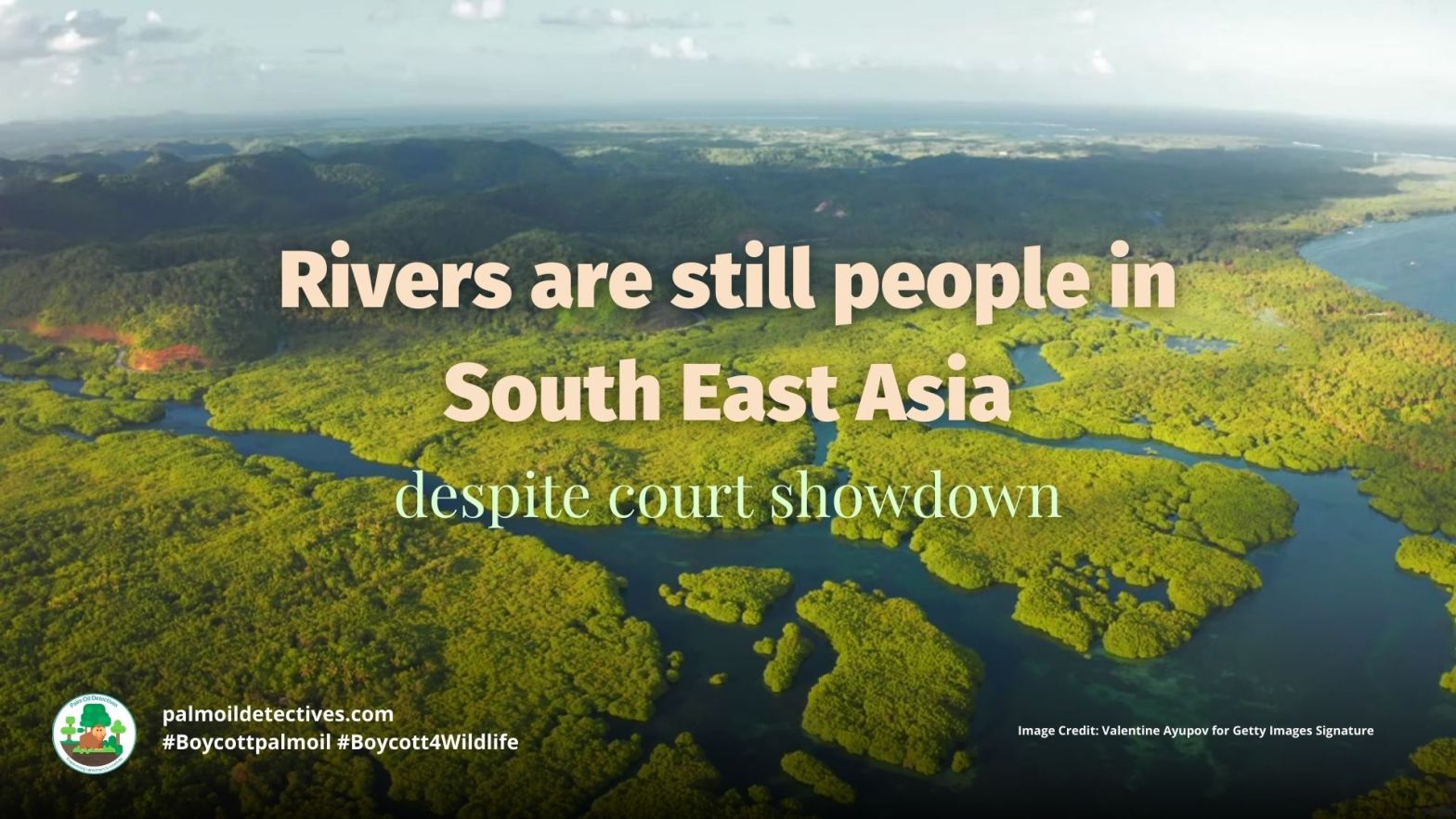
Healthy rivers are essential for community wellbeing, economic development, and society, culture, and spirituality. But current damage to India and Bangladesh’s rivers compromises their health, and ultimately, the neighbouring people.
In recognising rivers and other natural entities as legal persons, Bangladesh and India have declared these natural entities have the capacity to bear rights, powers, duties and liabilities in law. As legal persons, these rivers are allowed to sue to uphold their own rights – or potentially be sued by others for any damage they cause. Take action and #BoycottPalmOil #Boycott4Wildlife
Healthy #rivers 🌊🫧 are vital to community wellbeing, and culture. In #India 🇮🇳🪷 and #Bangladesh 🇧🇩pollution can be mitigated by recognising rivers as legal persons. #Boycott4Wildlife @palmoildetect Story: @360info_global https://wp.me/pcFhgU-77U
The article was originally published under Creative Commons by 360info™ on 6th of January 2023 and written by Dr Erin O’Donnell and Ishrat Jahan, read original.
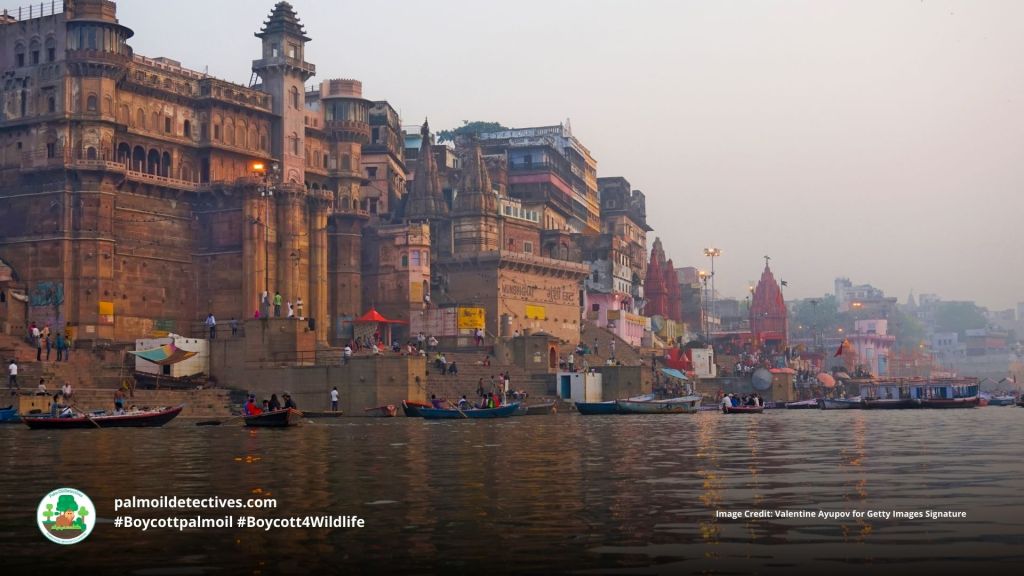
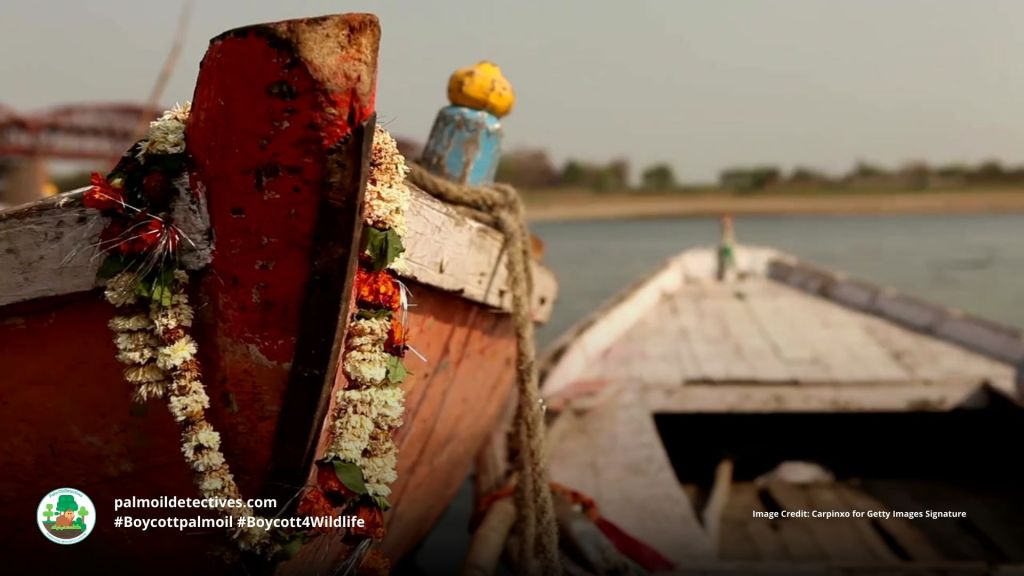
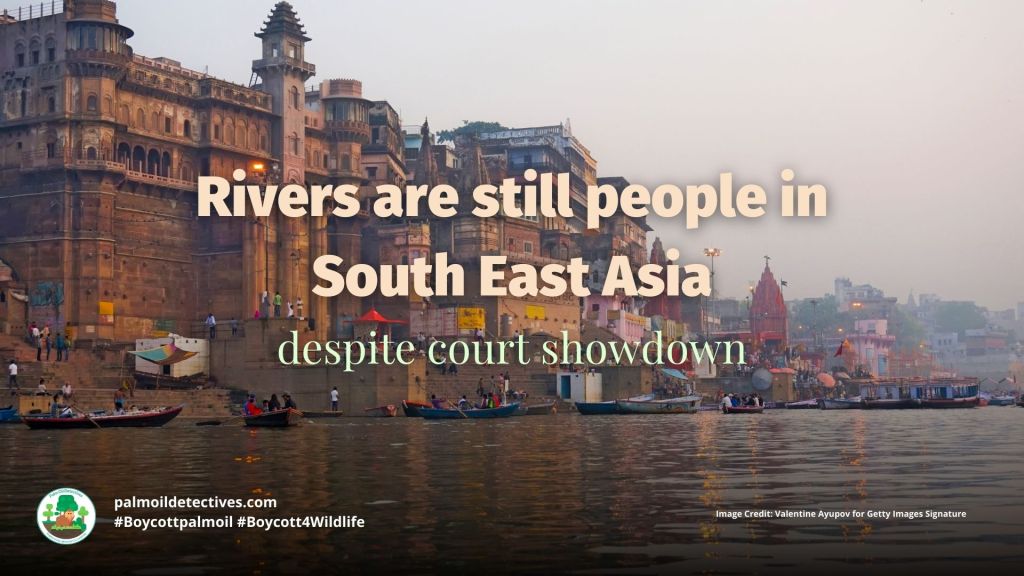
India’s Ganges River runs nearly 2,500km and its catchment is home to nearly 650 million people. It is also home to a rich collection of wildlife, including dolphins, turtles, otters and fish. Understood by Hindus to be the embodiment of the goddess Ganga, the river holds deep spiritual significance to over one billion people: the faithful believe that “bathing in the waters can absolve people of their sins”.
But the Ganges, along with other vital regional waterways such as Bangladesh’s Turag River, are facing a fight to stave off myriad threats. And South Asia is running out of time to find solutions to make rivers healthy.
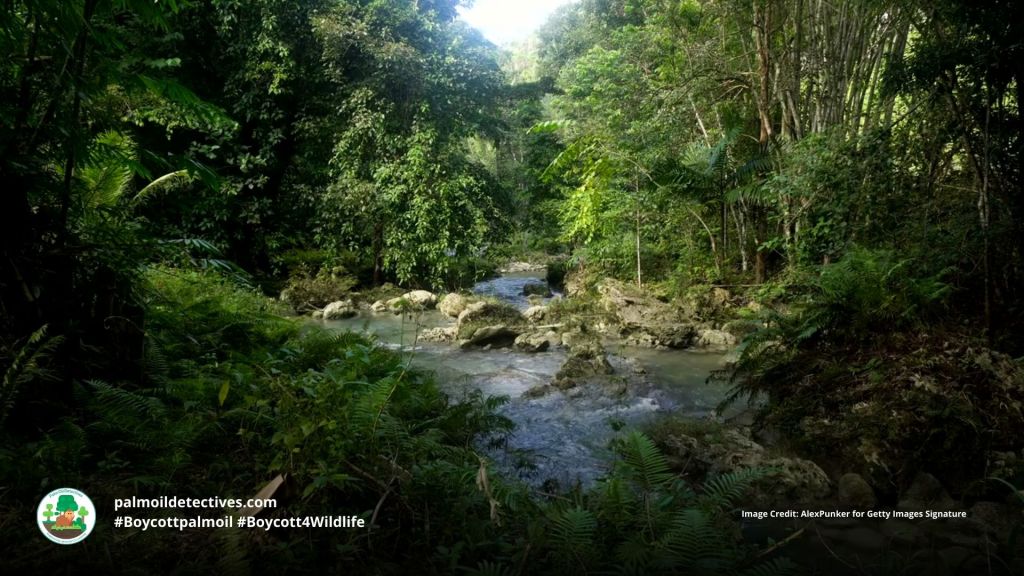
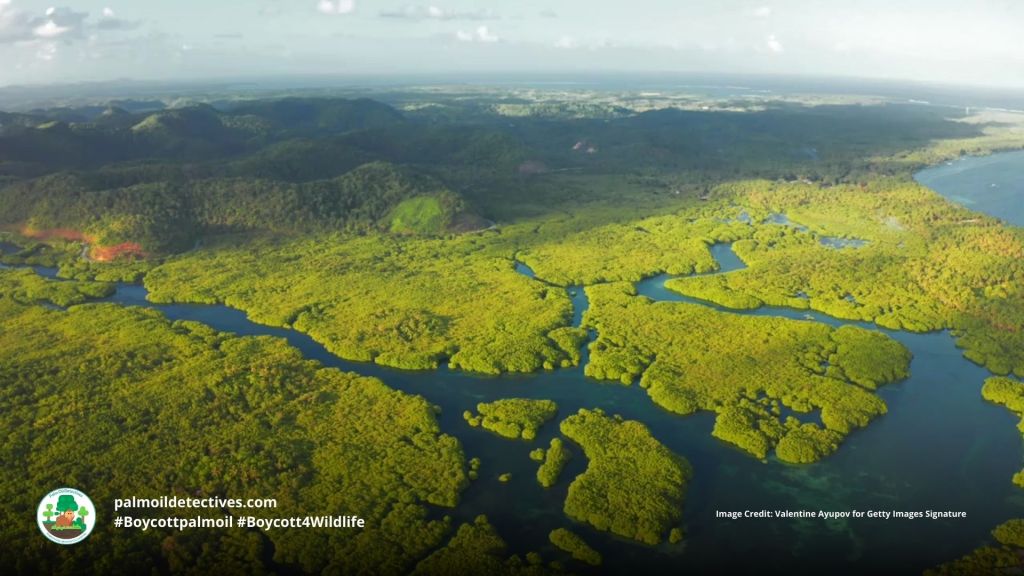
India and Bangladesh are part of the transnational Ganges-Brahmaputra-Meghna river basin and are defined by their relationship with these rivers. They flow from glaciers in the Himalayas, across the plains and out through rich mangrove forests of the Sundarbans.
Rivers play a big role in India and Bangladesh’s economies, supporting hydropower, industrial development, irrigated agriculture, fishing, tourism, and providing essential drinking water and sanitation resources.
With both countries defined by their relationships with rivers, India and Bangladesh face similar challenges. Climate change is hastening glacial melting, leading to catastrophic flash floods. Poor water management between multiple nations with diverse cultures and legal systems has limited each country’s ability to manage their rivers sustainably. Upstream countries are developing mega-dams to support hydropower, as downstream countries try to maintain water supplies in dry years and protect themselves from devastating floods in wet years.
Water pollution leaves people and animals without safe drinking water, as well as killing the fish and creatures that live in and around the rivers. Rising sea levels threaten the mangroves protecting the coastline from major storms. Rapidly urbanising populations have led to over-development along rivers and in Bangladesh has contributed to losing more than two-thirds of the country’s river systems.
Efforts to protect rivers in both countries have been underway for decades, yet rivers and waterways keep dying. Existing laws are failing to protect the health of rivers. In 2017, India joined New Zealand, Colombia, Ecuador and Bolivia by recognising that nature has a right to be, specifically, the rights of the Ganga and Yamuna rivers. In Bangladesh, a 2019 case in the country’s top court recognised all rivers across the country as legal and living persons with rights.
In recognising rivers and other natural entities as legal persons, Bangladesh and India have declared these natural entities have the capacity to bear rights, powers, duties and liabilities in law. As legal persons, these rivers are allowed to sue to uphold their own rights – or potentially be sued by others for any damage they cause.
In India and Bangladesh, the rights of rivers have been recognised by courts rather than in legislation. Unlike the development of new legislation, which takes time and requires integration between regulatory regimes, decisions by courts are relatively rapid. In both countries, the court explicitly recognises the urgency of problems confronting rivers, the failure of existing laws to protect rivers and the need for new legal mechanisms that may succeed where previous attempts failed. Courts have presented the recognition of rivers rights as the radical, yet necessary, step to ensure their ongoing protection.
The Rivers Ganga and Yamuna have legal personhood
In India, the Uttarakhand High Court declared the Rivers Ganga and Yamuna have “the status of a legal person with all corresponding rights, duties and liabilities of a living person”. The court also also constructed the rivers as ‘minors’ and nominated two state officials as guardians, to stand in loco parentis (in the place of parents) for the rivers.
The state of Uttarakhand has since appealed this decision. The state is arguing the rivers extend well outside the boundaries of Uttarakhand, making it impossible for the court-nominated guardians from Uttarakhand to effectively protect the river. Secondly, the guardians were concerned that, as ‘parents’, they may be held liable for the actions of the rivers, including floods. The Supreme Court of India has agreed to hear the appeal, and has suspended the original ruling until the appeal is complete.
In Bangladesh, Supreme Court Justice Ashraful Kamal was so moved by the plight of the rivers, he ruled all rivers must be recognised as legal persons and living persons, and the National River Protection Commission would be their guardian.
Justice Kamal handed down a 17-point directive, which included requiring the national government to pass legislation to give the river commission the powers it needs to be an effective river guardian. This decision was also appealed, and parts of it walked back. However, the status of the rivers as legal persons remains intact.
The new rights of rivers are already coming into conflict with human rights and interests
Around one million people are affected by riverbank erosion every year, and the Department of Disaster Management of Bangladesh distributes relief for victims of river erosion and flooding on humanitarian grounds. Depending on how the court rules on rights of nature, responsibility for this damage could theoretically lie with the river guardian.
In Bangladesh, the river protection measures include the power to evict people from developments on rivers, and evictions have already begun, largely targeting the poor rather than the corporate interests that drive the bulk of river damage. Farming communities in India rely on water from the Ganges for irrigation, and water is harnessed to run large hydropower projects. As a legal person, representatives for the river could seek to curtail these activities as detrimental to river health, affecting people who rely on the river.
Healthy rivers are essential for community wellbeing, economic development, and society, culture, and spirituality. But current damage to India and Bangladesh’s rivers compromises their health, and ultimately, the neighbouring people.
It would be a tragedy if attempts to improve the health of rivers entrapped all in an adversarial relationship of suit and countersuit with the river, each pursuing remedies for the damage each does to each other. To avoid this, policy and law reform will be needed, to better protect rivers and acknowledge the mutual interdependence of people and rivers.
Erin O’Donnell is a senior fellow at Melbourne Law School. She has worked in water law and policy for over 20 years and is internationally recognised for her work on the ground-breaking new field of legal rights of rivers. Erin is also a member of the Birrarung Council, the voice of the Yarra River.
Ishrat Jahan is a PhD candidate at Melbourne Law School.
Dr O’Donnell’s research was funded by Melbourne Law School’s Early Career Academic Fellowship
The article was originally published under Creative Commons by 360info™ on 6th of January 2023 and written by Dr Erin O’Donnell and Ishrat Jahan, read original.
ENDS
Read more about deforestation and ecocide in the palm oil industry
Indigenous Peoples Fight Climate Change
After wildfires, Belize’s indigenous people rebuild stronger based on “se’ komonil”: reciprocity, solidarity, gender equity, togetherness and community.
Read more
SOCFIN’s African Empire of Colonial Oppression: Billionaires Profit from Palm Oil and Rubber Exploitation
Investigation by Bloomberg exposes that despite being RSPO members, #SOCFIN plantations in #WestAfrica are the epicentre of #humanrights abuses, sexual coercion, environmental destruction, and #landgrabbing. Operating in #Liberia, #Ghana, #Nigeria, and beyond, SOCFIN’s…
Read more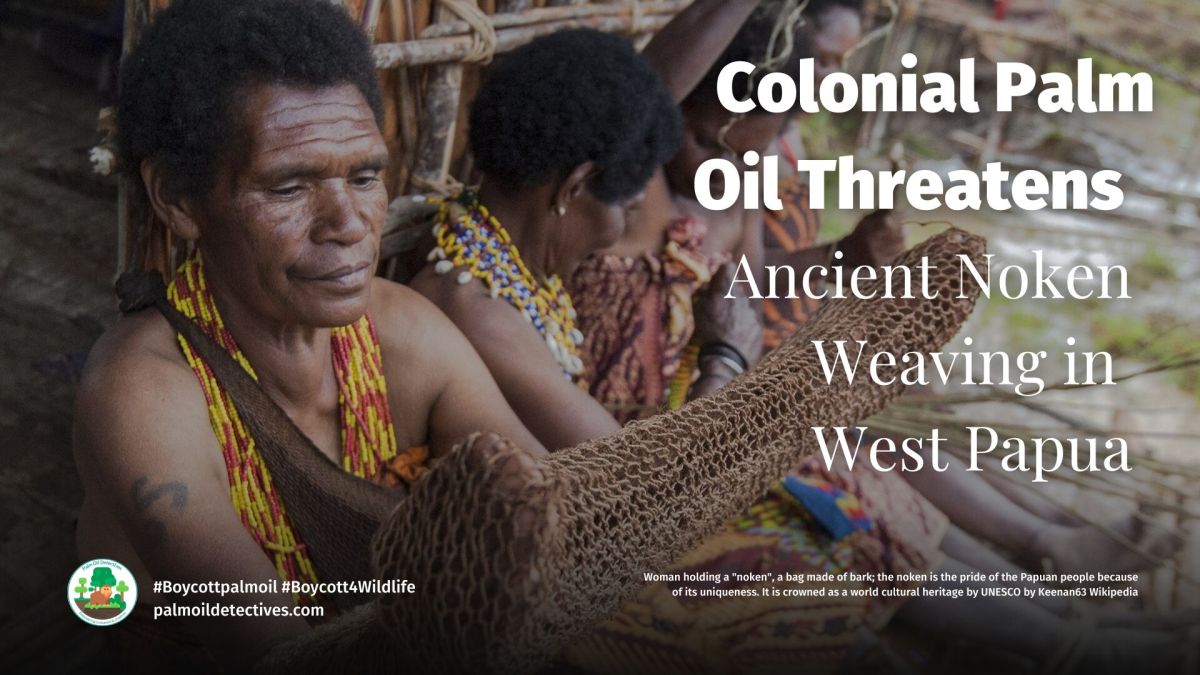
Palm Oil Threatens Ancient Noken Weaving in West Papua
Colonial palm oil and sugarcane causing the loss of West Papuans’ cultural identity. Land grabs force communities from forests, threatening Noken weaving
Read more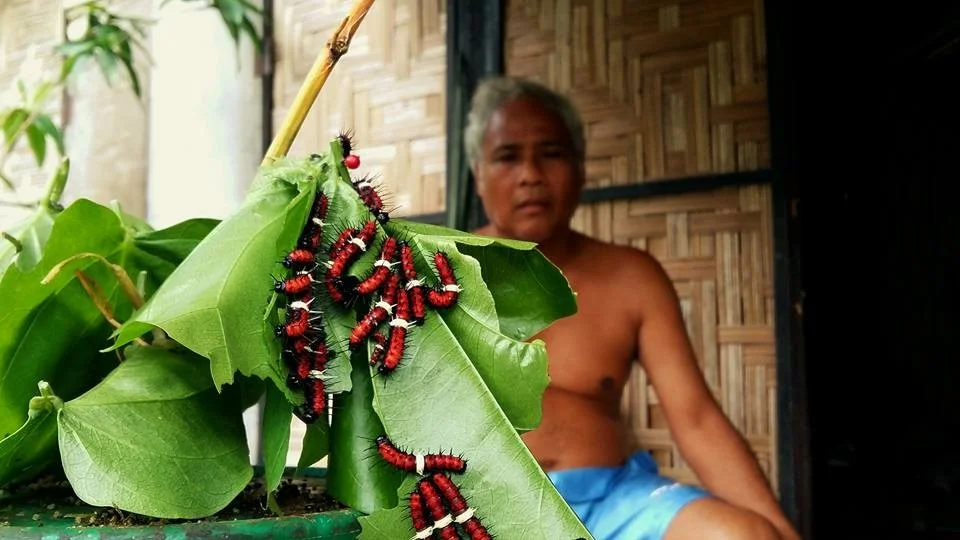
The Indigenous Malaysian concept of ‘Badi’: respecting the land and wildlife
The Indigenous Semai #indigenous people of #Malaysia can teach us a lot about how to protect people, planet and biodiversity. The Indigenous concept of #badi is not superstition or taboo, it’s about respecting…
Read more
Family Ties Expose Deforestation and Rights Violations in Indonesian Palm Oil
An explosive report by the Environment Investigation Agency (EIA) details how Indonesia’s Fangiono family, through a wide corporate web, is linked to ongoing #deforestation, #corruption, and #indigenousrights abuses for #palmoil. Calls mount for…
Read moreSomething went wrong. Please refresh the page and/or try again.
Take Action in Five Ways
1. Join the #Boycott4Wildlife on social media and subscribe to stay in the loop: Share posts from this website to your own network on Twitter, Mastadon, Instagram, Facebook and Youtube using the hashtags #Boycottpalmoil #Boycott4Wildlife.
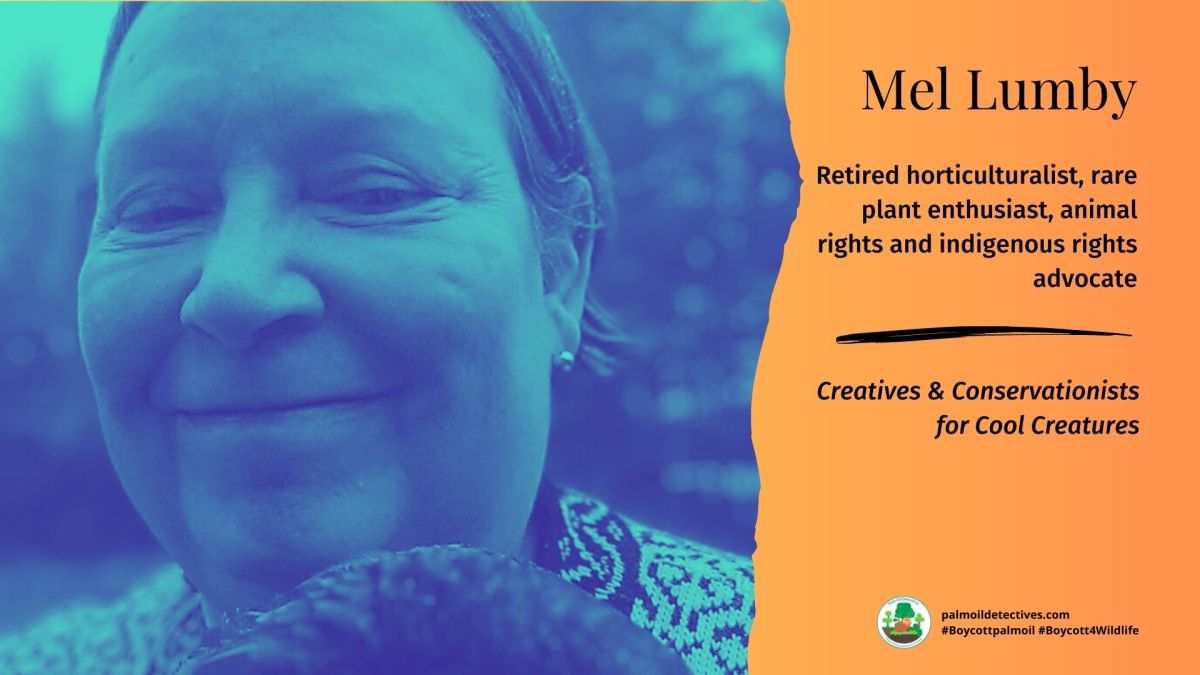
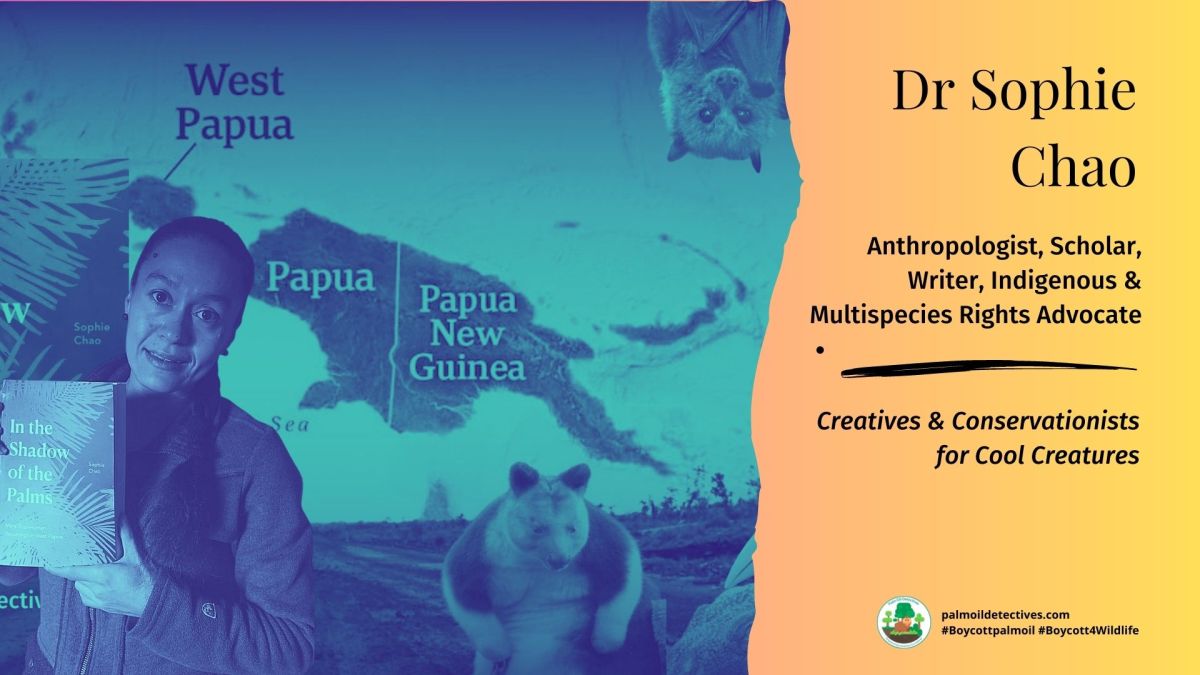
2. Contribute stories: Academics, conservationists, scientists, indigenous rights advocates and animal rights advocates working to expose the corruption of the palm oil industry or to save animals can contribute stories to the website.




3. Supermarket sleuthing: Next time you’re in the supermarket, take photos of products containing palm oil. Share these to social media along with the hashtags to call out the greenwashing and ecocide of the brands who use palm oil. You can also take photos of palm oil free products and congratulate brands when they go palm oil free.
4. Take to the streets: Get in touch with Palm Oil Detectives to find out more.
5. Donate: Make a one-off or monthly donation to Palm Oil Detectives as a way of saying thank you and to help pay for ongoing running costs of the website and social media campaigns. Donate here
Discover more from Palm Oil Detectives
Subscribe to get the latest posts sent to your email.
 Palm Oil Detectives