
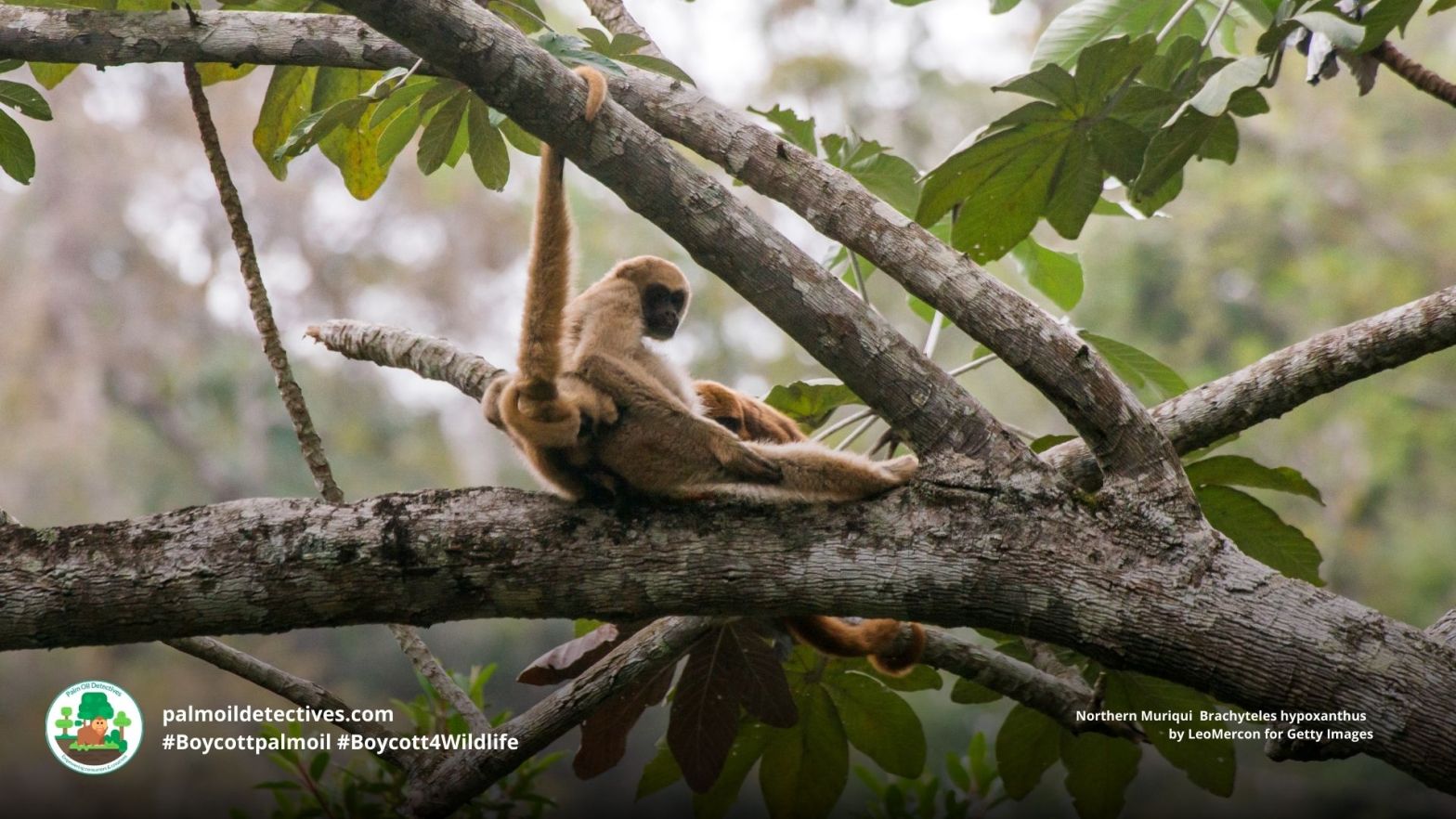
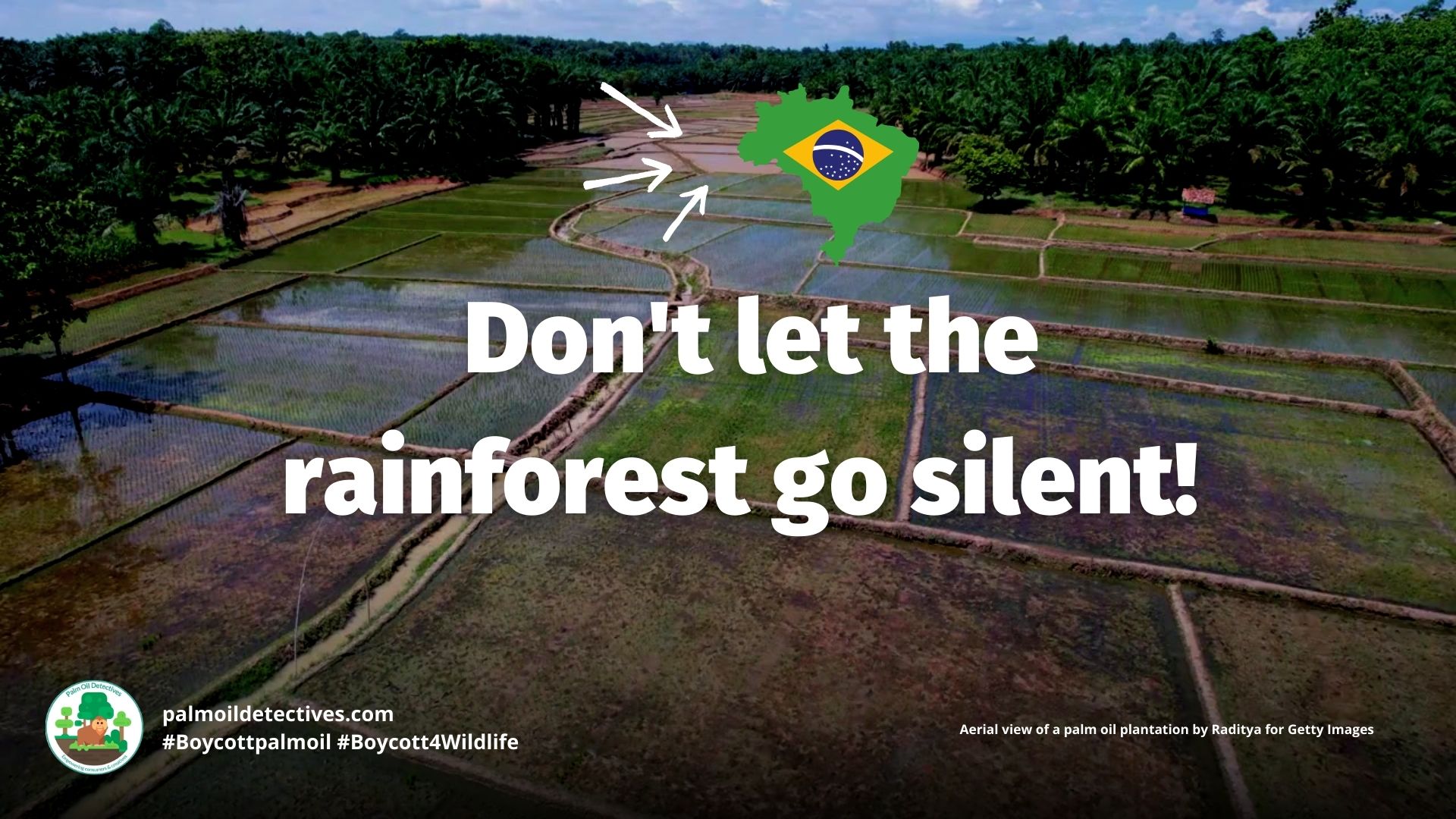
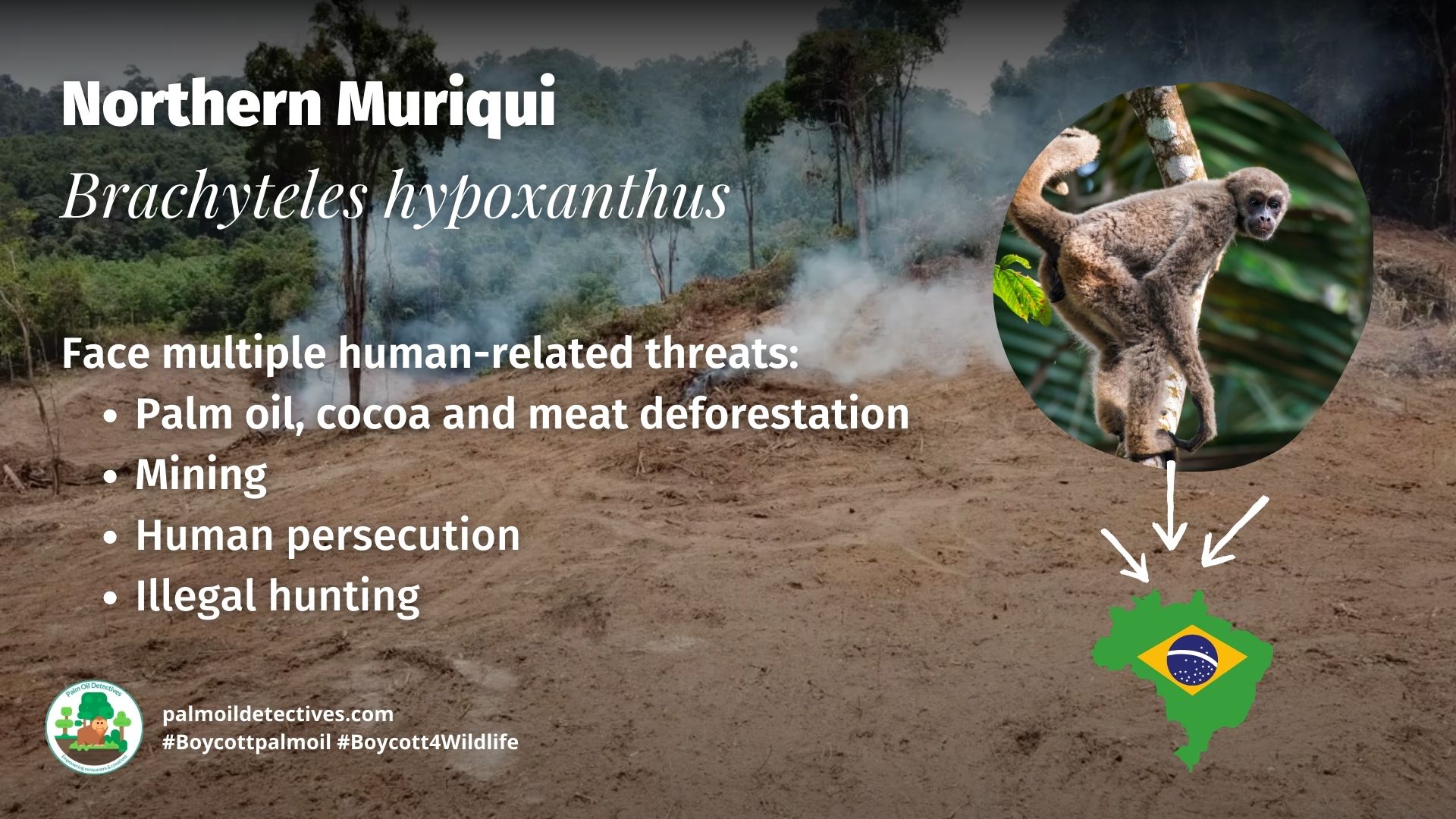
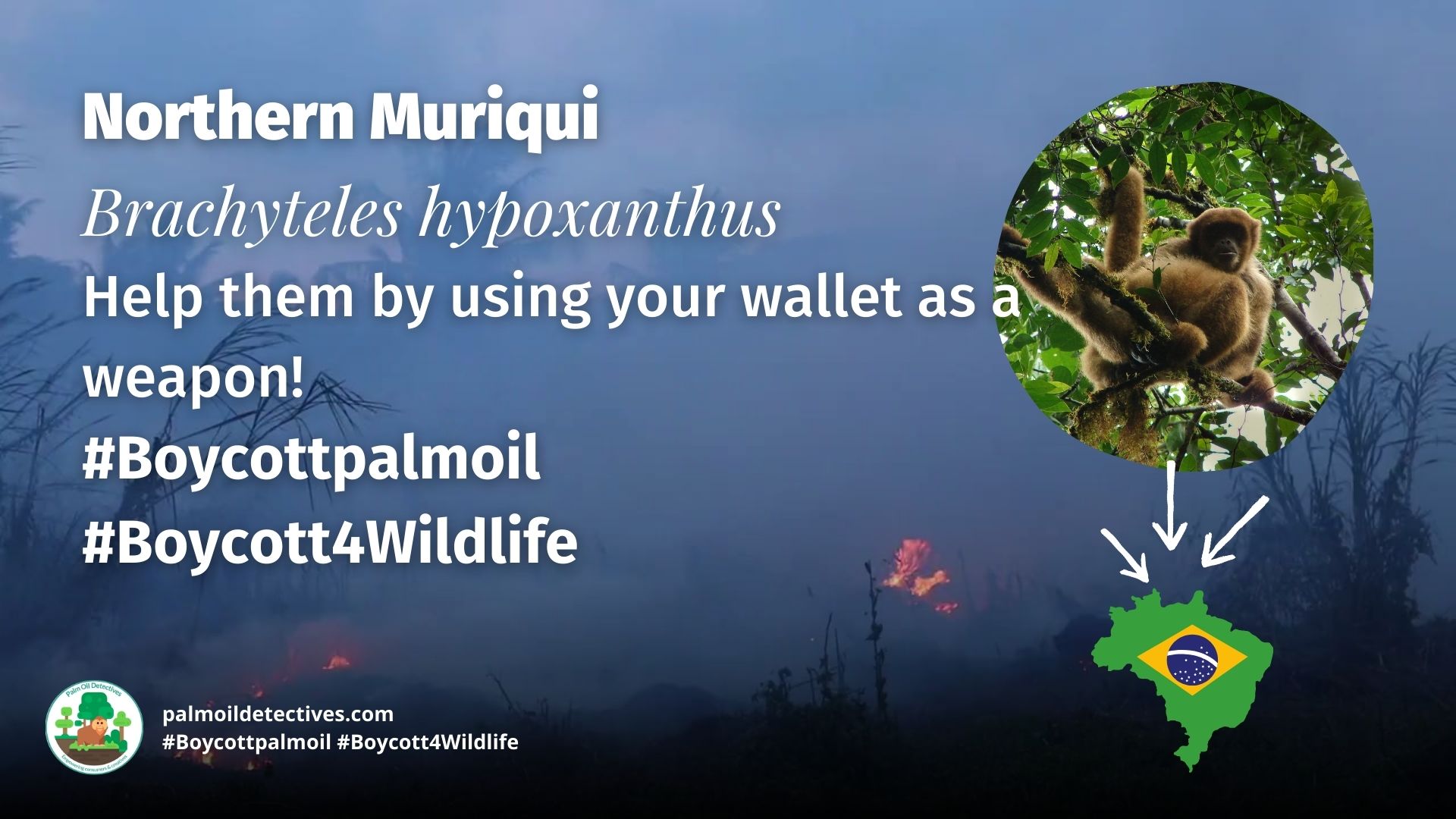
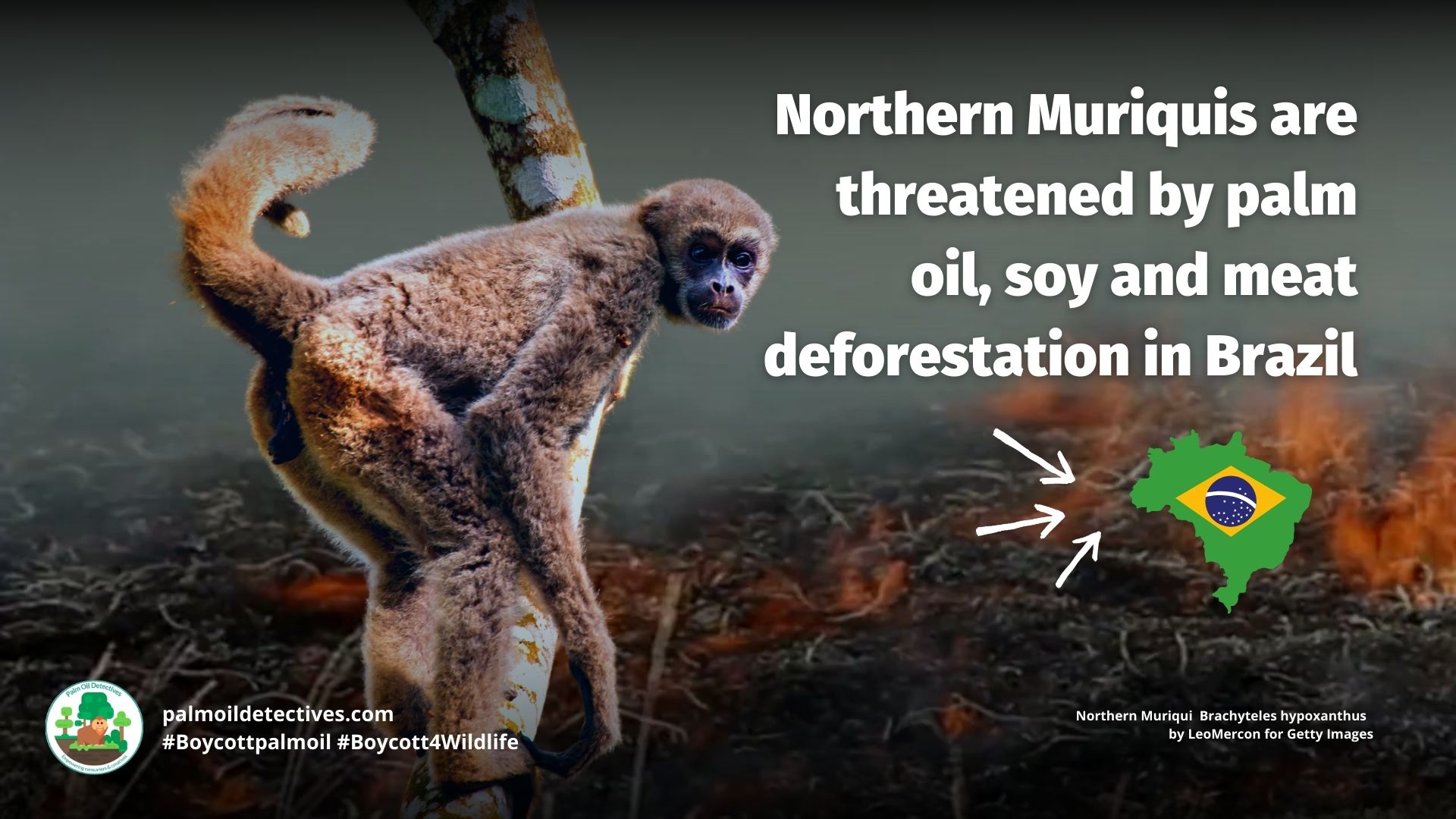
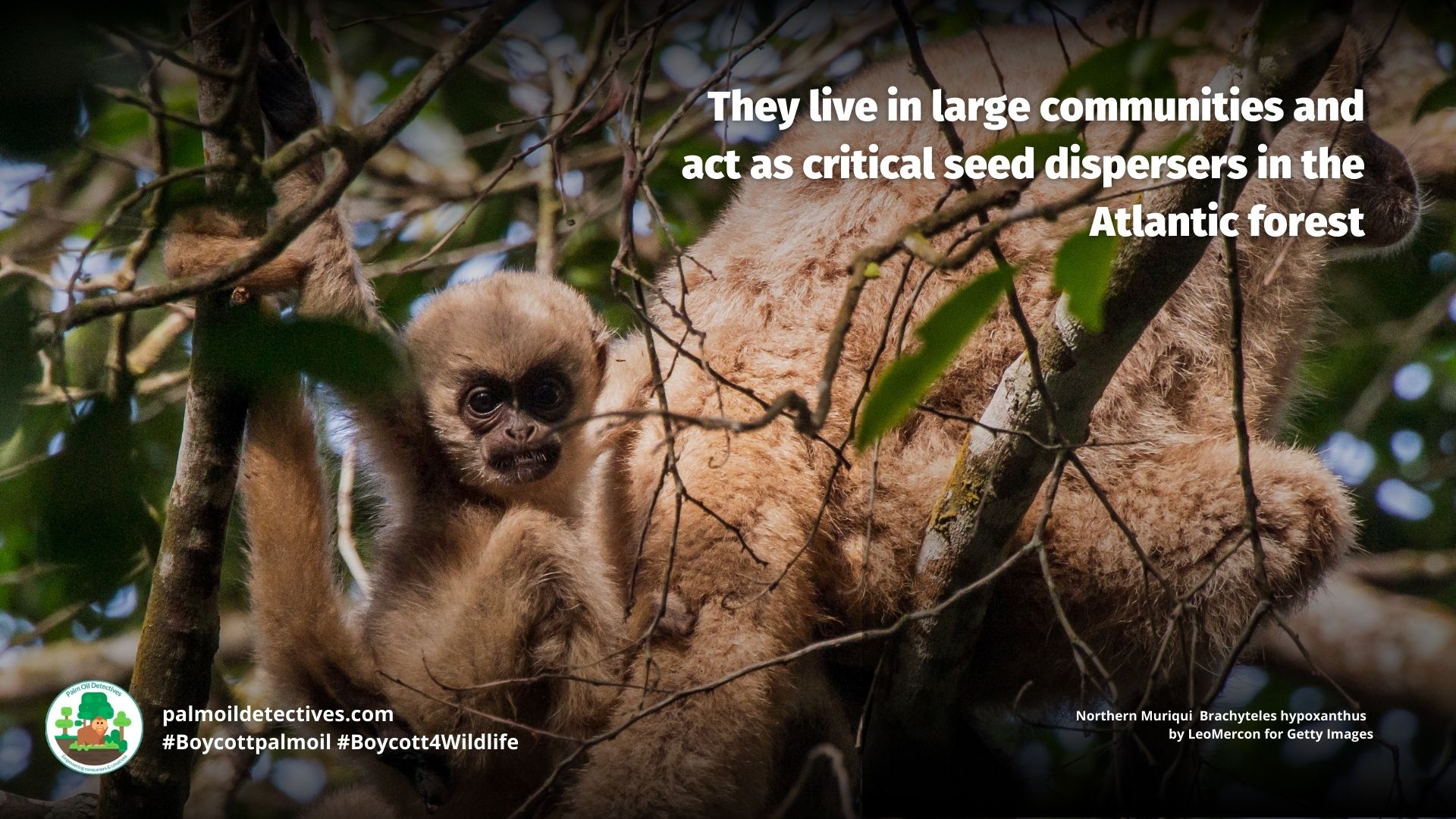
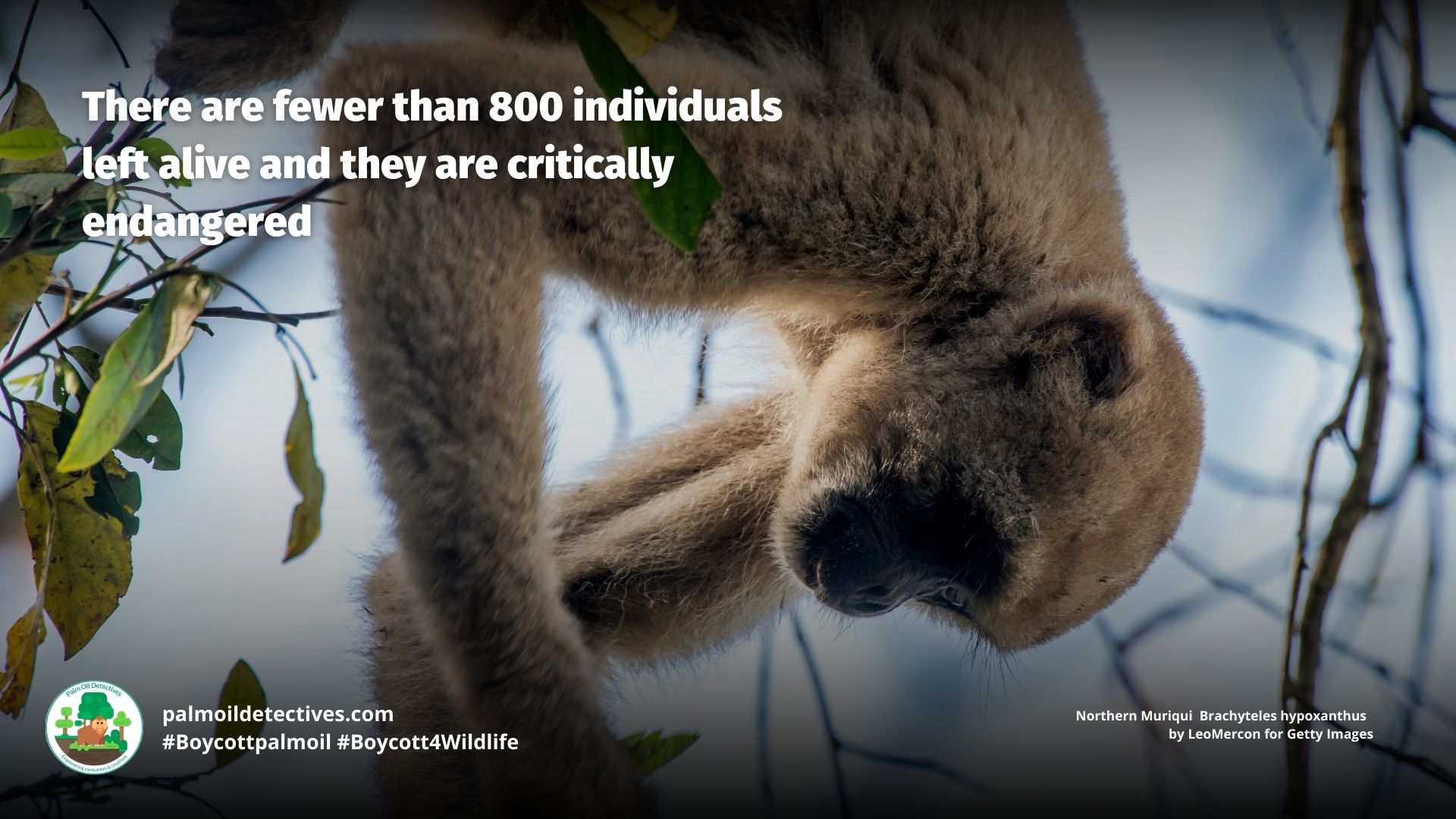
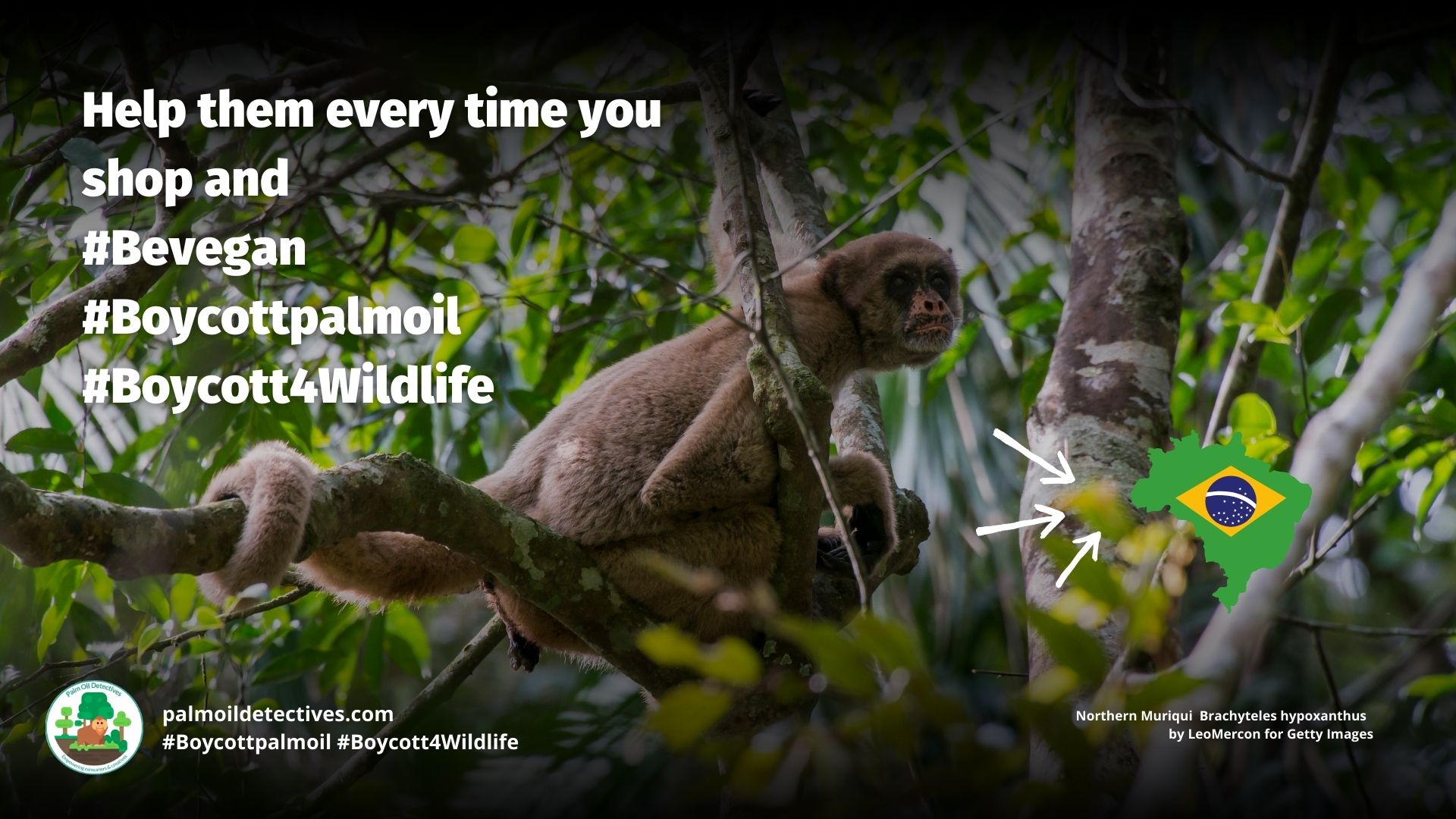
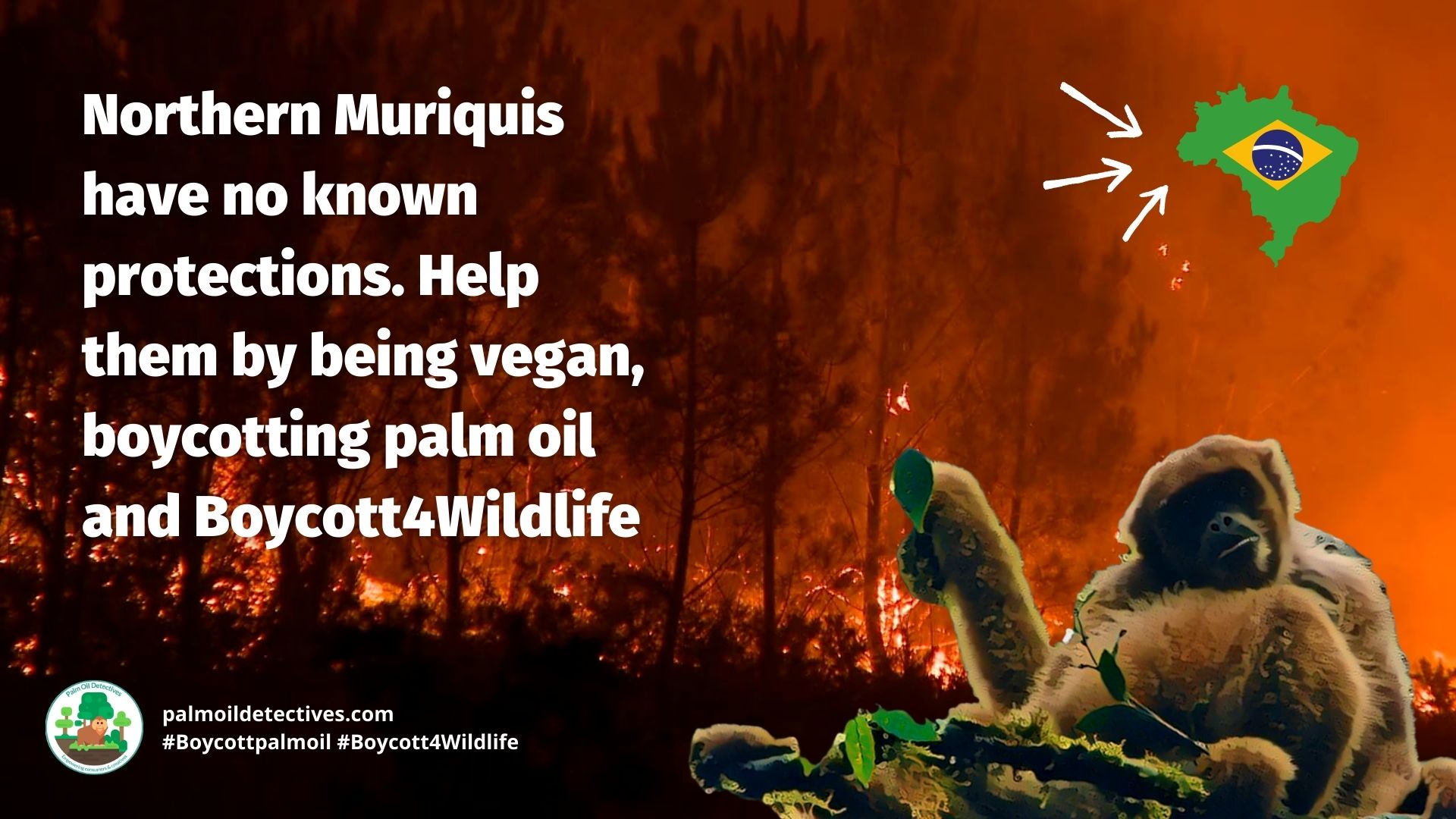
#Brazil’s Atlantic Forest, one of the most biodiverse ecosystems in the world, is facing severe threats due to deforestation and habitat fragmentation. This has led to a sharp decline in primate species, including the critically endangered southern and northern muriqui. The loss of these #primates, essential for seed dispersers in the Atlantic forest, is further destabilising the forest ecosystem. As human-driven deforestation escalates, the #extinction debt continues to rise, endangering both wildlife and the forest itself. You can take action to help their survival. Be #vegan for the animals and forests and #BoycottPalmOil #BoycottGold #Boycott4Wildlife.
#Deforestation for #mining #palmoil 🌴 soy and meat 🥩 in #Brazil’s Atlantic Forest 🌳 threatens #primates important to ecosystem seed dispersal like #muriquis 🐒 Resist and help them survive! Be #vegan #Boycottpalmoil #Boycott4Wildlife @palmoildetect https://wp.me/pcFhgU-8ZZ
#Primates like muriquis keep the #ecosystem in check in #Brazil’s Atlantic Forest yet #deforestation for #palmoil and #meat #agriculture threatens their survival. It must not happen! Fight for them #vegan, #Boycottpalmoil #Boycott4Wildlife @palmoildetect https://wp.me/pcFhgU-8ZZ
Written by Juan Carlos Guix, Colaborador de la Facultat de Biologia, Universitat de Barcelona and Antoni Serra Sorribes, Director del Centre de Recursos de Biodiversitat Animal (CRBA) de la Facultat de Biologia, Universitat de Barcelona. This article is republished from The Conversation under a Creative Commons license. Read the original article.
Juan Carlos Guix, Universitat de Barcelona and Antoni Serra Sorribes, Universitat de Barcelona
We tend to think of debt as purely financial, but we can also reap what we sow in the natural world through what is known as extinction debt. This concept refers to changes in the past that affect a species’ survival in the future.
Ecosystems often undergo profound and dramatic changes, but their effects are not always obvious to the naked eye. These changes are increasingly caused or triggered by humans.
In many cases, affected species may not actually disappear for several decades or even centuries: individuals survive, but under ecological conditions that do not allow them to maintain genetically viable populations. This often occurs with plant and animal species that have long life cycles, such as certain tree species.
Some redwood or yew populations may therefore survive with the bare ecological minimum for long periods of time, but this does not mean that their existence is assured in the long-term future. This delayed result is the “debt” of extinction.
Such situations can occur in any ecosystem in the world, including tropical and subtropical forests. In fact, several studies have shown that biodiversity loss is accelerating on different continents, with the risk of mass extinction of species.
The primates of the Atlantic Forest
When we picture Brazil, it calls to mind the thriving Amazon rainforest, the mighty rivers of its vast basin and countless miles teeming with all manner of flora and fauna.
However, Brazil also hosts other landscapes which are just as unique as the Amazon. The Cerrado, Caatinga and the Mata Atlântica are just a few examples.
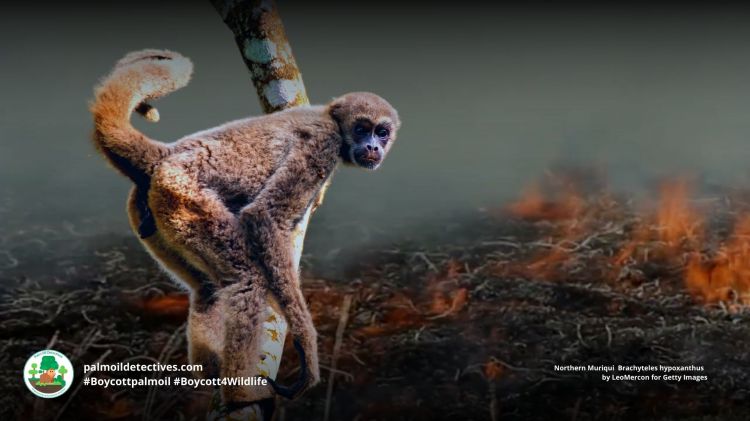
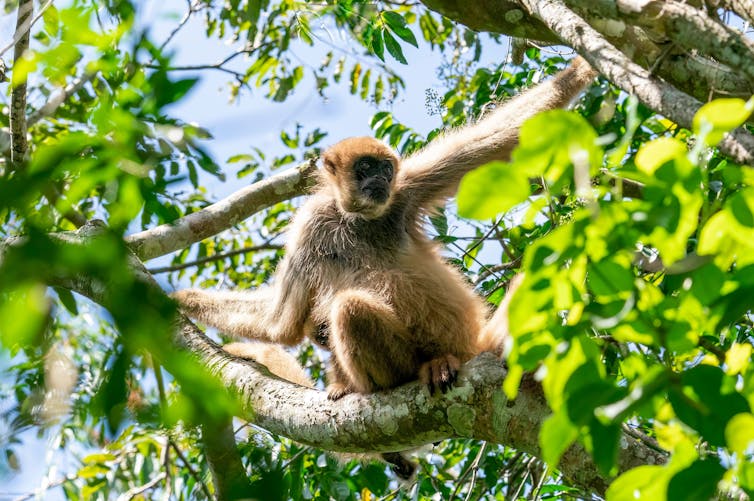
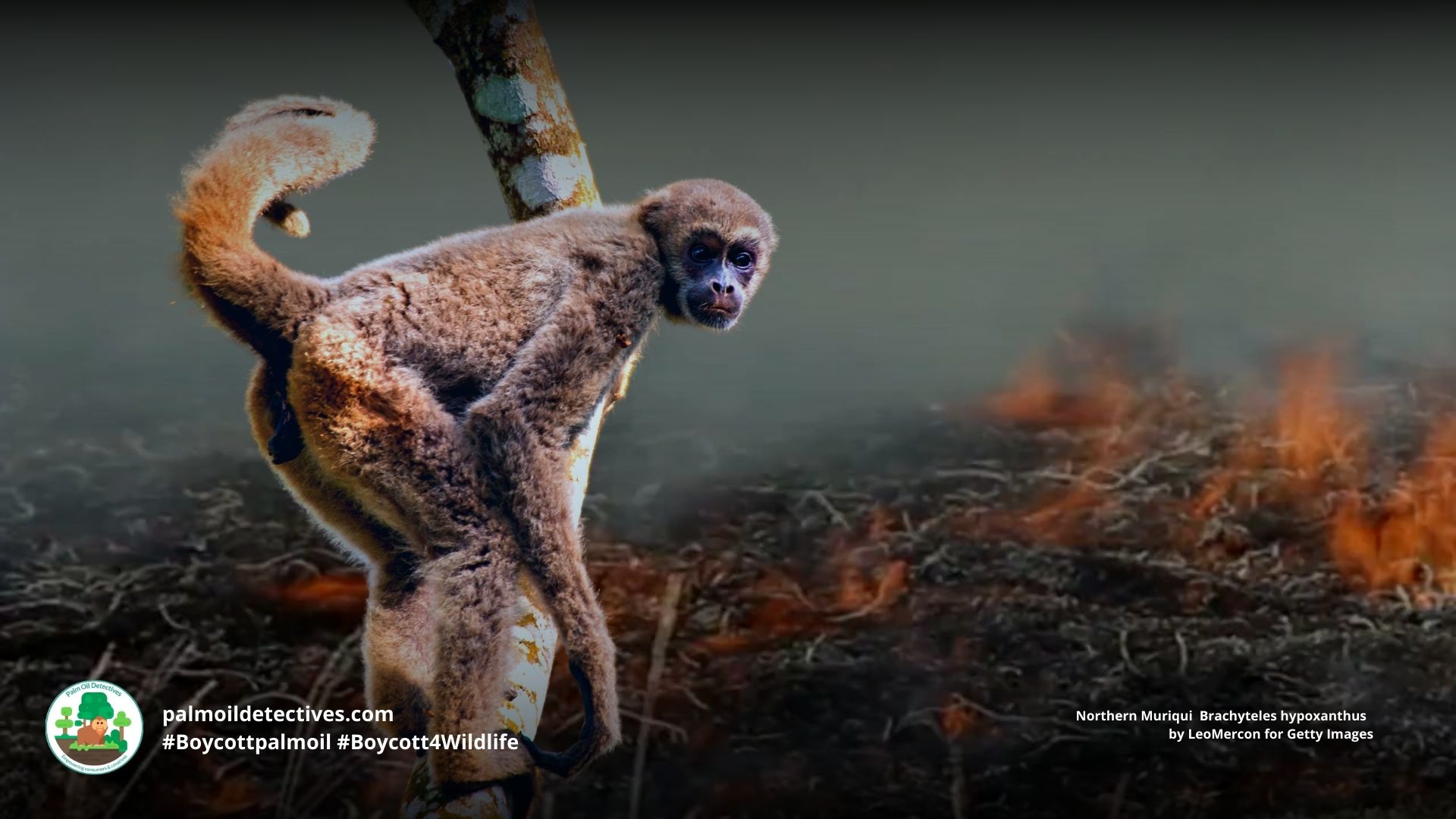
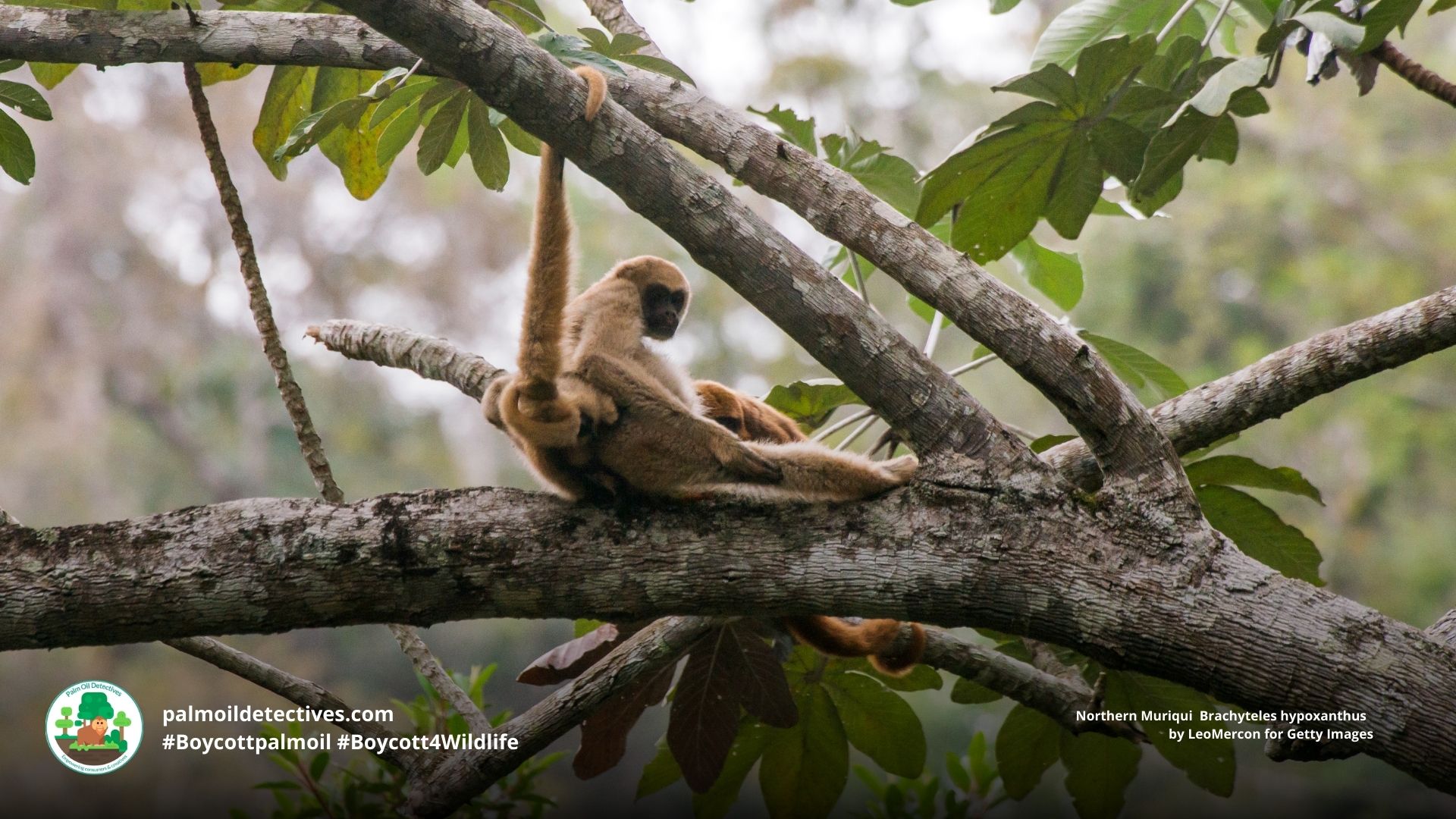
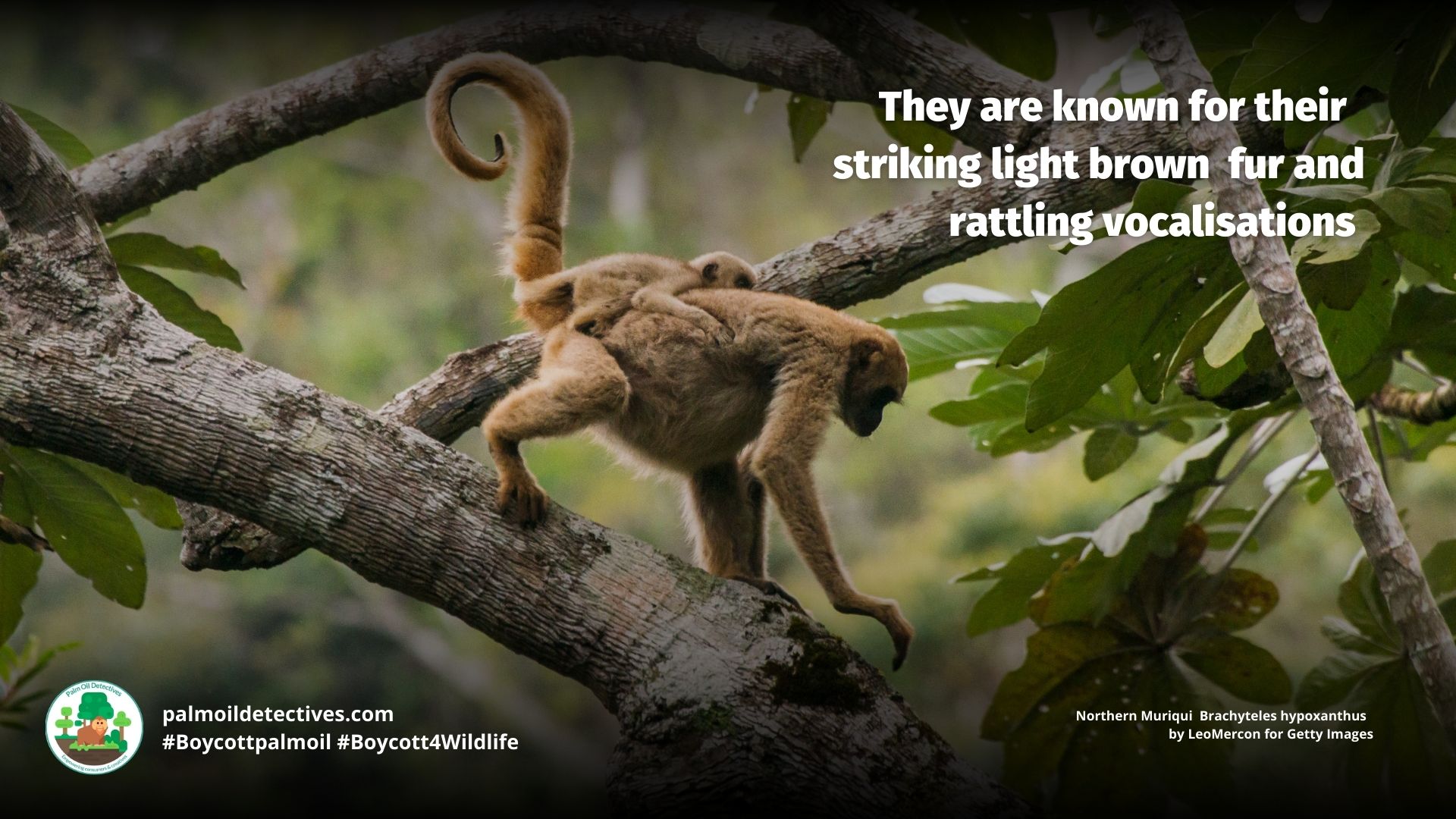
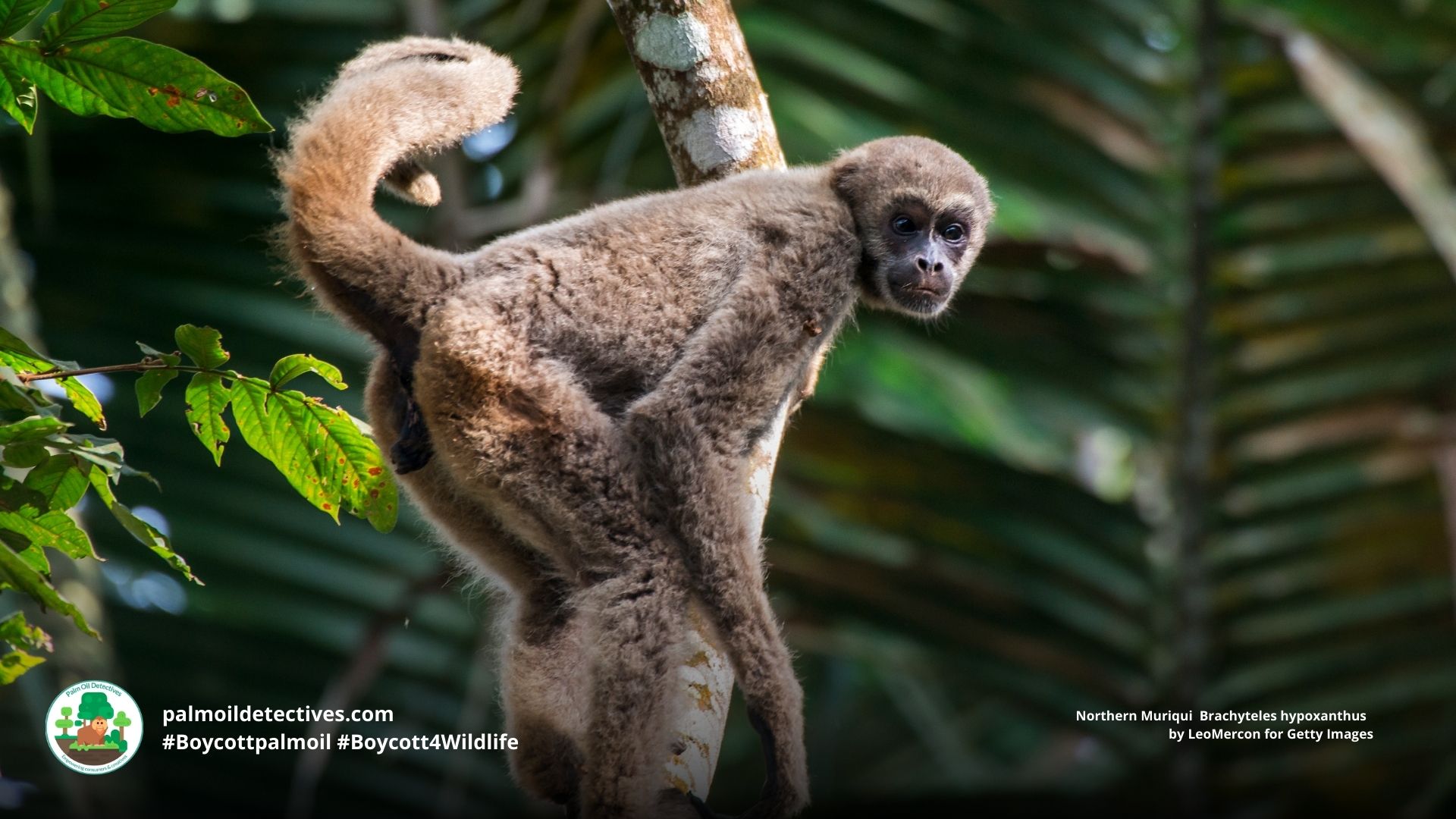
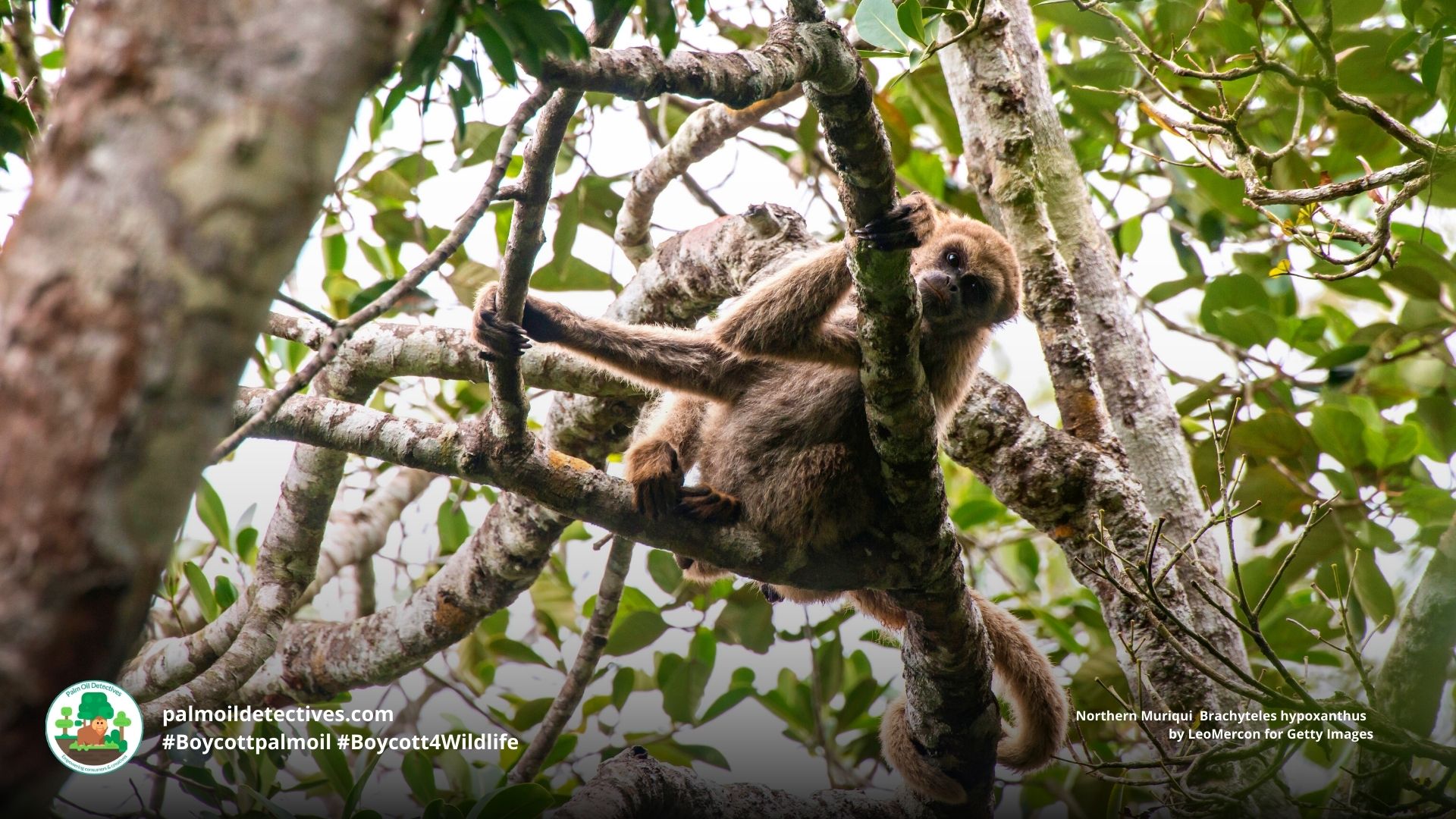
The Atlantic forests of South America – known as the Mata Atlântica in Brazil – are some of the richest and most diverse bioclimatic areas in the world, and are home to a large number of primate species. Many of these species are native to these forests and are in serious danger of extinction. This is the case, for example, for the southern muriqui (Brachyteles arachnoides) and the northern muriqui (Brachyteles hypoxanthus), two of the largest tree dwelling species of New World monkey.
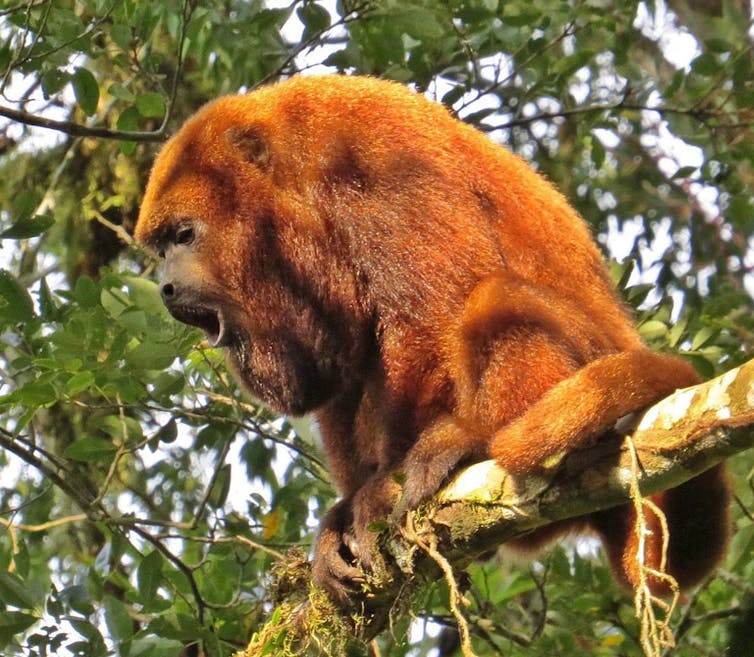
Smaller endemic primate species such as tamarins (Leontopithecus rosalia, L. chrysopygus, L. chrysomelas and L. caissara) are also in danger of extinction. Others, such as guaribas, also known as brown howler monkeys (Alouatta guariba), which were relatively abundant until a few years ago, have been decimated by the recent outbreaks of yellow fever that have affected eastern and southern Brazil. All the primate species of the Atlantic Forest have in common the fact that they survive in isolated forest fragments of varied dimensions, surrounded by crops and pastures.
Consequences for trees
Many of the interactions that occur between animals that feed on fruits and the plants that produce them are considered “mutualistic interactions”, a type of ecological relationship that benefits individuals belonging to two or more species. In these cases, the plants produce the fleshy, nutritious pulp of the fruits that is consumed by the animals. In return, many of their seeds are distributed in places where new plants can germinate and grow.
Human impacts often affect the interactions between animals – such as tree dwelling primates – and plants. Recently, it has been found that these impacts often result in extinction debts affecting numerous tree species.
Trees that produce seeds that are large or protected by a very tough shell rely heavily on such animals to disperse their seeds effectively through the forest. Therefore, when large primates and other herbivorous vertebrates become locally, regionally or globally extinct, the plants whose seeds they disperse are also affected.
A recent study attests to this. The research shows how deforestation, habitat fragmentation and disease have affected the primates of the Atlantic Forest in southeastern and southern Brazil, and how the ecological interactions in which they participate or used to participate have changed.
This study warns that the progressive deterioration of the interlinking mutualistic interactions between animals and the plants on which they feed is jeopardising the very survival of these forests.
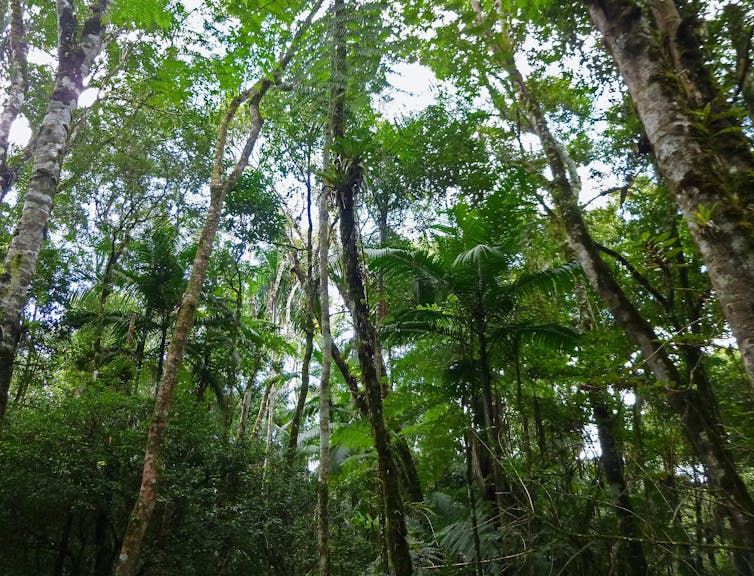
This threat comes on top of climate change which will, in the short term, cause forest fires to become more frequent. In the middle and long term, it will turn vast areas of forest into open savannahs little suited to the needs of tree dwelling primates. Forest fragmentation – whereby forest areas are isolated from each other and surrounded by intensive sugar cane or soybean cultivation – will only exacerbate these effects.
Written by Juan Carlos Guix, Colaborador de la Facultat de Biologia, Universitat de Barcelona and Antoni Serra Sorribes, Director del Centre de Recursos de Biodiversitat Animal (CRBA) de la Facultat de Biologia, Universitat de Barcelona. This article is republished from The Conversation under a Creative Commons license. Read the original article.
ENDS
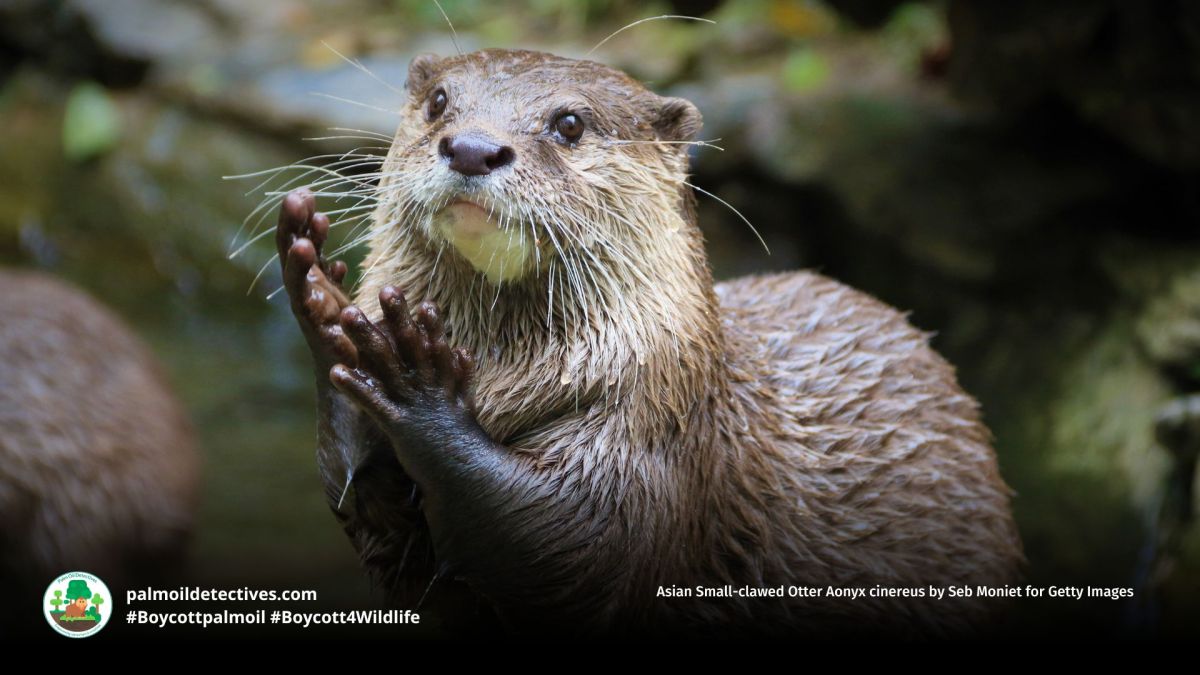
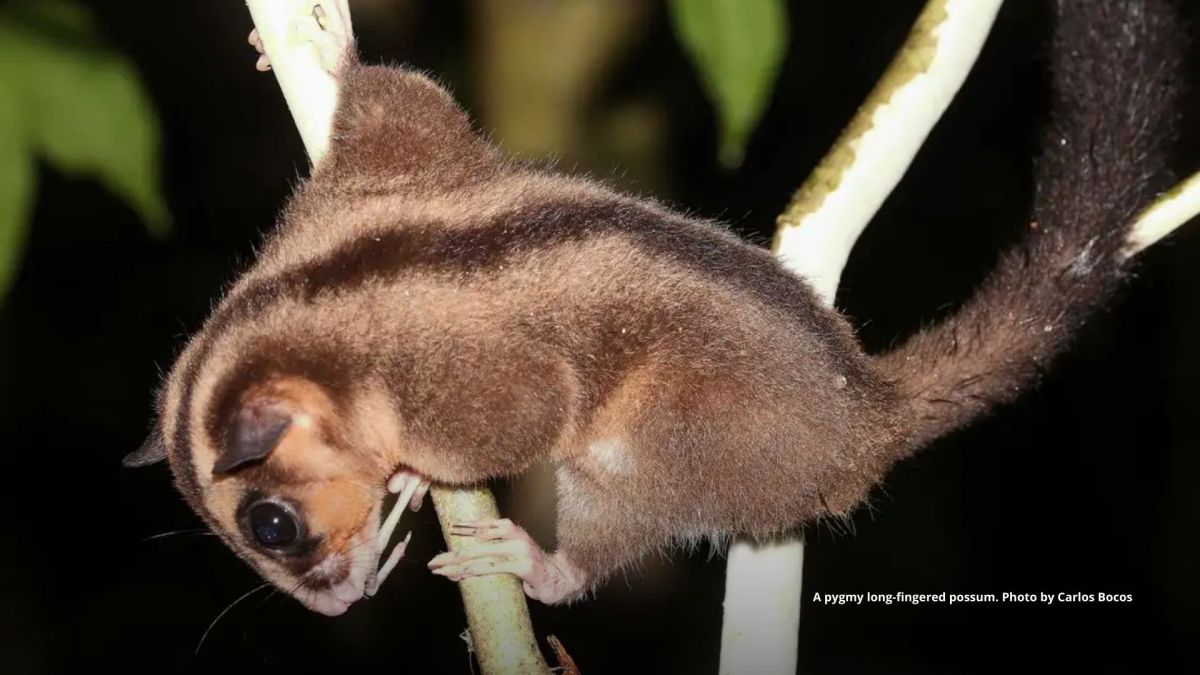
Learn about other animals endangered by palm oil and other agriculture
Learn about “sustainable” palm oil greenwashing
Read more about RSPO greenwashing
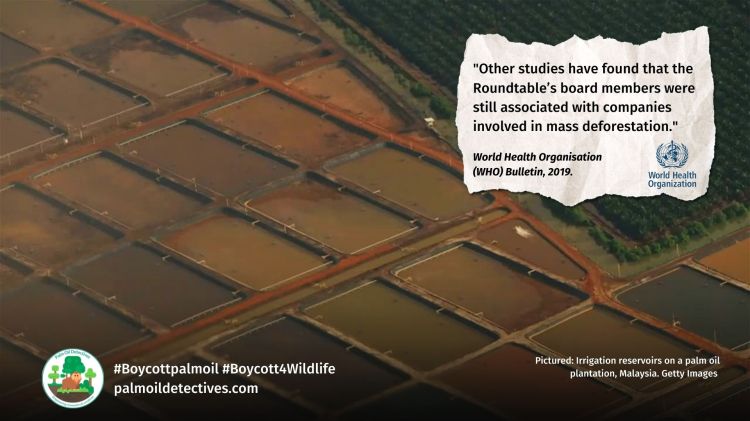
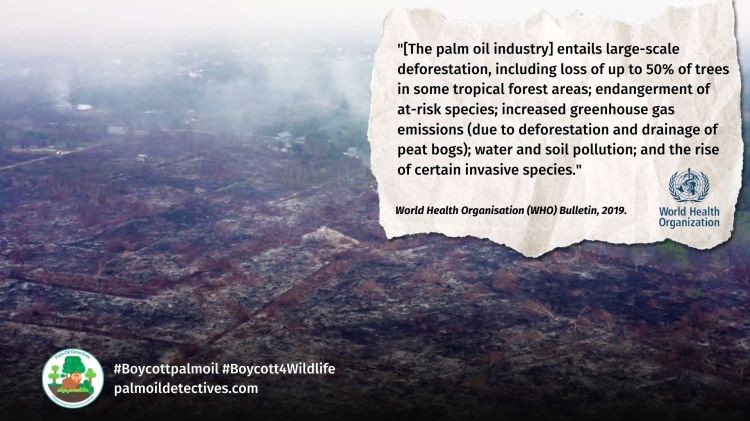
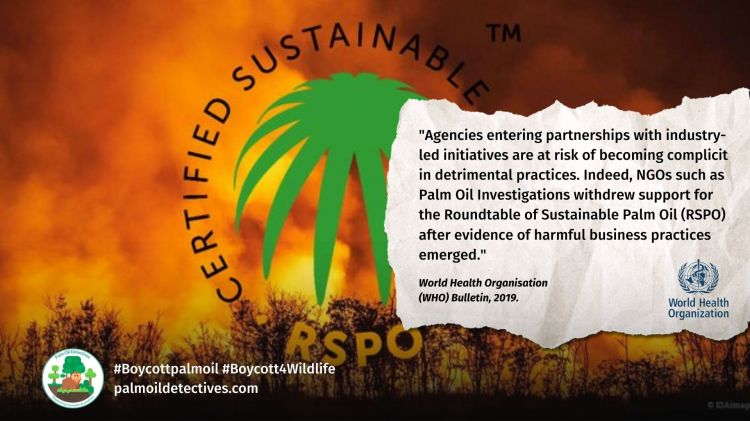
A 2019 World Health Organisation (WHO) report into the palm oil industry and RSPO finds extensive greenwashing of palm oil deforestation and the murder of endangered animals (i.e. biodiversity loss)


Take Action in Five Ways
1. Join the #Boycott4Wildlife on social media and subscribe to stay in the loop: Share posts from this website to your own network on Twitter, Mastadon, Instagram, Facebook and Youtube using the hashtags #Boycottpalmoil #Boycott4Wildlife.
2. Contribute stories: Academics, conservationists, scientists, indigenous rights advocates and animal rights advocates working to expose the corruption of the palm oil industry or to save animals can contribute stories to the website.



3. Supermarket sleuthing: Next time you’re in the supermarket, take photos of products containing palm oil. Share these to social media along with the hashtags to call out the greenwashing and ecocide of the brands who use palm oil. You can also take photos of palm oil free products and congratulate brands when they go palm oil free.
4. Take to the streets: Get in touch with Palm Oil Detectives to find out more.
5. Donate: Make a one-off or monthly donation to Palm Oil Detectives as a way of saying thank you and to help pay for ongoing running costs of the website and social media campaigns. Donate here
Discover more from Palm Oil Detectives
Subscribe to get the latest posts sent to your email.
 Palm Oil Detectives
One thought on “Declining primate numbers are threatening Brazil’s Atlantic forest”