
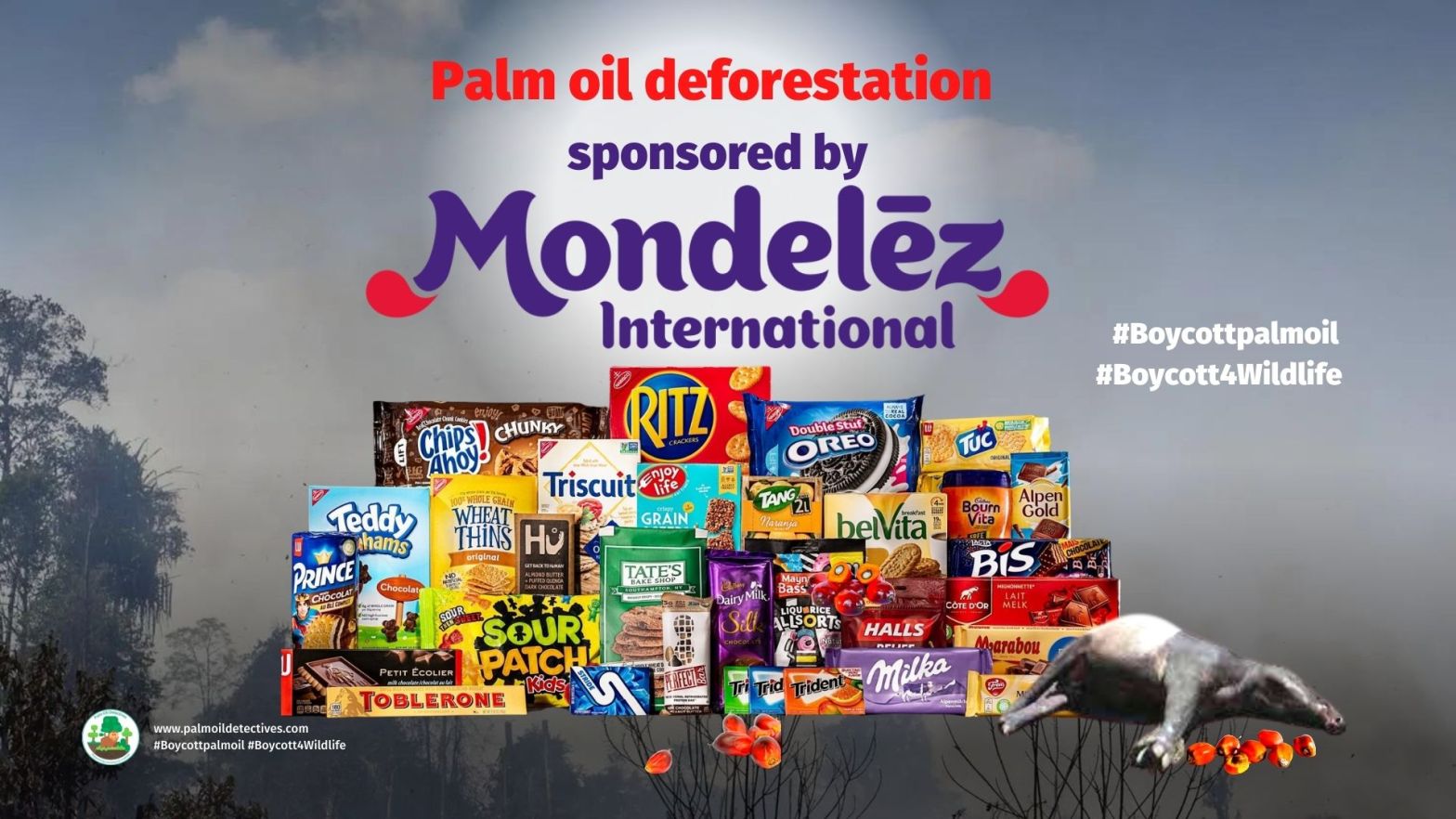
Mondelēz International, the company behind Oreo biscuits, continues to source palm oil from suppliers linked to rainforest destruction, exploitation of workers, and #violence against #Indigenous land defenders. Despite marketing its palm oil as “sustainable” and RSPO-certified, investigations show that these claims amount to greenwashing, with human rights abuses and #deforestation ongoing in its supply chain. We demand urgent action to expose these deceptive practices and protect marginalised indigenous peoples, endangered animals and endangered plants. #BoycottPalmOil #HumanRights
🍪🔥 #Mondelez maker of #Oreos is fuelling rainforest #ecocide and #humanrights abuses. They source #palmoil linked to #childlabour and exploitation 💀🌴 Use your wallet as a weapon to help animals and indigenous people! #BoycottPalmOil #Boycott4Wildlife https://palmoildetectives.com/2026/02/04/oreo-maker-linked-to-ongoing-deforestation-and-human-rights-abuses/
Oreo’s “sustainable” #palmoil is a #greenwashing myth—deforestation and human rights abuses continue in #Mondelēz’s supply chain. Demand real change! #BoycottPalmOil #Boycott4Wildlife #HumanRights @palmoildetect 🌴☠️🚫 https://palmoildetectives.com/2026/02/04/oreo-maker-linked-to-ongoing-deforestation-and-human-rights-abuses/
Rainforest Action Network. (2025, May 14). The maker of Oreos is not taking its human rights responsibilities seriously.
Mondelēz International, the global food giant responsible for Oreo biscuits, faces renewed scrutiny for its palm oil sourcing practices. Despite public claims of using “sustainable” RSPO-certified palm oil, evidence from multiple investigations shows that human rights abuses and deforestation remain widespread in the company’s supply chain.
Between 2015 and 2017, 22 of Mondelēz’s palm oil suppliers cleared over 70,000 hectares of rainforest, including 25,000 hectares of orangutan habitat in Indonesia. These suppliers have also been accused of child labour, worker exploitation, illegal deforestation, forest fires, and land grabbing. Much of this palm oil is sourced from Wilmar International, the world’s largest palm oil trader, which has repeatedly failed to monitor or control its suppliers’ destructive practices.
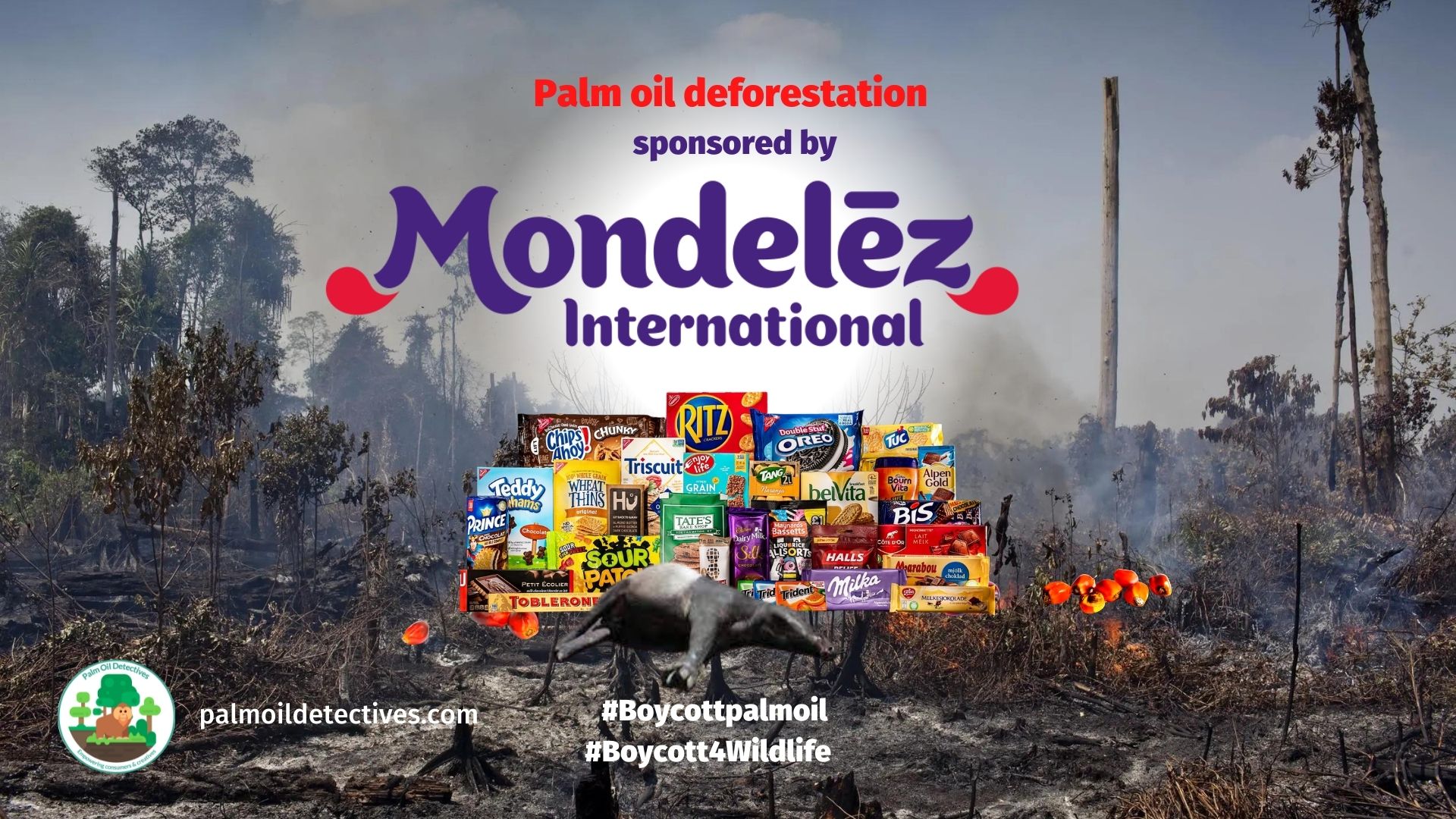

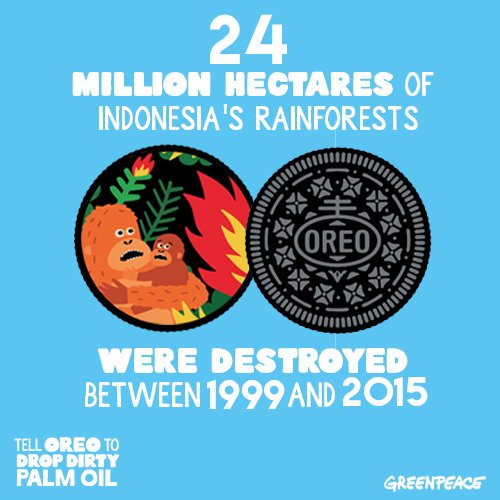
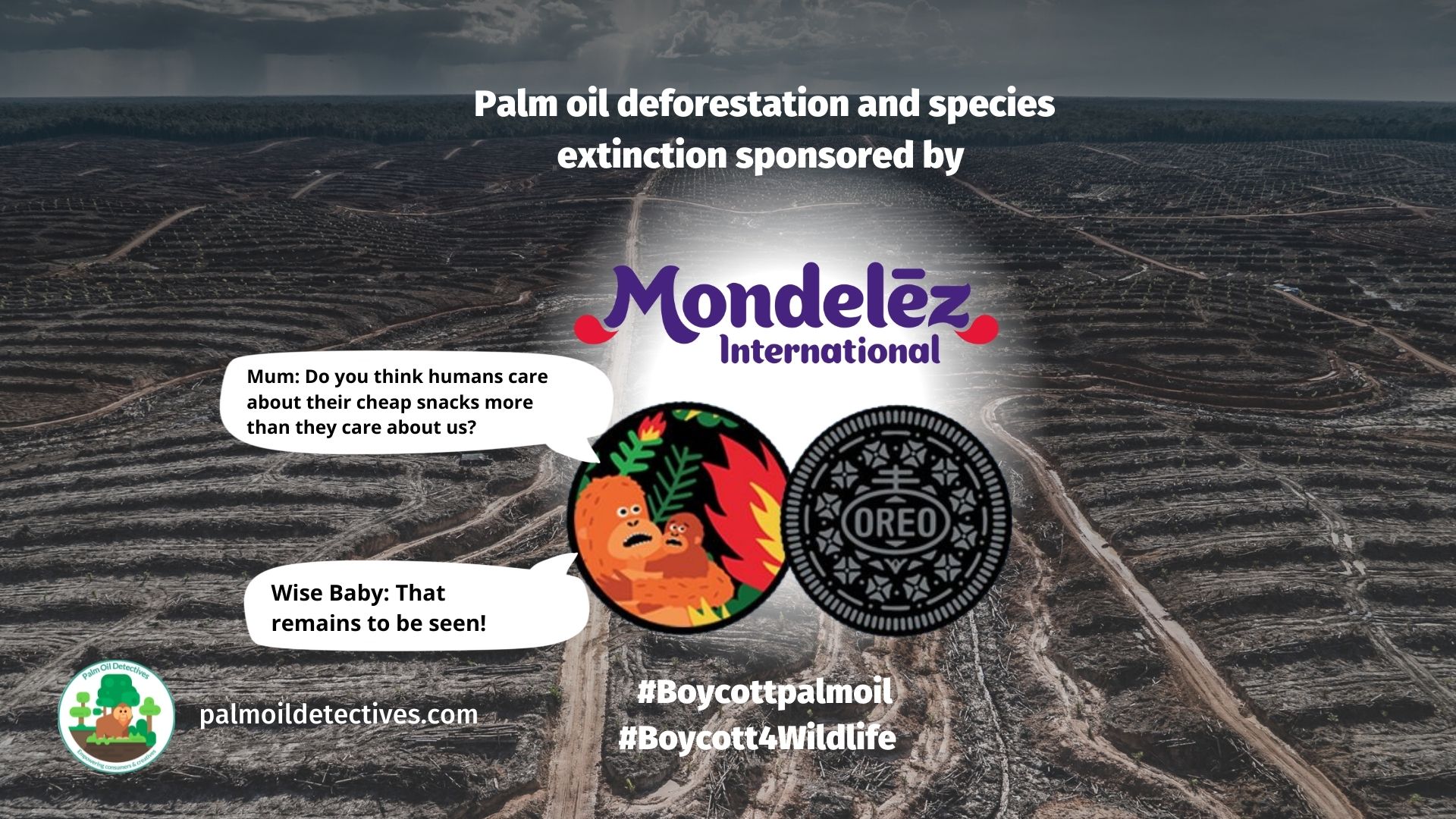
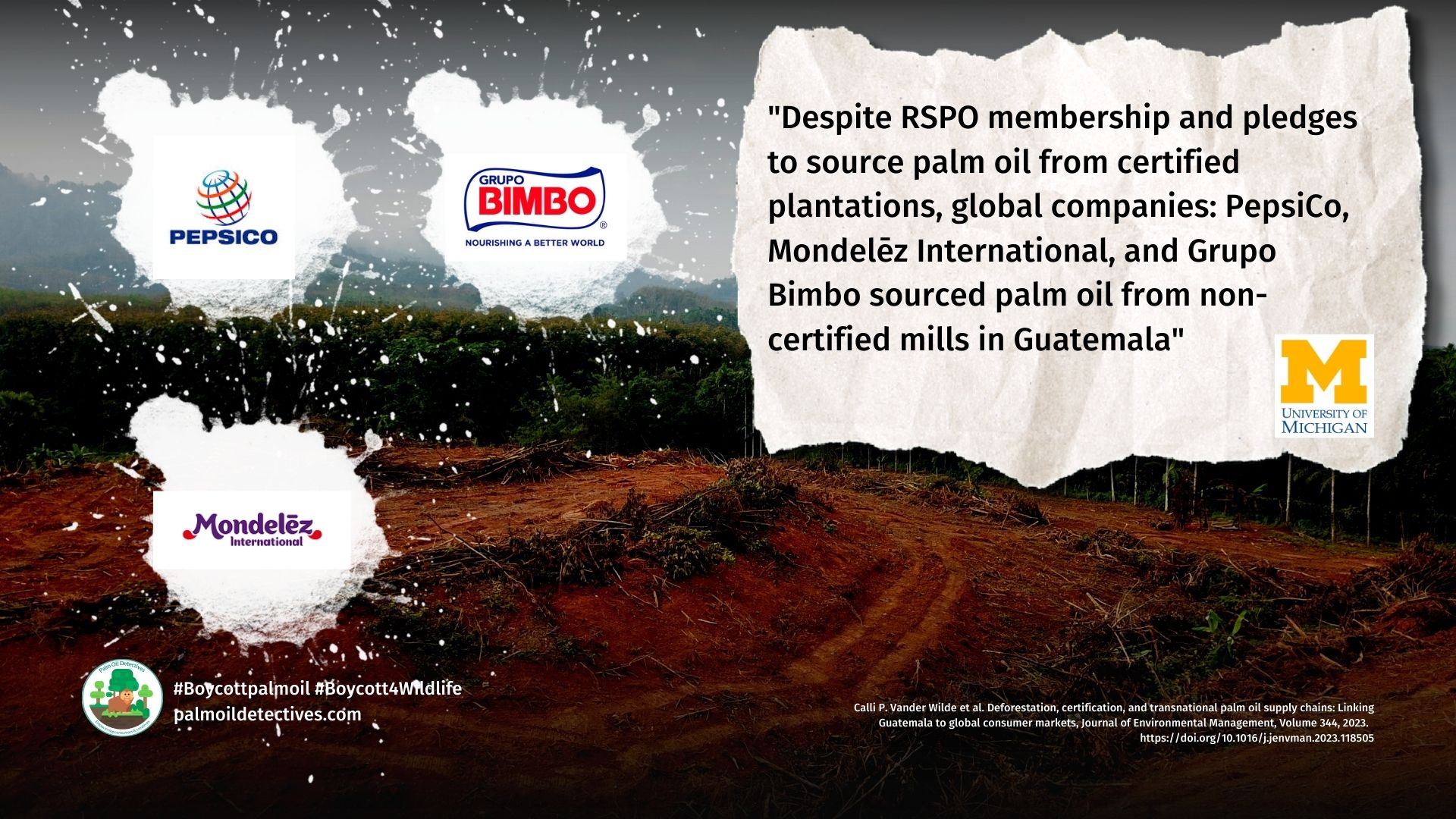
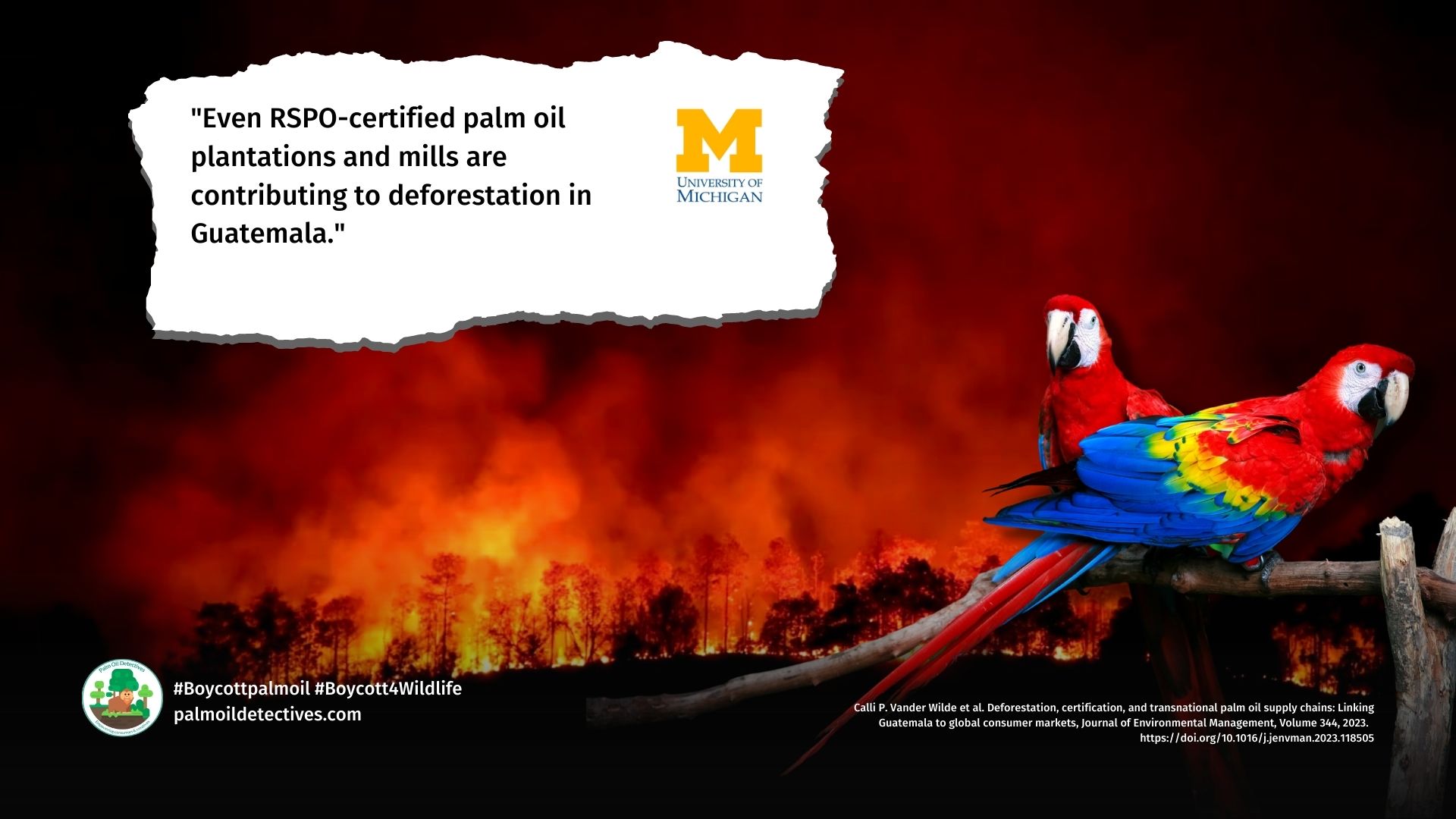
Despite adopting a “No Deforestation, No Peat, No Exploitation” policy, Mondelēz’s reliance on RSPO certification has been widely criticised as ineffective and misleading. The RSPO standard has failed to prevent land grabs, forced labour, and environmental harm, while the company continues to market its products as ethical and sustainable.
Kiki Taufik, head of Greenpeace Southeast Asia’s Indonesia forests campaign, said: “It’s outrageous that despite promising to clean up its palm oil almost ten years ago, Mondelēz is still trading with forest destroyers. Palm oil can be made without destroying forests, yet our investigation discovered that Mondelēz suppliers are still trashing forests and wrecking orangutan habitat, pushing these beautiful and intelligent creatures to the brink of extinction. They’re literally dying for a cookie”.
The article highlights that these issues are not isolated incidents but reflect systemic failures in the palm oil sector’s self-regulation and corporate accountability. The continued use of “sustainable” palm oil claims is described as greenwashing, misleading consumers while abuses persist.
The article calls for urgent action from consumers, advocates, and policymakers to demand real accountability from companies like Mondelēz. Protecting Indigenous communities, upholding workers’ rights, and halting deforestation are identified as urgent priorities.
Rainforest Action Network. (2025, May 14). The maker of Oreos is not taking its human rights responsibilities seriously.
ENDS
Read more about deforestation and ecocide in the palm oil industry

Asian Small-clawed Otter Aonyx cinereus
Asian Small-clawed Otters are the world’s smallest otter species and are Vulnerable from palm oil tea and coffee deforestation. Protect them, boycott palm oil!
Read more
Tapanuli Orangutan Faces Extinction From Forest Protection Rollback
Save the Tapanuli orangutan! The rarest ape in the world faces extinction after floods, cyclones and now rezoning of their habitat in Sumatra #BoycottPalmOil!
Read more
Marsupials thought extinct for 6,000 years found in West Papua
Two stunning marsupials thought extinct for 6000 years rediscovered in West Papua. Calls for rainforest protection even more urgent!
Read more
Trash into Treasure: Turning E-Waste and CO2 into Gold
Turning E-Waste and CO2 into Gold addresses e-waste challenges and contributes to CO₂ reduction efforts. Take action and boycott gold for Yanomami people!
Read more
Do you love animals? Make every day #WorldWildlifeDay
This #WorldWildlifeDay take action for animals great and small! Reptiles insects, mammals and birds deserve better than palm oil ecocide and extinction. Make sure you Boycott palm oil
Read moreSomething went wrong. Please refresh the page and/or try again.
Take Action in Five Ways
1. Join the #Boycott4Wildlife on social media and subscribe to stay in the loop: Share posts from this website to your own network on Twitter, Mastadon, Instagram, Facebook and Youtube using the hashtags #Boycottpalmoil #Boycott4Wildlife.
2. Contribute stories: Academics, conservationists, scientists, indigenous rights advocates and animal rights advocates working to expose the corruption of the palm oil industry or to save animals can contribute stories to the website.





3. Supermarket sleuthing: Next time you’re in the supermarket, take photos of products containing palm oil. Share these to social media along with the hashtags to call out the greenwashing and ecocide of the brands who use palm oil. You can also take photos of palm oil free products and congratulate brands when they go palm oil free.
4. Take to the streets: Get in touch with Palm Oil Detectives to find out more.
5. Donate: Make a one-off or monthly donation to Palm Oil Detectives as a way of saying thank you and to help pay for ongoing running costs of the website and social media campaigns. Donate here
Discover more from Palm Oil Detectives
Subscribe to get the latest posts sent to your email.
 Palm Oil Detectives