

Research reveals African savannah elephants use unique ‘names’ to call one another. This discovery highlights their advanced brains, deep social bonds.
Tag Archives: cognition
Echoes of the Ancients: The Wisdom and Power of Elephants
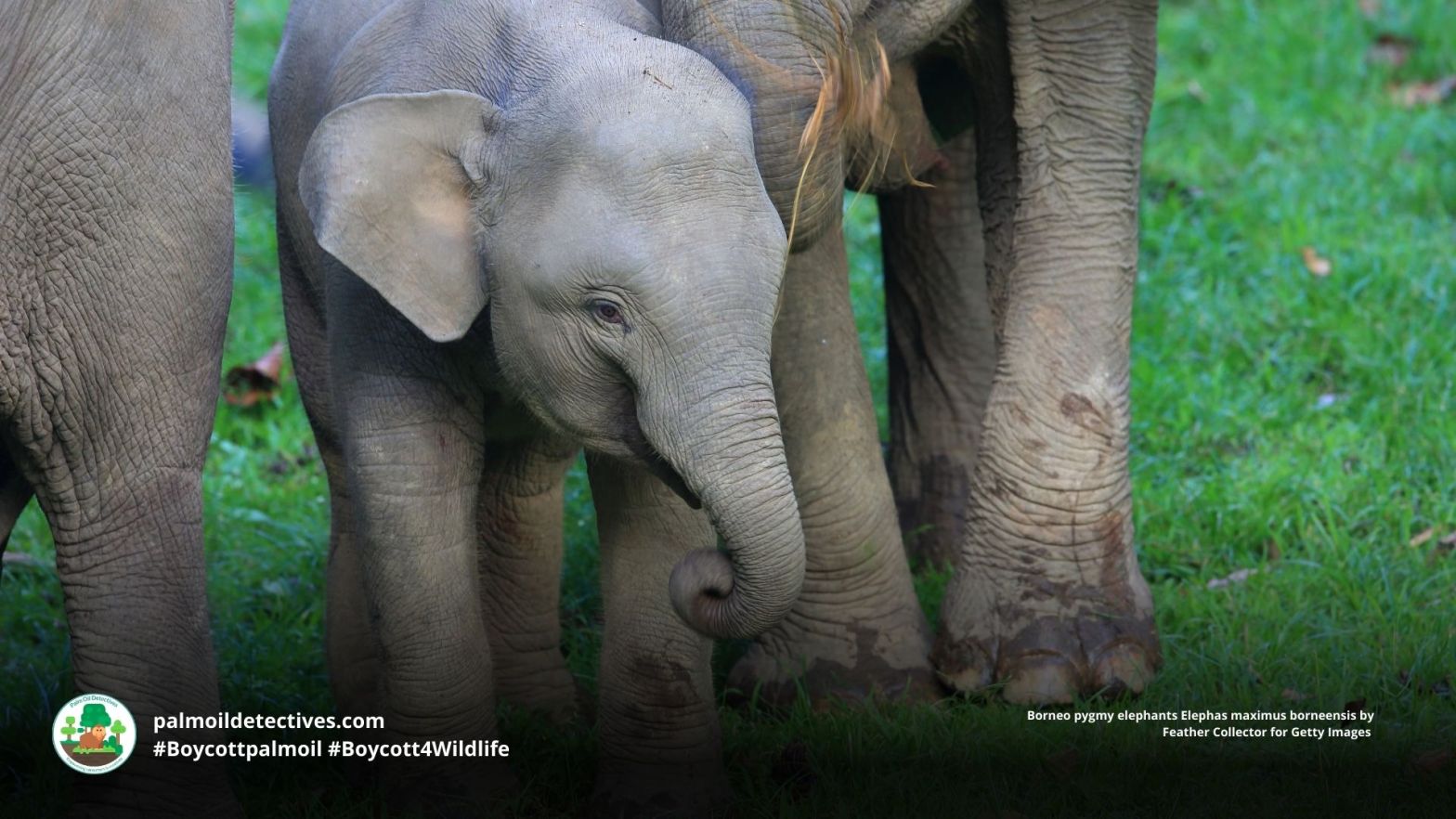
World Elephant Day, celebrated on August 12th, honours the gentle and nurturing giants of Asia and Africa, who are revered for their deep spiritual wisdom, gentle strength, and nurturing natures. Over the past decade, their numbers have plummeted by 62% due to habitat encroachment for palm oil deforestation, other agriculture, infrastructure expansion, mining and the cruel #poaching for ivory. Without radical intervention, these magnificent beings could be near #extinction by the 2060s. Yet, do not despair because hope endures in the form of activism. Explore the extraordinary resilience and intelligence of pachyderms, and discover how you can help safeguard their future with consumer boycotts and supporting organisations fighting wildlife crime. #BoycottPalmOil #Boycott4Wildlife
Apes Enjoy Joking and Teasing Each Other
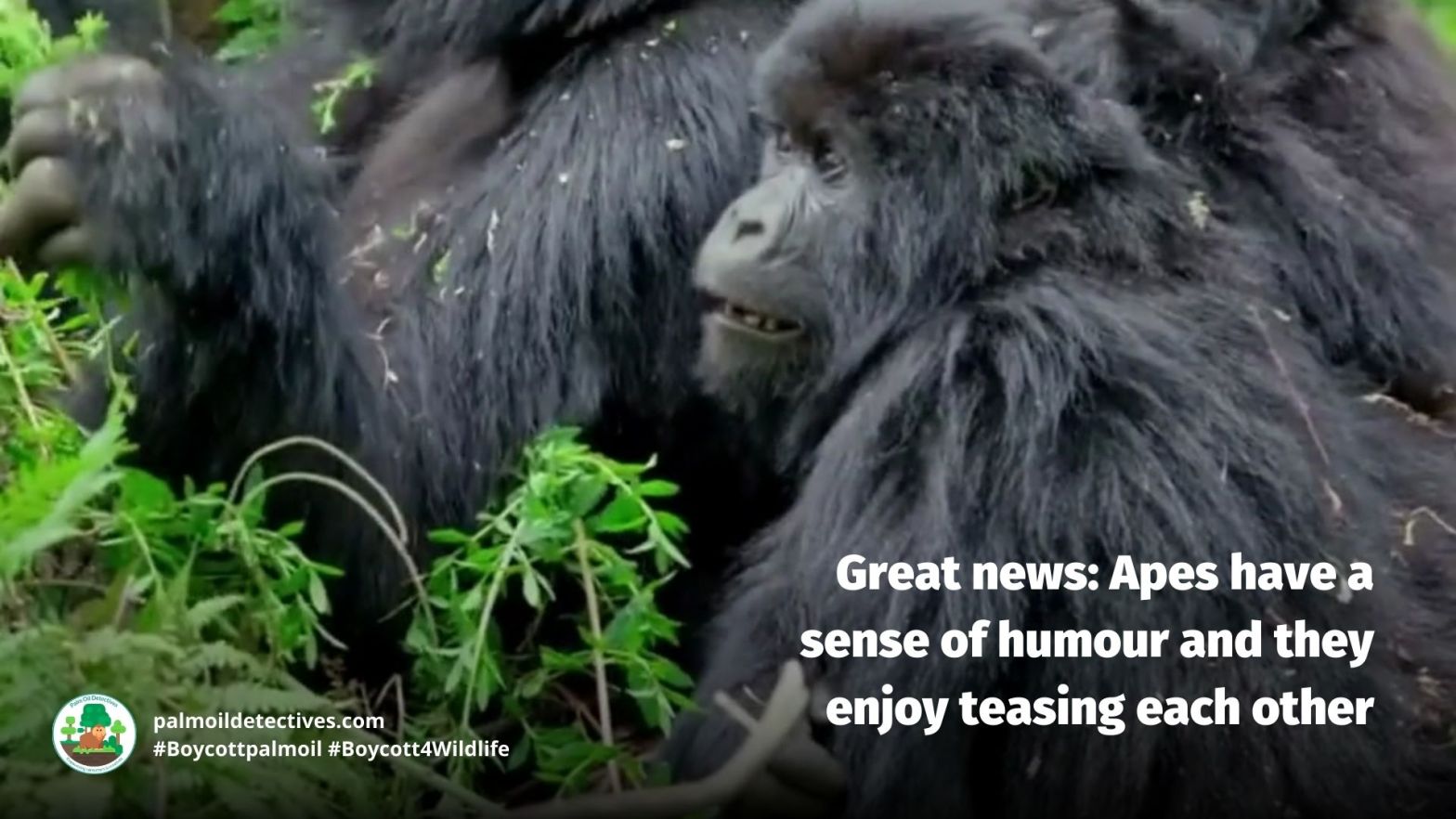
New research finds that it’s not only human babies who love to playfully tease each other. Researchers reasoned that since language is not required for this behaviour, similar kinds of playful teasing might be present in non-human animals such as chimpanzees, bonobos, gorillas and orangutans. Now cognitive biologists and primatologists have documented playful teasing in four species of great apes. Like joking behaviour in humans, ape teasing is provocative, persistent, and includes elements of surprise and play. Because all four great ape species used playful teasing, it is likely that the prerequisites for humour evolved in the human lineage at least 13 million years ago.
Laughs, Cries and Deception: The Complex Lives of Birds
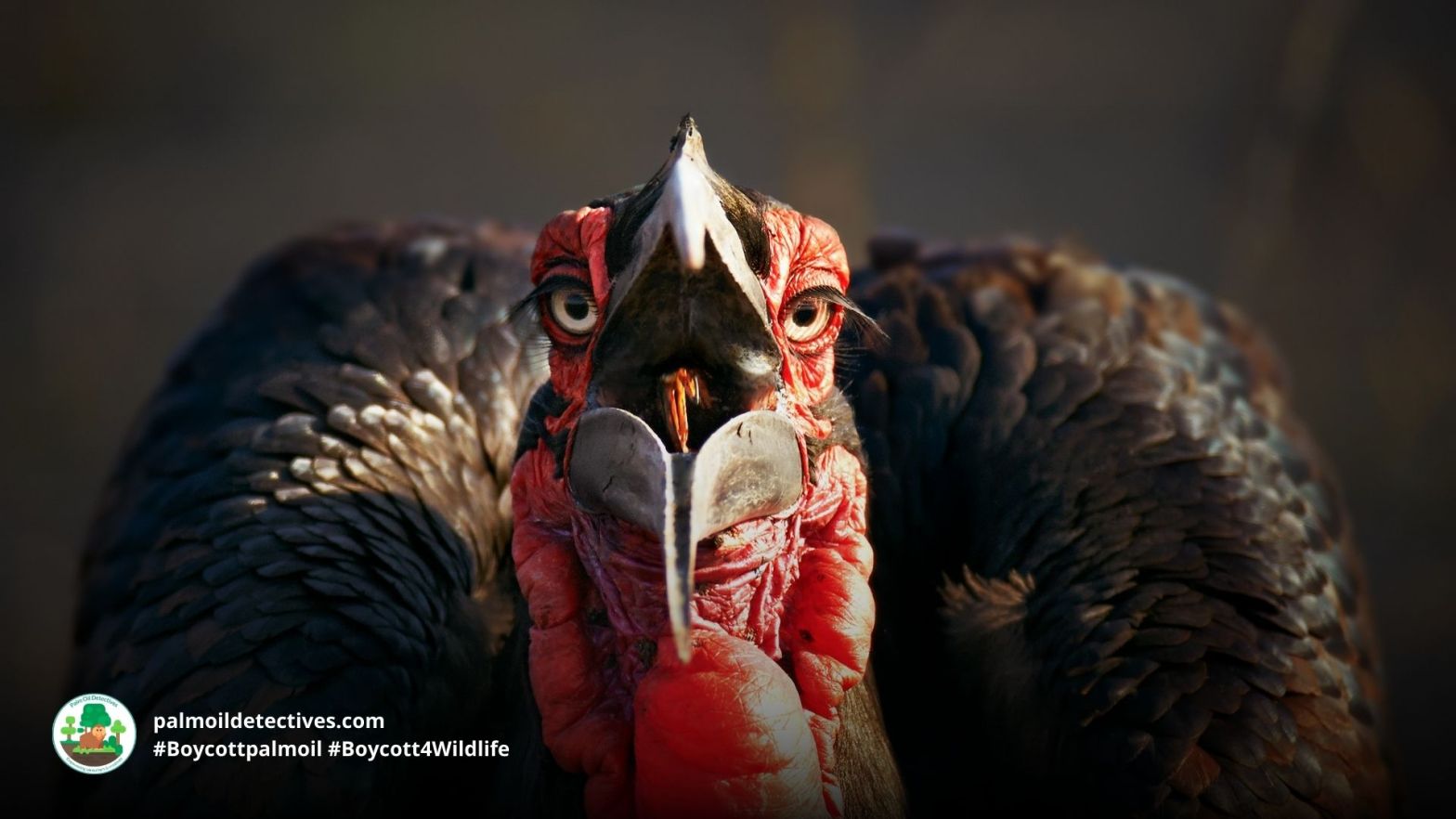
#Birds can certainly get very angry – and the owner of a galah or corella would be well advised not to get near this bird when the head feathers are raised — but birds can be joyful and playful, can get depressed and, as studies have shown, a neglectful or bare environment can even make them pessimistic.
Birds may feel for others (have empathy) and even console them, may have a sense of justice, may show deep affection for their partner and grieve for their loss. I witnessed the mate of a fatally injured tawny frogmouth not moving from the spot next to their dead partner for three days, and then dying on the fourth. 🌴🩸🧐 Be #vegan for them! ❌ #BoycottPalmOil #Boycott4Wildlife
For primates, having a mother helps them learn social skills
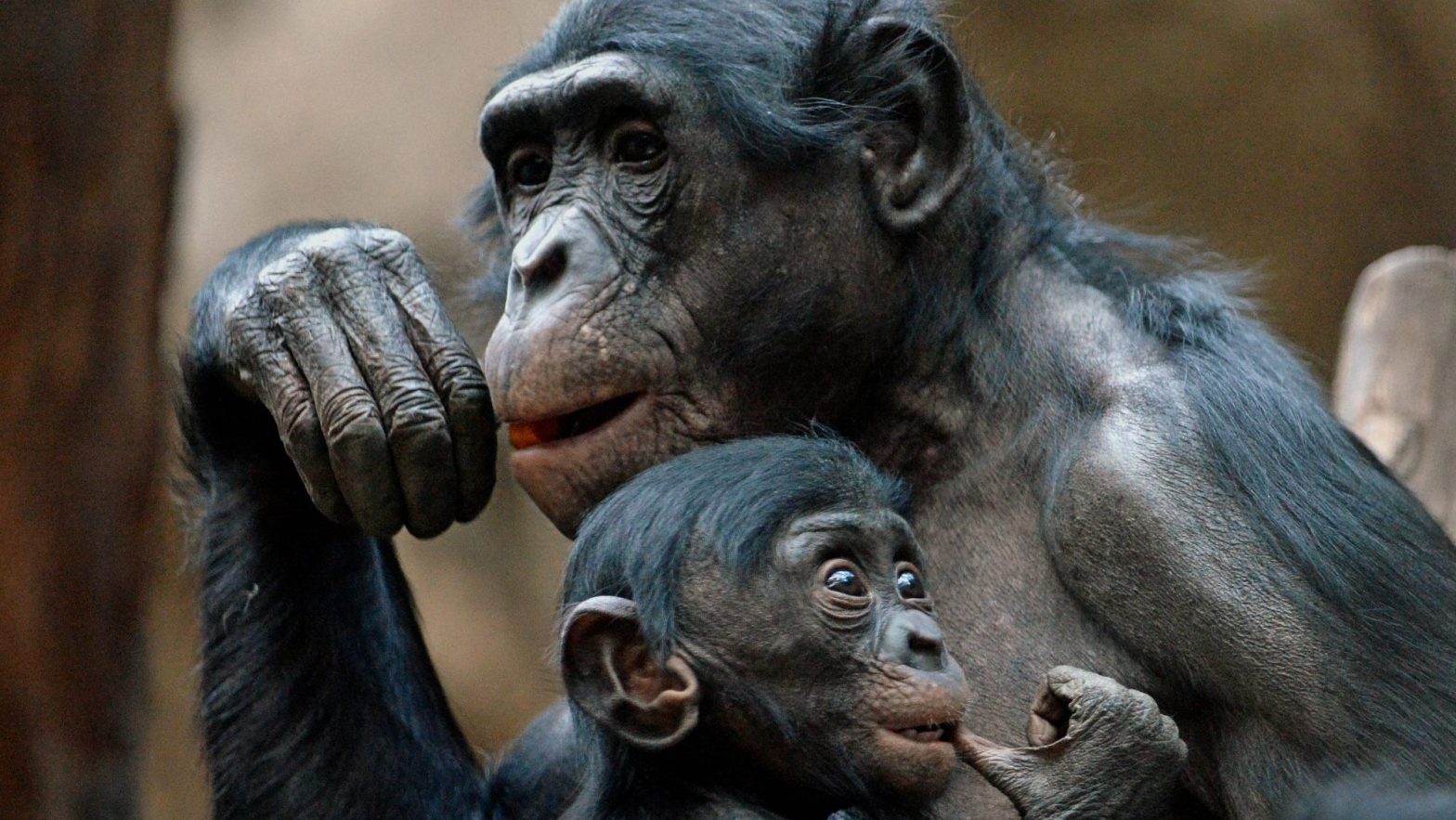
Wild #bonobos, like other Great #Apes and humans, spend long childhoods with their mothers, learning the social skills they need to function as emotionally stable members of their community. But orphaned bonobos at sanctuaries don’t have that kind of upbringing. Can they still learn the skills they need to get by in bonobo society? A study by Zanna Clay and Frans de Waal in PNAS found that the mother-infant bond is vital in developing healthy social and emotional skills. Help these mighty and intelligent primates when you shop and #BoycottPalmOil #Boycott4Wildlife
African grey parrots help each other in times of need
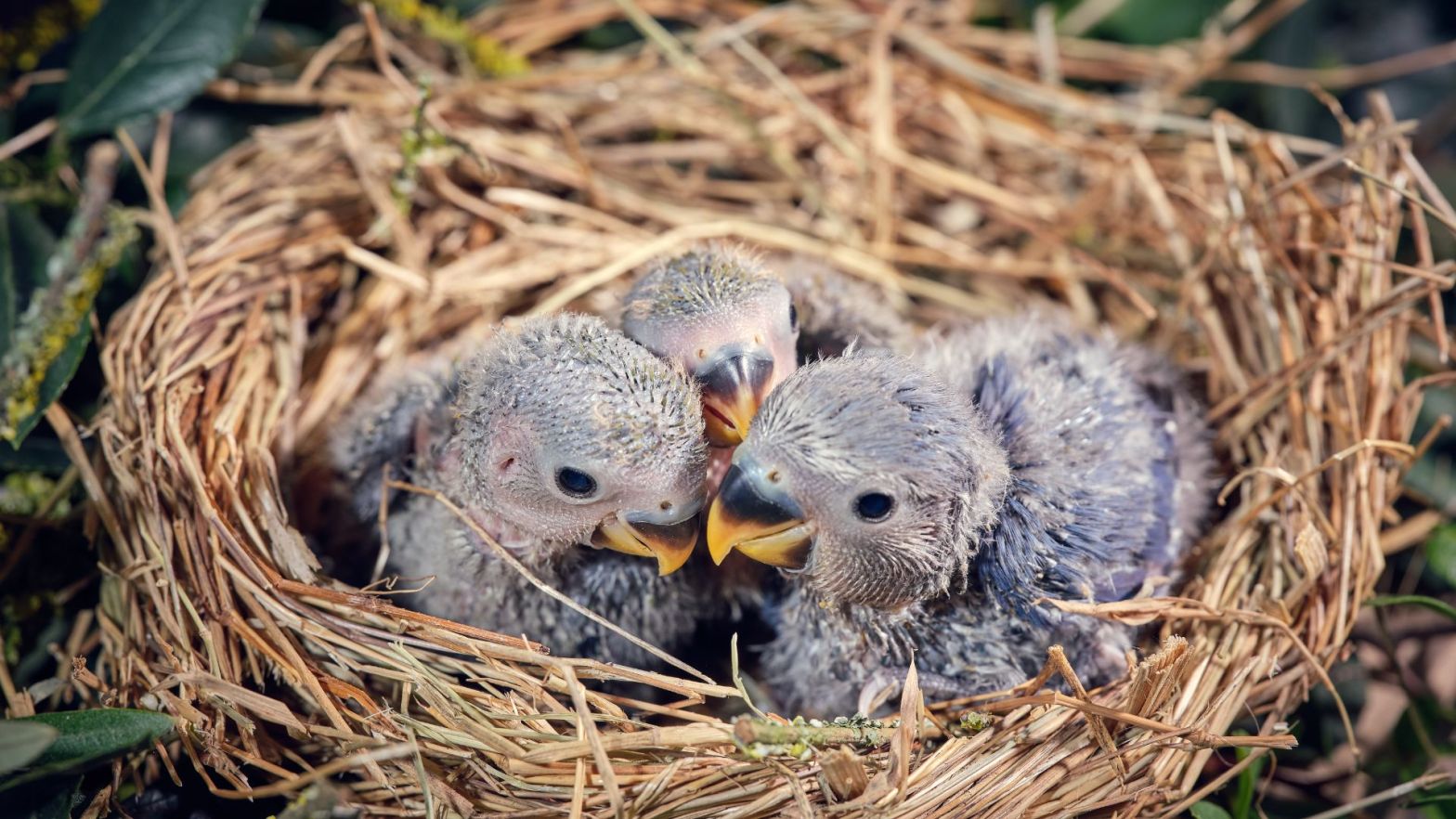
Corvids – birds such as ravens, crows, and magpies – and parrots are considered to be special among birds, as they have unusually large and densely packed brains. They show many cognitive capacities that are linked to an advanced understanding of their surroundings. This has earned them the name “feathered apes”. A recent study has found that it’s not only crows and ravens who help one another – grey parrots do as well.
 Palm Oil Detectives