
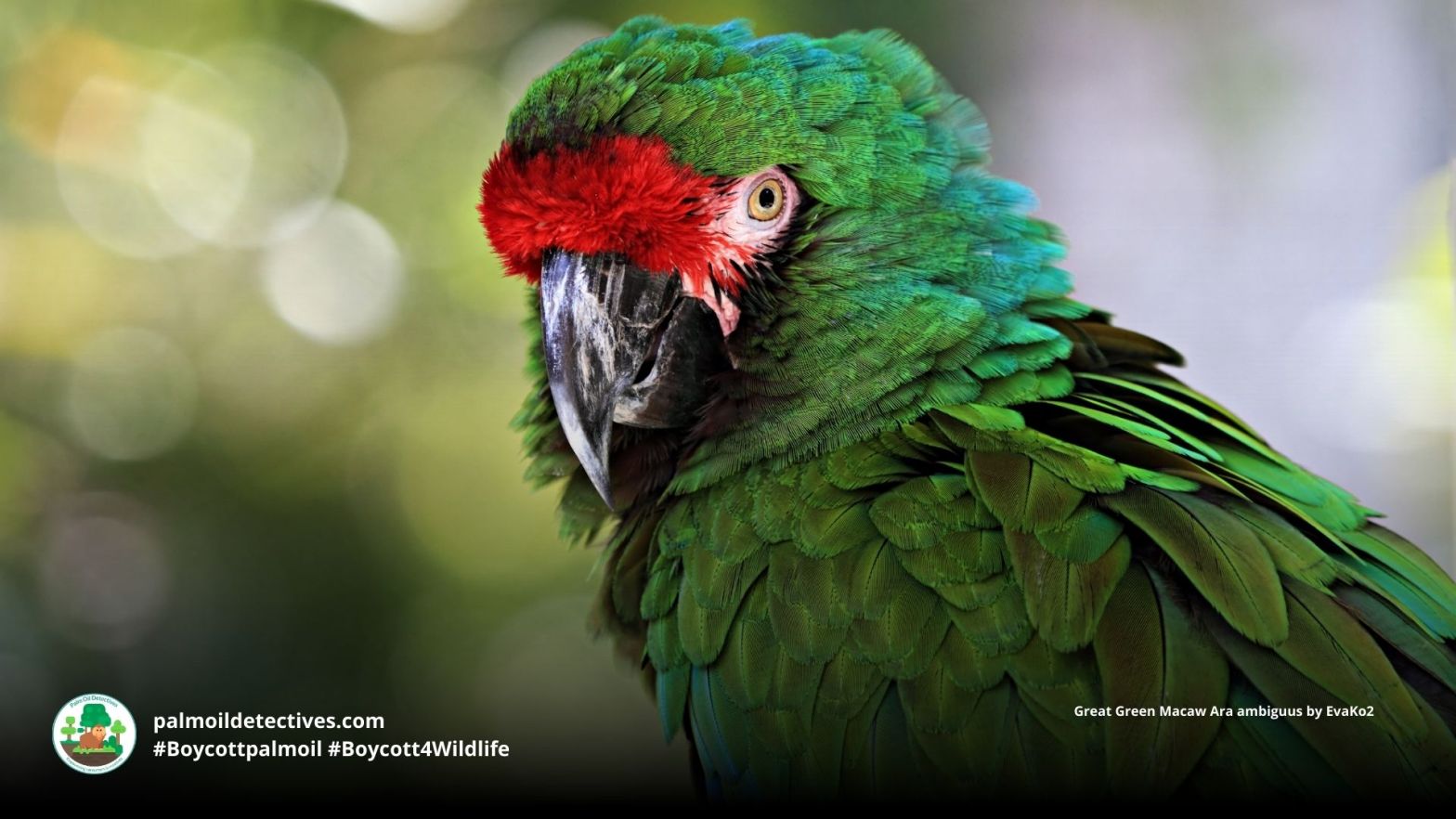
Great Green Macaw Ara ambiguus
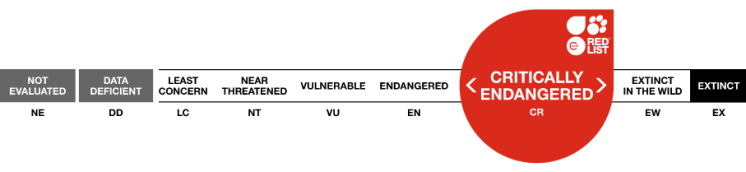
Critically endangered
Locations: Found in humid lowland forests of Central and South America, particularly in Costa Rica, Ecuador, Honduras, Panama and Nicaragua.
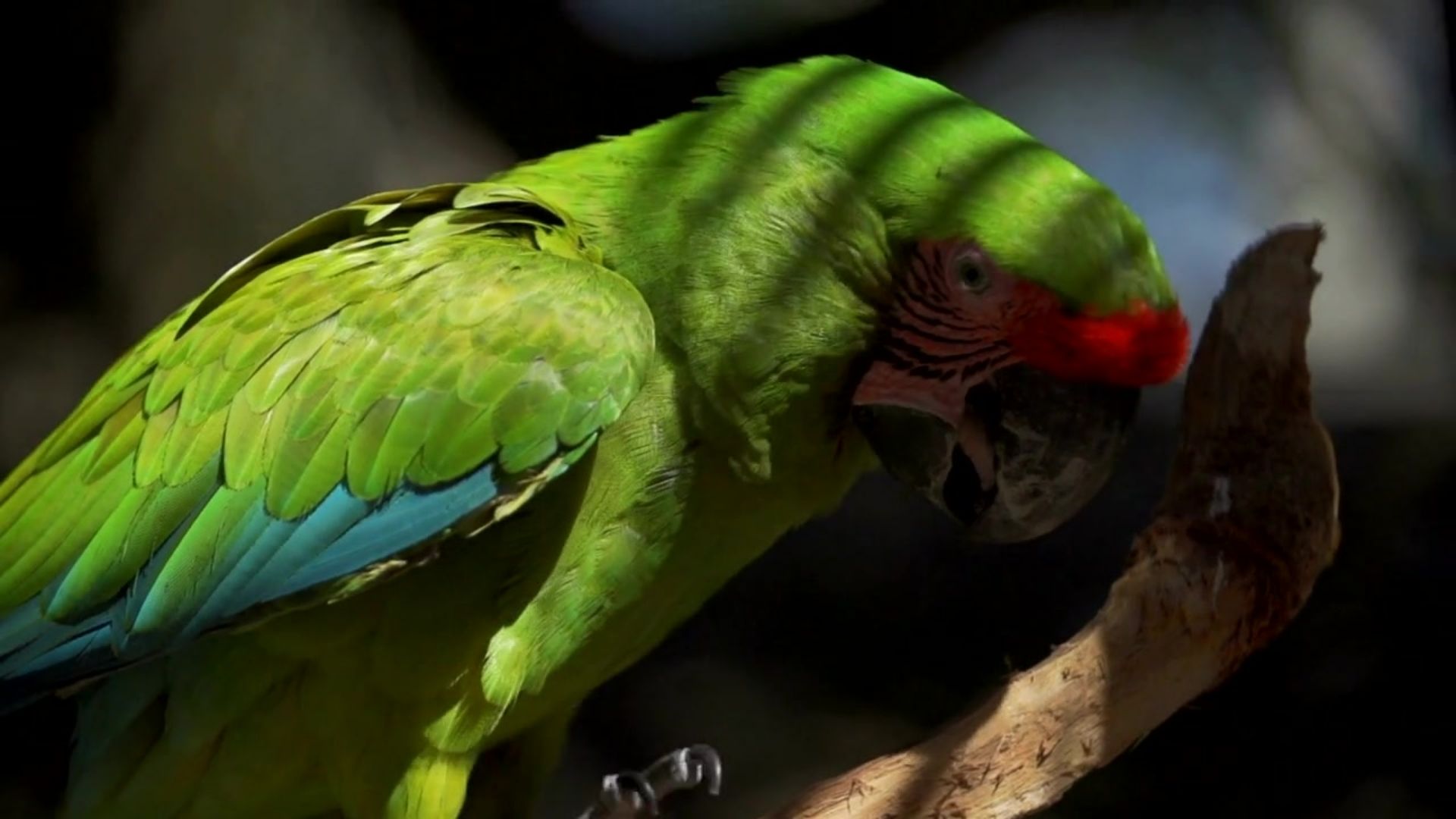
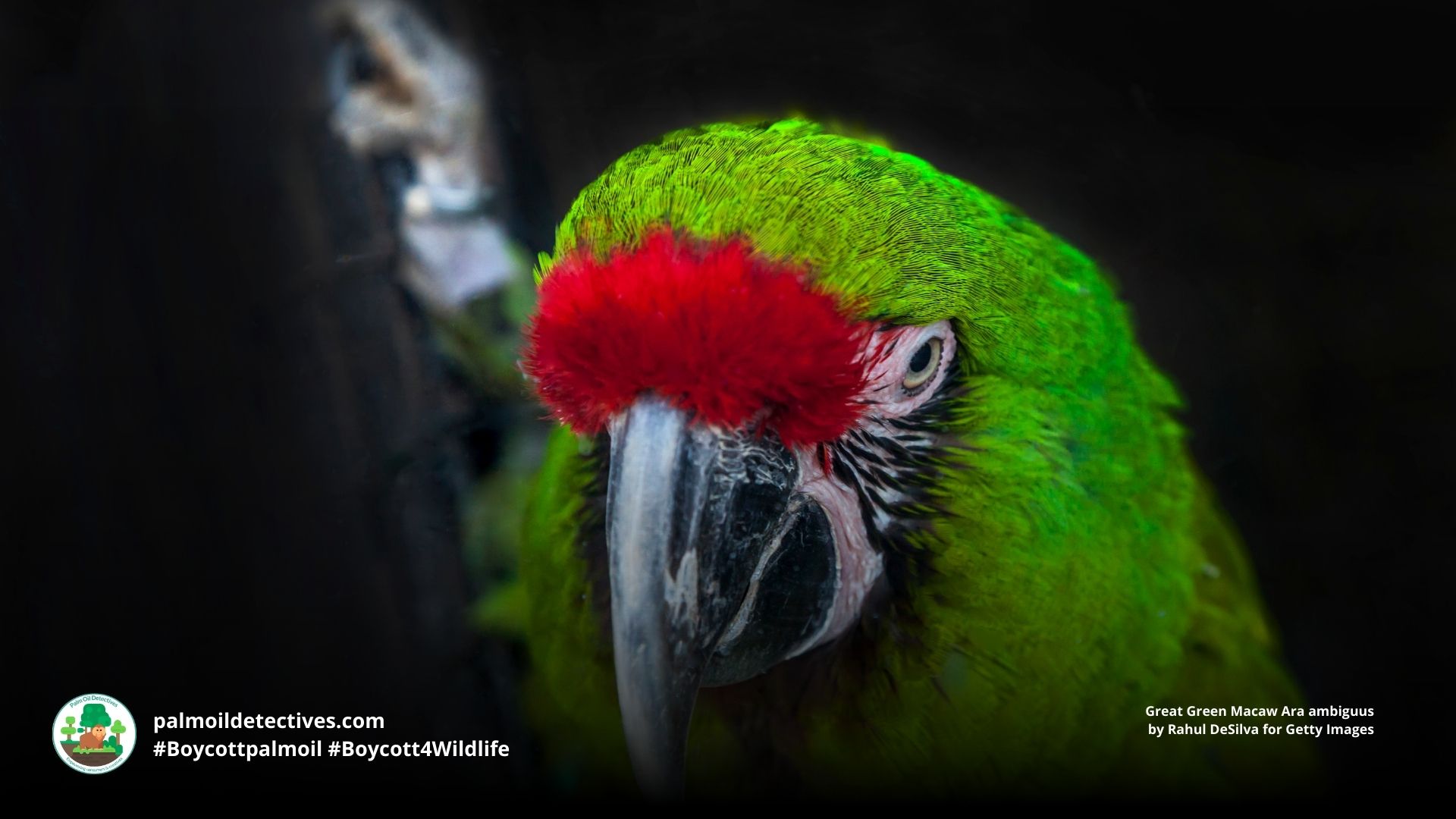
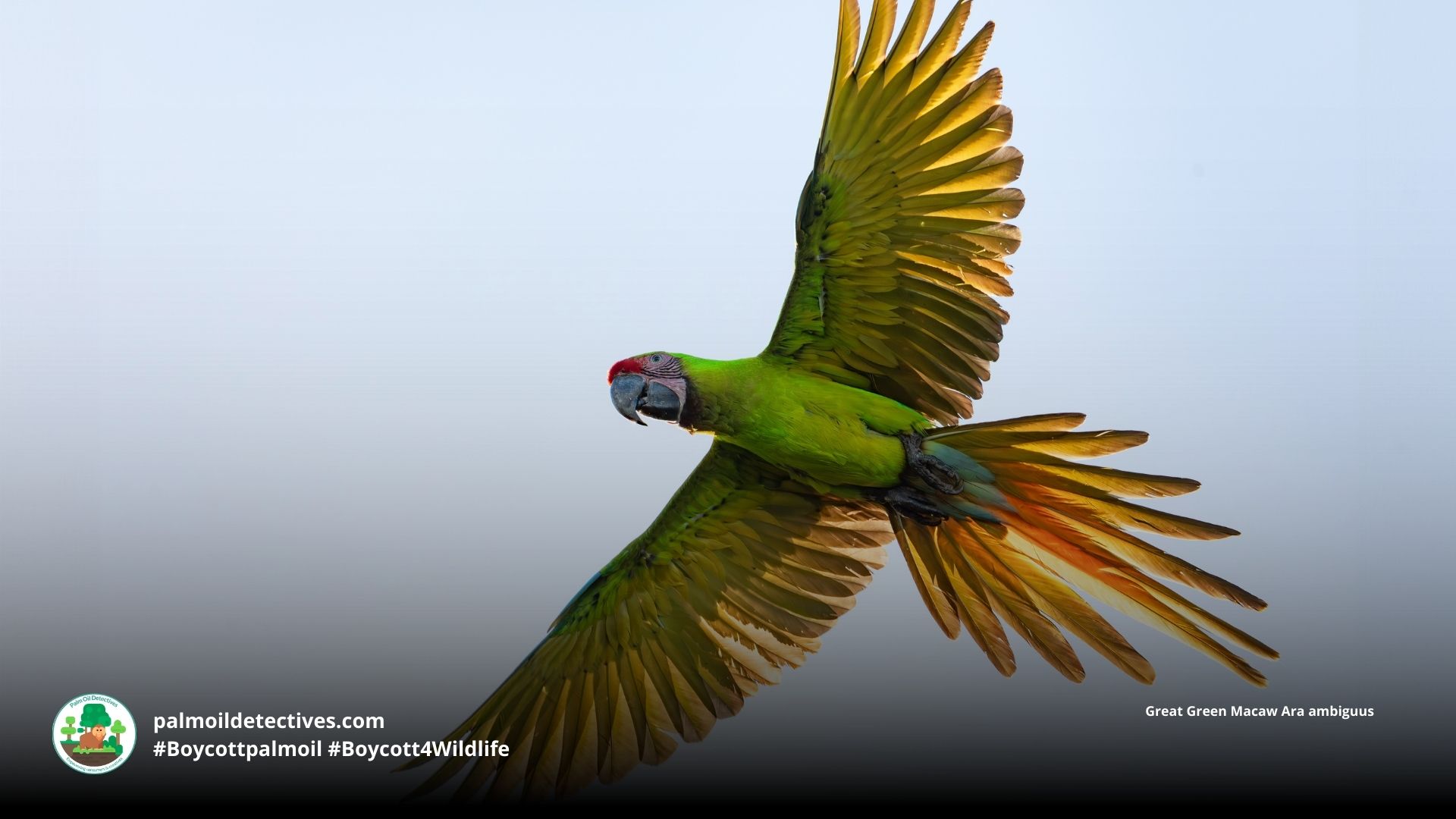
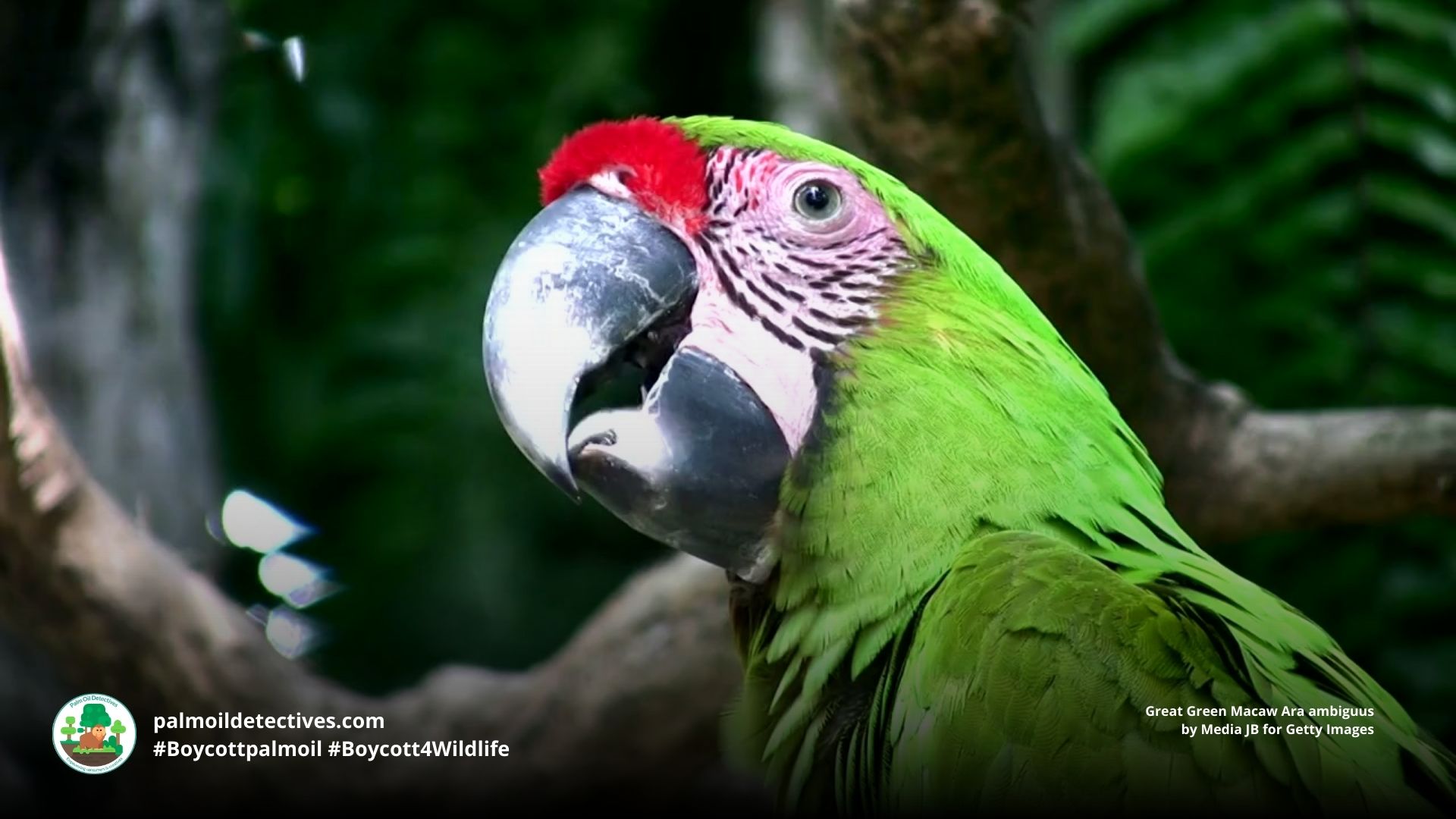
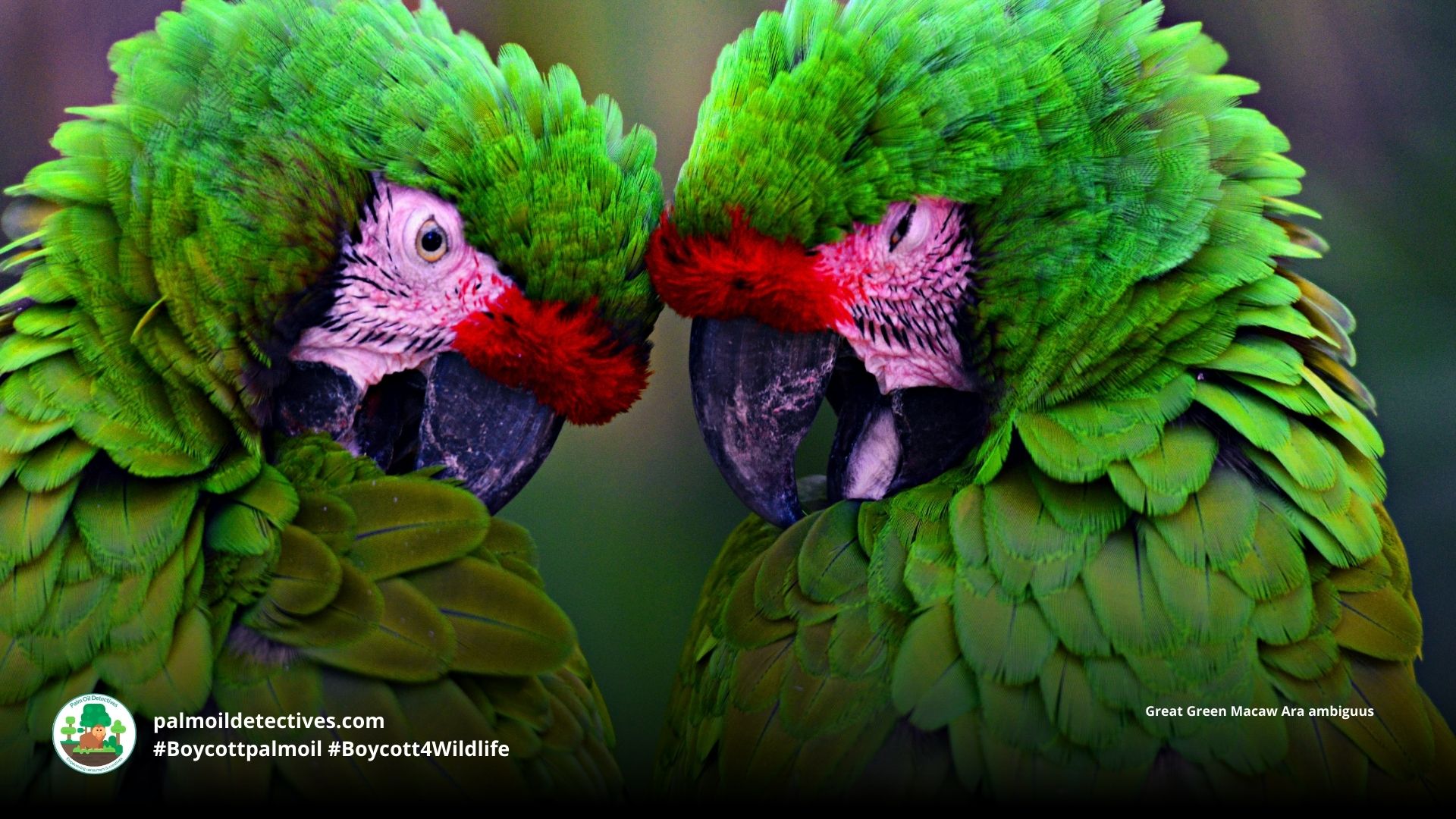
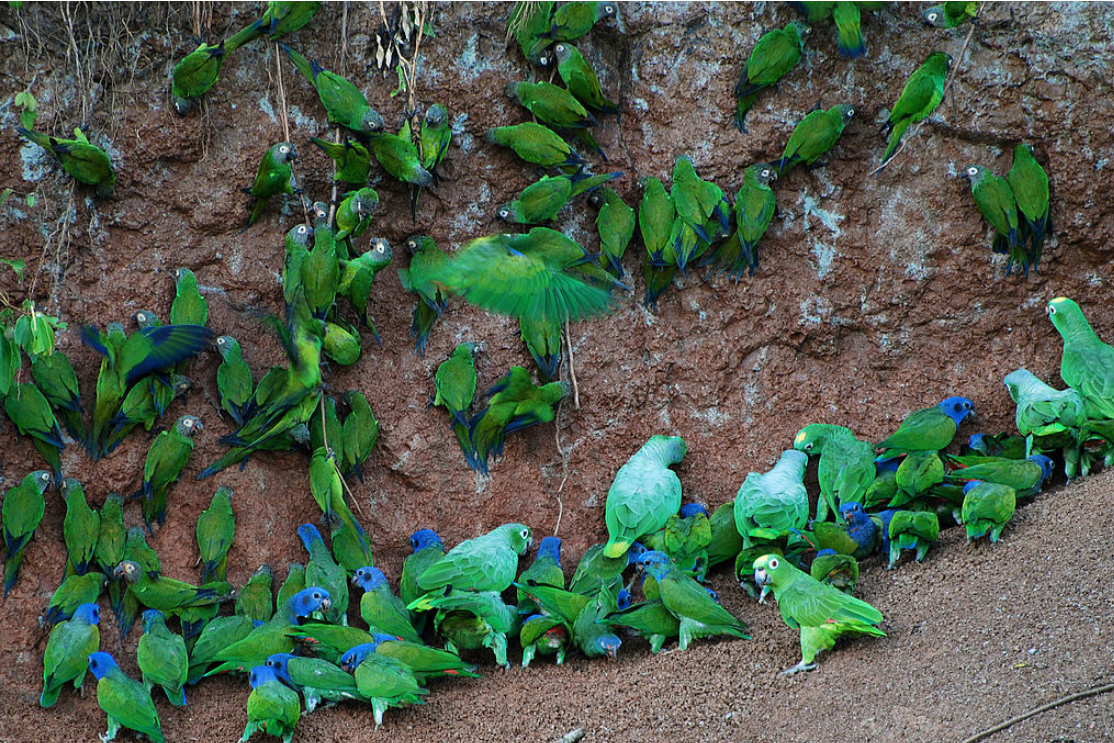
The Great Green Macaw Ara ambiguus are the largest macaw species and in flight they are dazzling symbol of Central and South America’s vanishing rainforests. Draped in shimmering green plumage with a fiery red forehead and striking blue-tipped feathers, these parrots are key players in their ecosystem. With their powerful beaks, they crack open tough nuts, dispersing seeds that sustain the forest’s delicate balance. Yet, these vibrant giants are under siege.
The magnificent Great Green #Macaw has had 90% of their rainforest home destroyed for #palmoil #soy #meat #gold #mining. They are now critically #endangered! Fight for them every time you shop, be #vegan and #Boycottpalmoil #Boycott4Wildlife @palmoildetect https://wp.me/pcFhgU-183
Great green #macaws are supremely intelligent can live to up to 70 years old. They are critically endangered from #palmoil #meat and #soy #deforestation in #SouthAmerica. Help them by being #vegan and #Boycottpalmoil #Boycott4Wildlife @palmoildetect https://wp.me/pcFhgU-183
Deforestation—driven by palm oil plantations, illegal logging, and agriculture—has decimated the old-growth forests they call home. Their lifeline, the mountain almond tree, is vanishing, taking with it vital macaw nesting sites. Alarmingly, Great Green Macaw populations in Costa Rica and Ecuador have dwindled to critical levels, leaving fewer than 3,500 individuals to soar freely the skies.
Fight for their survival every time you shop. Support indigenous-led conservation and use your wallet as a weapon: #BoycottPalmOil #Boycott4Wildlife.
The historical range of the Great Green Macaw was reduced by ~90 % over the past 100 years (Chassot et al. 2002; O. Jahn in litt. 2004, 2005). Large areas of western Ecuador are being purchased, denuded of forest and converted to industrial oil palm plantations (Sharpe 1999).
IUCN red list

Appearance and Behaviour
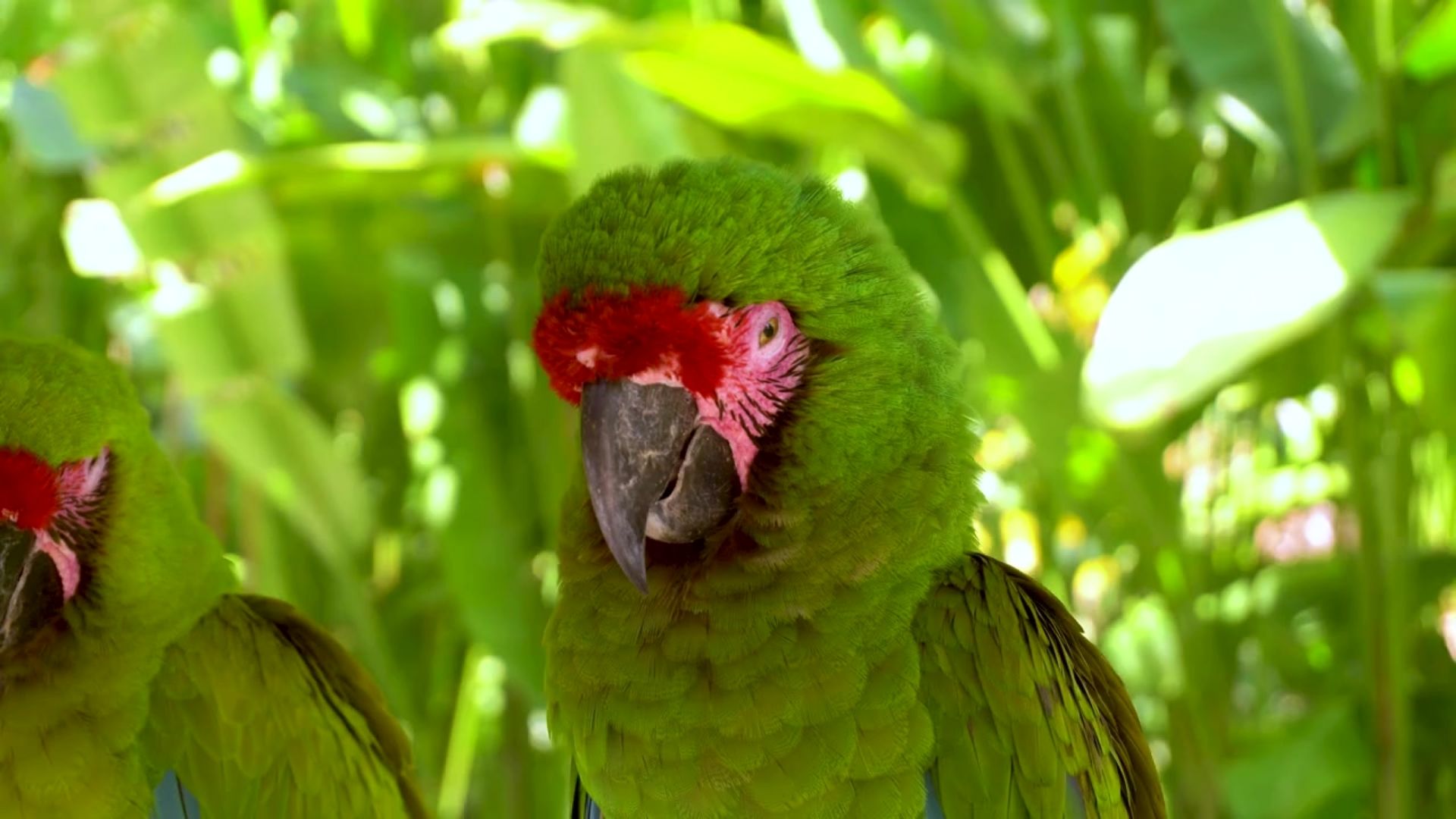
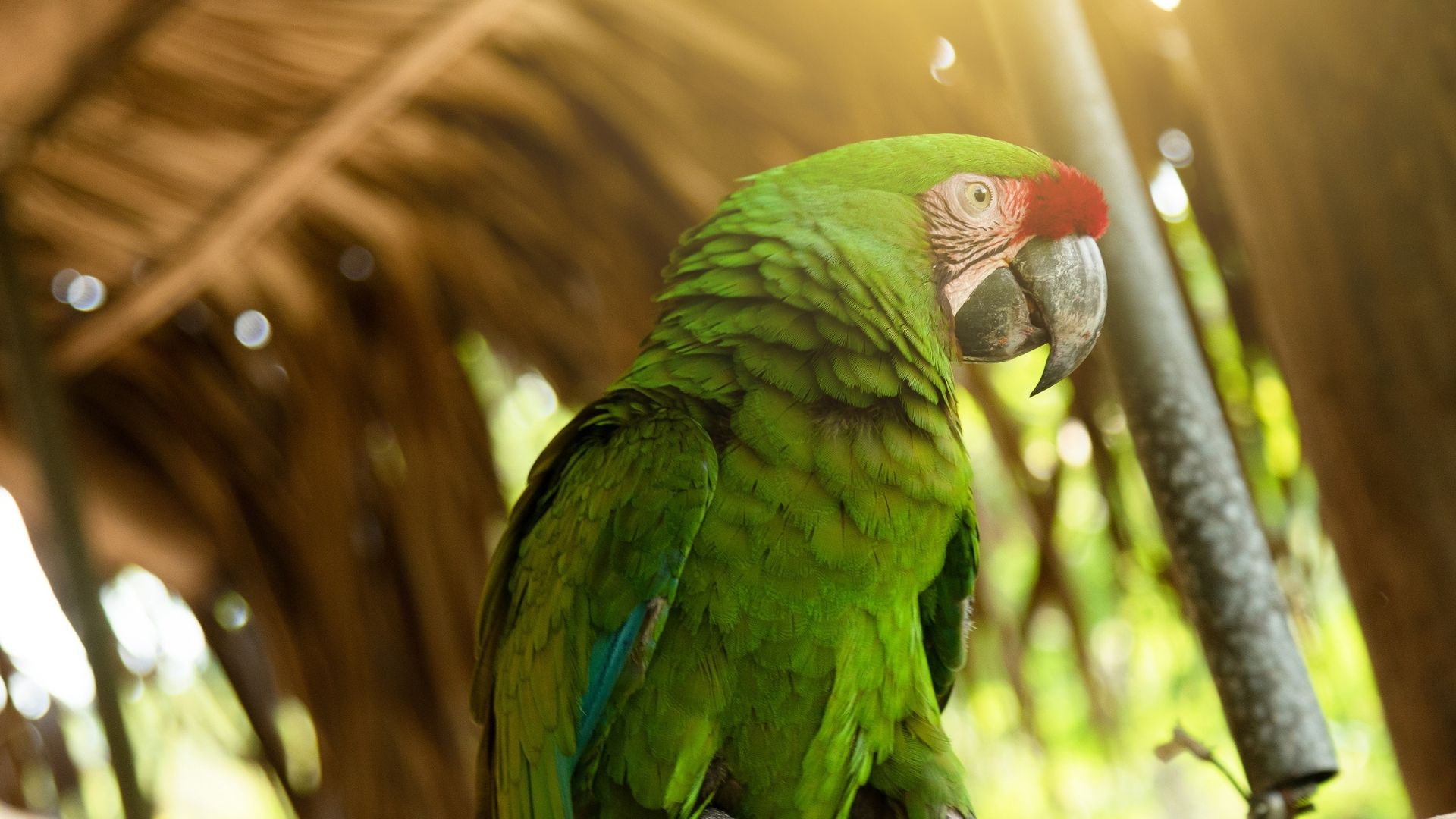
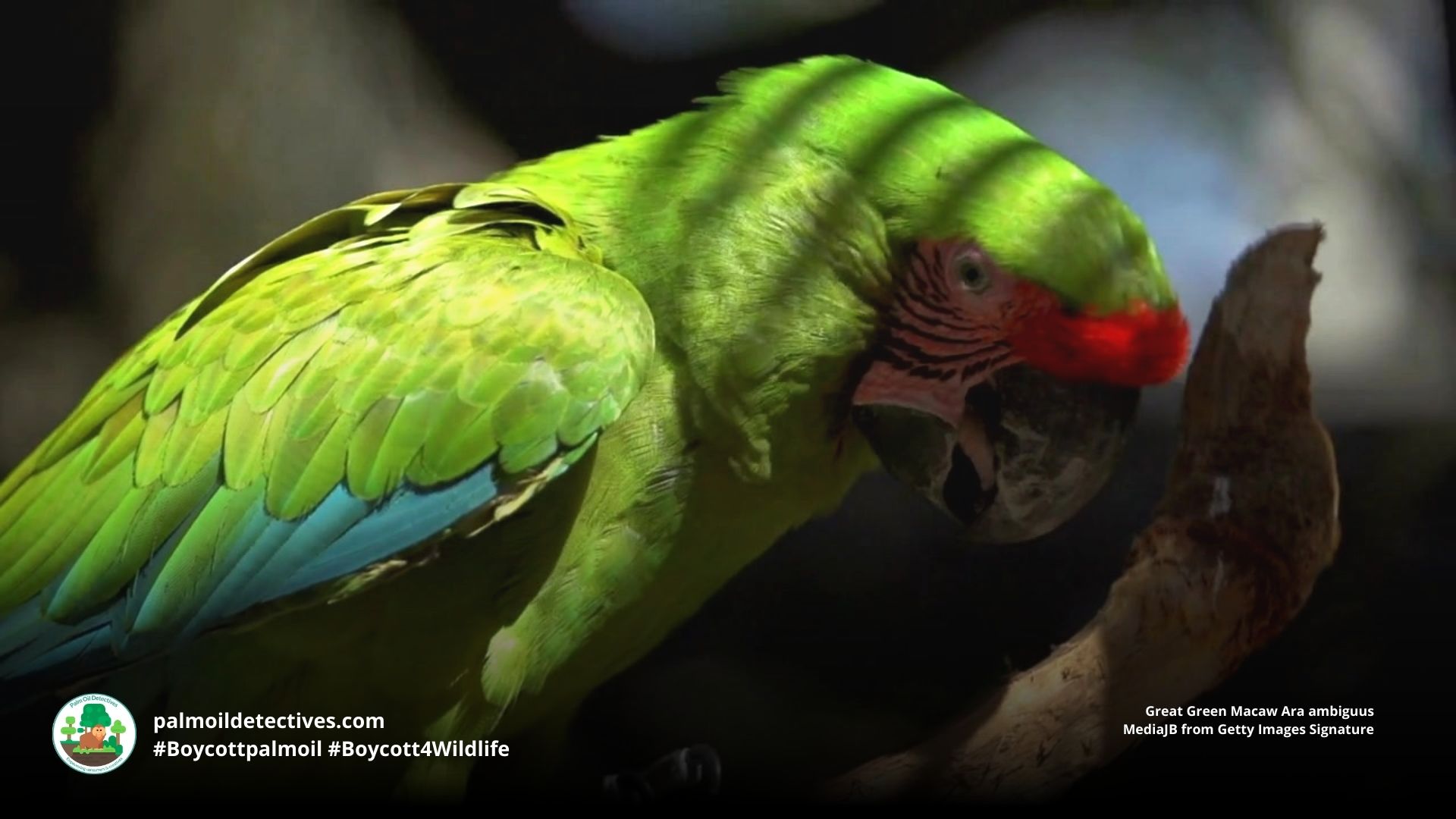
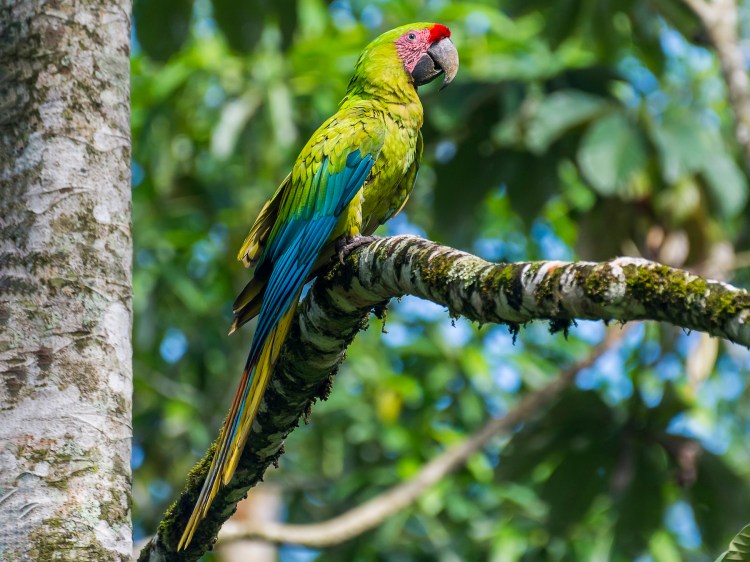
Great Green Macaws are spectacular birds, one of the largest macaws in the world measuring up to 90 cm in length, with a wingspan of approximately 110–120 cm. In flight, they are flurry of light green wings and are a special sight to behold. The Great Green Macaw qualifies as Critically Endangered because extensive habitat destruction for palm oil, soy, meat and gold mining; along with capture for the cagebird trade are causing extremely rapid and continuing population declines. These threats have had such a significant impact that the total population is now very small.
These macaws can live until around 70 years old and are highly social and intelligent, often travelling in pairs or small groups. Known for their loud, raucous calls, they use vocalisations to communicate with each other across the dense rainforest canopy.
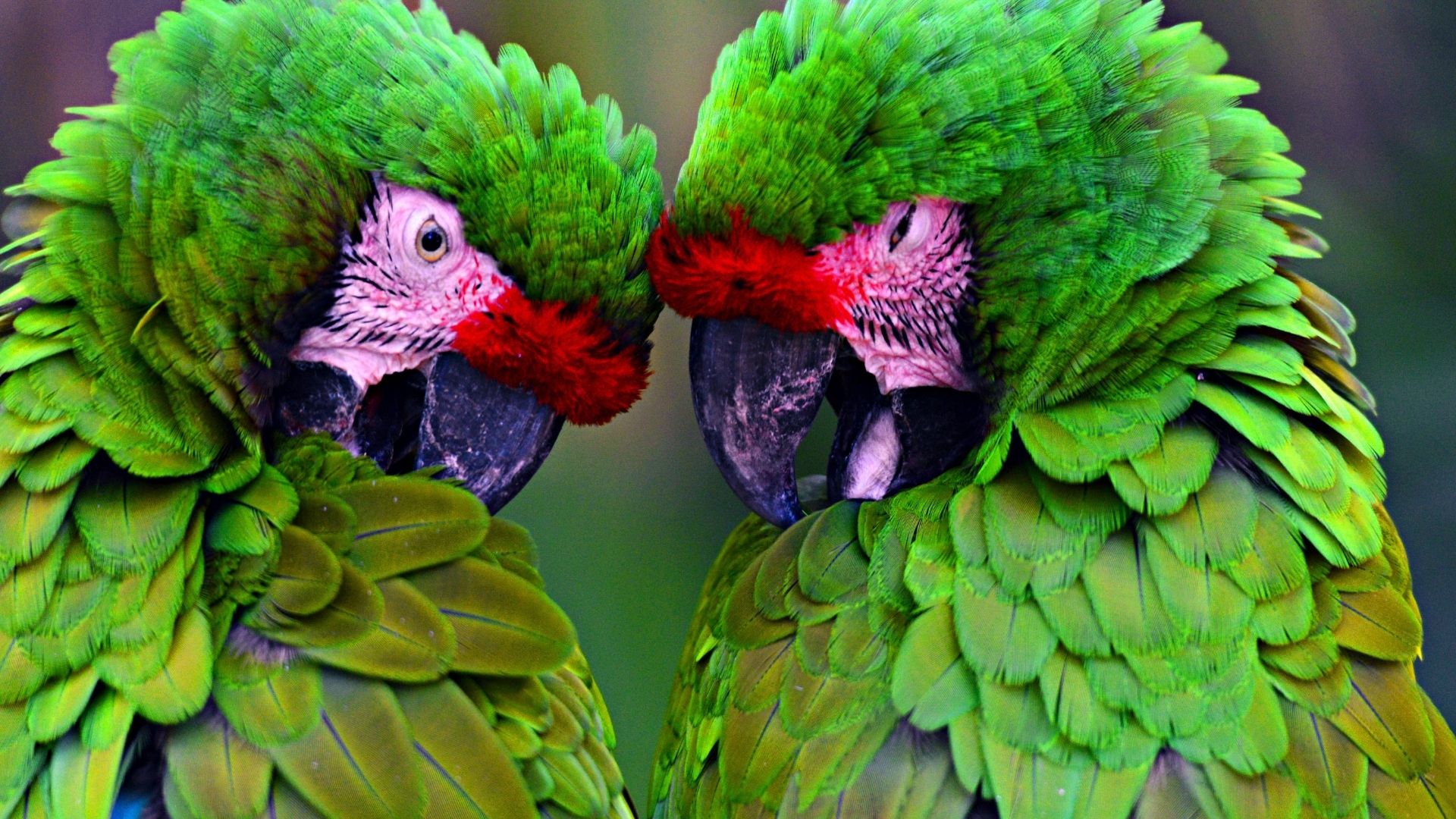
Great Green Macaws are highly agile flyers, capable of navigating through thick forests with impressive speed and precision. They exhibit strong pair bonds, with mated pairs engaging in mutual preening and close companionship.
Threats
IUCN Red List Status: Endangered
The Great Green Macaw faces numerous threats across their range:
- Deforestation for palm oil, meat and mining: Deforestation for agriculture, palm oil plantations, and cattle ranching has devastated much of their natural habitat. Forests of the Atlantic lowlands, once their stronghold, have been reduced to fragments, especially in Costa Rica and Nicaragua.
- Illegal Logging: The macaw depends on large trees like the mountain almond (Dipteryx panamensis) for nesting and feeding. These trees are highly targeted for timber, further limiting their reproductive success.
- Poaching and the illegal pet trade: Capture for the illegal pet trade is a persistent issue, with chicks and adults taken from nests to meet demand.
- Climate Change: Rising temperatures and changes in rainfall patterns threaten the viability of their already fragmented habitats.
These combined pressures have led to a steep population decline, with fewer than 3,500 individuals estimated to remain in the wild.
Diet
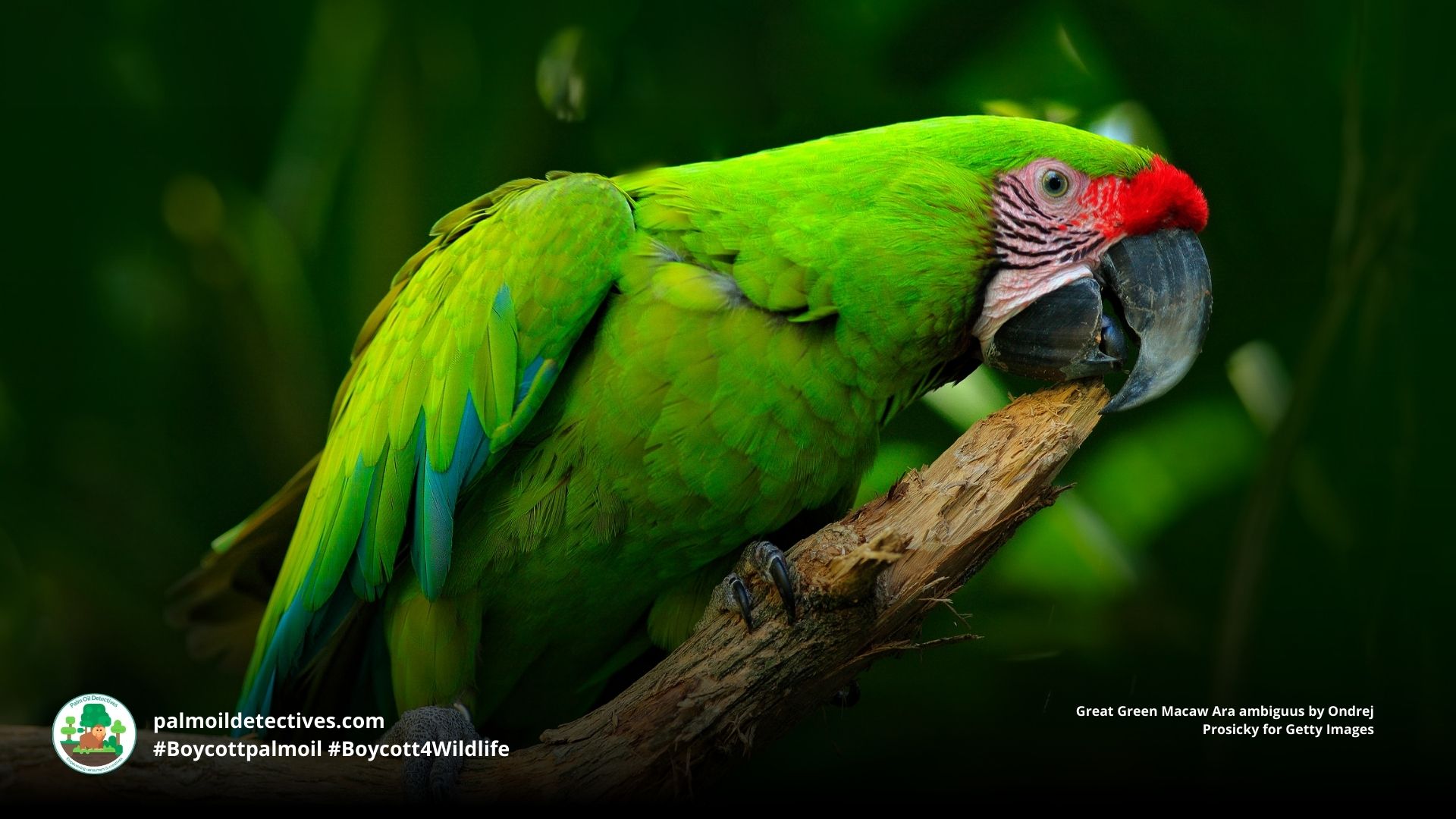
The Great Green Macaw primarily feeds on fruits, seeds, and nuts. A key component of their diet is the fruit of the mountain almond tree (Dipteryx panamensis), which also serves as a crucial nesting site. During the fruiting season, macaws can often be seen feasting high in the canopy. Their strong beaks are adept at cracking open tough nuts and seeds.
Reproduction and Mating
Great Green Macaws are monogamous, forming lifelong pair bonds. Breeding usually occurs between December and August, with females laying 2–3 eggs in tree hollows. These hollows are typically found in large, mature trees such as mountain almonds. The incubation period lasts around 26 days, with both parents taking part in feeding and protecting the chicks until they fledge at about 3 months of age.
Geographic Range
The Great Green Macaw is native to Central and South America, with populations found in Costa Rica, Honduras, Nicaragua, Panama, and Ecuador. They inhabit humid lowland forests, especially near forest edges and along rivers. While historically widespread, their range has shrunk dramatically due to habitat destruction.
In Costa Rica, they are mostly found in the northern lowlands, particularly within the Maquenque Wildlife Refuge. In Ecuador, small populations persist in the Chocó region.
FAQ
What does the name Ara mean?
The genus name Ara is derived from the Tupi word ará, an onomatopoeia mimicking the macaw’s loud and resonant calls. These calls are essential for communication in the dense rainforest.
What are the Great Green Macaw’s main characteristics?
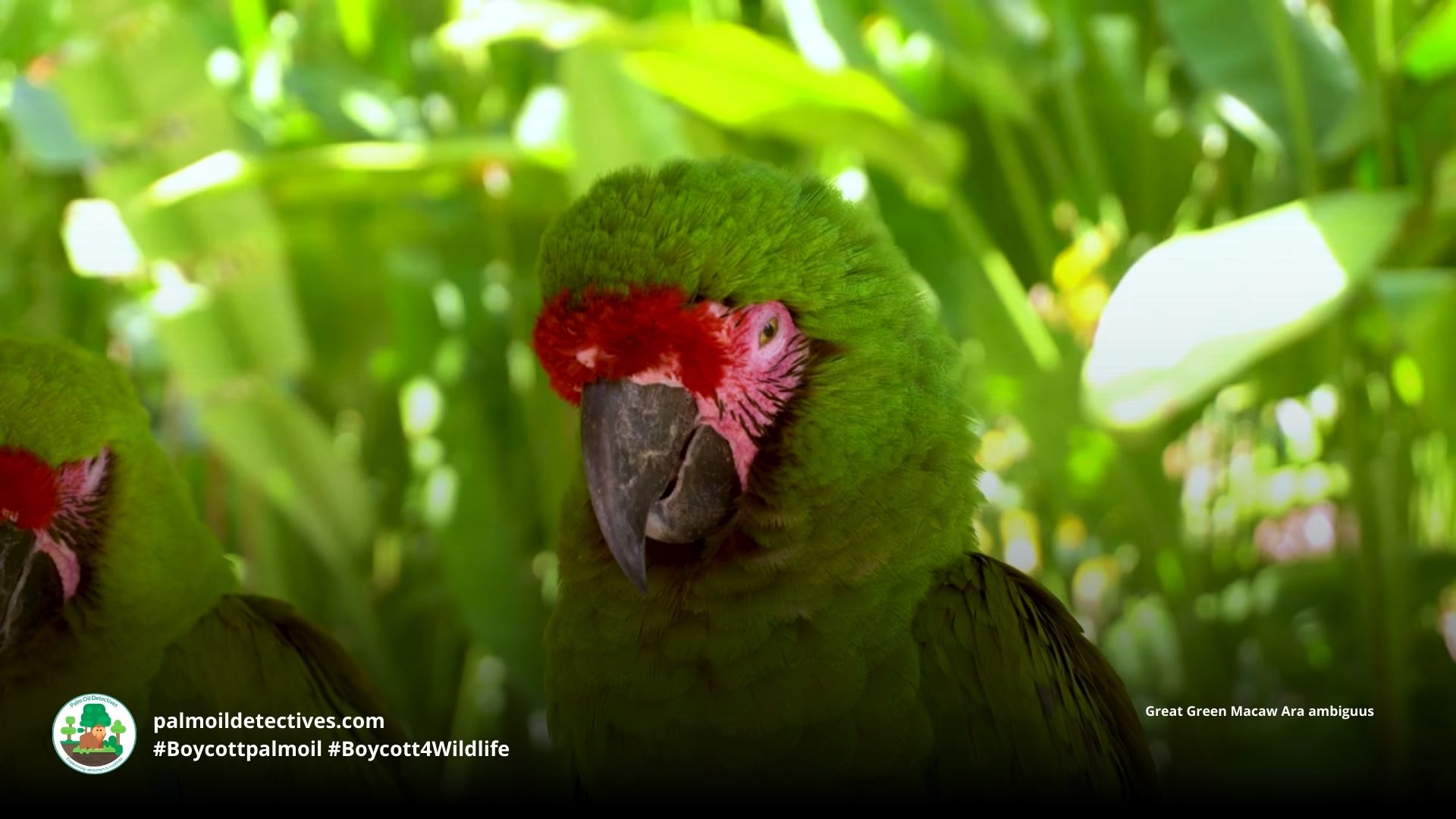
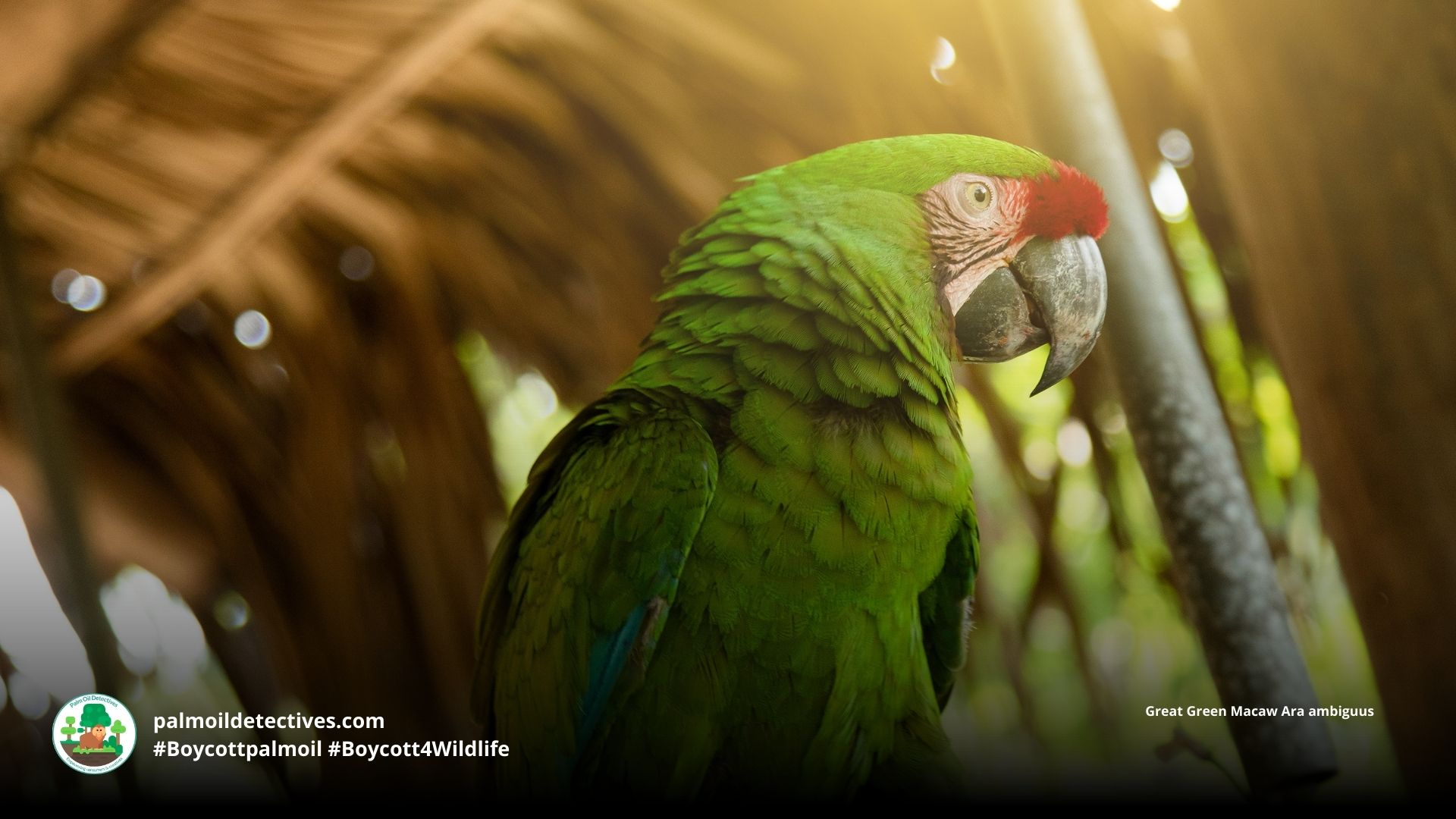
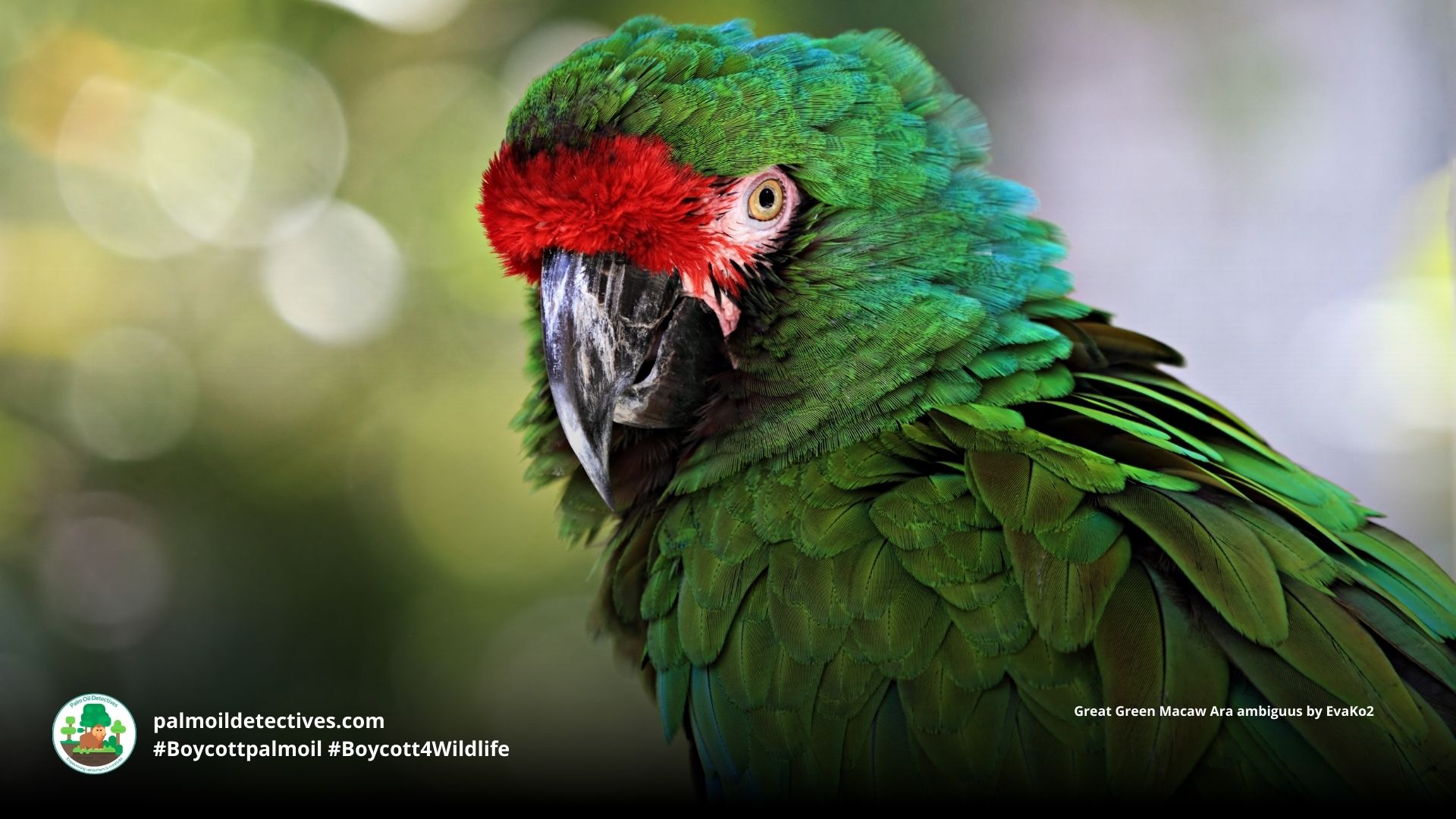
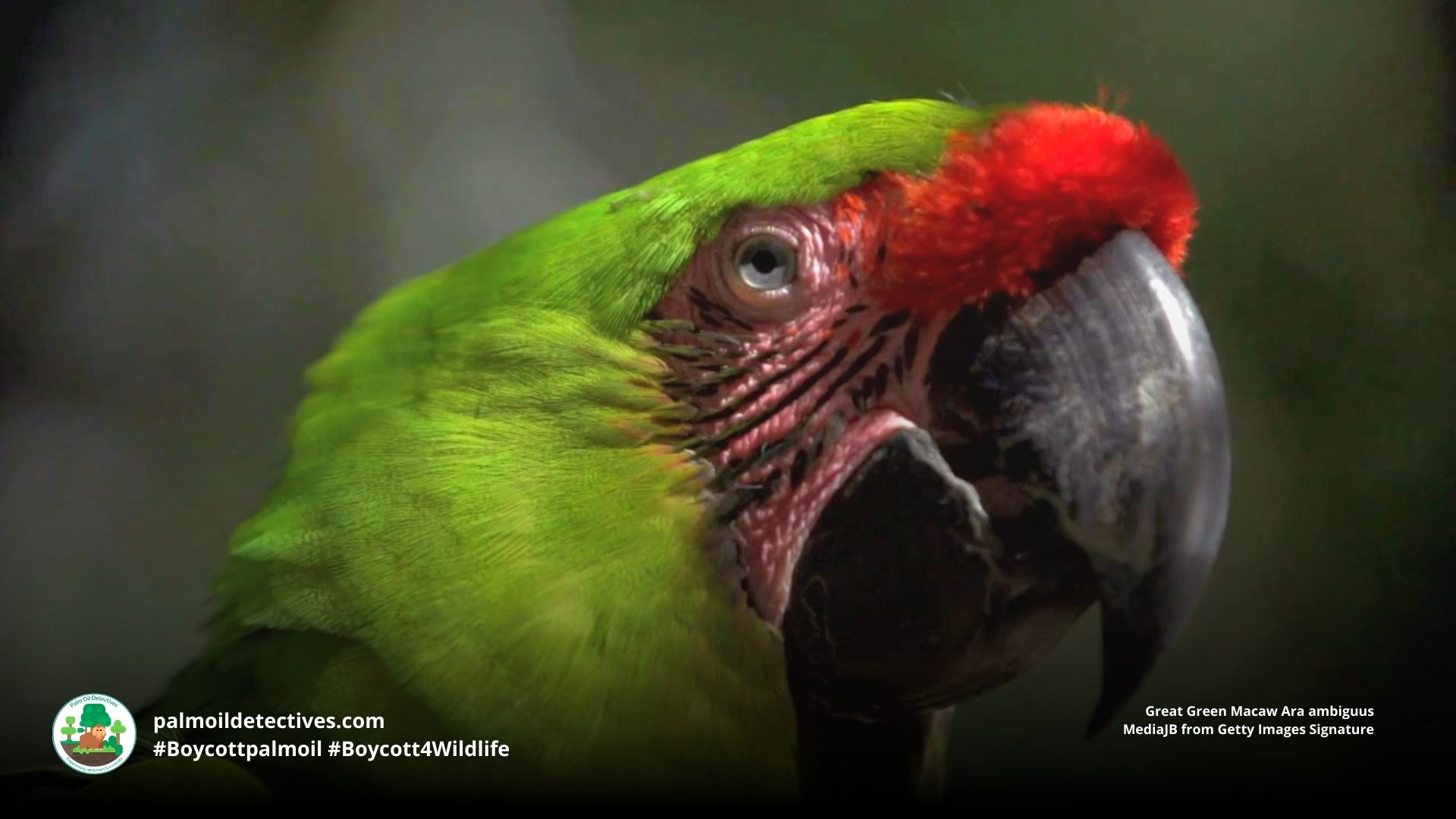
Great Green Macaws are large parrots with emerald green plumage, a red forehead, and blue flight feathers. Their long tails and strong beaks are distinctive, and their expressive bright red faces and icy blue eyes give them a unique appearance.
Where do Great Green Macaws live?
They inhabit humid lowland forests in Central and South America, including regions in Costa Rica, Ecuador, Panama and Nicaragua. They rely on old-growth forests, particularly those with mountain almond trees, for food and nesting.
What do Great Green Macaws eat?
Their diet consists of fruits, seeds, and nuts, with the mountain almond (Dipteryx panamensis) being a primary food source. Their strong beaks enable them to crack tough nuts with ease.
How do Great Green Macaws reproduce?
They lay up to 3 eggs in tree hollows, with an incubation period of approximately 26 days. Both parents are involved in raising the chicks, these young birds fledge after 12 weeks.
What are the Great Green Macaw’s conservation status and efforts?
The species is globally Critically Endangered, with fewer than 3,500 individuals remaining. Conservation initiatives include habitat restoration, reintroduction programs, and community-led efforts to protect nesting sites in regions like Costa Rica and Ecuador.
Take Action!
Support indigenous-led conservation to save the Great Green Macaw. Use your wallet as a weapon and #BoycottGold #BoycottPalmOil #Boycott4Wildlife. Fight for their survival every time you shop.
Let me know if you’d like additional tweaks or enhancements!
Support the conservation of this species
Merazonia wildlife rescue and sanctuary rehabilitate parrots and toucans, some of the most trafficked animals in the world. Donate to them here
Further Information
BirdLife International. 2020. Ara ambiguus. The IUCN Red List of Threatened Species 2020: e.T22685553A172908289. https://dx.doi.org/10.2305/IUCN.UK.2020-3.RLTS.T22685553A172908289.en. Downloaded on 16 February 2021.
Berg, K. S., Socola, J., & Angel, R. R. (2007). Great Green Macaws and the annual cycle of their food plants in Ecuador. Journal of Field Ornithology, 78(1), 1–10.
BirdLife International. (2020). Ara ambiguus. The IUCN Red List of Threatened Species 2020: e.T22685553A172908289. Retrieved from https://www.iucnredlist.org/species/22685553/172908289
Lewis, T. C., Gutiérrez Vargas, I., Vredenbregt, C., Jimenez, M., Hatchwell, B., Beckerman, A. P., & Childs, D. Z. (2023). Nest-site selection and reproductive success of a critically endangered parrot, the Great Green Macaw (Ara ambiguus), in an anthropogenic landscape. Ibis. https://doi.org/10.1111/ibi.13262
Macaw Recovery Network. (2024). Great Green Macaw Census Report 2022–2023. Retrieved from https://macawrecoverynetwork.org/great-green-macaw-census-report-2022-2023-2/
World Parrot Trust. (n.d.). Great Green Macaw. Parrots Encyclopedia. Retrieved from https://www.parrots.org/encyclopedia/great-green-macaw

How can I help the #Boycott4Wildlife?
Take Action in Five Ways
1. Join the #Boycott4Wildlife on social media and subscribe to stay in the loop: Share posts from this website to your own network on Twitter, Mastadon, Instagram, Facebook and Youtube using the hashtags #Boycottpalmoil #Boycott4Wildlife.
2. Contribute stories: Academics, conservationists, scientists, indigenous rights advocates and animal rights advocates working to expose the corruption of the palm oil industry or to save animals can contribute stories to the website.





3. Supermarket sleuthing: Next time you’re in the supermarket, take photos of products containing palm oil. Share these to social media along with the hashtags to call out the greenwashing and ecocide of the brands who use palm oil. You can also take photos of palm oil free products and congratulate brands when they go palm oil free.
4. Take to the streets: Get in touch with Palm Oil Detectives to find out more.
5. Donate: Make a one-off or monthly donation to Palm Oil Detectives as a way of saying thank you and to help pay for ongoing running costs of the website and social media campaigns. Donate here
Discover more from Palm Oil Detectives
Subscribe to get the latest posts sent to your email.
 Palm Oil Detectives
One thought on “Great Green Macaw Ara ambiguus”