
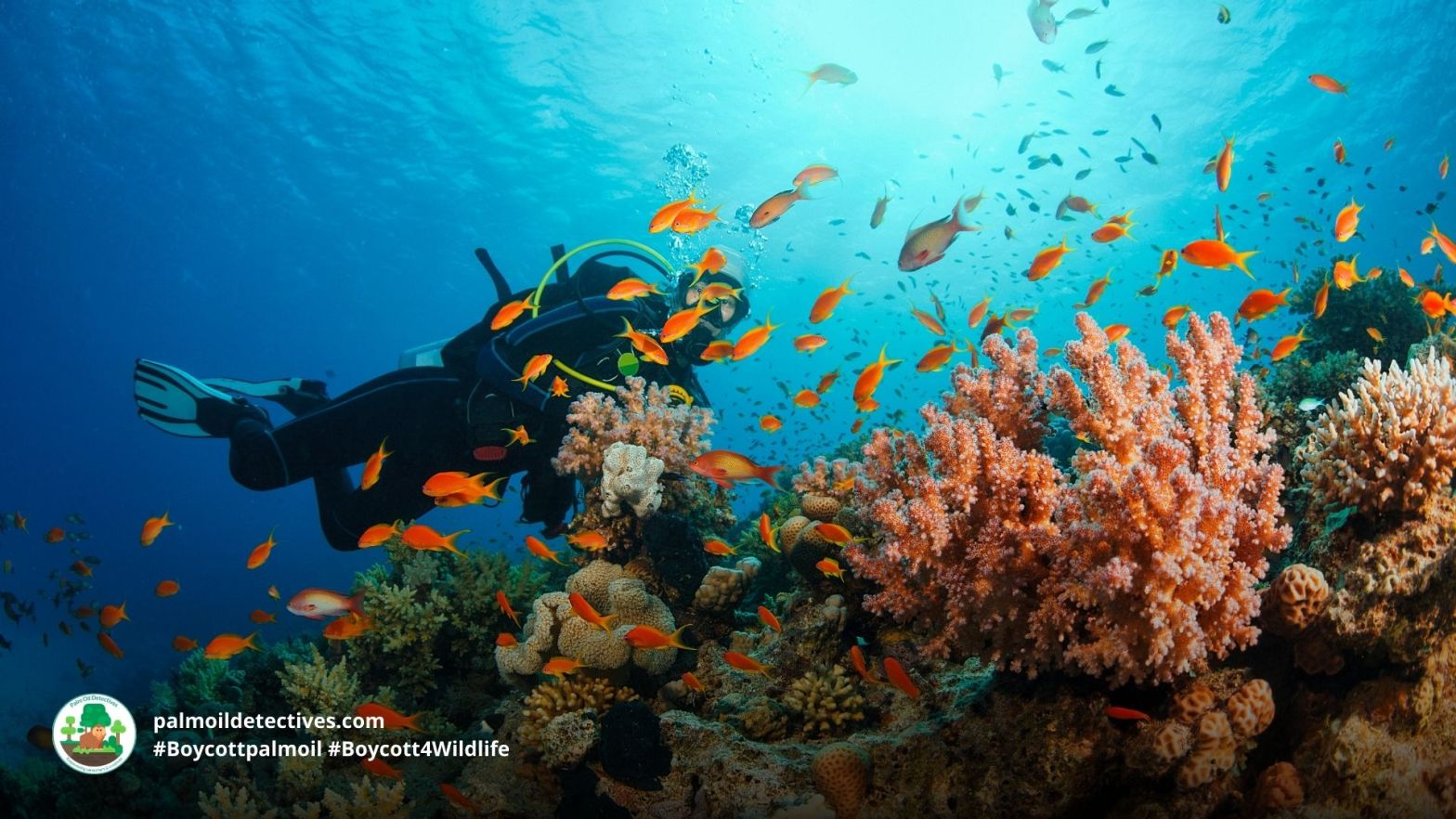
Do humans need other #species? Yes! millions of organisms are needed to keep #ecosystems in balance and ensure everyone can survive. Most importantly, #research shows other species make us happy! Be 🐱🐷🐎🐕🐠 #Vegan for the animals 🍅🥦 #BoycottPalmOil #Boycott4Wildlife
Do humans need other #species? Yes! millions of organisms are needed to keep #ecosystems in balance and ensure everyone can survive. Most importantly, #research shows other species make us happy! 🐱🐷🐎🐕🐠 #Vegan for the animals 🍅🥦 #Boycott4Wildlife https://palmoildetectives.com/2022/11/23/do-humans-really-need-other-species/
1. Humans are happier around other species
Research shows that people are healthier and more content when they are around other species of plants and animals. They need to experience the sights, sounds, smells, feel and taste of other organisms for mental and physical health. This drive is called “biophilia,” meaning love of living things.
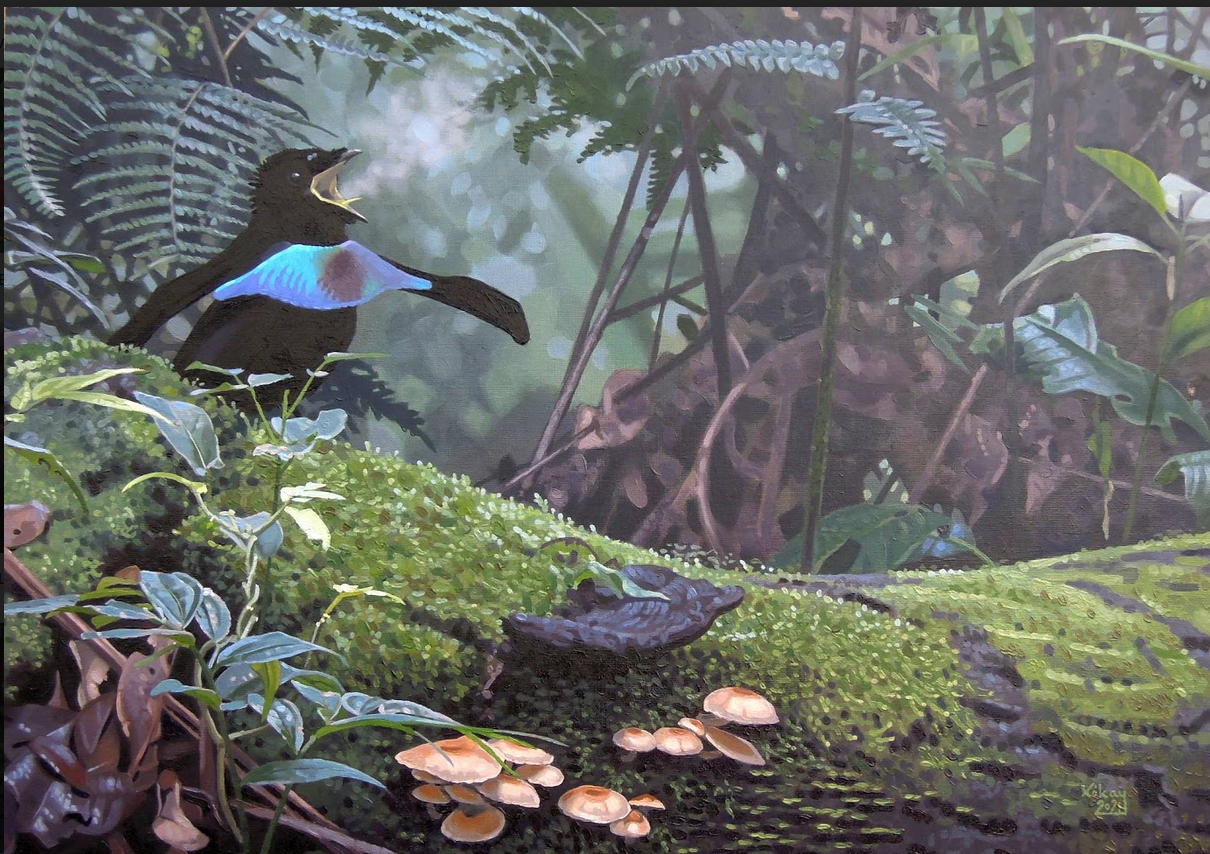
For example, seeing and hearing birds creates positive feelings. Two recent studies in Canada and Germany found that the more species of birds in a neighborhood, the happier people are. This may be due to experiencing the birds themselves, or due to a healthy environment, as indicated by the presence of birds
[Pictured] Painting of a Vogelkop Superb Bird of Paradise in Papua New Guinea by Szabolcs Kókay
In a different Canadian experiment, researchers played birdsong from hidden speakers along hiking trails. People reported that they felt more restored and were more satisfied about the hike when they heard a diversity of birds species than when they heard few or none.
Today, more than half the world’s population lives in cities instead of the countryside. So urban planners and landscape architects are exploring ways to include more green spaces and green infrastructure in cities.
Research shows that when a city has diverse wildlife, ample open green space and vegetation along streets and on buildings, people are more active, less stressed, healthier and happier. These conditions provide opportunities for people to experience and interact with other organisms, as well as benefit from the other things that plants, animals and microbes do to make the environment healthy and pleasant.
Scientists now know that it takes thousands of species to support human life. Yet we are only just beginning to understand the important roles different species play in ecosystems, including urban ones. We still need to learn much more about why and how other species are necessary for human survival. And if people are to successfully travel for long periods in space or establish space colonies, we will have to understand what species we need to take along with us to survive and prosper.
2. Humans need other species to produce food
First, without other species people would have nothing to eat.
Humans and all organisms require food for energy and the materials to build their bodies and reproduce. Only some microorganisms and plants have a way to use energy from sunlight, water and carbon dioxide to make the basic molecules that provide that food. This process is called photosynthesis.
Without these organisms, humans wouldn’t have food to eat. Almost everything we eat is either a plant or other photosynthetic organism.
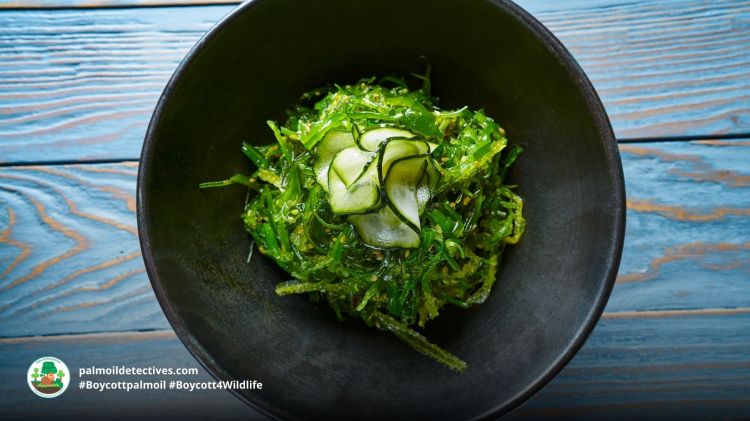
Chemists have discovered ways to use various sources of energy to make molecules that could be used for food. Molecules produced this way are called “synthetic.” However, these processes are so difficult and expensive that it is currently impossible to feed people with these synthetic foods.
Production of synthetic food using genetically modified bacteria or cultured cell lines is growing in importance. In the future, the human diet may become a little less dependent on consuming plants and animals. Still, living organisms will remain a core component of these foods.
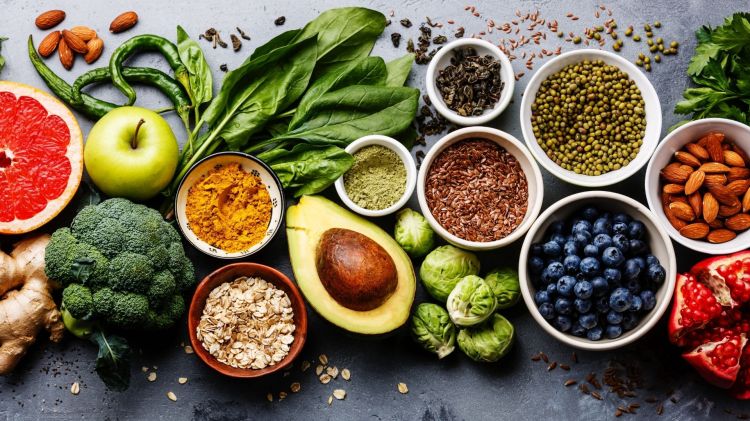
It takes countless different organisms – big, small and microscopic – to create healthy soil and breathable air. To break down and recycle waste. To purify water and prevent erosion. To break down toxic chemicals into harmless forms, and convert other chemicals into sources of nourishment that other organisms need to grow and thrive.
And many of our food plants – over 1,200 species – depend on pollinators to produce the fruit or seed that humans and other animals eat. Pollination, the process that allows plants to reproduce, happens when animals carry pollen from one plant to another. Bees are the main pollinators, but many other insects, birds, bats and other animals also transport pollen between plants.
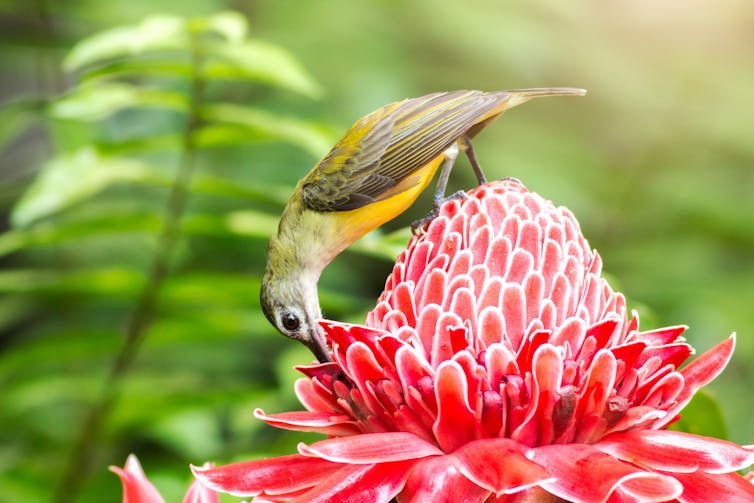
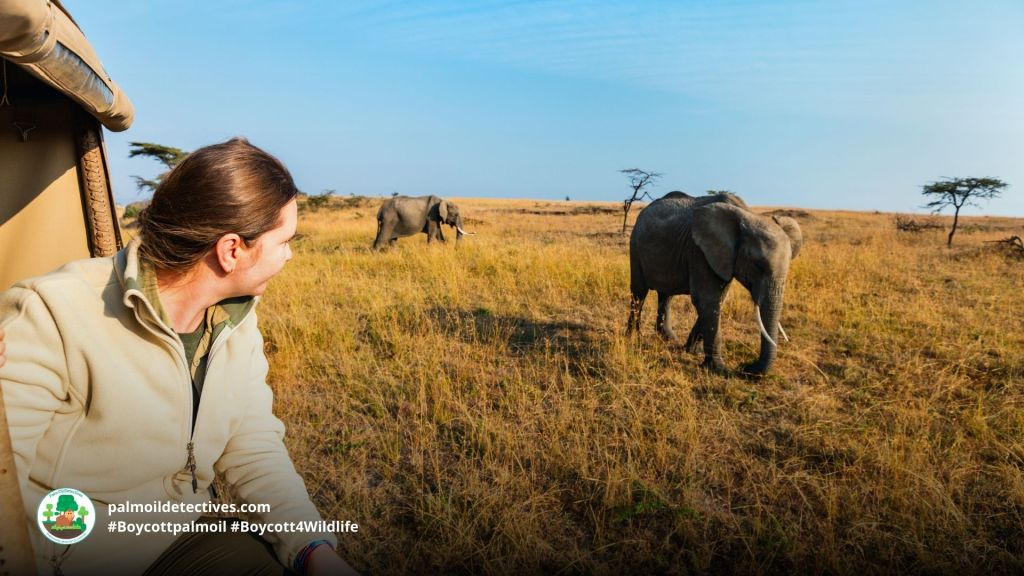
Animals of all sizes, from tiny ants to enormous elephants, also move seeds, spreading plants that make for healthy and productive ecosystems. Diverse species, from tiny microbes to huge vultures and sharks, break down dead organisms into chemicals that can be used to grow more food.
The number of species that contribute to creating each bite of the average meal is mind-boggling.
3. Human bodies need other species to stay healthy
Many functions of the human body itself rely on a complex and highly diverse ecosystem of microbial species that live on the skin and in the respiratory, digestive and reproductive systems. These bacteria, fungi and other microbes are called a “microbiome.”
Each person has a unique personal microbiome to protect against infection, digest and extract nutrients in food and synthesize vitamins.
For example, the gut microbiome is important for breaking down food into usable energy and nutrients, and converting other indigestible or toxic substances into forms that can be excreted.
This microbiome changes over people’s lifetimes based on what they eat, what’s around them, where they live and how healthy they are. In fact, human bodies are made up of more bacterial cells than human cells.
Diet and drugs strongly affect the 300 to 500 bacteria species that are the core of a healthy gut ecosystem.
The microbiome also plays an important role in preventing infection. Many diseases are associated with microbial communities that are dominated by just a few species. Some physicians transplant poop from healthy to ill people to establish a healthy community of microbes and hopefully cure the disease.
Take Action in Five Ways
1. Join the #Boycott4Wildlife on social media and subscribe to stay in the loop: Share posts from this website to your own network on Twitter, Mastadon, Instagram, Facebook and Youtube using the hashtags #Boycottpalmoil #Boycott4Wildlife.
2. Contribute stories: Academics, conservationists, scientists, indigenous rights advocates and animal rights advocates working to expose the corruption of the palm oil industry or to save animals can contribute stories to the website.


3. Supermarket sleuthing: Next time you’re in the supermarket, take photos of products containing palm oil. Share these to social media along with the hashtags to call out the greenwashing and ecocide of the brands who use palm oil. You can also take photos of palm oil free products and congratulate brands when they go palm oil free.
4. Take to the streets: Get in touch with Palm Oil Detectives to find out more.
5. Donate: Make a one-off or monthly donation to Palm Oil Detectives as a way of saying thank you and to help pay for ongoing running costs of the website and social media campaigns. Donate here
Discover more from Palm Oil Detectives
Subscribe to get the latest posts sent to your email.
 Palm Oil Detectives