
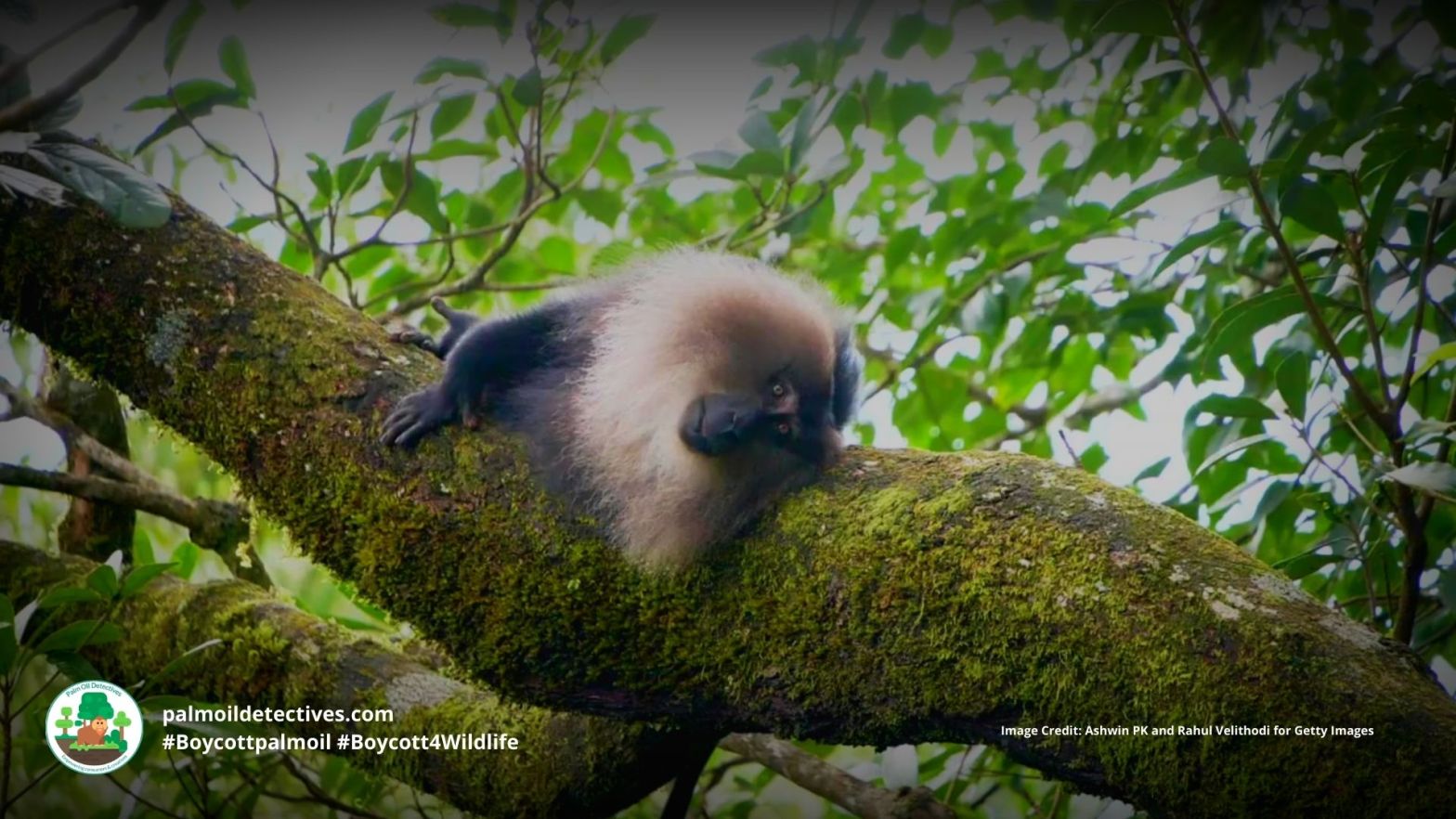
Lion-tailed Macaque Macaca silenus
Red List Status: Endangered
Extant (resident): India (Karnataka, Kerala, Tamil Nadu)
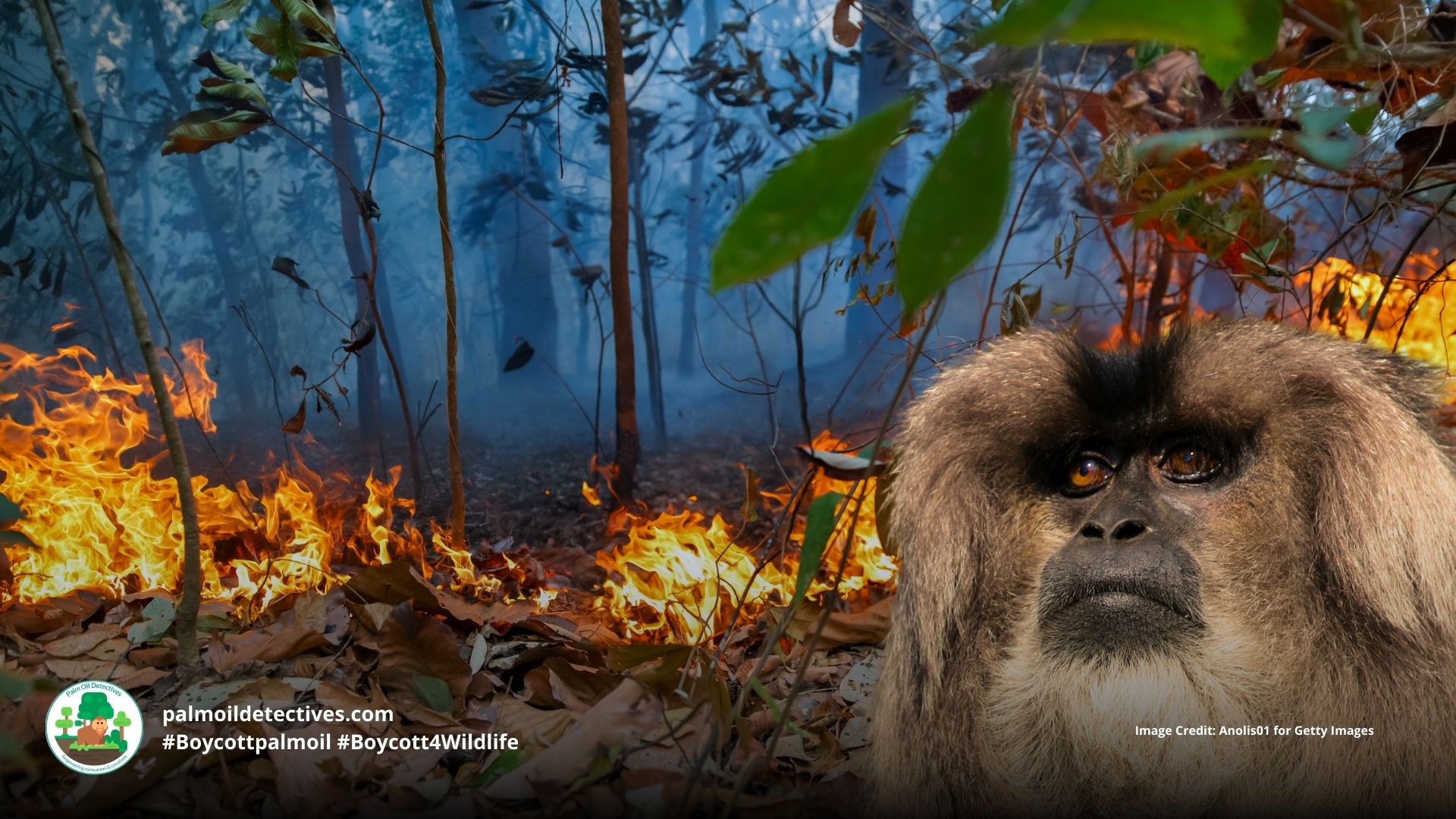
Lion-tailed #macaques hold the title of one of the smallest #macaque species in the world and sport a majestic lion-esque mane of hair. They exclusively call the Western Ghats in #India their home. This area has been decimated in recent years for palm oil. Prior to palm oil’s arrival in the Western Ghats, populations of Lion-tailed macaques were already fragmented. Now these beautiful small macaques are in serious trouble. Read on to discover how you can boycott palm oil every time you shop #Boycottpalmoil #Boycott4Wildlife
Lion-tailed #macaques are a small macaque species and sport a majestic lion-like mane. Their home in the Western Ghats, #India is threatened by #palmoil #ecocide. They are now #endangered! Help them and #Boycottpalmoil #Boycott4Wildlife via @palmoildetect https://wp.me/pcFhgU-72o
Magnificent Lion-tailed #Macaques 🐒🐵 of Western Ghats #India 🇮🇳🪷 are #endangered. They are hemmed in on all sides by #palmoil 🌴🔥 #deforestation. Fight for them when you shop and #Boycottpalmoil #Boycott4Wildlife 🌴🩸☠️🧐🙊⛔️ @palmoildetect https://wp.me/pcFhgU-72o
Appearance & Behaviour
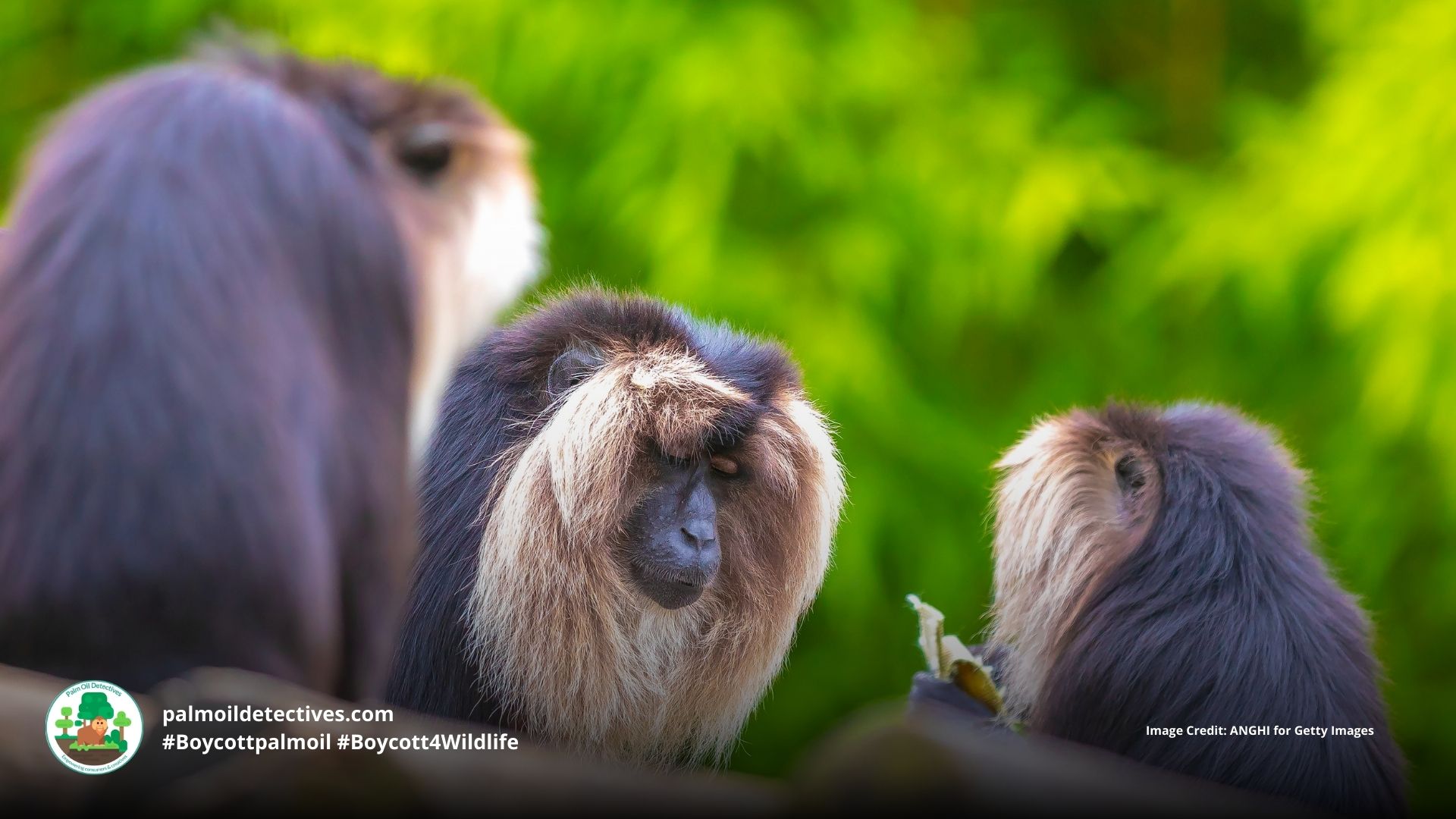
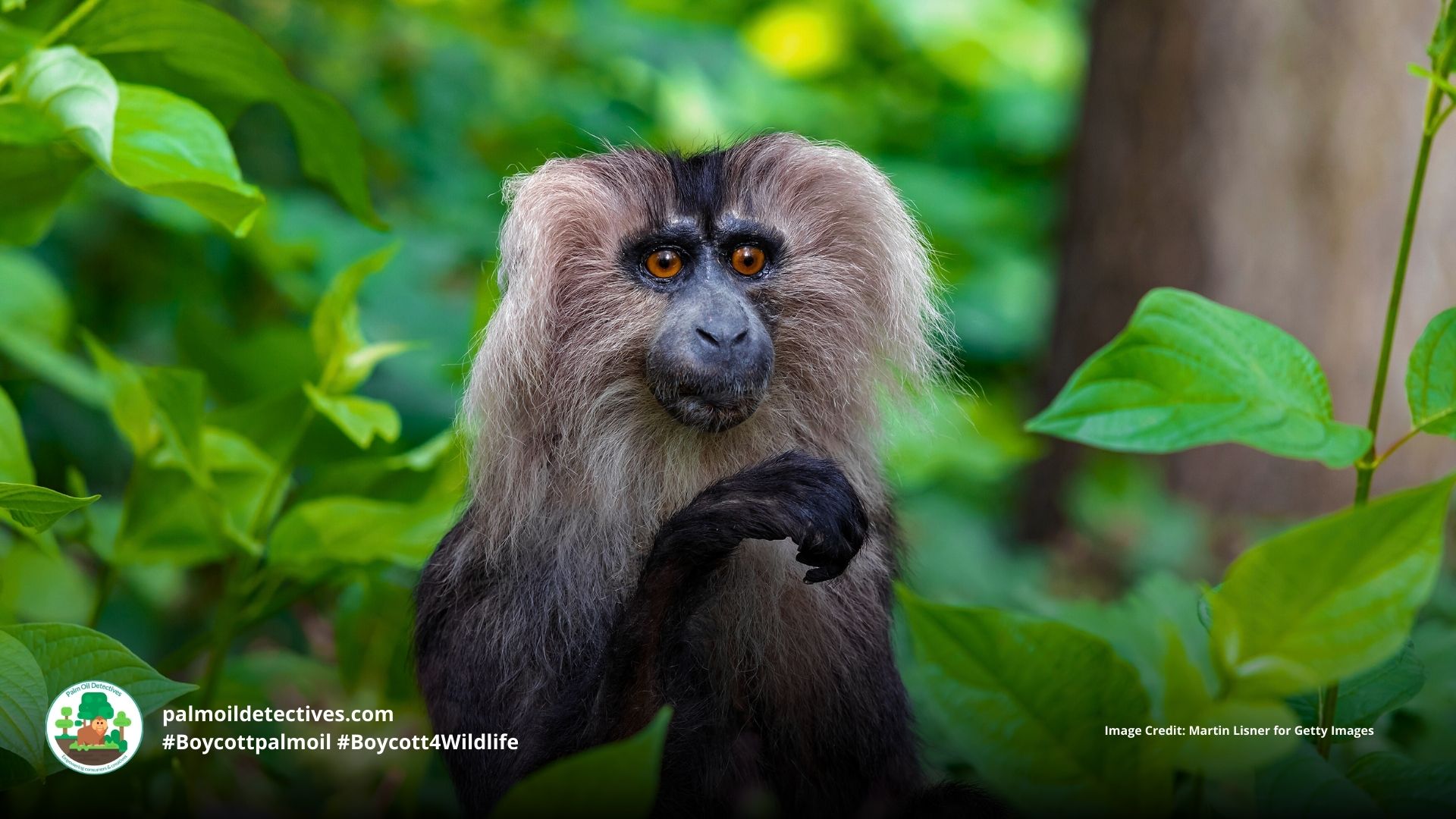
Captivating Lion-tailed macaques are known for their lion-esque, long, thin, and tufted tails. Despite their endearing appearance, this primate ranks among the most endangered macaques globally.
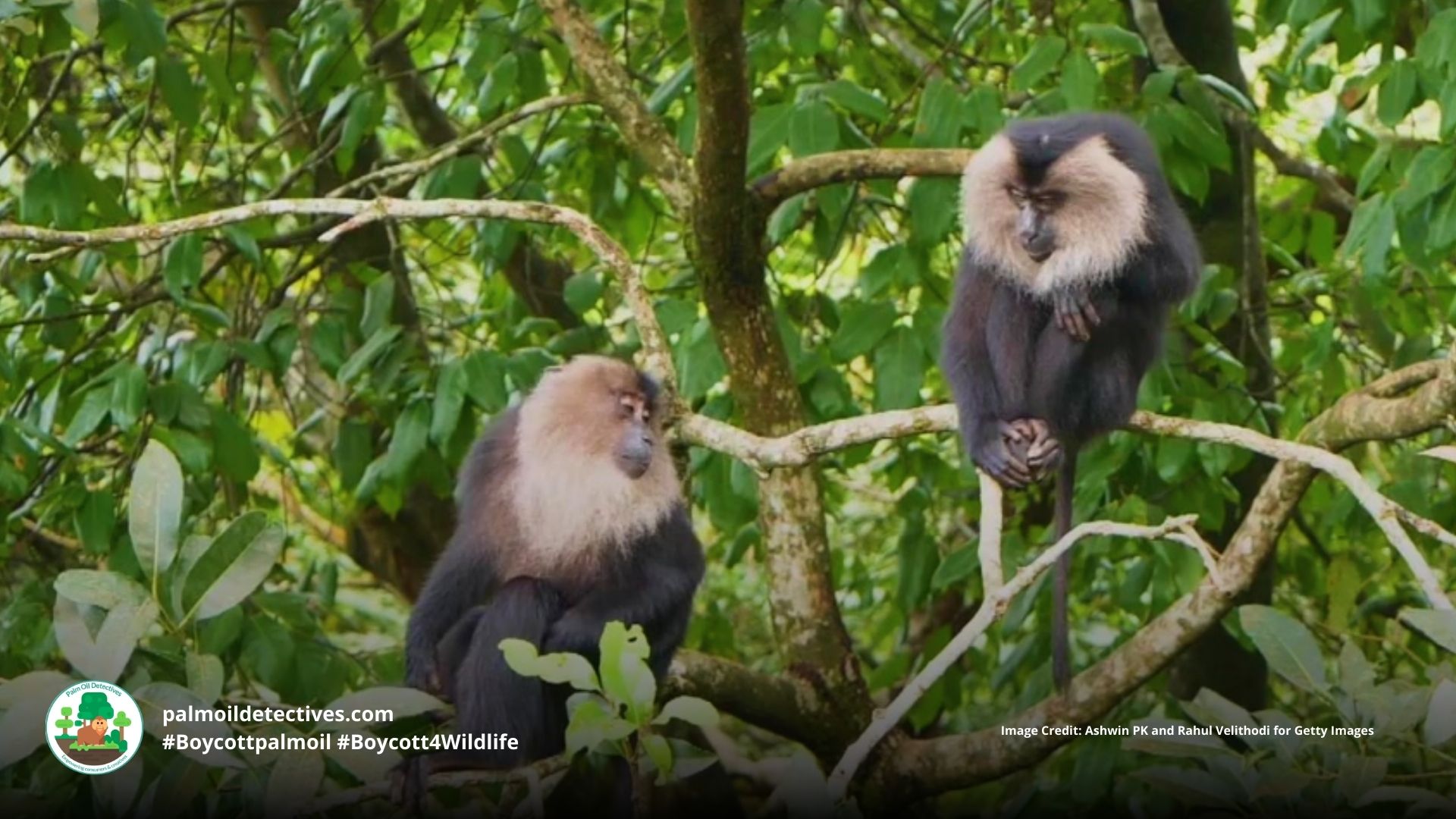
These majestic primates prefer the solitary life, rarely venturing from their rainforest domain, where they form tightly knit family units of up to 34 individuals. Troops are led by a dominant male who controls breeding with females. As arboreal and diurnal creatures, these macaques sleep high in the rainforest canopy, exhibiting both territorial behaviour and a sophisticated communication system that includes as many as 17 vocalisations such as ‘whoops’ to lip-smacking greetings. Lion-tailed macaques and their daily symphony in the tree tops are unique and priceless treasures of India worth cherishing.


Threats
The Lion-tailed Macaque is currently listed as Endangered, a status reflecting the critical state of their population. With fewer than 2,500 mature individuals remaining and no single subpopulation exceeding 250 mature individuals, their situation is precarious.
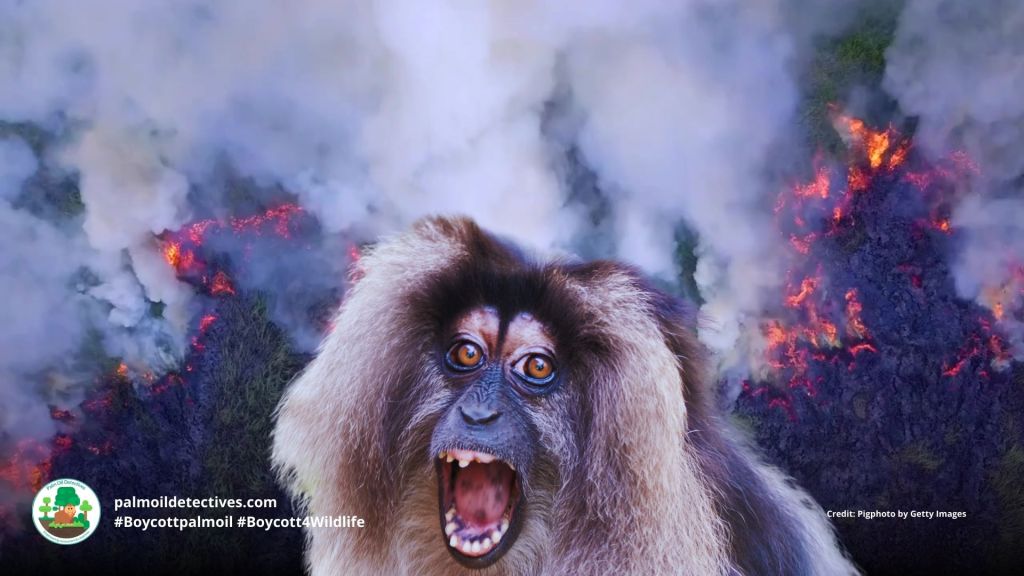
Projections estimate a continued decline of over 20% in their population over the next 25 years. This decline is attributed to several factors, including hunting, road kills, and the ongoing loss of their natural habitat in recent years to palm oil cultivation. This situation highlights the urgent need for conservation efforts to protect and preserve this unique and vulnerable species.
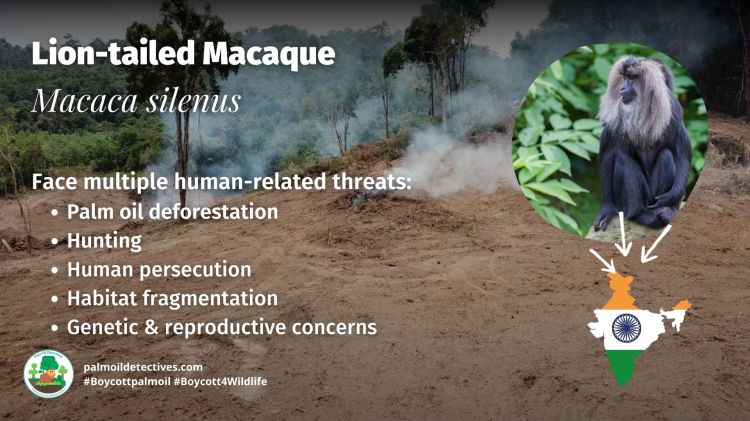
- Habitat Fragmentation: The Lion-tailed Macaque’s primary threat today is the ongoing fragmentation of their habitat, mainly for palm oil and timber, with many forest fragments shrinking even further.
- Historical Habitat Loss: Previously, significant habitat loss was due to timber harvesting and the creation of exotic plantations like tea, eucalyptus, and coffee.
- Habitat Degradation: This is a critical concern for their conservation, particularly in Kerala, where changes in land use in private forests and plantations are problematic.
- Hunting Pressures: Hunting, both for subsistence and non-subsistence purposes, poses a significant threat in certain regions. In areas like Coorg, where wet evergreen habitat is abundant, hunting for food is a major concern.
- Local Trade Threats: There is a local trade for Lion-tailed Macaques as pets, and historically in Coorg, they were hunted for purported medicinal uses.
- Reproductive and Ecological Challenges: Features like large interbirth periods, seasonal resource availability, and female competition for mates make this species intrinsically rare in the wild, requiring active management for their survival.
- Genetic Concerns: In fragmented forests like the Anamalai Hills, Lion-tailed Macaques show less genetic diversity compared to those in contiguous forests, indicating that inbreeding and isolation in small, isolated populations could harm their long-term survival.
Habitat
The Lion-tailed macaque, native to the Western Ghats hill ranges in southwestern India, faces a precarious future. They live in altitudes of 100-1,300 m in Karnataka, Kerala, and Tamil Nadu. A region marked by severe fragmentation. The recent surge in palm oil cultivation has further imperiled their habitat in the Western Ghats region, posing a significant threat to the survival of these unique primates.
Diet
Embracing a diverse palate, Lion-tailed macaques are true omnivores, savouring a rich array of foods. While fruits are a mainstay of their diet, these resourceful animals also indulge in leaves, stems, flowers, buds, and fungi, insects, lizards, tree frogs and small mammals.
Mating and breeding
Lion-tailed macaques embrace a polygynous lifestyle – one dominant male takes the lead in mating with several females. They breed throughout the year with a peak during the wet season when food is abundant.
The gestation period lasts around six months, resulting in a single infant entirely dependent on their mother. Motherly care extends through a year of nursing. As they reach adolescence, males venture into nomadic all-male units before forming their harems, while females commonly stick to their original groups. Reproductive maturity happens at five years old for females and eight years old for males.
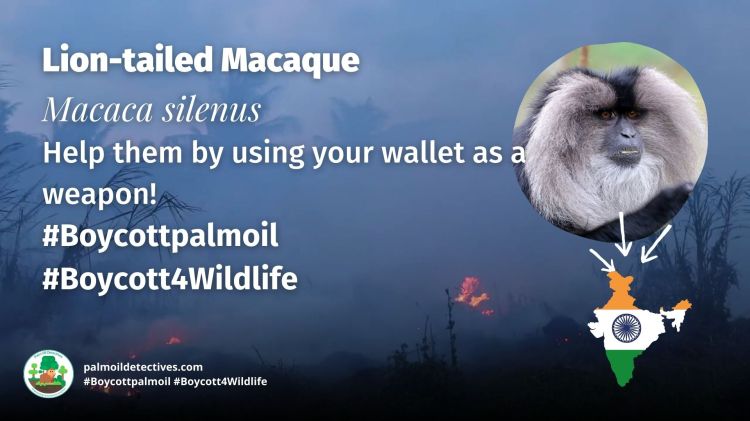
Support Lion-tailed macaque by going vegan and boycotting palm oil in the supermarket, it’s the #Boycott4Wildlife
Support the conservation of this species
This animal has no protections in place. Read about other forgotten species here. Create art to support this forgotten animal or raise awareness about them by sharing this post and using the #Boycottpalmoil #Boycott4Wildlife hashtags on social media. Also you can boycott palm oil in the supermarket.
Further Information
Singh, M., Kumar, A. & Kumara, H.N. 2020. Macaca silenus. The IUCN Red List of Threatened Species 2020: e.T12559A17951402. https://dx.doi.org/10.2305/IUCN.UK.2020-2.RLTS.T12559A17951402.en. Accessed on 26 December 2023.
Lion-tailed macaque Wikipedia article – https://en.wikipedia.org/wiki/Lion-tailed_macaque

How can I help the #Boycott4Wildlife?
Take Action in Five Ways
1. Join the #Boycott4Wildlife on social media and subscribe to stay in the loop: Share posts from this website to your own network on Twitter, Mastadon, Instagram, Facebook and Youtube using the hashtags #Boycottpalmoil #Boycott4Wildlife.
2. Contribute stories: Academics, conservationists, scientists, indigenous rights advocates and animal rights advocates working to expose the corruption of the palm oil industry or to save animals can contribute stories to the website.





3. Supermarket sleuthing: Next time you’re in the supermarket, take photos of products containing palm oil. Share these to social media along with the hashtags to call out the greenwashing and ecocide of the brands who use palm oil. You can also take photos of palm oil free products and congratulate brands when they go palm oil free.
4. Take to the streets: Get in touch with Palm Oil Detectives to find out more.
5. Donate: Make a one-off or monthly donation to Palm Oil Detectives as a way of saying thank you and to help pay for ongoing running costs of the website and social media campaigns. Donate here
Learn about other animals endangered by palm oil and other agriculture
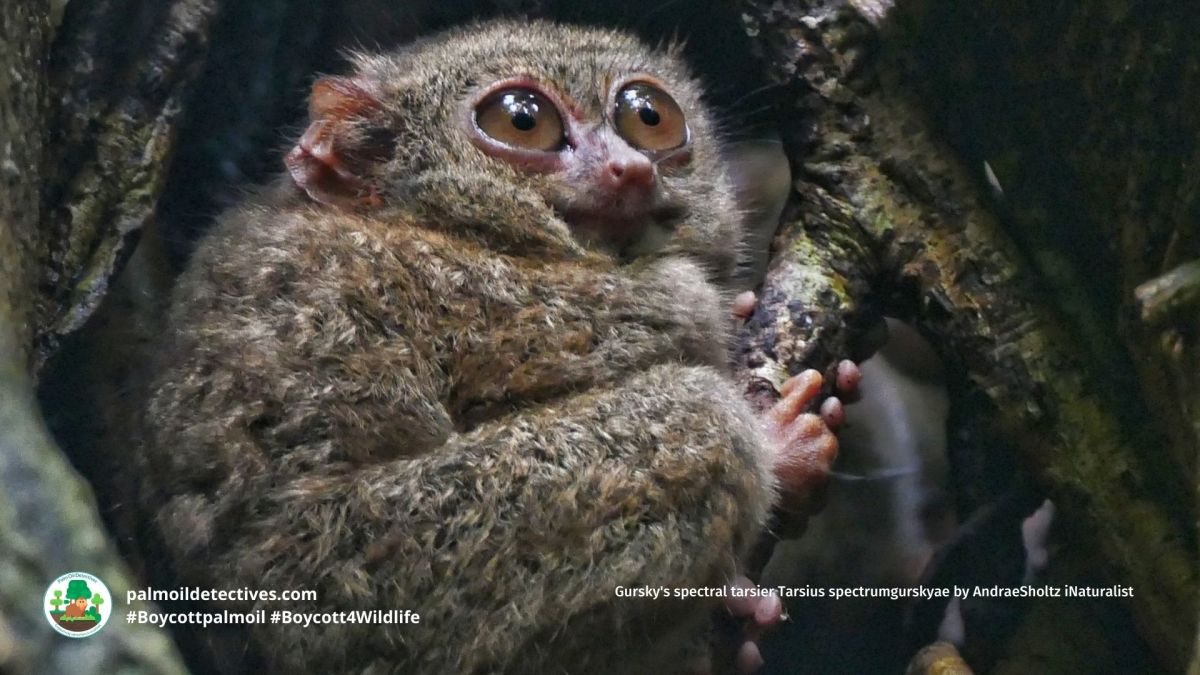
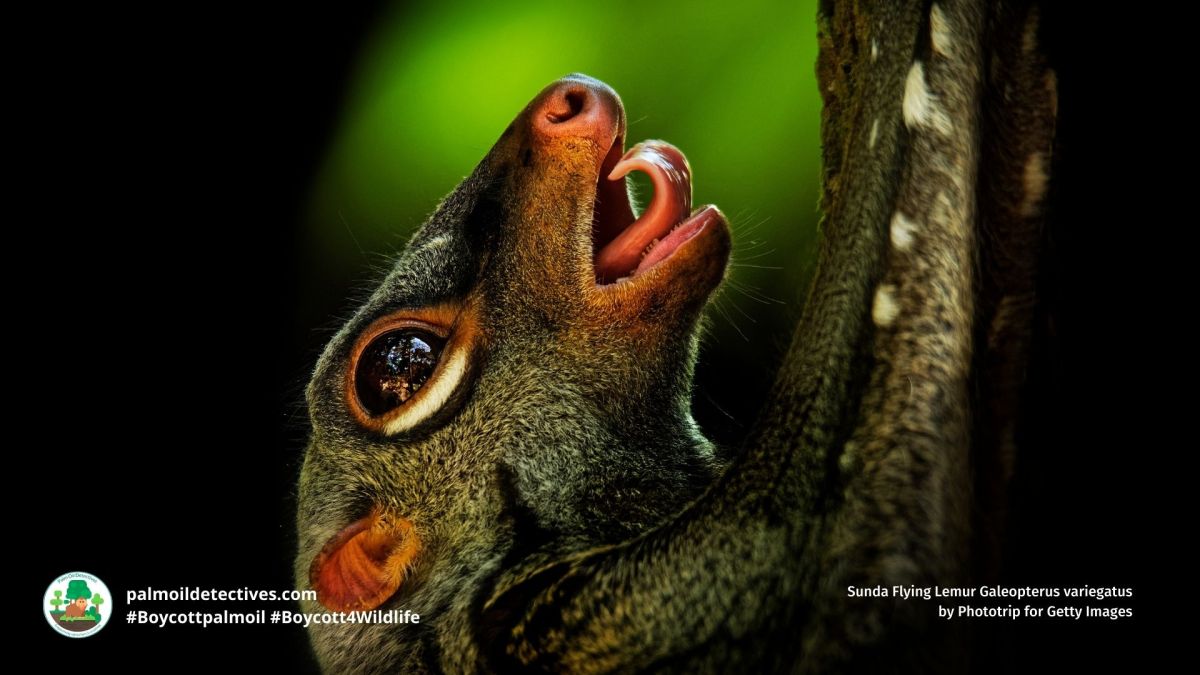
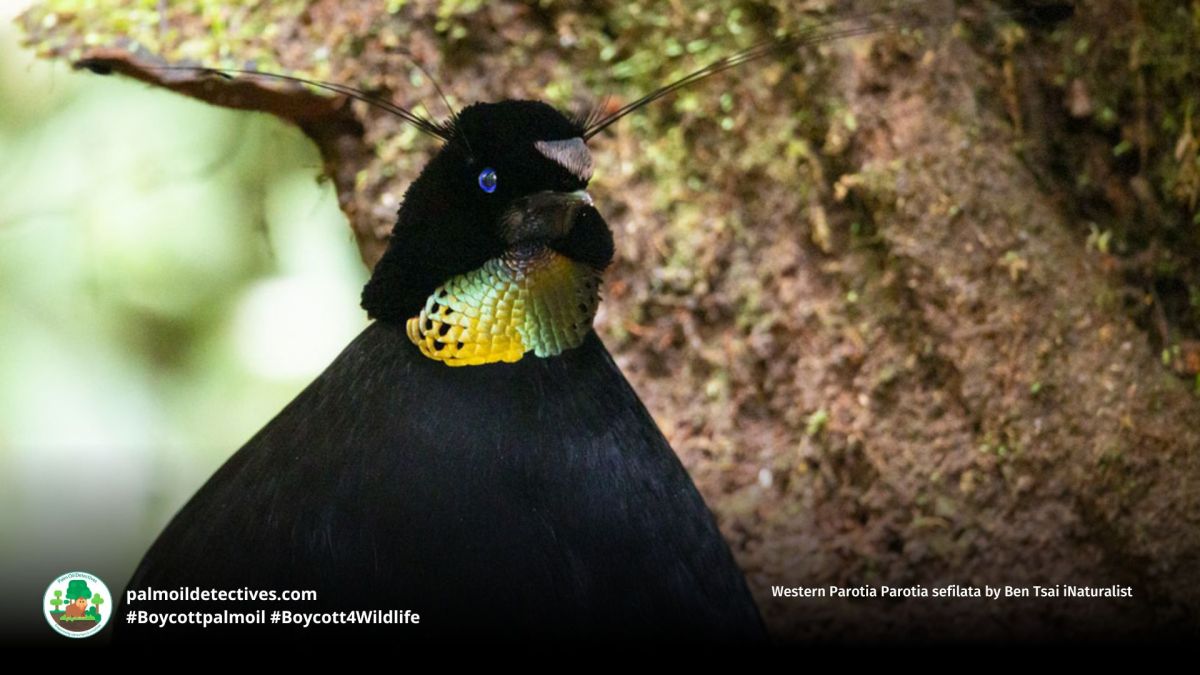
Learn about “sustainable” palm oil greenwashing
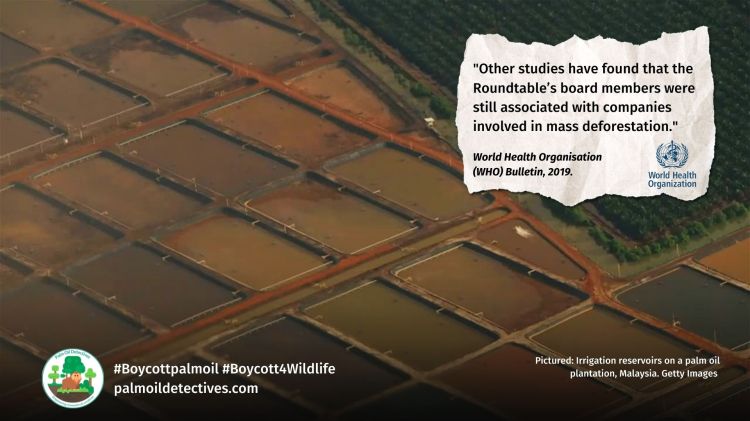
Read more about RSPO greenwashing
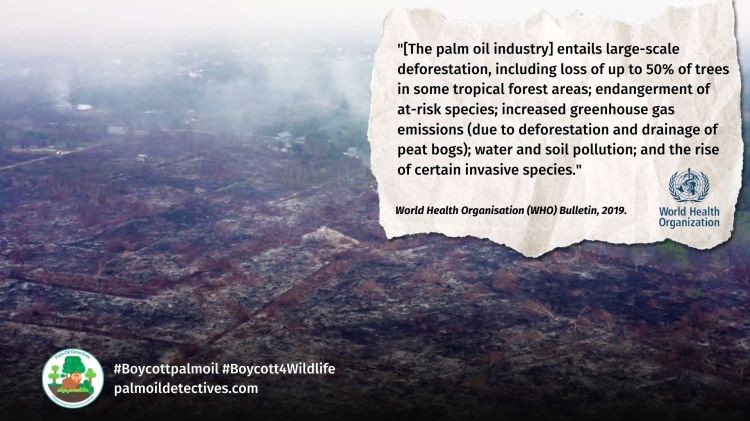
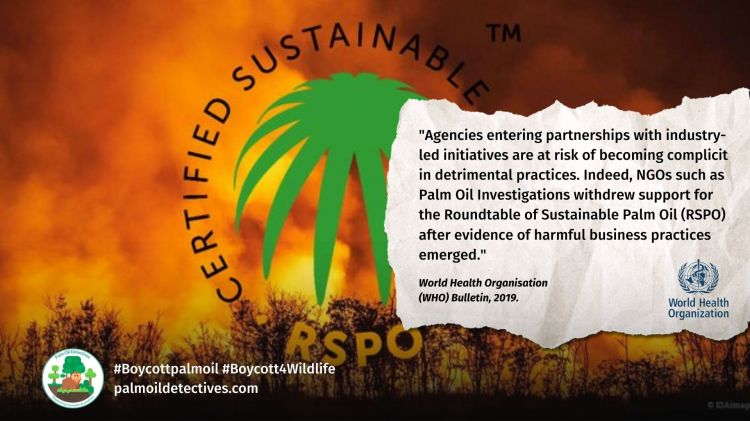
A 2019 World Health Organisation (WHO) report into the palm oil industry and RSPO finds extensive greenwashing of palm oil deforestation and the murder of endangered animals (i.e. biodiversity loss)


Discover more from Palm Oil Detectives
Subscribe to get the latest posts sent to your email.
 Palm Oil Detectives