
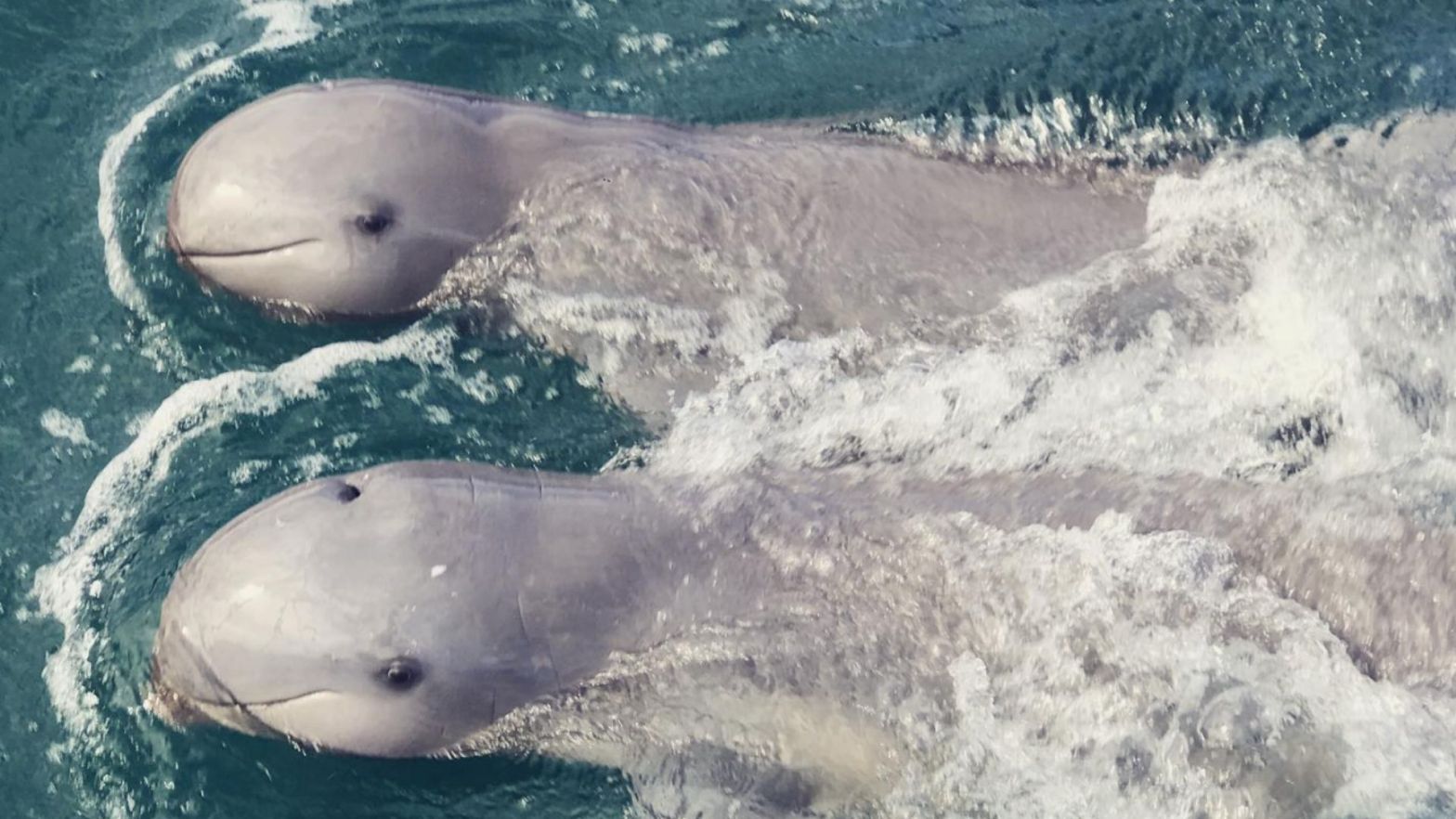
Irrawaddy Dolphin Orcaella brevirostris
IUCN Red List: Endangered
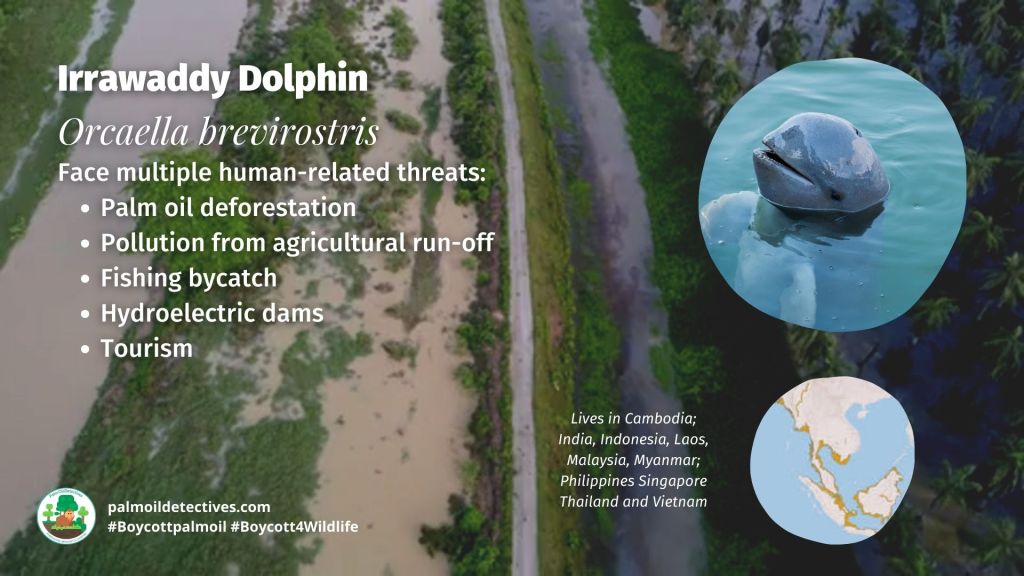
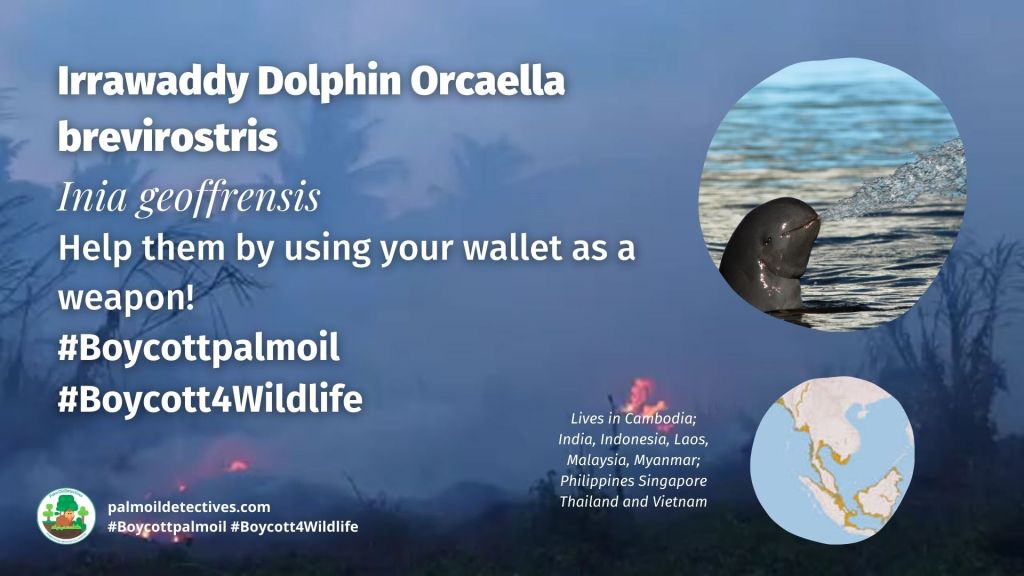
Extant (resident): Southeast Asia: Myanmar, Cambodia, Laos, Thailand, Indonesia, India, Philippines
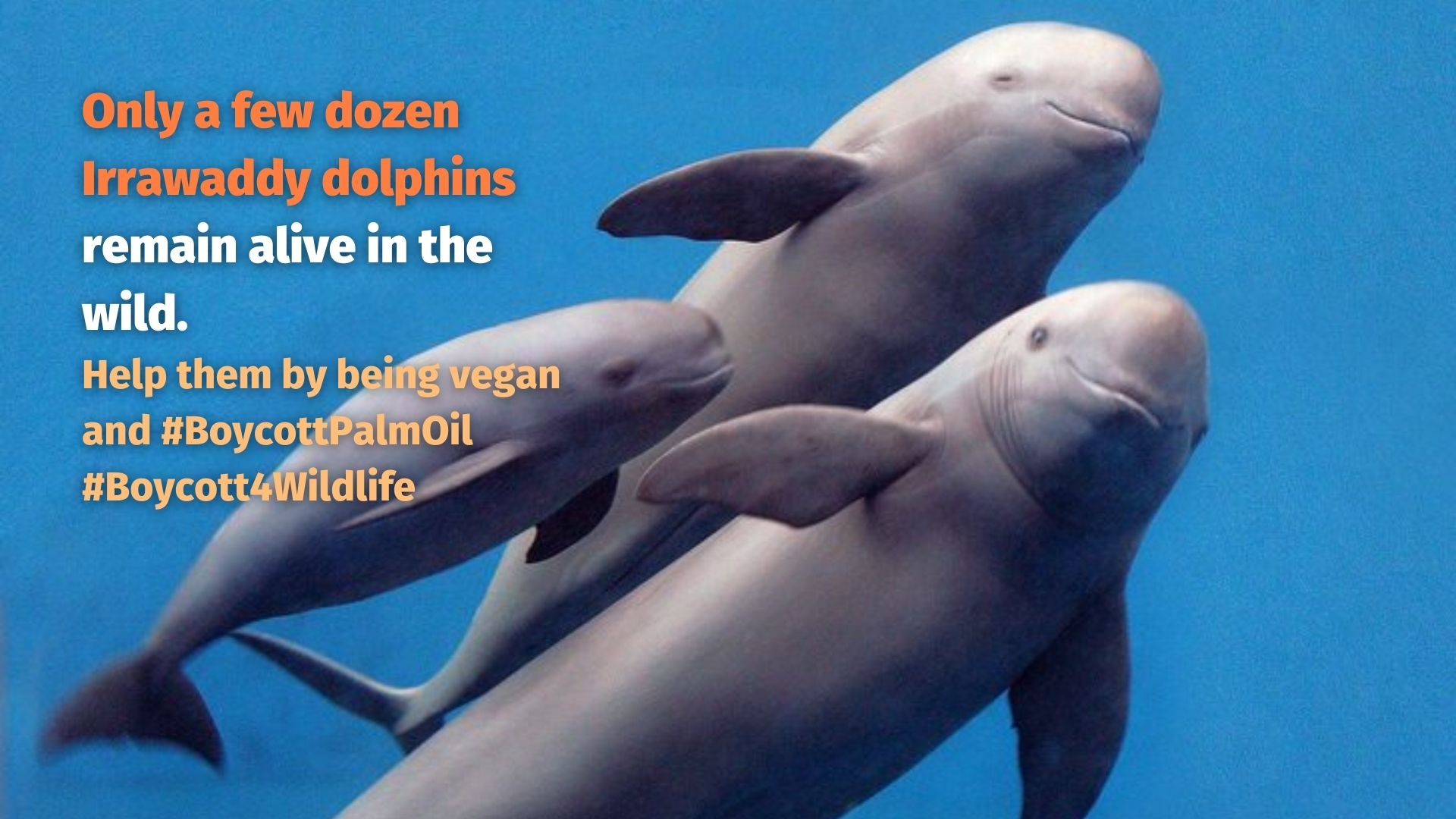
Intelligent and social Irrawaddy dolphins, also known as the Mahakam River dolphins or Ayeyarwady river #dolphins have endearing faces. Only 90 to 300 are estimated to be left living in the wild. Their rounded and expressive looking noses liken them to a baby beluga whale or the Snubfin dolphin of Australia. These shy #cetaceans are found in coastal and freshwater habitats across #SoutheastAsia, they live in small groups. Tragically, Irrawaddy dolphins face many human threats, from entanglement in fishing gear to dam construction. Palm oil deforestation, and #pesticide run-off in rivers is another major threat to their survival.
Protecting the Irrawaddy dolphin is paramount. As a keystone species, they maintain biodiversity in their fragile home. These beautiful animals are classified as endangered on IUCN Red list but are critically endangered in some ecosystems. Fight for their survival when you boycott palm oil and go vegan. Support the Boycott4Wildlife movement by using the hashtags #BoycottPalmOil and #Boycott4Wildlife on social media!
Endearing and sweet-faced Irrawaddy #Dolphins face serious threats from #palmoil #pollution, fishing bycatch, tourism in S.E #Asia. Just 90-300 remain alive in the wild. Fight for them and be #vegan, #BoycottPalmOil #Boycott4Wildlife 💙🐬 @palmoildetect https://wp.me/pcFhgU-8Pk
Playful #cetaceans Irrawaddy #Dolphins 🐬 are threatened by #palmoil #pesticide #pollution in their river homes in #Indonesia #Thailand #Cambodia. Just dozens remain alive! Help them when you shop be #vegan #BoycottPalmOil #Boycott4Wildlife @palmoildetect https://wp.me/pcFhgU-8Pk
Appearance & Behaviour
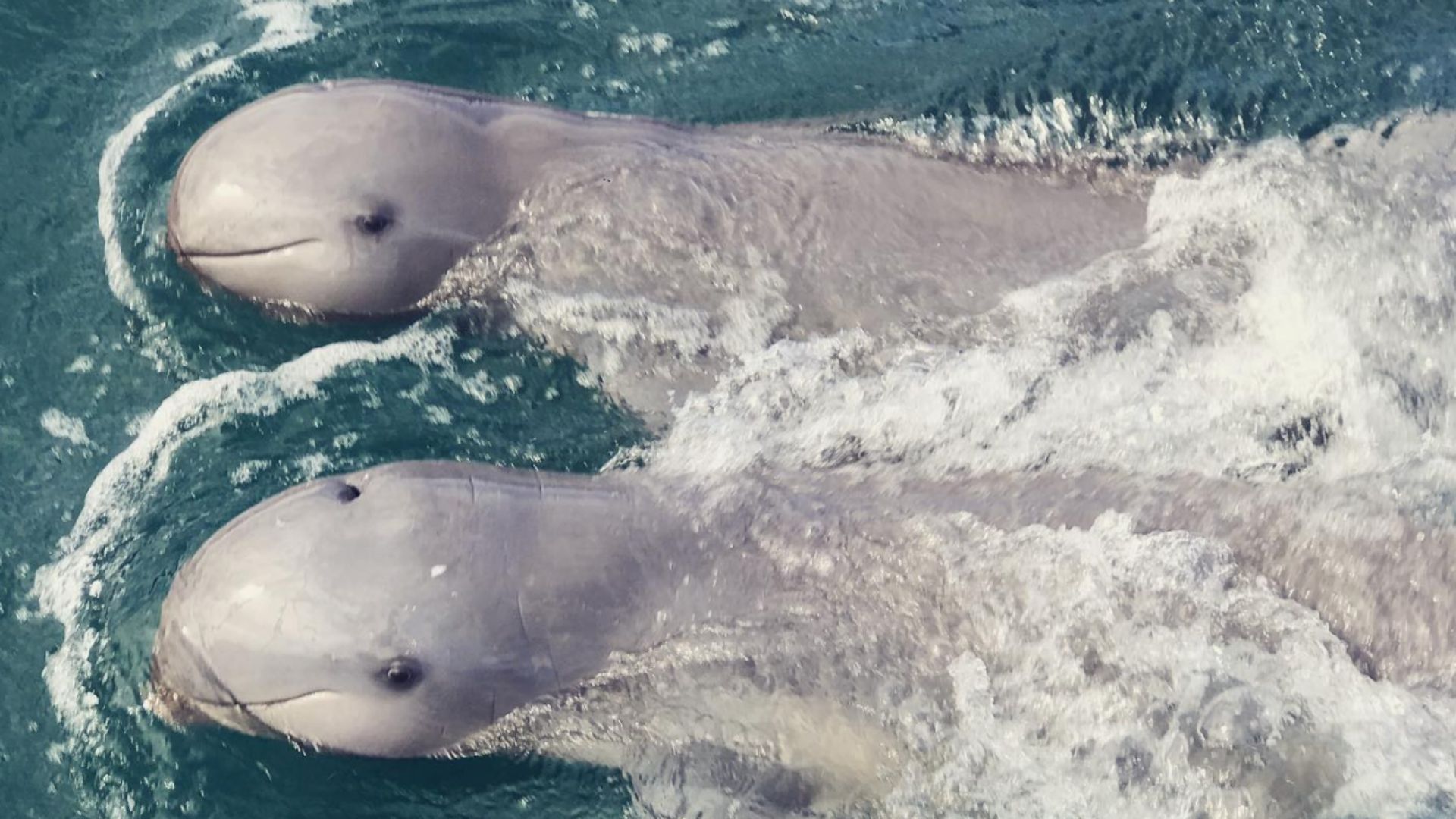
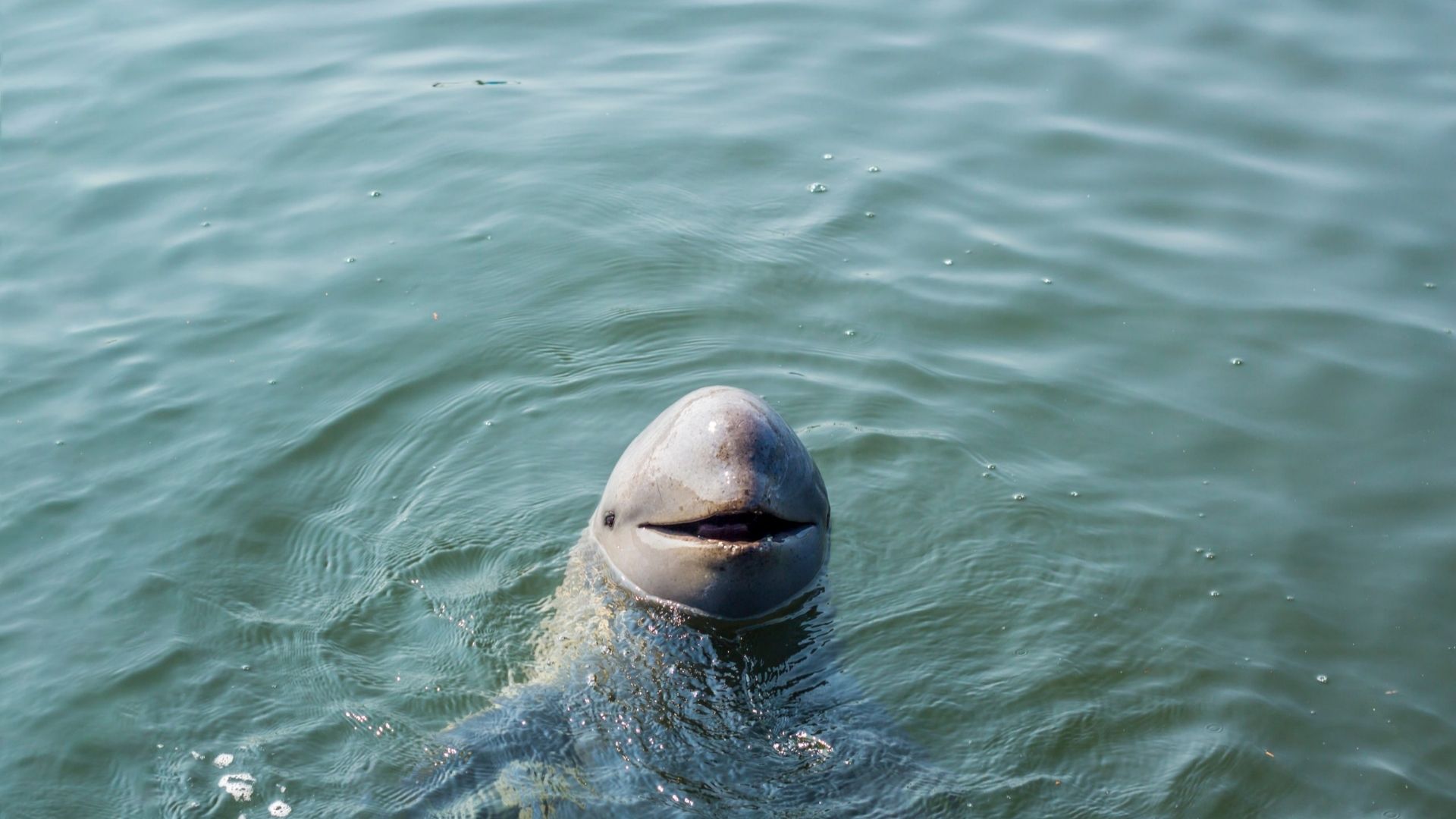
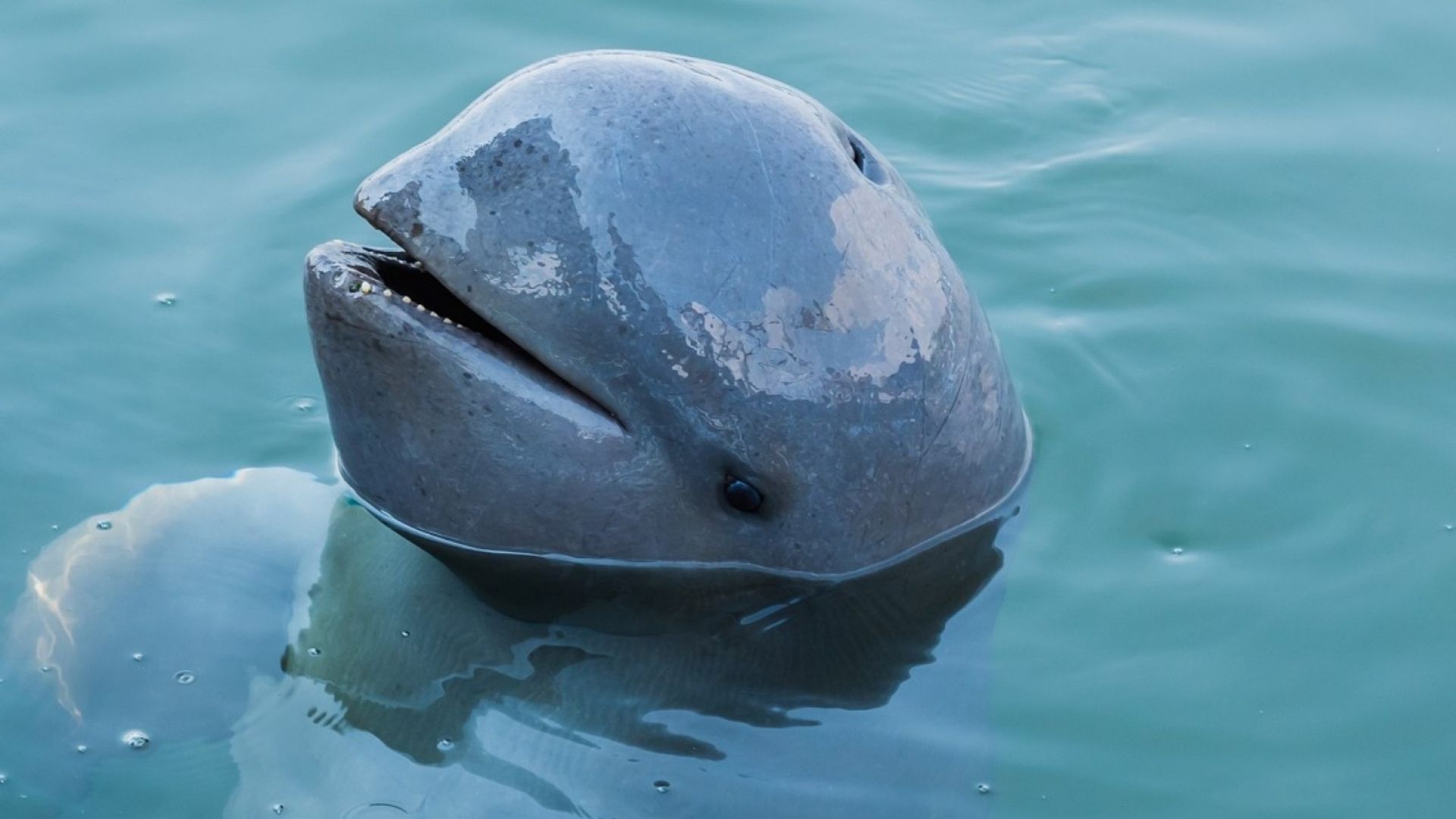
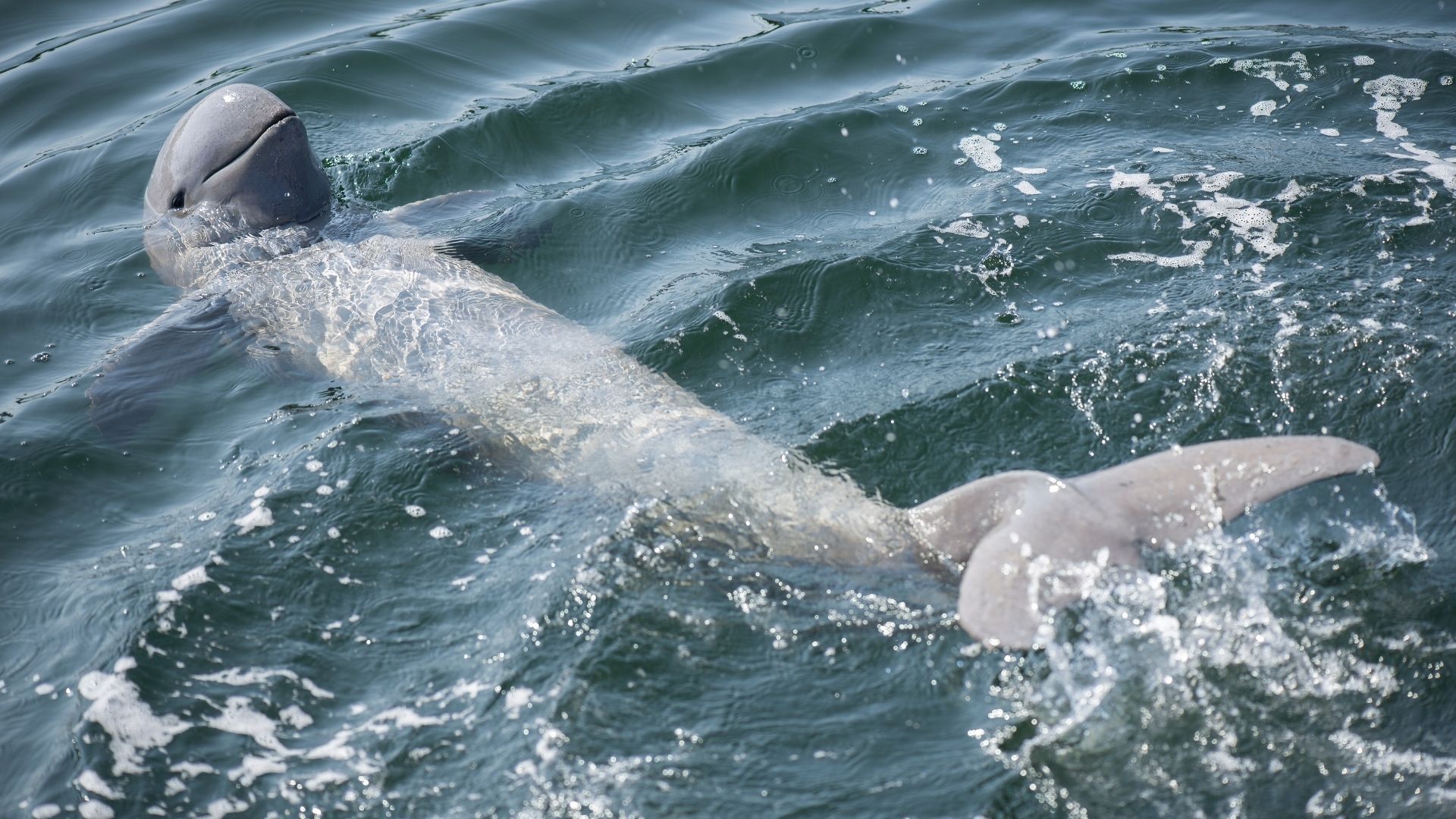
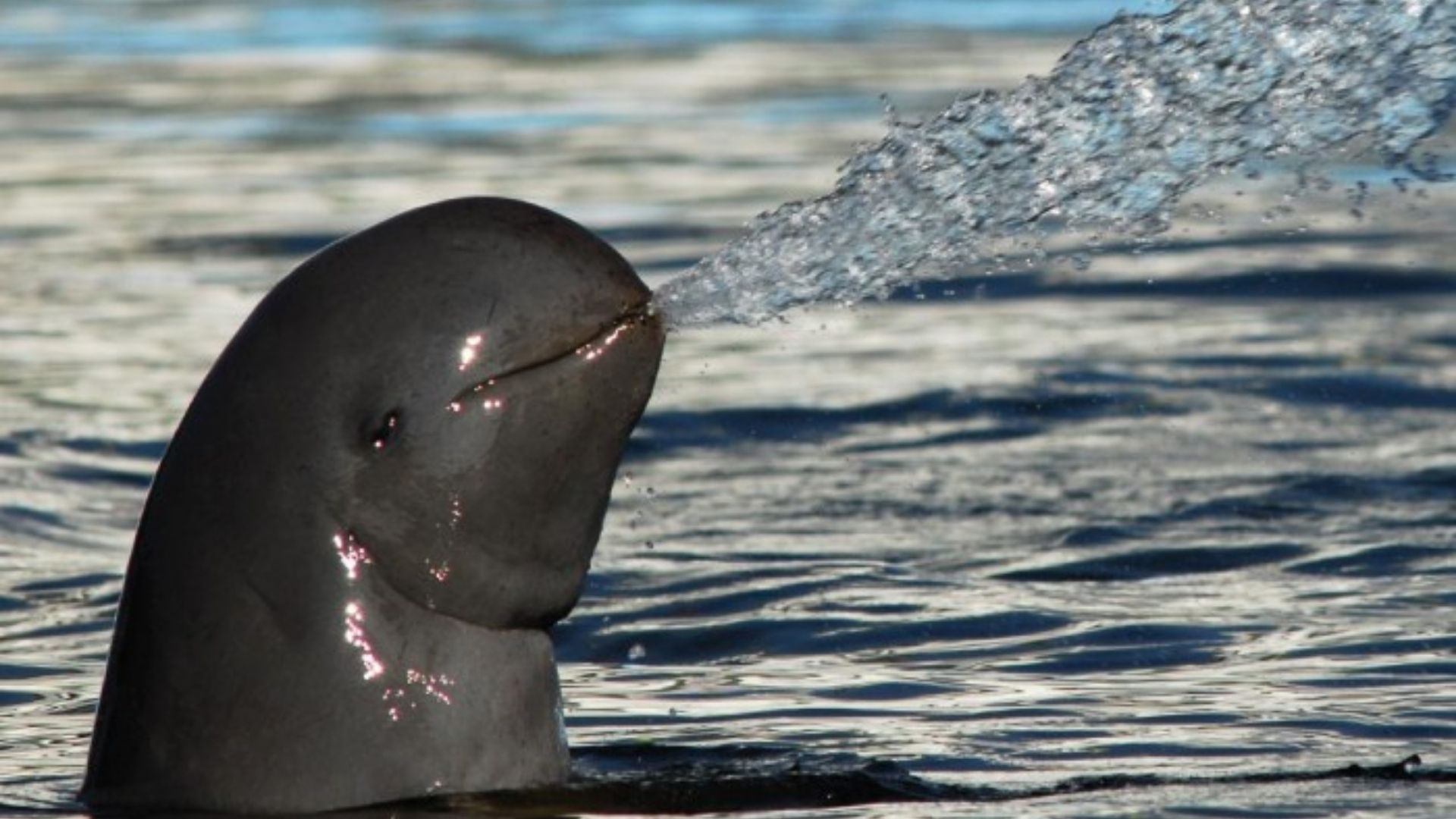
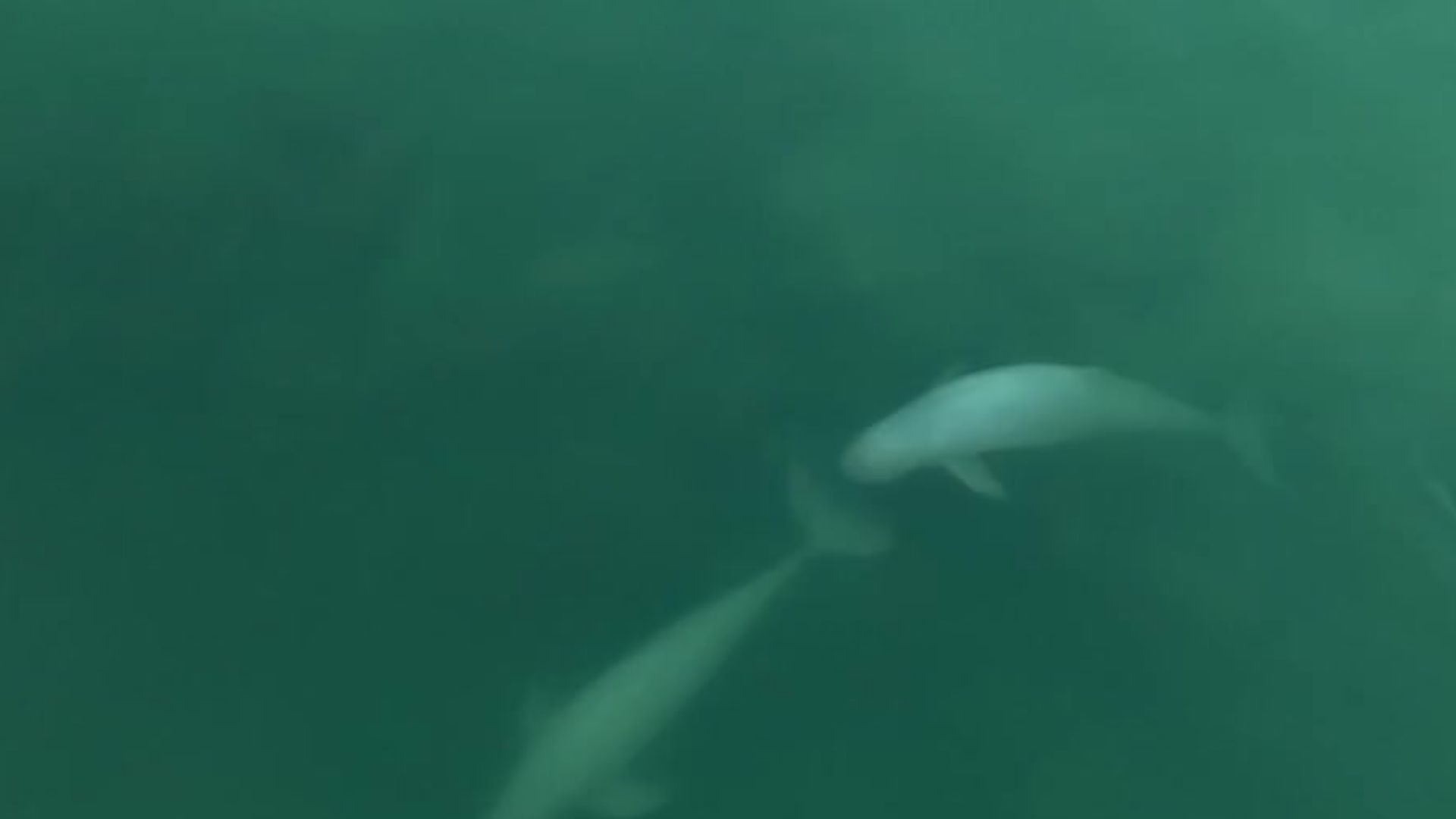
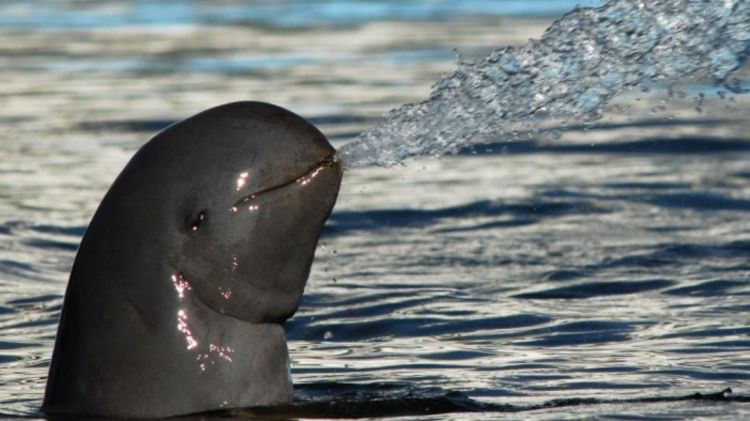
Irrawaddy dolphins have a distinctive appearance with their rounded heads, expressive faces, and lack of a beak. With grey to slate blue bellies, they sport small dorsal fins and broad flippers. Socially, they are found in groups of 2-6, although larger gatherings of up to 25 individuals can be found in deeper waters.
Capable spitting streams of water up to 1.5 metres into the air, they also have a U-shaped blowhole, which opens towards the front of their head. Their ability spit water is believed to be used to confuse fish during hunting. These dolphins use suction feeding, drawing prey into their mouths using negative pressure.
Irrawaddy dolphins are slow swimmers, often surfacing in a rolling motion. They can be shy around boats and typically dive when alarmed. They are also known for play behaviours like spyhopping, the practice of holding their bodies out of the water. Also they commonly tail slap and roll on their sides while waving their flippers.



Threats
Palm oil deforestation and pollution:
Pollution run-off from palm oil plantations puts toxic pesticides into their freshwater habitats. These pollutants can lead to serious health issues for the dolphins, such as skin lesions and reduced reproductive success. Deforestation from palm oil production destroys delicate mangroves and estuaries, forcing Irrawaddy dolphins into fragmented ranges, where they struggle to survive.
Industrial fishing bycatch:
The greatest threat to Irrawaddy dolphins is accidental entanglement in fishing gear, particularly gillnets. Dolphins trapped in these nets often drown before they can be rescued. In areas such as the Mekong River, gillnet bycatch accounts for a significant number of dolphin deaths. In some regions, fishing practices involving explosives or electrofishing further contribute to the decline of dolphin populations.
Habitat loss due to dam construction
The construction of dams on major rivers, such as the Mekong and Ayeyarwady, disrupts the natural flow of water. This impacts fish migration and isolates dolphin populations. These dams also prevent the dolphins from accessing essential deep-water pools, which are vital for their survival. Noise pollution from dam construction generates noise pollution and shock waves. This damage the dolphins’ sensitive hearing structures, leading to injury or death.
Industrial river waste and pesticide run-off:
Irrawaddy dolphins’ habitats are increasingly contaminated by pollutants such as pesticides, industrial waste, and oil. Runoff from agricultural activities, including palm oil plantations, introduces toxic substances into the rivers and estuaries where these dolphins live. Additionally, sedimentation caused by deforestation and poor land practices reduces water depth, altering the ecosystems on which the dolphins rely.
Boat traffic interfering with their echolocation
The growth of unregulated tourism in dolphin habitats has led to increased boat traffic. A major cause of fatal collisions with dolphins. Noise pollution from boats also interferes with the dolphins’ echolocation abilities. This makes it hard for them to find and catch prey.
Habitat
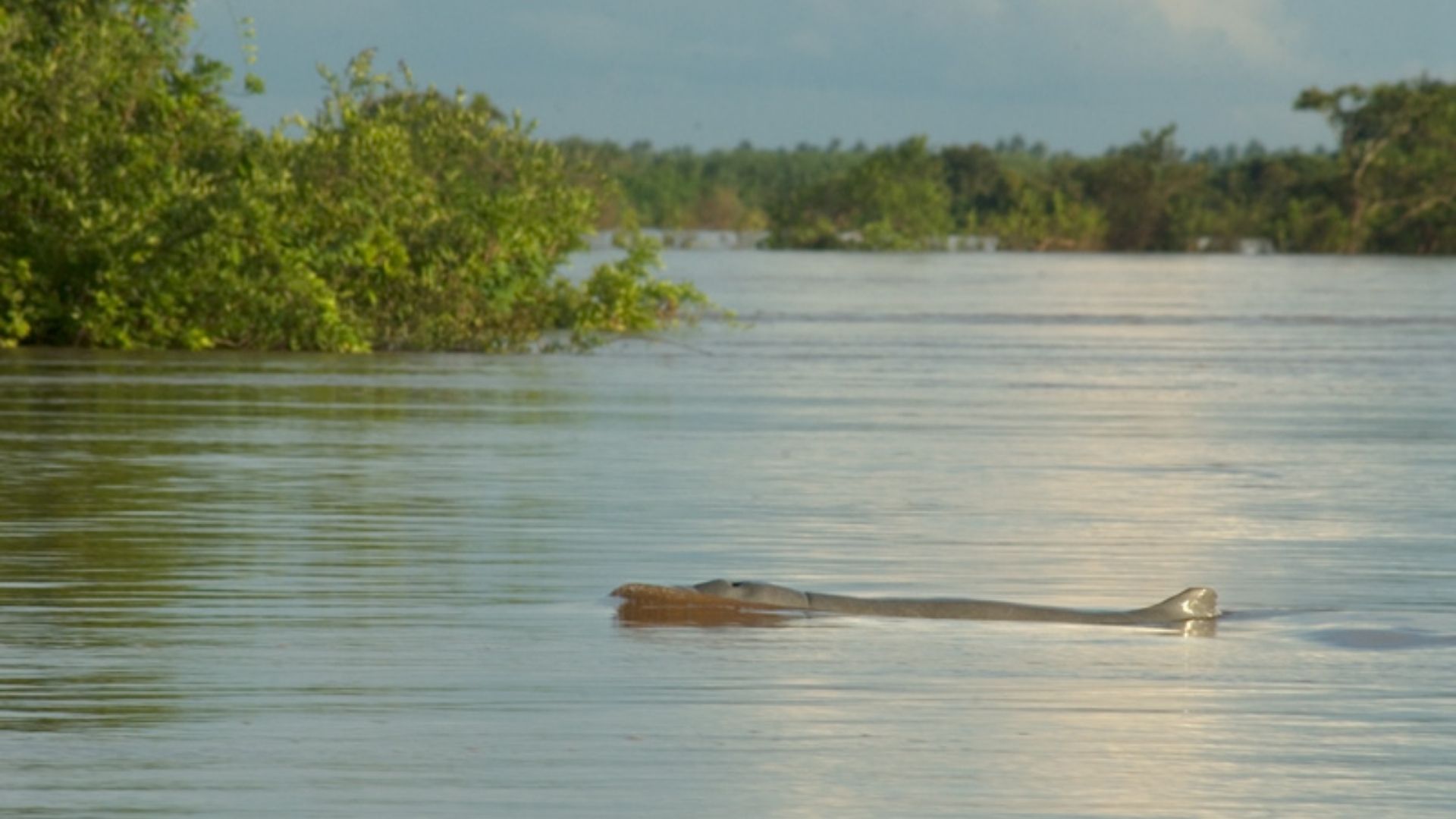
Irrawaddy dolphins are found in coastal and freshwater riverine habitats across Southeast Asia. Coastal areas include the Bay of Bengal, and river systems such as the Mekong, Mahakam, Ayeyarwady, and Ganges Rivers. They prefer shallow, brackish waters such as river mouths, estuaries, and mangrove channels. Freshwater populations are found in the Ayeyarwady, Mahakam, and Mekong Rivers, among others. These dolphins are highly dependent on the health of these ecosystems, which are increasingly under threat from human activities.
Diet
Irrawaddy dolphins are opportunistic feeders, consuming a variety of fish, crustaceans, and cephalopods. They are known to follow the tides. Moving inshore with high tides and further offshore as the tides go out, likely tracking their prey. In freshwater habitats, these dolphins sometimes surface with mud on their heads or backs, indicating they feed on bottom-dwelling species.
Mating and breeding
Irrawaddy dolphins reach sexual maturity between seven to nine years of age. Mating usually occurs between December and June in the Northern Hemisphere, with a gestation period of approximately 14 months. Females typically give birth to a single calf every two to three years, and calves are weaned after two years. Their lifespan is about 30 years, though this can vary depending on environmental conditions and threats faced by different subpopulations.
Support Orcaella brevirostris by going vegan and boycotting palm oil in the supermarket, it’s the #Boycott4Wildlife
Several organisations are working to protect the Irrawaddy dolphin and their habitats. The Irrawaddy Dolphin Conservation Project in Myanmar focuses on protecting the dolphins in the Ayeyarwady River through anti-poaching measures, habitat restoration, and education. The Wildlife Conservation Society of Bangladesh work to create protected areas in the Sundarbans mangrove forest to safeguard dolphin populations. Indonesia’s Mahakam River population is monitored by local NGOs working to reduce bycatch and raise awareness.
Further Information
Minton, G., Smith, B.D., Braulik, G.T., Kreb, D., Sutaria, D. & Reeves, R. 2017. Orcaella brevirostris (errata version published in 2018). The IUCN Red List of Threatened Species 2017: e.T15419A123790805. https://dx.doi.org/10.2305/IUCN.UK.2017-3.RLTS.T15419A50367860.en. Accessed on 18 March 2025.
Wikipedia contributors. (2024). Irrawaddy dolphin. In Wikipedia, The Free Encyclopedia. Retrieved from https://en.wikipedia.org/wiki/Irrawaddy_dolphin
Whale and Dolphin Conservation. (2024). Irrawaddy dolphin. Retrieved from https://au.whales.org/whales-dolphins/species-guide/irrawaddy-dolphin/

How can I help the #Boycott4Wildlife?
Take Action in Five Ways
1. Join the #Boycott4Wildlife on social media and subscribe to stay in the loop: Share posts from this website to your own network on Twitter, Mastadon, Instagram, Facebook and Youtube using the hashtags #Boycottpalmoil #Boycott4Wildlife.
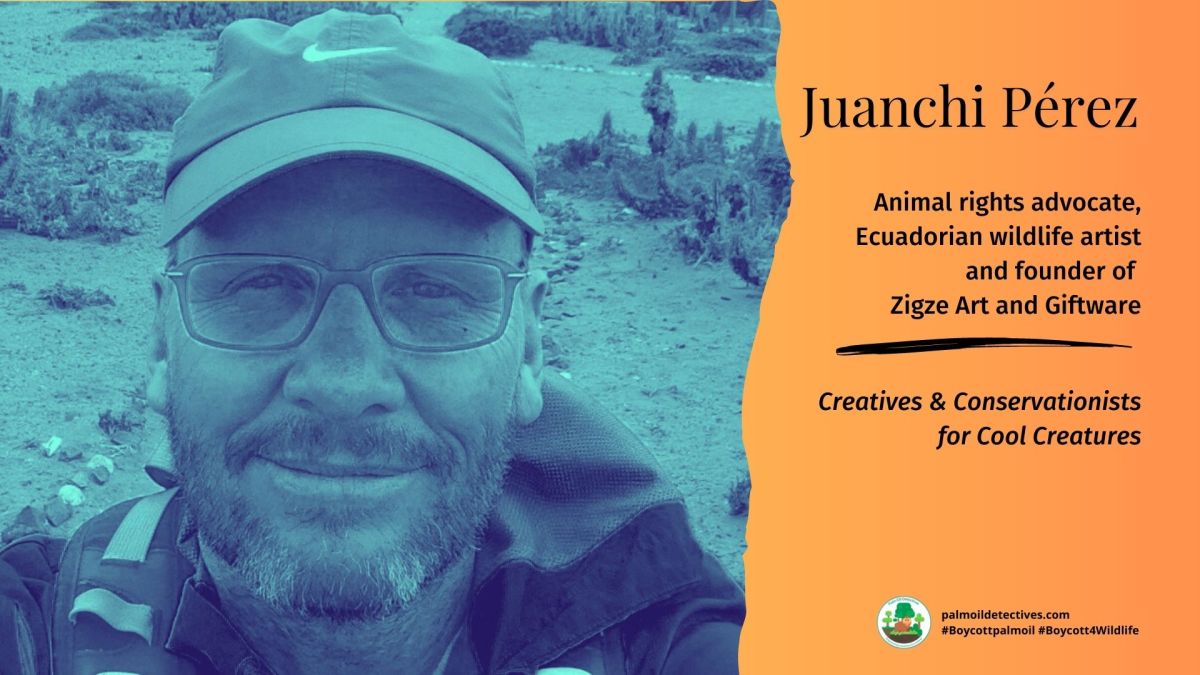
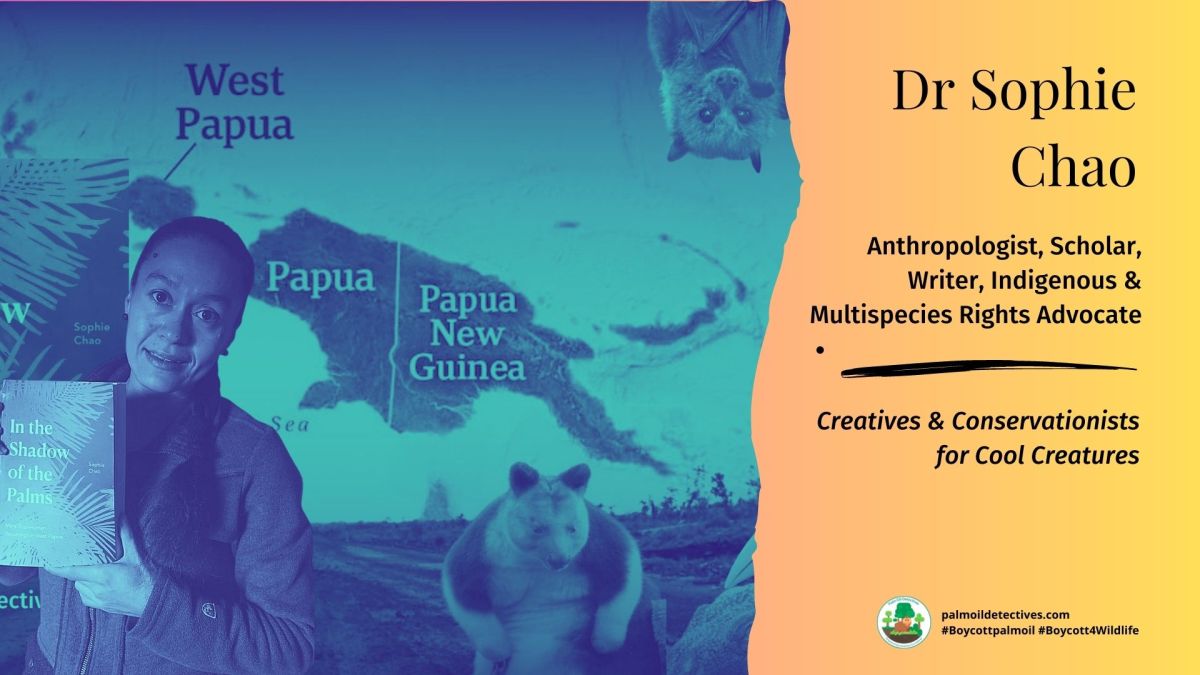
2. Contribute stories: Academics, conservationists, scientists, indigenous rights advocates and animal rights advocates working to expose the corruption of the palm oil industry or to save animals can contribute stories to the website.




3. Supermarket sleuthing: Next time you’re in the supermarket, take photos of products containing palm oil. Share these to social media along with the hashtags to call out the greenwashing and ecocide of the brands who use palm oil. You can also take photos of palm oil free products and congratulate brands when they go palm oil free.
4. Take to the streets: Get in touch with Palm Oil Detectives to find out more.
5. Donate: Make a one-off or monthly donation to Palm Oil Detectives as a way of saying thank you and to help pay for ongoing running costs of the website and social media campaigns. Donate here
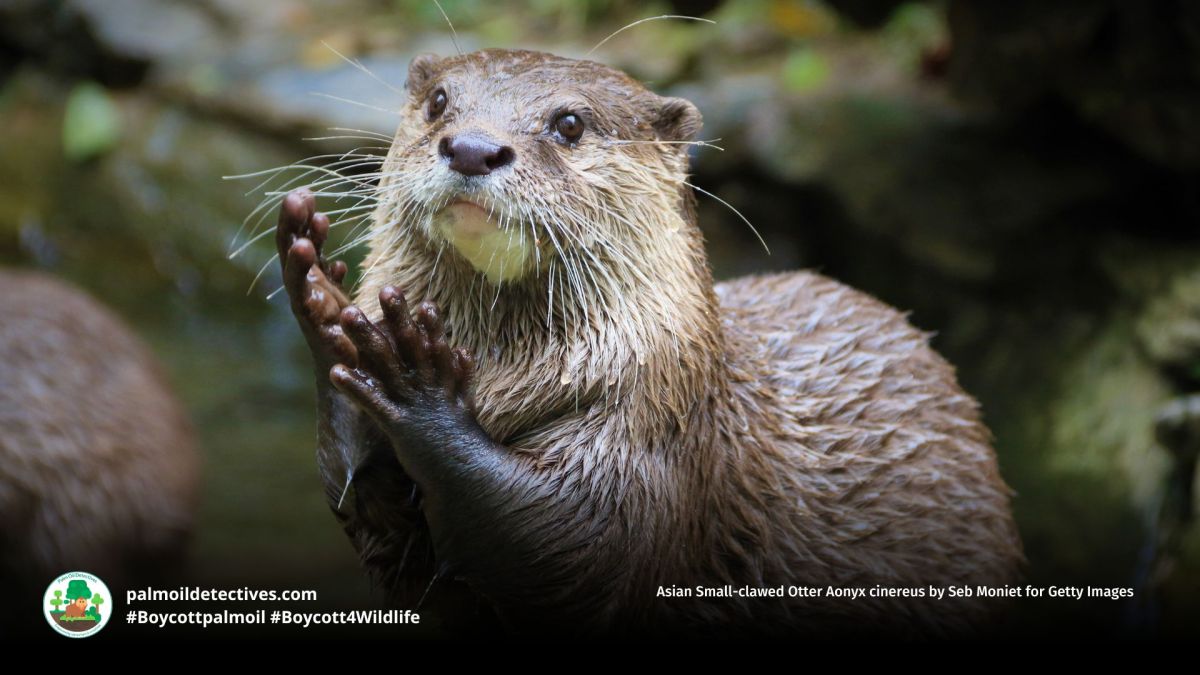
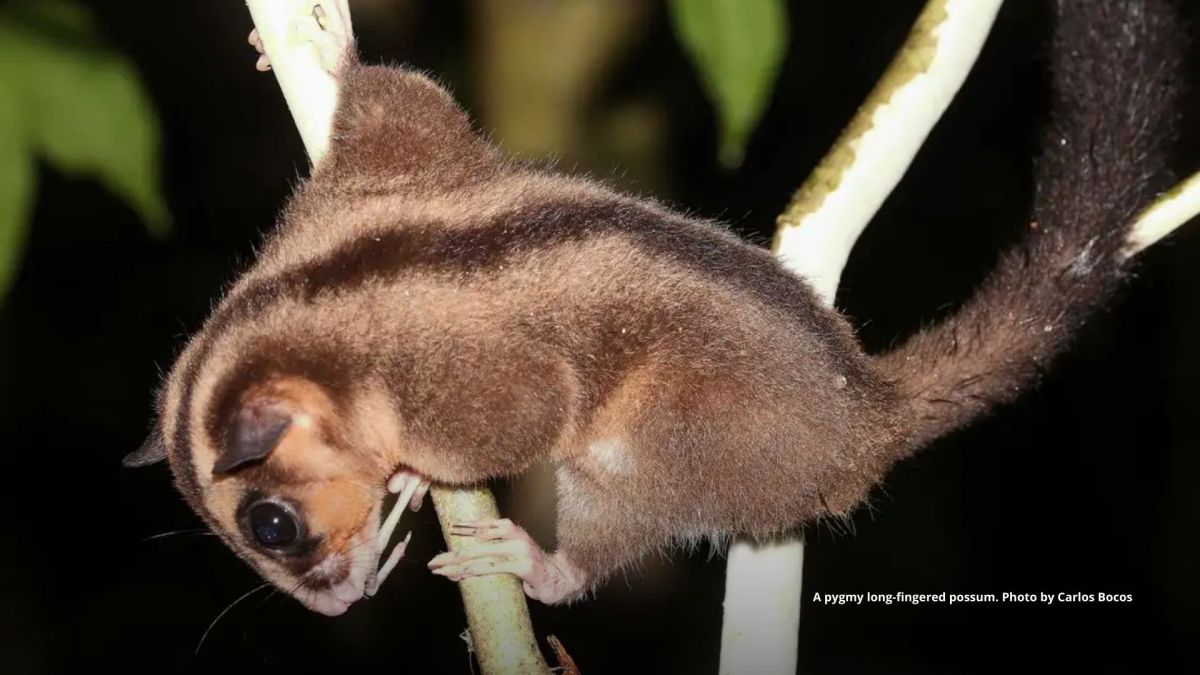
Learn about other animals endangered by palm oil and other agriculture
Learn about “sustainable” palm oil greenwashing
Read more about RSPO greenwashing
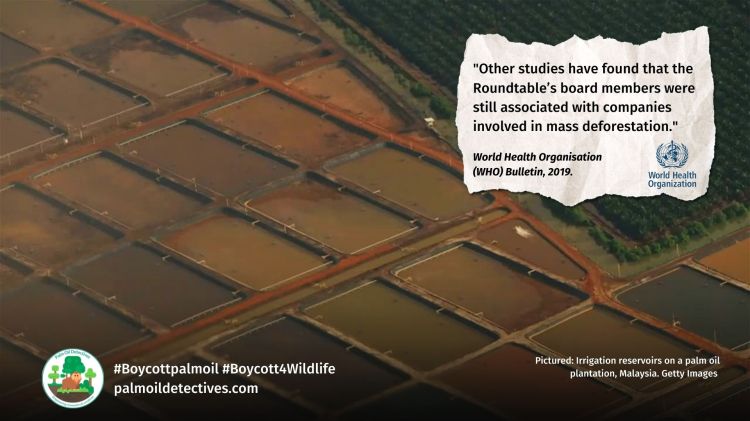
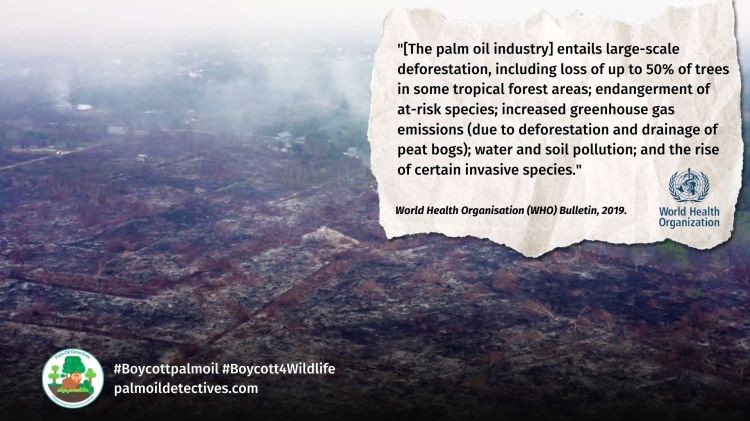
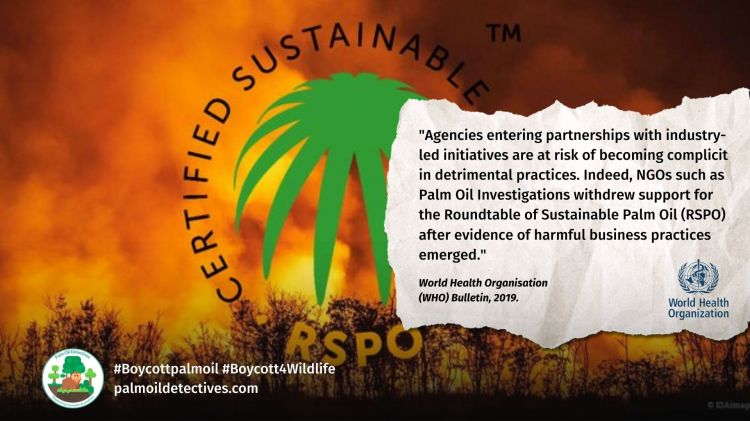
A 2019 World Health Organisation (WHO) report into the palm oil industry and RSPO finds extensive greenwashing of palm oil deforestation and the murder of endangered animals (i.e. biodiversity loss)


Discover more from Palm Oil Detectives
Subscribe to get the latest posts sent to your email.
 Palm Oil Detectives

2 thoughts on “Irrawaddy Dolphin Orcaella brevirostris”