
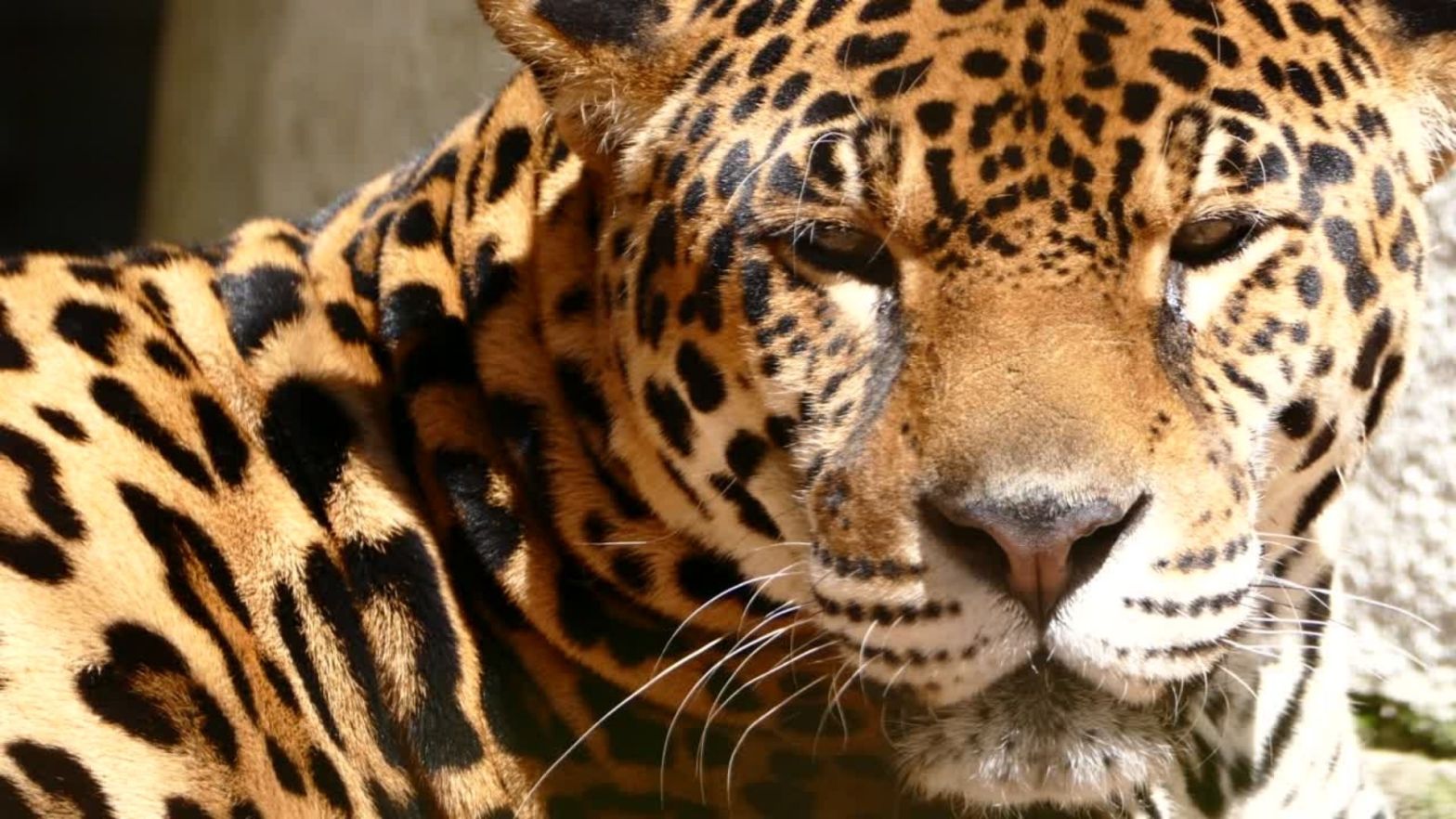
Study finds that in fragmented forests of #Mexico, #bigcats like #jaguars and pumas find it difficult to find traditional prey animals like #ungulates. Instead they focus on harder to catch prey like tree-dwelling #monkeys, forced out of the trees by #palmoil, #soy and #meat #deforestation. This spells bad news for many #primate species of Central and South America and highlights why urgent forest protection is needed. Help species survive and be #Vegan #BoycottPalmOil #Boycott4Wildlife to protect forests and forest animals.
In #Mexico, big #cats like #jaguars 🐆 and #pumas can’t find ungulate prey due to #palmoil #mining #meat #deforestation. They’ve switched to a diet of #monkeys, putting them in peril. Help them, be #vegan #Boycottpalmoil #Boycott4Wildlife @palmoildetect https://wp.me/pcFhgU-92D
#Primates like #howler 🐒and spider #monkeys in #Mexico 🇲🇽 are declining due to overhunting by big cats: #pumas and #jaguars. They’re forced by #deforestation 🌳 into smaller areas. Help them survive! #Boycottpalmoil 🌴⛔️ #Boycott4Wildlife @palmoildetect https://wp.me/pcFhgU-92D
Written by Aralisa Shedden, Postdoctoral Researcher in Conservation, Bournemouth University. Originally published as ‘Big cats eat more monkeys in a damaged tropical forest – and this could threaten their survival’. This article is republished from The Conversation under a Creative Commons license. Read the original article.
Monkeys aren’t normally that popular with Jaguars and Puma but wide-spread logging robs primates of hiding places, drastically reducing their numbers.
Monkeys are not usually a popular menu item for big cats. Primates are, after all, hard to catch: living in the canopies of large trees and rarely coming down to the ground. Jaguar and puma have varied diets and will normally hunt the species that are most common where they live, such as deer, peccary (a type of wild pig) and armadillo.
But jaguar and puma living in southern Mexican forests with a high human footprint (where wood and other resources are regularly harvested and there are large clearings for farms or expanding settlements) seem to be changing their feeding preferences to include more monkeys, according to new research.
Other studies have already found that when there is less of their usual prey around, big cats turn to alternatives. The changes in jaguar and puma diets that my colleagues and I recorded may indicate that the populations of these normal prey are shrinking, or that something in the environment has changed to make catching and eating primates easier.
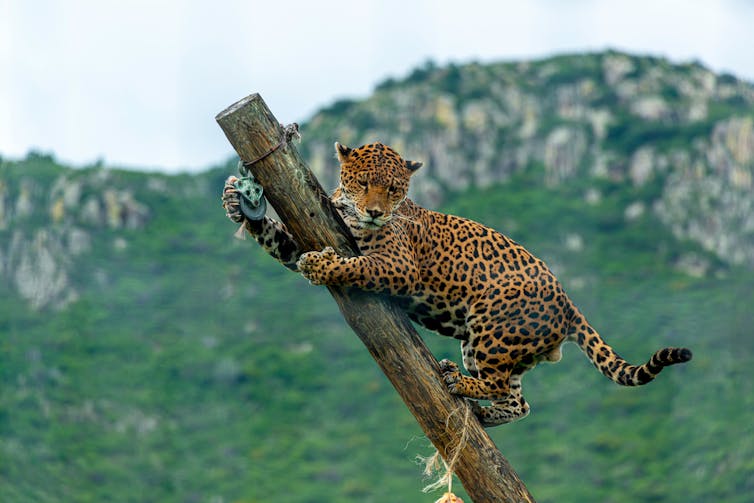
This change in the diet of large cats could make the disappearance of primate populations in tropical forests like this one in southern Mexico more likely. This would, in turn, make the disappearance of large cats themselves more likely due to a lack of food, threatening the stability of an entire ecosystem.
On the trail of big cats
When forests are cut down or altered by loggers and hunters, primates are particularly affected, as many species depend on tall trees for food, shelter and to chart paths through the forest. Globally, more than 60% of primate species are threatened with extinction.
These changes to forests have also put large predators at risk. Understanding what is happening in these areas can inform more effective conservation measures, which may prevent species from disappearing.
The Uxpanapa valley in southeastern Mexico is one of the last relicts of tall evergreen forest in the country, and is classified as one of the most biodiverse areas in both Mexico and the world. It is home to jaguar, puma and many other species, including two endangered primates: howler and spider monkeys.
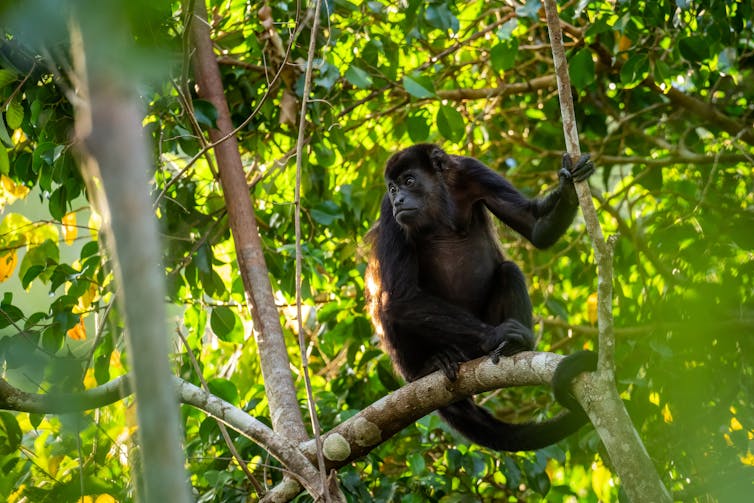
I led a research team that studied the distribution of primates in the Uxpanapa Valley for the first time. We recorded the number of primates and where they were found, as well as the type of forest they preferred.
Another team looked for large cats with the help of a dog which could detect their faeces, otherwise known as scat. Scat was collected to obtain DNA and determine the species that left it, whether it had any parasites, and what its diet was like. The team found out what prey these large cats were eating by using microscopes to study the hairs left in each scat. Special identification guides can link each kind of animal to its hair – each has a particular colour, pattern and shape.
Large carnivores maintain biodiversity and the functioning of an ecosystem by controlling populations of certain species – for example, herbivores that might otherwise harm trees or prevent forests regrowing. The presence of such predators can indicate an ecosystem’s health. Knowing what top predators are eating can tell us even more about how an ecosystem is functioning.

What we found
When we combined the data and information we collected, we began to understand that something out of the ordinary was happening.
Primates were the most frequent prey found in jaguar and puma scats, making up nearly 35% of the remains. Primate remains were also more likely to be found in scats collected from areas with less forest. Spider monkey remains, for example, were more likely to be found in scats collected in areas with more villages, and in forest that was regrowing after being disturbed.
A possible explanation is that where there are more villages, it is likely that there is more hunting and tree-cutting taking place. Where there is more hunting, the prey that jaguar and puma usually prefer might not be as plentiful. And regrowing forests do not offer primates the same protection as tall, untouched forests. These two factors may explain why large cats are eating spider monkeys more often here.
Jaguar and puma will usually eat the prey that is more abundant. If their preferred prey is scarce, they will hunt the species they encounter most. Similar to what we observed with spider monkeys, in areas where there was less tall forest, howler monkey remains were more likely than non-primate prey to be found in the scats, possibly as big cats found it easier to reach primates.
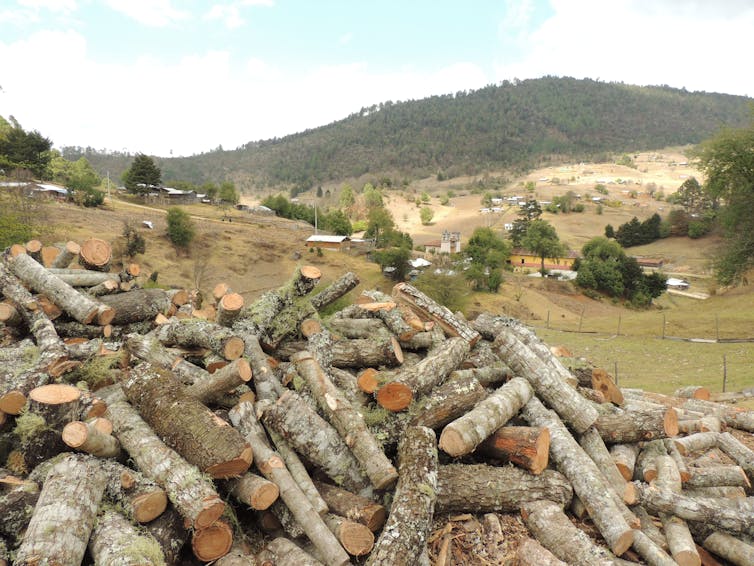
Less tree cover and overhunting of other prey (combined with general habitat loss) could explain the high rates of primate predation we discovered. Nevertheless, we need to continue monitoring these sites to fully understand these changes in large cat diets.
Our results highlight the importance of maintaining tall forest cover to ensure primates and other forest-dependent species can survive. They also raise the urgent need for conservation, before the negative effects of human activities on both primate and large cat populations become irreversible, and the ecosystems they live in are lost.
Written by Aralisa Shedden, Postdoctoral Researcher in Conservation, Bournemouth University. Originally published as ‘Big cats eat more monkeys in a damaged tropical forest – and this could threaten their survival’. This article is republished from The Conversation under a Creative Commons license. Read the original article.
ENDS
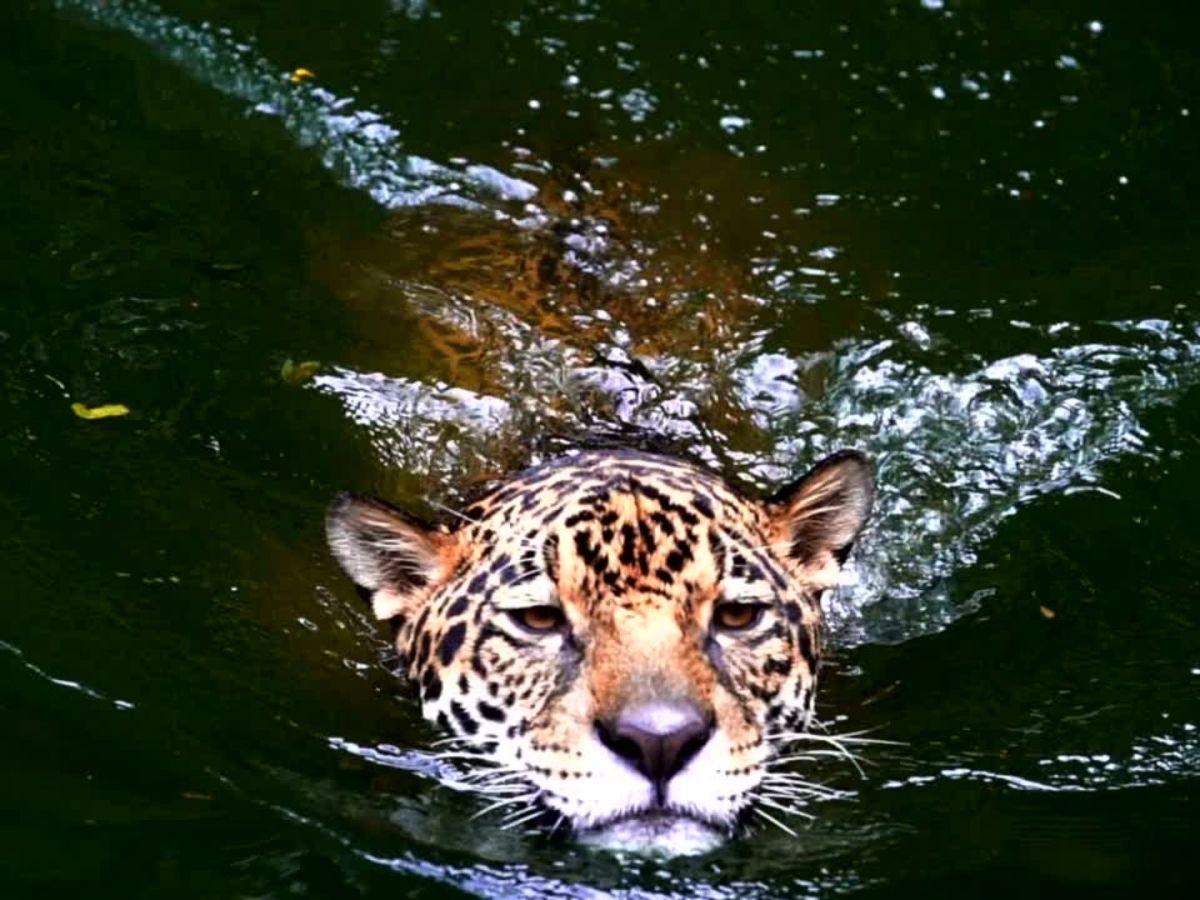
Jaguar Panthera onca
Jaguars, currently deemed Near Threatened, face a substantial habitat reduction of up to 25% in just over two decades. This decline stems from rampant deforestation for palm oil, soy, and meat, as well…
Keep reading
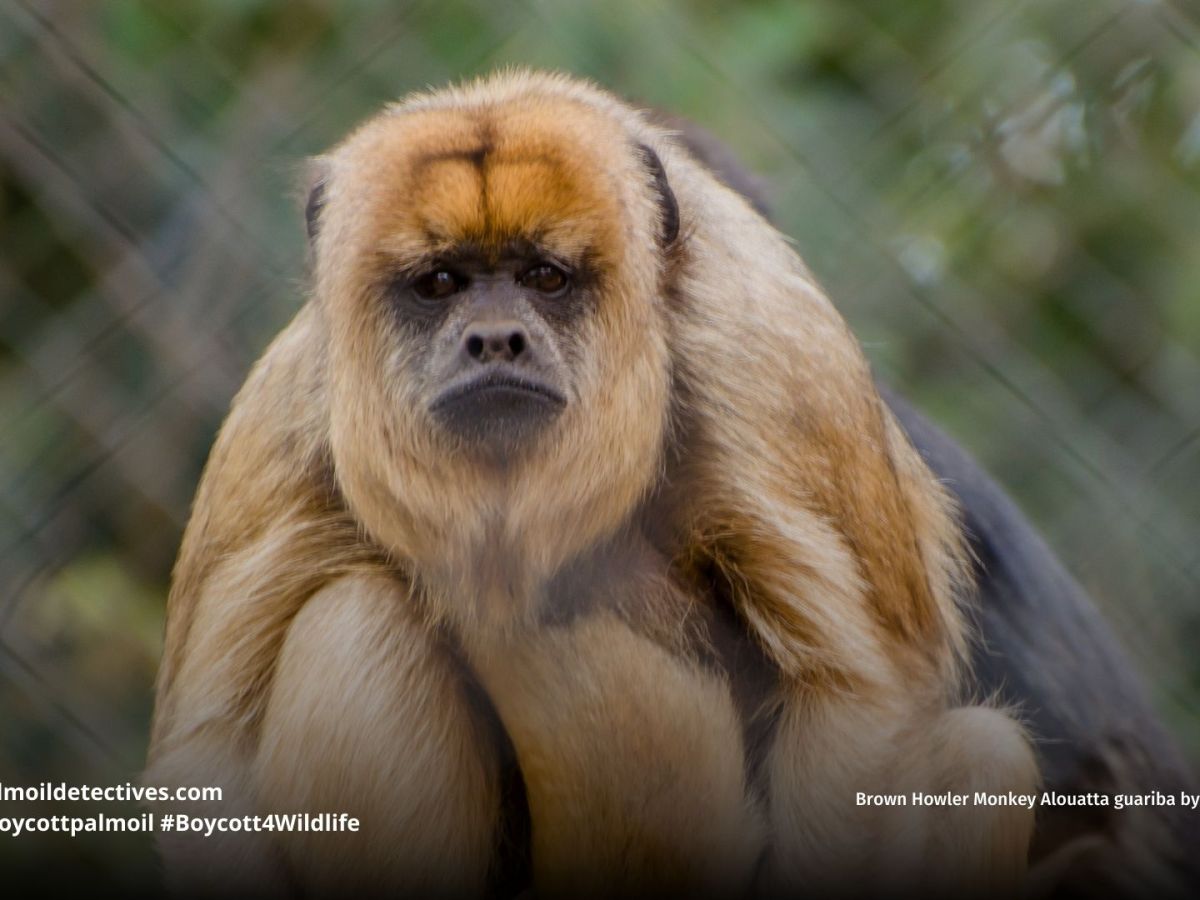
Brown Howler Monkey Alouatta guariba
You will hear a Brown Howler #Monkey before you sere one. Heard from several kilometres away these monkeys have a haunting howl that penetrates and rustles the forest canopy. They live in groups…
Keep reading
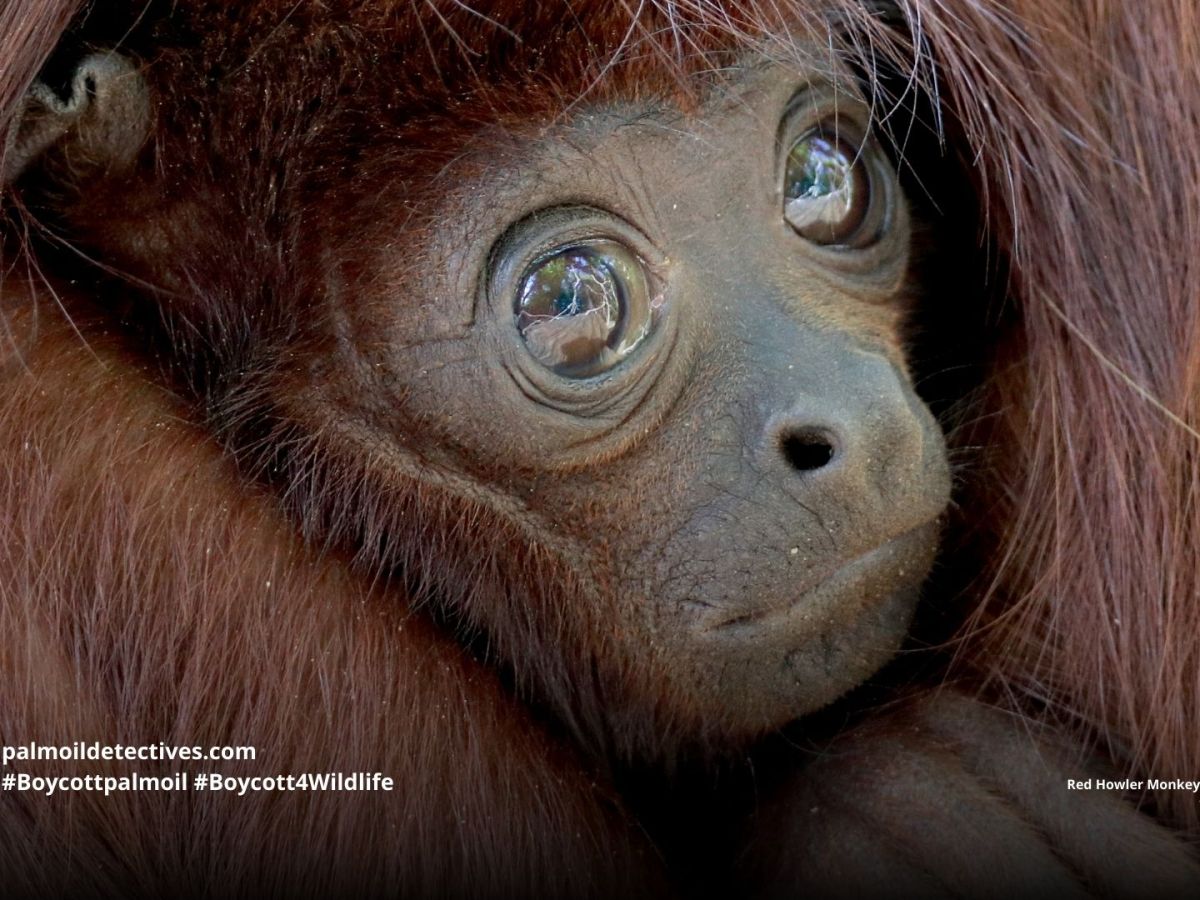
Colombian Red Howler Monkey Alouatta seniculus
Red howlers are the largest of the howler monkey species. They have dense and vividly coloured fur that ranges from brown to dark red, with gold or bright orange undersides – the colour…
Keep reading
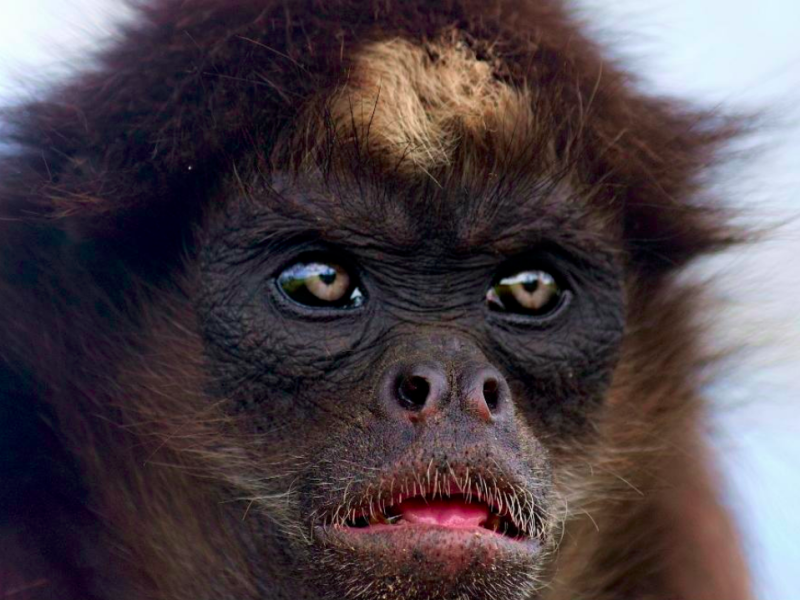
Brown Spider Monkey Ateles hybridus
The enigmatic blue-billed curassow (Crax alberti – local name “Paujil”), endemic to the tropical humid forests of northern Colombia, is the cracid species most threatened with extinction in the wild from #deforestation
Keep reading

Yucatán Black Howler Monkey Alouatta pigra
Their range is being rapidly destroyed for palm oil and sugar cane deforestation and mining. They are also facing human persecution and hunting pressures. Yucatán Black Howler Monkeys have been classified as endangered…
Keep reading
Learn about other animals endangered by palm oil and other agriculture
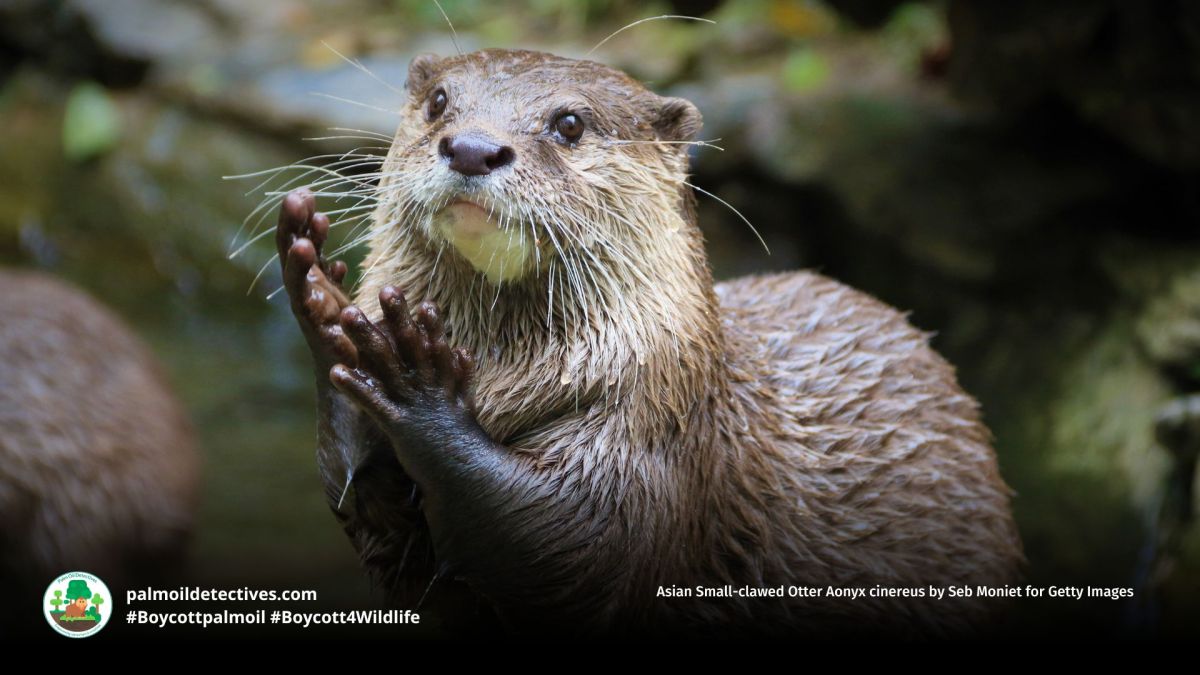
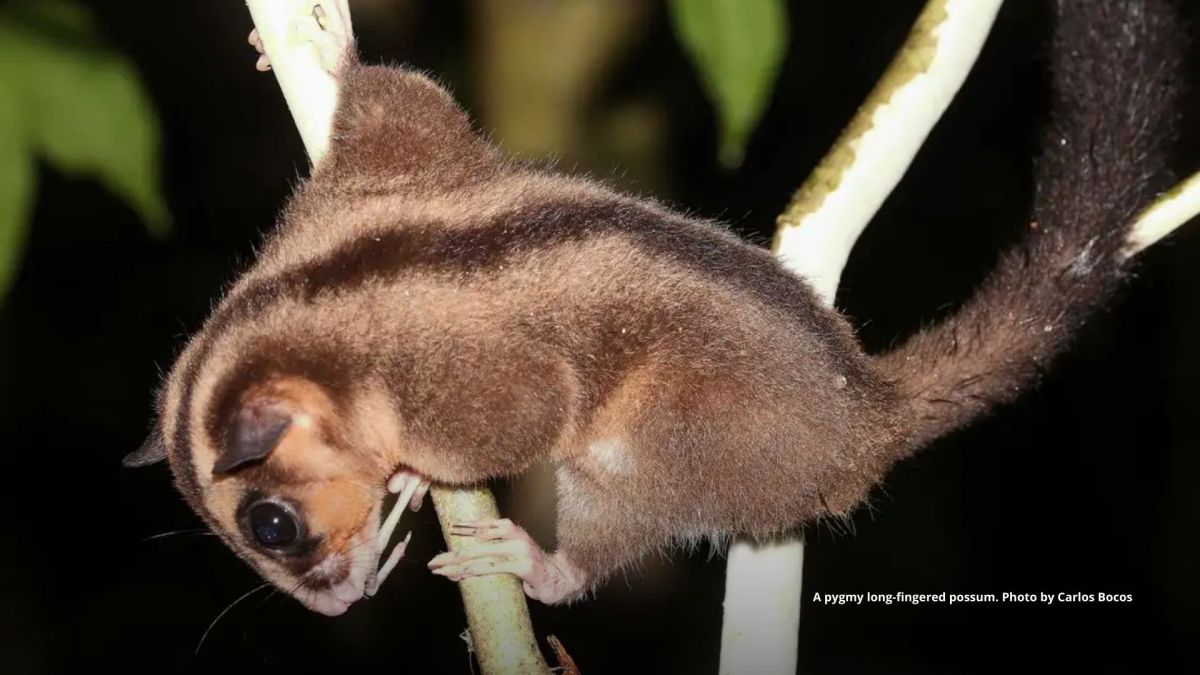
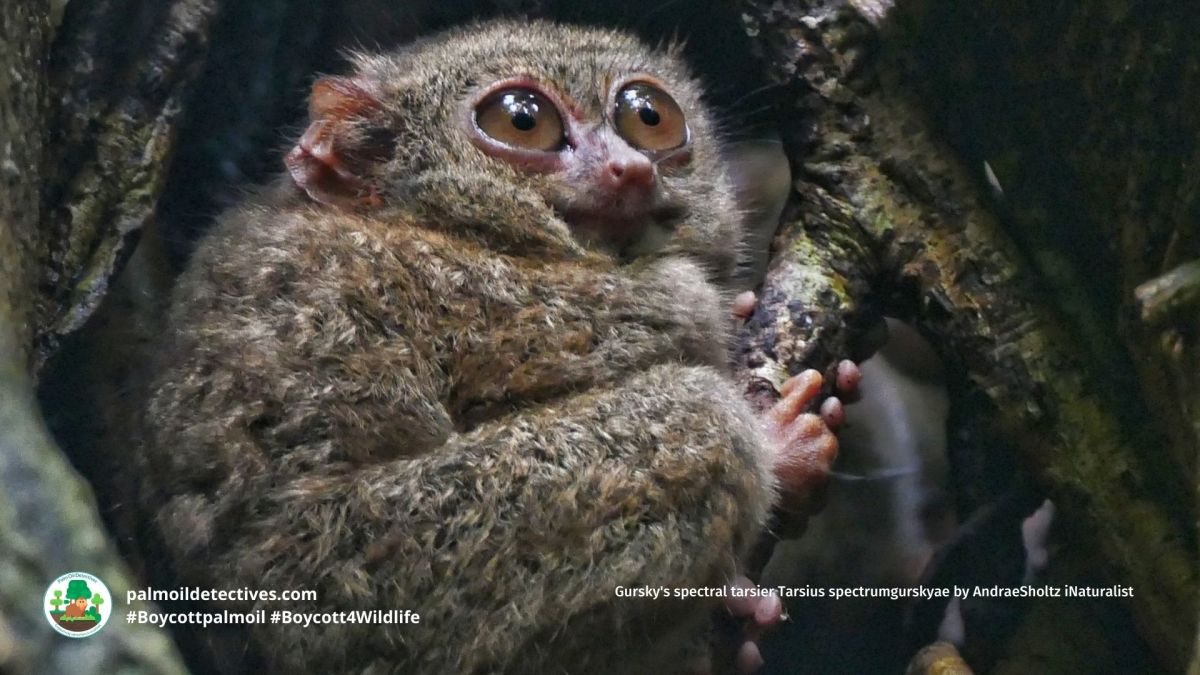
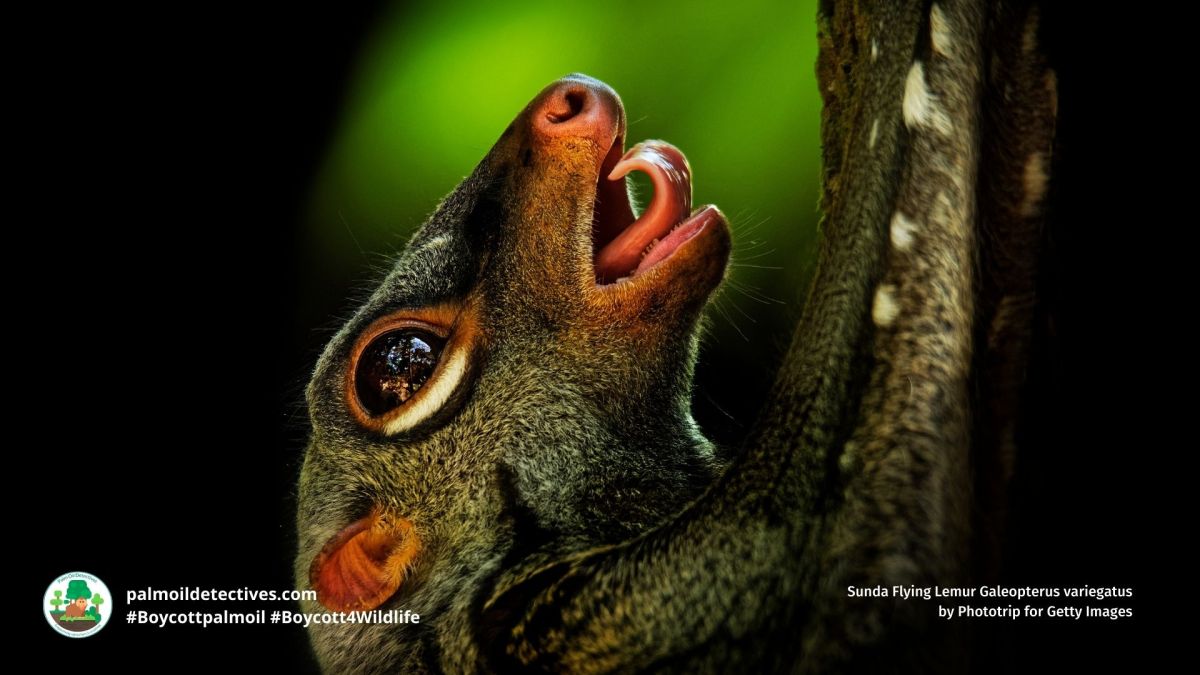
Learn about “sustainable” palm oil greenwashing
Read more about RSPO greenwashing
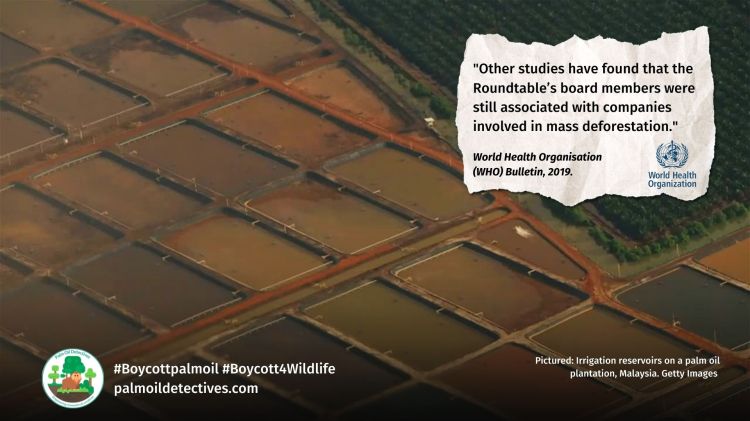
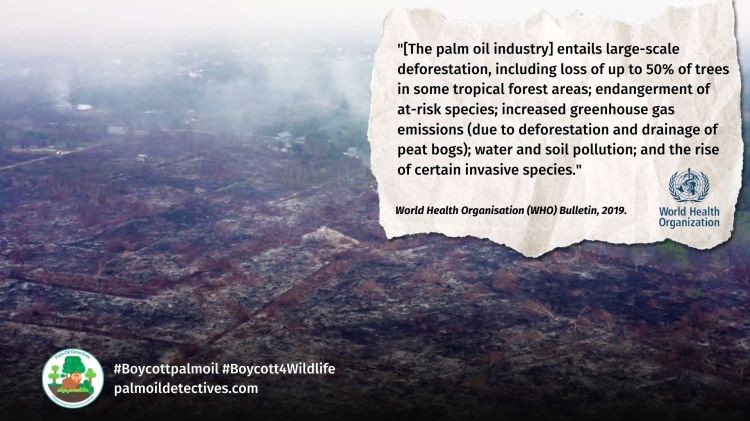
A 2019 World Health Organisation (WHO) report into the palm oil industry and RSPO finds extensive greenwashing of palm oil deforestation and the murder of endangered animals (i.e. biodiversity loss)



Take Action in Five Ways
1. Join the #Boycott4Wildlife on social media and subscribe to stay in the loop: Share posts from this website to your own network on Twitter, Mastadon, Instagram, Facebook and Youtube using the hashtags #Boycottpalmoil #Boycott4Wildlife.
2. Contribute stories: Academics, conservationists, scientists, indigenous rights advocates and animal rights advocates working to expose the corruption of the palm oil industry or to save animals can contribute stories to the website.





3. Supermarket sleuthing: Next time you’re in the supermarket, take photos of products containing palm oil. Share these to social media along with the hashtags to call out the greenwashing and ecocide of the brands who use palm oil. You can also take photos of palm oil free products and congratulate brands when they go palm oil free.
4. Take to the streets: Get in touch with Palm Oil Detectives to find out more.
5. Donate: Make a one-off or monthly donation to Palm Oil Detectives as a way of saying thank you and to help pay for ongoing running costs of the website and social media campaigns. Donate here
Discover more from Palm Oil Detectives
Subscribe to get the latest posts sent to your email.
 Palm Oil Detectives