

A study examining the wealthiest people in the USA and China reveals that the world’s richest 10% are responsible for two-thirds of global warming since 1990. Their consumption and investments disproportionately fuel climate extremes, especially in vulnerable regions like the Amazon and Southeast Asia. According to the lead author of the study: “If everyone had emitted like the bottom 50% of the global population, the world would have seen minimal additional warming since 1990”. This underscores the urgent need to examine the lifestyle choices and investments of the world’s richest people and for robust climate policies targeting the world’s most powerful in order to achieve true #ClimateJustice #ClimateActionNow
#Study finds top 10% of wealthiest people in #USA and #China cause two thirds of #GHG emissions. Robust #climate policies urgently and a #wealthtax needed to counteract pure #greed 💰🧐🤑 🤮#ClimateActionNow 🏭🛢️ #BoycottPalmOil #Boycott4Wildlife https://palmoildetectives.com/2026/01/07/worlds-wealthiest-have-driven-two-thirds-of-global-warming-since-1990/
International Institute for Applied Systems Analysis. (2025, May 7). The world’s wealthiest 10% caused two thirds of global warming since 1990. ScienceDaily. https://www.sciencedaily.com/releases/2025/05/250507130519.htm
A groundbreaking study published in Nature Climate Change has found that the world’s wealthiest 10% are responsible for two-thirds of global warming since 1990. The research, conducted by the International Institute for Applied Systems Analysis (IIASA), highlights the disproportionate impact of affluent individuals’ consumption and investments on climate change.
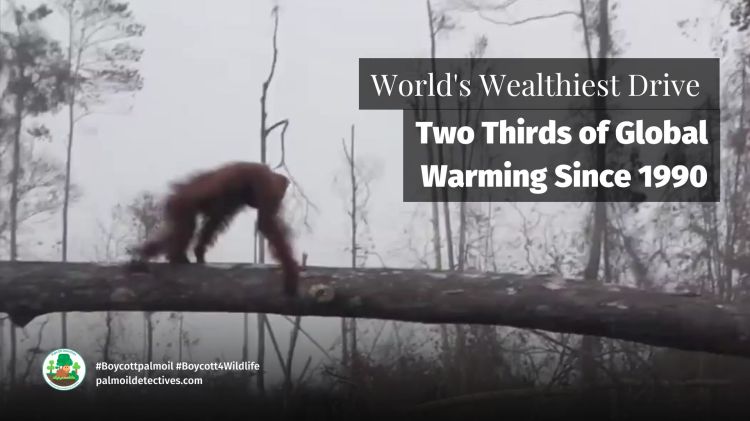
The study reveals that the top 1% of earners globally have contributed 26 times more to increases in extreme heat events and 17 times more to Amazon droughts compared to the global average. These findings underscore the significant role that high-income individuals play in driving climate extremes, particularly in vulnerable regions such as the Amazon, Southeast Asia, and southern Africa.
Lead author Sarah Schöngart, associated with ETH Zurich, emphasizes that lifestyle and investment choices linked to wealth are major contributors to climate impacts. “Our study shows that extreme climate impacts are not just the result of abstract global emissions; instead, we can directly link them to our lifestyle and investment choices,” she stated.

The research utilised a novel modeling framework combining economic data and climate simulations to trace emissions from different global income groups. It found that emissions from the wealthiest 10% in countries like the United States and China led to a two- to threefold increase in heat extremes across vulnerable regions.
The researchers were able to trace emissions from different global income groups and assess their contributions to specific climate extremes.
They found that emissions from the wealthiest 10% of individuals in the United States and China alone, each led to a two-to threefold increase in heat extremes across vulnerable regions.
“If everyone had emitted like the bottom 50% of the global population, the world would have seen minimal additional warming since 1990,” says coauthor Carl-Friedrich Schleussner, who leads the Integrated Climate Impacts Research Group at IIASA. “Addressing this imbalance is crucial for fair and effective climate action.”
He advocates for climate policies that address the outsize responsibilities of the wealthiest members of society to effectively reduce future harm.
The study also highlights the importance of targeting emissions embedded in financial investments, not just personal consumption. By focusing on the financial flows and portfolios of high-income individuals, substantial climate benefits can be achieved.
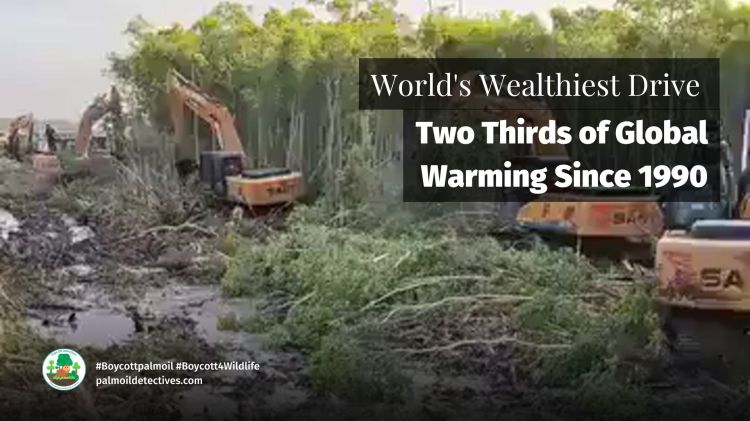
This research provides compelling evidence for the need to implement progressive climate policies that hold the wealthiest accountable for their disproportionate contributions to global warming. Such measures are essential for achieving climate justice and mitigating the impacts of climate change on the most vulnerable populations.
International Institute for Applied Systems Analysis. (2025, May 7). The world’s wealthiest 10% caused two thirds of global warming since 1990. ScienceDaily. https://www.sciencedaily.com/releases/2025/05/250507130519.htm
ENDS
Read more about deforestation and ecocide in the palm oil industry

Asian Small-clawed Otter Aonyx cinereus
Asian Small-clawed Otters are the world’s smallest otter species and are Vulnerable from palm oil tea and coffee deforestation. Protect them, boycott palm oil!
Read more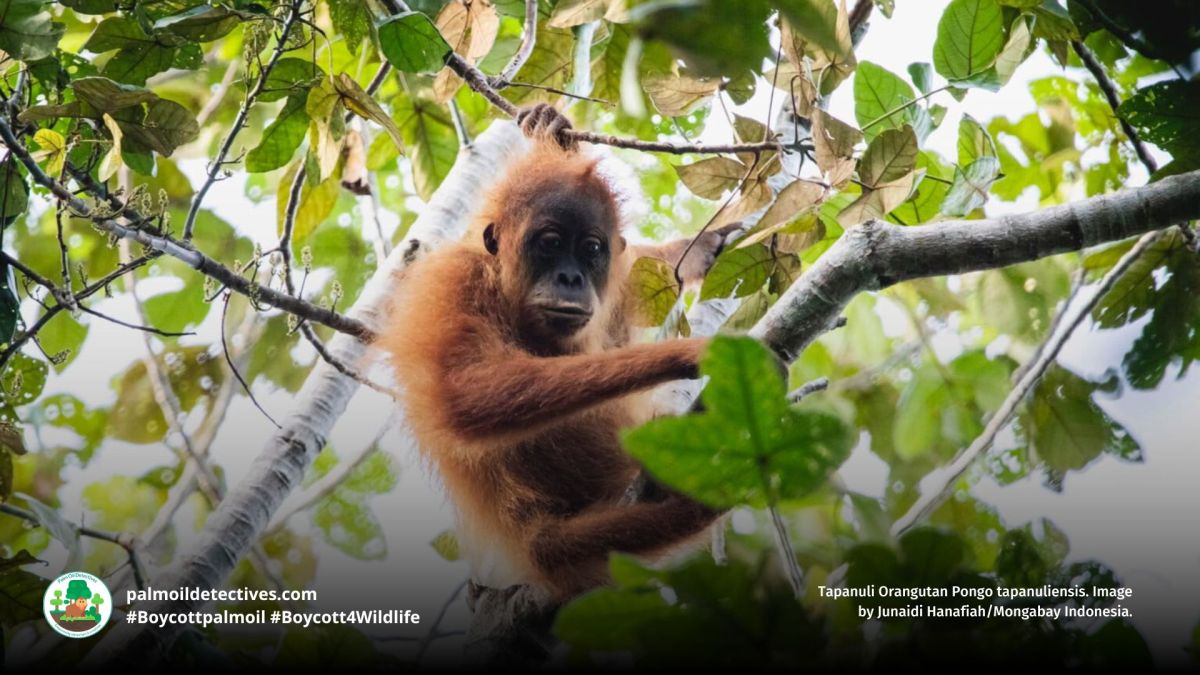
Tapanuli Orangutan Faces Extinction From Forest Protection Rollback
Save the Tapanuli orangutan! The rarest ape in the world faces extinction after floods, cyclones and now rezoning of their habitat in Sumatra #BoycottPalmOil!
Read more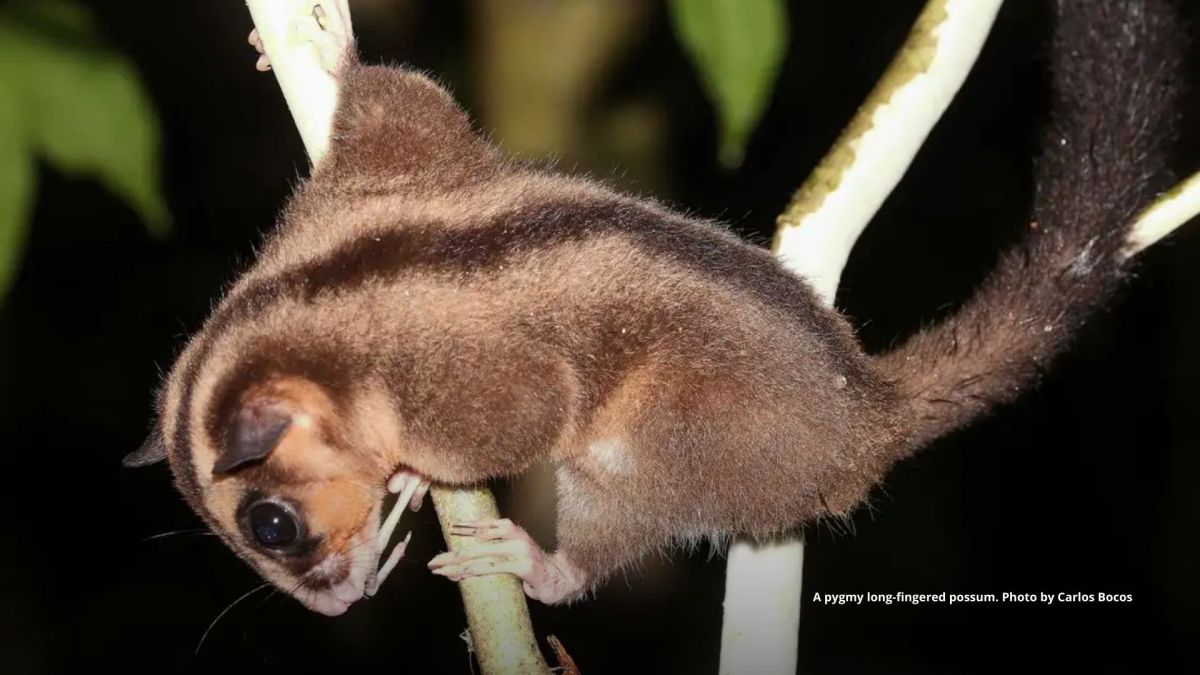
Marsupials thought extinct for 6,000 years found in West Papua
Two stunning marsupials thought extinct for 6000 years rediscovered in West Papua. Calls for rainforest protection even more urgent!
Read more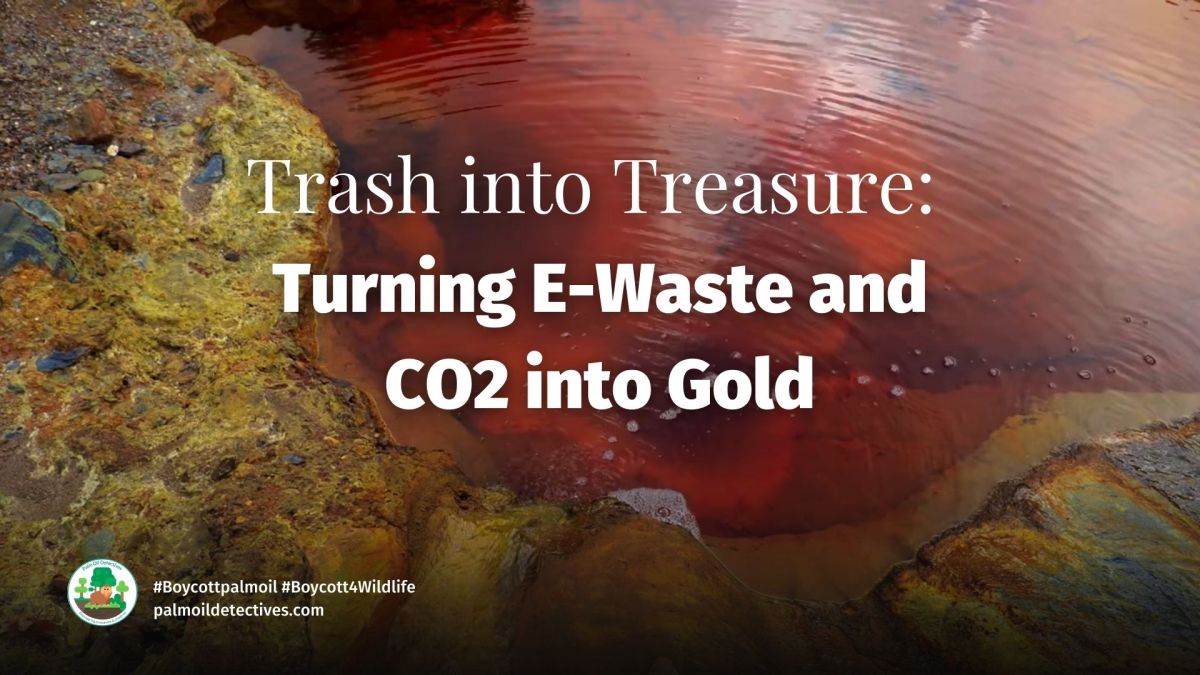
Trash into Treasure: Turning E-Waste and CO2 into Gold
Turning E-Waste and CO2 into Gold addresses e-waste challenges and contributes to CO₂ reduction efforts. Take action and boycott gold for Yanomami people!
Read more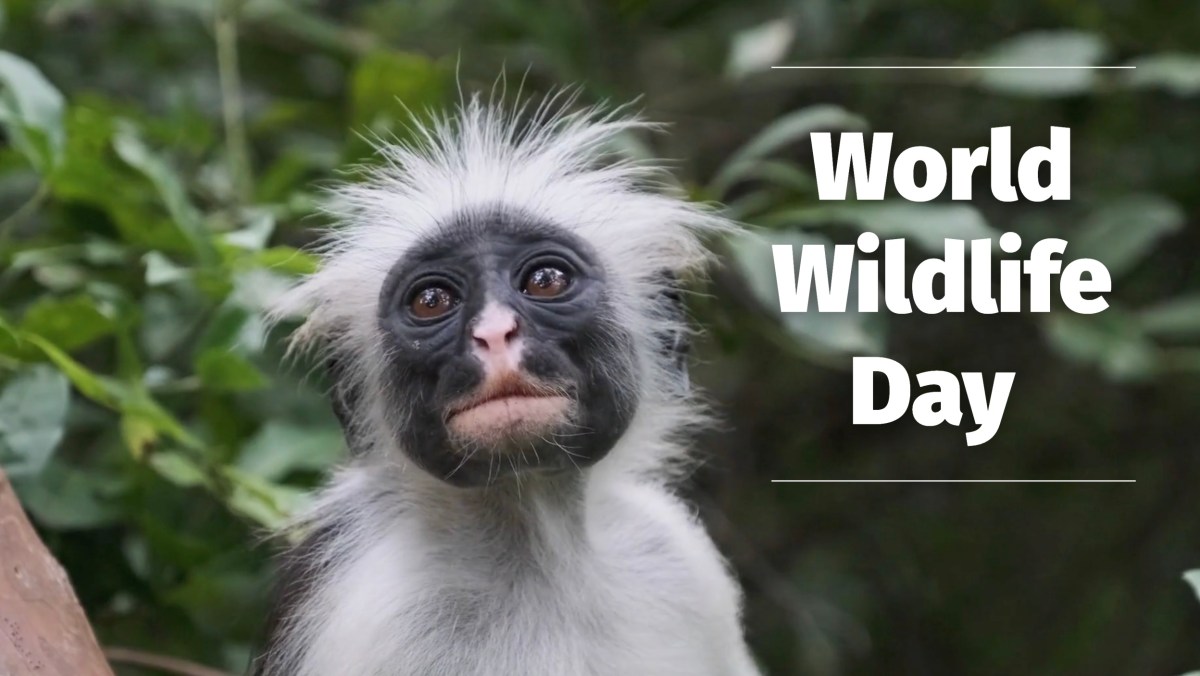
Do you love animals? Make every day #WorldWildlifeDay
This #WorldWildlifeDay take action for animals great and small! Reptiles insects, mammals and birds deserve better than palm oil ecocide and extinction. Make sure you Boycott palm oil
Read moreSomething went wrong. Please refresh the page and/or try again.
Take Action in Five Ways
1. Join the #Boycott4Wildlife on social media and subscribe to stay in the loop: Share posts from this website to your own network on Twitter, Mastadon, Instagram, Facebook and Youtube using the hashtags #Boycottpalmoil #Boycott4Wildlife.
2. Contribute stories: Academics, conservationists, scientists, indigenous rights advocates and animal rights advocates working to expose the corruption of the palm oil industry or to save animals can contribute stories to the website.


3. Supermarket sleuthing: Next time you’re in the supermarket, take photos of products containing palm oil. Share these to social media along with the hashtags to call out the greenwashing and ecocide of the brands who use palm oil. You can also take photos of palm oil free products and congratulate brands when they go palm oil free.
4. Take to the streets: Get in touch with Palm Oil Detectives to find out more.
5. Donate: Make a one-off or monthly donation to Palm Oil Detectives as a way of saying thank you and to help pay for ongoing running costs of the website and social media campaigns. Donate here
Discover more from Palm Oil Detectives
Subscribe to get the latest posts sent to your email.
 Palm Oil Detectives