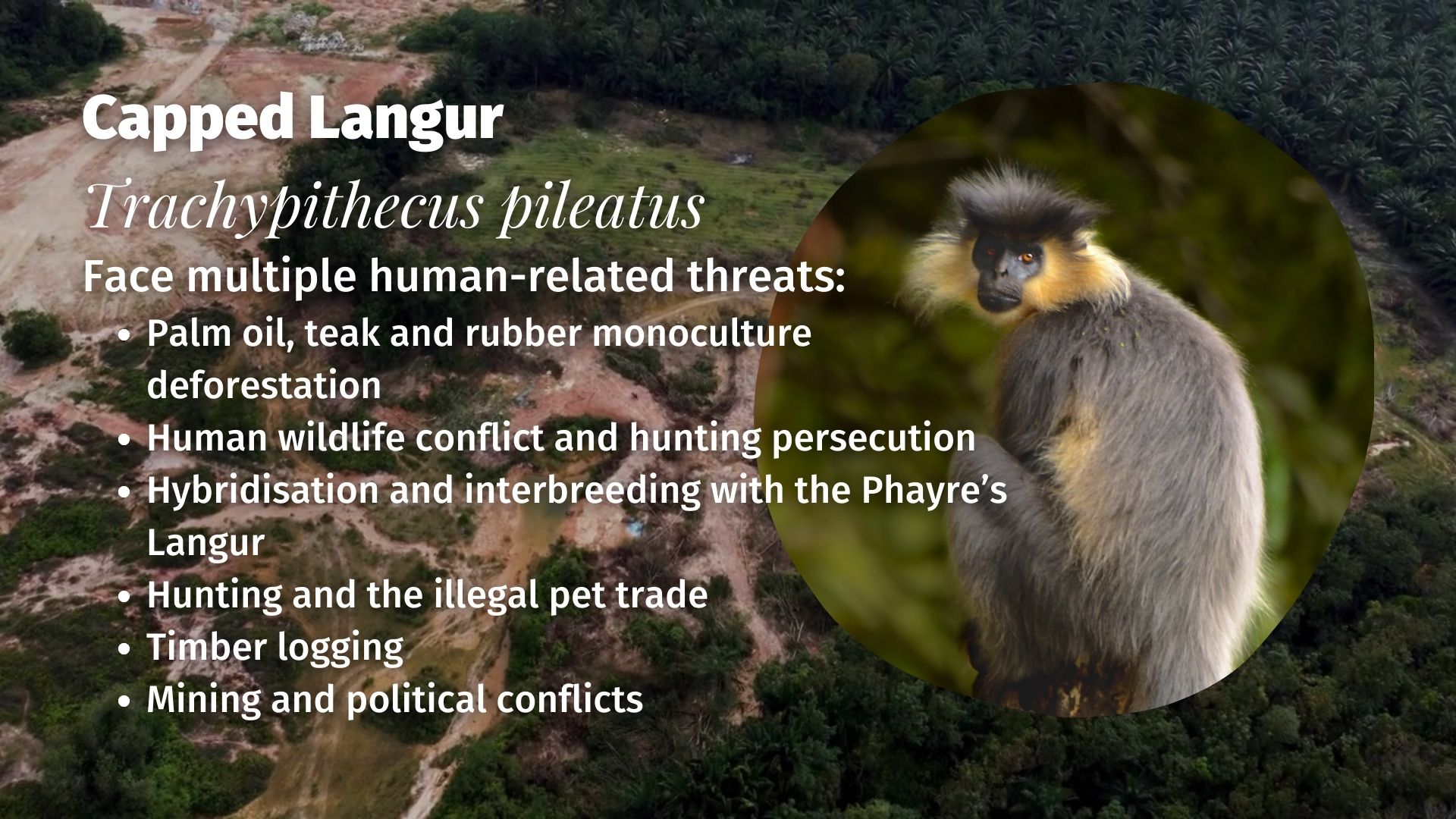
A recent study has found hybridisation (interbreeding) between critically endangered Phayre’s #langurs and endangered capped langurs in #Bangladesh, raises serious concerns about their genetic health and future survival as distinct species. Hybridisation is a serious sign of ecological disruption, and researchers point to human-related threats such as #palmoil and #timber #deforestation, habitat fragmentation, and #hunting as key drivers for them interbreeding. These pressures not only push the species to hybridise but also threaten their long-term existence in the wild, highlighting the urgent need for conservation efforts to address habitat destruction and protect these seriously endangered primates. 🌿 Help them when you shop, go #vegan and #BoycottPalmOil #Boycott4Wildlife
Beautiful Capped Langurs and Phayre’s #Langurs are interbreeding, risking both #species’ survival. Pressures of #palmoil #deforestation and #hunting are pushing the #monkeys to the edge in #Bangladesh #Boycottpalmoil #Boycott4Wildlife 🌴🚫 @palmoildetect https://wp.me/pcFhgU-9bY
Hybridisation/interbreeding of two beautiful #langur 🐵🐒species in #Bangladesh puts both #animals in serious peril finds #research study 😭. #Palmoil #deforestation is a major threat. Fight back and #Boycottpalmoil #Boycott4Wildlife 🌴🛢️⛔ @palmoildetect.bsky.social https://wp.me/pcFhgU-9bY
This article was originally published in Mongabay and was written by Mohammad Al-Masum Molla, read the original article. Republished under Creative Commons attribution licence. Research by Ahmed, T., Hasan, S., Nath, S., Biswas, S. … Roos, C. (2024). Mixed-Species Groups and Genetically Confirmed Hybridization Between Sympatric Phayre’s Langur (Trachypithecus phayrei) and Capped Langur (T. pileatus) in Northeast Bangladesh. International Journal of Primatology. doi:10.1007/s10764-024-00459-x
- Bangladesh is home to less than 500 Phayre’s langurs and 600 capped langurs in the rainforests in the country’s northeast.
- A recent study has unveiled a trend of hybridisation between Phayre’s langurs and capped langurs in Bangladesh, which are listed as critically endangered and endangered, respectively, by IUCN.
- Hybridisation is a vital indicator of ecological change, and researchers are raising serious concerns about the genetic health of the two species and their future existence in the wild.
- The study holds human activities such as deforestation, habitat fragmentation and hunting as some of the causes responsible for increasing the risk of hybridisation cases.
A recent study revealed a troubling trend among the wild monkey population in Bangladesh’s northeastern forests. The study, conducted by the German Primate Centre, unveiled a concerning tendency of hybridisation between Phayre’s langurs (Trachypithecus phayrei) and capped langurs (Trachypithecus pileatus), listed as critically endangered and endangered, respectively, within Bangladesh by IUCN.
This hybridisation of the endangered primates, which researchers of the study say is caused by habitat loss due to deforestation and other human interferences, could push them to extinction in a few generations.
“Bangladesh’s langur populations are small and isolated, limiting gene flow. This hybridisation in restricted populations heightens their extinction risk. Furthermore, our laws primarily protect pure langurs, leaving hybrids unprotected. If hybrids persist into future generations, we’ll face tough decisions about their role in our ecosystem,” Tanvir Ahmed, the study’s lead researcher, told Mongabay.
Monirul H. Khan, a professor at Jahangirnagar University’s Zoology Department, agreed with Tanvir and said that the significance of interbreeding is that these langurs don’t survive for a long time.
“They are usually born infertile. So the population of langur will gradually decrease,” he said.
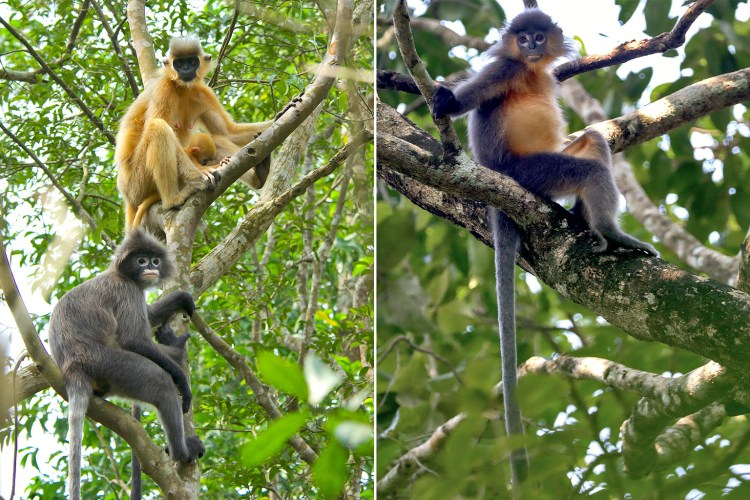
The study, published in the International Journal of Primatology, recently found that out of 98 langur groups observed, eight comprised both Phayre’s and capped langurs.
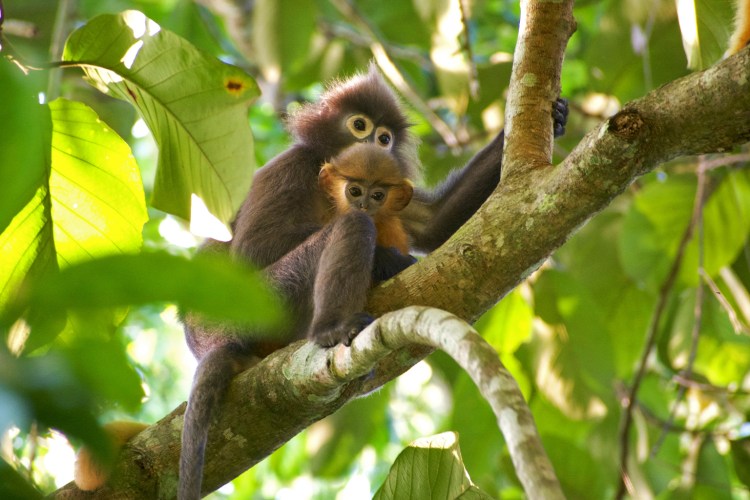
“We analysed genetic samples of the species in the lab and confirmed one case of hybridisation. This langur had a capped langur mother and a Phayre’s langur father. Another female with a hybrid appearance showed signs of motherhood, indicating that at least female hybrids are fertile and give birth to young,” Tanvir said.
“The genetic characteristics of a distinct species tend to become most threatened when their hybrid females can reproduce. Fertile hybrid females threaten to bring the two species closer together as the offsprings begin to mix characteristics. That is exactly what could be happening to them,” he said.
The research shows that the ‘spectacled’ Phayre’s langurs and the capped langurs, with their distinctive shock of black fur on their heads, are under threat of losing their distinct genetic makeup to hybridisation.
Researchers conducted the study over five years, between 2018 and 2023, in six forests in northeastern Bangladesh — Lawachara National Park, Satchari National Park, Rema-Kalenga Wildlife Sanctuary, Rajkandi Reserve Forest, Patharia Hill Reserve Forest and Atora Hill Reserve Forest.
The study involved field surveys for 92 days between March 2018 and April 2019 and from July to December 2022, employing three trained local eco-guides to monitor the mixed-species groups until October 2023.
Why hybridisation is a concern
The study shows that, although it’s relatively rare, hybridisation among primates is an escalating concern worldwide, often driven by habitat loss and fragmentation. It serves as a stark reminder of the significant impacts of human activity on biodiversity. The situation in Bangladesh gradually becoming more common emphasizes the urgent need for strong conservation efforts.
The study mentions how hybridisation is a vital indicator of ecological change, raising serious concerns about species’ genetic health. Tanvir added that this study is groundbreaking, as it documents the first hybridisation incidents among these langurs in Bangladesh and their entire distribution range.
Hybrids being fertile could lead to the extinction of the parent species. “Additionally, mixing species can enable the spread of diseases between previously unconnected populations, posing risks to both wildlife and human health, since these animals are often hunted and traded,” said Sabit Hasan, a researcher of the study.
The study blamed human activities such as palm oil deforestation, habitat fragmentation, hunting and trapping of primates as some of the causes that can increase the risk of such hybridisation.
“The existence of fertile hybrids is particularly alarming because it suggests that gene flow between these two endangered species could irreversibly affect their future genetic composition,” Tanvir said.
Primates of Bangladesh
Ten of the 121 mammal species found in Bangladesh are primates. According to the hybridisation study, Bangladesh is home to less than 500 Phayre’s langurs and 600 capped langurs.
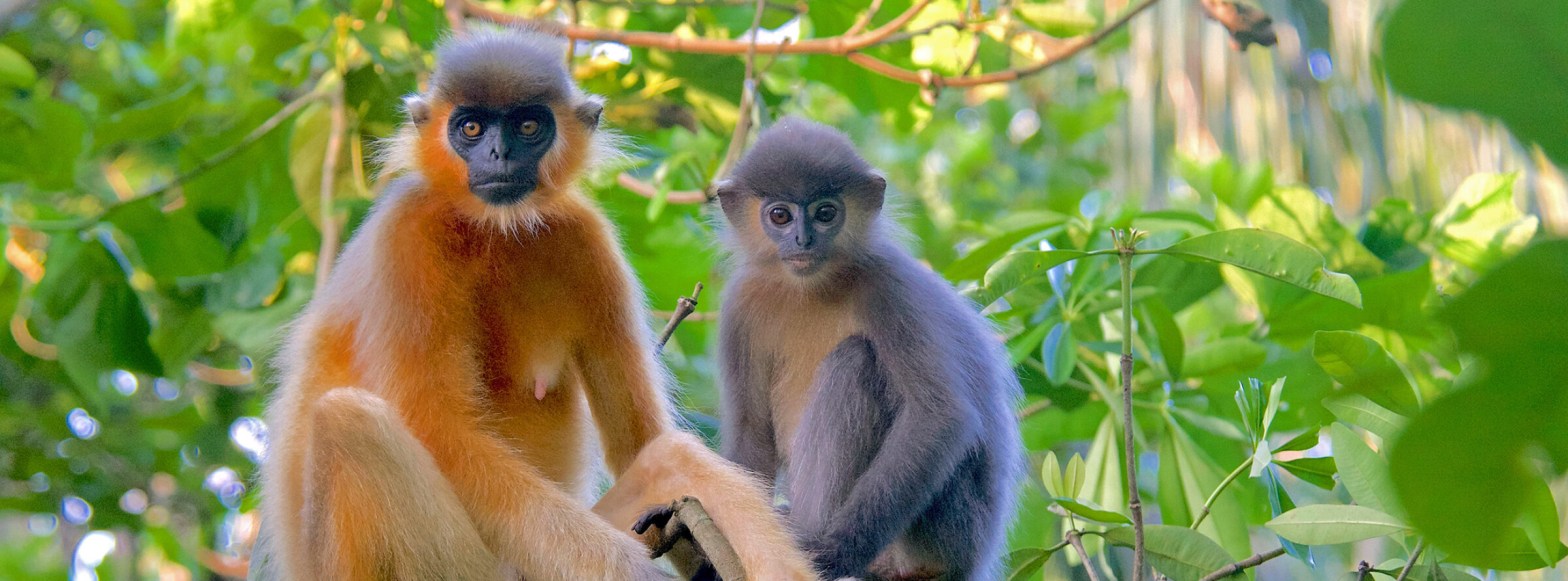
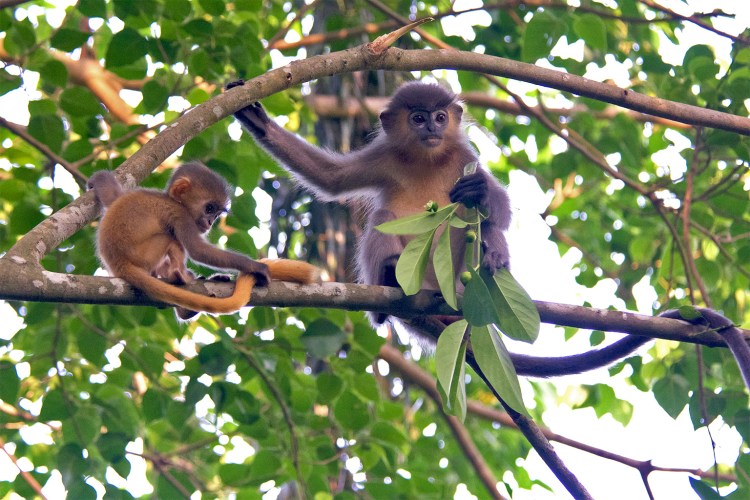
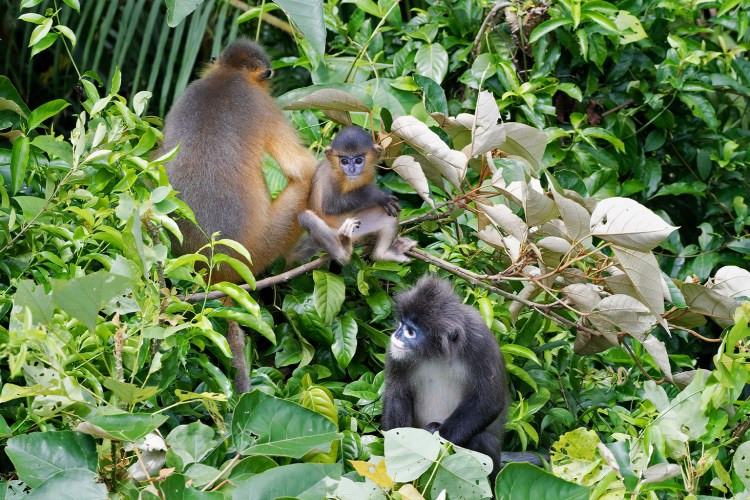
The Phayre’s langur has a brown to grey-brown back, white fur on its belly and face, and a “spectacled” appearance due to wide white rings around its eyes. Its face and extremities are black, and it has long hair on its head that points backward. Additionally, its tail is longer than its body and has a tuft of dark hair at the tip.
The capped langur is known for its distinctive crown of long, erect hairs on its head. It has a black face, grey to blackish-grey fur on top, and brownish-yellow or orange fur below, with the distal half of its tail being blackish.
The study suggested the government prioritize habitat preservation and create corridors to connect isolated primate populations, facilitating natural langur dispersal.
“If we don’t take action now, we risk losing not just two monkey species but also a vital part of Bangladesh’s biodiversity,” Tanvir said.
Banner image: The genetically confirmed hybrid (right) with its capped langur mother at Satchari National Park. Image by Harish Debbarma.
This article was originally published in Mongabay and was written by Mohammad Al-Masum Molla, read the original article. Republished under Creative Commons attribution licence. Research by Ahmed, T., Hasan, S., Nath, S., Biswas, S. … Roos, C. (2024). Mixed-Species Groups and Genetically Confirmed Hybridization Between Sympatric Phayre’s Langur (Trachypithecus phayrei) and Capped Langur (T. pileatus) in Northeast Bangladesh. International Journal of Primatology. doi:10.1007/s10764-024-00459-x
ENDS
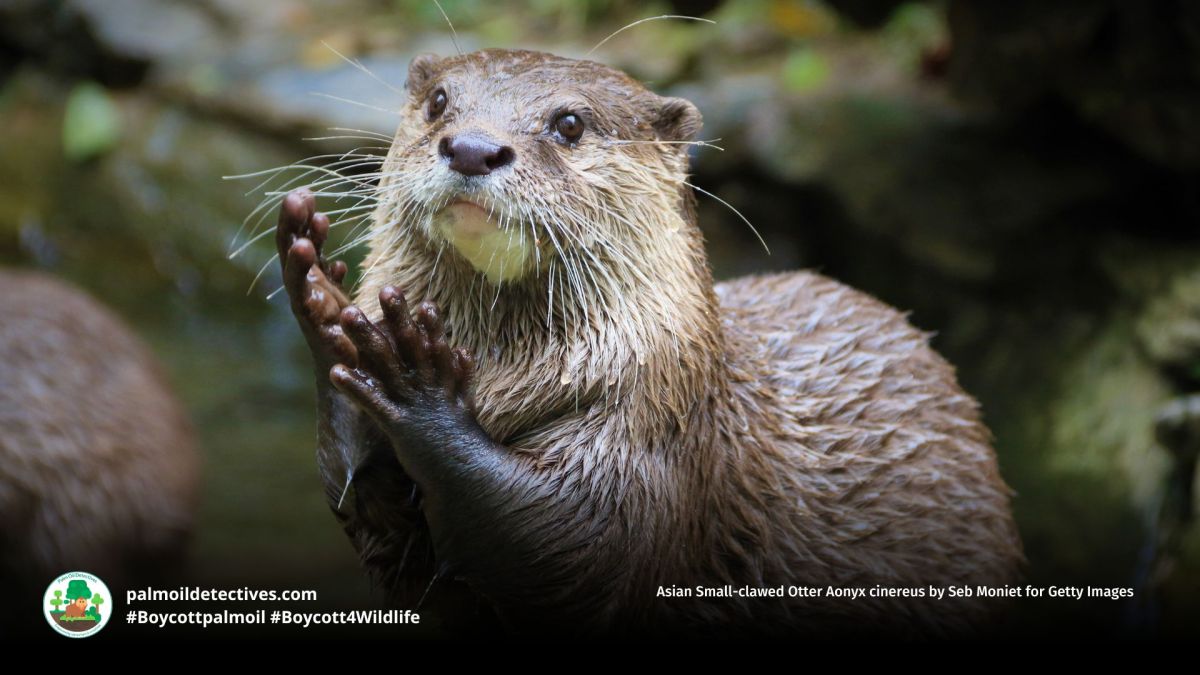
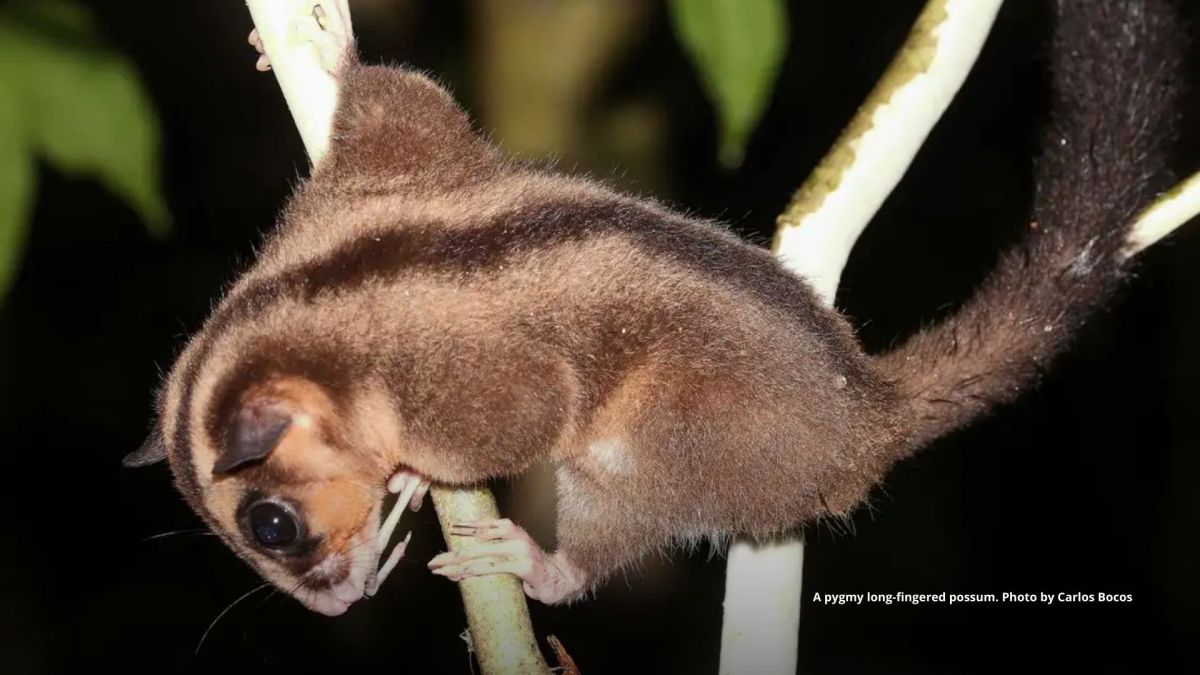
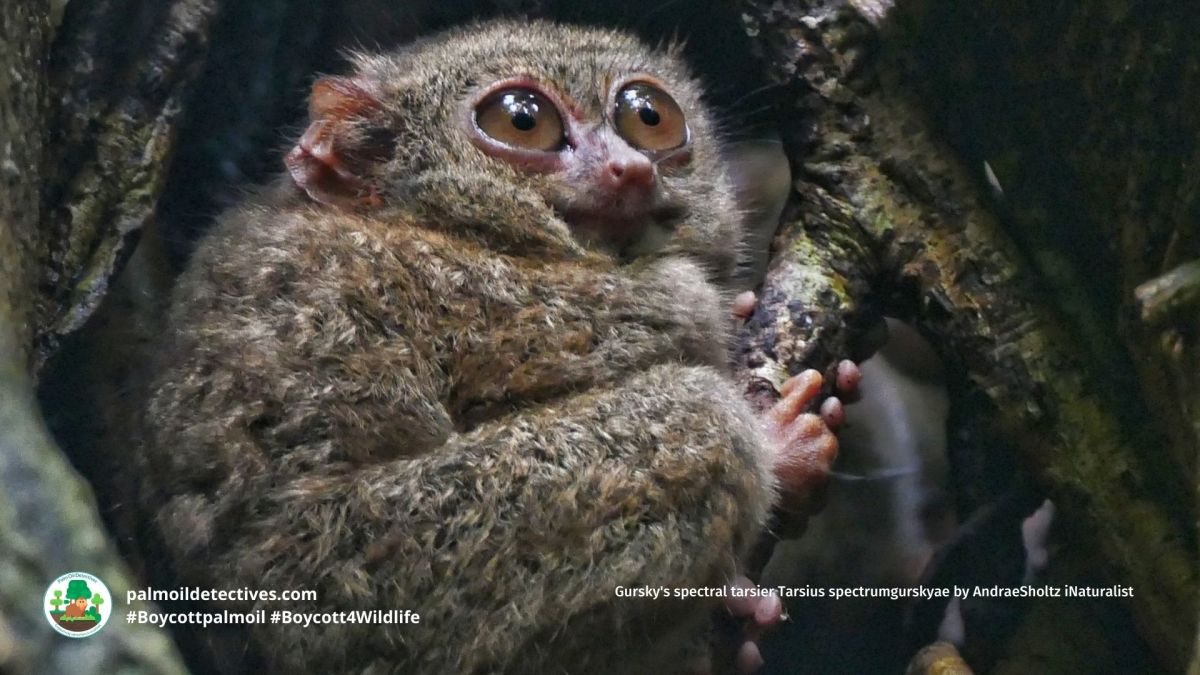
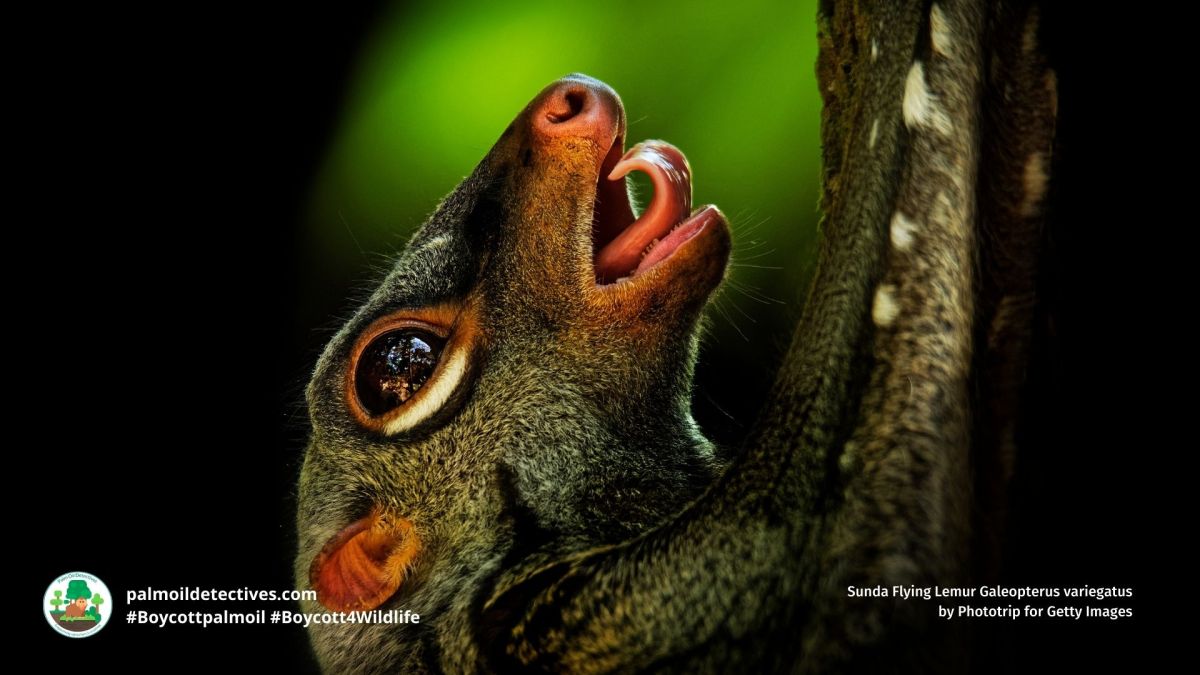
Learn about other animals endangered by palm oil and other agriculture
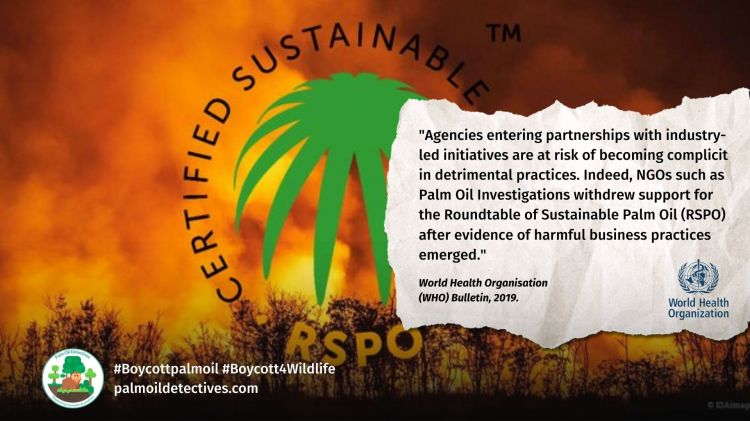
Learn about “sustainable” palm oil greenwashing
Read more about RSPO greenwashing
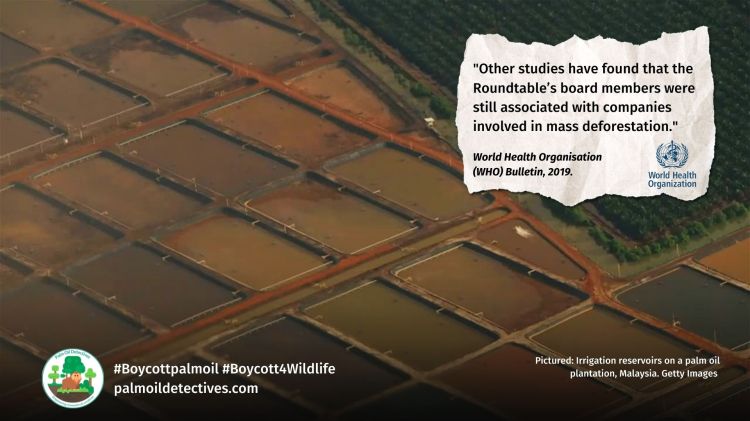
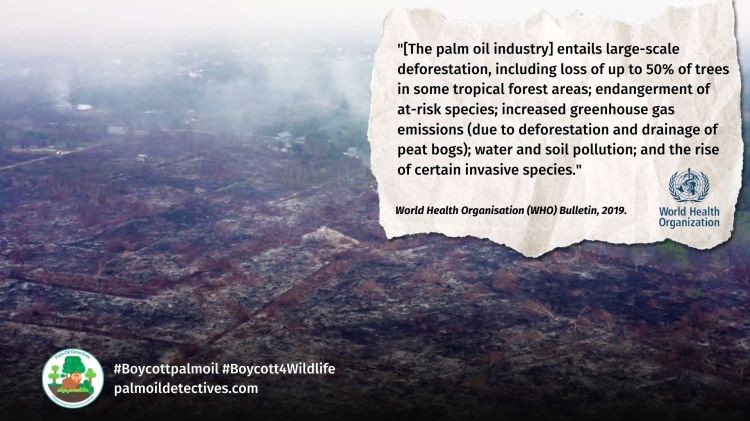
A 2019 World Health Organisation (WHO) report into the palm oil industry and RSPO finds extensive greenwashing of palm oil deforestation and the murder of endangered animals (i.e. biodiversity loss)


Take Action in Five Ways
1. Join the #Boycott4Wildlife on social media and subscribe to stay in the loop: Share posts from this website to your own network on Twitter, Mastadon, Instagram, Facebook and Youtube using the hashtags #Boycottpalmoil #Boycott4Wildlife.
2. Contribute stories: Academics, conservationists, scientists, indigenous rights advocates and animal rights advocates working to expose the corruption of the palm oil industry or to save animals can contribute stories to the website.





3. Supermarket sleuthing: Next time you’re in the supermarket, take photos of products containing palm oil. Share these to social media along with the hashtags to call out the greenwashing and ecocide of the brands who use palm oil. You can also take photos of palm oil free products and congratulate brands when they go palm oil free.
4. Take to the streets: Get in touch with Palm Oil Detectives to find out more.
5. Donate: Make a one-off or monthly donation to Palm Oil Detectives as a way of saying thank you and to help pay for ongoing running costs of the website and social media campaigns. Donate here
Discover more from Palm Oil Detectives
Subscribe to get the latest posts sent to your email.
 Palm Oil Detectives