
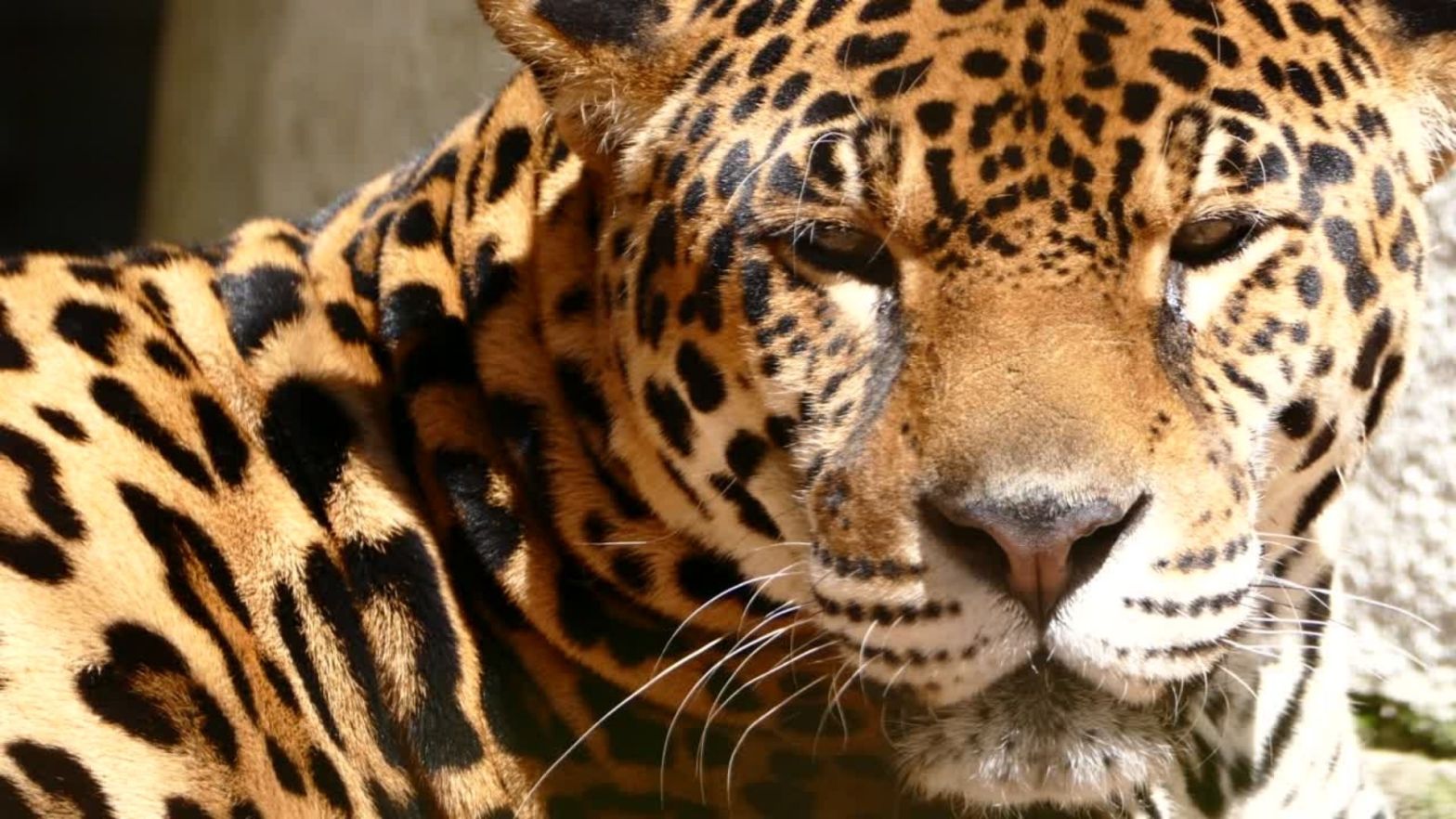
A damning Global Witness investigation exposes how JBS, the world’s largest meat company, is directly linked to deforestation in some of Brazil’s most biodiverse ecosystems, including the Amazon and Pantanal. Despite greenwashing promises, JBS continues sourcing cattle from ranchers involved in illegal deforestation in areas that overlap with protected jaguar territory—pushing iconic species like the jaguar closer to extinction. The company’s failure to track indirect suppliers undermines greenwashing and zero-deforestation claims. JBS is financed by British Bank Barclays who made a whopping $1.7 billion from this decimation of the environment. This scandal highlights the urgent need to divest your wealth from Barclays until they stop funding JBS. Also in the supermarket you can #BoycottMeat and be #vegan for not only farmed animals but also for wild animals like jaguars and countless others. #BoycottPalmOil #Boycott4Wildlife
#Meat giant 🥩☠️ #JBS is driving #deforestation in the #Amazon🐆 ❌ Jaguars are losing their home to cows killed for burgers 🤮💰 Billions in profits to #Barclays and zero accountability 📣 Divest NOW! NO to #BigCat #extinction! #Boycott4Wildlife #Vegan https://palmoildetectives.com/2026/01/21/jaguars-vs-cows-jbs-fuelling-biodiversity-collapse-in-brazils-forests/
Global Witness. (2024, May 15). Jaguars vs cows: The biodiversity crisis under JBS’s shadow. https://globalwitness.org/en/campaigns/forests/jaguars-vs-cows-the-biodiversity-crisis-under-jbs-shadow/
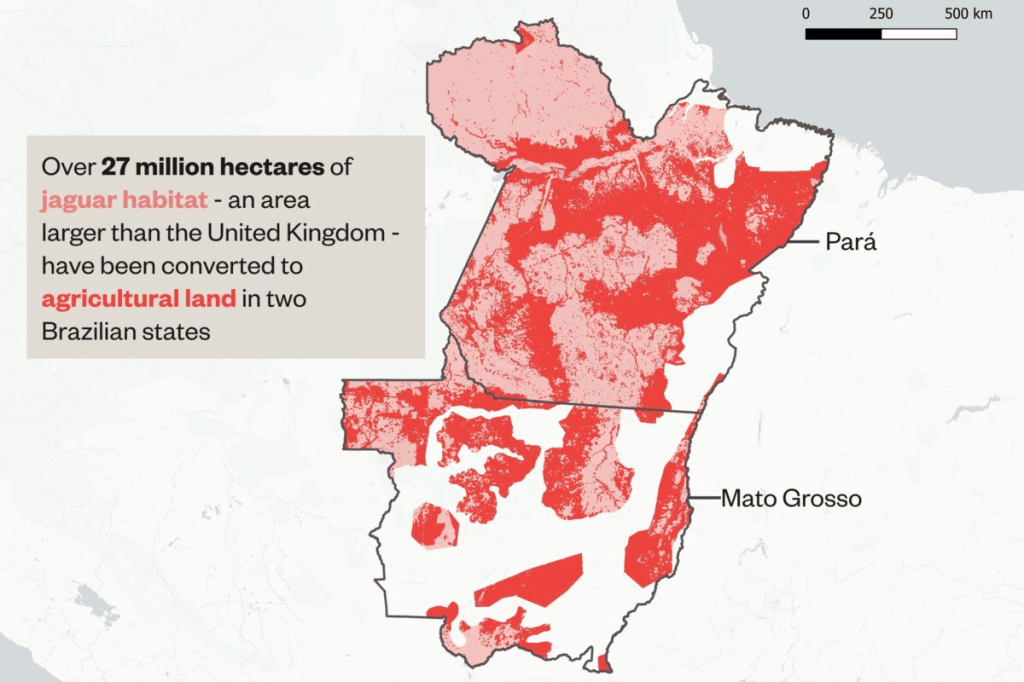
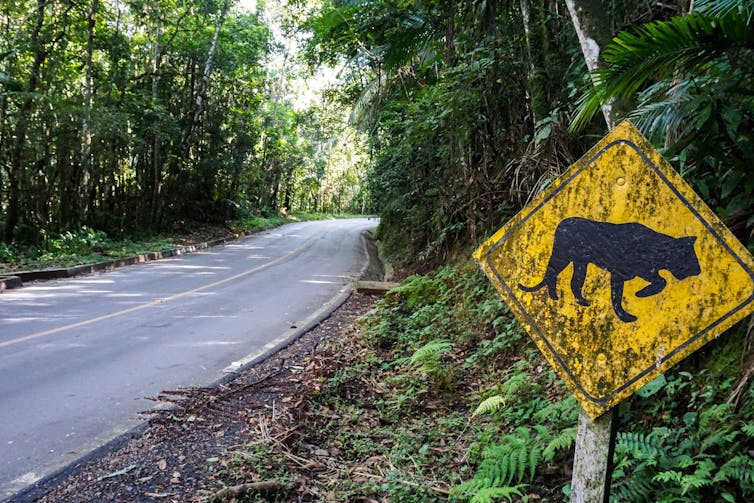
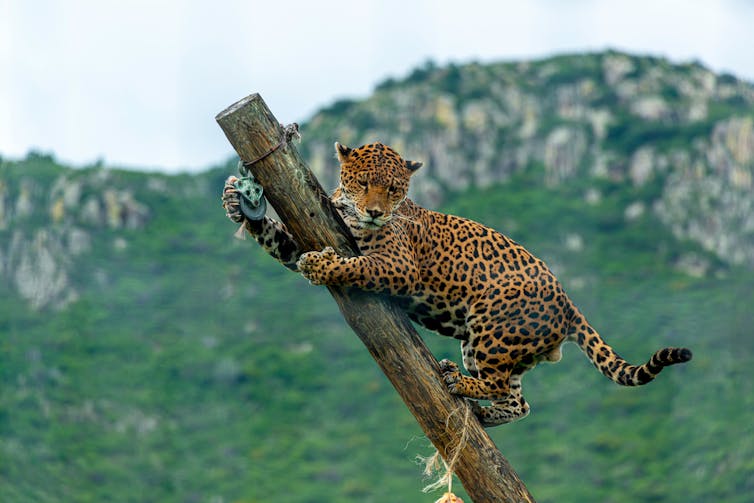
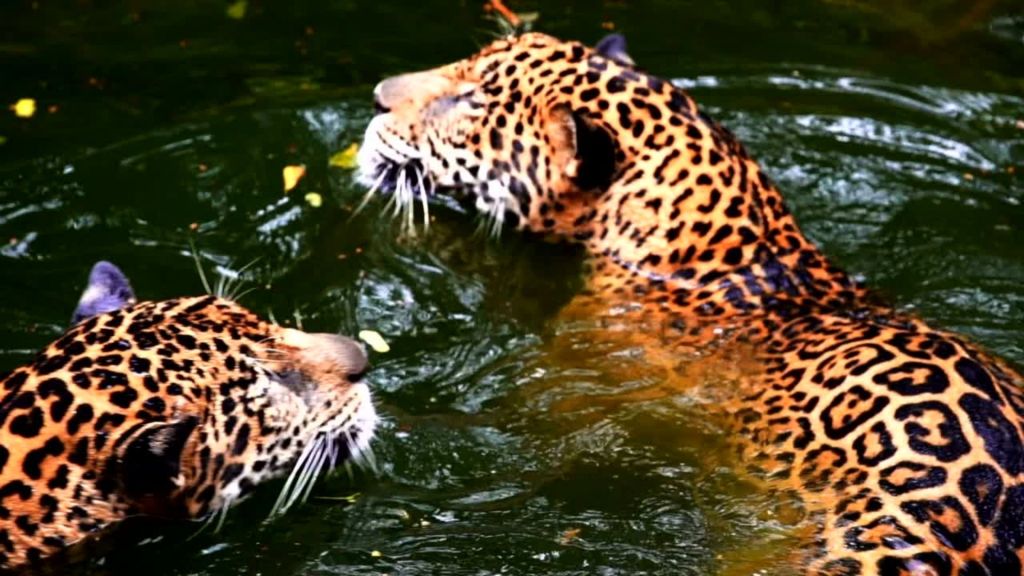
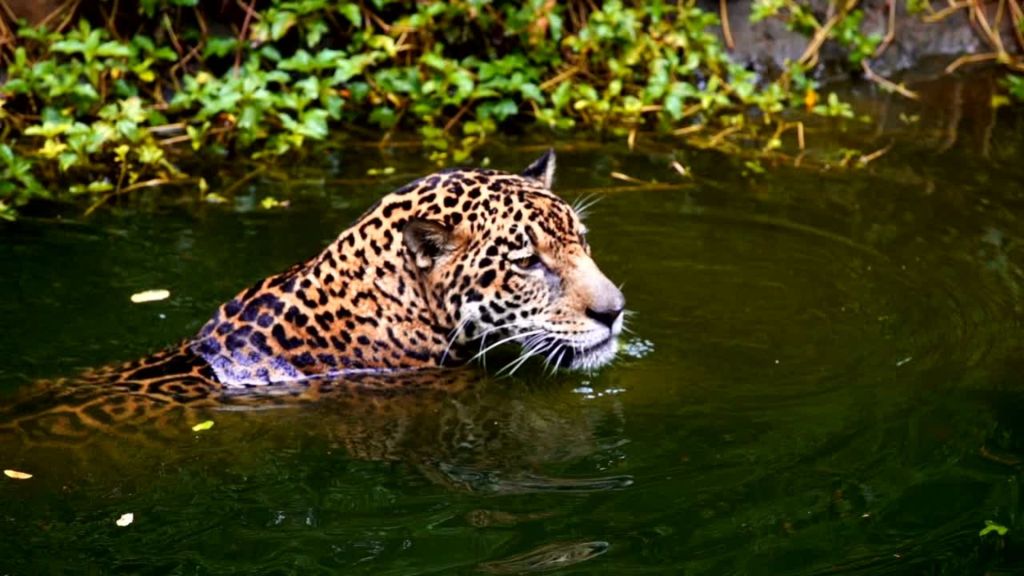
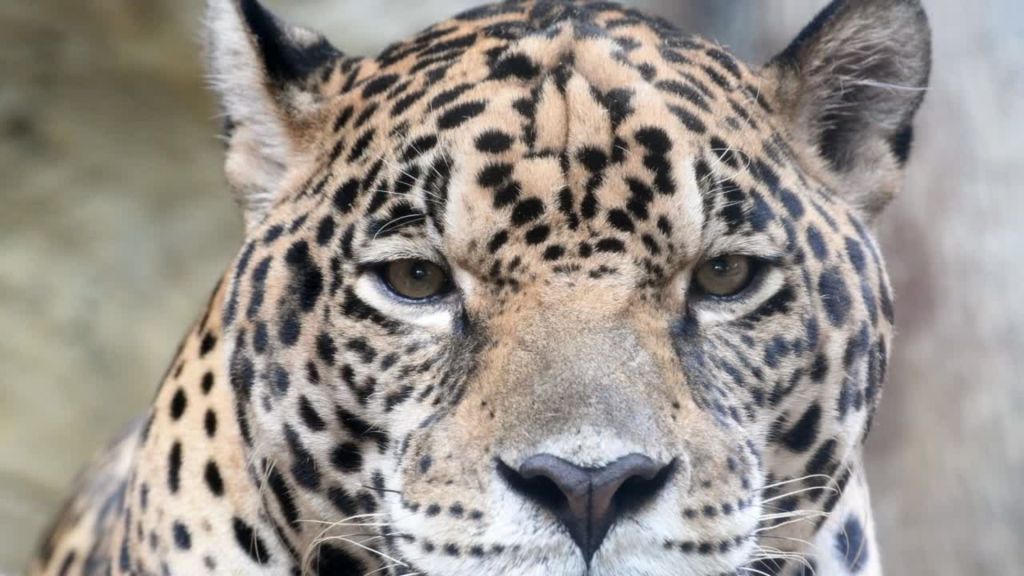
A Global Witness investigation has found that jaguars, vital guardians of Amazonian ecosystems and critical apex predators — are under siege as Brazil’s forests are cleared at alarming rates. New findings from Global Witness show that over 27 million hectares of the jaguar’s historic habitat in Brazil have been razed for industrial agriculture, particularly cattle ranching, between 2014 and 2023.
A single supplier to JBS, the world’s largest meat company, illegally cleared over 1,200 hectares of protected jaguar habitat in just a decade. Across the jaguar’s range in Pará and Mato Grosso states, 75% of farms linked to JBS’s supply chain broke environmental laws in the past five years. Deforestation and habitat fragmentation have devastated jaguar populations, classified as ‘Near Threatened’ on the IUCN Red List.
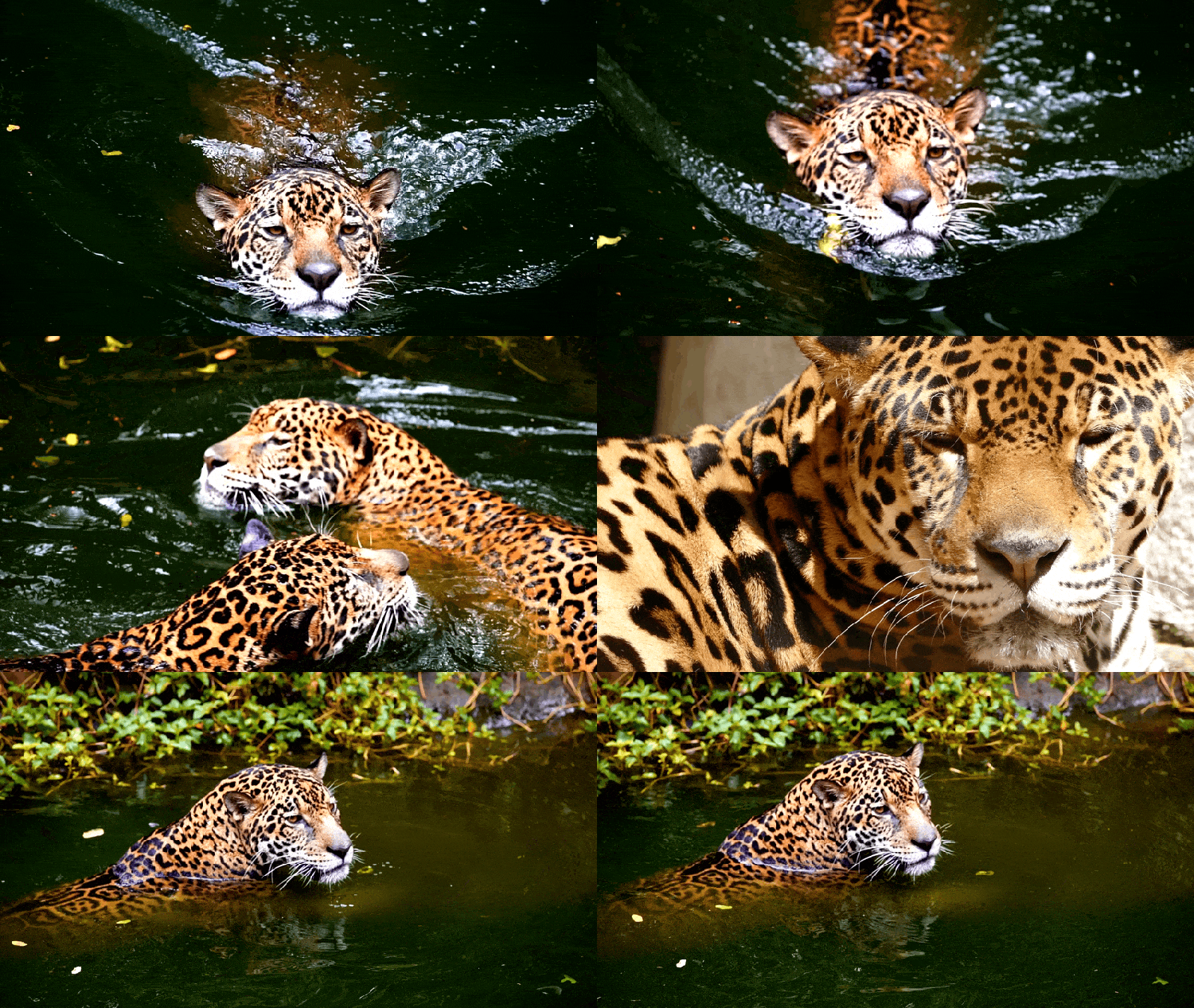
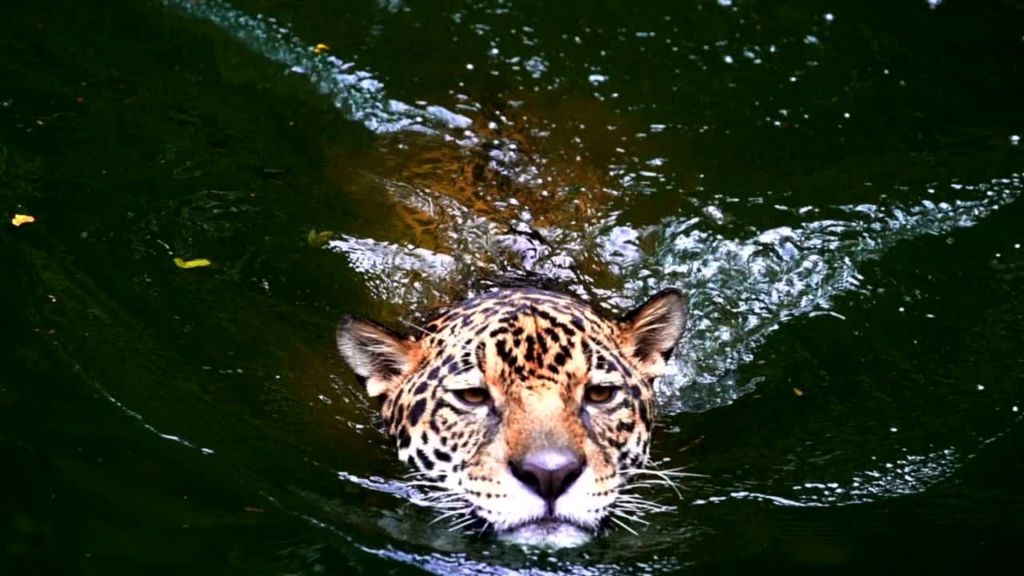
Jaguars are a keystone species, crucial to maintaining ecosystem health. Their decline ripples throughout the Amazon and Cerrado, triggering wider biodiversity loss. Meanwhile, financial institutions in Europe, China, and the US continue backing JBS despite its environmental breaches, profiting while forests fall.
With Brazil hosting COP30 this year, Global Witness is calling for world leaders to show real commitment. They must strengthen laws regulating supply chains and finance to protect remaining forests and Indigenous territories, or risk missing the 2030 deadline to halt deforestation.
Without urgent action, jaguars — once revered as guardians of the rainforest — could vanish forever.
The Global Witness investigation found over 27 million ha of jaguar habitat – an area larger than the UK – had been converted to agricultural land in the states of Mato Grosso and Pará as of 2023.
“We decided to investigate the loss of jaguar habitat driven by industrial agriculture because jaguars are a keystone species. They play a crucial role in stabilising ecosystems and maintaining biodiversity in areas such as the Amazon and Cerrado. When their territories are destroyed, the entire ecosystem suffers,” said Marco Mantovani, a Global Witness investigator leading the data analysis.
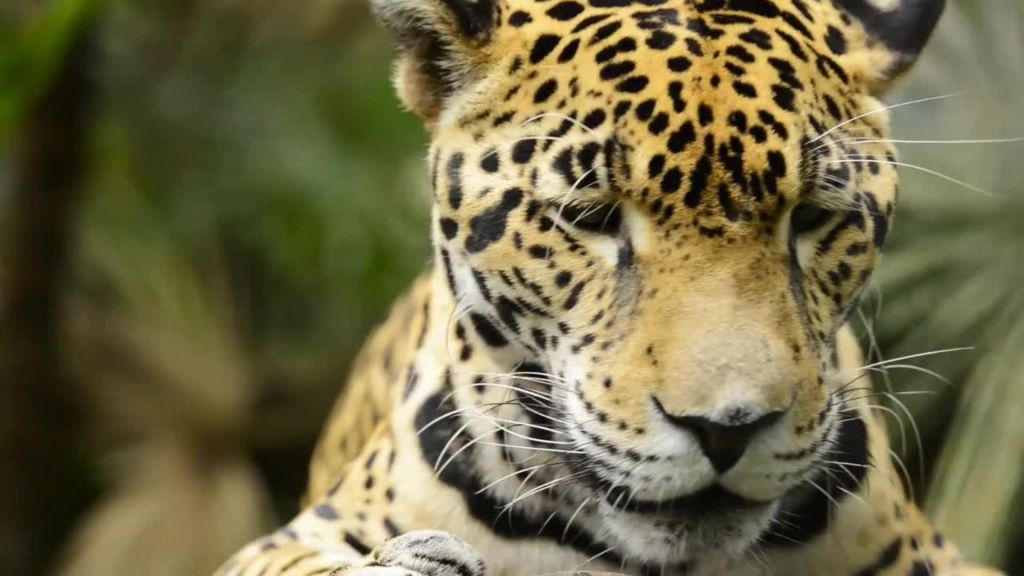
“Deforestation is a solvable issue, but it’s one where there is stalling, a lack of political will to actually meet the global agreement to end forest loss by 2030,” said Global Witness’s Reid, referring to the landmark pledge reached at COP26 in Glasgow, Scotland, in 2021.
She told Mongabay that she hopes that at COP30 countries will put forward plans “to actually deliver [on] their commitments when it comes to forest loss.”
British banking giant Barclays was a main financier of the megaproject and made an extraordinary $1.7 billion from financing JBS, surpassing 30 other global financial institutions bankrolling the meatpacker. A key way to take action is to not only boycott meat in solidarity to cows and jaguars, but to also divest your funds from Barclays.
Global Witness. (2024, May 15). Jaguars vs cows: The biodiversity crisis under JBS’s shadow. https://globalwitness.org/en/campaigns/forests/jaguars-vs-cows-the-biodiversity-crisis-under-jbs-shadow/
ENDS
Read more about deforestation and ecocide in the palm oil industry
Asian Small-clawed Otter Aonyx cinereus
Asian Small-clawed Otters are the world’s smallest otter species and are Vulnerable from palm oil tea and coffee deforestation. Protect them, boycott palm oil!
Read more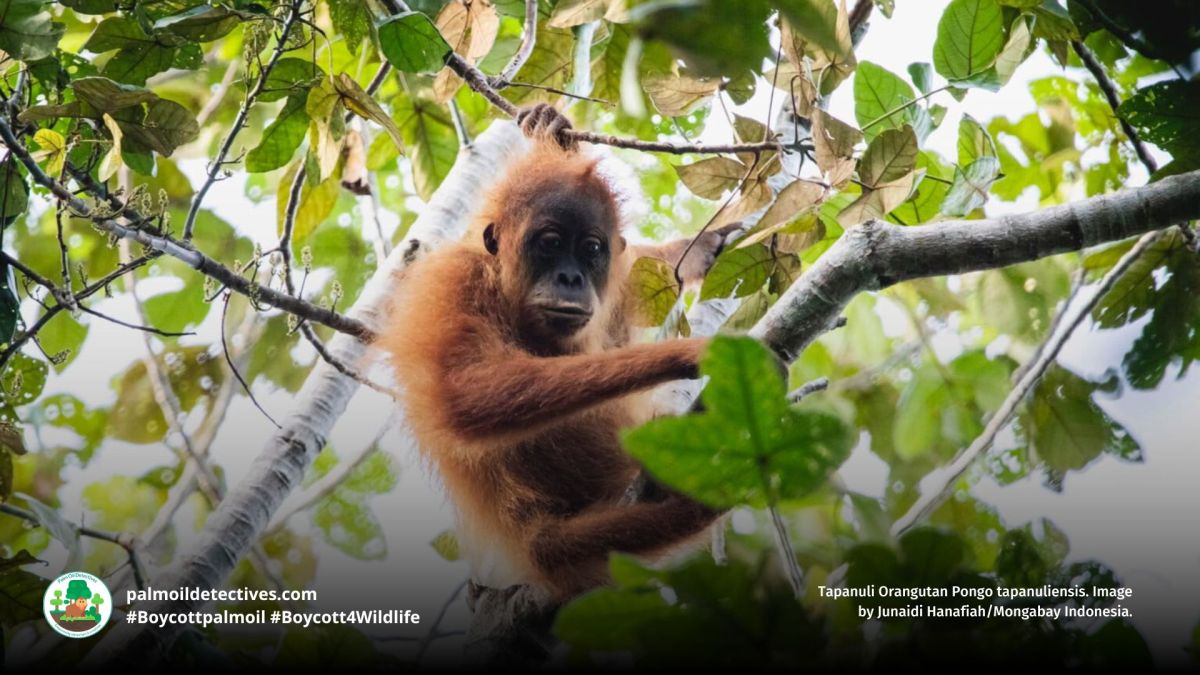
Tapanuli Orangutan Faces Extinction From Forest Protection Rollback
Save the Tapanuli orangutan! The rarest ape in the world faces extinction after floods, cyclones and now rezoning of their habitat in Sumatra #BoycottPalmOil!
Read more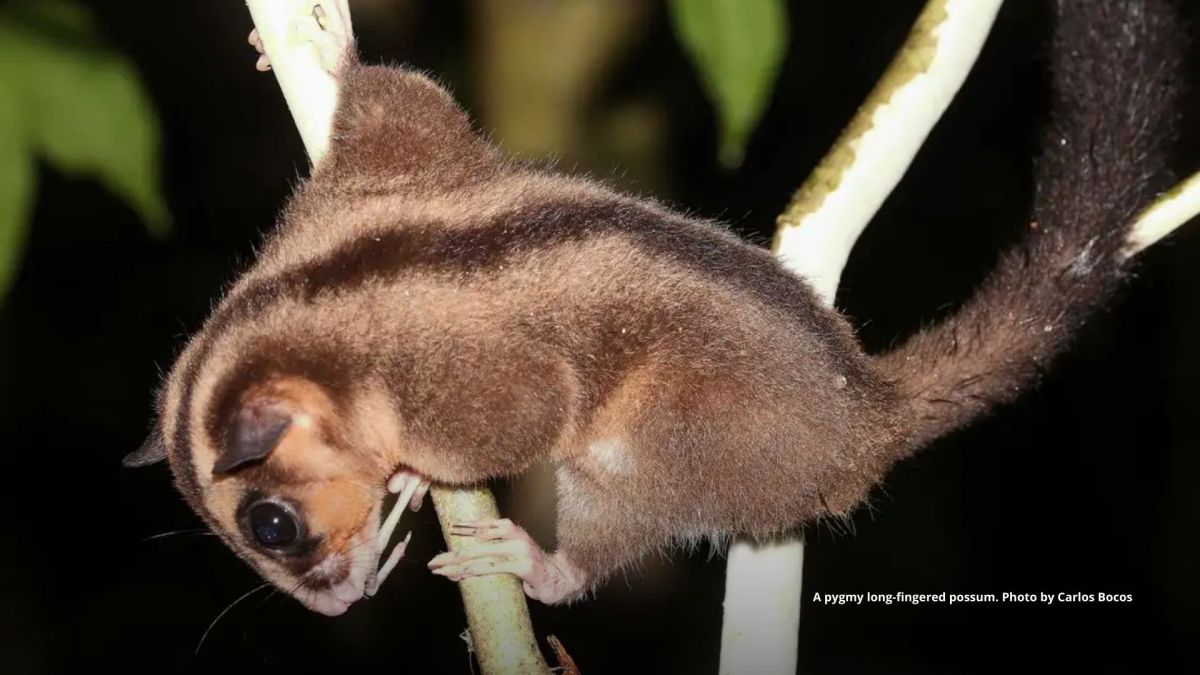
Marsupials thought extinct for 6,000 years found in West Papua
Two stunning marsupials thought extinct for 6000 years rediscovered in West Papua. Calls for rainforest protection even more urgent!
Read more
Trash into Treasure: Turning E-Waste and CO2 into Gold
Turning E-Waste and CO2 into Gold addresses e-waste challenges and contributes to CO₂ reduction efforts. Take action and boycott gold for Yanomami people!
Read more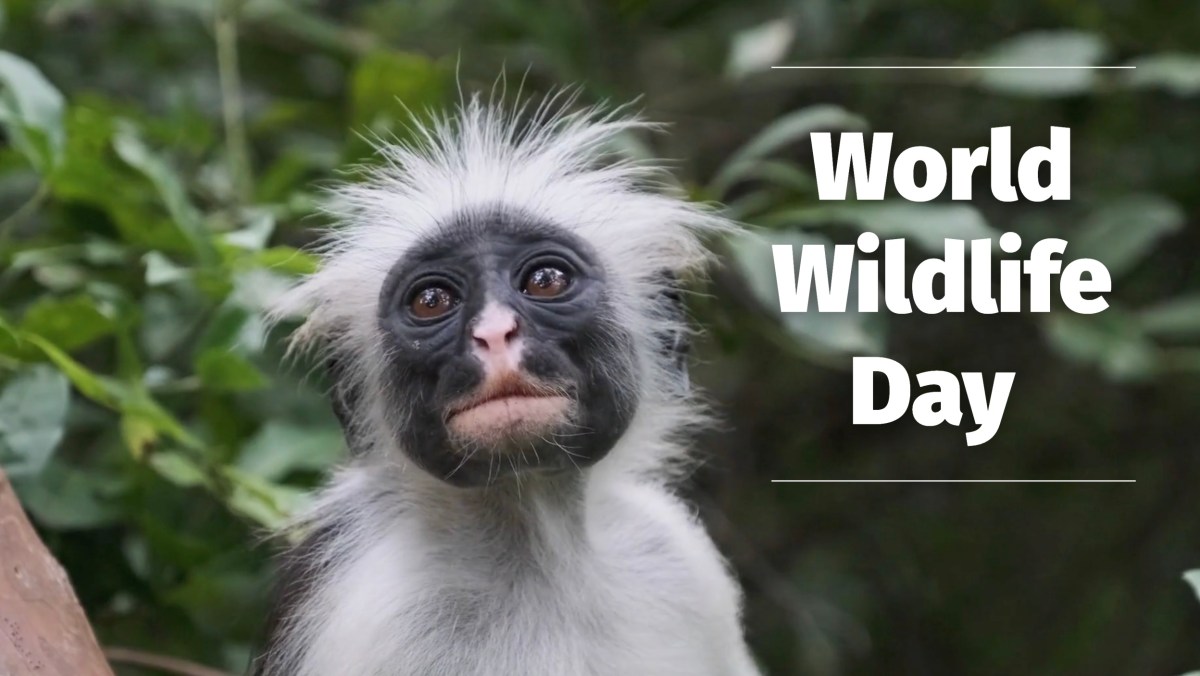
Do you love animals? Make every day #WorldWildlifeDay
This #WorldWildlifeDay take action for animals great and small! Reptiles insects, mammals and birds deserve better than palm oil ecocide and extinction. Make sure you Boycott palm oil
Read moreSomething went wrong. Please refresh the page and/or try again.
Take Action in Five Ways
1. Join the #Boycott4Wildlife on social media and subscribe to stay in the loop: Share posts from this website to your own network on Twitter, Mastadon, Instagram, Facebook and Youtube using the hashtags #Boycottpalmoil #Boycott4Wildlife.
2. Contribute stories: Academics, conservationists, scientists, indigenous rights advocates and animal rights advocates working to expose the corruption of the palm oil industry or to save animals can contribute stories to the website.






3. Supermarket sleuthing: Next time you’re in the supermarket, take photos of products containing palm oil. Share these to social media along with the hashtags to call out the greenwashing and ecocide of the brands who use palm oil. You can also take photos of palm oil free products and congratulate brands when they go palm oil free.
4. Take to the streets: Get in touch with Palm Oil Detectives to find out more.
5. Donate: Make a one-off or monthly donation to Palm Oil Detectives as a way of saying thank you and to help pay for ongoing running costs of the website and social media campaigns. Donate here
Discover more from Palm Oil Detectives
Subscribe to get the latest posts sent to your email.
 Palm Oil Detectives