

Many people know that chimpanzees and orangutans have personalities, feel emotions and are “almost human”. However a recent paper has found that great apes also have a mid-life slump or a “midlife crisis”. Great apes (chimpanzees, bonobos, gorillas and orangutans) are just as socially, politically and cognitively complex as we are. Our “hairy” great ape relatives are like us in every respect. Help them to survive when you shop and be #Vegan #BoycottPalmOil #Boycott4Wildlife
Tag Archives: animal communication
Bonobos Can Inspire More Peaceful Democracies
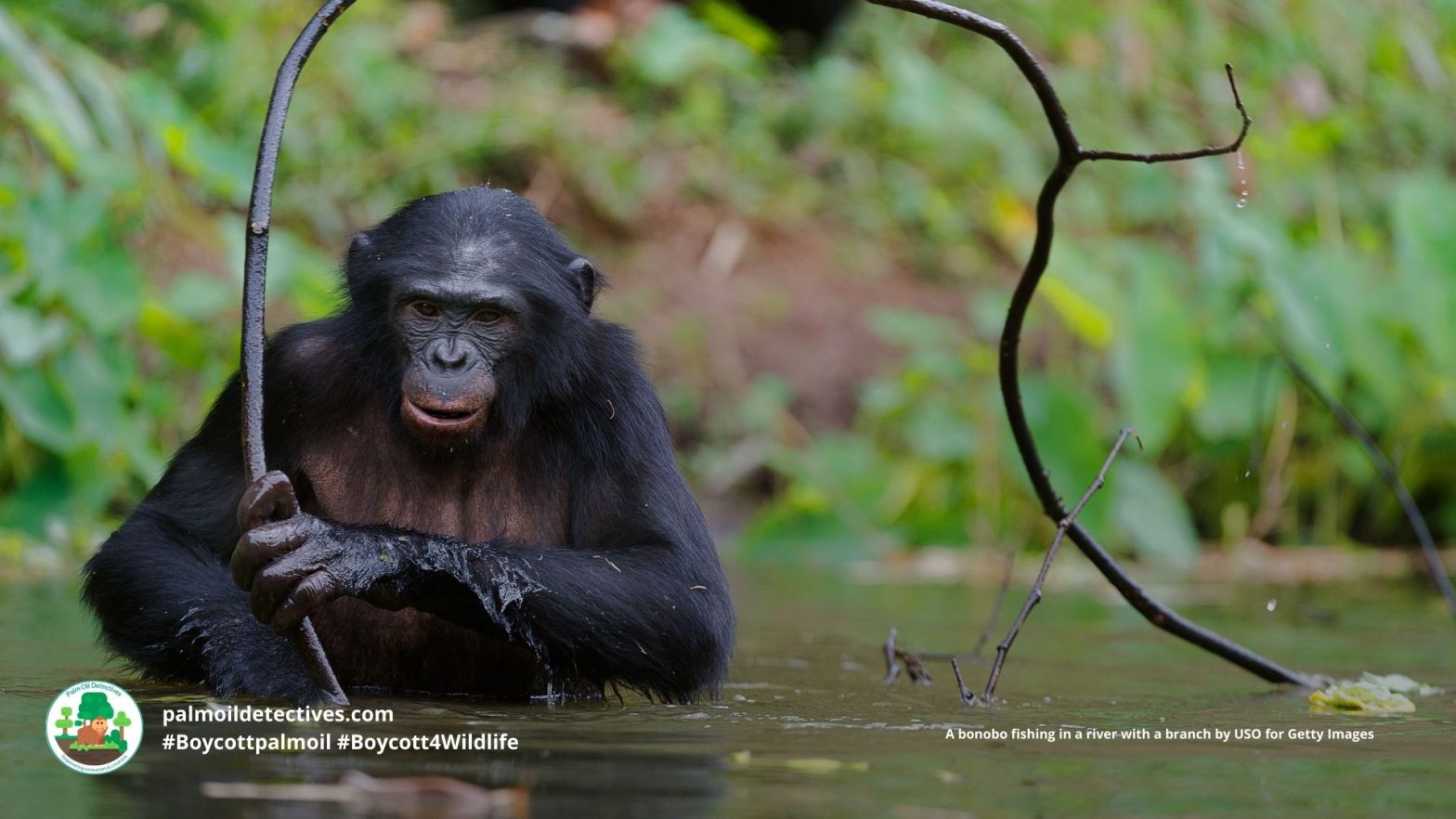
Bonobos can inspire a more peaceful democracy. Primatologists explain the fascinating lives of these mostly peaceful primates. Boycott palm oil when you shop!
Humans and Bonobos Share Contagious Yawn Behaviour
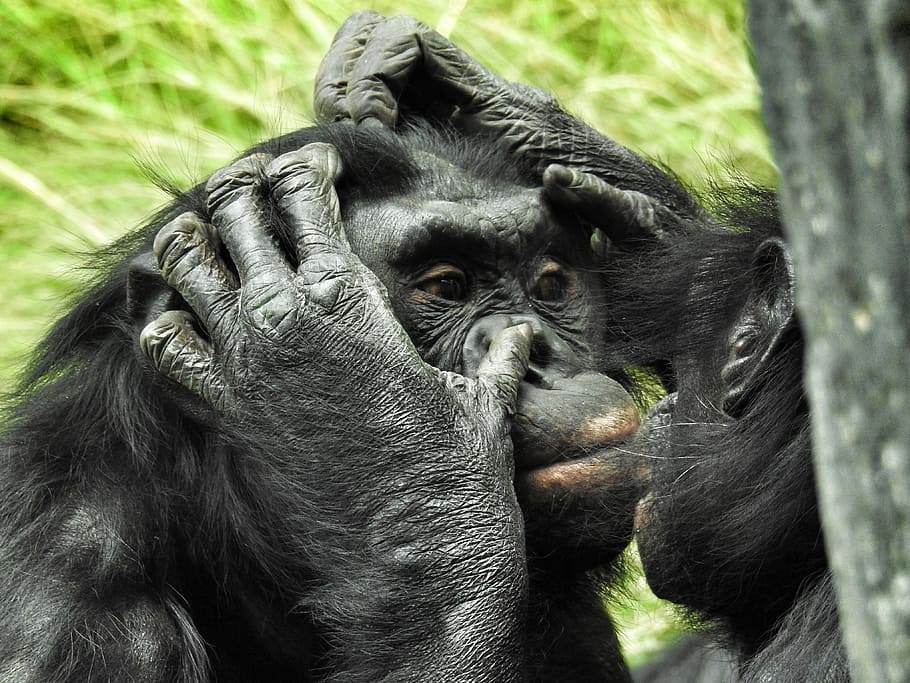
Most of us have experienced the overwhelming urge to yawn in response to another person yawning – but we’re not the only species to do this. Research published in PeerJ shows that bonobos – our closest evolutionary cousins – also experience “yawn contagion”. Similarly to how yawning occurs in human beings, the effects of yawn contagion in bonobos is influenced by the quality of relationships shared between individuals.
The tendency for humans to mirror the behaviours and emotions of another – sometimes referred to as “emotional contagion” – is also thought to reflect our heightened capacity for empathy. Help all non-human primates to survive extinction and be #Vegan #BoycottPalmOil #Boycott4Wildlife.
For primates, having a mother helps them learn social skills
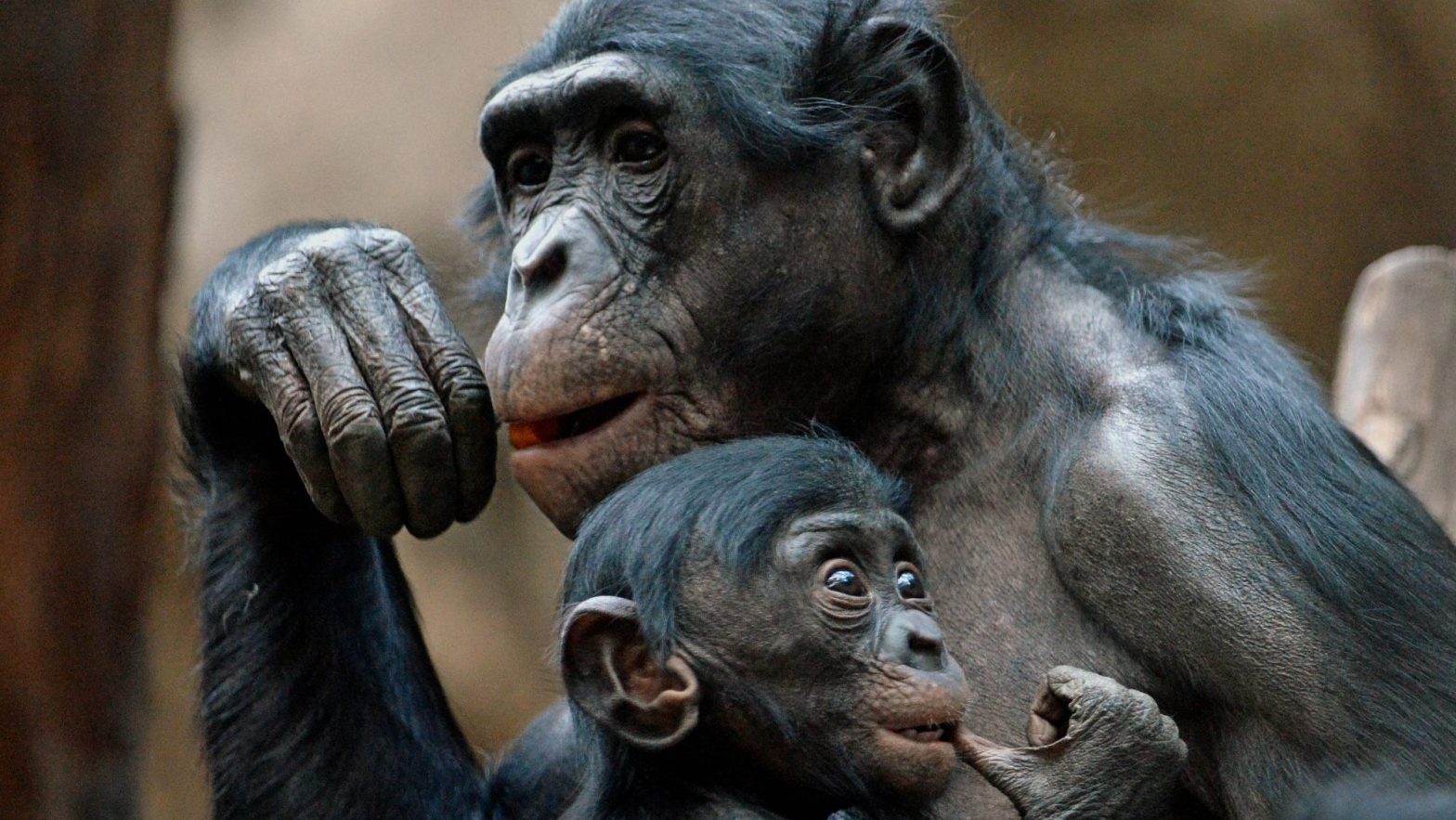
Wild #bonobos, like other Great #Apes and humans, spend long childhoods with their mothers, learning the social skills they need to function as emotionally stable members of their community. But orphaned bonobos at sanctuaries don’t have that kind of upbringing. Can they still learn the skills they need to get by in bonobo society? A study by Zanna Clay and Frans de Waal in PNAS found that the mother-infant bond is vital in developing healthy social and emotional skills. Help these mighty and intelligent primates when you shop and #BoycottPalmOil #Boycott4Wildlife
What’s my name? How wild parrots identify their young
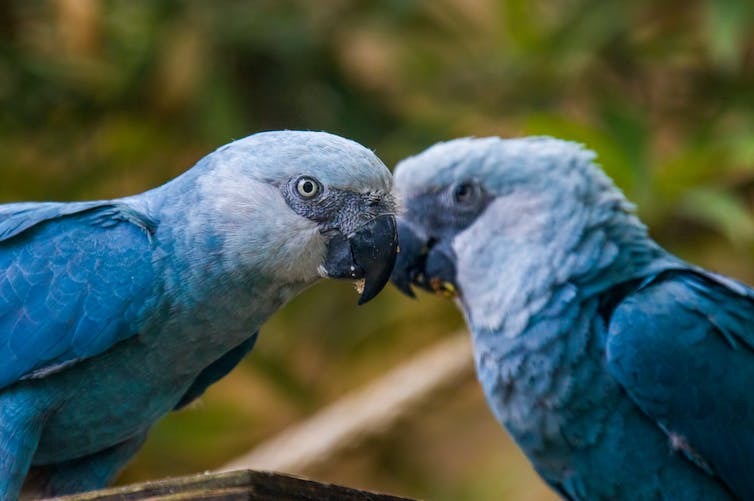
Ground-breaking research has found that wild parrots teach their chicks unique sound signatures so that they can identify their parents. We are only just scratching the surface of knowledge about these immensely intelligent non-human beings, protect them! Be #Vegan and #BoycottPalmOil #Boycott4Wildlife
Rainbow Cliffs: Why Parrots in the Amazon Eat Clay
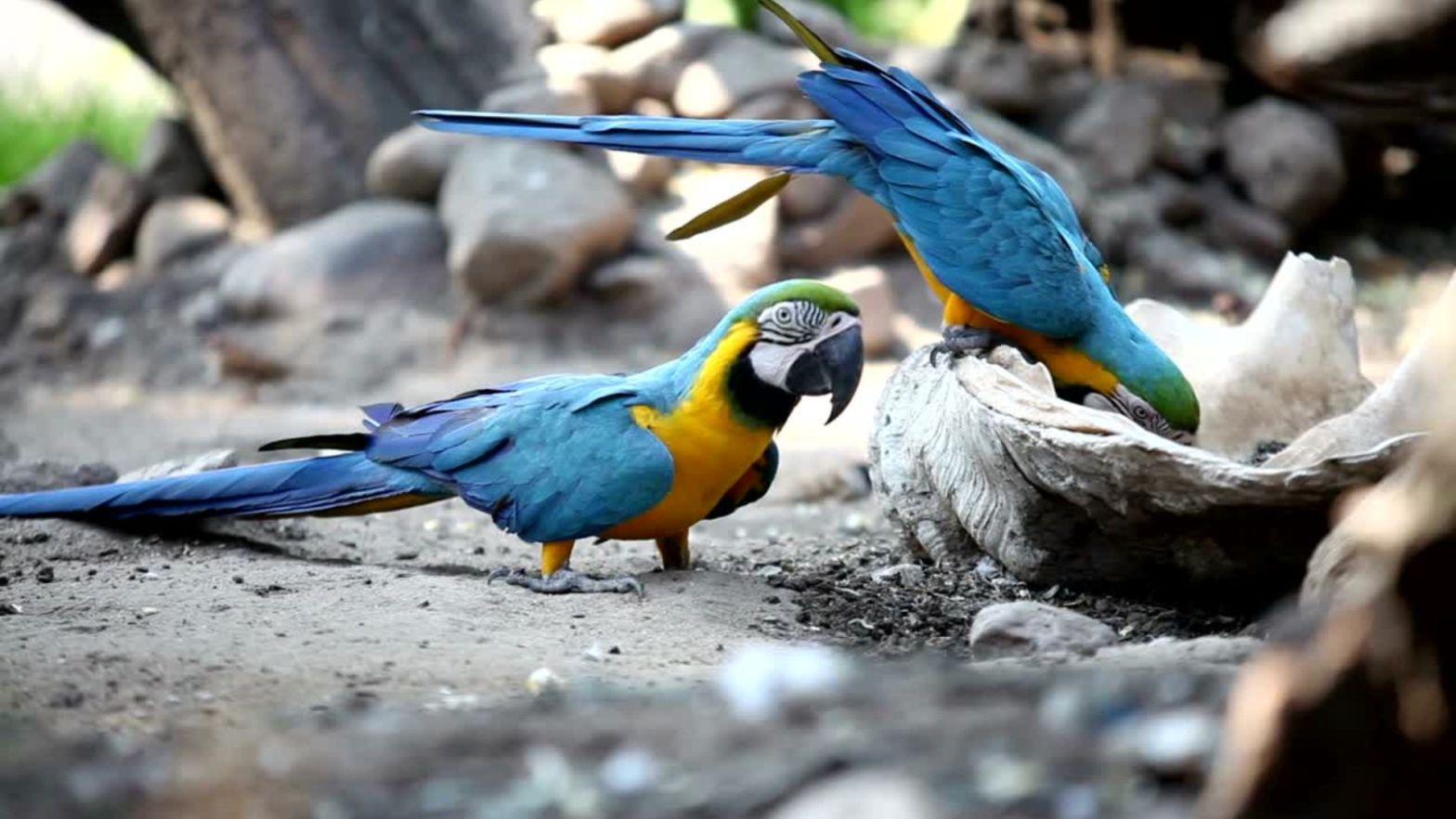
Our world holds a whole host of glorious natural spectacles, from great starling murmurations to the ethereal display of coral reef spawning. But none is more thrilling than catching a glimpse of a majestic #macaw.
Screeching their way through the #Amazon rainforest, leaving scattered fruit, broken branches, and a considerable quantity of parrot poop in their wake, #parrots are simply animals like no other. But high in the treetops, flying far above the dense, dark foliage below, how can you ensure that you see their bright colours? A safe bet is to find a clay lick.
Inside the colourful world of animal vision
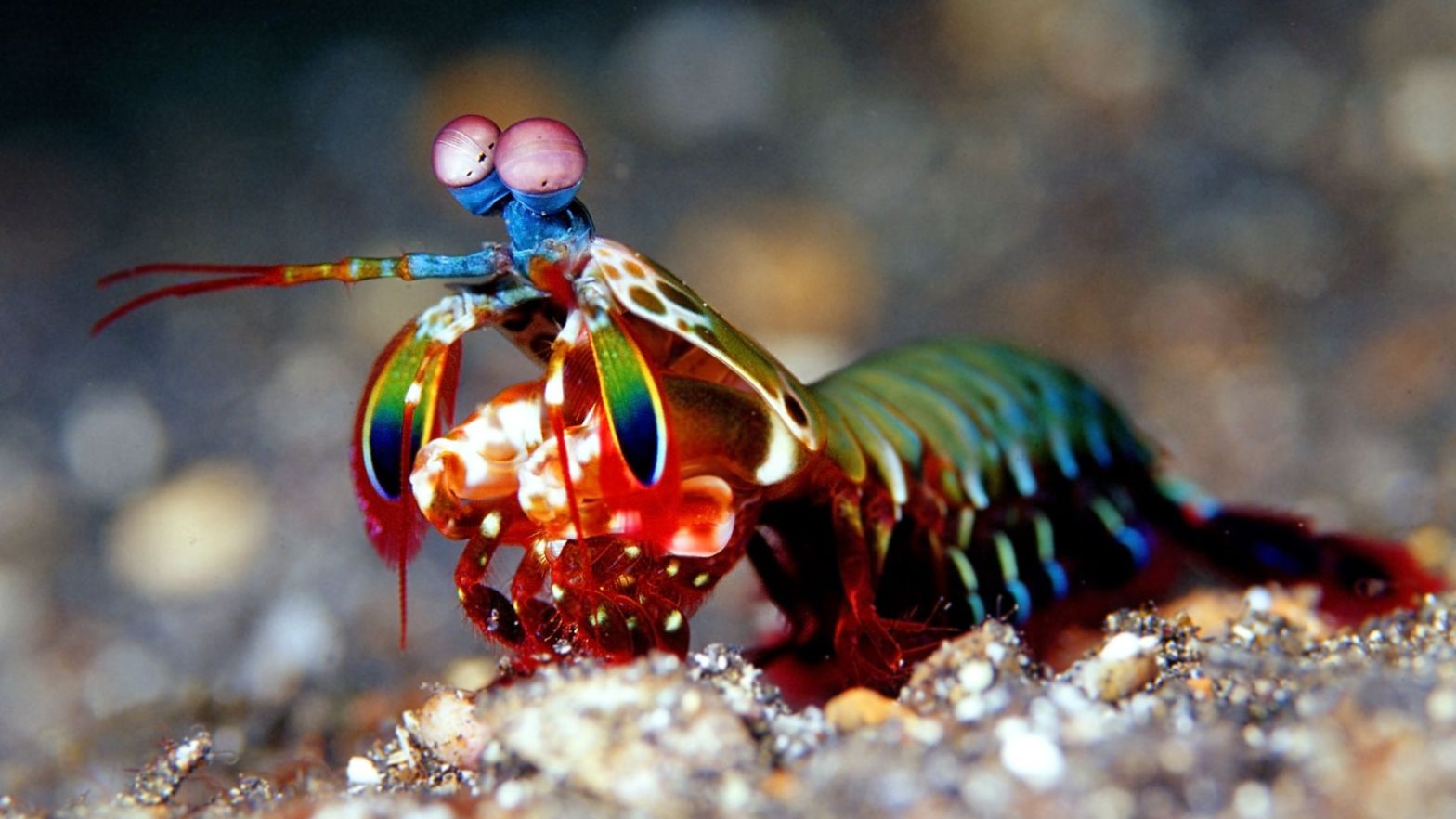
Want to hear something trippy? Unlike other aspects of an object such as its size or mass, colour is not an inherent property. Perceiving colour is a function of an organism’s sensory system. In other words, colour is a construct of the mind. But whose minds? Aside from the human experiences of colour, other-than-human eyes perceive colour in radically different ways.
The lengthy childhood of endangered orangutans is written in their teeth
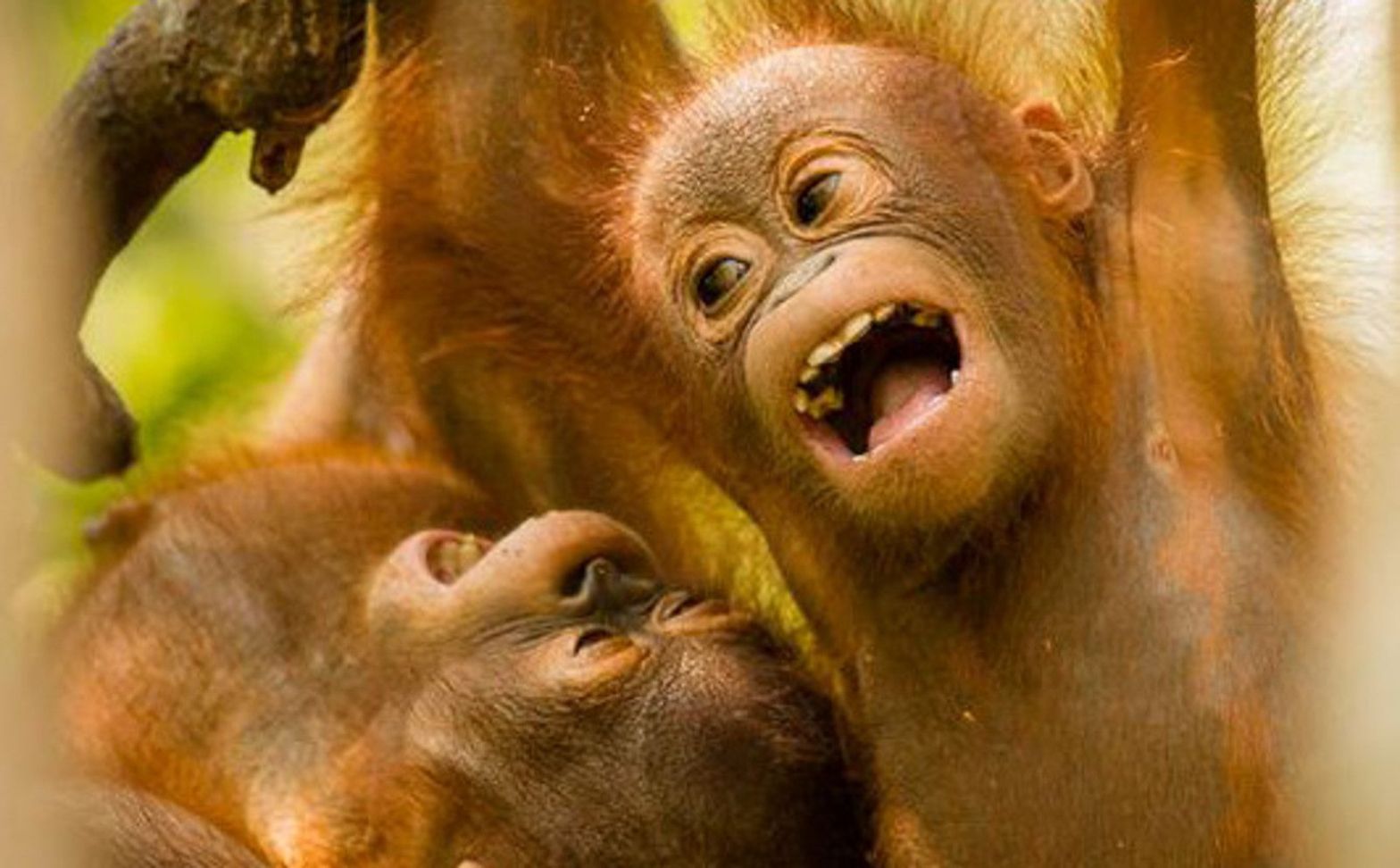
Orangutan populations of all three species are critically endangered in the wild. One of the things that may hamper their survival is the time they take to rear new generations.
Just like human mothers, primate mothers raise only a few slow-growing offspring during their reproductive years. An orangutan mother will not give birth again until she’s finished providing milk to her previous offspring. Nursing can take a long time and vary across seasons, as found in research published in Science Advances. Help these beautiful and rare great apes to survive when you #BoycottPalmOil #Boycott4Wildlife in the supermarket!
Every Living Organism Has a Way of Communicating
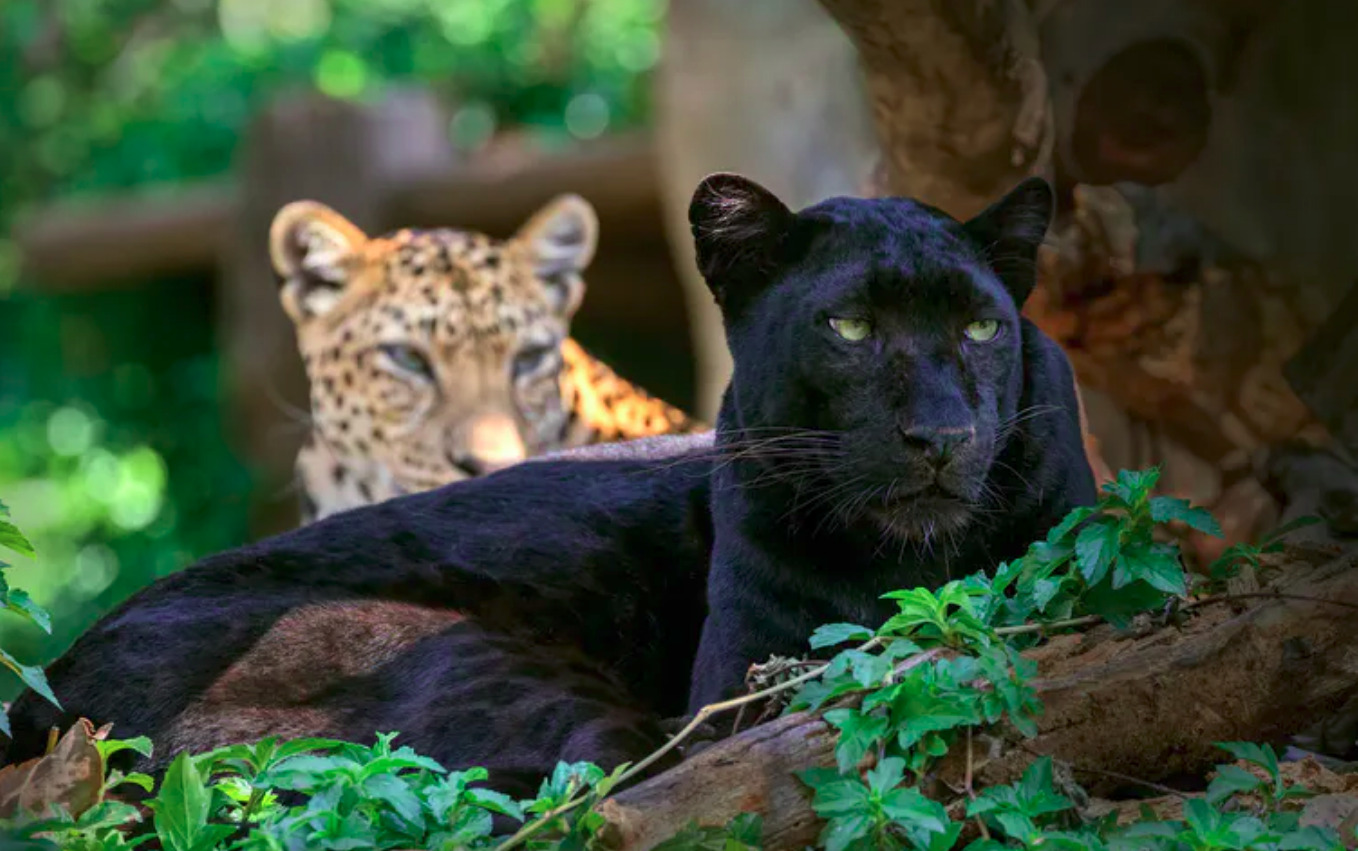
Every living organism has a way of communicating. We may not be able to understand each other’s language. But its there and communication get passed from one organism to another. How do forests speak to us? If you have ever been into the woods and feel different ways nature talks to us. From the windContinue reading “Every Living Organism Has a Way of Communicating”
African grey parrots help each other in times of need
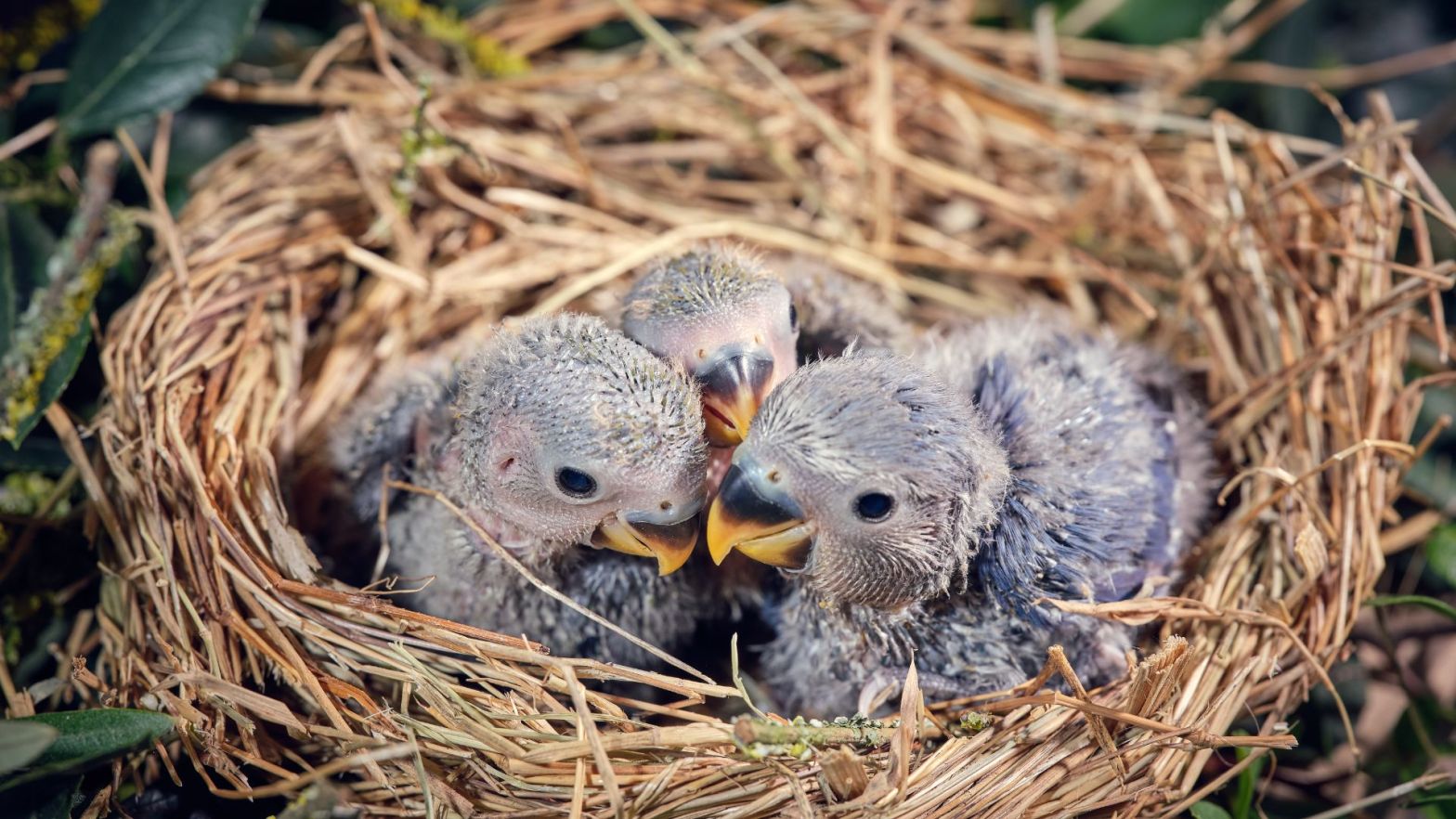
Corvids – birds such as ravens, crows, and magpies – and parrots are considered to be special among birds, as they have unusually large and densely packed brains. They show many cognitive capacities that are linked to an advanced understanding of their surroundings. This has earned them the name “feathered apes”. A recent study has found that it’s not only crows and ravens who help one another – grey parrots do as well.
 Palm Oil Detectives