
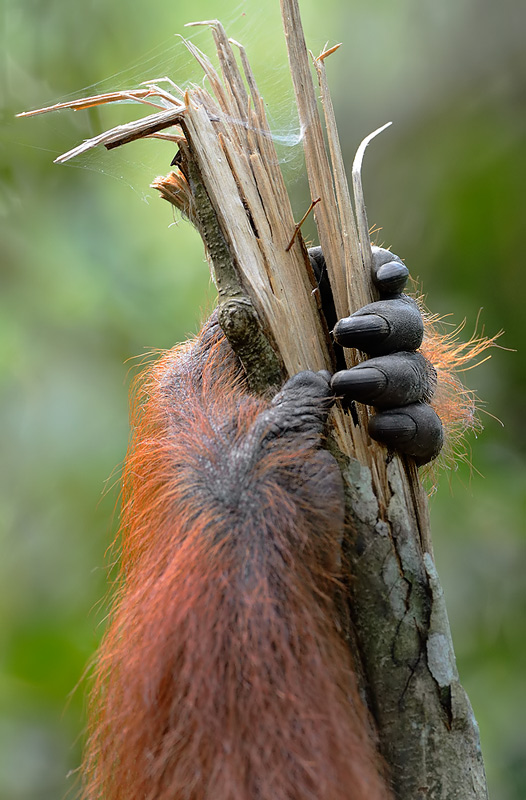
#Palmoil plantations have an overall negative impact on #biodiversity, according to research released this week. The #study, published in Nature Communications, found palm oil plantations are home to fewer insect species than even intensive rubber tree plantations. A forests expert at James Cook University, Bill Laurance, said of the research: “The big message is that oil palm is bad for biodiversity, in every sense of the word — even when compared to damaged rainforests that are regenerating after earlier logging or clearing.” Make sure you take action every time you shop and #BoycottPalmOil #Boycott4Wildlife!
Tag Archives: biodiversity
How forest loss has changed biodiversity across the globe over the last 150 years
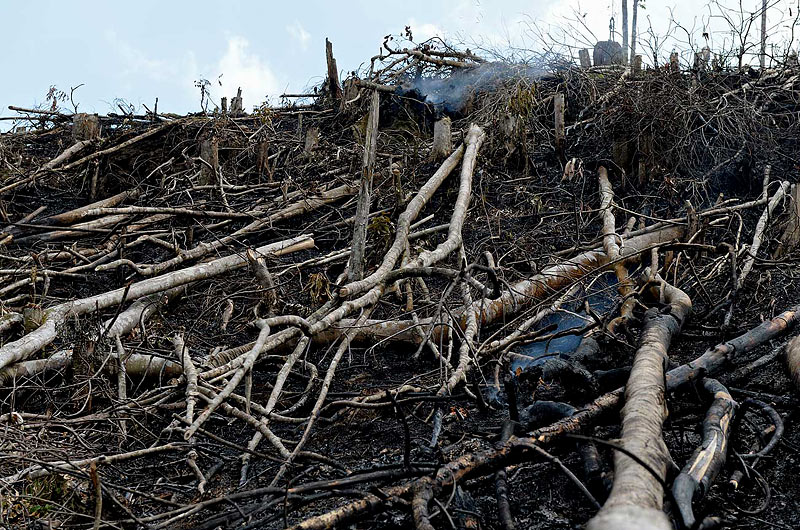
The Earth’s forests have been changing ever since the first tree took root. For 360 million years, trees have grown and been felled through a dynamic mix of hurricanes, #fires and natural regeneration. But with the dawn of the 17th century, humans began replacing large swathes of forest with farms and cities. The global pace of #deforestation has slowed in the 21st century, but #forests are still disappearing – albeit at different rates in different parts of the world. In the tropics, forest loss is accelerating in previously pristine wilderness. Help rainforests, wild animals and indigenous peoples to survive #BoycottPalmOil #Boycott4Wildlife
Sumatran Mesia Leiothrix laurinae
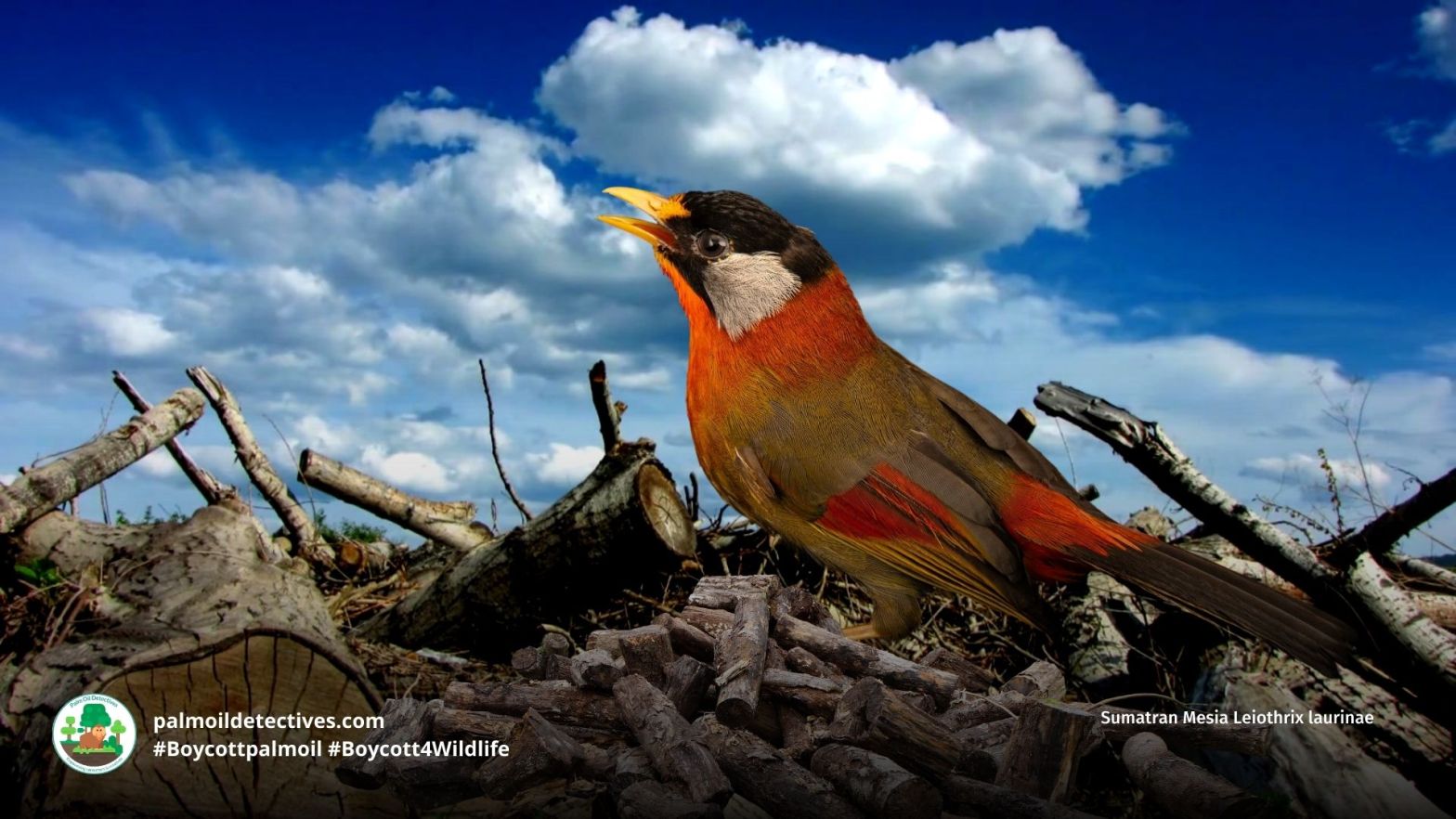
The Sumatran Mesia, also known as Leiothrix laurinae, is an exquisite song #bird endemic to the misty montane forests of #Sumatra, #Indonesia. With their striking plumage of yellow, red, and black and their enchanting, melodious calls, they are an integral part of Sumatra’s rich avian #biodiversity. This species, however, is rapidly declining due to extensive habitat destruction for #palmoil and the devastating illegal songbird #pettrade, which sees thousands of individuals snatched from the wild each year. If these birds are to survive, urgent action is needed to protect their forests and end their capture for the caged bird industry. Use your voice to demand change, campaign against the illegal wildlife trade and #BoycottPalmOil #Boycott4Wildlife every time you shop!
 Palm Oil Detectives