
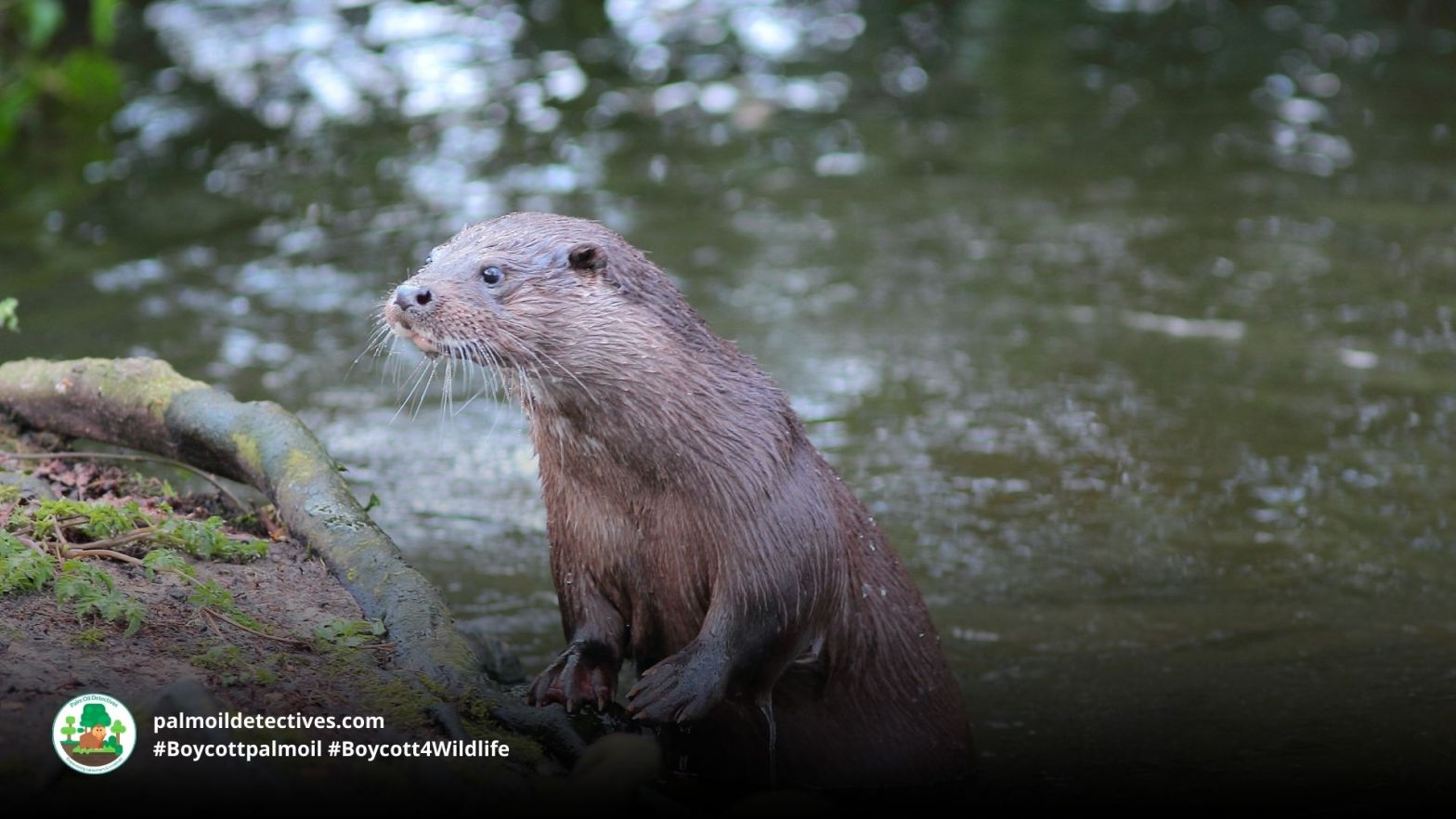
Hairy-nosed Otter Lutra sumatrana
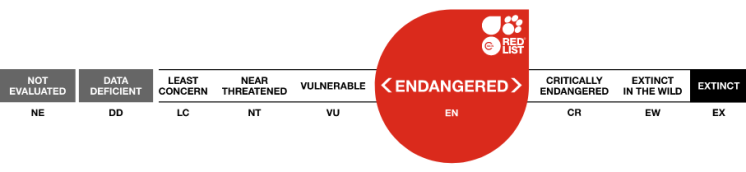
Endangered
Extant (resident): Cambodia; Indonesia; Malaysia; Thailand; Vietnam
Possibly Extinct: Brunei
Extinct: India; Myanmar
Presence Uncertain: Laos
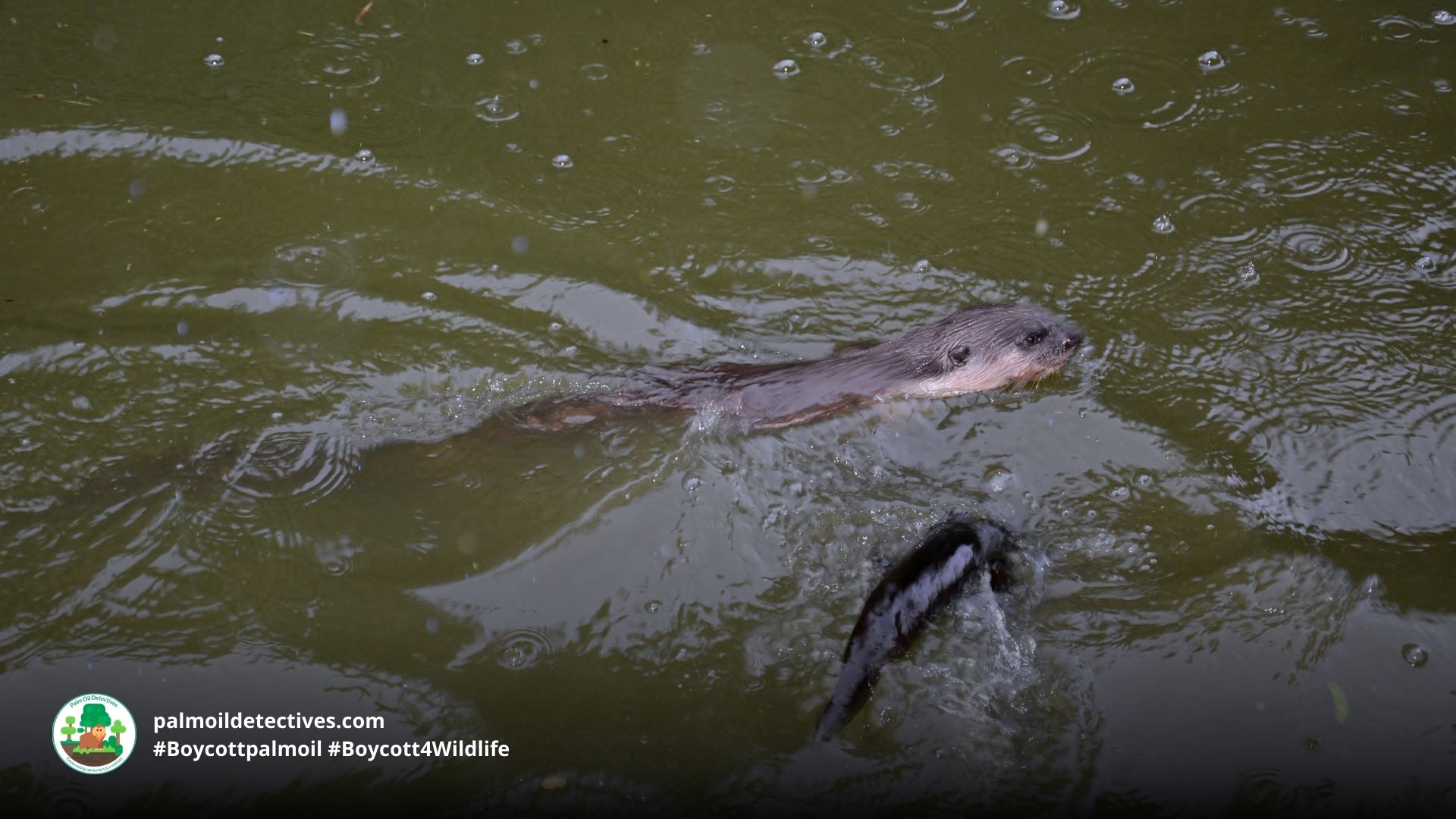
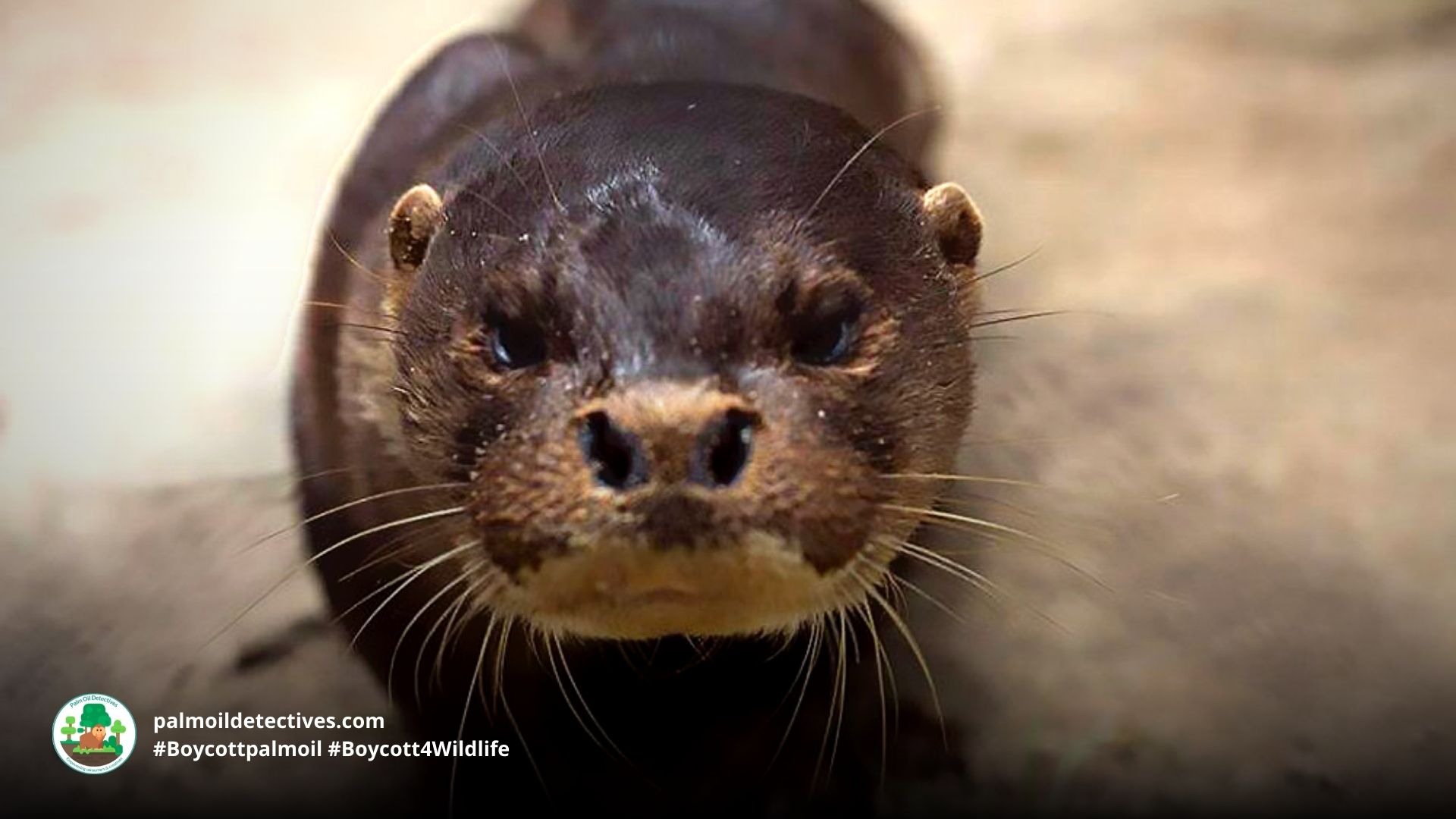
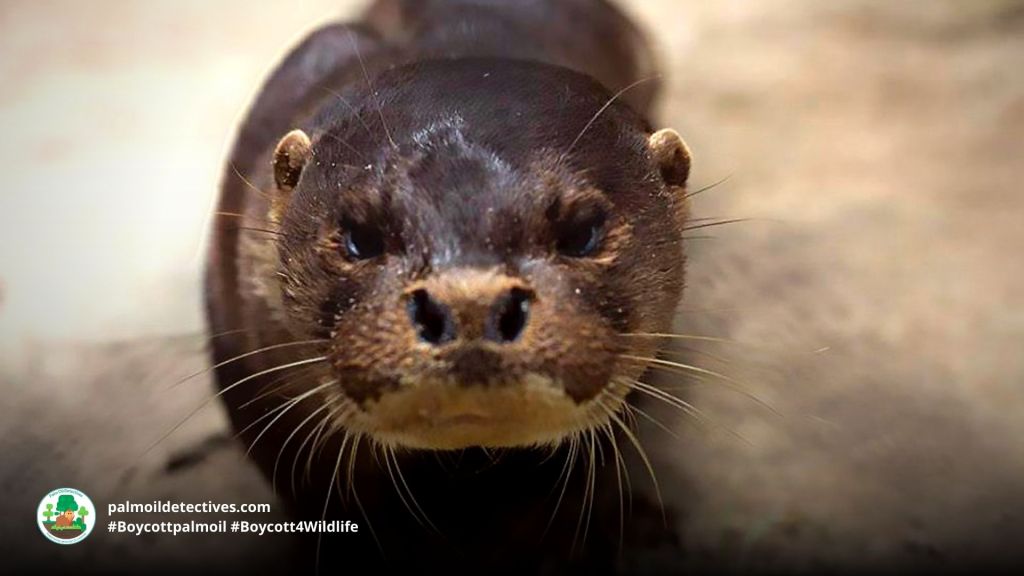
The Hairy-nosed Otter is one of the world’s rarest and least understood otter species, native to Southeast Asia. Distinguished by the unique fur covering its rhinarium (nose), this elusive mammal inhabits freshwater and coastal ecosystems, including mangroves and peat swamp forests. Now extinct in India and Myanmar, their numbers are dropping in other countries. They are severely under threat from habitat destruction for palm oil and illegal hunting. Hairy-nosed Otter have no known conservation projects in place to protect them. We urge you to boycott products linked to deforestation like palm oil and meat. Use your wallet as a weapon to fight for their survival each time you shop #BoycottPalmOil #Boycott4Wildlife!
Enchanting tricksters of #Indonesia #Malaysia #Cambodia #Vietnam the Hairy-nosed Otter 🦦🤎 is in peril. Their main threat is #rainforest destruction for #palmoil #meat and timber. Take action! 🌴⛔️ #Boycottpalmoil #Boycott4Wildlife @palmoildetect https://palmoildetectives.com/2021/01/21/hairy-nosed-otter-lutra-sumatrana/
Agile and intelligent #mammals gliding between river and shore, Hairy-nosed #Otters are now in #danger due to #palmoil #timber #meat #deforestation. Help them when you shop #BoycottPalmOil #Boycott4Wildlife 🌴🩸☠️🔥🙊⛔️@palmoildetect https://palmoildetectives.com/2021/01/21/hairy-nosed-otter-lutra-sumatrana/
Appearance and Behaviour
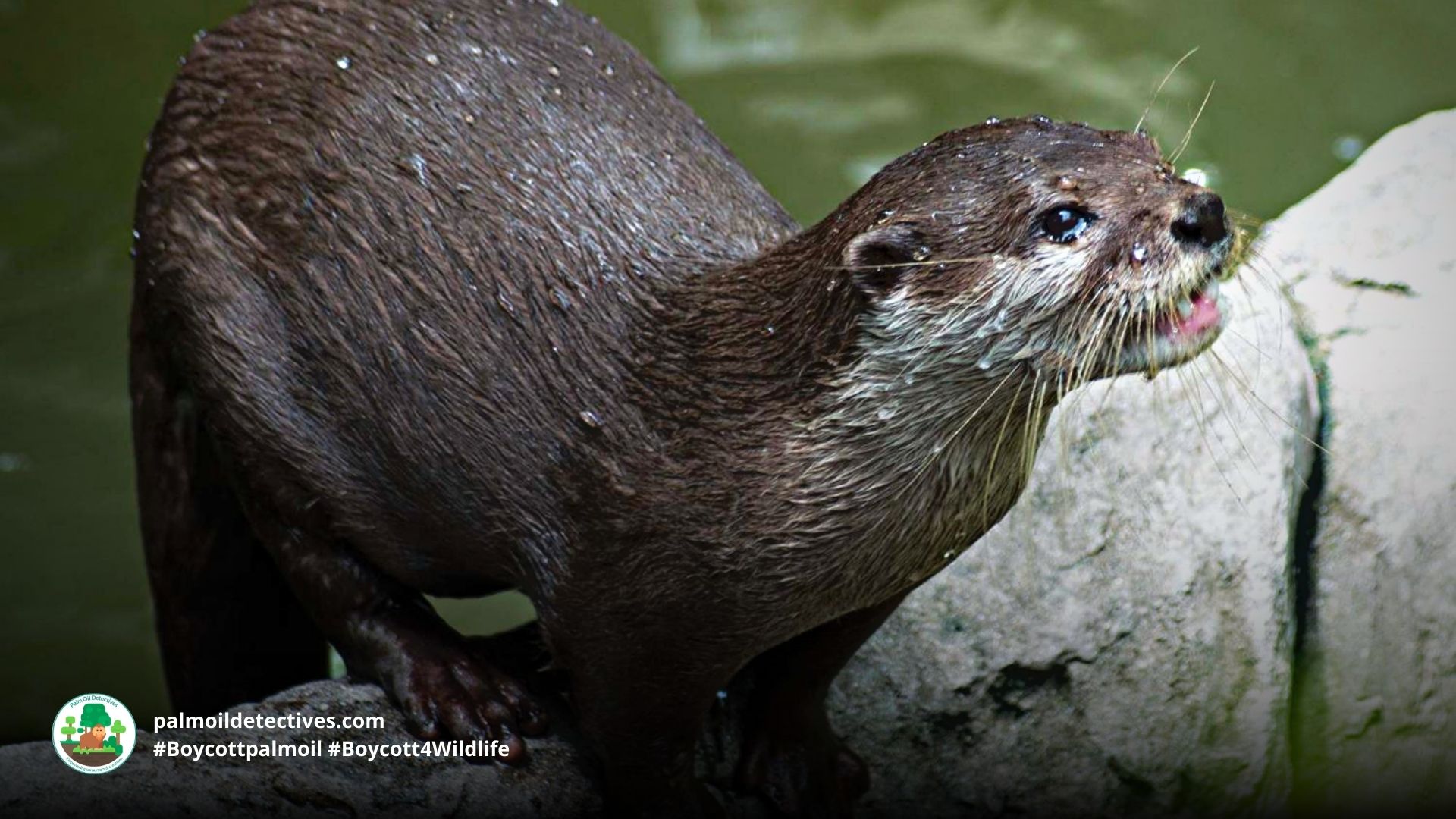
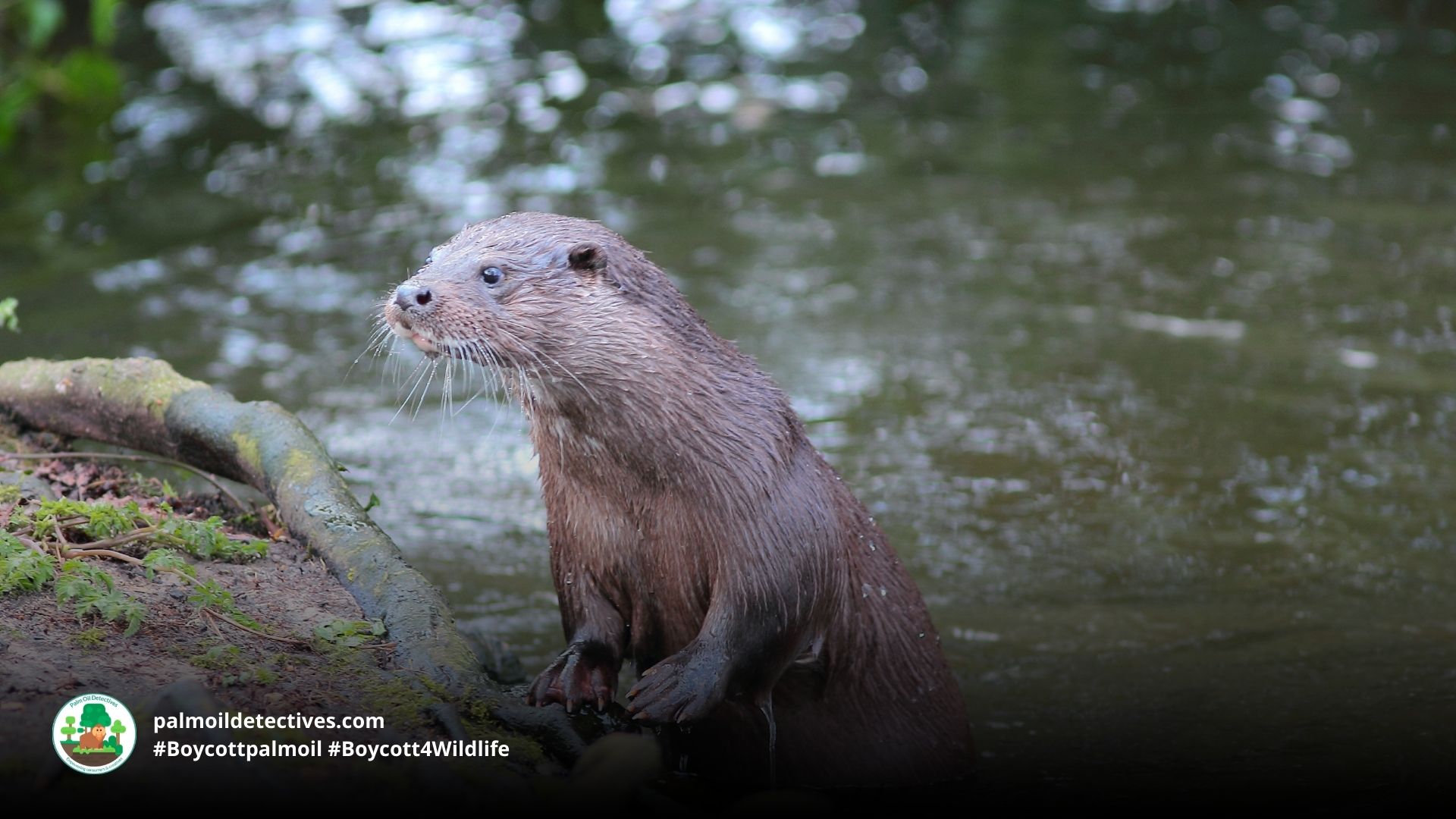
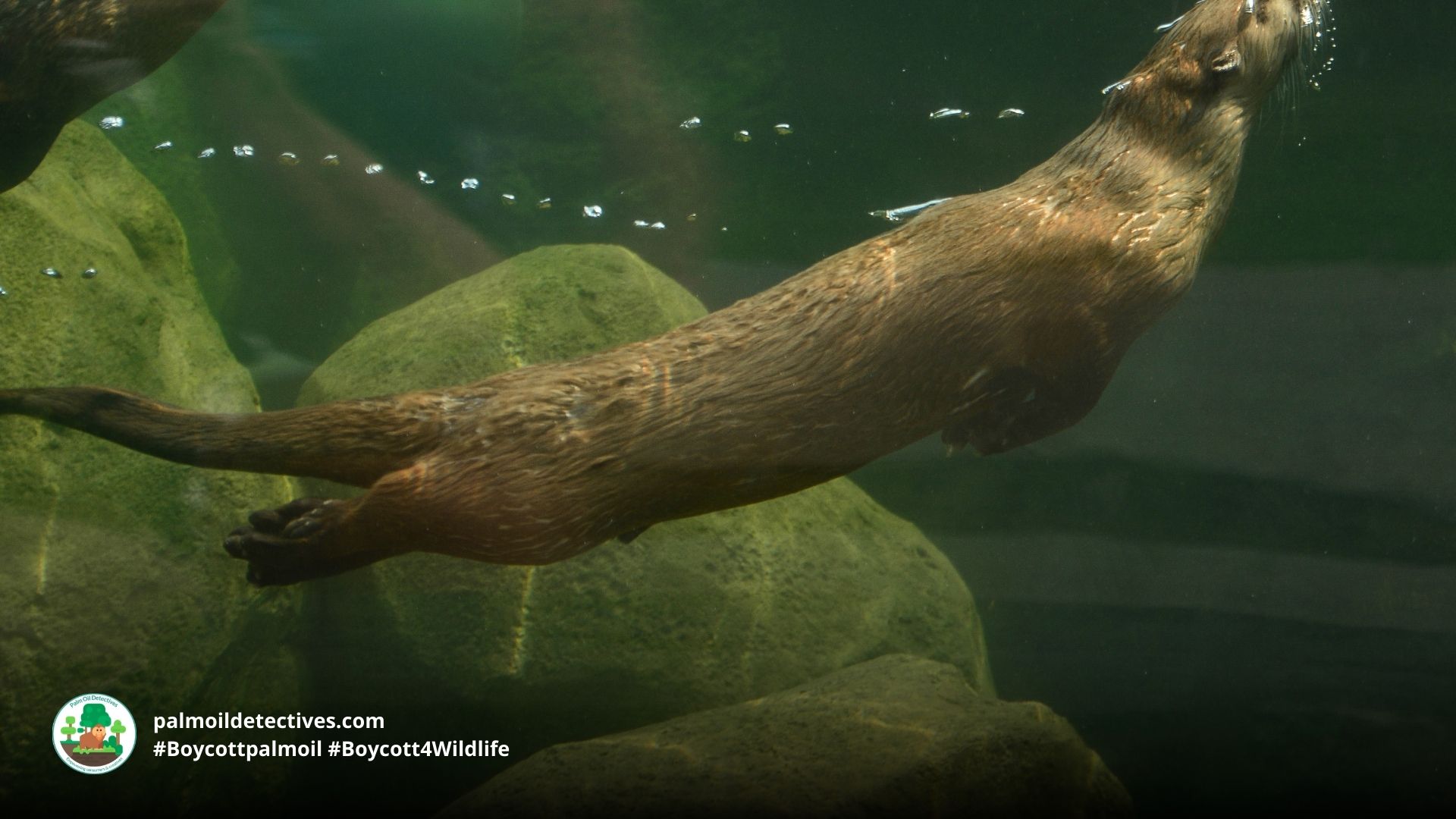
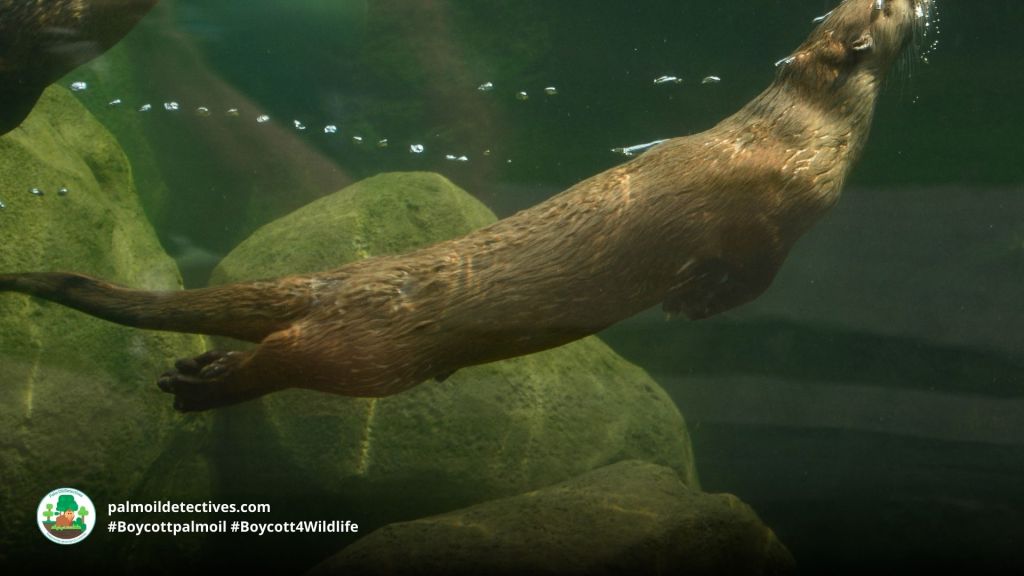
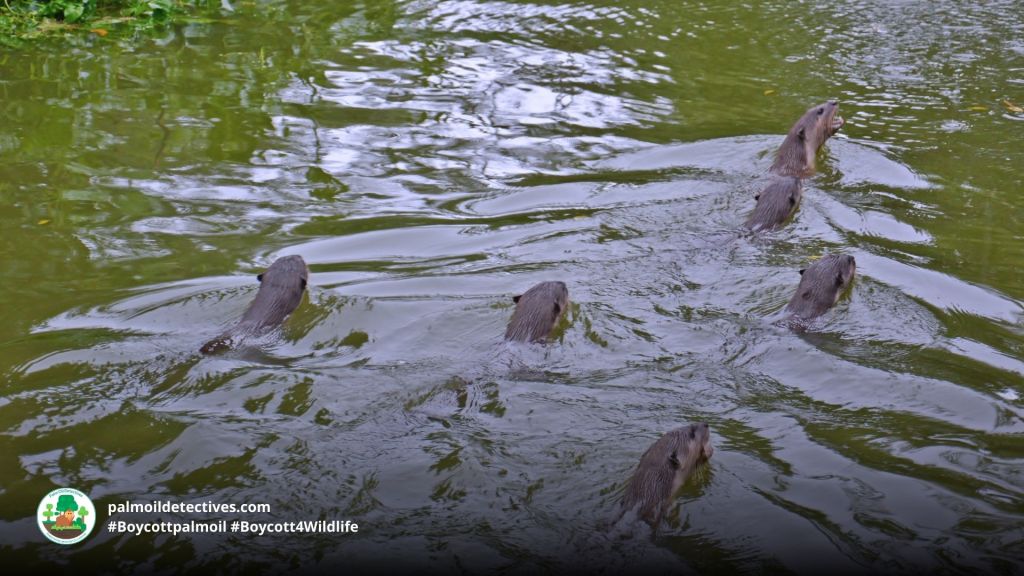
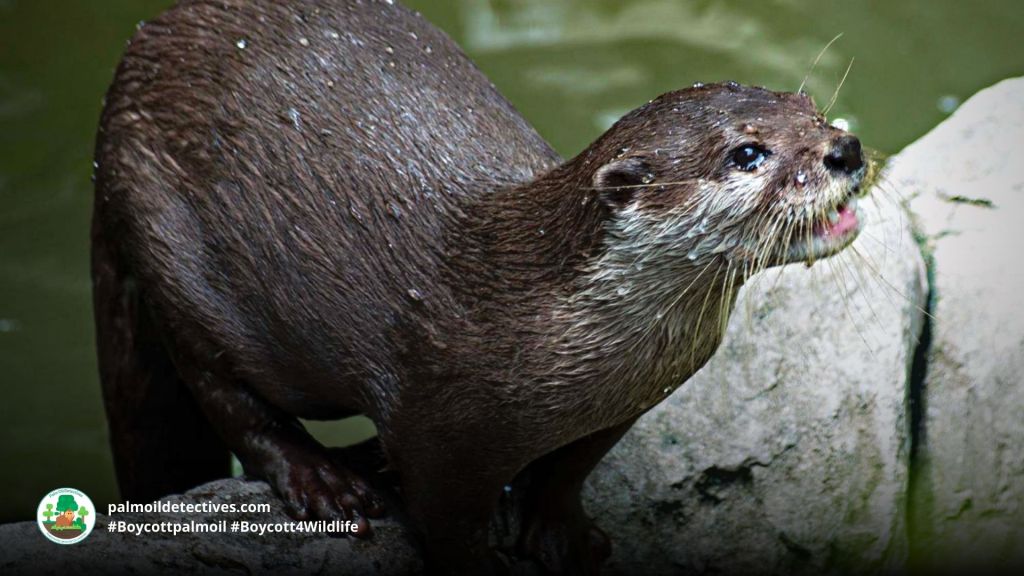
The Hairy-nosed Otter has a slender body measuring 1.05 to 1.34 meters in length and weighing between 5 to 8 kilograms. Its dense, short brown fur becomes paler on the belly, and unlike other otter species, its rhinarium is covered with short dark hair. It possesses fully webbed paws with prominent claws, adapted for its semi-aquatic lifestyle. Primarily solitary, this otter is most active during early morning and late afternoon, though nocturnal activity has also been observed. They are adept swimmers, relying on their long, muscular tails for propulsion in water.
Geographic Range
Historically widespread across Southeast Asia, the Hairy-nosed Otter is now found in fragmented populations in Cambodia, Indonesia, Malaysia, Thailand, and Vietnam. It is possibly extinct in Brunei and has been declared extinct in India and Myanmar. Their preferred habitats include peat swamp forests, Melaleuca (swamp tea-tree) forests, and coastal mangroves. In Sumatra, they have also been found in oil palm and rubber plantations, indicating some adaptability to altered landscapes.
Diet
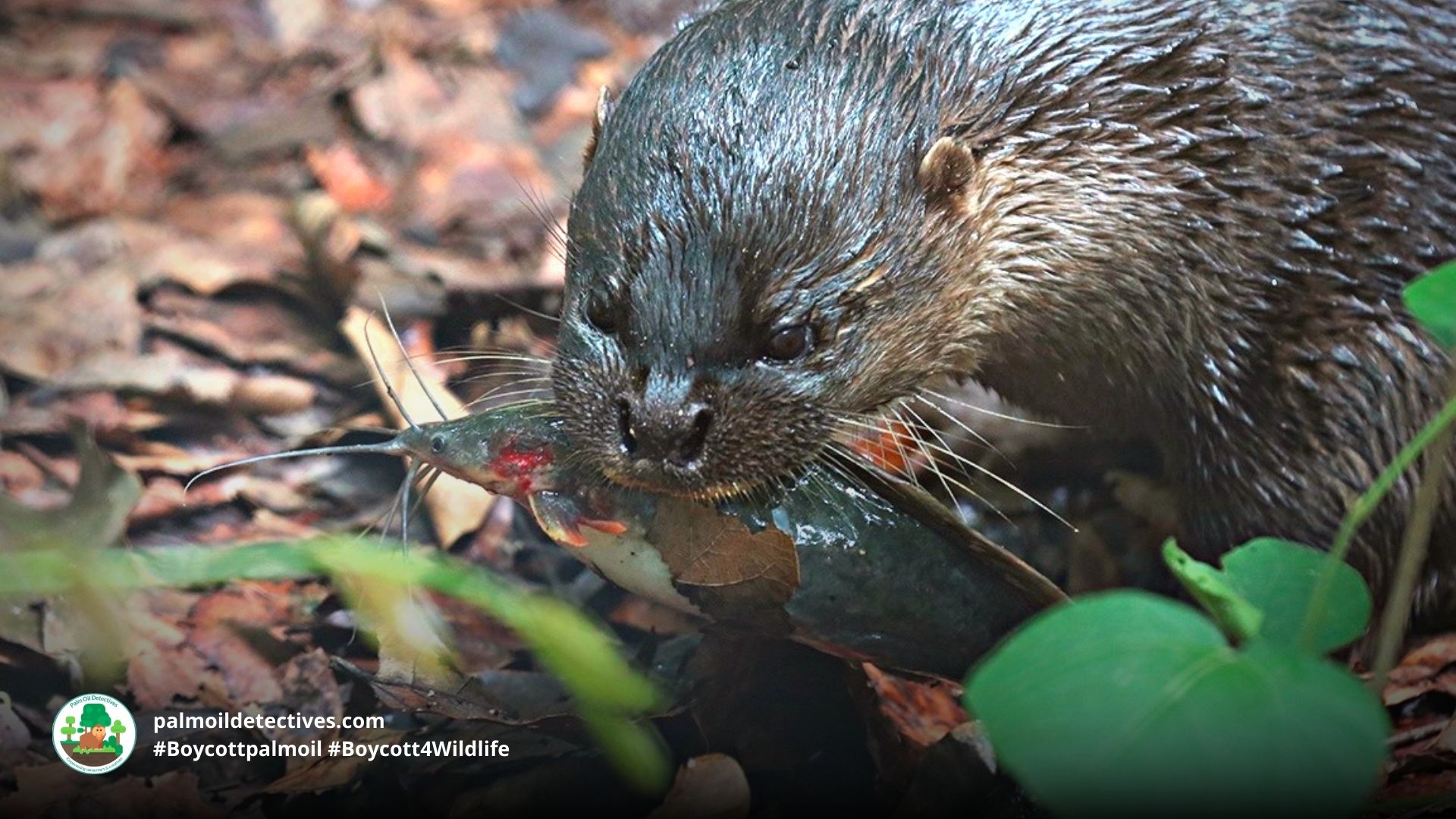
The diet of the Hairy-nosed Otter primarily consists of fish, supplemented by crustaceans such as crabs and crayfish, molluscs, water snakes, birds, and amphibians. Their foraging habits play a role in controlling prey populations, contributing to the ecological balance of their habitats.
Reproduction and Mating
Limited information is available on the reproductive behavior of the Hairy-nosed Otter. The gestation period is believed to be about two months, similar to other otter species, with litters ranging from one to four cubs. Breeding seasons may vary by region; for instance, in Thailand, young have been observed between December and February, suggesting births occur from October to December. In Cambodia, breeding appears to take place between November and March.


Threats
The Hairy-nosed Otter is listed as Endangered on the IUCN Red List, with populations continuing to decline due to ongoing threats. Conservation efforts focusing on habitat protection, anti-poaching measures, and further research into their ecology are crucial for their survival.
• Habitat Destruction: Conversion of wetlands and forests into agricultural land, particularly for oil palm and rubber plantations, has led to significant habitat loss. Additionally, human activities such as fishing and crop cultivation disturb their natural environments and have led to them being tangled in fishing nets.
• Illegal Hunting: Poaching for pelts and meat has historically reduced populations, and illegal wildlife trade continues to pose a threat.
• Pollution: Water pollution from agricultural runoff and industrial activities degrades their aquatic habitats, affecting both the otters and their prey.
Take Action!
Protect the Hairy-nosed Otter by boycotting products linked to deforestation, such as palm oil. Use your wallet as a weapon to support ethical and eco-friendly choices. Share their story and fight for their survival with #BoycottPalmOil and #Boycott4Wildlife.
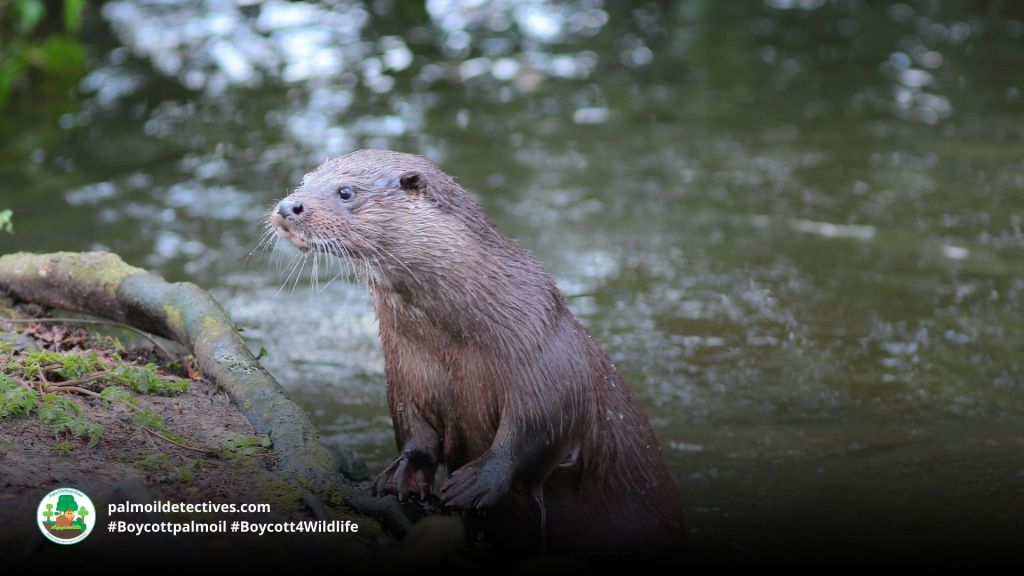



You can support this beautiful animal
There are no known conservation activities for this animal. Share out this post to social media and join the #BoycottPalmOil #Boycott4Wildlife on social media to raise awareness
Further Information
Aadrean, A., Kanchanasaka, B., Heng, S., Reza Lubis, I., de Silva, P. & Olsson, A. 2015. Lutra sumatrana. The IUCN Red List of Threatened Species 2015: e.T12421A21936999. https://dx.doi.org/10.2305/IUCN.UK.2015-2.RLTS.T12421A21936999.en. Downloaded on 21 January 2021.
International Otter Survival Fund. (n.d.). Hairy-nosed Otter. Retrieved from Otter.org
Wikipedia contributors. (n.d.). Hairy-nosed Otter. Retrieved from Wikipedia


How can I help the #Boycott4Wildlife?
Take Action in Five Ways
1. Join the #Boycott4Wildlife on social media and subscribe to stay in the loop: Share posts from this website to your own network on Twitter, Mastadon, Instagram, Facebook and Youtube using the hashtags #Boycottpalmoil #Boycott4Wildlife.
2. Contribute stories: Academics, conservationists, scientists, indigenous rights advocates and animal rights advocates working to expose the corruption of the palm oil industry or to save animals can contribute stories to the website.






3. Supermarket sleuthing: Next time you’re in the supermarket, take photos of products containing palm oil. Share these to social media along with the hashtags to call out the greenwashing and ecocide of the brands who use palm oil. You can also take photos of palm oil free products and congratulate brands when they go palm oil free.
4. Take to the streets: Get in touch with Palm Oil Detectives to find out more.
5. Donate: Make a one-off or monthly donation to Palm Oil Detectives as a way of saying thank you and to help pay for ongoing running costs of the website and social media campaigns. Donate here
Discover more from Palm Oil Detectives
Subscribe to get the latest posts sent to your email.
 Palm Oil Detectives