
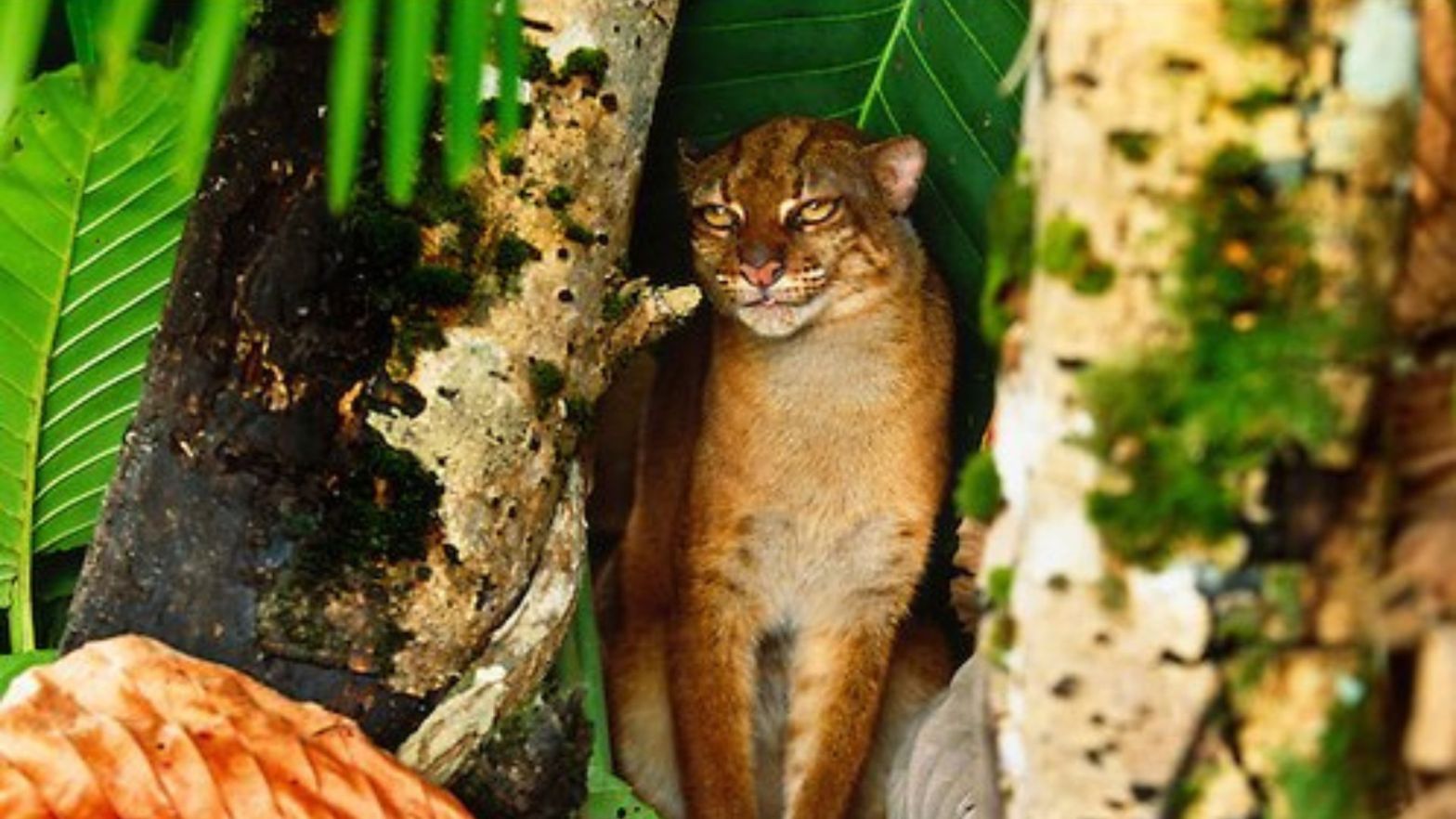
Borneo Bay Cat Catopuma badia
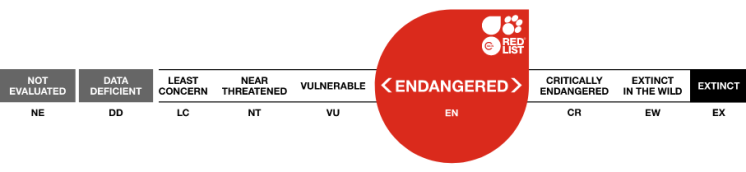
Endangered
Indonesia, Malaysia
Brunei (Presence unknown)
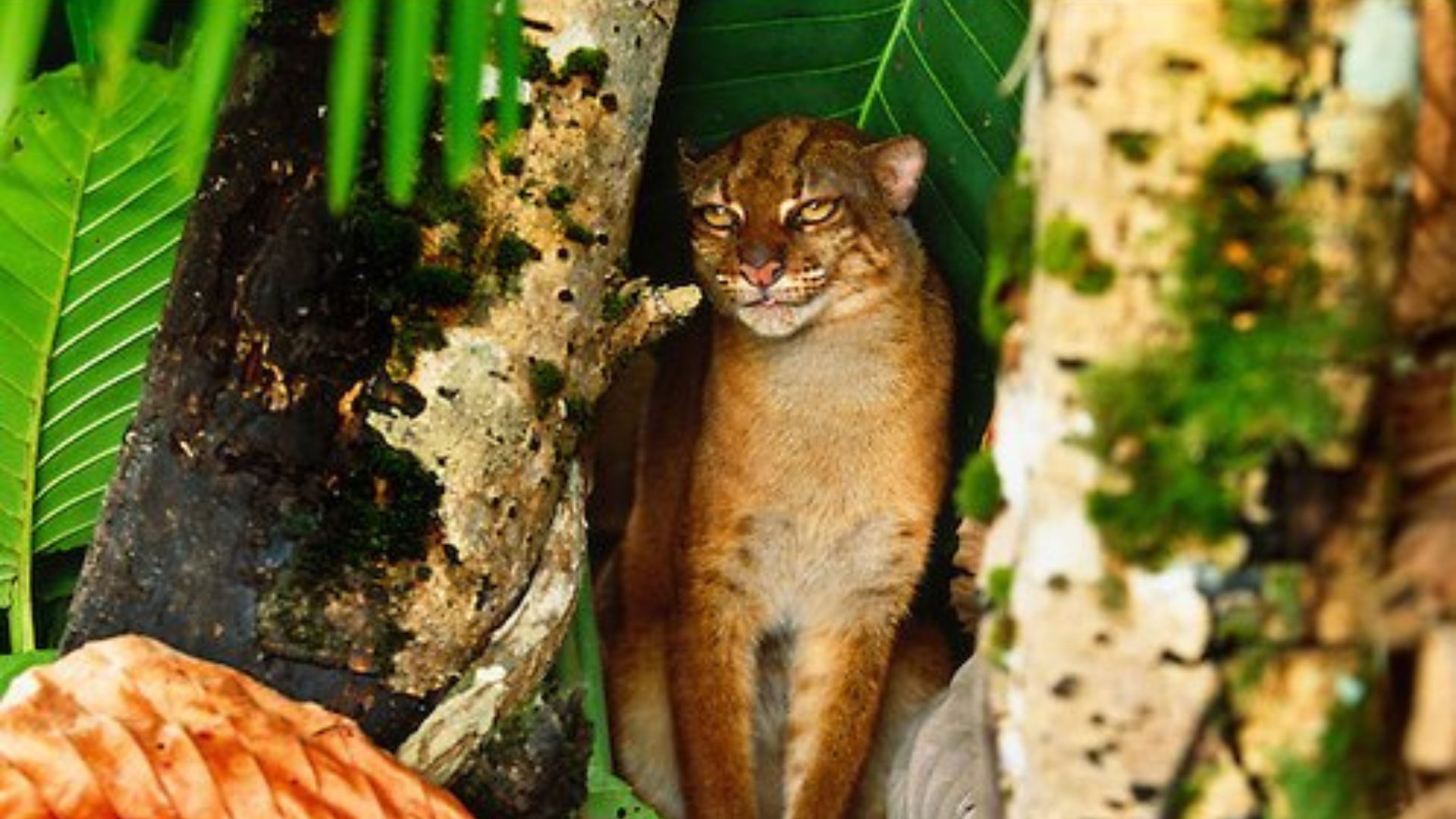
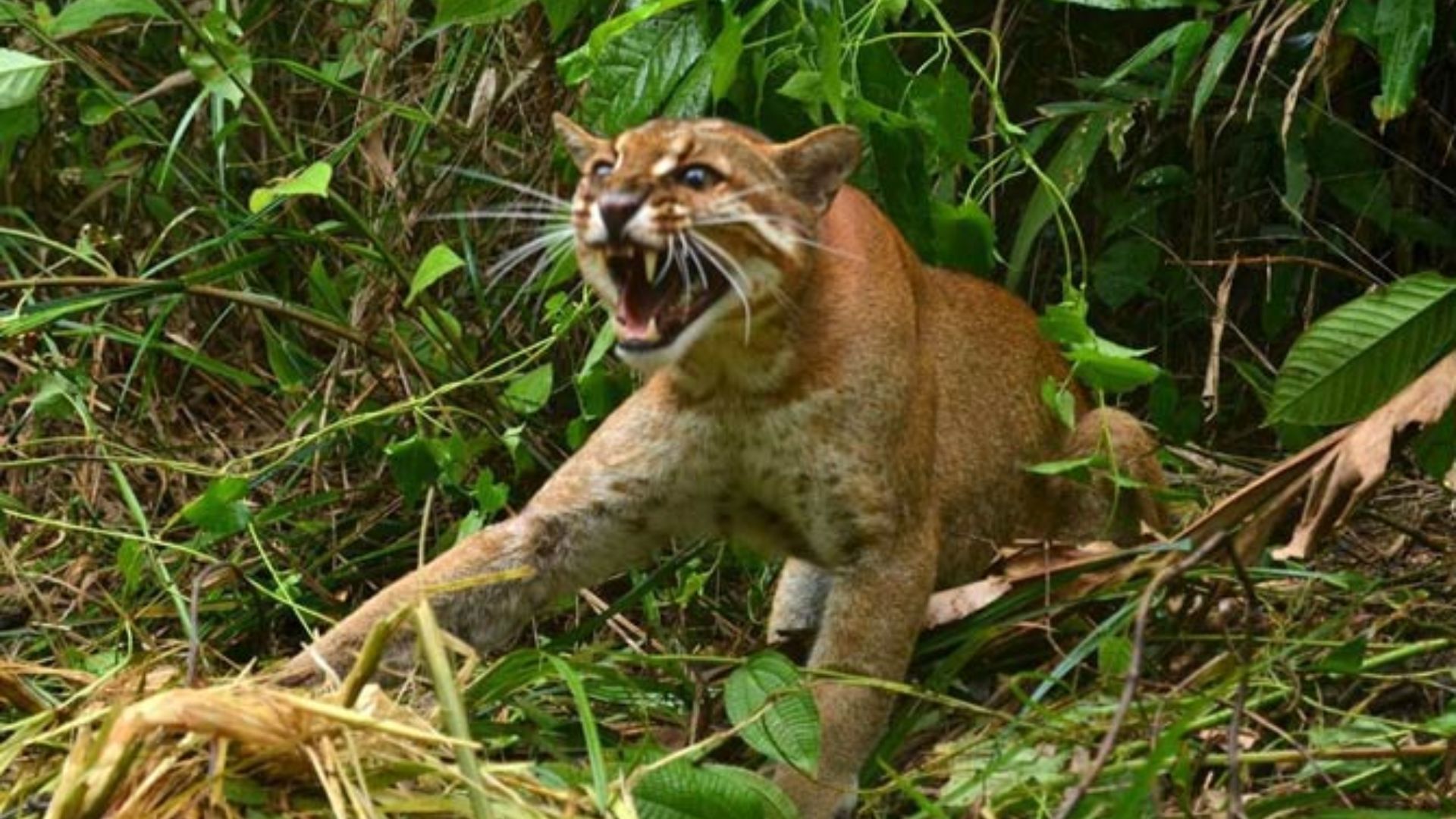
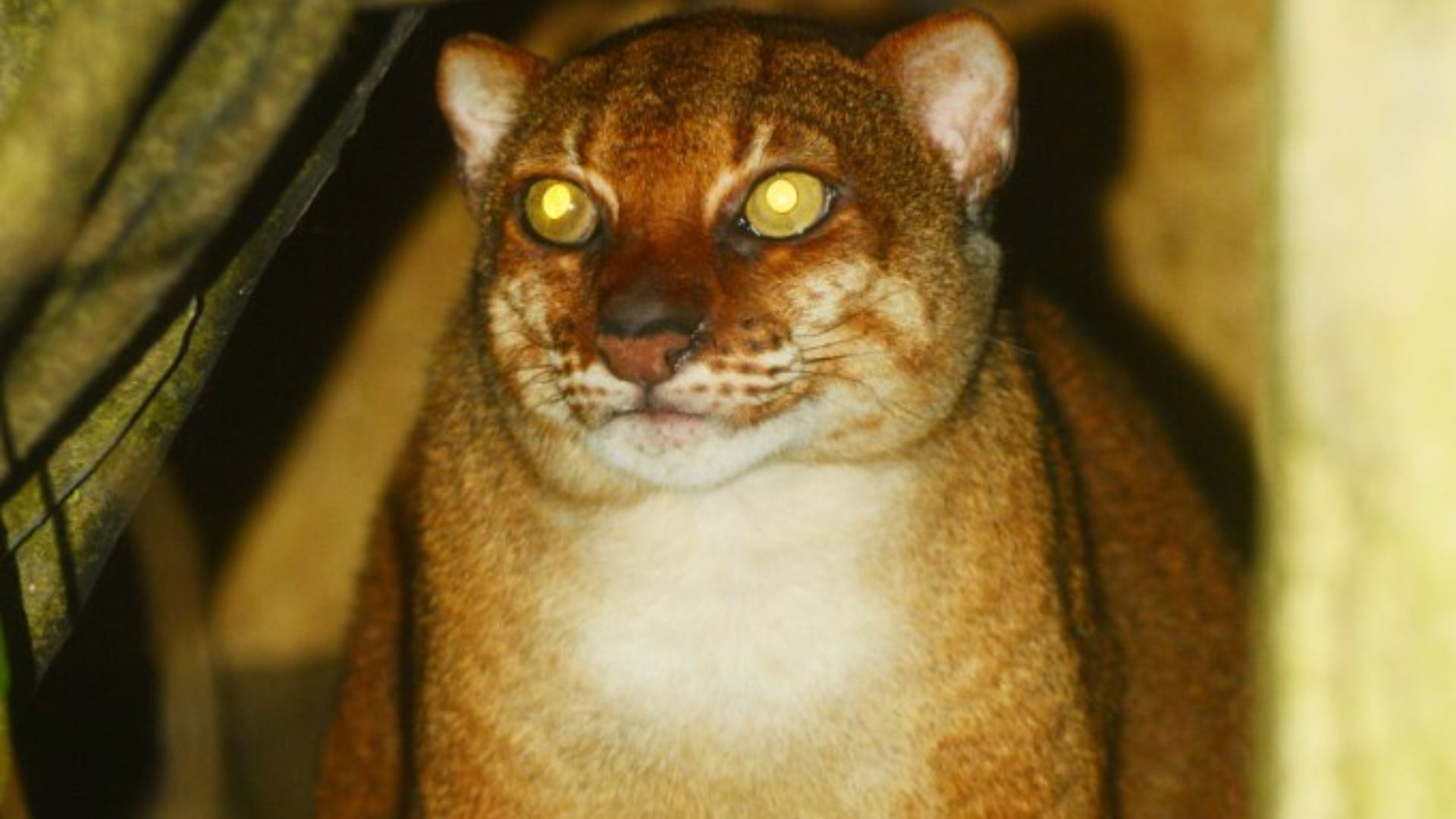
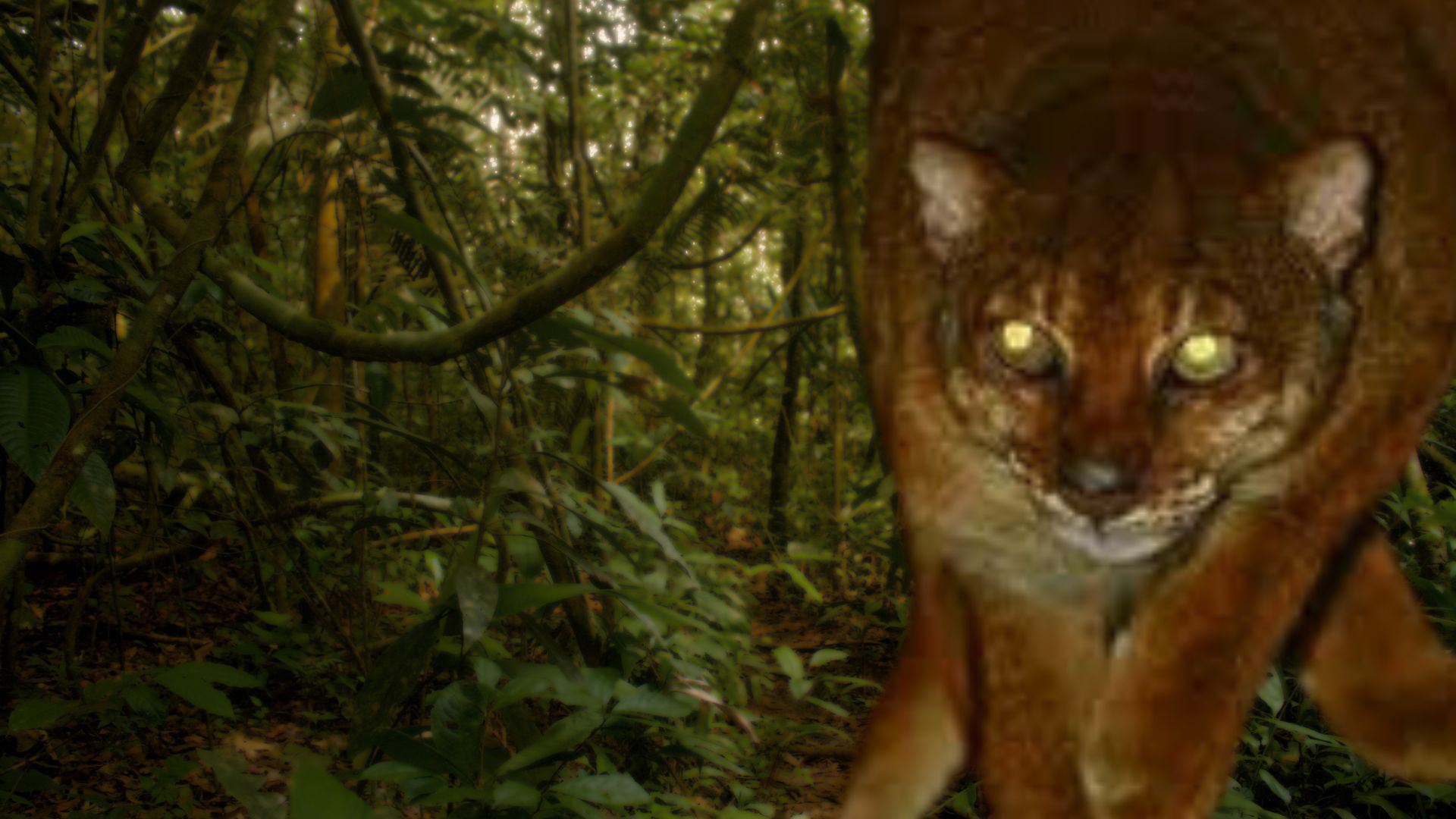
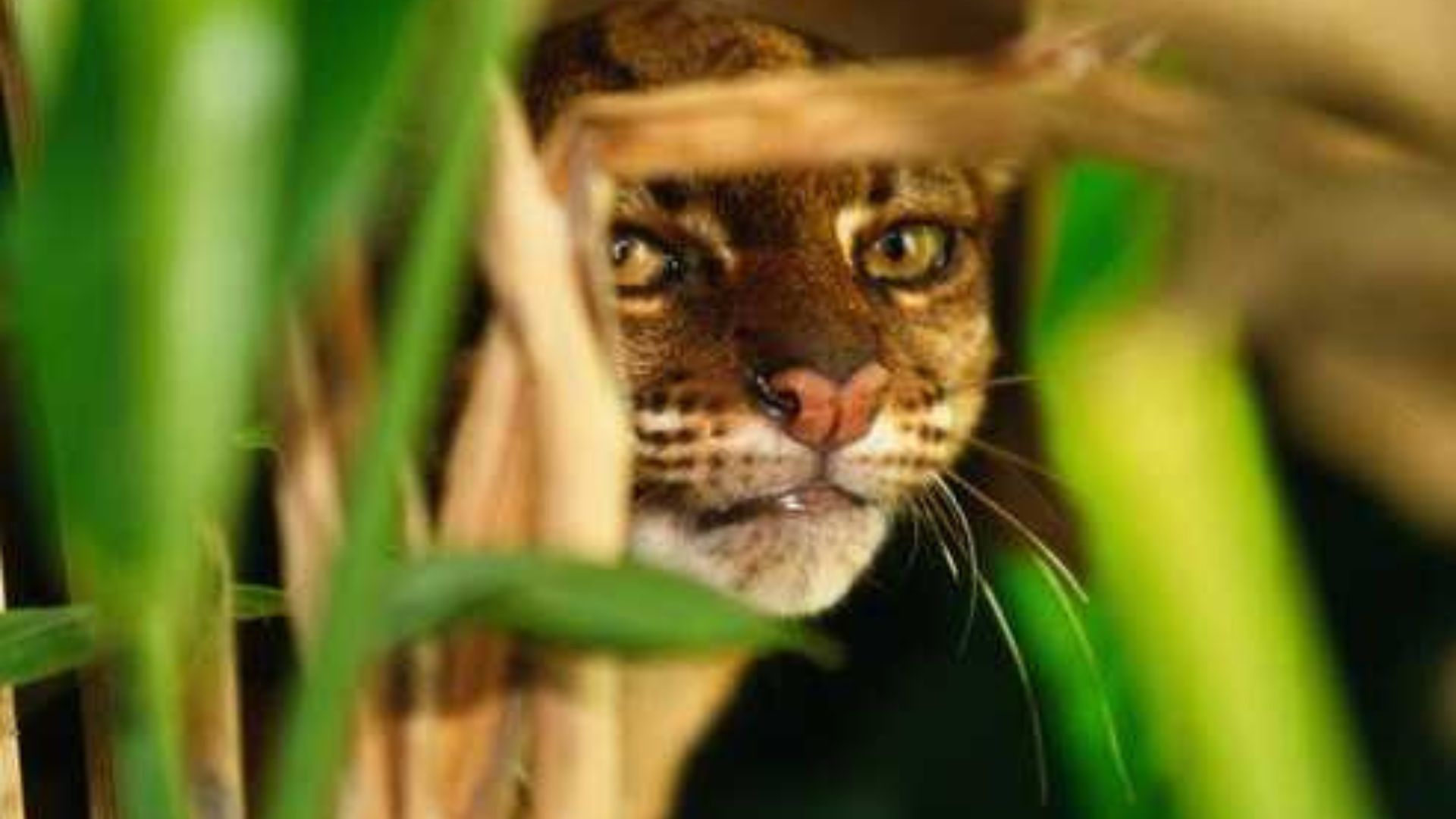
The Borneo Bay Cat, also known as the Bay Cat, is a small wildcat species endemic to the island of Borneo. Renowned for their elusive nature, they inhabit dense tropical forests and are among the least studied wild cats globally. Their rarity and the rapid deforestation of Borneo’s rainforests have raised significant conservation concerns. To protect the Borneo Bay Cat use your wallet as a weapon to fight for their survival each time you shop. #BoycottPalmOil #Boycott4Wildlife
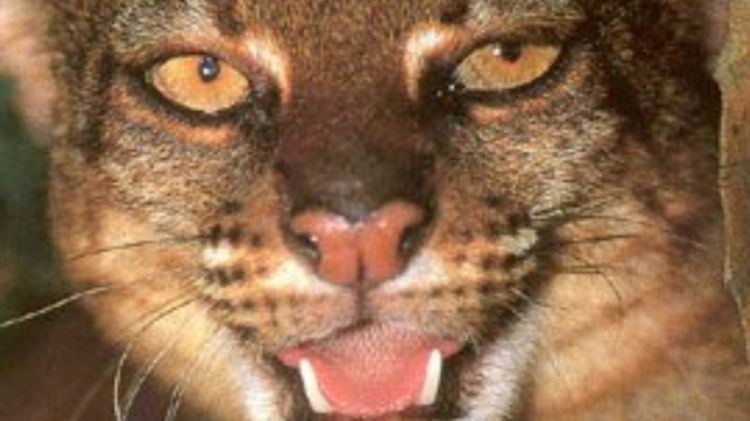
One of the rarest and least known #cat species 🐱🐈😻 in #Borneo 🇲🇾🇮🇩 is the Borneo Bay Cat. Endangered from #palmoil #deforestation #hunting in Sabah, help them survive and #BoycottPalmOil 🌴🪔☠️🤮⛔️ #Boycott4Wildlife @palmoildetect https://palmoildetectives.com/2021/01/25/borneo-bay-cat-catopuma-badia/
The Borneo Bay Cat 🐱🐈😻 is a rare #wildcat who are unimpressed at being photographed or found. Threats include #palmoil #deforestation and #poaching. Fight for their survival and #BoycottPalmOil 🌴🪔☠️🤮⛔️ #Boycott4Wildlife @palmoildetect https://palmoildetectives.com/2021/01/25/borneo-bay-cat-catopuma-badia/

Habitat loss due to commercial logging and conversion to oil palm plantations pose the greatest threat to the Bay Cat. Oil palm plantations are likely to expand in the future as a result of the push for biofuels, and forest cover on the island of Borneo, if current deforestation rates continue, is projected to decline from 50% to less than one-third by 2020 (Rautner et al. 2005).
IUCN red list
Appearance and Behaviour
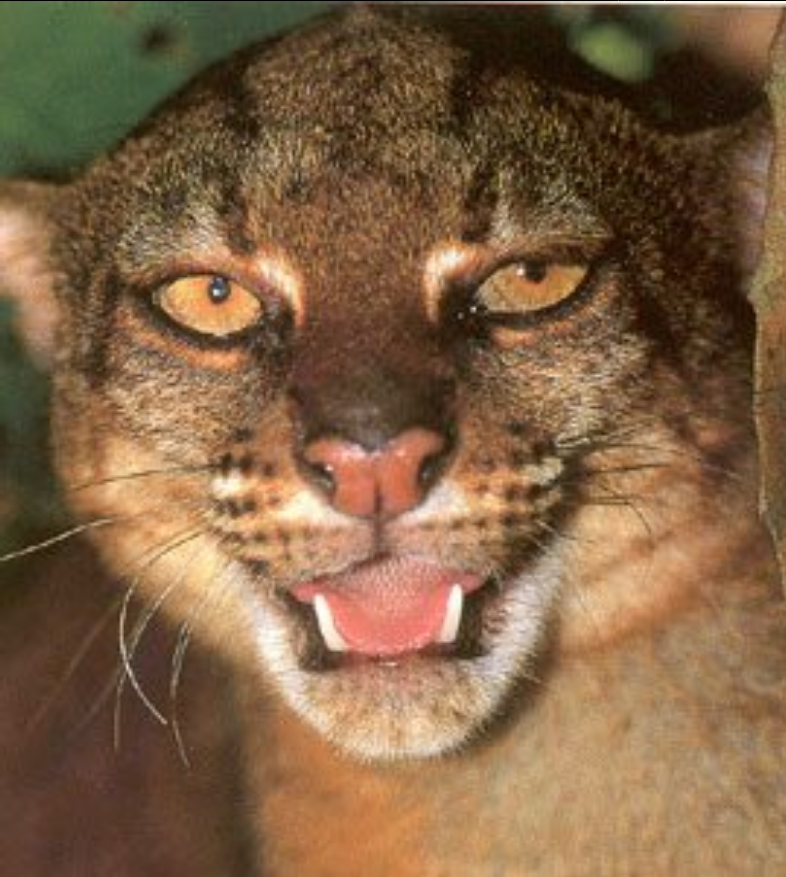
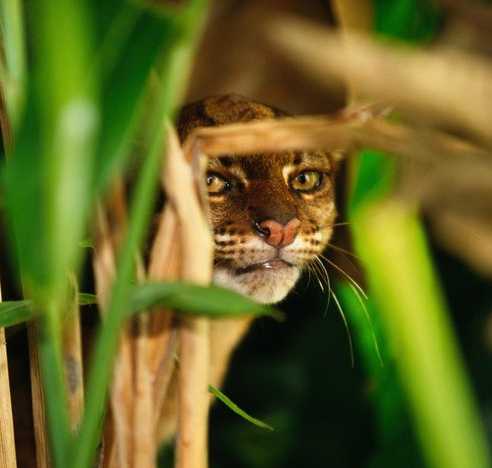
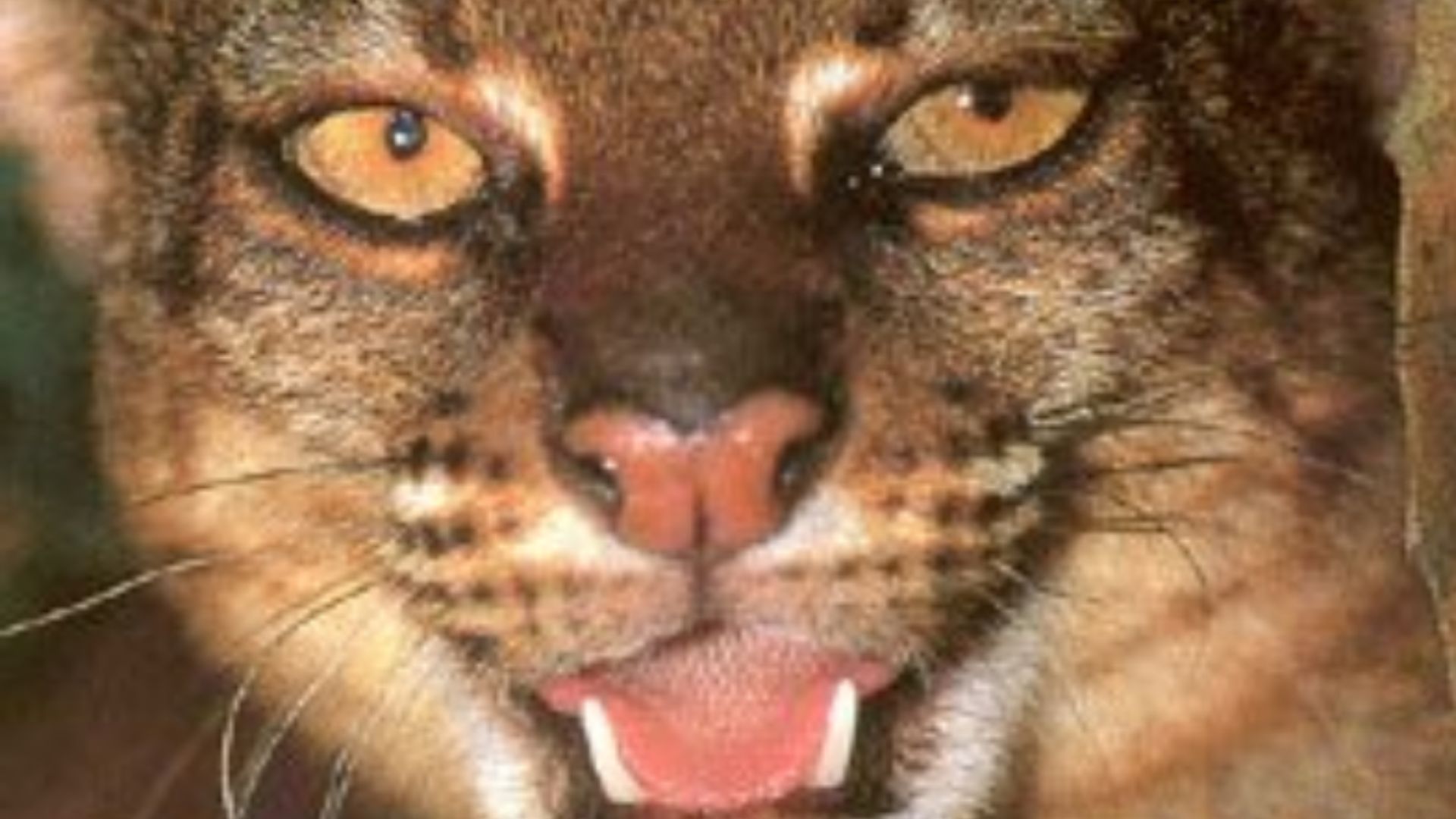
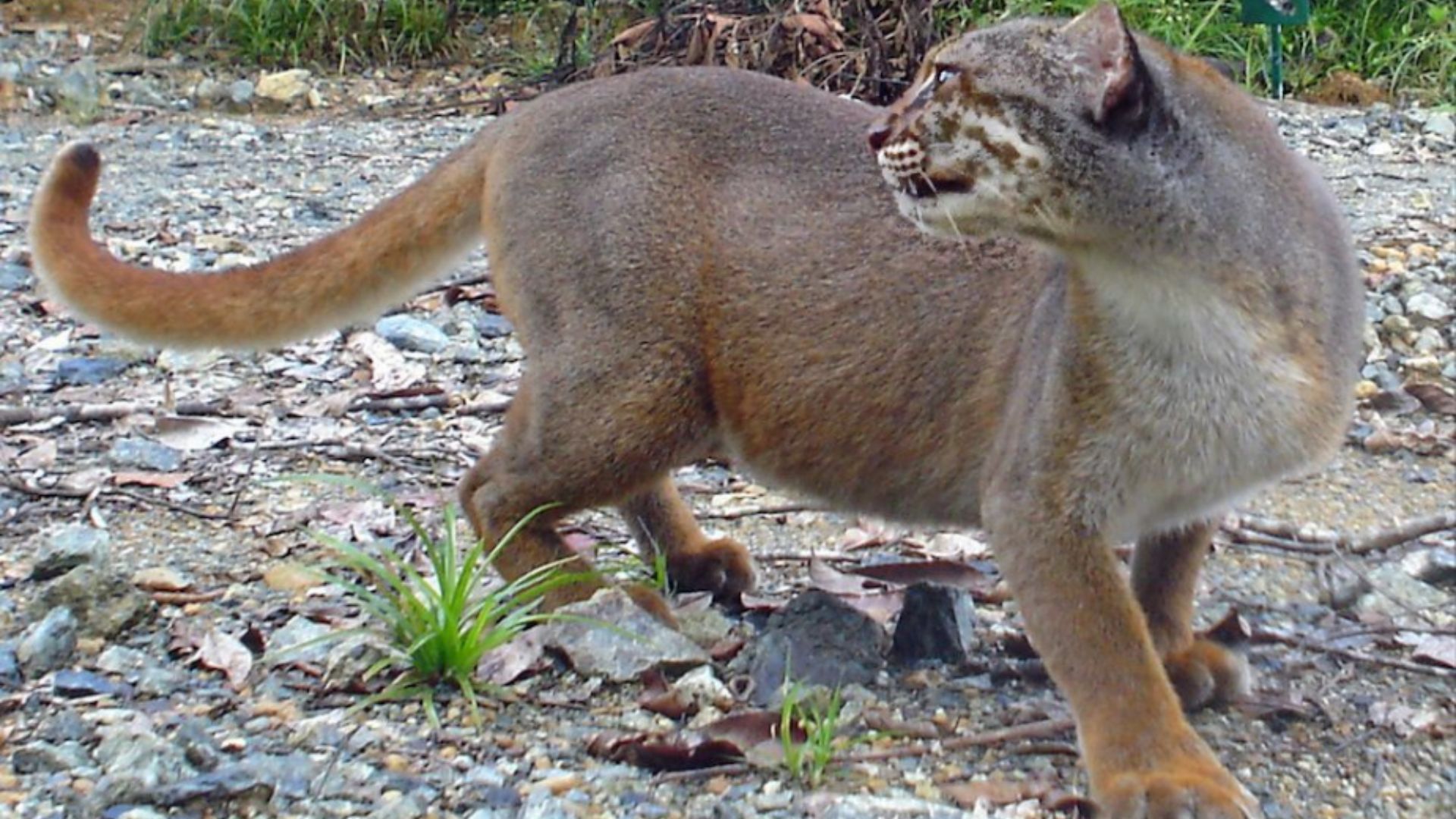
Borneo Bay Cats are about the size of a large domesticated cat, with a head-body length ranging from 49.5 to 67 cm and a tail length of 30 to 40.3 cm. They exhibit two distinct colour morphs: the more common reddish-brown (bay) form and a less common grey form. Their coats are typically uniform in colour, with faint markings on the face and a white underside of the tail tip. These cats are highly elusive and primarily nocturnal, making them challenging to study in the wild. Their behaviour and ecology remain largely unknown due to their secretive, cryptic nature.
Geographic Range
The Borneo Bay Cat is exclusively found on the island of Borneo, encompassing both Malaysian (Sabah and Sarawak) and Indonesian (Kalimantan) territories. They inhabit various forest types, including lowland dipterocarp forests, hill forests, and peat swamp forests, up to elevations of about 900 meters. Their presence is closely associated with dense forest cover, making them particularly vulnerable to habitat loss.
Diet
Due to the scarcity of direct observations, the diet of the Borneo Bay Cat is not well-documented. However, like other small felids, they are presumed to be carnivorous, preying on small mammals, birds, and possibly reptiles and insects. Their role as predators helps maintain the ecological balance within their habitat.
Reproduction and Mating
Information regarding the reproductive behaviour of the Borneo Bay Cat is virtually nonexistent. In captivity, a female was observed to give birth to a single kitten, suggesting a possible low reproductive rate. However, comprehensive studies are needed to understand their mating systems, gestation periods, and parental care.
Threats
The Borneo Bay Cat is listed as Endangered on the IUCN Red List, with an estimated population of fewer than 2,500 mature individuals. Conservation efforts are hindered by the lack of comprehensive data on their ecology and population dynamics. Protecting their remaining forest habitats and implementing anti-poaching measures are crucial steps toward their preservation.
IUCN Status: Endangered
Palm oil and timber deforestation: Extensive deforestation for logging, palm oil plantations, and human settlement has led to significant habitat fragmentation and loss.
Illegal poaching and trapping: Poaching, particularly the use of snares, poses a significant threat. Wildlife traders are aware of the species’ rarity, and Bay Cats have been captured illegally from the wild for the skin and pet markets (Sunquist and Sunquist 2002, Kitchener et al. 2004, Azlan and Sanderson 2007).
The Borneo Bay Cat was not recorded during an intensive, felid-focused camera trap survey of oil palm plantations in Sabah (Ross et al. 2010, Yue et al. in press).
IUCN Red lIST
Take Action!
Protect the Borneo Bay Cat by boycotting products linked to deforestation, such as palm oil. Use your wallet as a weapon to support ethical and eco-friendly choices. Share their story and fight for their survival with #BoycottPalmOil and #Boycott4Wildlife.
Further Information
Hearn, A., Brodie, J., Cheyne, S., Loken, B., Ross, J. & Wilting, A. 2016. Catopuma badia (errata version published in 2017). The IUCN Red List of Threatened Species 2016: e.T4037A112910221. https://dx.doi.org/10.2305/IUCN.UK.2016-1.RLTS.T4037A50650716.en. Downloaded on 25 January 2021.
Felidae Conservation Fund. (n.d.). Bay Cat. Retrieved from Felidae Conservation Fund
Hance, J. (2024). On the trail of Borneo’s bay cat, one of the world’s most mysterious felines. Mongabay. Retrieved from Mongabay
Wikipedia contributors. (n.d.). Bay Cat. Retrieved from Wikipedia
Wildcat Conservation. (n.d.). Borneo Bay Cat. Retrieved from Wildcat Conservation

How can I help the #Boycott4Wildlife?
Take Action in Five Ways
1. Join the #Boycott4Wildlife on social media and subscribe to stay in the loop: Share posts from this website to your own network on Twitter, Mastadon, Instagram, Facebook and Youtube using the hashtags #Boycottpalmoil #Boycott4Wildlife.
2. Contribute stories: Academics, conservationists, scientists, indigenous rights advocates and animal rights advocates working to expose the corruption of the palm oil industry or to save animals can contribute stories to the website.



3. Supermarket sleuthing: Next time you’re in the supermarket, take photos of products containing palm oil. Share these to social media along with the hashtags to call out the greenwashing and ecocide of the brands who use palm oil. You can also take photos of palm oil free products and congratulate brands when they go palm oil free.
4. Take to the streets: Get in touch with Palm Oil Detectives to find out more.
5. Donate: Make a one-off or monthly donation to Palm Oil Detectives as a way of saying thank you and to help pay for ongoing running costs of the website and social media campaigns. Donate here
Discover more from Palm Oil Detectives
Subscribe to get the latest posts sent to your email.
 Palm Oil Detectives
6 thoughts on “Borneo Bay Cat Catopuma badia”