
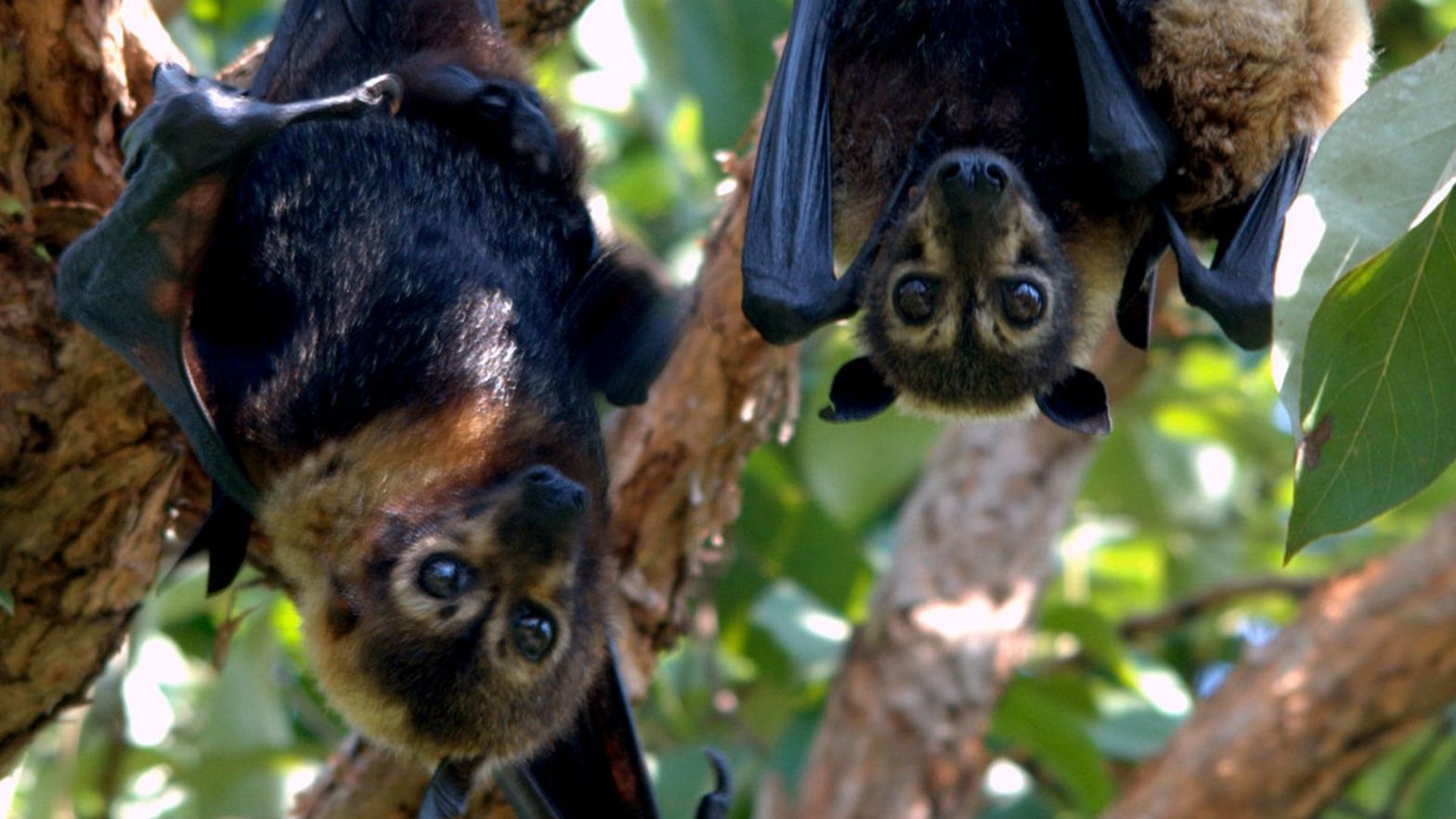
Spectacled Flying Fox Pteropus conspicillatus
Location: Australia (Queensland) and Papua New Guinea’s offshore islands including Woodlark Island, Alcester Island, Kiriwina, and Halmahera
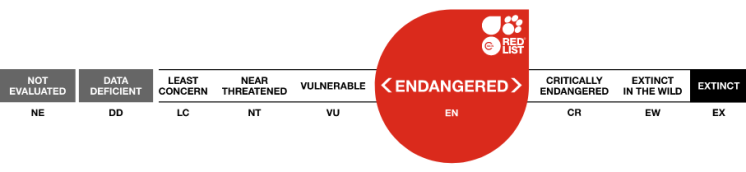
IUCN Status: Endangered
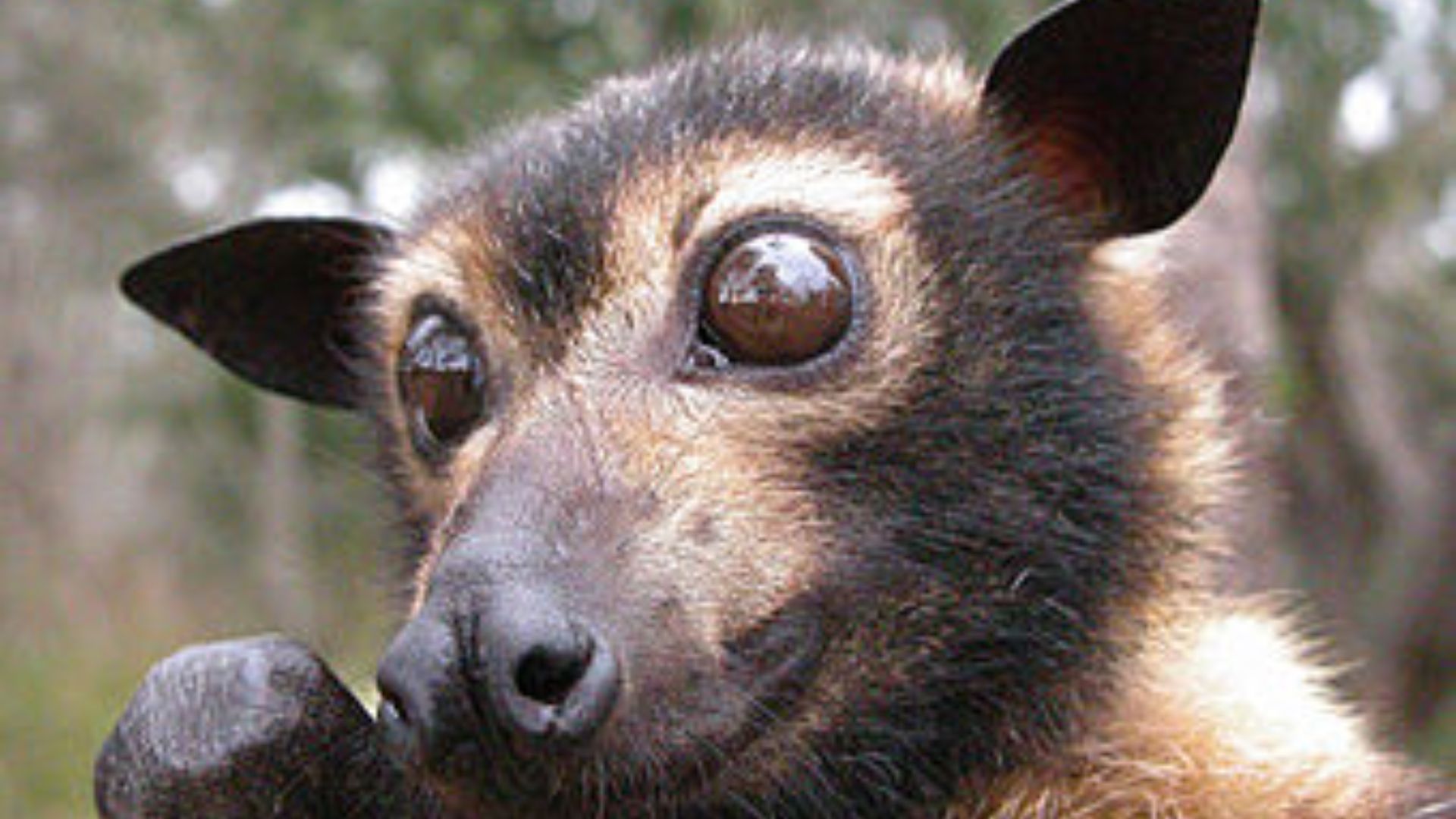
The Spectacled Flying Fox (Pteropus conspicillatus) is a large, highly mobile fruit #bat native to the tropical rainforests of Australia’s Wet Tropics and Papua New Guinea‘s offshore islands including Woodlark Island, Alcester Island, Kiriwina, and Halmahera. Named for the distinctive pale rings around their eyes, they play a crucial role in pollination and seed dispersal across vast forested landscapes. However, their survival is under severe threat due to rampant #palmoil #deforestation in #Papua, along with #climatechange-induced extreme heat events, and human-wildlife conflict. These bats have suffered catastrophic population declines in recent years, underscoring the urgent need for conservation action. In February 2019 the Australian government upgraded their threatened status from vulnerable to endangered, after almost a third of the bat population died in a severe heatwave in Queensland in late 2018. Take action and resist climate change and deforestation-driven #extinction every time you shop—#BoycottPalmOil #Boycott4Wildlife.
Spectacled Flying Foxes are a species of megabat #endangered in #PapuaNewGuinea and #FarNorthQueensland Australia. #Bushfires have decimated their numbers. 😿🦇🔥 They face serious threats from #palmoil #deforestation #Boycott4Wildlife @palmoildetect https://palmoildetectives.com/2021/01/31/spectacled-flying-fox-pteropus-conspicillatus/
Wide-eyed Spectacled Flying Foxes are #endangered megabats in #PapuaNewGuinea 🇵🇬 and #FarNorthQueensland Australia 🇦🇺 😿🦇🔥 A major ongoing threat is #palmoil #deforestation. Take action when you #Boycott4Wildlife @palmoildetect https://palmoildetectives.com/2021/01/31/spectacled-flying-fox-pteropus-conspicillatus/
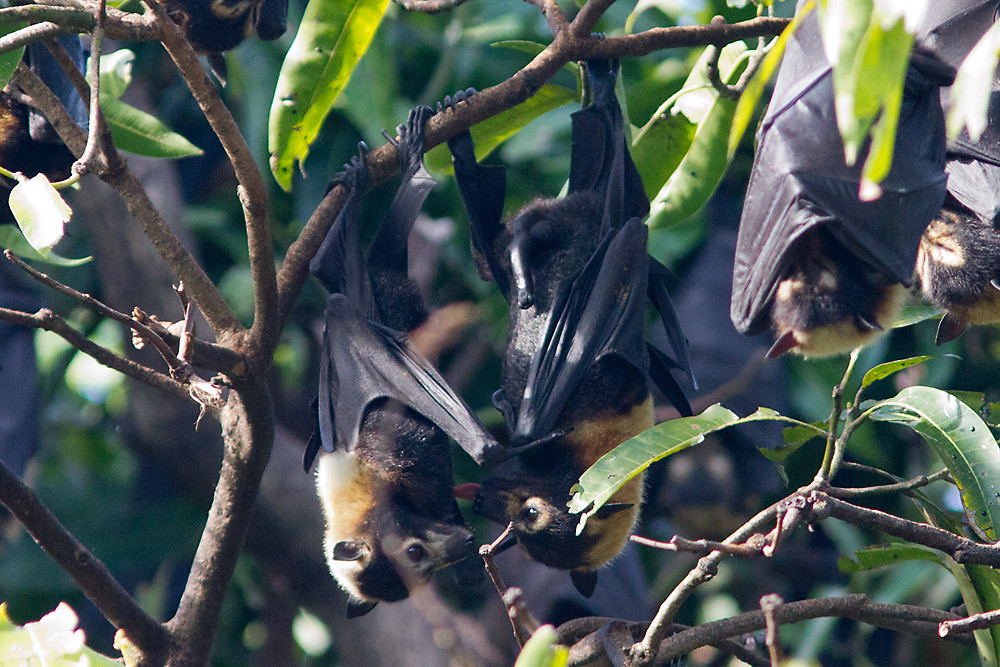
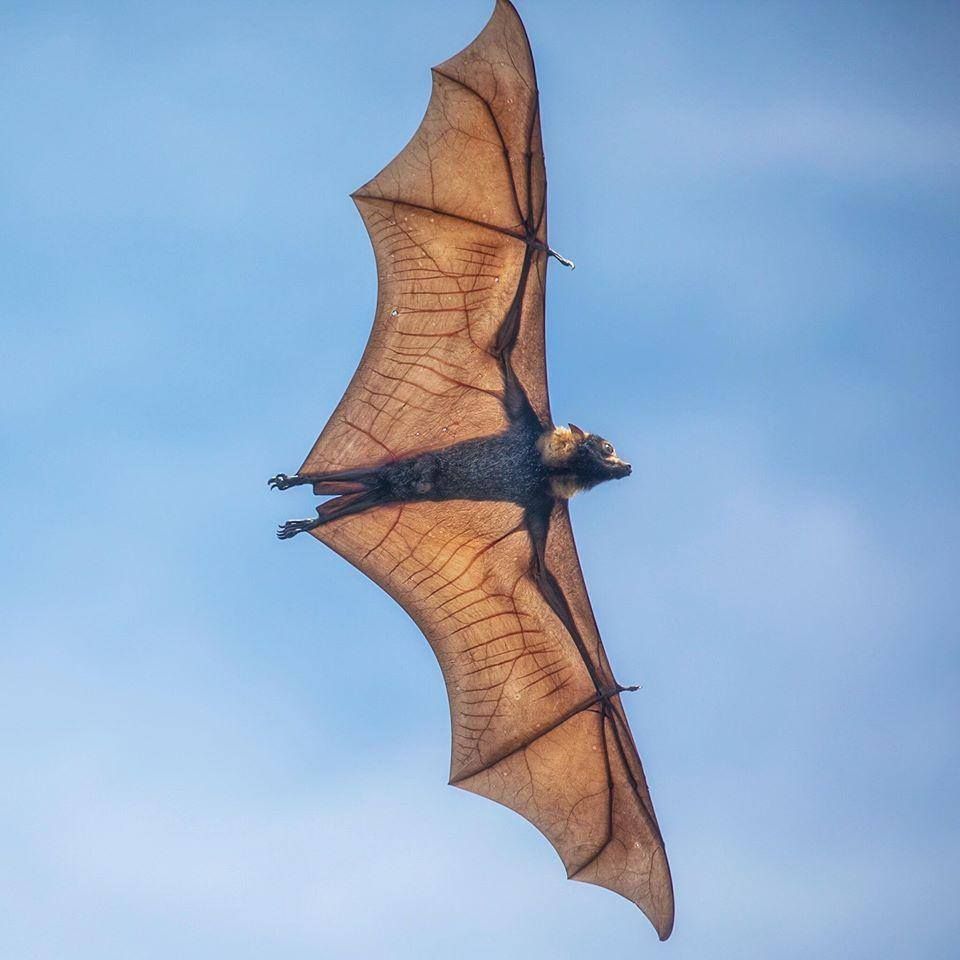
The Spectacled Flying Fox was listed as a threatened species under the Environment Protection and Biodiversity Conservation Act 1999. They were considered vulnerable due to a significant decline in numbers as a result of loss of their prime feeding habitat and secluded camp sites.
IUCN Red List
Appearance and Behaviour
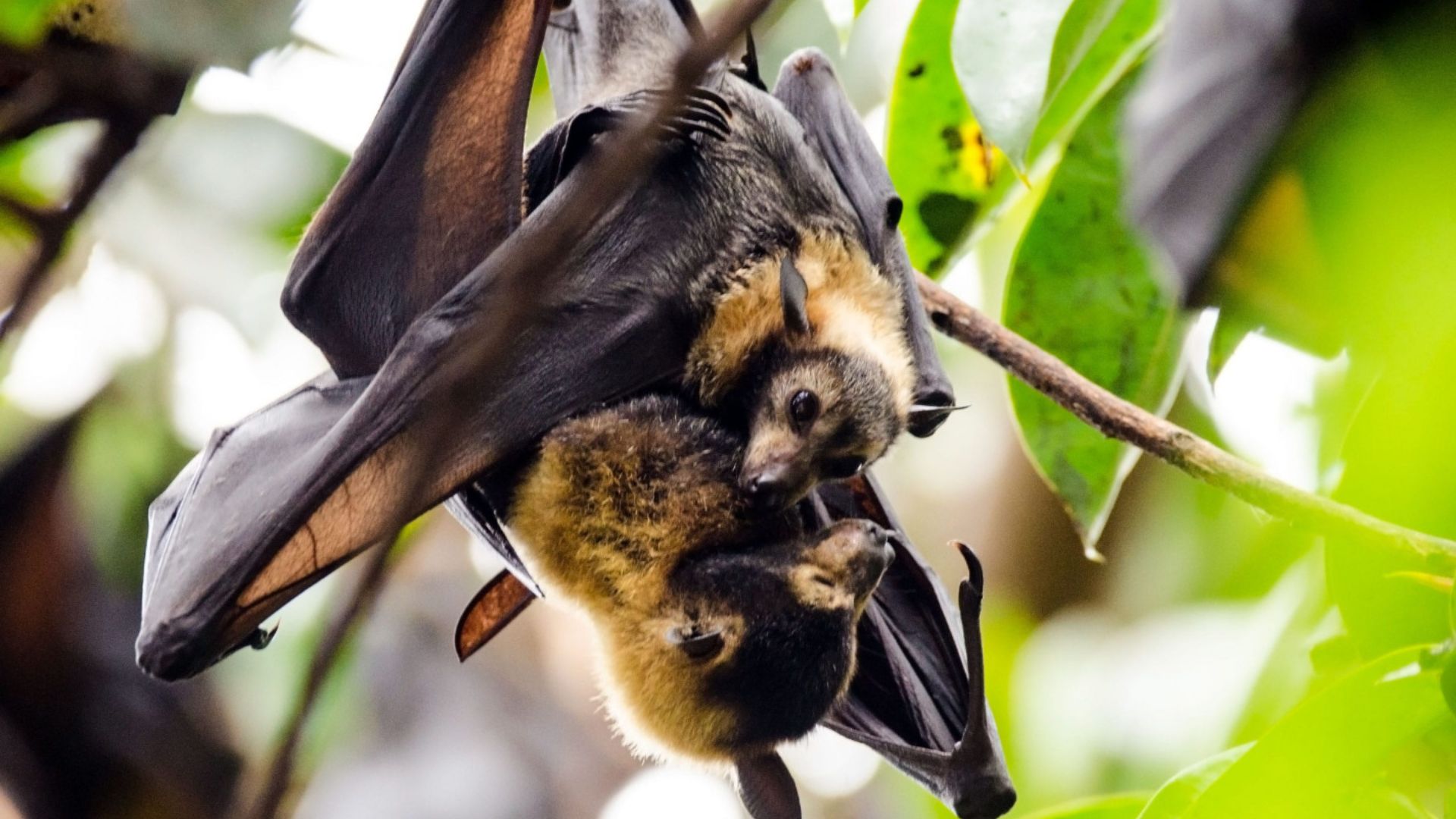
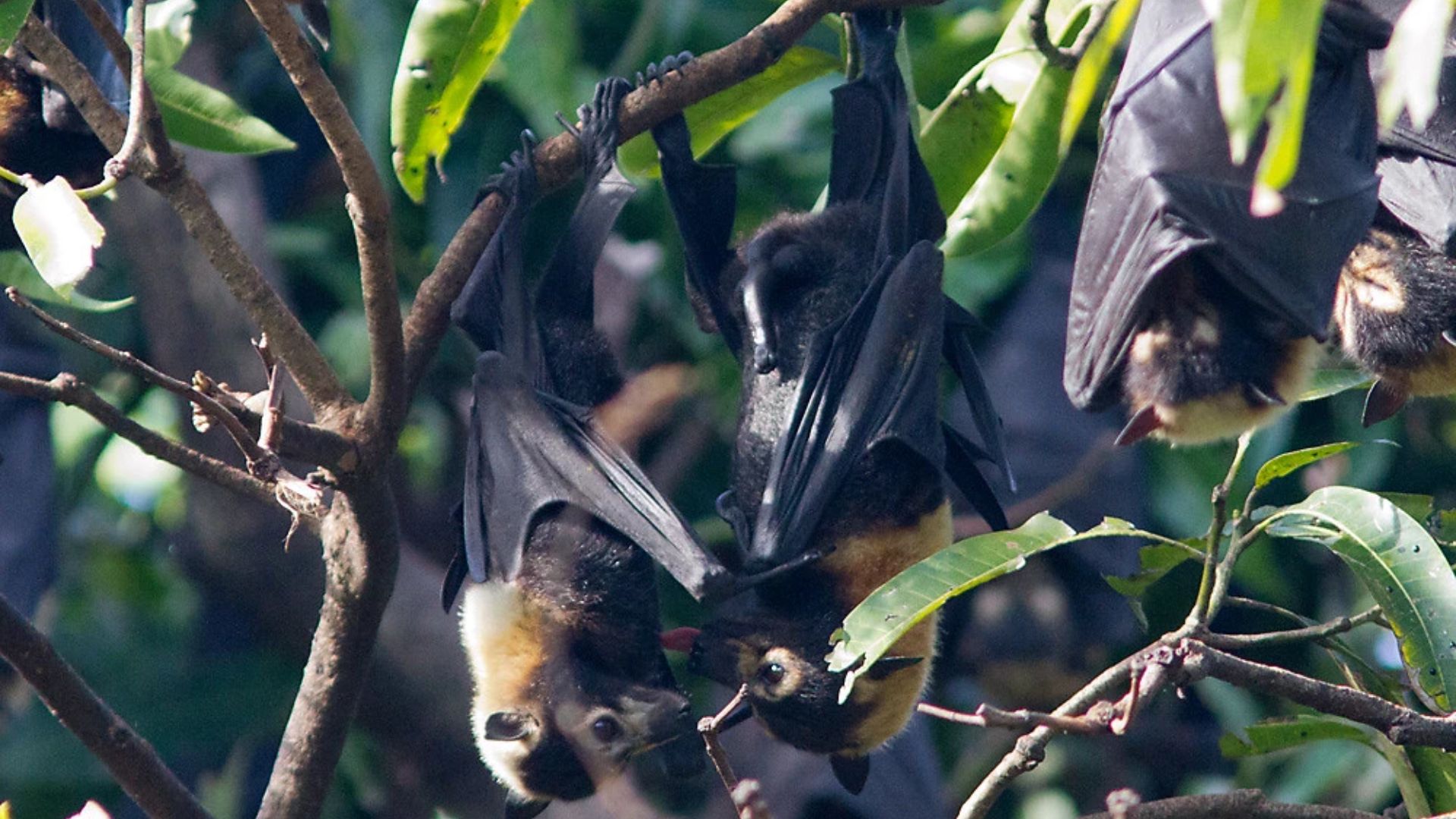
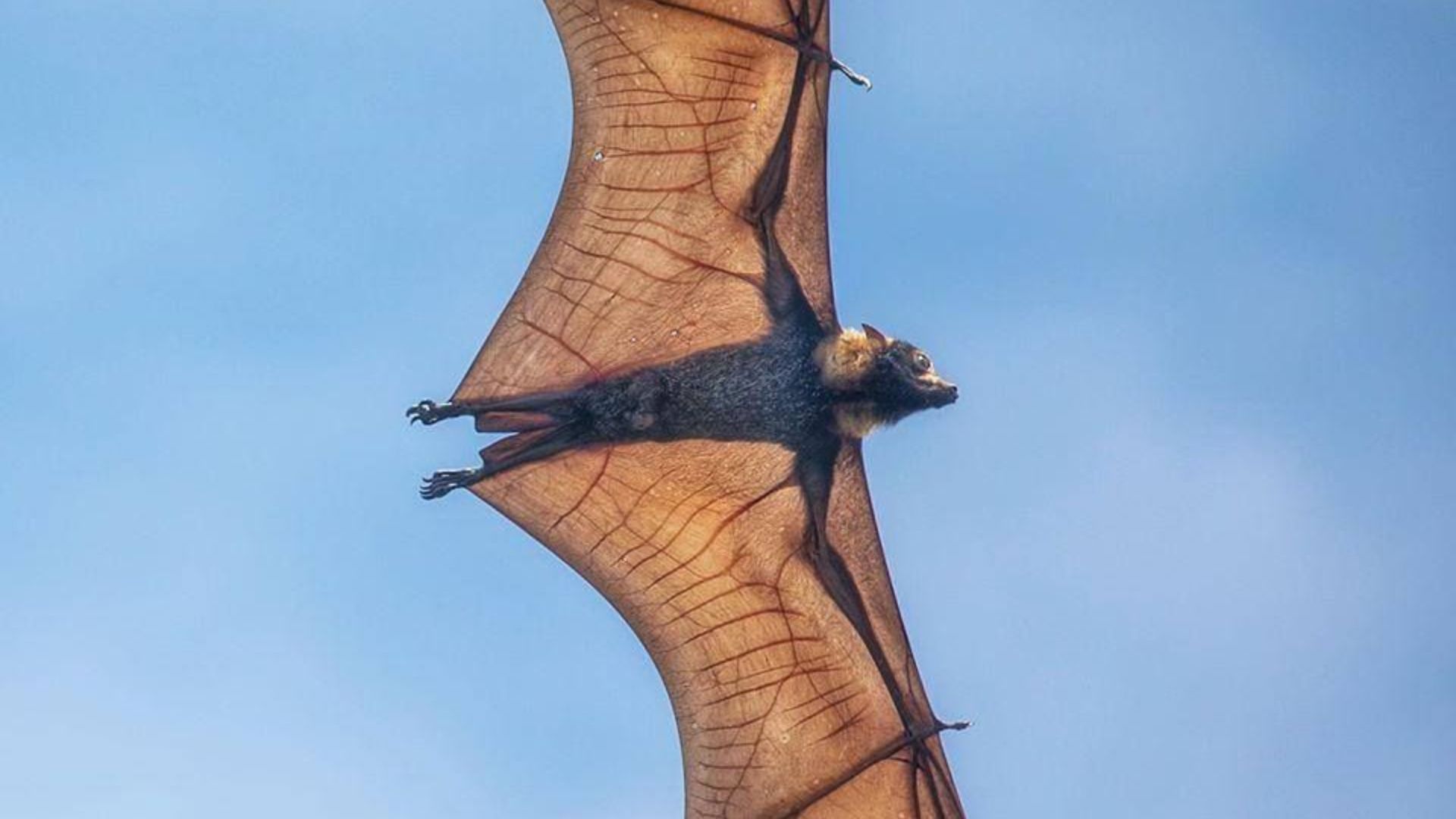
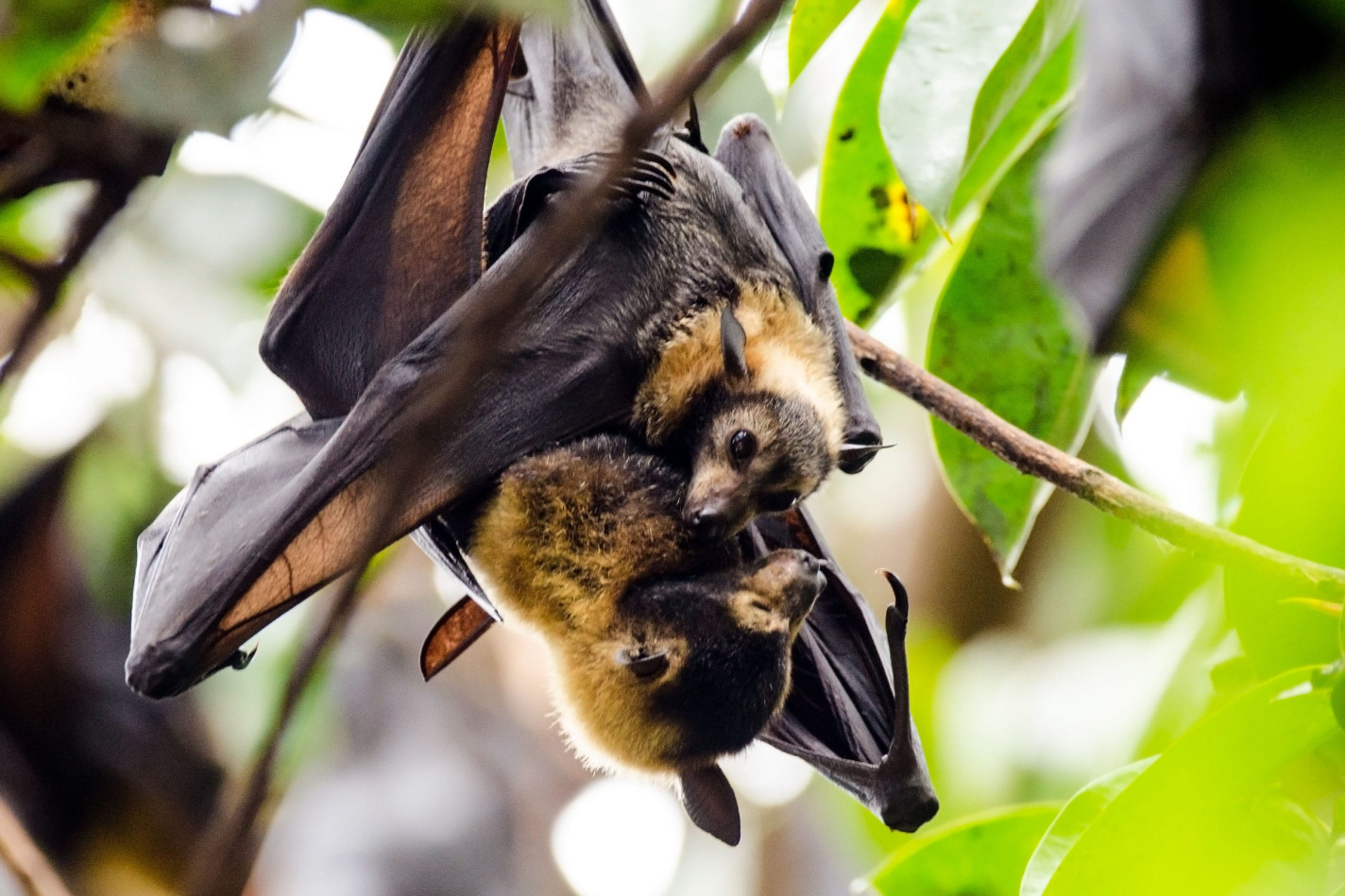
Spectacled Flying Foxes are among the most striking of Papua and Australia’s #megabats, with jet-black fur contrasted by golden rings around their eyes and neck. They have a wingspan of up to 1.6 metres, making them one of the largest flying fox species. Their powerful wings allow them to travel over 40 km per night in search of food. Unlike smaller bats, they do not echolocate but instead rely on keen eyesight and a sophisticated sense of smell to navigate and locate fruiting trees. They roost in large, noisy colonies in mangroves, rainforests, and urban areas, playing a vital ecological role in seed dispersal and pollination.


Diet
The diet of Pteropus conspicillatus is diverse, consisting primarily of fruits, nectar, and pollen from a variety of rainforest species. Studies have shown they are particularly dependent on figs (Ficus spp.), eucalyptus, and blossoms from Myrtaceae trees (Parsons et al., 2007). Their feeding habits make them critical keystone pollinators, ensuring the reproduction of numerous tropical plant species. However, habitat destruction is forcing them into urban areas where they feed on exotic fruit trees, leading to increased human-wildlife conflict.
Reproduction and Mating
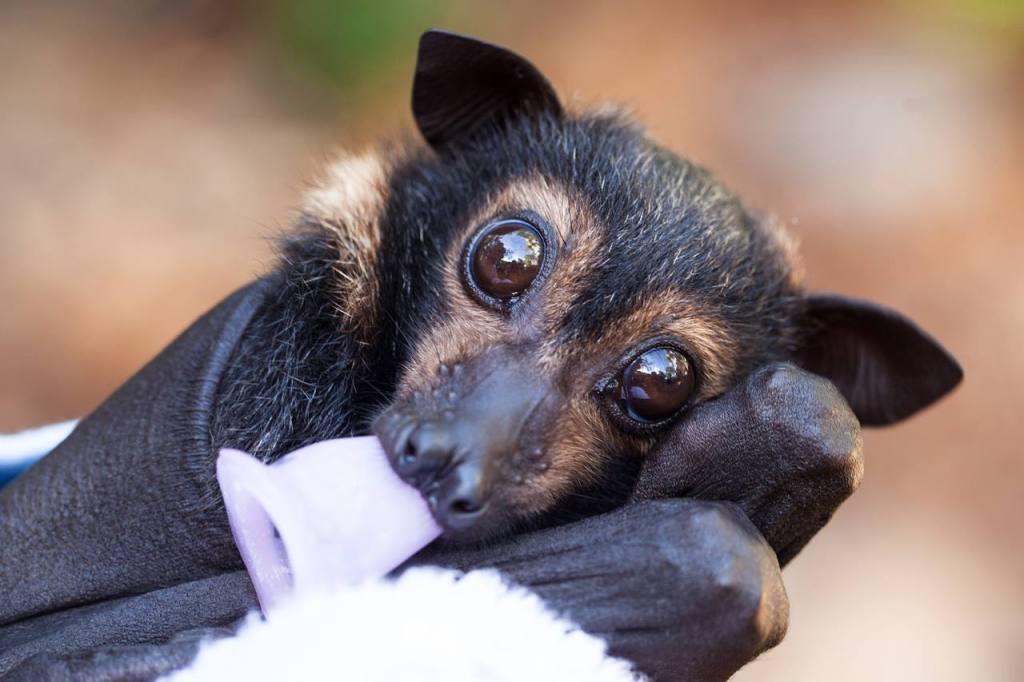
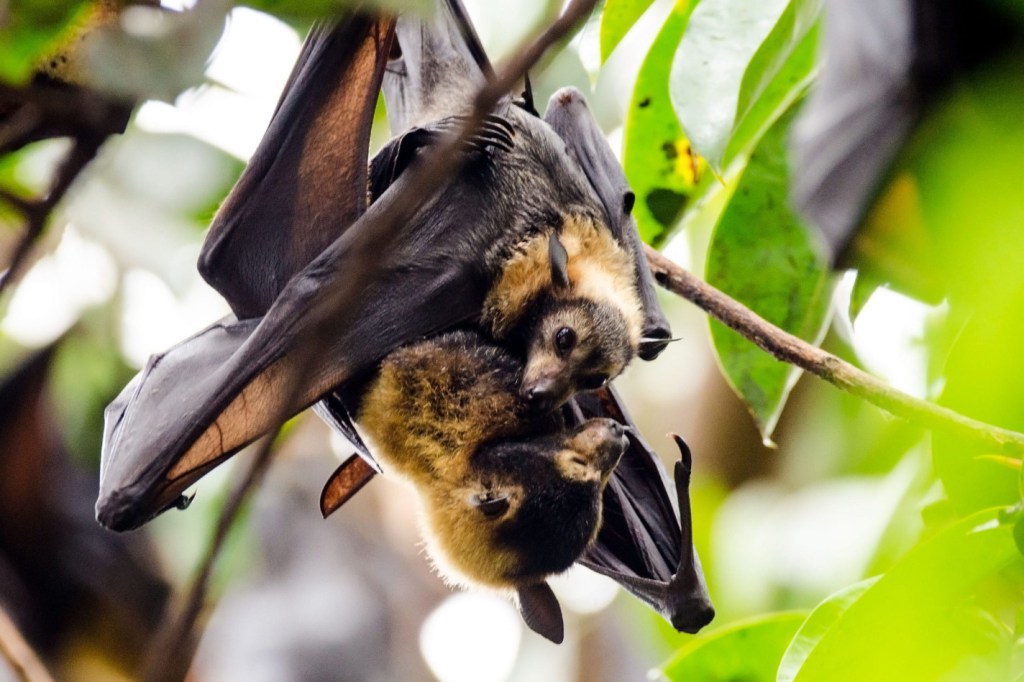
Spectacled Flying Foxes have a slow reproductive rate, giving birth to only one pup per year. Mating occurs in March–April, with females giving birth between October and December. The mother carries the pup clinging to her belly for the first few weeks before leaving them in nursery groups while she forages. Mortality rates are high, particularly during heat stress events and mass die-offs linked to climate change.
Threats
Deforestation for Industrial Agriculture
The primary threat to Pteropus conspicillatus is habitat destruction, particularly for timber and palm oil plantations (in Papua New Guinea) and timber and meat deforestation (In Australia). Vast tracts of lowland rainforest are being cleared, reducing their foraging habitat and forcing them into urban areas where they are often persecuted by humans.
Extreme Heat Events and Climate Change
Spectacled Flying Foxes are highly vulnerable to extreme heat, with thousands dying from heat stress during temperature spikes above 42°C. These mass die-offs, recorded in 2018 and 2019, have decimated the population, making them one of the first Australian mammals experiencing large-scale climate change-induced mortality.
Human-Wildlife Conflict
Farmers often view these bats as pests due to their consumption of fruit crops, leading to culling, habitat destruction, and illegal poisoning. In some areas, local governments have sanctioned smoke dispersals to remove colonies, causing unnecessary stress and fatal injuries to bats.
Disease Stigma and Persecution
Flying foxes are often unfairly demonised due to their association with viruses like Hendra, despite low transmission risks to humans. This stigma has led to illegal killings and further persecution, exacerbating their population decline.
Take Action!
The Spectacled Flying Fox is a vital part of Australia and Papua New Guinea’s rainforest ecosystem. Fight for their survival and resist deforestation-driven extinction every time you shop—#BoycottPalmOil #Boycott4Wildlife. Support habitat protection initiatives and advocate for stronger protections against bat culling and persecution.
FAQs
Why is the Spectacled Flying Fox endangered?
Habitat loss due to deforestation, mass mortality events from climate change, and persecution by farmers and local authorities have caused a significant population decline.
Why does the world need Spectacled Flying Foxes?
They are critical pollinators and seed dispersers, playing an essential role in the health of tropical rainforests. Without them, many plant species—including those vital to human agriculture—would struggle to reproduce.
How many Spectacled Flying Foxes are left?
It is difficult to estimate exact numbers, but populations have plummeted in recent years due to heat stress events and habitat destruction. In 2019, thousands perished in a single heatwave, accelerating their decline.
Do Spectacled Flying Foxes carry disease?
Like all wildlife, they can carry zoonotic diseases, but the risk of transmission to humans is extremely low unless there is direct contact. Education and conservation efforts should focus on protecting both bats and public health.
Can you keep Spectacled Flying Foxes as pets?
No. Keeping a Spectacled Flying Fox as a pet is illegal and unethical. These are wild animals with specialised needs, and their removal from the wild harms both individuals and ecosystems.
Support the conservation of this species
Tolga Bat Hospital – Queensland
Further Information
Fox, S. (2006). Population structure in the spectacled flying fox, Pteropus conspicillatus: A study of genetic and demographic factors (Doctoral dissertation, James Cook University). https://researchonline.jcu.edu.au/8053/
Parsons, J. G., Cairns, A., Johnson, C. N., Robson, S. K. A., et al. (2007). Dietary variation in spectacled flying foxes (Pteropus conspicillatus) of the Australian Wet Tropics. Australian Journal of Zoology, 54(6), 417–428. https://doi.org/10.1071/ZO06092
Roberts, B., Eby, P. & Westcott, D. 2020. Pteropus conspicillatus. The IUCN Red List of Threatened Species 2020: e.T18721A22080456. https://dx.doi.org/10.2305/IUCN.UK.2020-3.RLTS.T18721A22080456.en. Downloaded on 31 January 2021.

How can I help the #Boycott4Wildlife?
Take Action in Five Ways
1. Join the #Boycott4Wildlife on social media and subscribe to stay in the loop: Share posts from this website to your own network on Twitter, Mastadon, Instagram, Facebook and Youtube using the hashtags #Boycottpalmoil #Boycott4Wildlife.
2. Contribute stories: Academics, conservationists, scientists, indigenous rights advocates and animal rights advocates working to expose the corruption of the palm oil industry or to save animals can contribute stories to the website.





3. Supermarket sleuthing: Next time you’re in the supermarket, take photos of products containing palm oil. Share these to social media along with the hashtags to call out the greenwashing and ecocide of the brands who use palm oil. You can also take photos of palm oil free products and congratulate brands when they go palm oil free.
4. Take to the streets: Get in touch with Palm Oil Detectives to find out more.
5. Donate: Make a one-off or monthly donation to Palm Oil Detectives as a way of saying thank you and to help pay for ongoing running costs of the website and social media campaigns. Donate here
Discover more from Palm Oil Detectives
Subscribe to get the latest posts sent to your email.
 Palm Oil Detectives