
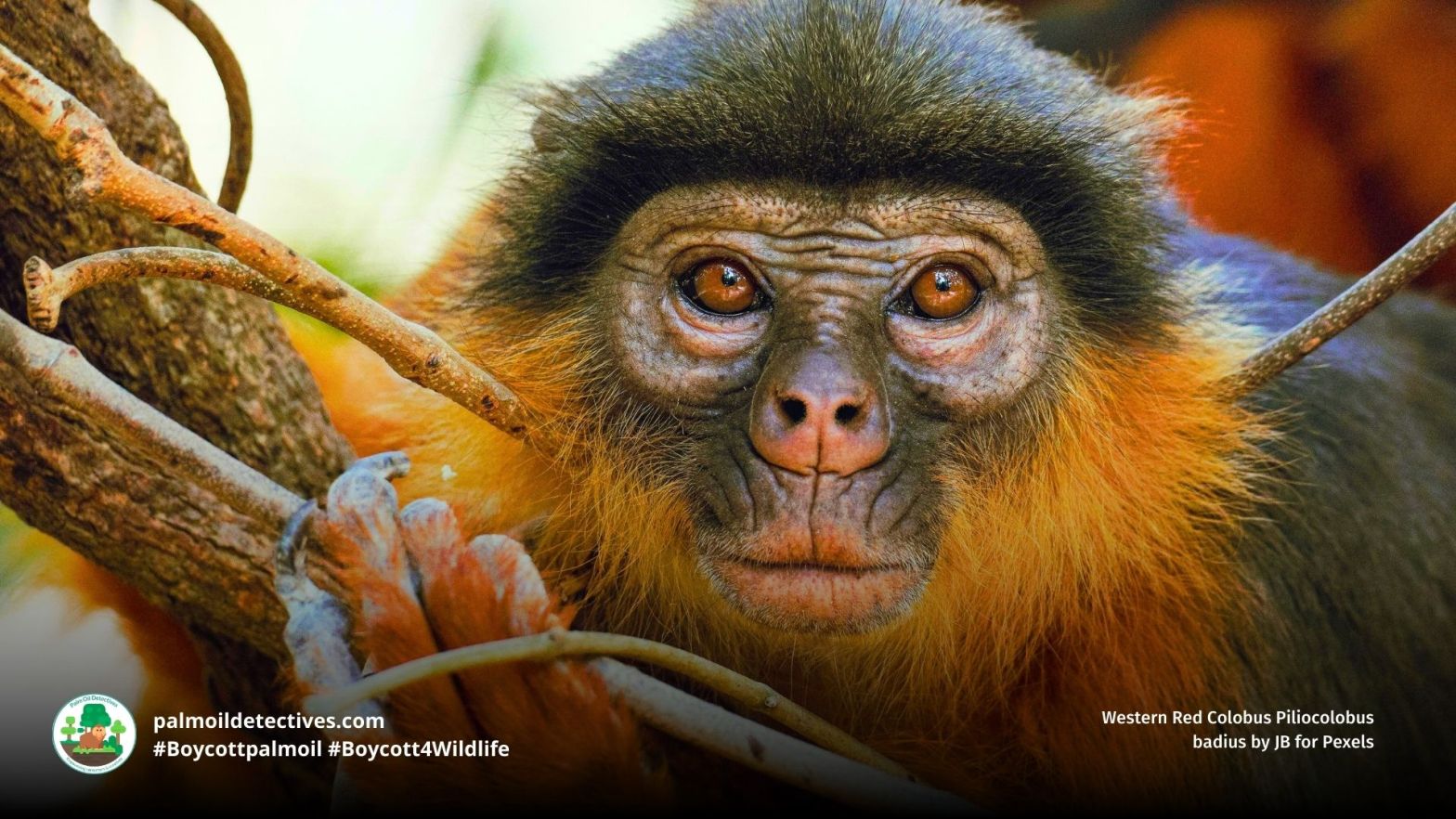
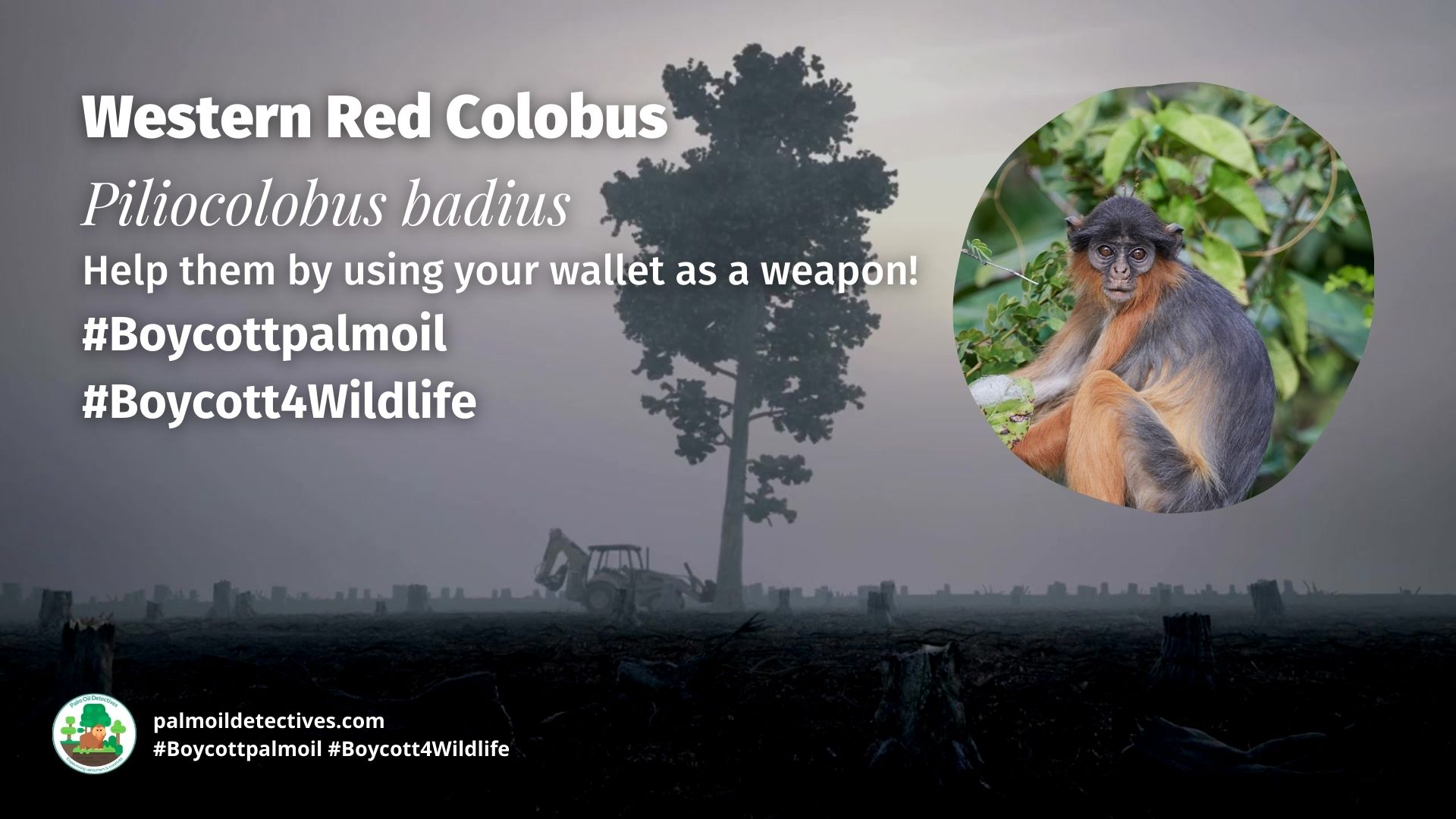
Western Red Colobus Piliocolobus badius
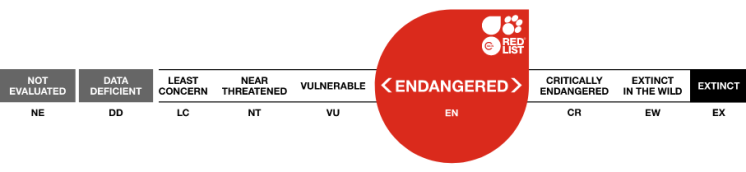
Status: Endangered (IUCN 2020)
Location: West Africa – Sierra Leone, Liberia, Côte d’Ivoire, Guinea, Guinea-Bissau, Senegal, and The Gambia
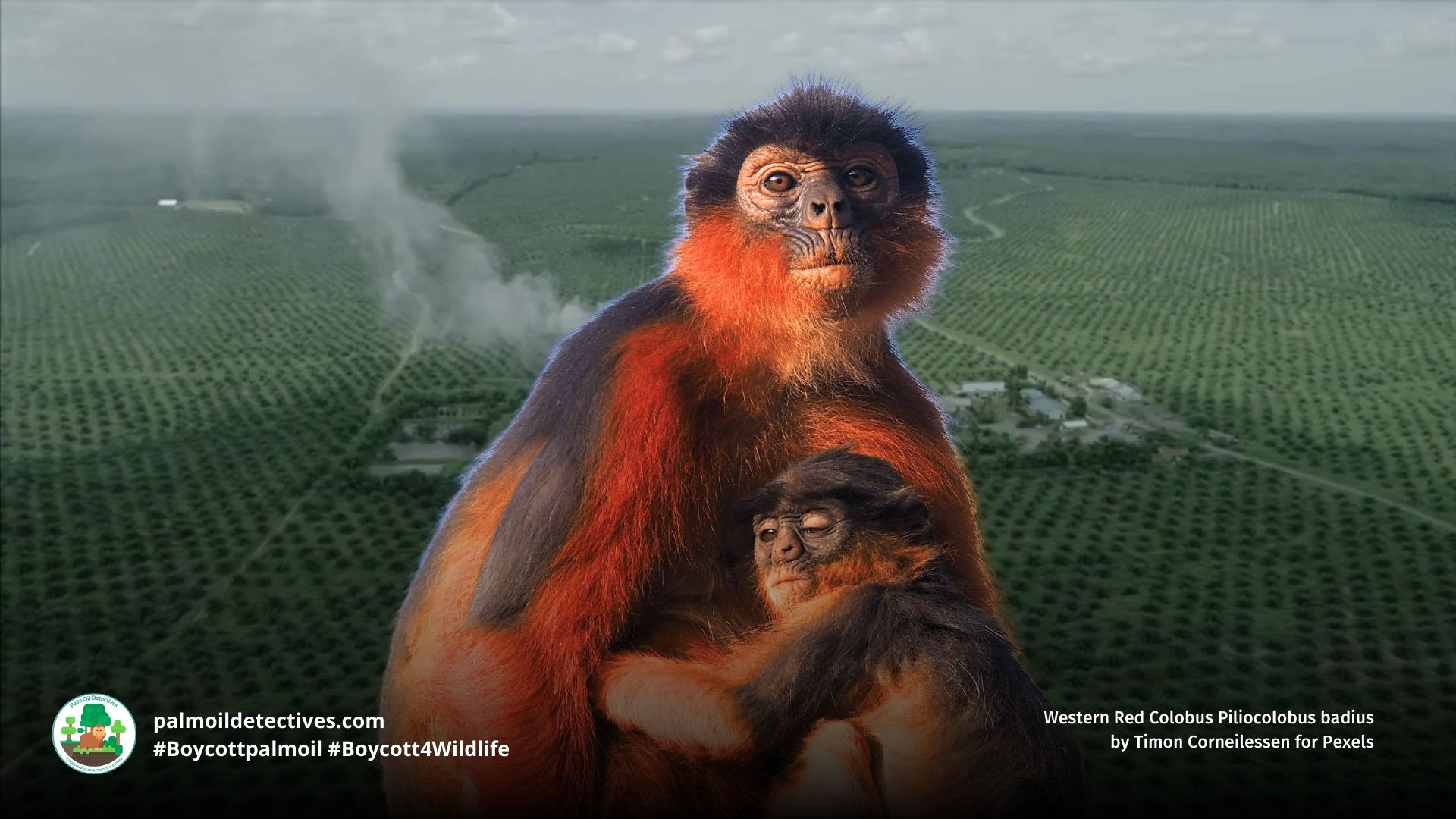
The Western Red Colobus Piliocolobus badius is one of West Africa’s most #endangered #primates, facing an escalating crisis of habitat loss and overhunting. Once abundant in mature forests across the region, they have been driven to the brink of #extinction by rampant deforestation for charcoal, palm oil and mining and the increasing demand for #bushmeat. Widespread clearing of forests for industrial #palmoil plantations, #mining, and #timber has fragmented their habitat, isolating populations and making them more vulnerable to #poaching. Without urgent intervention, their future remains uncertain. Help them every time you shop and be #vegan #BoycottPalmOil #Boycott4Wildlife
One of #WestAfrica and the world’s most endangered #primates 🐵you’ve never heard of is the enchanting Western Red #Colobus of #SierraLeone 🇸🇱 #Liberia 🇱🇷 #PalmOil 🌴☠️ and #poaching are major threats. #BoycottPalmOil 🌴🚫 #Boycott4Wildlife @palmoildetect https://palmoildetectives.com/2021/02/15/western-red-colobus-piliocolobus-badius/
Forest clearing in #WestAfrica for #charcoal #palmoil and #mining ⛏️ are threats for the elusive and #endangered #primate 🐵🐒🙈 Western Red #Colobus. Help them to survive, when you shop #BoycottPalmOil 🌴🤢🔥⛔️ #Boycott4Wildlife @palmoildetect https://palmoildetectives.com/2021/02/15/western-red-colobus-piliocolobus-badius/
Appearance and behaviour
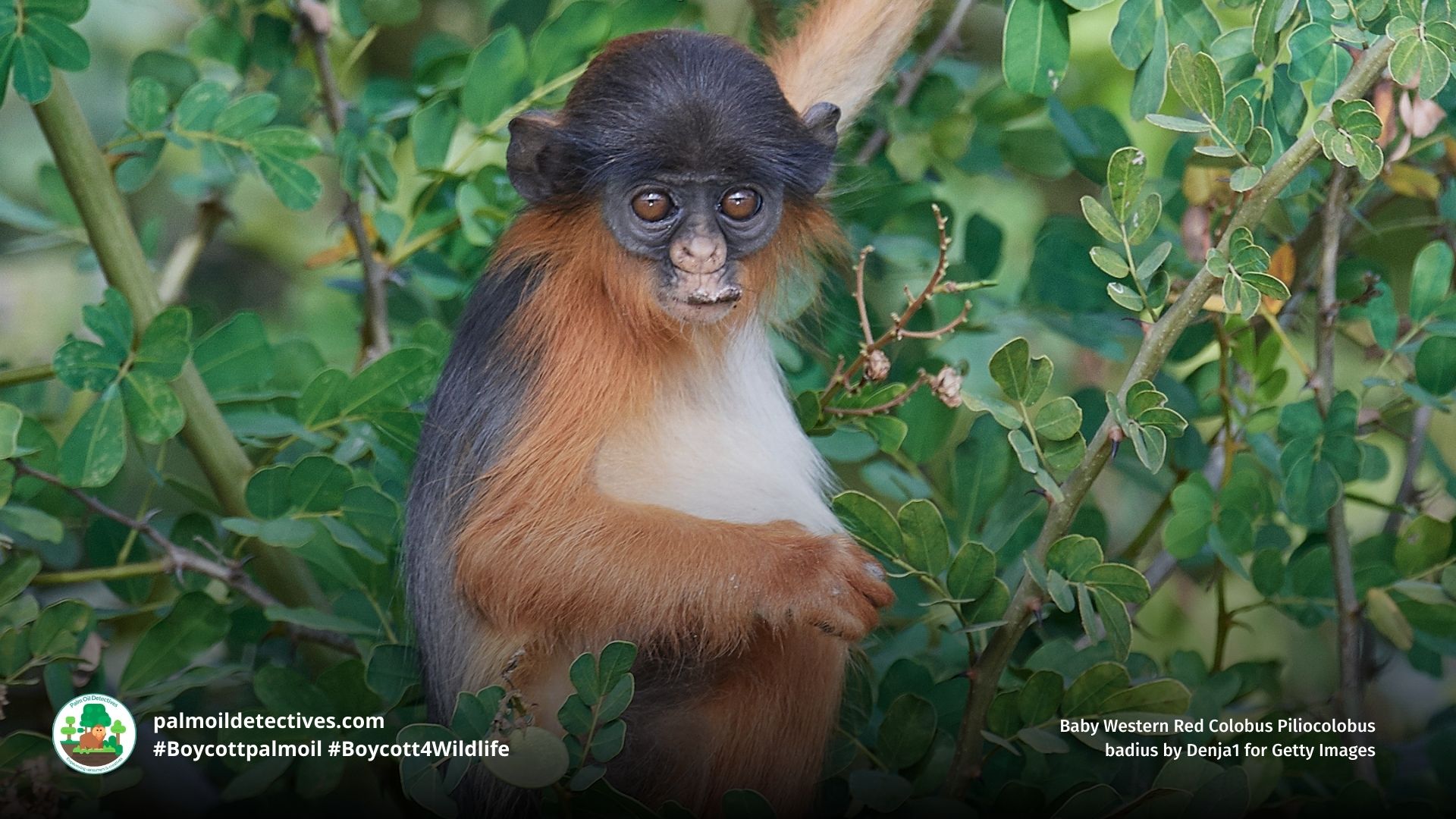
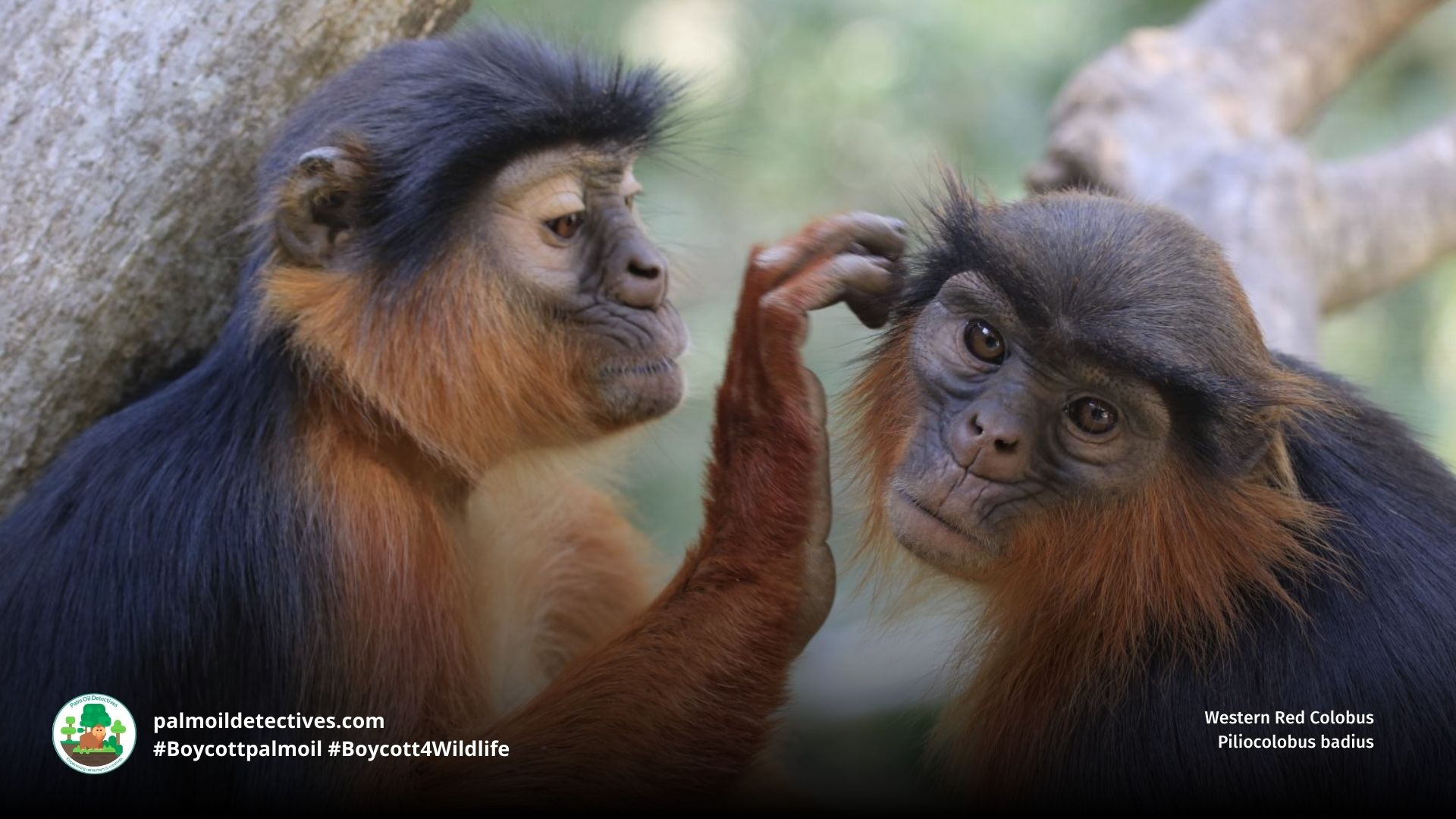
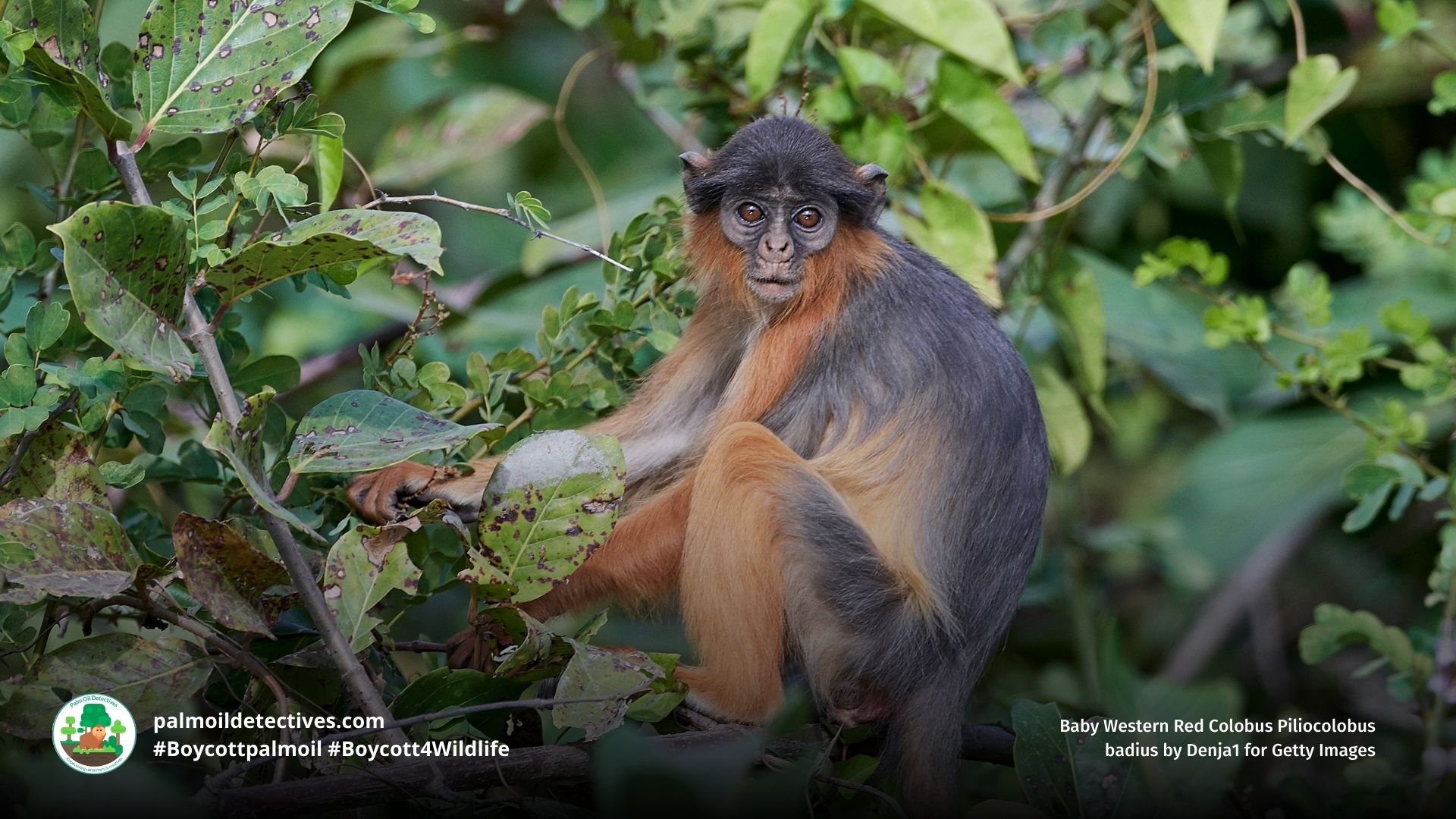
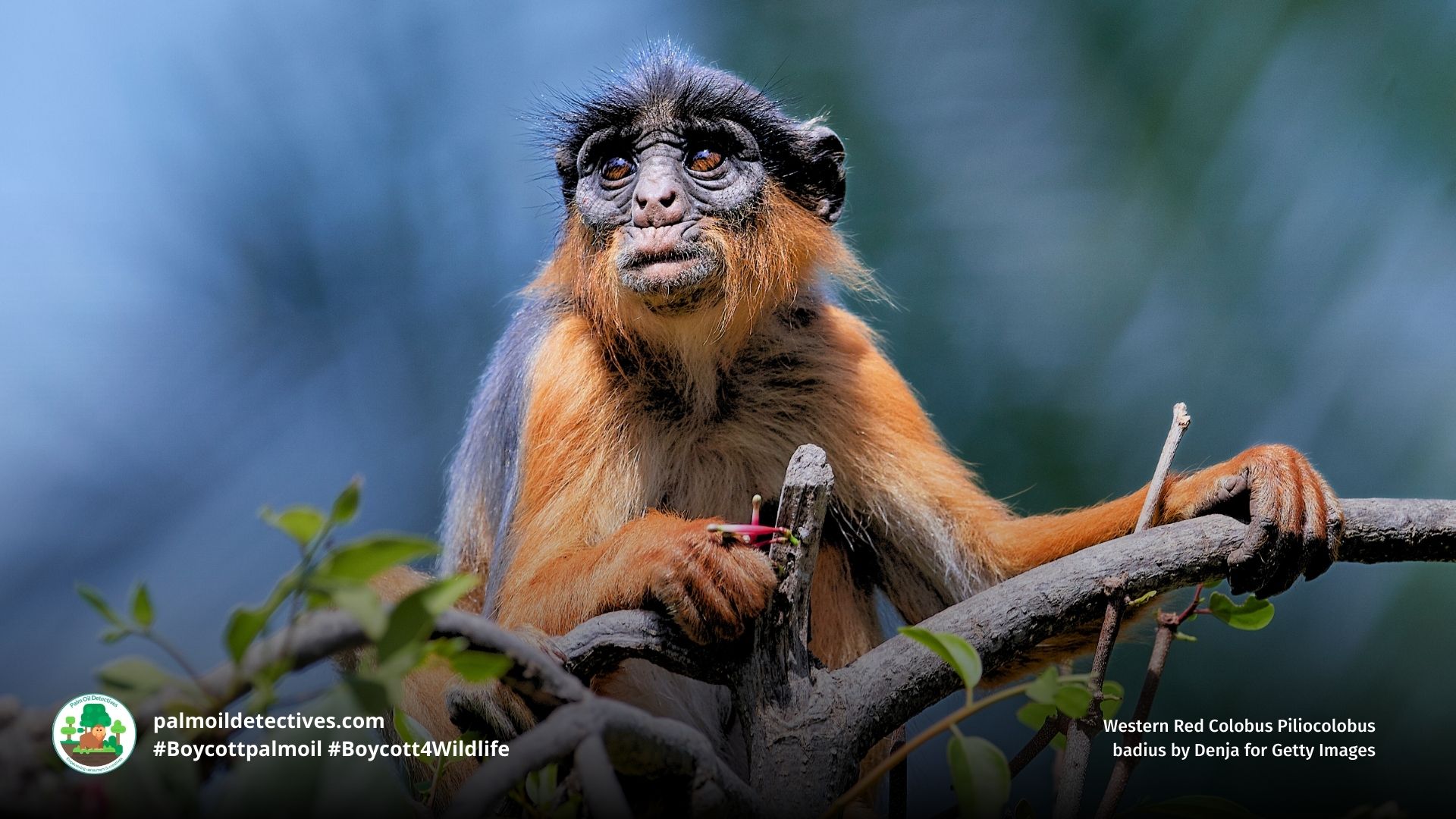
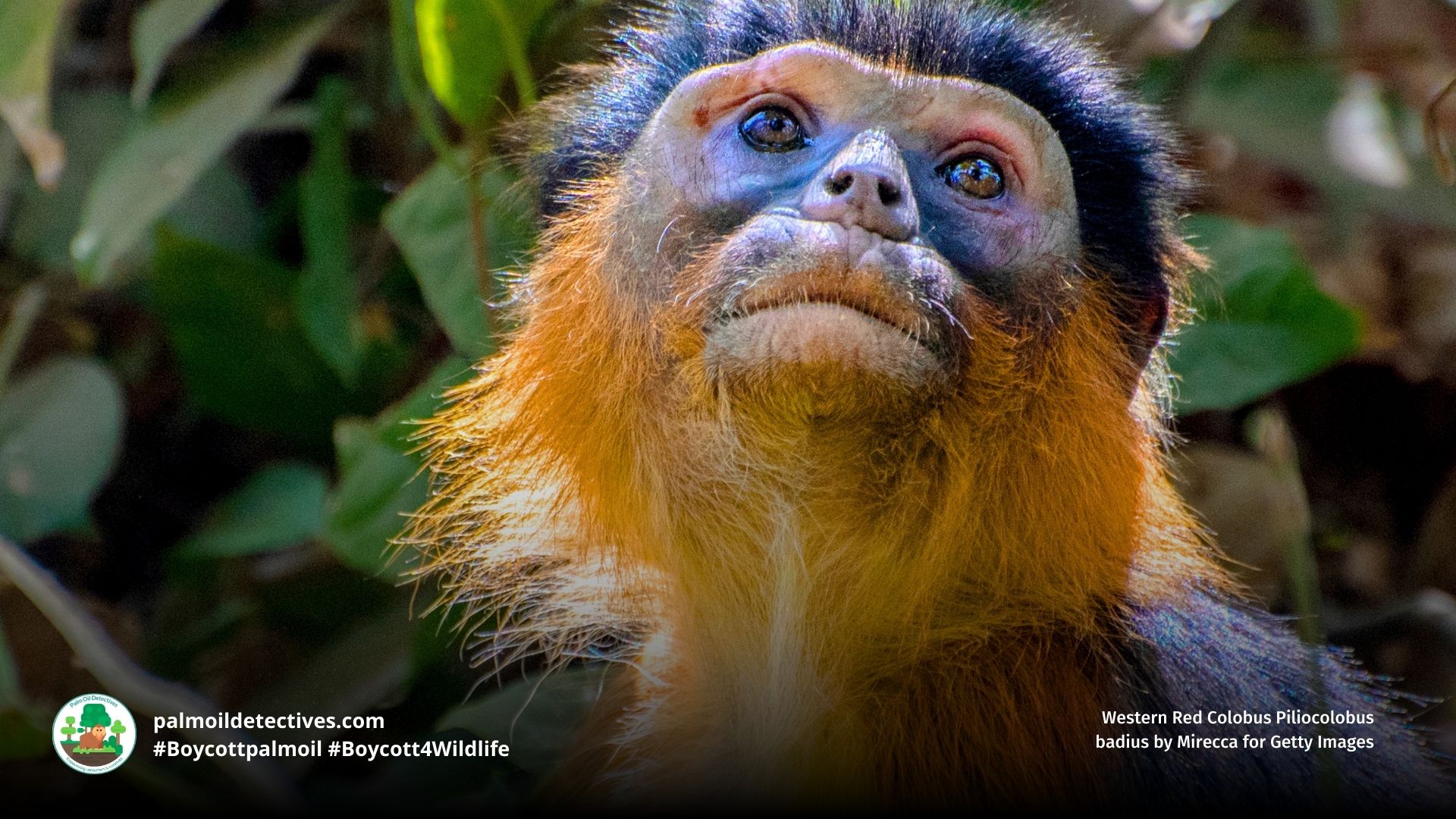
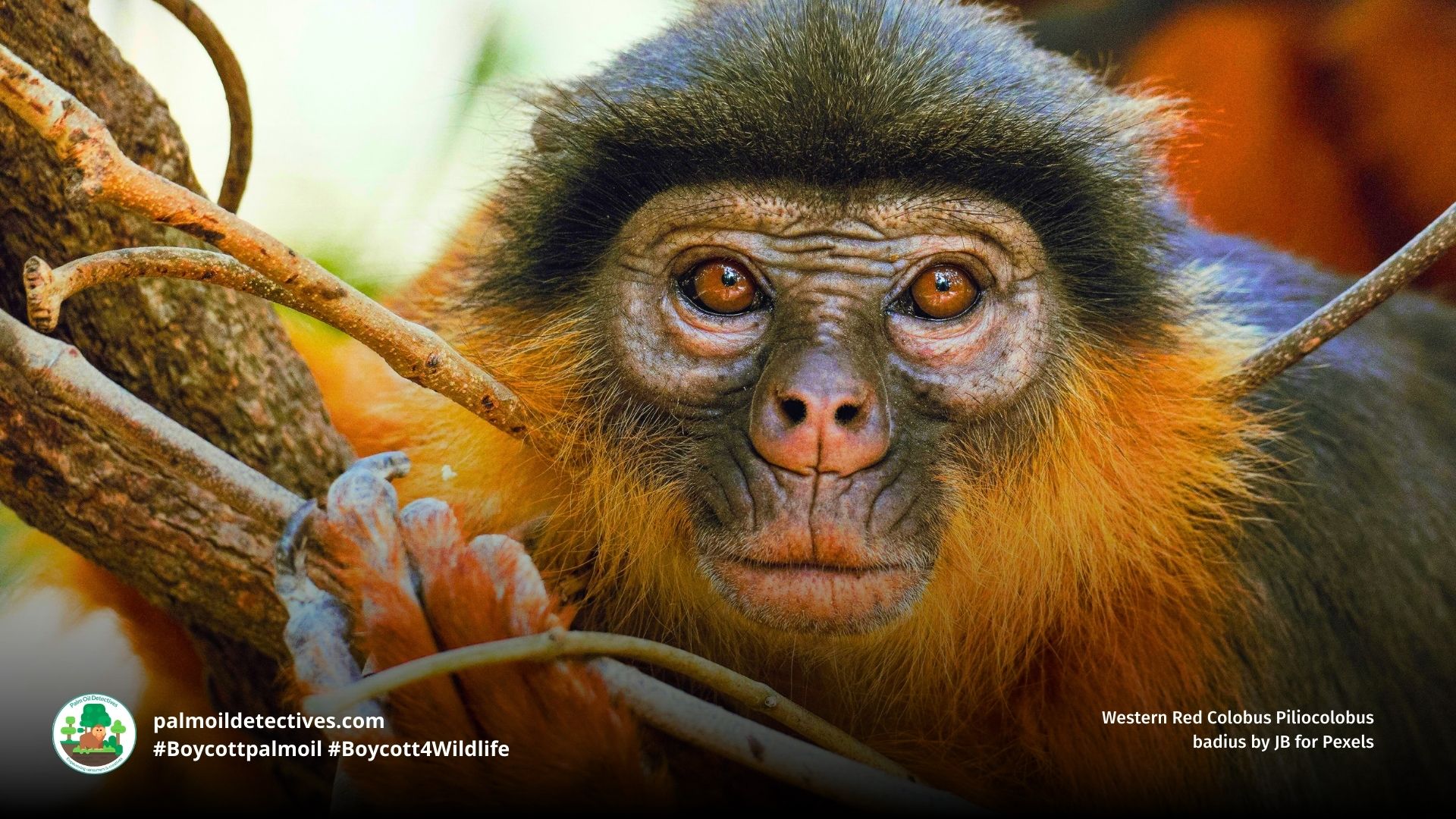
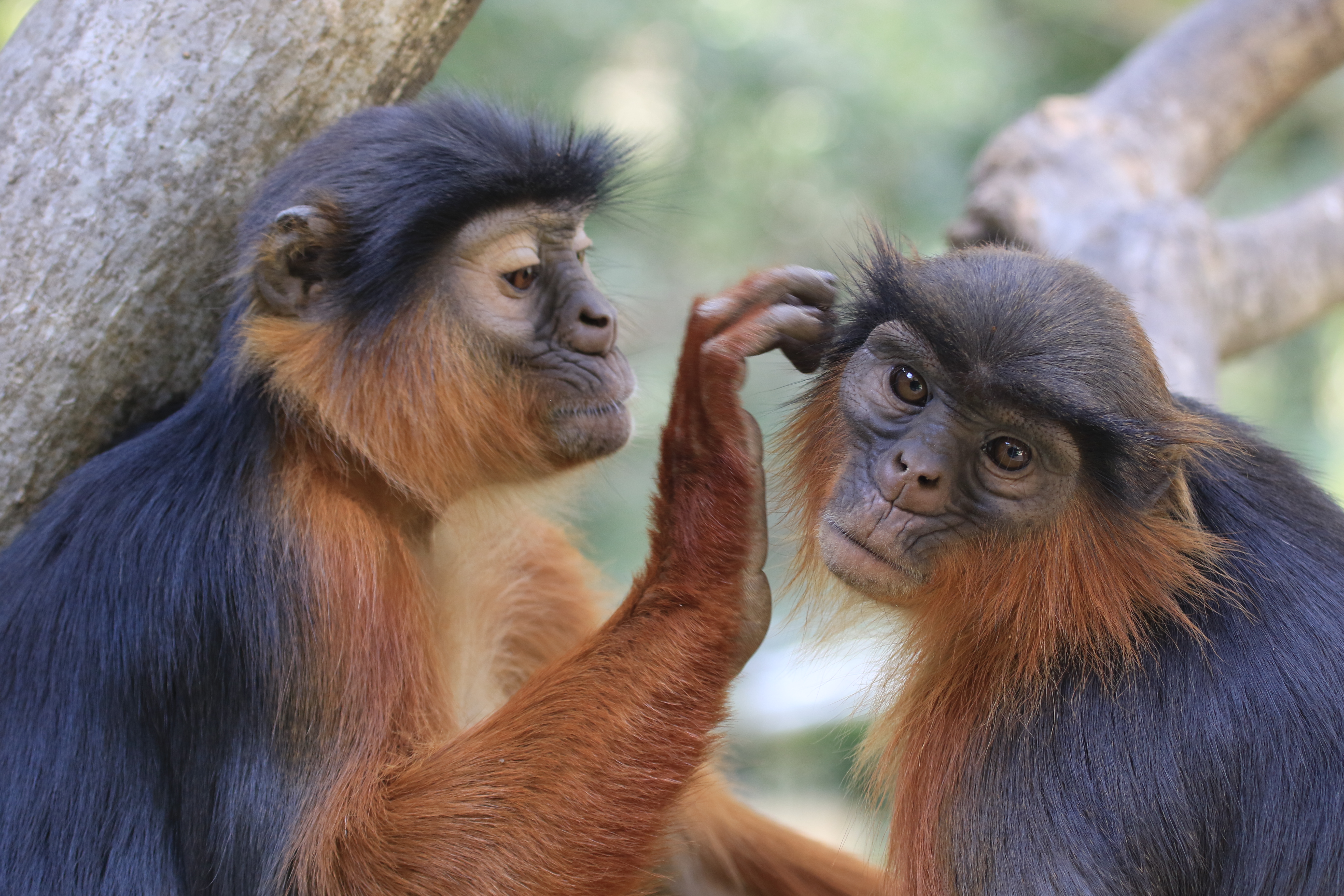
Western Red Colobus are striking primates with a rich reddish-orange coat, contrasting with a darker face and limbs. They are highly social and live in large multi-male, multi-female groups of up to 90 individuals. Their interactions are characterised by grooming, play, and cooperative care of young, which strengthens group cohesion. Unlike some primates, they rely on an intricate vocal system to communicate, warning each other of danger and coordinating group movements.
Primarily arboreal, they move gracefully through the forest canopy, favouring mature, old-growth trees. However, in more northern populations, they have been observed travelling and foraging on the ground, a behaviour that may be increasing due to habitat destruction.
Diet
Western Red Colobus have a specialised diet consisting mainly of fruit, seeds, and young leaves. Unlike many other primates, they rely heavily on digesting leaves, which are fermented in their complex stomachs. This adaptation allows them to survive in environments where fruit is less abundant.
In degraded forests where food availability is low, these primates have been observed consuming cultivated crops such as mango, indicating a level of dietary flexibility. However, reliance on human-grown food brings them into conflict with local communities, increasing their vulnerability to persecution.
The diet of the Western Red Colobus (Piliocolobus badius) and other primates in Africa is shaped by food availability and environmental changes, with significant variation across different regions and seasons. DNA studies have revealed a diverse diet comprising a high richness of plant species, though individuals in fragmented forests consume a greater variety of plants than those in well-preserved habitats. In Cantanhez National Park, Guinea-Bissau, 11% of their diet consists of cultivated foods like mango, highlighting their adaptability to human-altered landscapes. However, the long-term consequences of these dietary shifts remain unclear, raising concerns about their ability to sustain populations in degraded habitats (Aleixo-Pais et al., 2023).
Threats
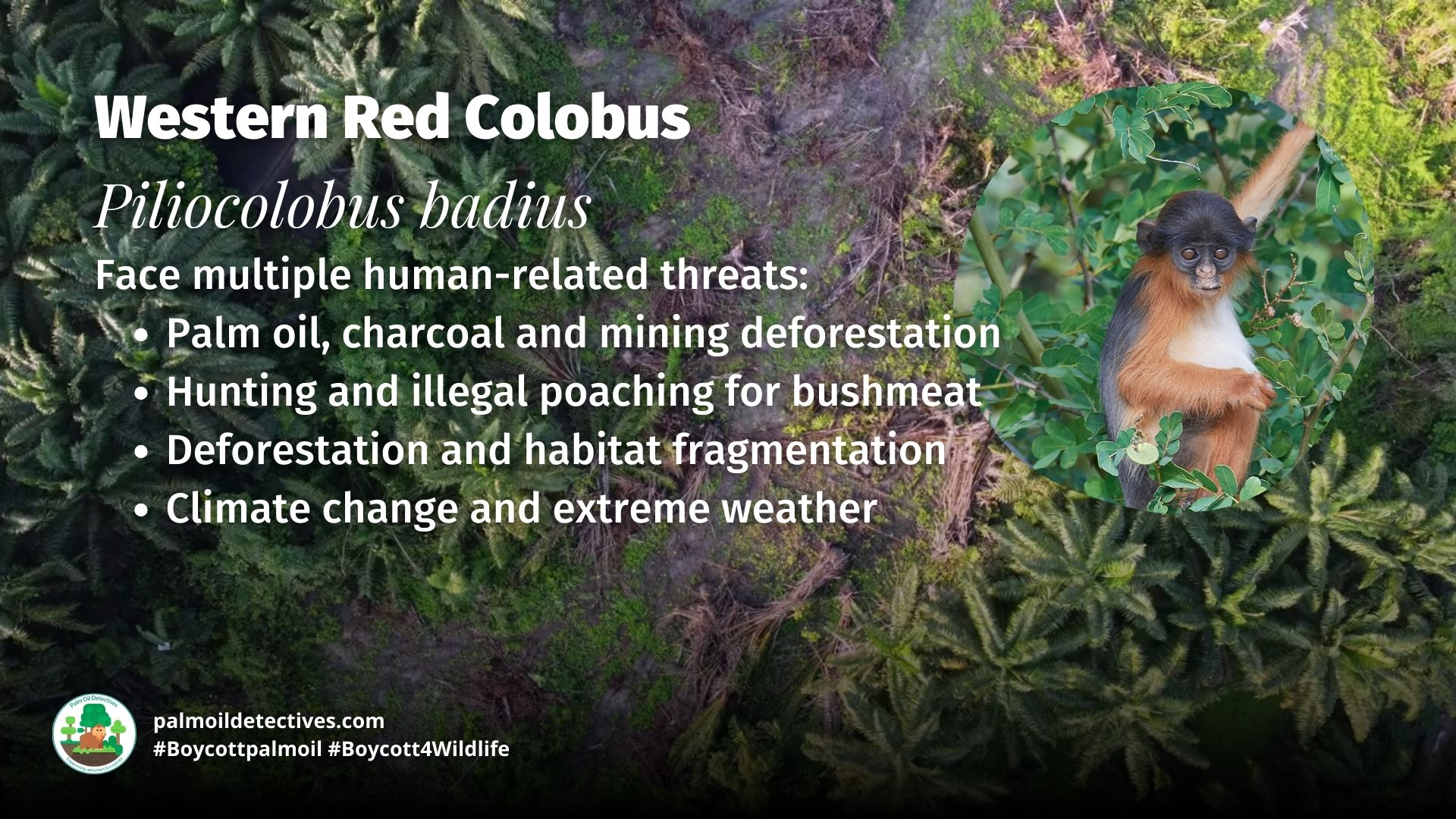
Palm oil, charcoal and mining deforestation
The expansion of industrial palm oil plantations in Côte d’Ivoire, Liberia, and Guinea has destroyed vast tracts of forest, replacing diverse ecosystems with monoculture plantations. These plantations provide no habitat for wildlife, forcing colobus monkeys and other African primates such as mandrills and colobuses into increasingly smaller and more fragmented forest patches where survival is difficult.
Hunting for bushmeat
Western Red Colobus are one of the most heavily hunted primate species in West Africa. Their trusting nature and slow movement make them easy targets for hunters. In Guinea-Bissau alone, nearly 200 individuals are killed each dry season to supply urban bushmeat markets. Similar levels of hunting occur across their range, with skins also being sold for ritualistic practices.
Logging and habitat destruction
Deforestation through logging, charcoal production, palm oil and mining has significantly reduced the Western Red Colobus’ habitat. Forest loss in Sierra Leone, Liberia, and Guinea has been among the fastest in the world, with Côte d’Ivoire alone losing 17% of its forest cover between 2000 and 2015. Many areas designated as “protected” no longer contain forest, having been converted to plantations.
Civil conflict and human-wildlife conflict
Decades of civil unrest in Côte d’Ivoire, Liberia, and Sierra Leone have devastated conservation efforts, allowing illegal hunting and habitat destruction to go unchecked. Additionally, as forests disappear, colobus monkeys are increasingly forced to enter agricultural land, where they are viewed as pests and killed in retaliation.
Reproduction and mating
Western Red Colobus do not have a fixed breeding season, and infants are born throughout the year. Newborns are highly dependent on their mothers, clinging to them for warmth and security. While mothers provide most of the direct care, other females in the group often assist in carrying and grooming the young.
Males play a more protective role, defending the group from predators and external threats. Unlike some primates, they do not exhibit strong territorial behaviour but will vocalise aggressively and form defensive group formations when threatened.
Geographic range
Western Red Colobus are found in fragmented populations across West Africa, including Sierra Leone, Liberia, Côte d’Ivoire, Guinea, Guinea-Bissau, Senegal, and The Gambia. They primarily inhabit primary and secondary forests but can also be found in gallery forests, mangroves, and occasionally in human-modified landscapes.
FAQs
Why are Western Red Colobus endangered?
They are primarily threatened by habitat destruction due to palm oil plantations, logging, and mining, combined with intensive hunting for the bushmeat trade.
Do Western Red Colobus monkeys make good pets?
No. Keeping them as pets is both illegal and unethical. They are highly social, arboreal primates that require vast forest habitats to survive. The illegal pet trade further threatens their already declining populations.
Where can Western Red Colobus be found?
These primates are found in West Africa, including Côte d’Ivoire, Liberia, Guinea, Guinea-Bissau, Senegal, Sierra Leone, and The Gambia. However, their populations are highly fragmented.
Are Western Red Colobus aggressive?
They are not typically aggressive towards humans but will display defensive behaviours if they feel threatened. They rely on vocalisations and group defence rather than physical confrontation.
How can we help Western Red Colobus?
Protecting their remaining habitat, banning hunting, and supporting conservation efforts are critical to ensuring their survival. Consumers can also help by boycotting products linked to deforestation, such as palm oil and timber.
Take Action!
The fate of the Western Red Colobus and other African primates is inextricably tied to the choices people make every day. By rejecting products that contain palm oil and supporting organisations fighting against illegal hunting and deforestation, individuals can help protect these remarkable primates. Conservation groups working in West Africa urgently need funding and international pressure to push governments to enforce anti-hunting laws and preserve remaining forests. Use your voice and purchasing power to demand change. #BoycottPalmOil #Boycott4Wildlife
In both Côte d’Ivoire and Ghana, more than half of the closed forest in the forest reserves has been converted to plantation or farmland, or cleared and left bare (Bitty et al. 2015).
IUCN Red List
Support the conservation of this species
Further Information
Aleixo-Pais, et. al. (2023). Dietary flexibility of western red colobus in two protected areas with contrasting anthropogenic pressure. Frontiers in Ecology and Evolution, 11, 1280277. https://doi.org/10.3389/fevo.2023.1280277
McGraw, S., Minhós, T., Bersacola, E., Ferreira da Silva, M.J., Galat, G., Galat-Luong, A., Gonedelé Bi, S., Mayhew, M., Oates, J.F. & Starin, E.D. 2020. Piliocolobus badius. The IUCN Red List of Threatened Species 2020: e.T161247840A161259430. https://dx.doi.org/10.2305/IUCN.UK.2020-1.RLTS.T161247840A161259430.en. Downloaded on 15 February 2021.
Linder, J. M. et. al (2021). Red colobus (Piliocolobus) conservation action plan 2021-2026. IUCN/Primate Specialist Group.
Wikipedia Contributors. (2024). Western Red Colobus. Wikipedia, The Free Encyclopedia. Retrieved from https://en.wikipedia.org/wiki/Western_red_colobus

How can I help the #Boycott4Wildlife?
Take Action in Five Ways
1. Join the #Boycott4Wildlife on social media and subscribe to stay in the loop: Share posts from this website to your own network on Twitter, Mastadon, Instagram, Facebook and Youtube using the hashtags #Boycottpalmoil #Boycott4Wildlife.
2. Contribute stories: Academics, conservationists, scientists, indigenous rights advocates and animal rights advocates working to expose the corruption of the palm oil industry or to save animals can contribute stories to the website.






3. Supermarket sleuthing: Next time you’re in the supermarket, take photos of products containing palm oil. Share these to social media along with the hashtags to call out the greenwashing and ecocide of the brands who use palm oil. You can also take photos of palm oil free products and congratulate brands when they go palm oil free.
4. Take to the streets: Get in touch with Palm Oil Detectives to find out more.
5. Donate: Make a one-off or monthly donation to Palm Oil Detectives as a way of saying thank you and to help pay for ongoing running costs of the website and social media campaigns. Donate here
Discover more from Palm Oil Detectives
Subscribe to get the latest posts sent to your email.
 Palm Oil Detectives