
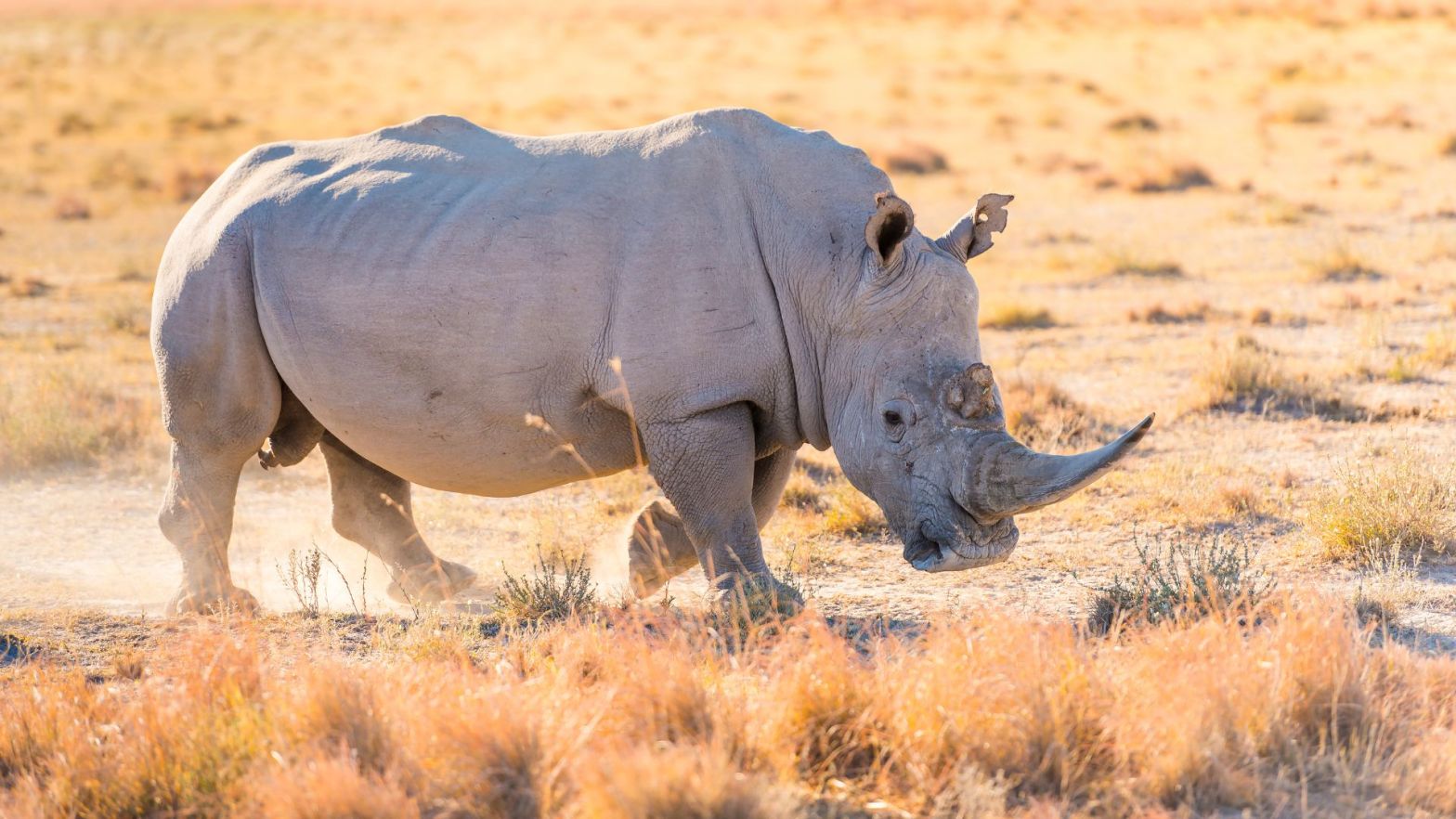
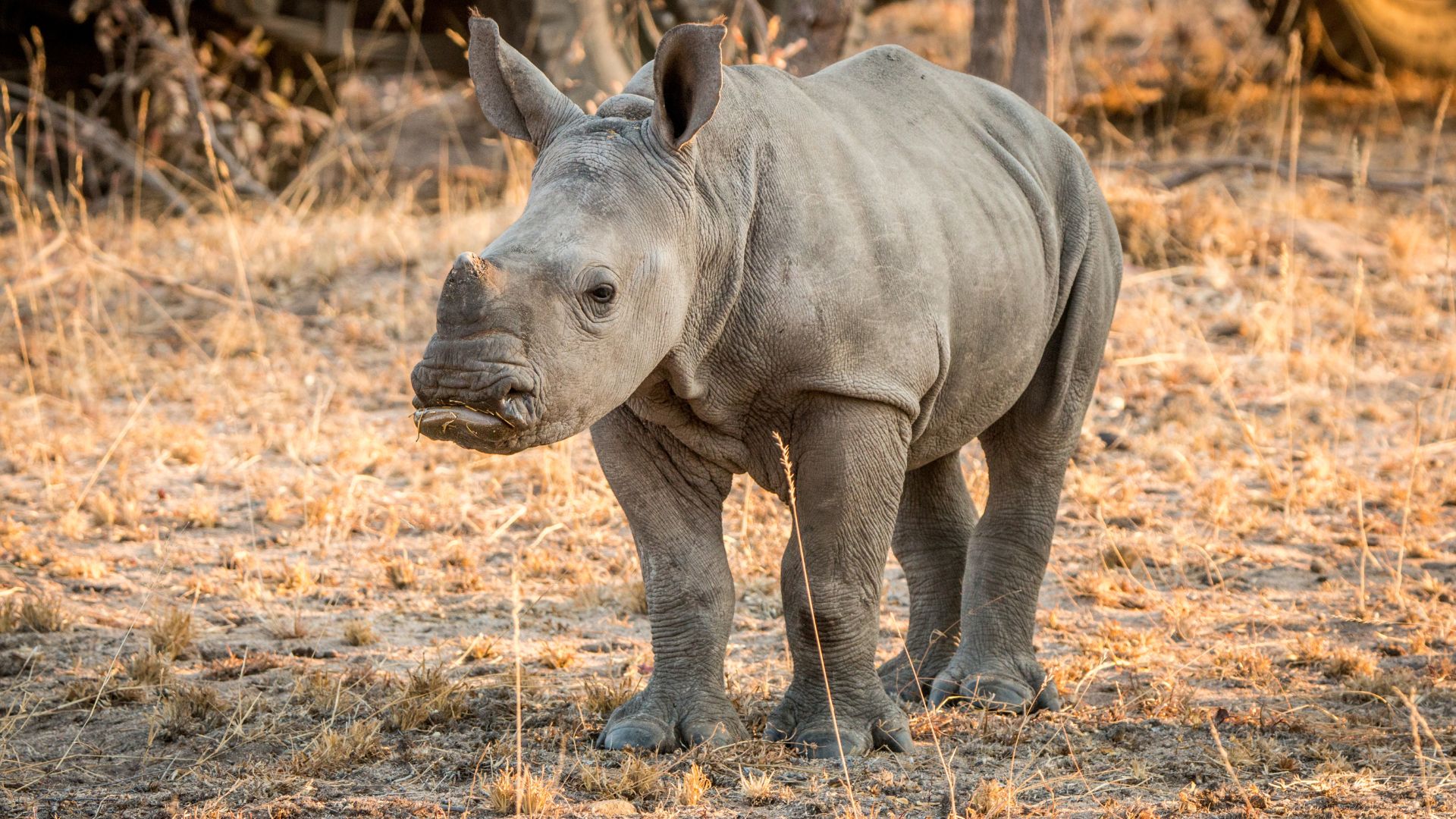
The rarest rhino in the world can be found wallowing in the mud at the Ol Pejeta Nature Conservancy in Kenya. Constantly guarded by vigilant rifle-clad guards, these two animals have no idea that they are the last members of their kind. They are northern white rhinos – the very last northern white rhinos anywhere on Earth. They have been poached to the very edge of extinction, with virtually no hope for recovery. Could this be the saddest story ever told? Likely! Vehemently and strongly oppose all forms of trophy hunting and poaching wherever you see it and #Boycott4Wildlife
Under constant guard are the last two Northern white #rhinos alive. Evidence of the insanity of #poaching and #trophy #hunting – soon to be lost forever. Mourn for them, fight for them forever! ☠️🦏 END TROPHY HUNTING! #Boycott4Wildlife @palmoildetect https://palmoildetectives.com/2021/03/15/the-rarest-rhino-the-two-last-northern-white-rhinos-of-kenya
The white rhino, paradoxically, is simultaneously both the rarest and commonest of all the world’s rhinos. If you consider the species as a whole, it is the only one that isn’t considered endangered (the IUCN classifies it as ‘Near Threatened’). However, all but two members of this species belong to the southern subspecies, of which roughly 20,000 individuals remain – far more than all the other four rhino species combined. The southern and northern white rhinos look remarkably similar, even if you stood them next to each other – although very trained eyes and scientific literature will tell you that their body proportions are slightly different and the northern white tends to hold its head a little higher.
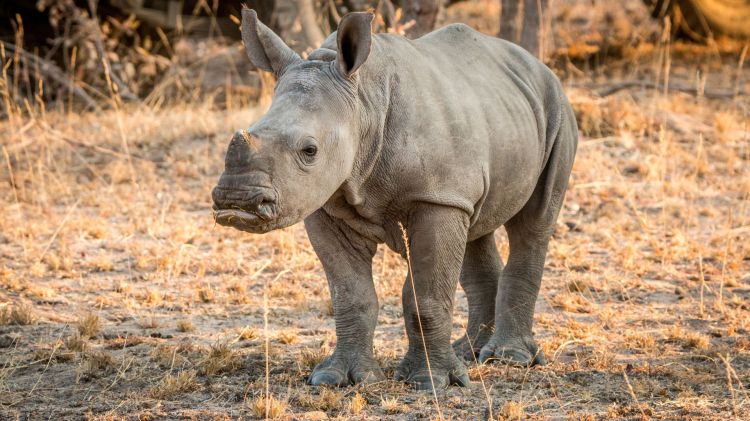
The northern subspecies once roamed Africa in their thousands. But by the 1980s, intensive poaching had massively reduced their numbers, to the point that only around 15 wild individuals remained. In 2005, a survey found only four remaining animals, in the Garamba National Park in the Democratic Republic of the Congo. Considering that the national park is in the middle of a seemingly relentless war zone, it’s unsurprising that only a few years later even these last individuals were gone.
A very small captive population remained but they rarely reproduced. In a last-ditch attempt to save the subspecies, four rhinos from Dvůr Králové Zoo in the Czech Republic (the only reproductive animals of their kind left) were transported to Ol Pejeta Nature Conservancy in 2009, where they were monitored and protected round-the-clock by armed guards. It was hoped that being back in their natural habitat might stimulate these rhinos into breeding. Sadly, they never did. One of the four, a male, died in 2014 from natural causes. A year later, in 2015, the last two remaining northern white rhinos in captivity (one at Dvůr Králové Zoo; the other in San Diego Zoo), which were both elderly and unable to breed, also died, leaving the three living at Ol Pejeta Nature Conservancy – Sudan, Najin and Fatu – as the final representatives of their kind. But even these surviving animals – grandfather, mother and daughter – were too old, too ill, and too related to breed naturally.
In 2017, Ol Pejeta Conservancy teamed up with Tinder and Ogilvy Africa to launch a fundraising campaign in order to try and save the subspecies. They created a Tinder account for Sudan, the last remaining northern white rhino male. ‘I’m one of a kind,’ Sudan said on his profile. ‘No, seriously, I’m the last male white rhino on planet earth. I don’t mean to be too forward, but the fate of my species literally depends on us getting together. I like to eat grass and chill in the mud. No problems performing under pressure. 6ft tall and 5,000lbs if it matters.’ Tinder users could swipe right to make their donations for the development of new fertility treatment for the rhinos since all attempts to get them to mate naturally had failed.
But sadly, on 19 March 2018, Sudan was euthanised after suffering from age-related health issues, leaving only two ageing females left alive. Barring the existence of unknown or misclassified male northern white rhinos elsewhere in Africa, the subspecies is functionally already extinct.

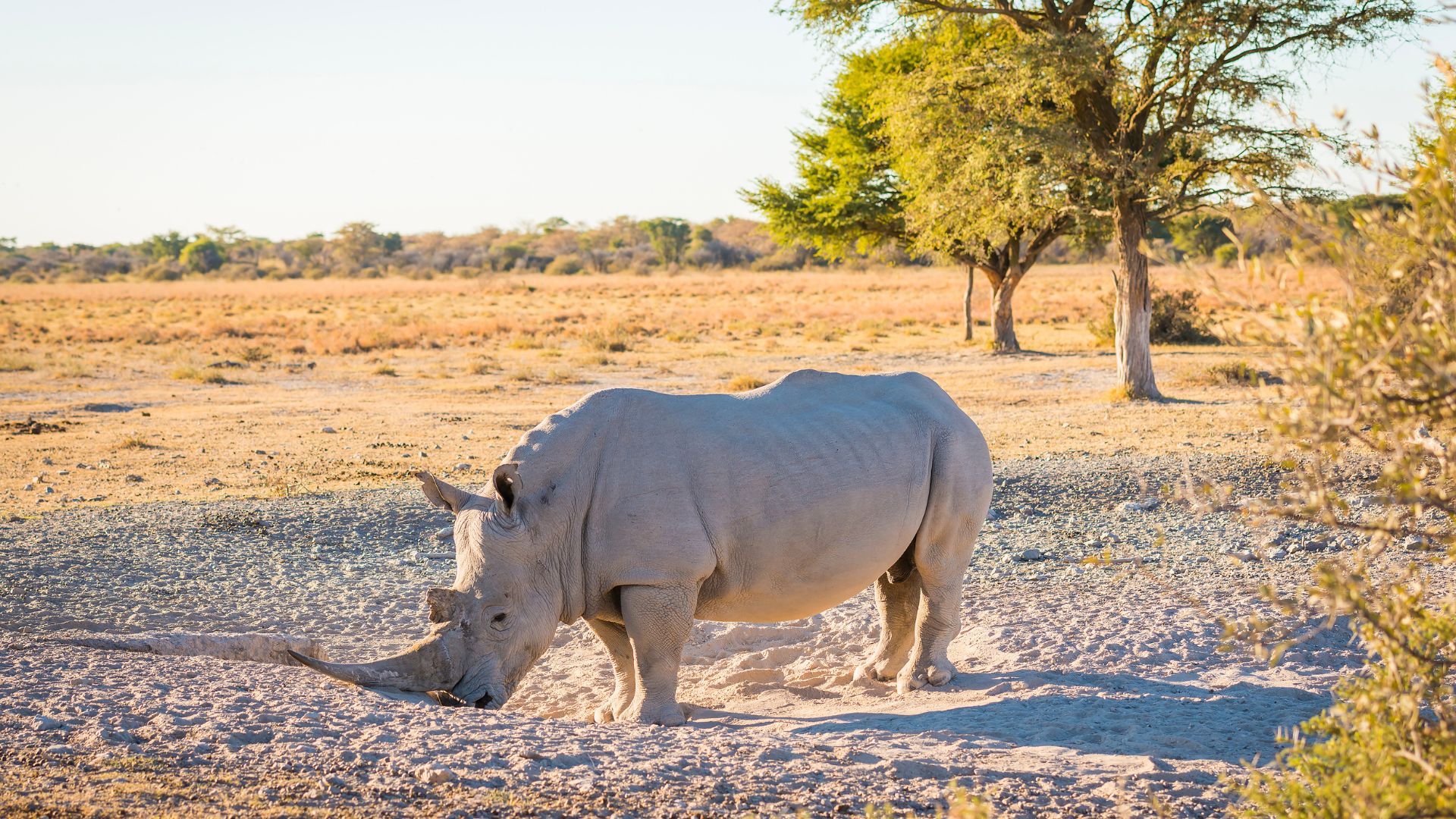
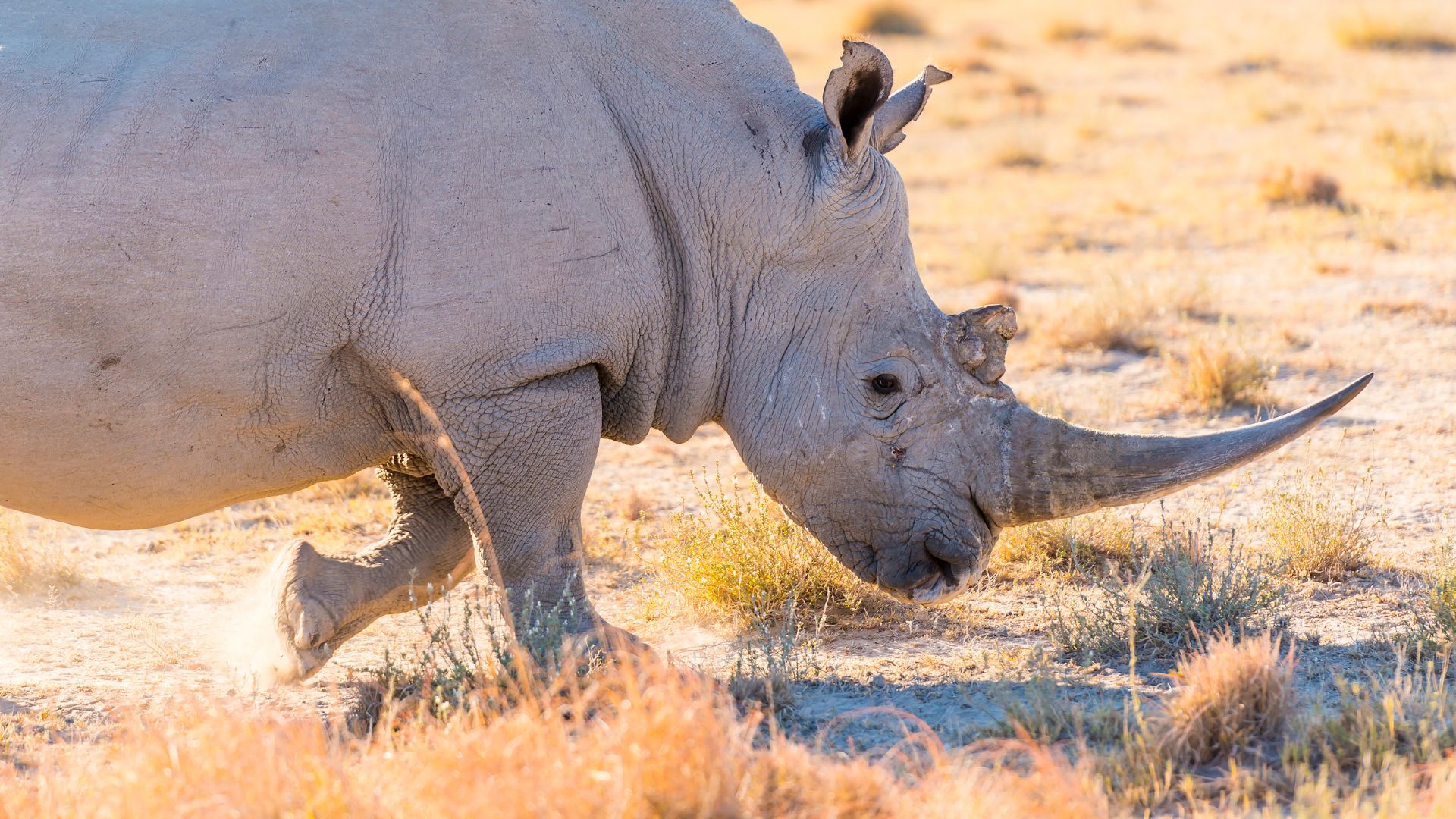
But there is one possible means of salvation.
Egg cells have been taken from both Najin and Fatu and, in August 2019, were artificially inseminated using the frozen sperm that had been extracted from the last northern white rhino males, before they had died. Two of the resulting embryos were viable. In January 2020, another embryo was created using the same technique. All three embryos have been placed in liquid nitrogen until they can be placed in a surrogate mother, almost certainly the closely related southern white rhino.
Is the northern white rhino too far gone? Is it simply in limbo, waiting for the inevitable confirmation that the species has become yet another casualty in the extinction event that is threatening biodiversity around the world? Or will advanced reproductive technologies allow for one of the greatest comebacks of all time?


Javan Rhinos Not Safe from Poachers
Testimony of Illegal poachers in Indonesia finds 26 of the estimated remaining 72 living Javan #Rhinos were slaughtered over the past five years. Shame!
Keep reading
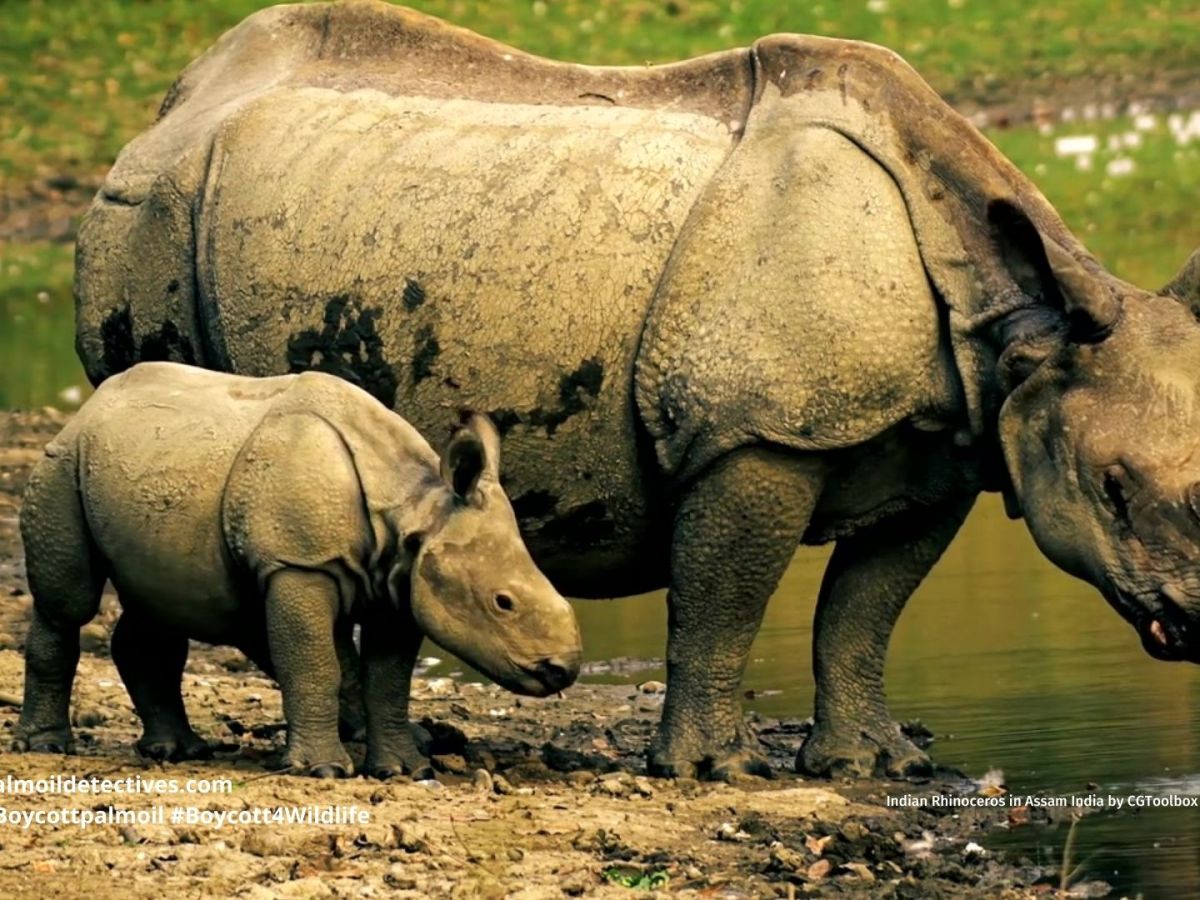
Indian Rhinoceros (Greater One-horned Rhino) Rhinoceros unicornis
The largest of the three rhino species in Asia, the Indian Rhino has a distinctive and unique armour-plated look which lends them a fairytale quality that has captivated admirers for aeons. Although Indian rhino numbers have climbed over the past decades due to conservation, they are under imminent threat from the expansion of palm oil…
Keep reading
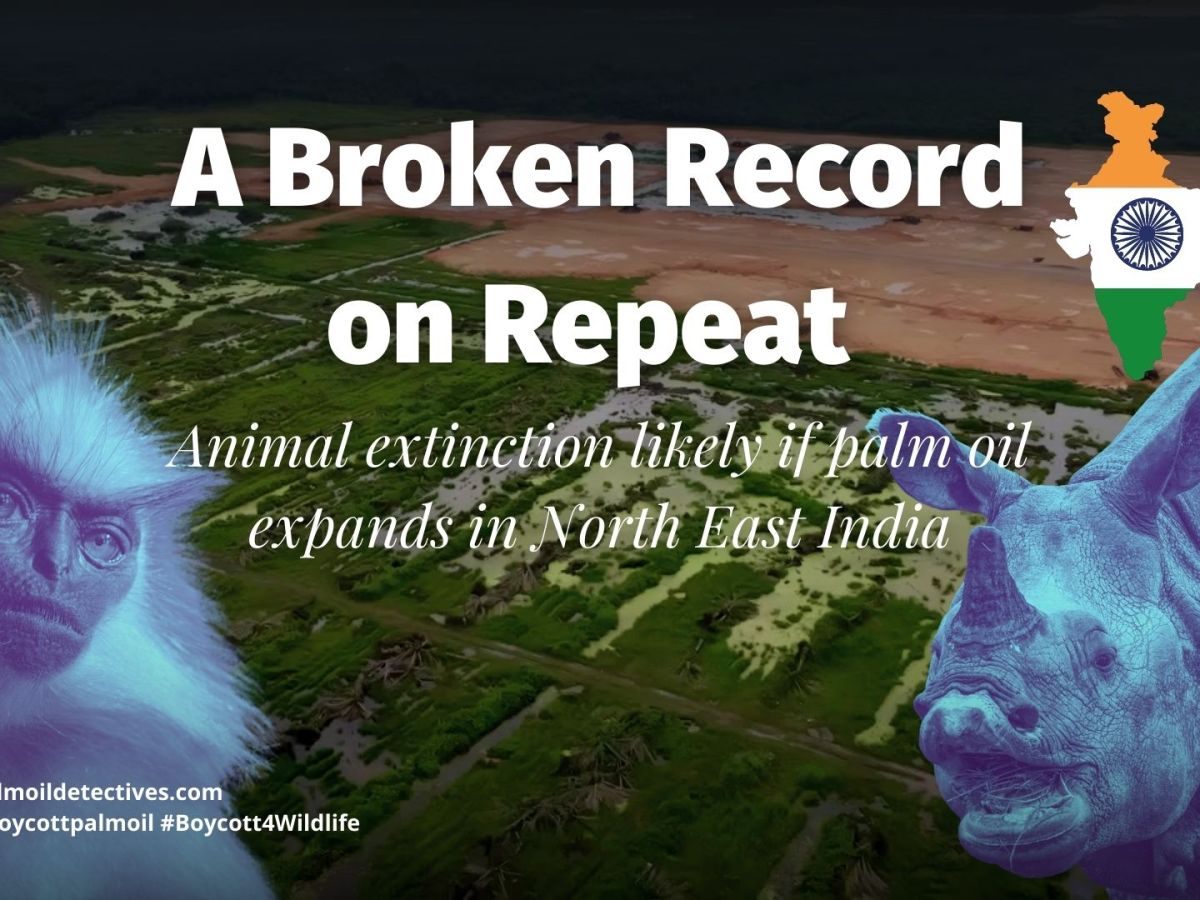
A Broken Record on Repeat – Animal Extinction Likely if Palm Oil Expands in North East India
As with the forest kingdoms of Borneo and the Amazon rainforest, the Indian forest kingdom of the Golden Langurs and Pygmy Hogs is under siege by palm oil in the north east of India. The region is home to some of the most endangered wildlife in the world. Situated in the foothills of the Himalayas,…
Keep reading
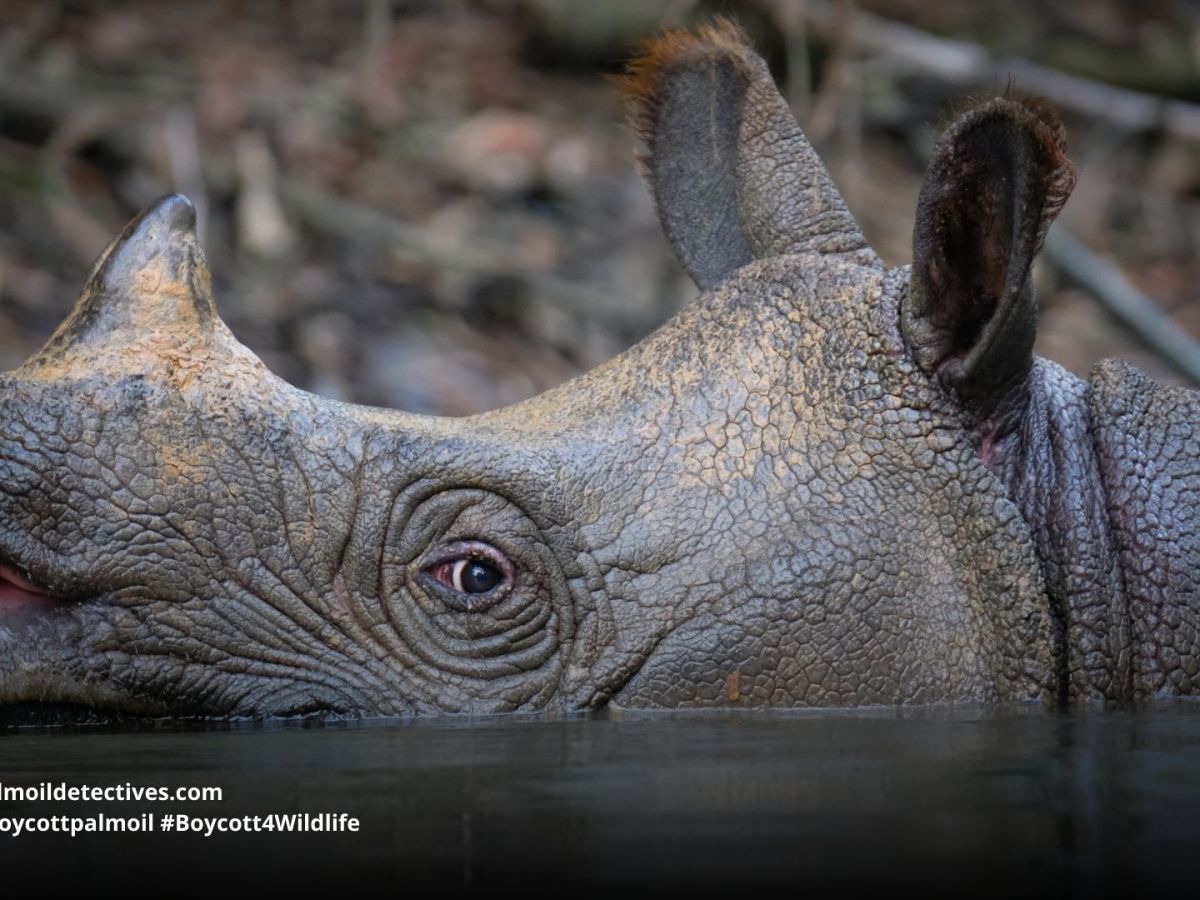
Celebrate #WorldRhinoDay by leaving the forests alone and #Boycottpalmoil in the supermarket to save Rhinos
Indonesia is home to two of the world’s five rhinoceros species. Both the Javan rhino Rhinoceros sondaicus and the Sumatran rhino Dicerorhinus sumatrensis still exist today, uniquely only in the country. In India’s north east, the Indian Rhino hangs on to survival. Yet their existence has become increasingly fragile due to the unrelenting growth of…
Keep reading
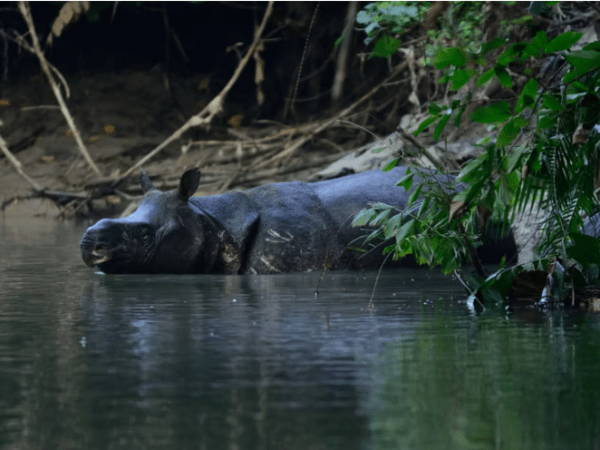
How do we protect the rapidly disappearing Javan Rhino?
With only 74 individuals left, the remarkable and beautiful Javan Rhino is on the brink of extinction and can be found on one of the most densely populated islands in the world – Java. Boycotting palm oil is how you can help them. Sunarto, Universitas Indonesia The Javan rhino was once found throughout many parts…
Keep reading
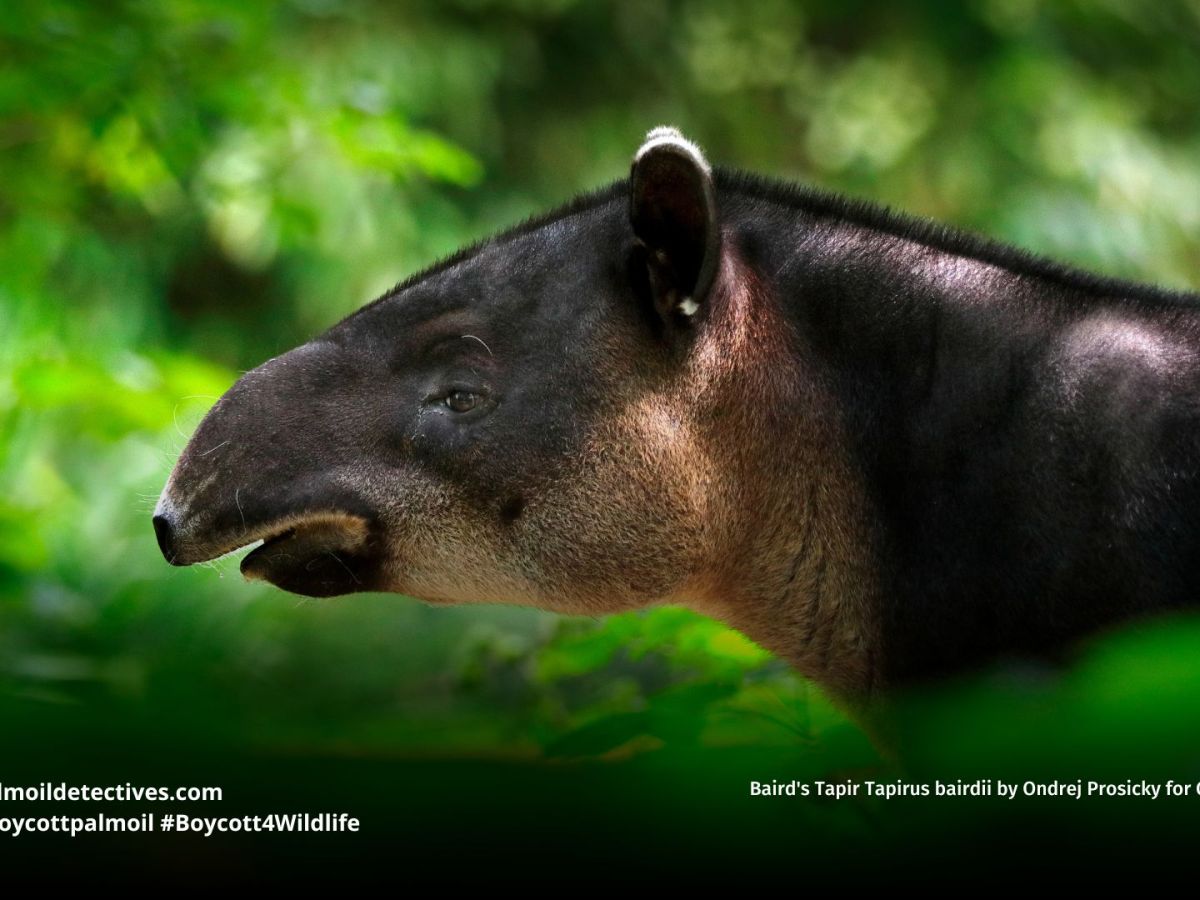
Baird’s Tapir Tapirus bairdii
Baird’s tapirs may look like they are relatives of elephants, but they’re actually closer kin to horses, donkeys, zebras, and rhinoceroses. Also known as the Central American tapir, they are the largest land mammals in Central America and a living relic of an ancient lineage.
Their robust, stocky bodies and distinctive trunk-like snout make…
Keep reading
Take Action in Five Ways
1. Join the #Boycott4Wildlife on social media and subscribe to stay in the loop: Share posts from this website to your own network on Twitter, Mastadon, Instagram, Facebook and Youtube using the hashtags #Boycottpalmoil #Boycott4Wildlife.
2. Contribute stories: Academics, conservationists, scientists, indigenous rights advocates and animal rights advocates working to expose the corruption of the palm oil industry or to save animals can contribute stories to the website.





3. Supermarket sleuthing: Next time you’re in the supermarket, take photos of products containing palm oil. Share these to social media along with the hashtags to call out the greenwashing and ecocide of the brands who use palm oil. You can also take photos of palm oil free products and congratulate brands when they go palm oil free.
4. Take to the streets: Get in touch with Palm Oil Detectives to find out more.
5. Donate: Make a one-off or monthly donation to Palm Oil Detectives as a way of saying thank you and to help pay for ongoing running costs of the website and social media campaigns. Donate here
Discover more from Palm Oil Detectives
Subscribe to get the latest posts sent to your email.
 Palm Oil Detectives
One thought on “The Rarest Rhino: The Two Last Northern White Rhinos of Kenya”