

Drill Mandrillus leucophaeus
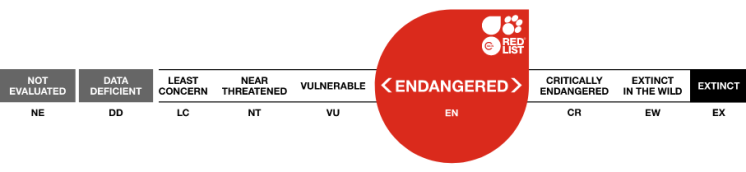
IUCN Red List Status: Endangered
Location: Nigeria, Cameroon, Equatorial Guinea (Bioko Island)
The Drill is one of the most visually arresting, emotionally complex, and endangered #monkeys on Earth. Endemic to a narrow slice of rainforest in #Nigeria, #Cameroon, and Bioko Island, these intelligent primates have lost over 50% of their population in just three decades. They face a terrifying gauntlet of threats: #palmoil plantations, #hunting for the #bushmeat trade, #timber logging, and a tidal wave of new #infrastructure creation. Though rarely seen, Drills are capable of extraordinary behaviour—forming multi-species foraging alliances, mourning their dead, and navigating their crumbling world with grace and resilience. Only a few thousand of these precious #primates remain alive. Take action every time you shop, be #Vegan and #BoycottPalmOil #Boycott4Wildlife
#Drills are colourful and shy #primates 🐒🤎 who are endangered directly by #palmoil #deforestation in #Cameroon 🇨🇲 and #Nigeria 🇳🇬 Help save them each time you #Boycottpalmoil 🌴🛢️🤮🔥⛔️ #Boycott4Wildlife in the supermarket @palmoildetect https://palmoildetectives.com/2021/04/10/drill-mandrillus-leucophaeus-2/
Colourful #Drills are shy #primates 🐒🤎 who just want to be left alone! They’re endangered directly by #palmoil #deforestation and hunting in #Cameroon 🇨🇲 and #Nigeria 🇳🇬 Help save them #Boycottpalmoil 🌴🛢️🤮🔥⛔️ #Boycott4Wildlife @palmoildetect https://palmoildetectives.com/2021/04/10/drill-mandrillus-leucophaeus-2/
Appearance and Behaviour
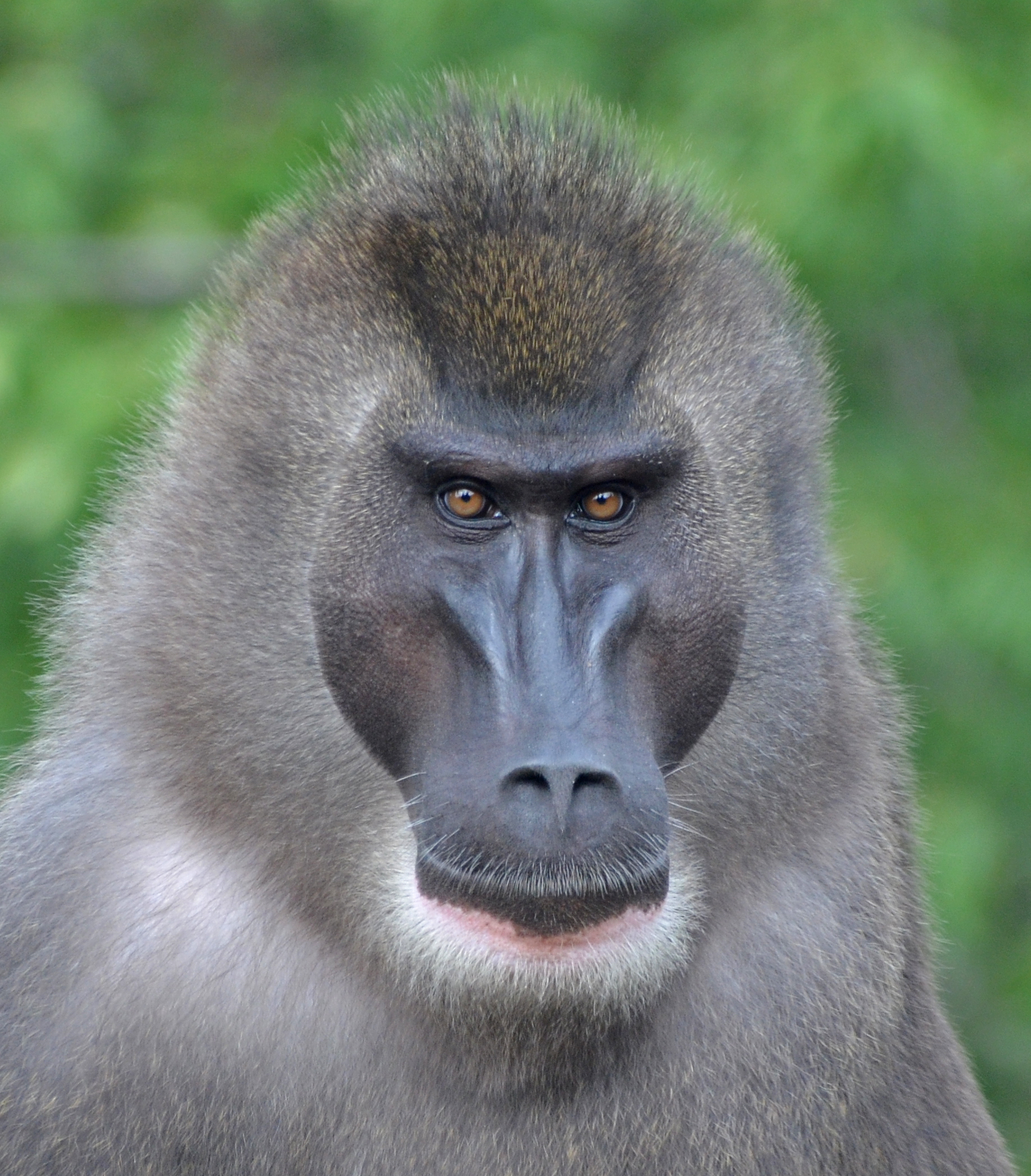
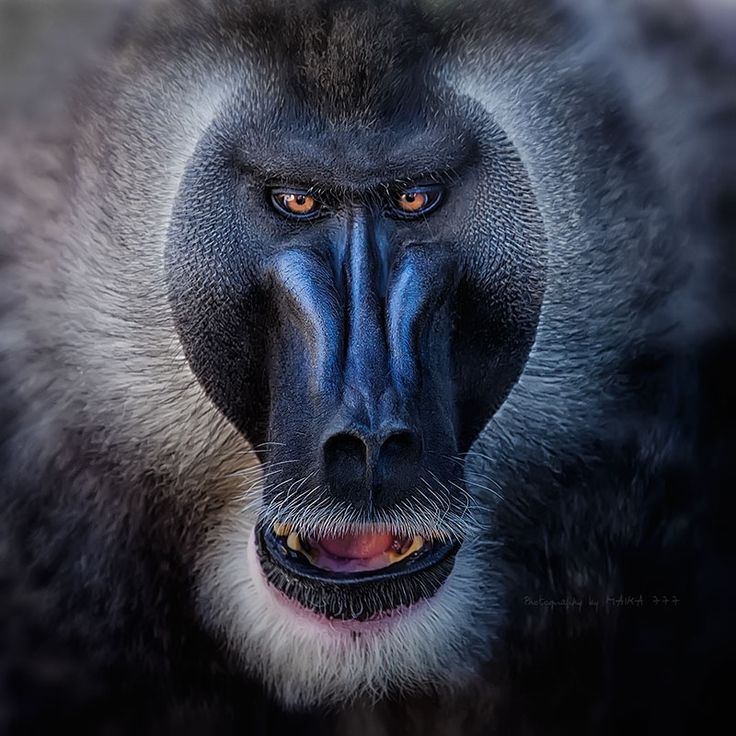
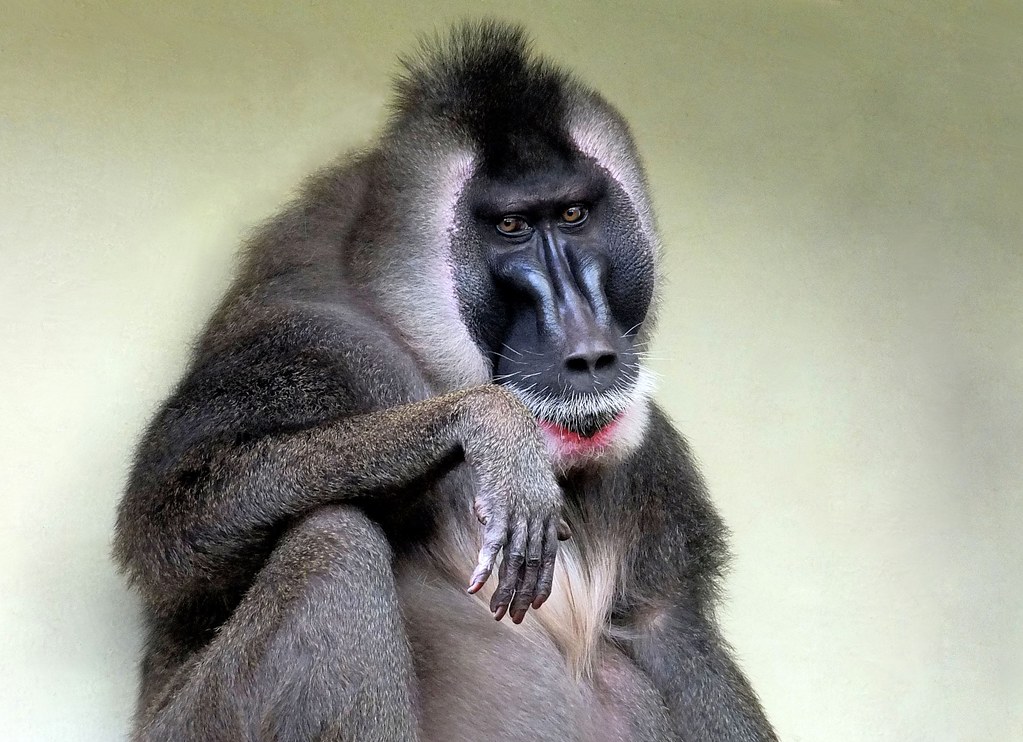
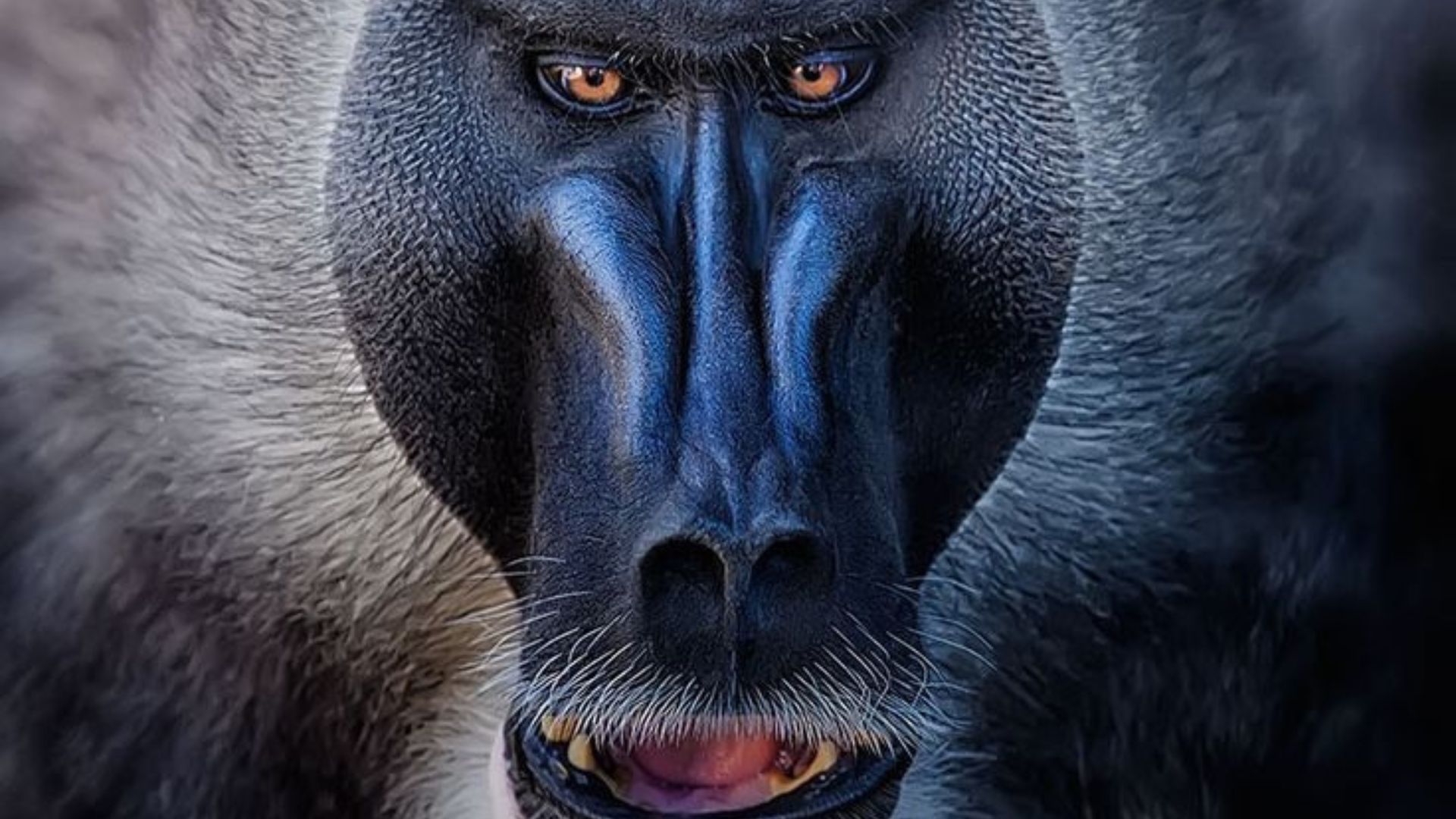
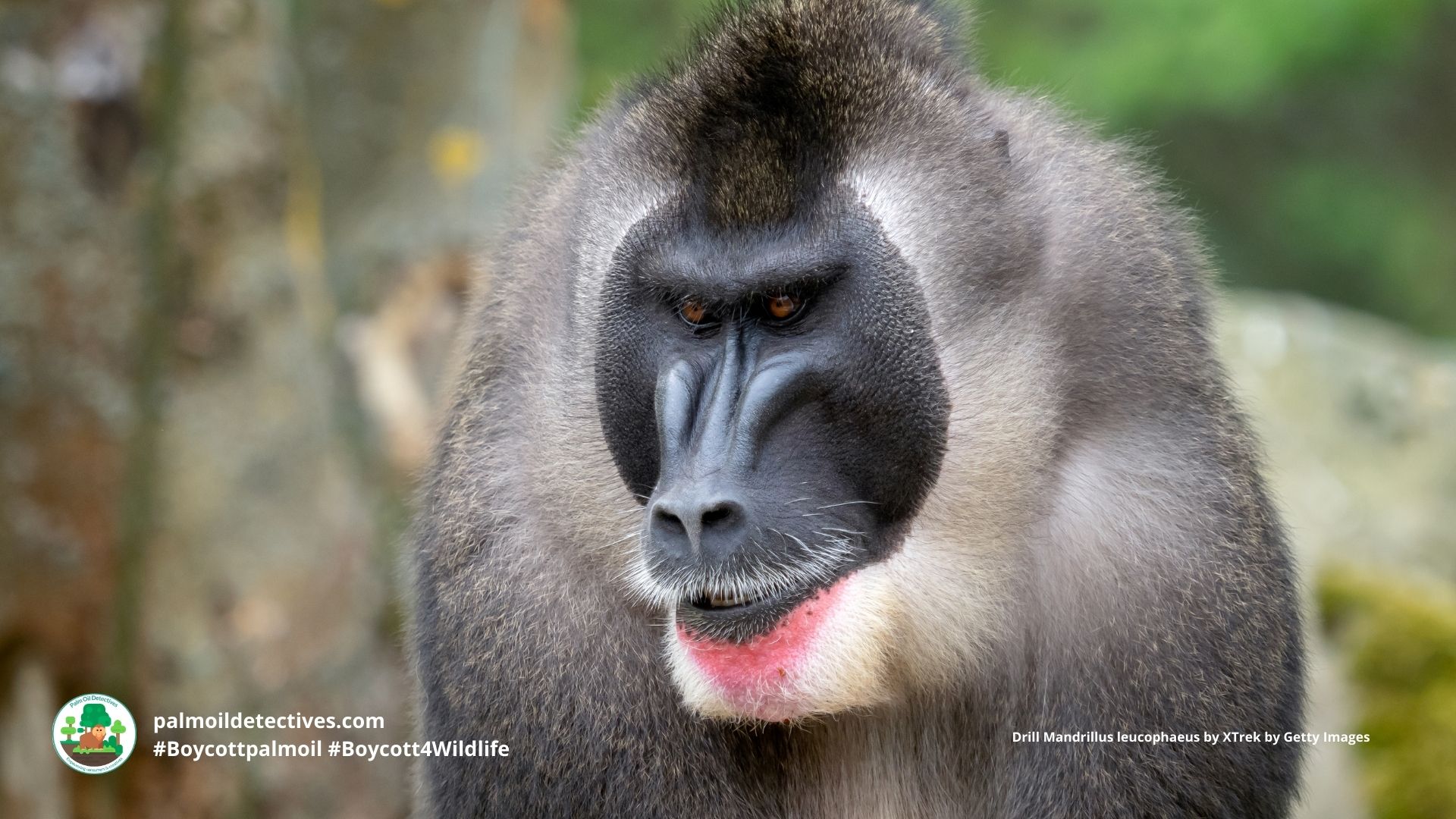
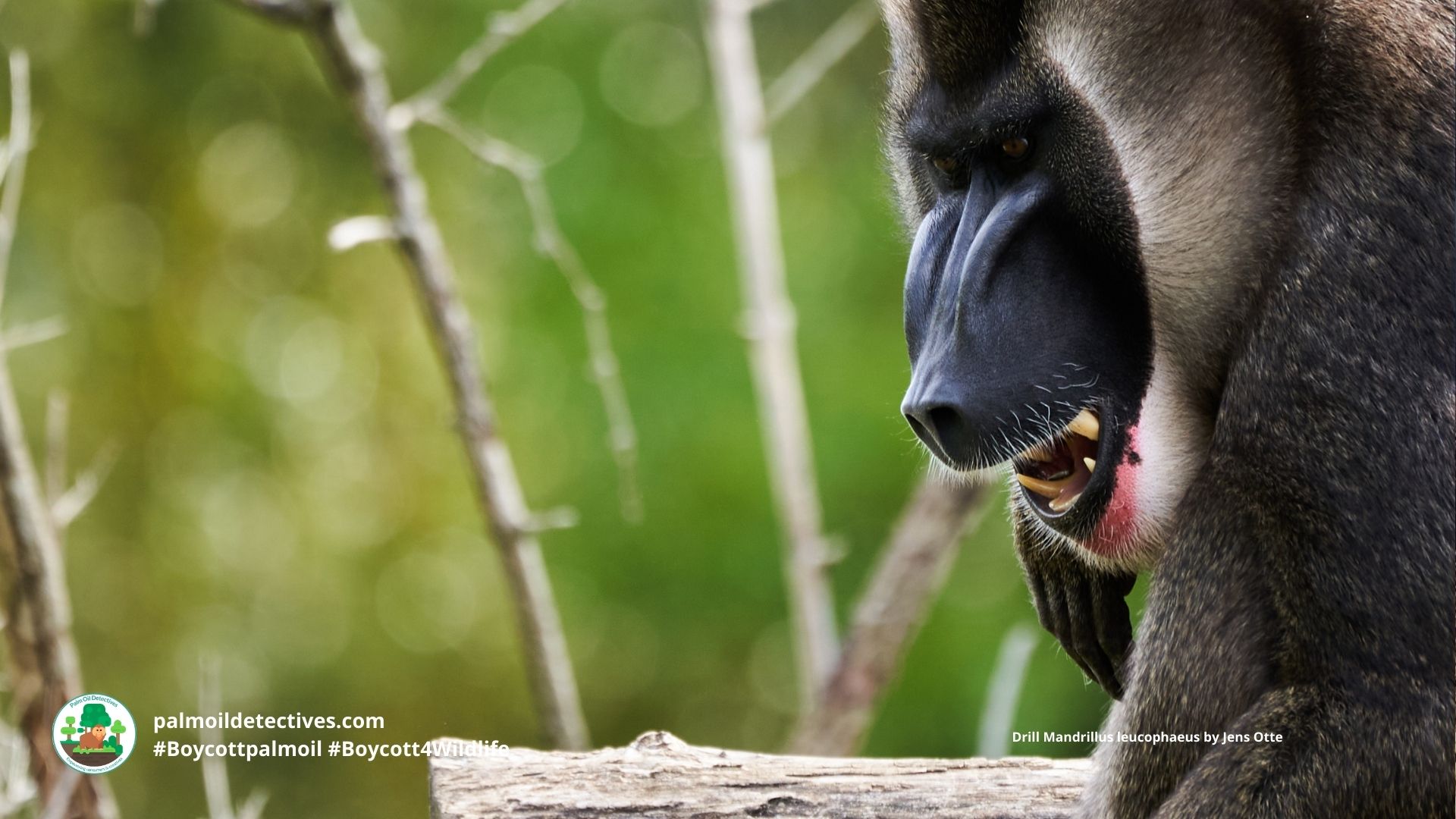
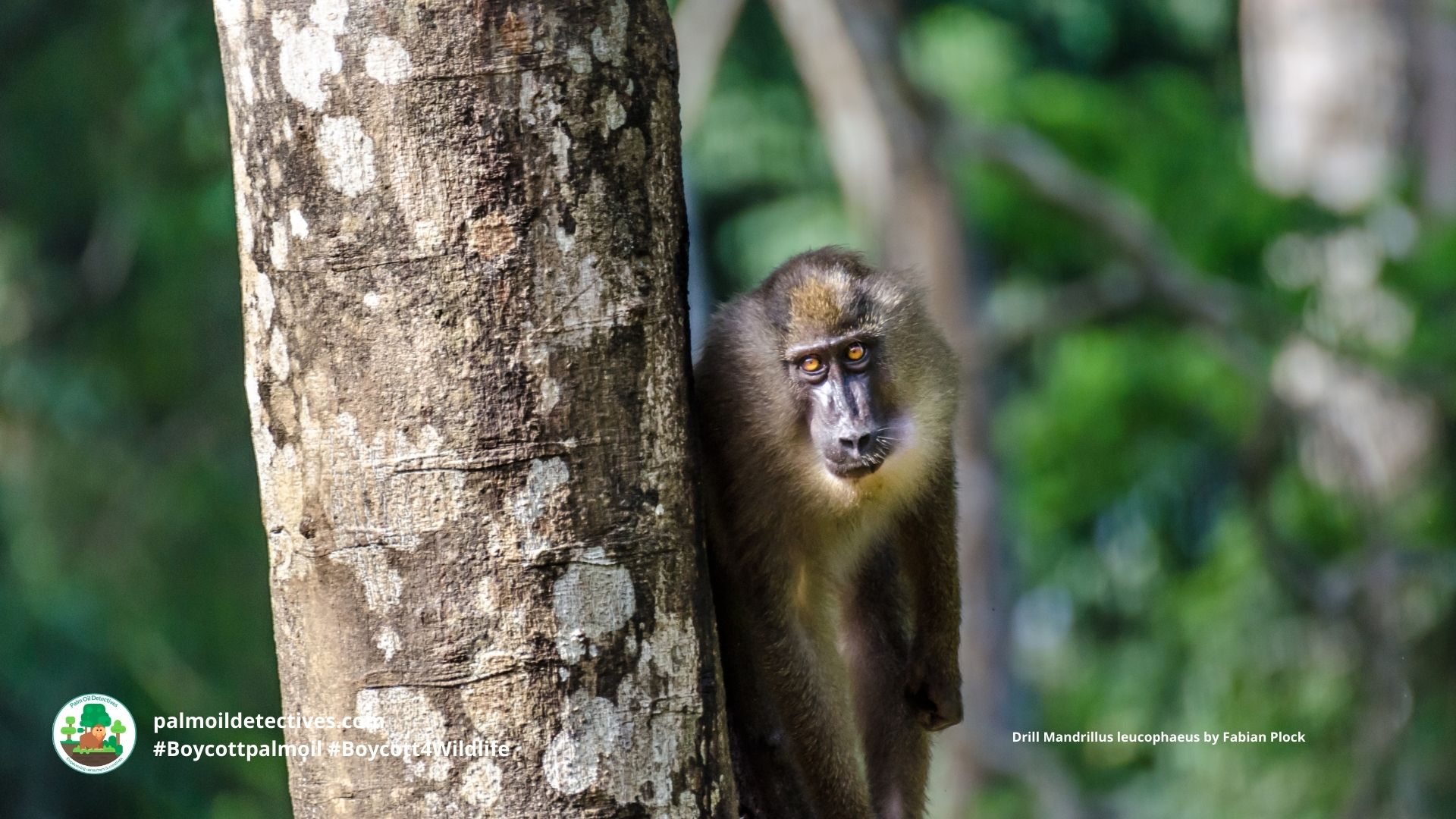
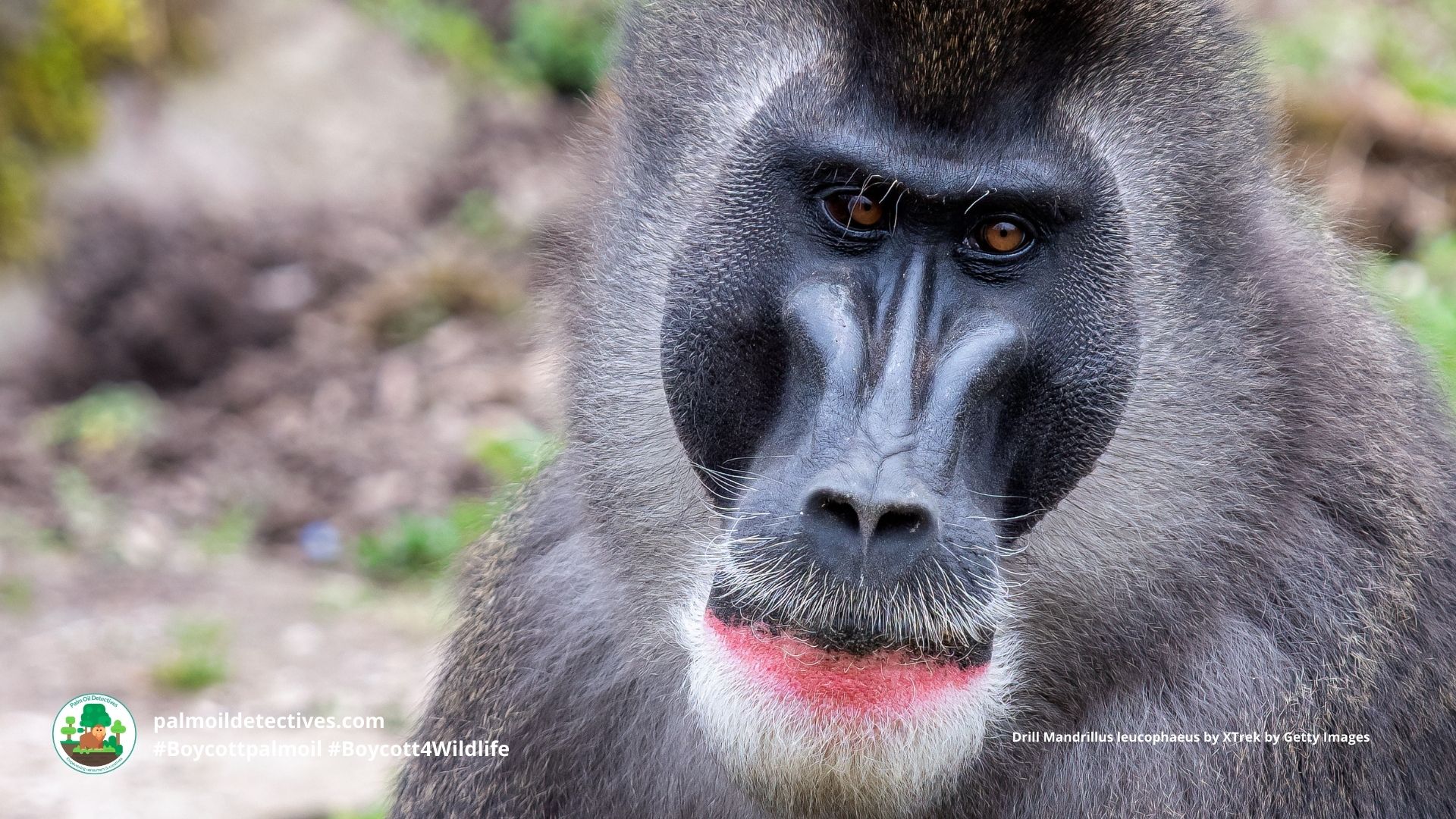
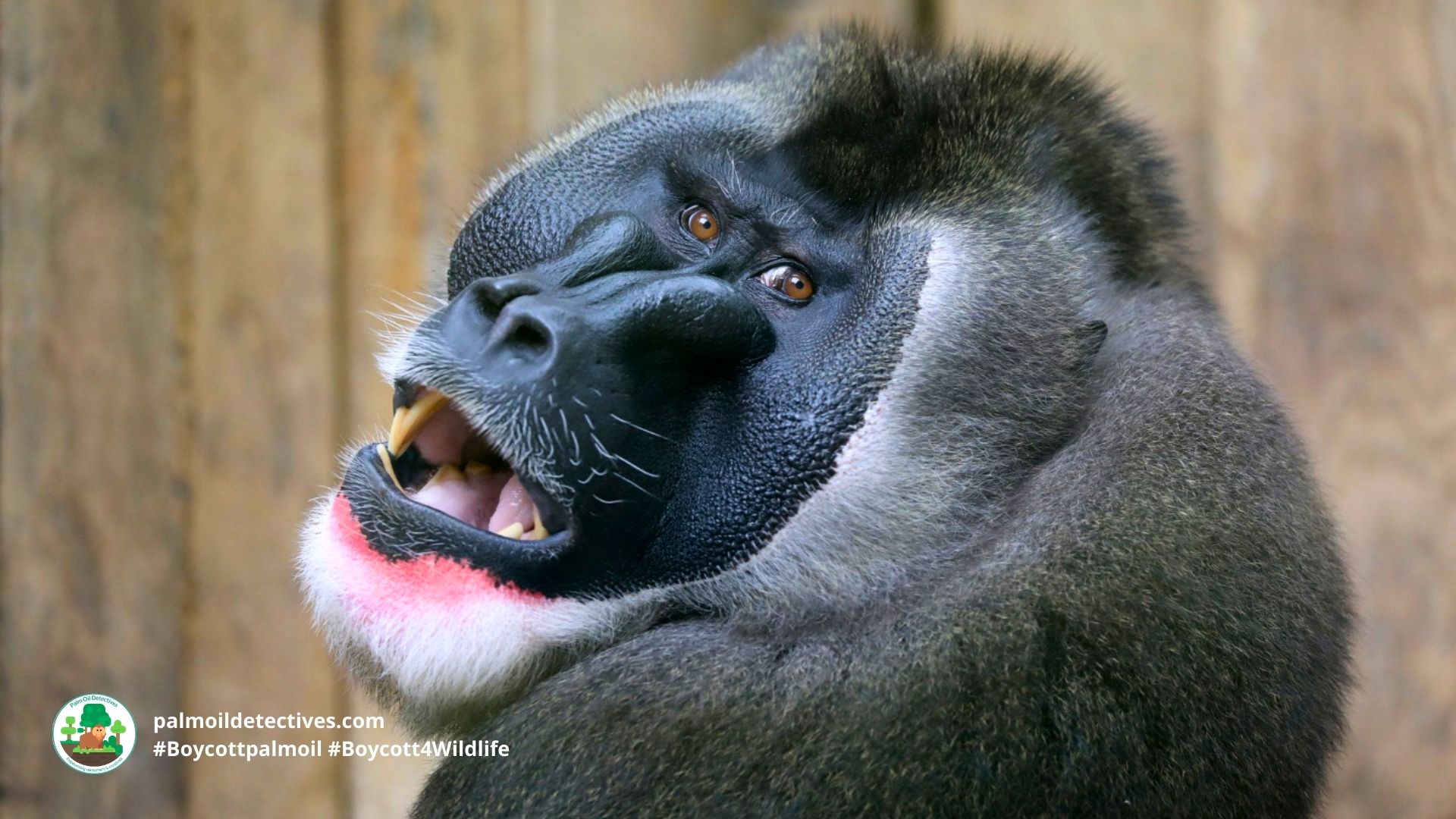
The Drill is an extraordinary primate, often described as a living mosaic of colour and power. Adult males are especially striking: their dark, velvet-black faces are bordered by rippling, cobalt-blue cheek pads and a crimson midline that runs down the nose like a painted flame. These facial colours deepen with sexual maturity and dominance. Males also exhibit large, richly hued rumps in shades of lilac, mauve and indigo, which serve as visual signals in social communication. Their massive canines and robust skulls hint at their physical strength—males can weigh up to three times more than females.
Drills have muscular, barrel-chested bodies with long, sturdy limbs adapted to both terrestrial travel and arboreal sleeping. Their movements on the forest floor are purposeful and heavy-footed, but they climb gracefully at night to sleep in trees, often 10–20 metres above ground. Despite their strength and bold colouration, Drills are shy and cryptic, vanishing silently into the understorey when disturbed.
Recent research has revealed that Drills regularly form polyspecific associations with other monkeys in Cameroon’s Korup National Park. They are most often seen in loose foraging alliances with red-capped mangabeys (Cercocebus torquatus)—despite competing for similar foods. This unusual cooperation may help them reduce predation risks or navigate foraging landscapes more efficiently, with each species using different forest layers and movement strategies to avoid direct conflict while benefitting from group vigilance (Astaras et al., 2011). These associations with other monkey species suggest a level of behavioural flexibility and ecological intelligence previously underestimated in Drills.



Diet
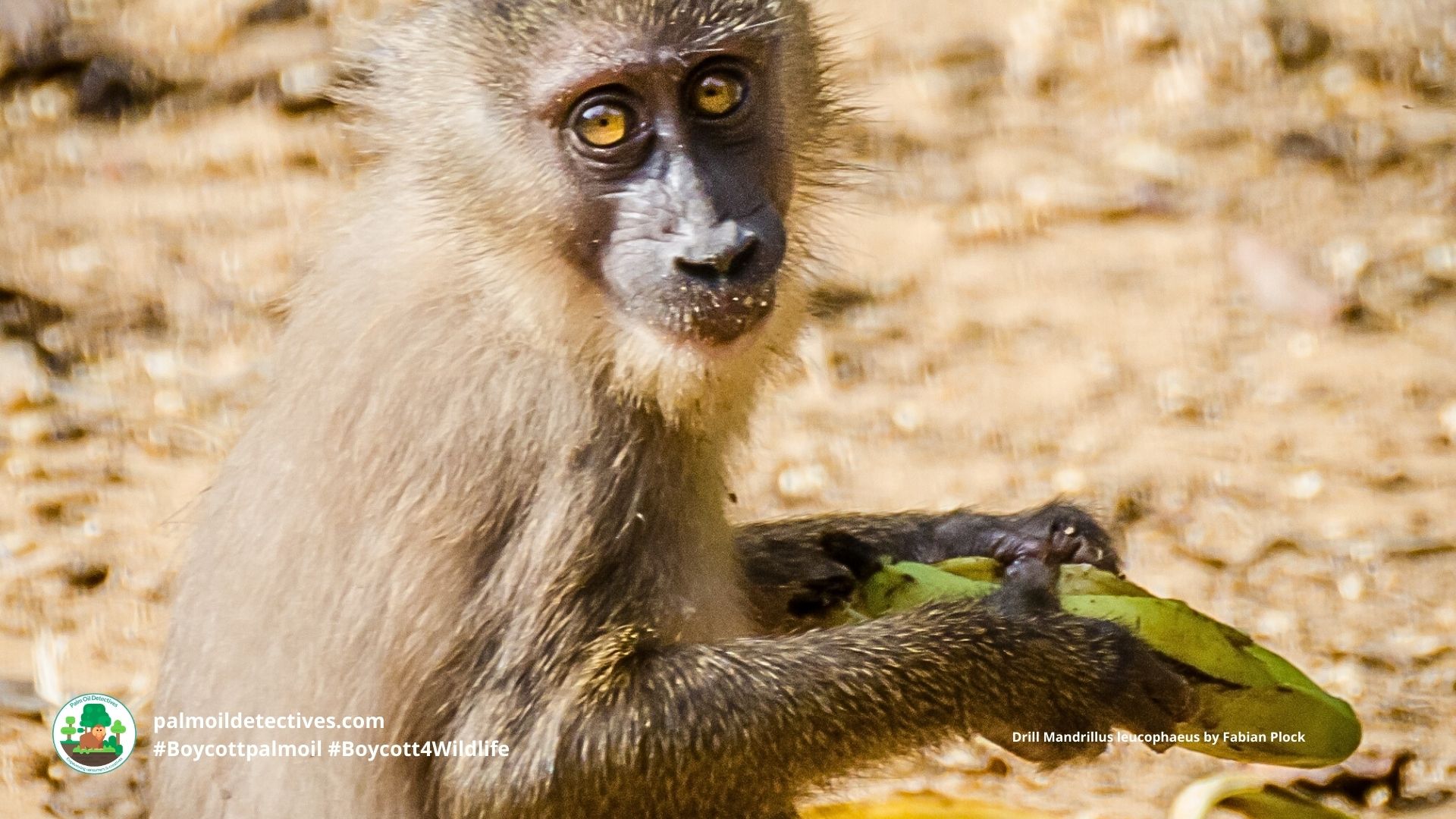
Drills are primarily frugivores in lowland forests, where up to 90% of their diet is made up of fruit. However, on Bioko Island and in montane regions, they shift to a more folivorous diet, consuming herbaceous stems, leaves, and fungi due to lower fruit availability (Owens et al., 2015). This ability to adjust their feeding strategies to suit local conditions reveals their remarkable adaptability. They are also known to consume seeds, insects, and small vertebrates opportunistically. Their robust jaws and thick enamelled teeth are well suited to cracking hard seeds and tough vegetation.
Reproduction and Mating
Drills live in complex, fission–fusion societies comprising multi-male, multi-female groups of 15–75 individuals. Mating is dominated by intensely colourful, high-ranking males, who gain the greatest access to fertile females. Sexual dimorphism in Drills is extreme: males possess vividly pigmented faces and rumps that function both as dominance signals and sexual ornaments. These visual cues are correlated with testosterone levels and social status rather than individual attractiveness alone (Marty et al., 2009). Females give birth to a single infant after a gestation of around 5–6 months, and maternal care is extensive and sensitive.
A remarkable insight into Drill social bonds comes from a 2023 thanatology study, which documented a mother caring for her deceased infant over several days. She groomed the dead infant intensively, carried them gently, and made repeated efforts to engage their eyes—behaviours indicating profound emotional attachment. Group members also showed interest, inspecting the infant and sometimes sitting near the mother in what appeared to be mourning-like behaviour. Two days later, the mother began to eat the corpse—a phenomenon seen in some other primates as a response to extreme stress or to recover nutrients after stillbirth. The act was not shared with others and appeared deliberate and solitary (Casetta et al., 2023).
These observations reveal that Drills are not only intelligent but deeply emotional animals capable of complex grief responses. Their inner lives—once invisible to science—are now starting to emerge through careful observation. Combined with their intricate dominance hierarchies, cooperative alliances, and nuanced communication, these findings make clear that the Drill is a primate of both immense ecological importance and profound emotional depth.
Drills are threatened by deforestation, particularly in Cameroon where multiple oil palm plantation projects are already underway or proposed (Morgan et al. 2013).
IUCN red list
Geographic Range
Drills are found only in the rainforests of southeastern Nigeria (Cross River region), southwestern Cameroon (Korup and Ebo regions), and Bioko Island off the coast of Equatorial Guinea. Their total range is estimated at just over 63,000 km², with an area of occupancy below 20,000 km²—much of it fragmented by plantations and roads (Morgan et al., 2013). Cameroon is home to roughly 75% of the global population, with estimates suggesting 3,000–5,000 Drills remain there. Nigeria supports fewer than 1,200 individuals, while Bioko’s population has declined by over 70% and may now number fewer than 1,000 (Cronin, pers. comm., 2016).
Threats
Habitat Loss from Palm Oil, Rubber and Tea Agriculture and Logging
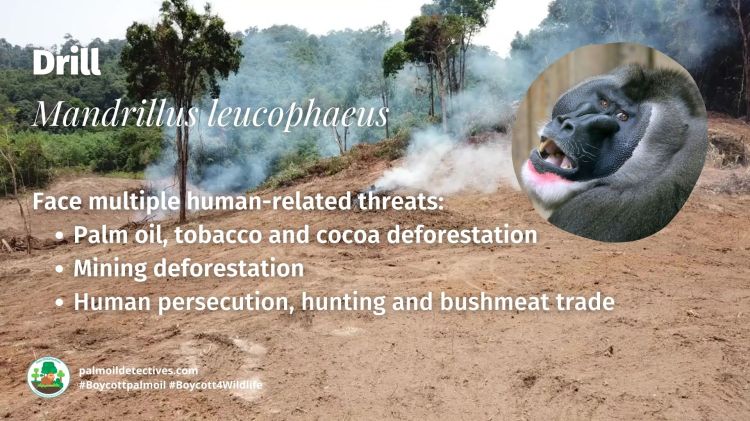
Across Cameroon and Nigeria, massive tracts of rainforest have been razed to make way for oil palm, rubber, banana, and tea plantations. Logging concessions—even those supposedly regulated—continue to expand into primary Drill habitat. In the Mount Cameroon region and the Ebo corridor, these activities have erased once-continuous tracts of forest, leaving only small, isolated fragments where Drills are barely surviving (Morgan et al., 2013; Astaras, 2009).
Road, Mining and Infrastructure Projects Opening Up Poaching Opportunities
New roads—often tied to plantation and mining expansion—now dissect once-pristine Drill habitat. These roads do more than fragment forests: they act as conduits for hunters and settlers, opening up remote areas to poaching and development. Planned road networks in Cross River State, the Ebo region, and Bioko threaten to divide the last strongholds of this species permanently (Linder & Oates, 2011).
Hunting and the Bushmeat Trade
Drills are one of the most sought-after primates in the bushmeat trade. Adult males are especially prized for their fatty flesh. When a group is spotted, hunters with dogs may target the entire troop, killing multiple individuals in one hunt. Though once hunted opportunistically, Drills are now commercially targeted for sale in urban markets, further escalating population decline (Gadsby, 1990; Astaras, 2009).
Genetic Fragmentation and Isolation
The species is now fragmented into at least 10 isolated populations, with no natural corridors linking them. Bioko’s subspecies is completely cut off. Genetic isolation increases vulnerability to disease, reduces fertility, and limits the adaptability of remaining groups, accelerating the extinction spiral (Morgan et al., 2013).
Weak Law Enforcement and Corruption in the Illegal Wildlife Trade
While legal protections exist in all range countries, enforcement is virtually absent. Protected areas are rarely patrolled, corruption is rampant, and economic pressures often drive local communities to encroach on wildlife zones. Without empowered, well-funded, and community-supported conservation efforts, these laws remain words on paper (Linder & Oates, 2011).
Take Action!
The gentle and misunderstood Drill is a primate symbol of rainforest vitality, social intelligence, and emotional complexity. The extinction of these precious primates would be a moral and ecological tragedy. Take action every time you shop and Boycott palm oil. Support indigenous-led forest protection in Nigeria, Cameroon, and Bioko. Demand that roads and plantations be halted before more forest is lost. The time to act is now. #BoycottPalmOil #Boycott4Wildlife, be #Vegan #BoycottMeat
FAQs
How many Drills are left in the wild?
It is estimated that only 4,000–6,000 Drills remain in total: about 1,000 in Nigeria, up to 5,000 in Cameroon, and fewer than 1,000 on Bioko Island. Most populations are isolated and in decline (Morgan et al., 2013; Cronin, pers. comm., 2016).
Do Drills form alliances with other species?
Yes. In Korup National Park, Cameroon, Drills have been observed forming polyspecific foraging groups with red-capped mangabeys and other monkeys. These temporary alliances may help reduce predation risk and improve foraging efficiency by sharing lookout roles and occupying different layers of the forest (Astaras et al., 2011).
What is known about their emotional or social intelligence?
A 2023 study documented a Drill mother grooming and attempting to revive her deceased infant for several days before eventually consuming the body. Group members also engaged in quiet observation. These behaviours suggest a profound capacity for grief, emotional bonds, and possibly stress-related coping strategies (Casetta et al., 2023).
Why are Drills hunted?
Drills are highly sought in the bushmeat trade, especially large males for their meat. Hunting methods include dogs and firearms, often decimating entire groups in one raid. Most of this hunting is for commercial sale in cities rather than for subsistence (Astaras, 2009).
What do the colours of Drills signify?
Male Drills display intense facial and rump colouration that becomes more vibrant with dominance and testosterone levels. These visual traits are used in social signalling and mate competition, though studies suggest rank is more important than colour alone in determining reproductive success (Marty et al., 2009).
Do Drills grieve their dead?
A 2023 scientific study indicates that yes they do grieve their loved ones. The study documented a Drill mother gently carrying and intensively grooming her dead infant for two days, refusing to let go. Other Drills gathered around, quietly observing and touching the mother. On the third day, in an act both shocking and intimate, the mother began to eat the infant’s body in private. Researchers believe this behaviour may help the mother cope emotionally or recover nutrients after a traumatic loss. This rare observation shows that Drills, like other primates and humans, experience grief, maternal love, and perhaps even an awareness of death itself (Casetta et al., 2023). They are emotional beings—and they are vanishing. Help them to survive and #BoycottPalmOil.
Support the conservation of this species
Further Information
Gadsby, E.L., Cronin, D.T., Astaras, C. & Imong, I. 2020. Mandrillus leucophaeus. The IUCN Red List of Threatened Species 2020: e.T12753A17952490. https://dx.doi.org/10.2305/IUCN.UK.2020-2.RLTS.T12753A17952490.en. Downloaded on 12 March 2021.
Astaras, C., Krause, S., Mattner, L., Rehse, C., & Waltert, M. (2011). Associations between the Drill (Mandrillus leucophaeus) and sympatric monkeys in Korup National Park, Cameroon. American Journal of Primatology, 73(2), 127–134. https://doi.org/10.1002/ajp.20877
Casetta, G., Nolfo, A. P., & Palagi, E. (2023). Record of thanatology and cannibalism in drills (Mandrillus leucophaeus). Primates, 64, 475–481. https://doi.org/10.1007/s10329-023-01075-8
Marty, J. S., Higham, J. P., Gadsby, E. L., & Ross, C. (2009). Dominance, coloration, and sexual behaviour in male Drills. International Journal of Primatology, 30(6), 807–823. https://doi.org/10.1007/s10764-009-9382-x
Morgan, B. J., Abwe, E. E., Dixson, A. F., & Astaras, C. (2013). The distribution, status, and conservation outlook of the Drill (Mandrillus leucophaeus) in Cameroon. International Journal of Primatology, 34, 281–302. DOI https://doi.org/10.1007/s10764-013-9661-4
Owens, J. R., Honarvar, S., Nessel, M., & Hearn, G. W. (2015). From frugivore to folivore: Altitudinal variation in the diet of the Bioko Island Drill. American Journal of Primatology, 77(11), 1263–1275. https://doi.org/10.1002/ajp.22479

How can I help the #Boycott4Wildlife?
Take Action in Five Ways
1. Join the #Boycott4Wildlife on social media and subscribe to stay in the loop: Share posts from this website to your own network on Twitter, Mastadon, Instagram, Facebook and Youtube using the hashtags #Boycottpalmoil #Boycott4Wildlife.
2. Contribute stories: Academics, conservationists, scientists, indigenous rights advocates and animal rights advocates working to expose the corruption of the palm oil industry or to save animals can contribute stories to the website.





3. Supermarket sleuthing: Next time you’re in the supermarket, take photos of products containing palm oil. Share these to social media along with the hashtags to call out the greenwashing and ecocide of the brands who use palm oil. You can also take photos of palm oil free products and congratulate brands when they go palm oil free.
4. Take to the streets: Get in touch with Palm Oil Detectives to find out more.
5. Donate: Make a one-off or monthly donation to Palm Oil Detectives as a way of saying thank you and to help pay for ongoing running costs of the website and social media campaigns. Donate here
Discover more from Palm Oil Detectives
Subscribe to get the latest posts sent to your email.
 Palm Oil Detectives
One thought on “Drill Mandrillus leucophaeus”