
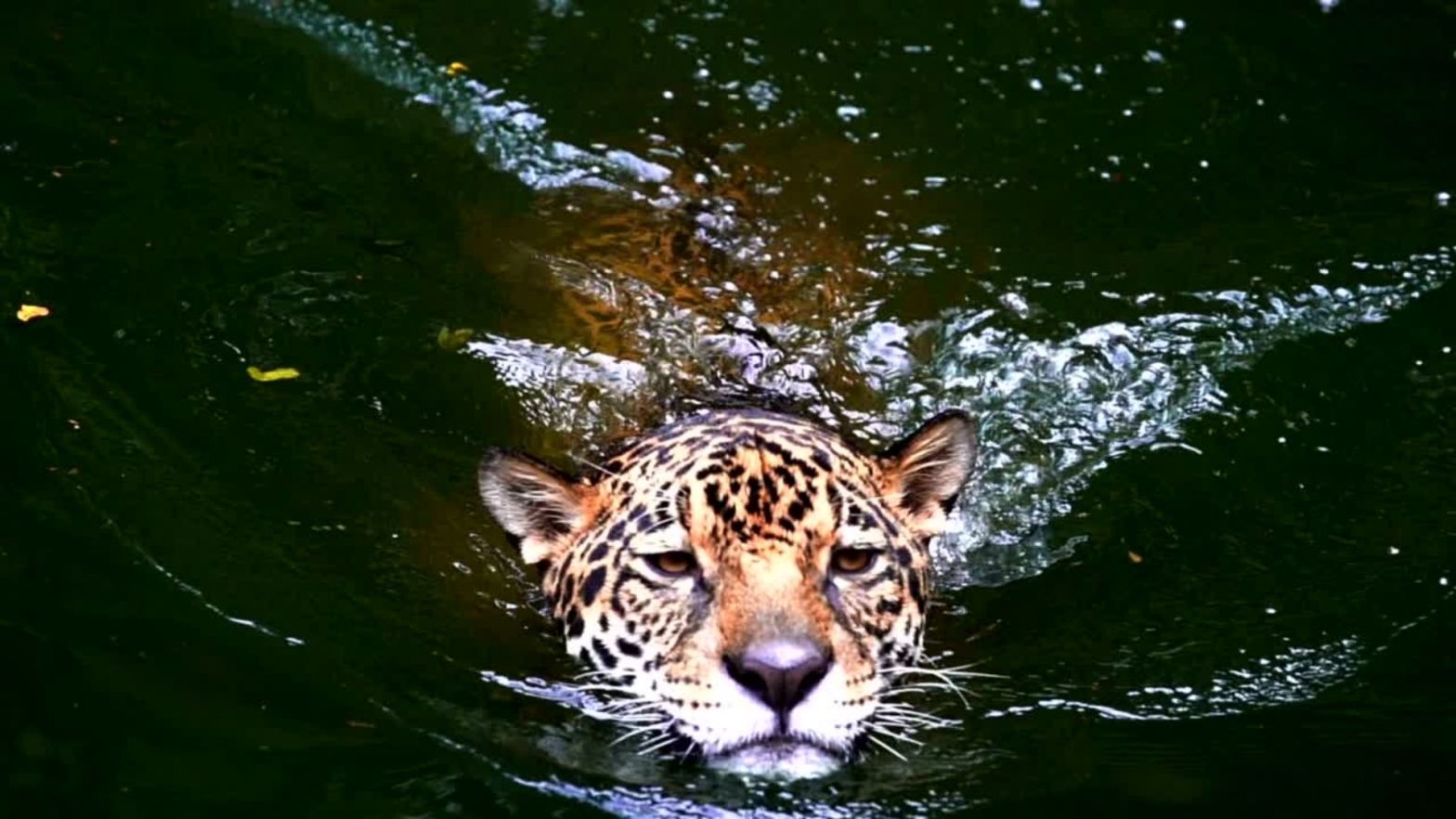
Jaguar Panthera onca
Near Threatened: Argentina; Belize; Bolivia, Brazil; Colombia; Costa Rica; Ecuador; French Guiana; Guatemala; Guyana; Honduras; Mexico; Nicaragua; Panama; Paraguay; Peru; Suriname; United States; Venezuela.
Extinct: El Salvador; Uruguay, United States of America
Jaguars, currently deemed Near Threatened, face a substantial habitat reduction of up to 25% in just over two decades. This decline stems from rampant deforestation for palm oil, soy, and meat, as well as illegal poaching for trophies and body parts. These magnificent creatures also suffer from conflicts arising due to livestock depredation and competition with human hunters for food. Aggravating the issue, Latin America’s widespread agricultural industries, like soy, palm oil, and cattle ranching, mainly serve foreign markets rather than local needs. Let’s step up and use our wallets as a weapons! Be #vegan #Boycottpalmoil #Boycott4Wildlife.
Majestic king of the jungle, the #Jaguar is a #bigcat of #SouthAmerica 🇧🇷🇲🇽 🐅 They’re #NearThreatened from #deforestation for #soy #meat #palmoil and illegal #poaching. Help them and when you #Boycottpalmoil 🌴🔥⛔️ #Boycott4Wildlife @palmoildetect https://palmoildetectives.com/2022/08/28/jaguar-panthera-onca/
#Jaguars 🐅🐯 are excellent swimmers with the most powerful jaws of all the #bigcats They can run at a speed of up to 80 kmph. They face threats from #palmoil #soy #meat #deforestation. Help them survive, be #vegan 🍎🌿 #BoycottPalmOil #Boycott4Wildlife https://palmoildetectives.com/2022/08/28/jaguar-panthera-onca/
Appearance
The Jaguar has a stocky, heavy body with short massive limbs associated with reduced cursorial behaviour and dense forest habitat, and robust canines and large head allowing a more powerful bite than other large cats (Seymour 1989, Sunquist and Sunquist 2002).
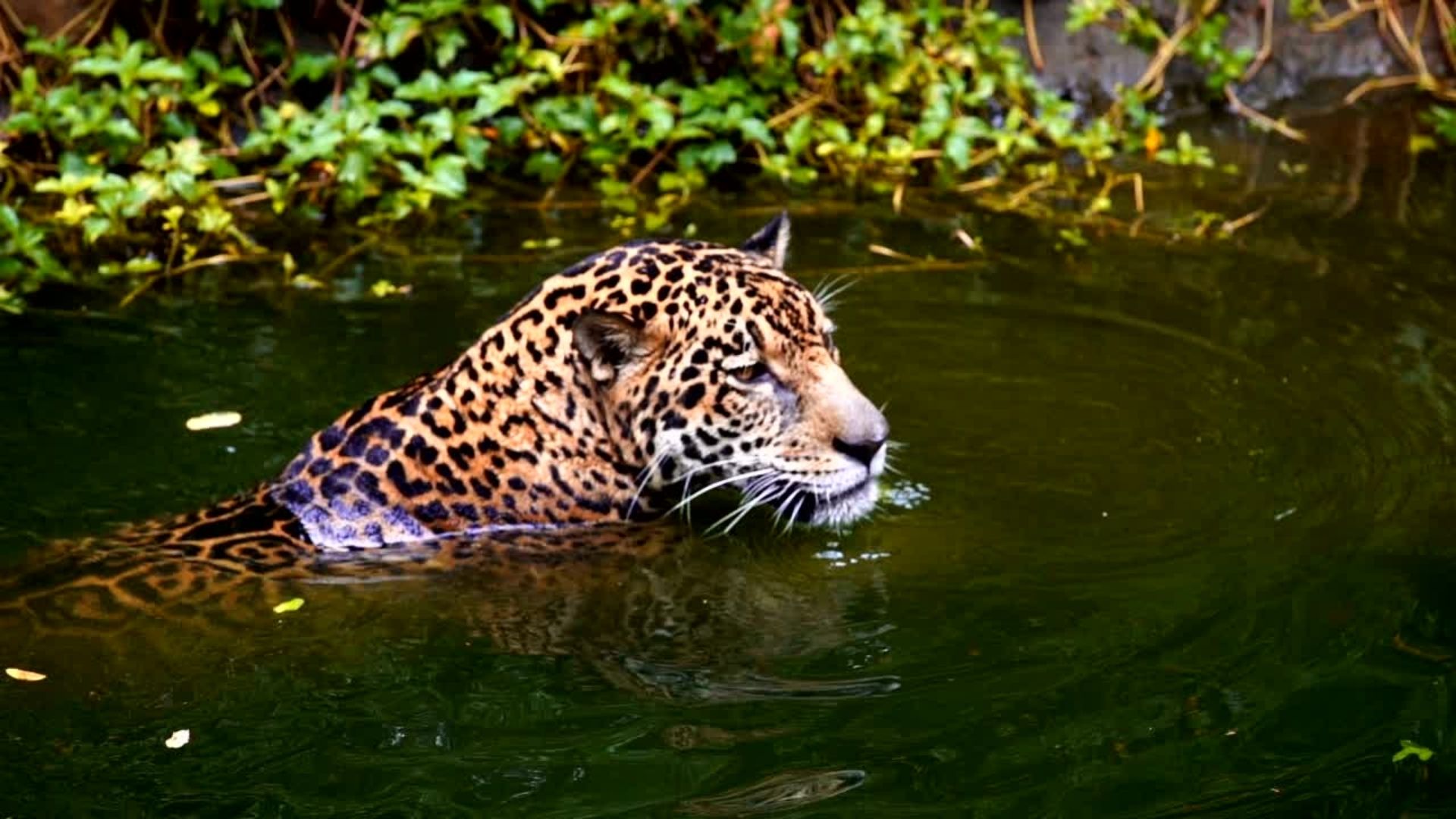
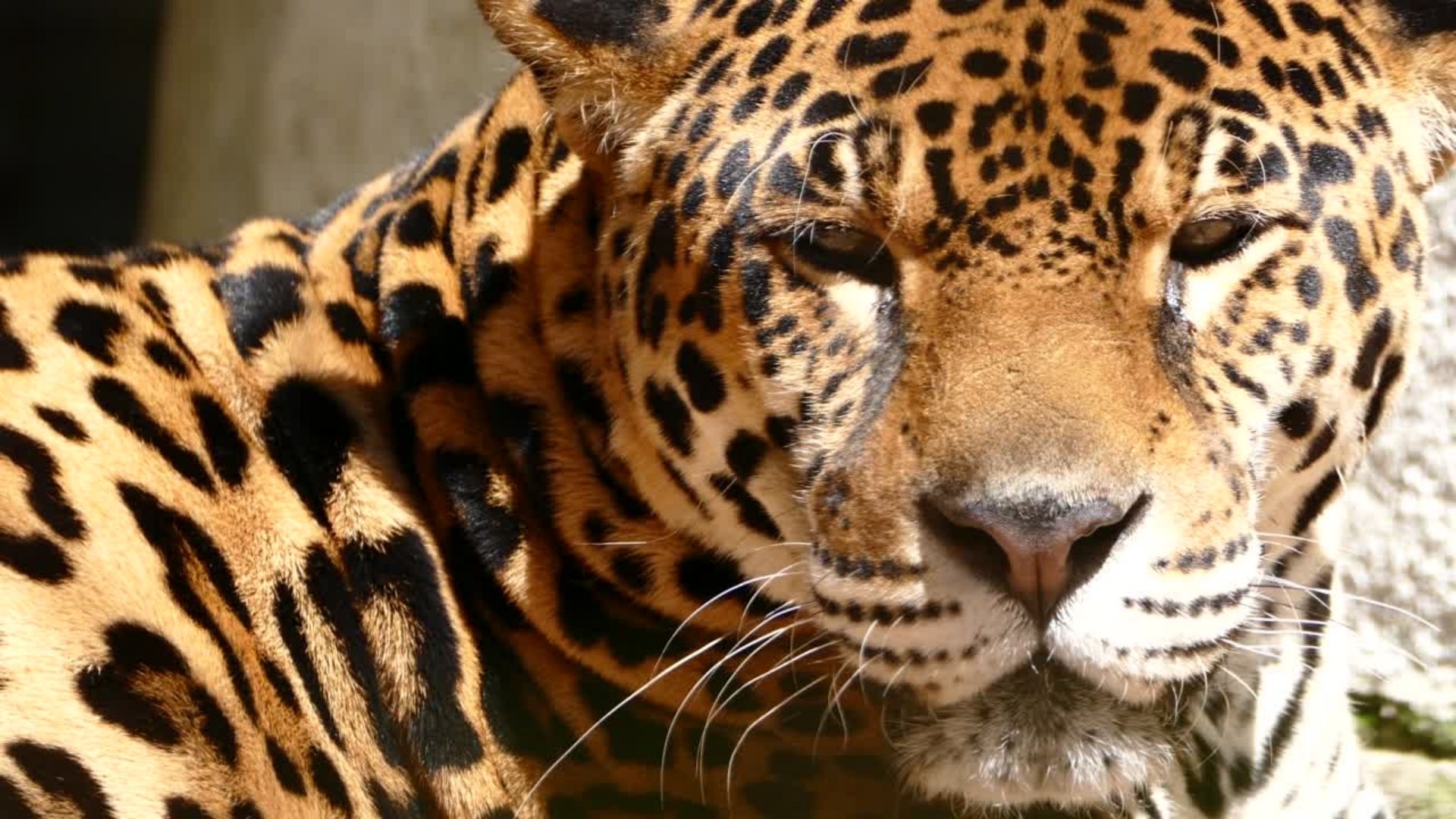
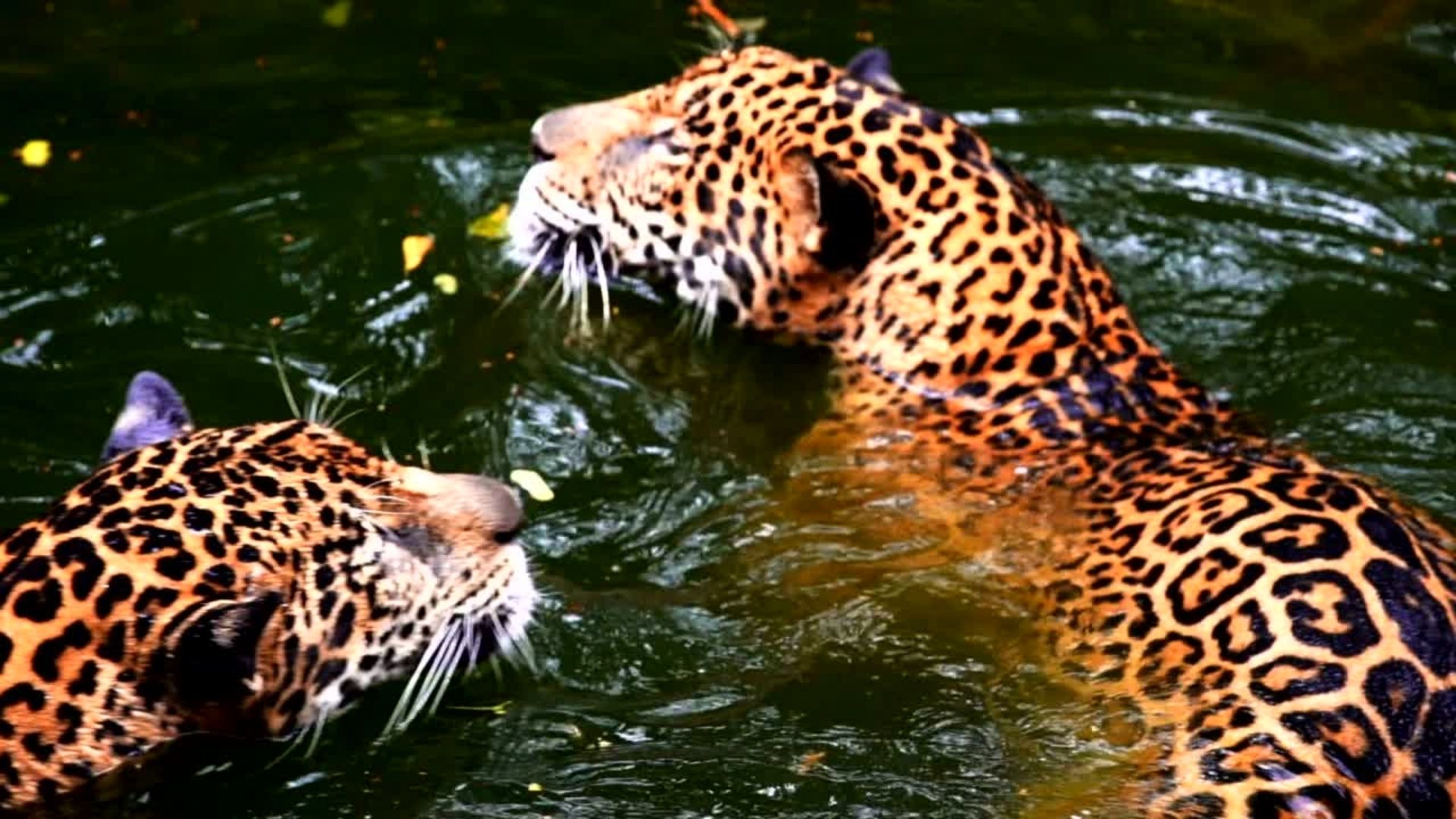
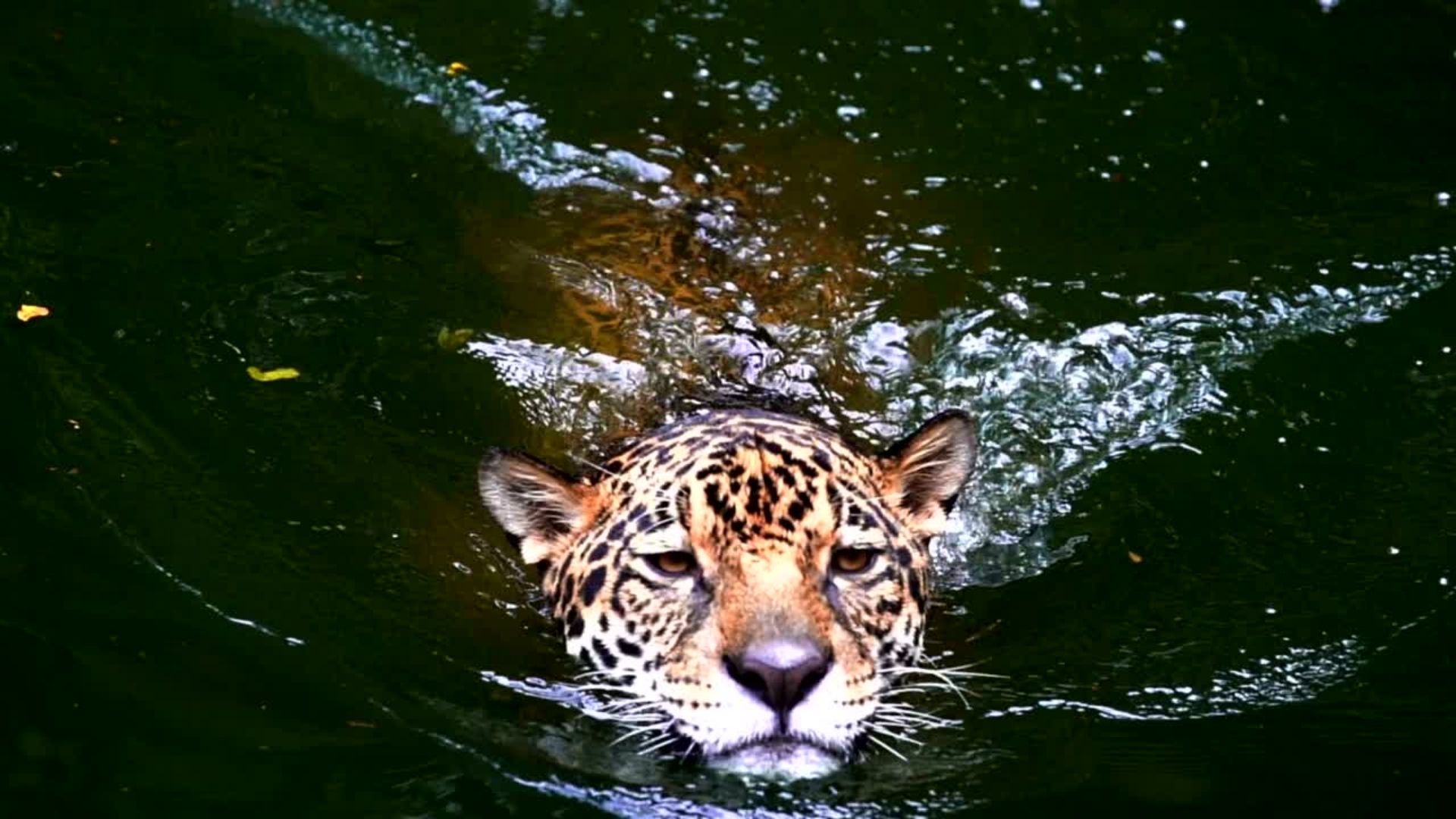
Mean body weight varies by up to 100% across their range, those living further from the equator tend to be larger (Iriarte et al. 1990). This extreme variation in size may reflect variation in the availability of large prey in different habitats: the largest Jaguars occur in open flood plains areas, the Llanos in Venezuela and the Pantanal in Brazil, and take the largest prey, and the smallest Jaguars inhabit the dense forest areas of Central America and Amazonia and take smaller prey (Hoogesteijn and Mondolfi 1996, Oliveira 2002).
Habitat
Jaguar habitat typically consists of dense forest cover (mainly primary and secondary forest), the presence of water bodies and a sufficient prey base (Swank and Teer 1989, Sanderson et al. 2002).
However, they are found in range of habitats from rainforest to seasonally flooded swamp areas, pampas grassland, thorn scrub woodland, and dry deciduous forest (Nowell and Jackson 1996, Sunquist and Sunquist 2002).
The species is more strongly associated with water in comparison to any of the other Panthera cats. Even within drier areas they are only found around the main water courses. This characteristic quickly brings them into conflict with expansion of high intensity agriculture, having the same requirements of nearby water sources for irrigation.
Threats
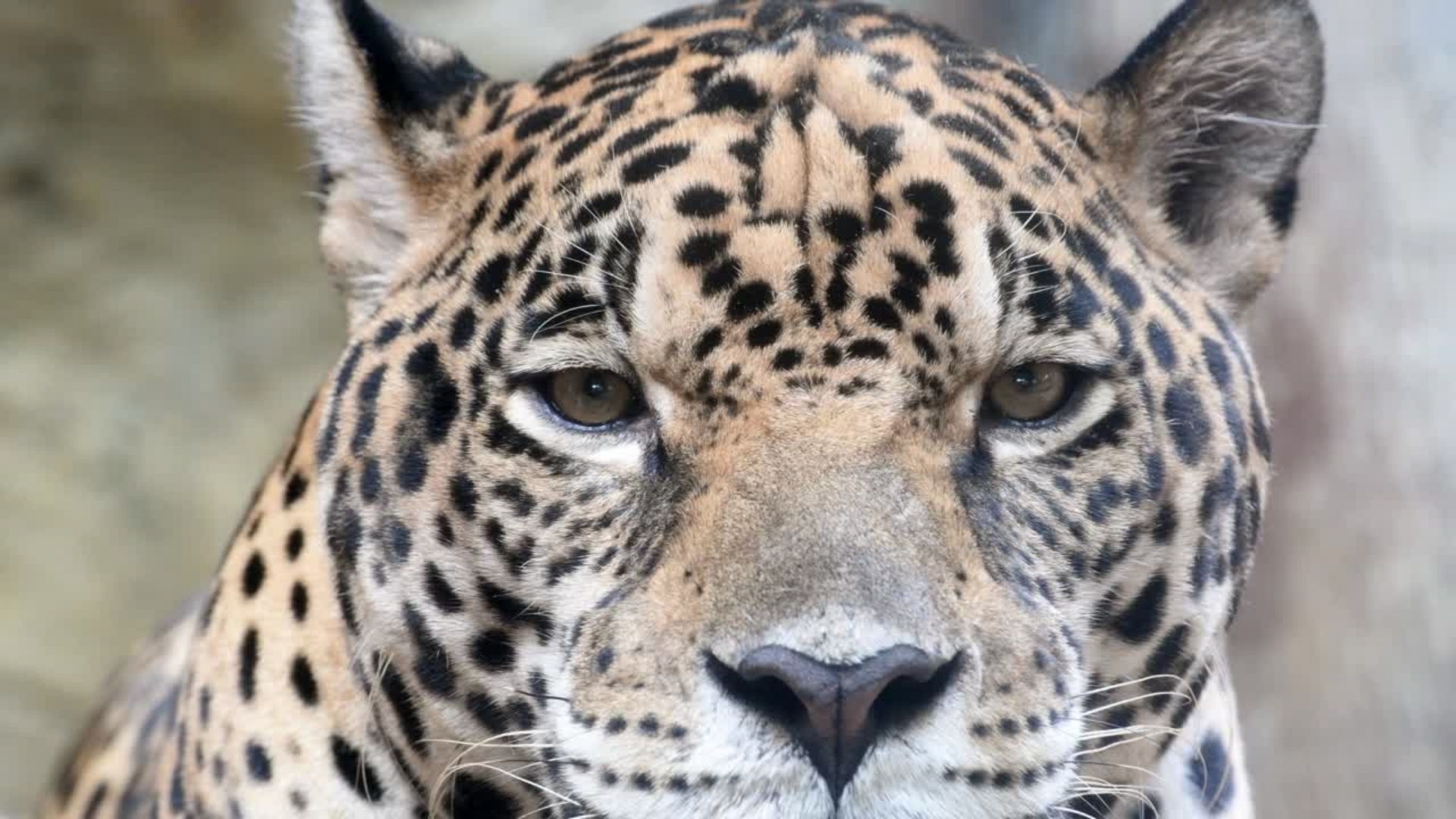
Jaguar populations are threatened by habitat loss and fragmentation for palm oil, soy and meat along with illegal murder for trophies/illegal trade in body parts. They are also the victims of pro-active or retaliatory killings associated with livestock depredation and competition for wild meat with human hunters.
Fragmentation and displacement frequently leads to lowering of densities of Jaguars and prey in leftover forest patches due to easier access and Jaguars feeding on the replaced livestock. Jaguar-livestock conflict is a serious threat to Jaguar survival and reported throughout their range (Hoogesteijn and Hoogesteijn 2011, Quigley et al. 2015, de la Torre et al. 2016).
Latin America is characterised by relatively low population densities with high population growth. This means that the increased agricultural expansion will likely not be used to feed the expanding population of Latin America. Increased pressure on wildlife as a food source will increase. Even in low population countries like Belize, 75% of the yearly wildlife offtake can be attributed to humans, while Jaguars only account for 25% (Foster et al. 2016). Increases in human population within these thinly populated countries means, increased fragmentation for agriculture, industry and urbanisation necessary for sustaining the increased number of people, making the wildlife easier accessible for hunting. The greater need for food and potential increase in wealth for a proportion of the population means increased commercialisation and increased prizes for wildlife game species, which are all Jaguar prey species.
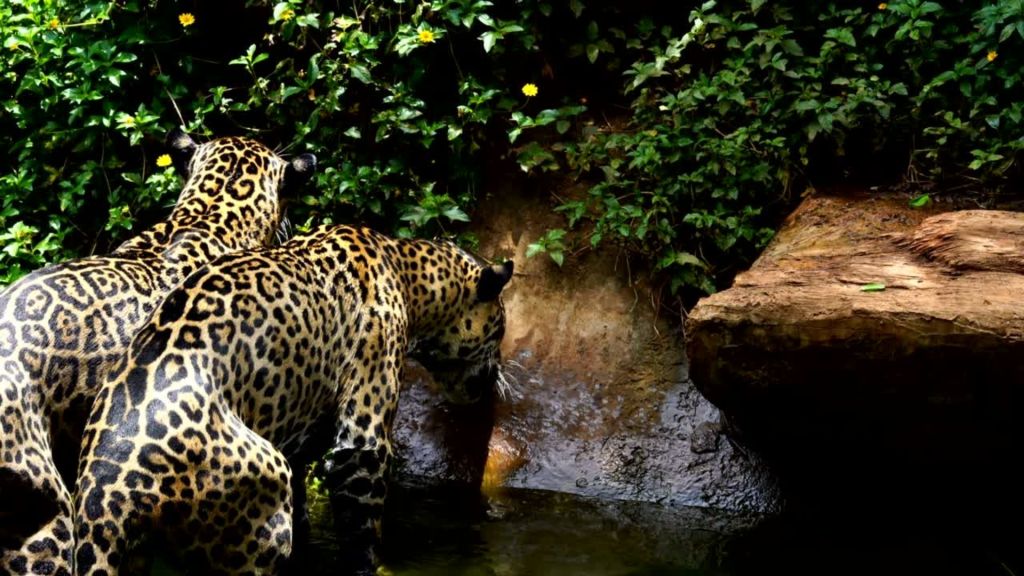
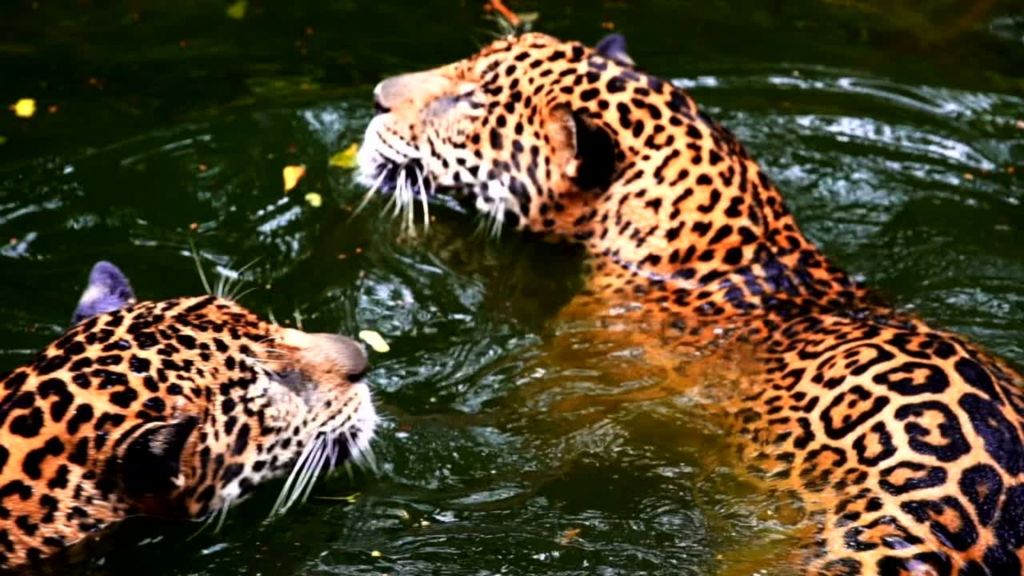
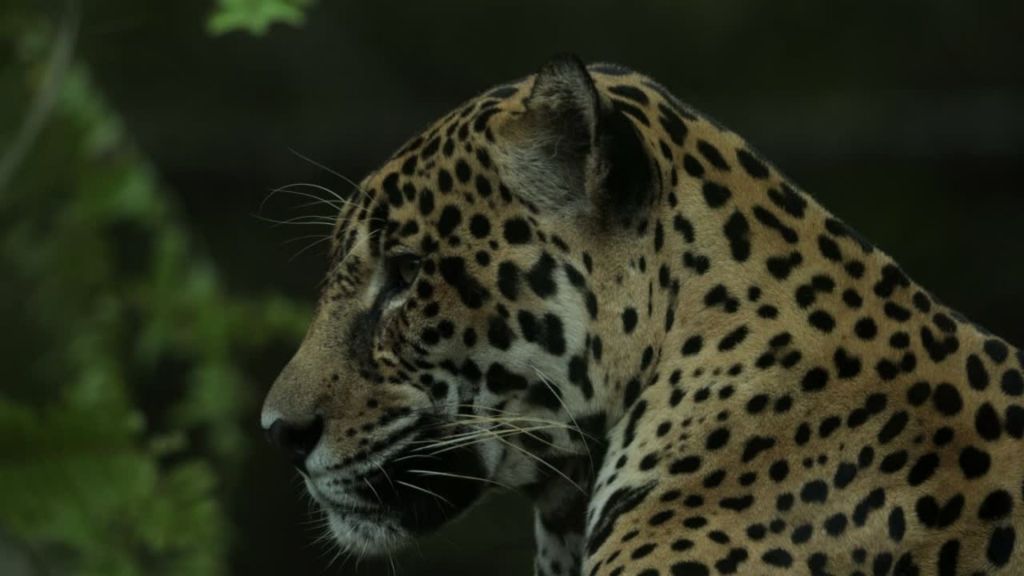
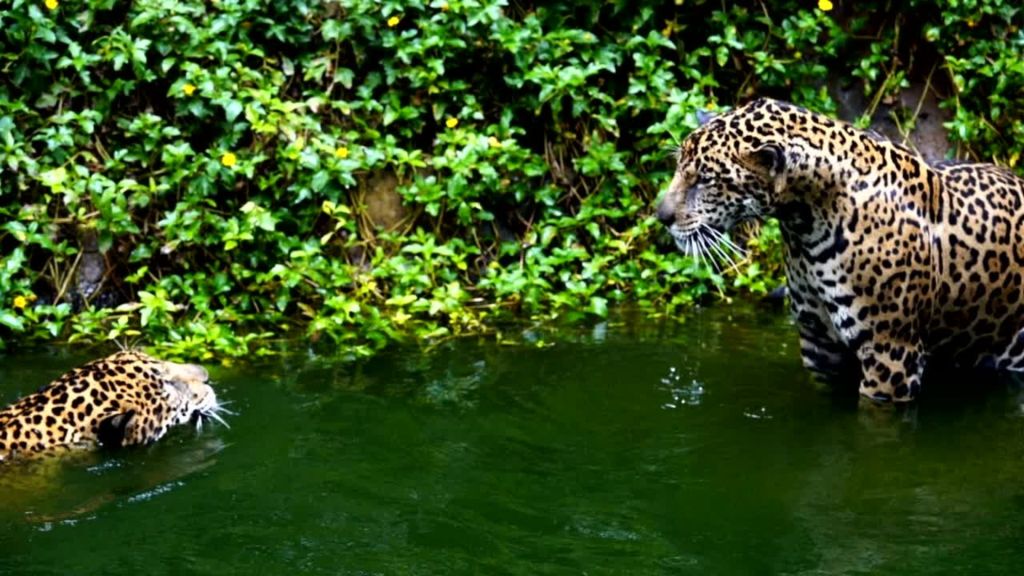
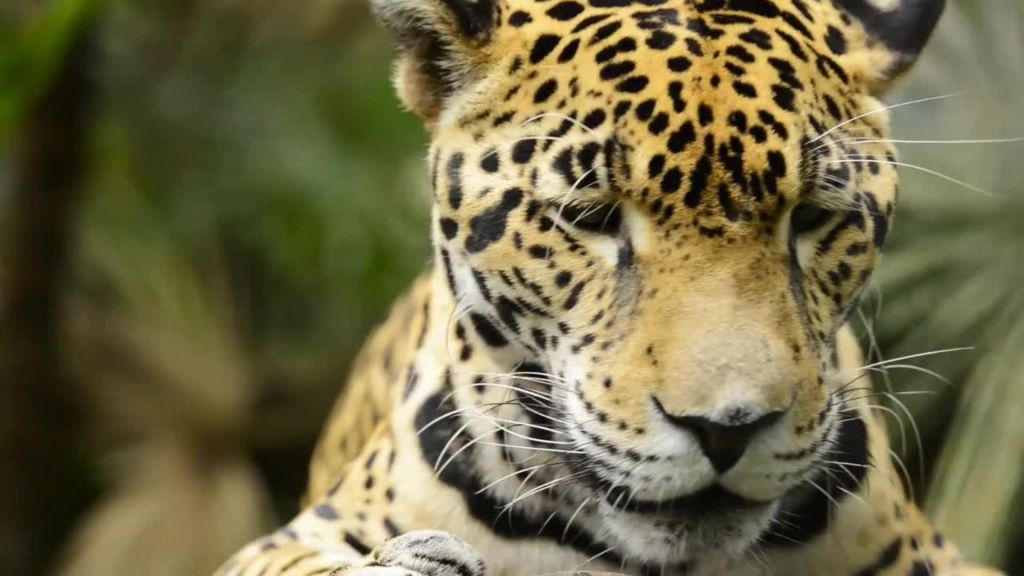
Jaguars have lost about 49% of their historic geographic range
Habitat loss is reducing and isolating Jaguar populations range wide. The white-lipped peccary are an important Jaguar prey. They have been extirpated from 21% of the jaguar’s historical range during the past century and changed from NT to VU under the latest IUCN assessment (Altrichter et al. 2012, Keuroghlian et al. 2013).
Jaguars have already become extinct in El Salvador, Uruguay, and the United States.
You can support this beautiful animal
Further Information

Quigley, H., Foster, R., Petracca, L., Payan, E., Salom, R. & Harmsen, B. 2017. Panthera onca (errata version published in 2018). The IUCN Red List of Threatened Species 2017: e.T15953A123791436. https://dx.doi.org/10.2305/IUCN.UK.2017-3.RLTS.T15953A50658693.en. Accessed on 18 March 2022.
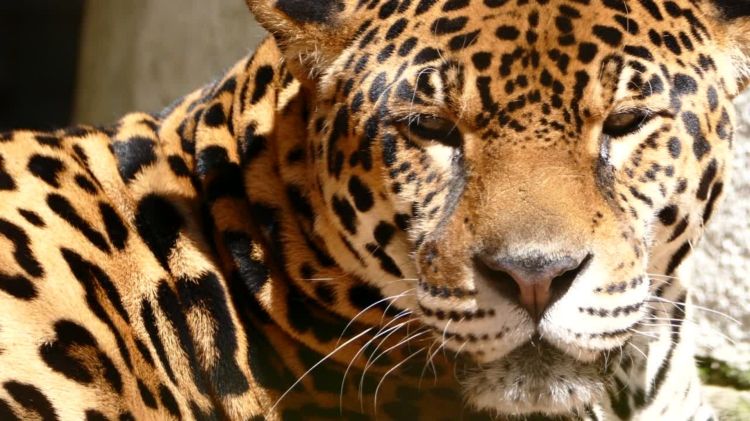

How can I help the #Boycott4Wildlife?
Take Action in Five Ways
1. Join the #Boycott4Wildlife on social media and subscribe to stay in the loop: Share posts from this website to your own network on Twitter, Mastadon, Instagram, Facebook and Youtube using the hashtags #Boycottpalmoil #Boycott4Wildlife.
2. Contribute stories: Academics, conservationists, scientists, indigenous rights advocates and animal rights advocates working to expose the corruption of the palm oil industry or to save animals can contribute stories to the website.




3. Supermarket sleuthing: Next time you’re in the supermarket, take photos of products containing palm oil. Share these to social media along with the hashtags to call out the greenwashing and ecocide of the brands who use palm oil. You can also take photos of palm oil free products and congratulate brands when they go palm oil free.
4. Take to the streets: Get in touch with Palm Oil Detectives to find out more.
5. Donate: Make a one-off or monthly donation to Palm Oil Detectives as a way of saying thank you and to help pay for ongoing running costs of the website and social media campaigns. Donate here
Discover more from Palm Oil Detectives
Subscribe to get the latest posts sent to your email.
 Palm Oil Detectives
2 thoughts on “Jaguar Panthera onca”