

#Palmoil cultivation in #India’s northeast such as #Nagaland and #Assam is devastating natural ecology with increased human-animal conflicts and #ecocide leaving #animals, #forests and people at risk. Resist and fight back every time you shop and #Boycottpalmoil #Boycott4Wildlife
#Palmoil cultivation in #India’s 🇮🇳🪷 north east is devastating natural #ecology with increased human-animal conflicts and #ecocide leaving people, forests and animals at risk #Boycottpalmoil #Boycott4Wildlife 🌴🪔🩸🧐🙊⛔️ @palmoildetect https://palmoildetectives.com/2023/06/07/indias-palm-oil-push-leaves-northeast-indian-farmers-forests-and-animals-at-risk/
This article was originally published on 4 April, 2023 by Asia Pacific Foundation Canada, read the original article here.
The Takeaway
Since the 1990s, India has prioritised palm oil production to reduce its import dependency and meet increasing consumer demand. Despite various initiatives to promote palm oil cultivation across the country, northeast Indian palm oil farmers face challenges forcing them to reconsider their crop choices. The dilemma also raises questions about striking a balance between India’s goals for self-sufficiency in edible oils and its climate goals for carbon neutrality, considering the ecological damage inherent to palm oil cultivation.

In Brief
Since 2016, palm oil cultivation in the state of Nagaland has increased by more than 3,000 per cent, due in large part to the Indian government’s introduction of the National Mission on Oilseed and Oil Palm in 2015-16 and a renewed push with the 2021 National Mission on Edible Oils – Oil Palm (NMEO-OP) that emphasises oil palm cultivation in northeast Indian states. Despite rapid growth in cultivation since these mission statements were activated, Nagaland farmers continually face water shortages, inadequate irrigation infrastructure, a lack of state support, and, more recently, a lack of buyers and processing capacity. As a result, they have disposed of palm kernels – or used them as animal feed – as they look for other crop options.
Implications
Over the past two decades, palm oil consumption in India has increased by approximately 230 per cent, and today India is the largest importer of palm oil globally. As palm oil is a part of almost 50 per cent of all packaged consumer products – edible and non-edible – it is not surprising to see the increasing global demand. The COVID-19 pandemic and the Russian war in Ukraine have caused significant supply-chain issues, spikes in global prices, and restrictions on edible oil exports from source countries as they seek to protect their domestic markets.
Roughly 56 per cent of India’s edible oil imports are palm oil, and over 90 per cent of the imported palm oil comes from Indonesia, Malaysia, and Thailand. Given palm oil’s versatility and economic viability, the Indian government launched its oilseed initiatives to reduce India’s reliability on imports, contribute to the nation’s food security, and help address the growing unemployment rates in the country. Incorporating aspects of previous schemes, the NMEO-OP increased available funding and support systems for palm oil farmers in 13 Indian states. Under the 2021 scheme, the total area for palm oil cultivation is projected to increase threefold — to a whopping one million hectares — and crude palm oil production to 1.125 million tonnes by 2026. Most of the cultivation will occur in seven ecologically sensitive northeastern states and the Andaman and Nicobar Islands.
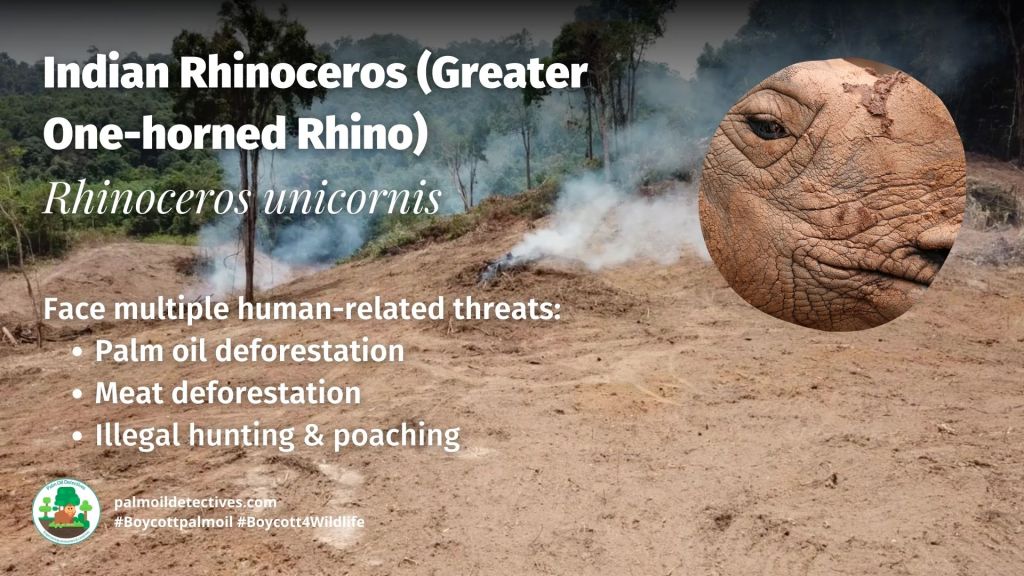
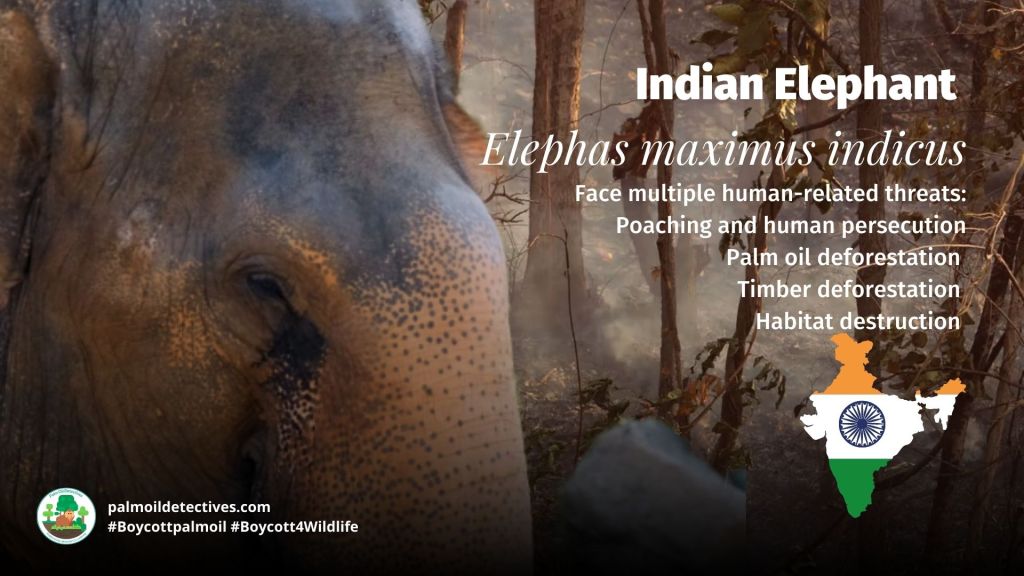
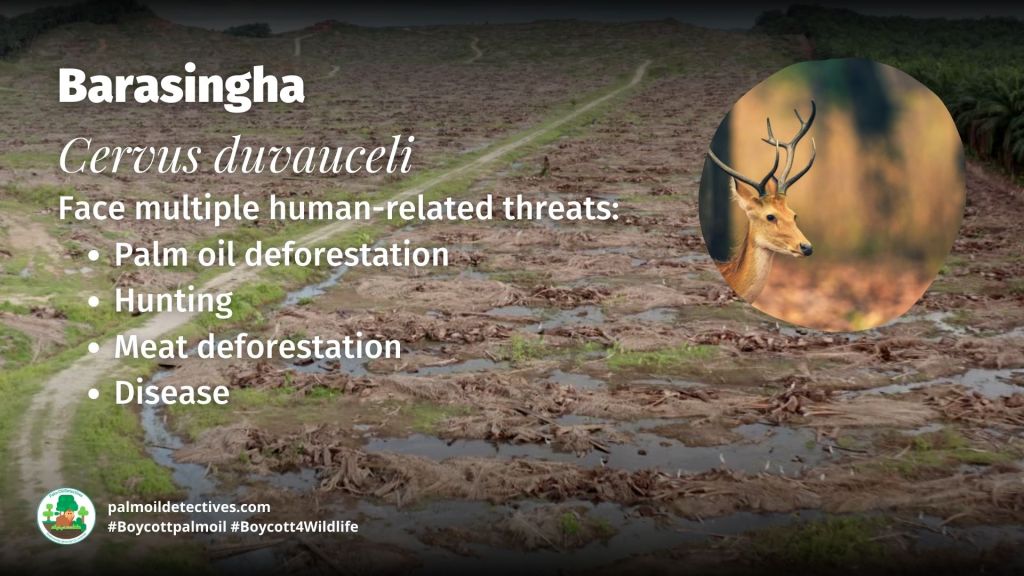
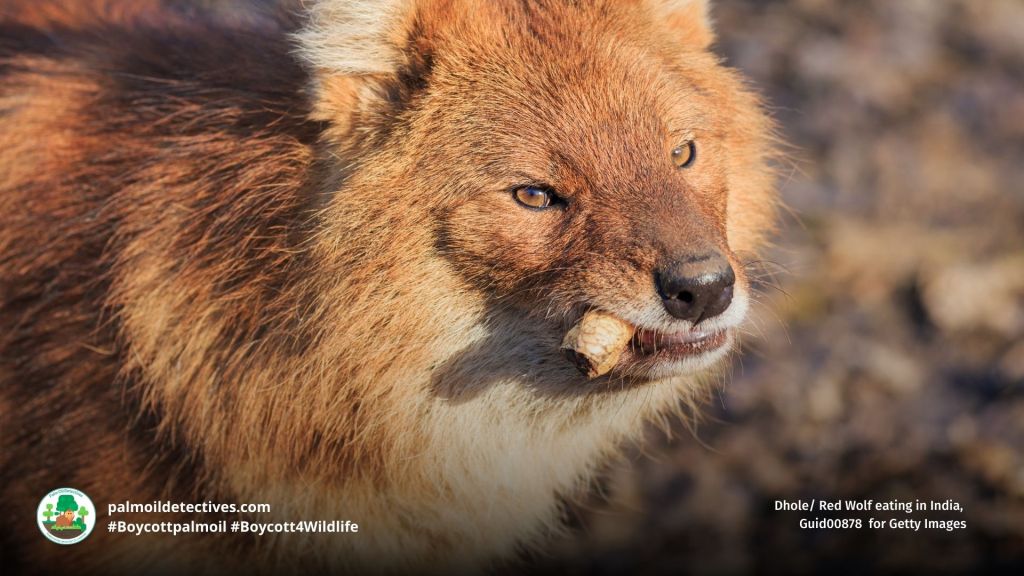
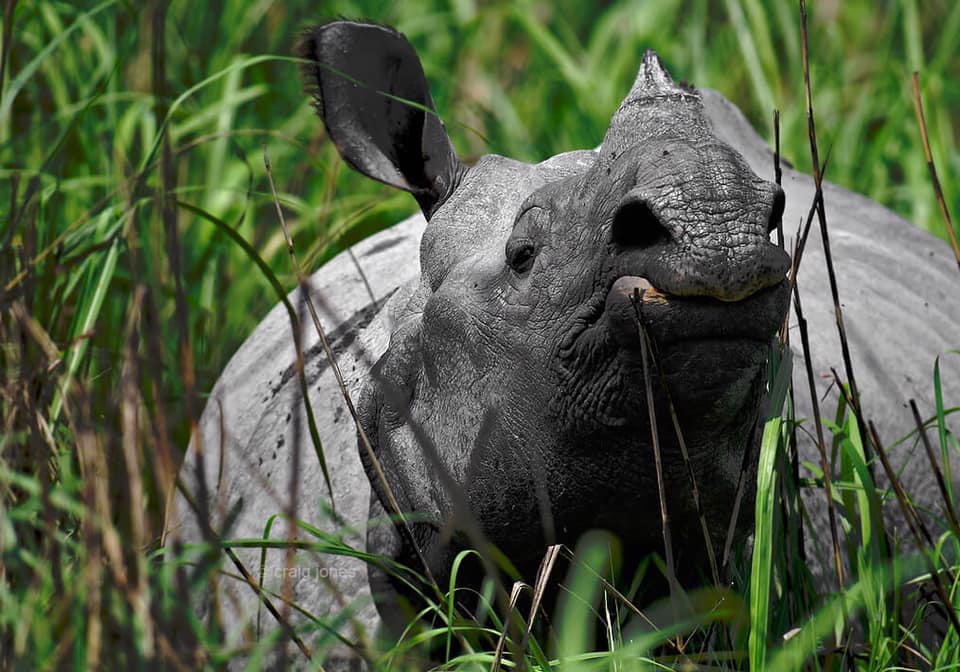
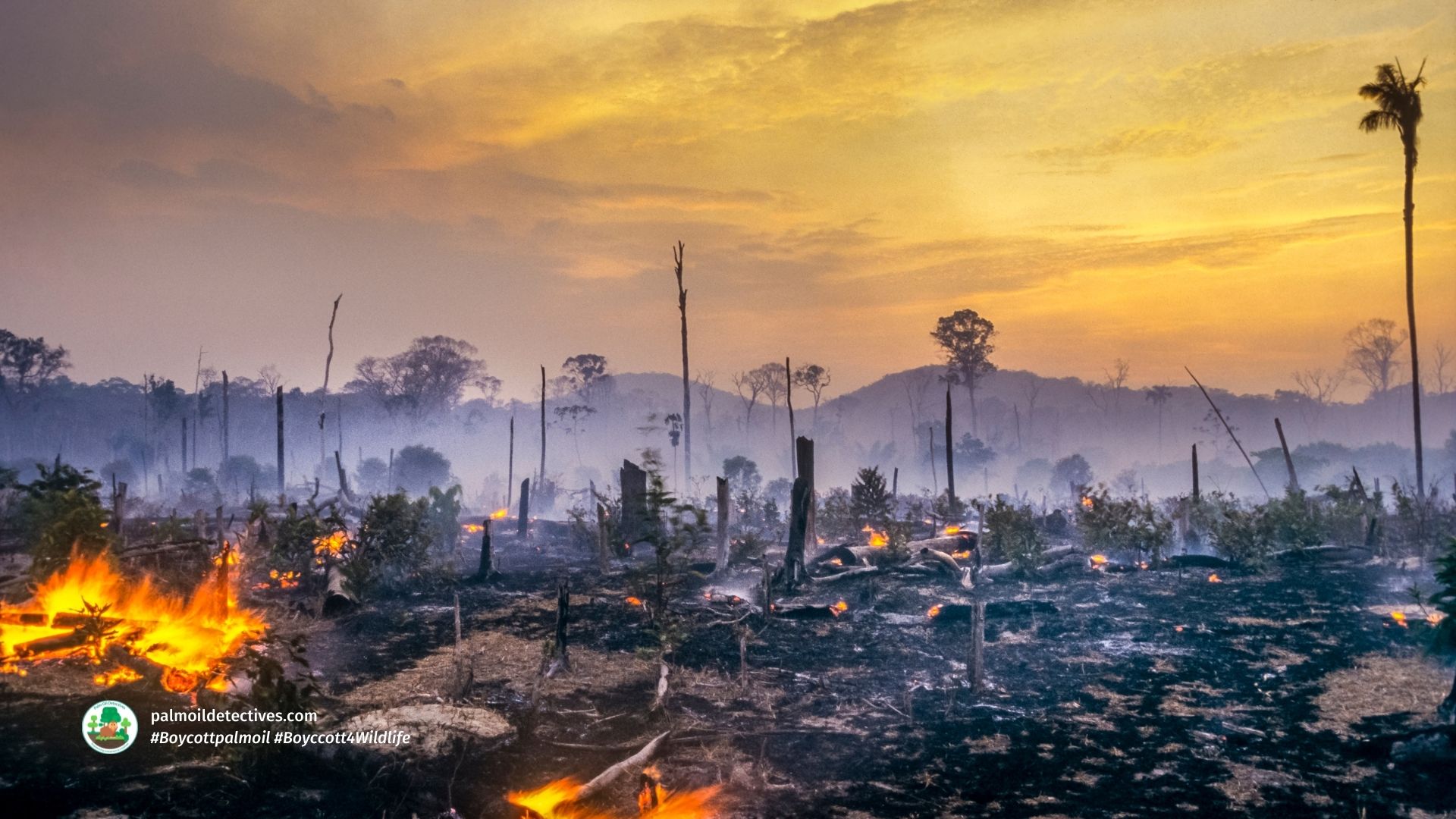
Palm oil cultivation is already proving disastrous for the northeast’s natural ecology as tropical forests must be cleared to establish plantations. There have also been reports of increased human-animal conflicts in these impacted areas. Alleged misleading reporting of plantations as forest cover by state forest departments in national forest surveys has reportedly further concealed the environmental damage. Additionally, palm oil cultivation is water intensive.
As weather patterns change, uneven rainfall, flooding, and erosion in the northeast is causing damage to palm oil saplings, a situation compounded by a lack of sustainable irrigation systems suitable for the region’s hilly terrain. India also risks following in the footsteps of Indonesia and Malaysia, where 3.5 million hectares of forest were converted to palm oil plantations, resulting in a staggering biodiversity loss.


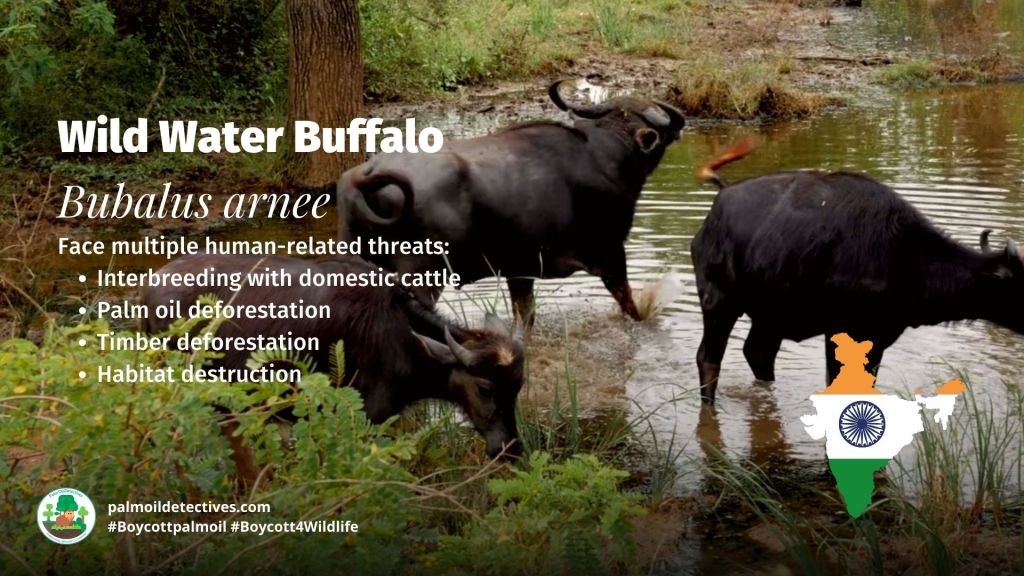
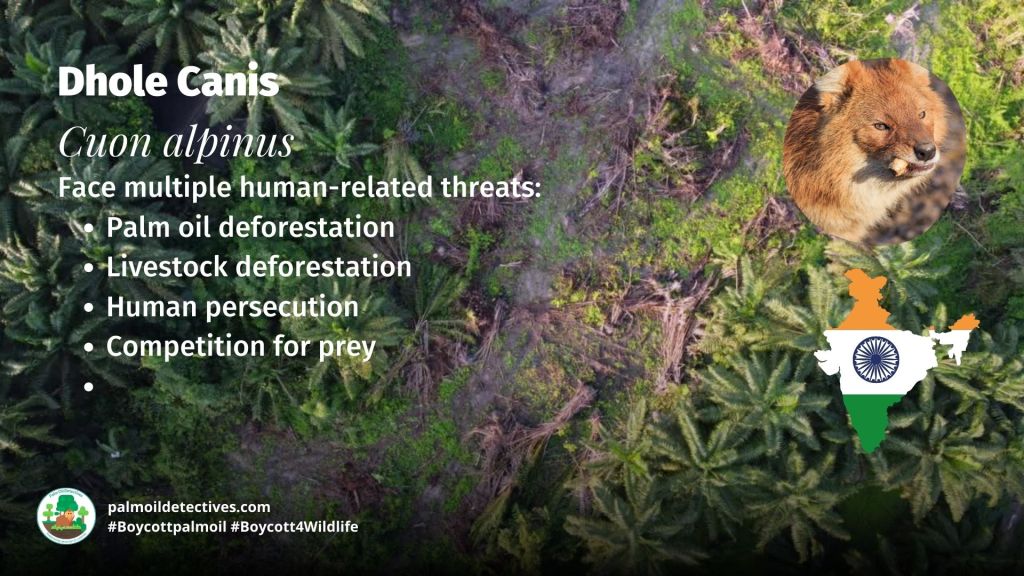
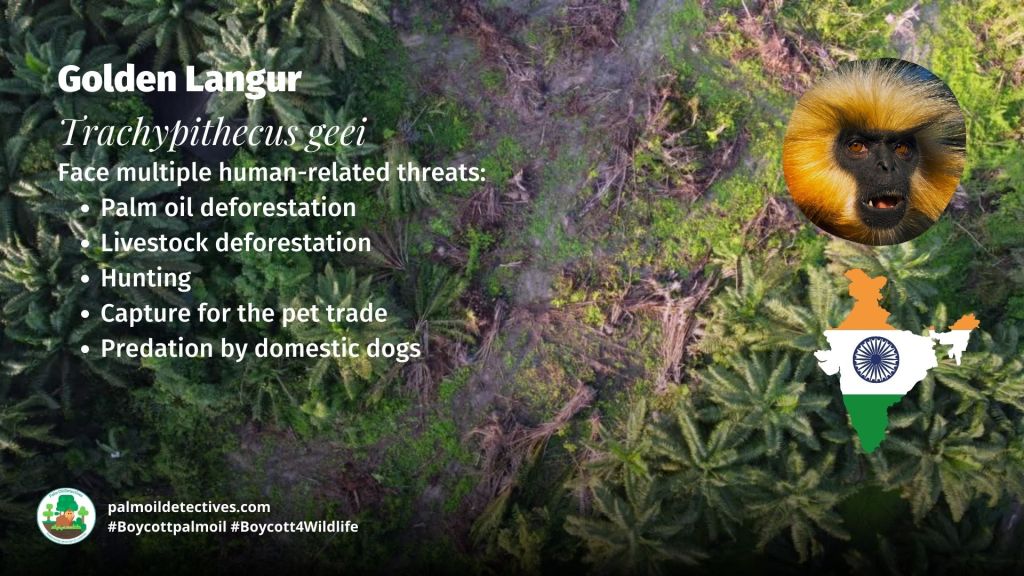
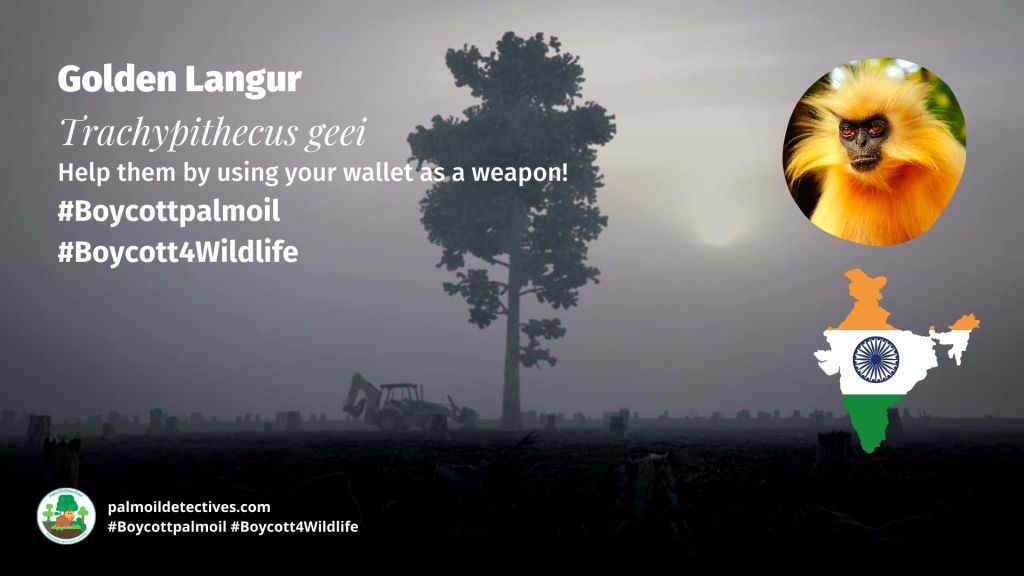

Understanding palm oil-associated health risks and exploring alternatives: Studies show that palm oil contains 50 per cent triglycerides, and its regular consumption can clog arteries, increase heart disease risks, and heighten bad cholesterol levels. In terms of higher nutrient content, oil from rice bran, groundnut, sunflower, and oilseeds such as sesame, mustard, and linseed are healthier, but not as cost-effective. The less water-intensive sesame and mustard have long been cultivated by Indian farmers, and even rice can be utilised to increase oil extracts. With proper guidance and support in producing these alternative edible oils, India can decrease its reliance on palm oil altogether.
Produced by CAST’s South Asia team: Dr. Sreyoshi Dey (Program Manager); Prerana Das (Analyst); and Suyesha Dutta (Analyst).
This article was originally published on 4 April, 2023 by Asia Pacific Foundation Canada, read the original article here.
ENDS
Read more about RSPO greenwashing
Big brands using “sustainable” RSPO palm oil yet still causing deforestation (there are many others)


Colgate-Palmolive
Despite global retail giant Colgate-Palmolive forming a coalition with other brands in 2020, virtue-signalling that they will stop all deforestation, they continue to do this – destroying rainforest and releasing mega-tonnes of carbon…
Read more


Procter & Gamble
Despite decades of promises to end deforestation for palm oil Procter & Gamble or (P&G as they are also known) have continued sourcing palm oil that causes ecocide, indigenous landgrabbing, and the habitat…
Read more

Kelloggs/Kellanova
In late 2023, Kelloggs became Kellanova for their US arm. Savvy consumers have been pressuring Kelloggs for decades to cease using deforestation palm oil. Yet they actually haven’t stopped this. From their website:…
Read more

Johnson & Johnson
Global mega-brand Johnson & Johnson have issued a position statement on palm oil in 2020. ‘At Johnson & Johnson, we are committed to doing our part to address the unsustainable rate of global…
Read more

PZ Cussons
PZ Cussons is a British-owned global retail giant. They own well-known supermarket brands in personal care, cleaning, household goods and toiletries categories, such as Imperial Leather, Morning Fresh, Carex, Radiant laundry powder and…
Read more
Take Action in Five Ways
1. Join the #Boycott4Wildlife on social media and subscribe to stay in the loop: Share posts from this website to your own network on Twitter, Mastadon, Instagram, Facebook and Youtube using the hashtags #Boycottpalmoil #Boycott4Wildlife.
2. Contribute stories: Academics, conservationists, scientists, indigenous rights advocates and animal rights advocates working to expose the corruption of the palm oil industry or to save animals can contribute stories to the website.




3. Supermarket sleuthing: Next time you’re in the supermarket, take photos of products containing palm oil. Share these to social media along with the hashtags to call out the greenwashing and ecocide of the brands who use palm oil. You can also take photos of palm oil free products and congratulate brands when they go palm oil free.
4. Take to the streets: Get in touch with Palm Oil Detectives to find out more.
5. Donate: Make a one-off or monthly donation to Palm Oil Detectives as a way of saying thank you and to help pay for ongoing running costs of the website and social media campaigns. Donate here
Discover more from Palm Oil Detectives
Subscribe to get the latest posts sent to your email.
 Palm Oil Detectives