
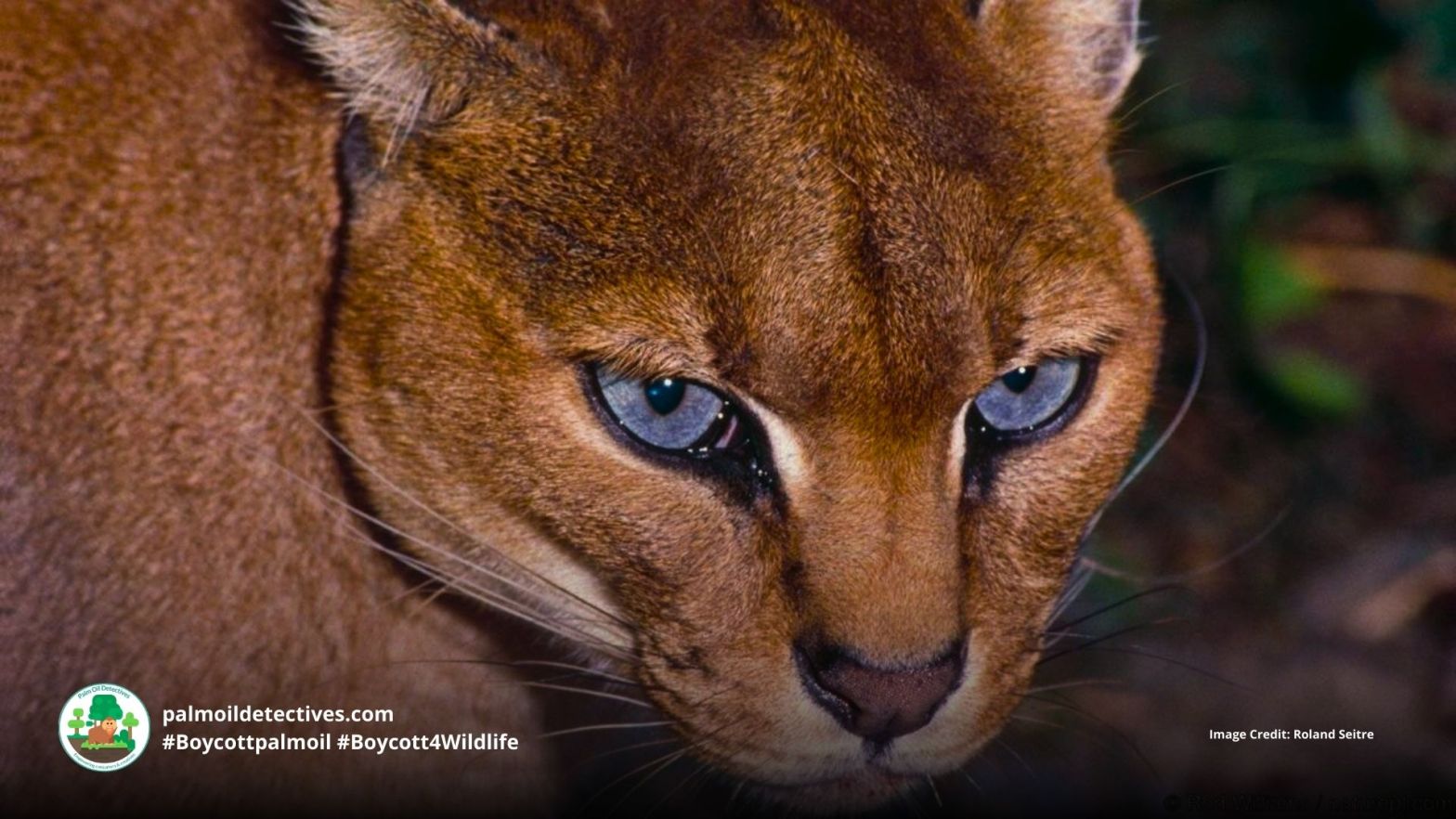
African Golden Cat Caracal aurata
Vulnerable
Extant (resident)
Angola; Cameroon; Central African Republic; Congo; Congo, The Democratic Republic of the; Côte d’Ivoire; Equatorial Guinea; Gabon; Ghana; Guinea; Liberia; Nigeria; Sierra Leone; Uganda
Presence Uncertain
Benin; Burundi; Gambia; Guinea-Bissau; Kenya; Rwanda; Senegal; Sudan; Togo
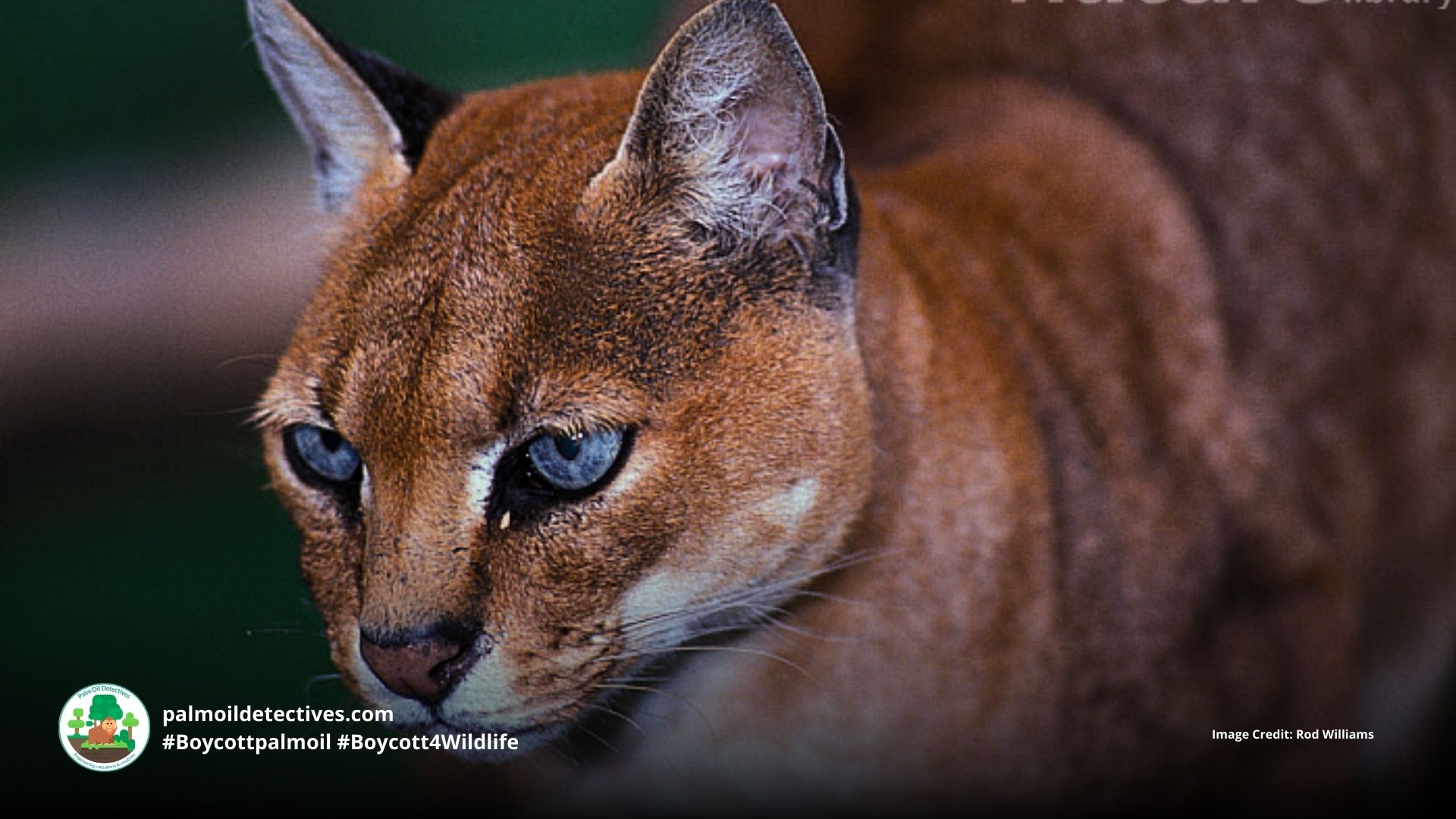
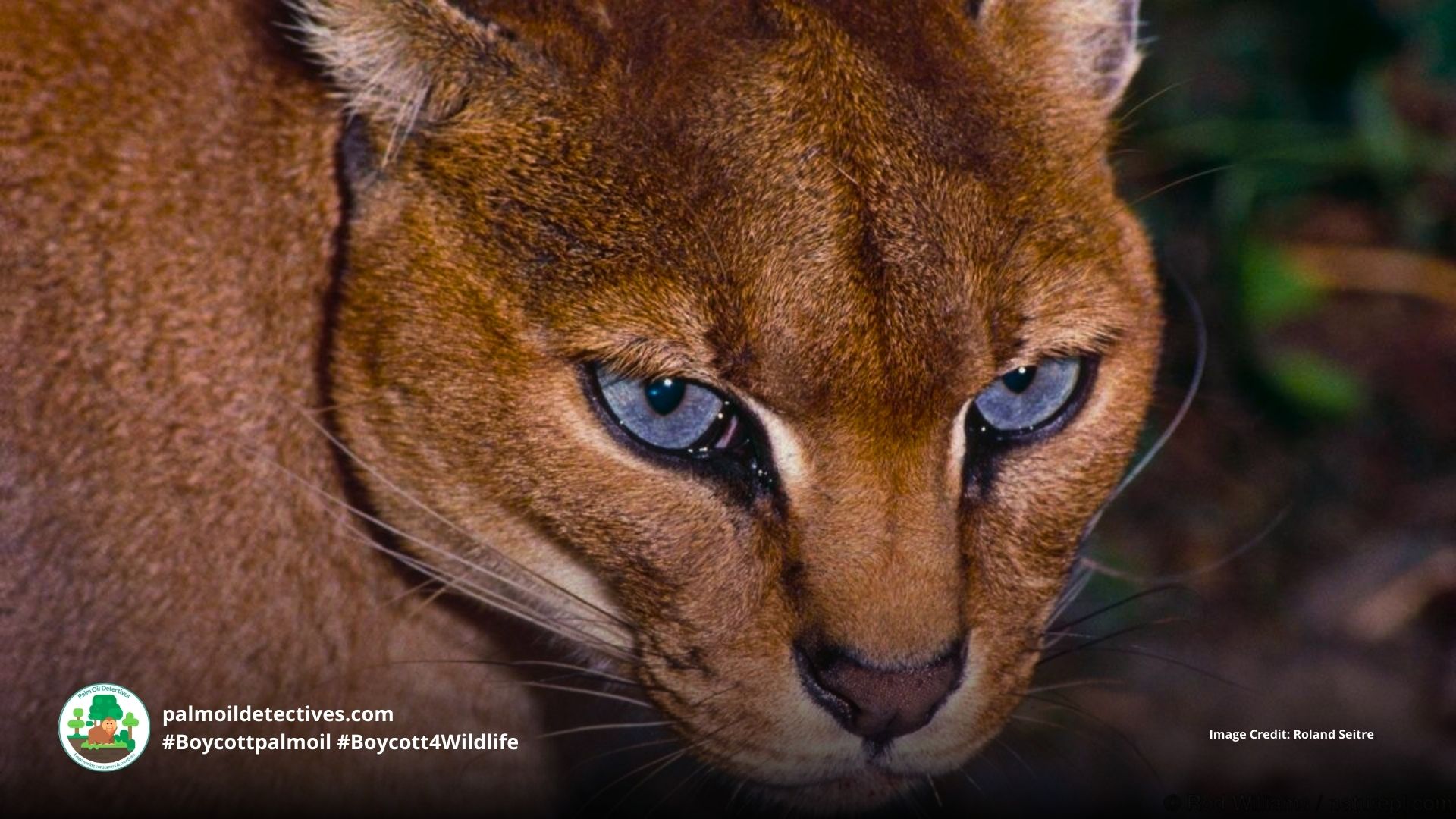
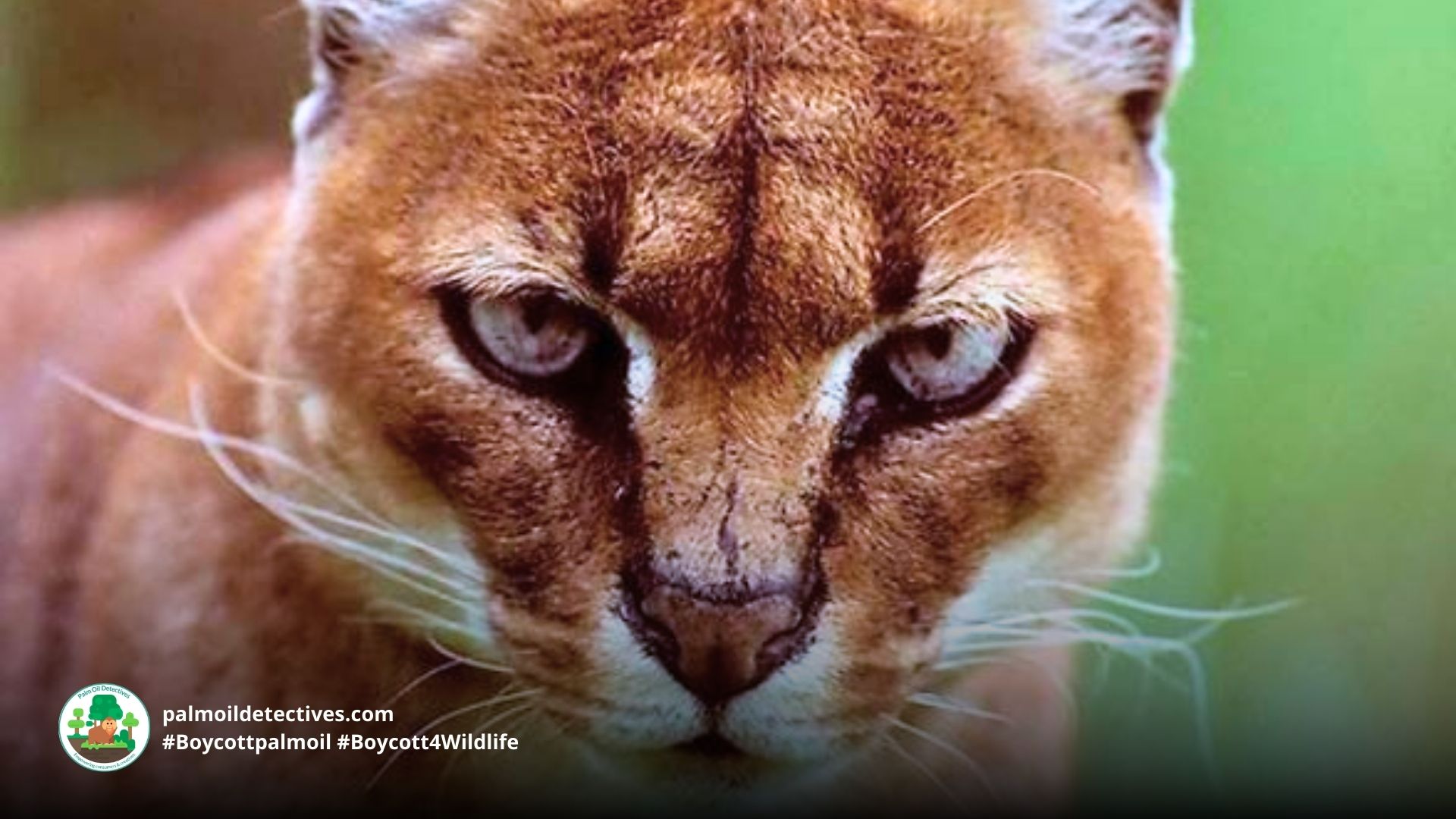
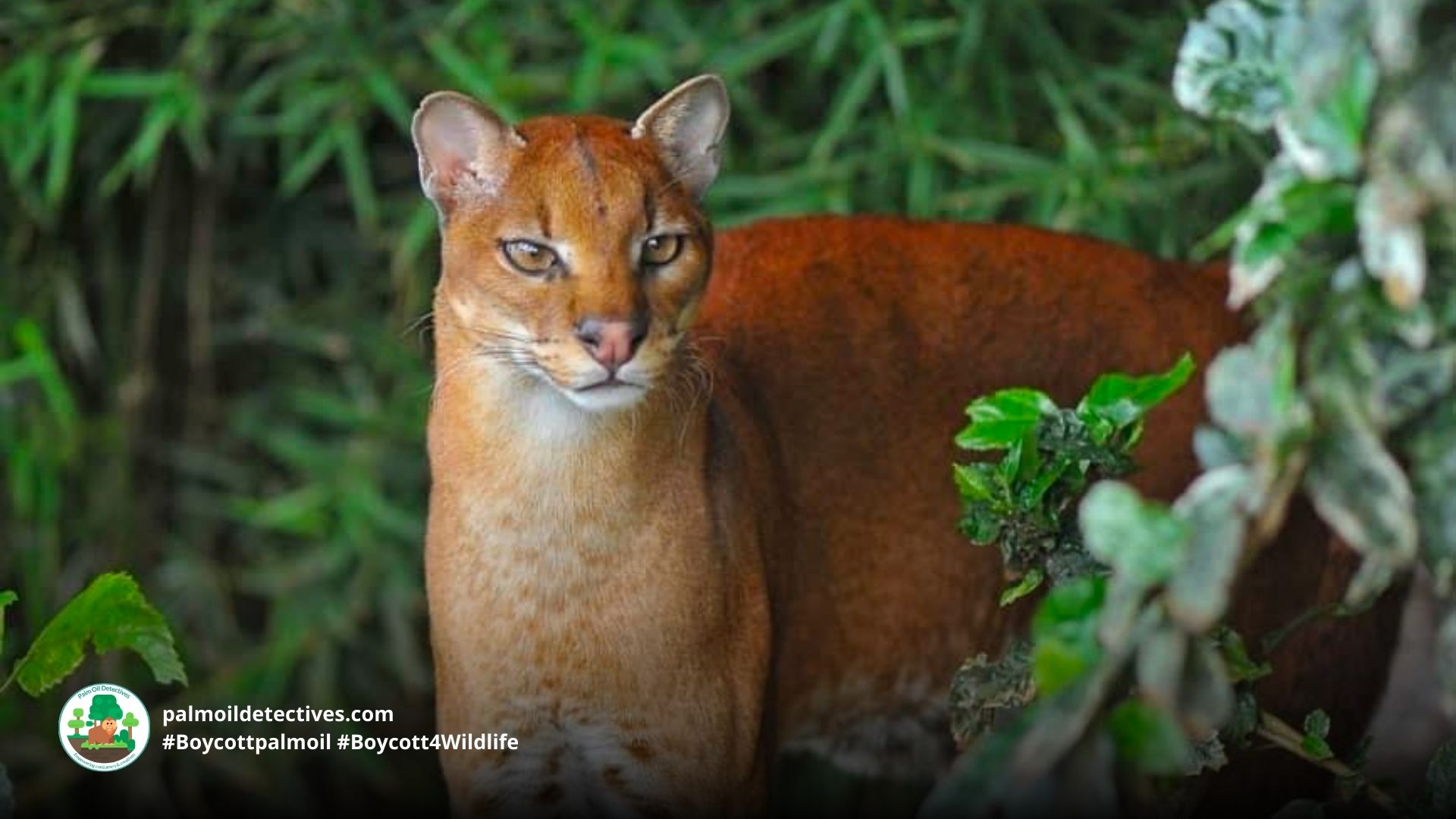
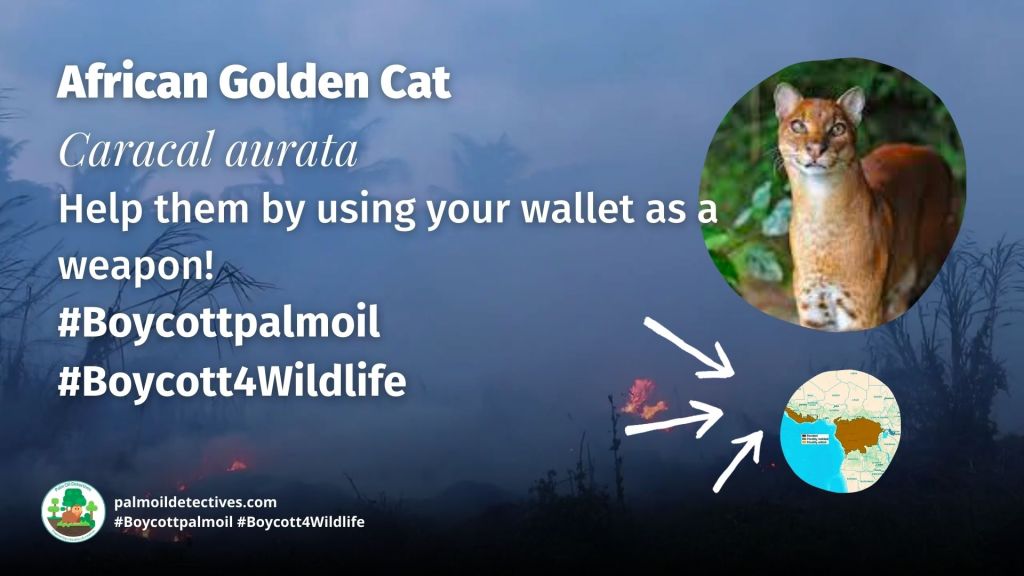
The African golden cat’s striking coat varies from radiant red to elegant gray. They are a symbol of wild grace in the African jungle. This feline enchants a cacophony of sounds, from gentle meows to assertive growls. They are classified as Vulnerable and their population is expected to reduce by 30% as a direct result of palm oil deforestation in their forest home (IUCN Red List). Fight to protect these magnificent animals and their home every day! #BoycottPalmOil and #Boycott4Wildlife in the supermarket!
The African Golden Cat’s striking coat varies from radiant red to elegant grey. They’re a symbol of wild grace in #Africa and are now #Vulnerable due to #palmoil #deforestation and hunting. Help them and #Boycottpalmoil #Boycott4Wildlife @palmoildetect https://wp.me/pcFhgU-753
African Golden Cats make a cacophony of cat-like meows and assertive growls. Elusive and mysterious- they are now #vulnerable due to #palmoil #deforestation and other threats. Fight for them and #Boycottpalmoil #Boycott4Wildlife via @palmoildetect https://wp.me/pcFhgU-753
Appearance & Behaviour
They are often referred to as “the leopard’s brother,” a testament to their shared habitat and peculiar habit of trailing behind leopards.
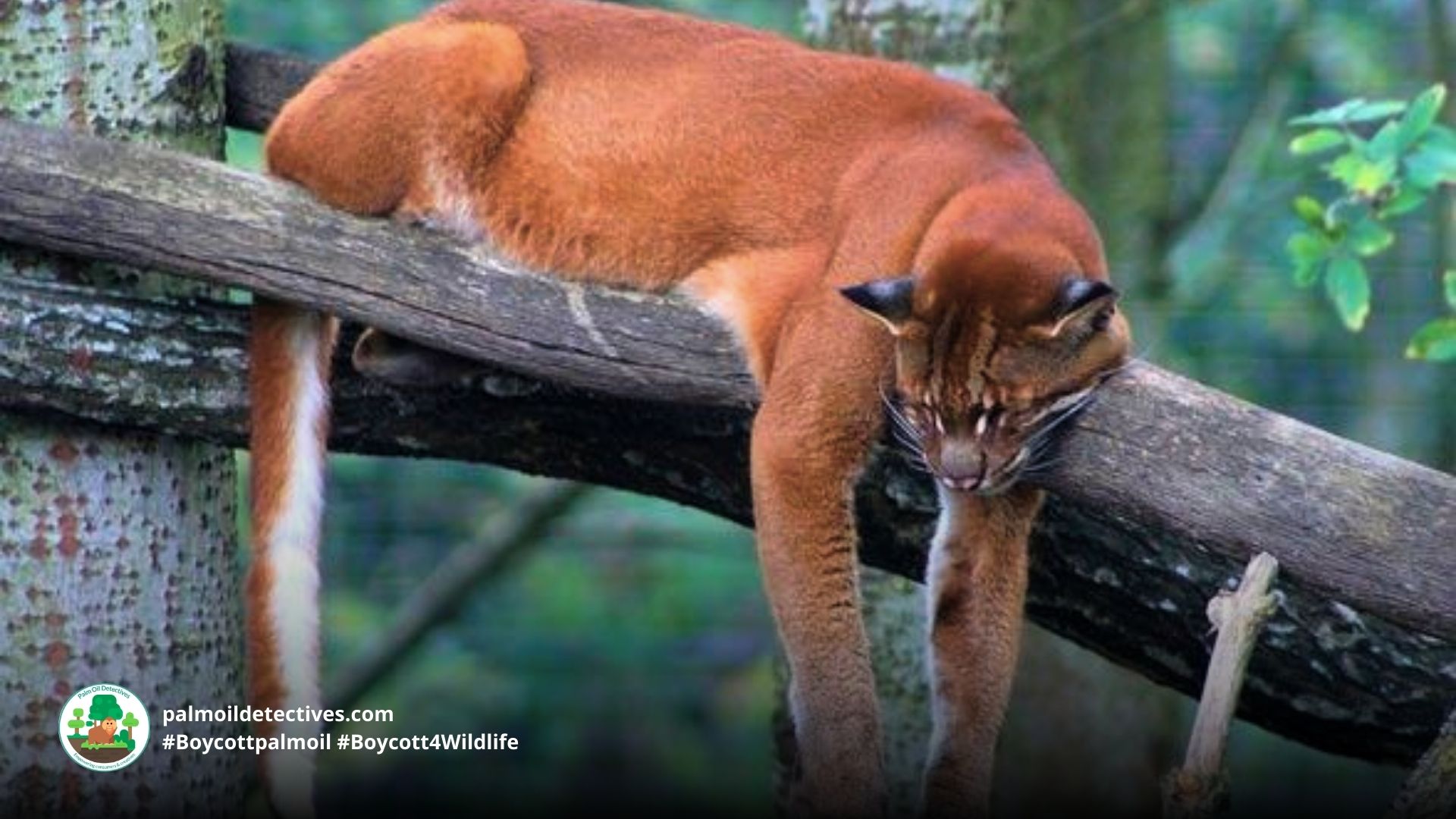
African golden cats, the enigmatic denizens of the African jungle and the only members of the Profelis genus, share a close kinship with servals and caracals. These feline marvels exhibit a remarkable adaptability in captivity, undergoing a dramatic transformation in their fur colour, shifting from a vibrant red to a more subdued gray within approximately four months. Primarily terrestrial hunters, these agile climbers prefer the ground for their predatory pursuits, embodying a perfect blend of stealth and strength. The African golden cat is not just visually stunning but also vocally diverse, capable of producing an array of wild cat sounds, ranging from the familiar meow to the intimidating growl and hiss. They even engage in a unique gurgling communication, a sound specifically reserved for the proximity of their feline counterparts, adding to their mysterious and captivating aura.
Leopard’s brother and Leopard’s prey
African Golden Cats often shadow and follow larger Leopards in the hope of obtaining remnant carrion left behind by the bigger cats. This has leant them the moniker of ‘Leopard’s brother‘. However despite these cats being predators themselves, they also fall prey to leopards, the only other felid in African moist forests.
Evidence of this predatory relationship has been found in Gabon’s Lopé National Park and the Ituri forest, where remains of African Golden Cats were discovered in leopard scats and a carcass killed by a leopard was found. This interaction highlights the complex dynamics within their ecosystem.
Threats
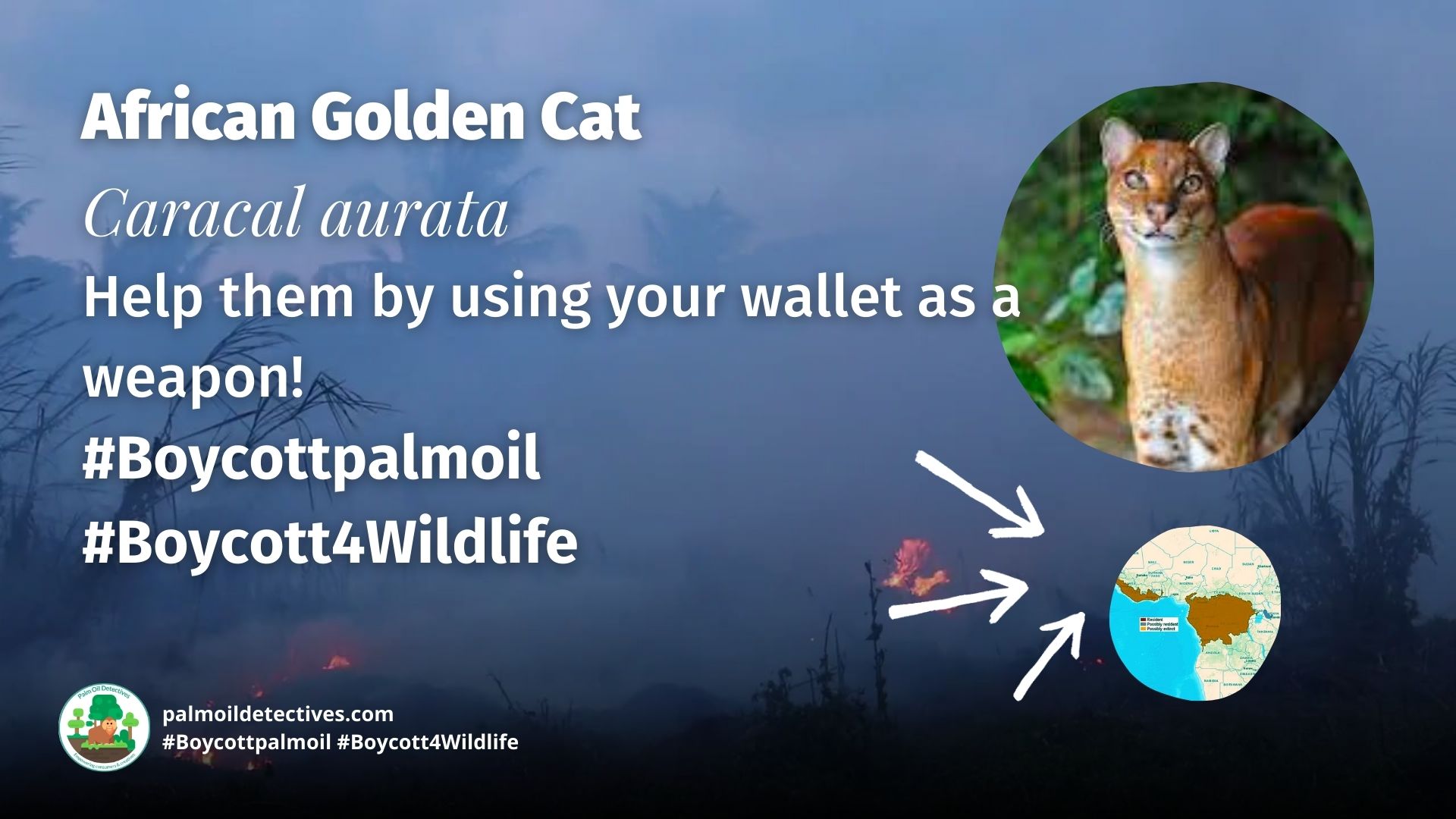
Help the survival of these beautiful and rare small wild cats by boycotting products containing palm oil, which contributes to the destruction of their home.
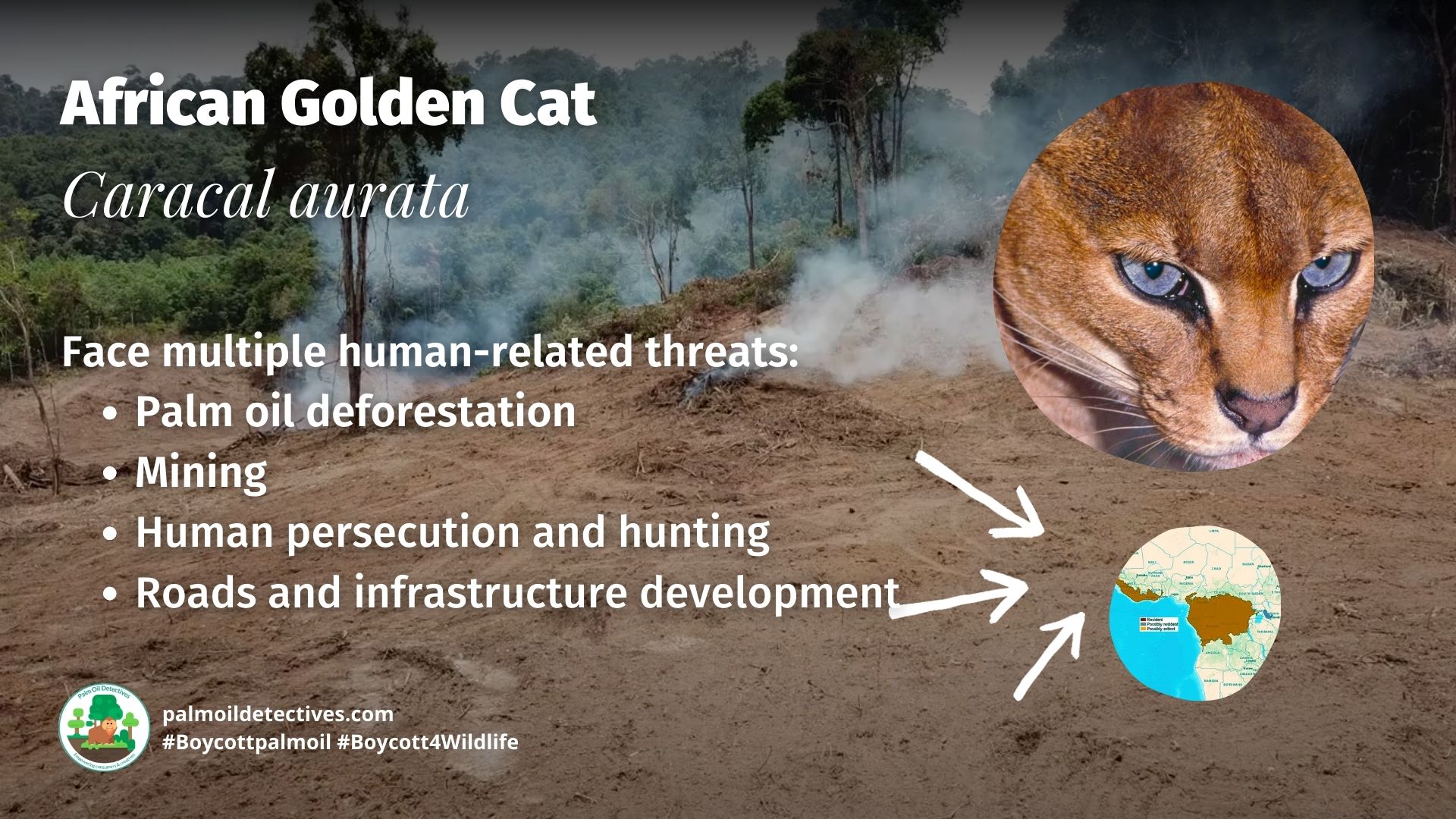
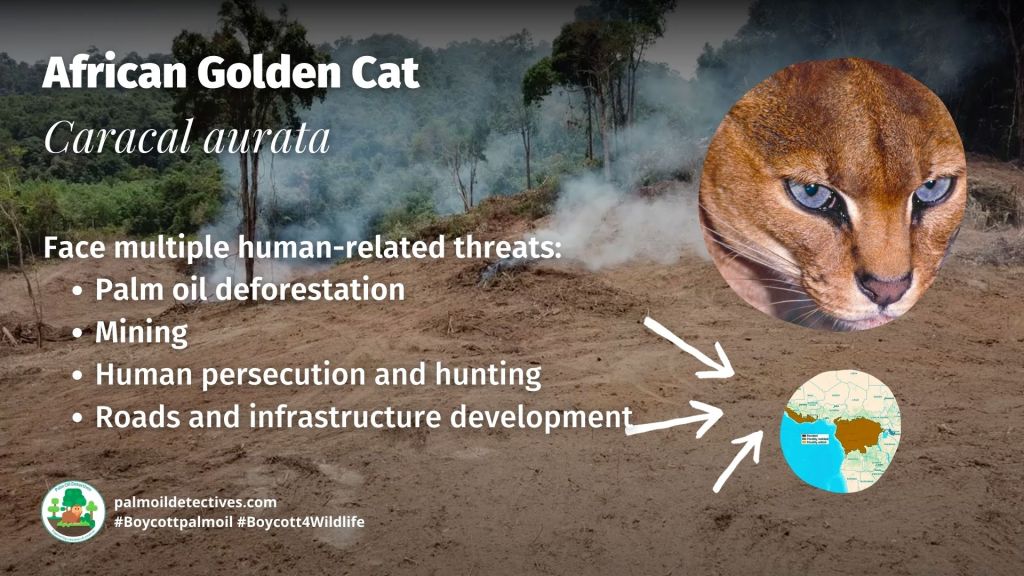
- Forest Loss in Golden Cat Habitats: Over the past 15 years, at least 6.5% of forests in countries where African golden cats live have been lost, greatly reducing their natural range. This loss is primarily due to deforestation and habitat fragmentation.
- Agricultural Deforestation & Palm Oil Expansion: The expansion of palm oil plantations, mimicking the extensive habitat destruction seen in Southeast Asia, poses a major threat in Africa, particularly in West and Central Africa. This leads to significant loss of forest habitat, impacting the golden cat’s environment.
- Impact of Roads and Settlements: The development of roads and settlements, which increased rapidly in the past 15 years, has led to a sharp decline in the populations of large and medium-sized mammals within 10–15 km of these areas. Over 64% of forest habitat in the Congo Basin is within 10 km of a road, resulting in higher hunting pressure and affecting golden cat populations.
- Hunting: Although not a primary target, golden cats are often accidentally killed in wire-snares set for other animals. Areas with moderate to intense bushmeat hunting see significantly reduced golden cat populations.
- Population Decline in Specific Regions: In Rio Muni, Equatorial Guinea, despite 78% being dense forest, golden cats were found in only 16% of the area. Their presence correlates with rugged terrains away from human disturbance.
- Rapid Human Population Growth: The human population in golden cat range countries is growing rapidly, leading to increased pressure on their habitats. This growth is among the fastest globally, exacerbating threats to golden cats.
- Mining and Infrastructure Development: The surge in mining activities and associated infrastructure development in Africa, including roads and railways, contributes to habitat destruction, human relocation into remote areas, and increased bushmeat hunting.
The exacerbation of these threats due to population growth, projected mining activities and forest clearance for oil palm plantations will likely cause further reduction in AOO for the Golden Cat and we therefore predict that the AOO will be reduced by at least a further 30% in the next 15 years, lending additional support to the species’ listing as Vulnerable under criterion A3c.
IUCN Red List

Habitat
The African Golden Cat is unique to Africa, inhabiting primarily moist equatorial forests across a vast range from western Sierra Leone through central Africa to Kenya, with the Congo River distinguishing two subspecies. These adaptable felines are primarily found in lowland moist forests, but also inhabit areas along rivers in logged forests and in mountainous regions characterized by alpine moorland and bamboo forests. This showcases the unique adaptability of these cats to different forest environments.
Diet
The African Golden Cat are apex predators who primarily prey on rodents and squirrels, which constitute up to 70% of their diet, as revealed by studies of scats in Congo and the Central African Republic. Additionally, these cats hunt small and medium-sized duikers (a type of antelope), making up about a quarter to a third of their diet. They occasionally prey on larger mammals such as pygmy hippos and arboreal primates, pangolins and also birds. These dietary habits are consistent across various regions, including Uganda’s Bwindi National Park and the Ivory Coast’s Tai National Park.
Mating and breeding
The African golden cat’s breeding is shrouded in mystery, with limited observations suggesting potential monogamous pair bonding. Mothers typically birth 1-3 kittens after a 75-78 day gestation. Kittens, born blind, open their eyes within a week and start exploring at two weeks. Males reach sexual maturity at six months, and females at eleven months.
Support African Golden Cats by going vegan and boycotting palm oil in the supermarket, it’s the #BoycottPalmOil #Boycott4Wildlife
Support the conservation of this species
This animal has no protections in place. Read about other forgotten species here. Create art to support this forgotten animal or raise awareness about them by sharing this post and using the #Boycottpalmoil #Boycott4Wildlife hashtags on social media. Also you can boycott palm oil in the supermarket.
Further Information
Embaka Community Programme for the African Golden Cat
Bahaa-el-din, L., Mills, D., Hunter, L. & Henschel, P. 2015. Caracal aurata. The IUCN Red List of Threatened Species 2015: e.T18306A50663128. https://dx.doi.org/10.2305/IUCN.UK.2015-2.RLTS.T18306A50663128.en. Accessed on 28 December 2023.
African Golden Cat Wikipedia article https://en.m.wikipedia.org/wiki/African_golden_cat
African Golden Cat Animalia.bio https://animalia.bio/african-golden-cat


How can I help the #Boycott4Wildlife?
Take Action in Five Ways
1. Join the #Boycott4Wildlife on social media and subscribe to stay in the loop: Share posts from this website to your own network on Twitter, Mastadon, Instagram, Facebook and Youtube using the hashtags #Boycottpalmoil #Boycott4Wildlife.
2. Contribute stories: Academics, conservationists, scientists, indigenous rights advocates and animal rights advocates working to expose the corruption of the palm oil industry or to save animals can contribute stories to the website.
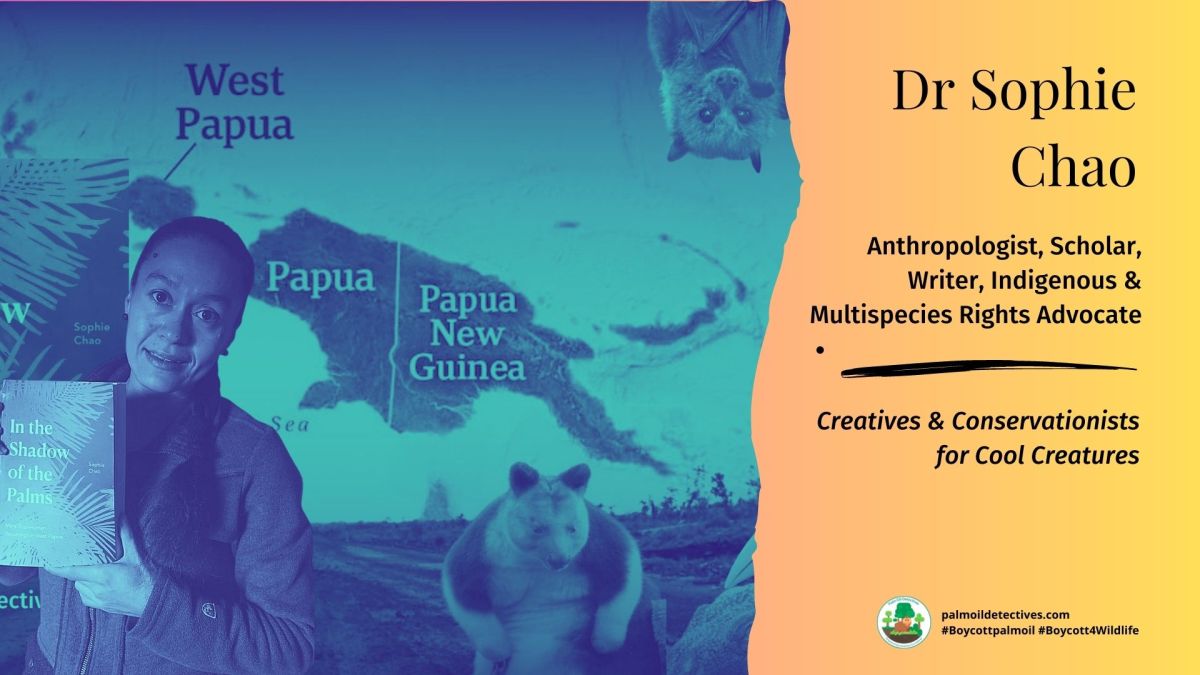



3. Supermarket sleuthing: Next time you’re in the supermarket, take photos of products containing palm oil. Share these to social media along with the hashtags to call out the greenwashing and ecocide of the brands who use palm oil. You can also take photos of palm oil free products and congratulate brands when they go palm oil free.
4. Take to the streets: Get in touch with Palm Oil Detectives to find out more.
5. Donate: Make a one-off or monthly donation to Palm Oil Detectives as a way of saying thank you and to help pay for ongoing running costs of the website and social media campaigns. Donate here
Learn about other animals endangered by palm oil and other agriculture
Learn about “sustainable” palm oil greenwashing
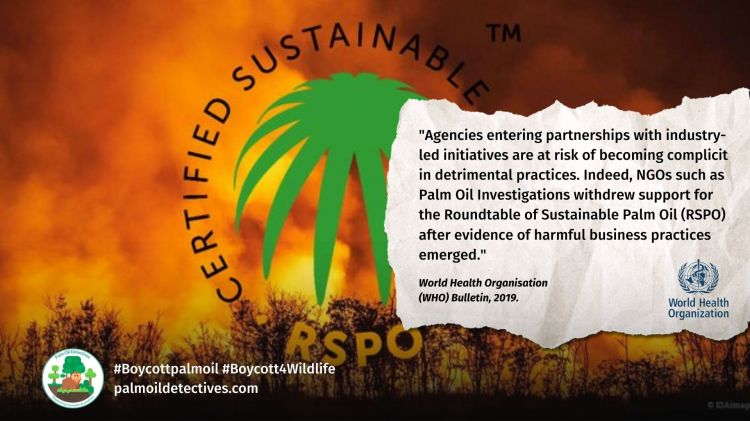
Read more about RSPO greenwashing
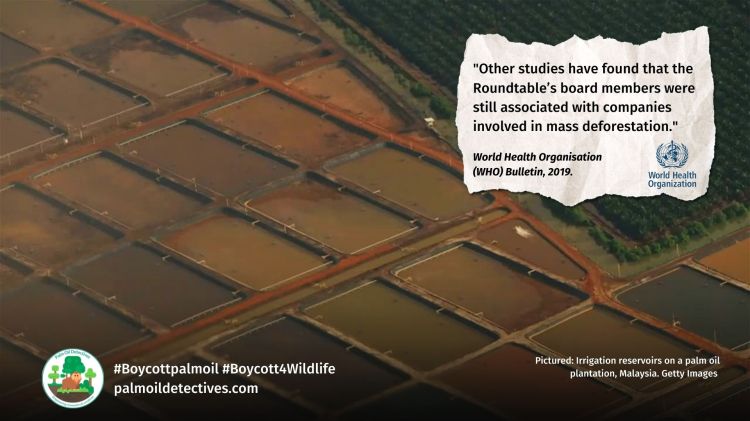
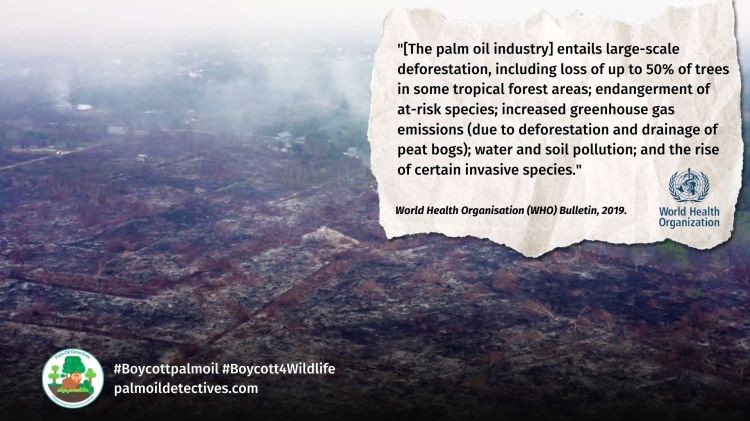
A 2019 World Health Organisation (WHO) report into the palm oil industry and RSPO finds extensive greenwashing of palm oil deforestation and the murder of endangered animals (i.e. biodiversity loss)


Discover more from Palm Oil Detectives
Subscribe to get the latest posts sent to your email.
 Palm Oil Detectives