
A landmark lawsuit filed in Philadelphia names major food companies: Kraft Heinz, Mondelez, Post Holdings, Coca-Cola, PepsiCo, General Mills, Nestlé, Kellogg’s, Mars, and ConAgra and accuses them of designing and marketing ultra-processed foods (UPFs) with addictive qualities, particularly targeting children. The suit alleges that these practices have led to serious childhood health issues, such as Type 2 diabetes, obesity, heart disease and non-alcoholic fatty liver disease.The case and its repercussions echo sinister marketing tactics employed by Big Tobacco in decades past. In a similar way it is alleged, global food giants manipulate consumers with misleading health claims and aggressive marketing. A large body of research shows that cutting UPFs could save millions of lives, while palm oil’s role in deforestation and biodiversity loss compounds the crisis. It’s time to reject harmful foods and demand accountability. Choose wholefoods, protect wildlife, and fight for a healthier planet. #BoycottPalmOil #Boycott4Wildlife every time you shop.
#FMCG food brands #KraftHeinz #Mondelez 🥫 & #CocaCola 🥤 face lawsuit for using #tobacco 🚬🚭 style tactics to hook kids on #UPF #ultraprocessed foods, causing chronic #health issues 🤮🌎 Resist when you eat #wholefoods and #BoycottPalmOil @palmoildetect https://wp.me/pcFhgU-9E1
In a groundbreaking legal action, some of the world’s largest food and beverage corporations are facing allegations of deliberately engineering ultra-processed foods (UPFs) to be addictive, with a specific focus on marketing these products to children. The lawsuit, filed in the Court of Common Pleas of Philadelphia County, names companies including Kraft Heinz, Mondelez, Post Holdings, Coca-Cola, PepsiCo, General Mills, Nestlé, Kellogg’s, Mars, and ConAgra.
The 148-page complaint drawing unsettling parallels with insidious strategies employed by the tobacco industry, asserts that these companies have employed strategies reminiscent of those used by tobacco giants, utilising research on addiction to create hyper-palatable food products that are difficult to resist. This approach is alleged to have contributed to a rise in serious health conditions among children, notably Type 2 diabetes and non-alcoholic fatty liver disease—ailments that were once rare in this age group.
The plaintiff, represented by the law firm Morgan & Morgan, contends that the defendants have prioritised profit over public health, leading to a public health crisis characterised by increased rates of chronic diseases linked to diet. The lawsuit seeks to hold these corporations accountable for their role in promoting and distributing products that may pose significant health risks to consumers, particularly vulnerable populations like children.
This case underscores the growing scrutiny of ultra-processed foods and their impact on health, especially among younger demographics. It raises critical questions about corporate responsibility, marketing ethics, and the need for greater transparency in the food industry.
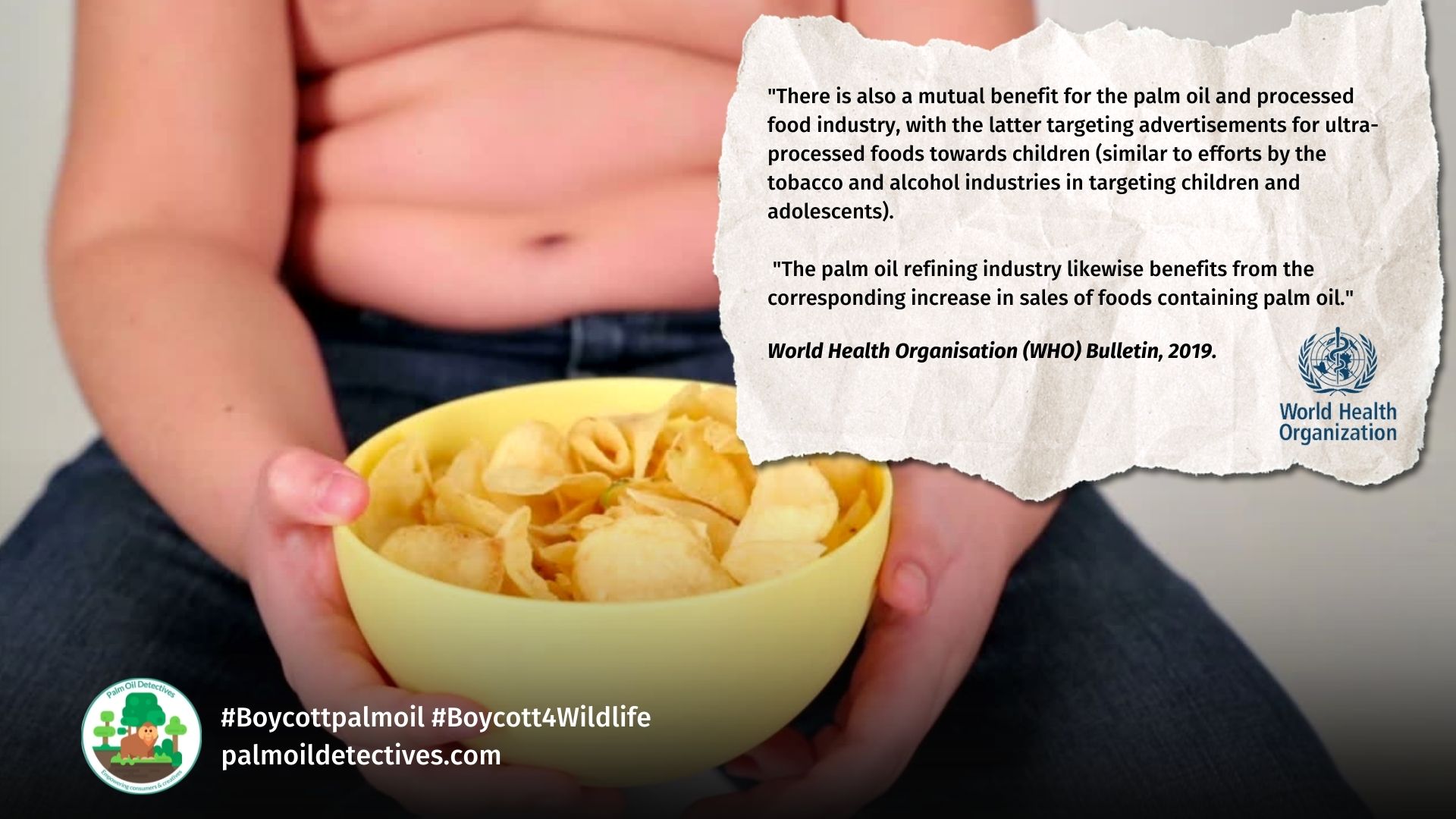
The compliant alleges that these tactics originate from a time when tobacco giants acquired and operated major food brands, using the same addiction research once employed to hook smokers on cigarettes. This same research was subsequently applied to make ultra-processed foods tasty and irresistible to children.
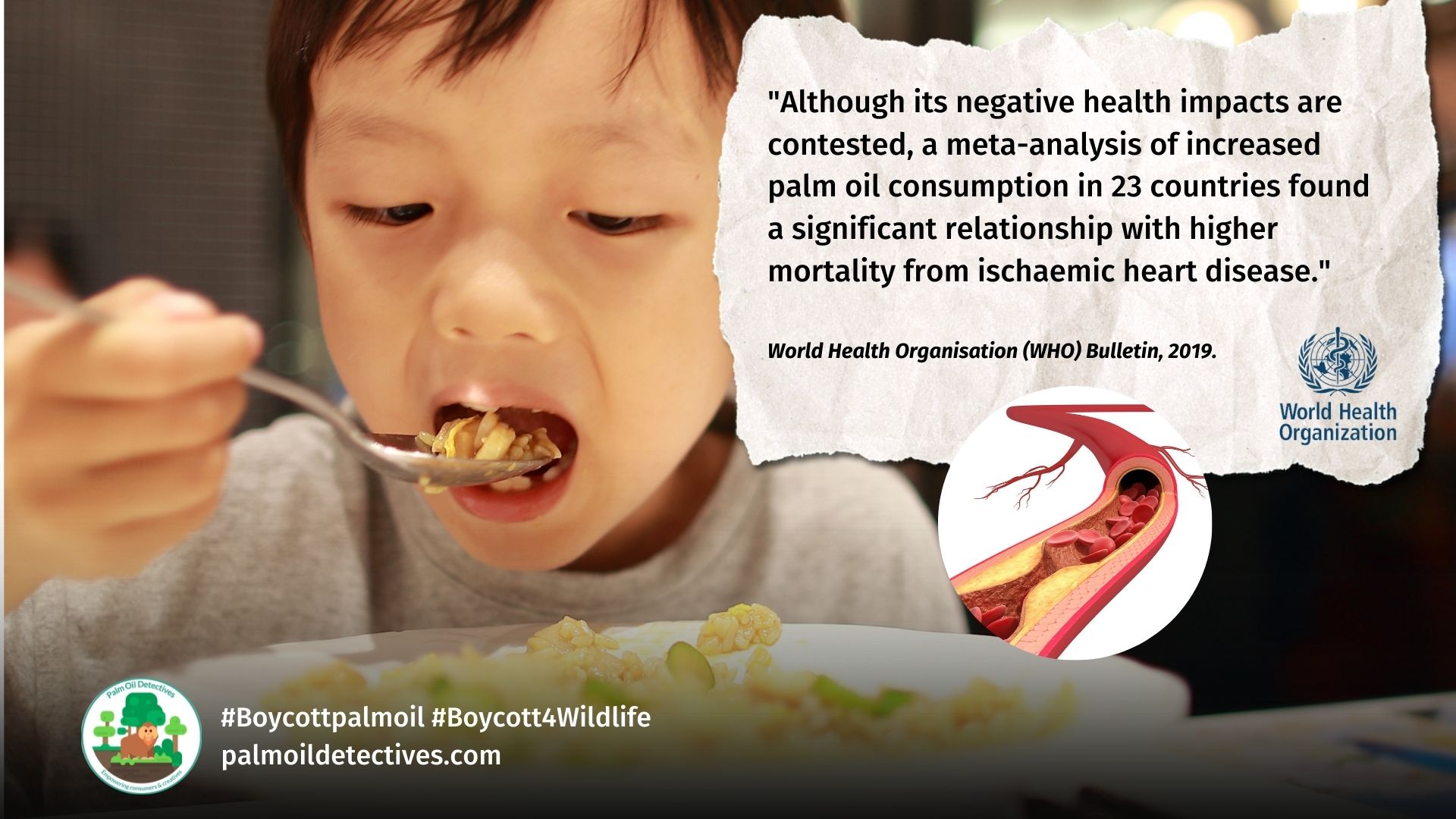
This lawsuit represents a pivotal moment in the fight against corporate practices that prioritise profits over human health and planetary well-being. With childhood obesity rates and diet-related illnesses climbing, the case forces society to reckon with the profound consequences of marketing UPFs to vulnerable populations.
Big Food Taking from Big Tobacco’s Playbook of Deception
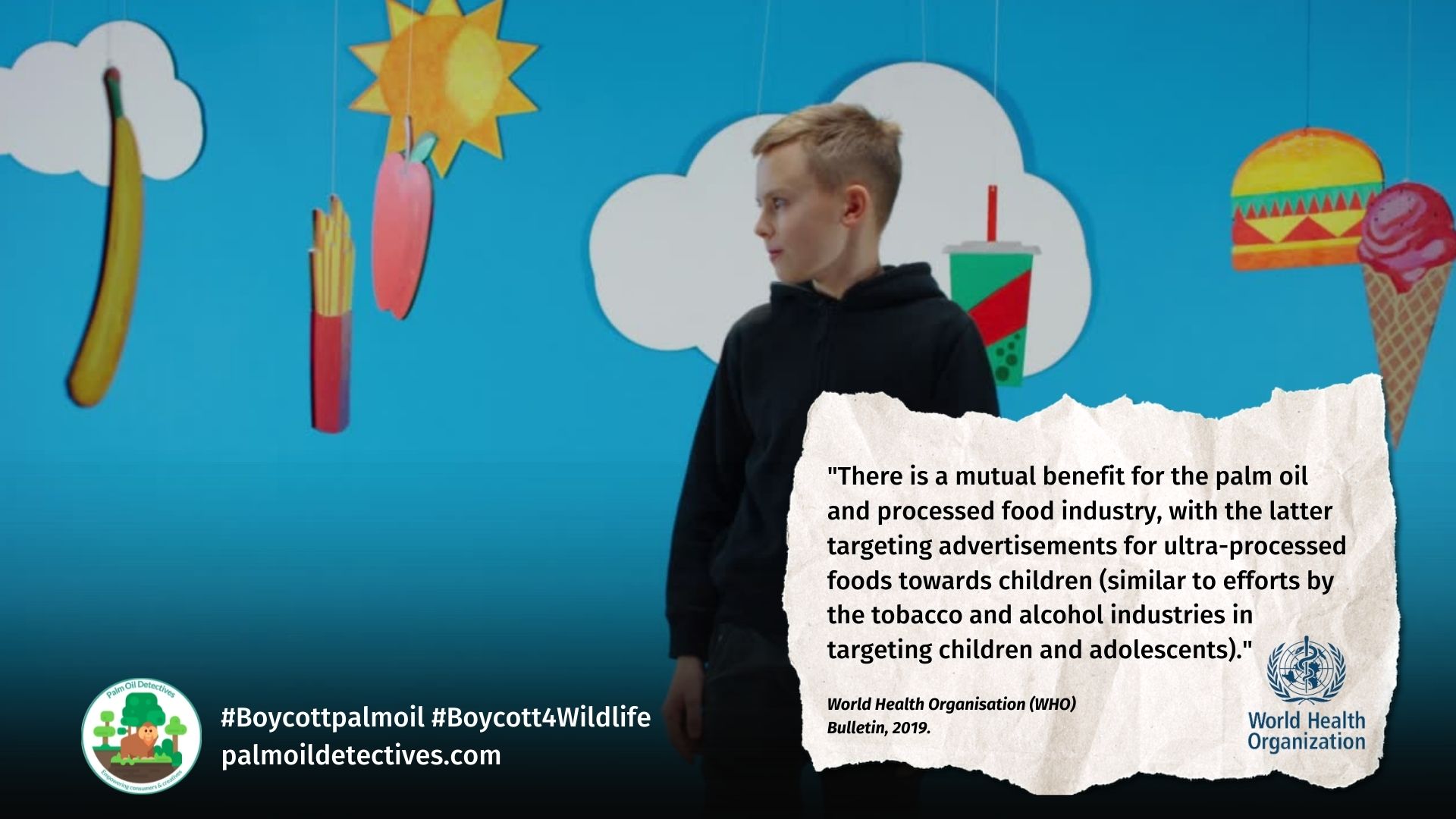
The lawsuit alleges that Big Food employs tactics alarmingly similar to those pioneered by the tobacco industry, including targeting children, engineering addiction, and lobbying to obstruct regulation. These claims echo findings from the World Health Organisation (WHO) Bulletin (2021), which likened the palm oil industry’s tactics to Big Tobacco’s playbook. The report detailed how industries undermine health policies through lobbying, greenwashing, and misleading claims.
In the context of ultra-processed foods, companies exploit health-conscious messaging to disguise their products’ true impact. Misleading packaging, claims of “low-fat” or “fortified” products, and cartoon characters lure children into consuming foods with little to no nutritional value. These strategies mirror the tobacco industry’s decades-long effort to obfuscate health risks while marketing addictive products to the public and in particular to children.
The Hidden Danger of Ultra-Processed Foods
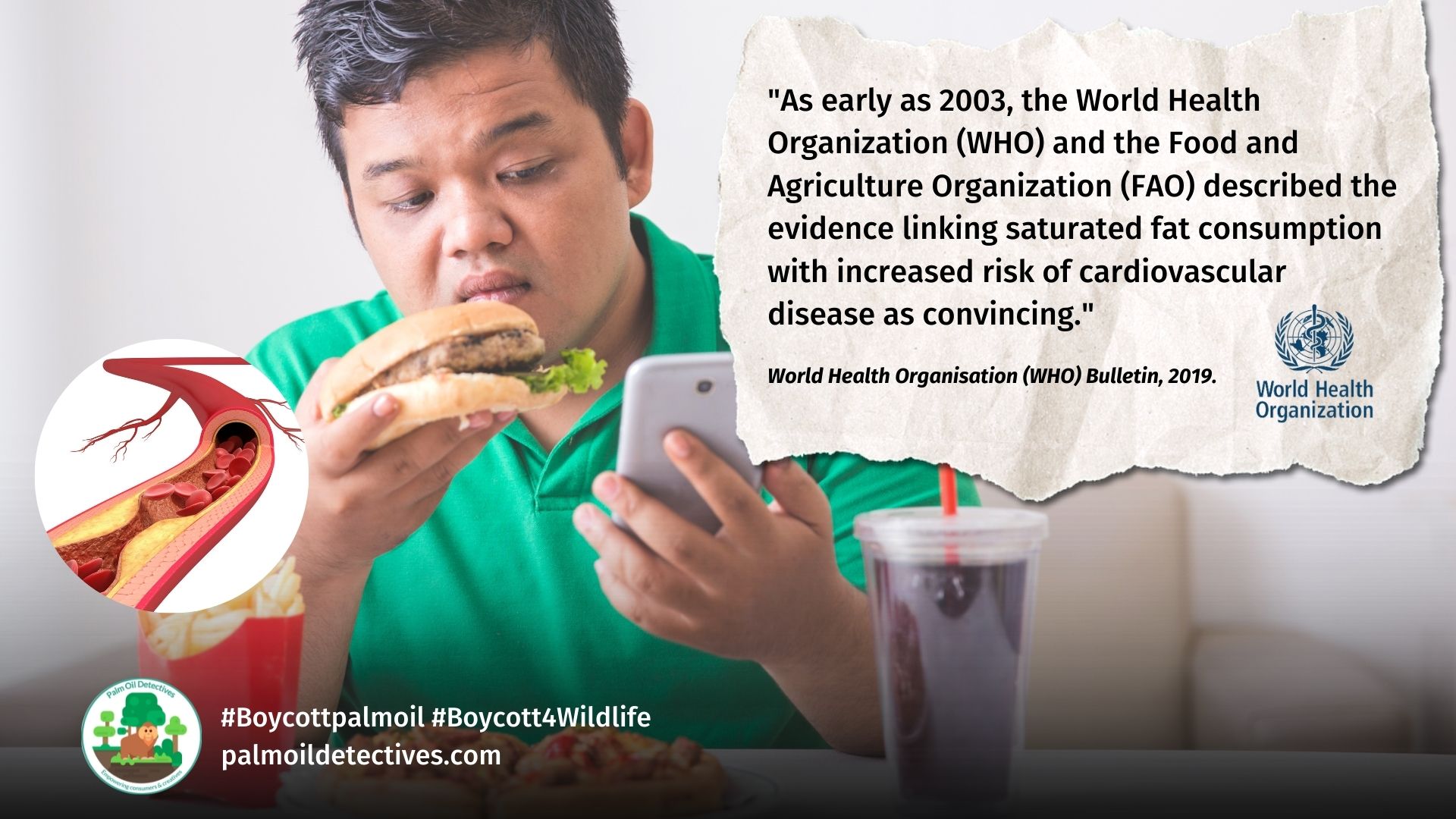
Ultra-processed foods, rich in refined palm oil, sugars, salts, and additives, are engineered to override natural satiety signals, encouraging overconsumption. They not only fuel obesity and chronic diseases but also wreak havoc on cardiovascular health.
Dawn Harris Sherling, in her research published in The American Journal of Medicine (2024), highlights the immense influence of multinational corporations producing ultra-processed foods:
“The multinational companies that produce ultra-processed foods are just as, if not more, powerful than tobacco companies were in the last century, and it is unlikely that governments will be able to move quickly on policies that will promote whole foods and discourage the consumption of ultra-processed foods,” said Sherling.
She argues that this corporate dominance makes swift government action to promote whole foods and discourage ultra-processed food consumption unlikely, underscoring the challenges of addressing this public health crisis. (Sherling, Hennekens, & Ferris, 2024).
Palm Oil’s Role in the UPF Crisis
Palm oil is a cornerstone of UPFs, contributing not only to their health risks but also to widespread environmental destruction. As detailed on Palm Oil Detectives, the palm oil industry drives deforestation, biodiversity loss, and violations of indigenous rights. The unchecked expansion of palm oil plantations continues to exacerbate climate change and disrupt ecosystems vital to planetary health.
Companies like Kraft Heinz, Coca-Cola, and PepsiCo rely heavily on palm oil, underscoring their complicity in both public health and environmental degradation. Addressing these interlinked crises requires holding corporations accountable and rethinking our food systems.
Take Action!
The evidence is clear: ultra-processed foods are a health hazard, and the industries behind them profit from addiction, environmental destruction, and misleading marketing. Here’s what you can do:
• Boycott Palm Oil: Refuse to buy products containing palm oil to combat deforestation, biodiversity loss, and corporate greenwashing.
• Choose Whole Foods: Opt for fresh, minimally processed plant-based foods to prioritise your health and reduce dependency on harmful UPFs.
To learn more about the dangers of UPFs and the palm oil industry’s impact on health and the environment, visit Palm Oil Detectives. Share your commitment to change with the hashtags #BoycottPalmOil and #Boycott4Wildlife every time you shop.
References
Dawn Harris Sherling, Charles H. Hennekens, Allison H. Ferris. (2024). Newest updates to health providers on the hazards of ultra-processed foods and proposed solutions. The American Journal of Medicine, DOI: 10.1016/j.amjmed.2024.02.001
Kadandale, S., Marten, R., & Smith, R. (2019). The palm oil industry and noncommunicable diseases. Bulletin of the World Health Organization, 97(2), 118–128. https://pmc.ncbi.nlm.nih.gov/articles/PMC6357563/
LawInc Staff. (2024, December 10). Hooked by design: Landmark lawsuit alleges Kraft, Coca-Cola, PepsiCo, and others used Big Tobacco tactics to addict kids to ultra-processed foods. LawInc. Retrieved from https://www.lawinc.com/hooked-by-design-landmark-lawsuit-kraft-coca-cola-pepsico-addict-kids-ultra-processed-foods
Palm Oil Detectives. (2024). Cutting down on ultra-processed foods could save lives, research reveals. Retrieved from Palm Oil Detectives.
Palm Oil Detectives. (2022). Four things to know about cholesterol. Retrieved from Palm Oil Detectives.
Hanley-Jones, S, Wood, L, Letcher, T and Winstanley, M. 5.13 Products and packaging created to appeal to new users. In Greenhalgh, EM, Scollo, MM and Winstanley, MH [editors]. Tobacco in Australia: Facts and issues. Melbourne: Cancer Council Victoria; 2022. Available from https://www.tobaccoinaustralia.org.au/chapter-5-uptake/5-13-products-and-packaging-created-to-appeal-to-n
ENDS
Read more about deforestation and ecocide in the palm oil industry

Asian Small-clawed Otter Aonyx cinereus
Asian Small-clawed Otters are the world’s smallest otter species and are Vulnerable from palm oil tea and coffee deforestation. Protect them, boycott palm oil!
Read more
Tapanuli Orangutan Faces Extinction From Forest Protection Rollback
Save the Tapanuli orangutan! The rarest ape in the world faces extinction after floods, cyclones and now rezoning of their habitat in Sumatra #BoycottPalmOil!
Read more
Marsupials thought extinct for 6,000 years found in West Papua
Two stunning marsupials thought extinct for 6000 years rediscovered in West Papua. Calls for rainforest protection even more urgent!
Read more
Trash into Treasure: Turning E-Waste and CO2 into Gold
Turning E-Waste and CO2 into Gold addresses e-waste challenges and contributes to CO₂ reduction efforts. Take action and boycott gold for Yanomami people!
Read more
Do you love animals? Make every day #WorldWildlifeDay
This #WorldWildlifeDay take action for animals great and small! Reptiles insects, mammals and birds deserve better than palm oil ecocide and extinction. Make sure you Boycott palm oil
Read moreSomething went wrong. Please refresh the page and/or try again.
Take Action in Five Ways
1. Join the #Boycott4Wildlife on social media and subscribe to stay in the loop: Share posts from this website to your own network on Twitter, Mastadon, Instagram, Facebook and Youtube using the hashtags #Boycottpalmoil #Boycott4Wildlife.
2. Contribute stories: Academics, conservationists, scientists, indigenous rights advocates and animal rights advocates working to expose the corruption of the palm oil industry or to save animals can contribute stories to the website.


3. Supermarket sleuthing: Next time you’re in the supermarket, take photos of products containing palm oil. Share these to social media along with the hashtags to call out the greenwashing and ecocide of the brands who use palm oil. You can also take photos of palm oil free products and congratulate brands when they go palm oil free.
4. Take to the streets: Get in touch with Palm Oil Detectives to find out more.
5. Donate: Make a one-off or monthly donation to Palm Oil Detectives as a way of saying thank you and to help pay for ongoing running costs of the website and social media campaigns. Donate here
Discover more from Palm Oil Detectives
Subscribe to get the latest posts sent to your email.
 Palm Oil Detectives

I am thrilled to learn about this lawsuit! I have been noticing more and more products using palm oil recently, including fine brands of chocolate, commonly eaten breakfast cereals, cookies that used to be good brands, and so on. Whenever I write to these companies to complain, they respond that they use or are trying to use sustainable palm oil, but that is only partly my concern. I avoid palm oil because years back my cardiologist warned me about palm oil and coconut oil being as bad as beef fat, so I read labels and avoid products containing either. I had no idea a legal firm was about to sue all these companies. Hooray!
LikeLiked by 1 person