
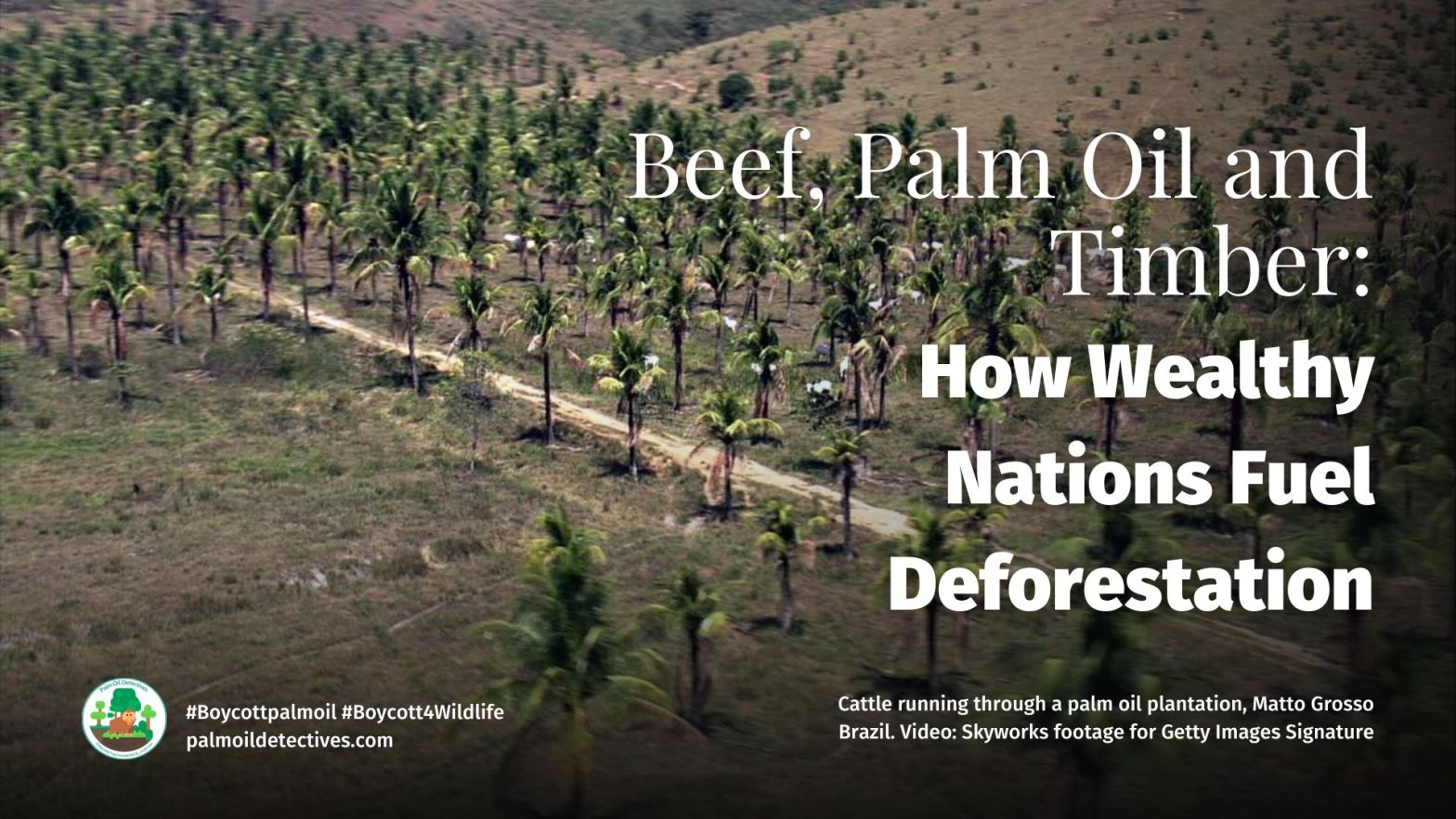
A major #research study reveals that demand for #beef #palmoil, and #timber in wealthy nations is driving mass deforestation and species extinction in tropical regions. Habitat destruction mainly for agriculture accounts for 90% of all tropical #deforestation. Countries like the US, UK, and Germany are main drivers of rainforest destruction in the #Amazon, #Indonesia, and #Africa, displacing indigenous communities and sending many rare species of animals towards #extinction. Advocates call for a boycott of deforestation-linked products to stop this crisis such as meat and #palmoil. Every time you shop you can resist and fight for them when you #BoycottPalmOil #Boycott4Wildlife and go #Vegan.
News: 🌍 #research finds 90% of wild animal #extinction caused by habitat loss mainly for #agriculture: #beef #palmoil, #timber, soy and cocoa. Reduce demand when you shop and fight back! Be #Vegan 🥦🍅 and #BoycottPalmOil 🔥🌴🙊⛔️ #Boycott4Wildlife https://wp.me/pcFhgU-alG

Study Confirms Wealthy Nations’ Demand for Palm Oil, Beef & Timber is Driving Global Deforestation
A major new study has revealed that the world’s richest nations are directly responsible for mass deforestation and biodiversity loss through their consumption of palm oil, beef, timber, soy, and cocoa. The research confirms that these industries are fuelling habitat destruction, species extinction, and displacement of indigenous communities.

The study found that high-income countries account for 13% of global forest loss occurring beyond their own borders. The biggest culprits are:
- Beef 🐄 – The leading cause of global deforestation, responsible for nearly 60% of all forest loss. Rainforests in the Amazon and Central America are burned and cleared to make way for cattle ranching.
- Palm Oil 🌴 – Found in 50% of supermarket products, palm oil plantations have destroyed vast rainforests in Indonesia, Malaysia, and Africa, pushing orangutans, tigers, and hornbills to the brink of extinction.
- Timber and Paper 📄 – Logging for furniture, construction, and paper production is wiping out old-growth forests across South America, Africa, and Southeast Asia. Many so-called “certified” or “sustainable” wood products still drive illegal deforestation.
- Soy 🌱 – Vast areas of the Amazon and Cerrado are destroyed for soy production, most of which is used to feed animals in factory farms.
- Cocoa 🍫 – Chocolate production is linked to widespread deforestation in West Africa, where rainforests are illegally cleared to grow cocoa.
Exporting Extinction: The True Cost of Consumption
The study warns that wealthy nations are effectively outsourcing biodiversity destruction. The US, UK, Germany, and China import massive amounts of these deforestation-linked products, making them directly responsible for the loss of critical ecosystems.
- Thousands of species at risk 🦧🐅 – Around 90% of global biodiversity loss is caused by habitat destruction, most of which comes from agriculture.
- Indigenous communities under threat – Land grabs and deforestation for commodities like palm oil and beef displace indigenous peoples, violating their rights and destroying their traditional ways of life.
- Carbon emissions rising – Forest destruction is worsening climate change, eliminating the world’s most important carbon sinks.
Read the full article here in The Guardian
Weston, P. (2025, February 14). Richest nations ‘exporting extinction’ with demand for beef, palm oil and timber. The Guardian. Retrieved February 14, 2025, from https://www.theguardian.com/environment/2025/feb/14/richest-nations-exporting-extinction-with-demand-for-beef-palm-oil-and-timber-aoe.
ENDS
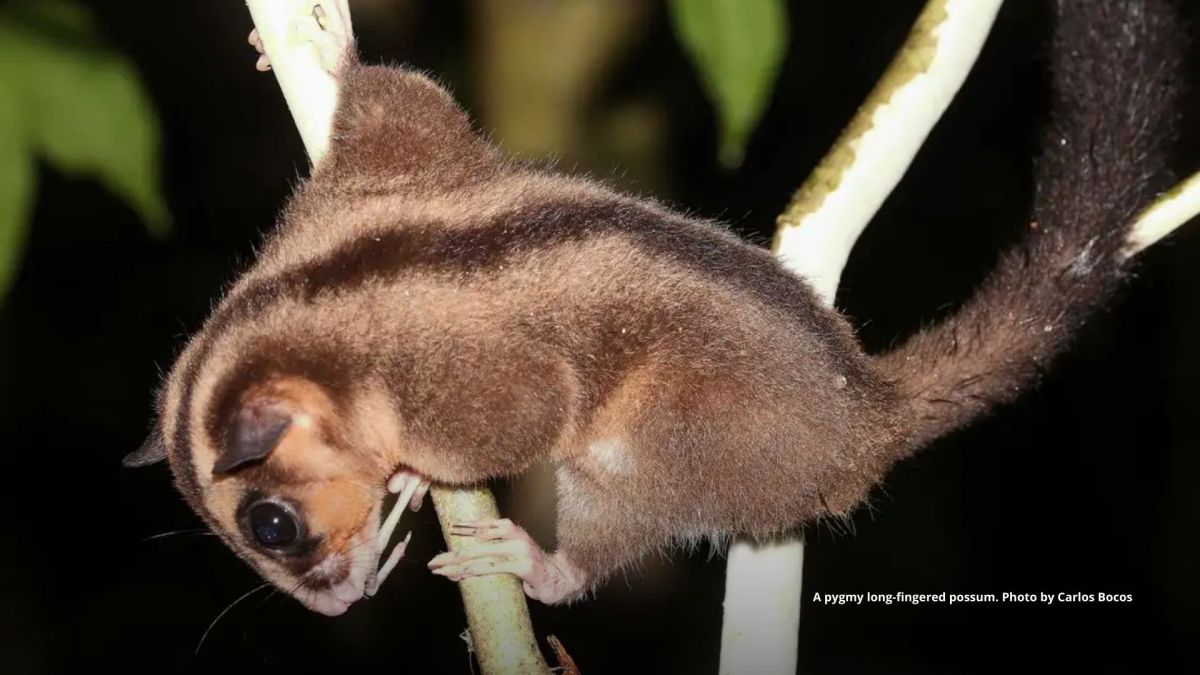
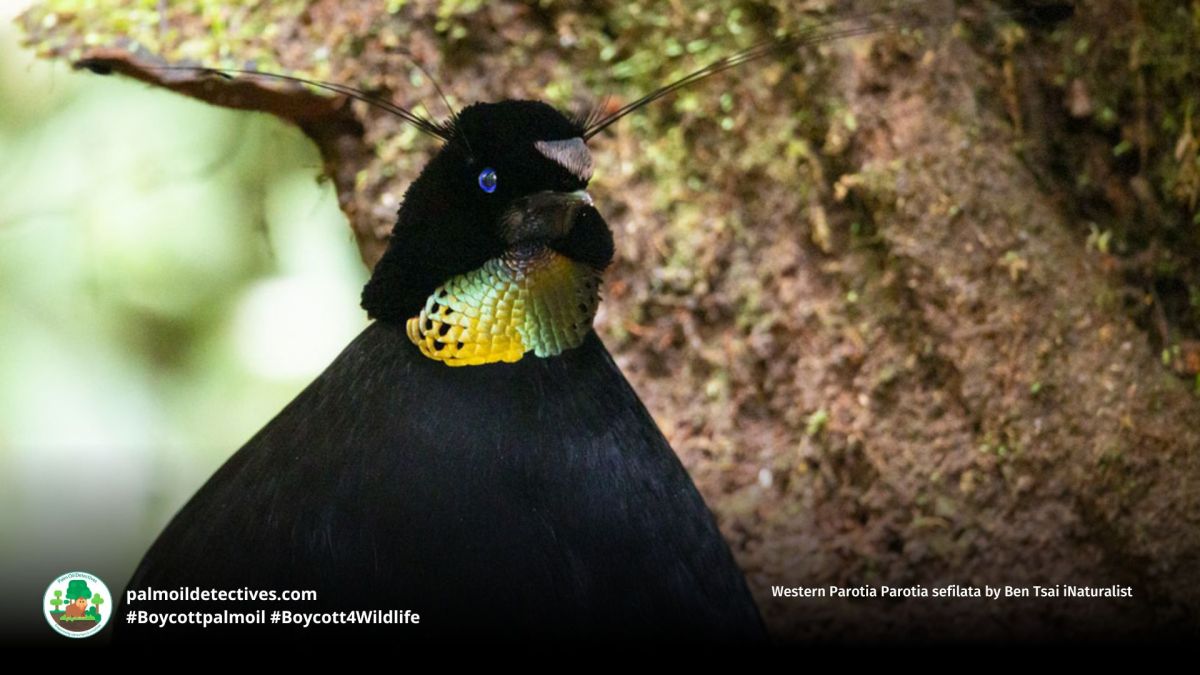
Learn about other animals endangered by palm oil and other agriculture




Learn about “sustainable” palm oil greenwashing
Read more about RSPO greenwashing
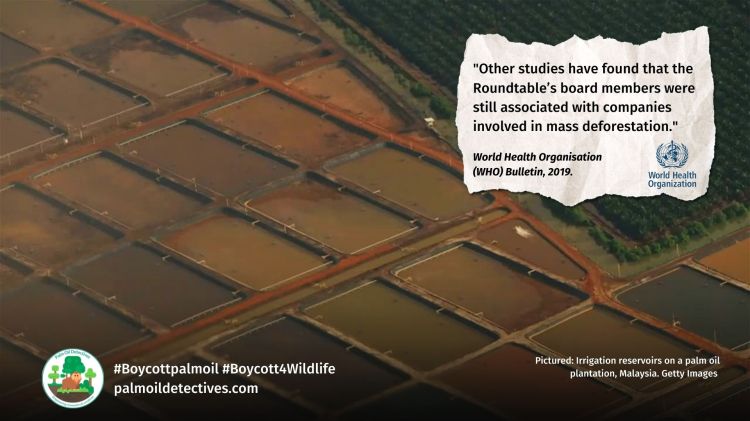
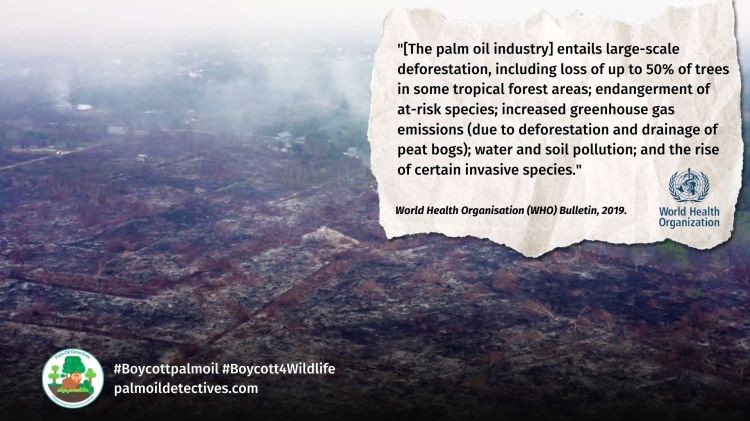
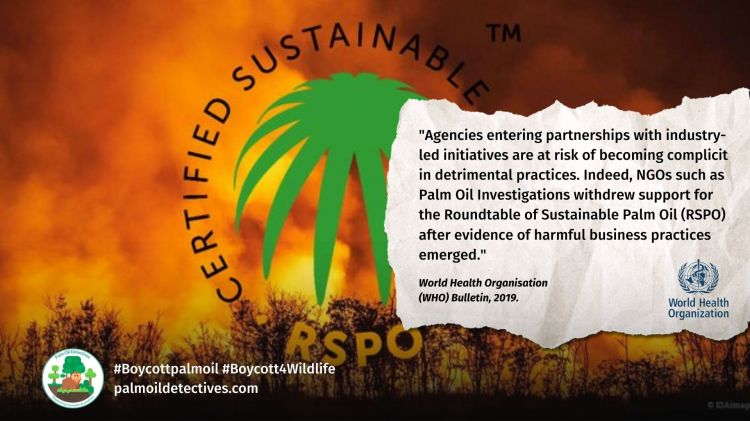
A 2019 World Health Organisation (WHO) report into the palm oil industry and RSPO finds extensive greenwashing of palm oil deforestation and the murder of endangered animals (i.e. biodiversity loss)


Take Action in Five Ways
1. Join the #Boycott4Wildlife on social media and subscribe to stay in the loop: Share posts from this website to your own network on Twitter, Mastadon, Instagram, Facebook and Youtube using the hashtags #Boycottpalmoil #Boycott4Wildlife.
2. Contribute stories: Academics, conservationists, scientists, indigenous rights advocates and animal rights advocates working to expose the corruption of the palm oil industry or to save animals can contribute stories to the website.


3. Supermarket sleuthing: Next time you’re in the supermarket, take photos of products containing palm oil. Share these to social media along with the hashtags to call out the greenwashing and ecocide of the brands who use palm oil. You can also take photos of palm oil free products and congratulate brands when they go palm oil free.
4. Take to the streets: Get in touch with Palm Oil Detectives to find out more.
5. Donate: Make a one-off or monthly donation to Palm Oil Detectives as a way of saying thank you and to help pay for ongoing running costs of the website and social media campaigns. Donate here
Discover more from Palm Oil Detectives
Subscribe to get the latest posts sent to your email.
 Palm Oil Detectives
One thought on “Beef, Palm Oil and Timber: How Wealthy Nations Fuel Deforestation”