
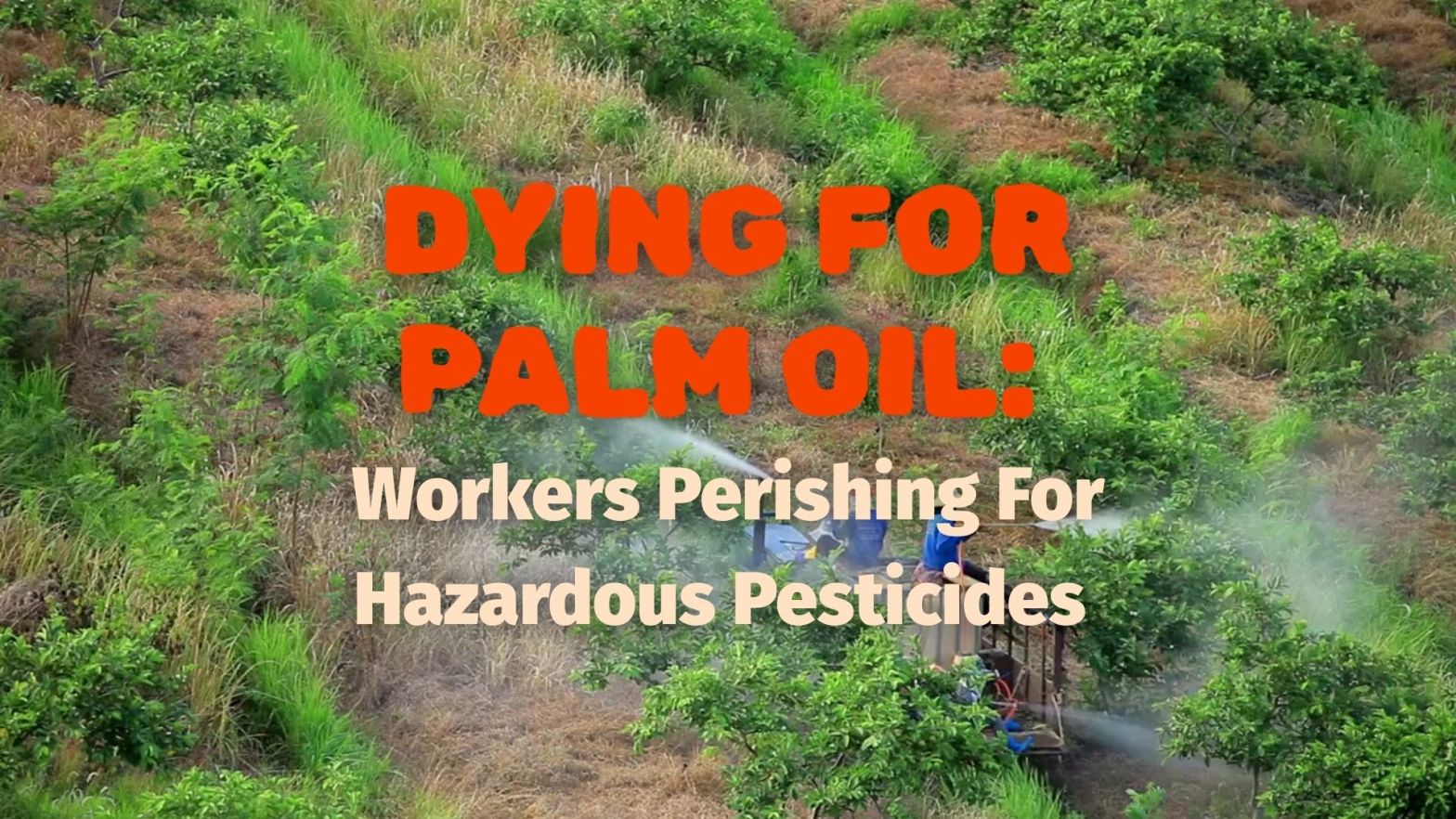
Investigation reveals that #palmoil plantation workers in #Colombia, #Ghana, and #Indonesia are routinely exposed to hazardous #agrochemicals and #pesticides, including EU-banned #paraquat. Lack of protective gear, inadequate health monitoring, and poor enforcement of safety regulations exacerbate the grave health risks for workers and environmental risks for water #pollution. The study calls for immediate action to protect workers’ health and rights. #BoycottPalmOil #HumanRights #BoycottPalmOil #Ecocide
News: #Palmoil workers in #Colombia, #Ghana, and #Indonesia exposed to hazardous #pesticides, including EU-banned #paraquat. Lack of protective gear poor safety puts lives and #health at risk. #HumanRights #Boycottpalmoil @palmoildetect https://wp.me/pcFhgU-bHT
Profundo. (2025, May 7). Research on spraying in the palm oil sector reveals many hazardous substances. FNV. Retrieved May 9, 2025, from https://www.fnv.nl/mondiaal-fnv/nieuws-mondiaal-fnv/nieuws-verhaal/research-on-spraying-in-the-palm-oil-sector-reveal
Palm Oil Workers Face Hazardous Pesticide Exposure, New Report Reveals
A comprehensive study conducted by research agency Profundo, commissioned by the International Palm Oil Workers United (IPOWU) and funded by Mondiaal FNV, has uncovered alarming health risks faced by palm oil plantation workers in Colombia, Ghana, and Indonesia due to exposure to hazardous agrochemicals.
The investigation, involving 1,436 workers, identified the use of at least 56 different agricultural chemicals on plantations, including substances classified as “highly hazardous” by the World Health Organization. Notably, paraquat—a pesticide banned in the European Union since 2007—is still being exported from the EU to Indonesia, highlighting a concerning double standard in global chemical safety practices.
Key findings from the report include:
- Absence of comprehensive chemical safety policies, leading to inadequate health monitoring, safety training, and protective clothing for workers.
- None of the three countries studied have ratified key International Labour Organization conventions related to occupational health and safety.
- International palm oil buyers do not mandate specific occupational health and safety policies from their suppliers.
- Many workers are unaware of the dangers associated with pesticide exposure.
- Personal protective equipment (PPE) is often not replaced when damaged, and access to facilities for washing PPE is limited, increasing the risk of contamination.
- Workers with longer tenures reported more health issues, such as skin rashes, dizziness, and vomiting, indicating cumulative exposure effects.
The report underscores the urgent need for stronger enforcement of safety regulations, better training and equipment for workers, and greater accountability from international buyers to ensure the health and safety of those at the forefront of palm oil production.
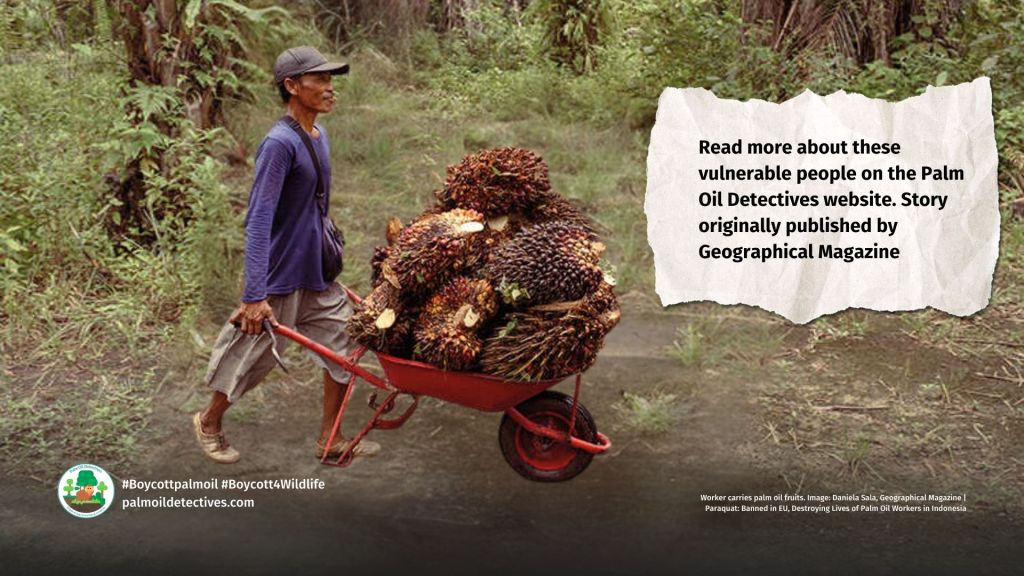

The EU’s double standards by banning paraquat while exporting it to Indonesia
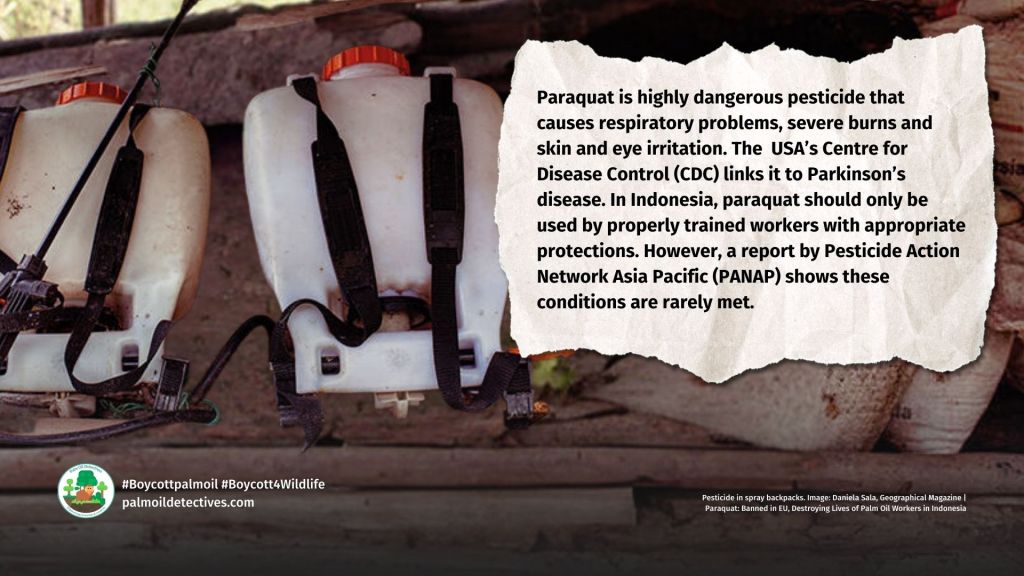
Quiroz is upset about the EU’s double standards: banning paraquat but still producing and exporting it to Indonesia. “That is unacceptable! That the EU protects its own citizens but not the rest of the world. The EU does not show much compassion for people in the supply chain. At the same time, we see that Colombia allows certain chemicals under specific and controlled conditions on palm oil and other commercial plantations, which eventually end up in the palm oil that we import. So that protection is not watertight at all.”
Risks of pesticide contamination are high for families and communities
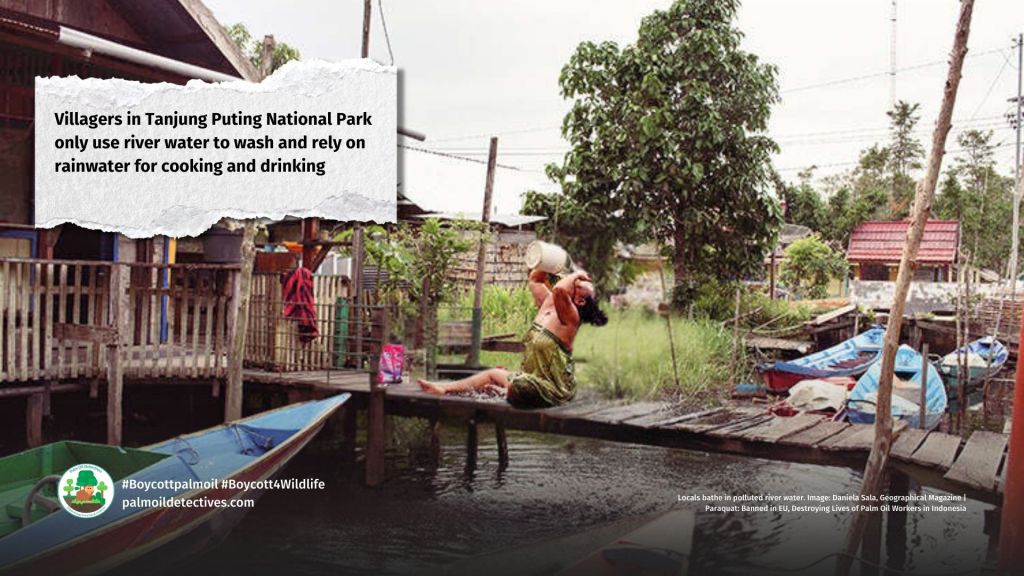
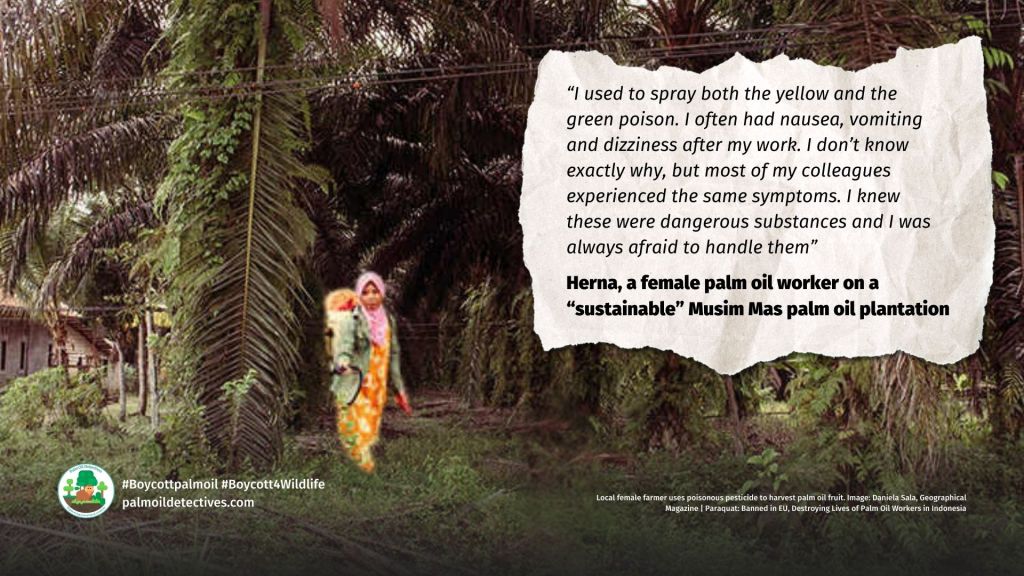
“I did not expect that not all plantations have washing facilities for the workers’ protective clothing. So, they can’t wash their gear on-site, and they bring it home, exposing their families. There are even reports of people washing their protective clothing in nearby, flowing rivers, potentially contaminating the whole area. This happens on a small scale in Colombia and on a larger scale in Indonesia.” – lead researcher Diana Quiroz.
Profundo. (2025, May 7). Research on spraying in the palm oil sector reveals many hazardous substances. FNV. Retrieved May 9, 2025, from https://www.fnv.nl/mondiaal-fnv/nieuws-mondiaal-fnv/nieuws-verhaal/research-on-spraying-in-the-palm-oil-sector-reveal
ENDS
Read more about animals at risk from air and water pollution and human rights problems associated with palm oil. When you shop #Boycottpalmoil

Gursky’s Spectral Tarsier Tarsius spectrumgurskyae
Gursky’s spectral tarsiers AKA Wusing of North Sulawesi are vulnerable due to palm oil and timber deforestation. Take action for them and boycott palm oil!
Read more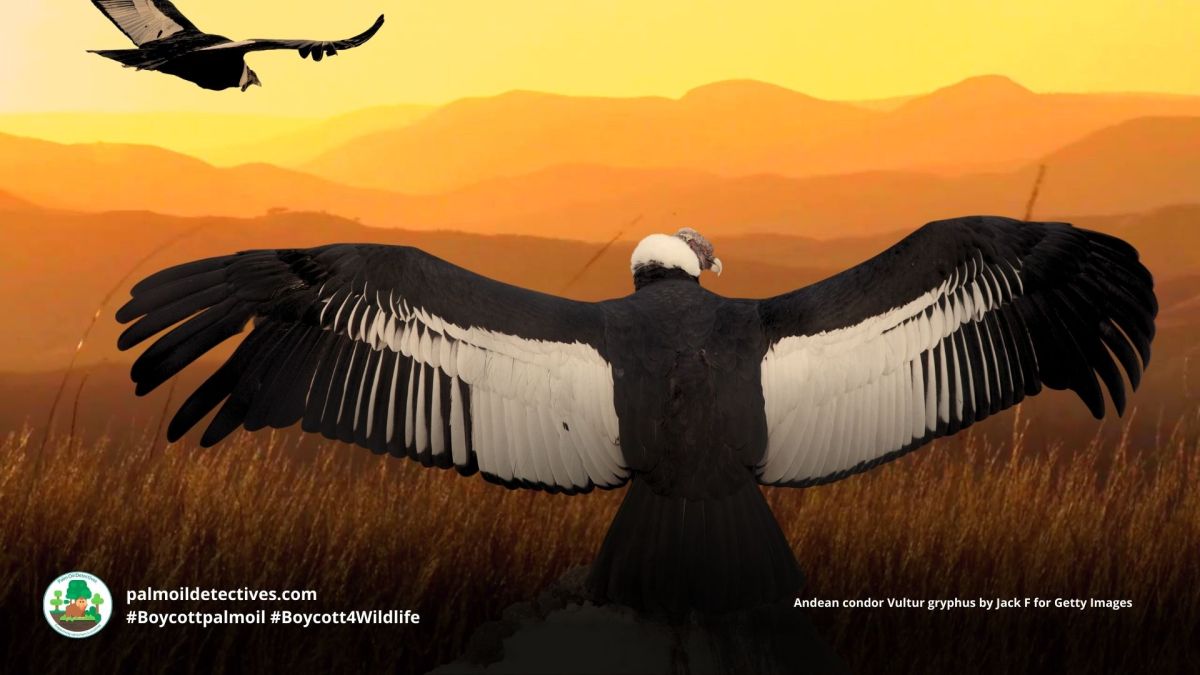
Andean condor Vultur gryphus
The Andean condor Vultur gryphus is one of the largest flying #birds in the world, with a wingspan of up to 3.3 metres and a body weight of up to 15 kilograms. These…
Read more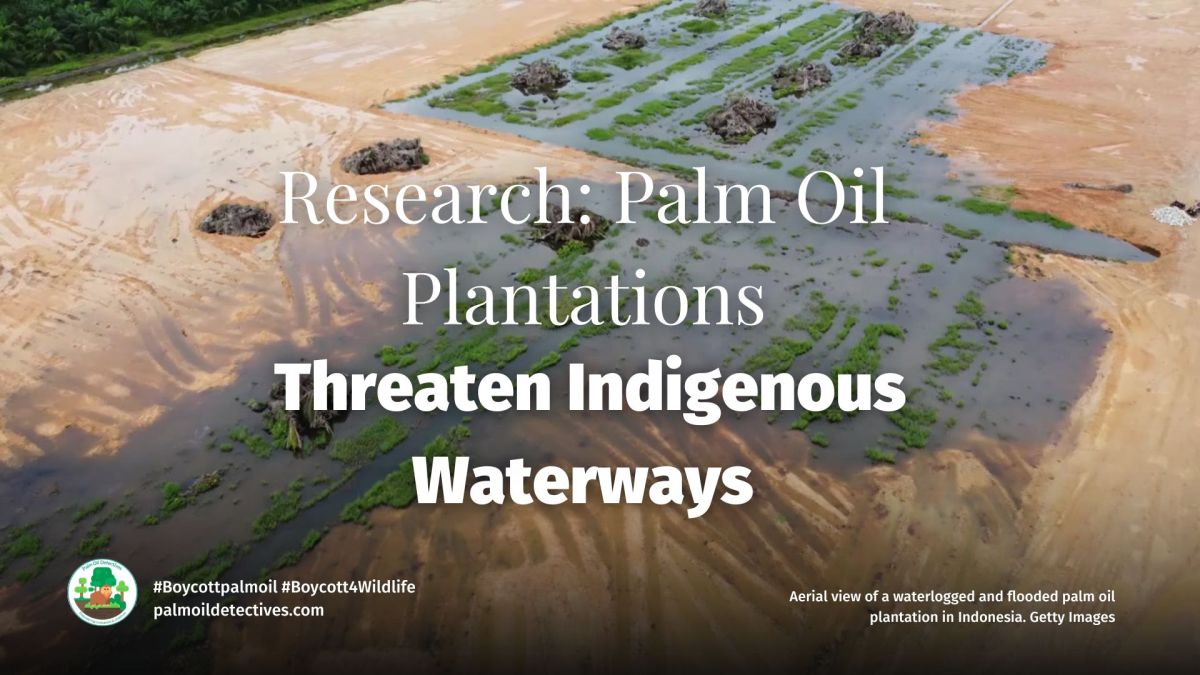
Palm Oil Plantations Threaten Indigenous Waterways
Expansion of palm oil in West Papua’s Kais River watershed degrades water quality, polluting Indigenous waterways. Take action and boycott palm oil
Read more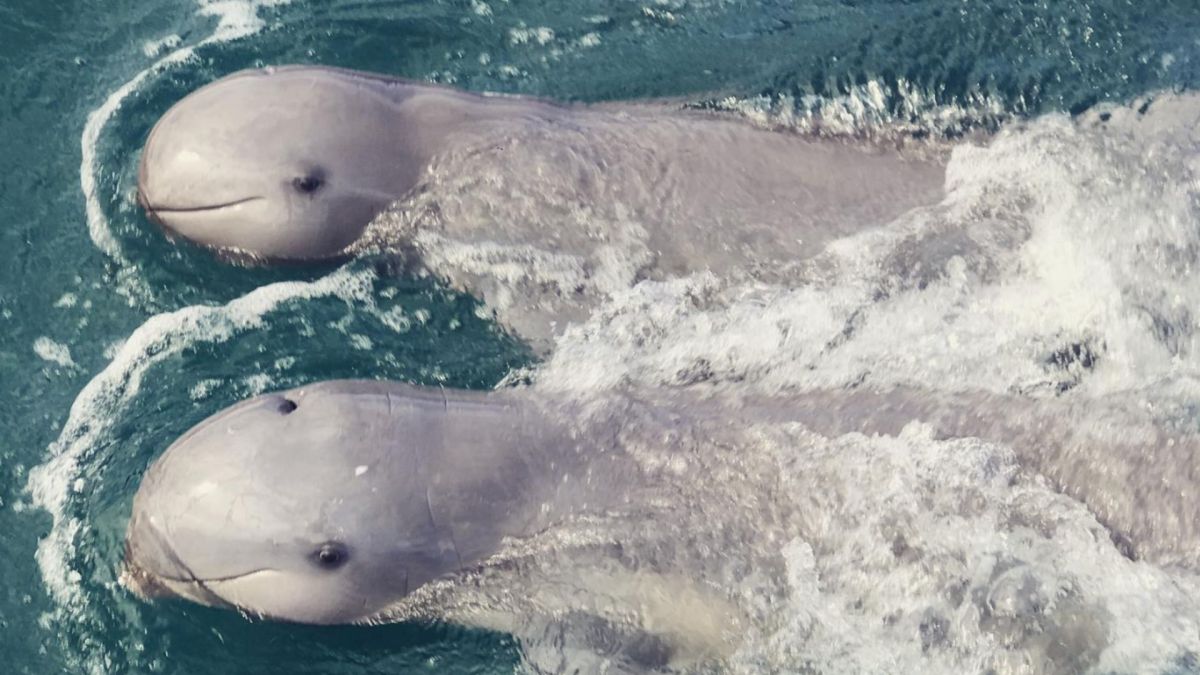
Irrawaddy Dolphin Orcaella brevirostris
Intelligent and social Irrawaddy dolphins, also known as the Mahakam River dolphins or Ayeyarwady river #dolphins have endearing faces. Only 90 to 300 are estimated to be left living in the wild. Their…
Read more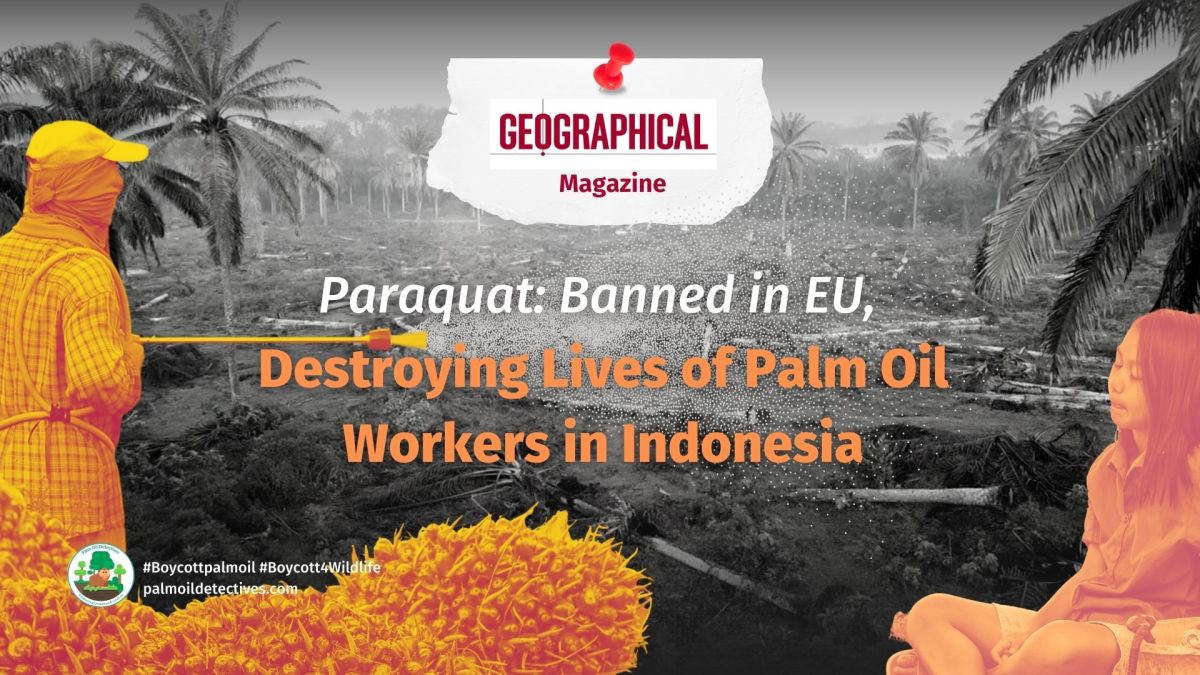
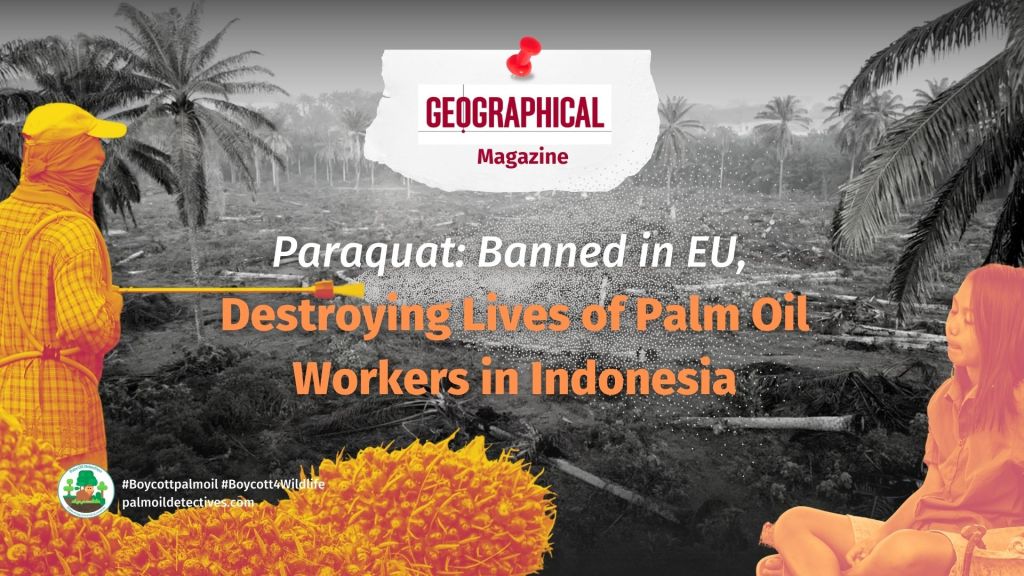
Paraquat: Banned in EU, Destroying Lives of Palm Oil Workers in Indonesia
The dangerous pesticide Paraquat is banned in the EU however continues to destroy the lives of palm oil plantation workers in Indonesia. Read this story below originally published in Geographic Magazine and learn how…
Read moreSomething went wrong. Please refresh the page and/or try again.
Take Action in Five Ways
1. Join the #Boycott4Wildlife on social media and subscribe to stay in the loop: Share posts from this website to your own network on Twitter, Mastadon, Instagram, Facebook and Youtube using the hashtags #Boycottpalmoil #Boycott4Wildlife.
2. Contribute stories: Academics, conservationists, scientists, indigenous rights advocates and animal rights advocates working to expose the corruption of the palm oil industry or to save animals can contribute stories to the website.






3. Supermarket sleuthing: Next time you’re in the supermarket, take photos of products containing palm oil. Share these to social media along with the hashtags to call out the greenwashing and ecocide of the brands who use palm oil. You can also take photos of palm oil free products and congratulate brands when they go palm oil free.
4. Take to the streets: Get in touch with Palm Oil Detectives to find out more.
5. Donate: Make a one-off or monthly donation to Palm Oil Detectives as a way of saying thank you and to help pay for ongoing running costs of the website and social media campaigns. Donate here
Discover more from Palm Oil Detectives
Subscribe to get the latest posts sent to your email.
 Palm Oil Detectives