
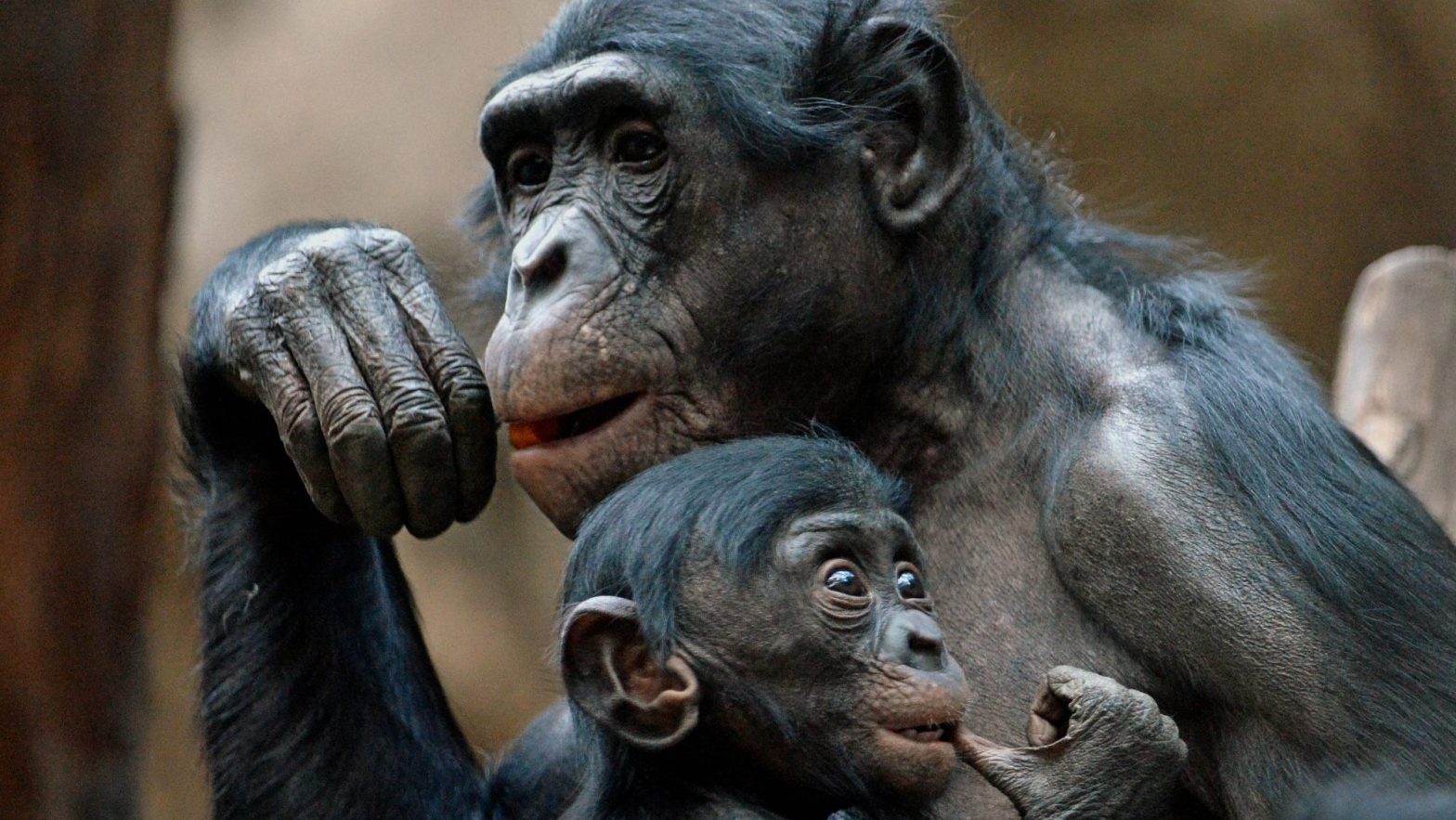
Wild #bonobos, like other Great #Apes and humans, spend long childhoods with their mothers, learning the social skills they need to function as emotionally stable members of their community. But orphaned bonobos at sanctuaries don’t have that kind of upbringing. Can they still learn the skills they need to get by in bonobo society? A study by Zanna Clay and Frans de Waal in PNAS found that the mother-infant bond is vital in developing healthy social and emotional skills. Help these mighty and intelligent primates when you shop and #BoycottPalmOil #Boycott4Wildlife
Tag Archives: Animal Biodiversity News
What, Why and Where of Black Leopards
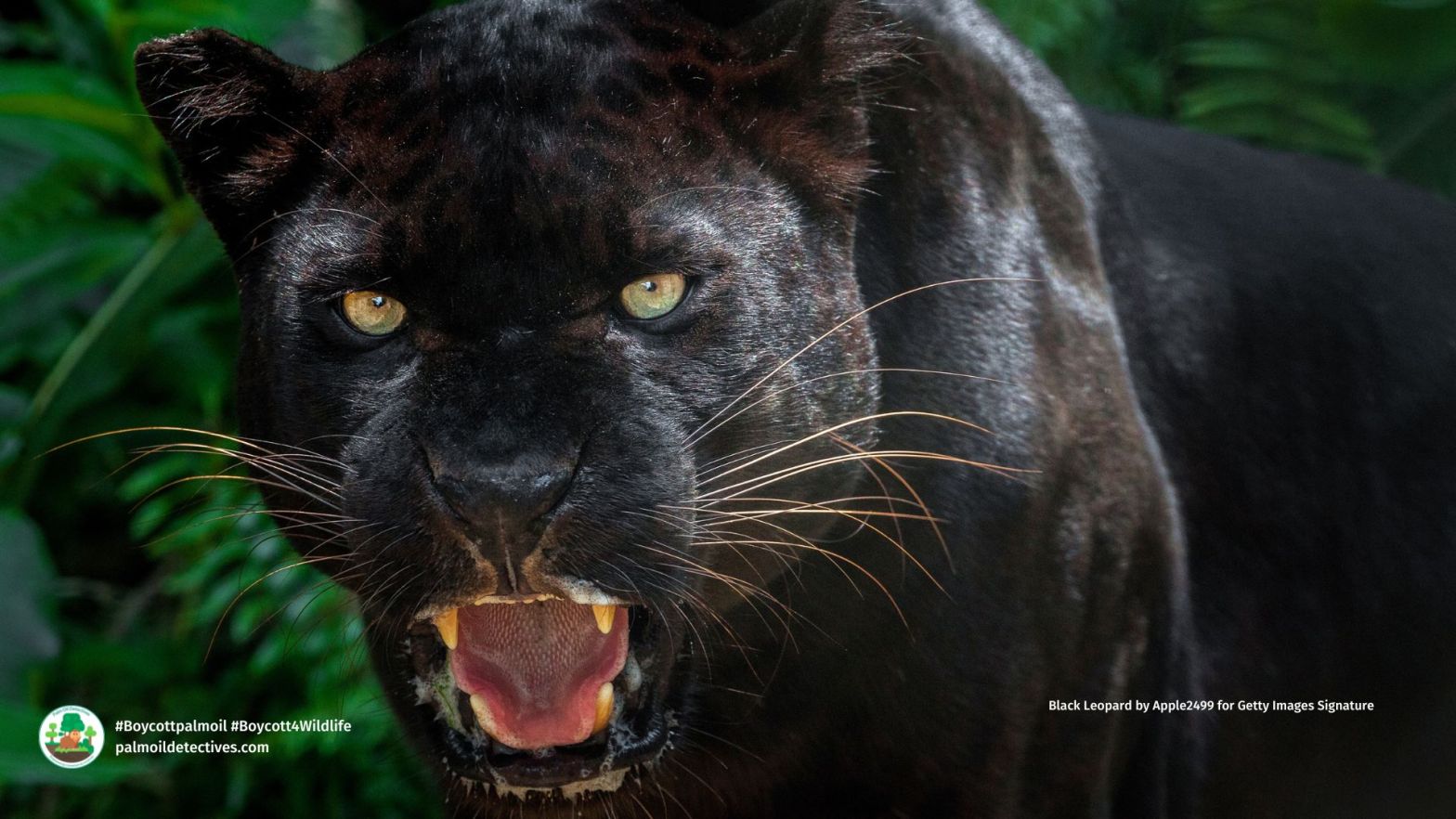
Did you know that Black #leopards only differ from other leopards by the colour of their coat, a genetic variation that’s #recessive also known as melanism? One of their threats is #palmoil #deforestation. Help their survival be #vegan #Boycottpalmoil #Boycott4Wildlife in the supermarket
One-fifth of reptiles heading towards extinction

Almost one-fifth of the world’s reptiles are currently threatened with extinction.A recent study assessed 1500 species for extinction risks. From the 19% found to be in danger, 12% were classified as Critically Endangered, 41% as Endangered and 47% Vulnerable. Three of the species listed as being Critically Endangered are believed to be possibly extinct. ThisContinue reading “One-fifth of reptiles heading towards extinction”
What’s my name? How wild parrots identify their young
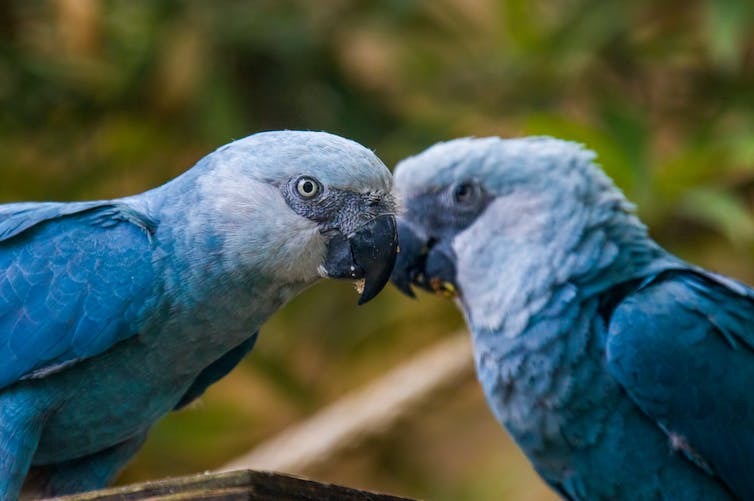
Ground-breaking research has found that wild parrots teach their chicks unique sound signatures so that they can identify their parents. We are only just scratching the surface of knowledge about these immensely intelligent non-human beings, protect them! Be #Vegan and #BoycottPalmOil #Boycott4Wildlife
We don’t know how many mountain gorillas live in the wild. Here’s why
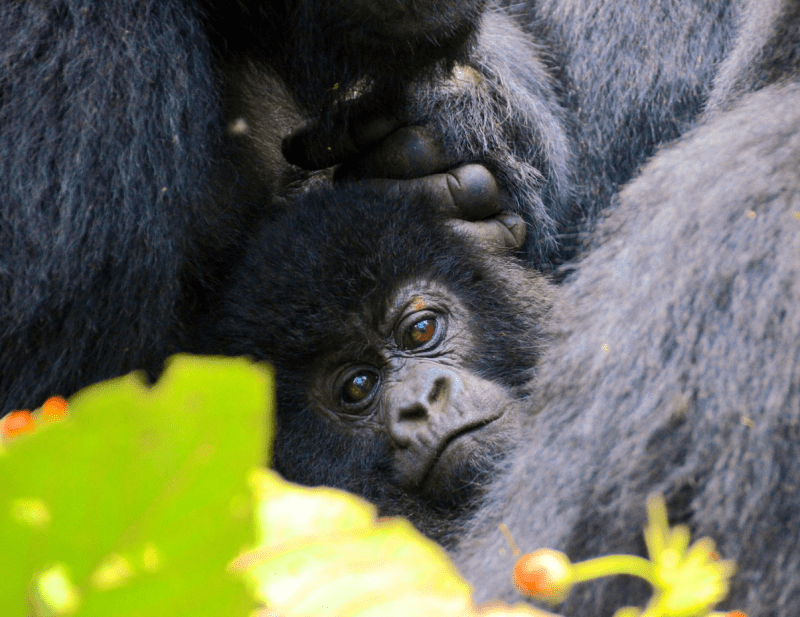
How important are the mountain #gorillas of Uganda’s Bwindi Impenetrable Forest National Park to global populations? Their importance to the health of the forest is immeasurable and irreplacable! Mountain gorillas are one of the two subspecies of eastern gorillas. They are divided into just two populations: one in the Virunga Massif that spans the borders of Uganda, Rwanda and the Democratic Republic of Congo (DRC) and one population that lives in the Bwindi Impenetrable National Park in Uganda and the adjacent Sarambwe Nature Reserve in DRC. Help them to survive, be #vegan and #BoycottPalmOil #Boycott4Wildlife
Nature’s Hidden Wealth: Conservation’s Opportunity
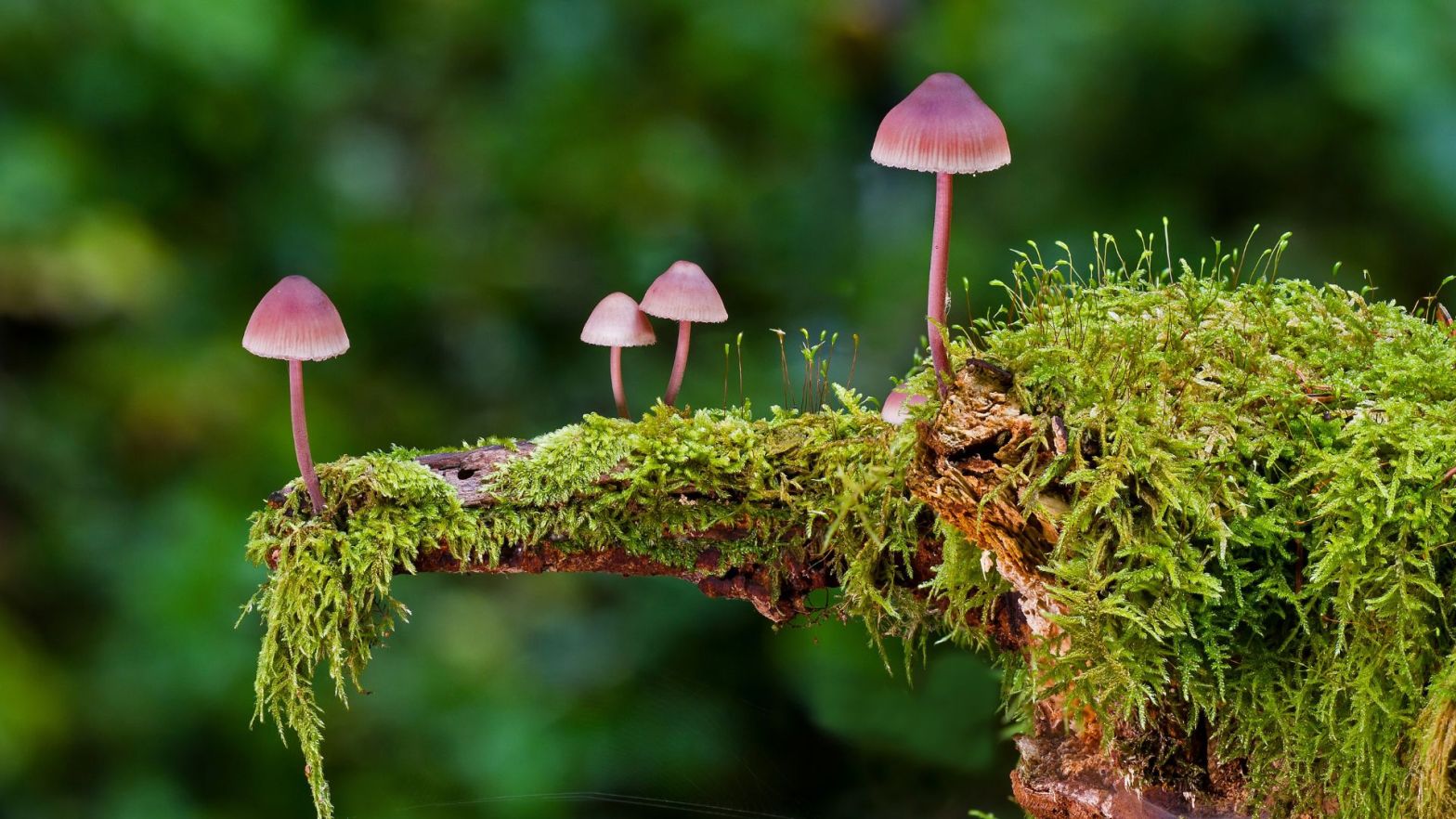
Animals and plants constitute a very small part of our native biodiversity (roughly 5%). The vast majority – fungi, bacteria and the enormous diversity of other microscopic organisms, including invertebrates – is a massive, largely unexplored economic resource.
The best known examples of commercial uses for biodiversity are the thousands of drugs secreted by bacteria and fungi. But others are examples of what is known as “bio-inspiration” and “bio-mimicry”, where wild species provide the blueprints for products. The combination of nature and biotechnology can offer us all a tentative reason to hope for the future.
Humans force wild animals into tight spots, or send them far from home
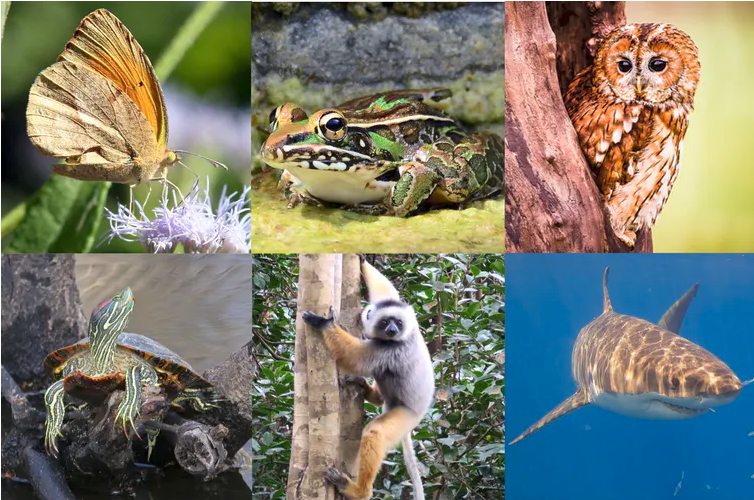
The COVID pandemic has shown us that disruptions to the way we move around, complete daily activities and interact with each other can shatter our wellbeing. This doesn’t apply only to humans. Wildlife across the globe find themselves in this situation every day, irrespective of a global pandemic. Our latest research published today in NatureContinue reading “Humans force wild animals into tight spots, or send them far from home”
Mass extinction: what is it and are we in one now?
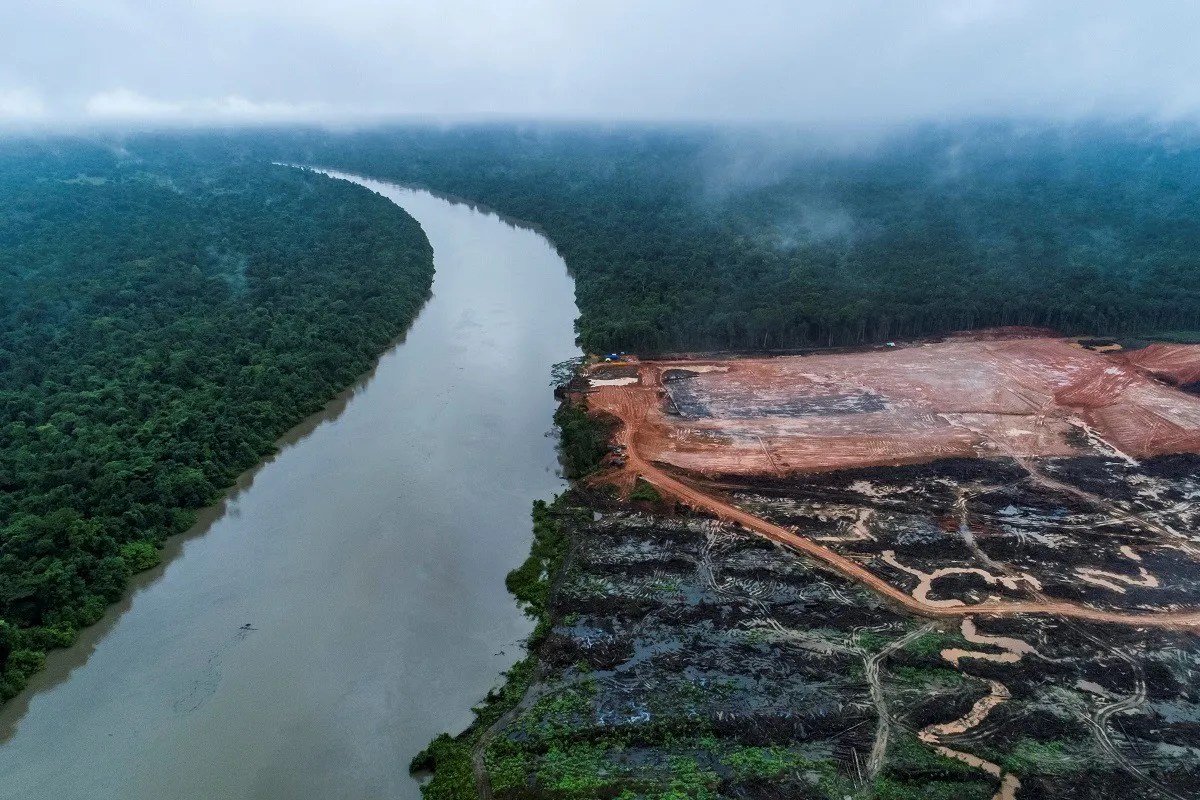
For more than 3.5 billion years, living organisms have thrived, multiplied and diversified to occupy every ecosystem on Earth. The flip side to this explosion of new species is that species extinctions have also always been part of the evolutionary life cycle.
A mass extinction is usually defined as a loss of about three quarters of all species in existence across the entire Earth over a “short” geological period of time. Given the vast amount of time since life first evolved on the planet, “short” is defined as anything less than 2.8 million years. Right now loss of species on earth is being driven by a mix of direct and indirect human activities, such as the destruction and fragmentation of habitats, direct exploitation like fishing and hunting, chemical pollution, invasive species, and human-caused global warming. Help species survive #BoycottPalmOil be #Vegan and #Boycott4Wildlife
Inside the colourful world of animal vision
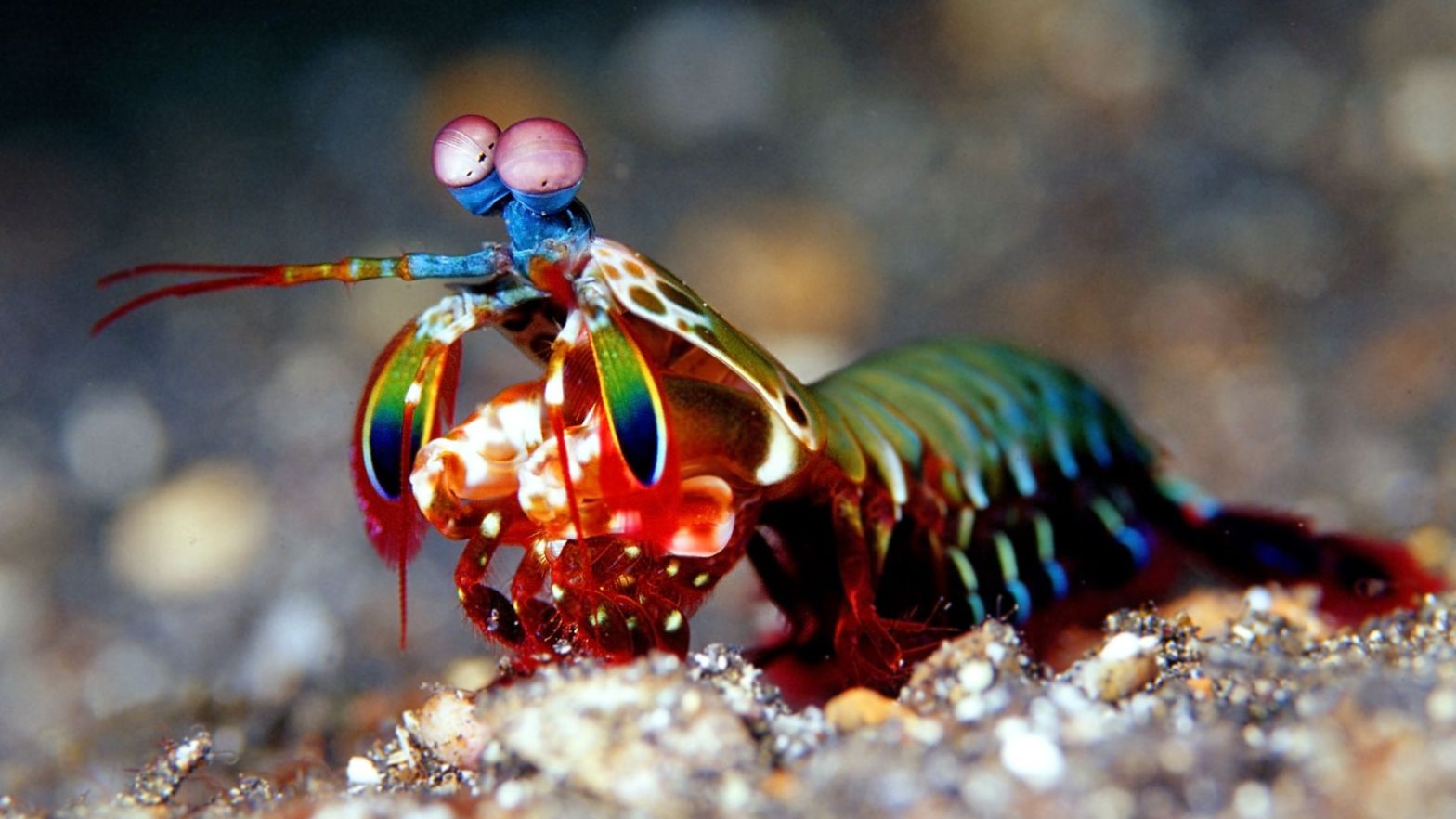
Want to hear something trippy? Unlike other aspects of an object such as its size or mass, colour is not an inherent property. Perceiving colour is a function of an organism’s sensory system. In other words, colour is a construct of the mind. But whose minds? Aside from the human experiences of colour, other-than-human eyes perceive colour in radically different ways.
Palm oil plantations are bad for wildlife great and small: study
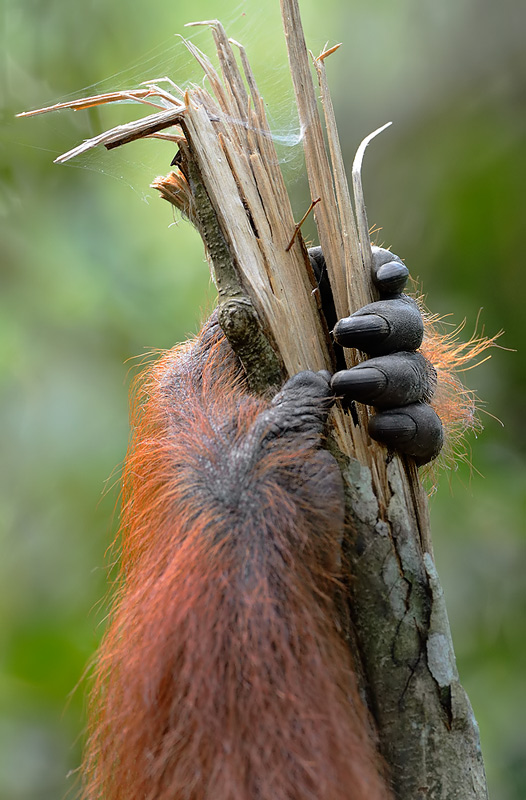
#Palmoil plantations have an overall negative impact on #biodiversity, according to research released this week. The #study, published in Nature Communications, found palm oil plantations are home to fewer insect species than even intensive rubber tree plantations. A forests expert at James Cook University, Bill Laurance, said of the research: “The big message is that oil palm is bad for biodiversity, in every sense of the word — even when compared to damaged rainforests that are regenerating after earlier logging or clearing.” Make sure you take action every time you shop and #BoycottPalmOil #Boycott4Wildlife!
The Stealth and Beauty of the Clouded Leopard
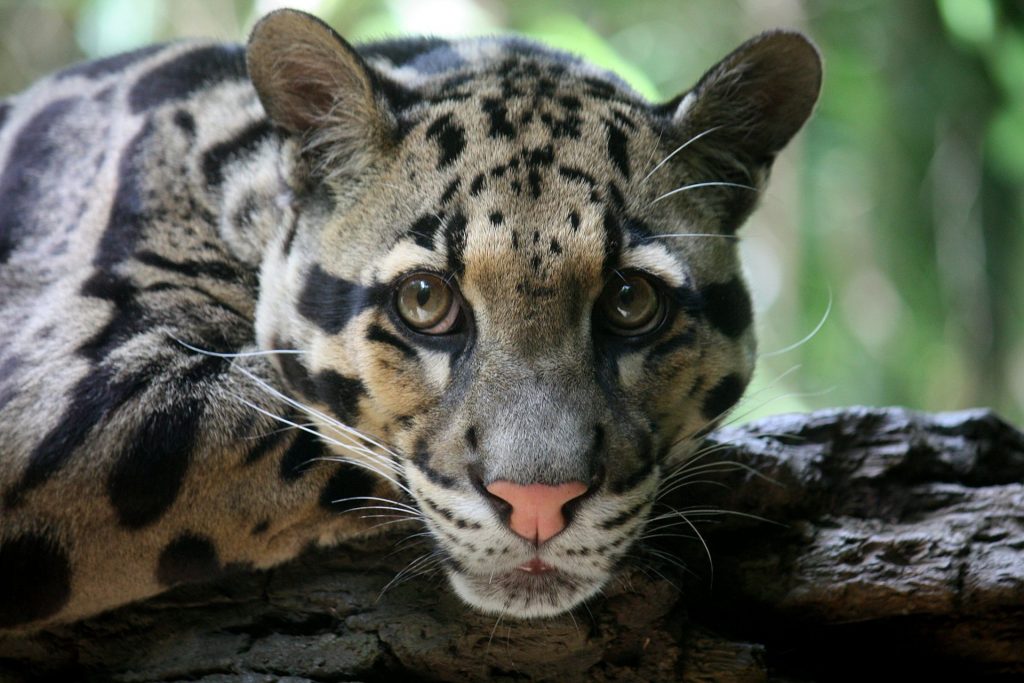
Beautiful and unique Clouded Leopards are #endangered by #palmoil, #meat #mining #deforestation and human persecution across their range. Help them every time you shop and be #vegan, #Boycottpalmoil and #Boycott4wildlife
African grey parrots help each other in times of need
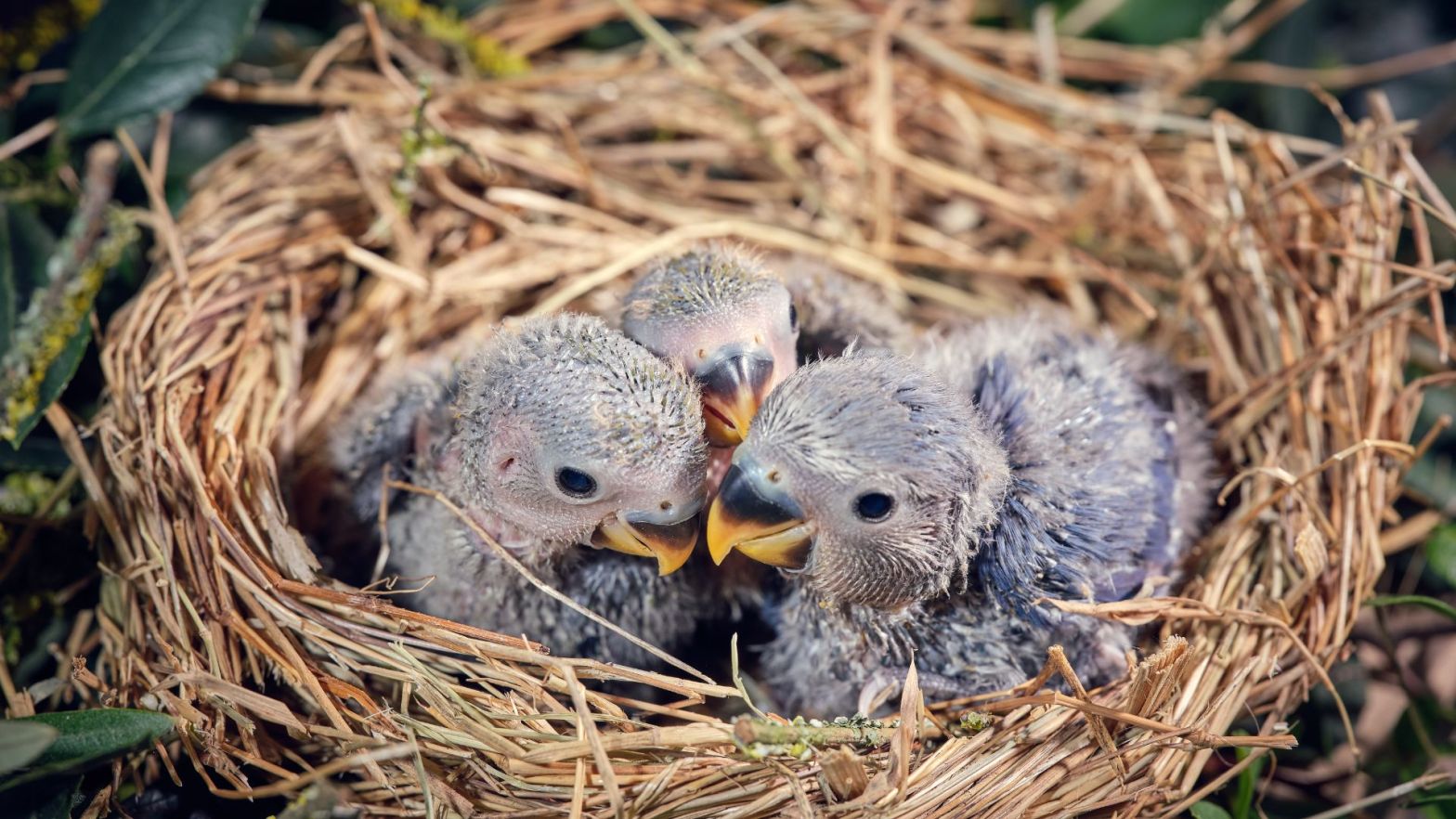
Corvids – birds such as ravens, crows, and magpies – and parrots are considered to be special among birds, as they have unusually large and densely packed brains. They show many cognitive capacities that are linked to an advanced understanding of their surroundings. This has earned them the name “feathered apes”. A recent study has found that it’s not only crows and ravens who help one another – grey parrots do as well.
Dangers of wildlife mass death in this era
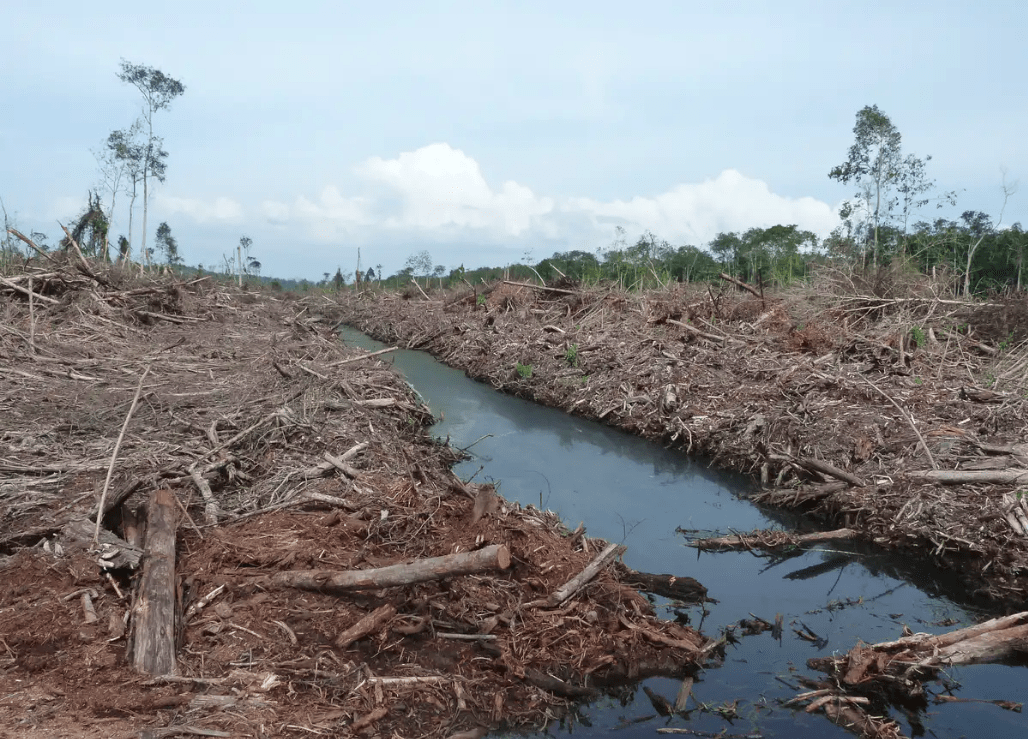
For a while now, we have been labeled as a generation promoting mass extinction of other species as a result of some negative activities we do for developments. We have occupied and displaced these species, as our population continues to expand. Cheche Winnie The mass death of elephants in the Okavango Delta A few daysContinue reading “Dangers of wildlife mass death in this era”
How forest loss has changed biodiversity across the globe over the last 150 years
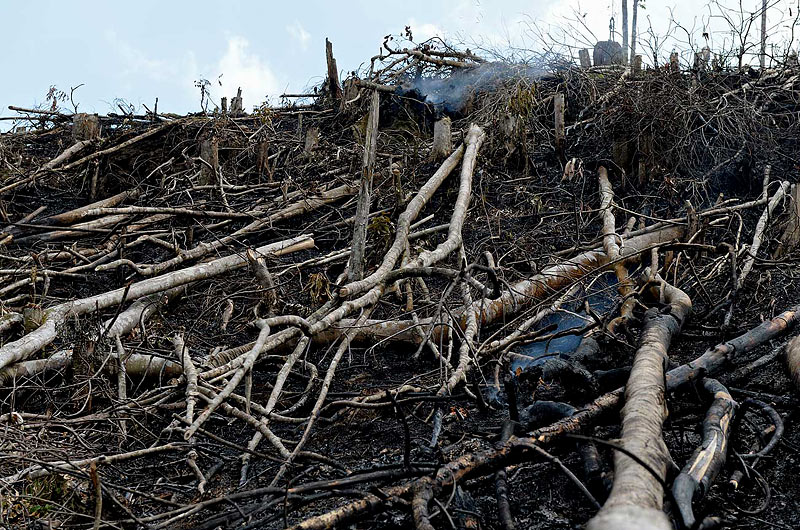
The Earth’s forests have been changing ever since the first tree took root. For 360 million years, trees have grown and been felled through a dynamic mix of hurricanes, #fires and natural regeneration. But with the dawn of the 17th century, humans began replacing large swathes of forest with farms and cities. The global pace of #deforestation has slowed in the 21st century, but #forests are still disappearing – albeit at different rates in different parts of the world. In the tropics, forest loss is accelerating in previously pristine wilderness. Help rainforests, wild animals and indigenous peoples to survive #BoycottPalmOil #Boycott4Wildlife
The Plight of the Pangolin

My favourite animal changes all the time. When I was younger, I cycled through various large, majestic cats such as tigers, jaguars and snow leopards. At one point, I considered the polar bear among my favourites; another time, the hippo. But now I much prefer stranger, more obscure, more underappreciated animals. And a weird, elusive,Continue reading “The Plight of the Pangolin”
Gibbon song may be music to the ears of human language students

#Gibbons and humans have more in common than might immediately seem apparent. Among many behavioural traits shared by our two species is singing. Not just that – the songs of gibbons have the potential to teach us about the origin of our own human capacities. Many are threatened by #palmoil #deforestation 🌳✨ #Boycottpalmoil #Boycott4Wildlife 🎶Continue reading “Gibbon song may be music to the ears of human language students”
Palm Oil Deforestation Threatens Sulawesi’s Macaques

Illegal logging and palm oil destroying rainforests of Sulawesi endangering the island’s critically endangered Sulawesi black-crested macaques. Fight back!
Borneo’s bearded pig: forest gardener and eocosysem protector!
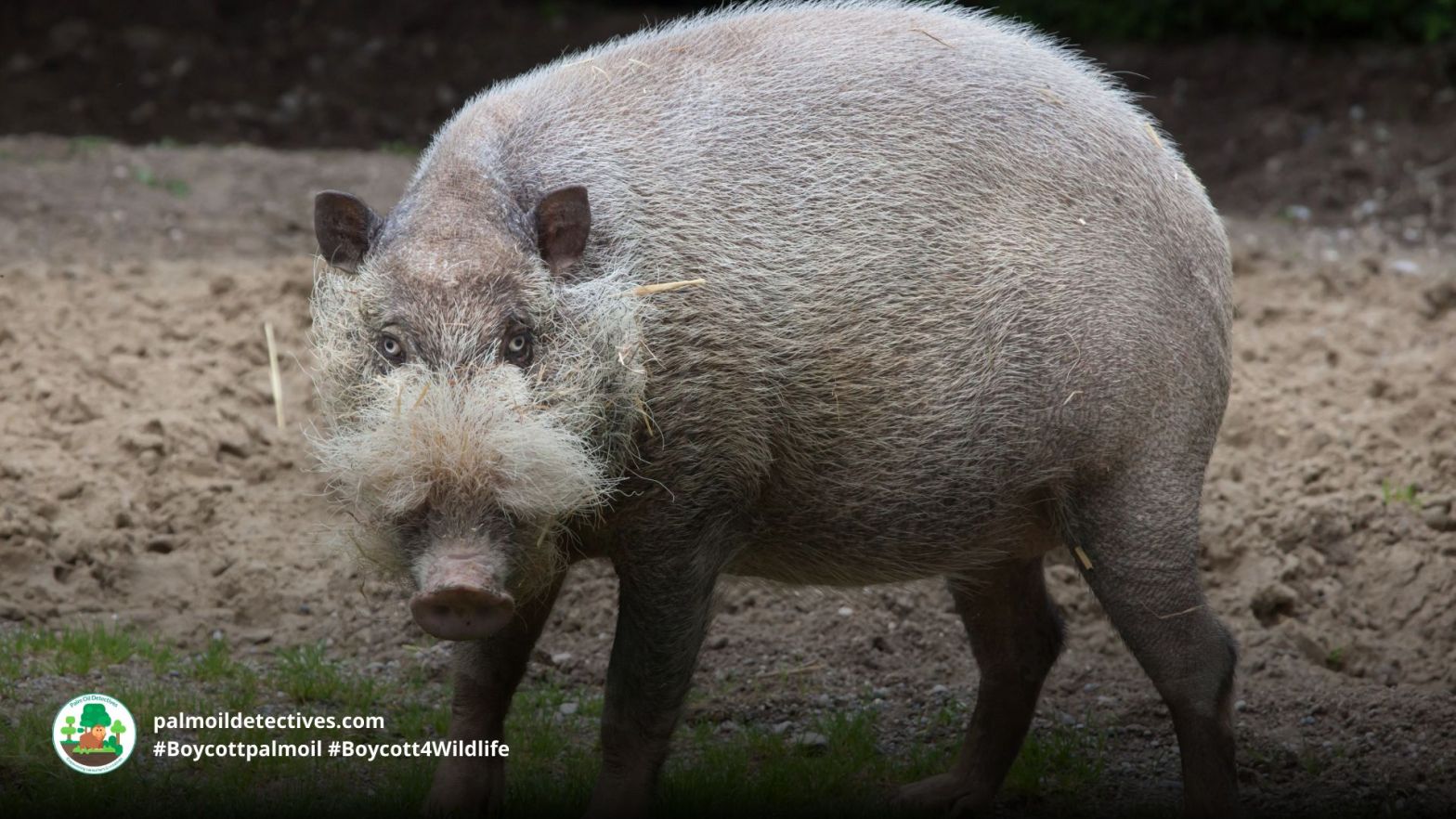
Borneo – fourth-largest island in the world, home to more than 20 million people. With so many well known species on the island like elephants, rhinos and orangutans, one species continues to fly under the radar. Sus barbatus AKA the Borneo Bearded Pig should be the most emblematic animal on the island. This wild boarContinue reading “Borneo’s bearded pig: forest gardener and eocosysem protector!”
 Palm Oil Detectives