
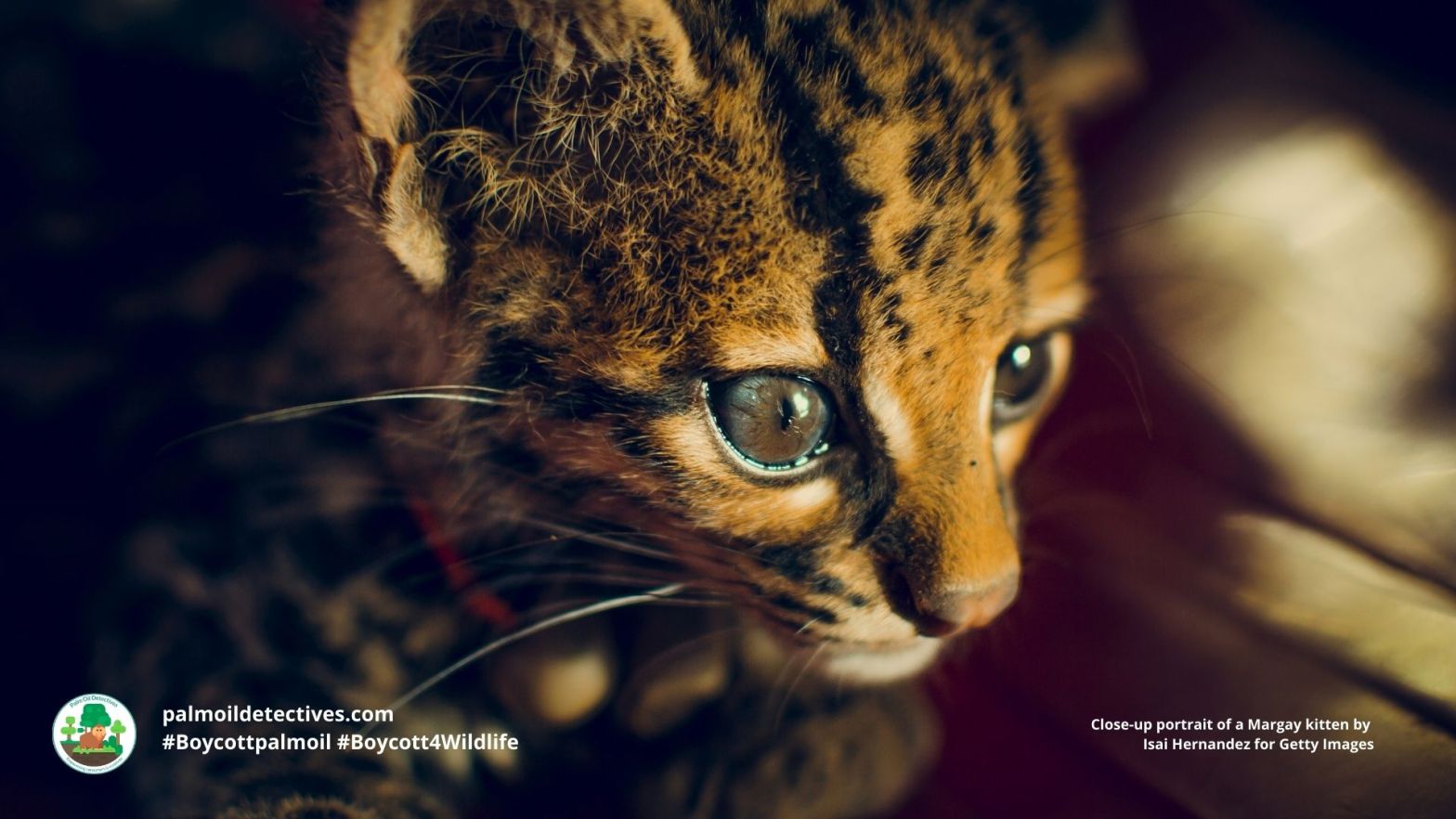
Graceful, athletic and beautiful feline of the Amazon jungle, margays are small wild cats endemic to South and Central America. Every margay has a unique spotted pattern on their coat. They depend heavily on the rainforest canopy for hunting small mammals, reptiles and amphibians and are thought to mimic the call of the pied tamarin in order to hunt for them. Deforestation for #palmoil, soy and meat along with illegal poaching are devastating to them. Help them every time you shop and be #vegan, #Boycottpalmoil #Boycott4Wildlife
Tag Archives: Costa Rica
Spiny-headed Tree Frog Triprion spinosus
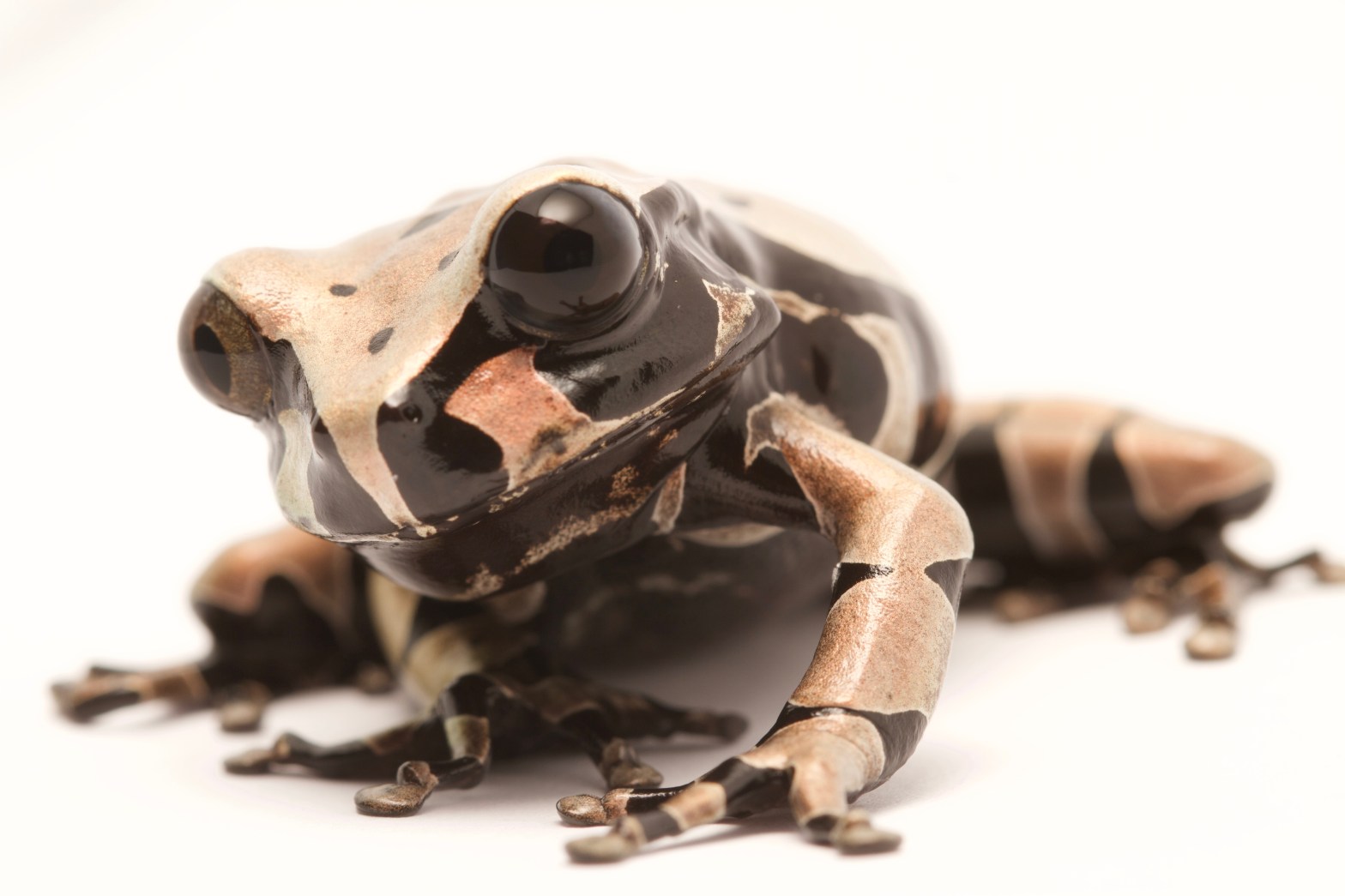
Help save the Spiny-headed Tree Frog, elusive and shy arboreal frogs threatened by deforestation in Mexico and Panama. Boycott palm oil for them!
Giant Anteater Myrmecophaga tridactyla

Giant Anteaters have a striking and unforgettable appearance. They are covered in wiry, grey and brown fur with a distinctive black and white stripe running along their bodies. Their elongated snouts and long, sticky tongues are perfectly adapted for feeding on ants and termites. With their bushy tails and long, curved claws, they are supremely strange looking creatures, making them captivating to behold.
The Giant Anteater is classed as Vulnerable due to widespread deforestation and #palmoil, soy, meat, sugarcane and gold mining across their range. They are often victims to frequent deliberate and accidentally lit fires in the Amazon. These gentle creatures are becoming increasingly rare. But there’s a lot of actions you can take. Make sure you #Boycottpalmoil #BoycottGold #Boycottmeat and #Boycott4Wildlife to help them every time you shop.
Baird’s Tapir Tapirus bairdii
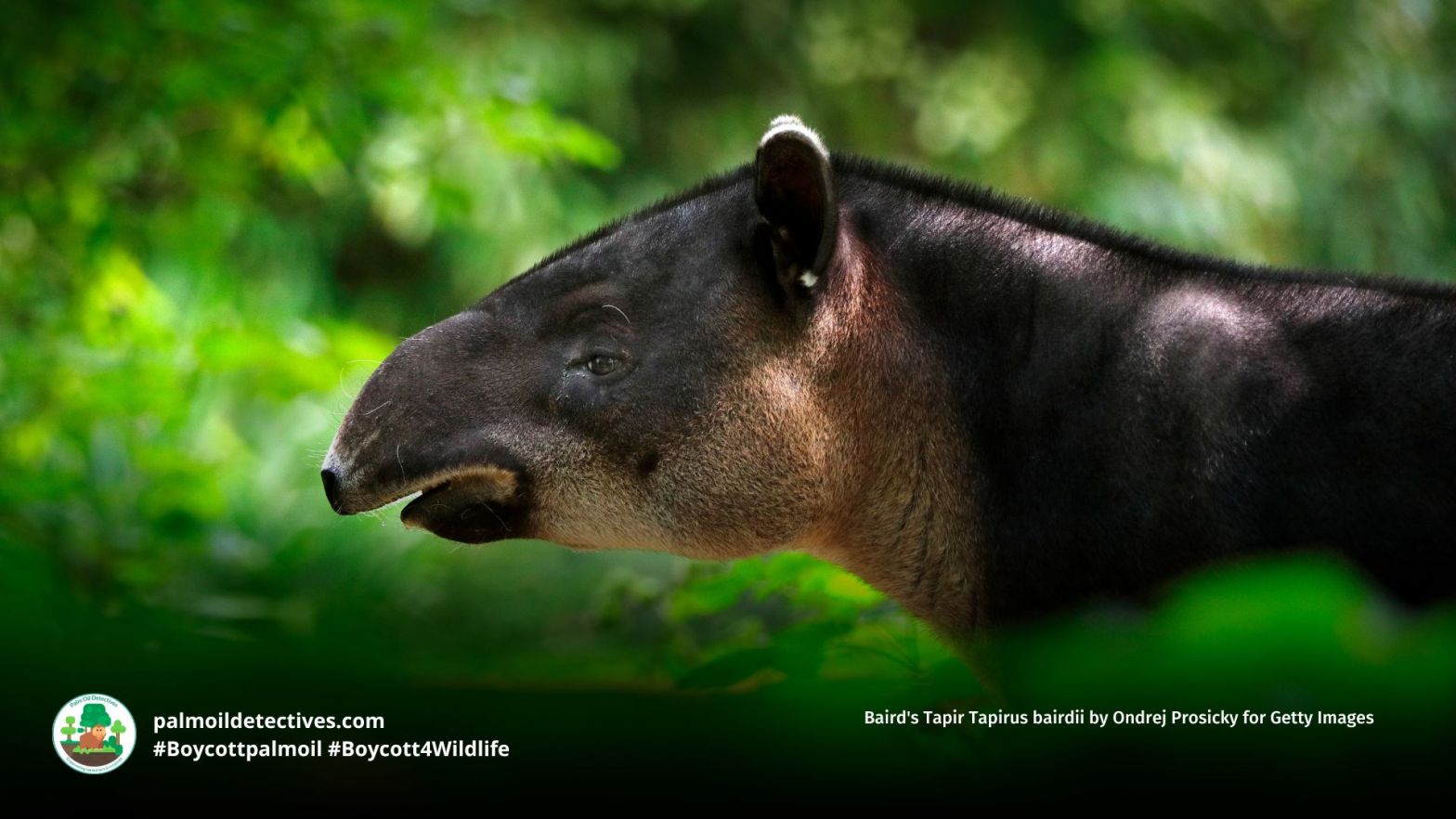
Baird’s tapirs may look like they are relatives of elephants, but they’re actually closer kin to horses, donkeys, zebras, and rhinoceroses. Also known as the Central American tapir, they are the largest land mammals in Central America and a living relic of an ancient lineage.
Their robust, stocky bodies and distinctive trunk-like snout make them unique among mammals. However, they are now Endangered, with fewer than 5,000 individuals left in the wild.
Tragically, palm oil, soy and meat deforestation, hunting, and human encroachment are driving this species toward extinction. Protecting their habitats is critical to ensuring their survival. Use your wallet as a weapon—boycott palm oil and support conservation initiatives. #BoycottPalmOil #Boycott4Wildlife
Great Green Macaw Ara ambiguus
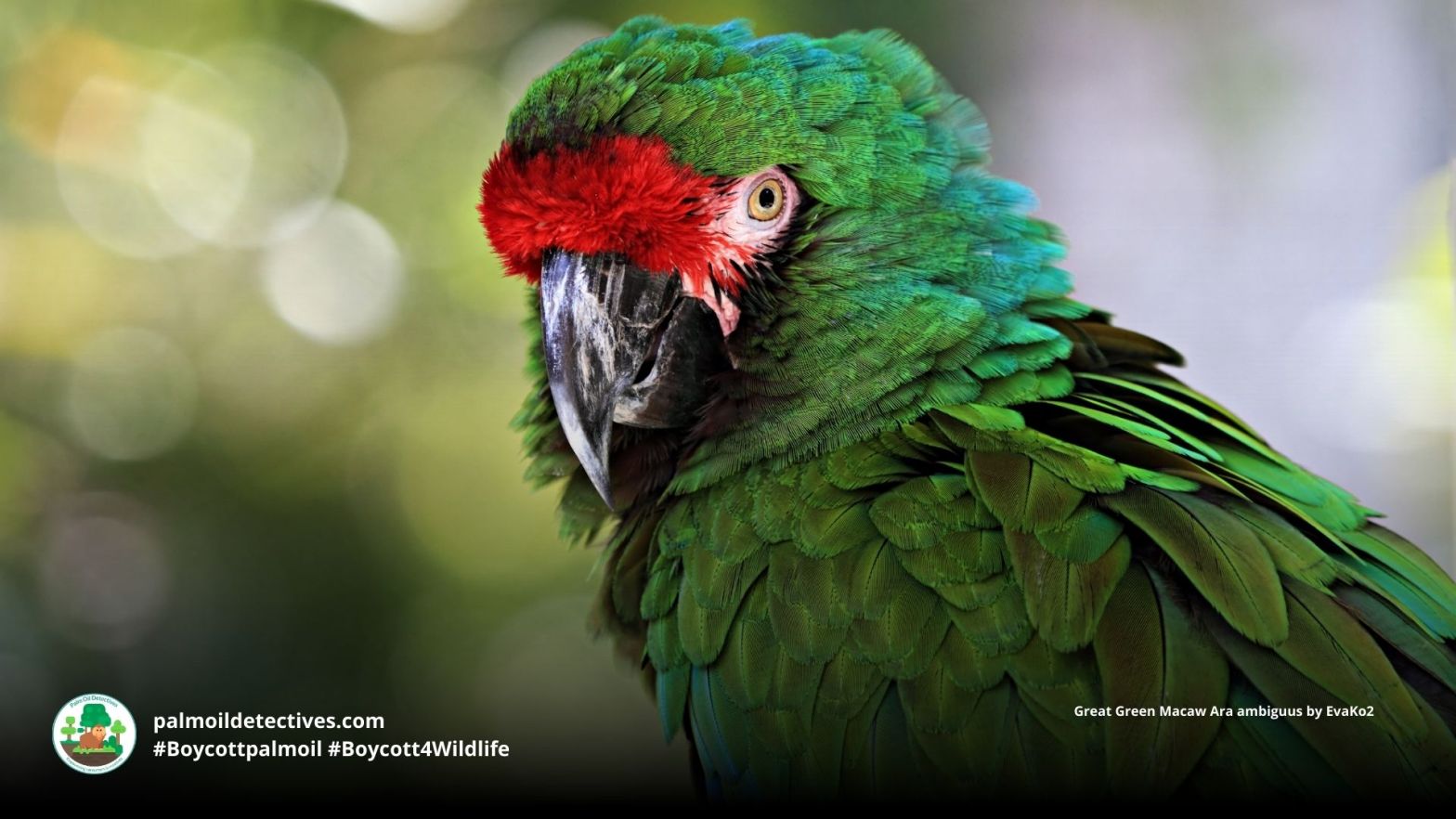
The Great Green Macaw Ara ambiguus are the largest macaw species and in flight they are dazzling symbol of Central and South America’s vanishing rainforests. Draped in shimmering green plumage with a fiery red forehead and striking blue-tipped feathers, these parrots are key players in their ecosystem. With their powerful beaks, they crack open tough nuts, dispersing seeds that sustain the forest’s delicate balance. Yet, these vibrant giants are under siege.
Deforestation—driven by palm oil plantations, illegal logging, and agriculture—has decimated the old-growth forests they call home. Their lifeline, the mountain almond tree, is vanishing, taking with it vital macaw nesting sites. Alarmingly, Great Green Macaw populations in Costa Rica and Ecuador have dwindled to critical levels, leaving fewer than 3,500 individuals to soar freely the skies.
Fight for their survival every time you shop. Support indigenous-led conservation and use your wallet as a weapon: #BoycottPalmOil #Boycott4Wildlife.
 Palm Oil Detectives