
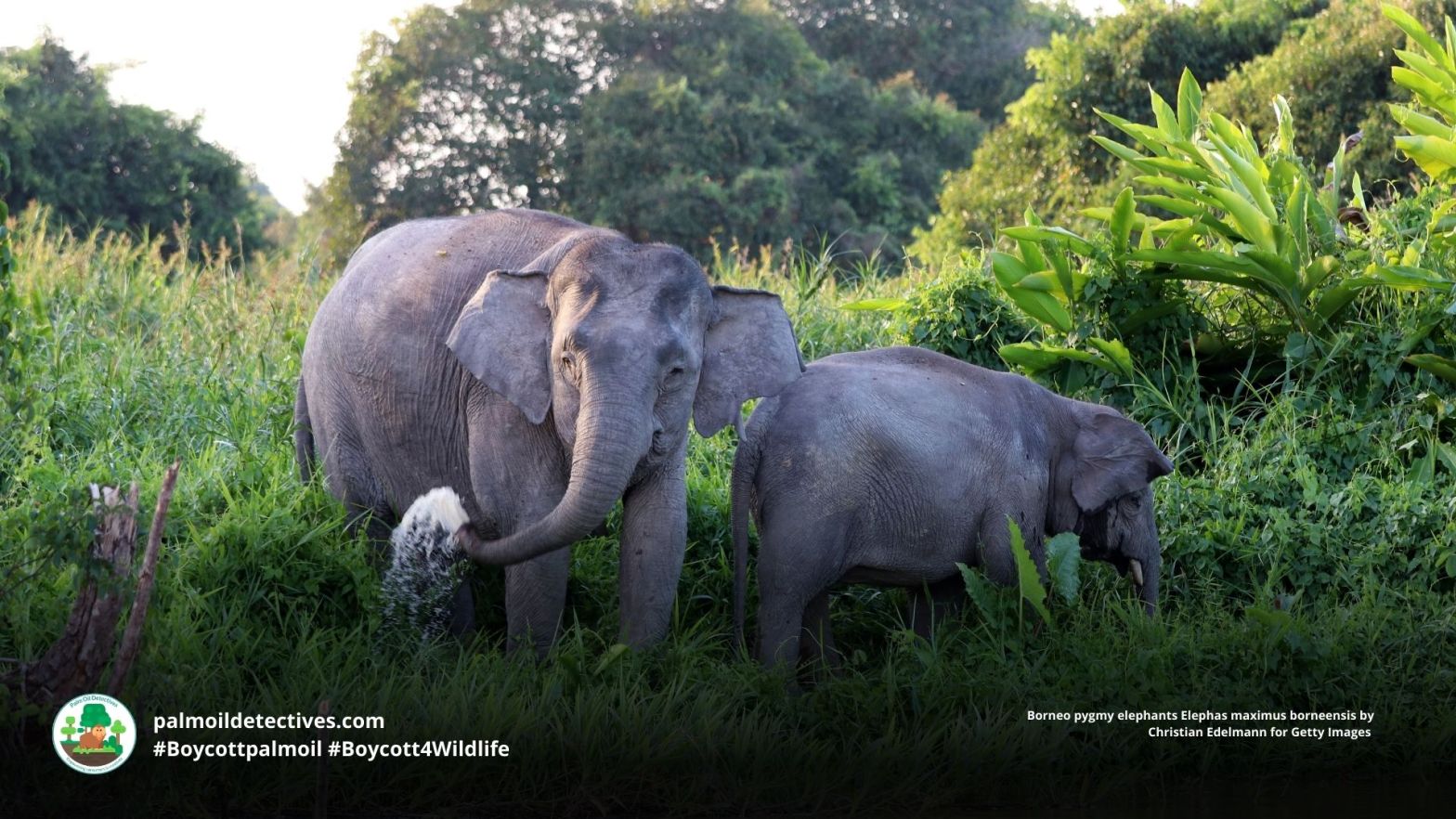
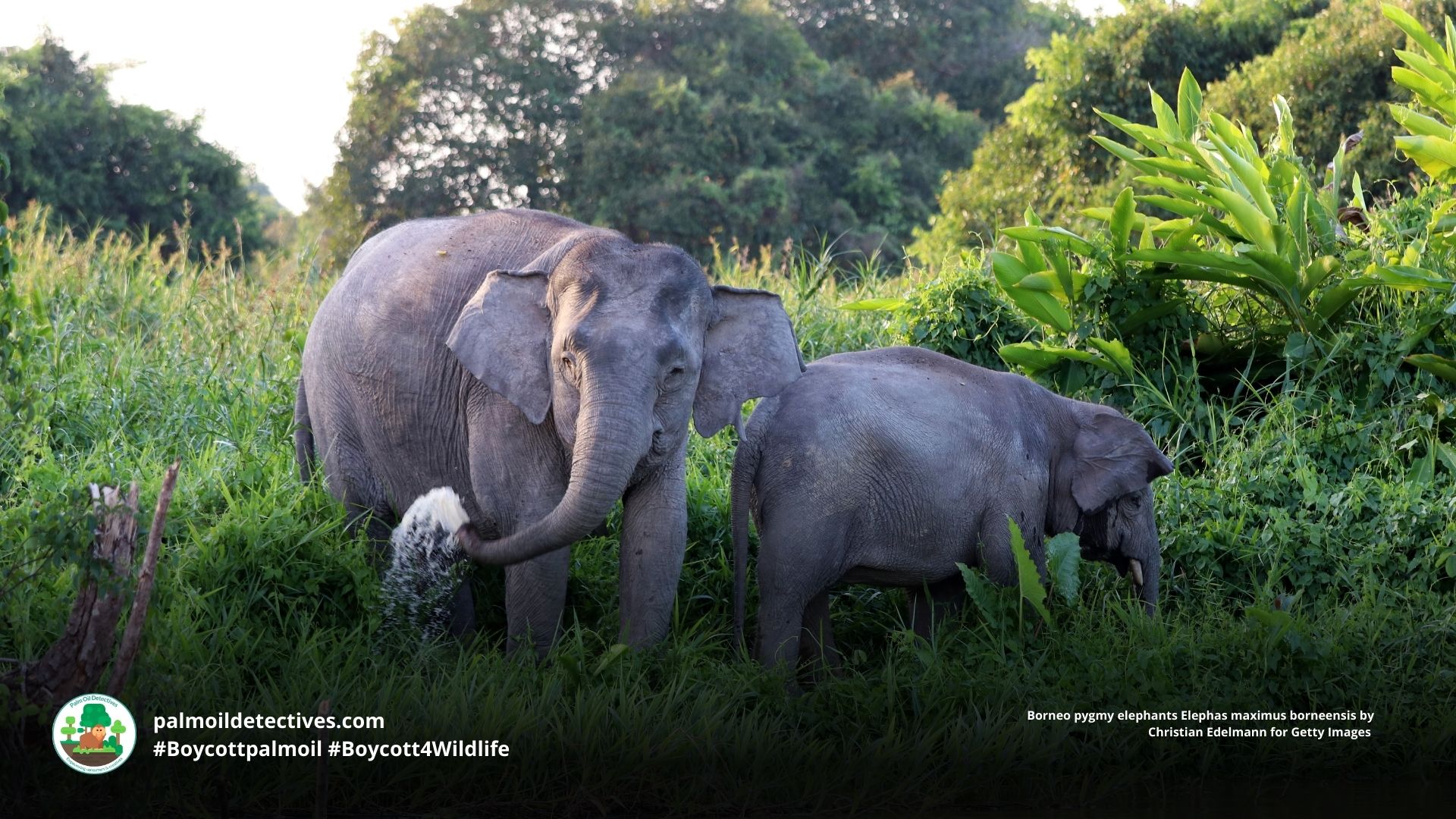
Bornean Pygmy Elephant Elephas maximus borneensis
Endangered
Population: fewer than 1,000
Locations: Sabah, Malaysia and Kalimantan, Indonesia.
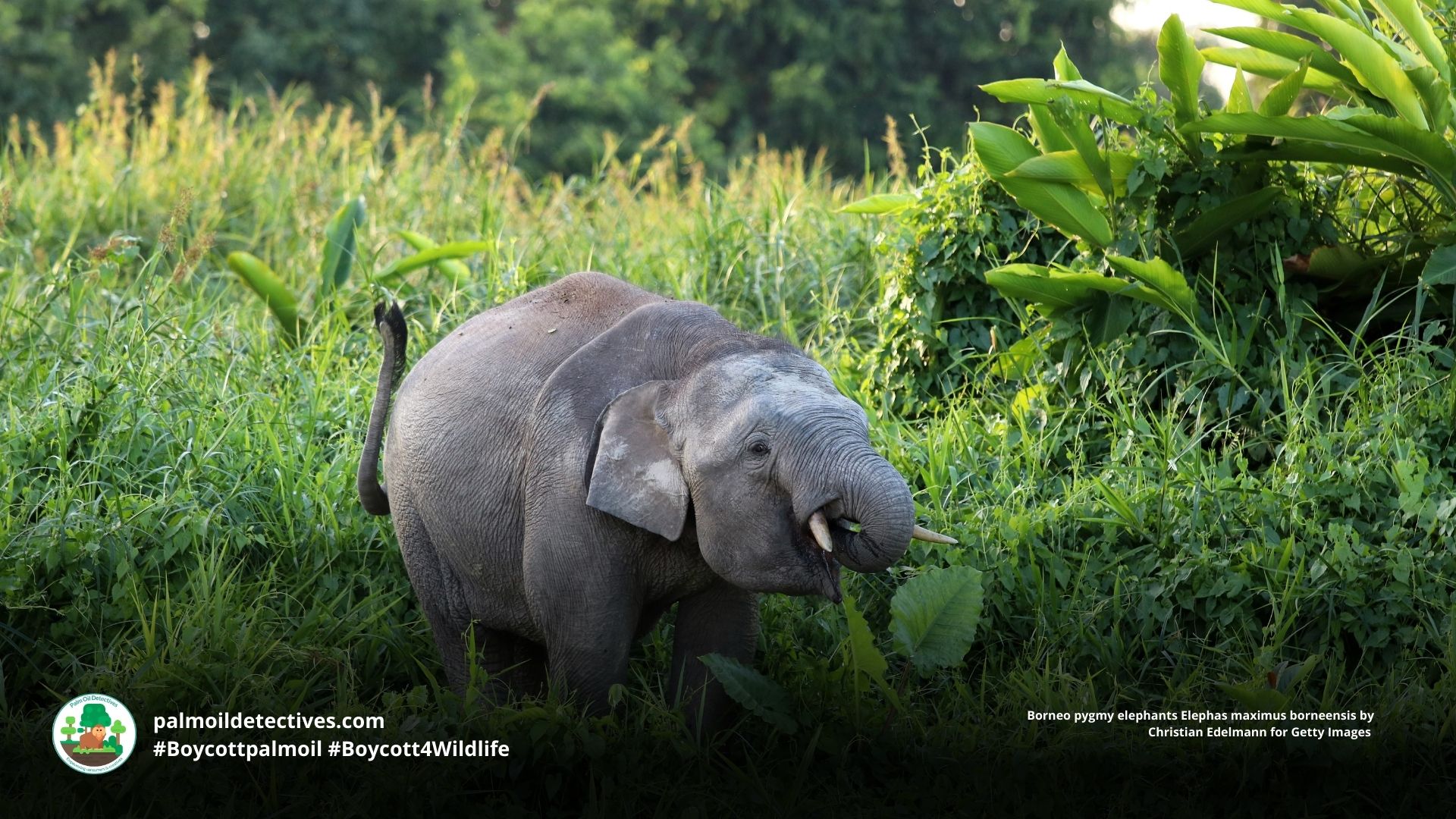
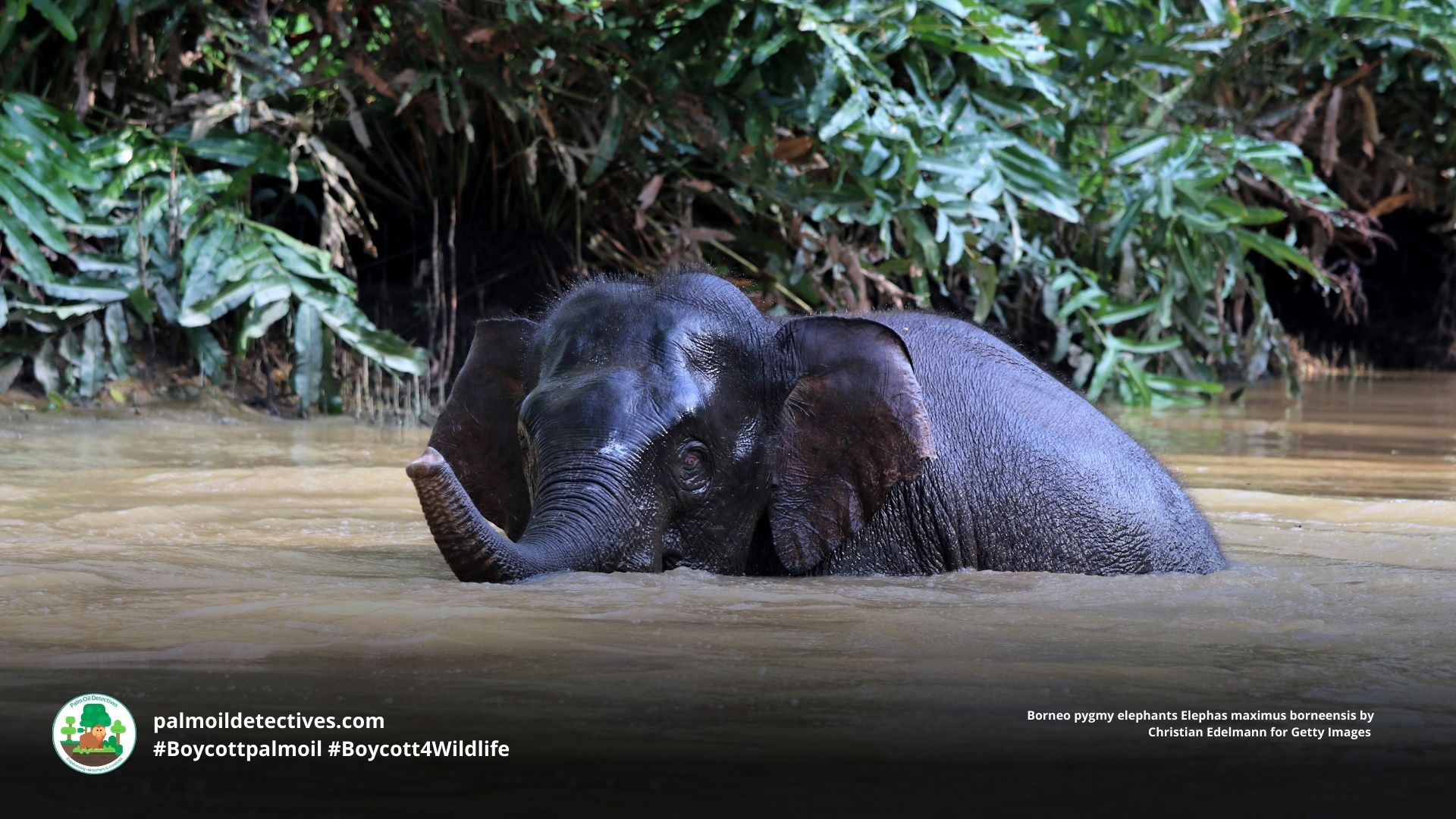
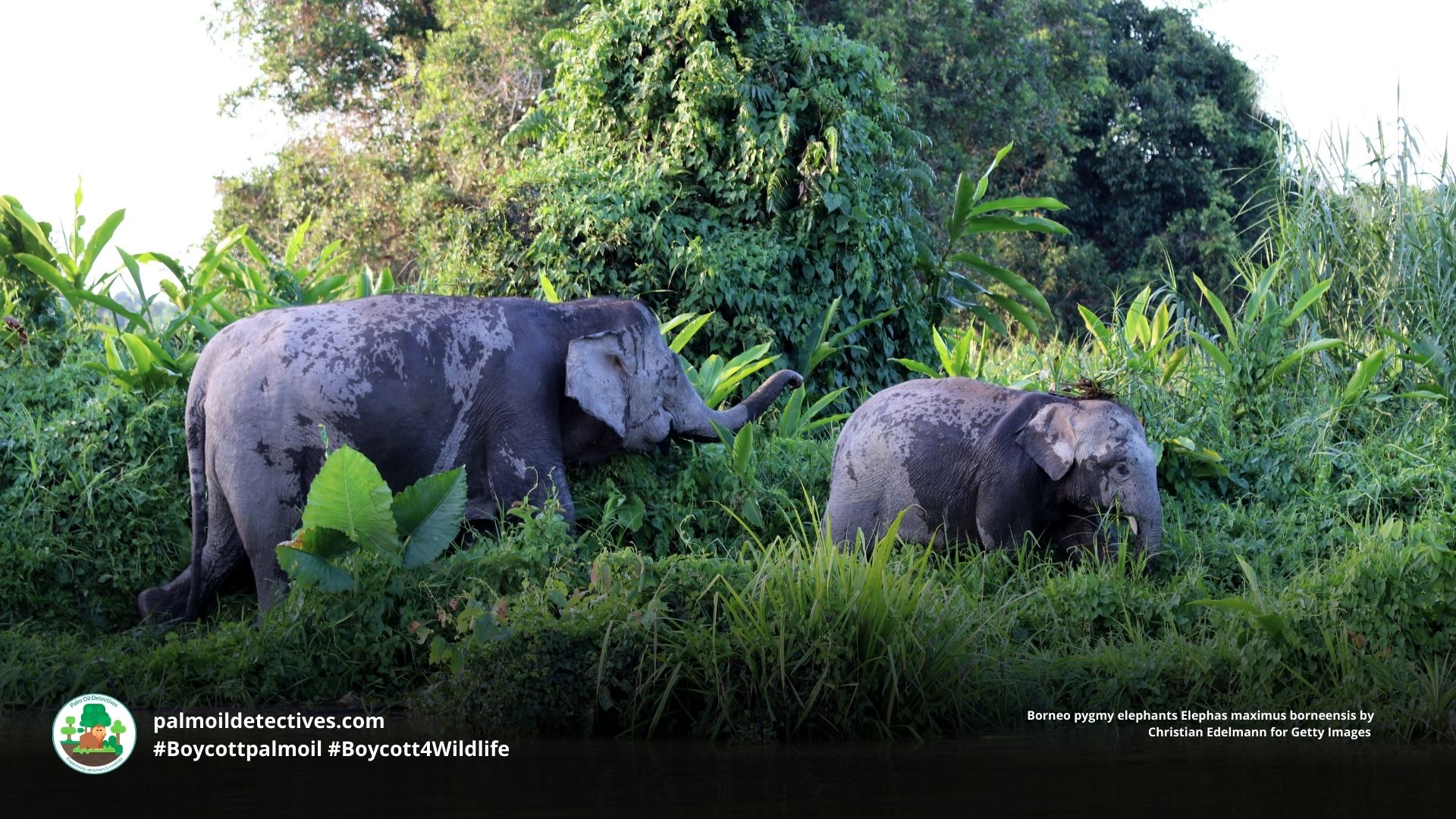
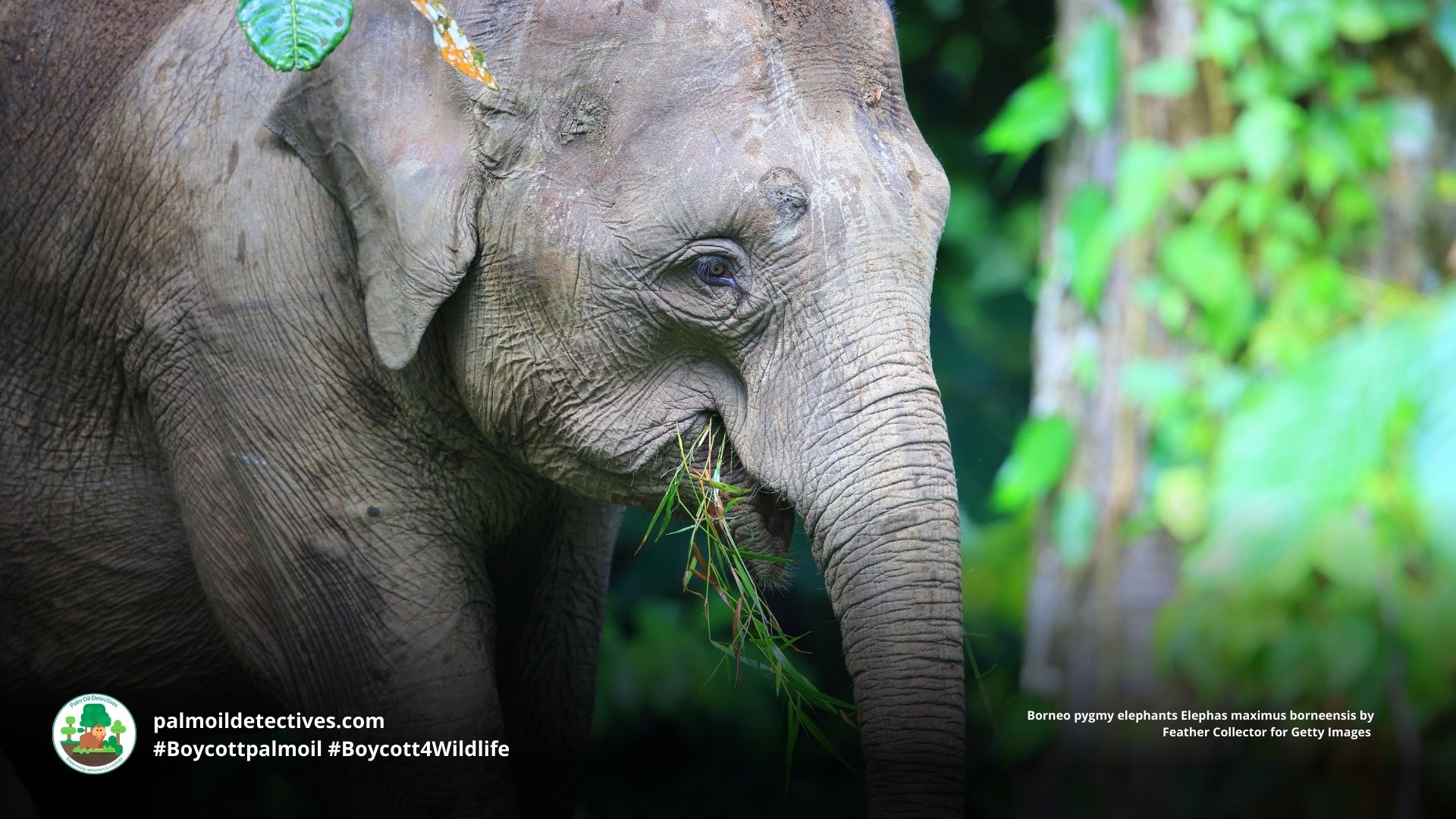
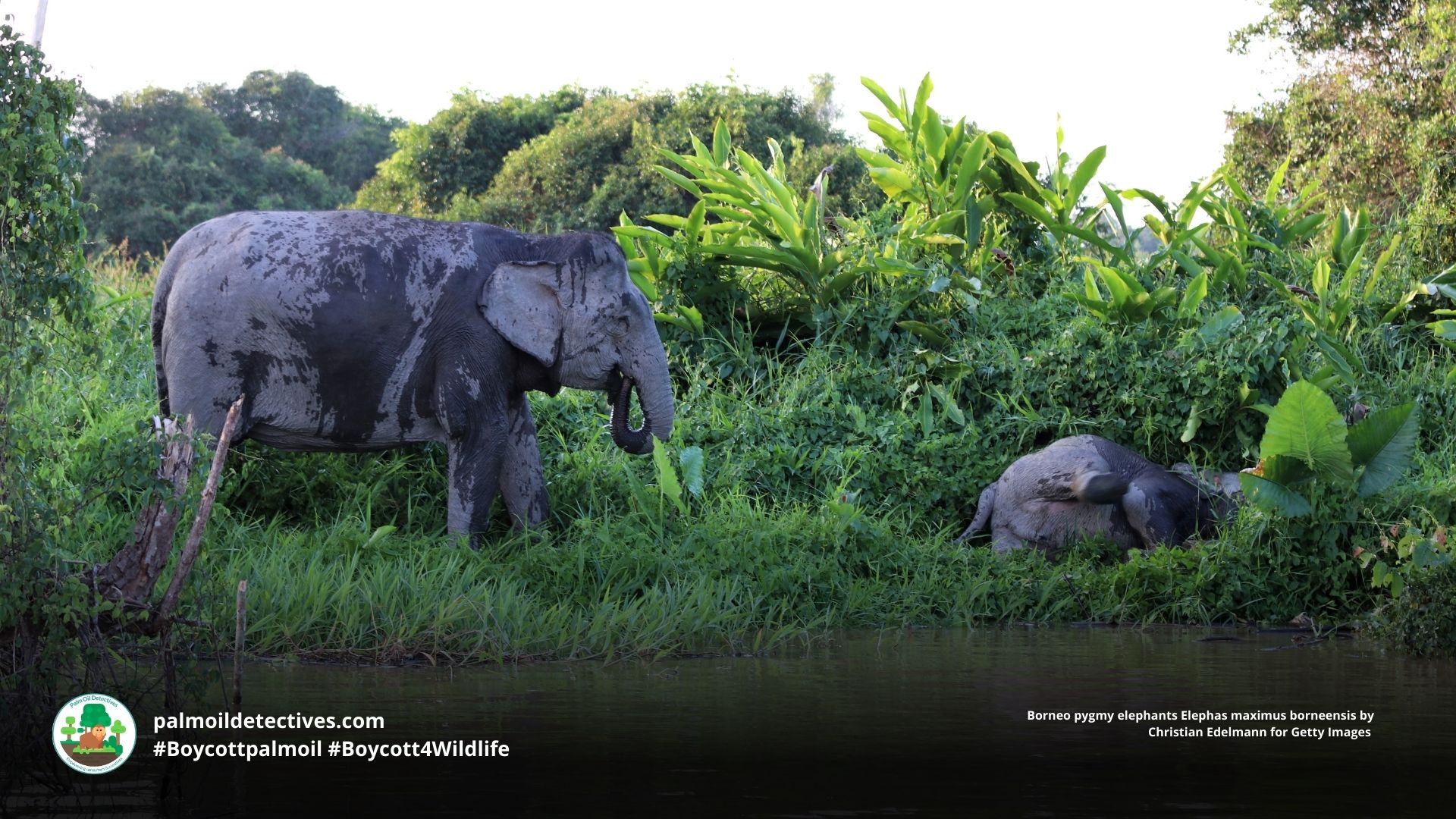
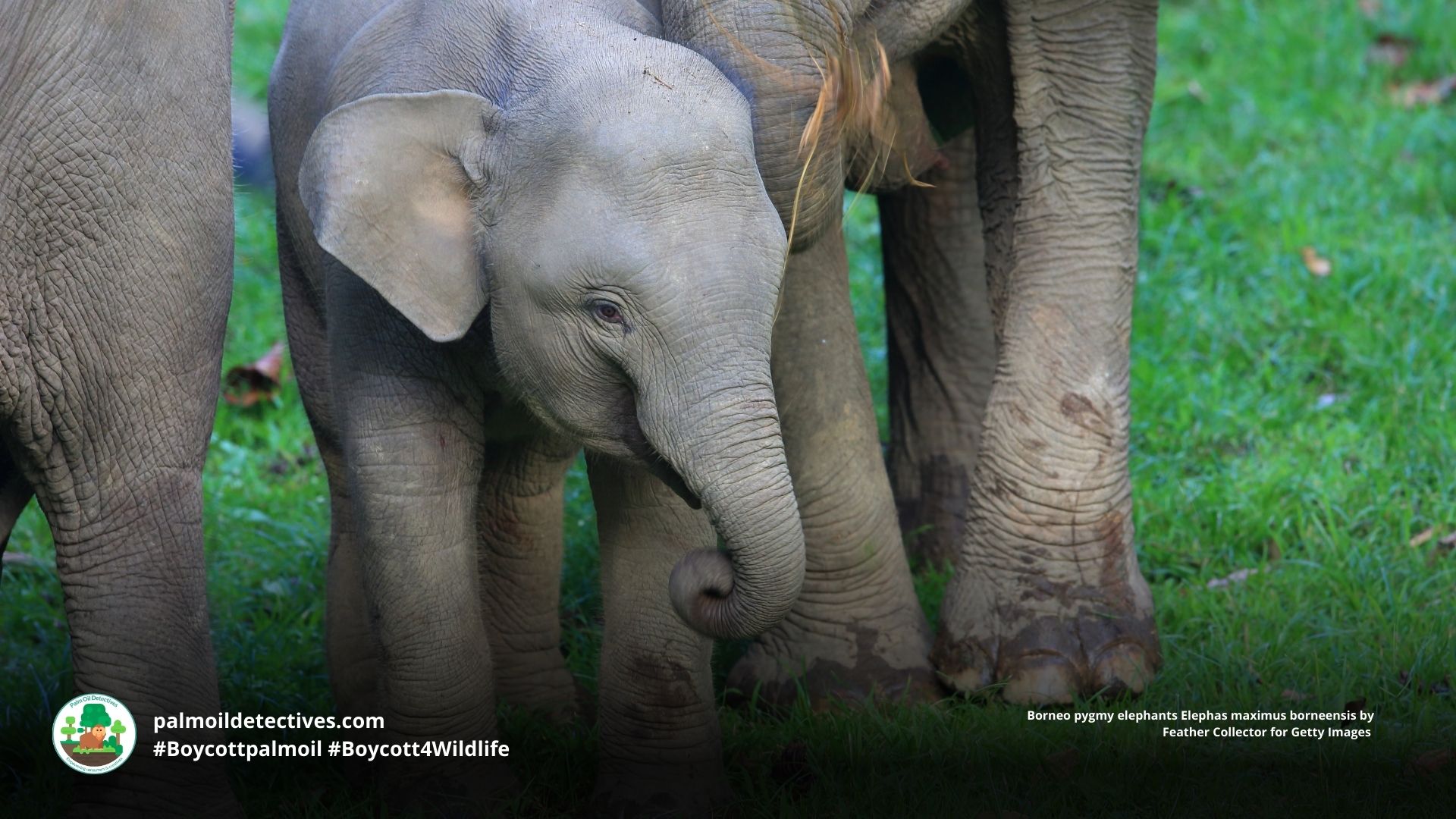
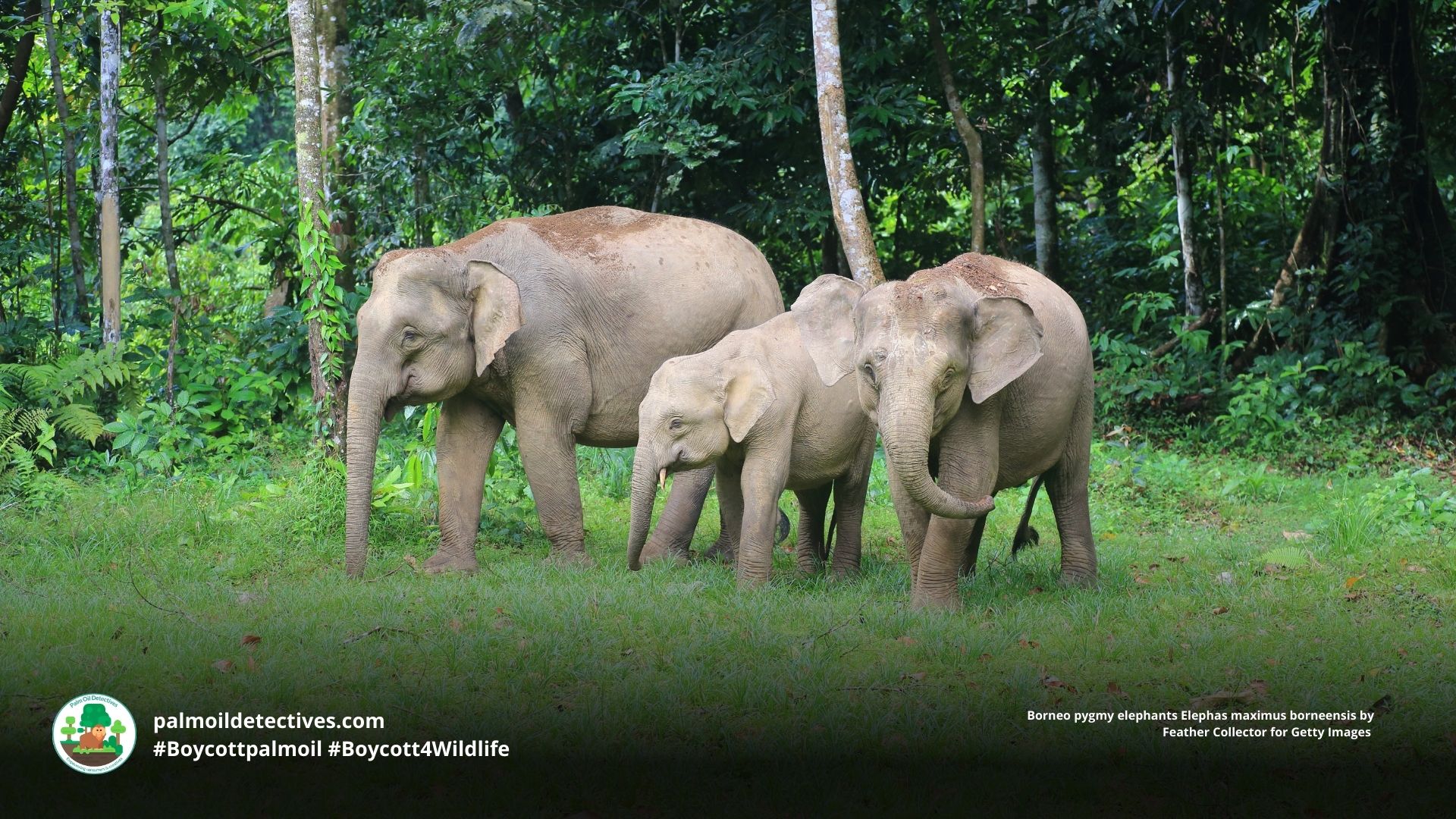
The endearing Borneo Pygmy Elephant is a diminutive subspecies of the Asian Elephant. They are distinguished by their unusually large ears, baby-like faces, and remarkably long tails that sometimes drag on the ground. These gentle, docile and compact elephants are able to sense through their feet and despite their size are able to walk through the jungle with barely a sound. They are endangered due mainly to #palmoil deforestation and human persecution, with fewer than 1,500 individual elephants left alive.
Borneo’s elephants are genetically distinct from any South and Southeast Asian population and may have been isolated for over 300,000 years. Destruction across their range for corporate greed is out of control. Help their survival every time you shop and #Boycottpalmoil #Boycott4Wildlife
Gentle #endangered giants, only <1,500 Bornean Pygmy #Elephants 🐘💔 still live in #Borneo. They’re surrounded by #palmoil #deforestation and #poaching. Fight for them when you shop 👏☮️ and #Boycottpalmoil 🌴🚫#Boycott4Wildlife every day! @palmoildetect https://palmoildetectives.com/2021/01/19/bornean-pygmy-elephant-elephas-maximus-borneensis/
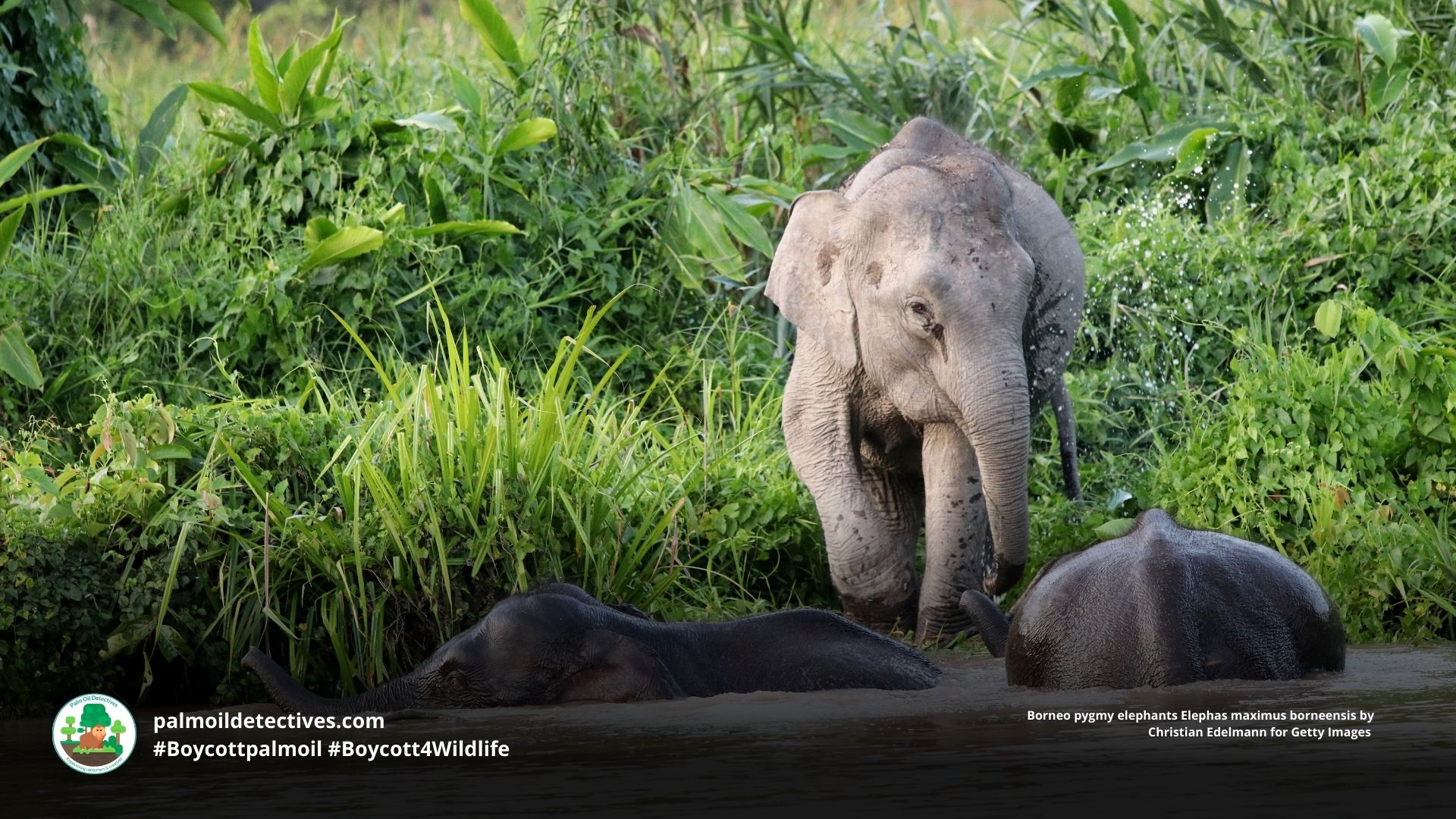
Laughing, crying, playing isn’t just done by #humans. #Bornean Pygmy #Elephants do the same! Fight for these intelligent, endearing beings 😻🐘🩶 who are #endangered by #palmoil #deforestation 👎🌴🚫 #BoycottPalmOil #Boycott4Wildlife @palmoildetect https://palmoildetectives.com/2021/01/19/bornean-pygmy-elephant-elephas-maximus-borneensis/
Appearances and behaviour
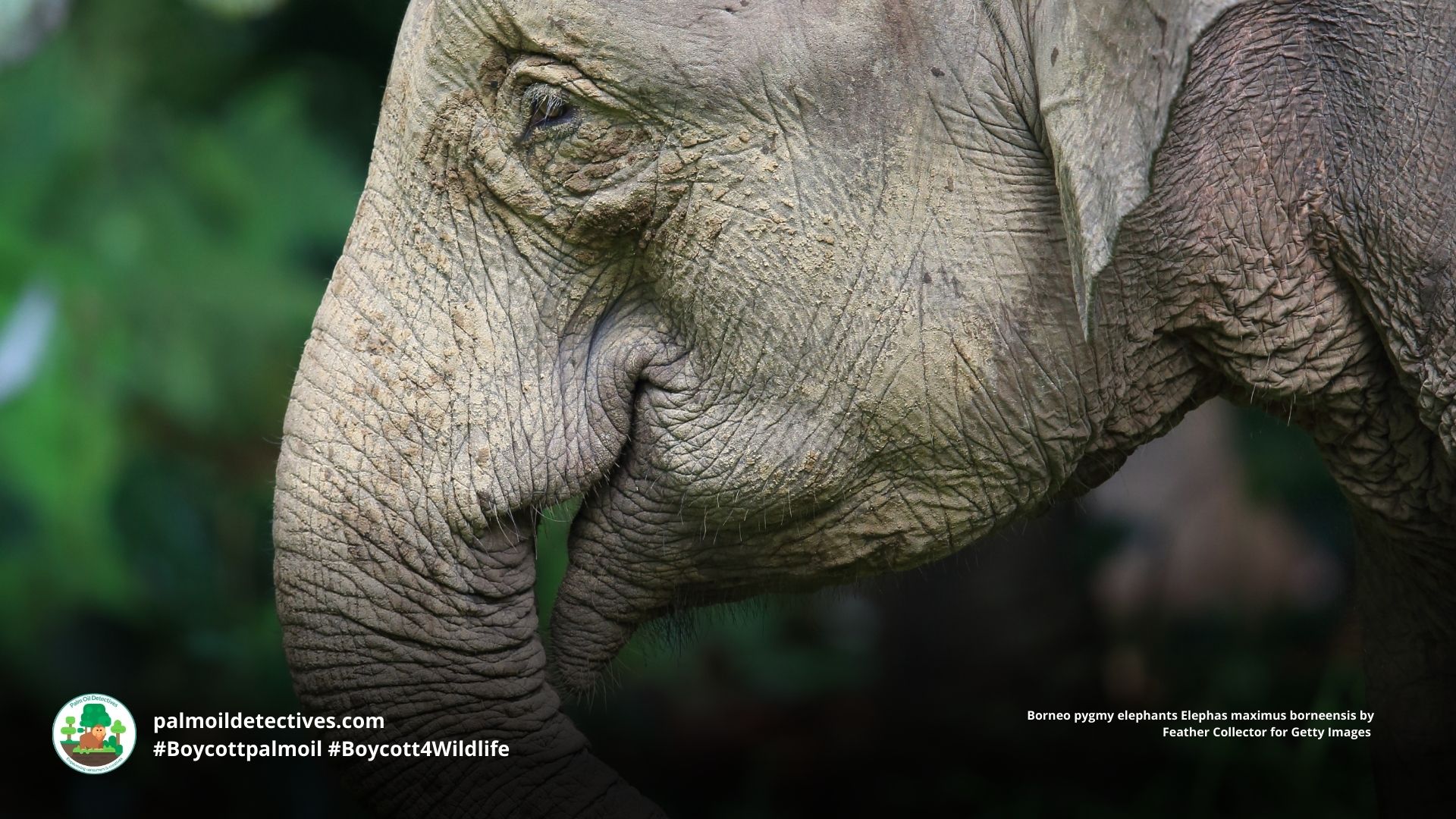
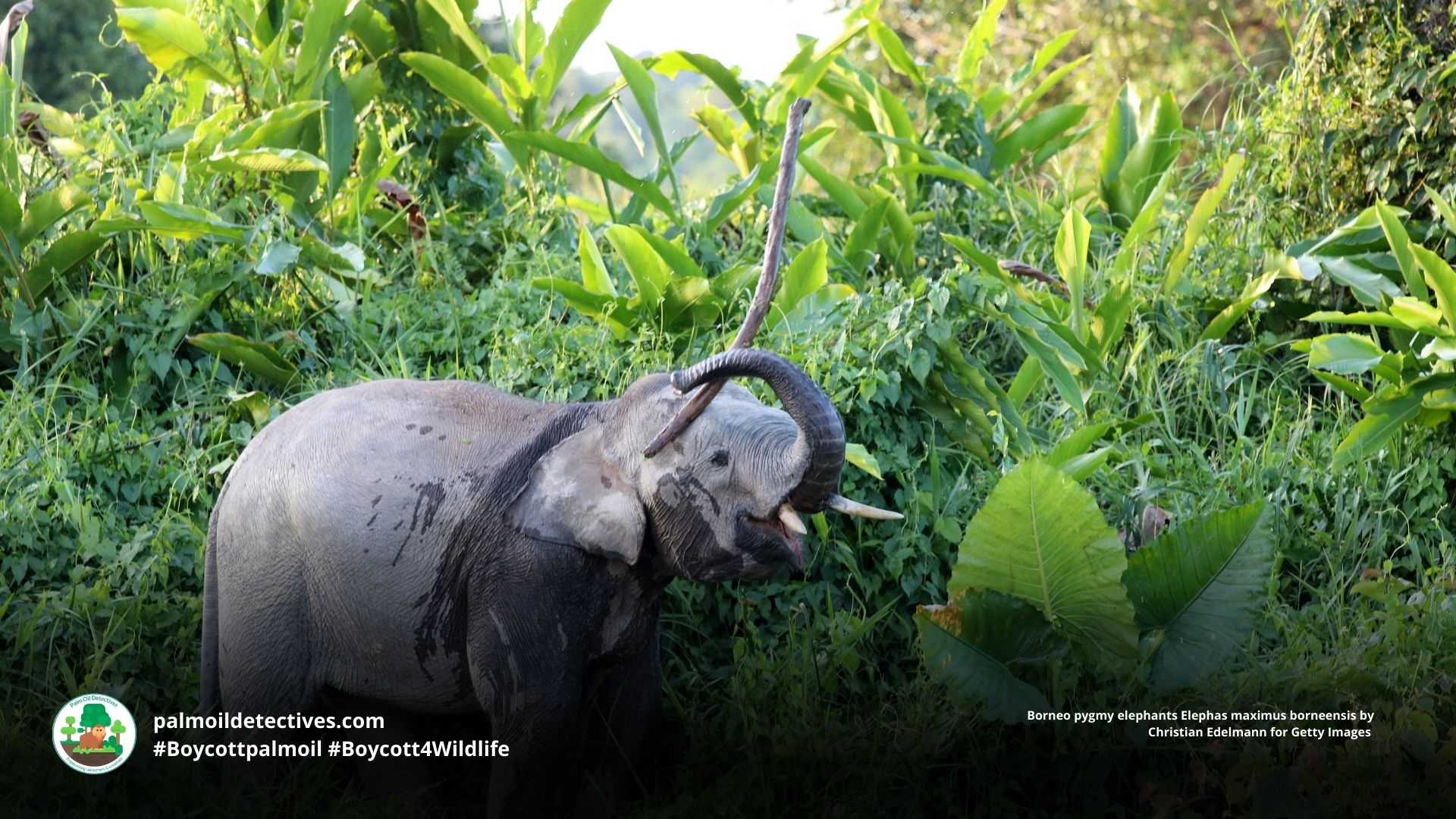
Borneo elephants are noticeably smaller than other Asian elephants, standing at 2-3 metres tall and weighing between 3-5 tonnes. They have a distinctly rotund appearance with their plump bellies, oversized ears, and long tails. Their trunks are equipped with a single finger-like muscle at the tip. This makes their trunks highly versatile and used for grasping objects, feeding, and drinking. Borneo Elephants are famous for their gentle and sensitive disposition, they are more docile compared to other elephants. They live in small herds, exhibiting strong social bonds and often seen playing and nurturing their young. These elephants communicate through low-frequency sounds and body language, displaying the full gamut of complex emotions from joy, mourning and grief, cheekiness and playfulness, anger and jealousy.
Fast facts
- Borneo elephants have a slower pulse rate of 27 beats per minute compared to other animals.
- They can ‘listen’ through their feet by detecting ground vibrations.
- Despite their size, Borneo elephants are capable of moving silently through dense forests.

Threats to their survival
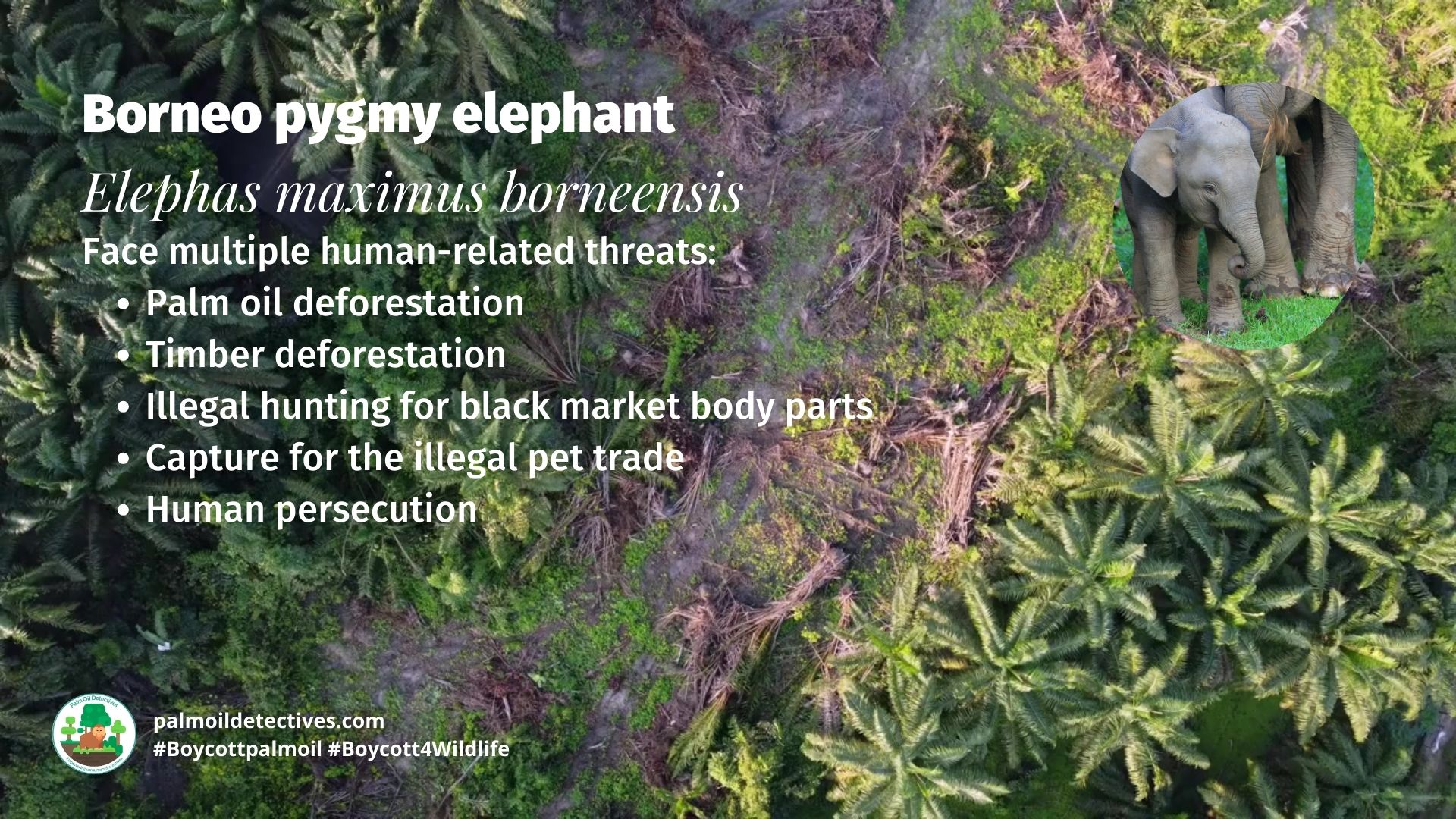
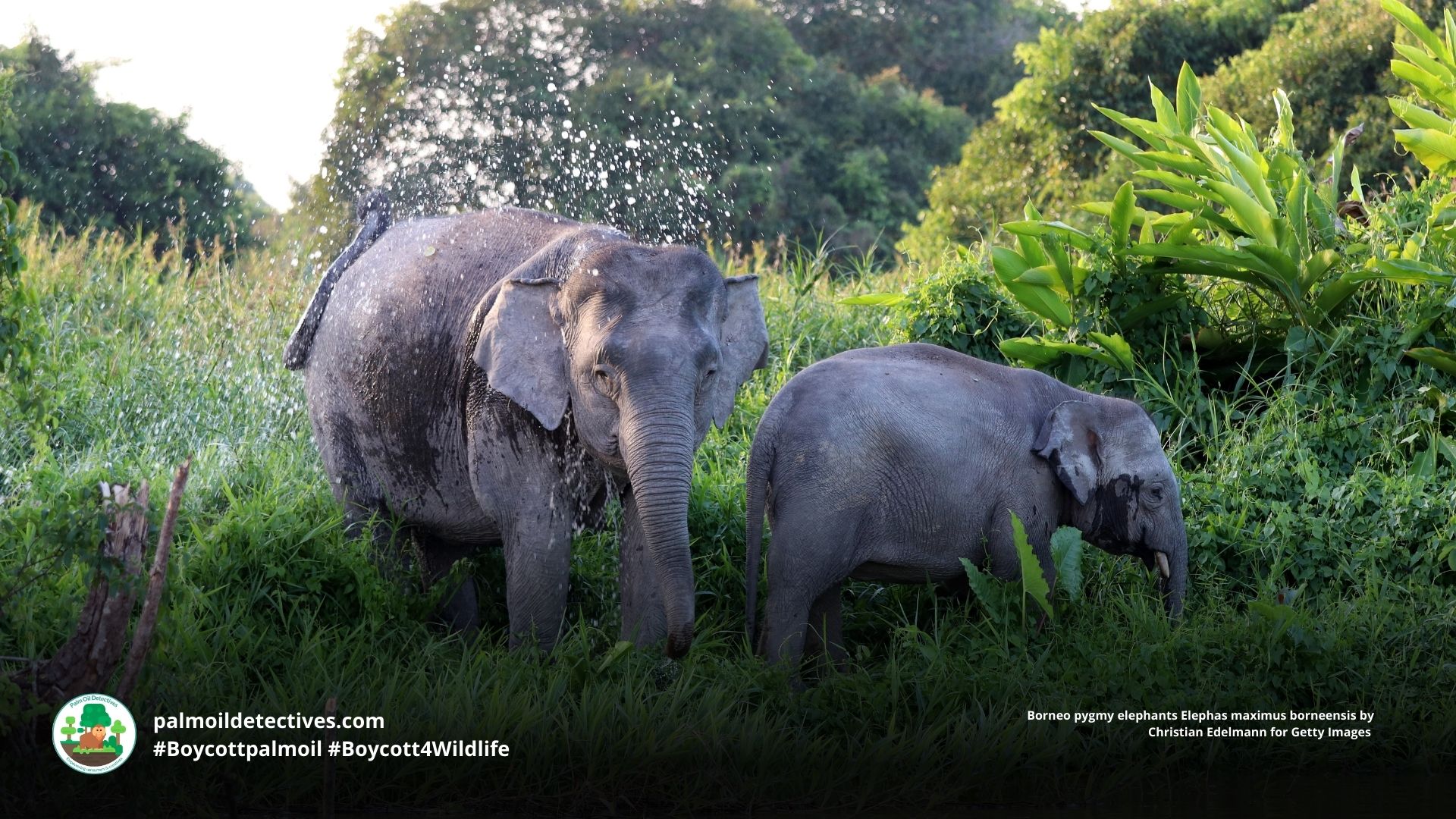
- Palm oil deforestation: The expansion of palm oil plantations is one of the most significant threats to Borneo elephants. Vast areas of their natural habitat are being cleared to make way for these plantations, leading to habitat fragmentation and loss. This destruction not only reduces the space available for elephants to live and forage but also isolates populations, making it harder for them to find mates and sustain genetic diversity. The loss of habitat forces elephants into closer contact with humans, often leading to conflict situations.
- Habitat loss due to logging: Logging operations, both legal and illegal, are rampant in Borneo’s forests. The removal of large trees not only destroys the elephants’ habitat but also disrupts the forest structure, affecting the availability of food and water sources. The creation of logging roads further fragments the forest, creating barriers that elephants must navigate. This destruction of their environment can lead to malnutrition and increased mortality rates among the elephant population.
- Human encroachment and conflicts: As human populations grow and expand into previously wild areas, elephants find themselves increasingly squeezed into smaller habitats. Agricultural expansion, urban development, and infrastructure projects such as roads and dams encroach on their territory. This encroachment often results in human-elephant conflicts, where elephants raid crops and villages in search of food, leading to retaliation from local communities. Such conflicts can be fatal for both elephants and humans.
- Fragmentation of habitat: The fragmentation of forests into smaller, isolated patches significantly impacts Borneo elephants. Fragmented habitats can limit the elephants’ ability to migrate and access different parts of the forest for food and water. It also makes it harder for them to escape from poachers and other threats. Fragmentation often results in inbreeding and reduced genetic diversity, which can compromise the health and resilience of elephant populations.

Diet
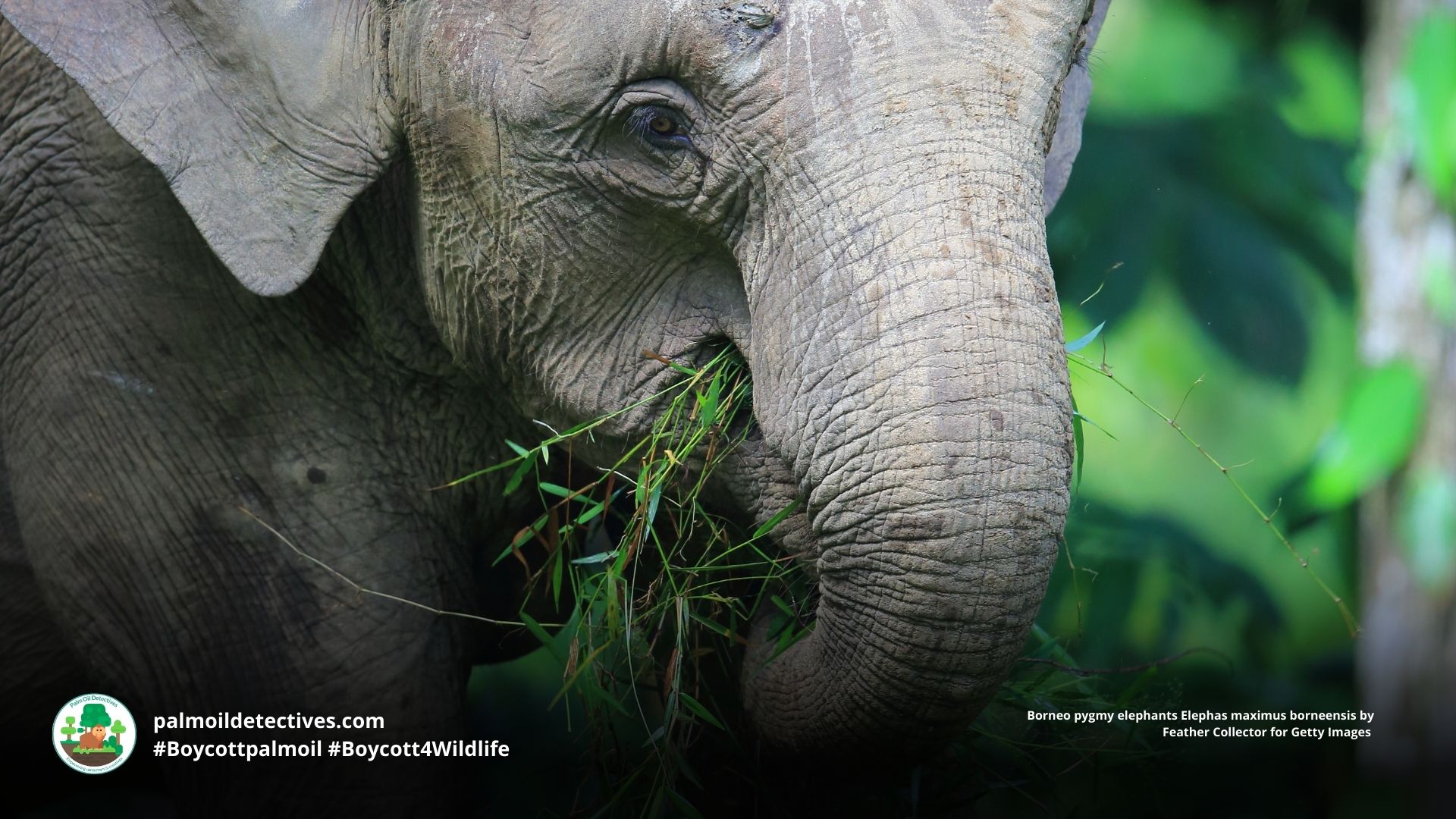
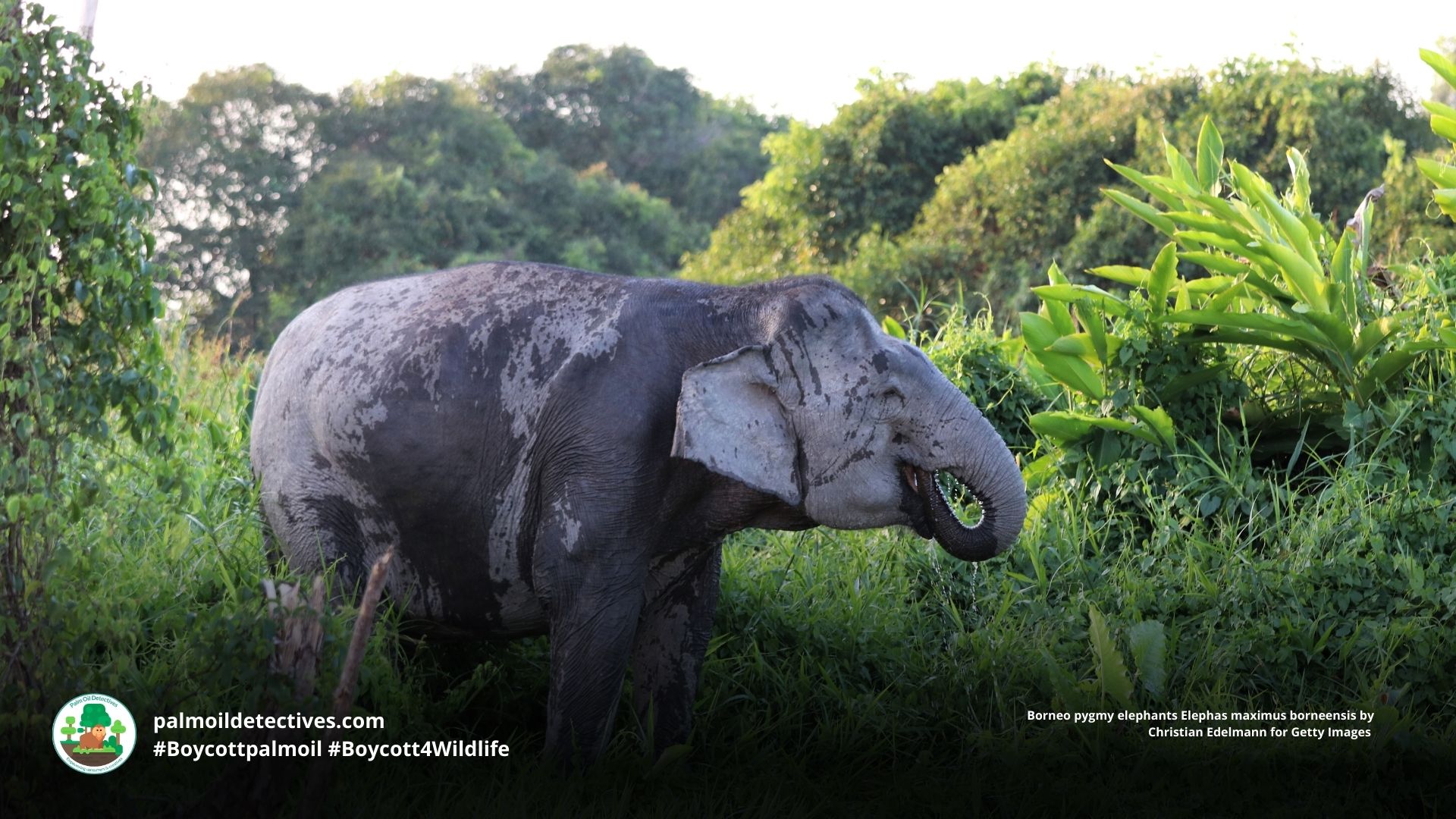
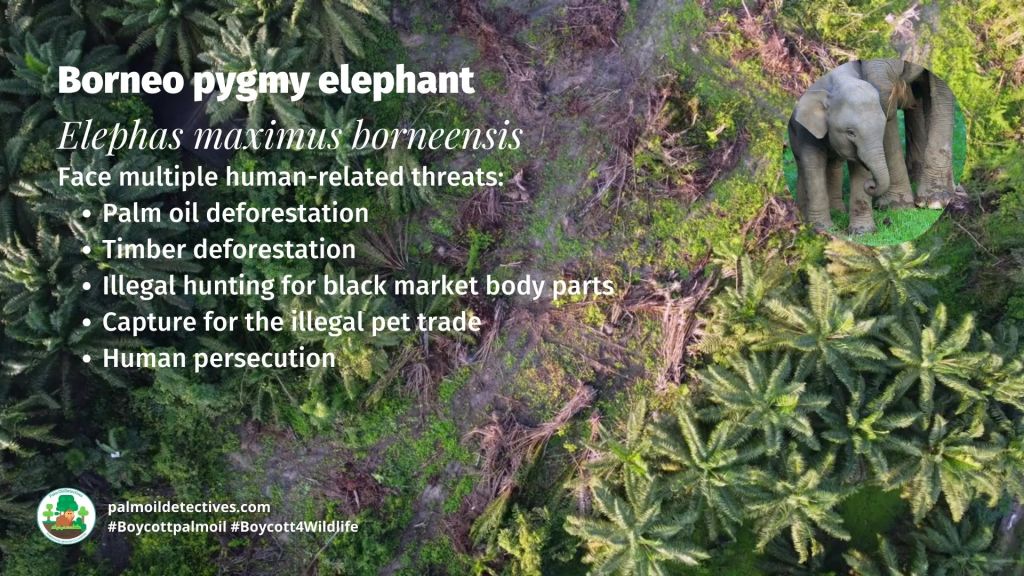
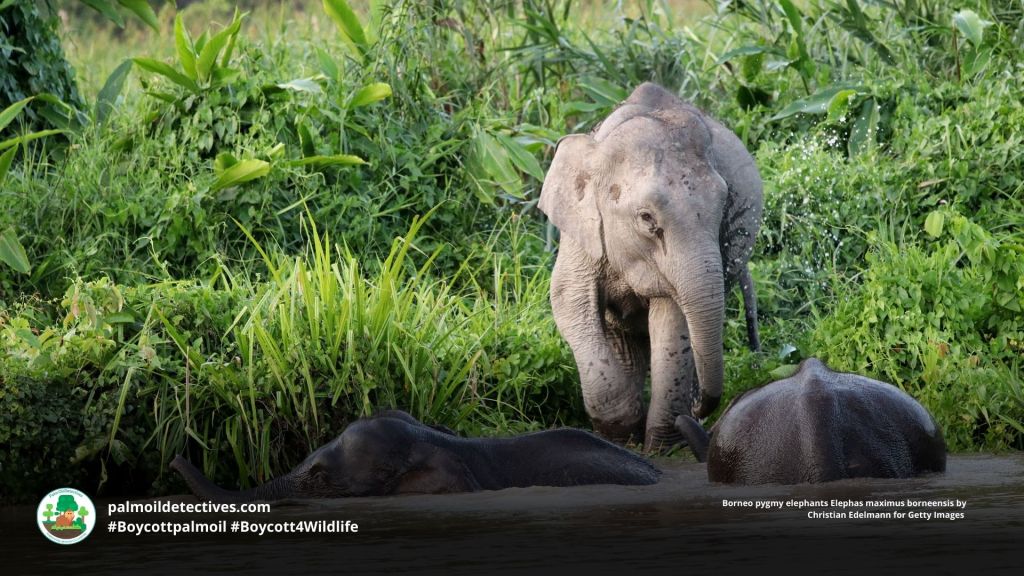
Borneo elephants are herbivores, primarily feeding on a variety of plants, fruits, and tree bark. They require large amounts of water daily, which they often seek in rivers and other water bodies.
Mating and Reproduction
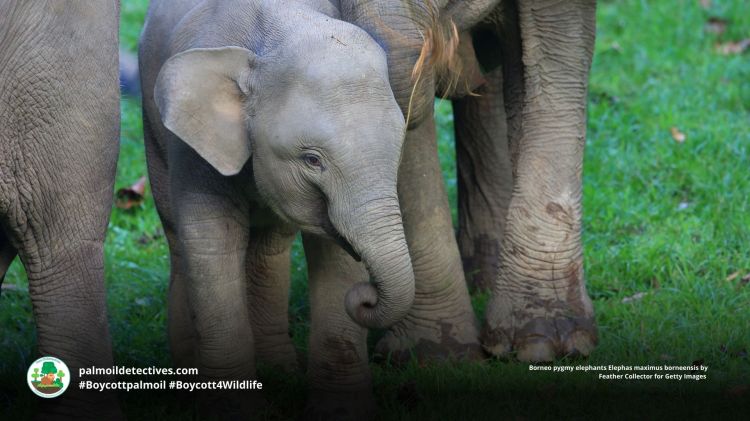
Borneo elephants have a gestation period of about 22 months, the longest of any mammal. Females usually give birth to a single calf, which is nurtured and protected by the entire herd. Calves are dependent on their mothers for milk for up to two years but start eating vegetation at around six months old.
Geographic Range
These elephants are confined to the northern and northeastern parts of Borneo, favouring lowland rainforests and river valleys. Their range is limited, and they often compete with humans for space and resources. Borneo’s nutrient-poor soils and the need for mineral sources also restrict their distribution.
Are Borneo Elephants Protected?
Several organisations are dedicated to the conservation of Borneo elephants, such as the Borneo Elephant Sanctuary and the Elephant Conservation Centre. These groups focus on habitat protection, research, and mitigating human-elephant conflicts.
Supreme Intelligence and Sensitivity
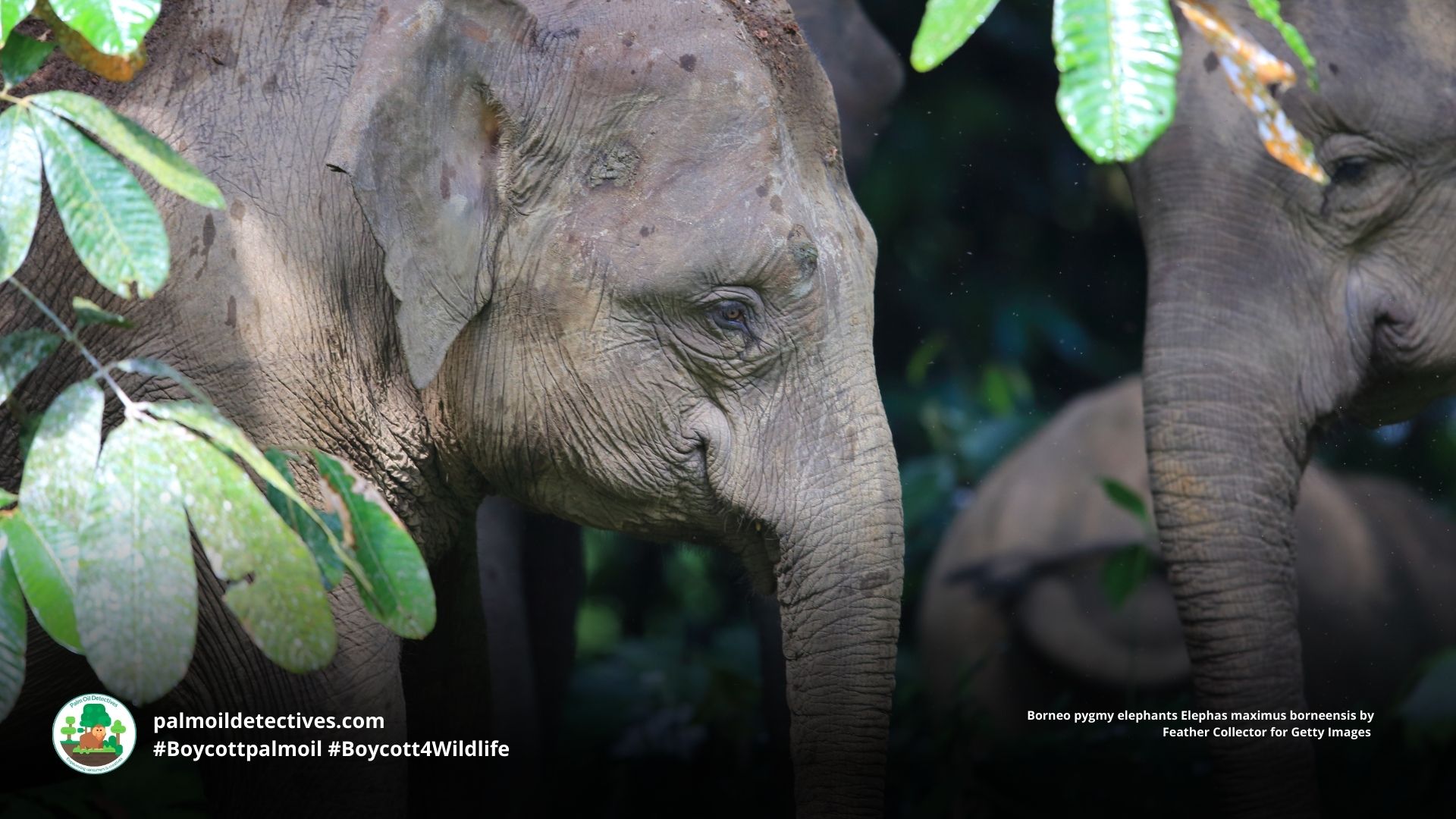
Borneo elephants are known for their gentle nature and remarkable intelligence. Their brains are the largest among all terrestrial mammals, 3-4 times bigger than human brains, although smaller in proportion to their body weight. Despite having poor vision, they possess a keen sense of smell and use their trunks to wave side to side or up in the air to better detect scents.
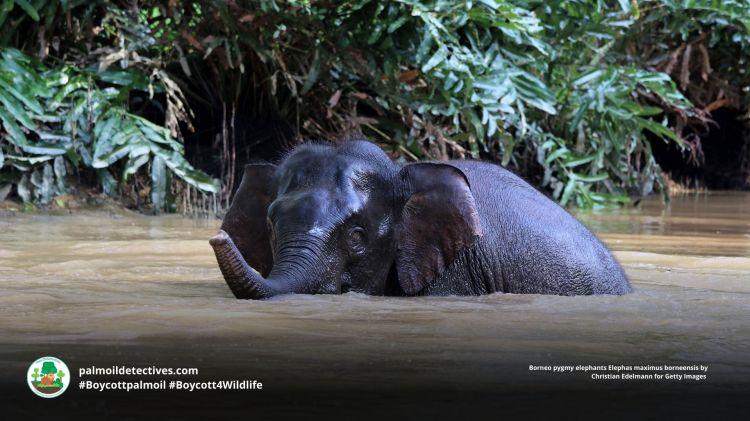
The elephant trunk is a multifunctional tool, used to explore the size, shape, and temperature of objects, lift food, and suck up water to drink. Borneo elephants can display a wide range of emotions, including laughing and crying. They have highly developed memories and can remember individuals and places for many years. These sensitive animals can feel grief and compassion, showing self-awareness, altruism, and playful behaviour. For instance, when a calf complains, the entire family gathers to show concern and caress the baby.
Elephants can ‘listen’ through their feet, detecting sub-sonic rumblings that cause ground vibrations, which they perceive by positioning their feet and trunks on the ground. Their ears consist of a complex system of blood vessels that help control their body temperature, allowing them to cool off by circulating blood through their ears
Further Information
Wikipedia contributors. (2024). Borneo elephant. In Wikipedia, The Free Encyclopedia.
Williams, C., Tiwari, S.K., Goswami, V.R., de Silva, S., Kumar, A., Baskaran, N., Yoganand, K. & Menon, V. 2020. Elephas maximus. The IUCN Red List of Threatened Species 2020: e.T7140A45818198. https://dx.doi.org/10.2305/IUCN.UK.2020-3.RLTS.T7140A45818198.en. Accessed on 26 July 2024.

How can I help the #Boycott4Wildlife?
Take Action in Five Ways
1. Join the #Boycott4Wildlife on social media and subscribe to stay in the loop: Share posts from this website to your own network on Twitter, Mastadon, Instagram, Facebook and Youtube using the hashtags #Boycottpalmoil #Boycott4Wildlife.
2. Contribute stories: Academics, conservationists, scientists, indigenous rights advocates and animal rights advocates working to expose the corruption of the palm oil industry or to save animals can contribute stories to the website.





3. Supermarket sleuthing: Next time you’re in the supermarket, take photos of products containing palm oil. Share these to social media along with the hashtags to call out the greenwashing and ecocide of the brands who use palm oil. You can also take photos of palm oil free products and congratulate brands when they go palm oil free.
4. Take to the streets: Get in touch with Palm Oil Detectives to find out more.
5. Donate: Make a one-off or monthly donation to Palm Oil Detectives as a way of saying thank you and to help pay for ongoing running costs of the website and social media campaigns. Donate here
Discover more from Palm Oil Detectives
Subscribe to get the latest posts sent to your email.
 Palm Oil Detectives
Thannks for sharing
LikeLiked by 1 person
Thanks Michael for reading this, learn how you can take action here and fight for their survival every time you shop – #Boycottpalmoil #Boycott4Wildlife https://palmoildetectives.com/contribute/take-action/
LikeLike