
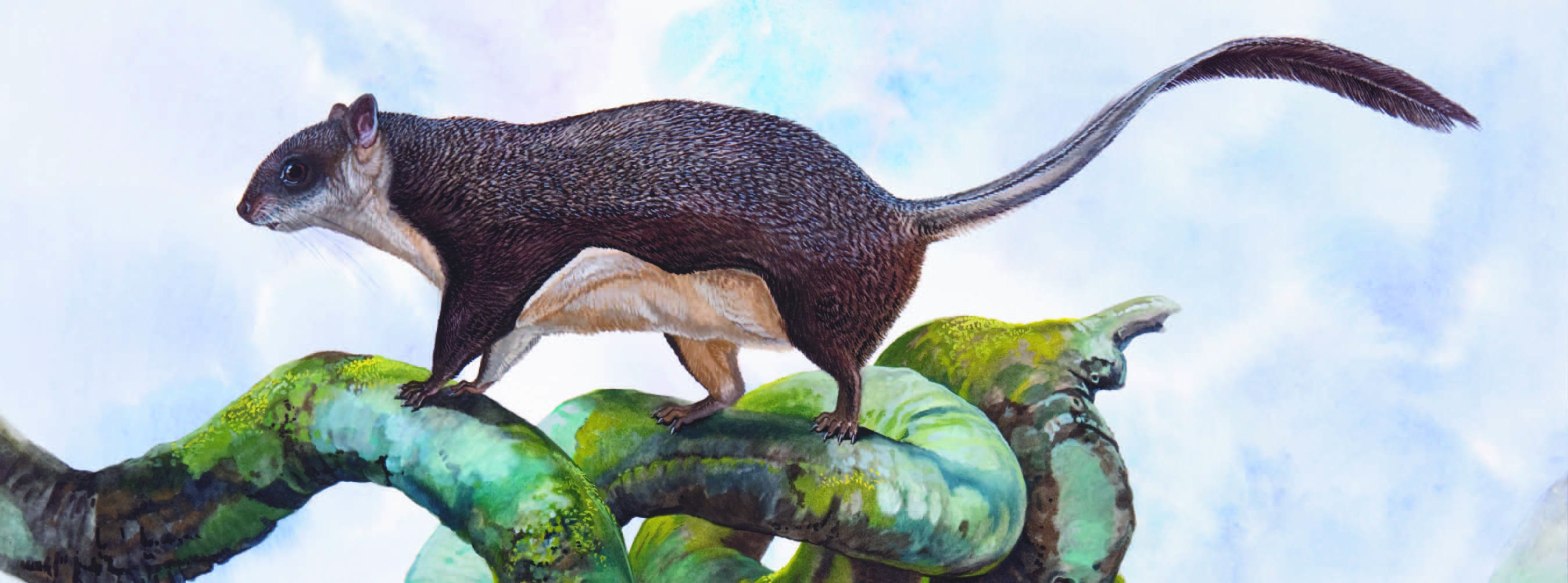
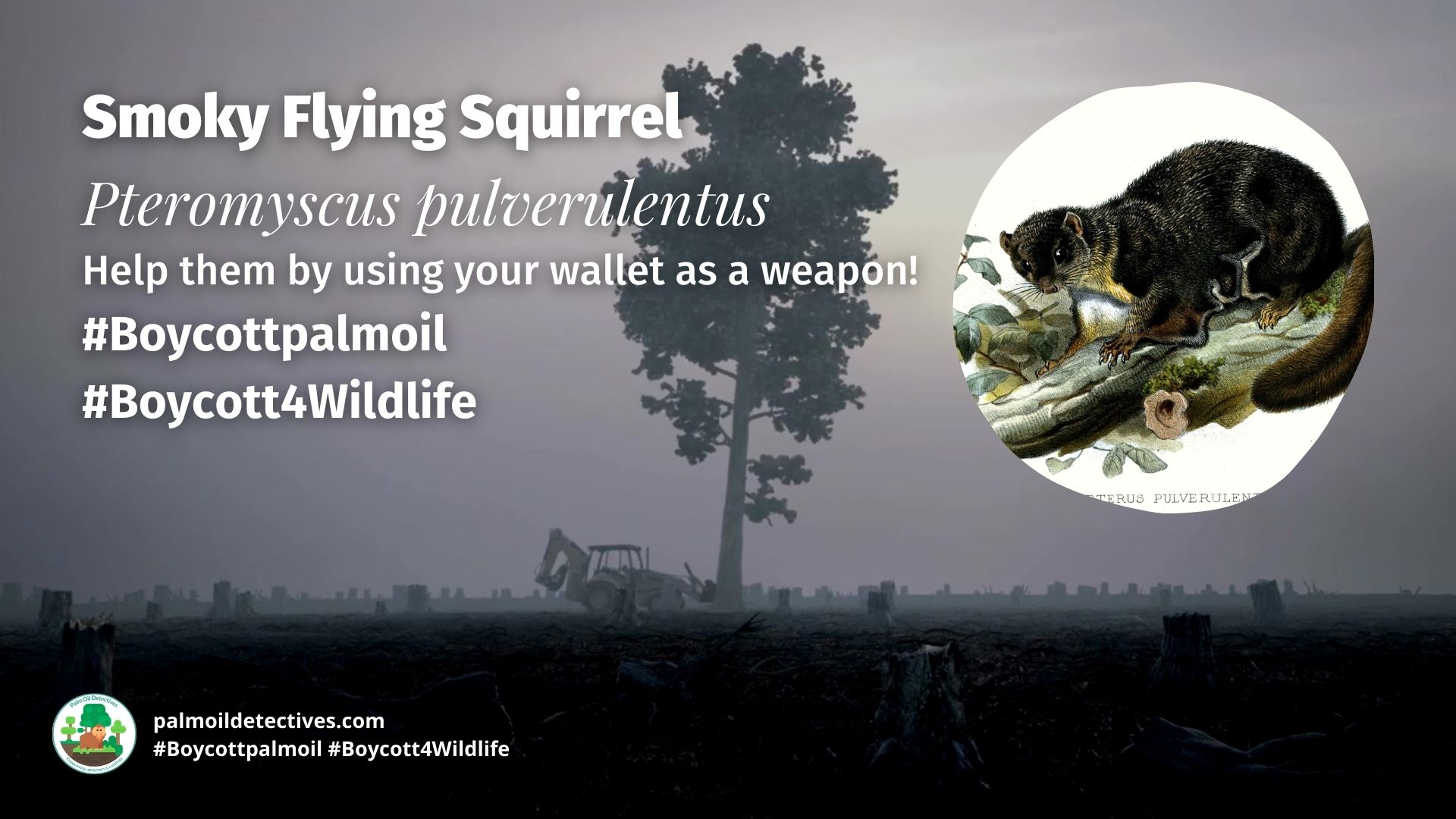
Smoky Flying Squirrel Pteromyscus pulverulentus
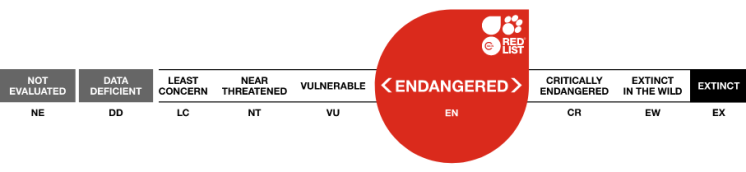
Endangered
Location: Found in tropical forests across Peninsular Malaysia, Borneo, Sumatra, and southern Thailand.
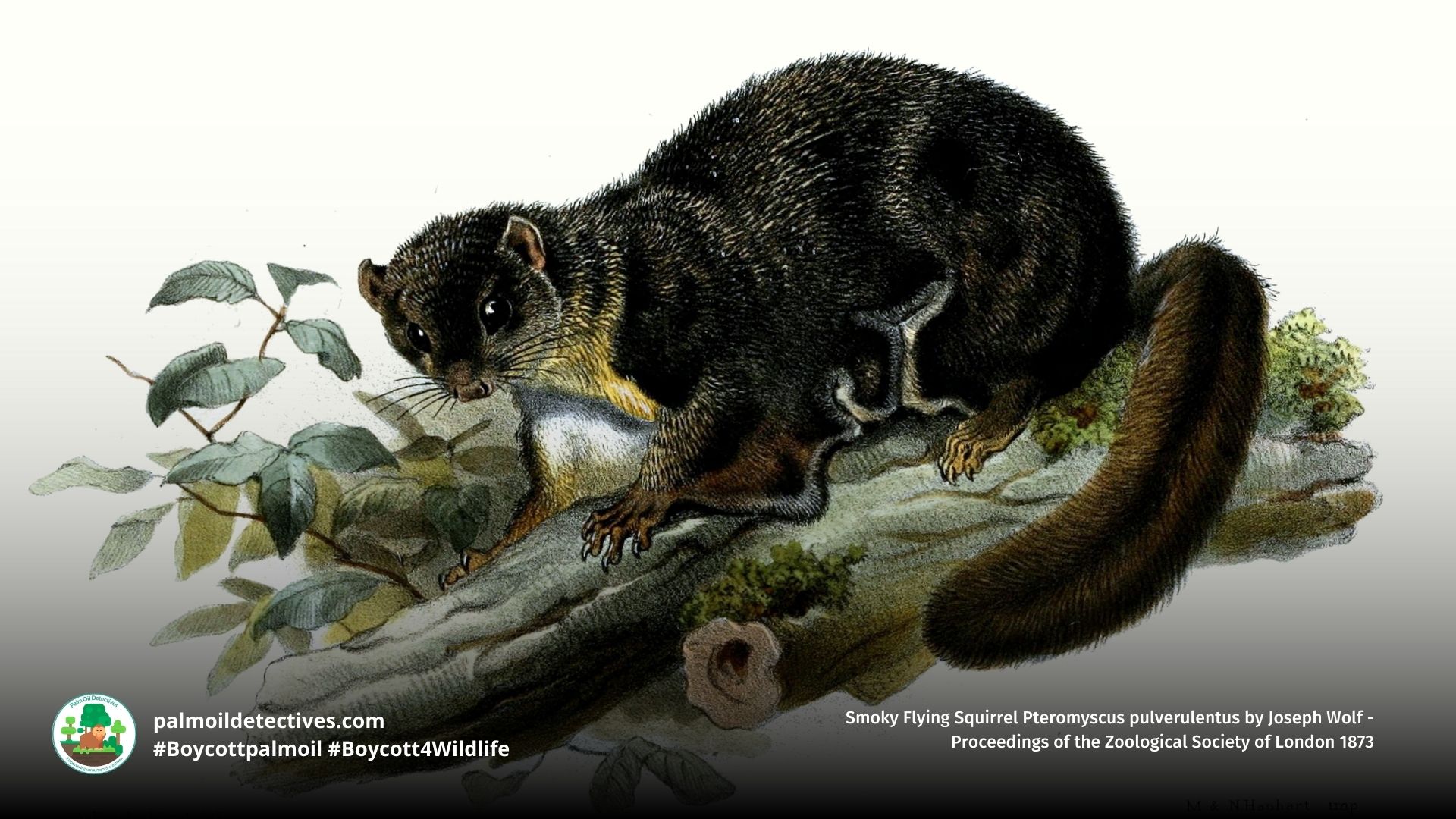
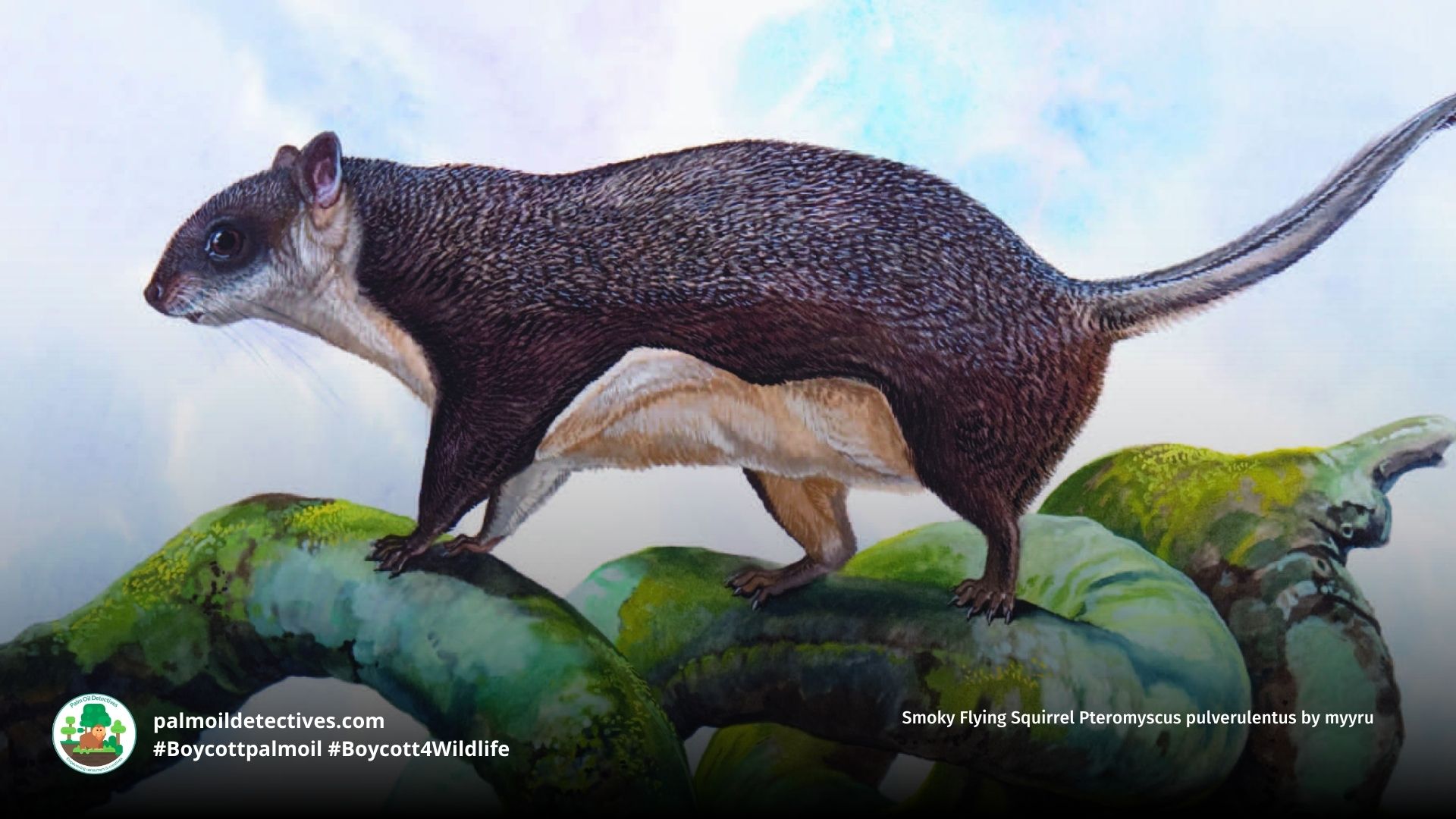
The Smoky Flying Squirrel Pteromyscus pulverulentus is a rare and elusive creature silently and gracefully gliding between the towering canopies of Southeast Asia’s rainforests. With their smoky-grey fur, expansive gliding membrane, and bushy tail, these squirrels are perfectly adapted to a dynamic life on the move in the treetops.
Classified as Endangered by the IUCN, their populations are dwindling and at a critical all time low due to habitat destruction from timber logging, palm oil plantations, and agricultural expansion. This fleet footed nocturnal marvel symbolises the fragile ecosystems of Southeast Asia. Protect them by boycotting palm oil and fighting deforestation. #BoycottPalmOil #Boycott4Wildlife
Smoky Flying #Squirrels glide elegantly through #Indonesia 🇮🇩 #Malaysia 🇲🇾 #Thailand 🇹🇭 forests 😍🌳 #palmoil and #timber expansion is a main threat. Support this beautiful animal when you #BoycottPalmOil 🌴🤮🙊🚫 #Boycott4Wildlife @palmoildetect https://palmoildetectives.com/2021/02/05/smoky-flying-squirrel-pteromyscus-pulverulentus/
With big eyes 👀and a special gliding flap called a patagium, Smoky Flying #Squirrels glide easily in S.E #Asian #rainforests 🌳 Sadly, #PalmOil and #Timber #Deforestation are threats. Fight back and #BoycottPalmOil 🌴☠️🔥⛔️ #Boycott4Wildlife @palmoildetect https://palmoildetectives.com/2021/02/05/smoky-flying-squirrel-pteromyscus-pulverulentus/
This species is likely to be affected by habitat degradation from palm oil plantations because of their low elevational range.
IUCN RED LIST
Appearance and Behaviour
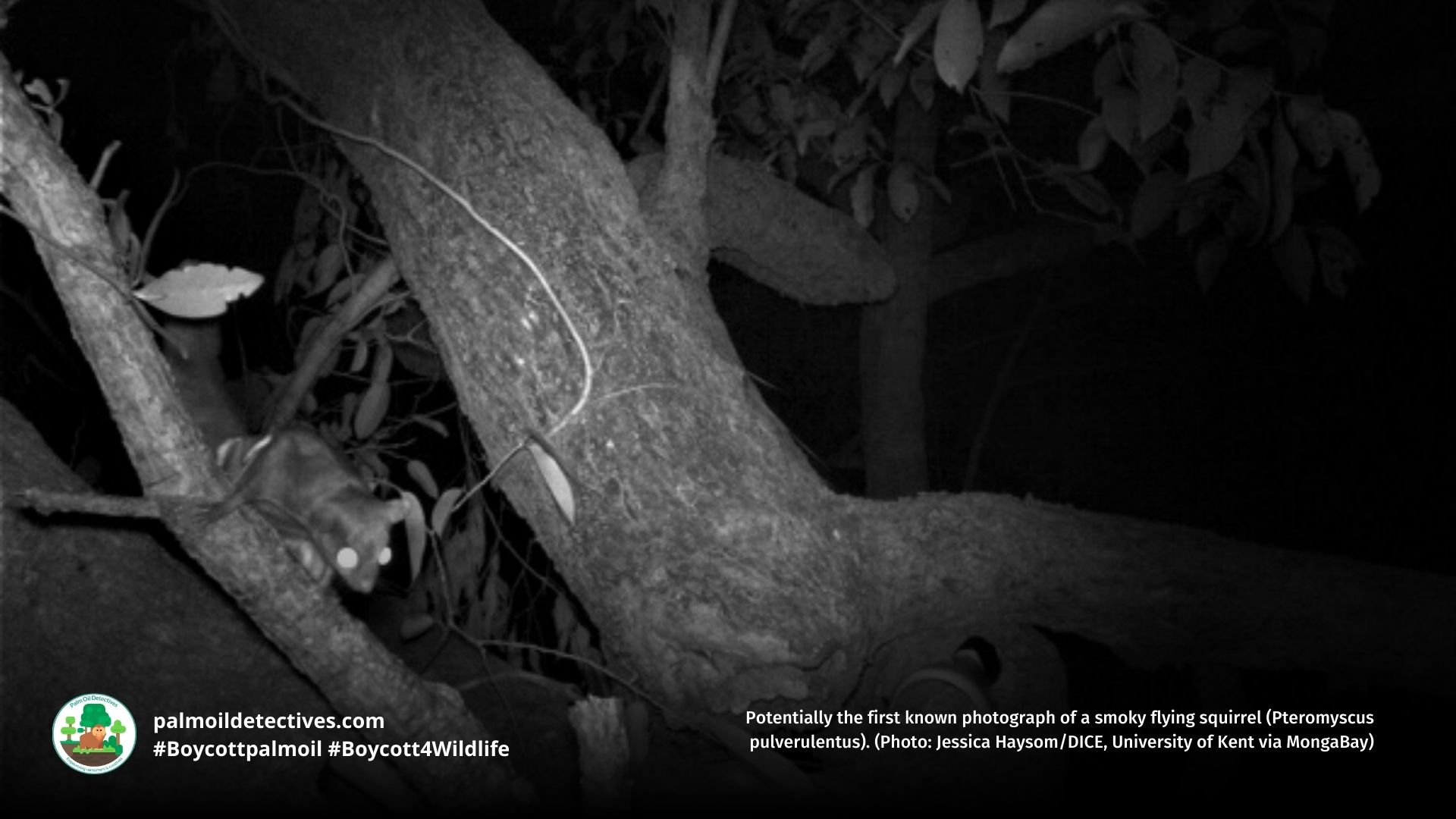
The Smoky Flying Squirrel is a small, arboreal mammal with a head-body length of approximately 20 cm and a tail length of around 18–20 cm. Their distinctive smoky-grey fur and lighter underbelly provide excellent camouflage in the forest canopy. Their large, round eyes are well-adapted for nocturnal activity, allowing them to forage under the cover of darkness.
Equipped with a gliding membrane, known as the patagium, they can glide distances of up to 60 metres between trees. They are shy, nocturnal creatures, emerging at night to feed and moving silently through the treetops to avoid predators.
Threats
IUCN Status: Endangered
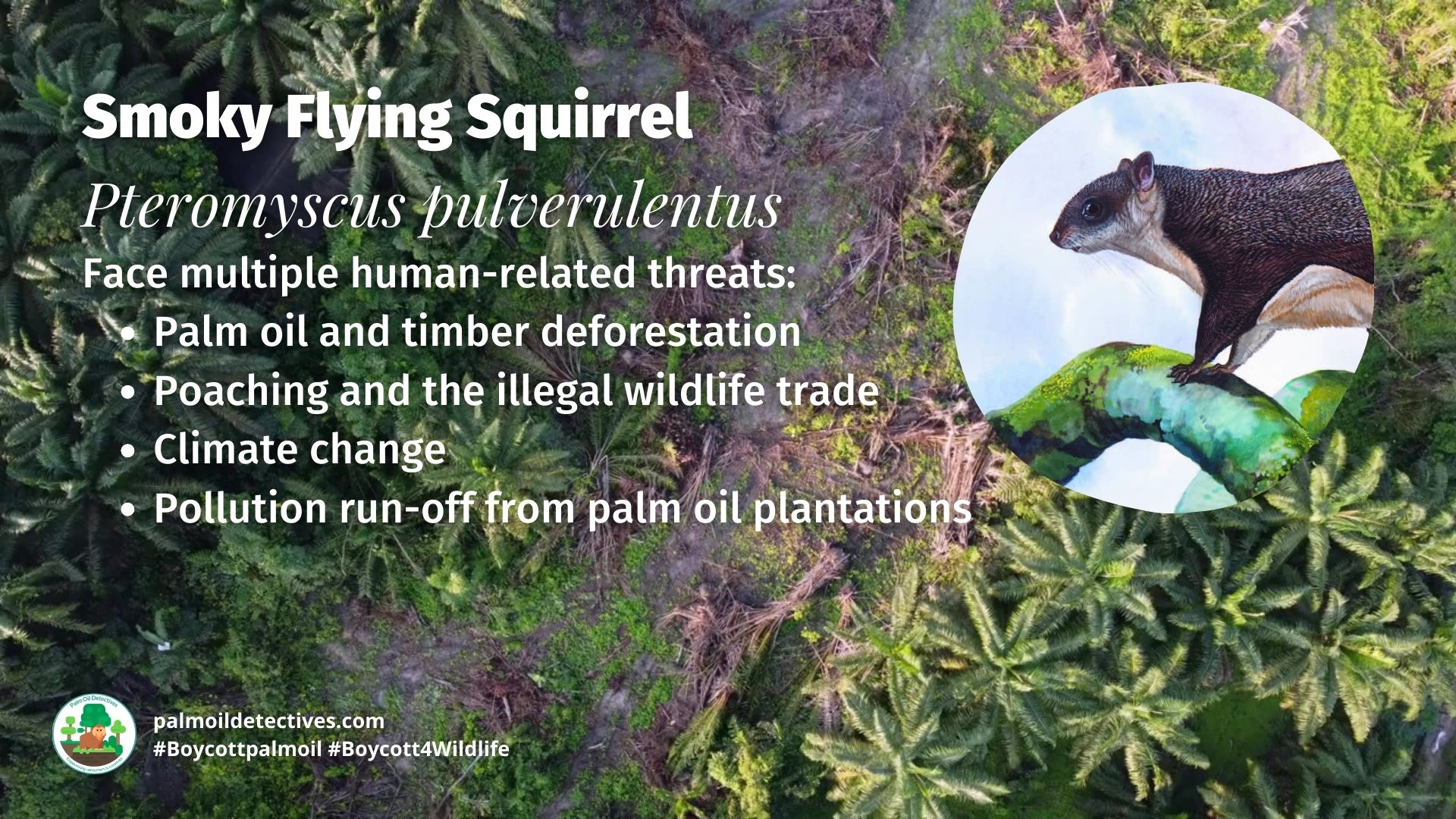
Habitat loss from palm oil and timber
The primary threat to the Smoky Flying Squirrel is the rapid loss of Southeast Asia’s lowland and montane forests. Deforestation for logging, palm oil plantations, and agricultural land continues to fragment their habitat, isolating populations and reducing genetic diversity.
Climate Change:
Climate change-driven altered rainfall patterns and increasing temperatures threaten the delicate balance of their forest ecosystems, reducing food availability and increasing competition with other arboreal species.
Hunting and the illegal wildlife trade:
While not a primary target, these squirrels are occasionally captured and sold as exotic pets or consumed as bushmeat in some areas.
Pollution run-off from palm oil plantations
Agricultural run-off and pollution in rivers is another emerging threat to these squirrels.
Diet
The Smoky Flying Squirrel’s diet consists primarily of fruits, seeds, and leaves, with occasional foraging on tree bark. Their nocturnal feeding habits help them avoid competition with diurnal species. Seasonal changes in fruiting patterns influence their diet, forcing them to adapt to varying food availability.
Gliding mammals of Papua include:
- Sipora Flying Squirrel Hylopetes sipora
- Northern Glider
- Siberut Flying Squirrel Petinomys lugens
- Woolly Flying Squirrel Eupetaurus cinereus
- Mentawi Flying Squirrel Iomys sipora
- Vordermann’s Flying Squirrel Petinomys vordermanni
- Smoky Flying Squirrel Pteromyscus pulverulentus
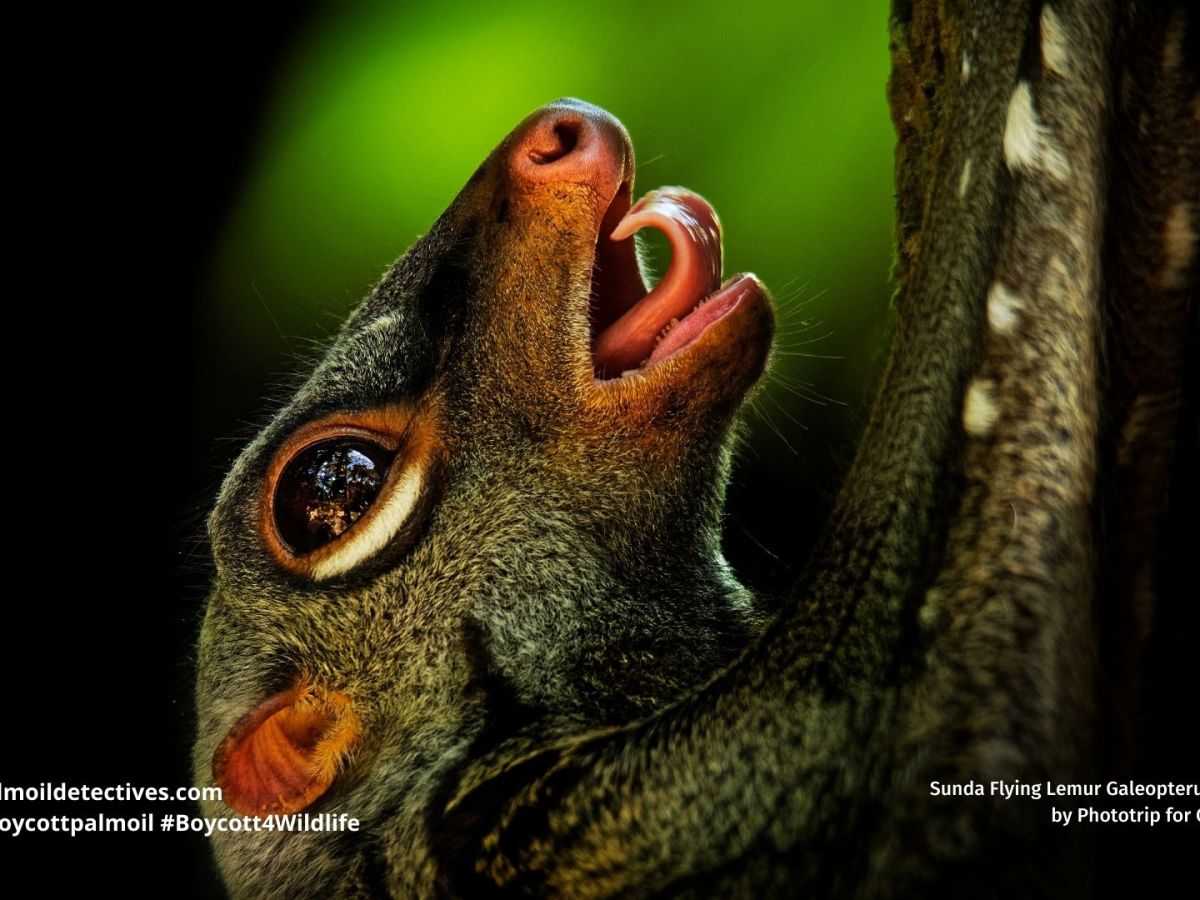
Sunda Flying Lemur Galeopterus variegatus
Sunda flying lemurs AKA Malayan colugos rely on ancient forests to survive, despite being skilful gliders, palm oil…

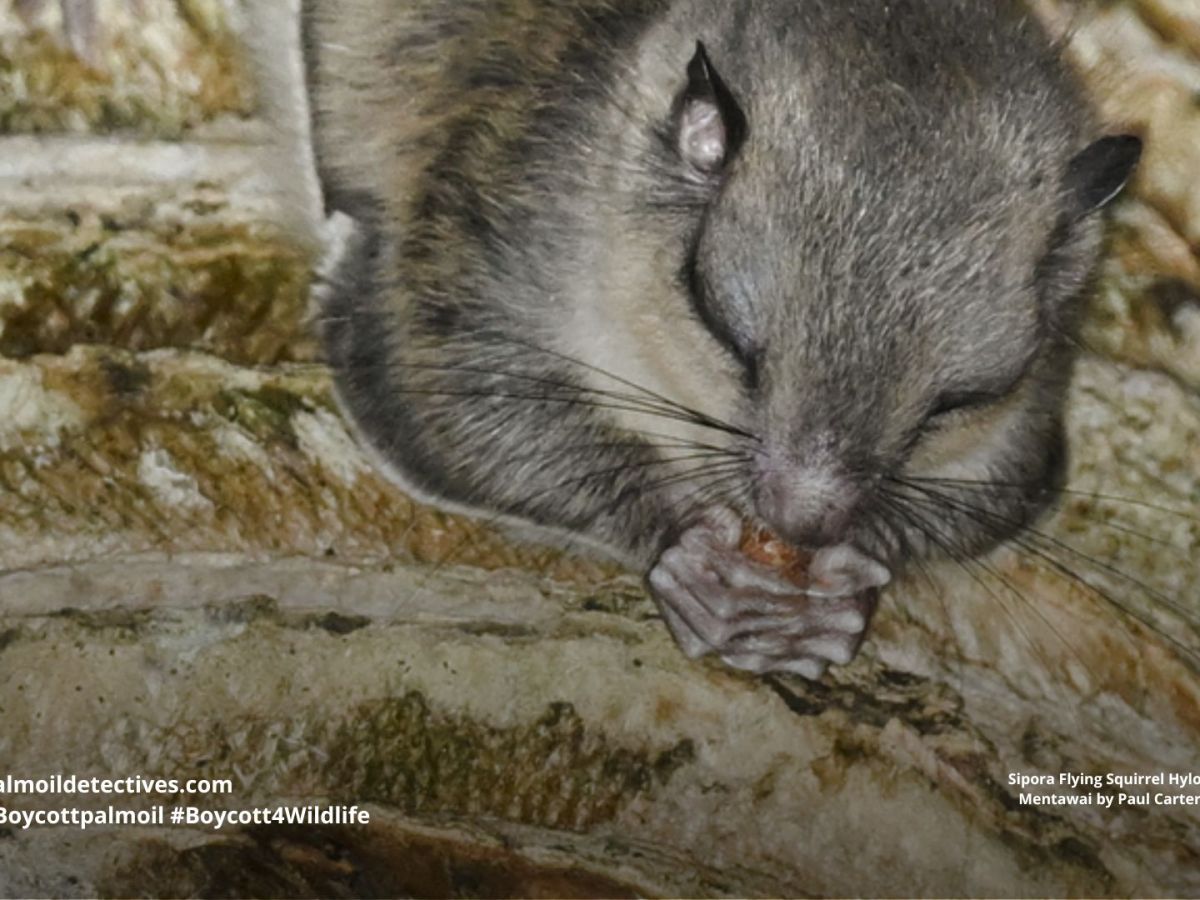
Sipora Flying Squirrel Hylopetes sipora
On the small, forested island of #Sipora, #Indonesia the Sipora flying #squirrel Hylopetes sipora drifts silently between ancient…

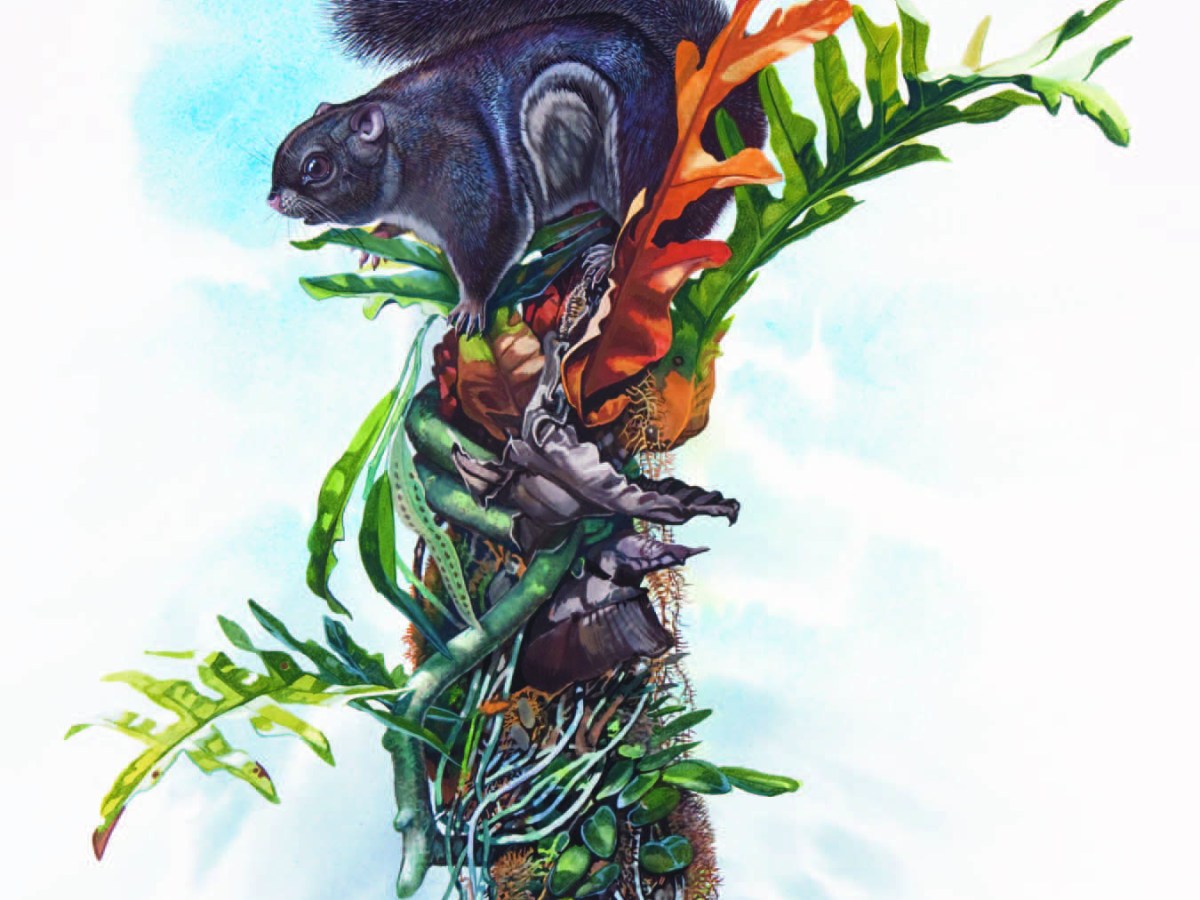
Siberut Flying Squirrel Petinomys lugens
The Siberut Flying Squirrel is one of the world’s most elusive gliders, found only in the #Mentawai Archipelago’s…
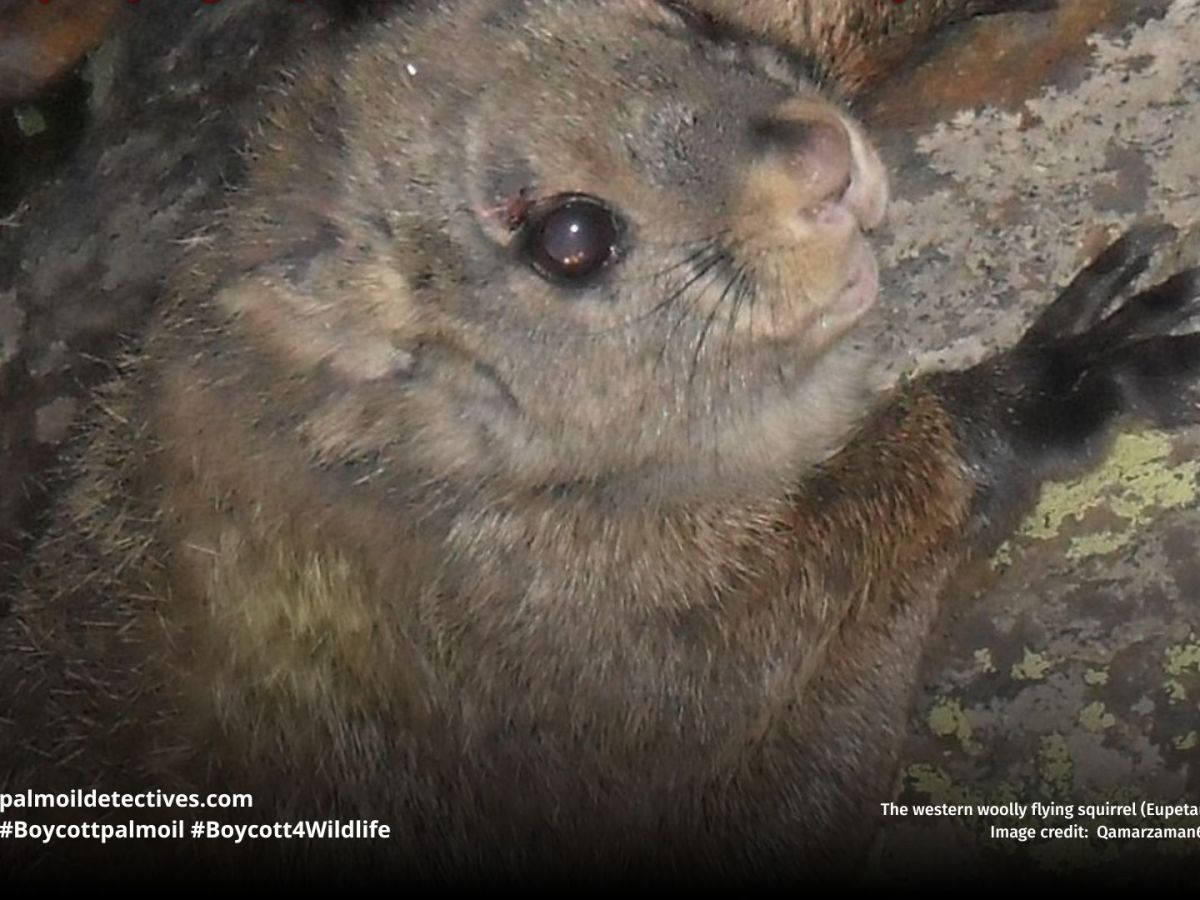
Woolly Flying Squirrel Eupetaurus cinereus
The Western Woolly Flying #Squirrel Eupetaurus cinereus is one of the world’s largest and least understood gliding mammals.…
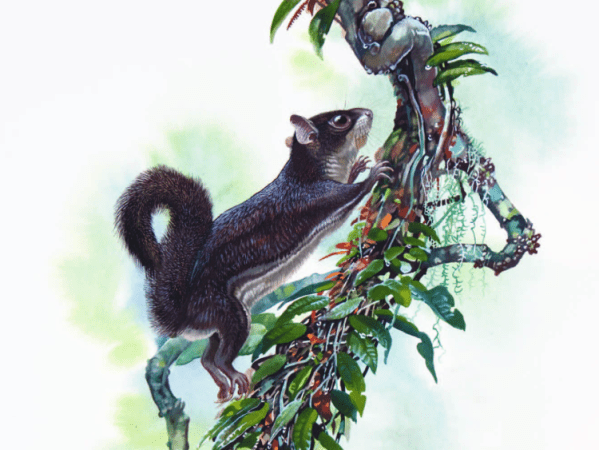
Mentawi Flying Squirrel Iomys sipora
Endemic to Indonesia’s Mentawai Islands, these rare and beautiful gliding mammals are endangered due to deforestation. Boycott palm…
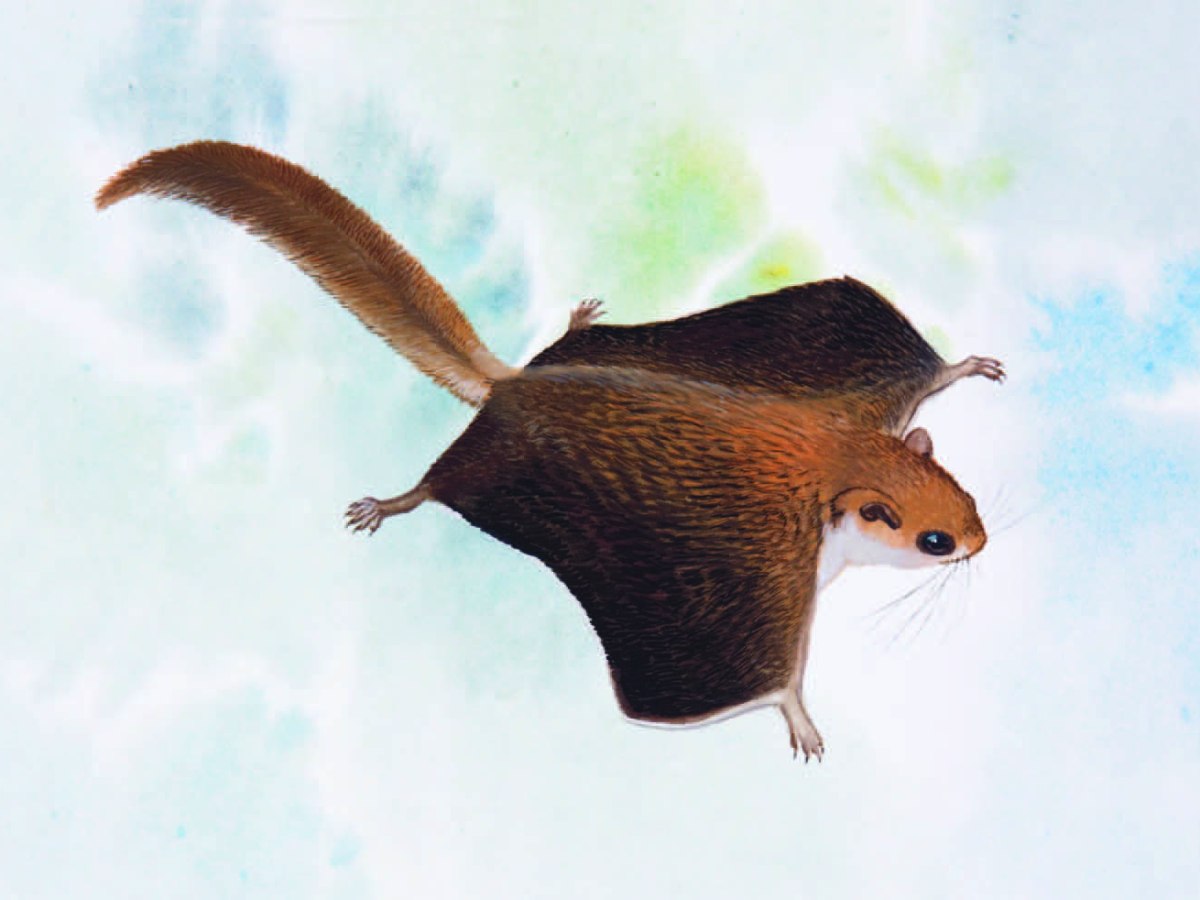
Vordermann’s Flying Squirrel Petinomys vordermanni
In #Borneo’s twilight, the Vordermann’s flying #squirrel emerges from her nest, resplendent with orange cheeks and black-ringed eyes.…
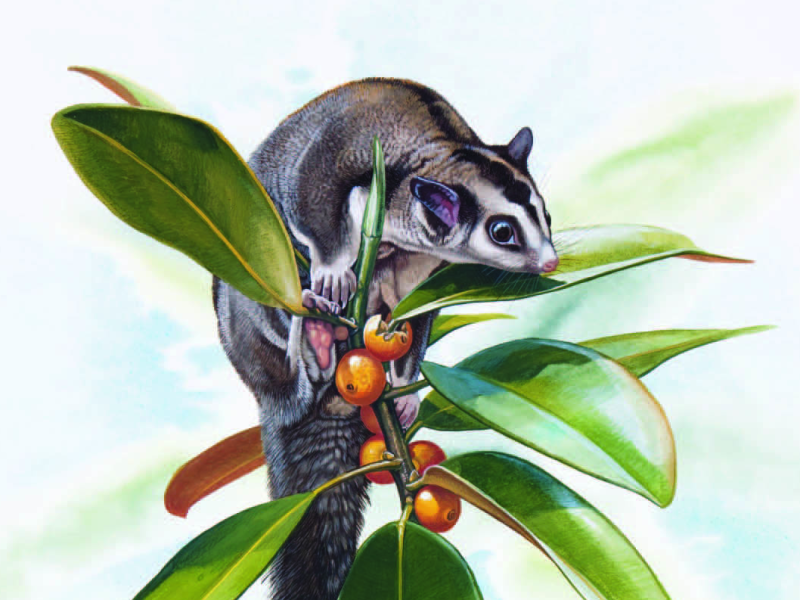
Northern Glider Petaurus abidi
The Northern Glider is a Critically Endangered species of gliding #marsupial found only in the Torricelli Mountains of…
Reproduction and Mating
Very little is known about the reproductive habits of the Smoky Flying Squirrel. Peak breeding occurs between April to June but this species does breed throughout the year, producing one or two young. As with other flying squirrels, they are believed to nest in tree hollows or dense vegetation. Nest holes were recorded which were three to four metres above the ground in trees. Females have an average pregnancy rate of 9% over a three-year period. Young squirrels rely heavily on their parents during the initial months, learning gliding and foraging skills essential for survival in the forest canopy.
Geographic Range
These remarkable airborne squirrels prefer primary tropical rainforests below 300 metres above sea level in Peninsular Malaysia, Borneo, Sumatra, and southern Thailand. Their populations are closely tied to undisturbed forests, and they are rarely observed in degraded or fragmented habitats. While historical records mention sightings in Vietnam, these are unconfirmed.
FAQ
What is the Smoky Flying Squirrel’s conservation status?
The Smoky Flying Squirrel is classified as Endangered on the IUCN Red List. Habitat destruction is the primary reason for their decline, with populations decreasing across their range.
How far can Smoky Flying Squirrels glide?
Using their patagium, Smoky Flying Squirrels can glide distances of up to 60 metres, enabling them to move between trees efficiently and evade predators in the canopy.
Where do Smoky Flying Squirrels live?
These squirrels are found in tropical forests across Peninsular Malaysia, Sumatra, Borneo, and southern Thailand. They prefer undisturbed primary forests but can sometimes be found in secondary forests with dense tree cover.
What do Smoky Flying Squirrels eat?
Their diet mainly consists of fruits, seeds, and leaves, but they also forage on tree bark. Seasonal fruiting cycles significantly impact their feeding habits, making intact forests essential for their survival.
What are the main threats to Smoky Flying Squirrels?
Pollution of waterways from oil palm run offs was also identified as a key threatening factor by Lim and Das (1999) in Malaysia.
IUCN Red list
Habitat loss due to deforestation for palm oil plantations, agricultural expansion, pollution run-off from palm oil plantations and logging are the biggest threat to Smoky Flying Squirrels. Climate change and occasional hunting are also contributing to their decline.
Take Action!
The Smoky Flying Squirrel is critically important animal in Southeast Asia’s rainforest ecosystems, playing a role in seed dispersal and maintaining forest health. Protect their habitat by advocating for indigenous-led conservation efforts and boycotting products linked to deforestation. Use your wallet as a weapon and #BoycottPalmOil #Boycott4Wildlife.
Support the conservation of this species
This animal has no protections in place. Read about other forgotten species here. Create art to support this forgotten animal or raise awareness about them by sharing this post and using the #Boycottpalmoil #Boycott4Wildlife hashtags on social media. Also you can boycott palm oil in the supermarket.
Further Information
Clayton, E. 2016. Pteromyscus pulverulentus. The IUCN Red List of Threatened Species 2016: e.T18703A22245307. https://dx.doi.org/10.2305/IUCN.UK.2016-2.RLTS.T18703A22245307.en. Downloaded on 04 February 2021.
Clayton, E. (2016). Pteromyscus pulverulentus. The IUCN Red List of Threatened Species 2016: e.T18703A22245307. https://dx.doi.org/10.2305/IUCN.UK.2016-2.RLTS.T18703A22245307.en
GBIF. (n.d.). Pteromyscus pulverulentus. https://www.gbif.org/species/2437227
Mongabay. (2021). In the Borneo canopy: Life thrives in surprising ways, camera-trap study shows. https://news.mongabay.com/2021/08/in-the-borneo-canopy-life-thrives-in-surprising-ways-camera-trap-study-shows/
Myym. (n.d.). Smoky Flying Squirrel. https://www.myym.ru/species/58.html
Plazi. (n.d.). Smoky Flying Squirrel (Pteromyscus pulverulentus). http://treatment.plazi.org/id/FFA16D59D9EF7276878E085F792C3608/3
Thai National Parks. (n.d.). Smoky Flying Squirrel. https://www.thainationalparks.com/species/smoky-flying-squirrel
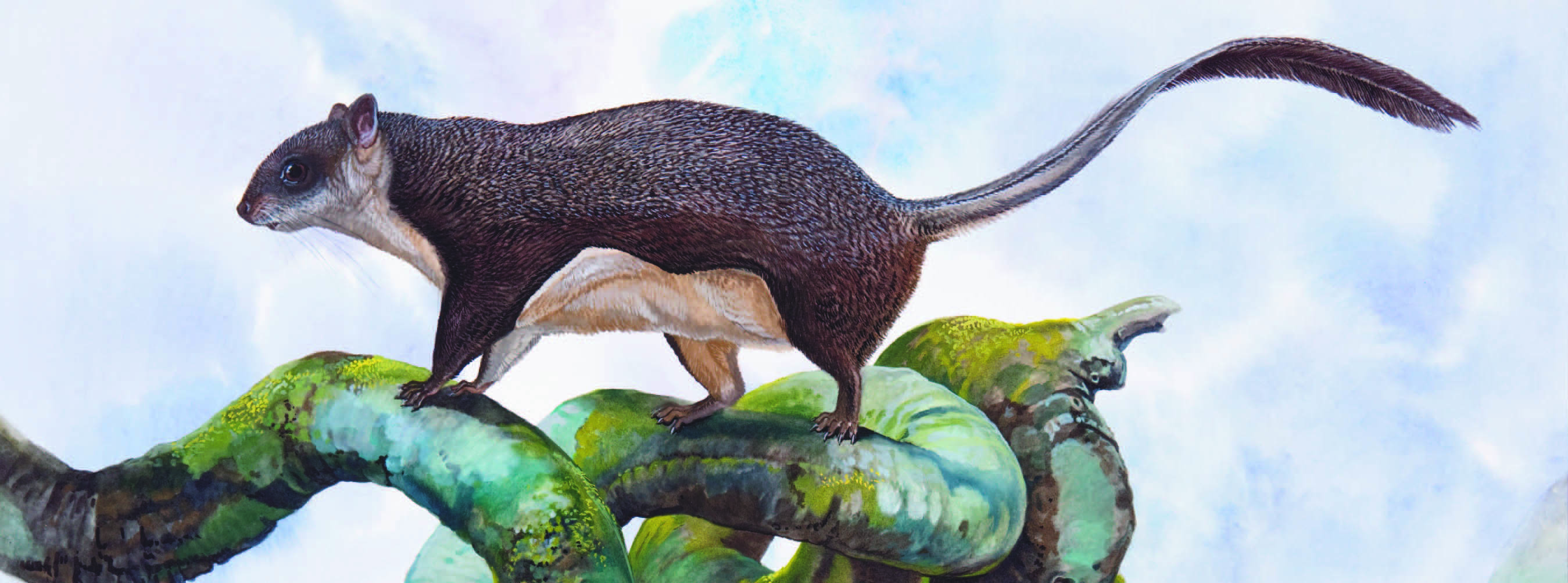
Caption: This beautiful painting is by My YM

How can I help the #Boycott4Wildlife?
Take Action in Five Ways
1. Join the #Boycott4Wildlife on social media and subscribe to stay in the loop: Share posts from this website to your own network on Twitter, Mastadon, Instagram, Facebook and Youtube using the hashtags #Boycottpalmoil #Boycott4Wildlife.
2. Contribute stories: Academics, conservationists, scientists, indigenous rights advocates and animal rights advocates working to expose the corruption of the palm oil industry or to save animals can contribute stories to the website.





3. Supermarket sleuthing: Next time you’re in the supermarket, take photos of products containing palm oil. Share these to social media along with the hashtags to call out the greenwashing and ecocide of the brands who use palm oil. You can also take photos of palm oil free products and congratulate brands when they go palm oil free.
4. Take to the streets: Get in touch with Palm Oil Detectives to find out more.
5. Donate: Make a one-off or monthly donation to Palm Oil Detectives as a way of saying thank you and to help pay for ongoing running costs of the website and social media campaigns. Donate here
Discover more from Palm Oil Detectives
Subscribe to get the latest posts sent to your email.
 Palm Oil Detectives