
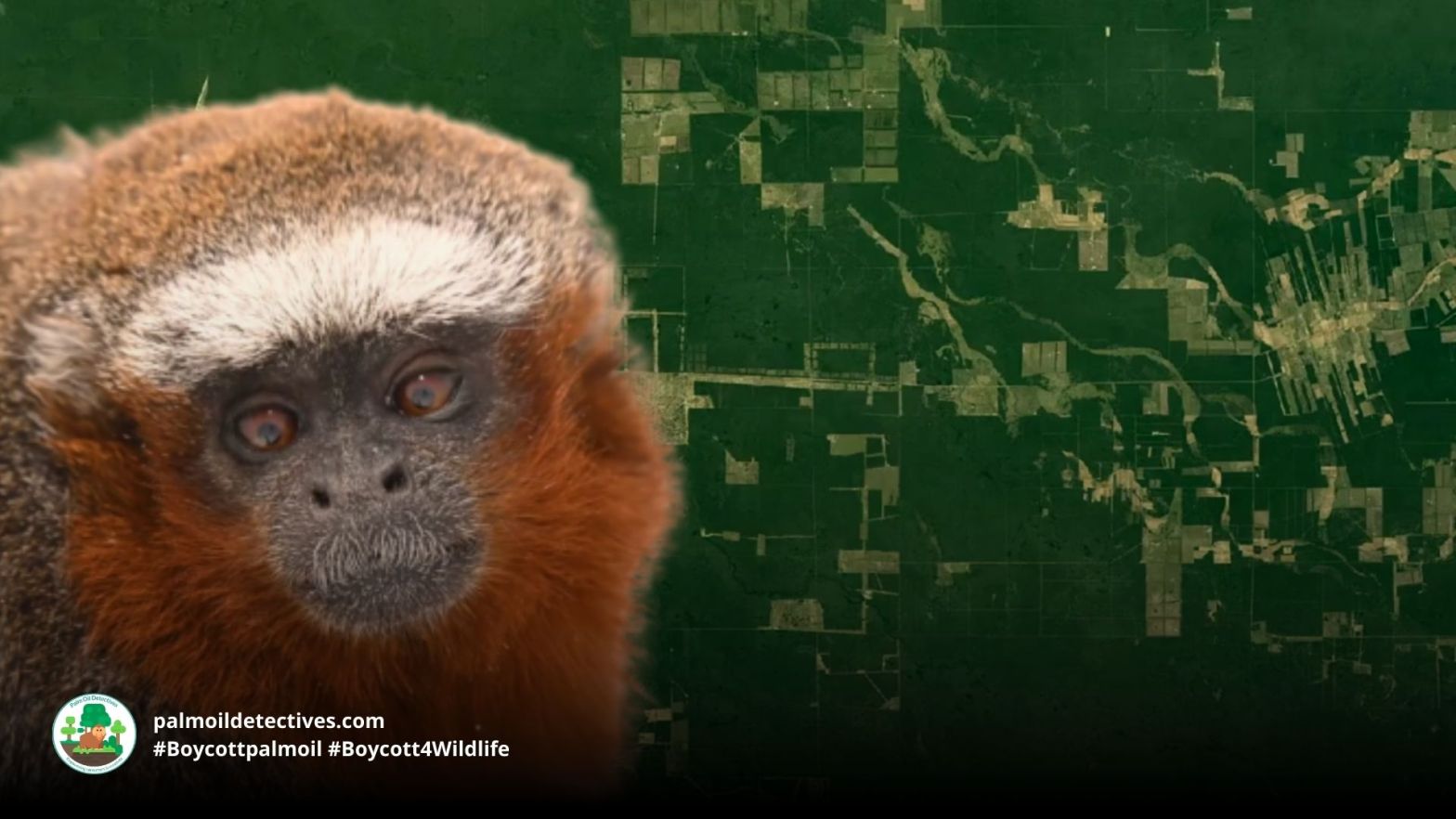
Caquetá Tití Monkey Plecturocebus caquetensis
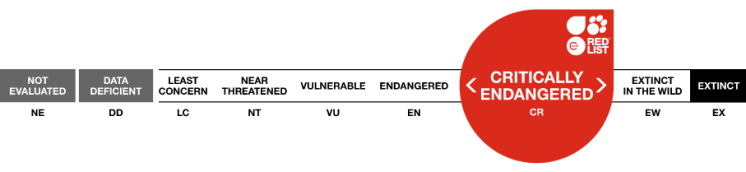
Status: Critically endangered
Location: Caquetá region of Colombia
Caquetá Titi Monkeys have a distinctive song and they purr like a kitten they form monogamous partnerships. Discovered relatively recently in 2010, these beautiful and fascinating monkeys are now critically endangered due to the massive deforestation that is occurring in Colombia for palm oil and other commodities. It is believed that fewer than 100 individuals Caquetá Titi Monkeys are left in the wild and fewer than 50 mature individuals. The habitat of the Caquetá Titi Monkeys is in an advanced state of fragmentation caused by extensive cattle ranching and illegal crop cultivation. Fight for them and resist greed and greenwashing when you be #vegan #BoycottMeat #Boycott4Wildlife
Caquetá Titi Monkeys are monogamous and make a distinctive purrs like kittens. Discovered only in 2010 they’re now critically endangered 😿 from massive #deforestation in #Colombia for illegal coca and #meat 🐵🐒🙈 #Boycott4Wildlife @palmoildetect https://palmoildetectives.com/2021/02/19/caqueta-titi-monkey-plecturocebus-caquetensis/
There are fewer than 100 Caquetá Titi Monkeys left in #Colombia due to #meat and illegal cultivation of #coca. Help them when you shop and be #vegan and fight for them 🐵🐒🙈 #Boycott4Wildlife @palmoildetect https://palmoildetectives.com/2021/02/19/caqueta-titi-monkey-plecturocebus-caquetensis/
It’s suspected that there are fewer than 100 individuals Caquetá Titi Monkeys left in the wild and fewer than 50 mature individuals. The habitat of the Caquetá Titi Monkeys is in an advanced state of fragmentation caused by extensive ranching and illegal crop cultivation.
IUCN Red List
The Caquetá titi monkey Plecturocebus caquetensis is a rare and endearing primate known for its monogamous pair bonds and harmonious duets. Found only in Colombia’s Caquetá region, these small monkeys are an emblem of the country’s rich biodiversity. Tragically, their populations are critically endangered due to extensive deforestation, agricultural expansion, and climate change-driven habitat loss.
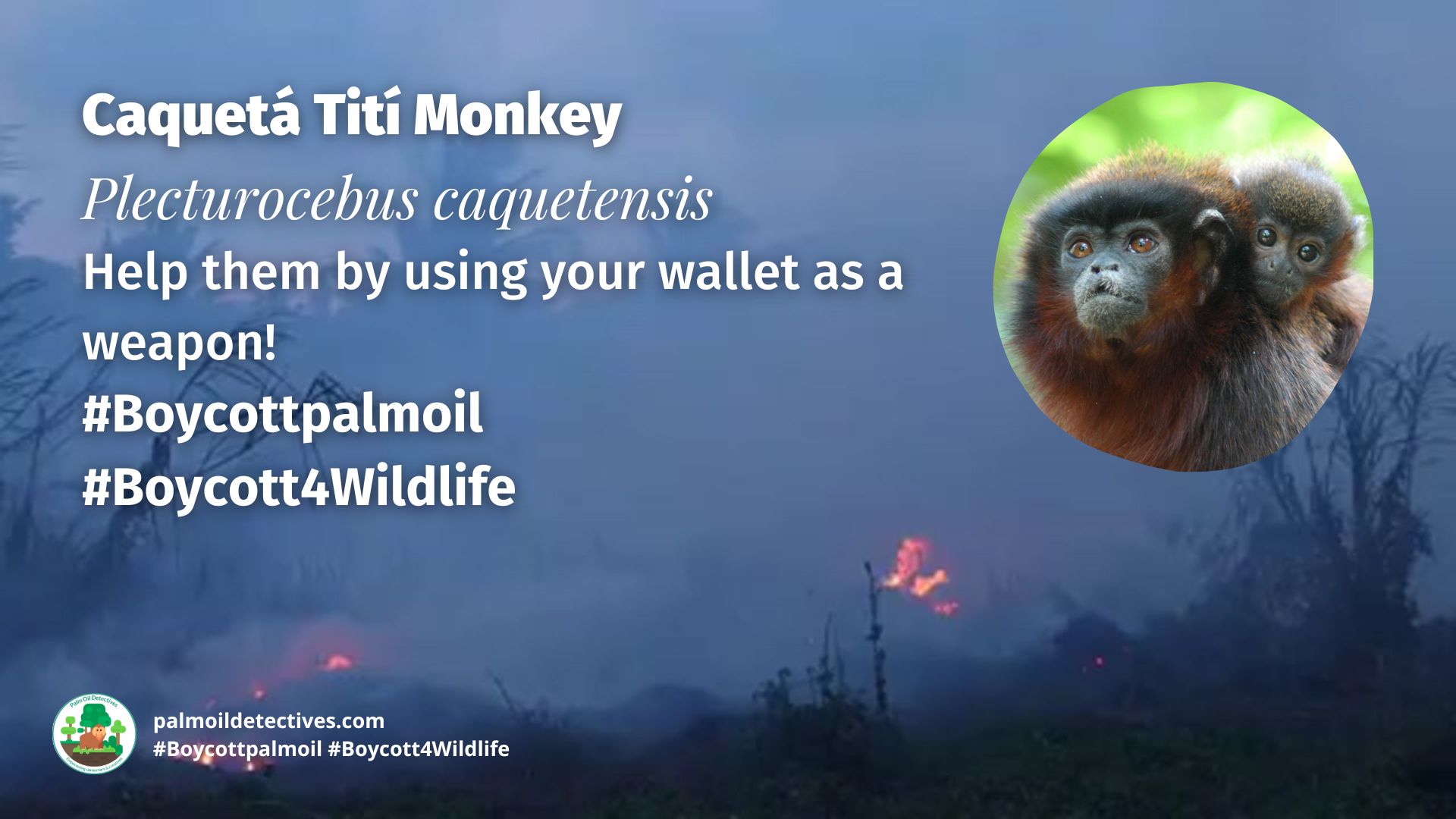
Support indigenous-led conservation to secure their future. Fight for their survival every time you shop and #BoycottPalmOil #Boycott4Wildlife.
Appearance and Behaviour
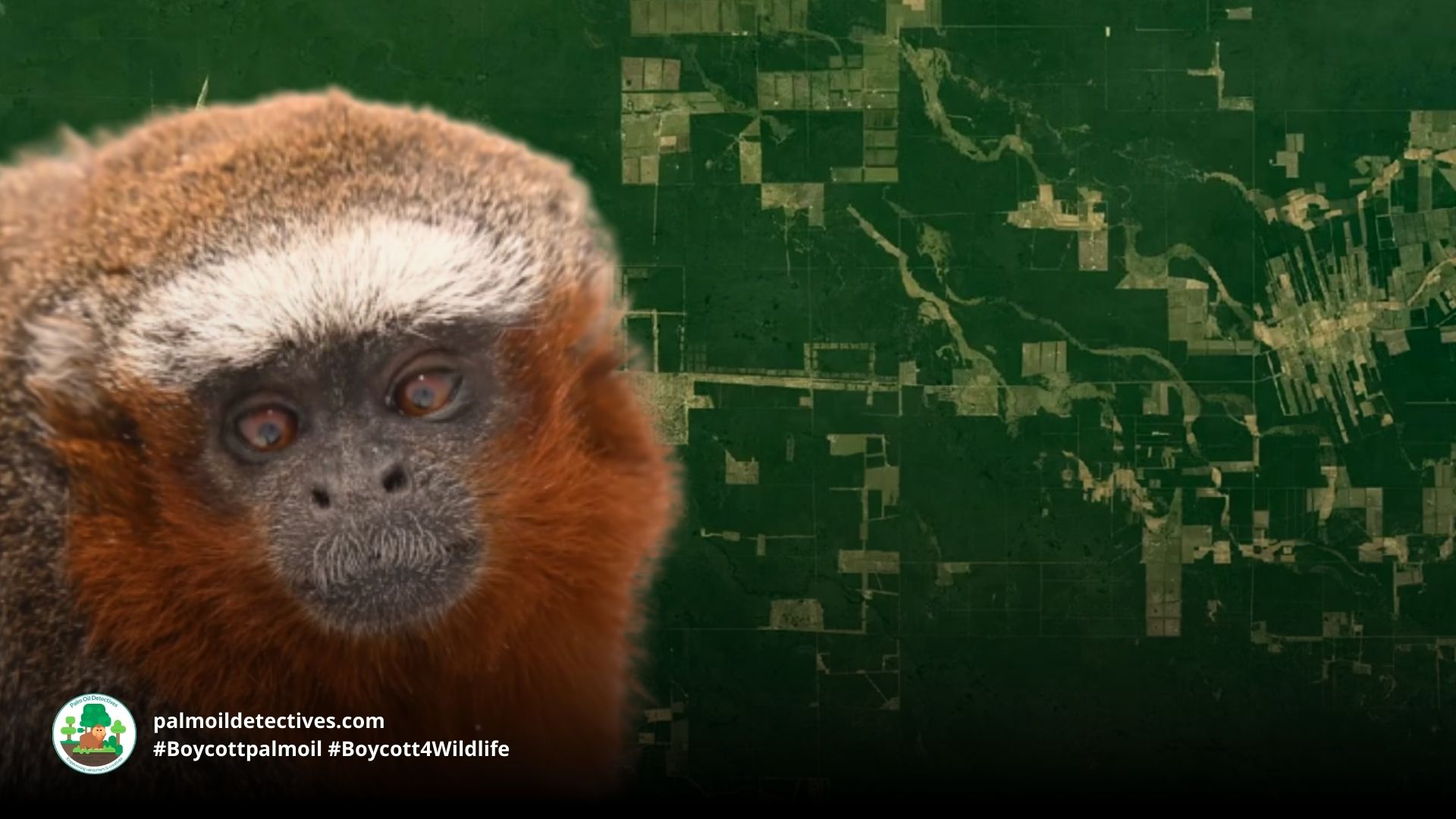
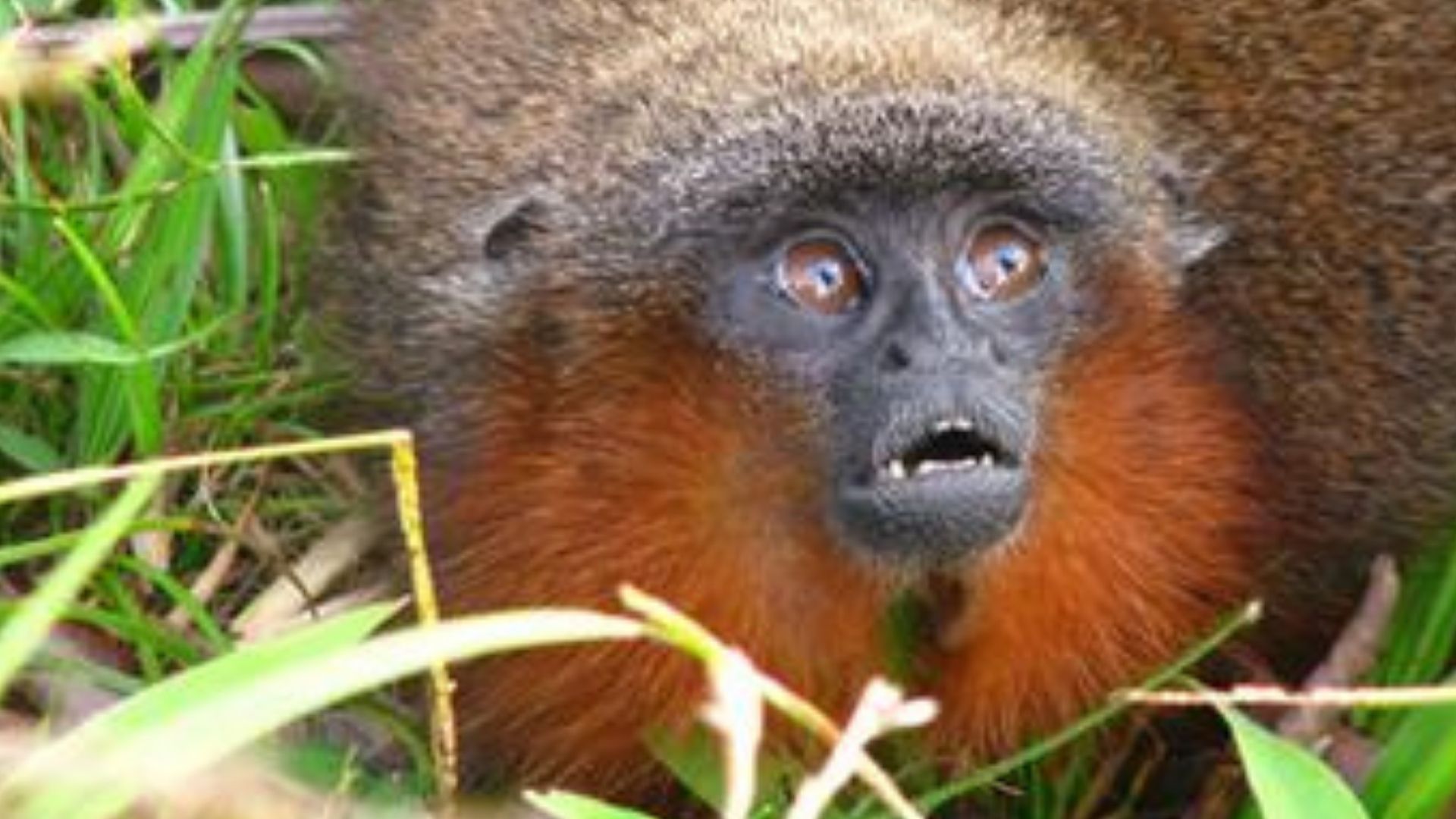
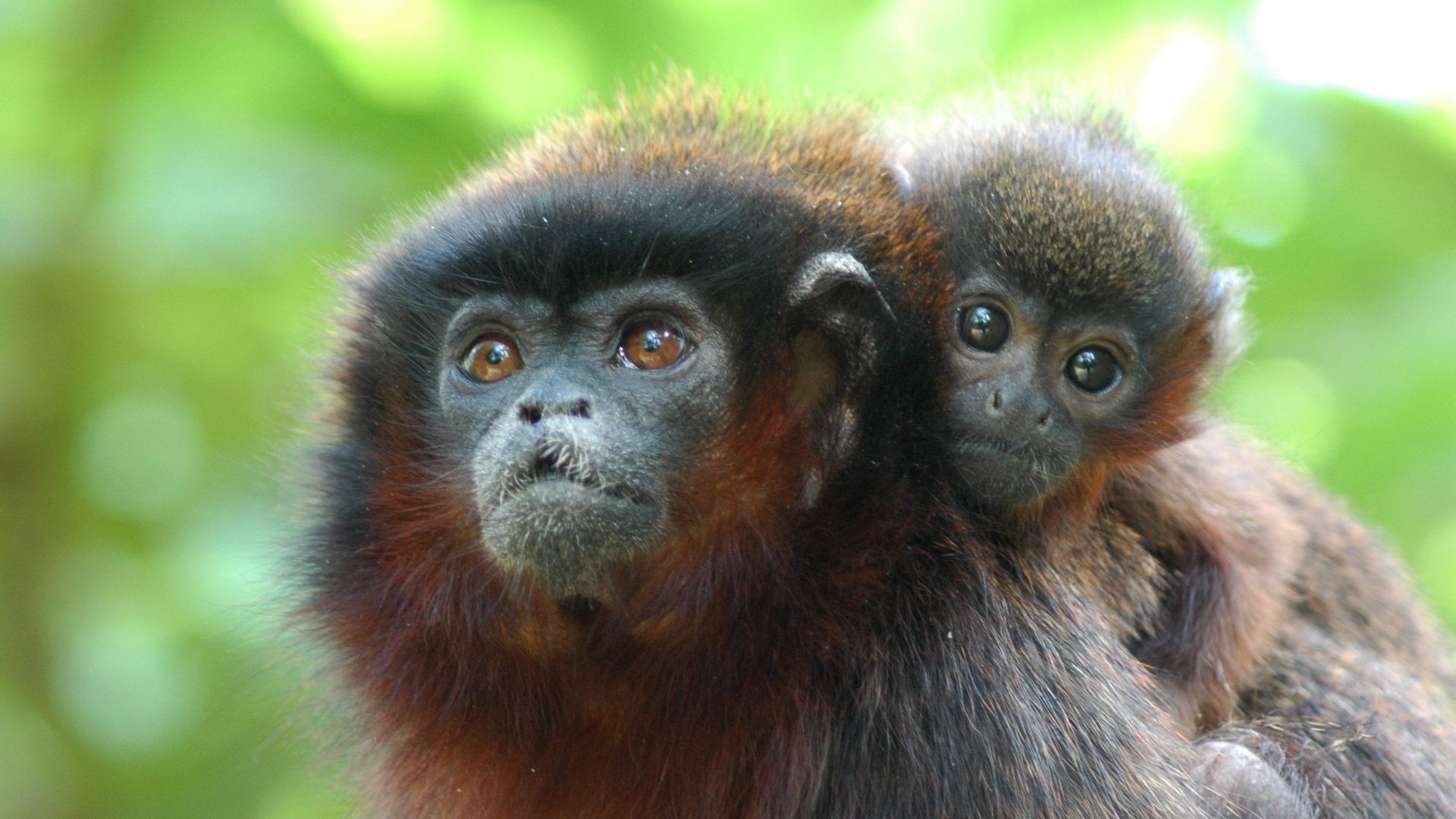
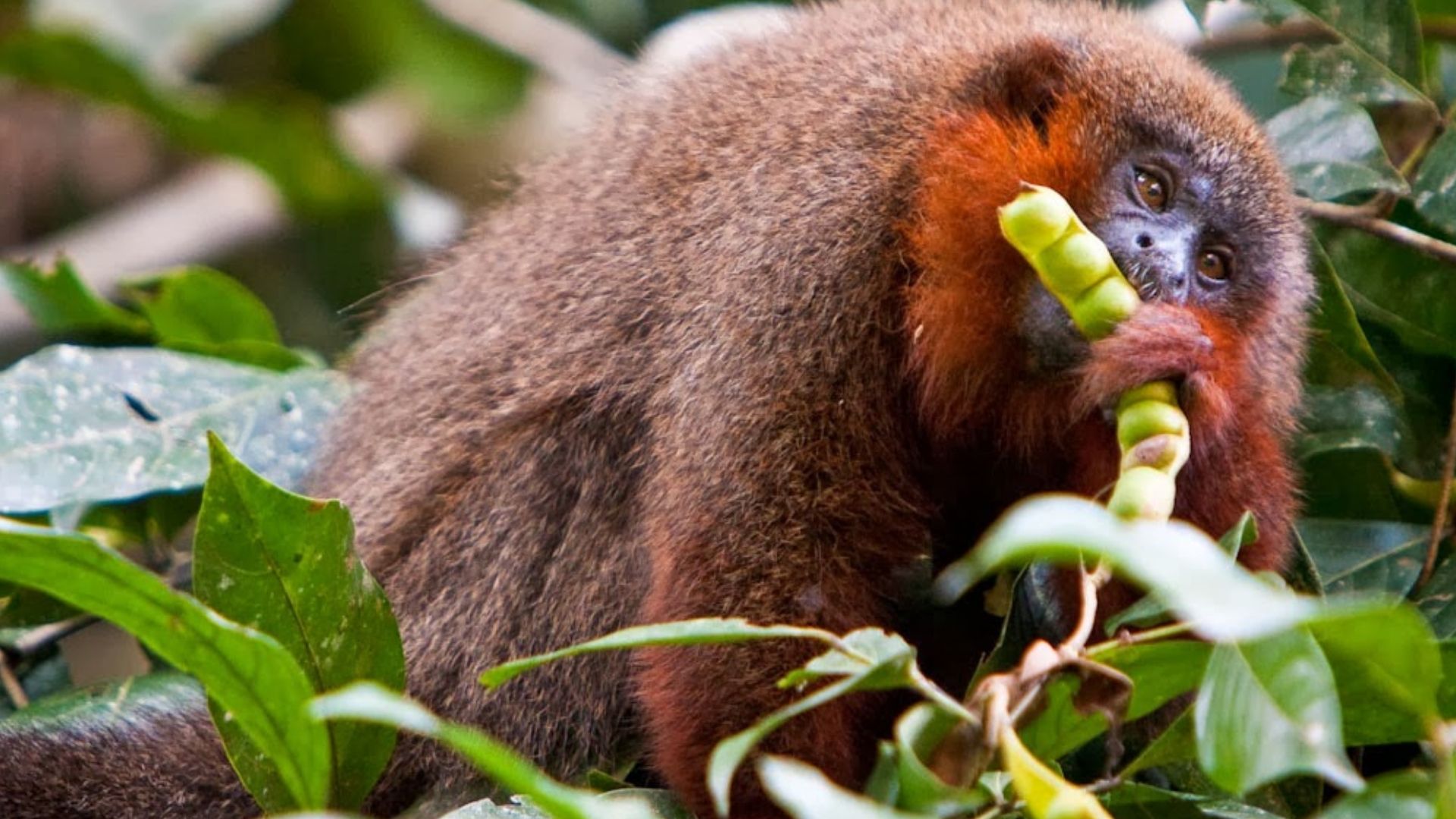
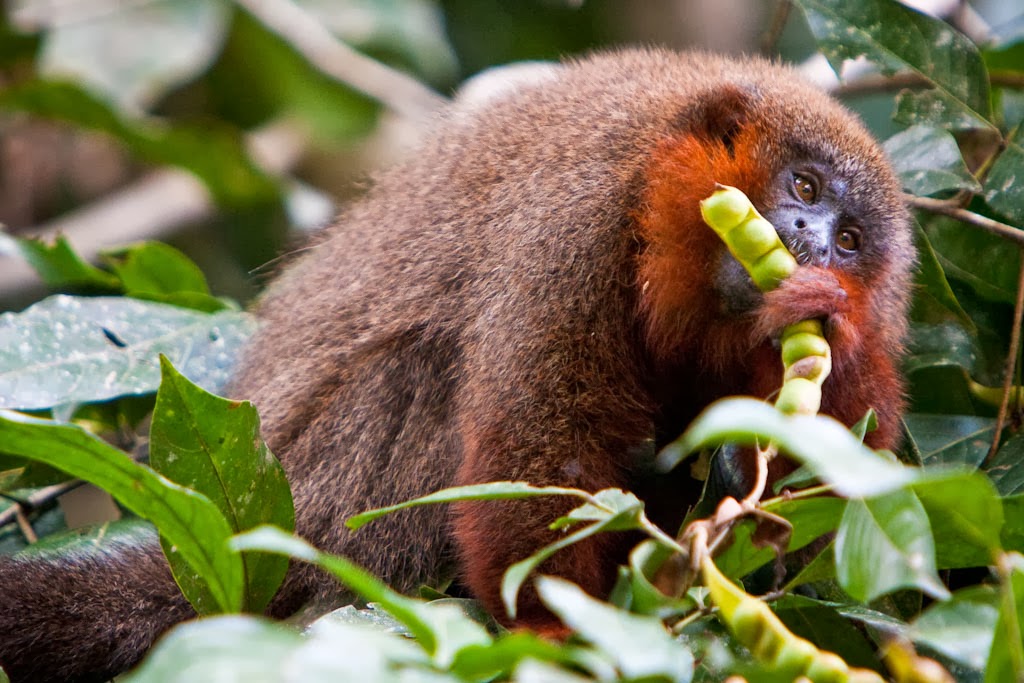
The Caquetá titi monkey is a small, endearing primate of under 40 cm in length with soft, reddish-brown fur around their mouths, expressive eyes and a white face which gives them a striking, doll-like appearance. Their dark, bushy tails—longer than their bodies—are perfect for balancing as they navigate the forest canopy.
What truly sets them apart is their unique duet vocalisations, akin to kitten purring or gentle hums. These sounds between bonded pairs are a testament to the deep bonds shared between them. Their soft, melodic exchanges ripple through their forest home in Caquetá, Colombia, reinforcing their connection and marking their territory.
Caquetá titis are arboreal primates who spend most of their time in the treetops, although they may descend to the forest floor during drier months. Their behaviour shifts with the seasons, showcasing their adaptability and quiet resilience in a rapidly changing environment.

Threats
IUCN Status: Critically Endangered (Defler et al., 2020).
This species is listed as Critically Endangered because of a population decline, suspected to be more than 80% over 24 years (three generations), due to a reduction of the area of occupation caused by extensive ranching and illegal crop cultivation, and the causes of the reduction have certainly not stopped.
IUCN Red LIST
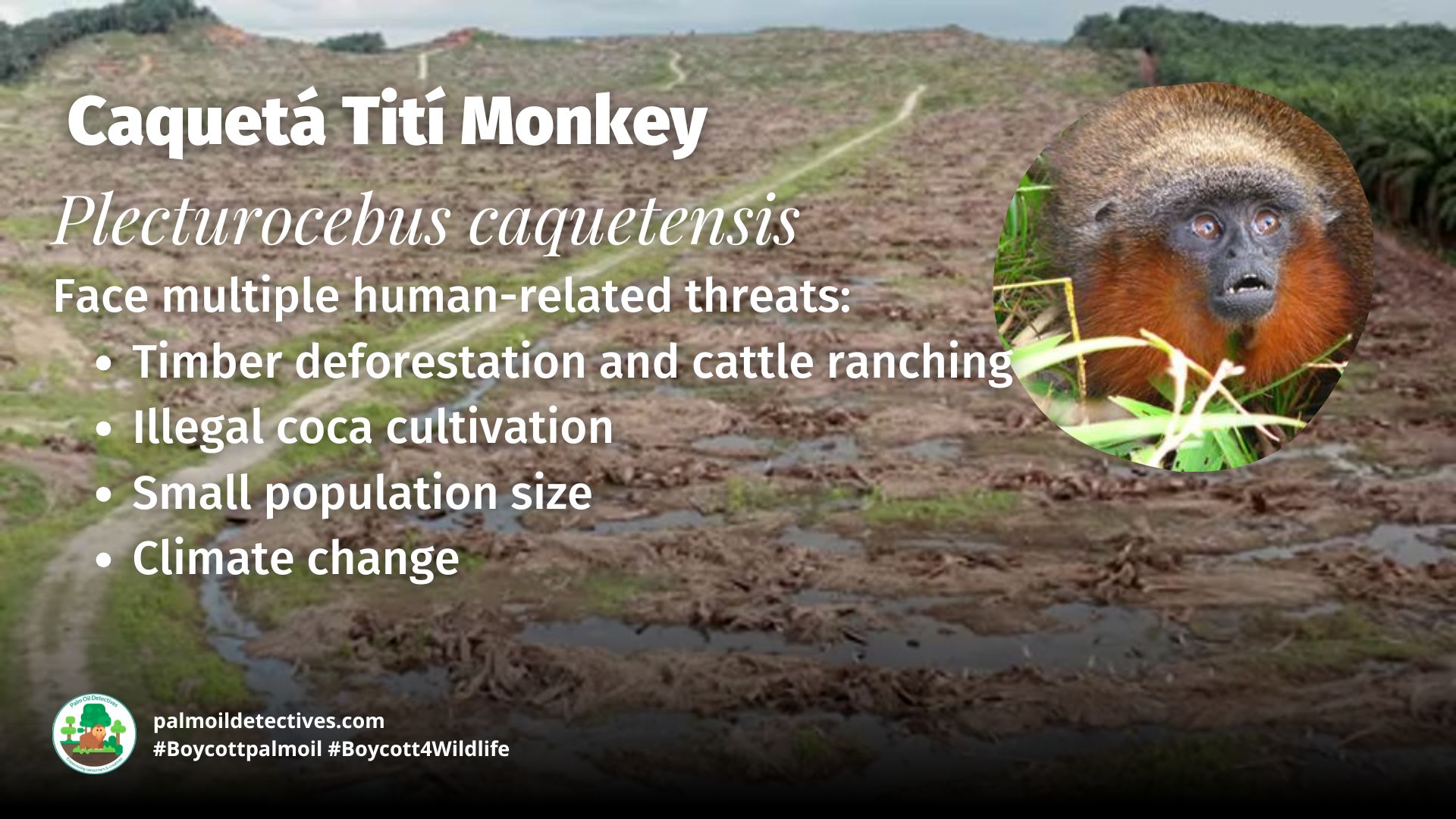
The primary threats to the Caquetá titi monkey include:
• Habitat loss: Over 90% of their habitat has been cleared due to cattle ranching and coca cultivation (Defler et al., 2020).
• Climate change: Shifting habitats and reduced availability of suitable areas have led to further fragmentation (Arias-González et al., 2023).
• Small population size: The species is limited to fragmented patches of forest, leaving them genetically isolated and vulnerable (Acero Murcia et al., 2024).
Diet
Caquetá titi monkeys are frugivores, consuming a diet primarily of fruits, complemented by seeds, flowers, and occasionally insects. Their dietary habits are closely linked to the seasonal availability of fruiting plants, which influences their movement patterns and foraging behaviour (Acero Murcia et al., 2024).
Reproduction and Mating
These monkeys are known for their monogamous relationships, with pairs forming lifelong bonds. Females typically give birth to a single offspring after a gestation period of about five months. Males are actively involved in raising the young, carrying them and sharing feeding responsibilities (Acero Murcia et al., 2024).
Geographic Range
Endemic to Colombia, the Caquetá titi monkey inhabits small, fragmented forest patches in the Caquetá region. Their distribution is highly restricted, and they rely heavily on riparian forest corridors for survival (Arias-González et al., 2023).
FAQ
How many Caquetá titi monkeys are left?
Fewer than 250 individuals remain in the wild, making them one of the most endangered primates in the world (Defler et al., 2020). The fragmented nature of their habitat exacerbates their vulnerability, highlighting the need for immediate conservation action.
What does the Caquetá titi monkey eat?
Primarily frugivorous, their diet is made up of a variety of fruits, seeds, and occasionally insects. Seasonal changes in fruit availability influence their foraging patterns, and habitat loss threatens their food sources (Acero Murcia et al., 2024).
Why are they critically endangered?
Rampant deforestation, habitat fragmentation, and agricultural expansion have decimated their habitat. Additionally, climate change has further reduced their viable habitats, making them critically endangered (Arias-González et al., 2023).
What is the rarest titi monkey?
The Caquetá titi monkey is considered one of the rarest titi species due to its limited population and highly fragmented habitat (Souza-Alves et al., 2023).
What role do they play in the ecosystem?
As seed dispersers, Caquetá titi monkeys play a vital role in maintaining the biodiversity and regeneration of their rainforest ecosystem (Souza-Alves et al., 2023).
Support the conservation of this species
This animal has no protections in place. Read about other forgotten species here. Create art to support this forgotten animal or raise awareness about them by sharing this post and using the #Boycottpalmoil #Boycott4Wildlife hashtags on social media. Also you can boycott palm oil in the supermarket.
Further Information
Acero Murcia, A. C., Almario-Vaquiro, L., Ortega, Z., & Garcia, J. (2024). Seasonal behavioral patterns of the Caquetá titi monkey (Plecturocebus caquetensis). Primate Conservation, 38, 1–11. Retrieved from https://www.researchgate.net/publication/385416515_Seasonal_Behavioral_Patterns_of_the_Caqueta_Titi_Monkey_Plecturocebus_caquetensis
Arias-González, C., González-Maya, J. F., García-Villalba, J., Blázquez, M. C., Arreola Lizárraga, J. A., Díaz Castro, S. C., & Ortega Rubio, A. (2023). The identification and conservation of climate refugia for two Colombian endemic titi (Plecturocebus) monkeys. Journal for Nature Conservation, 72, Article 126345. https://doi.org/10.1016/j.jnc.2023.126345
Souza-Alves, J. P., Boyle, S. A., & Barnett, A. A. (2023). Knowledge shortfalls for titi monkey: A poorly known clade of small-bodied South American primates. Biological Conservation, 286, Article 110256. https://doi.org/10.1016/j.biocon.2023.110256
Defler, T.R., García-Gutiérrez, J., Stevenson, P.R., Guzmàn-Caro, D. & Palacios, E. 2020. Plecturocebus caquetensis. The IUCN Red List of Threatened Species 2020: e.T14699281A17974505. https://dx.doi.org/10.2305/IUCN.UK.2020-3.RLTS.T14699281A17974505.en. Downloaded on 15 February 2021.

How can I help the #Boycott4Wildlife?
Take Action in Five Ways
1. Join the #Boycott4Wildlife on social media and subscribe to stay in the loop: Share posts from this website to your own network on Twitter, Mastadon, Instagram, Facebook and Youtube using the hashtags #Boycottpalmoil #Boycott4Wildlife.
2. Contribute stories: Academics, conservationists, scientists, indigenous rights advocates and animal rights advocates working to expose the corruption of the palm oil industry or to save animals can contribute stories to the website.






3. Supermarket sleuthing: Next time you’re in the supermarket, take photos of products containing palm oil. Share these to social media along with the hashtags to call out the greenwashing and ecocide of the brands who use palm oil. You can also take photos of palm oil free products and congratulate brands when they go palm oil free.
4. Take to the streets: Get in touch with Palm Oil Detectives to find out more.
5. Donate: Make a one-off or monthly donation to Palm Oil Detectives as a way of saying thank you and to help pay for ongoing running costs of the website and social media campaigns. Donate here
Discover more from Palm Oil Detectives
Subscribe to get the latest posts sent to your email.
 Palm Oil Detectives
One thought on “Caquetá Tití Monkey Plecturocebus caquetensis”