
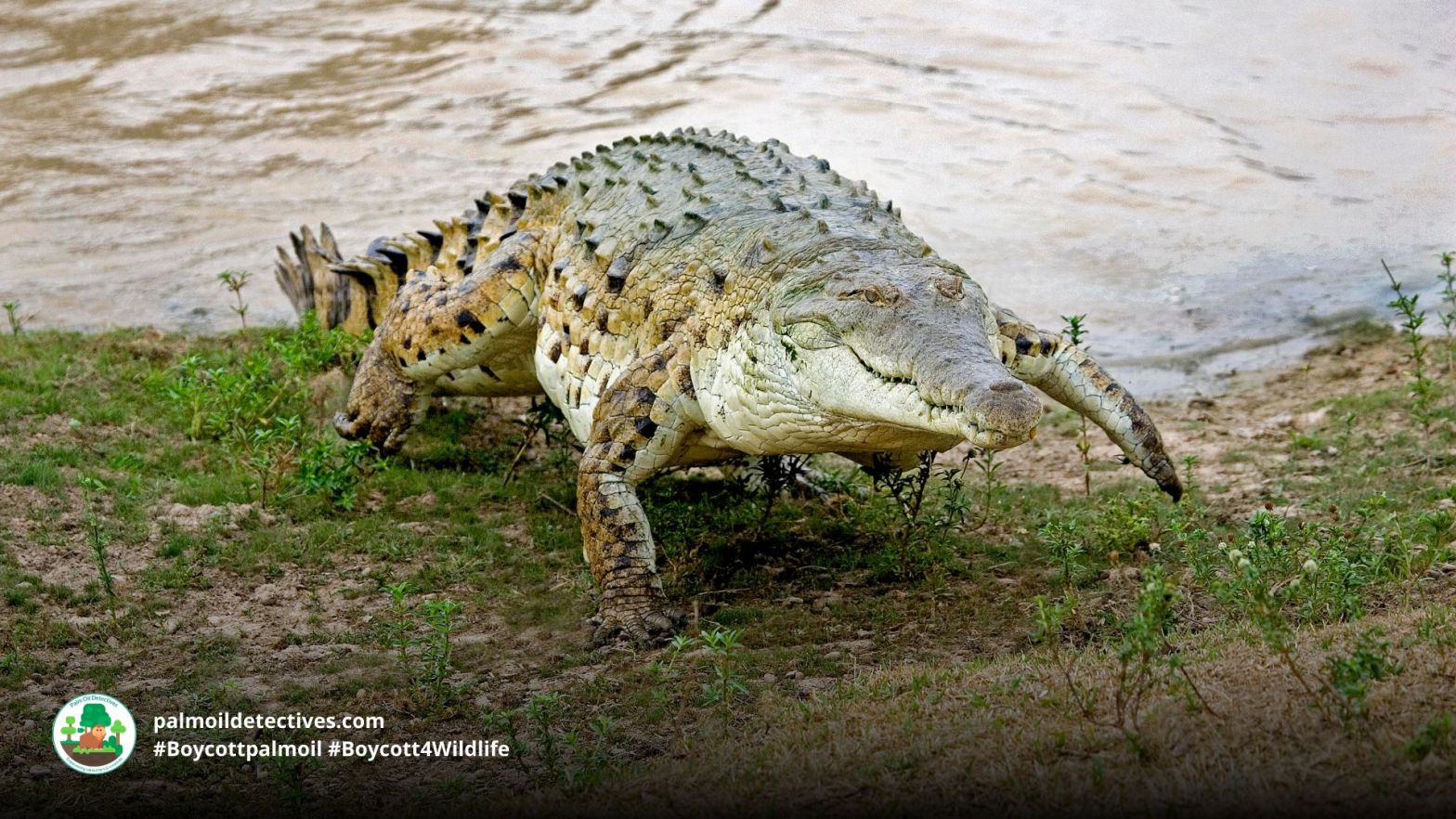
Orinoco Crocodile Crocodylus intermedius
IUCN Red List Status: Critically Endangered
Location: Colombia, Venezuela
Endemic to the Orinoco River Basin in #Colombia and #Venezuela, the majestic Orinoco Crocodile is one of the rarest and most threatened reptiles on Earth. These intelligent, powerful apex predators once ruled vast waterways across northern South America, but today, their numbers have plummeted by more than 80% due to hunting, habitat loss, pollution, and deforestation. They are now restricted to tiny, fragmented populations across fewer than 34 rivers. #Goldmining and #palmoil #pollution pose a massive risk, imperiling these magnificent crocodiles. Urgent conservation efforts are essential to safeguard the Orinoco Crocodile from the brink of extinction. Boycott #palmoil, #soy, and #beef products contributing to deforestation. #BoycottGold4Yanomami Reject crocodile skin and be #vegan, and #BoycottPalmOil #Boycott4Wildlife
Ancient Orinoco #Crocodiles 🐊😻live in #Venezuela 🇻🇪 #Colombia 🇨🇴. They are critically endangered from #river #pollution from #gold mining, #palmoil 🌴 #meat 🥩 #deforestation. Support them! #BoycottGold #BoycottPalmOil #Boycott4Wildlife @palmoildetect https://palmoildetectives.com/2021/03/18/orinoco-crocodile-crocodylus-intermedius/
Appearance and Behaviour
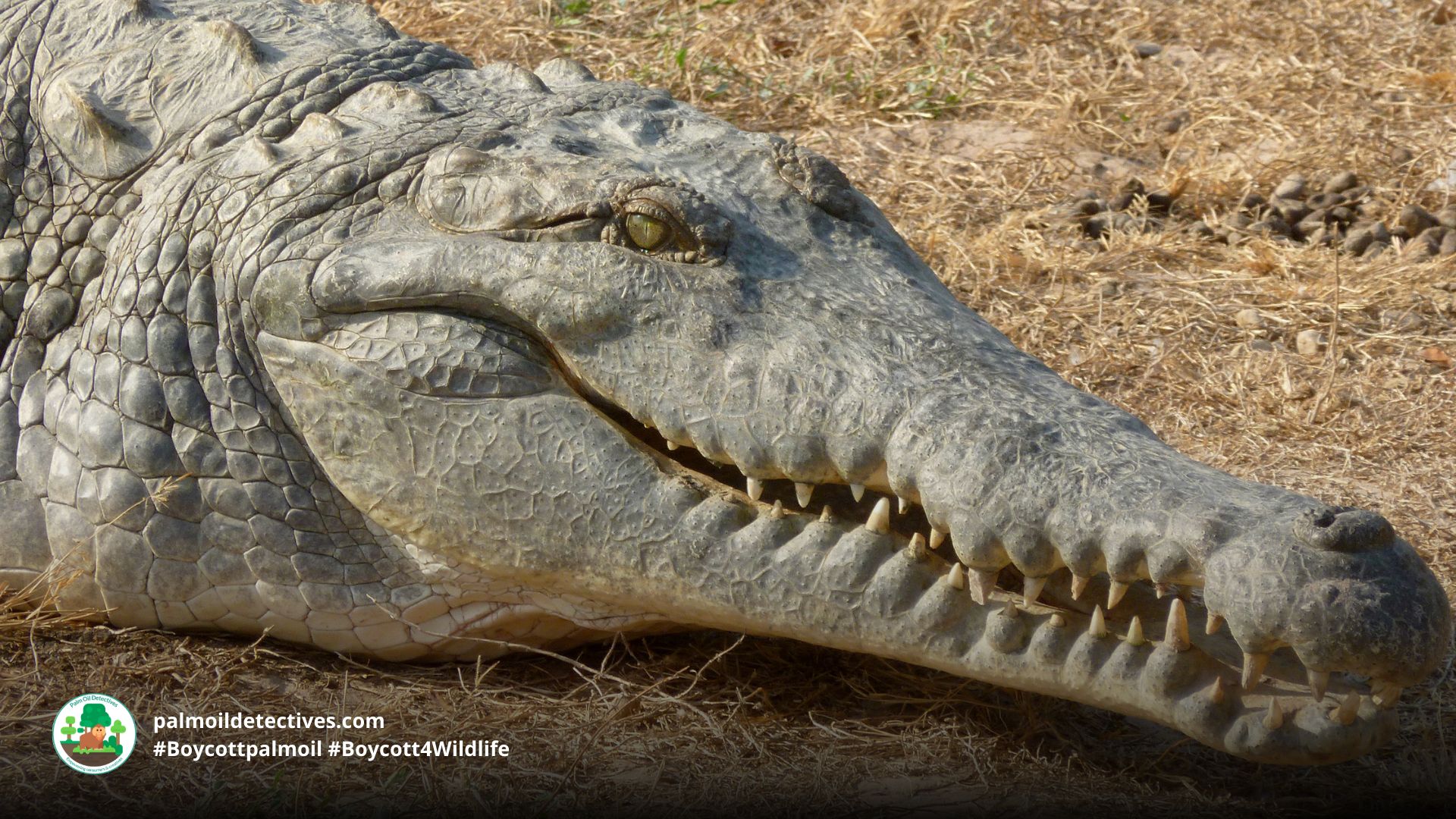
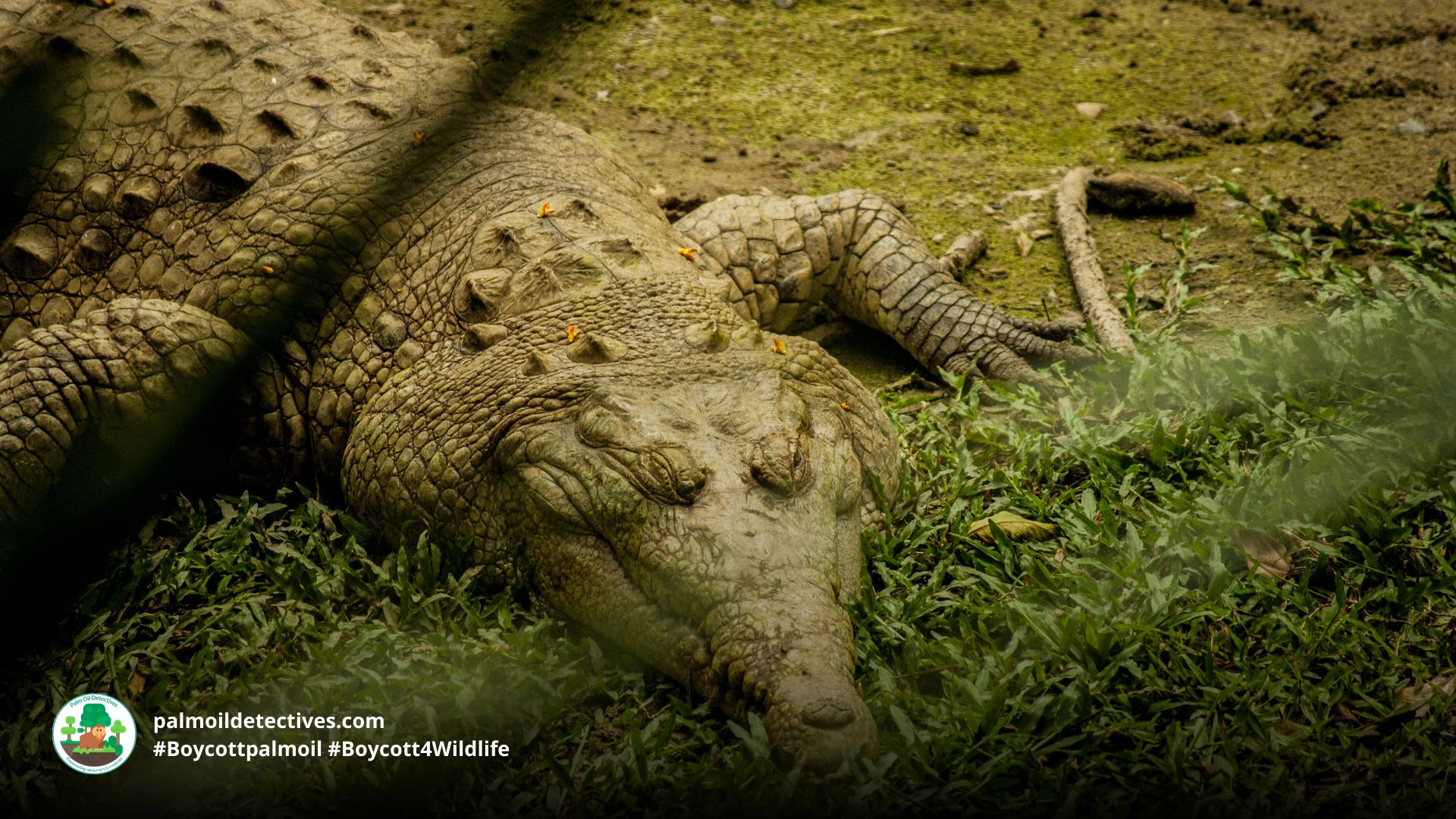
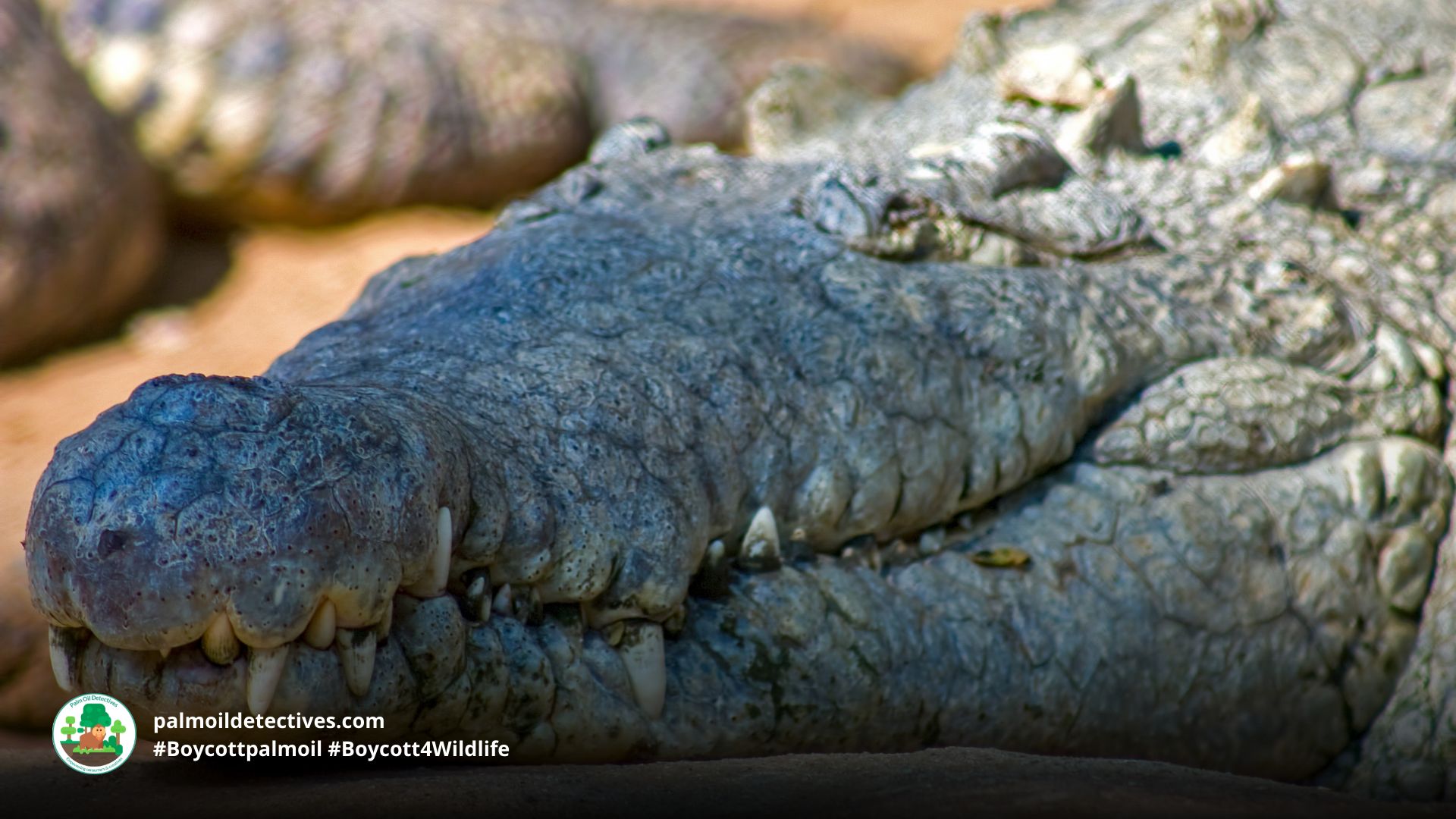
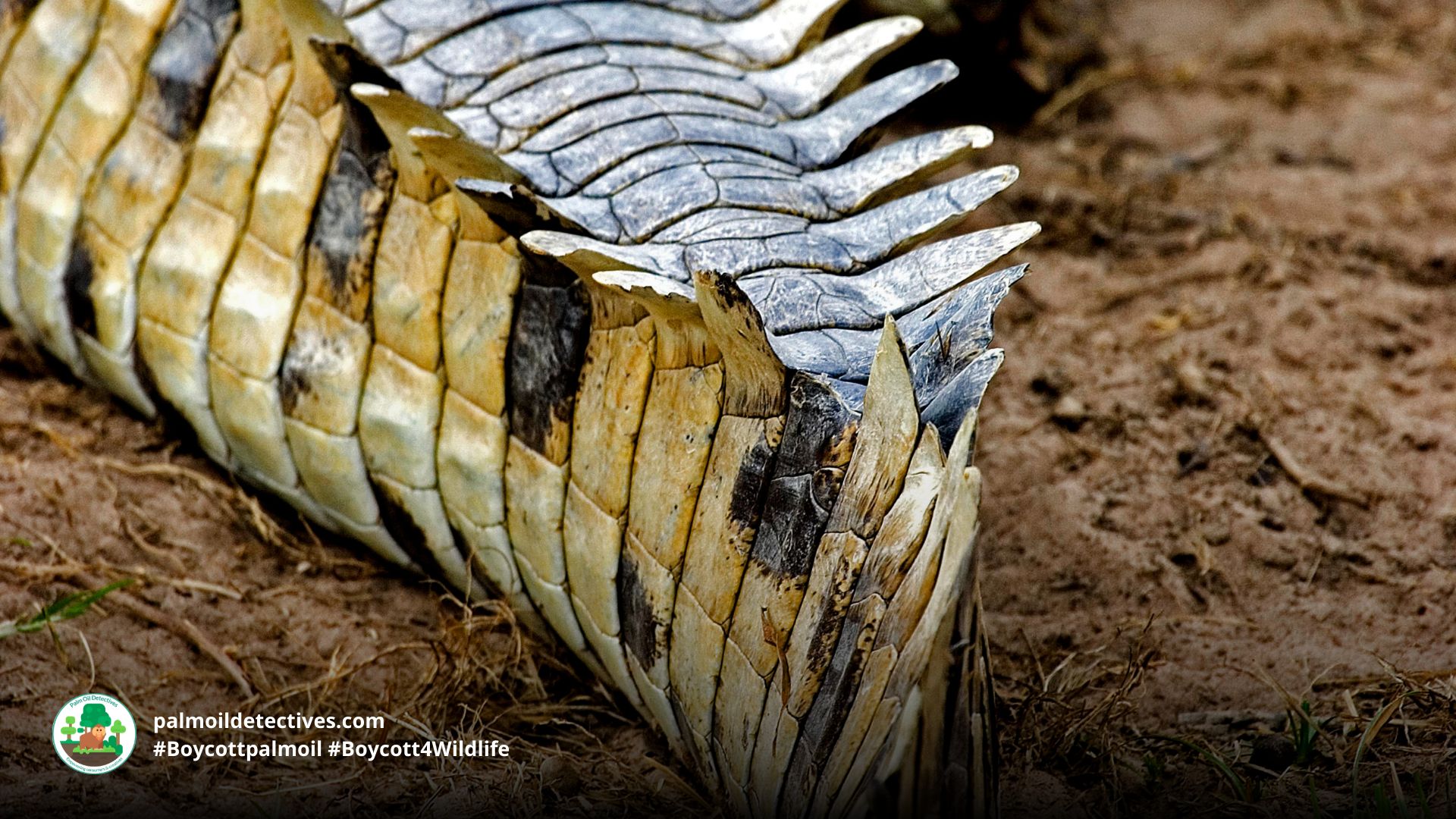
The Orinoco Crocodile is a magnificent and commanding presence in the waterways of the llanos. Reaching lengths of up to 6.6 metres, they are among the largest crocodilian species alive today. Their long, narrow snout is lined with sharp, conical teeth perfect for catching fish, and their olive-green skin is flecked with dark spots that help them blend into the muddy rivers. Their tails are muscular, their limbs powerful, and their eyes capable of seeing both above and below water.
These crocodiles are not mindless predators—they are deeply intelligent and play an essential role in their ecosystems. They bask in family groups, communicate through vocalisations, and mothers fiercely guard their nests. During dry seasons, they dig burrows into riverbanks and aestivate, waiting for rains to return. They are curious and resourceful, knowing their environment intimately and relying on it to raise their young.


Diet
Carnivorous and opportunistic, Orinoco Crocodiles primarily hunt fish, but will also take turtles, birds, and mammals that venture near the water’s edge. Young crocodiles eat insects and frogs until they grow large enough to tackle bigger prey. Their ambush style of hunting—silent and still—means they often go unnoticed until it is too late for their target. Their powerful bite and rapid acceleration make them highly efficient hunters.
Reproduction and Mating
Breeding occurs in the dry season between January and February. Female crocodiles dig nests on sandy riverbanks and lay between 32 and 44 eggs. After about 90 days, the hatchlings emerge, usually coinciding with the start of the wet season. Mothers are intensely protective, often staying near the nest to defend it from predators and assisting hatchlings as they enter the water.
These crocodiles are devoted to their young. Mothers have been observed communicating with their babies through calls and guarding them well beyond hatching. They are caring and resilient parents—traits rarely associated with reptiles but clearly evident in this extraordinary species.
Geographic Range
The Orinoco Crocodile is now restricted to scattered populations in Colombia and Venezuela, inhabiting rivers such as the Cojedes, Capanaparo, Meta, Arauca, Cravo Norte, Guaviare, and Vichada. Once widespread across the entire Orinoco River system, they are now extinct in more than half of their former range.
In Venezuela, the Cojedes and Capanaparo Rivers are the most important remaining strongholds. In Colombia, remnant populations cling on in the Ele, Lipa, and Cravo Norte River systems. Many rivers now report no sightings at all, with zero individuals found in surveys over decades.
Threats
Historical Overhunting for Skins:
From the 1920s to the 1950s, more than 254,000 crocodile skins were exported from Colombia alone. This brutal trade decimated wild populations across the species’ entire range (Medem, 1981).
Gold Mining and Mercury Pollution:
Illegal and industrial gold mining continues to poison rivers with mercury, a deadly neurotoxin that contaminates crocodile nesting areas and kills aquatic prey species they rely on.
Palm Oil, Soy and Cattle Ranching:
Massive deforestation for palm oil, soy monocultures, and cattle ranching is destroying riparian habitats. These industries pollute rivers, compact soil, and dry out the riverbanks where crocodiles nest, leading to widespread nest failure and loss of young.
River Development and Dams:
Hydroelectric dams and canal construction have altered the natural flow of rivers, reducing habitat availability and isolating populations. Some nesting beaches have been permanently flooded or destroyed.
Low-Scale Poaching and Fear-Based Persecution
Despite legal protections, crocodiles are still hunted or killed out of fear in some areas. Their eggs are also collected for local consumption. This low-level persecution remains a barrier to recovery.
Genetic Isolation and Fragmentation:
Most populations are now cut off from one another, with no chance of genetic exchange. This makes them vulnerable to inbreeding and local extinction.
Take Action!
The Orinoco Crocodile is a sentient and vital being—an ancient protector of South America’s rivers who deserves not just to survive, but to thrive. They care for their young, shape the waterways they inhabit, and have lived in balance with their ecosystems for millions of years.
But gold mining is poisoning their waters with mercury. Palm oil, soy, and cattle industries are bulldozing their nesting beaches and flooding their rivers with pesticides and faecal waste. Roads and dams are cutting them off from each other, forcing them into smaller and smaller refuges. These pressures are pushing them closer to extinction every year.
Support indigenous-led conservation efforts. Boycott palm oil, soy, and beef linked to deforestation. Never buy crocodile leather. Advocate for river protections and rewilding programmes. The Orinoco Crocodile needs our help—before their ancient voice is silenced forever. #BoycottPalmOil #Boycott4Wildlife #Vegan #BoycottMeat
FAQs
How many Orinoco Crocodiles are left in the wild?
Fewer than 250 mature individuals are estimated to remain across Colombia and Venezuela. Most are confined to a few shrinking river systems. Some rivers now report zero sightings.
How long do Orinoco Crocodiles live?
They can live up to 60–70 years in the wild if they survive past juvenile threats. However, most do not reach maturity due to habitat destruction and hunting.
What are the main threats to Orinoco Crocodiles’ survival?
Historic skin hunting wiped out most of the population. Today, gold mining, palm oil deforestation, soy plantations, cattle ranching, pollution, dams, and genetic isolation threaten their survival.
Is there hope for recovery for the critically endangered Orinoco Crocodile?
Yes—but only with urgent action. Venezuela has released over 9,800 captive-bred crocodiles, and Colombia has begun smaller-scale reintroductions. A 2023 genetic study found captive populations still have high diversity and are suitable for wild release (Saldarriaga-Gómez et al., 2023).
Are Orinoco Crocodiles dangerous to humans?
Like all apex predators, they must be respected, but human attacks are extremely rare. Most killings of crocodiles are driven by fear, not fact.
The Orinoco Crocodile Crocodylus intermedius is distributed in the northern part of South America, occurring in both Colombia and Venezuela (Medem 1983). The Orinoco Crocodile is one of the largest crocodylian species extant in the world (largest individual recorded 669 cm total length; Humboldt 1860 in Medem 1983). This species dwells a variety of habitats including rivers in tropical evergreen forest, piedmont streams in the foothills of the Andes, and seasonal rivers in savannas (Medem 1983).
Support the conservation of this species
Further Information
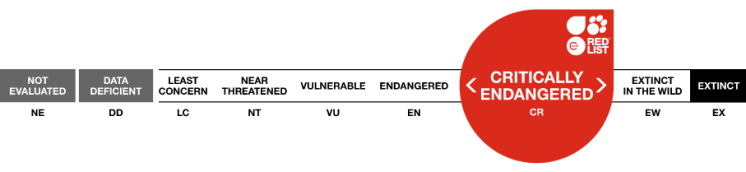
Balaguera-Reina, S.A., Espinosa-Blanco, A., Antelo, R., Morales-Betancourt, M. & Seijas, A. 2018. Crocodylus intermedius (errata version published in 2020). The IUCN Red List of Threatened Species 2018: e.T5661A181089024. https://dx.doi.org/10.2305/IUCN.UK.2018-1.RLTS.T5661A181089024.en. Downloaded on 16 February 2021.
Moreno-Arias, R.A., Ardila-Robayo, M.C. Journeying to freedom: the spatial ecology of a reintroduced population of Orinoco crocodiles (Crocodylus intermedius) in Colombia. Anim Biotelemetry 8, 15 (2020). https://doi.org/10.1186/s40317-020-00202-2
Saldarriaga-Gómez, A. M., Ardila-Robayo, M. C., Medem, F., & Vargas-Ramírez, M. (2023). Hope is the last thing lost: Colombian captive-bred population of the Critically Endangered Orinoco Crocodile (Crocodylus intermedius) is a genetic reservoir that could help to save the species from extinction. Nature Conservation, 53, 85–103. https://doi.org/10.3897/natureconservation.53.104000
Seijas, A., Espinosa-Blanco, A., & Chávez, B. (2010). Population status of Crocodylus intermedius in Venezuela. Crocodile Specialist Group Newsletter, 29(1), 7–11. http://dx.doi.org/10.1016/S0006-3207(99)00184-6

How can I help the #Boycott4Wildlife?
Take Action in Five Ways
1. Join the #Boycott4Wildlife on social media and subscribe to stay in the loop: Share posts from this website to your own network on Twitter, Mastadon, Instagram, Facebook and Youtube using the hashtags #Boycottpalmoil #Boycott4Wildlife.
2. Contribute stories: Academics, conservationists, scientists, indigenous rights advocates and animal rights advocates working to expose the corruption of the palm oil industry or to save animals can contribute stories to the website.



3. Supermarket sleuthing: Next time you’re in the supermarket, take photos of products containing palm oil. Share these to social media along with the hashtags to call out the greenwashing and ecocide of the brands who use palm oil. You can also take photos of palm oil free products and congratulate brands when they go palm oil free.
4. Take to the streets: Get in touch with Palm Oil Detectives to find out more.
5. Donate: Make a one-off or monthly donation to Palm Oil Detectives as a way of saying thank you and to help pay for ongoing running costs of the website and social media campaigns. Donate here
Discover more from Palm Oil Detectives
Subscribe to get the latest posts sent to your email.
 Palm Oil Detectives
One thought on “Orinoco Crocodile Crocodylus intermedius”