
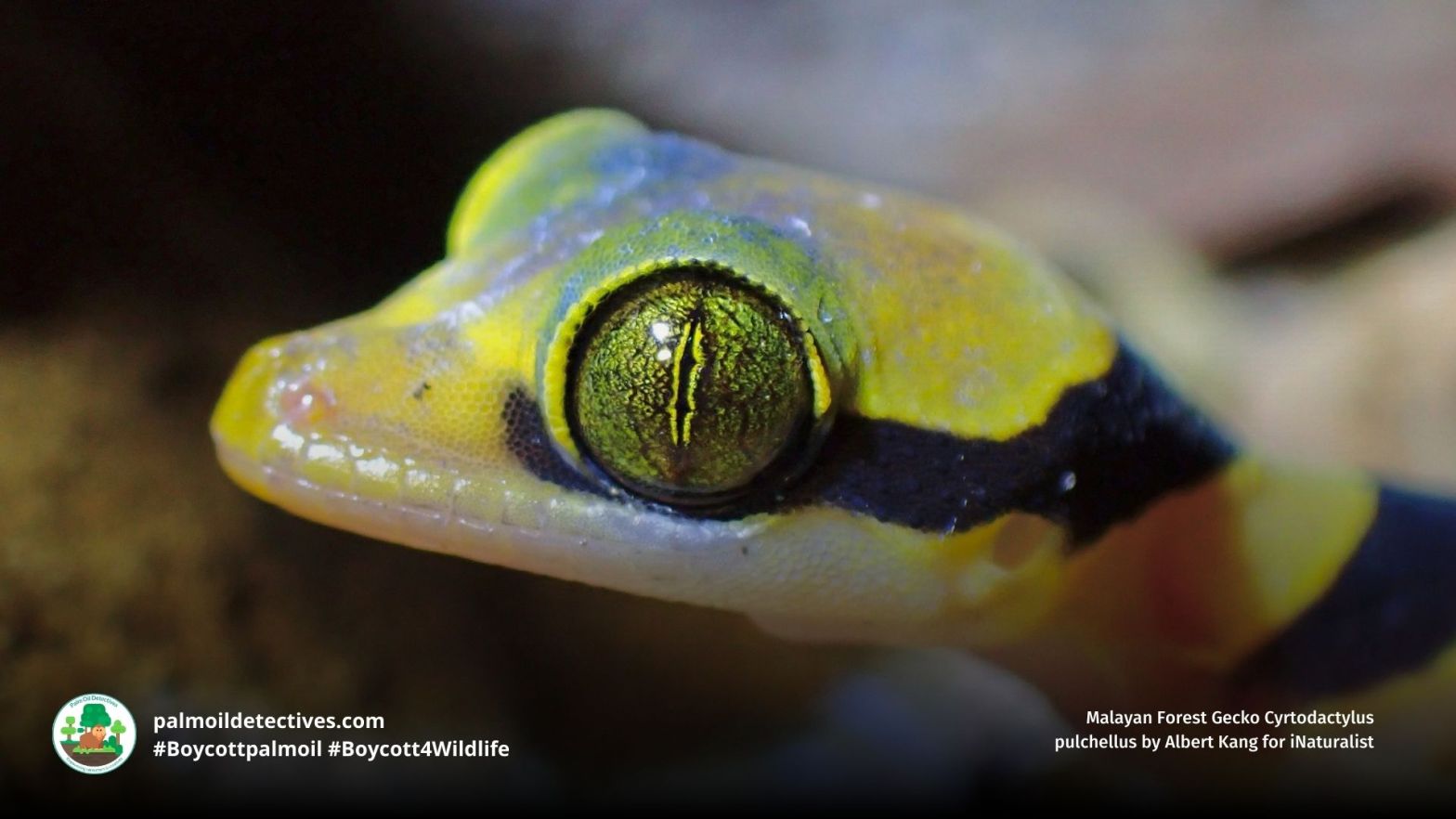
Many animals have a colourful, yet largely hidden, trait. Marine creatures like #fish and corals can glow blue, green or red under certain types of light. So can land animals like penguins and #parrots. But until now, experts knew of only one salamander and a few #frogs that could glow. No longer. Among #amphibians, this ability to glow now appears fairly common — even if you can’t see it. Research has found that most amphibians glow as well – even if it’s not visible to human eyes. Protect amphibians and reptiles every time you shop and #Boycottpalmoil #Boycott4Wildlife
Tag Archives: amazing animals
African Forest Elephants Help Fight Climate Change
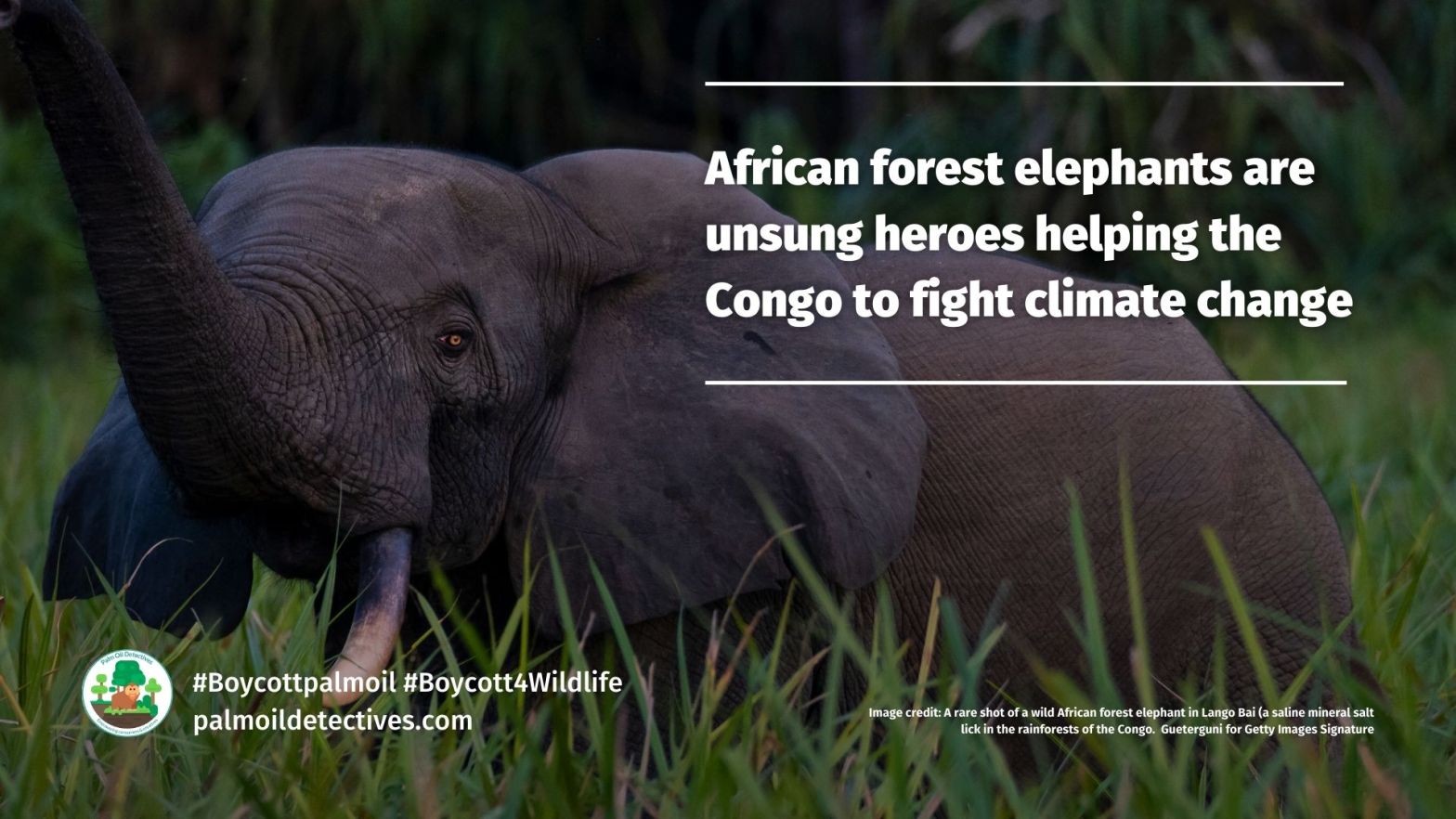
Discover the awe-inspiring role of African forest elephants in the Congo Basin—nature’s master gardeners who literally shape the world around them! These gentle giants roam through muddy, mineral-rich paradises called baïs, fostering the growth of carbon-absorbing trees that make our planet healthier. By tending to these unique landscapes, they are the unsung heroes in the fight against climate change. Want to ensure these ecological architects keep doing their vital work? Join the movement to protect their habitat—say no to palm oil and adopt a vegan lifestyle! 🐘🌳#BoycottPalmOil #BeVegan #Boycott4Wildlife
News stories about spiders are unfairly negative – here’s how to tell the truth about spiders
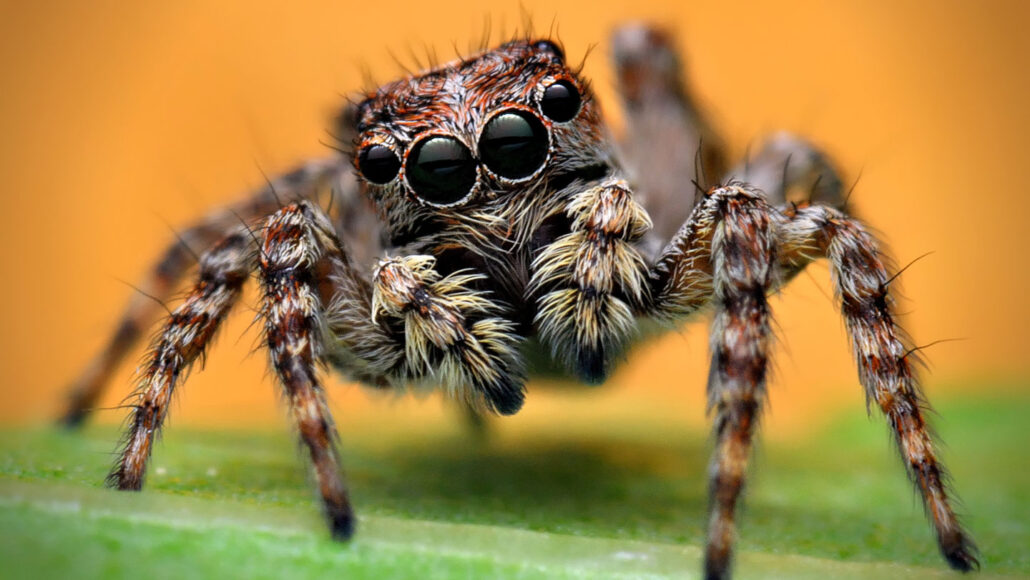
Frequent errors in news reports likely contribute to the animals’ undeserved bad reputation Spiders are pretty remarkable. They live almost everywhere, from rainforests to deserts. Some even spend most of their lives underwater. They are smarter than you think, with some able to make plans and count. Scientists think they might even dream when theyContinue reading “News stories about spiders are unfairly negative – here’s how to tell the truth about spiders”
Uncovering The Glasswing Butterfly’s See-through Wings

Most butterflies sport colourful, eye-catching wings. But some species flit about using mostly transparent wings. Researchers have now uncovered the tricks that one of these — the glasswing butterfly (Greta oto) — uses to hide in plain sight. The tricks of their transparency include sparse, spindly scales and a waxy coated membrane. Many thousands of insect species are threatened by large-scale deforestation for agriculture and especially pesticides. Help them to survive and #BoycottPesticides #BoycottPalmOil!
What elephants’ unique brain structures suggest about their mental abilities
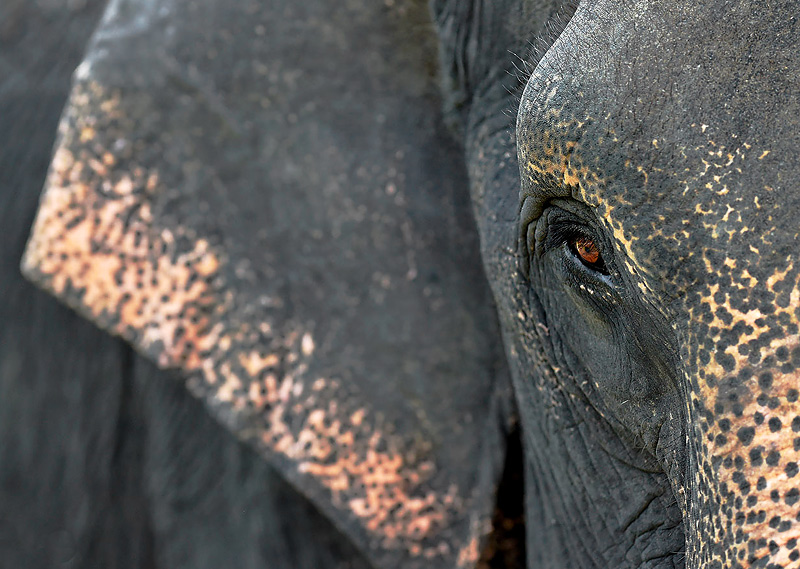
Bob Jacobs, Colorado College Conservationists have designated August 12 as World Elephant Day to raise awareness about conserving these majestic animals. Elephants have many engaging features, from their incredibly dexterous trunks to their memory abilities and complex social lives. But there is much less discussion of their brains, even though it stands to reason thatContinue reading “What elephants’ unique brain structures suggest about their mental abilities”
Chimpanzees once helped African rainforests recover from a major collapse
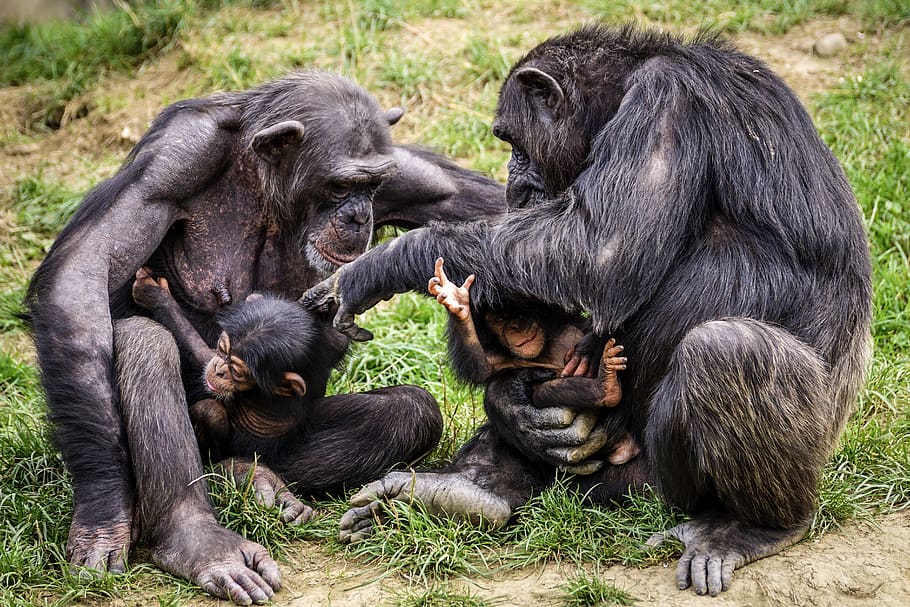
Most people probably think that the rainforest of central and west Africa, the second largest in the world, has been around for millions of years. However recent research suggests that it is mostly just 2,000 or so years old. The forest reached roughly its modern state following five centuries of regeneration after it was massively fragmented when the dry season suddenly became longer some 2,500 years ago. Help #chimpanzees to survive and #Boycottpalmoil #Boycott4Wildlife every time you shop
The Amazonian Royal Flycatcher: A flurry of feathers

The Amazonian Royal Flycatcher is a member of a family of birds called the tyrant flycatchers, which occur throughout North and South America. This is the biggest family of birds in the world, with more than 400 species. As the name implies, the majority of tyrant flycatchers are entirely insectivorous (though they do not necessarily specialise in flies), while the ‘tyrant’ part comes from the noisy, aggressively territorial behaviour of some species in the group. Help them to survive every time you shop and #BoycottPalmOil #Boycott4Wildlife.
What’s my name? How wild parrots identify their young
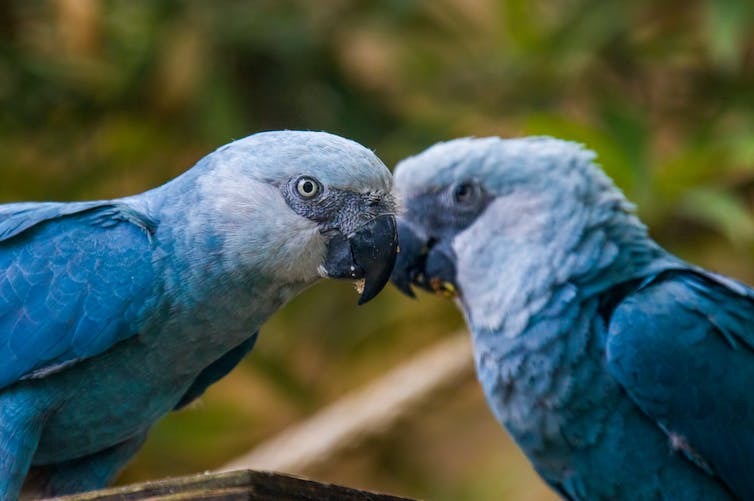
Ground-breaking research has found that wild parrots teach their chicks unique sound signatures so that they can identify their parents. We are only just scratching the surface of knowledge about these immensely intelligent non-human beings, protect them! Be #Vegan and #BoycottPalmOil #Boycott4Wildlife
Monkey minds: what we can learn from primate personality
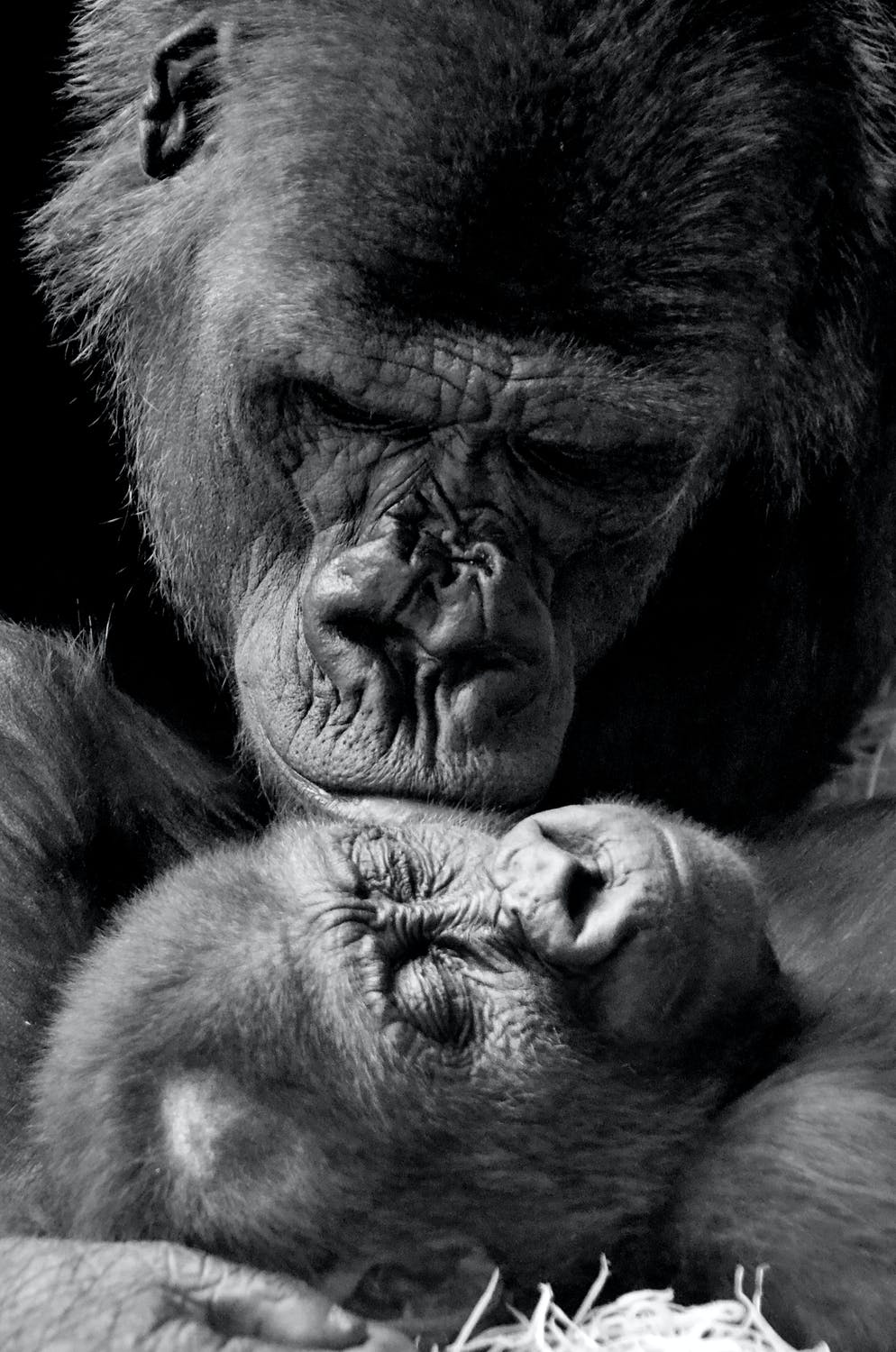
Did you know our primate cousins exhibit similar personality profiles to humans? Explore fascinating evolutionary research on primate social behaviour
The lengthy childhood of endangered orangutans is written in their teeth
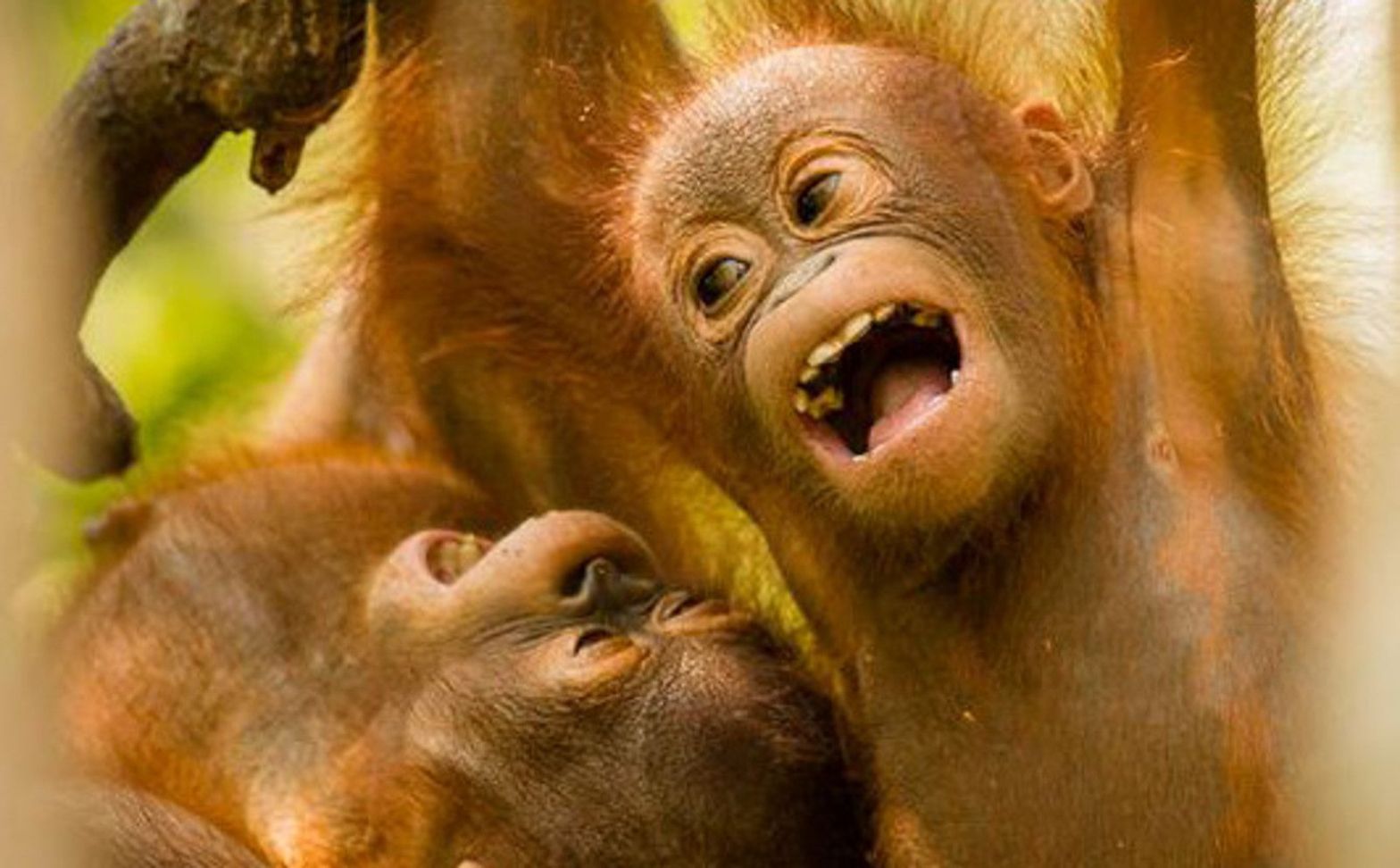
Orangutan populations of all three species are critically endangered in the wild. One of the things that may hamper their survival is the time they take to rear new generations.
Just like human mothers, primate mothers raise only a few slow-growing offspring during their reproductive years. An orangutan mother will not give birth again until she’s finished providing milk to her previous offspring. Nursing can take a long time and vary across seasons, as found in research published in Science Advances. Help these beautiful and rare great apes to survive when you #BoycottPalmOil #Boycott4Wildlife in the supermarket!
Borneo’s bearded pig: forest gardener and eocosysem protector!
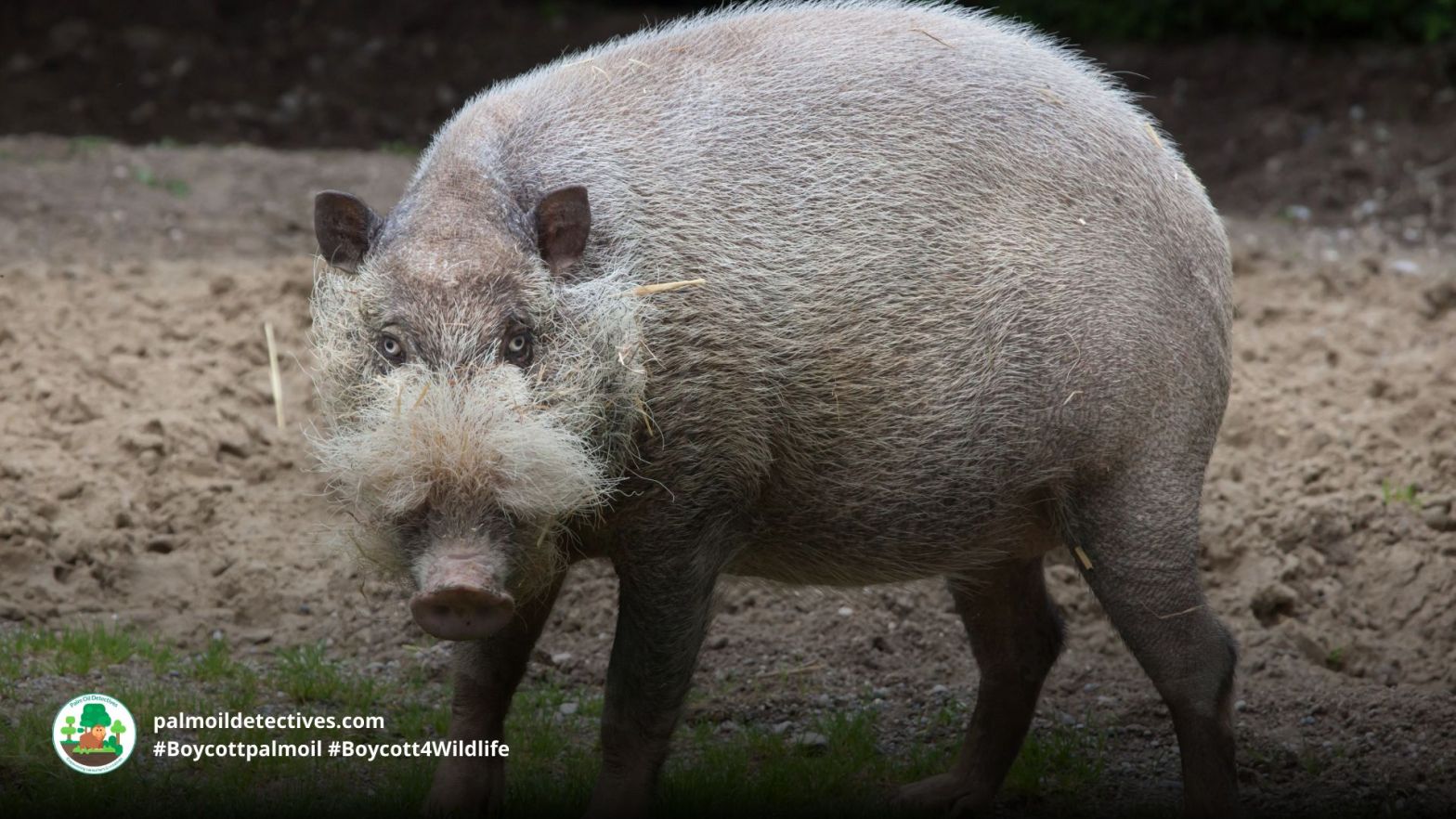
Borneo – fourth-largest island in the world, home to more than 20 million people. With so many well known species on the island like elephants, rhinos and orangutans, one species continues to fly under the radar. Sus barbatus AKA the Borneo Bearded Pig should be the most emblematic animal on the island. This wild boarContinue reading “Borneo’s bearded pig: forest gardener and eocosysem protector!”
 Palm Oil Detectives