

The Andean condor Vultur gryphus is one of the largest flying #birds in the world, with a wingspan of up to 3.3 metres and a body weight of up to 15 kilograms. These amazing birds are able to soar for up to five hours and cruise for over 100 kilometres using wind currents, not flapping. They are primarily scavengers, feeding on carrion from large carcasses such as deer, cattle, and marine mammals. With a striking black plumage and distinct white ruff around their necks, they are iconic symbols of the #Andes mountains. Despite their impressive size and strength, Andean #condors are classified as #Vulnerable from human-related threats including habitat loss for #palmoil, #soy and #meat #deforestation. Farmers persecute these beautiful birds putting poison into animal carcasses. Their slow reproductive rate makes their survival even more challenging. These birds are critical for ecosystems, disposing carrion. Thus they prevent the spread of diseases. Help them to survive by simply changing your diet and buying habits. #BoycottMeat and be #vegan #Boycott4Wildlife
Tag Archives: Paraguay
Glaucous Macaw Anodorhynchus glaucus
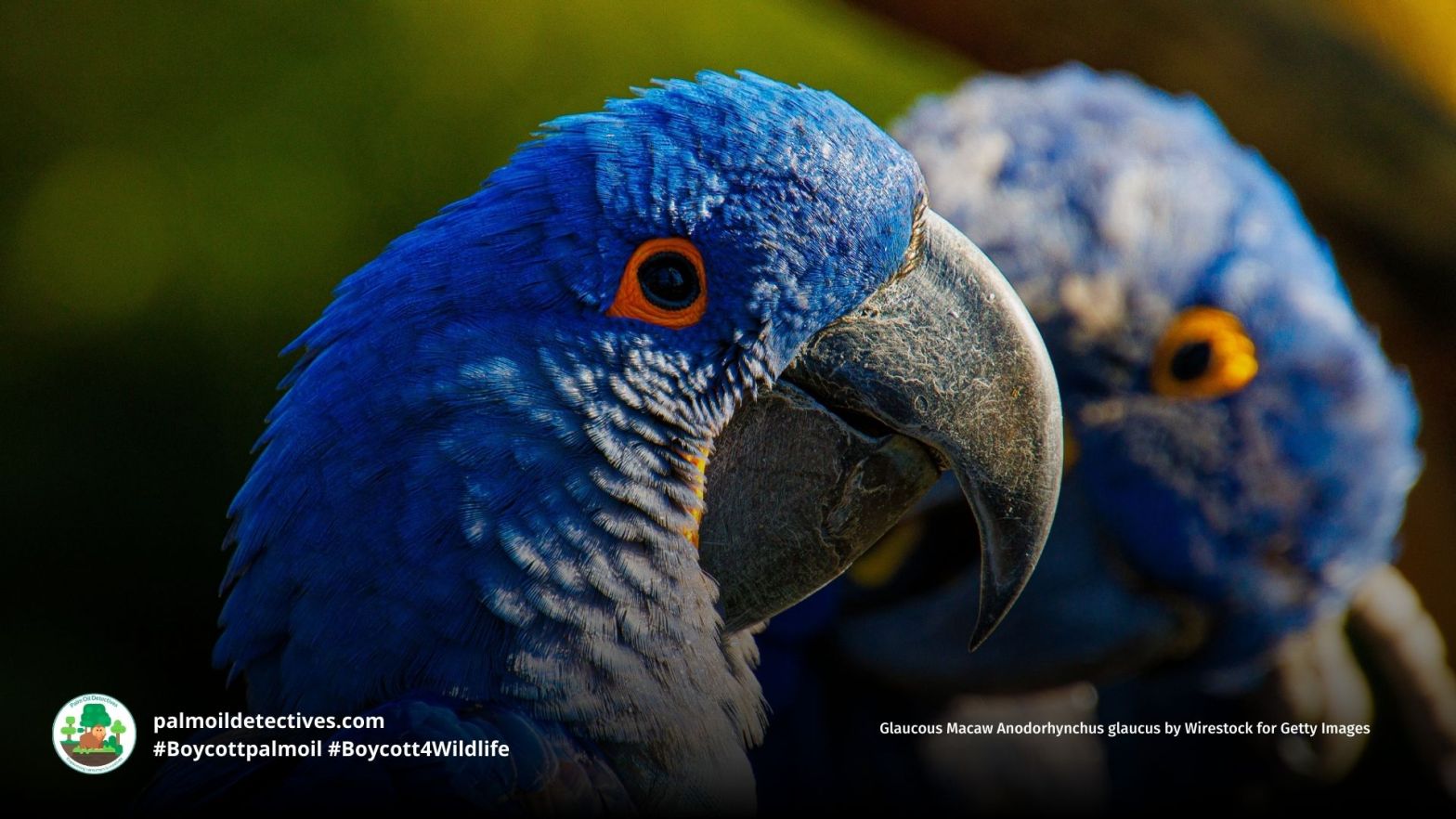
The Glaucous #Macaw stands out not only for their vibrant coloration but also for their vocalisations, which led to its Guaraní name “guaa-obi.” As part of a larger group of neotropical macaws, they are closely related to the Lear’s macaw (A. leari) and the hyacinth macaw (A. hyacinthinus). Although often confused with similar species, the Glaucous Macaw is a unique denizen of South America’s gallery forests and palm savannahs.
Use your wallet as a weapon and help the Glaucous Macaw and other rare #birds. They face many threats to their survival including forest destruction for meat, palm oil, soy and gold. Join the movement to #BoycottPalmOil #BoycottGold and #Boycott4Wildlife. Together we can empower people we know to make conscious supermarket decisions for wildlife survival.
Bush Dog Speothos venaticus
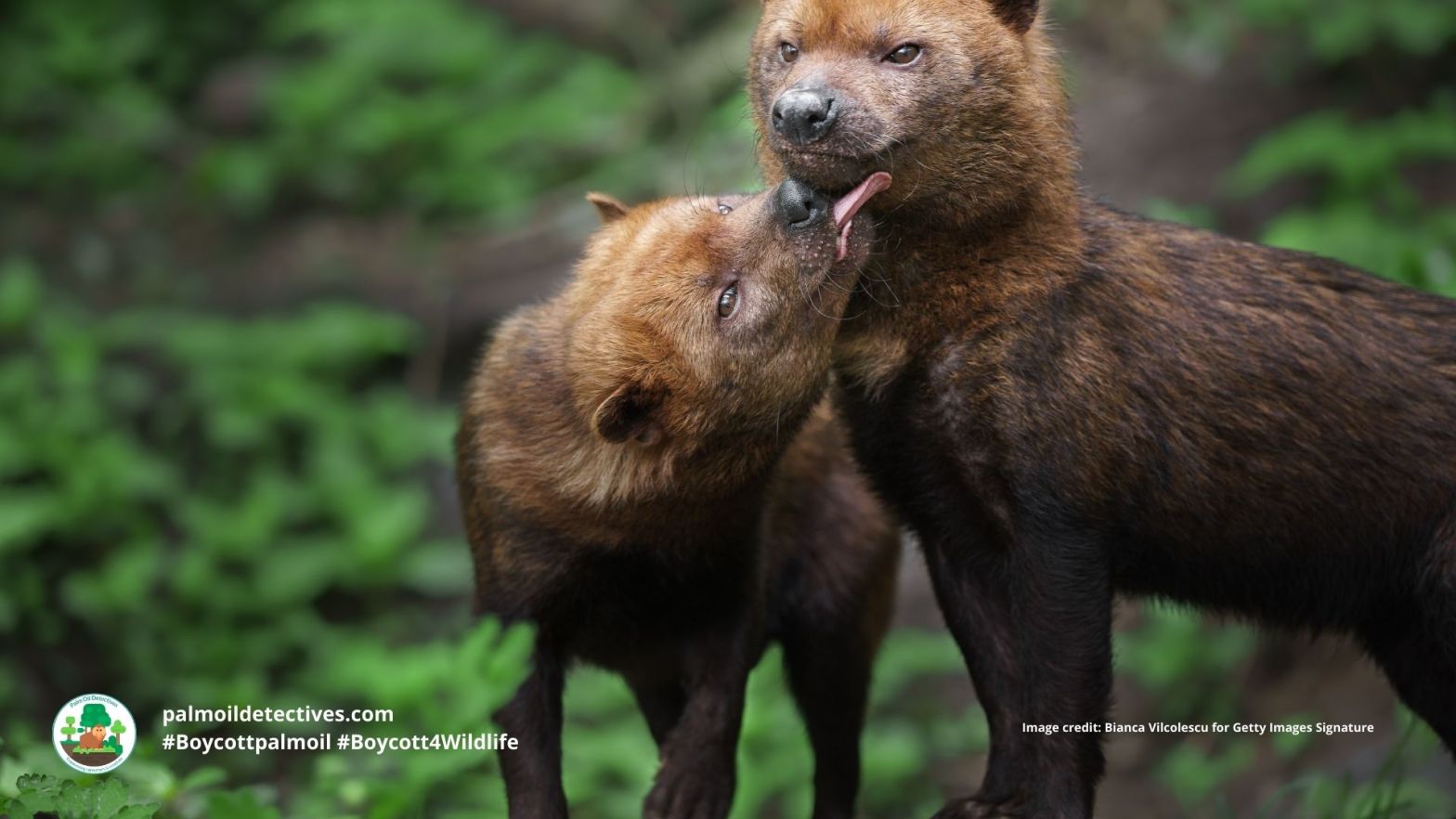
The enigmatic Bush dog was once believed to be extinct, however they have now emerged from the shadows. These elusive canids show remarkable teamwork and intelligence with strategic hunting tactics. They divide into land and water based groups when pursuing elusive prey like the paca. Despite their shy nature, Bush dogs break their silence with peculiar calls, a vocal repertoire that serves as a means of communication and warning within the pack. Adorned in reddish hues, they bear the nickname ‘zorro,’ reminiscent of a fox, while their distinctive vinegar-like scent has earned them the moniker ‘vinegar dog’.
They are classified as Near Threatened due to their range disappearing for cattle grazing, palm oil, soy, eucalytpus and other monoculture crops. Not enough is known yet about their lives to assess the damage. Fight for them every time you shop and be #vegan #Boycottpalmoil #Boycott4Wildlife.
Marsh Deer Blastocerus dichotomus
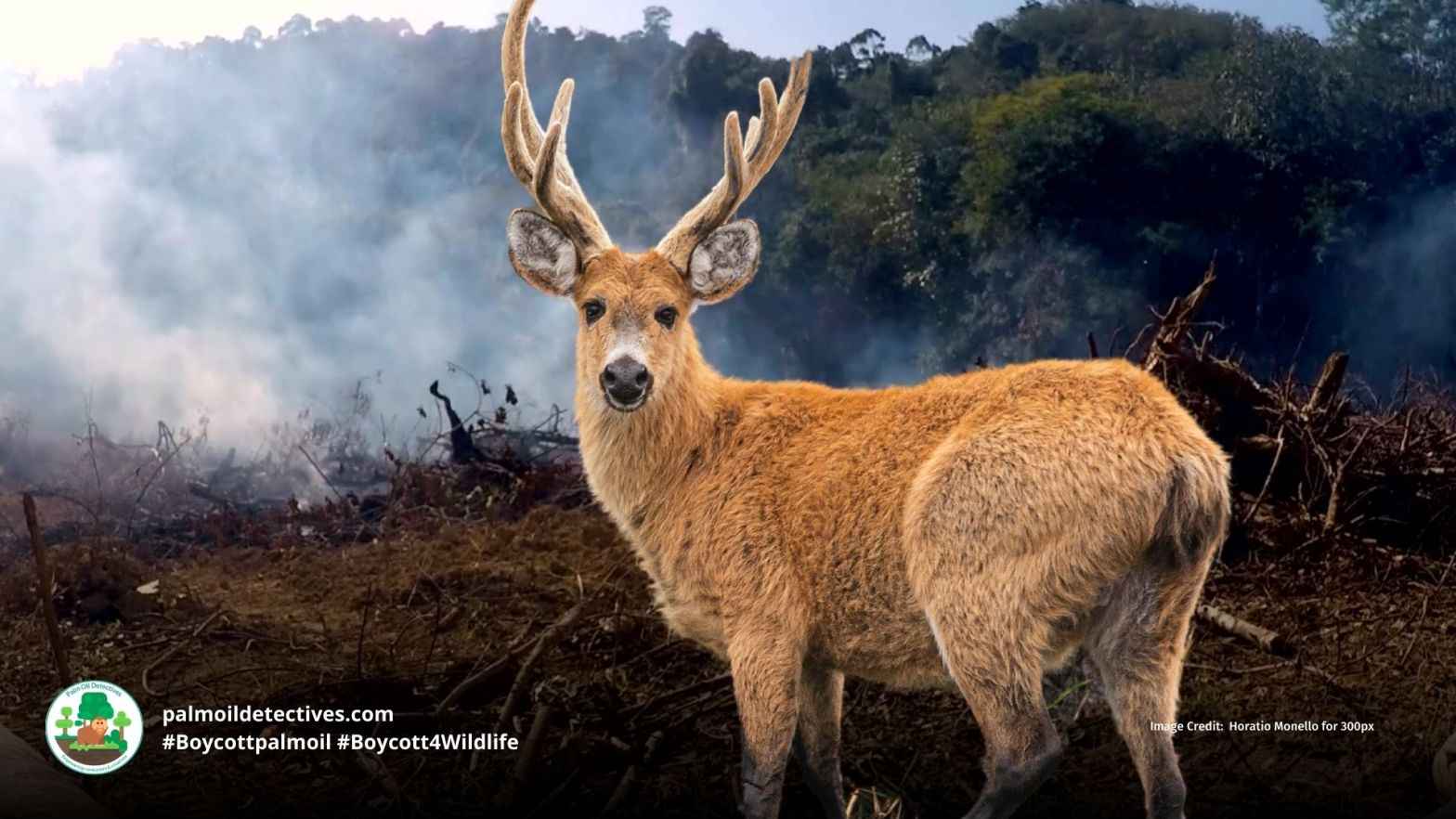
The Marsh deer are South America’s largest deer species, uniquely adapted to wetland life with their web-like hooves and preference for aquatic plants. They are prey animals for jaguars and pumas.
These majestic creatures, once widespread, are now confined to isolated pockets. Their main threat is habitat loss and fragmentation due to palm oil, soy and meat deforestation along with hydroelectric dams and gold mining.
Even as researchers strive to understand their complex and obscure social and mating behaviours, time is running out for these unique creatures. Use your wallet as a weapon and protect the Marsh deer #BoycottPalmOil #BoycottGold4Yanomami #Boycott4Wildlife.
Giant Otter Pteronura brasiliensis
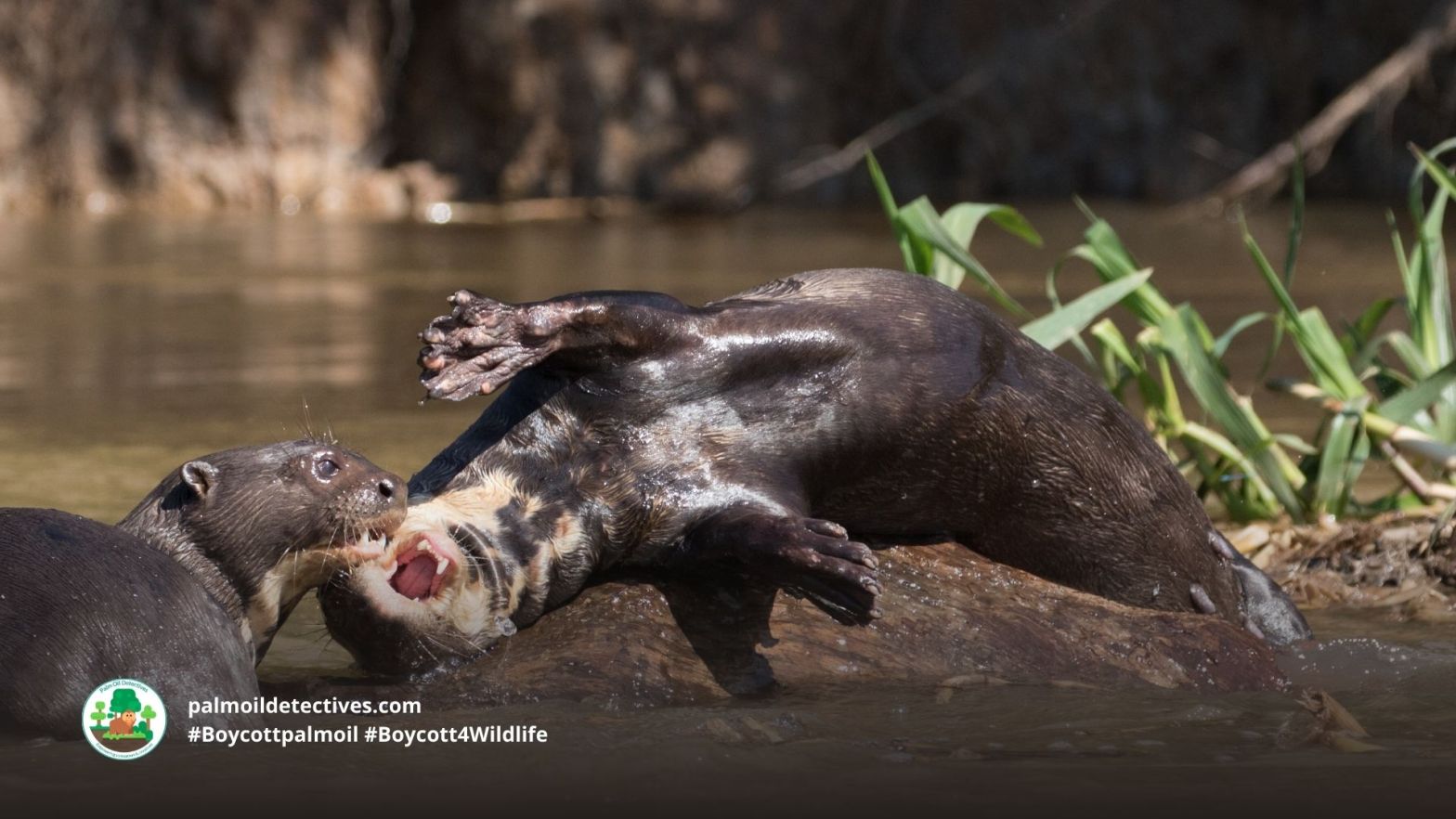
The agile and graceful tumbling Olympians of the Amazonian rivers, Giant #Otters are able to swim 100 metres in less than 30 seconds. They are also known as the Lobo de Rio (the River wolf), Los Lobos del Rio (Wolves of the River) and Ariranha. They are most active in the mornings and evenings and take a siesta during the hottest parts of the day. Known for their striking size and the chorus of whistles and barks echoing through flooded forests, giant otters are social, vocal, and deeply bonded to their family groups. But the rivers they call home are under siege. The most significant threats to giant otters are anthropogenic pressures of deforestation for palm oil, soy and meat, pollution from mining and climate change. They are also illegally hunted and traded for their pelts or killed in retribution by fishermen. Help them and be #vegan, use your wallet as a weapon and #BoycottPalmOil #Boycott4Wildlife.
 Palm Oil Detectives