
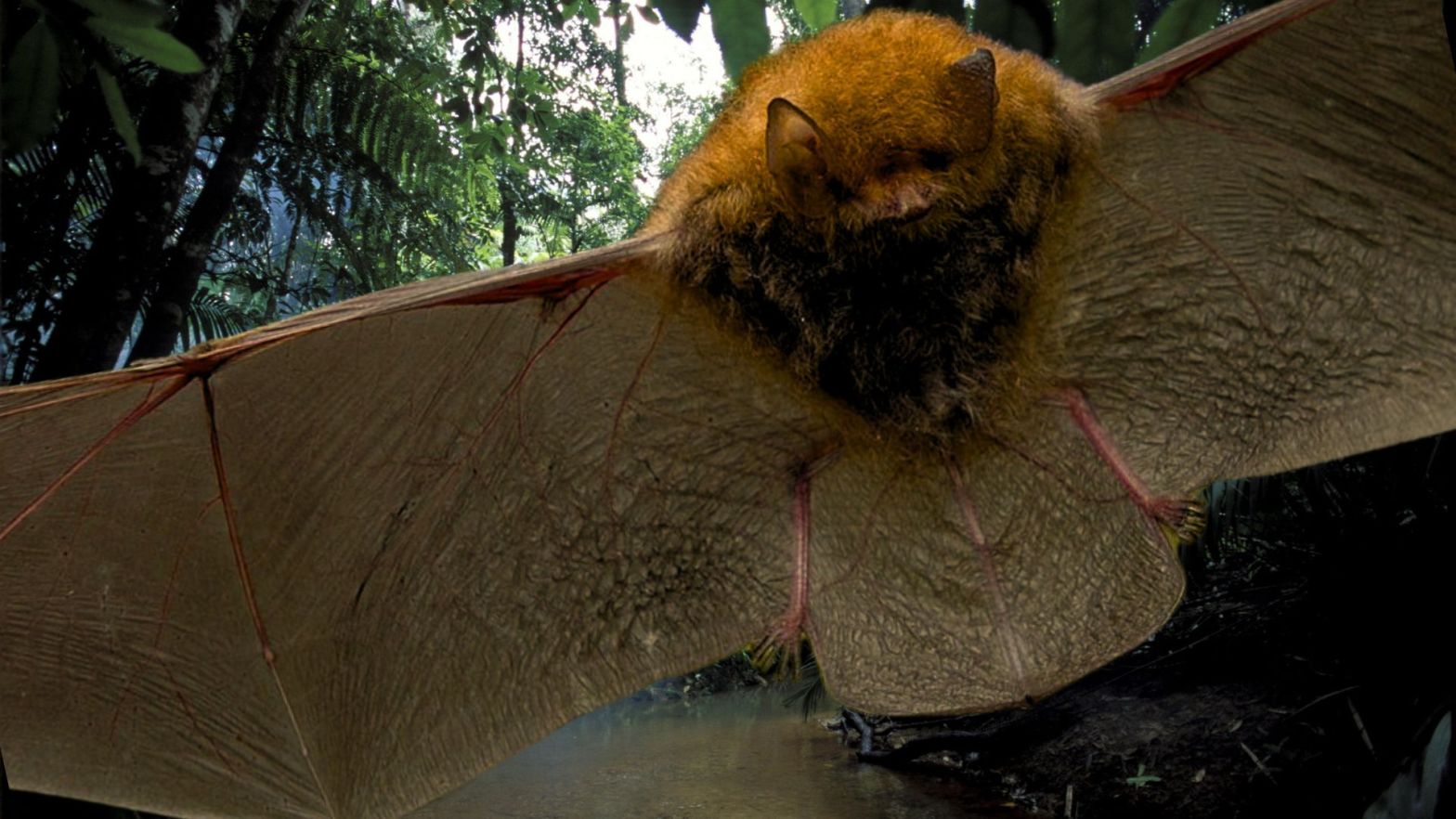
Louisiade Woolly Bat Kerivoula agnell
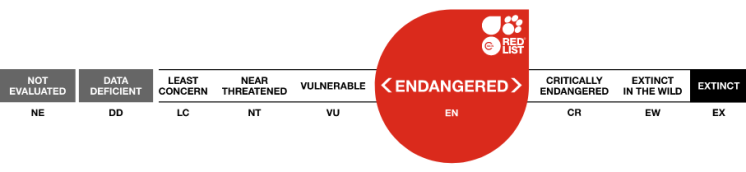
IUCN Red List Status: Endangered
Location: The Louisiade Woolly Bat is endemic to Papua New Guinea, specifically to the islands of the Louisiade Archipelago, including Sudest (Vanatinai) and Tagula.
Also known as St. Aignan’s Trumpet-Eared Bat, the Louisiade Woolly Bat is a rare and enigmatic species. Recognised for their soft, wool-like fur and distinct trumpet-shaped ears, these bats are essential to their ecosystems as insect controllers and forest health indicators.
However, their survival is increasingly threatened and they are now listed as endangered on IUCN Red List. Habitat destruction from logging, agriculture, and development is fragmenting their limited range. Without conservation efforts, this delicate species may face extinction. Protect their habitat and biodiversity: #BoycottPalmOil #Boycott4Wildlife.
The delicate and tiny Louisiade Wooly #Bat 🦇🖤with trumpet-like 👂🎺ears is #endangered in #PapuaNewGuinea 🇵🇬 from #palmoil and #pesticide #pollution. Help save this forgotten species when you #BoycottPalmOil 🌴💀🔥🚫 #Boycott4Wildlife @palmoildetect https://wp.me/pcFhgU-sV
The major threat to this species is forest degradation, clearance and conversion to plantations or gardens. Pesticide use in oil palm plantations might pose a secondary threat.
IUCN Red List
Progressive declines and extinctions of individual island populations also threaten the persistence of the species as a whole by limiting opportunities for natural or assisted reintroductions.
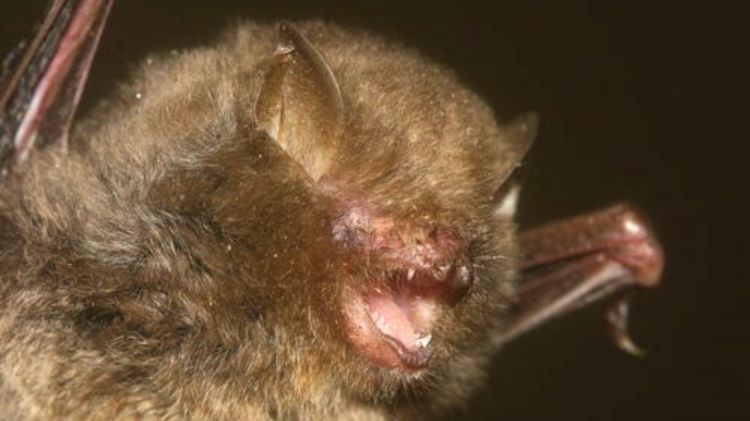
Appearance and Behaviour
The Louisiade Woolly Bat, also called St. Aignan’s Trumpet-Eared Bat, is a small, delicately built bat with a body length of 4–5 cm and a wingspan of about 25 cm. Their dense, woolly fur varies from pale grey-brown to golden, providing excellent camouflage in their forest environment. Their namesake trumpet-shaped ears are highly sensitive, aiding in echolocation to navigate and hunt insects.
This nocturnal species is active in dense forest canopies, using their remarkable agility to hunt small, flying insects. During the day, they roost in tree hollows, beneath bark, or in dense foliage, relying on their cryptic colouring to remain hidden from predators.
Threats
The Louisiade Woolly Bat (Kerivoula agnella) faces mounting threats from habitat destruction, pesticide use, and human activities across their limited island range.
Deforestation for palm oil and timber
Throughout the Louisiade Archipelago, forest degradation and clearance for palm oil agriculture is the most pressing threat. On Fergusson Island, forests below 200 metres have been degraded over generations by subsistence farming and frequent fires, while logging concessions cover nearly half the island, further shrinking the bat’s habitat. Woodlark Island has seen similar impacts, with large areas cleared for palm oil and mining, leaving fragmented patches of secondary forest. On Misima Island, former gold mining operations and increasing human activity have significantly degraded forest cover, while Sudest Island remains a rare stronghold with relatively intact forests at higher elevations.
Pesticide and run-off pollution from palm oil plantations
The increasing use of pesticides and herbicides across these islands is a huge threat to the Louisiade Woolly Bat. These chemicals may harm insect populations, their primary food source, while also potentially poisoning the bats directly. As agriculture expands, the reliance on these harmful chemicals continues to rise, further jeopardising the species.
Climate Change
Rising temperatures and altered rainfall patterns threaten the forest ecosystems these bats depend on. Changes in insect populations caused by climate change could further jeopardise their food sources.
Small and Isolated Population
With populations confined to small, isolated islands, the Louisiade Woolly Bat is at high risk of extinction. Habitat fragmentation caused by logging and palm oil agriculture limits their ability to move between areas, reduces genetic diversity, and increases the likelihood of localised population collapses.
Diet
The Louisiade Woolly Bat is insectivorous, preying on moths, beetles, flies, and other small, flying insects. They use echolocation to hunt within dense forest canopies and near water sources where insects are abundant.
Reproduction and Mating
Although specific details about the Louisiade Woolly Bat’s reproduction are unknown, it is likely that they follow similar patterns to other bats in the Kerivoula genus. Females likely give birth to a single pup each year, which remains dependent on the mother for several weeks until they can forage independently.
Geographic Range
This bat is endemic to Papua New Guinea’s Louisiade Archipelago, specifically on Sudest (Vanatinai) and Tagula islands. They are closely associated with lowland forests, where they rely on intact, undisturbed habitats for roosting and hunting.
FAQ
What are some interesting facts about woolly bats?
Woolly bats, such as the Louisiade Woolly Bat, are named for their dense, wool-like fur, which helps them blend into their forest surroundings. They are among the most agile bat species, able to navigate dense canopies with precision.
Where are woolly bats found?
Woolly bats are typically found in tropical and subtropical forests across Southeast Asia and the Pacific. The Louisiade Woolly Bat is restricted to the islands of Sudest and Tagula in the Louisiade Archipelago of Papua New Guinea.
Are woolly bats carnivores?
Woolly bats are insectivorous, feeding exclusively on small, flying insects such as moths, flies, and beetles.
Take Action!
The Louisiade Woolly Bat is a delicate, rare species whose survival depends on protecting Papua New Guinea’s forest ecosystems. Stand against habitat destruction caused by logging and agriculture: #BoycottPalmOil #Boycott4Wildlife.
You can support this beautiful animal
There are no known conservation activities for this animal. Share out this post to social media and join the #BoycottPalmOil #Boycott4Wildlife on social media to raise awareness
Further Information
Aplin, K. & Armstrong, K.D. 2020. Kerivoula agnella. The IUCN Red List of Threatened Species 2020: e.T10968A21975540. https://dx.doi.org/10.2305/IUCN.UK.2020-3.RLTS.T10968A21975540.en. Downloaded on 31 January 2021.
Funakoshi, K., Fukui, D., Yamamoto, T., & Mizuno, M. (2015). Ecology and monogamous system of the painted woolly bat (Kerivoula picta) in Khon Kaen, Thailand. Mammal Study, 40(4), 207–216. https://doi.org/10.3106/041.040.0402
IgoTerra. (n.d.). Kerivoula agnella. Retrieved from https://igoterra.com/taxon/view/35788/Kerivoula-agnella
Wikipedia. (n.d.). St. Aignan’s Trumpet-Eared Bat. Retrieved from https://en.wikipedia.org/wiki/St._Aignan%27s_trumpet-eared_bat

How can I help the #Boycott4Wildlife?
Take Action in Five Ways
1. Join the #Boycott4Wildlife on social media and subscribe to stay in the loop: Share posts from this website to your own network on Twitter, Mastadon, Instagram, Facebook and Youtube using the hashtags #Boycottpalmoil #Boycott4Wildlife.
2. Contribute stories: Academics, conservationists, scientists, indigenous rights advocates and animal rights advocates working to expose the corruption of the palm oil industry or to save animals can contribute stories to the website.





3. Supermarket sleuthing: Next time you’re in the supermarket, take photos of products containing palm oil. Share these to social media along with the hashtags to call out the greenwashing and ecocide of the brands who use palm oil. You can also take photos of palm oil free products and congratulate brands when they go palm oil free.
4. Take to the streets: Get in touch with Palm Oil Detectives to find out more.
5. Donate: Make a one-off or monthly donation to Palm Oil Detectives as a way of saying thank you and to help pay for ongoing running costs of the website and social media campaigns. Donate here
Discover more from Palm Oil Detectives
Subscribe to get the latest posts sent to your email.
 Palm Oil Detectives