
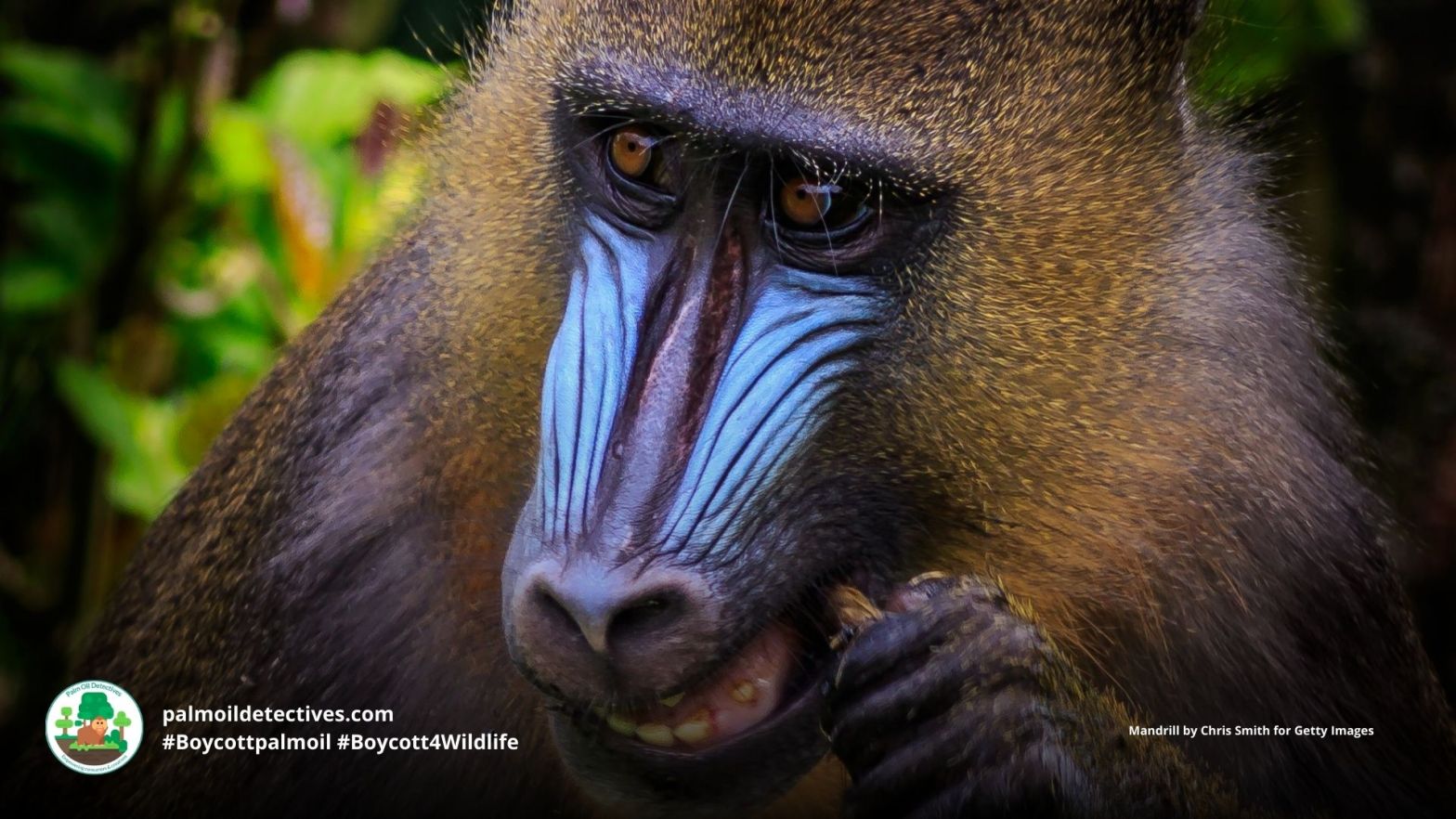
Magnificent #mandrills are undoubtedly one of the world’s most photogenic monkeys – famous for their brightly coloured and expressive appearance. Their bright blue rumps and vivid red, yellow and pink faces become even more deeply colourful when they’re excited. Males use their extra long canines for self-defence, but exposing their teeth can also be a sign of friendliness. Mandrills are important seed dispersers and a critical part of keeping the ecosystem in balance. These beautiful monkeys are vulnerable from palm oil, meat and cocoa deforestation and intensive poaching. Help their survival and #Boycottpalmoil #Boycott4Wildlife
Tag Archives: African News
Goliath Frog Conraua goliath
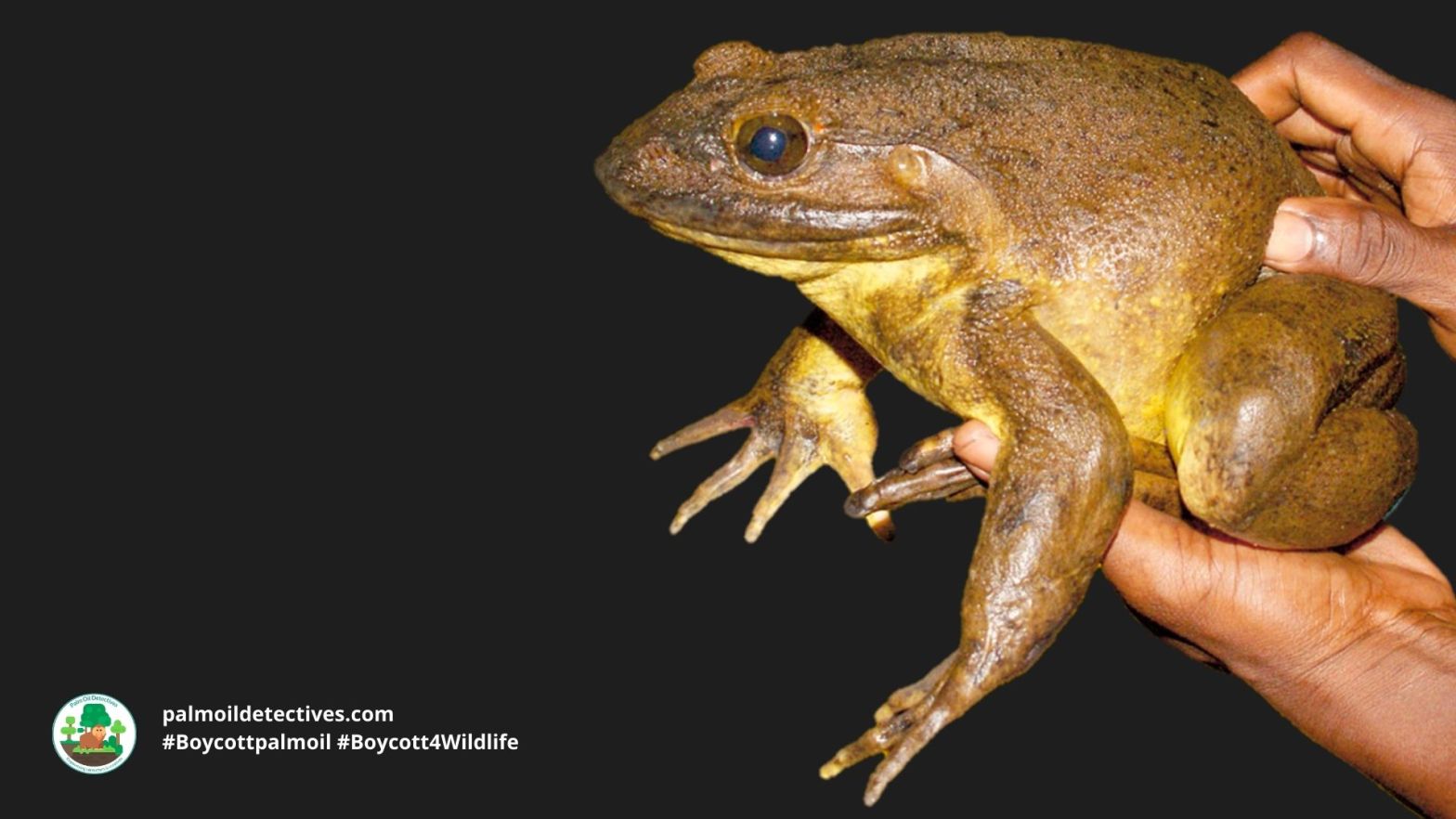
Goliath #Frogs are the largest frog in the world and can grow as large as a domestic cat. These muscle-bound #amphibians lift heavy rocks to build nests and protect their young. They face extinction from #palmoil #deforestation and human persecution including hunting.
Their nesting and reproduction is hugely dependent upon access to clean, fast-flowing rivers – for this reason the encroachment of industrial scale palm oil, cocoa and timber deforestation and p0llution and #pesticides of rivers are direct threats to the existence of the goliath #frog. Help them every time you shop in the supermarket and #Boycottpalmoil #Boycott4Wildlife
Yellow-casqued Hornbill Ceratogymna elata
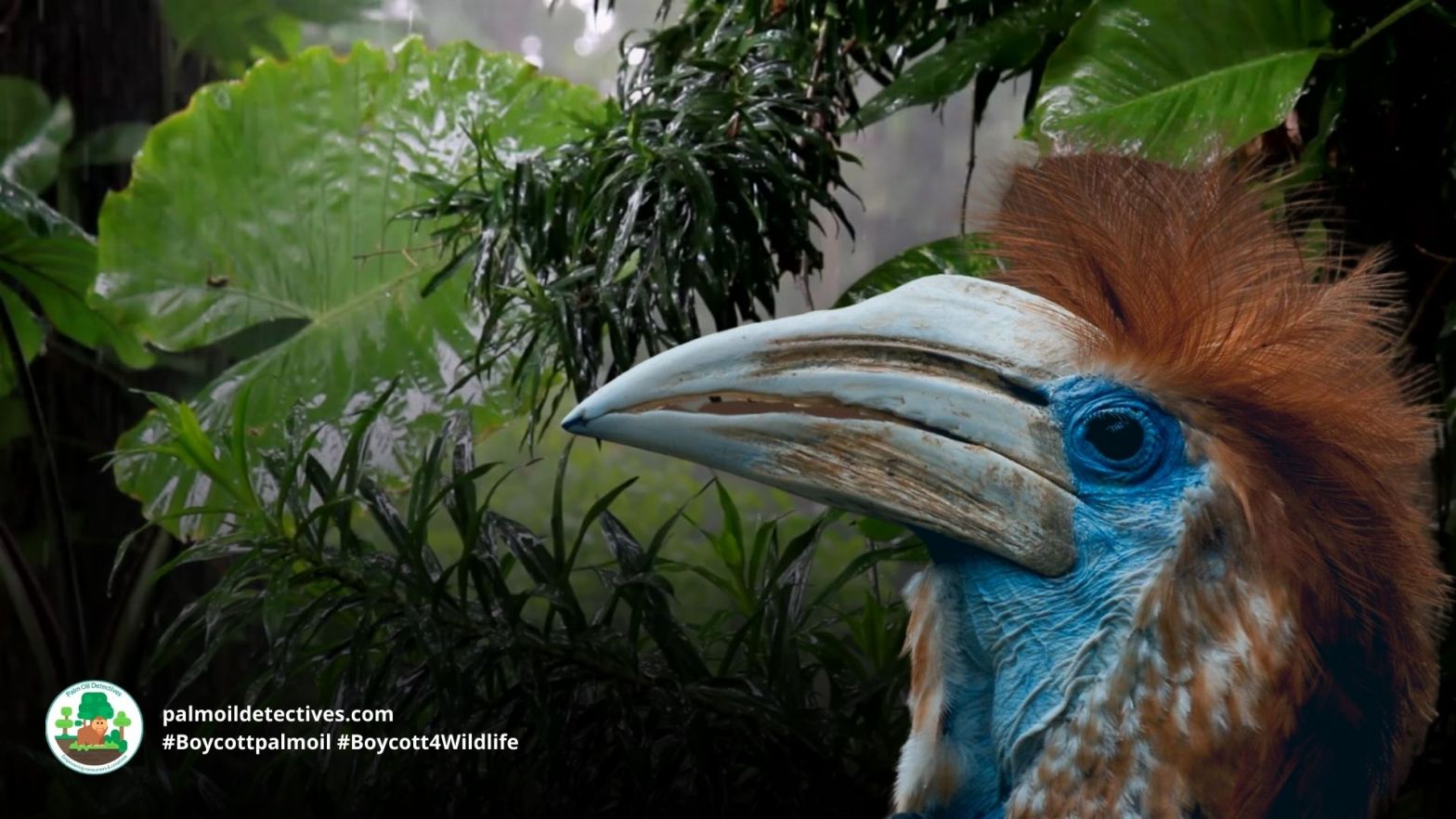
The yellow-casqued hornbill is one of the most remarkable hornbills in the world and one of the largest birds in the rainforests of West Africa weighing up to two kilos. Sporting a shock of russet coloured feathers and a striking blue coloured face, they prefer to live high up in the rainforest canopy in Côte d’Ivoire, #Ghana, #Liberia, Mali and #SierraLeone. Their main threat is hunting and human persecution and they are possibly extinction now in some countries. Recent mass deforestation for #mining, #palmoil, #cocoa and #meat is also a threat and they are now classified as #vulnerable. Help them every time you shop and be #vegan, #Boycottpalmoil, #Boycott4Wildlife
Dryas Monkey Chlorocebus dryas
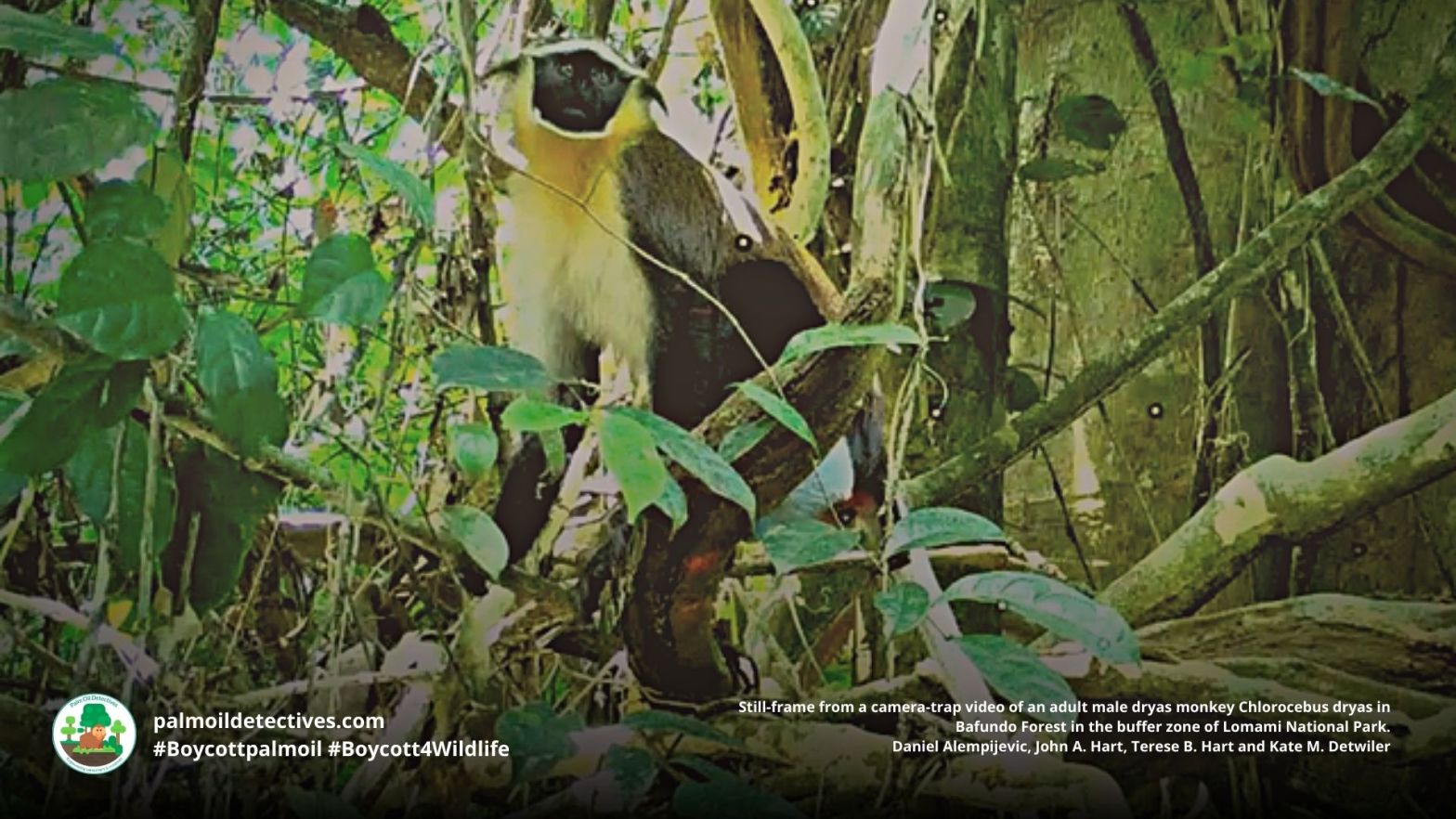
Dryas #Monkeys are secretive and vividly colourful monkeys who hang on to survival in the forests of the #Congo. Tragically, there is estimated to only be 100-250 individual monkeys still alive. They are fruit-eaters and play a critical role in ensuring the dispersion of seeds and therefore the future health of the DRC’s #rainforests. They are preyed upon by leopards in the Congo basin. However, the main threat they face is the illegal poaching and hunting by humans for #bushmeat, along with #deforestation for #palmoil, #mining and other commodities. Fight for their survival every time you shop, be #vegan and #BoycottPalmOil #Boycott4Wildlife
RSPO member SIAT leaves Nigerian farmers without food. Leases their illegally taken land for €1.23 Euros per hectare, per year
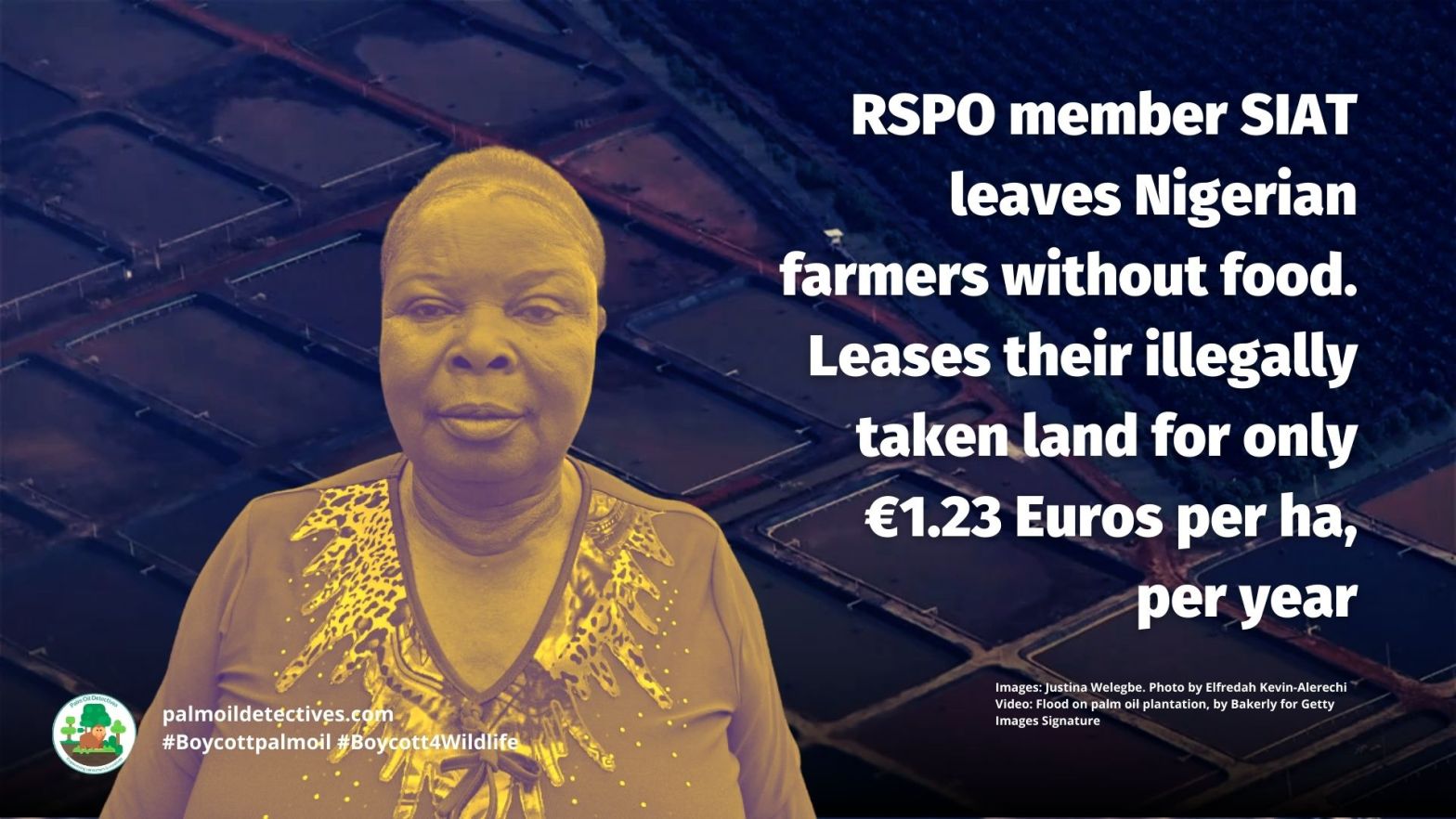
A 5-month investigation by Elfredah Kevin-Alerechi and Kevin Woke of Sahara Reporters reveals how RSPO member SIAT Nigeria Limited is involved in human rights abuses and land-grabbing on host communities’ lands. Journalists Elfredah Kevin-Alerechi and Kevin Woke also discovered that palm oil company SIAT who illegally took their land are leasing it for a mere 600 Naira (N600) per hectare annually – the equivalent of €1.23 Euros per year to lease it.
River pollution by pesticides and restriction by the company to land, where locals can grow food has meant that their food and water supply is contaminated – starvation is now an urgent problem.
All of this occurs under the guise of “sustainable” palm oil pushed by the RSPO to consumers. SIAT’s palm oil is used in consumer products by PZ Cussons (source), Nestle (source) and Danone (source). This is wh you should #Boycottpalmoil
Story via Sahara Reporters. Additional info: Chain Reaction Research
September 21st: International Day of Struggle Against Monoculture Plantations
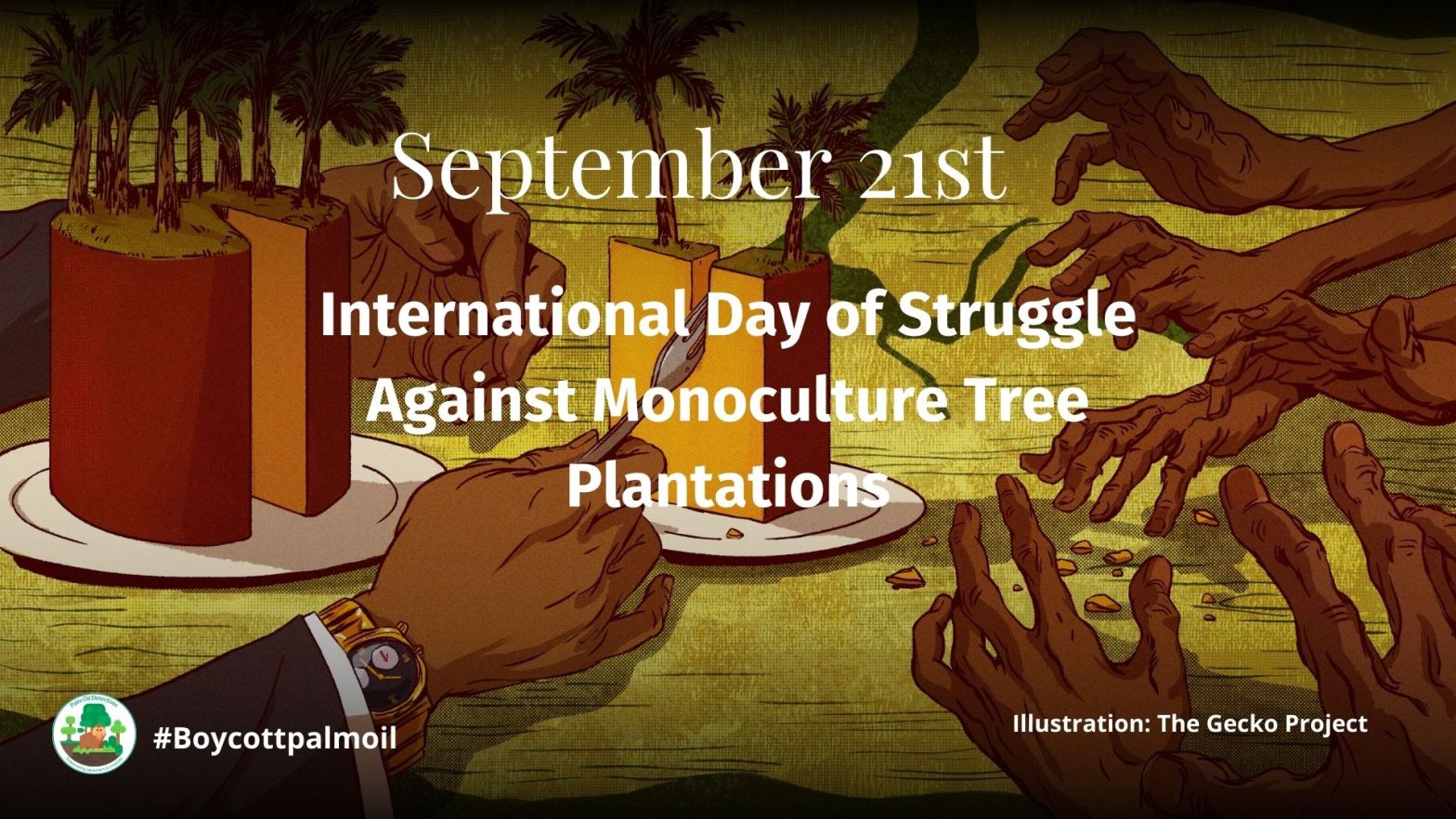
Today is ‘International Day of Struggle Against Monoculture Plantations’. World Rainforest Movement have produced a powerful video to highlight the Ugandan people’s struggle against BIDCO an international company partly owned by global palm oil giant #Wilmar, who are taking land by force from locals by making false promises and using coercion and #violence. They do so under the #greenwashing protection of the #RSPO
Back from extinction: a world first effort to return threatened pangolins to the wild
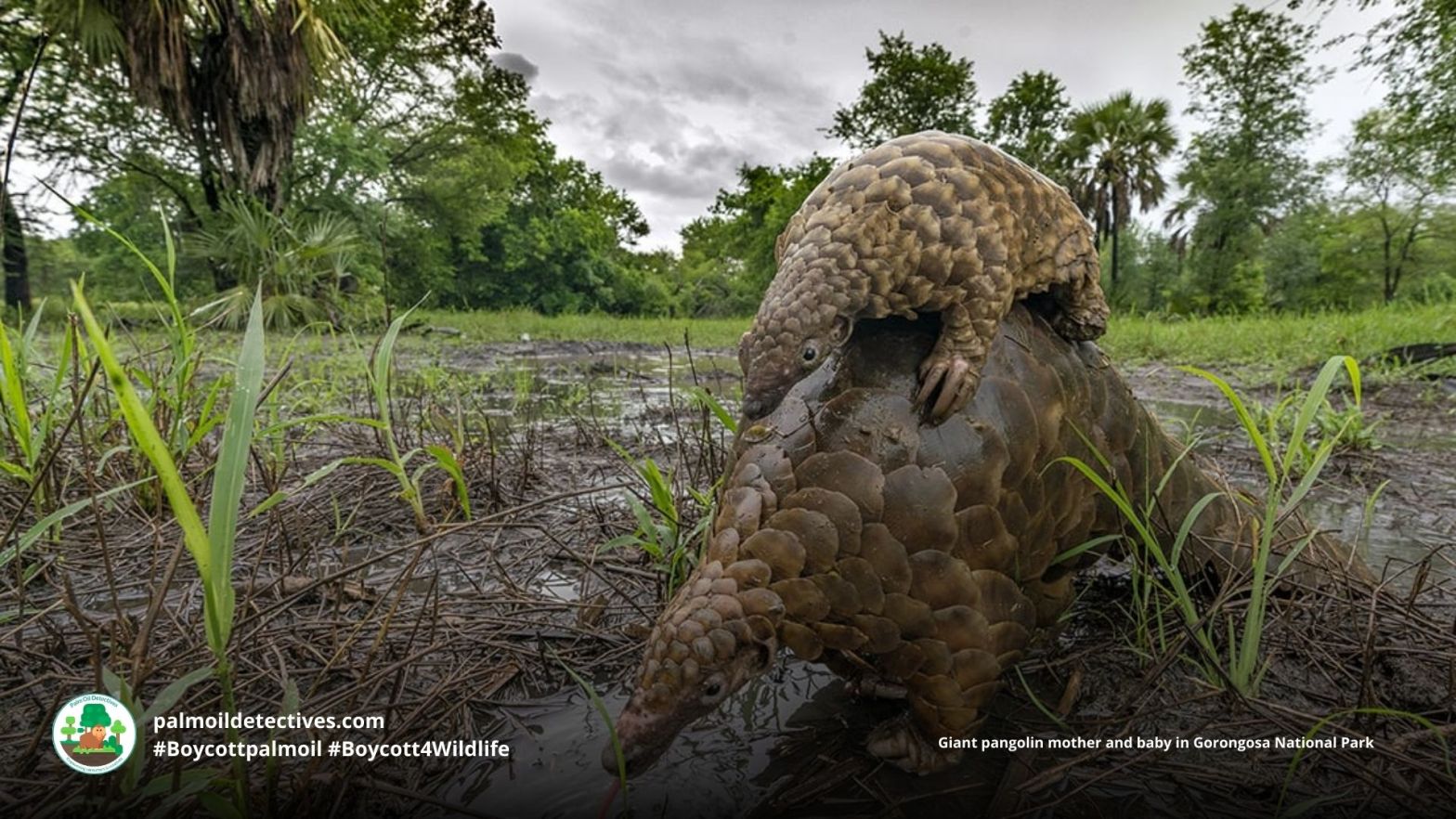
Pangolins are one of the most illegally trafficked animals on the planet and are suspected to be linked to the current coronavirus pandemic. Pangolins are also one of the world’s most threatened species but new efforts are underway to reintroduce pangolins to parts of Africa where the animal has been extinct for decades. Help these remarkable armoured wonders to survive and call out wildlife trafficking when you see it online, also #BoycottPalmOil 🌴🪔🚜🔥☠️⛔️ #Boycott4Wildlife in the supermarket!
Chimpanzees once helped African rainforests recover from a major collapse
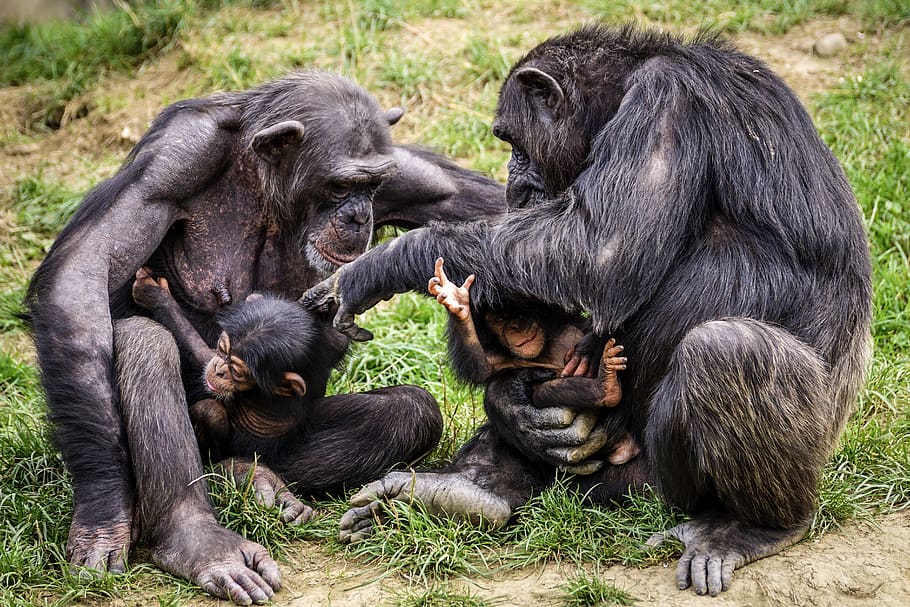
Most people probably think that the rainforest of central and west Africa, the second largest in the world, has been around for millions of years. However recent research suggests that it is mostly just 2,000 or so years old. The forest reached roughly its modern state following five centuries of regeneration after it was massively fragmented when the dry season suddenly became longer some 2,500 years ago. Help #chimpanzees to survive and #Boycottpalmoil #Boycott4Wildlife every time you shop
The people versus Feronia: Fighting palm oil agrocolonialism in the Congo
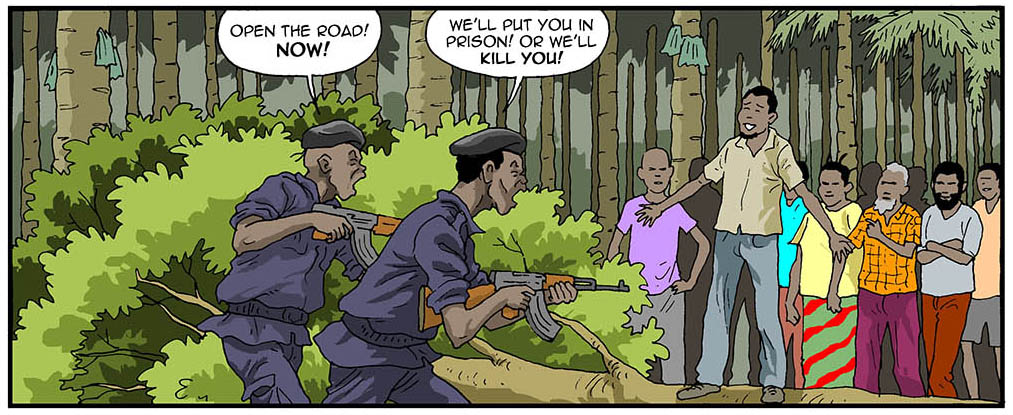
This powerful #comic is by Didier Kassai and Dieudonne Botoko Kendewa is about a community in the #Congo 🇨🇩 living next to the #Feronia #palmoil plantation. They faced #violence and #landgrabbing from this corporation. Take action! #Boycottpalmoil 🌴🩸☠️🚫
Nigeria’s nature reserves need more help to protect biodiversity

Apart from conserving species, #wetlands help to control floods, replenish groundwater, stabilise shorelines, retain nutrients and purify water. The park will join Nigeria’s protected area of 445 forest reserves, 29 game reserves, 12 strict nature reserves, 11 Ramsar sites, 7 national parks and one biosphere reserve.
Almost 90% of the world’s animal species will lose some habitat to agriculture by 2050
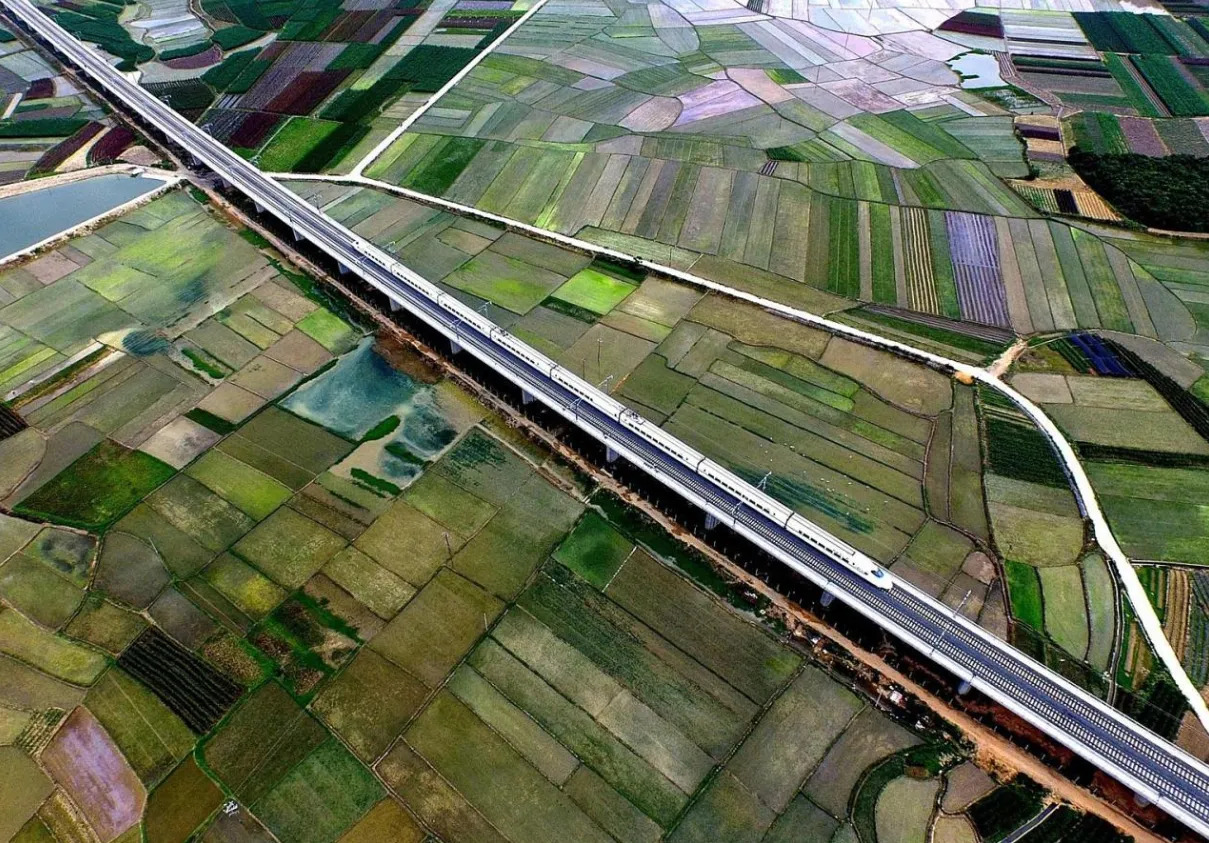
Scientists know that #biodiversity is declining across much of the world although less universally and dramatically than we feared. We also know that things are likely to get worse in the future, with a combination of #deforestation, #climatechange and overexploitation set to drive species and habitats ever closer to #extinction. Help them every time you shop and be #vegan #BoycottPalmOil #Boycott4Wildlife
Humans and Bonobos Share Contagious Yawn Behaviour
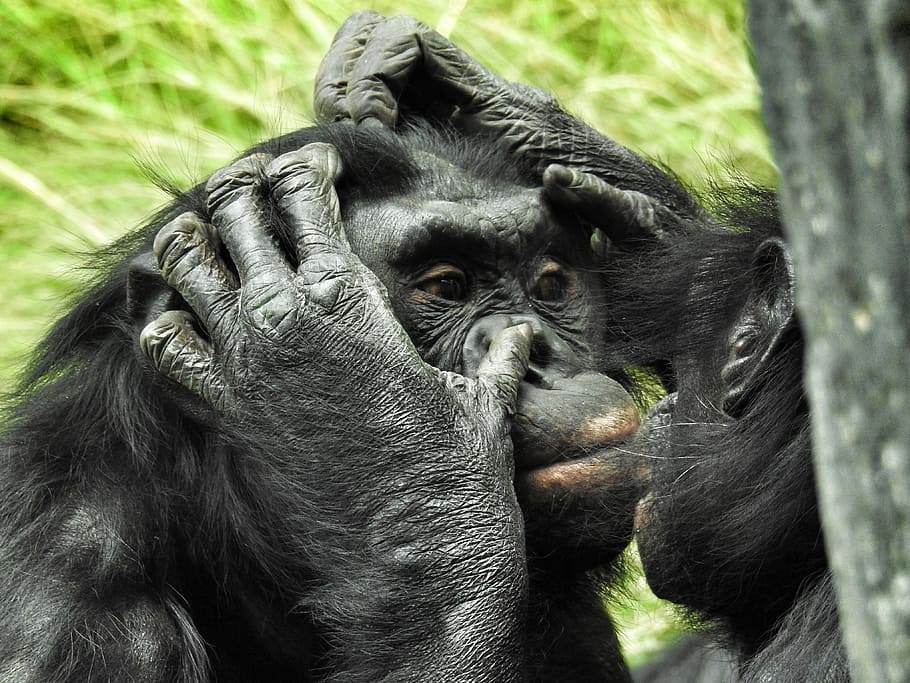
Most of us have experienced the overwhelming urge to yawn in response to another person yawning – but we’re not the only species to do this. Research published in PeerJ shows that bonobos – our closest evolutionary cousins – also experience “yawn contagion”. Similarly to how yawning occurs in human beings, the effects of yawn contagion in bonobos is influenced by the quality of relationships shared between individuals.
The tendency for humans to mirror the behaviours and emotions of another – sometimes referred to as “emotional contagion” – is also thought to reflect our heightened capacity for empathy. Help all non-human primates to survive extinction and be #Vegan #BoycottPalmOil #Boycott4Wildlife.
African Forest Elephants’s Movements Depend on Their Personalities
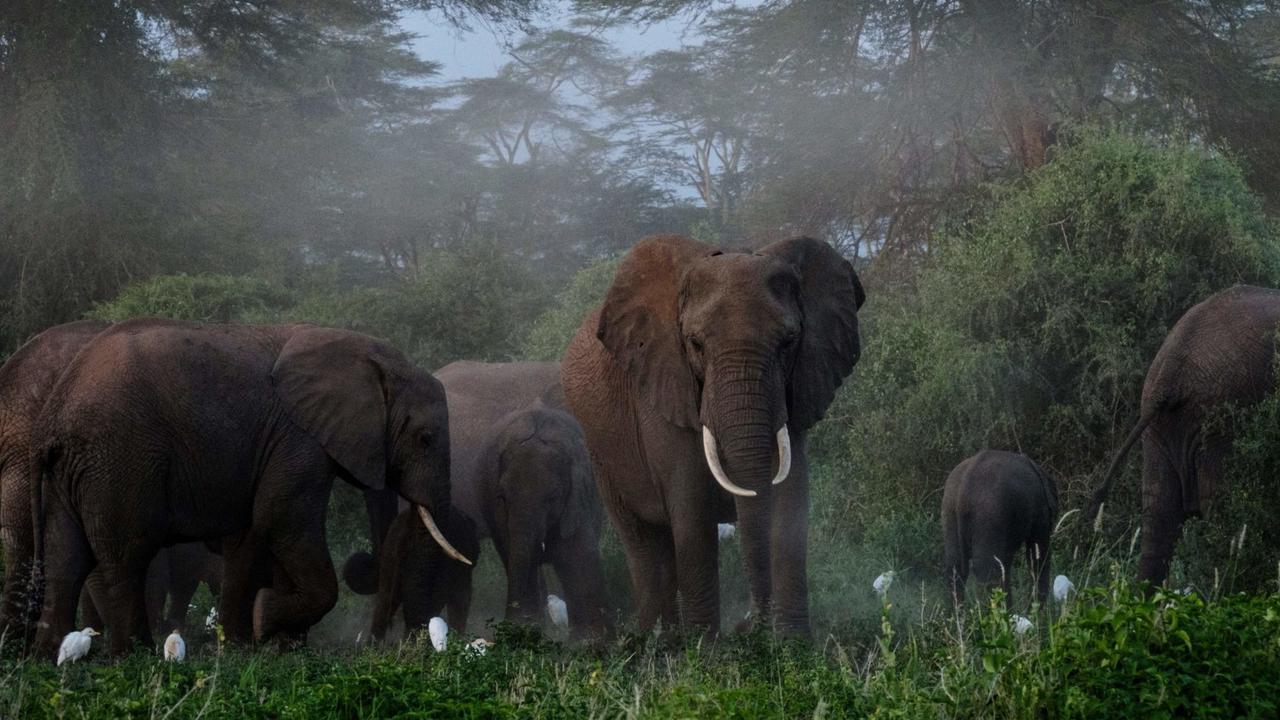
African forest #elephants roam the dense rainforests of West and Central Africa where they subsist largely on a diet of fruit. They shape forests by dispersing fruit and seeds, browsing, and creating an extensive trail network. But because it’s difficult to track animals in thick forest, little is known about the movements of the AfricanContinue reading “African Forest Elephants’s Movements Depend on Their Personalities”
Africa’s rainforests are different. Why it matters that they’re protected
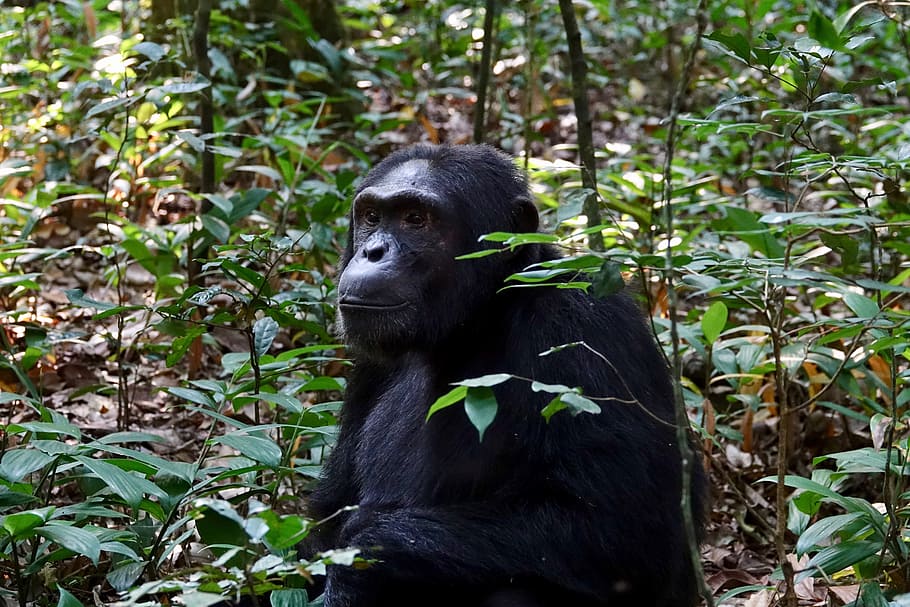
Around 2 million km² of #Africa is covered by tropical #rainforests. They are second only in extent to those in #Amazonia, which cover around 6 million km². Rainforests are home to vast numbers of species of #primates #birds #insects and more. For example, the world’s tropical rainforests are estimated to be home to at least 40,000 tree species, with up to 6,000 in African forests. Protect all rainforests before it’s too late, every time you shop use your wallet as a weapon and be #Vegan #BoycottPalmOil #Boyott4Wildlife
Black-Throated monitor Varanus albigularis microstictus

The Black-Throated Monitor is a mighty and large lizard reaching over 2 metres long. They are threatened by agriculture deforestation and #hunting for their leather and meat in Tanzania, Africa. Help them every time you shop and #Boycottpalmoil #Boycott4Wildlife
What, Why and Where of Black Leopards
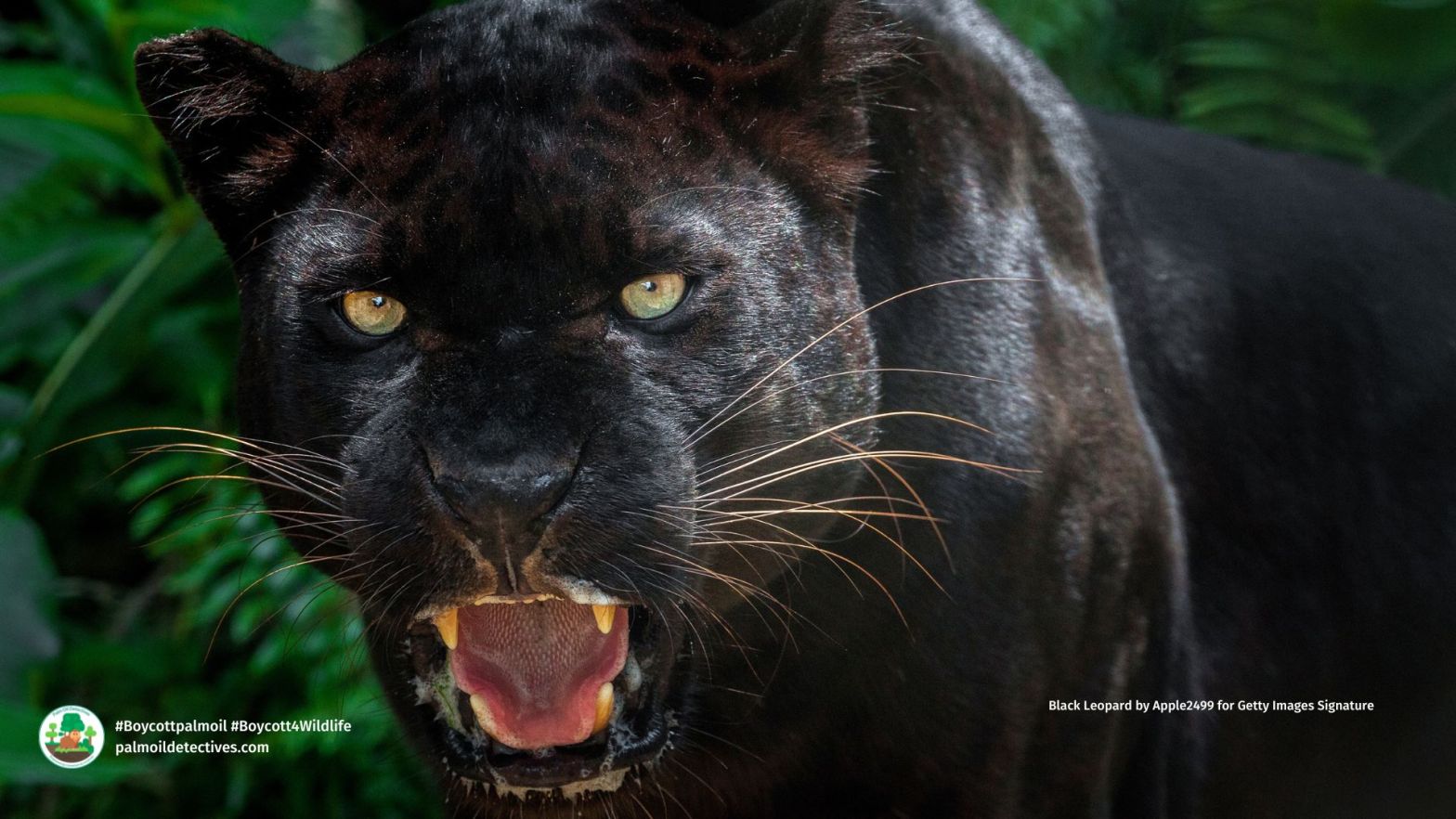
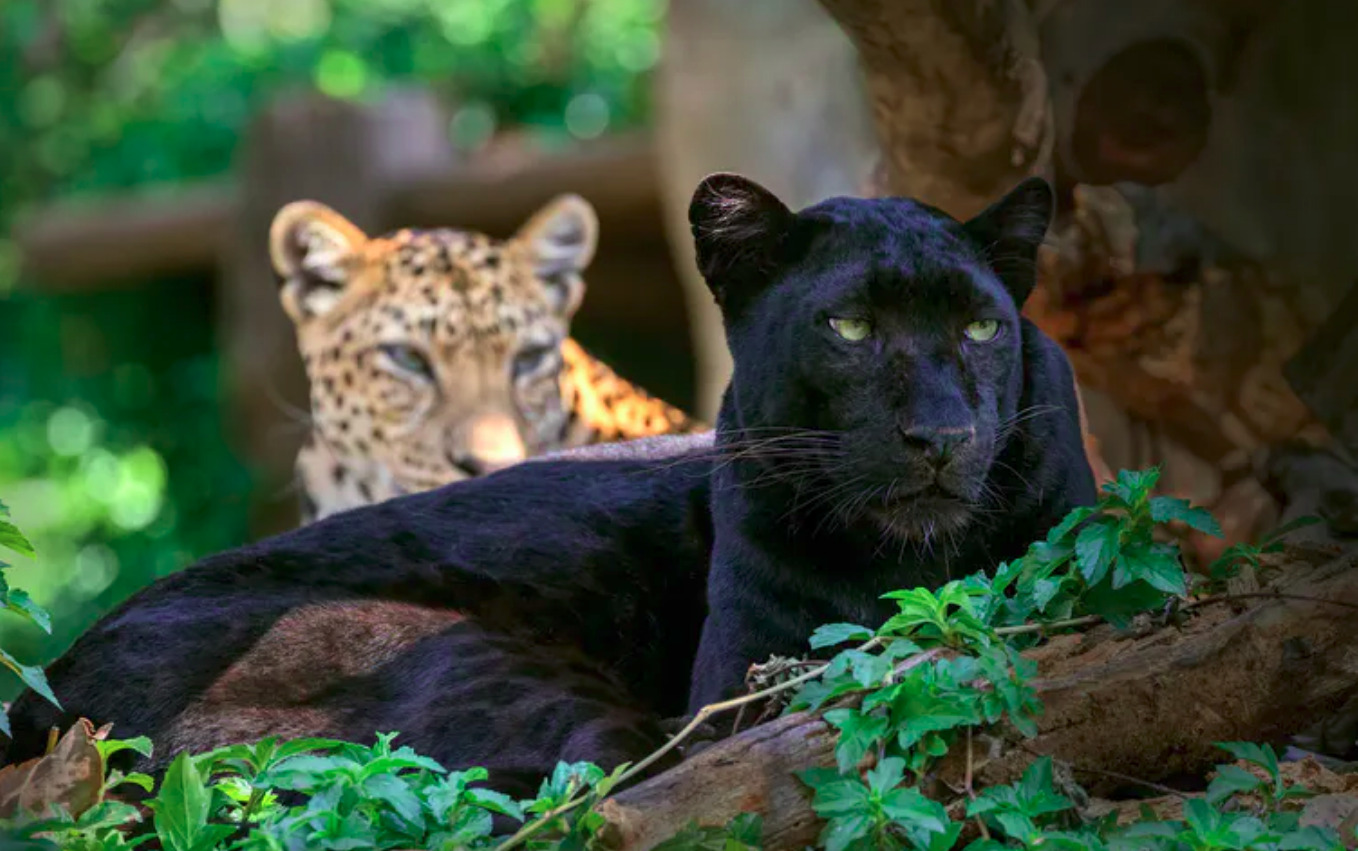
Did you know that Black #leopards only differ from other leopards by the colour of their coat, a genetic variation that’s #recessive also known as melanism? One of their threats is #palmoil #deforestation. Help their survival be #vegan #Boycottpalmoil #Boycott4Wildlife in the supermarket
On Overcoming Activism Exhaustion and Burn-Out
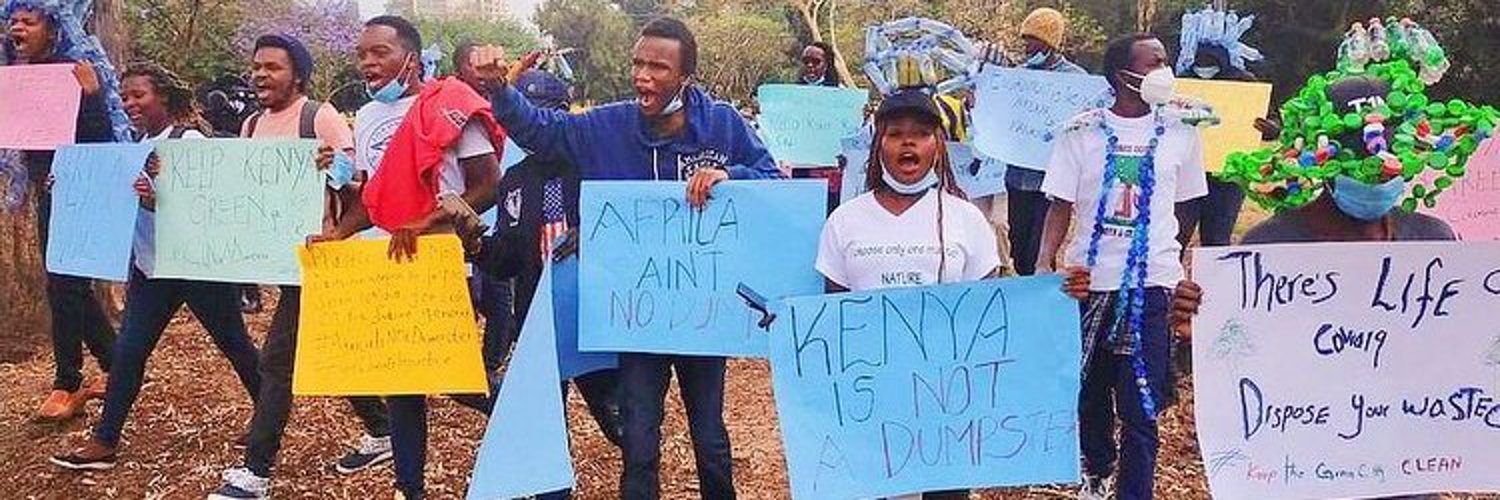
It’s Okay Not To Be Okay, But Not Okay to Remain That Way We all go through stuff that makes us feel no okay, maybe a phase/season/period/stage, etc. It’s okay for this to happen, and our feelings are totally valid. There’s nothing wrong with that. Just allow yourself to outgrow the situations. Remember, you areContinue reading “On Overcoming Activism Exhaustion and Burn-Out”
Where There’s Smoke There’s Fire: Let’s Sort the Plastic Menace
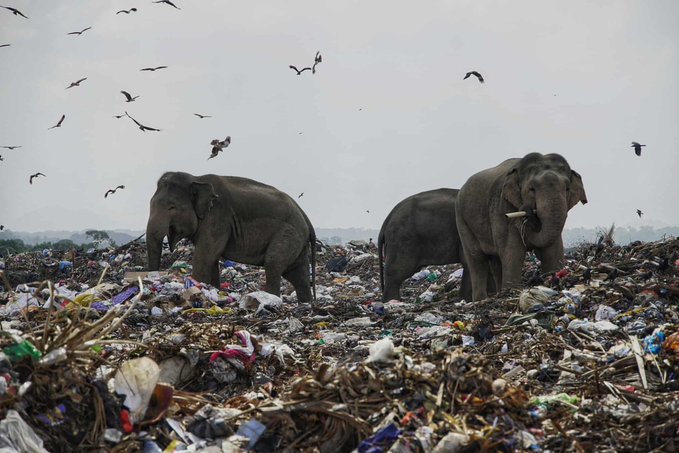
Smoke is a clear sign of something brewing up. The decision taken afterward determines the outcomes. If ignored, the fire may destroy everything. But if we bother to check out, we may save the day. It has been more than a month now since we heard the rumors of Kenya being used as a hubContinue reading “Where There’s Smoke There’s Fire: Let’s Sort the Plastic Menace”
Every Living Organism Has a Way of Communicating
Every living organism has a way of communicating. We may not be able to understand each other’s language. But its there and communication get passed from one organism to another. How do forests speak to us? If you have ever been into the woods and feel different ways nature talks to us. From the windContinue reading “Every Living Organism Has a Way of Communicating”
African grey parrots help each other in times of need
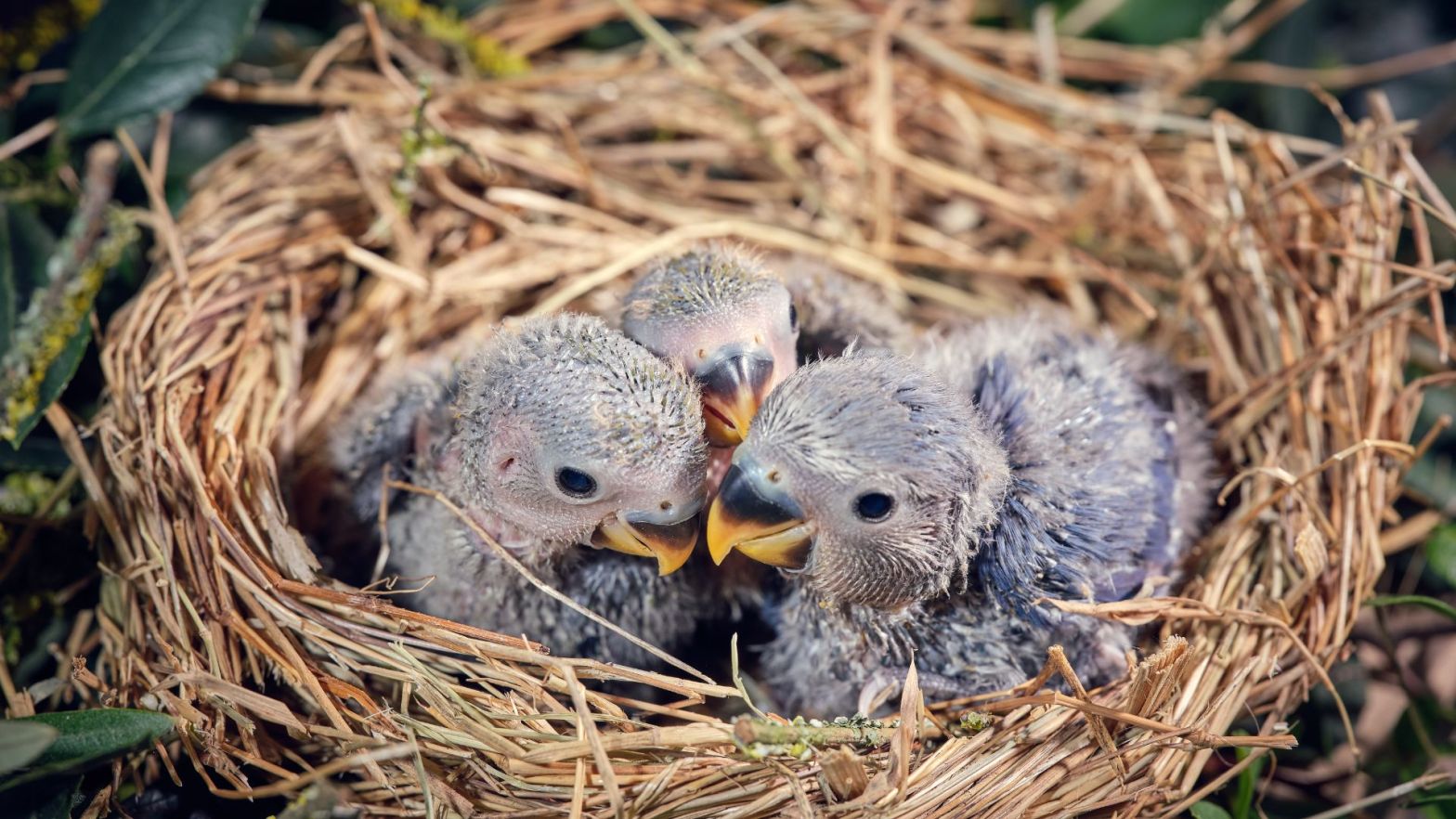
Corvids – birds such as ravens, crows, and magpies – and parrots are considered to be special among birds, as they have unusually large and densely packed brains. They show many cognitive capacities that are linked to an advanced understanding of their surroundings. This has earned them the name “feathered apes”. A recent study has found that it’s not only crows and ravens who help one another – grey parrots do as well.
Okapi: African Unicorns
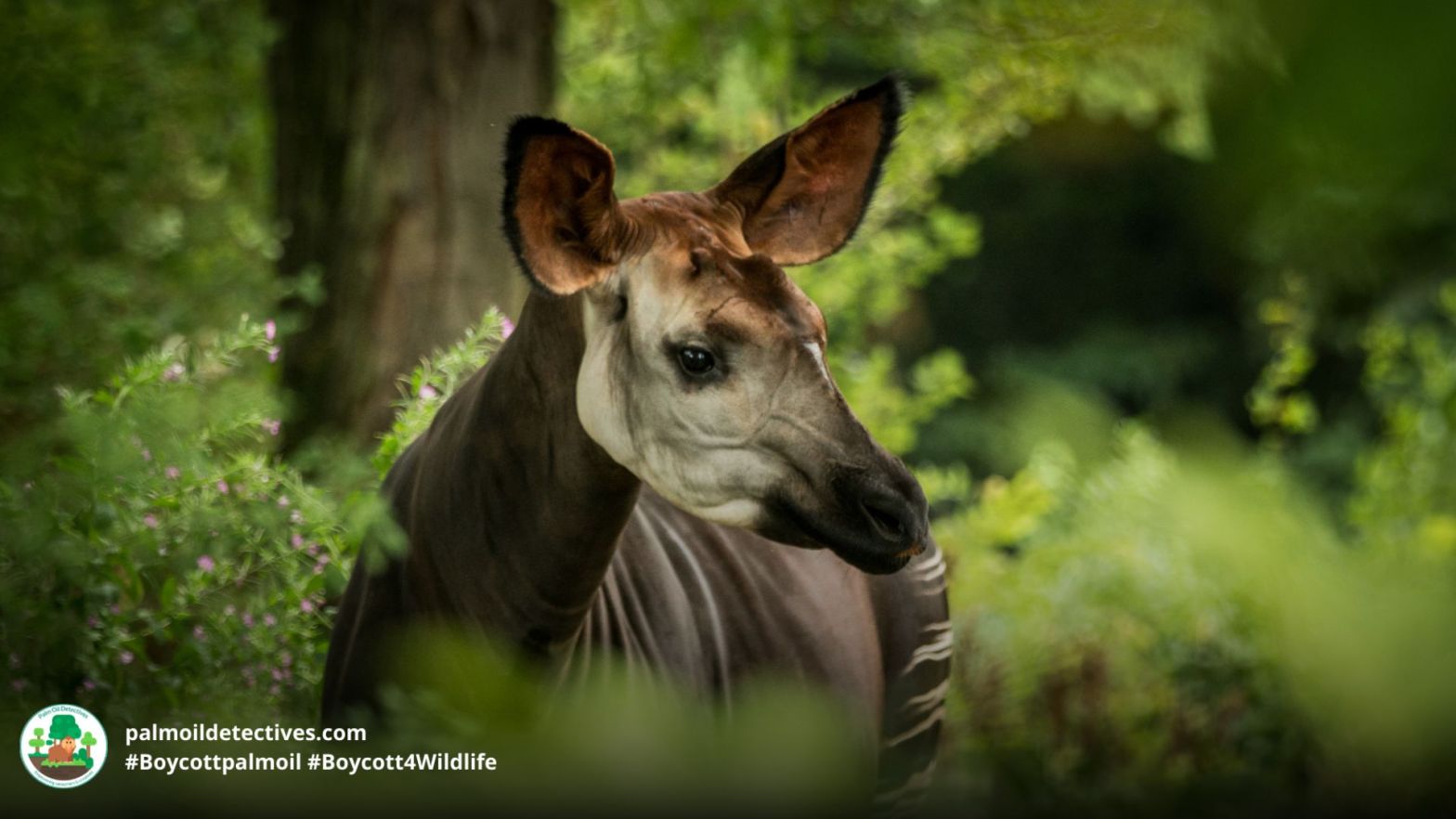
Deep in the heart of Africa, in the dense tropical rainforests of the Democratic Republic of the Congo (DRC), there lurks a very curious creature. With long legs and predominantly dark brown coat of short fur, Okapi look, at first glance, a bit like a horse. But a second look will reveal a somewhat deer-like face atop a relatively long, flexible neck, and, most strikingly, horizontal white stripes on its upper legs and rump. Help them to survive every time you shop #BoycottPalmOil #Boycott4Wildlife and be #Vegan.
Wildlife and Environmental Advocate Winnie Cheche
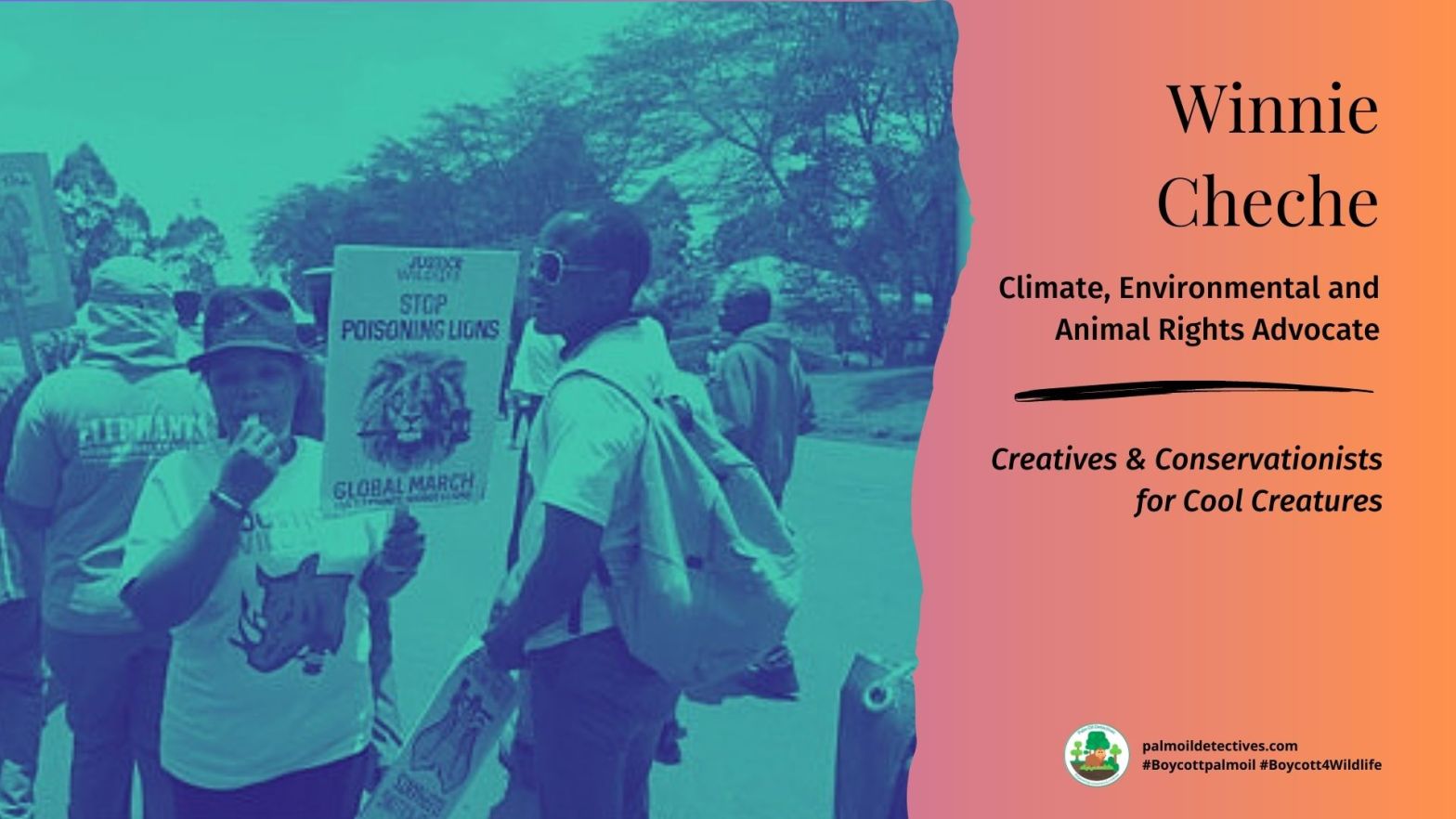
I love wildlife and I am ready to do whatever I can to ensure that future generation get to see animals. Poaching and conservation area encroachment continue to be a threat to wildlife existence, and something needed to be done. Knowledge is power and a good start to ensure things change. Extinction is already taking them away, and humans contribute to that. Helping them know how they play that part will help stop the reaction. If you want to get involved in conservation, look at the many ways that humans are driven crazy out of our greed and selfishness. Then work to find fixes and solutions for that. We can allow our humanity and compassion to guide us towards advocating for the right thing for animals and for the natural world.
Dangers of wildlife mass death in this era
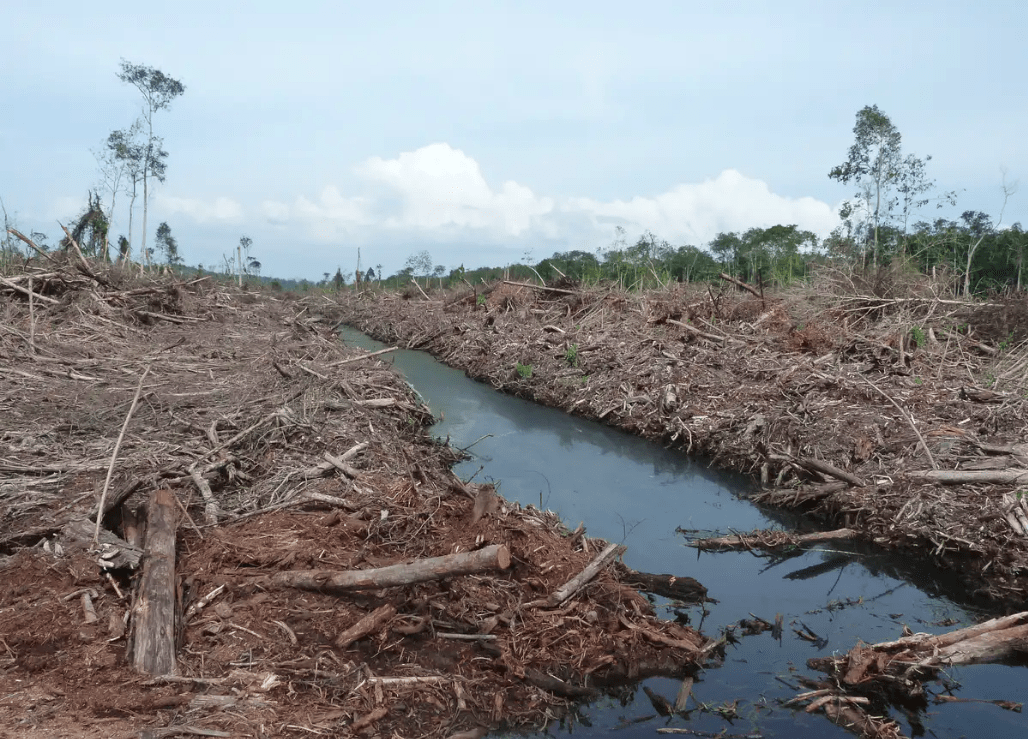
For a while now, we have been labeled as a generation promoting mass extinction of other species as a result of some negative activities we do for developments. We have occupied and displaced these species, as our population continues to expand. Cheche Winnie The mass death of elephants in the Okavango Delta A few daysContinue reading “Dangers of wildlife mass death in this era”
 Palm Oil Detectives