
Turning E-Waste and CO2 into Gold addresses e-waste challenges and contributes to CO₂ reduction efforts. Take action and boycott gold for Yanomami people!
Tag Archives: palm oil biofuel
So-called ‘Net Zero’ Flights Flush Rainforest Carbon Into the Sky

Virgin Atlantic airlines now uses ‘sustainable aviation fuel’ however experts call it greenwashing and industry spin causing climate change. Boycott palm oil!
Oreo Maker Linked to Ongoing Deforestation and Human Rights Abuses
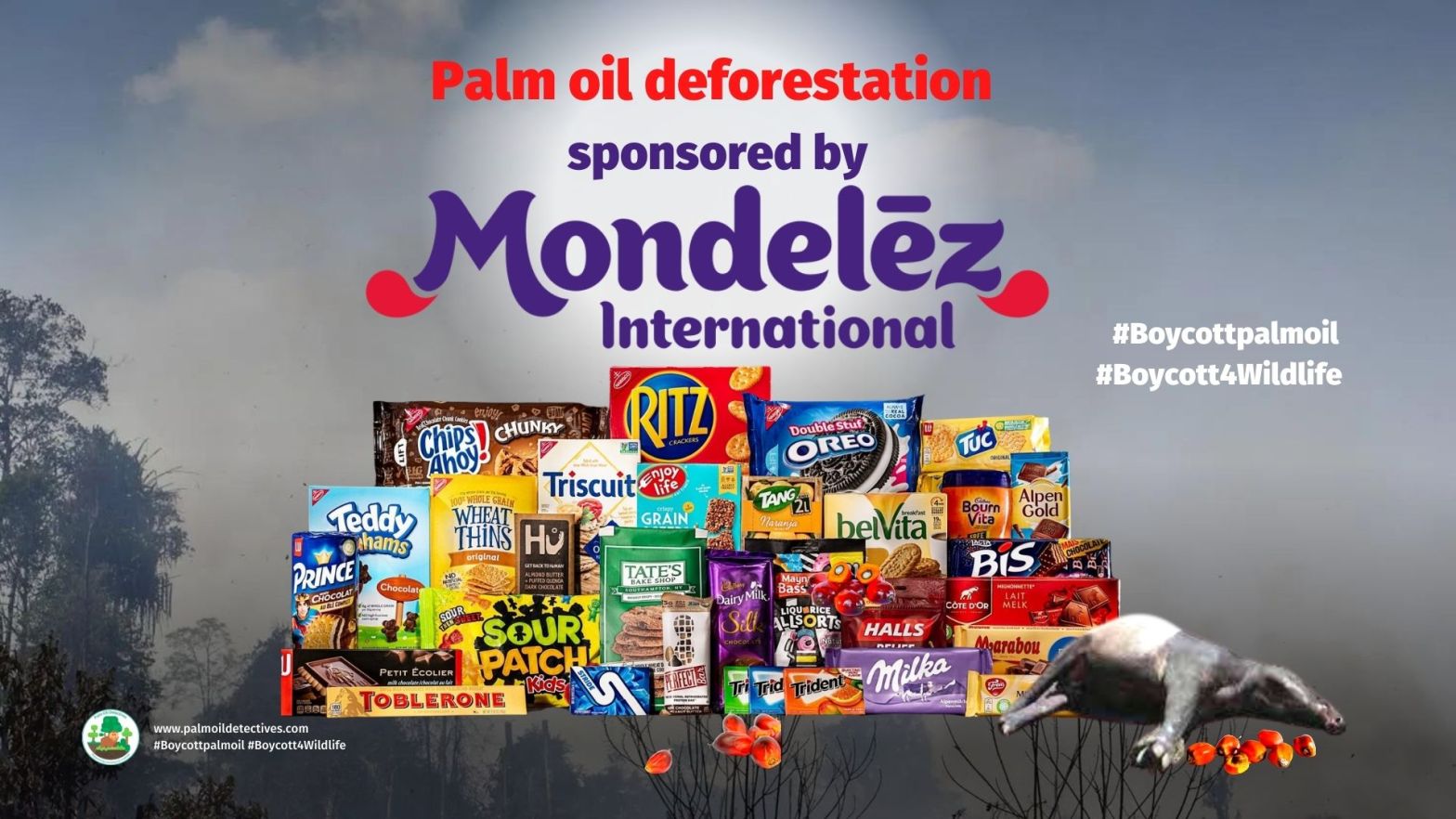
Mondelēz International who make Oreos keep sourcing palm oil from suppliers linked to violence and deforestation. Their RSPO certification is pure greenwash!
World’s Wealthiest Drive Two Thirds of Global Warming Since 1990

Wealthiest people in USA and China responsible for 2/3 of global warming since 1990. Climate policies needed to target the richest people on the planet now!
Seeing Forest As Merely A Carbon “Commodity”: Dangerous Greenwashing
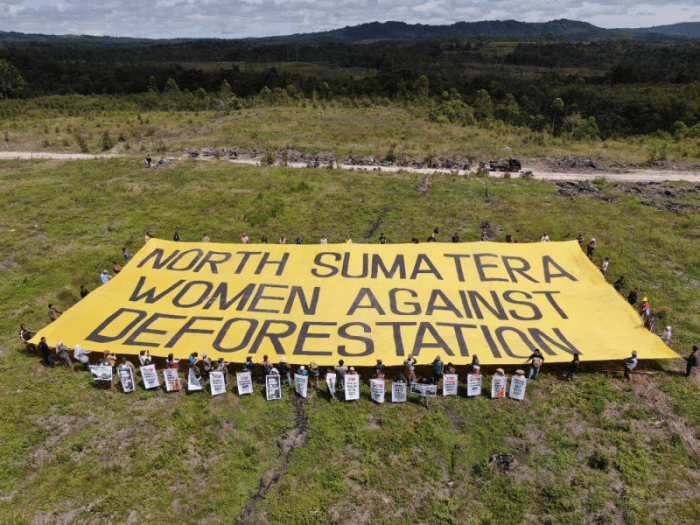
Commodifying forests as merely an investment for ‘carbon credits’ has many dangerous loopholes that human rights to indigenous peoples, take action!
Deforestation Devastates Tesso Nilo National Park’s Endangered Creatures
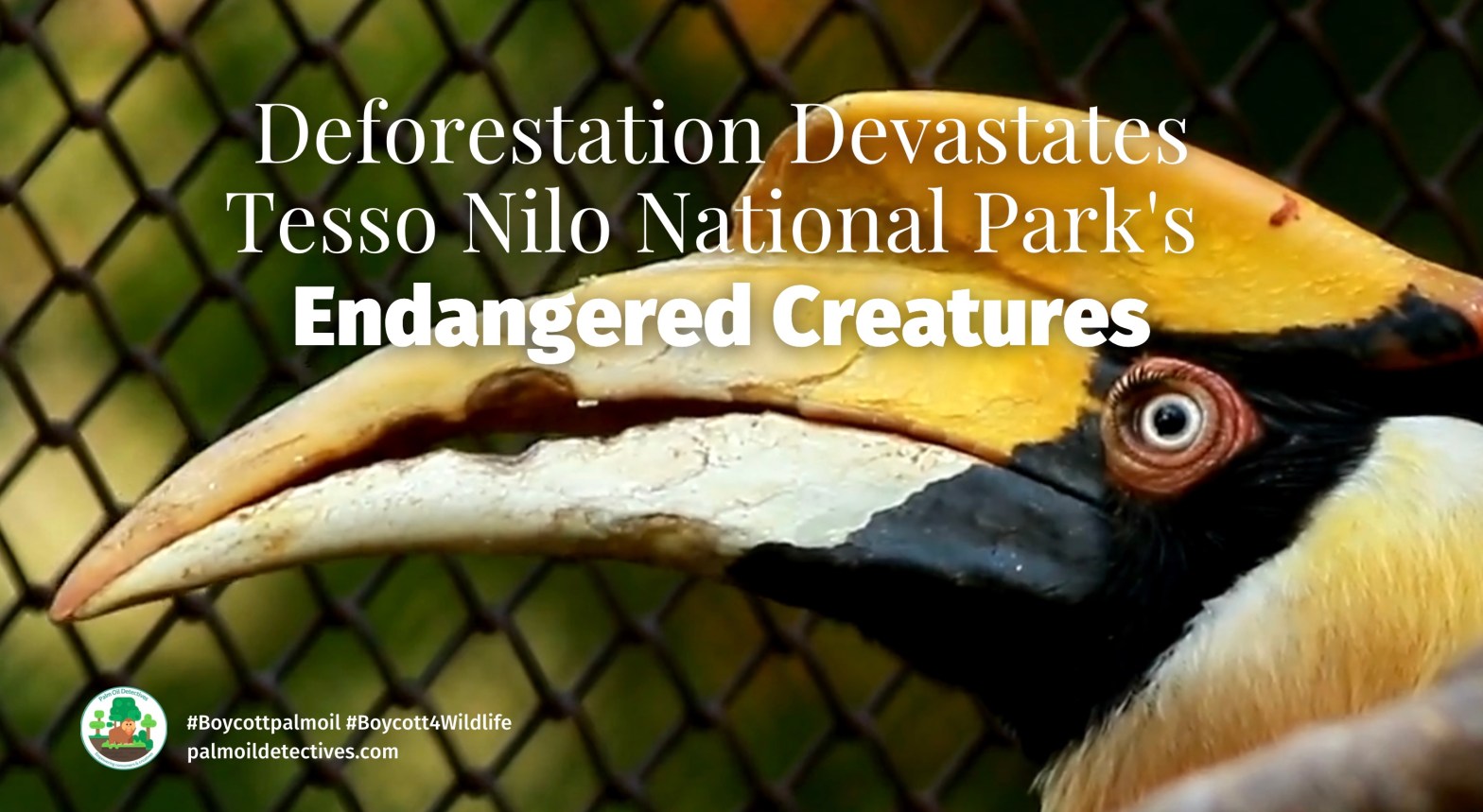
Act now to save Tesso Nilo Park. This vital Indonesian park has lost 78% of its primary forest, threatening the habitat of Sumatran tigers and elephants
Deforestation Shifts Tree Species in Brazilian Forests
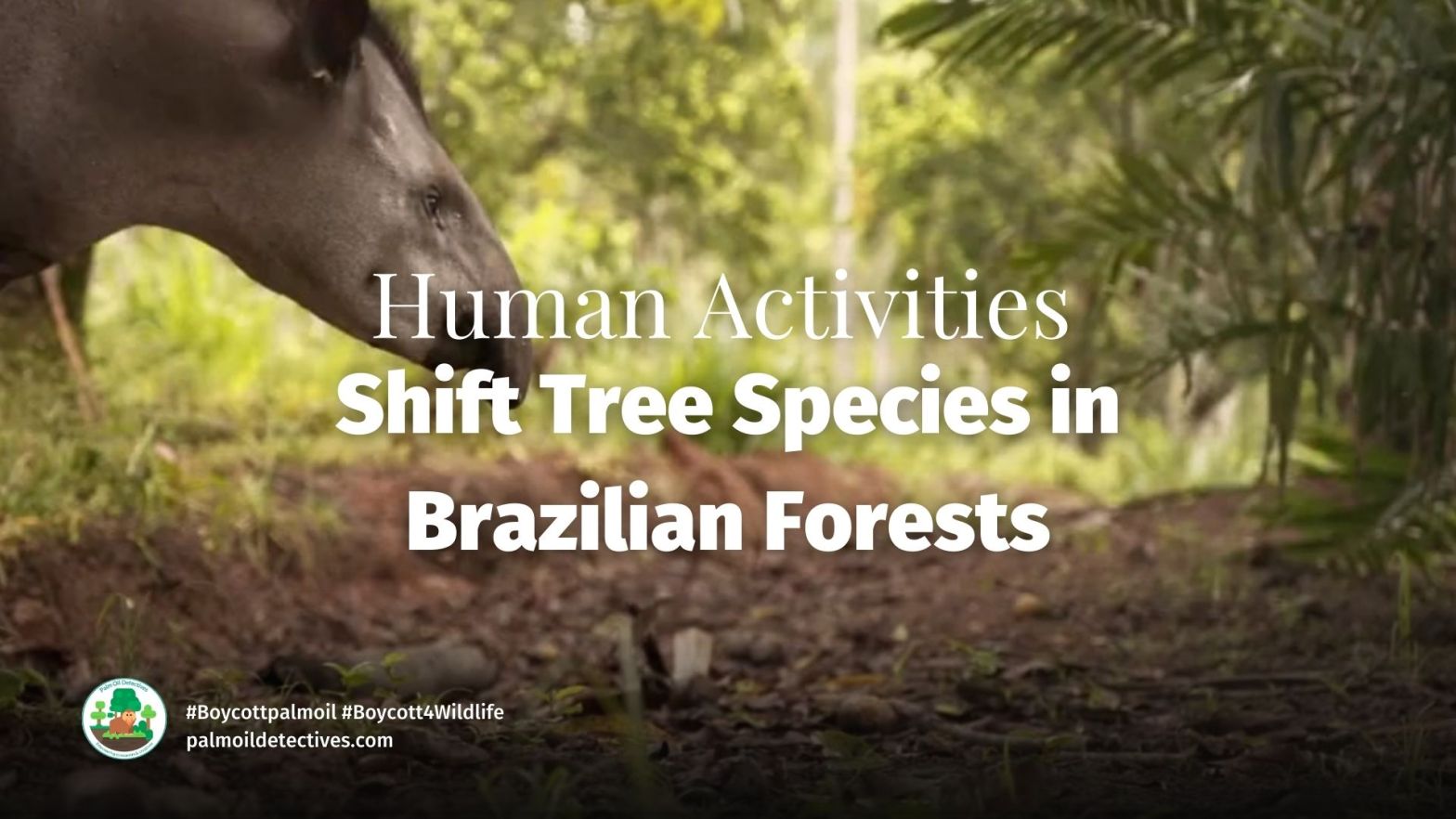
Deforestation in Brazilian forests causes shift towards fast-growing, small-seeded trees, threatening biodiversity, carbon storage. Take action!
An Action Plan for Amazon Droughts: The Time is Now!
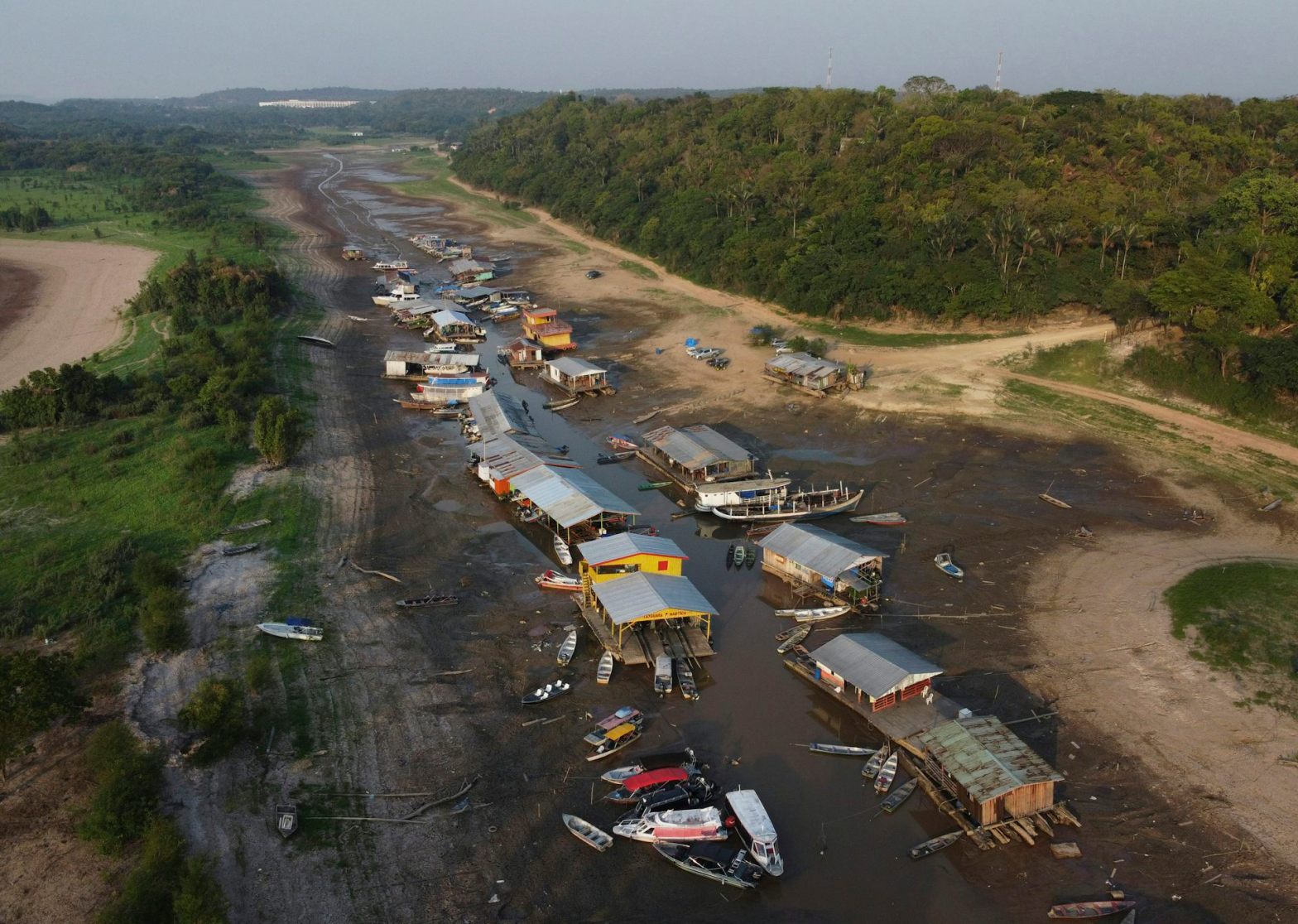
The fertile lungs of our planet, the Amazon jungle faces severe drought due to El Niño, climate change, and deforestation for agriculture like palm oil, soy and meat. This along with gold mining, affects biodiversity and local indigenous communities. To combat this crisis, stronger measures against deforestation and illegal mining are essential. Global and local leaders must act now to protect the Amazon. #BoycottPalmOil #BoycottGold4Yanomami #Boycott4Wildlife.
Deforestation and Mining Threaten Rare Species at Lake Poso
Deforestation, mining, and palm oil expansion are pushing rare endemic species at Indonesia’s Lake Poso to the brink. Urgent action needed, boycott palm oil!
Deadly Harvest: How Demand for Palm Oil Fuels Corruption in Honduras
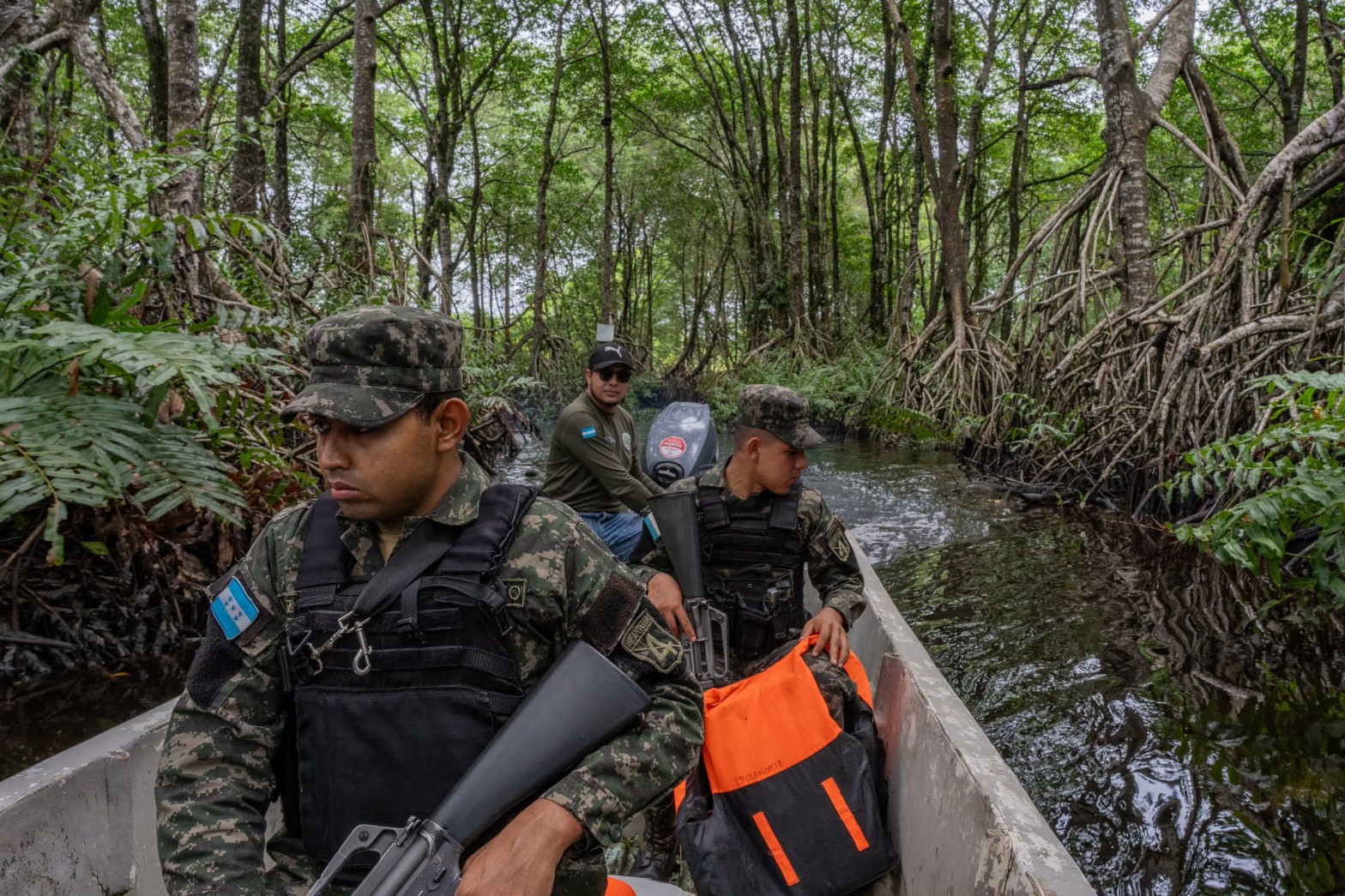
Latin America is the fastest-growing producer of palm oil, but at what price for the environment and its defenders? Park rangers in Honduras tell harrowing tales of daily threats to their lives and real dangers they face in the long-term fight for protect Honduran rainforests, indigenous peoples and animals from annihilation #BoycottPalmOil #Boycott4Wildlife
Major Food Giants Sued Over Addictive UPFs Given To Kids
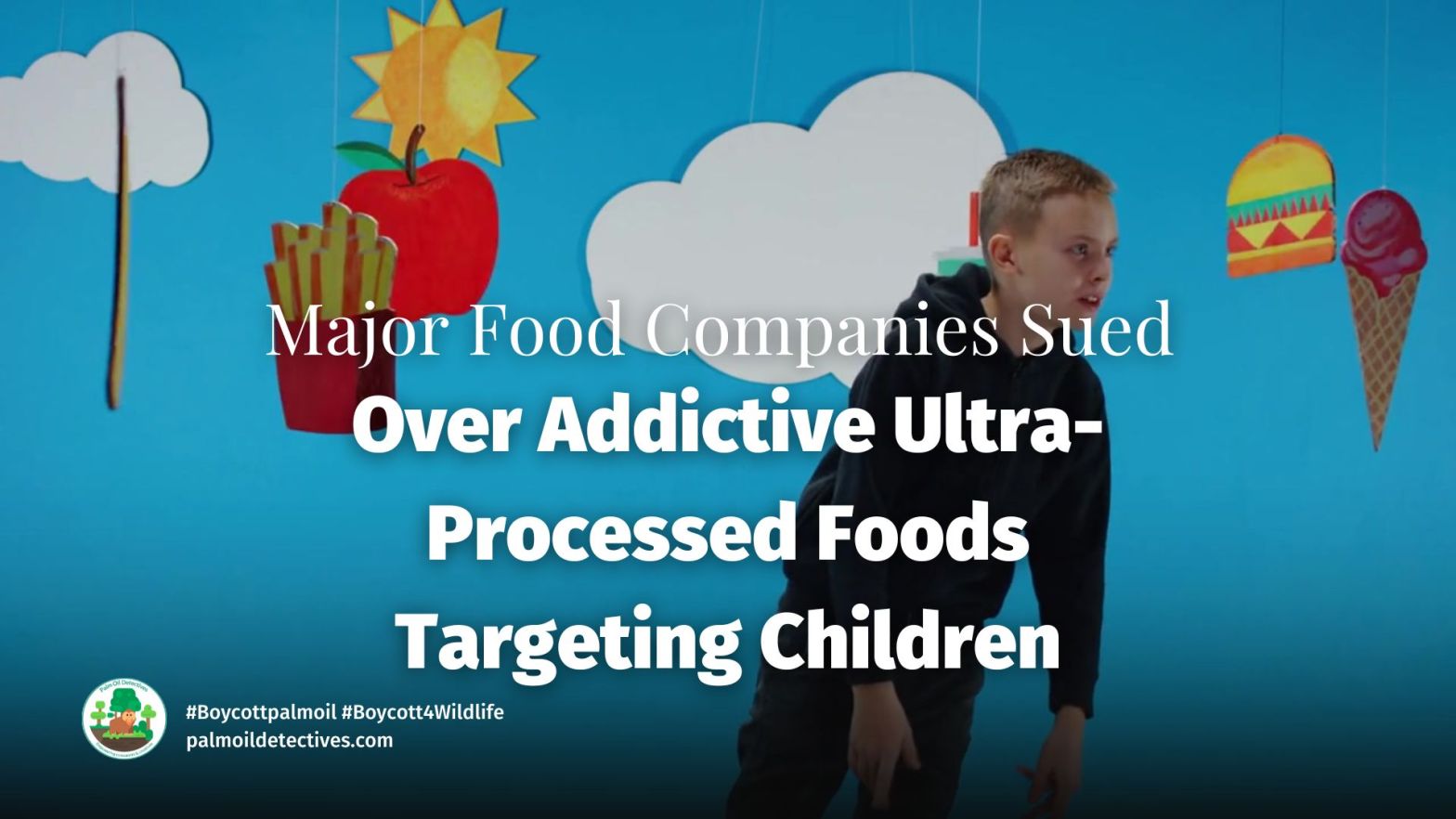
Lawsuit accuses major food companies (Kraft Heinz, PepsiCo, Nestlé) of selling addictive ultra-processed foods (UPFs) targeting children. Boycott palm oil!
How banks and investors are bankrolling extinction and ecocide
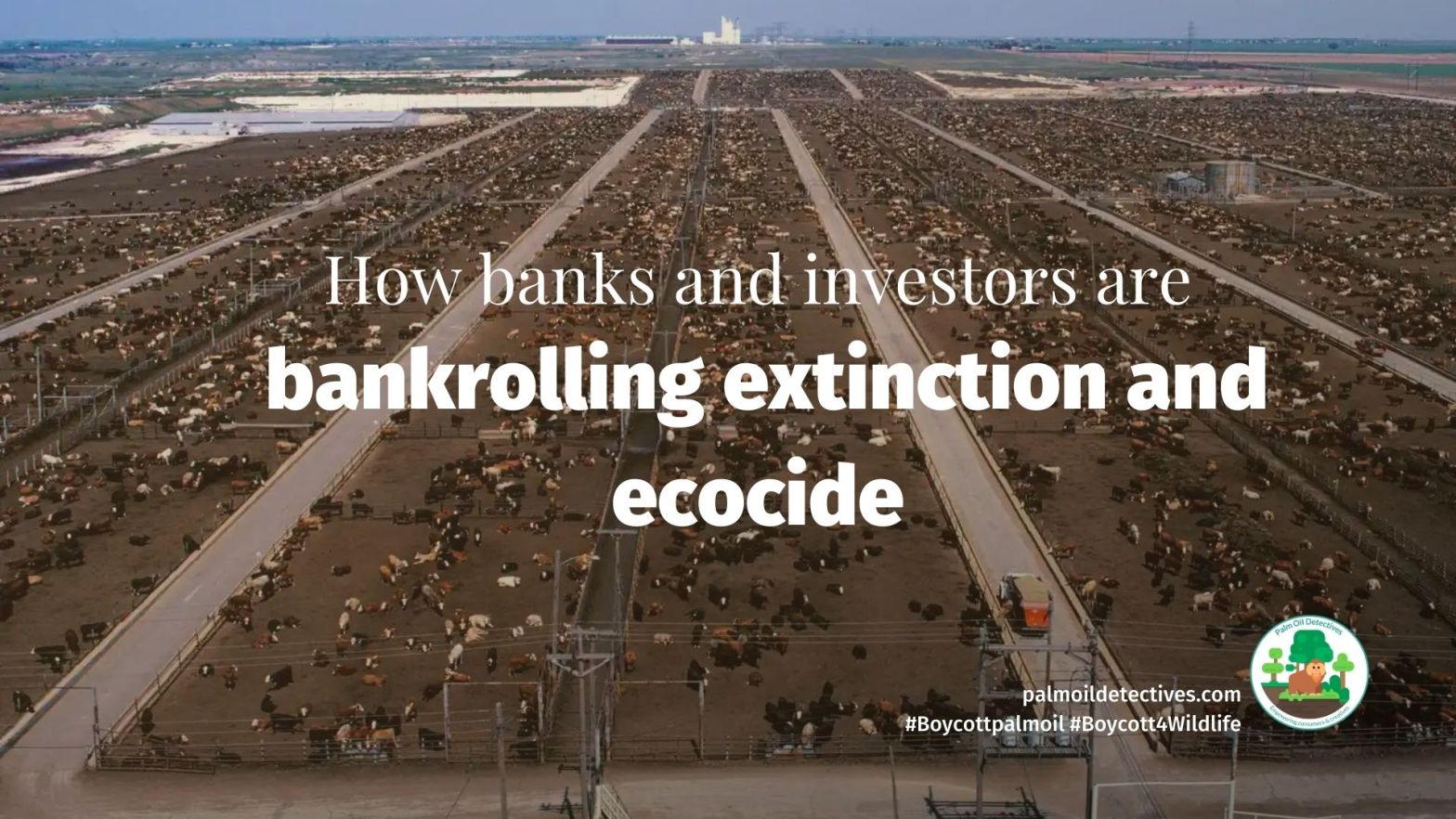
Discover the financial giants fuelling ecocide and deforestation for palm oil, meat, mining and soy in this important report about financial corruption
Seven practical ways to stop a species wipeout

1 million #plants 🌾🌽🎍🍅 and #animals 🦏🦒🐅 are threatened. #Wildlife and #biodiversity are at a crossroads of #extinction. Here’s 7 practical ways to stop #species wipeout. Help them survive! #Boycottpalmoil 🌴☠️🚫 #Boycott4Wildlife
Guaranteeing Ecocide: The Green Lie of Palm Oil Certification
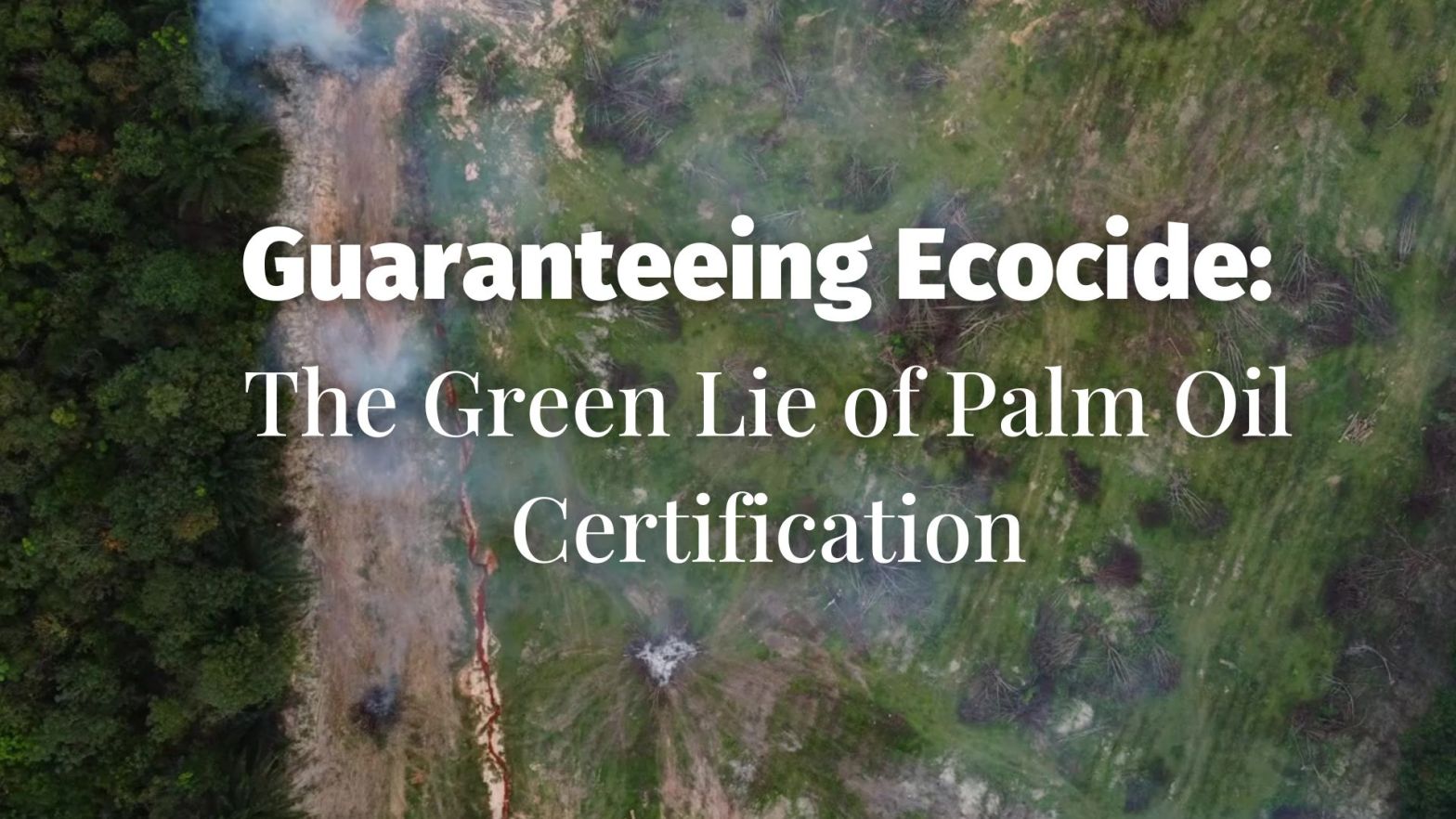
For decades, the palm oil industry, backed by the RSPO, has misled consumers with the false promise of “sustainable” palm oil. Behind this green façade lies a brutal reality of deforestation, human rights abuses, and the destruction of endangered species’ habitats. Dozens of investigations from many different industry watchdogs have exposes the RSPO’s certification as a sham, enabling continued environmental devastation under the guise of sustainability.
However it’s not only the palm oil industry that is an environmental liability, gold mining and meat deforestation also deserves to be strongly condemned for its ongoing ecocide. Read on to discover the examples of greenwashing deception from these industries, so that you don’t fall for their corporate greenwashing. Protect our planet and all human and non-human beings by refusing to support these lies—#Boycottpalmoil #BoycottGold #BoycottMeat and #Boycott4Wildlife every time you shop.
Deforestation comes ‘roaring back’ despite 140-country vow to end destruction
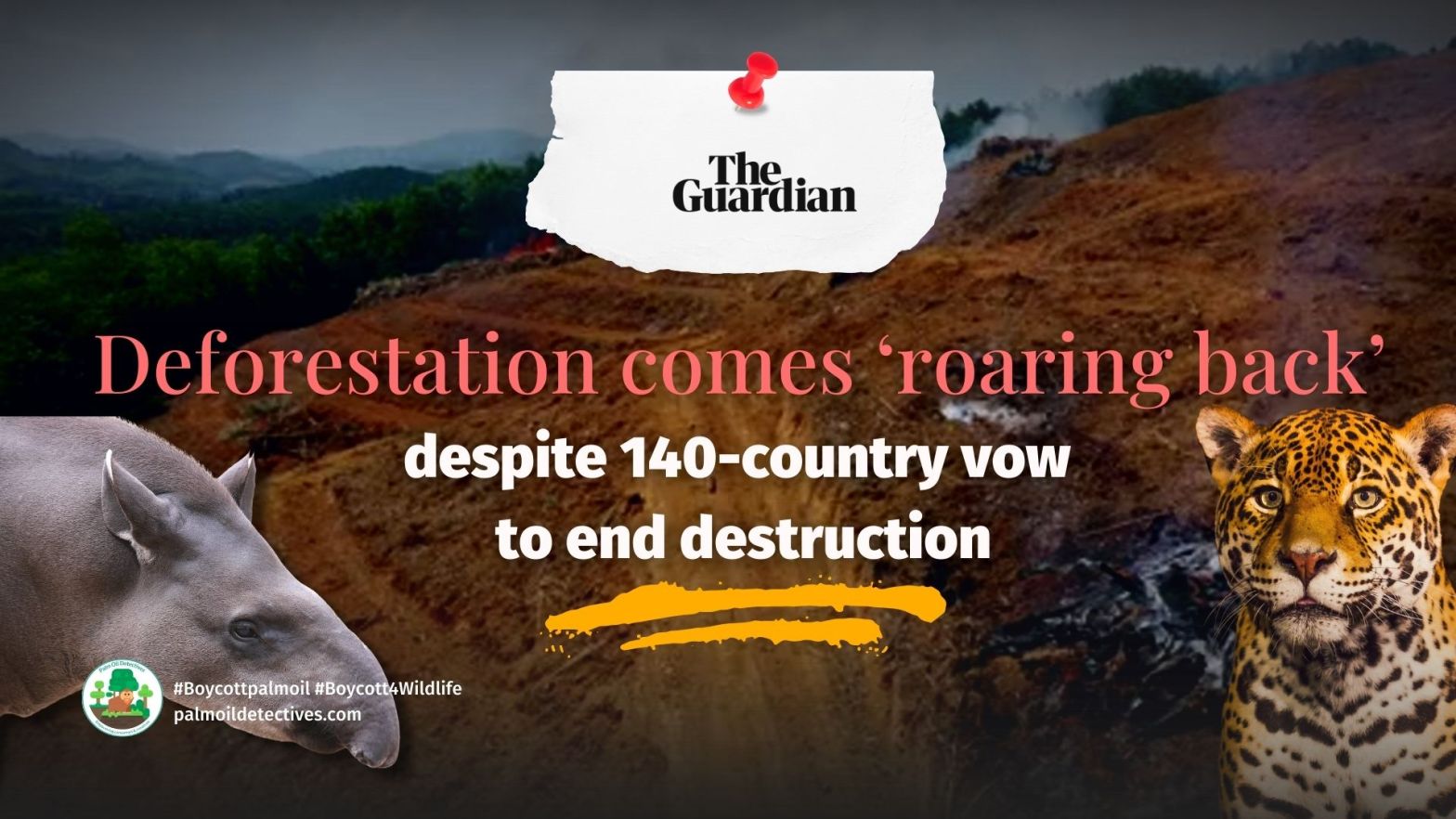
A new report has found that demand for #meat, #soy, #palmoil and nickel #mining is hindering efforts to halt #deforestation by 2030, a global report finds. The destruction of global forests increased in 2023, and is higher than when 140 countries promised three years ago to halt deforestation by the end of the decade.
The rising destruction of the forests puts ambitions to halt #climatechange and stem the huge worldwide #extinction even further from reach, the researchers warn. They found that voluntary certification of commodities alone could not stop deforestation and that strong legislation was needed to stop the ecocide and destruction.
Ecosystems Sell Dirt Cheap for Palm Oil Filled Snickers and KitKat
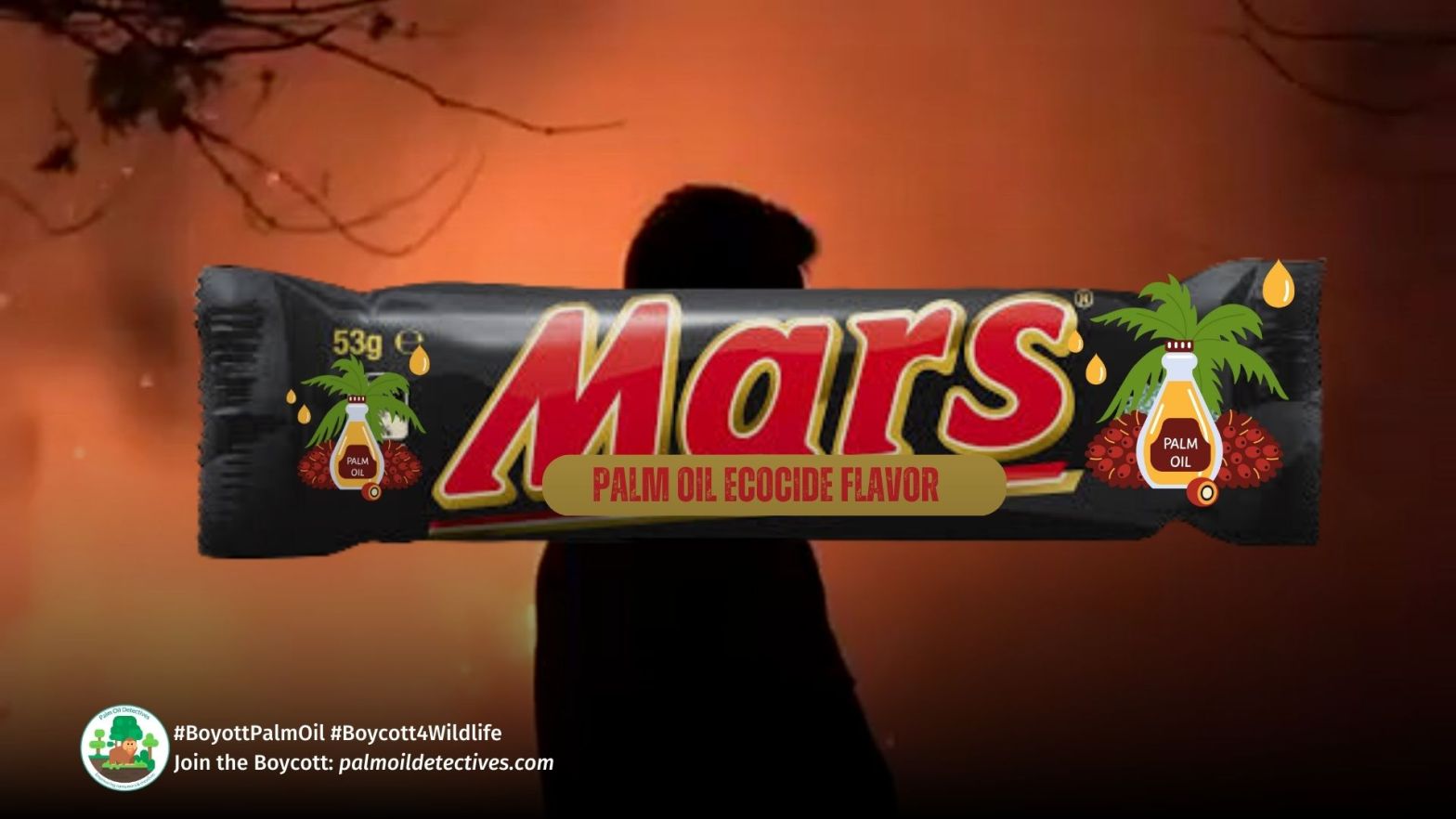
A recent report highlighted by Mongabay uncovers that deforestation-linked palm oil may still be in popular snacks like Snickers and Kit Kat, despite pledges from brands like Mars, Nestlé, and Mondelēz to use only deforestation-free palm oil. The issue lies in the palm oil-based animal feed used for dairy production, which these companies are not being transparent about. Thirteen out of the fourteen largest U.S. dairy processors, including Mars, Nestlé, and Mondelēz, fail to disclose how much palm oil-based animal feed is in their supply chains, raising concerns over hidden deforestation. If you are wanting to be kind to farmed and wild animals and ecosystems, make sure that you be #vegan #BoycottPalmOil #BoycottDairy #Boycott4Wildlife
How does Indonesia’s palm oil industry fuel the climate crisis?
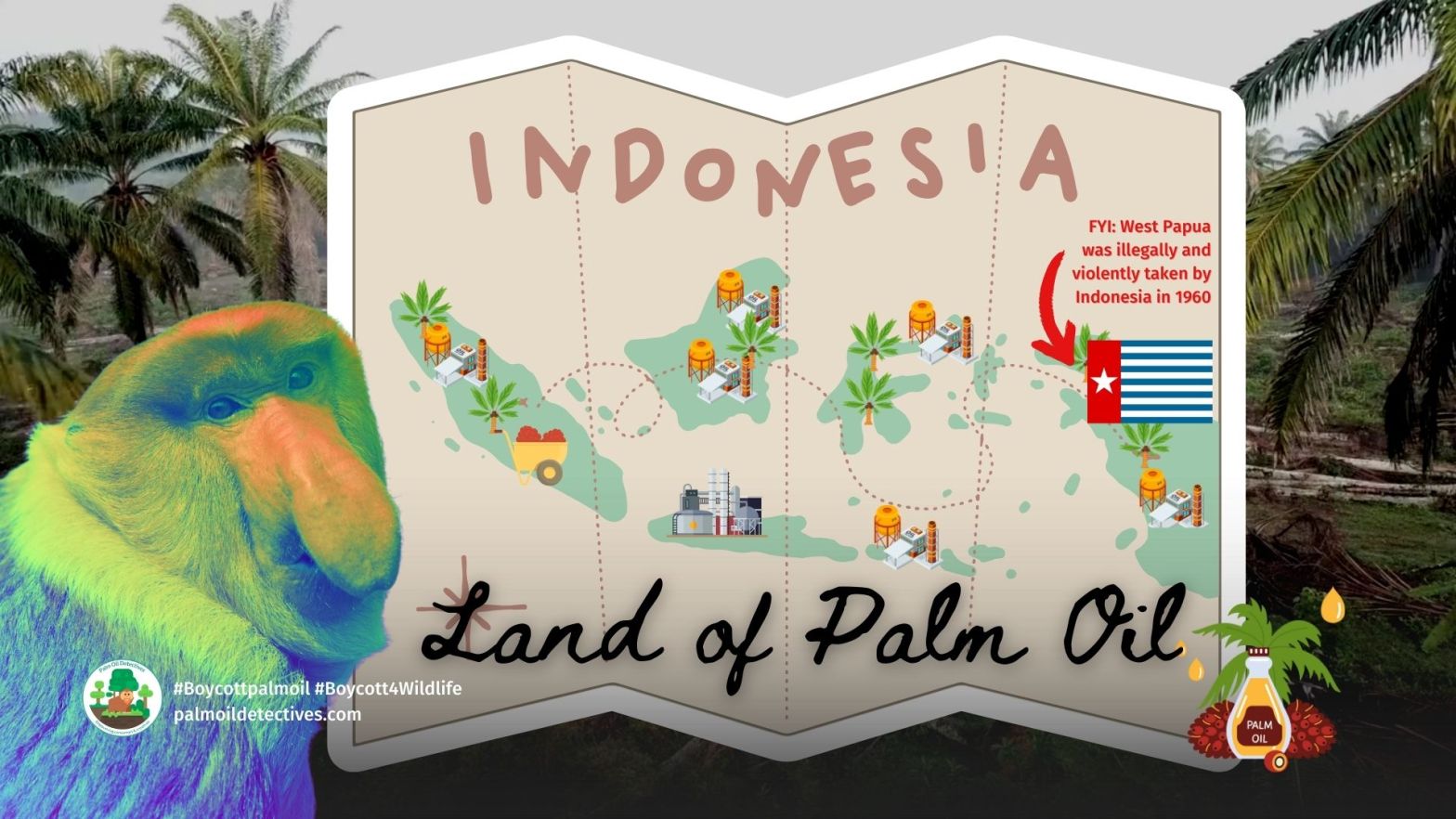
Booming global demand for the vegetable oil is spurring deforestation in Indonesia. Indonesia accounts for more than half of the global palm oil supply, the world’s most widely used vegetable oil that is found in everything from food to cosmetics to fuel.
But environmentalists fear surging demand for the product may drive mass deforestation in Indonesia, home to the world’s third-largest tropical rainforest, and exacerbate the global climate crisis.
Protect Nature to Avoid Future Pandemics
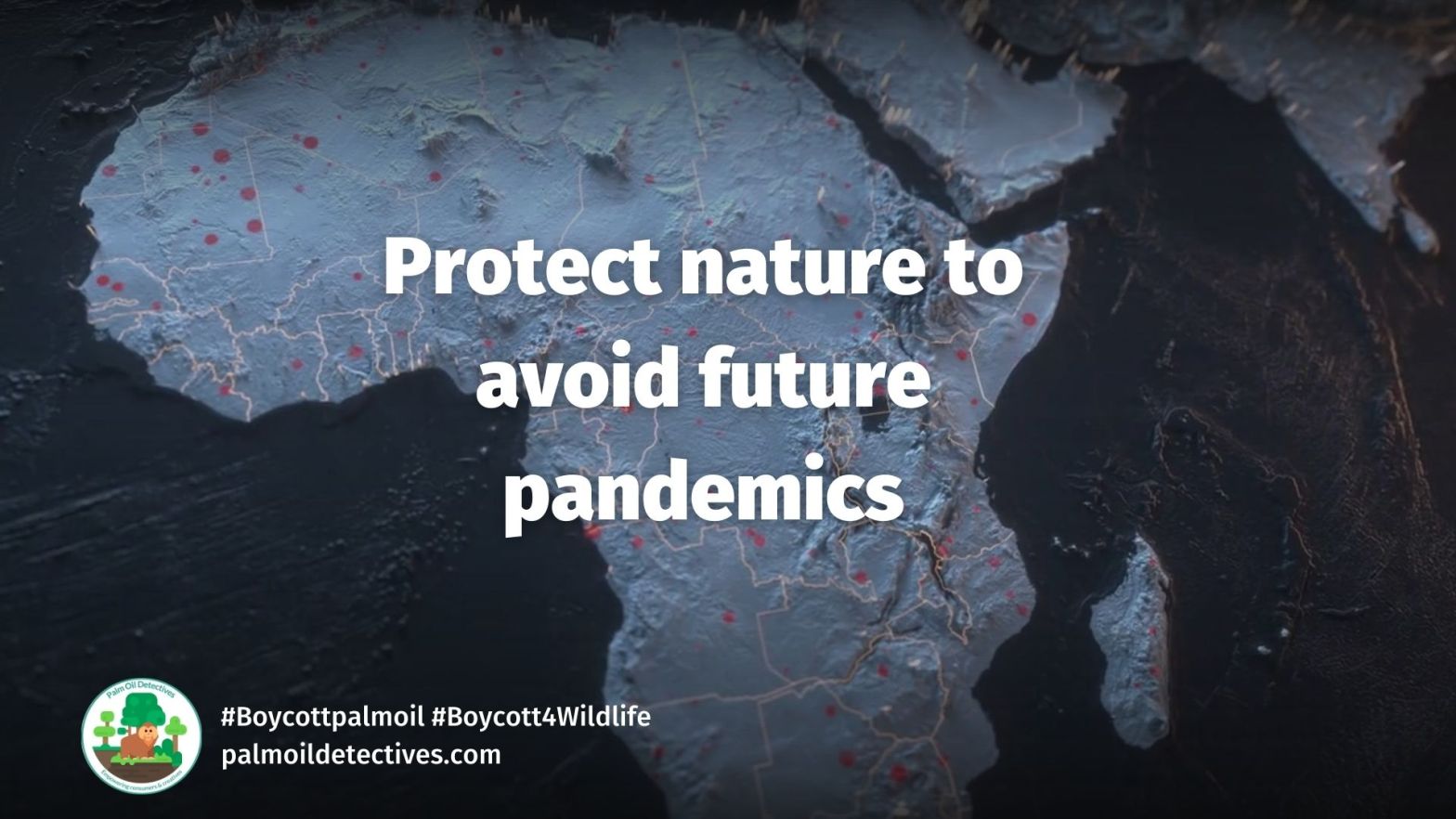
Research from University of Queensland and published in The Lancet: Planetary Health finds that the COVID-19 pandemic is linked to the decline of ecosystems and biodiversity, creating a cycle that could lead to more pandemics. The pandemic, caused by a virus jumping from animals to humans, has worsened deforestation, increasing human-wildlife contact and the risk of future disease outbreaks. The study emphasizes the need for a One Health approach, combining public health, conservation efforts and involving indigenous custodianship of land and indigenous traditional knowledge to prevent outbreaks by protecting ecosystems. We must safeguard biodiversity to prevent more pandemics. #Boycottpalmoil #Boycott4Wildlife
PalmWatch: A Tool to Hold Palm Oil Greenwashers to Account
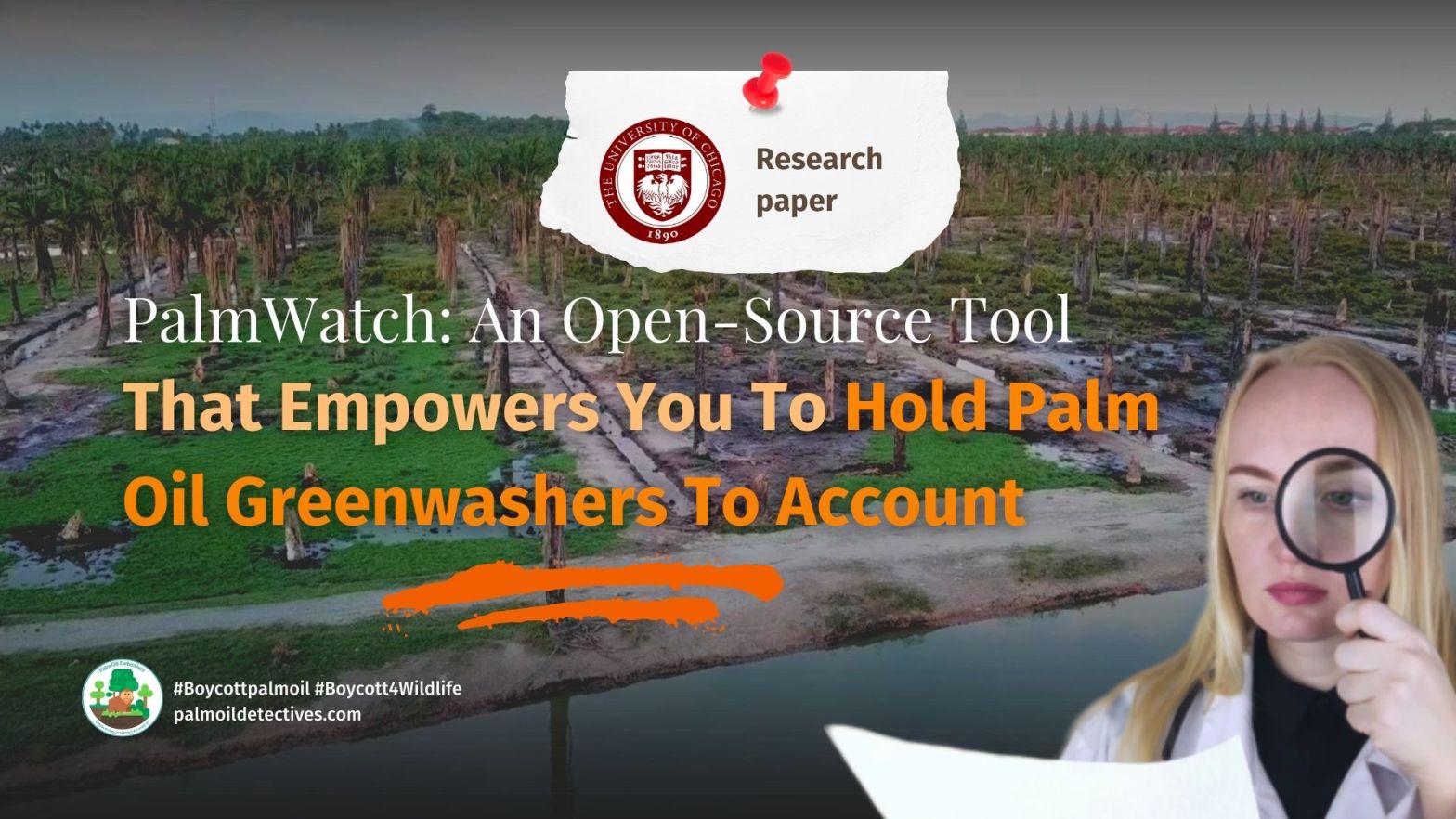
A groundbreaking open-source tool by the University of Chicago called PalmWatch, shines a light on the darkest parts of the palm oil industry.
PalmWatch is a free web-based tool that reveals links between major multinational brands using supposedly “sustainable” palm oil, and palm oil supply chain. This means that concerned consumers, animal rights advocates and human rights advocates can clearly see the toll of palm oil ecocide in their daily supermarket purchases.
Covering hundreds of thousands of kilometres, PalmWatch gives everyone open-source, free and unprecedented access to what “sustainable” palm oil really looks like.
More than simply a tool, PalmWatch is a clarion call to consumers to look carefully at their purchases. And where possible, to boycott brands causing the ecological crisis of tropical deforestation.
Help animals and indigenous peoples and #BoycottPalmOil #Boycott4Wildlife every time you shop!
Green Lie of “Sustainable” Aviation Biofuel

“Sustainable” Aviation Fuel (SAF) is a biofuel alternative to using fossil fuels for powering planes and cars. SAF is being aggressively marketed by multiple industries as a greener alternative to burning fossil fuels in cars and airplanes.
However, SAF is produced from food crops such as rapeseed, palm oil, soy and sugar cane. This requires vast swathes of land to grow. This also means mass deforestation of land that is rich in biodiversity, putting at risk already threatened animals and plants and indigenous peoples all over the world. Emissions from palm oil-derived biodiesel are three times higher than fossil fuel diesel. According to Transport & Environment EU food-based biodiesel leads to around 80% higher emissions than the fossil fuel diesel that it replaces. Read on to find out how you can take action.
PepsiCo
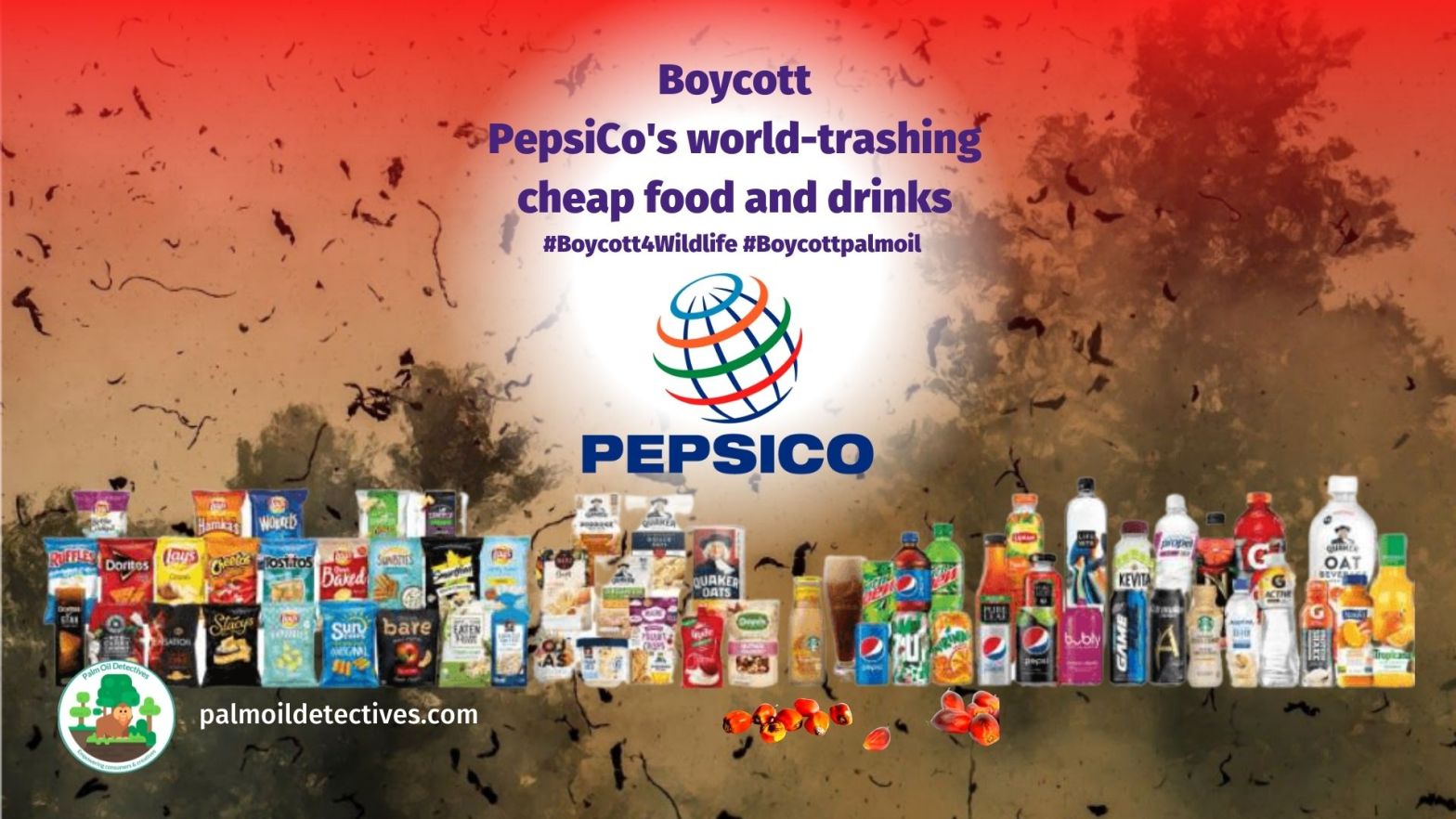
Despite decades of promises to end deforestation for palm oil PepsiCo (owner of crisp brands Frito-Lay, Cheetos and Doritos along with hundreds of other snack food brands) have continued sourcing palm oil that strongly linked to ecocide, indigenous landgrabbing, and the habitat destruction of the rarest animals on earth. All of these animals are onContinue reading “PepsiCo”
Procter & Gamble
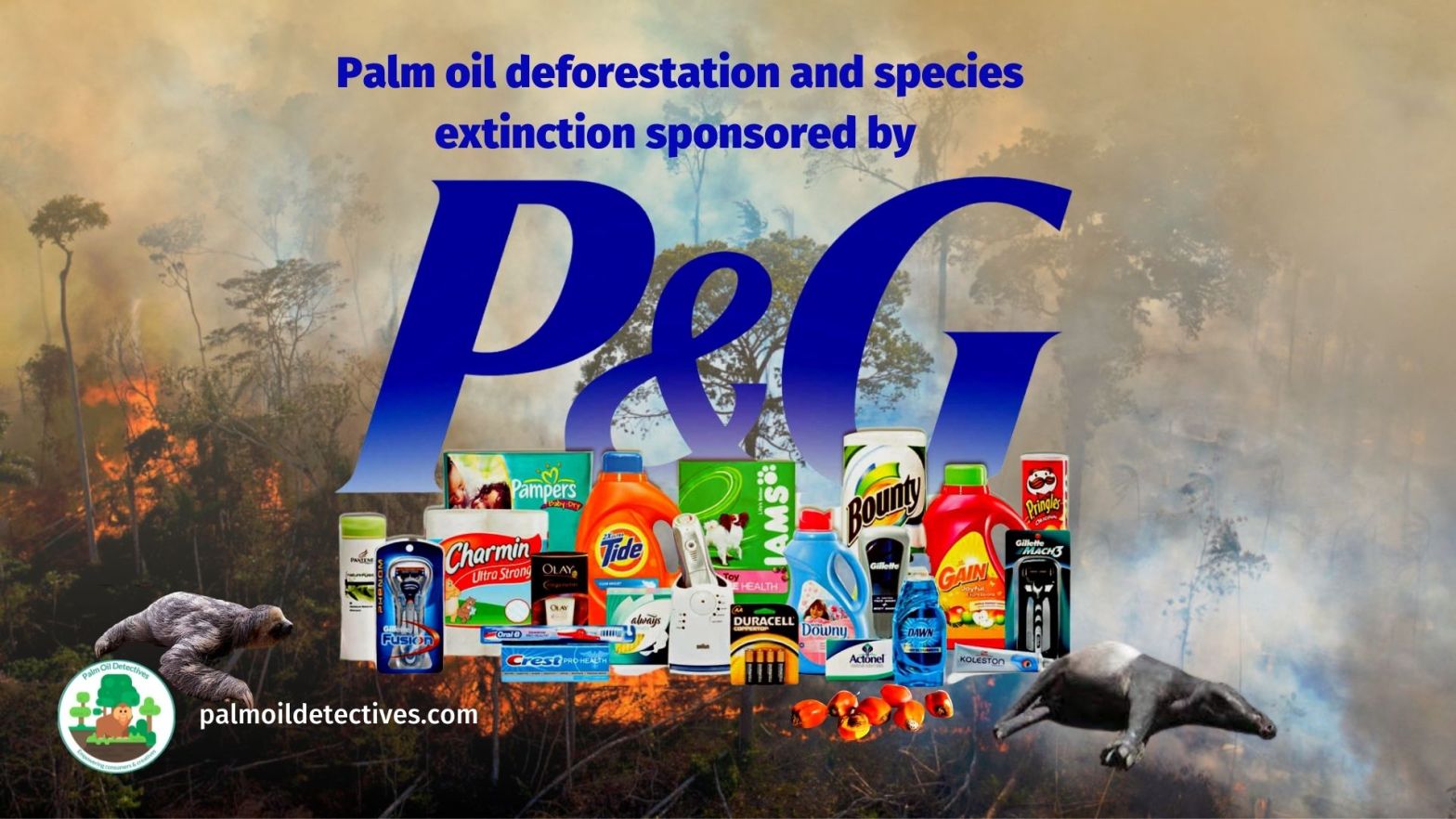
Despite decades of promises to end deforestation for palm oil Procter & Gamble or (P&G as they are also known) have continued sourcing palm oil that causes ecocide, indigenous landgrabbing, and the habitat destruction of the rarest animals on earth. All of these animals are on a knife-edge of survival. It is for this reason,Continue reading “Procter & Gamble”
 Palm Oil Detectives