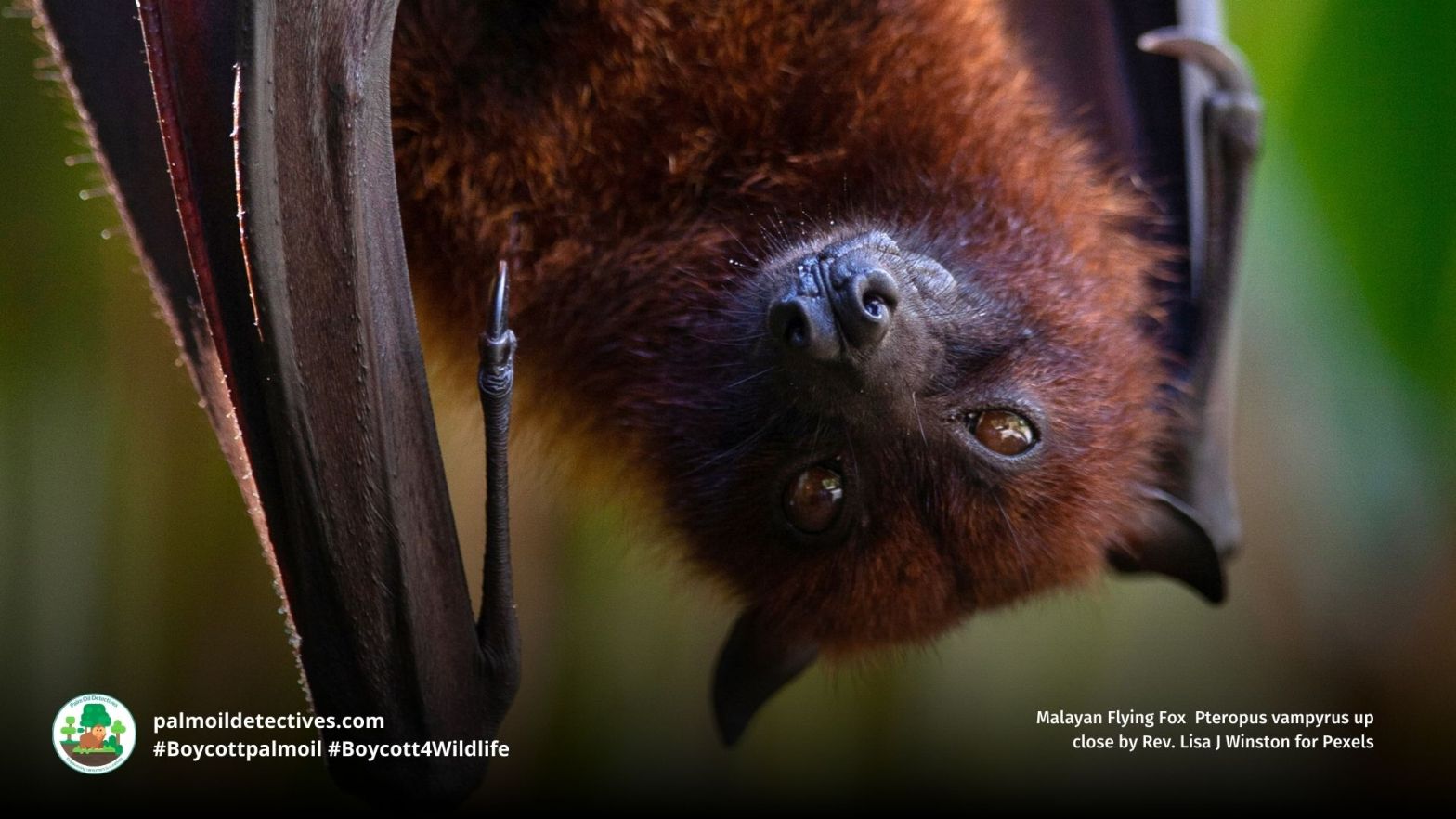
Malayan Flying Fox Pteropus vampyrus

The Malayan Flying Fox, known also as the Large Flying Fox, Giant Fruit Bat, or Kalong, is an ethereal creature of the tropical Asian night. With wingspans reaching 1.7 metres, they are the largest bats in the world and glide silently through the darkness, a graceful presence in South East Asia’s moonlit forests. Their foxy almond shaped eyes and expressive faces are framed by glossy black fur and golden and russet collars, lend them a warm and mythical aura, while their immense wings are awe-inspiring to see in flight.

These nocturnal giants are the architects of tropical forests, scattering seeds and pollinating flowers as they journey across vast landscapes. Yet, despite their importance to ecosystems, they are under siege—hunted mercilessly and displaced by forests that vanish due to palm oil. Their story is a call to action: protect the guardians of the night before it is too late. #BoycottPalmOil #Boycott4Wildlife

Sloth Bear Melursus ursinus

The sloth bear (Melursus ursinus), with their distinctive “Y” or “V” shaped chest patch and shaggy fur, are unique bears native to the Indian subcontinent. Once exploited as ‘dancing bears’ by the Kalandar tribe, this phase of history is thankfully now over. They now roam across tropical forests and savannahs while snuffling through termite mounds and sucking up ants and honey. Tragically, these bears face severe threats from palm oil deforestation, human-wildlife conflict, and illegal poaching. You can fight for their survival by saying no to palm oil. Use your wallet as a weapon to make a difference! #BoycottPalmOil #Boycott4Wildlife

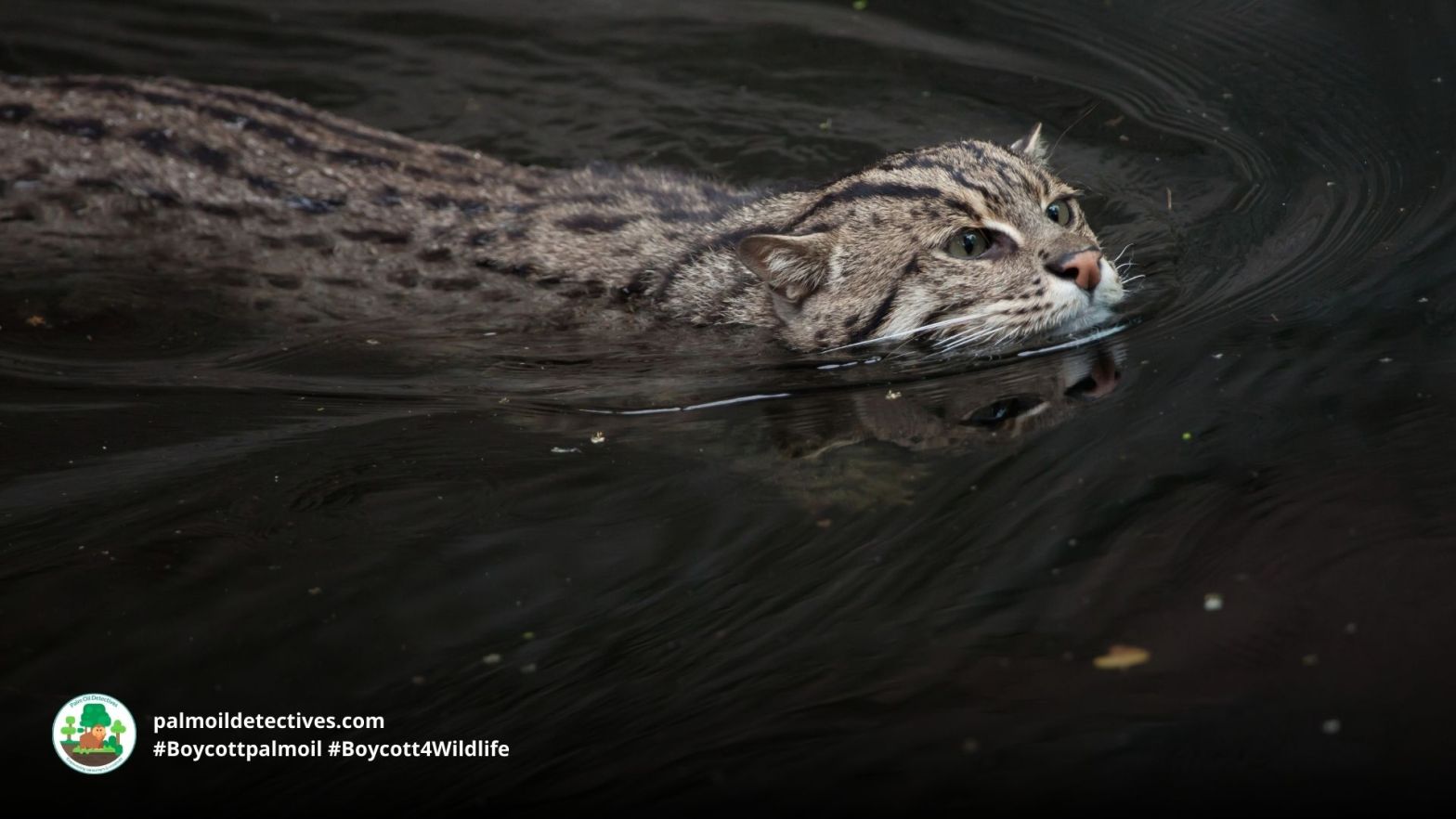
Fishing Cat Prionailurus viverrinus

Although they look cute and cuddly, the Fishing #Cat Prionailurus viverrinus has a feisty, firecracker temper. This small to medium sized wild cat can become defensive if approached in the wild. They are around twice the size of a domestic cat and typically weigh around 5-16 kg and have stocky short legs and a short tail.

Their faces are round with elongated noses that gives them a civet-like appearance, which is why their scientific name is viverrine. They are agile and fast hunters and can reach fast speeds in pursuit of prey. They have an average lifespan of approximately 12 years. Ongoing threats include palm oil deforestation, and in Indonesia it is uncertain if their population have remained alive intact due to widespread deforestation and hunting pressures. Help these plucky little #wildcats when you shop and #BoycottPalmOil #Boycott4Wildlife

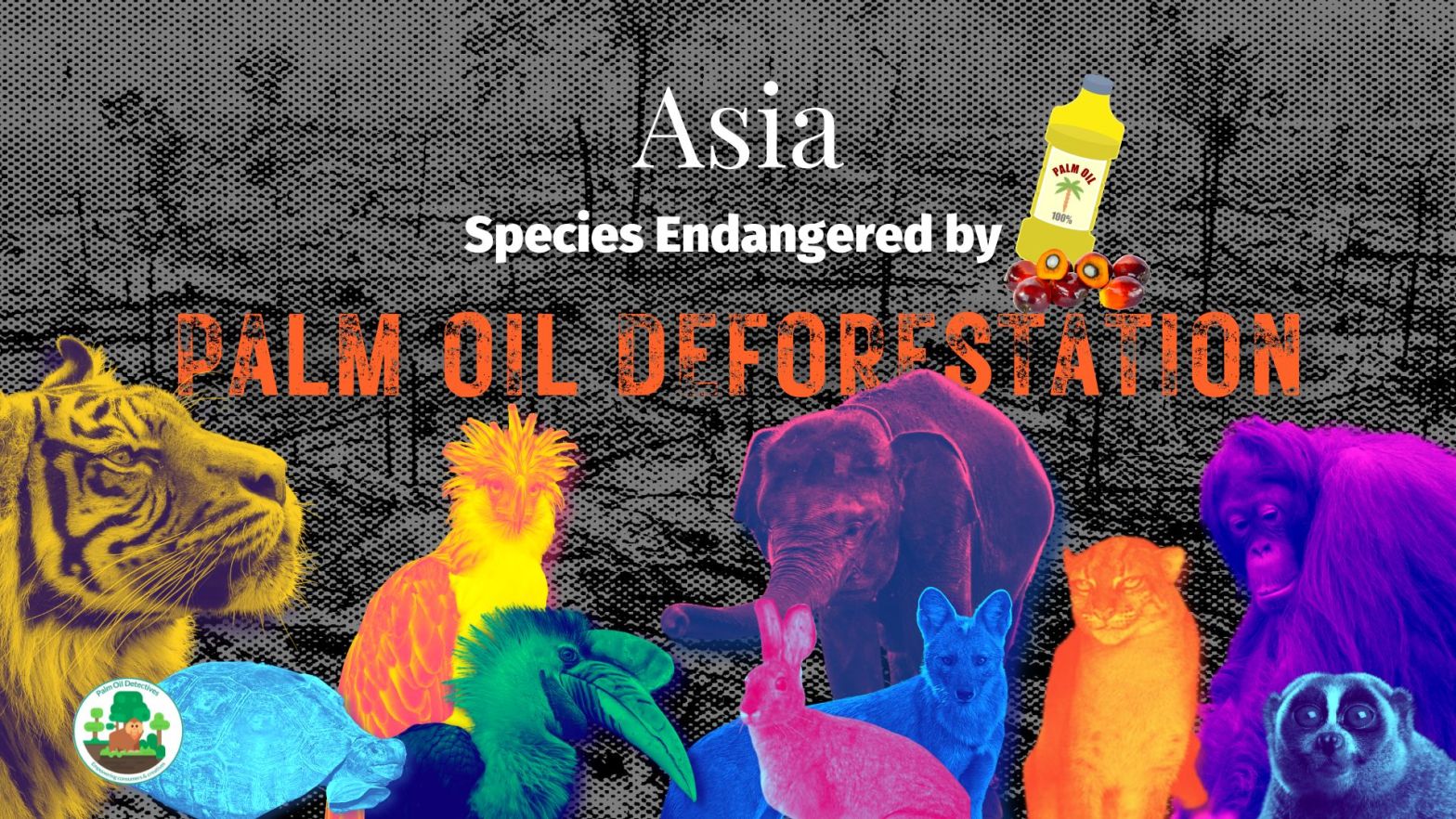
Asia: Species Endangered by Palm Oil Deforestation

Discover the diverse wildlife of Asia and the devastating effects of palm oil deforestation. Learn how to protect these species and #BoycottPalmOil. #Boycott4Wildlife