


End confusion about #palmoil once and for all and learn the answers to frequently asked questions from Palm Oil Detectives. #Boycottpalmoil #Boycott4Wildlife
Tweet
How can I help the #Boycott4Wildlife?
1. Join the #Boycott4Wildlife: Share posts from this website to your own network on Twitter, Instagram and Facebook using the hashtags #Boycottpalmoil #Boycott4Wildlife.
2. Contribute stories: Academics, conservationists, scientists, indigenous rights advocates and animal rights advocates working to expose the corruption of the palm oil industry or to save animals can contribute stories to the website.
3. Supermarket sleuthing: Next time you’re in the supermarket, take photos of products containing palm oil. Share these to social media along with the hashtags to call out the greenwashing and ecocide of the brands who use palm oil. You can also take photos of palm oil free products and congratulate brands when they go palm oil free.
4. Take to the streets: Get in touch with Palm Oil Detectives to find out more.
5. Donate: Make a one-off or monthly donation to Palm Oil Detectives as a way of saying thank you or to help pay for ongoing running costs.
Share palm oil free purchases online and shame companies still using dirty palm oil!
Don’t forget to tag in #BoycottPalmOil #Boycott4Wildlife to get shared
Skip to question
Where, what, why and how of palm oil and Palm Oil Detectives
Who and what is Palm Oil Detectives?
Where does palm oil come from?
Why is palm oil used in 50% of supermarket products?
What are some of the benefits of lab-grown palm oil and soy alternatives?
The problems with palm oil
What is the Roundtable for Sustainable Palm Oil (RSPO)?
Does the RSPO stop deforestation and human rights abuses from occurring?
Does sustainable palm oil exist?
Which species are endangered from tropical deforestation for consumer goods?
Can some species thrive on palm oil plantations?
It is expensive to find products without palm oil. How do I go palm oil free?
Why you should boycott palm oil
What is the answer to palm oil deforestation?
So how do we stop these greedy companies still buying deforestation palm oil?
Are brand boycotts effective in changing outcomes for indigenous people and animals?
How does Palm Oil Detectives hold retail brands to account?
How can I take action to boycott palm oil?
Why boycott the entire brand if only a few products contain deforestation palm oil?
What is wrong with palm oil?
Oil palm expansion is estimated to impact 54% of threatened mammals and 64% of threatened birds globally.
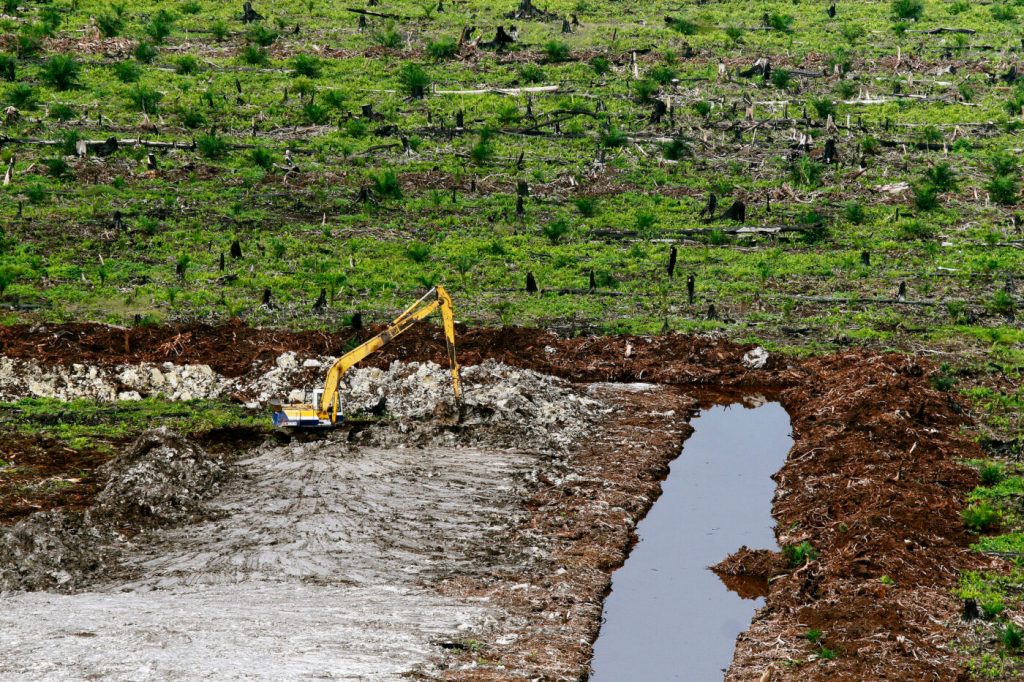
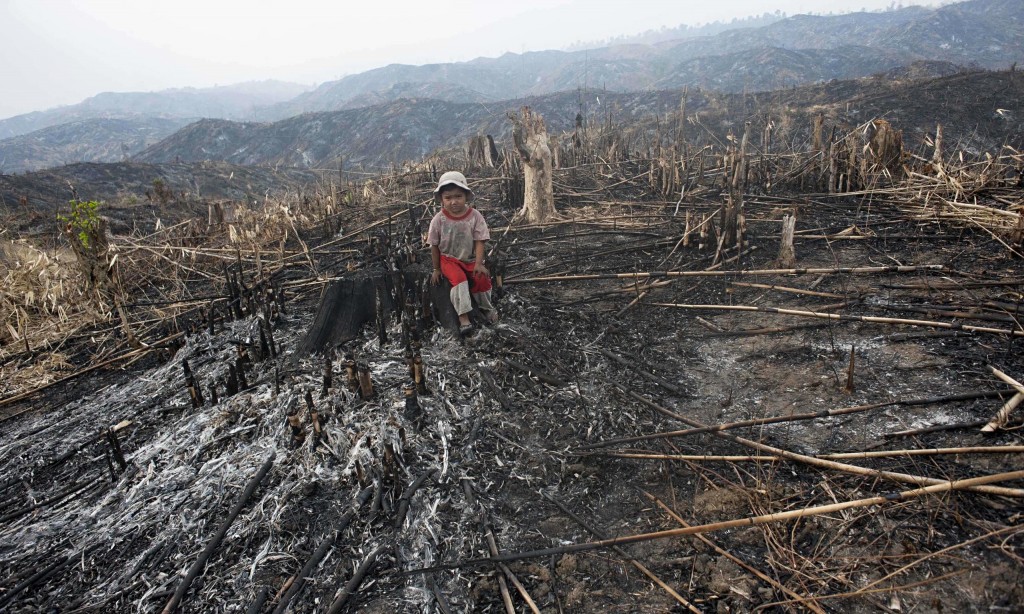
Palm oil is a contentious and controversial crop because it has long been associated with slash and burn deforestation which results in the mass elimination of animal and plant species throughout the world from insects and ground-dwelling species unknown to humans all the way to keystone species like rhinos and orangutans. The crop has also been associated with human rights and indigenous rights issues.
These problems with palm oil including air pollution and greenhouse gas emissions, human rights abuses, landgrabbing, child slavery, animal abuse and extinction, human health and nutrition impacts have been well documented by many different palm oil industry whistleblowers and independent investigations. The conclusions of these investigations is that there is with zero difference between so-called “sustainable” palm oil and palm oil not given the rubber stamp of “sustainable” by an ecolabel. In short: ecolabels are meaningless and ineffective. This means that the only option consumers have is to boycott palm oil.


Who and what is Palm Oil Detectives?
Palm Oil Detectives is an exciting global community of activists, scientists, conservationists, artists, writers and other creatives. Together we campaign to raise awareness of animals and indigenous peoples threatened by tropical deforestation for palm oil (we also campaign against other destructive commodities like meat, soy and gold mining). We live in every part of the planet and campaign both online and in real life, united in the goal to #Boycottpalmoil #Boycott4Wildlife.
The Palm Oil Detectives website is self-funded by its creator – a passionate animal rights advocate, indigenous rights activist and mana wahine Māori from Aotearoa New Zealand. As Palm Oil Detectives is self-funded by its creator it is therefore 100% free of corporate influence or interference. You can read POD’s personal blog about her life, interests and philosophy here.
You can contribute to POD’s Ko-Fi here to say thank you.
The #Boycott4Wildlife movement regularly calls out the immense corruption, greenwashing, child slavery, deforestation inherent in the palm oil industry often using the guise of “sustainable” palm oil. Much like fossil fuel greenwashing, palm oil greenwashing is an enormous problem as it is sponsored and promoted by corporate interests who infiltrate non-profits, governments, city councils and Zoos to push out misinformation about “sustainable” palm oil. Learn more about how you can take action on this website.
On the right are some people who are proud to be associated with the #Boycott4Wildlife. Click the images to read their stories.


Take Action
Take action with Palm Oil Detectives. Join the #Boycott4Wildlife movement, expose greenwashing, support indigenous rights, and help protect wildlife from palm oil deforestation.
Read more








Where does palm oil come from?
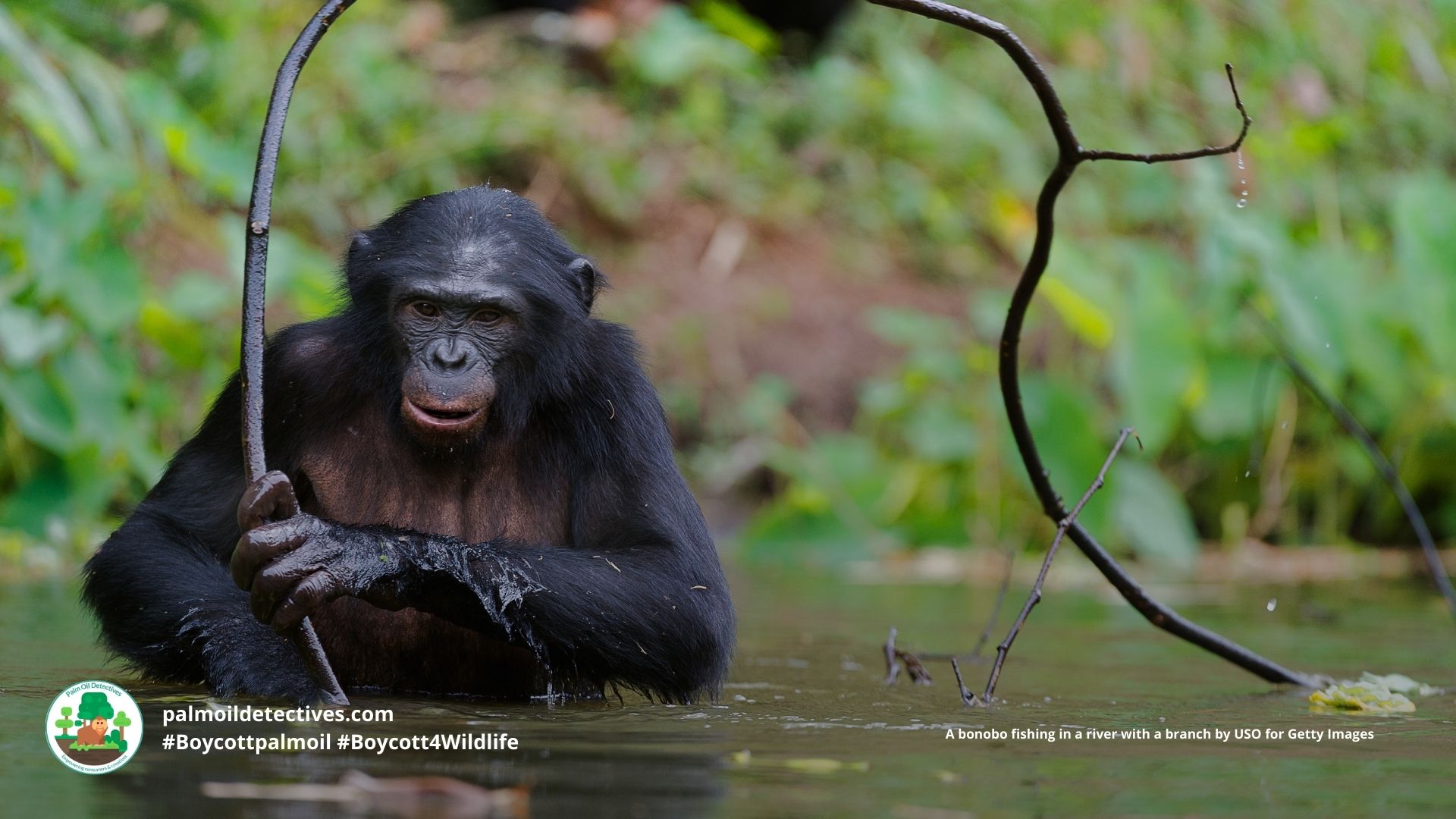
Palm oil is derived from the oil palm tree (Elaeis guineensis Jacq.), which is native to West Africa and grows best in tropical climates with abundant water.
The history of industrial palm oil is one of colonisation, slavery and indigenous landgrabbing in Africa. Three-quarters of total palm oil produced is used for food, particularly cooking oil and processed oils and fats. It is also used in cosmetics, cleaning products and biofuel.
Oil palm expansion is estimated to impact 54% of threatened mammals and 64% of threatened birds globally.
Palm Oil is a contentious and controversial crop because it has long been associated with slash and burn deforestation which results in the mass elimination of animal and plant species throughout the world from insects and ground-dwelling species unknown to humans all the way to keystone species like rhinos and orangutans, birds and a swathe of as yet undiscovered species unknown to humans. The industrial expansion of palm oil is strongly linked to militarised violence against indigenous peoples, illegal land-grabbing, corruption and crime networks in the developing world.
Why is palm oil used in 50% of supermarket products?
Palm oil is used in 50-60% of products because it has a long shelf life and high melting point. However this is overshadowed by one main reason for its use – it is a cheap ingredient.
Each year food manufacturers and palm oil companies in the supply chain earn millions in profit from the usage of palm oil in their products over other alternatives.
Chain Reaction Research: FMCGs, Retail Earn 66% of Gross Profits in Palm Oil Value Chain
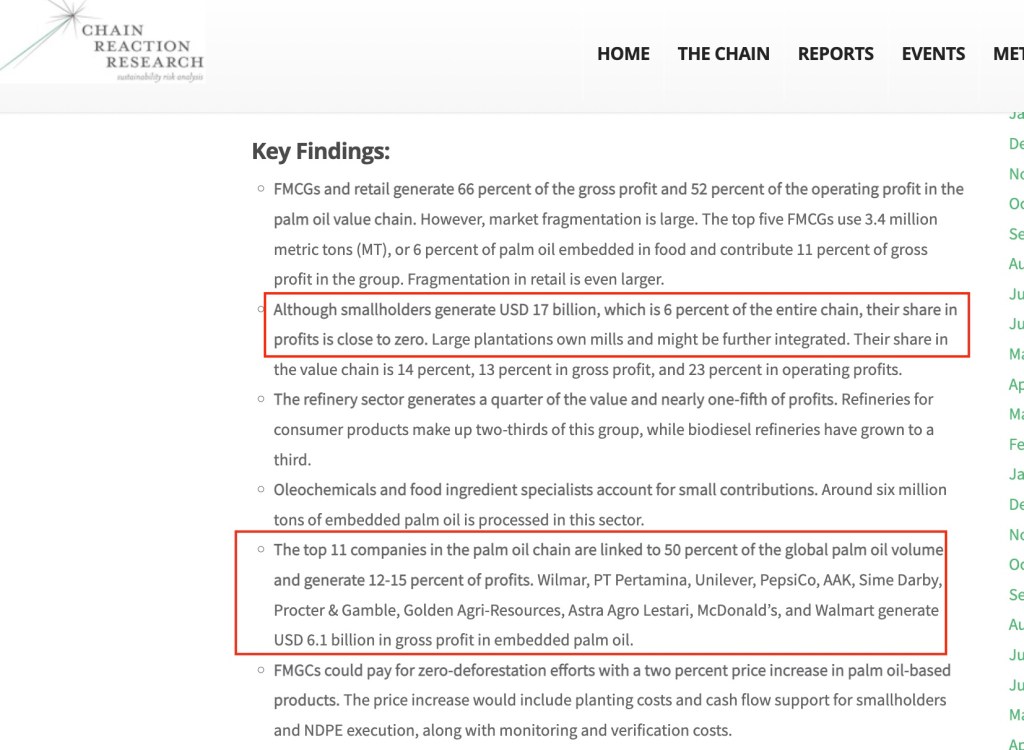
This research finds that farmers and small holders earn almost <0% of total profit in the palm oil supply chain. The majority of profit flows back to global FMCG brands. It is also clear from this that claims boycotting palm oil would hurt these farmers is evidently not true. A palm oil boycott hurts global food and palm oil brands. This is the main reason for a push back on a ban/boycott of palm oil.

What are some of the benefits of lab-grown palm oil and soy alternatives?
Some potential benefits of lab-grown palm oil and soy substitutes include:
- Sustainability: Lab-grown products do not require the cultivation of crops, which can help reduce the environmental impacts of palm oil and soy production, including deforestation, habitat destruction, air pollution and greenhouse gas emissions and human rights abuses.
- Reduced reliance on animal products: Some lab-grown products are made from plant-based ingredients and may be suitable for vegans and those looking to reduce their consumption of animal products.
- Reduced risk of foodborne illness: Lab-grown products are produced in a controlled environment and may be less likely to be contaminated with pathogens including zoonotic diseases compared to traditional crops.
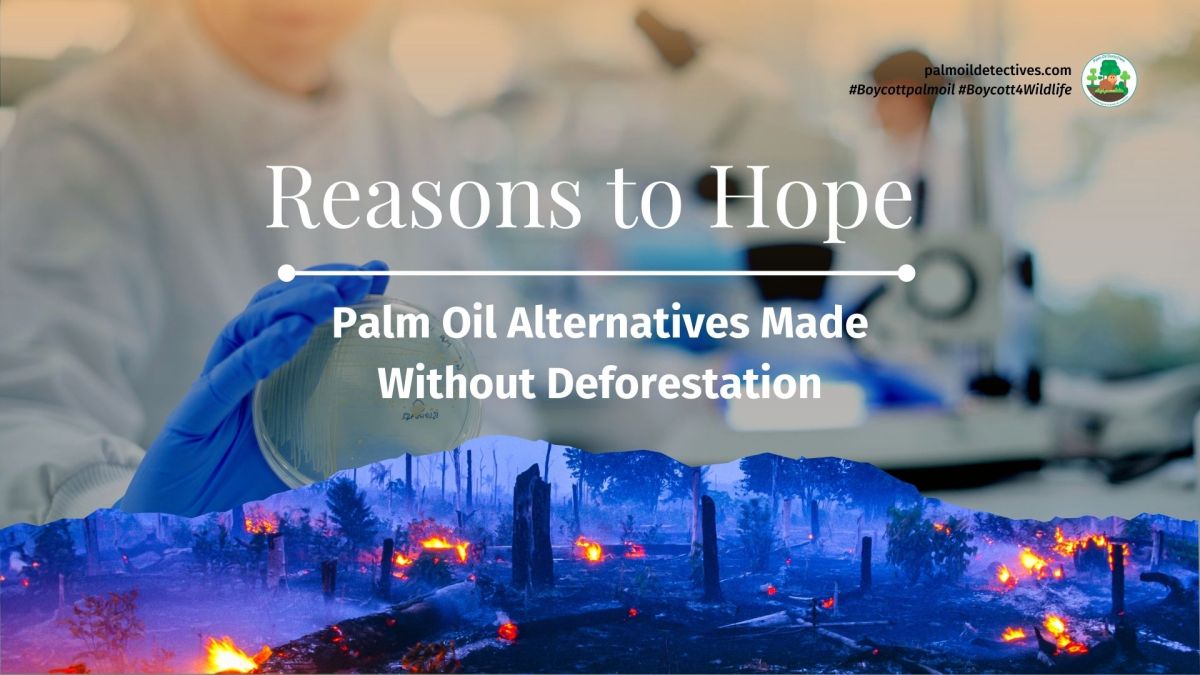
Reasons to Hope: Palm Oil Alternatives Made Without Deforestation
The race is on to find a real solution to stop palm oil ecocide. For several years now, several new #biotech companies have been busy generating…
Read more



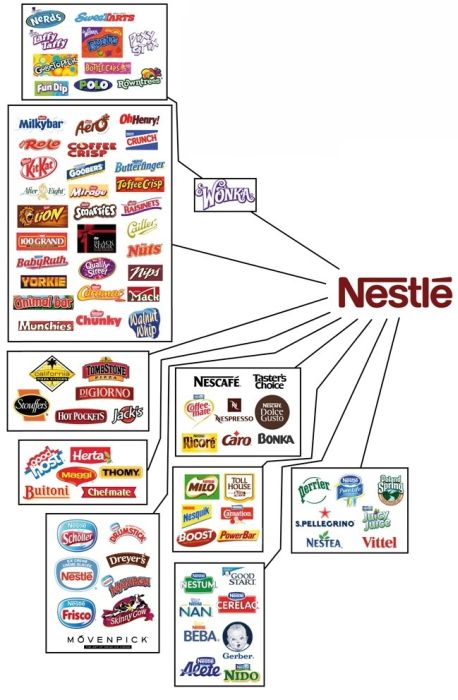
What does Nestle own?
Nestlé is a multinational food and beverage company that owns a wide range of products and brands in various sectors, including dairy, chocolate, confectionery, coffee, bottled water, ice cream, and more. Some of the well-known brands owned by Nestlé include:
- Dairy: Nesquik, Carnation, Coffee-Mate, Gerber
- Chocolate and confectionery: KitKat, Smarties, Aero, Butterfinger, Crunch, Nerds, Gobstoppers
- Coffee: Nescafé, Dolce Gusto, Nespresso
- Bottled water: Perrier, San Pellegrino, Poland Spring
- Ice cream: Haagen-Dazs, Movenpick, Edy’s
This is just a sampling of the many brands and products owned by Nestlé. The company also has a significant presence in the pet food, health and wellness, and frozen food sectors, among others. You can see the full range Nestle products here.



Where do King Cobra’s live?
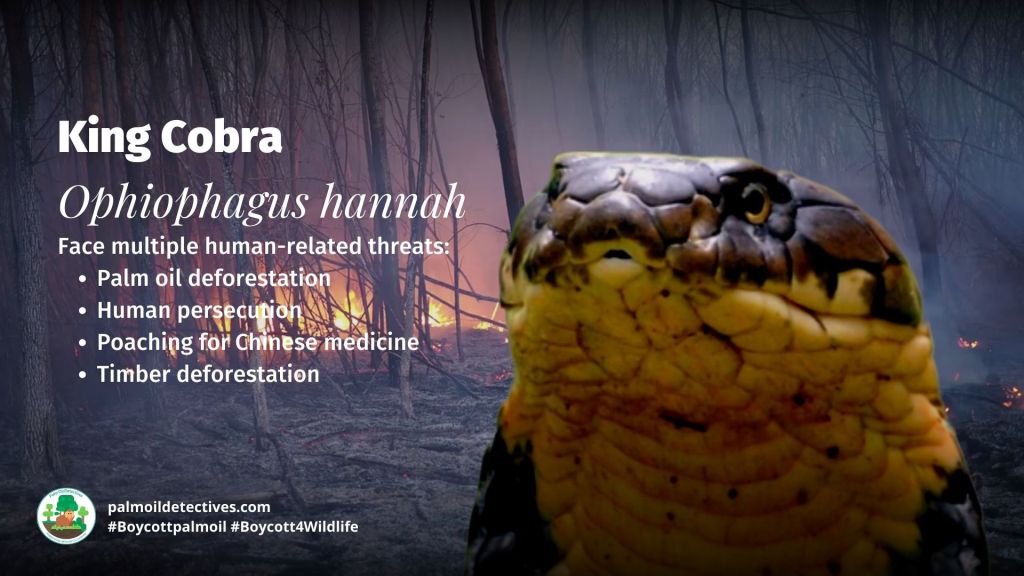
King cobras are found in a wide range of habitats in the forests and grasslands of India, Bangladesh, Nepal, Sri Lanka, and other parts of Southeast Asia. They are most commonly found in tropical and subtropical regions, and they prefer areas with plenty of cover and a good source of food, such as small mammals and other reptiles. King cobras are also known to inhabit agricultural lands and urban areas, where they may come into conflict with humans. They are not found in the Western Hemisphere.
Many animals including King Cobras are at risk of extinction if industrial palm oil continues to expand in India.

India’s Palm Oil Goals Raise Extinction Fears
A corporate monopoly for control over land and resources for palm oil must be dismantled immediately to give humanity, animals and our natural world…
Read more

King Cobra Ophiophagus hannah
Known as the serpentine king of the jungle in South East Asia, and inspiration for the villain Kaa in the Jungle Book, the King…
Read more

What is greenwashing?
Greenwashing is a term used to describe the act of making false or misleading claims about the environmental benefits of a product, service, or company in order to deceive consumers into thinking that it is more environmentally friendly than it really is. This can be done through a variety of means, such as using vague or misleading language on labels or packaging, making false or exaggerated claims about a product’s environmental benefits, or using imagery or logos that suggest a product is environmentally friendly when it is not. Greenwashing can be used to make a product or company appear to be more environmentally friendly than it really is in order to attract environmentally conscious consumers and increase sales. It can also be used to mislead consumers about a company’s commitment to sustainability and environmental responsibility.
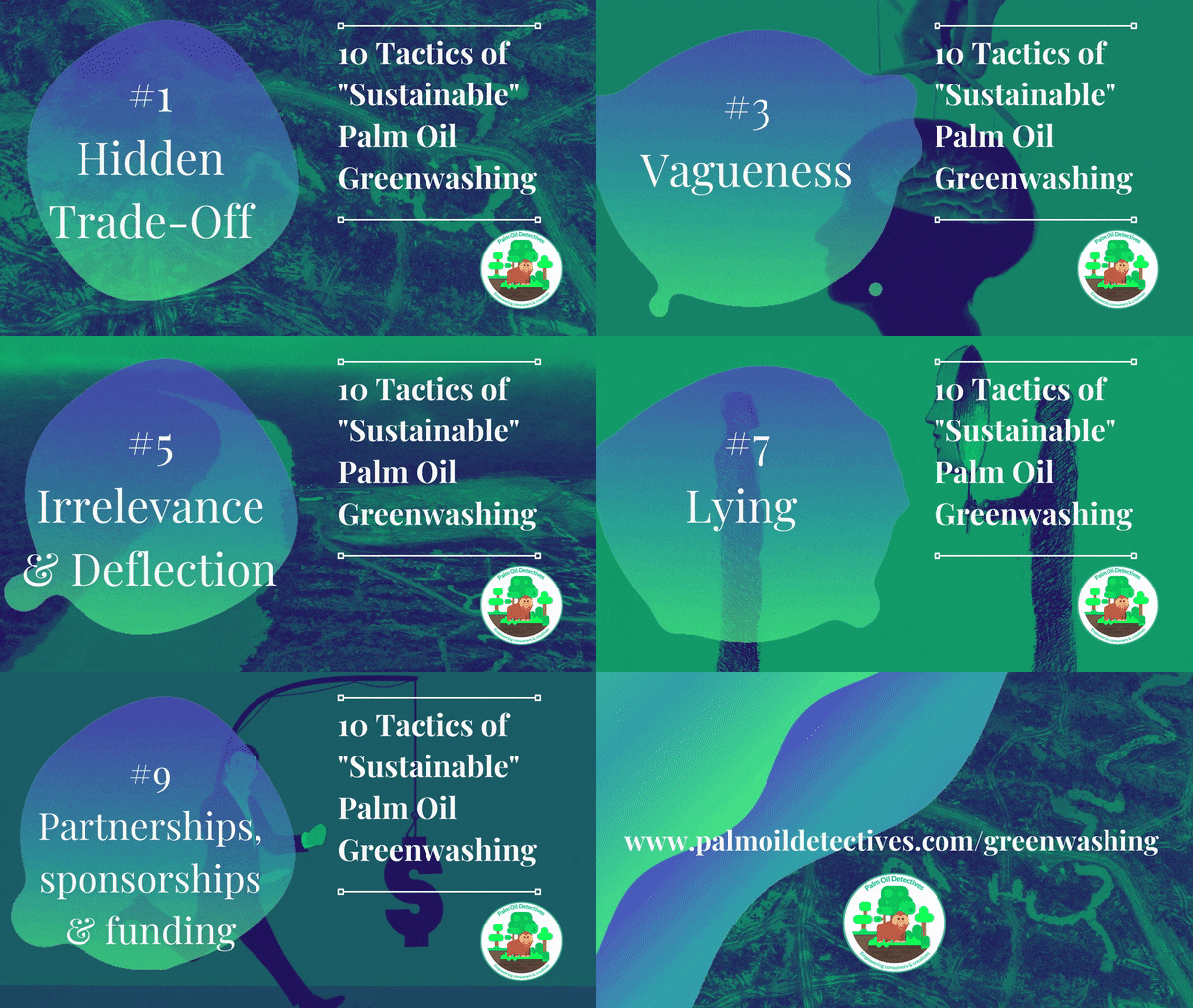
Palm Oil Detectives has created a ten part series about greenwashing in the palm oil industry. You can view individual pages by clicking the images on the right.

Ten Tactics of ‘Sustainable’ Palm Oil Greenwashing
Learn ten marketing and PR tactics used for “sustainble” palm oil greenwashing to justify endless growth by the palm oil industry. Boycott palm oil now!…
Read more

What is greenwashing?
Learn how consumerism was engineered to fuel a hunger for more stuff and how greenwashing now masks true environmental harm. Discover the facts.
Read more

How many rhinos are left?
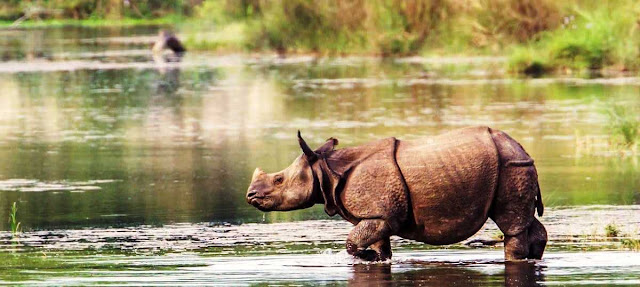
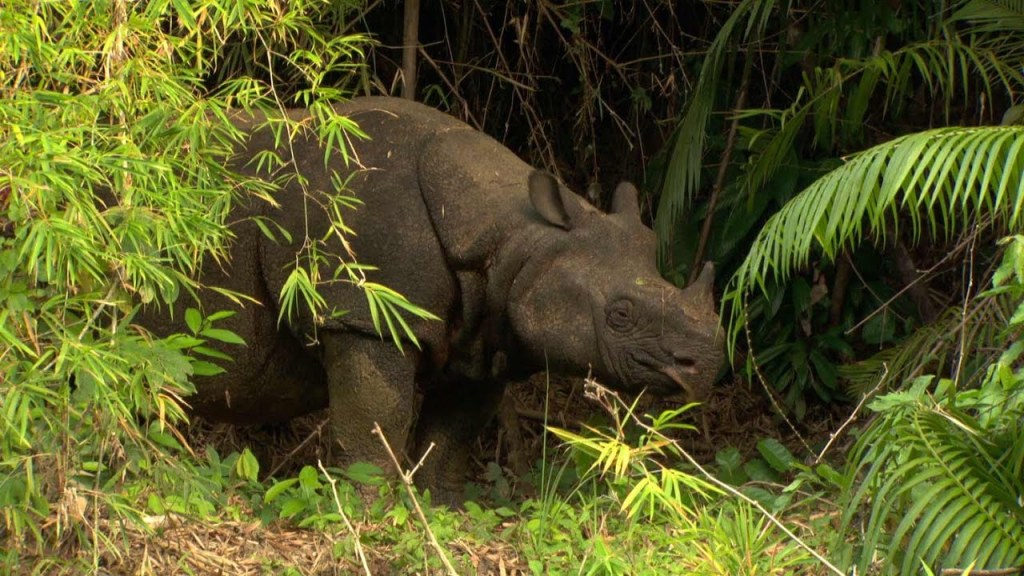
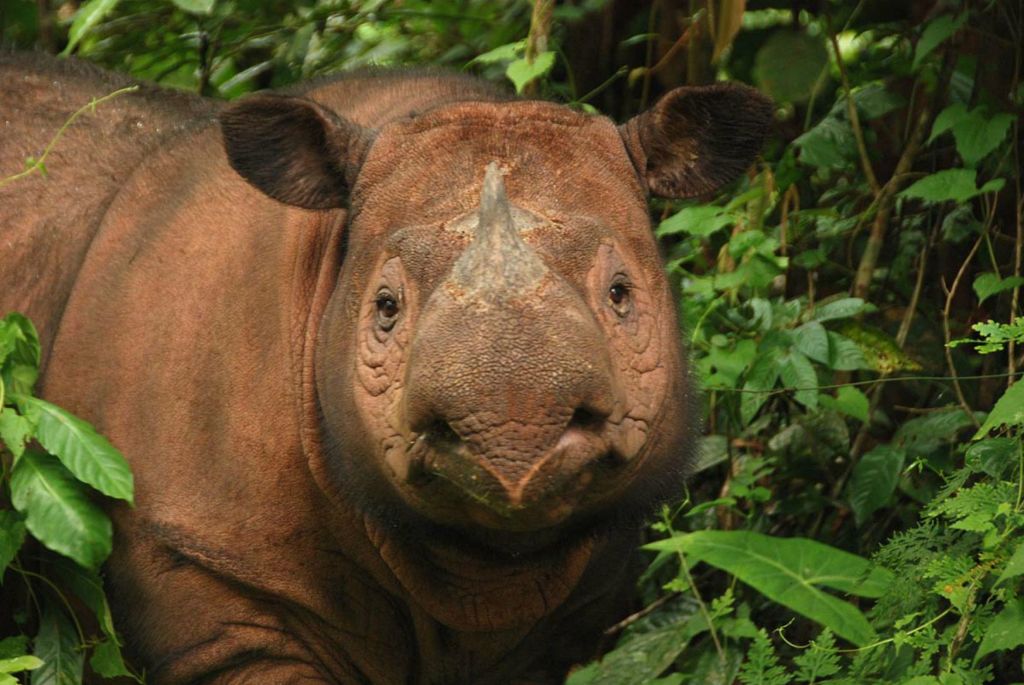
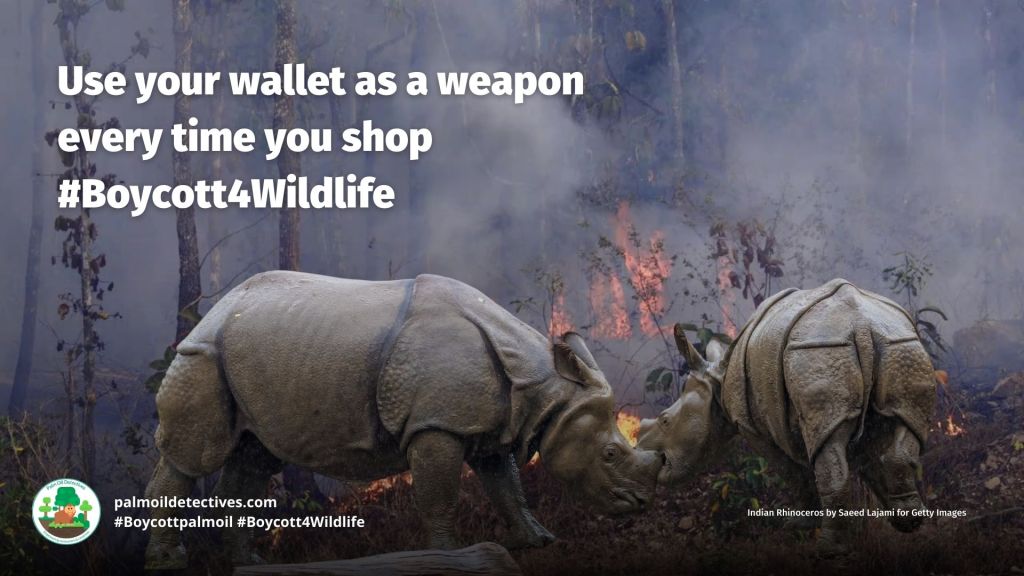
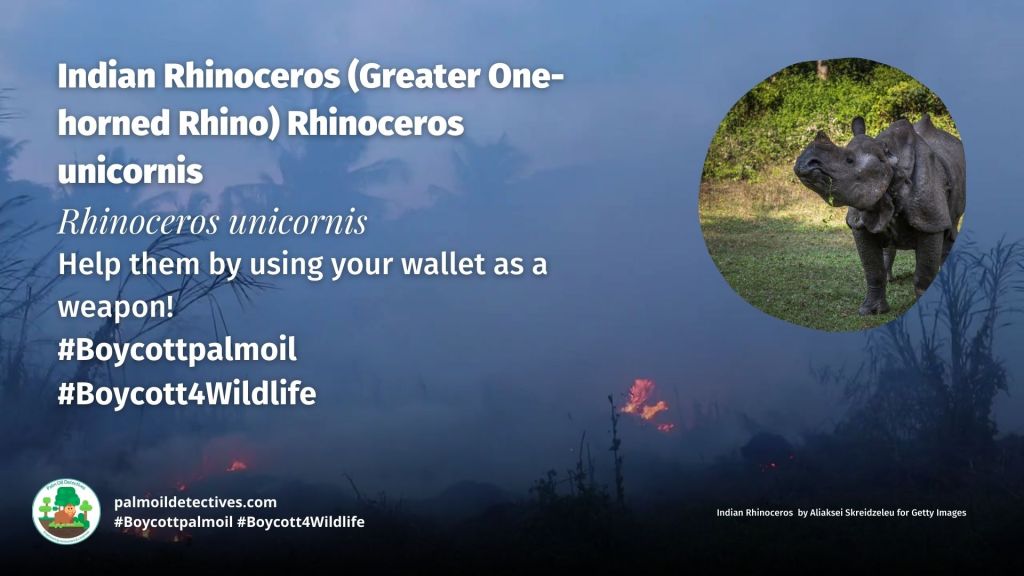
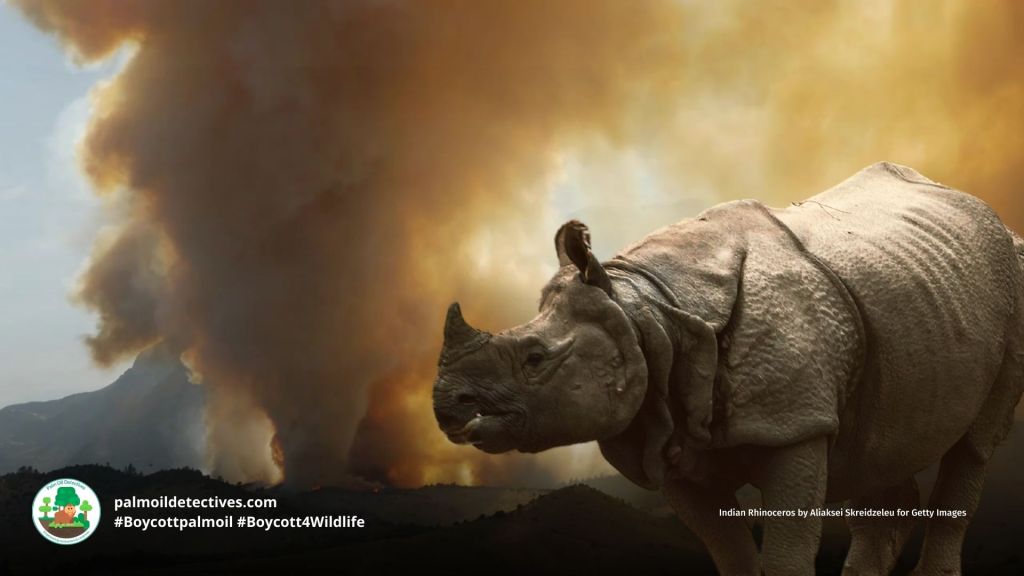
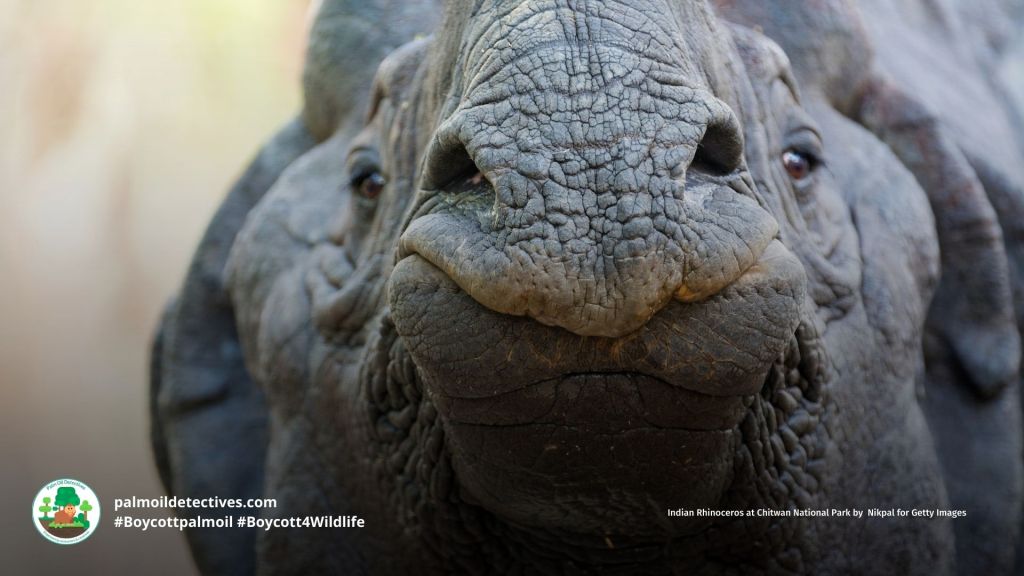
There are five species of rhinoceros: the black rhinoceros, white rhinoceros, Indian rhinoceros, Javan rhinoceros, and Sumatran rhinoceros. The black and Javan rhinoceros are critically endangered, the Sumatran rhinoceros is also critically endangered, and the Indian rhinoceros is vulnerable. The white rhinoceros is near threatened. It is difficult to estimate the exact number of each species, but it is estimated that there are around 5,500 black rhinos, 20,000 white rhinos, and 3,500 Indian rhinos left in the wild. The Javan and Sumatran rhinoceros have very small populations remaining in the wild, with fewer than 100 individuals of each species believed to be left. All rhinoceros species are at risk of extinction and urgent conservation efforts are needed to protect them.


What is the Roundtable for Sustainable Palm Oil (RSPO)?
The RSPO (Roundtable of Sustainable Palm Oil) is a global certification body that brings together oil palm producers, processors or traders, consumer goods manufacturers, retailers, banks, investors, environmental and social non-governmental organisations (NGOs), to develop and implement global standards for sustainable palm oil. This means that certain palm oil is deemed (by their own self-created standards) to be ‘sustainable. This palm oil is then used as an ingredient in many foods.
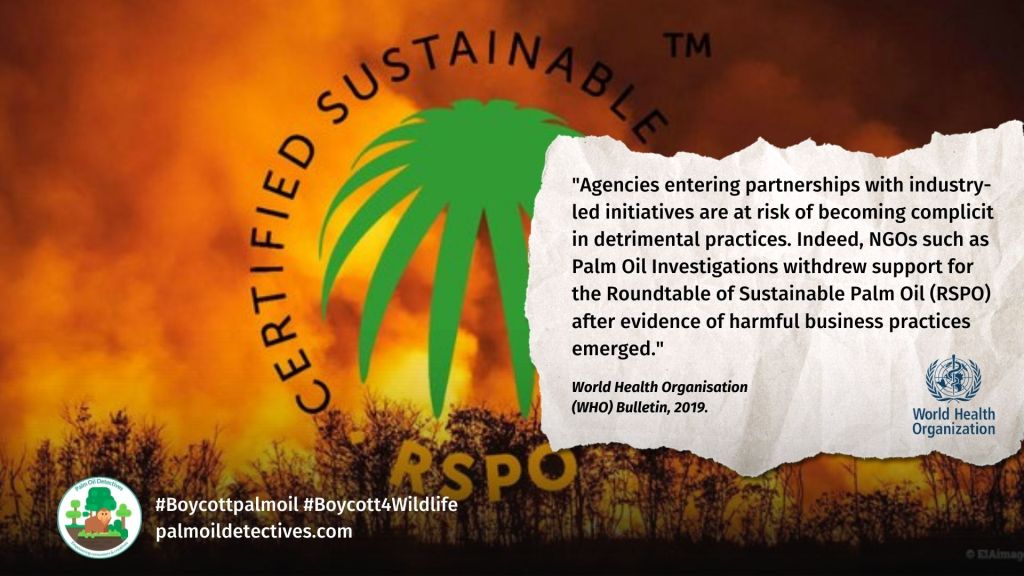
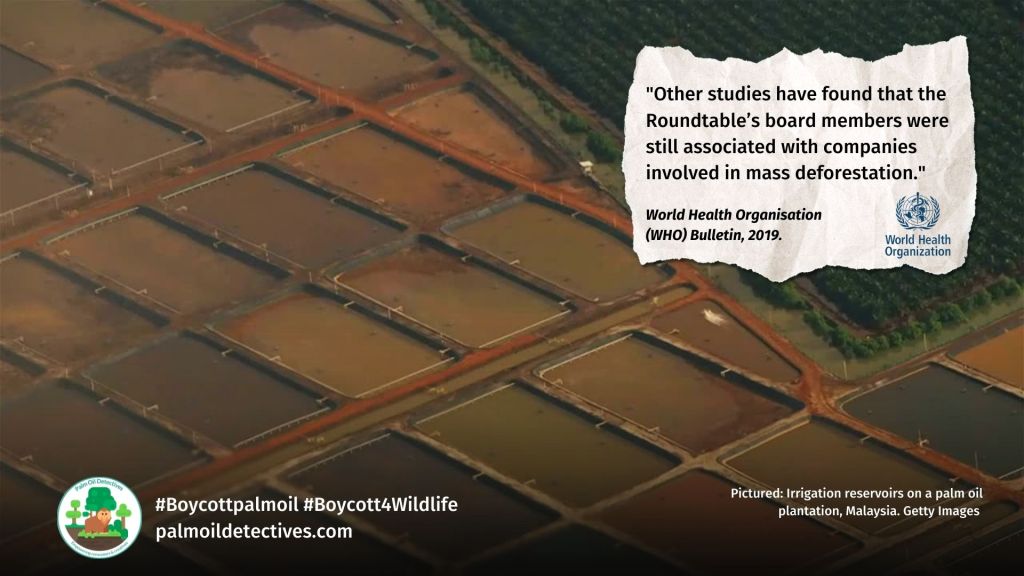
However, loopholes in RSPO certification mean that RSPO members can use palm oil ways that promote deforestation, peatland loss, and human and labour rights violations. Continuous reporting about the failures of “sustainable” palm oil have occurred since the RSPO was created almost 20 years ago. This includes a joint statement by a group of NGOs including Greenpeace in 2019. Extensive reporting by palm oil industry watchdogs such as Greenpeace, Environmental Investigation Agency, Chain Reaction Research, the World Health Organisation, Global Witness, World Rainforest Movement and many other NGOS have revealed extensive greenwashing and corruption within the RSPO. Read more.

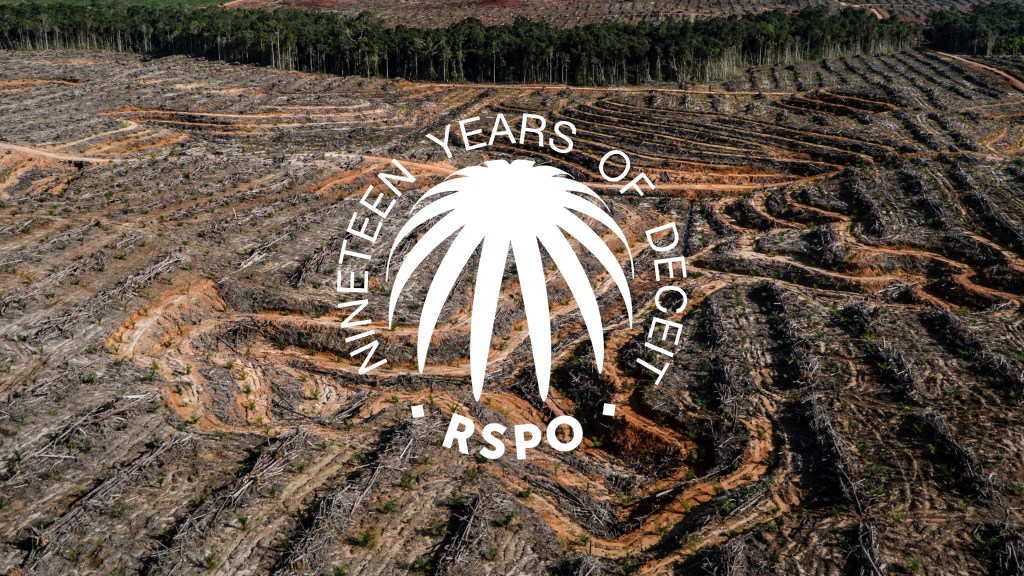
Roundtable on Sustainable Palm Oil: 19 years is enough
For nearly two decades now, the RSPO has failed in its mission to make the industrial palm oil sector “sustainable”. Instead, it has been used by…
Read more

Will palm oil watchdog RSPO rid itself of deforestation or continue to pretend its products are sustainable? – EIA
Palm oil produced through the destruction of forestland is still being sold around the world with the blessing of the Roundtable on Sustainable Palm Oil (RSPO).
…
Read more
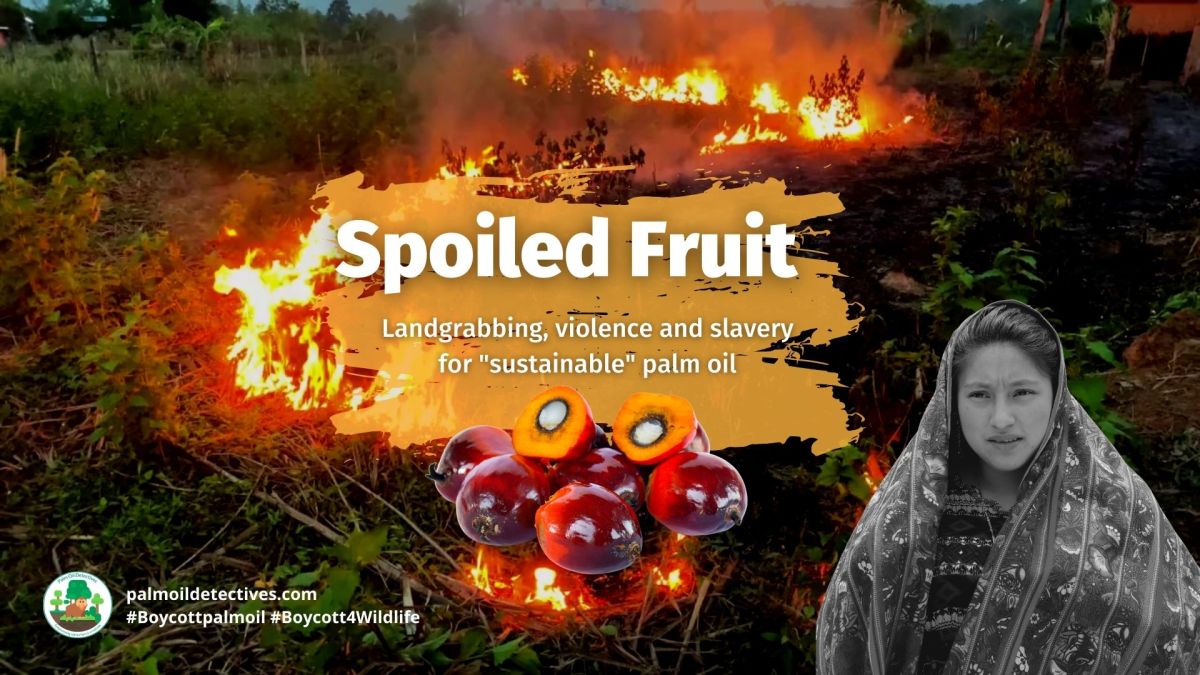
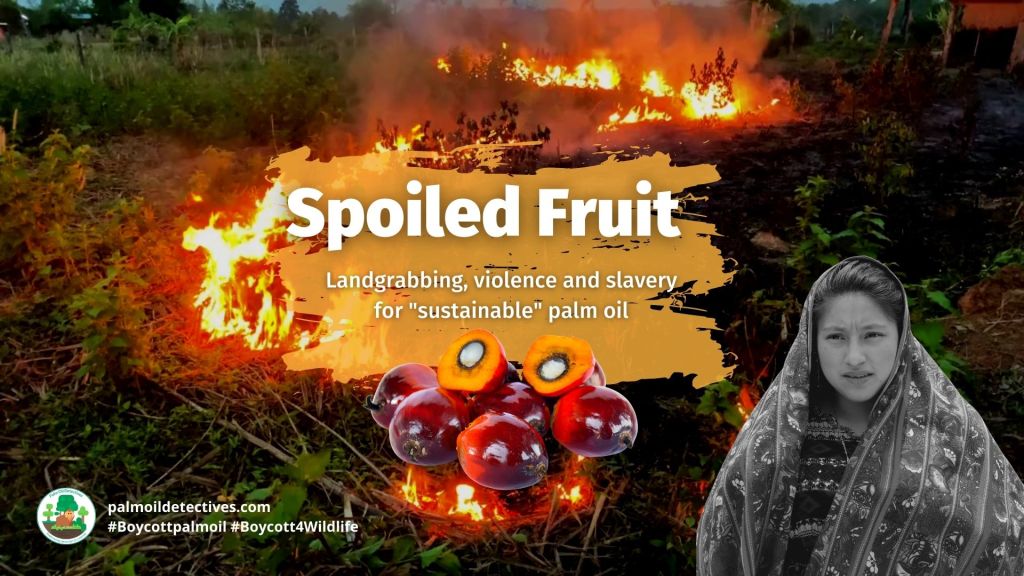
Spoiled Fruit: Land-grabbing, violence and slavery for “sustainable” palm oil
C4ADS analysis shows that the food conglomerates that feed millions—including giants such as Nestlé, Cargill, Adani Wilmar, IOI, Olenex and more —continue to enable forced labor…
Read more

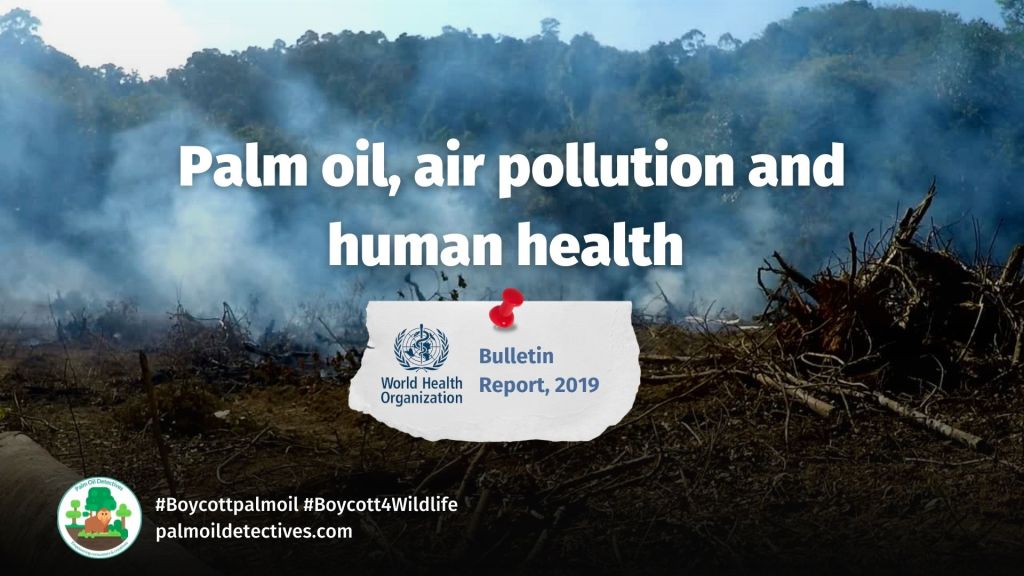
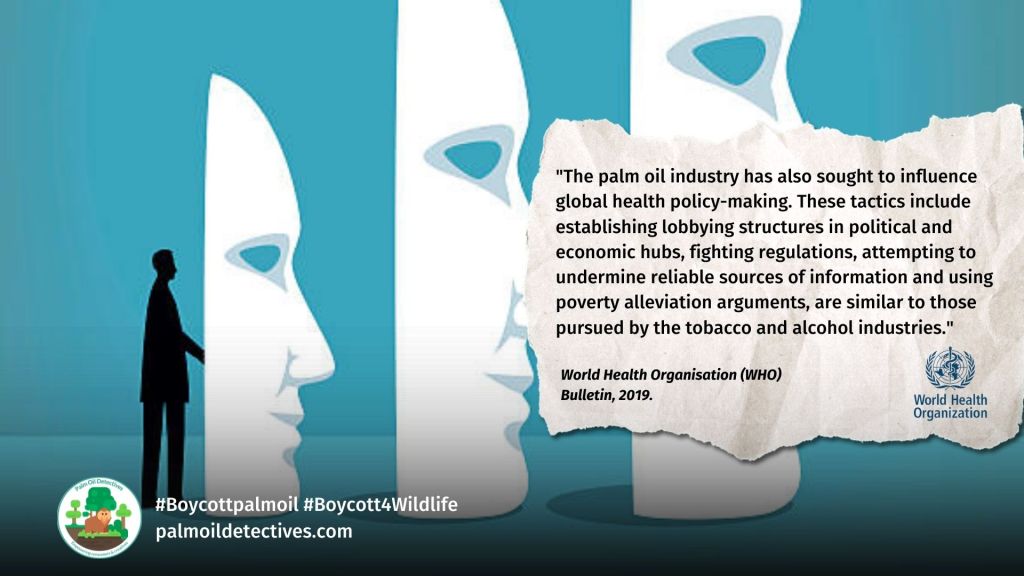
WHO: Palm Oil Industry Greenwashing Like Big Tobacco
What does the $60 billion USD palm oil industry have in common with Big Tobacco? A lot according to this report by the World Health Organisation.…
Read more
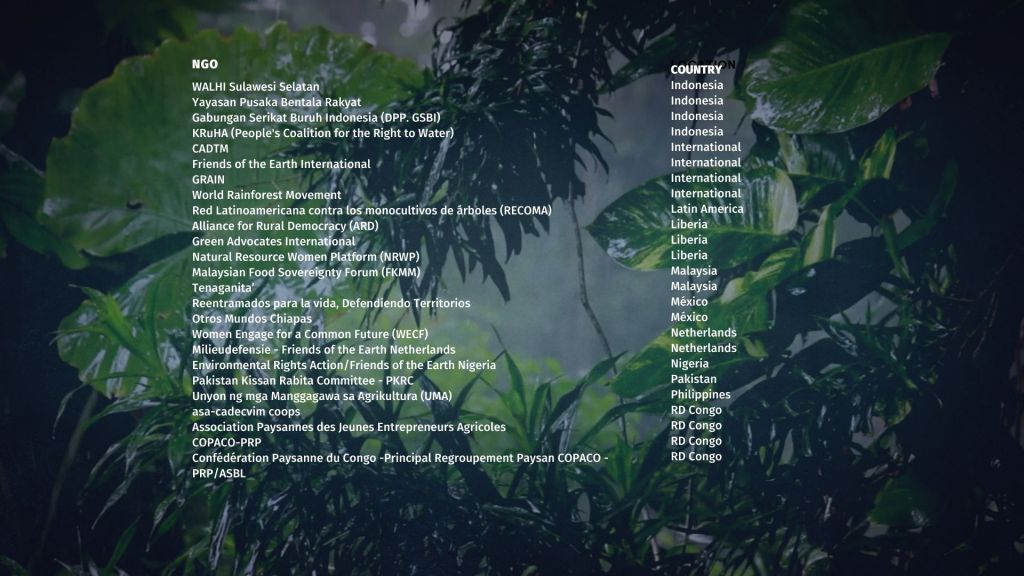
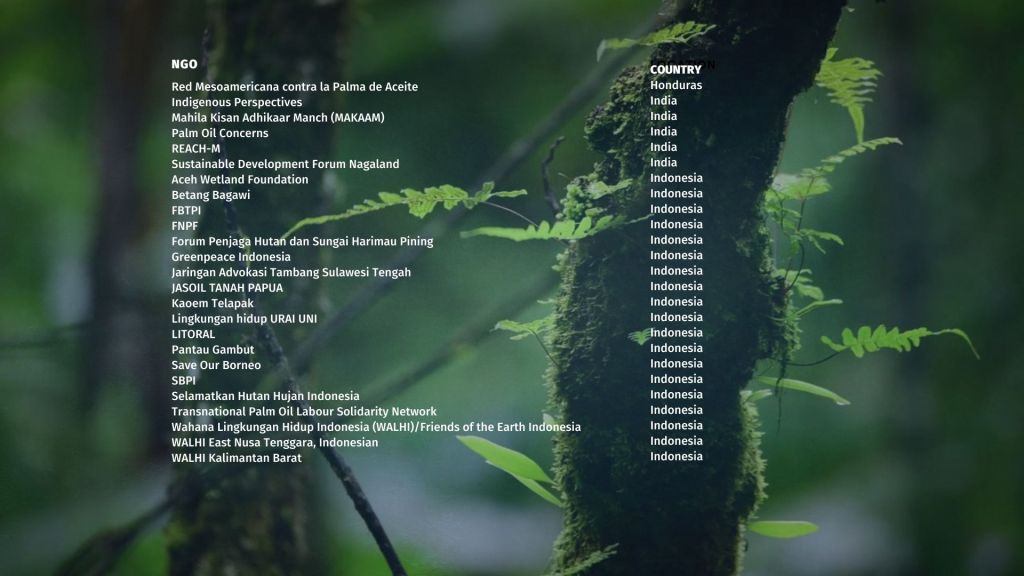
Certification Schemes Fail to Stop Palm Oil Deforestation
71 rights groups warn that certification schemes like RSPO and FSC fail to stop deforestation and abuses. Learn why they are called tools of greenwashing.
Read more
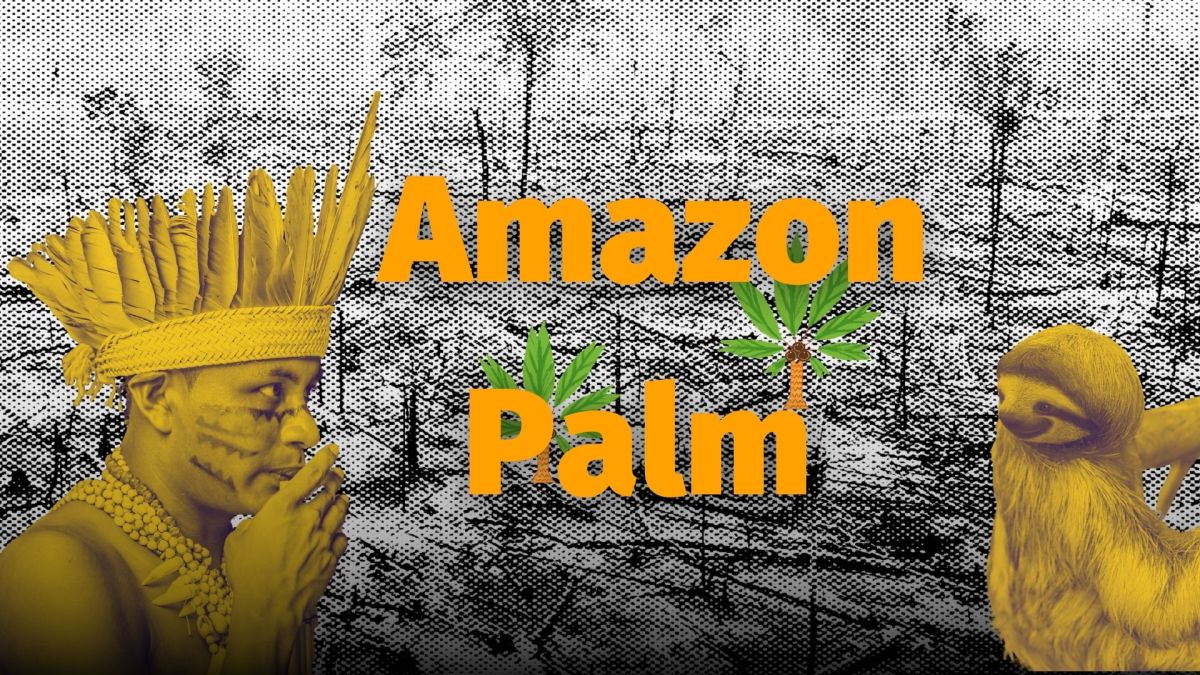
Amazon Palm Oil: Top Brands Source from Amazon Destroyers
Expose the truth about brands like Nestlé, PepsiCo, and Unilever sourcing “sustainable” palm oil from Brazil linked to violence, abuses and fraud. Shame!
Read more
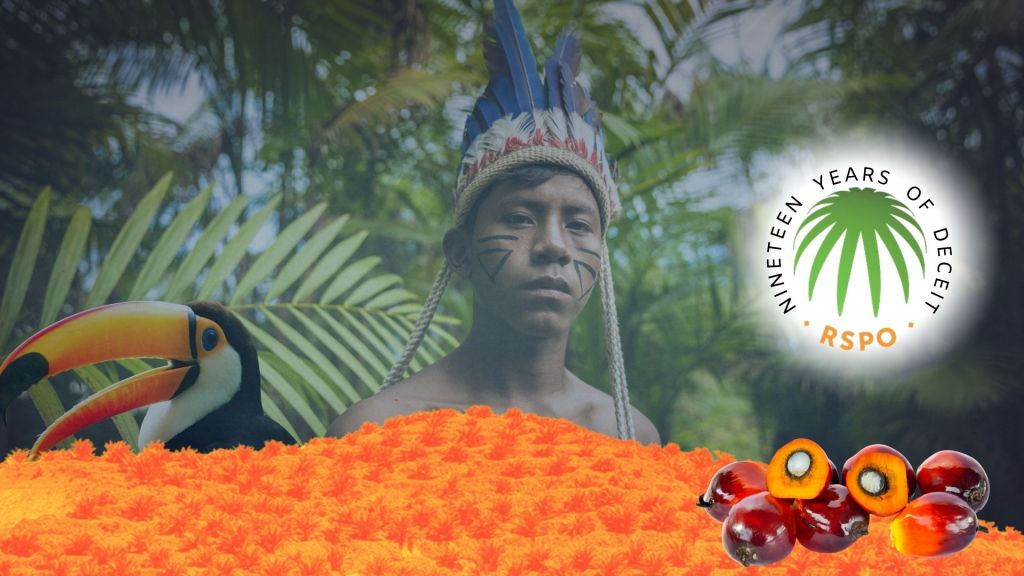


Does the RSPO stop deforestation and human rights abuses from occurring?
The short answer: No.
Many large food manufacturers around the world have joined the Roundtable of Sustainable Palm Oil (RSPO), an initiative spearheaded by WWF and a range of palm oil traders and producers.
Despite almost 20 years of attempting to change the palm oil industry, all supply chain members of the RSPO continue with deforestation, indigenous land-grabbing and human rights abuses.
Roundtable on Sustainable Palm Oil: 19 years is enough
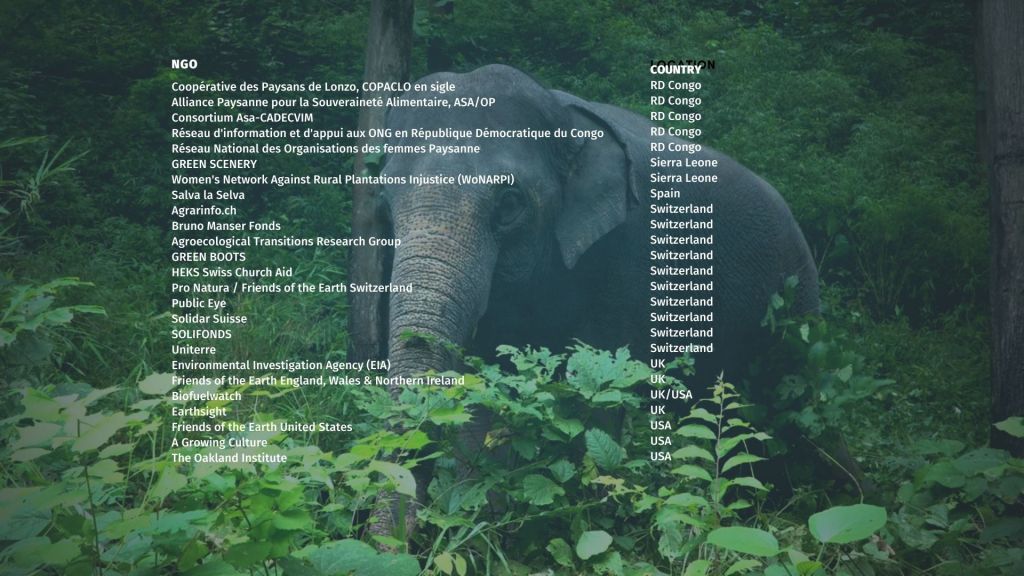
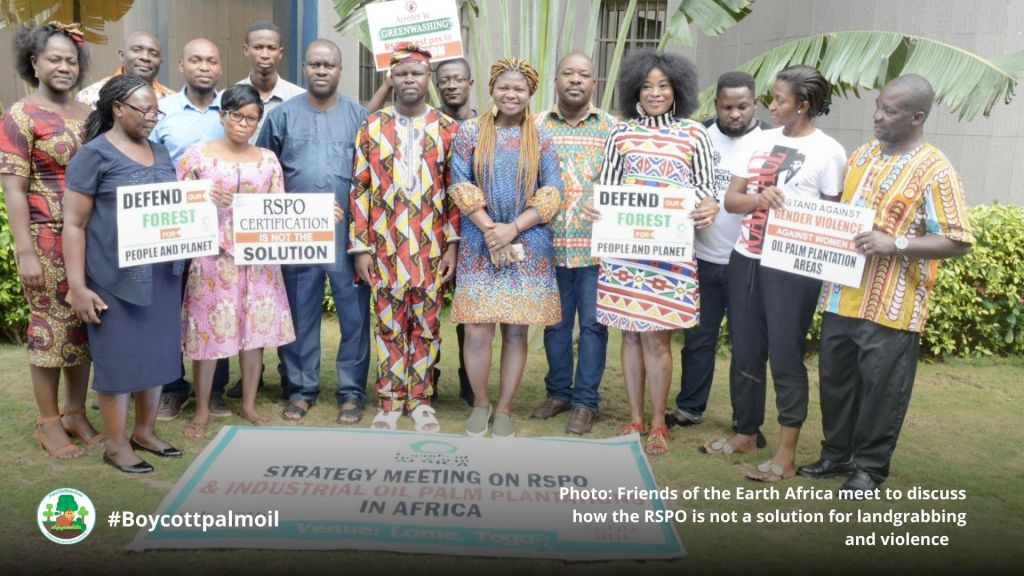
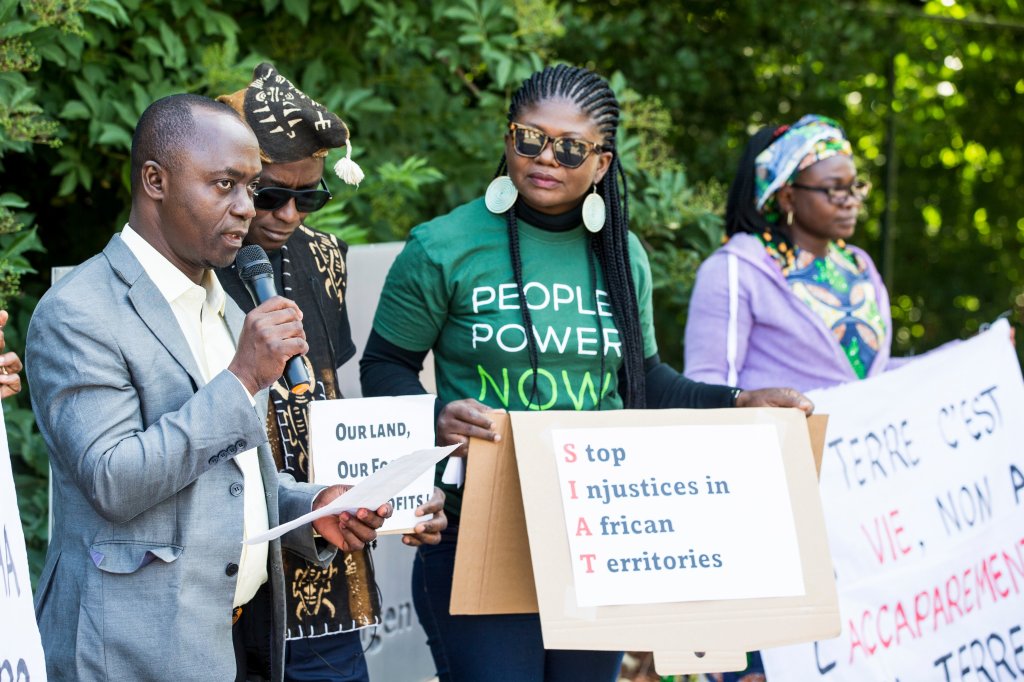
In late 2022, 100 human rights and environmental NGOS signed a public statement denouncing the RSPO as a greenwashing lie.


Does sustainable palm oil exist?
You should know that the word “sustainable” is a tricky, vague word that has no real definition, other than what corporates want to attach to it.
If you define “sustainable” as: “palm oil free of deforestation and human rights abuses.”
The short answer: No.
Many large food manufacturers around the world have joined the Roundtable of Sustainable Palm Oil (RSPO), an initiative spearheaded by WWF and a range of palm oil traders and producers.
Despite almost 20 years of attempting to change the palm oil industry, all supply chain members of the RSPO continue with deforestation, indigenous land-grabbing and human rights abuses.
Roundtable on Sustainable Palm Oil: 19 years is enough
In late 2022, 100 human rights and environmental NGOS signed a public statement denouncing the RSPO as a greenwashing lie. This is why you should boycott palm oil.
Should I boycott palm oil?
The short answer: Yes, you should.
Research and investigative reports from organisations like Environmental Investigation Agency (EIA), Global Witness, Gecko Project, Mongabay, Neue Zuercher Zeitung, Channel 4, BBC, Mighty Earth, World Rainforest Movement, Milieu Defensie, World Health Organisation and many others have consistently shown over 19 years since the RSPO began that not one of their supply chain members (i.e. palm oil companies and FMCG companies) using so-called “sustainable” palm oil have stopped with deforestation, human rights abuses and slavery for palm oil. Therefore, it is a greenwashing lie that “sustainable” palm oil exists, a lie perpetuated by the multi billion dollar palm oil industry. See all of these reports in one place here:

Research: Palm Oil Deforestation and its connection to RSPO members/supermarket brands
Discover the truth about palm oil from experts’ reports. Research shows RSPO members still cause deforestation and human rights abuses, despite greenwashing!
Read more
Greenwashing Tactic #7: Lying
Greenwashing lies are falsifying support from authorities to back up claims or using spurious research data to back up the greenwashing, boycott palm oil!
Read more
Greenwashing Tactic #4: Fake Labels
Claiming a brand or commodity is green based on unreliable, ineffective endorsements or eco-labels such as the RSPO, Forest Stewardship Council (FSC) or FairTrade coffee and cocoa. Greenwashing: Fake Labels and fake certifications Ecolabels are designed to reassure consumers that they are purchasing green or sustainable products. In reality the environmental standards are no better…
Read more
The profit from using palm oil is enormous and 66%> flows back to FMCG and palm oil companies with almost 0% of profit ending up in the hands of farmers and palm oil smallholders. See Chain Reaction Research Report.
Despite almost 20 years of attempting to change the palm oil industry, all supply chain members of the RSPO continue with deforestation, indigenous land-grabbing and human rights abuses.
Here is how to take action

Take Action
Take action with Palm Oil Detectives. Join the #Boycott4Wildlife movement, expose greenwashing, support indigenous rights, and help protect wildlife from palm oil deforestation.
Read more
Why join the #Boycott4Wildlife?
According to a 2021 survey by Nestle of 1001 people, 17% of millennial shoppers (25-45 years old) completely avoid palm oil in the supermarket. 25% said that they actively check to see if products contain palmoil. As a generation, we now have the opportunity to push our local communities and our children away from harmful…
Read moreWhat is the answer to palm oil deforestation?
There are several answers that involve individual, collective and government level actions to stop palm oil deforestation:
Individual actions
- Boycott palm oil in the supermarket using these lists of products to avoid, and this list of products that are palm oil free.
- Reduce, reuse and recycle what you own and avoid overconsumption as much as possible.
- Reduce your purchase of cheap products containing palm oil as much as possible. Instead make your own food, skincare and cleaning products from scratch. This is not only cheaper, it is much healthier for you and you will avoid the majority of palm oil this way.
Collective actions
- Join the #Boycott4Wildlife community online, we are mostly on Twitter, by sharing posts from this website using the #Boycottpalmoil #Boycott4Wildlife hashtags. There are one-click tweets on every page.
- Take photos in the supermarket of your favourite products that are #palmoilfree and share these on social media to congratulate these brands, add in the #Boycott4Wildlife #Boycottpalmoil hashtags so we can see and share them.
- Join Extinction Rebellion actions all around the world – they are an animal-first collective.
- Join or create your own vegan animal activism group.
- Sign petitions relating to palm oil. However – ensure you read them first, as they sometimes sneakily call for “sustainable” palm oil, which is a total greenwashing lie.
- Share posts from this website with your friends and family.
Government actions
- Tighten trade policy around commodities linked to deforestation, ban the importation of any products or brands that are linked to tropical deforestation.
- Protect and prevent the persecution of environmental and indigenous activists and rainforest guardians.
- Protect and prevent media silencing and censorship about deforestation in corrupt countries like Indonesia, Brazil, Venezuela, Malaysia. Protect media reporting in these places.
- Protect NGOs and individual activists who work in tropical regions from being persecuted, intimidated or silenced from reporting on the true damage of palm oil.
- Create an international law for ecocide that will find global corporations guilty of ecocide, and facing the same penalties regardless of where in the world they are located.
- Empower collectives and communities to sue corporates and governments for active involvement ecocide, corruption and deforestation.
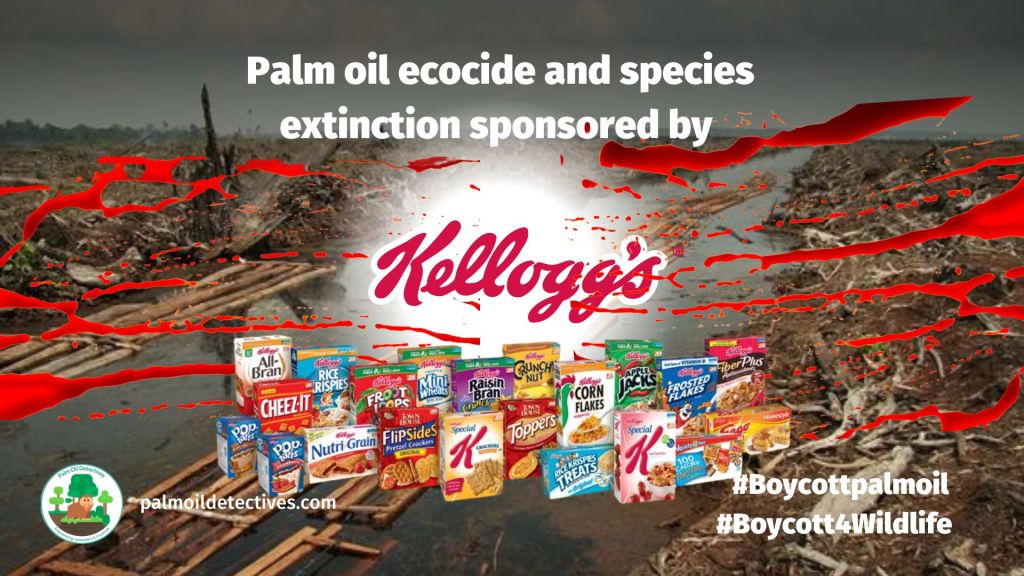
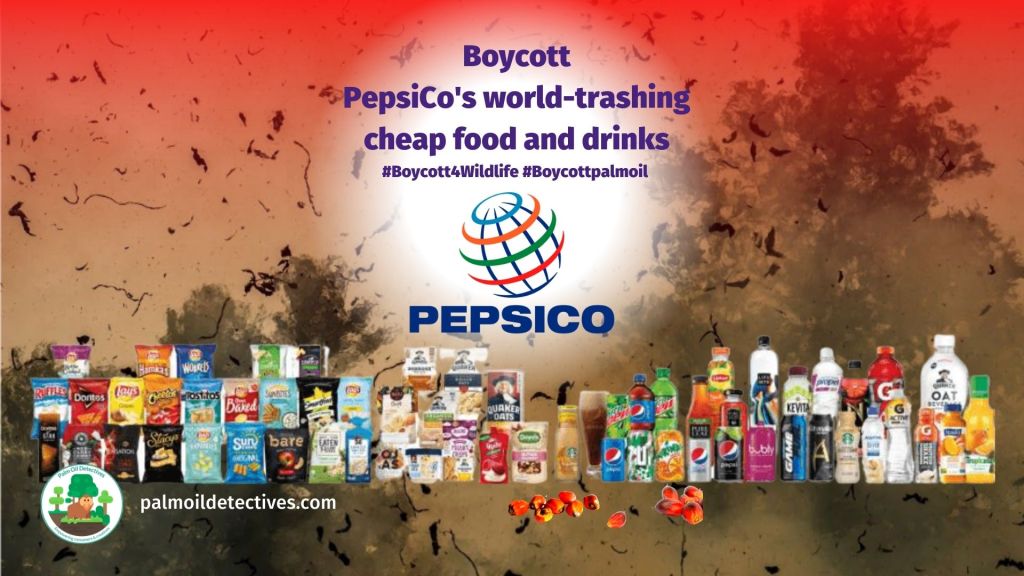
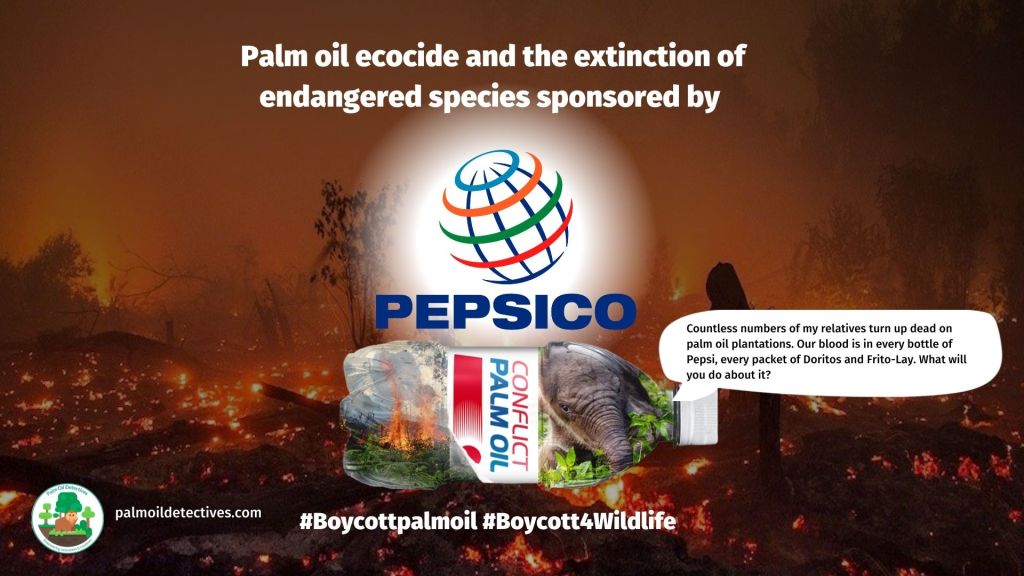
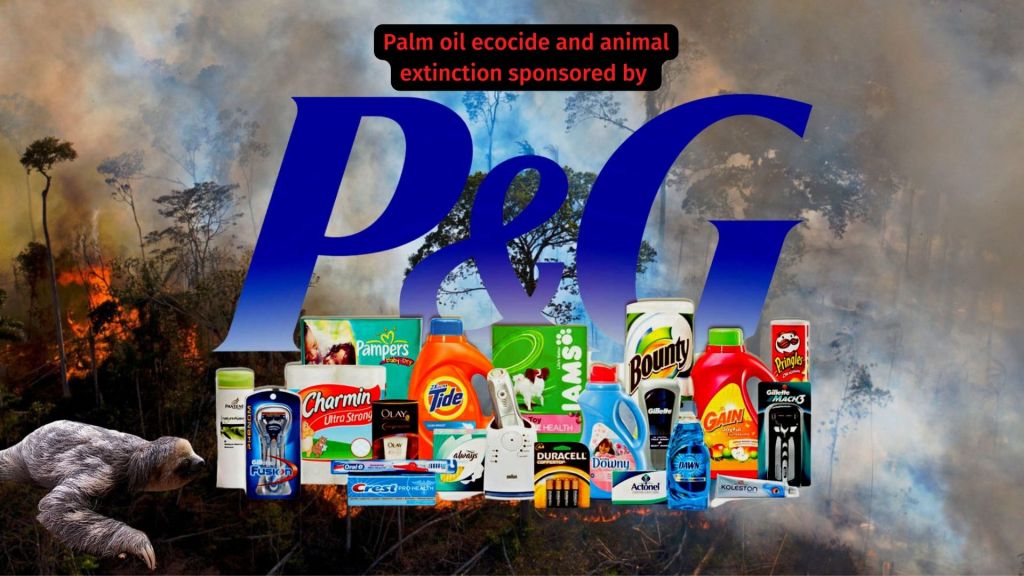
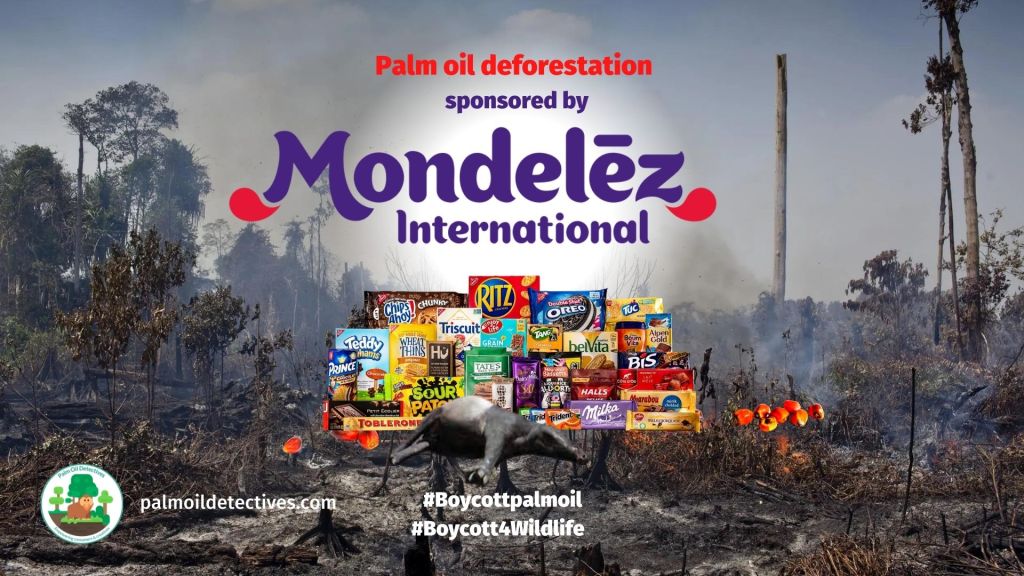
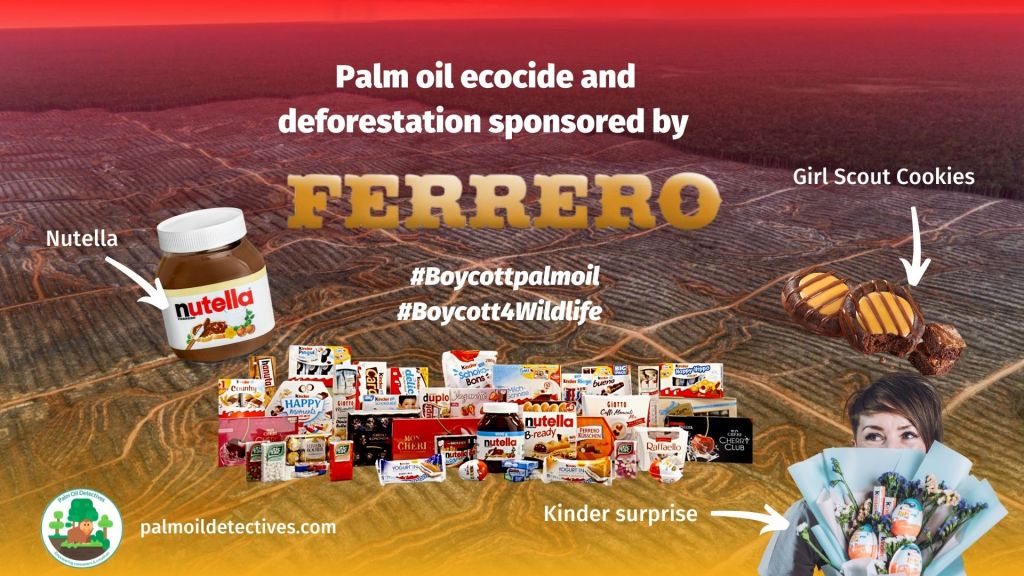
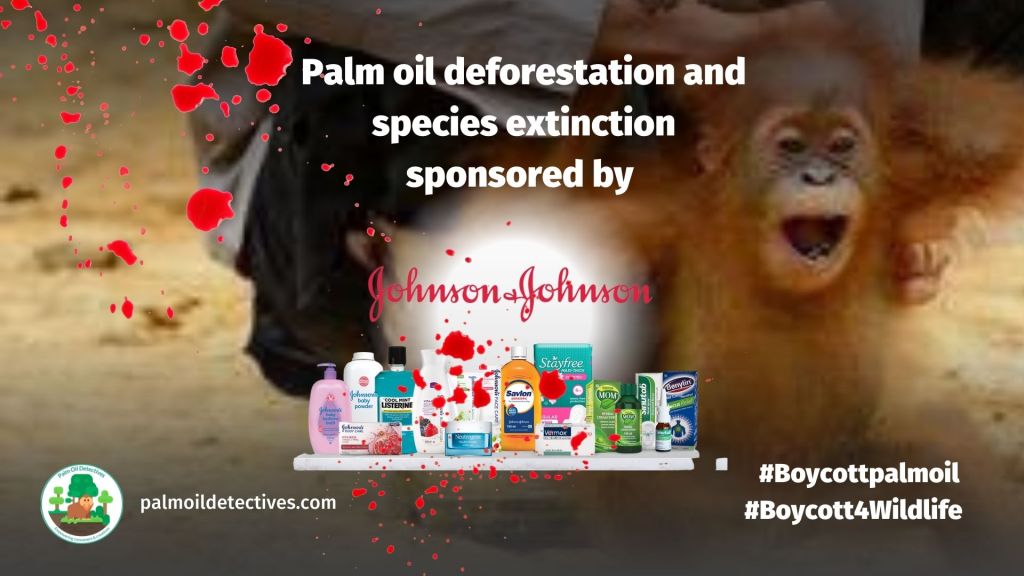
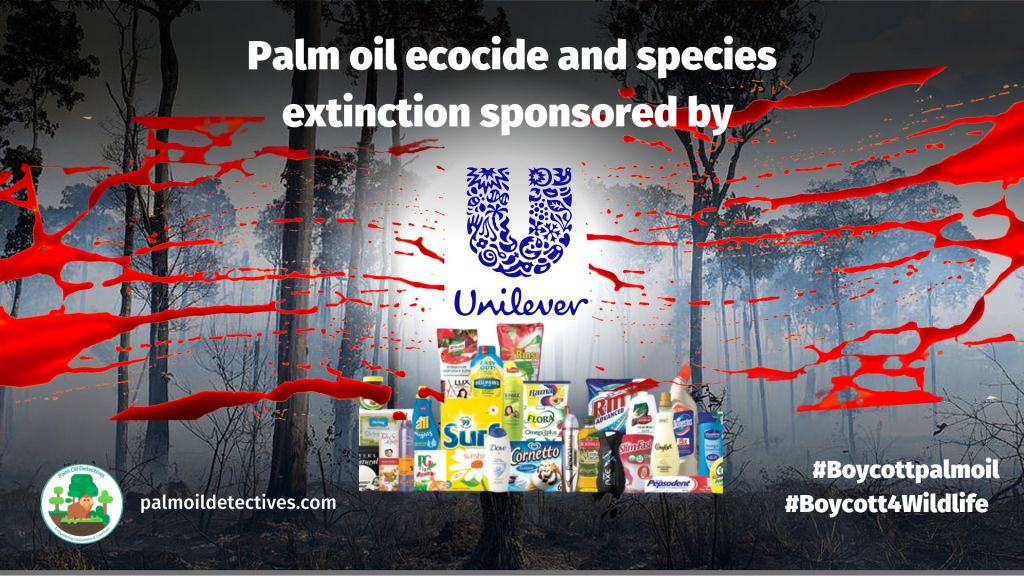
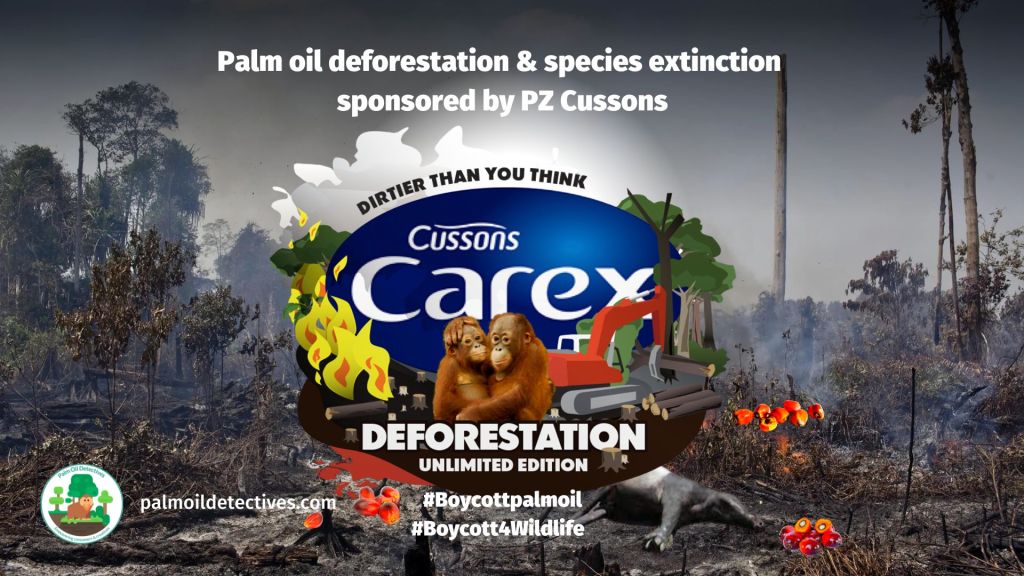

So how do we stop these greedy companies still buying deforestation palm oil?
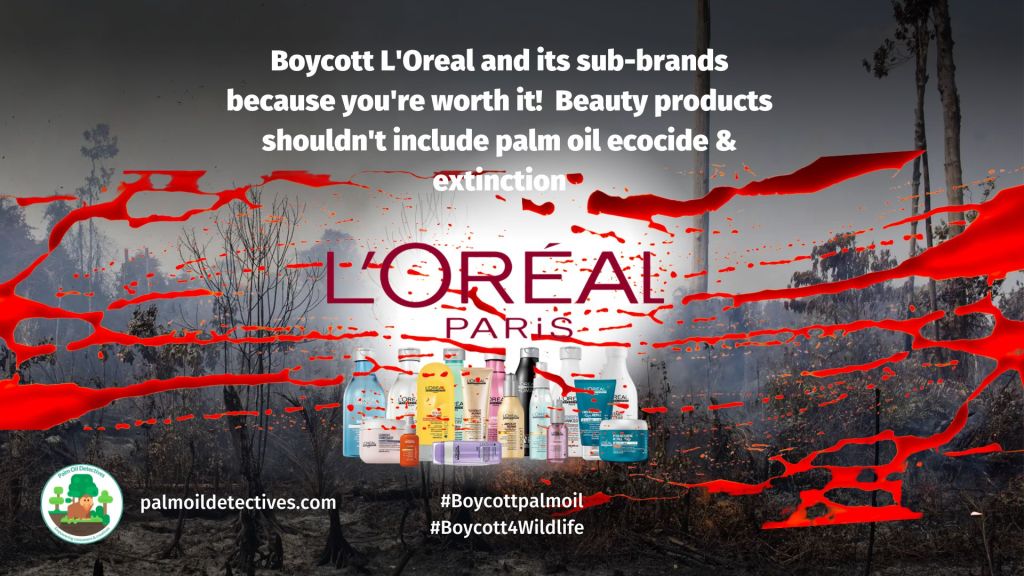
The main objective of Palm Oil Detectives is to amass a global community of like-minded people who are able to collectively boycott all of the popular supermarket brands that are purchasing deforestation palm oil and also other conflict commodities that result in deforestation throughout the world. You will find research-based recommendations from industry watchdogs here, along with advice on palm oil free alternative products and other simple lifestyle changes you can make.


On this website you will also find simple everyday advice about how changing a few habits in your daily life can also help in the fight for endangered species. Also if you are a conservationist or creative, you will find out how you can contribute to raising awareness of species in peril from deforestation due to palm oil or another crop. And grow your own following at the same time.


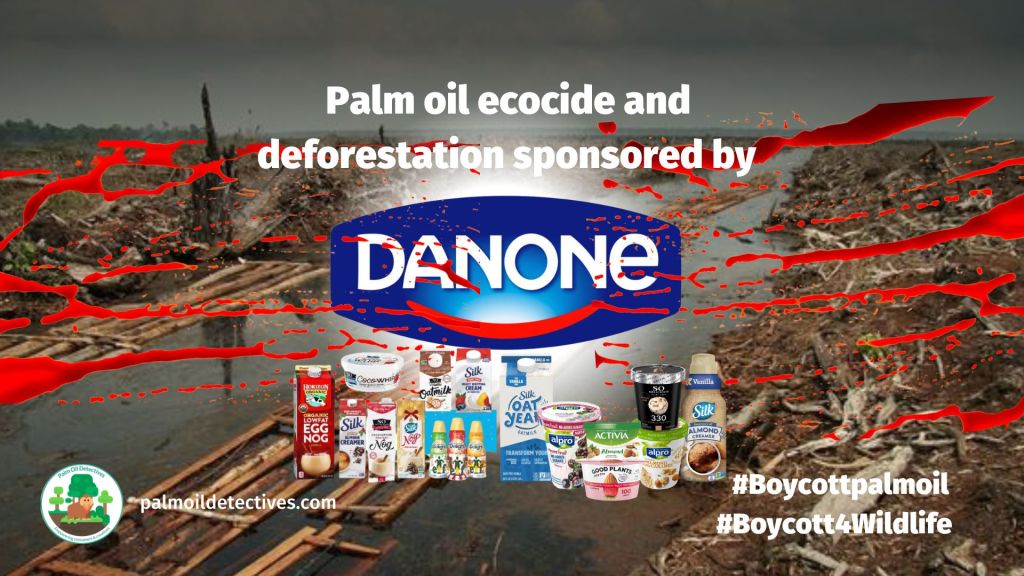
Why are global companies like Nestle, Unilever, Mondelez and Kelloggs able to continue with ecocide for palm oil?
Global companies like Mondelez Unilever, and Nestle may be able to continue operating despite allegations of human rights abuses and pollution due to their significant economic and political power, access to legal and public relations resources, and the limitations of the legal and regulatory frameworks that govern their activities. These companies may also be able to continue operating and generating profits in other parts of the world, which can make it difficult to hold them accountable for their actions in a single country or region. It is important for governments, regulatory bodies, and other stakeholders to work together to ensure that companies are held accountable for their actions and that appropriate measures are taken to address any wrongdoing or negative impacts on people and the environment.
On this website you will also find simple everyday advice about how changing a few habits in your daily life can also help in the fight for endangered species. Also if you are a conservationist or creative, you will find out how you can contribute to raising awareness of species in peril from deforestation due to palm oil or another crop. And grow your own following at the same time.
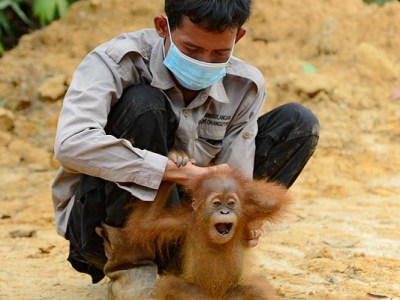

Which species are endangered from tropical deforestation for consumer goods?
There are estimated to be 9,000 or more species that are either directly or indirectly endangered by land-clearing and deforestation for palm oil, soy and meat agriculture. Oil palm expansion is estimated to impact 54% of threatened mammals and 64% of threatened birds globally.
Take a look at Palm Oil Detective’s list of beautiful birds, mammals and reptiles that are considered to be: Critically Endangered, Endangered and Vulnerable as a result of palm oil, soy, meat and timber deforestation in Africa, Papua New Guinea , Asia and South America. You can also find Forgotten Animals who have no known conservation efforts in place for their survival.




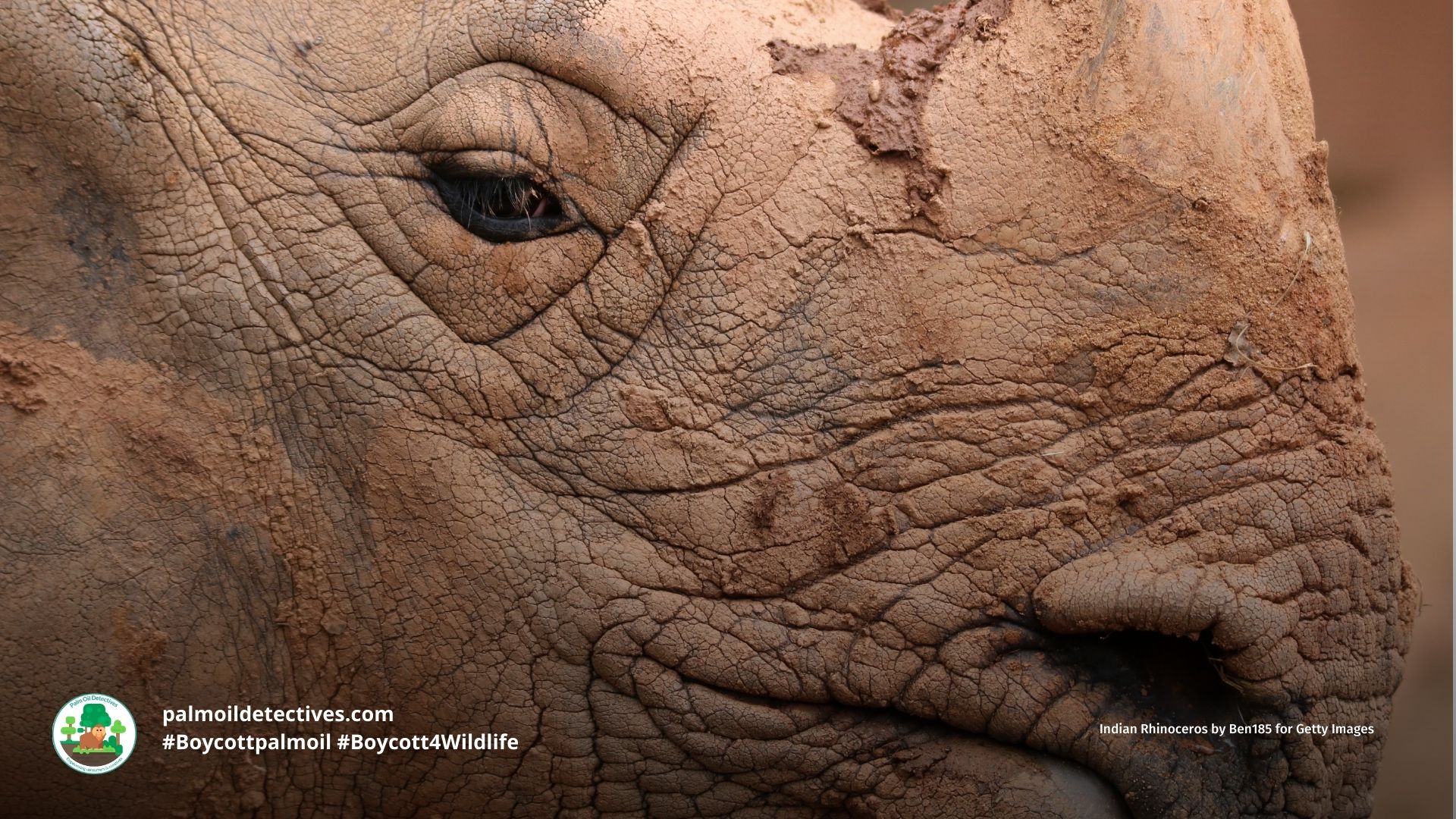
Can some species thrive in oil palm plantations?
In short: very few of them.
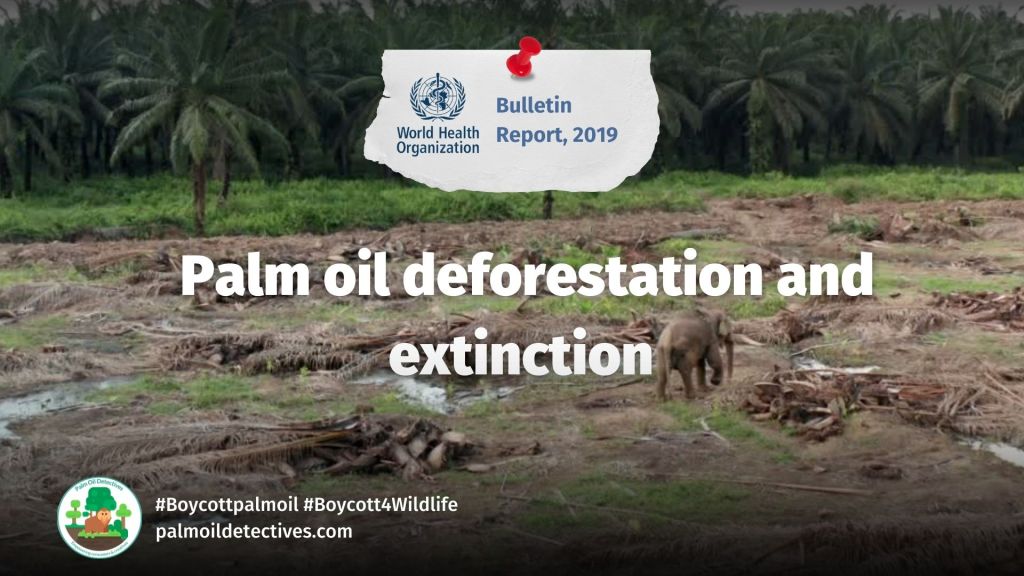
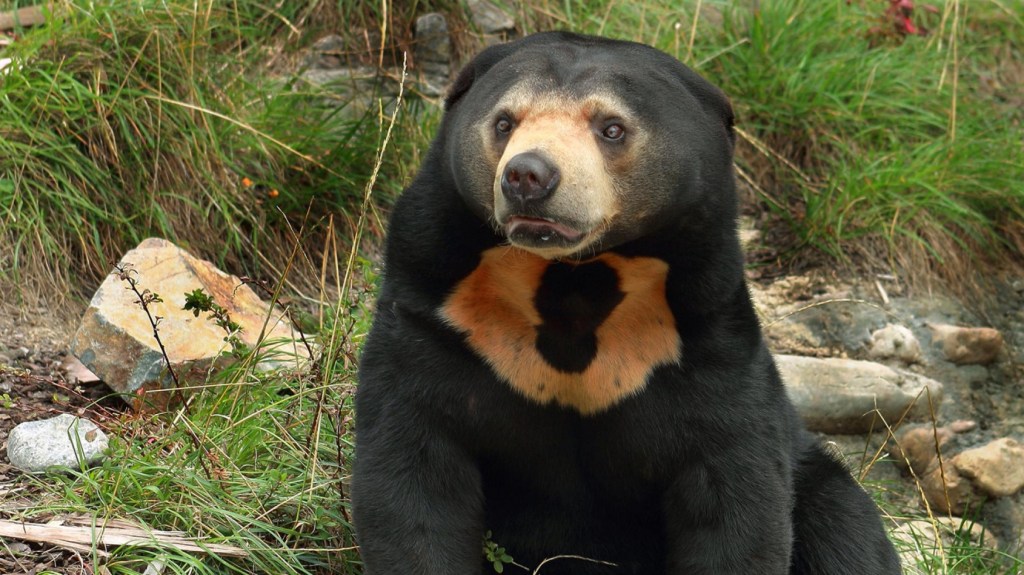
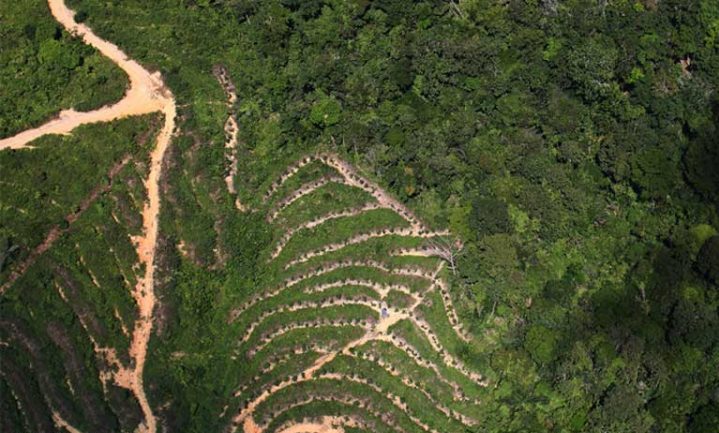
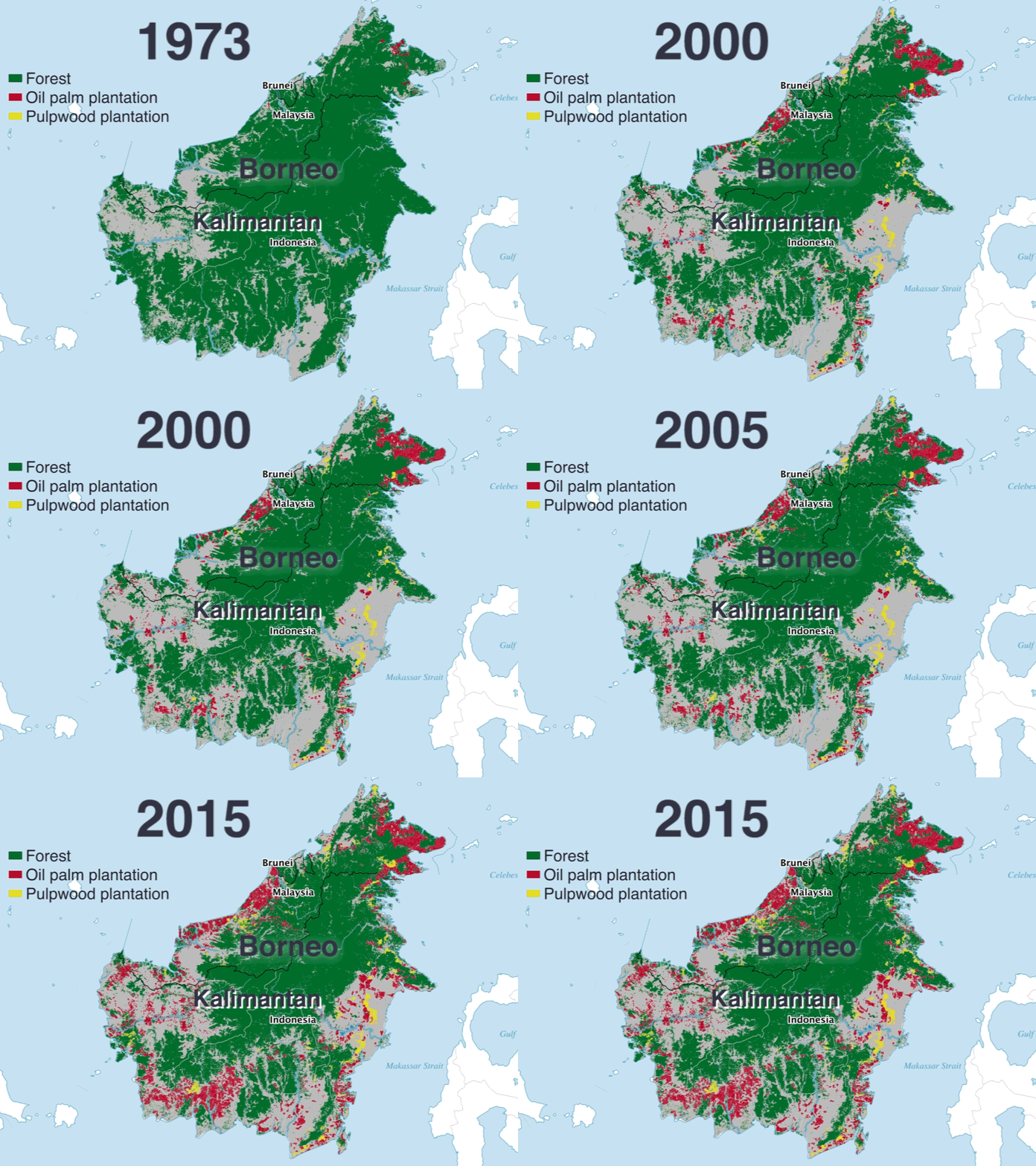
The tropical areas suitable for oil palm plantations are particularly rich in biodiversity. Oil palm development, therefore, has significant negative impacts on global biodiversity, as it often replaces tropical forests and other species-rich habitats. It has been estimated that oil palm expansion could affect 54% of all threatened mammals and 64% of all threatened birds globally. Oil palm also reduces the diversity and abundance of most native species. For example, it has played a major role in the decline in species such as orangutans and tigers.
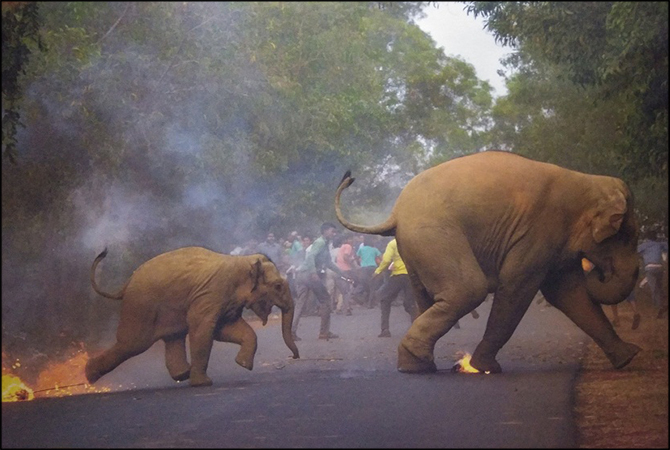
Some 10,000 of the estimated 75,000–100,000 Critically Endangered Bornean orangutans are currently found in areas allocated to oil palm. Every year around 750 to 1,250 of the species are killed during human-orangutan conflicts, which are often linked to expanding agriculture. A small number of species can benefit from the presence of oil palm plantations, including species of wild pig, rodents and some snakes. (Source: Nature).
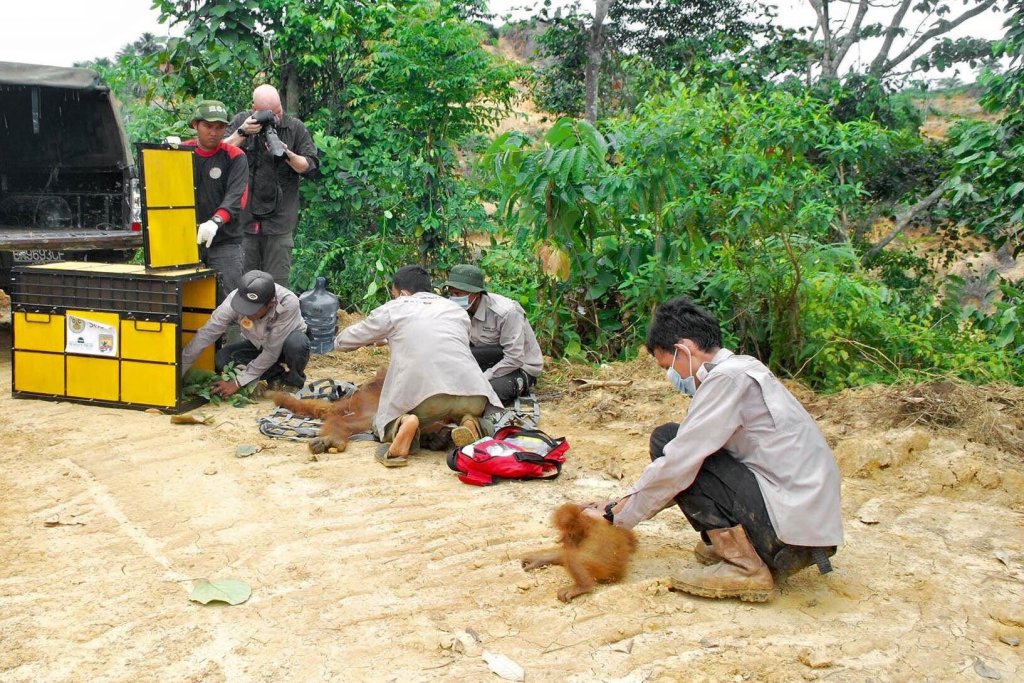
In the aftermath of rescuing a mother and baby orangutan from RSPO member palm oil plantation PT Sisirau – a report into the biodiversity of the deforested area was produced. This demonstrates that “sustainable” palm oil from the RSPO is ineffective at stopping deforestation and that animal species were markedly less on deforested land.
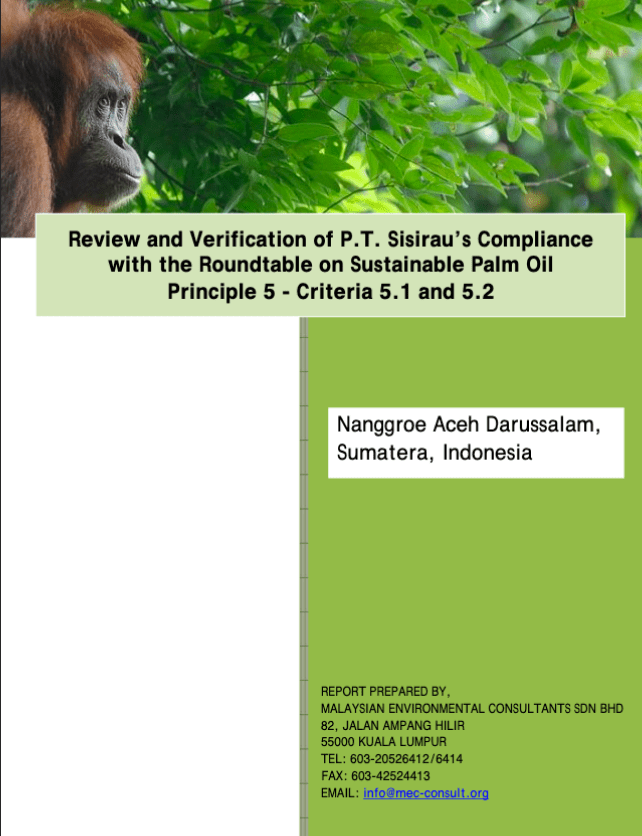
Despite the presence of some threatened species, the area has an impoverished animal community. It is useful to look at the families that are missing. There were no tracks of: scavenging viverrids, arboreal squirrels and tupaiids and tragulids. All these would be expected in scrub and agricultural areas.
There were no overflying ardeids and other water birds from the nearby coastal wetland areas. No overflying hornbills from the adjacent from the nearby protected forests. In the scrub and secondary areas there were no drongos, flowerpeckers, starlings, flycatchers and babblers living off the local insects and fruit. There was a single cuckoo calling and no calls from barbets. And despite being a palm growing area, there were no parrots and no aerial feeding swifts.
The area within the project site and beyond in the Gunung Leuser Ecosystem area was extensively disturbed and clearance removed most of the low mobility, forest dependent species in the project site and beyond.PT Sisirau’s compliance to the RSPO’s Sustainable Palm Oil Principles




Why do you refer to ‘Deforestation Palm Oil’?
The terms “sustainable” and “unsustainable” palm oil are completely meaningless. These are terms are made up by the palm oil industry. All palm oil comes from deforestation and it is therefore necessary to create a new term ‘Deforestation Palm Oil’ to describe it.
According to the RSPO, a retail brand can have a high rating on the WWF Palm Oil Scorecard and be considered ‘sustainable’, and yet that same brand may be purchasing palm oil through a supply chain that’s destroying forest or engaging in land-grabbing from indigenous people. Yet these same brands are able to promote themselves and their palm oil as being “sustainable”. Thus the necessity for a new term, which means exactly what it says: ‘Deforestation Palm Oil‘. Everyone can understand the meaning of this term. As it currently stands – all palm oil generated from land-based agriculture causes deforestation.

Are brand boycotts effective in changing outcomes for indigenous people and animals?
Brand boycotts can be an effective form of activism because they can apply economic pressure on a company to change its practices or policies. By refusing to purchase a company’s products or services, consumers can send a message that they disagree with the company’s actions and encourage the company to take steps to address their concerns.
There have been several examples of successful brand boycotts in the past. For example, in the 1980s, a boycott of Nestle over the company’s marketing of infant formula in developing countries led to significant changes in Nestle’s marketing practices. Another example is the boycott of South African products during the apartheid era, which helped to bring about the end of apartheid and the release of Nelson Mandela.

Research: Boycotts Are Worthwhile and Effective
Despite sustained and vigorous attempts by corporates and industry certification schemes like RSPO, MSC and FSC to downplay the impact and effectiveness of consumer boycotts, it turns…
Read more
How does Palm Oil Detectives hold retail brands to account?
Unfortunately, many palm oil producers who are also members of the RSPO are not being transparent or clear about their land-clearing and deforestation activities. Also, there are many supermarket brands who continue to purchase deforestation palm oil from mills known to destroy forests. This is leading to the the extinction of hundreds of species throughout the world. Not to mention the human costs.
Holding these organisations to account is a complex job. Palm Oil Detectives does this by using reports and research from non-profits that work independently of the palm oil industry. This includes:
The Environmental Investigation Agency (EIA)
Rainforest Action Network (RAN)
Based on this research, Palm Oil Detectives makes recommendations for brand boycotts.
Research: Palm Oil Deforestation and its connection to RSPO members/supermarket brands
Discover the truth about palm oil from experts’ reports. Research shows RSPO members still cause deforestation and human rights abuses, despite greenwashing!
Read more
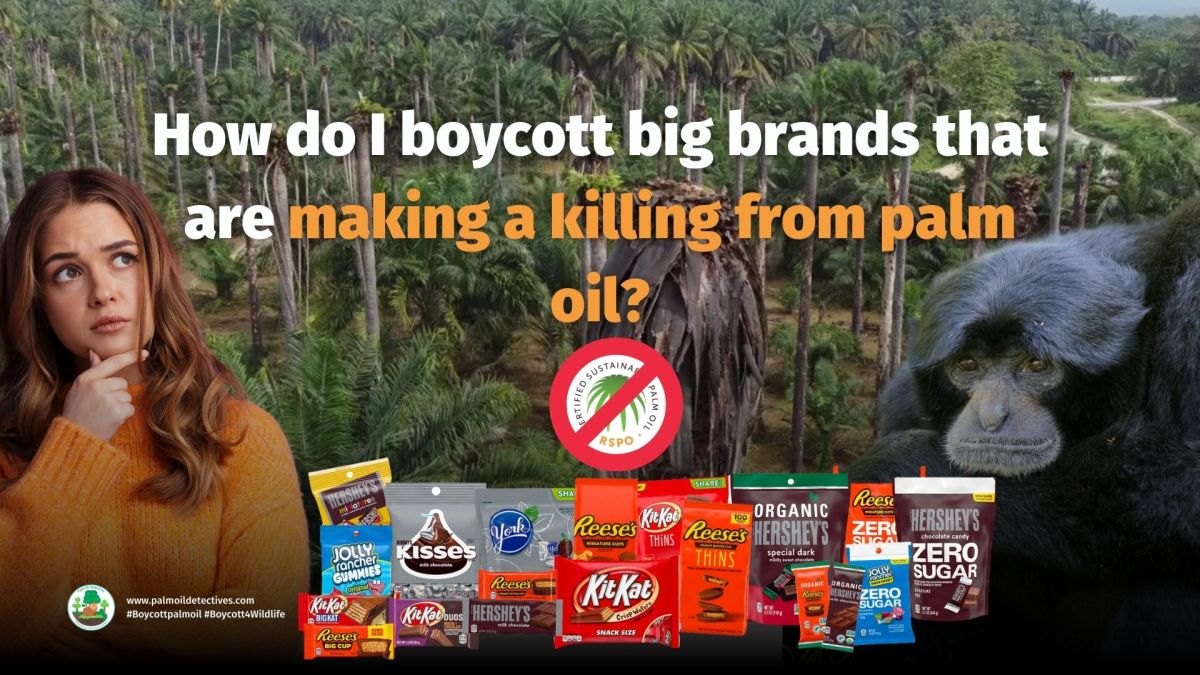
Brands Using Deforestation Palm Oil
These brands have products that contain palm oil sourced from mills that are responsible for the destruction of precious habitats of endangered species. Just in 2020 alone, these…
Read more

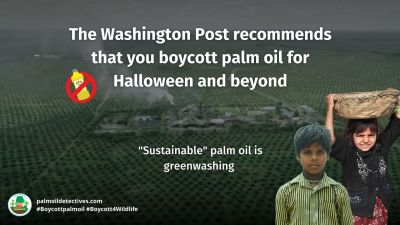
Learn how to boycott palm oil this Halloween in America, the UK and Australia
The reality of these chocolate and confectionery brands is the spookiest story you will ever hear this Halloween Learn how to boycott with handy lists for the US,…
Read more





Why boycott the entire brand if only a few products contain deforestation palm oil?
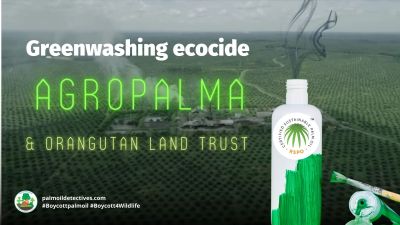
The entire brand benefits when you purchase any products from them. Yet they are secretly involved in dirty deforestation and ecocide to give you those products. Therefore, Palm Oil Detectives recommends that you don’t give these brands any of your money at all. Not until they firstly agree to stop destroying forests and sending animals extinct and then they follow up this intention with real proven action.

How can I take action and boycott brands using palm oil?
This is a challenging task as palm oil is often hidden as a chemical ingredient in 50% of all supermarket products. There are a few easy and cheap ways that you can avoid it.
1. Buy and/or grow your own wholefoods products: and make your own cleaning products, personal care products and food from scratch using simple ingredients. This is a cheap, healthy and palm oil free alternative that will be free from nasty unknown chemicals.
Eating processed food is linked to stroke, heart disease and obesity, so by making your own palm oil free food you are doing the right thing for your body.
2. Boycott dairy and meat: the majority of palm oil and soy is fed to animals in the industrrial meat and dairy sectors. By boycotting these industries you are boycotting palm oil deforestation and boycotting the cruelty of these industries.
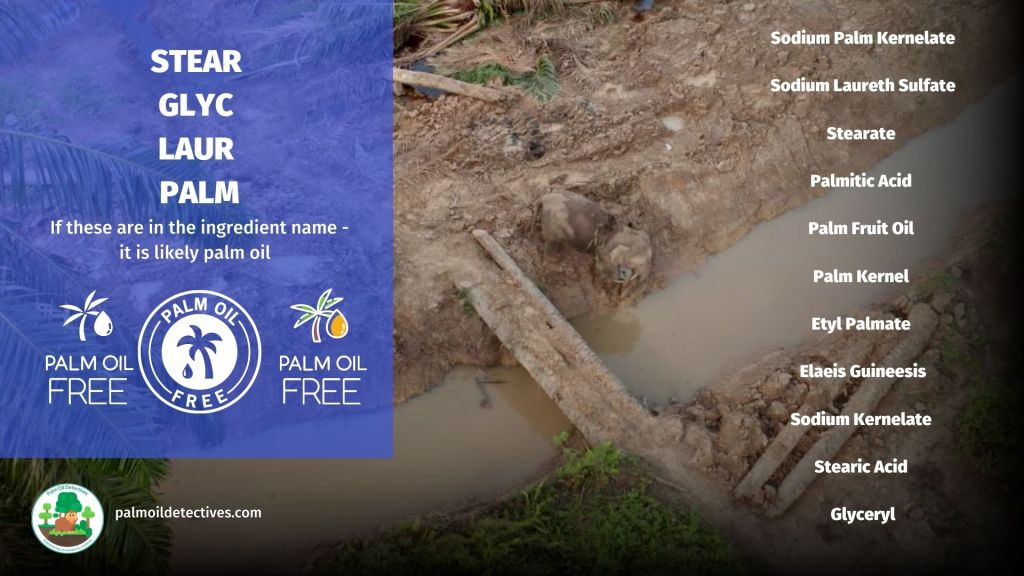
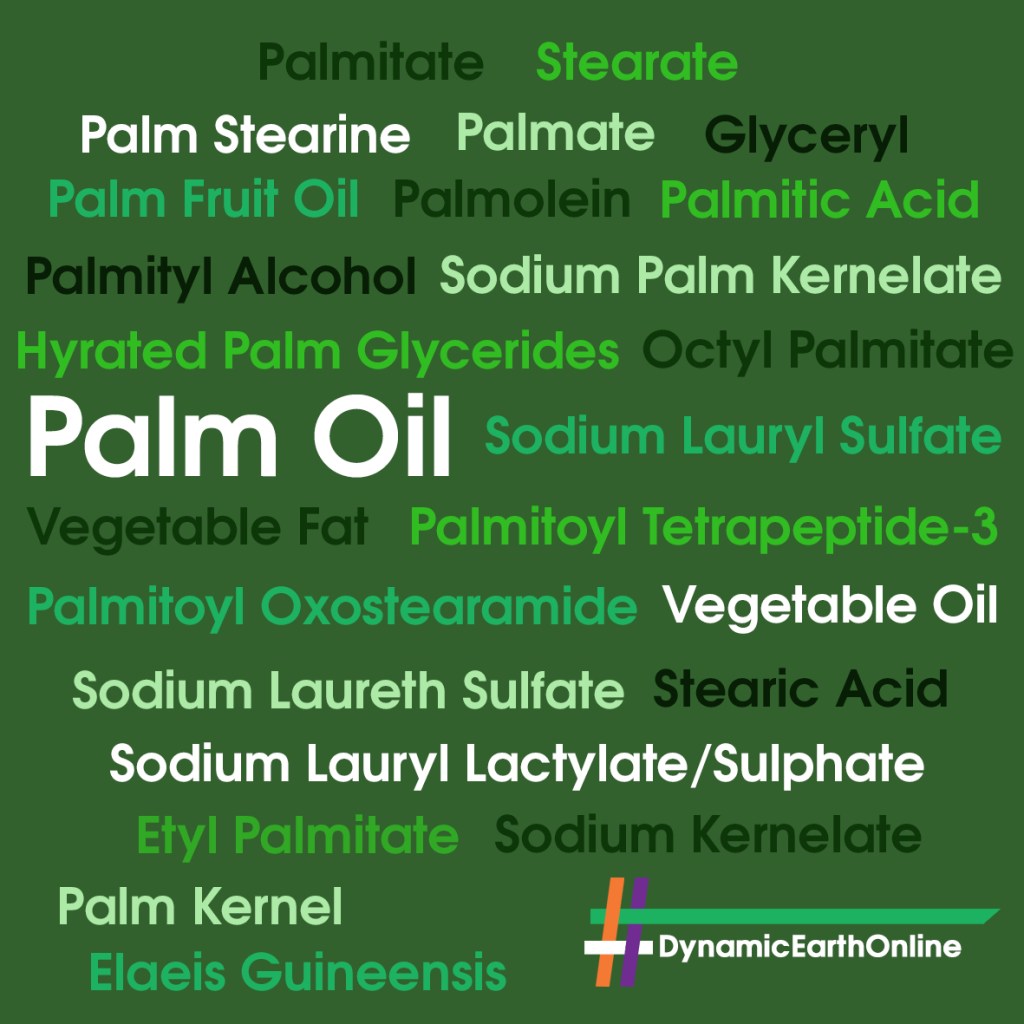
3. Learn how to recognise palm oil’s most common chemical names:

Want to avoid palm oil? You need a ‘palm oil free’ label
The most important factor determining whether consumers avoid purchasing a product containing palm oil is not how they feel about orangutans, the environment, or anything else for that matter. It’s whether they know what’s in the product. Melbourne Business School When #consumers are told about #palmoil being in products – they will avoid them according…
Read more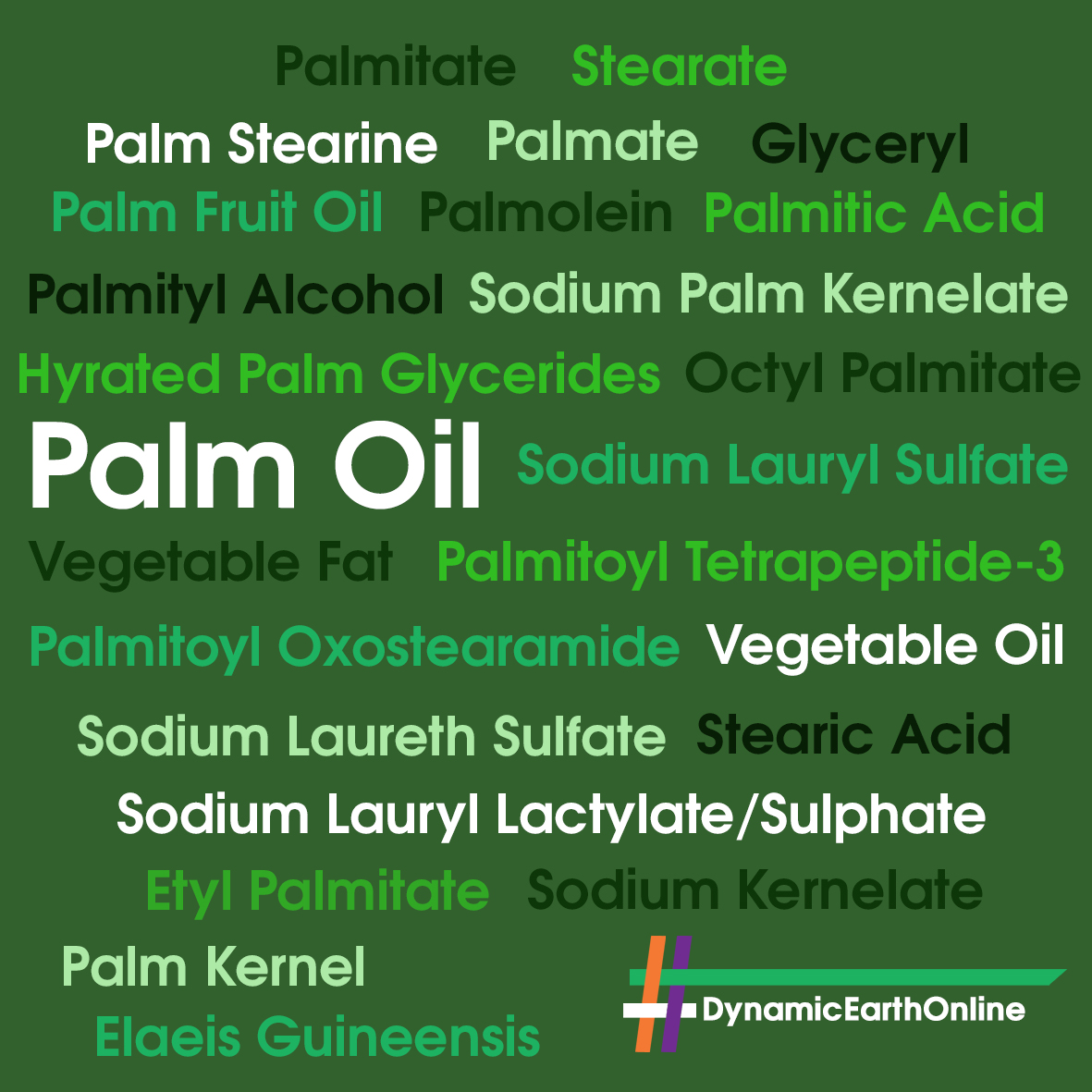
Palm Oil Problem #1 Vague Product Labelling
There is no legislation to stop this vague product labelling of palm oil Despite the lobbying and activism of various environmental groups and those concerned with consumer rights, palm oil remains labelled in a vague unclear way. It’s hidden in plain sight, an ingredient in everything from ice-cream to lipstick, biscuits to toothpaste. Part of…
Read more4. Seek out palm oil free alternative brands. There are more and more emerging each month. Here are some lists

Palm Oil Free Brands
Learn how to avoid major brands linked to palm oil land-grabbing, deforestation, human rights abuses, and slavery and instead buy palm oil free in the shops!
Read more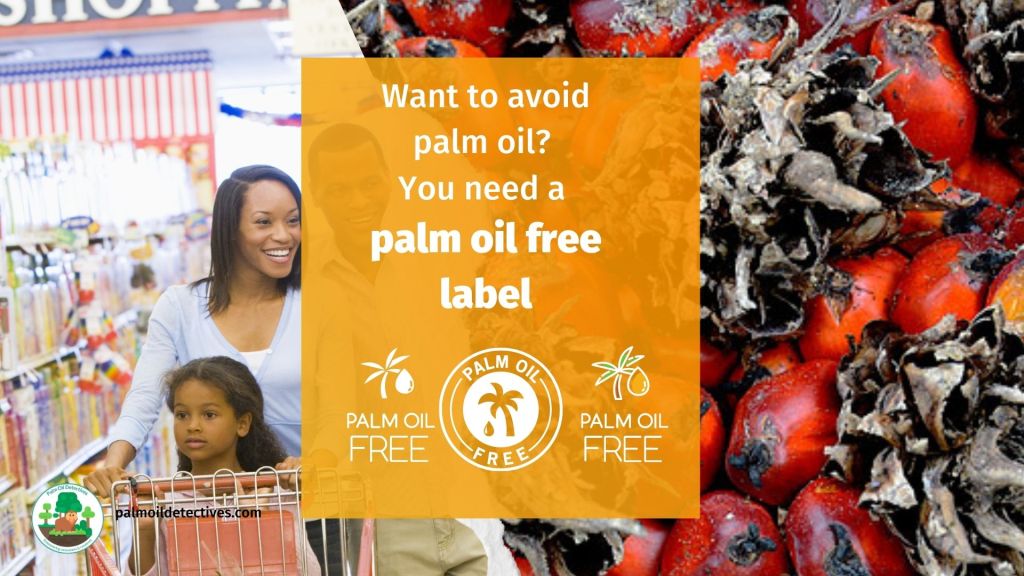
It is expensive to find products without palm oil. How do I go palm oil free?
This website will develop over time to involve makers and DIY experts who provide recipes and advice on how to make low-cost alternatives to vegan butter, soap, cleaning products, cosmetics and other common products that contain palm oil. If you make vegan and palm oil free products yourself, feel free to send these for inclusion on the website. You will be credited and profiled here for your work.
Recipes are now available on the Palm Oil Free Christmas page.
Got a recipe to share on the website? email: palmoildetectives [at] pm.me

Is this a vegan website and movement?
Palm Oil Detectives advocates for a plant-based, palm oil free and vegan diet, because clear scientific evidence shows that meat and dairy based agriculture are what is driving deforestation, animal extinction and climate change.
Animal slavery, animal abuse and violence has occurred since humans first walked this earth. However, as modern consumers we can now choose to not engage in this.
In saying this, we are all a product of the culture we were born into. We are all at different stages of unlearning about meat and dairy and how harmful it is. Palm Oil Detectives therefore cuts people some slack around their diet. We provide evidence and allow individuals the time and space come to their own conclusions based on this evidence. Most animal rights people in the #Boycott4Wildlife movement are vegan, but in some cases they are vegetarian.

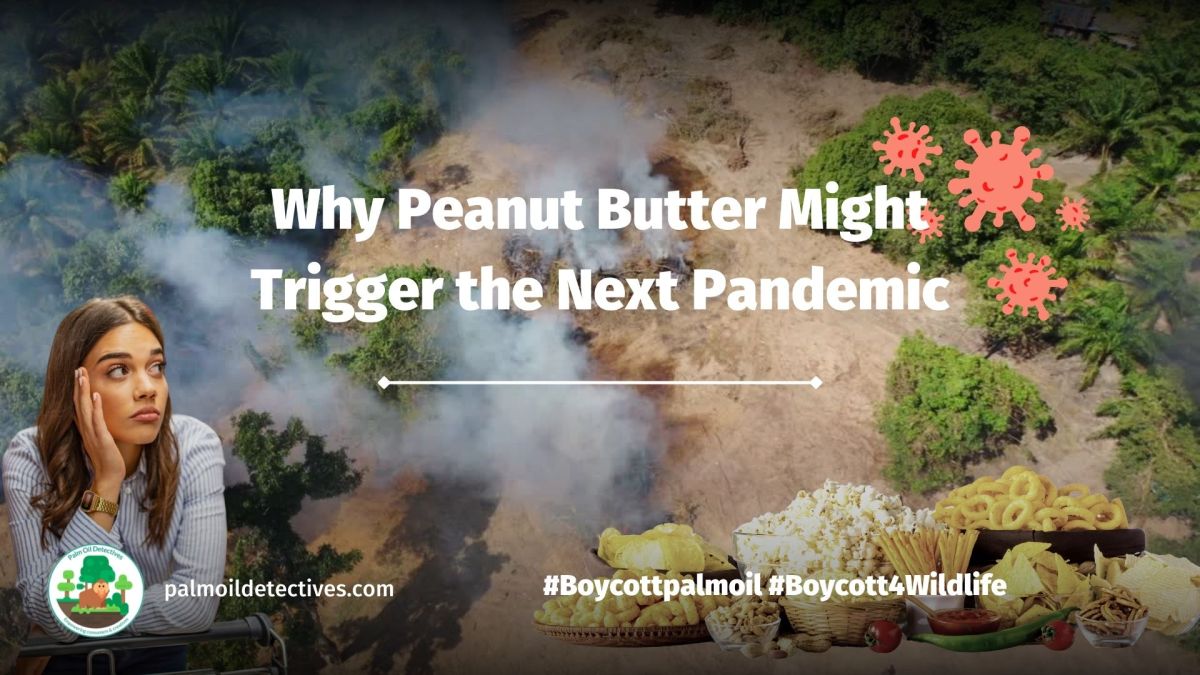
How is palm oil deforestation related to the spread of Zoonotic diseases?
Zoonotic diseases are spread when wild animals get too close to humans, this allows Zoonotic spillover to occur. In other words the disease jumps from animals to humans, often with dire consequences for human health and increased mortality risk.
Multiple recent peer-reviewed research papers have revealed that industrial palm oil deforestation is linked directly to the spread of Ebola and other zoonotic diseases which often become pandemics. Other papers have stated that zoonotic diseases will increase dramatically as tropical deforestation increases. This is yet another strong reason to #Boycottpalmoil #Boycott4Wildlife.

Is this a pro-palm oil website?
No. This website casts a critical eye over every aspect of the palm oil industry along with the industry standards put in place by the RSPO and finds it severely wanting. The palm oil industry and its RSPO certification must be completely changed in order to halt the extinction of species and stop deforestation. This is where consumer pressure is absolutely critical in making this happen.
Disclaimer
The Palm Oil Detectives website includes the results of impartial investigations into consumer brands. The information contained on these pages may be incomplete or incorrect at time of viewing. This website is not intended to offend or defame any person or organisation, but as a tool for clearer consumer choice. Palm Oil Detectives does not take any responsibility for incorrect or misleading information on this website. If you are wishing to correct and update the information on this website pertaining to a particular consumer brand, please contact Palm Oil Detectives palmoildetectives@ pm dot me
Please provide updated information about deforestation activities in the brand’s supply chain.
This will be investigated and verified. If this information is found to be incorrect – the website will be updated.
Palm Oil Detectives has no intention to do harm. Nor is it the intention of Palm Oil Detectives to libel, defame or malign any organisation, individual or company. Especially those that have the resources and desire to pursue a grievance. Palm Oil Detectives accept no responsibility for any harm or good that comes from following any suggestions made in these pages.
 Palm Oil Detectives