
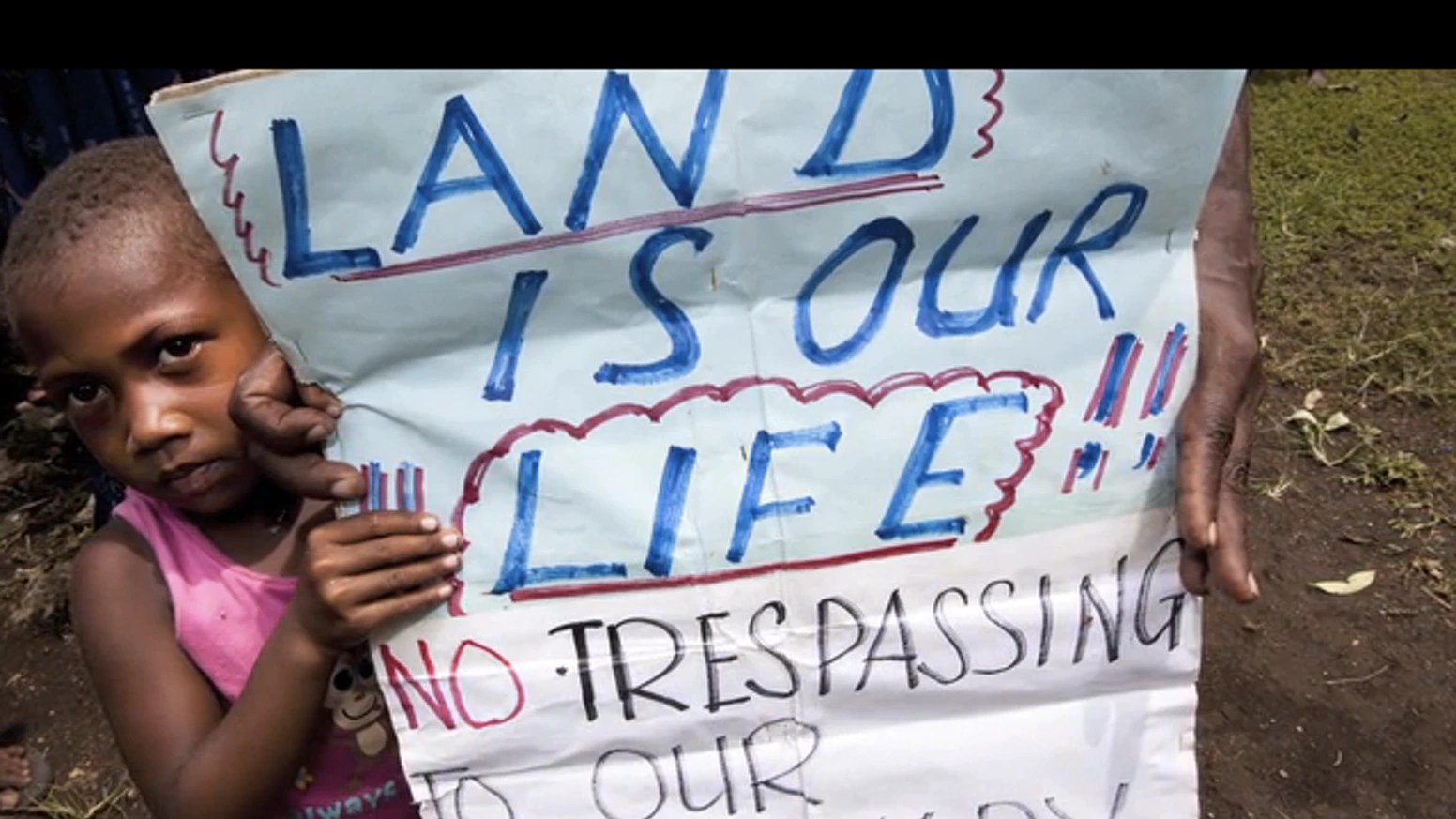
For decades, investigative journalists have been exposing that illegal land grabbing from Indigenous peoples as a regular occurrence in West Papua, South and Central America, Africa and Asia.
Indigenous people’s land is being forcibly (and often violently) taken from them by predatory palm oil companies. Major supermarket brands and also palm oil producers that are RSPO members are involved in this illegal land-grabbing.
The ‘certified sustainable’ label of the RSPO is absolutely meaningless given that this is going on.
This is why we #Boycottpalmoil
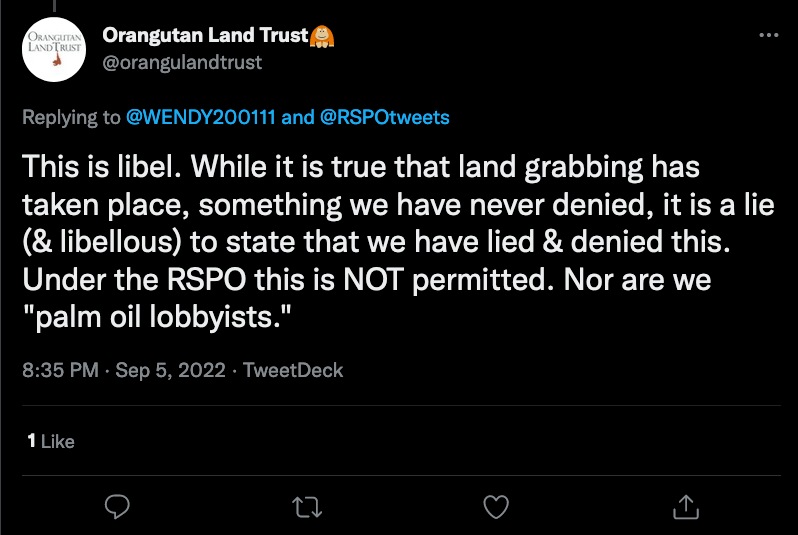
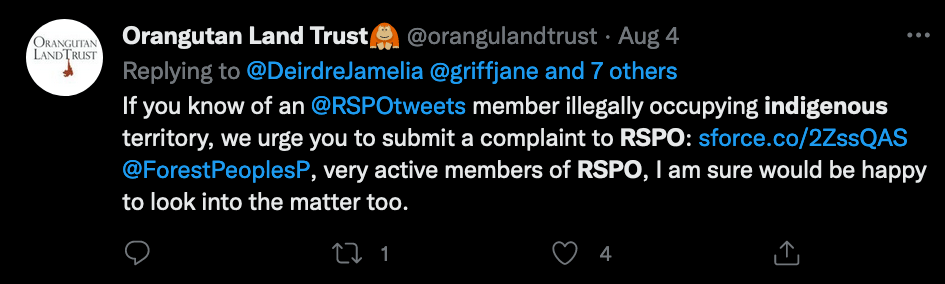
The @RSPOtweets and #palmoil lobbyists have lied and denied the illegal #landgrabbing of forest from #indigenous owners for 17 years – by RSPO members. #palmoil #greenwashing #FreeWestPapua Boycott4Wildlife
Tweet
Jump to section
What the palm oil lobbyists say
Agropalma’s palm oil ecocide and human rights abuses in Brazil
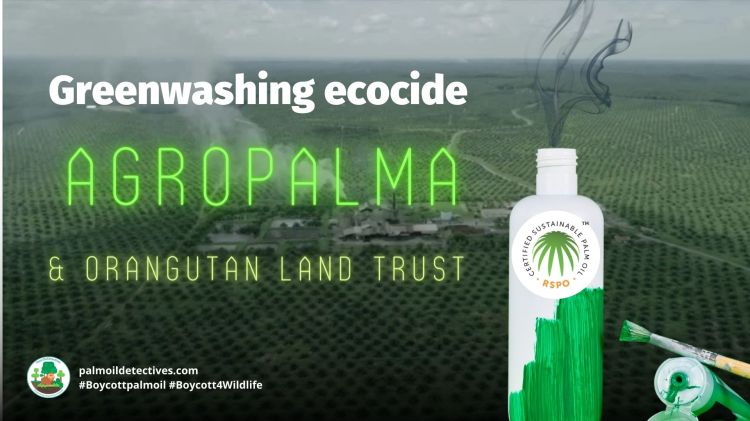
Orangutan Land Trust – Agropalma’s greenwashing partner
What human rights defenders say

Search the Environmental Justice Atlas for specific companies and their human rights abuses and land-grabbing record
What the Palm Oil Industry Lobbyists say:
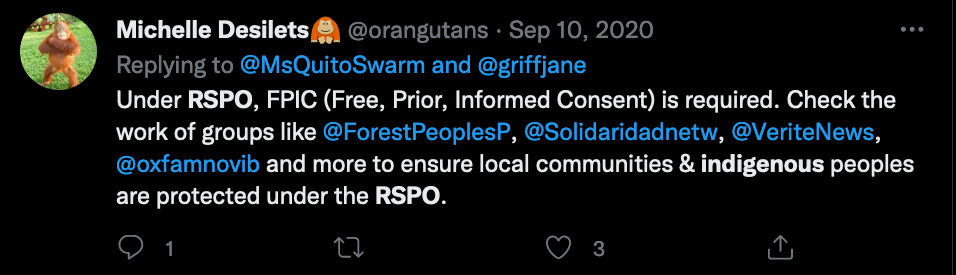
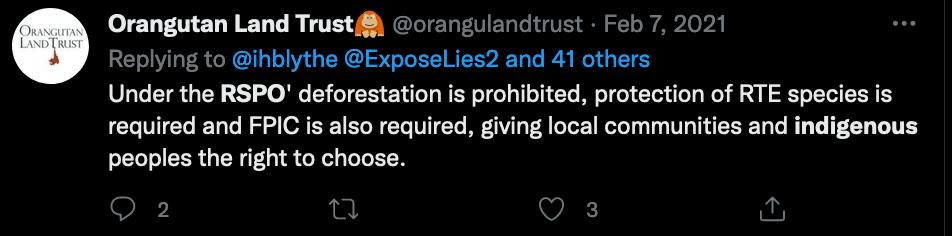
RSPO member, NGO Orangutan Land Trust is the main shill on social media pushing greenwashing misinformation about “sustainable” palm oil to unaware consumers.
For decades, they have consistently pushed the lie of “sustainable” palm oil as being the saviour for rainforests, indigenous people and rare, endangered animals. Their greenwashing occurs despite a continuous stream of research papers and reports from many different sources showing that “sustainable” palm oil is a complete lie. Over almost 20 years, the following crimes continue to occur by RSPO members:
- Human rights abuses
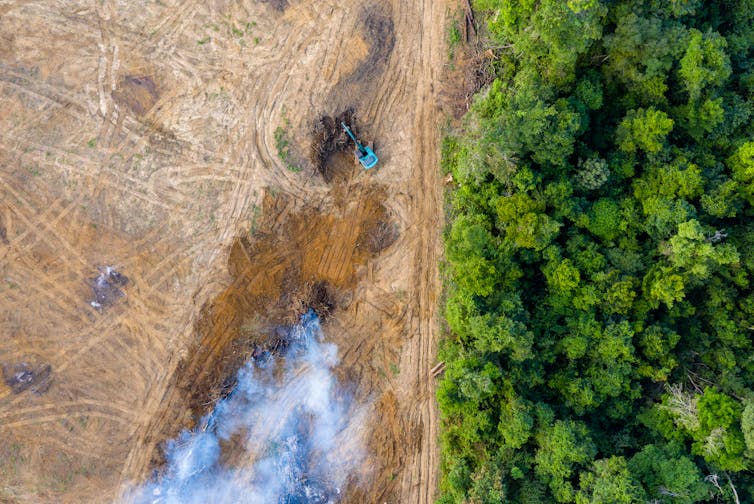
- Deforestation by fire
- The killing of endangered species
- Slavery/Child slavery/the death of children
- Indigenous Landgrabbing
- Rape and sexual assault
The lies are perpetuated by three main accounts: Michelle Desilets, Jane Griffiths and Bart Van Assen. They are supported by various other accounts associated with Zoos sponsored by big food companies like Ferrero and also fake accounts that they set up themselves in an effort to astroturf about “sustainable” palm oil.
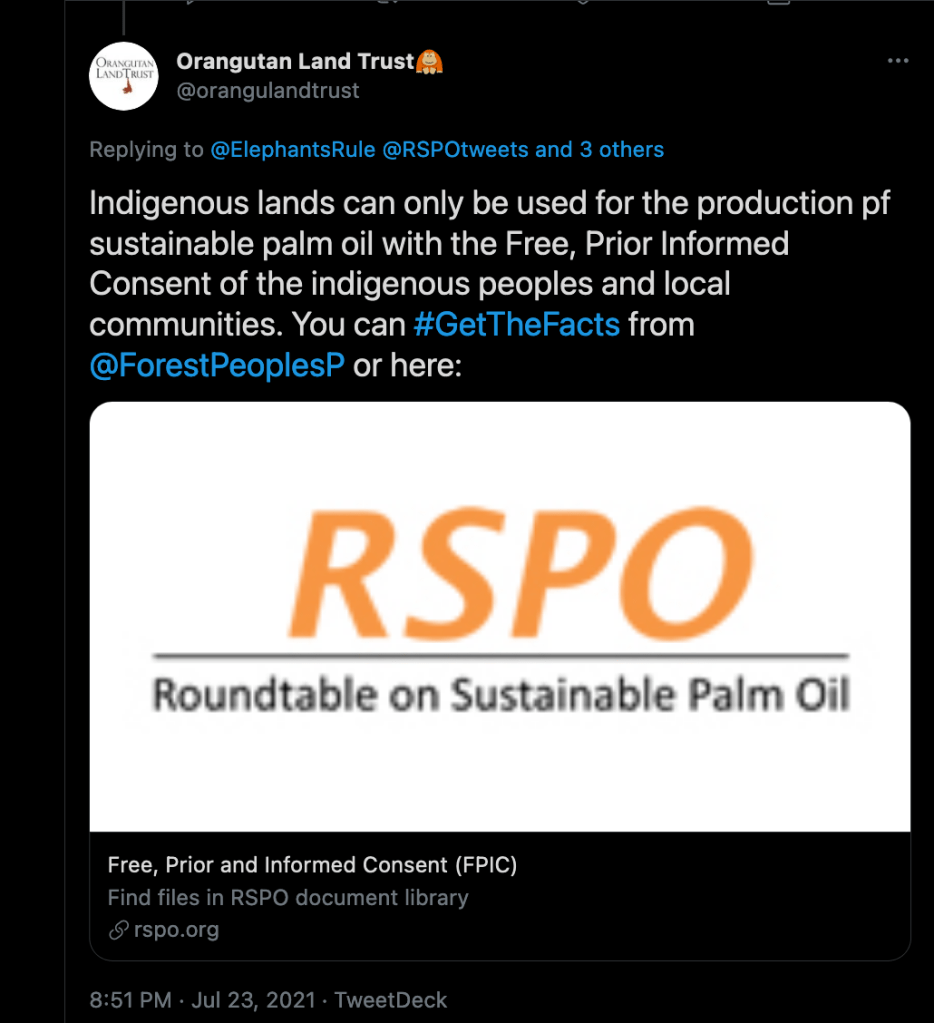
Lies have got short legs on the internet
Individuals on Twitter who promote “sustainable” palm oil have paid links to the palm oil industry in almost every single case. Find out who these people are on Twitter
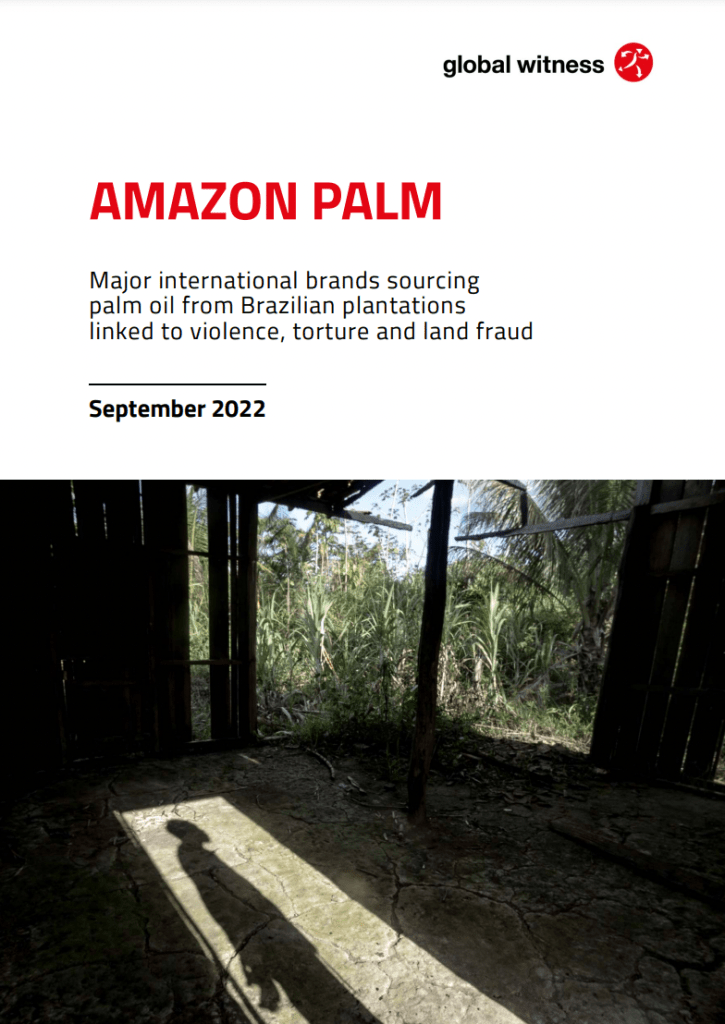
Major international brands sourcing palm oil from Brazilian plantations linked to violence, torture and land fraud
Two Brazilian palm oil giants in particular, Brasil Biofuels (BBF) and Agropalma, are embroiled in long-standing conflict with local communities. BBF are accused of waging violent campaigns to silence Indigenous and traditional communities defending their ancestral lands, while Agropalma is linked to fraudulent land grabs and stranding or evicting communities. Both companies have acquired these lands to grow profitable palm crops, apparently at the expense of communities’ constitutional rights.
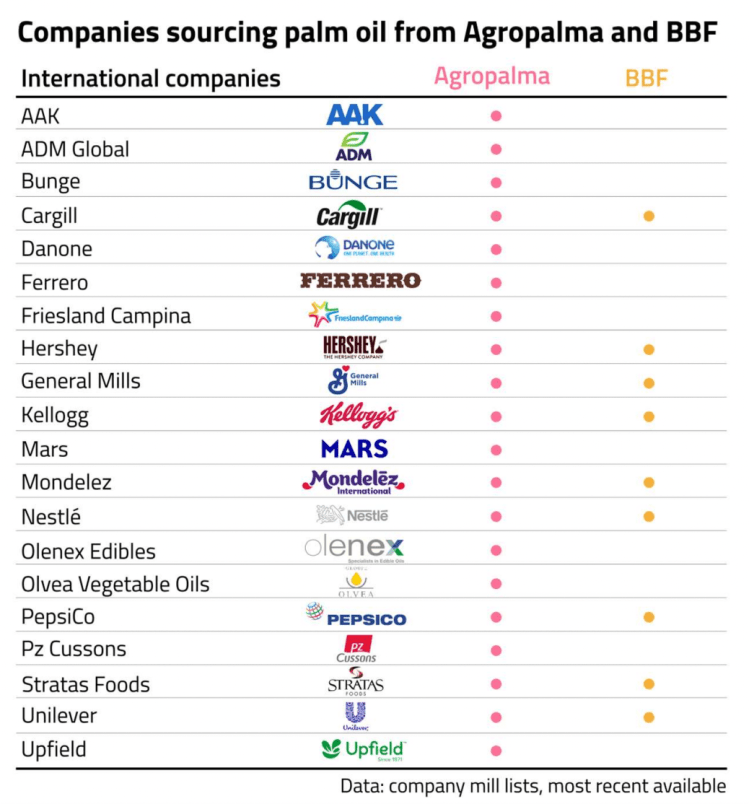
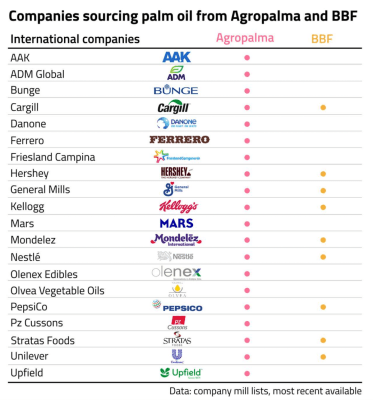
Global supermarket brands Ferrero, ADM, Bunge, Cargill, Danone, Ferrero, Hershey’s, Kellogg, Mondelez, Nestlé, PepsiCo, Unilever and many others source palm oil from Agropalma and BBF.
These supermarket brands along with Agropalma and BBF claim to use “sustainable” palm oil from the RSPO.
Agropalma states that its corporate policies forbid actions inhibiting legal and regular activities of Human Rights Defenders, while maintaining Agropalma’s right to protect its employees and its assets. Agropalma denies using violent actions against the communities and individuals in this report, and states that there are no land claims by Indigenous people overlapping with Agropalma lands.
Major international brands – ADM, Bunge, Cargill, Danone, Ferrero, Hershey’s, Kellogg, Mondelez, Nestlé, PepsiCo, Unilever and others – continue to purchase palm oil from BBF and/or Agropalma despite the situation in Pará, contributing to the violations of Indigenous and traditional peoples’ rights. Companies’ responses are included below.
A litany of abuses
Global Witness received information of continued abuses in late April 2022 and early July 2022, attributed to armed men alleged to be working on behalf of BBF.
- Groups of armed men have blockaded multiple roads around Indigenous, Quilombola and riverine territories.
- Armed men have been stopping and searching cars and people on motorcycles saying they are ‘on the hunt’ for Indigenous and Quilombola leaders.
- Armed men have tortured detained members of an Indigenous community by spilling burning plastic over their backs.
- Armed men have shot and injured at least one Indigenous community member; several have been made to lie down, humiliated and had shots fired near their heads.
- Armed men forced a Quilombola man and a teenager who were working on their crops to lay on the floor, firing shots next to their heads, causing both serious hearing problems.
- Daily and nightly, community members are stopped, questioned and humiliated by BBF employees and/or security men.
“We benefit in no way whatsoever from the sale of palm oil. Not sure where this nonsense idea stems from.”
Orangutan Land Trust’s Michelle Desilets on the 18th of September, 2023
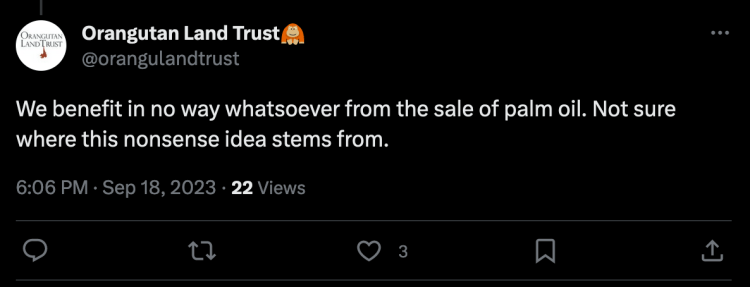
Michelle Desilets of Orangutan Land Trust with yet another lie about not profiting from palm oil, despite receiving funds from serial Amazon destroyer Agropalma for decades. Original tweet
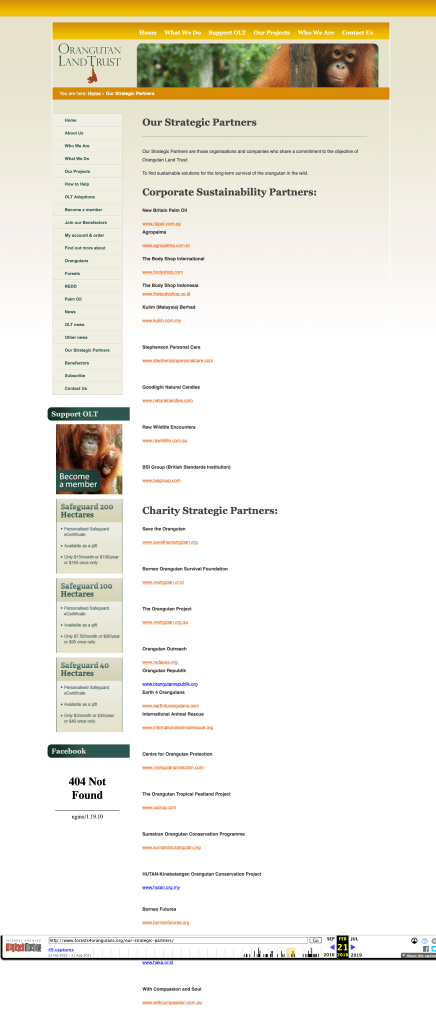
Orangutan Land Trust receives funding from Agropalma: during their decades long destruction of the Amazon for palm oil
Orangutan Land Trust mentions fellow RSPO member Agropalma as being a sponsor and funder on their website and annual ACOP ( a report given to the RSPO) in 2014. Agropalma are listed on the OLT website until 2019.

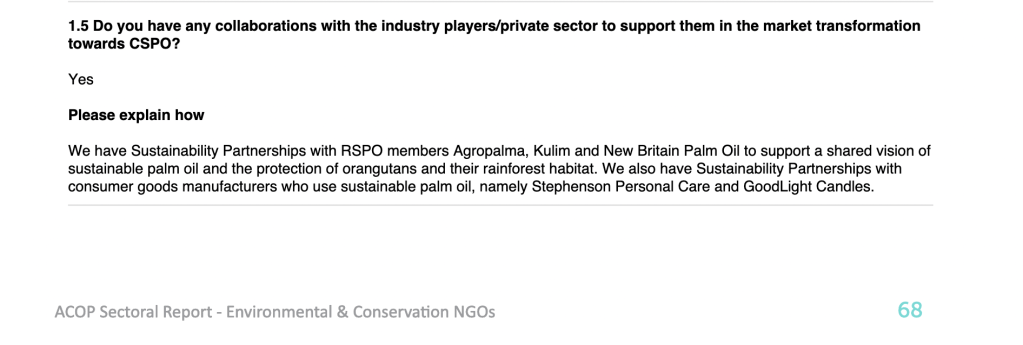
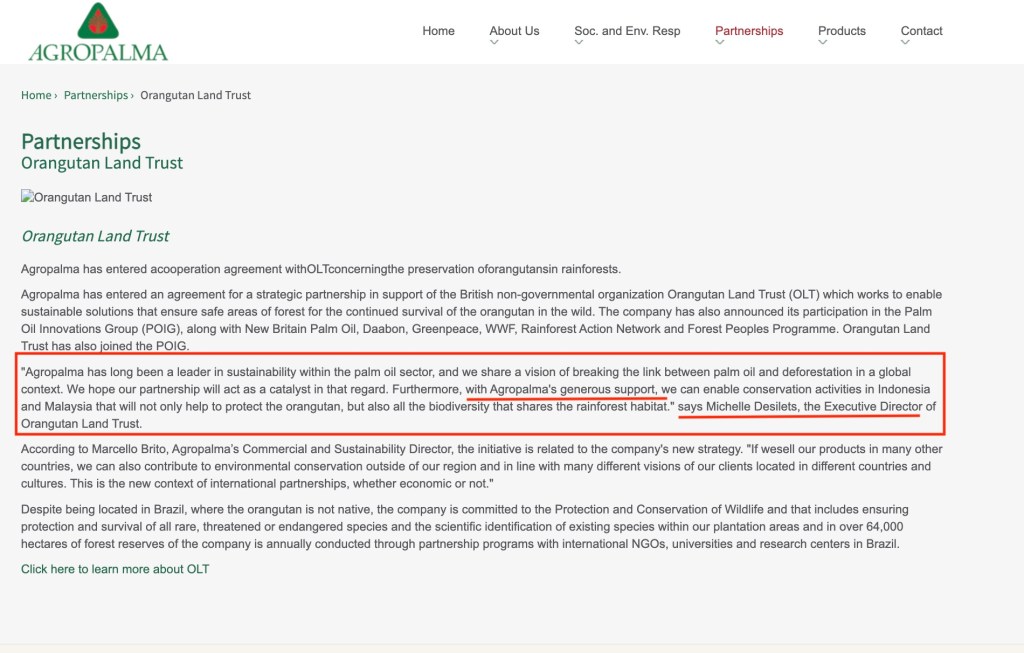
“With Agropalma’s generous support, we can enable conservation activities in Indonesia and Malaysia that will not only help to protect the orangutan, but also all the biodiversity that shares its rainforest habitat”.
Michelle Desilets of Orangutan Land Trust, quoted in the 2015 Agropalma Sustainability Report and on the Agropalma website, their full sustainability report is here.
From 2014- 2022 Orangutan Land Trust promote Agropalma on Twitter and elsewhere as offering “sustainable” palm oil
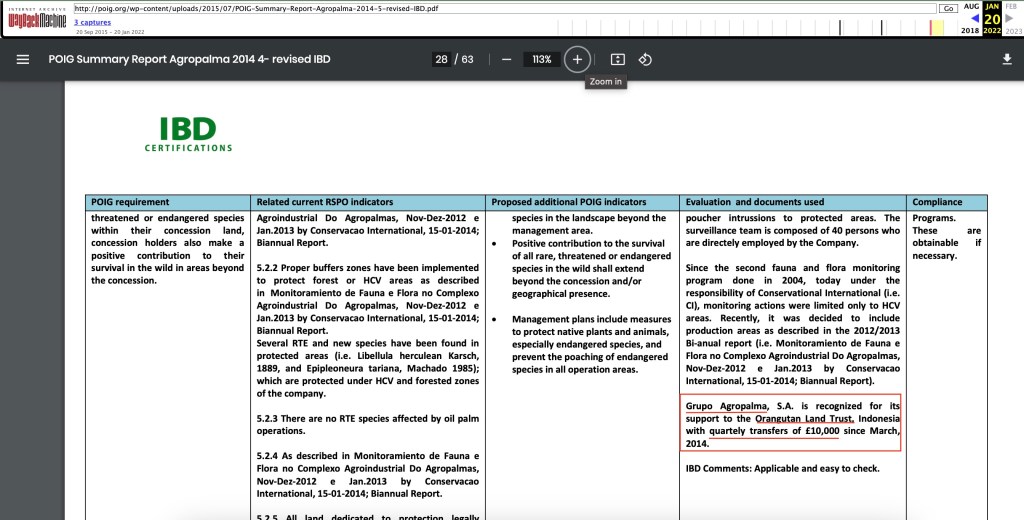
A report by the Palm Oil Innovation Group (POIG) on their website between 2014-2020 reveals that Agropalma have been paying Orangutan Land Trust 10,000 GBP per quarter. Read report
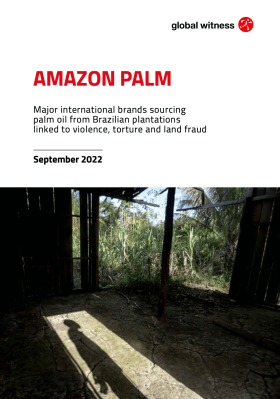
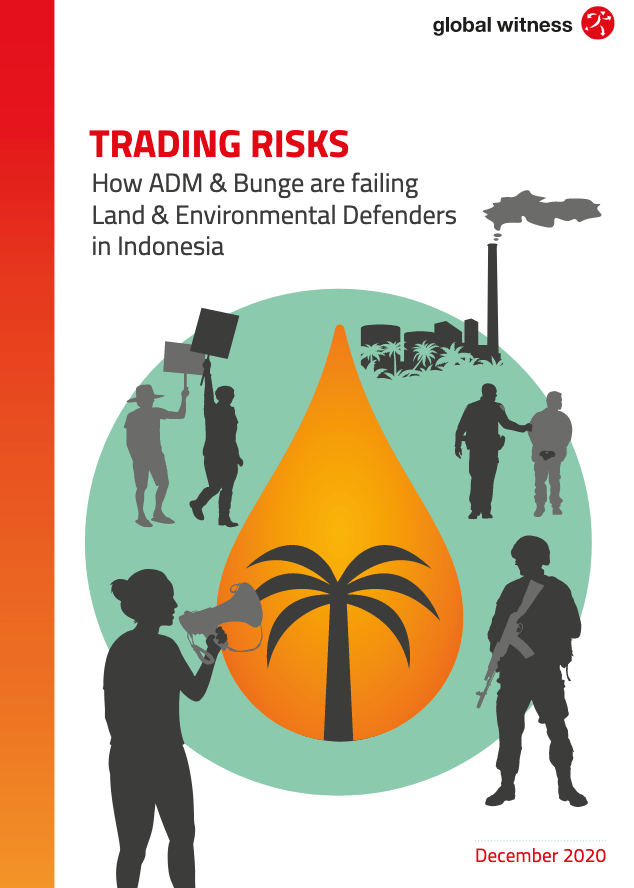
In 2022, Agropalma were the subject of a 2022 Global Witness report into the destruction of the Amazon rainforest and violence against indigenous land defenders. Read report
Between 2015 -2020, Agropalma were assessed by the RSPO’s Complaints Panel for human rights abuses. This panel includes Orangutan Land Trust’s Executive Director Michelle Desilets as a decision maker.
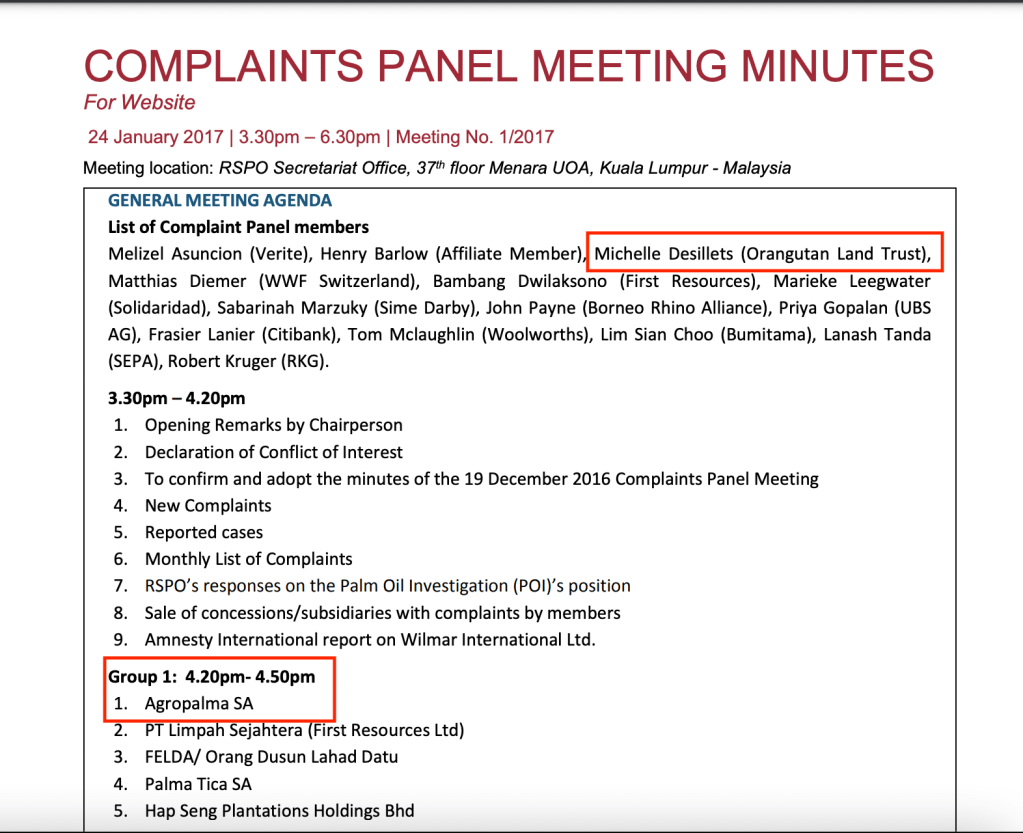
In 2020, the RSPO ruled in favour of Agropalma and against the human rights defenders and closed the case. Read letter


In March 2023, Mongabay and Rainforest Rescue reported that Agropalma’s RSPO membership had been temporarily suspended due to Mongabay and Global Witness’s reporting on these human rights abuses
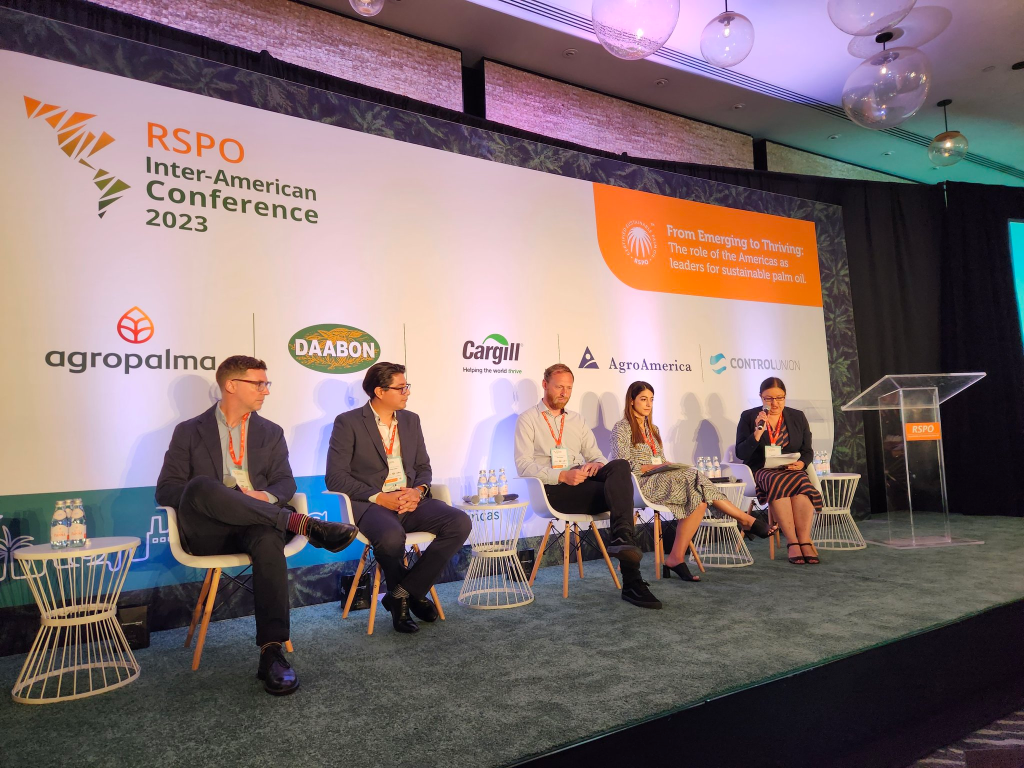
Two months after this in May 2023, the South American conference for RSPO featured Agropalma’s logo emblazoned on the stage and promoted Agropalma as being “sustainable” despite countless concurrent news reports of their human rights abuses and landgrabbing
Read more stories about the link between “sustainable” palm oil, deforestation and human rights abuses
Pictured: Art by Jo Frederiks


Here are some other ways you can help by using your wallet as a weapon and joining the #Boycott4Wildlife



Contribute to my Ko-Fi
Did you enjoy visiting this website?

Palm Oil Detectives is 100% self-funded
Palm Oil Detectives is completely self-funded by its creator. All hosting and website fees and investigations into brands are self-funded by the creator of this online movement. If you like what I am doing, you and would like me to help meet costs, please send Palm Oil Detectives a thanks on Ko-Fi.




What journalists, whistle-blowers and human rights defenders say
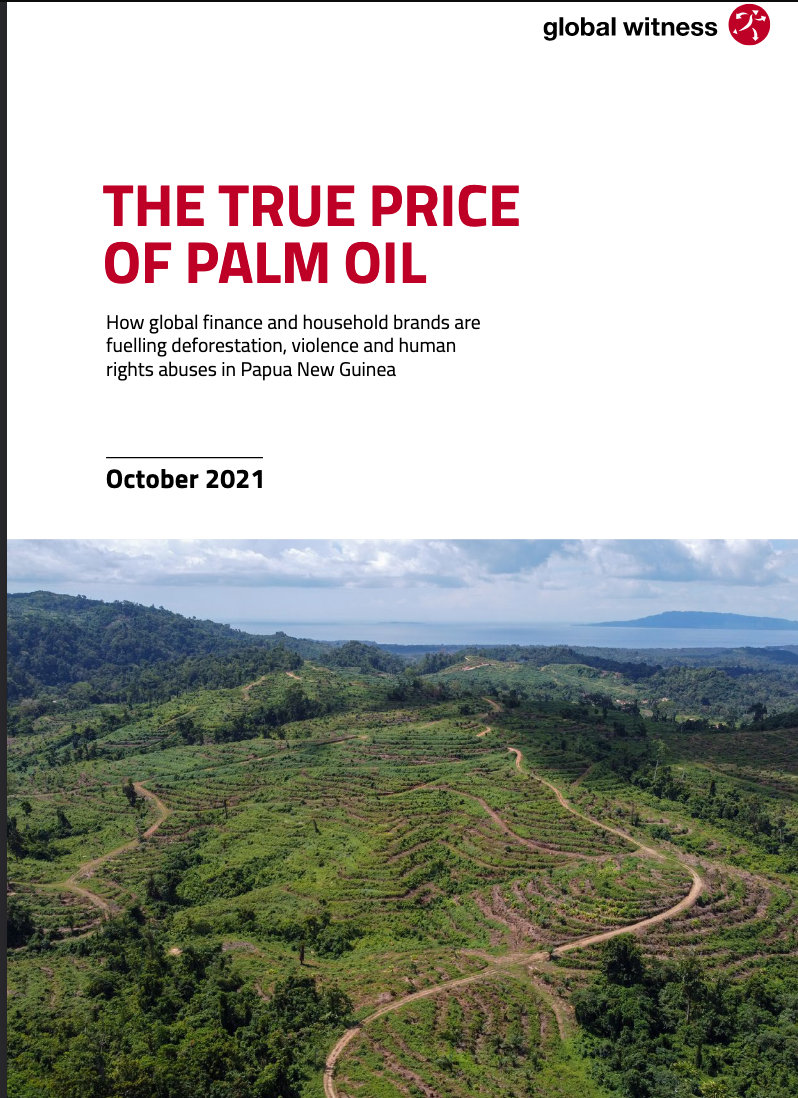
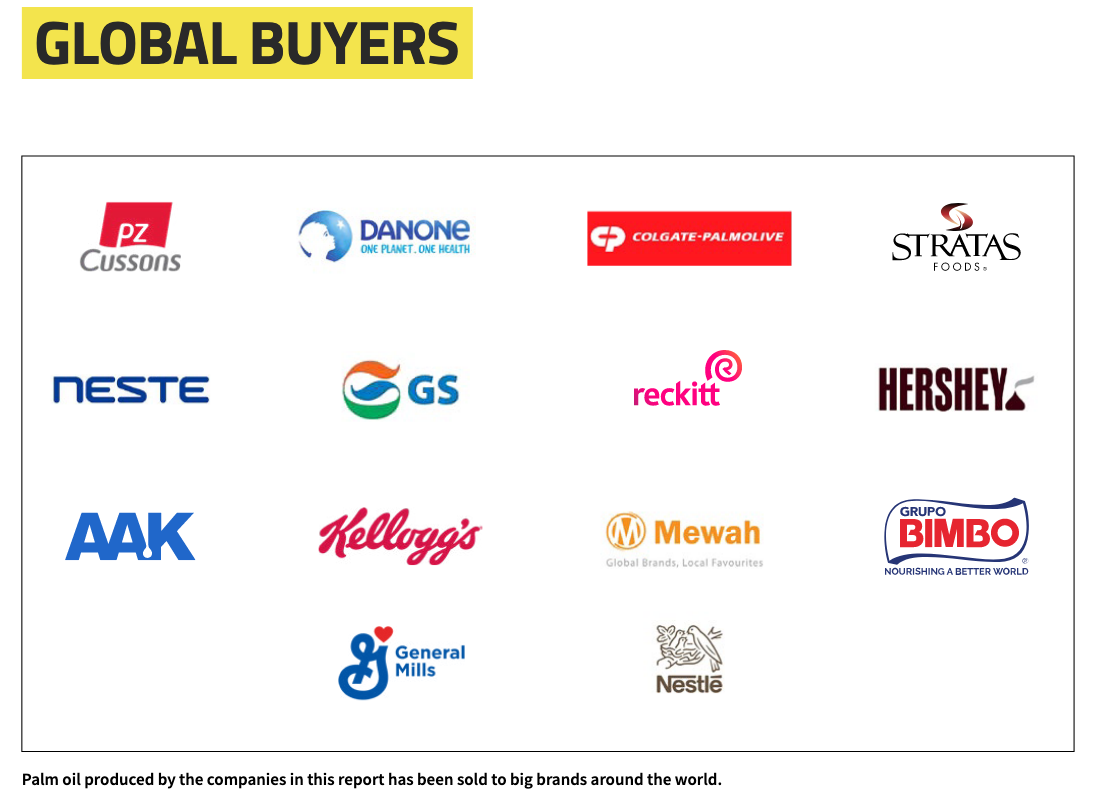
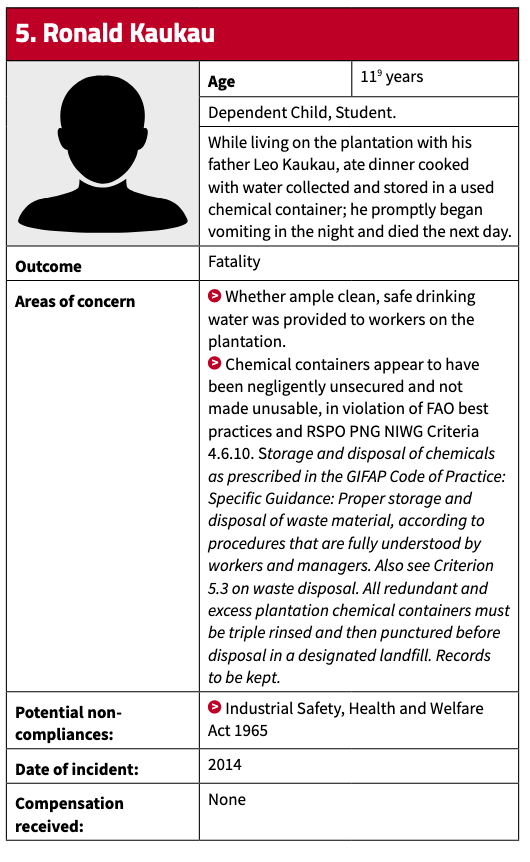
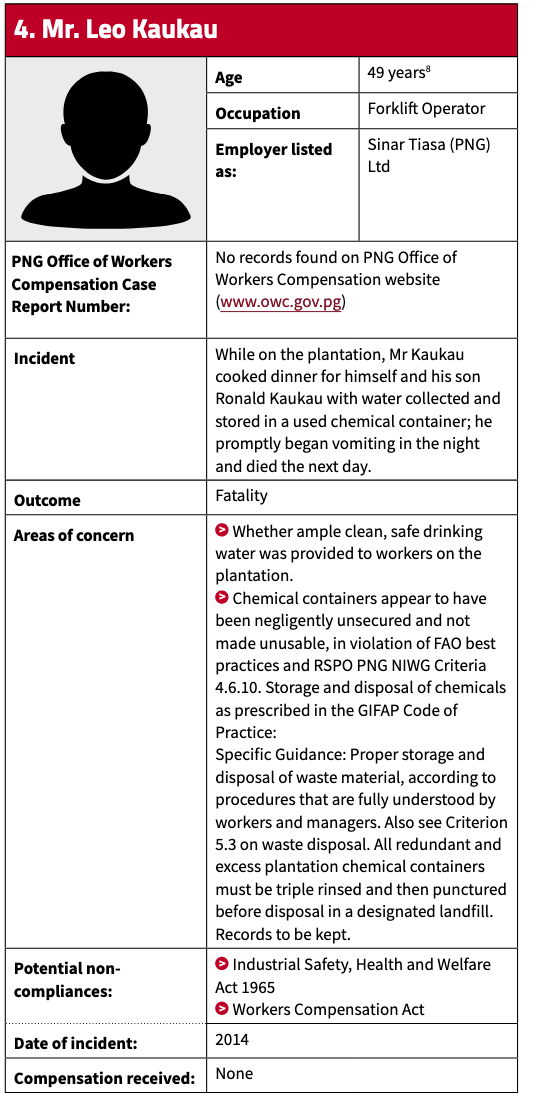
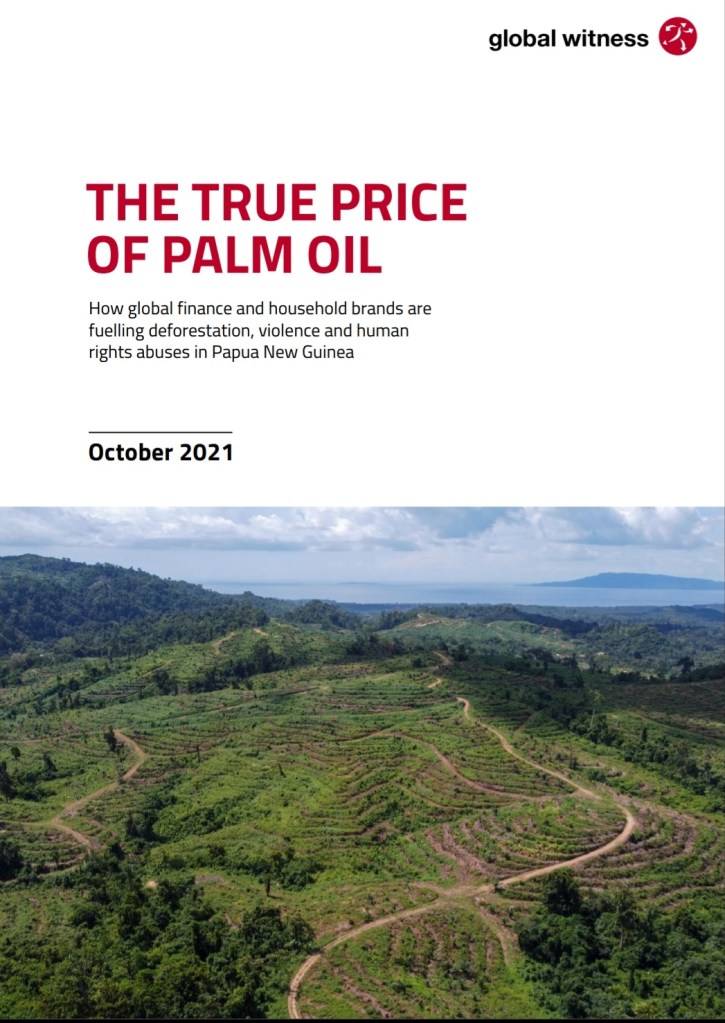
A 2021 Investigation by Global Witness found that palm oil companies in Papua New Guinea are alleged to have been involved in corruption, child labour, tax evasion, deforestation, worker deaths and paying police to assault villagers.
The palm oil from these mills in Papua New Guinea is used by RSPO members Colgate-Palmolive, Kelloggs, General Mills, Nestle, Hersheys, Danone, PZ Cussons – finds its way into our weekly supermarket shop.
Research: Certifying commodities does not advance equity or income for workers
We identified 64 conflicts that involved RSPO member companies, of which 17 prompted communities to convey their grievances to the RSPO’s conflict resolution mechanism…We conclude that—on all counts—the conflict resolution mechanism is biased in favor of companies. The result of these biases is that the actual capacity of the RSPO’s mechanism to provide a meaningful remedy for rural communities’ grievances remains very limited. This unequal access to justice sustains conflicts between companies and communities over land.
Afrizal, A., Hospes, O., Berenschot, W. et al. Unequal access to justice: an evaluation of RSPO’s capacity to resolve palm oil conflicts in Indonesia. Agric Hum Values 40, 291–304 (2023). https://doi.org/10.1007/s10460-022-10360-z
We find positive effects on prices and income from sale of certified products. However, we find no change in overall household income and assets for workers. The wages for workers are not higher in certified production.
Oya, C., Schaefer, F. & Skalidou, D. The effectiveness of agricultural certification in developing countries: a systematic review. World Dev. 112, 282–312 (2018).
We find that, while sustainability standards can help improve the sustainability of production processes in certain situations, they are insufficient to ensure food system sustainability at scale, nor do they advance equity objectives in agrifood supply chains.
Meemken, EM., Barrett, C.B., Michelson, H.C. et al. Sustainability standards in global agrifood supply chains. Nat Food (2021). https://doi.org/10.1038/s43016-021-00360-3
This article argues that the form of sustainability offered by certification schemes such as the RSPO fetishes the commodity palm oil in order to assuage critical consumer initiatives in the North. This technical-managerial solution is part of a larger project: the “post-political” climate politics regime (Swyngedouw) that attempts to “green” the status quo.
Commodifying sustainability: Development, nature and politics in the palm oil industry (2019) World Development
Volume 121, September 2019, Pages 218-228
- The palm oil industry is neither sustainable nor a viable development model.
- Certification represents a technical fix which neglects underlying dynamics of power, class, gender and accumulation.
- The fetishised commodity ‘certified sustainable palm oil’ has no impact on the regional scale of expansion.
- Working conditions in the plantations and mills entrench social inequality and poverty.
From: Commodifying sustainability: Development, nature and politics in the palm oil industry (2019) World Development
Volume 121, September 2019, Pages 218-228
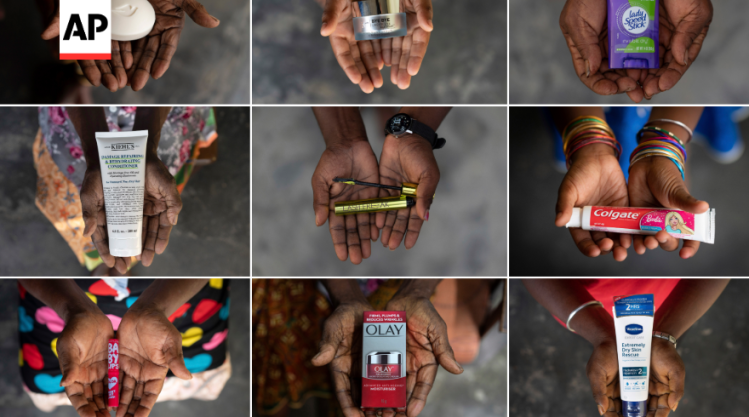
Report 2020 by Associated Press
This finds that beauty brands (RSPO members) L’Oreal, Colgate-Palmolive, Johnson& Johnson, Unilever are linked to rape on palm oil plantations via palm oil company Musim Mas

“The expansion of oil palm plantations has created many detrimental environmental impacts, such as deforestation, loss of biodiversity, land conflicts, labour conflicts, and social conflicts around plantations.
“Environmental damage and social injustice were reasons why the global palm oil certification, the Roundtable on Sustainable Palm Oil (RSPO) was established.
“In practice, requirements for oil palm certifications are easily violated. Lots of things are problematic.”
— Dr Setia Budhi, Dayak Ethnographer, In His Own Words.
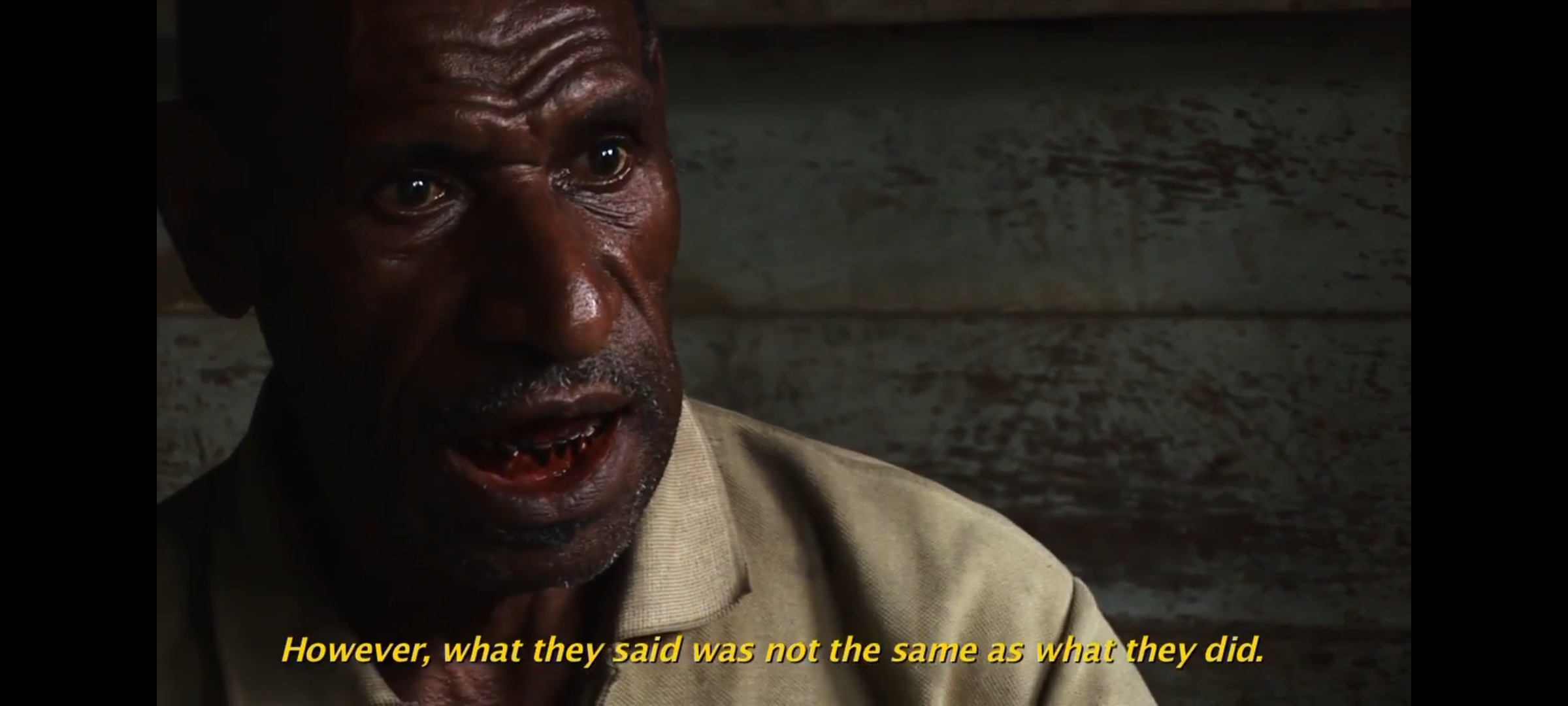
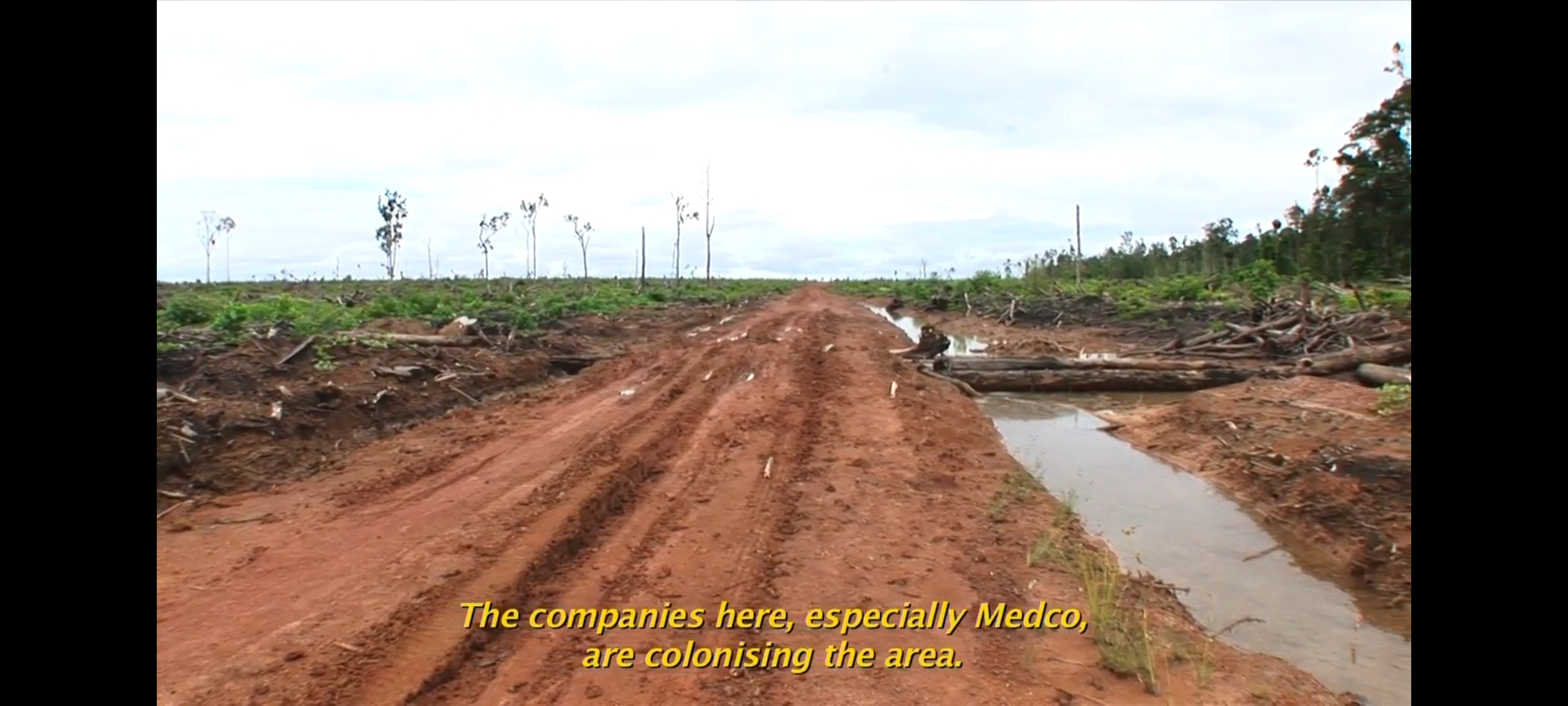
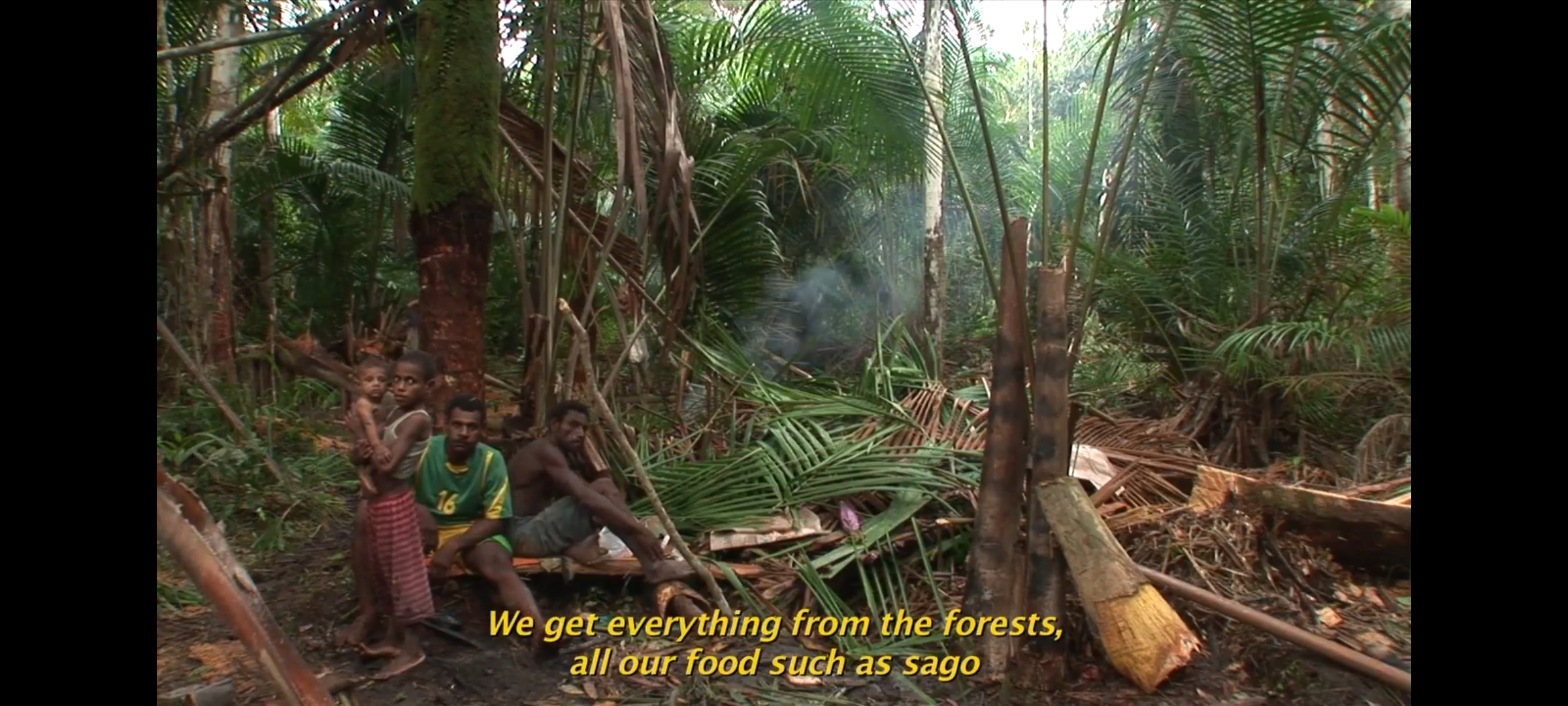
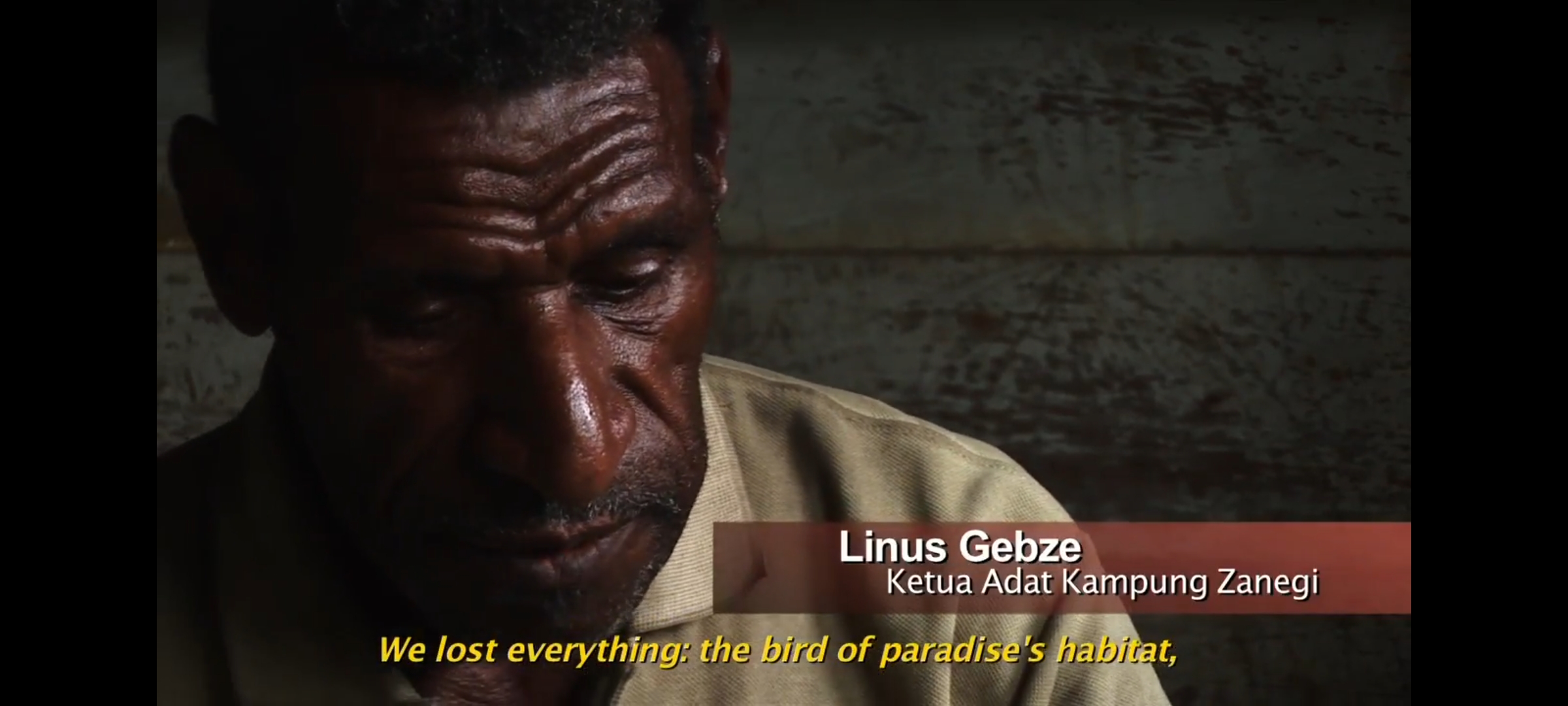
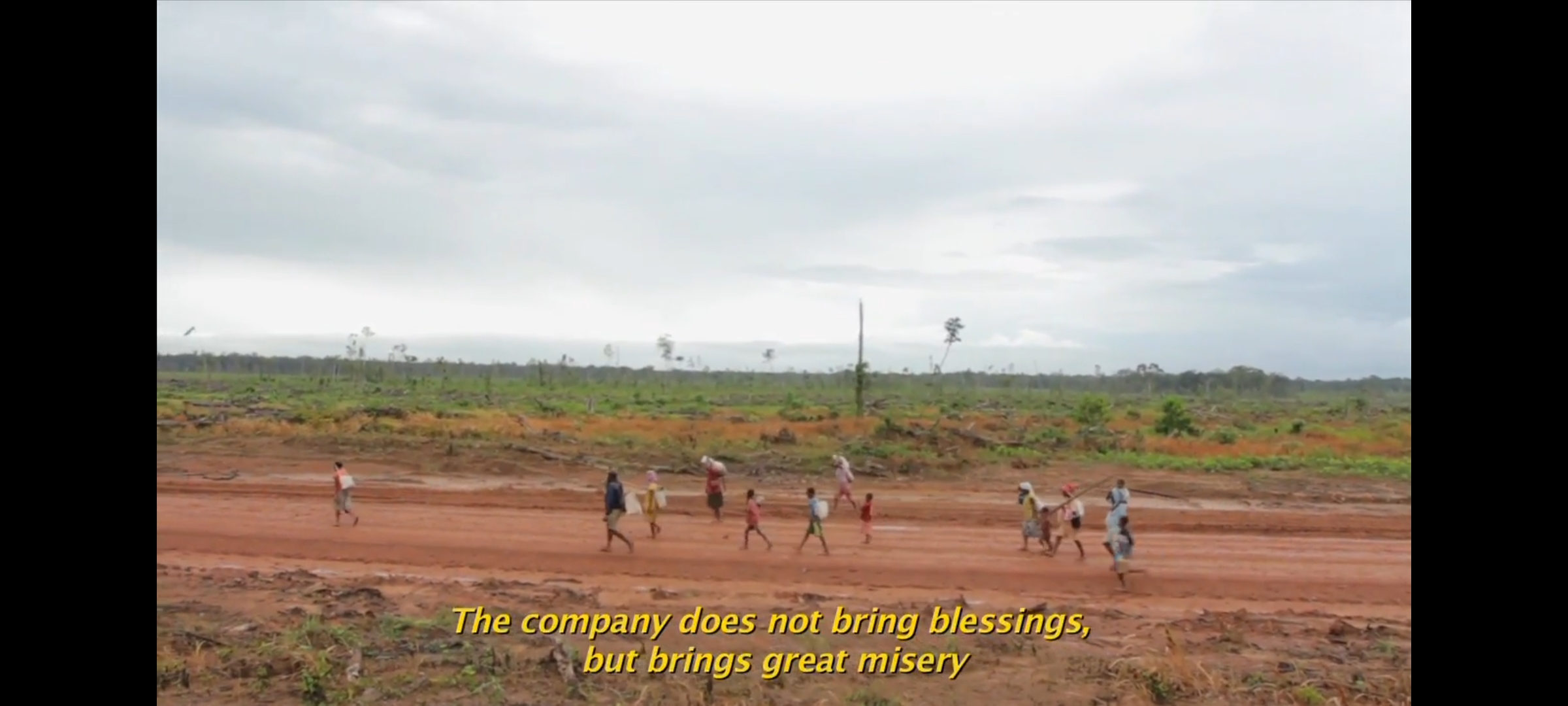


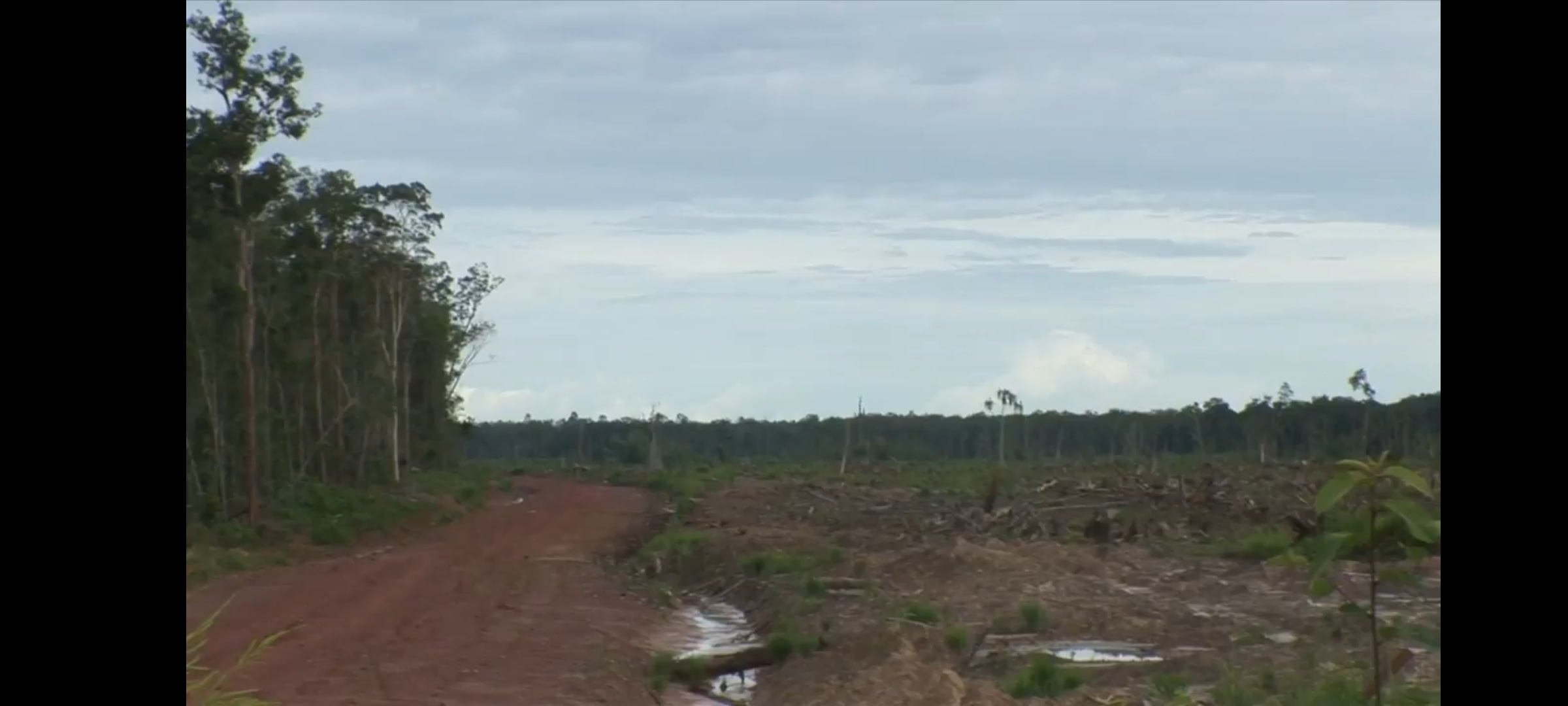
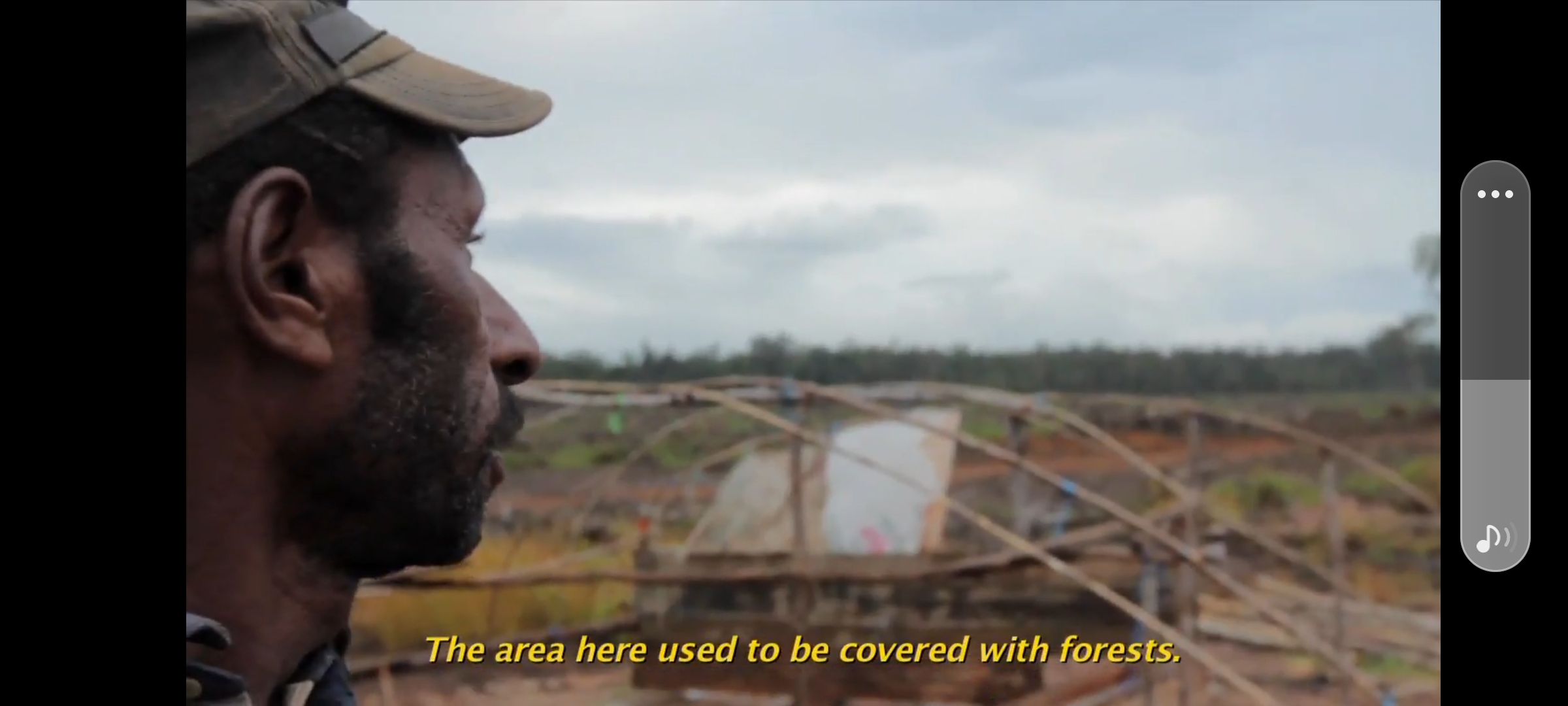
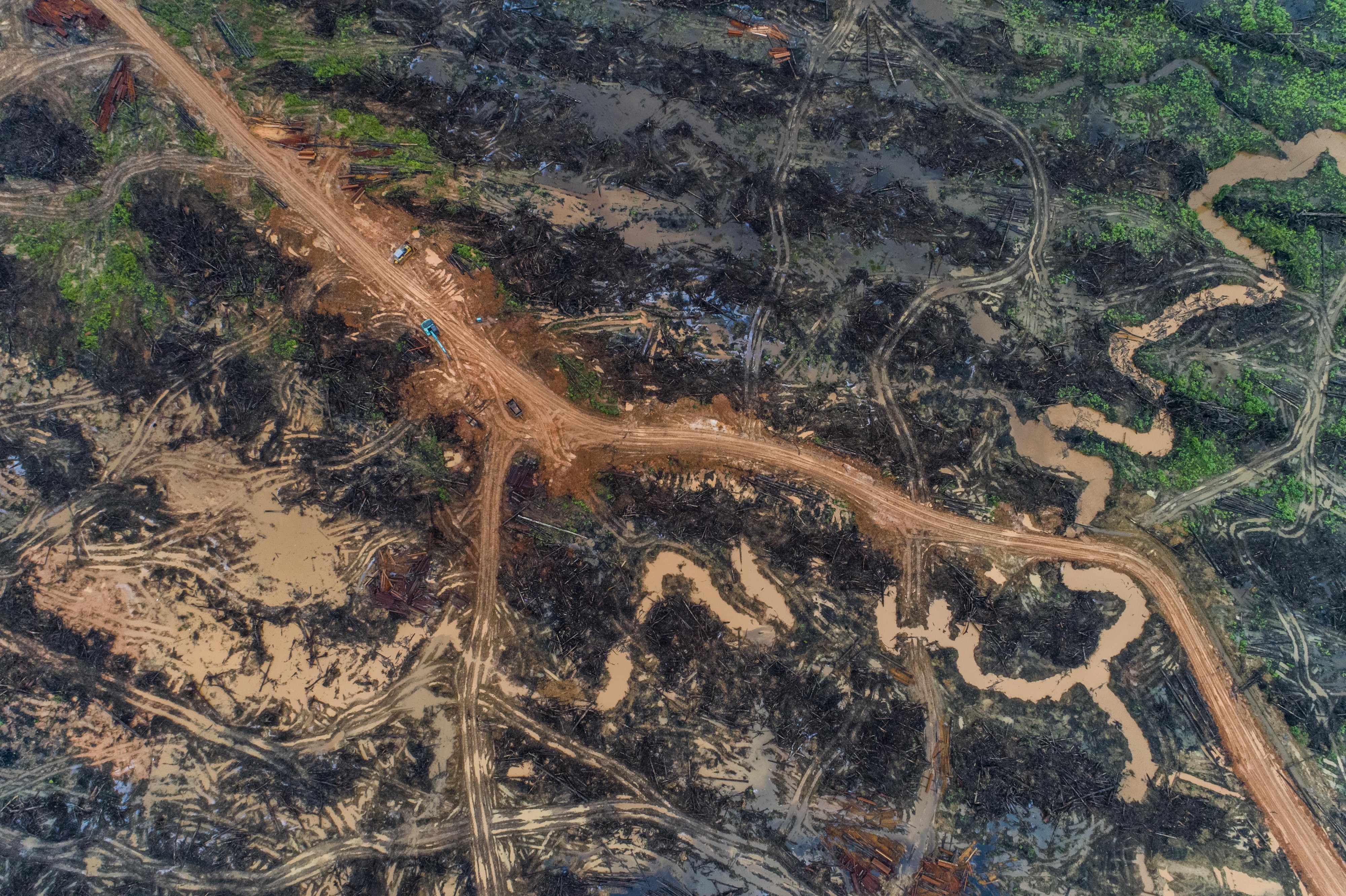
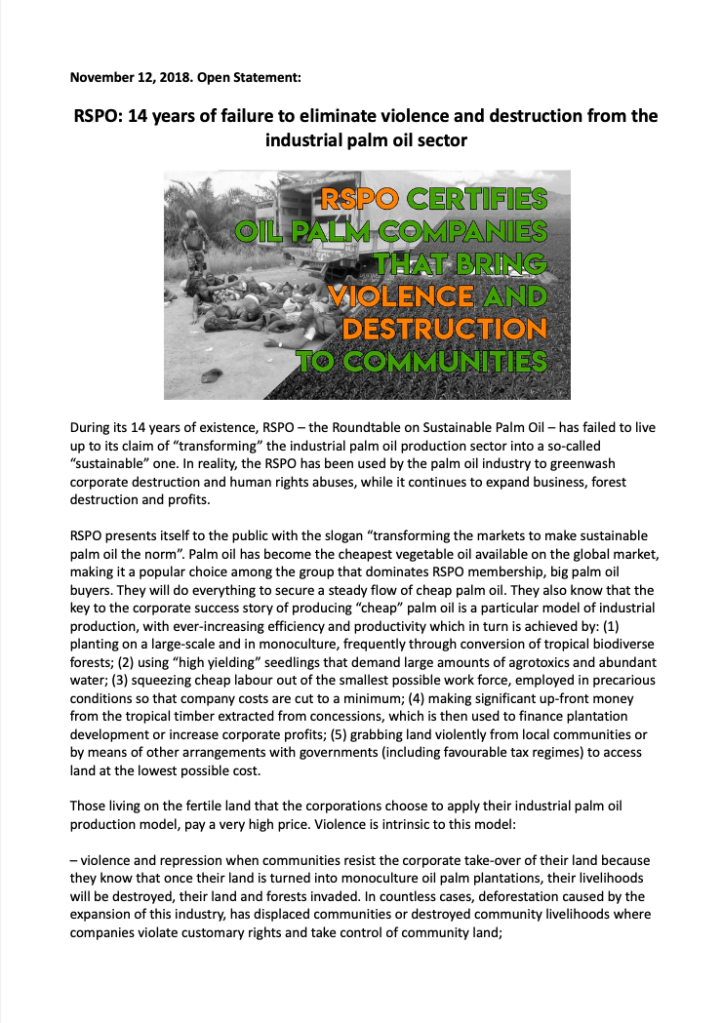
RSPO: 14 years of failure to eliminate violence and destruction from the industrial palm oil sector
Friends of the Earth and 100 other human rights and environmental NGOS co-signed this letter in 2018
Letter
During its 14 years of existence, RSPO – the Roundtable on Sustainable Palm Oil – has failed to live up to its claim of “transforming” the industrial palm oil production sector into a so-called “sustainable” one. In reality, the RSPO has been used by the palm oil industry to greenwash corporate destruction and human rights abuses, while it continues to expand business, forest destruction and profits.
RSPO presents itself to the public with the slogan “transforming the markets to make sustainable palm oil the norm”. Palm oil has become the cheapest vegetable oil available on the global market, making it a popular choice among the group that dominates RSPO membership, big palm oil buyers.
They will do everything to secure a steady flow of cheap palm oil. They also know that the key to the corporate success story of producing “cheap” palm oil is a particular model of industrial production, with ever-increasing efficiency and productivity which in turn is achieved by:
- Planting on a large-scale and in monoculture, frequently through conversion of tropical biodiverse forests
- Using “high yielding” seedlings that demand large amounts of agrotoxics and abundant water.
- Squeezing cheap labour out of the smallest possible work force, employed in precarious conditions so that company costs are cut to a minimum
- Making significant up-front money from the tropical timber extracted from concessions, which is then used to finance plantation development or increase corporate profits.
- Grabbing land violently from local communities or by means of other arrangements with governments (including favourable tax regimes) to access land at the lowest possible cost.
Those living on the fertile land that the corporations choose to apply their industrial palm oil production model, pay a very high price.
Violence is intrinsic to this model:
- violence and repression when communities resist the corporate take over of their land because they know that once their land is turned into monoculture oil palm plantations, their livelihoods will be destroyed, their land and forests invaded. In countless cases, deforestation caused by the expansion of this industry, has displaced communities or destroyed community livelihoods where
- companies violate customary rights and take control of community land;
- sexual violence and harassment against women in and around the plantations which often stays invisible because women find themselves without possibilities to demand that the perpetrators be prosecuted;
- Child labour and precarious working conditions that go hand-in-hand with violation of workers’ rights;
- working conditions can even be so bad as to amount to contemporary forms of slavery. This exploitative model of work grants companies more economic profits while allowing palm oil to remain a cheap product. That is why, neither them or their shareholders do anything to stop it.
- exposure of workers, entire communities and forests, rivers, water springs, agricultural land and soils to the excessive application of agrotoxics;
- depriving communities surrounded by industrial oil palm plantations of their food sovereignty when industrial oil palm plantations occupy land that communities need to grow food crops.
RSPO’s proclaimed vision of transforming the industrial oil palm sector is doomed to fail because the Roundtable’s certification principles promote this structural violent and destructive model.
The RSPO also fails to address the industry’s reliance on exclusive control of large and contingent areas of fertile land, as well as the industry’s growth paradigm which demands a continued expansion of corporate control over community land and violent land grabs.
None of RPSO’s eight certification principles suggests transforming this industry reliance on exclusive control over vast areas of land or the growth paradigm inherent to the model.
Industrial use of vegetable oils has doubled in the past 15 years, with palm oil being the cheapest. This massive increase of palm oil use in part explains the current expansion of industrial oil palm plantations, especially in Africa and Latin America, from the year 2000 onward, in addition to the existing vast plantations areas in Malaysia and Indonesia that also continue expanding.
On the ground, countless examples show that industrial oil palm plantations continue to be synonymous to violence and destruction for communities and forests. Communities’ experiences in the new industrial oil palm plantation frontiers, such as Gabon, Nigeria, Cameroon, Liberia, Sierra Leone, Peru, Honduras, Brazil, Colombia, Ecuador, are similar to past and ongoing community experiences in Indonesia and Malaysia.
RSPO creates a smokescreen that makes this violence invisible for consumers and financiers. Governments often fail to take regulatory action to stop the expansion of plantations and increasing demand of palm oil; they rely on RSPO to deliver an apparently sustainable flow of palm oil.
For example, in its public propaganda, RSPO claims it supports more than 100,000 small holders. But the profit from palm oil production is still disproportionally appropriated by the oil palm companies: in 2016, 88% of all certified palm oil came from corporate plantations and 99,6% of the production is corporate-controlled.
RSPO also claims that the principle of Free, Prior and Informed Consent (FPIC) is key among its own Principles and Criteria. The right to FPIC implies, among others, that if a community denies the establishment of this monoculture in its territory, operations cannot be carried out. Reality shows us, however, that despite this, many projects go ahead.
Concessions are often guaranteed long before the company reaches out to the affected communities. Under these circumstances, to say that FPIC is central to RSPO is bluntly false and disrespectful.
RSPO also argues that where conflicts with the plantation companies arise, communities can always use its complaint mechanism. However, the mechanism is complex and it rarely solves the problems that communities face and want to resolve.
This becomes particularly apparent in relation to land legacy conflicts where the mechanism is biased against communities. It allows companies to continue exploiting community land until courts have come to a decision. This approach encourages companies to sit out such conflicts and count on court proceedings dragging on, often over decades.
Another argument used by RSPO is that industrial oil palm plantations have lifted millions of people out of poverty. That claim is certainly questionable, even more so considering that there is also an important number of people who have been displaced over the past decades to make space for plantations.
Indigenous communities have in fact lost their fertile land, forests and rivers to oil palm plantations, adversely affecting their food, culture and local economies.
The RSPO promise of “transformation” has turned into a powerful greenwashing tool for corporations in the palm oil industry. RSPO grants this industry, which remains responsible for violent land grabbing, environmental destruction, pollution through excessive use of agrotoxics and destruction of peasant and indigenous livelihoods, a “sustainable” image.
What’s more, RSPO membership seems to suffice for investors and companies to be able to claim that they are “responsible” actors. This greenwash is particularly stunning, since being a member does not guarantee much change on the ground. Only recently, a company became RSPO member after it was found to deforest over 27.000 hectares of rainforest in Papua, Indonesia.
Certification is structurally dependent on the very same policies and regulation that have given rise to the host of environmental devastation and community land rights violations associated with oil palm plantations. These systemic governance issues are part of the destructive economic model, and embedded in state power.
For this reason, voluntary certification schemes cannot provide adequate protection for forests, community rights, food sovereignty and guarantee sustainability. Governments and financiers need to take responsibility to stop the destructive palm oil expansion that violates the rights of local communities and Indigenous Peoples.
As immediate steps, governments need to:
- Put in place a moratorium on palm oil plantations expansion and use that as a breathing space to fix the policy frameworks;
- Drastically reduce demand for palm oil: stop using food for fuel;
- Strengthen and respect the rights of local communities and Indigenous Peoples to amongst others, self-determination and territorial control.
- Promote agro-ecology and community control of their forests, which strengthens local incomes, livelihoods and food sovereignty, instead of advancing industrial agro-businesses.
Signatures
- Aalamaram-NGOAcción Ecológica, Ecuador
- ActionAid, France
- AGAPAN
Amics arbres - Arbres amics
- Amis de la Terre France
- ARAARBA (Asociación para la Recuperación del Bosque Autóctono)
- Asociación Conservacionista YISKI, Costa Rica
Asociación Gaia El Salvador - Association Congo Actif, Paris
- Association Les Gens du Partage, Carrières-sous-Poissy
- Association pour le développement des aires protégées, Swizterland
- BASE IS
- Bézu St Eloi
- Boxberg OT Uhyst
- Bread for all
- Bruno Manser Fund
- CADDECAE, Ecuador
- Campaign to STOP GE Trees
- CAP, Center for Advocacy Practices
- Centar za životnu sredinu/ Friends of the Earth Bosnia and Herzegovina
- CESTA – FOE El Salvador
- CETRI – Centre tricontinental
- Climate Change Kenya
- Coalición de Tendencia Clasista. (CTC-VZLA)
- Colectivo de Investigación y Acompañmiento Comunitario
- Collectif pour la défense des terres malgaches – TANY, Madagascar
- Community Forest Watch, Nigeria
- Consumers Association of Penang
- Corporate Europe Observatory
- Cuttington University
- Down to Earth Consult
- El Campello
- Environmental Resources Management and Social Issue Centre (ERMSIC) Cameroon
- Environmental Rights Action/Friends of the Earth Nigeria
- FASE ES , Brazil
- Fédération romande des consommateurs
- FENEV, (Femmes Environnement nature Entrepreneuriat Vert).
- Focus on the Global South
- Forum Ökologie & Papier, Germany
- Friends of the Earth Ghana
- Friends of the Earth International
- GE Free NZ, New Zealand
- Global Alliance against REDD
- Global Justice Ecology Project
- Global Info
- Gobierno Territorial Autónomo de la Nación Wampís , Peru
- GRAIN
- Green Development Advocates (GDA)
- CameroonGreystones, Ireland
- Groupe International de Travail pour les Peuples Autochtones
Grupo ETC - Grupo Guayubira, Uruguay
- Instituto Mexicano de Gobernanza Medioambiental AC Instituto Mexicano de Gobernanza Medioambiental AC
- Integrated Program for the Development of the Pygmy People (PIDP), DRC
- Justica Ambiental
- Justicia Paz e Integridad de la Creacion. Costa Rica
- Kempityari
- Latin Ambiente, http://www.latinambiente.org
- Les gens du partage
- LOYOLA SCHOOL OF THEOLOGY, MANILA
- Maderas del Pueblo del Sureste, AC
- Maiouri nature, Guyane
- Mangrove Action Project
- Milieudefensie – Friends of the Earth Netherlands
- Movimento Amigos da Rua Gonçalo de Carvalho
- Muyissi Environnement, Gabon
- Nature-d-congo de la République du Congo
- New Wind Association from Finland
- NOAH-Friends of the Earth Denmark
- Oakland Institute
- OFRANEH, Honduras
- Ole Siosiomaga Society Incorporated (OLSSI)
- ONG OCEAN : Organisation Congolaise des Ecologistes et Amis de la Nature et sommes basés en RD Congo.
- OPIROMA, Brazil
- Otros Mundos A.C./Amigos de la Tierra México
- Paramo Guerrrero Zipaquira
- PROYECTO GRAN SIMIO (GAP/PGS-España)
- Quercus – ANCN, Portugal
- Radd (Reseau des Acteurs du Développement Durable) , Cameroon
- Rainforest Foundation UK
- Rainforest Relief
- ReAct – Alliances Transnationales
- RECOMA – Red latinoamericana contra los monocultivos de árboles
- Red de Coordinacion en Biodiversidad , Çosta Rica
- REFEB-Cote d’Ivoire
- Rettet den Regenwald, Germany
- ROBIN WOOD
- Sahabat Alam Malaysia (Friends of the Earth Malaysia)
- Salva la Selva
- School of Democratic Economics, Indonesia
- Serendipalm Company Limited
- Sherpa , The Netherlands
- SYNAPARCAM, Cameroon
- The Corner House, UK
Towards Equitable Sustainable Holistic Development - TRAFFED KIVU ,RD. CONGOUNIÓN UNIVERSAL DESARROLLO SOLIDARIO
University of Sussex, UK - UTB ColombiaWatch Indonesia!
- WESSA
World Rainforest Movement - Youth Volunteers for the Environment Ghana
Oil palm expansion is shaped by wider political economies and development policies.
Market-based development policies have favored large-scale over smallholder production.
Benefits from oil palm are unevenly distributed across rural population.
Violence across forest frontiers has fueled conflicts linked to oil palm.
Weak forest governance has led to significant deforestation by industrial plantations.
A. Castellanos-Navarrete, F. de Castro, P. Pacheco, The impact of oil palm on rural livelihoods and tropical forest landscapes in Latin America, Journal of Rural Studies,
Volume 81, 2021, https://doi.org/10.1016/j.jrurstud.2020.10.047.
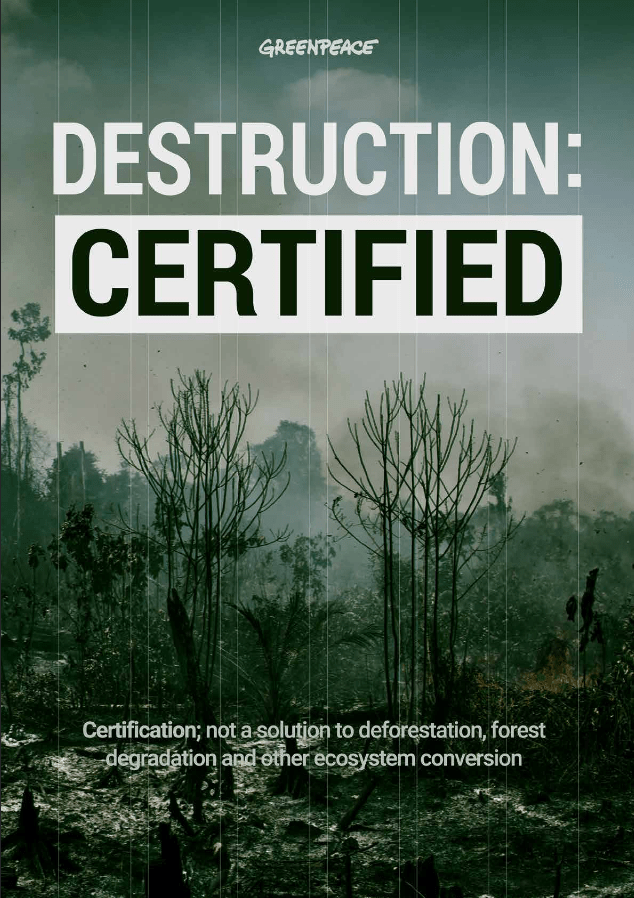
Reports: human rights and land rights violations, violence and indigenous land-grabbing by RSPO members
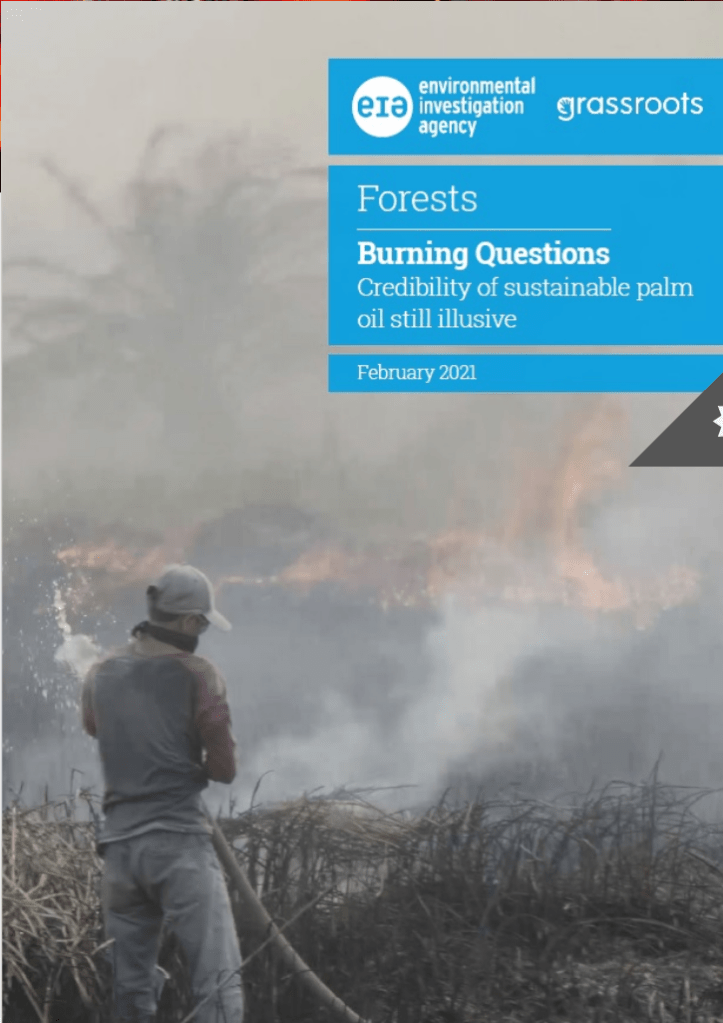




Epidemics and rapacity of multinational companies
Discussion Paper. The Centre for Economic Performance, London School of Economics. Release date: 12th March, 2022
This paper provides novel granular evidence on the interaction between the Ebola epidemic, deforestation, and palm oil plantations in Liberia. The palm oil multinationals, exploiting the health crisis, stepped up deforestation to increase output. The effect on deforestation is more severe in areas inhabited by politically unrepresented ethnic groups, characterized by a reduction in tree coverage by 6.5%.
We also document an increase of more than 125% in the likelihood of
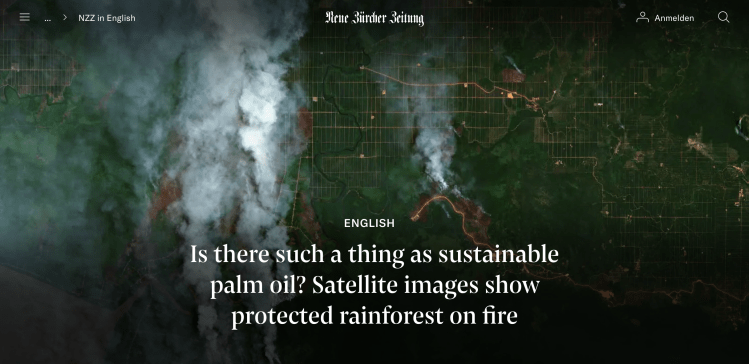
fire events within concessions during the epidemic. This suggests that not only did the palm oil companies foster deforestation, but further that they used forest fires to do so. This is particularly harmful to the environment, and the smoke and the haze may have severe health consequences, apart from being a source of carbon dioxide.
This deforestation was accompanied by a 150% increase in the amount of land dedicated to cultivation. This exploitative behaviour was highly profitable for palm oil companies, with a 1428% increase in the value of Liberian palm oil’s exports
compared with the pre-Ebola period. Unfortunately, we cannot say the same for local people or the local environment.
The difficulty of addressing and resolving oil palm conflicts is due not only to the inadequacies of Indonesia’s legal framework regarding land and plantations but also to the way in which Indonesia’s informalized state institutions foster collusion between local power holders and palm oil companies. This collusion enables companies to evade regulation, suppress community protests and avoid engaging in constructive efforts to resolve conflicts. Furthermore, this collusion has made the available conflict resolution mechanisms largely ineffective.
Anti-Corporate Activism and Collusion: The Contentious Politics of Palm Oil Expansion in Indonesia, (2022). Ward Berenschot, et. al., Geoforum, Volume 131, 2022, https://doi.org/10.1016/j.geoforum.2022.03.002
Verisk Maplecroft: 2021 ESG Analysis of palm oil land-grabbing
Key insight: Palm oil is ranked highest risk for land grabs in Indonesia. The country produces more than half the world’s palm oil and #landgrabbing is on the rise there. There were 241 land conflicts across Indonesia in 2020, 10 times the amount of 2008
Human Rights Outlook 2021, Verisk Maplecroft
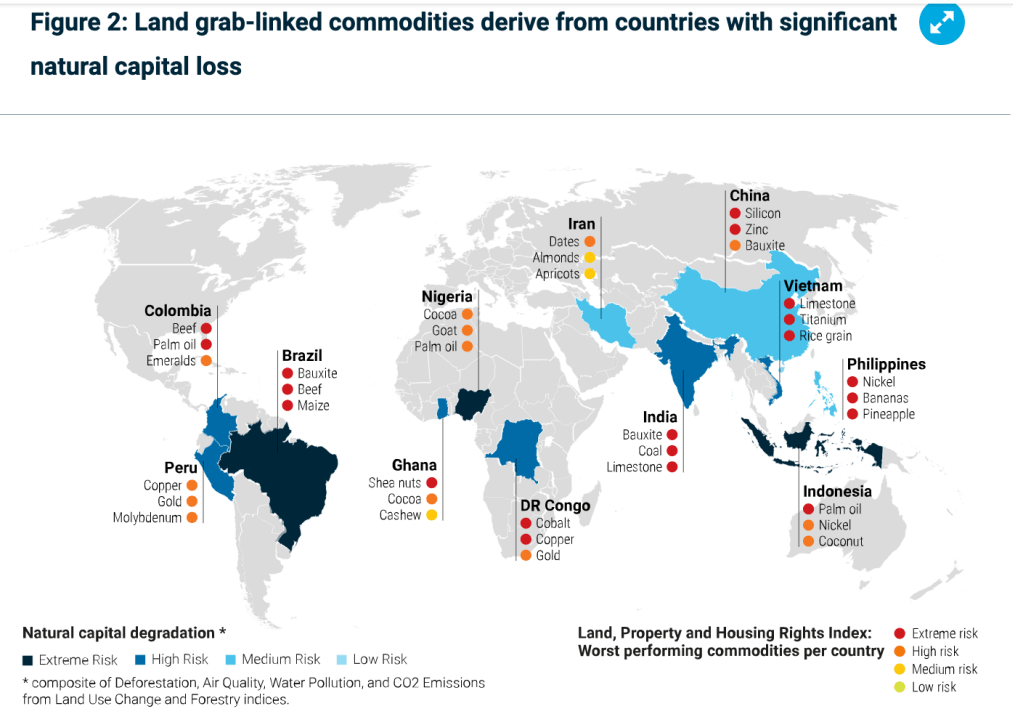
“There is a clear link between land grabs and the loss of natural capital: clean air and water, pollinating insects, and soil quality. Both land grabs and natural capital degradation are influenced by poverty, corruption and weak rule of law”
Human Rights Outlook 2021, Verisk Maplecroft
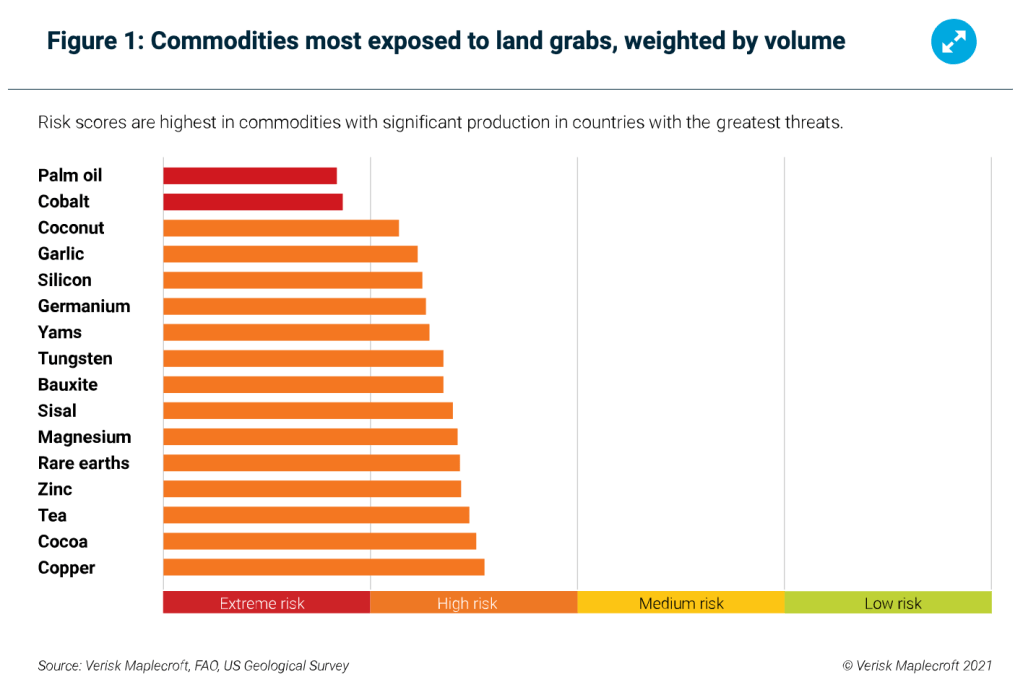
More reports link global brands (RSPO members) to human rights abuses
RSPO members: Nestle, Wilmar, PepsiCo and Unilever continue to turn a blind eye to human rights abuses on their palm oil plantations, Gecko Project, TUK Indonesia, Pusaka, Walhi, and Forest Peoples Programme, 2021.
Semunying, Palm Oil Conflict in Indonesia, Nanang Sujana, 2020.

New investigation in the Amazon documents impact of palm oil plantations on Indigenous communities – Mongabay Newscast
Ferrero’s Dirty Secret, The Sum of Us, 2021
Study maps 187 land conflicts as palm oil expands in Kalimantan, Mongabay, 2016.
Revealed: Government officials say permits for palm oil mega-plantation in Papua were falsified Gecko Project, 2019
Land-grabbing of communities’ forest lands by Wilmar International in Cross River State, Nigeria. Environmental Justice Atlas, 2019.
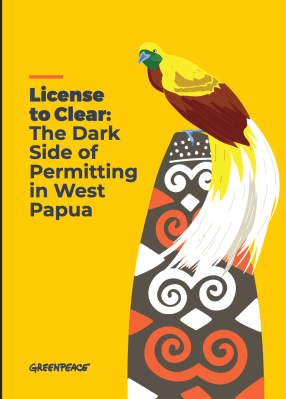
Licence to clear: The dark side of permitting in West Papua, Greenpeace, 2021.
Indonesian court jails indigenous farmers for ‘stealing’ from land they claim, Mongabay, 2020.
EIA releases footage of indigenous forest threatened by palm oil firm. Environmental Investigation Agency, 2015.
How land grabbers weaponise indigenous ritual against Papuans: An interview with anthropologist Sophie Chao, Gecko Project, 2018
FSC dumps palm oil giant Korindo amid rights, environmental issues in Papua, Mongabay, 2021
Top brands failing to spot rights abuses on Indonesian oil palm plantations, Mongabay, 2021.
The secret deal to destroy paradise. Nanang Sujana and Gecko Project, 2018
Papua tribe moves to block clearing of its ancestral forest for palm oil, Mongabay, 2021.
Palm oil, cocoa and gangs close in on Colombia’s Indigenous Nukak Makú, Mongabay, 2020.
Ecuador Indigenous accuse state of crimes against humanity, Mongabay, 2020.
‘They took it over by force’: Corruption and palm oil in Sierra Leone, Mongabay, 2020
The Hungry Mills: How palm oil mills drive deforestation (commentary), Mongabay 2021.
Video: Communities struggle against palm oil plantations spreading in Brazilian Amazon, Mongabay, 2021.
Who are the palm oil lobbyists?
They are a small group of people including Jane Griffiths, Michele Desilets, Bart Van Assen who “volunteer” for an organisation called Orangutan Land Trust.
Orangutan Land Trust, PONGO Alliance, Sustainable Palm Oil Choice, Chester Zoo, Efeca, The Better India and the RSPO are the engine behind the greenwashing for the palm oil industry’s Roundtable for Sustainable Palm Oil (RSPO). The scientific advisory board of Orangutan Land Trust is made up of scientists who consistently produce pro-palm oil research papers that are funded by the palm oil industry.
Orangutan Land Trust has been funded and associated with many past and present deforesters in the palm oil industry including PO companies: Agropalma, New Britain Palm Oil and Kulim Malaysia Berhad. Michelle, Bart and Jane maintain that they “volunteer” for their NGO.
The RSPO was set up 17 years ago by the WWF along with global palm oil companies themselves in order to monitor and regulate their own actions and to supposedly stop deforestation and ecocide.
RSPO members include the world’s biggest food companies: Nestle, Unilever, Cargill, L’Oreal, Danone, Kelloggs, Pepsi, Coca Cola, Mondelez, Johnson & Johnson, PZ Cussons, Ferrero and more. Since it was created in 2004, these RSPO members have been embroiled in greenwashing, corruption, illegal land-grabbing from indigenous peoples, the killing of wildlife, human rights abuses and 100,000’s of hectares of deforestation. Yet these members faced no expulsion from the RSPO and they faced no punishment at all for their actions, despite this going against the rules of the RSPO. The corruption and greenwashing of this industry knows no bounds!
Abusive, gaslighting and greenwashing Pro Palm Oil Lobbyists on Twitter:
It is recommend to block all of these people to make your Twitter experience more enjoyable with less palm oil greenwashing, abuse, harassment and hate in your life
Bart Van Assen is the most vile and abusive troll of all. He has harassed me and stalked me in two successive workplaces and has been banned several times from Mastadon and Twitter for harassment and abuse. You can also find him doing the same to other people on Instagram
Main lobbyists/trolls
Bart W Van Assen: (who juggles multiple accounts to disguise himself: @Apes4Forests and @eachtreematters and @vliegerholland.
Michelle Desilets: @Orangutans and @Orangulandtrust
Jane Griffiths: @griffjane and @newquaySSPO
Lone Droscher Nielson: orangutanland (appears to be a dummy account being run by Michelle Desilets).
Other trolls and fake sock puppet accounts
Anak Sawit: @AnakSawitOrg
Anti genocide: @wakyIIsr
BuleMewak: @Bulemewak
Dupito Simamora: @SimamoraDupito
Earthkeeper22: @Earthkeeper22 parrots the exact same messages as Orangutan Land Trust despite being shown loads of evidence that it is a lie.
Francisca: @sisca_gd
FMN Global: @FMNglobal
Kevin Butler: @kiwibutts
Hypocrite Buster: @hypocrisykiller
Joern Haese: @JoernHaese (pro-Russia troll, apologist for the palm oil industry)
Li May Fun: @LiMayFun
Like I Care: @lik3icar3
Maruli Gultom: @Maruligultom
Najis Keji: @najiskeji
No_Gaslighting: @Ngaslighting
Pax Deorum: @PaxDeorum2 (abusive troll pushing a pro-Russia agenda)
Penny McGregor: @penmcgregor (Disgusting abusive troll who is an apologist for the immensely destructive HS2 project in the UK)
Petani Sawit: @PalmSawit
Peter Ashford: @kaffiene_nz (abusive troll pushing a pro New Zealand dairy/pro palm oil agenda)
ProEqual: @PR03QUAL
Rainforest: @Rainfor60967488
Ray Whitley: @RayWhitley13 (Fake vegan/lobbyist who does not advocate for animals on Twitter but instead simply foments divisiveness and hate on Twitter)
Robert Hii: @HiiRobert
Shite Buster: @Justice4Abo
Via Vallen: @ViaVallenia
Viki: @ImaWereViki

Brands Using Deforestation Palm Oil
These brands have products that contain palm oil sourced from mills that are responsible for the destruction of precious habitats of endangered species. Just in 2020 alone,…
Keep reading

Palm Oil Free Brands
Learn how to avoid major brands linked to palm oil land-grabbing, deforestation, human rights abuses, and slavery and instead buy palm oil free in the shops!
Keep reading

The Counterpunch: Consumer Solutions To Fight Extinction
Although the world is highly complex, every person can make a difference. That previous sentence almost sounds like a cliche right? Really it’s not. If every person…
Keep reading

Research: Palm Oil Deforestation and its connection to RSPO members/supermarket brands
Discover the truth about palm oil from experts’ reports. Research shows RSPO members still cause deforestation and human rights abuses, despite greenwashing!
Keep reading
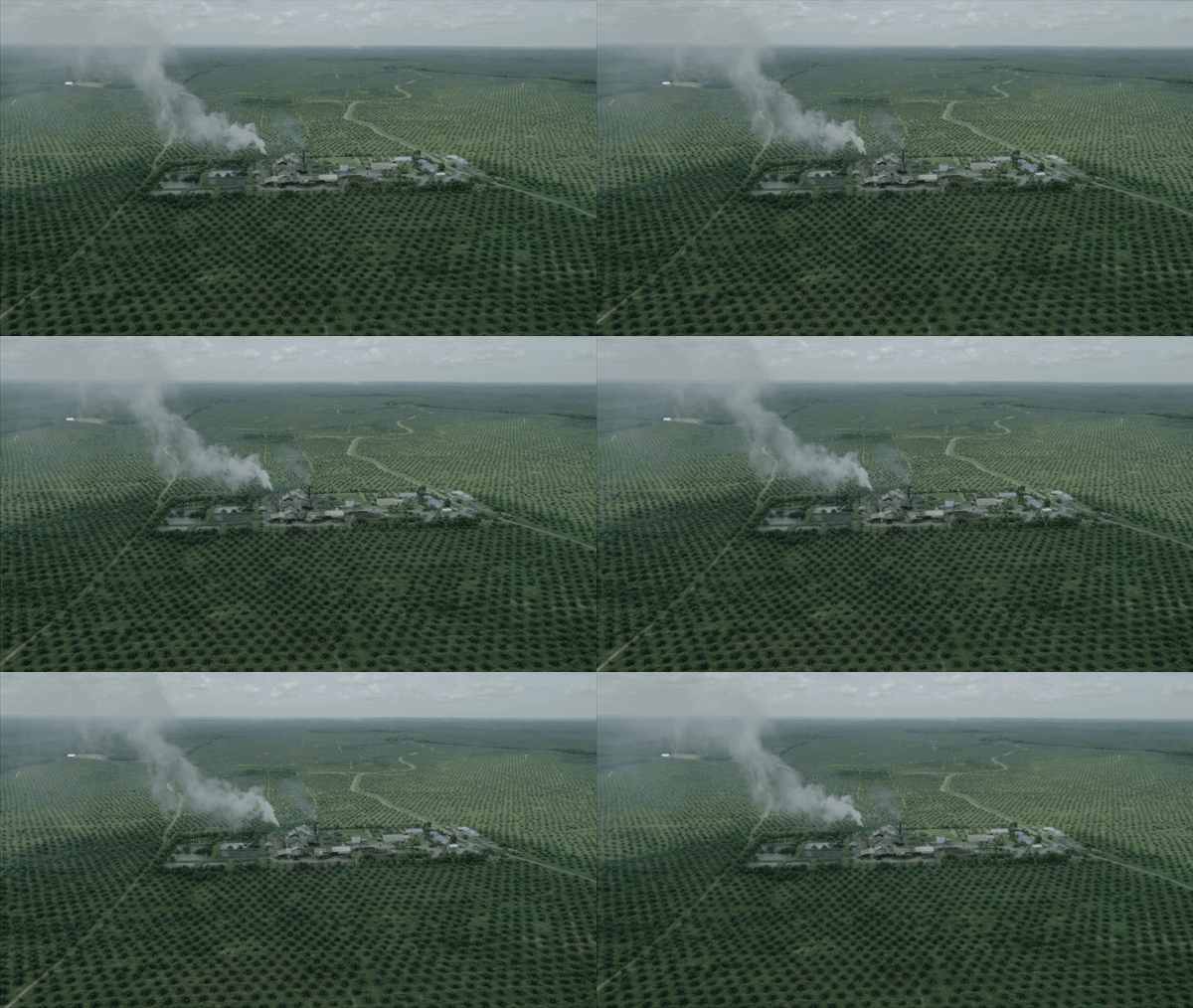
Defend lands belonging to Indigenous peoples and fight illegal land-grabbing
#Boycottpalmoil in the supermarket and #Boycott4Wildlife
Take Action in Five Ways
1. Join the #Boycott4Wildlife on social media and subscribe to stay in the loop: Share posts from this website to your own network on Twitter, Mastadon, Instagram, Facebook and Youtube using the hashtags #Boycottpalmoil #Boycott4Wildlife.
2. Contribute stories: Academics, conservationists, scientists, indigenous rights advocates and animal rights advocates working to expose the corruption of the palm oil industry or to save animals can contribute stories to the website.






3. Supermarket sleuthing: Next time you’re in the supermarket, take photos of products containing palm oil. Share these to social media along with the hashtags to call out the greenwashing and ecocide of the brands who use palm oil. You can also take photos of palm oil free products and congratulate brands when they go palm oil free.
4. Take to the streets: Get in touch with Palm Oil Detectives to find out more.
5. Donate: Make a one-off or monthly donation to Palm Oil Detectives as a way of saying thank you and to help pay for ongoing running costs of the website and social media campaigns. Donate here
Contribute to my Ko-Fi
Did you enjoy visiting this website?
Palm Oil Detectives is 100% self-funded
Palm Oil Detectives is completely self-funded by its creator. All hosting and website fees and investigations into brands are self-funded by the creator of this online movement. If you like what I am doing, you and would like me to help meet costs, please send Palm Oil Detectives a thanks on Ko-Fi.
Discover more from Palm Oil Detectives
Subscribe to get the latest posts sent to your email.
 Palm Oil Detectives
Thank you for this very impressive and enormous collection of evidence exposing the palm oil industry.
LikeLiked by 1 person
You are very welcome Gillian 🙂
LikeLike