
Although a lot of research has been published about the direct negative impact of these ultra-processed #foods on our #health, including obesity, cardiovascular diseases and diabetes, little has been said about the impacts of #UPF on the environment. You can help rainforests and keep yourself healthy by limiting or stopping buying and consuming #meat, #dairy, #palmoil every time you shop. #BoycottPalmOil #Boycott4Wildlife
Eating ultra-processed #UPF #food like #palmoil 🌴 is damaging not only to #rainforest #ecosystems and 1000’s of animals but also to people’s #health 🤮 its connected to #obesity. Choose healthy, be #vegan #Boycottpalmoil #Boycott4Wildlife @palmoildetect https://wp.me/pcFhgU-8SW
Written by Laila Benkrima, Agronomy Consultant, B.C. Centre for Agritech Innovation, Simon Fraser University This article is republished from The Conversation under a Creative Commons license. Read the original article.

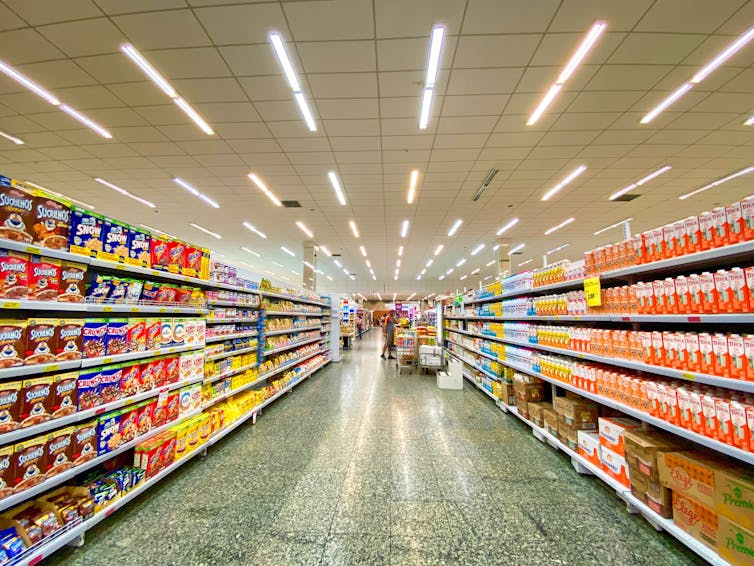
Ultra-processed foods (UPF) have become increasingly popular and range from chips to microwave meals and even bread. Even just a casual glance at supermarket shelves reveals a plethora of UPF offerings in all their elaborate and enticing packaging.
Besides their affordability, UPF not only offer time-saving convenience but also momentary satisfaction drenched in saturated fat, sugar, salt and additives. After all, who can resist enjoying a tasty snack when indulging in a football game or an electrifying new TV series?
Although much is discussed about the direct negative impact of these products on our health, including obesity, cardiovascular diseases and diabetes, little has been said about the impacts of UPF on the environment.
What are ultra-processed foods?
UPF can be defined as “formulations of ingredients, mostly of exclusive industrial use, that result from a series of industrial processes” and contain little or no whole foods.
They are made using industrial processing methods that may include moulding, chemical modification and hydrogenation (which can turn liquid unsaturated fat into a more solid form).
The consumption of ultra-processed foods is not new. In Europe, processed products on an industrial scale have been widely consumed since the late 18th and 19th centuries. A 2020 Canadian study shows that the percentage of total purchased calories attributed to UPF in Canada increased from 24 per cent in 1938 to 55 per cent in 2001 and, in 2013, Canadians purchased an astonishing average of 230 kg of UPF per person.
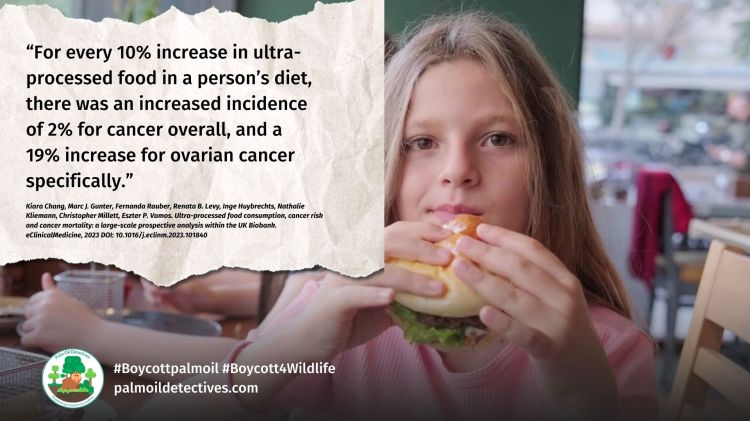
Even more alarmingly, 99 per cent of Canadian adults consume UPF at least once a week. In comparison, 57 per cent of people in the United Kingdom consume some kind of UPF on a weekly basis.
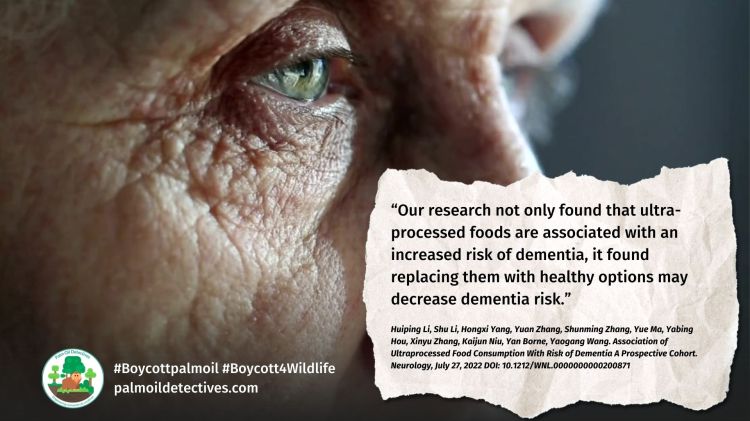
The consumption of UPF in Canada is largely associated with men, youth, those struggling with low income and those with obesity.
Unfortunately, UPF tend to be more affordable than fresh, whole foods. They have a longer shelf life, require no preparation and can be enticing due to high sugar content that trigger feel-good dopamine responses.
However, consuming UPF comes at a high cost not just to our health but to our environment as well.
Cutting costs, raising emissions
UPFs rely on energy-intensive manufacturing processes and long supply chains, leading to substantial greenhouse gas emissions.
The most substantial environmental impacts of UPF-rich diets predominantly stem from the post-farm stages, specifically the final product creation and packaging processes.
One specific additive that has the most environmental impact is palm oil. Palm oil is responsible for deforestation of some of the world’s most biodiverse forests. It is the world’s most consumed vegetable oil that can be found in half of our food.
Another villain is high-fructose corn syrup, which not only leaves a long carbon footprint but is also linked to obesity, high blood pressure and Type 2 diabetes.
The massive waste generated by over-packaged UPF is another factor to consider. Their plastic packaging doesn’t degrade in landfills or in nature, and has a dramatic impact on soil health and marine life.
One recent study published in Nature Sustainability demonstrates that UPF processing and packaging stages have the greatest environmental impacts of the whole system, and are a major source of environmental waste worldwide.
There are alternatives
There is no simple answer to the problem, but there are alternatives that can help reduce the pressure on the natural resources available on the planet. Embracing sustainable agricultural practices that prioritise regenerative farming, waste reduction and local sourcing of ingredients can effectively lower the carbon impact of UPF.
Small and medium-sized agri-food enterprises and small family farms often prioritise sustainable and locally-sourced ingredients, contributing to a more sustainable food system and enhancing biodiversity. Supporting local businesses not only encourages a healthier food ecosystem but also bolsters community resilience and regional economic development.
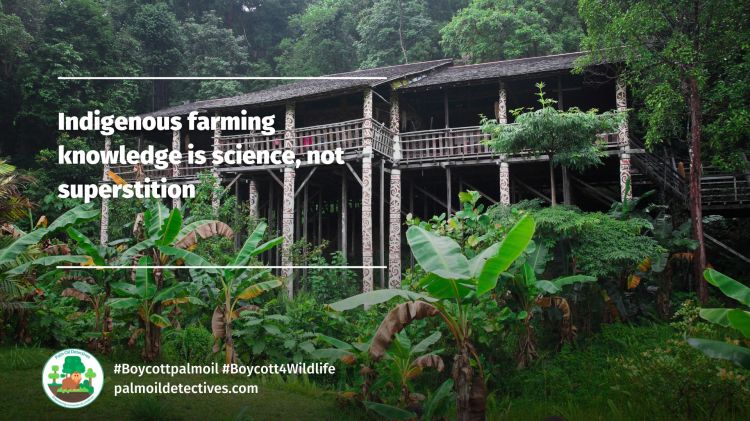
Indigenous communities as well possess a profound knowledge of sustainable agroforestry practices, and collaborating with these communities can provide essential teachings into more sustainable food production and responsible land and water management.
The environmental impact of ultra-processed foods cannot be ignored any longer. As we become more and more conscious about what we buy and how it is produced, we hold the responsibility to advocate for change.
High rates of UPF consumption indicates an essential failure of our food system to provide universal access to affordable, wholesome food. Whether such a goal is even possible may be up for debate, but what cannot be denied is that our current industry-driven proliferation of UPF is inflicting harm on both our planet and our health.
Written by Laila Benkrima, Agronomy Consultant, B.C. Centre for Agritech Innovation, Simon Fraser University This article is republished from The Conversation under a Creative Commons license. Read the original article.
ENDS
Read more about human health, veganism, nutrition and why you should #Boycottpalmoil, #Boycottmeat for your own and the planet’s health

Asian Small-clawed Otter Aonyx cinereus
Asian Small-clawed Otters are the world’s smallest otter species and are Vulnerable from palm oil tea and coffee deforestation. Protect them, boycott palm oil!
Read more
Gursky’s Spectral Tarsier Tarsius spectrumgurskyae
Gursky’s spectral tarsiers AKA Wusing of North Sulawesi are vulnerable due to palm oil and timber deforestation. Take action for them and boycott palm oil!
Read more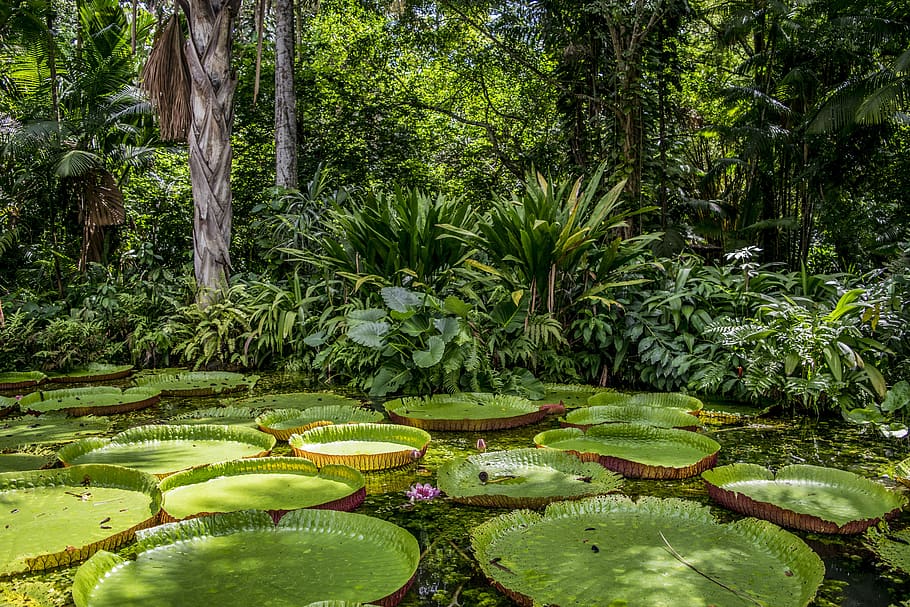
Forest Protection Equals Climate Protection
Forests offer climate protection and safeguard indigenous peoples, endangered animals and rare plants. Deforestation is a major threat. Boycott palm oil!
Read more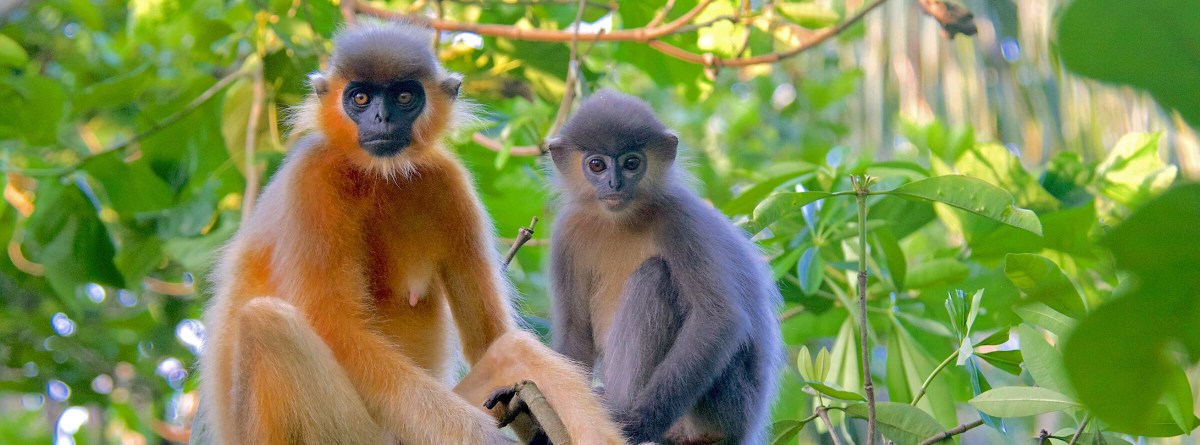
Beautiful and Doomed: Saving Bangladesh’s Langurs From Extinction
Critically endangered Phayre’s langurs and endangered capped langurs of Bangladesh, are interbreeding raising concerns about their survival, take action!
Read more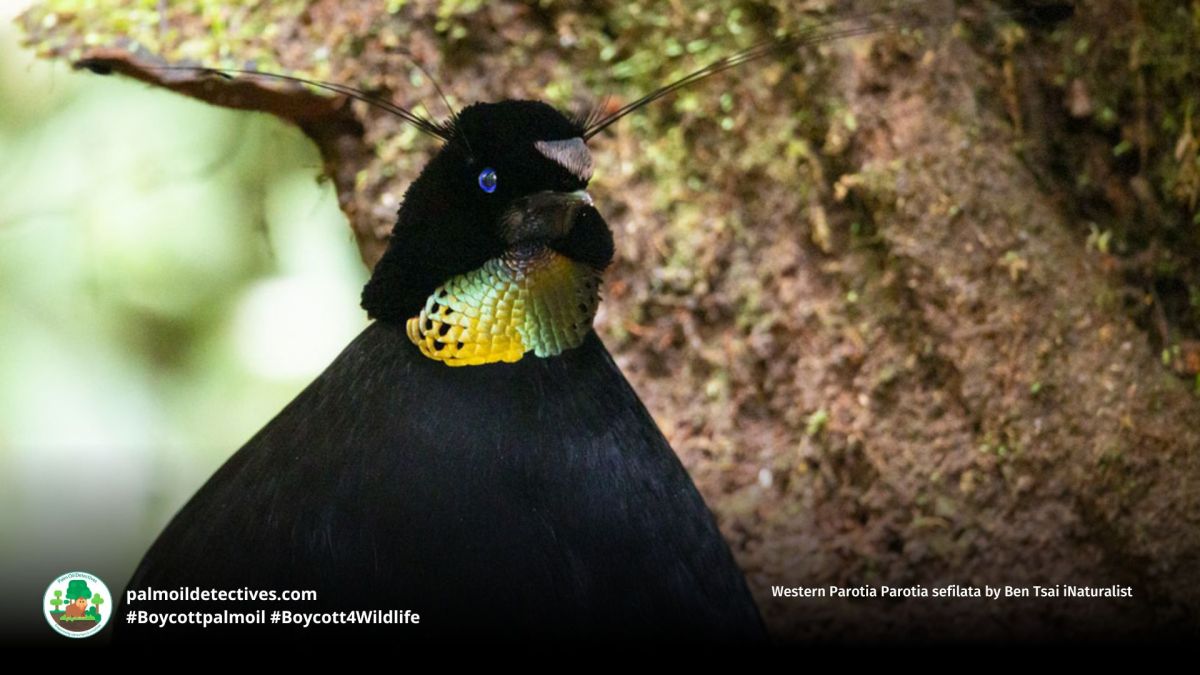
Western Parotia Parotia sefilata
Western Parotias AKA Arfak Parotias are stunning bird-of-paradise of West Papua known for their mesmerising dances. Palm oil and mining ecocide are threats
Read moreSomething went wrong. Please refresh the page and/or try again.
Take Action in Five Ways
1. Join the #Boycott4Wildlife on social media and subscribe to stay in the loop: Share posts from this website to your own network on Twitter, Mastadon, Instagram, Facebook and Youtube using the hashtags #Boycottpalmoil #Boycott4Wildlife.
2. Contribute stories: Academics, conservationists, scientists, indigenous rights advocates and animal rights advocates working to expose the corruption of the palm oil industry or to save animals can contribute stories to the website.


3. Supermarket sleuthing: Next time you’re in the supermarket, take photos of products containing palm oil. Share these to social media along with the hashtags to call out the greenwashing and ecocide of the brands who use palm oil. You can also take photos of palm oil free products and congratulate brands when they go palm oil free.
4. Take to the streets: Get in touch with Palm Oil Detectives to find out more.
5. Donate: Make a one-off or monthly donation to Palm Oil Detectives as a way of saying thank you and to help pay for ongoing running costs of the website and social media campaigns. Donate here
Discover more from Palm Oil Detectives
Subscribe to get the latest posts sent to your email.
 Palm Oil Detectives